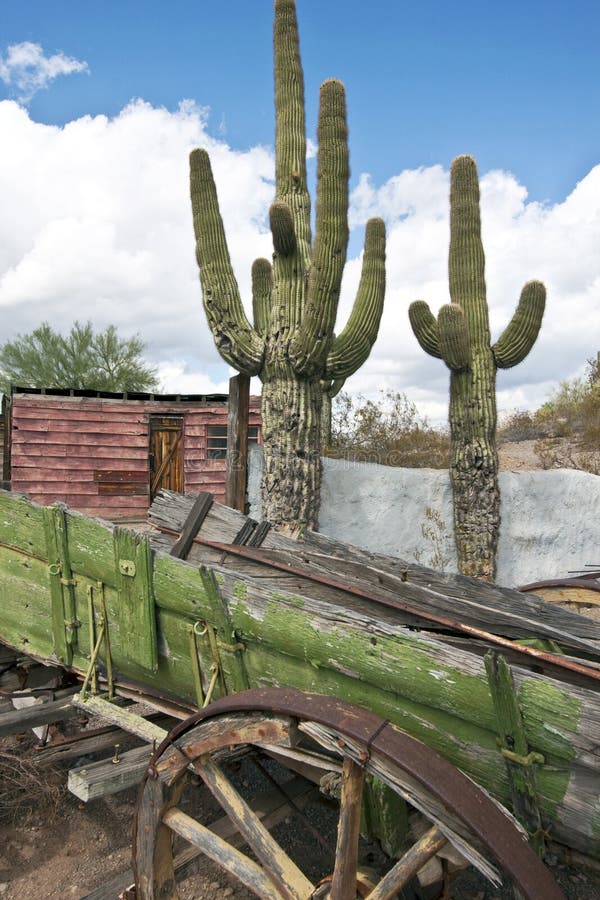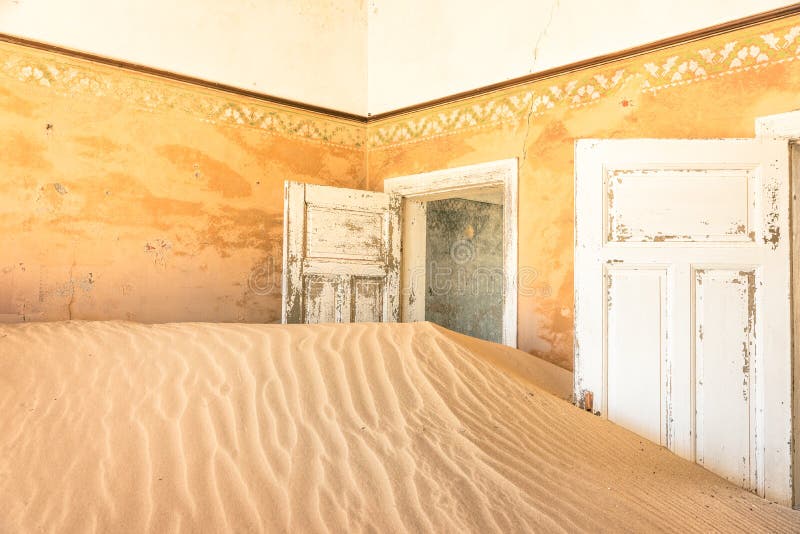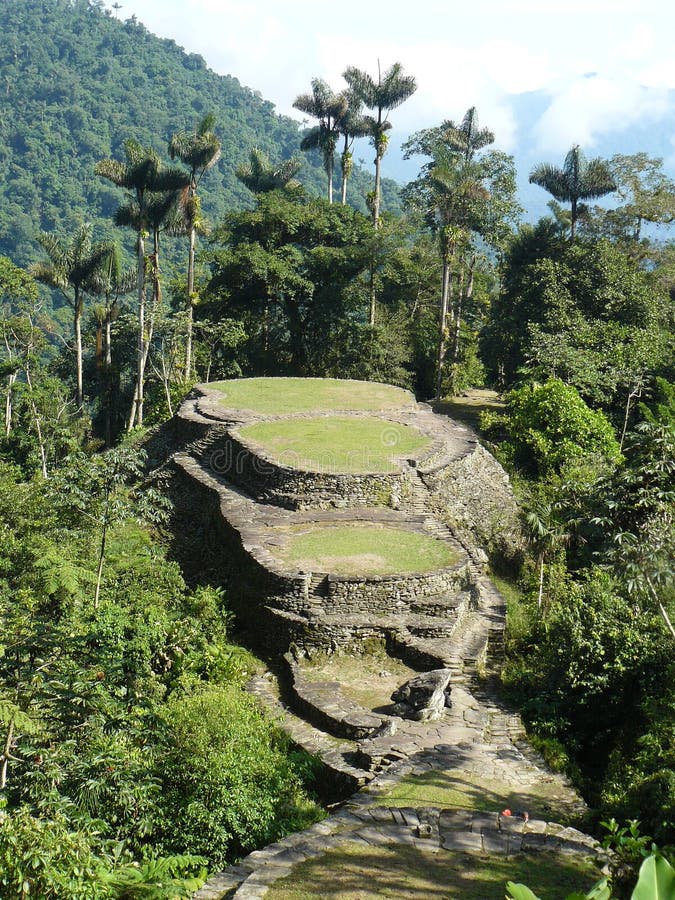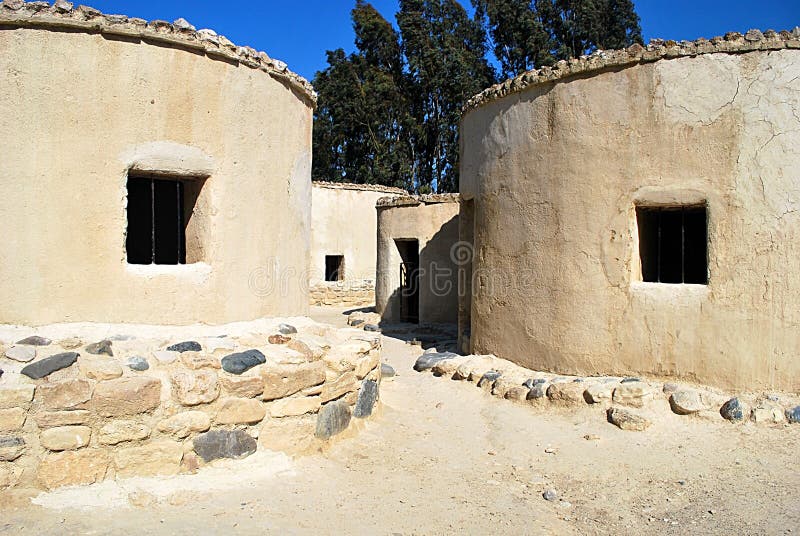
Search among 8,963 authentic abandoned settlement stock photos, high-definition images, and pictures, or look at other ghost town or ancient homes stock images to enhance your presentation with the perfect visual.
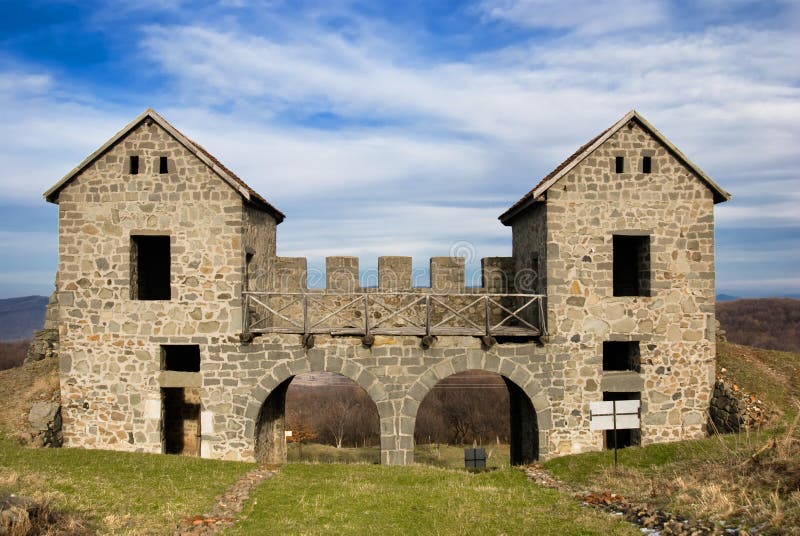
Porolissum was, ancient Roman city in Dacia (Transylvania in Romania of today). Established as a military camp in 106 during Trajans Dacian Wars, the city became the capital of the province Dacia Porolissensis in 124. Porolissum is on the footh of Meses Mountains range, the ancient natural border of the empire, fortified after the conqest of Dacia. The ruins of Porolissum are located only 8 km far away from Zalau city (the main city of Salaj County in Transylvania region of Romania country). The fort, initially built of wood on stone foundations (after the second war with Dacians, in 106), was garrisoned with 5000 auxiliary troops transferred from Spain, Gaul and Britain. Even though the name Porolissum appears to be Dacian in origin, archaeologists have so far uncovered no evidence of a Dacian settlement preceding the Roman fort. The city quickly grew through trade with the native Dacians. Although the Romans withdrew from Dacia in 271 under Aurelian, the city was abandoned only in 5th century, archaeological evidence shows that it remained inhabited for several centuries afterwards. The site is one of the largest and best-preserved archaeological sites in modern-day Romania. In the image is Praetoria Gate of the fort of Porolissum. Praetoria gate is the main gate of any Roman fortification (all had four gates), normally situated in one of the shorter walls opposite the porta decumana or rear gate. Abandoned settlement stock images, royalty-free photos and pictures
Oqaatsut, formerly Rodebay, is a settlement in the Qaasuitsup municipality, in western Greenland. It had 46 inhabitants in 2010. The modern name of the settlement is Kalaallisut for Cormorants. The settlement is located on a small peninsula jutting off the mainland into eastern Disko Bay, 22. 5 km north of Ilulissat. Abandoned settlement stock images, royalty-free photos and pictures
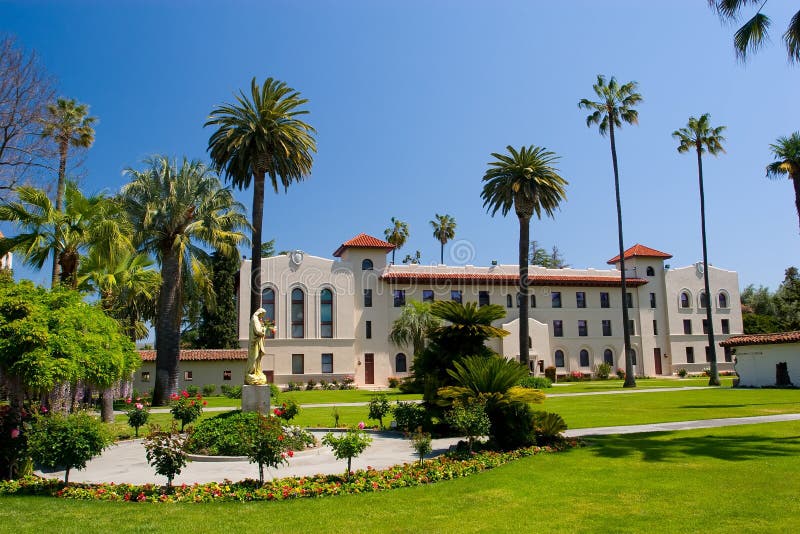
Mission Santa Clara de As�s was founded on January 12, 1777 and named for Clare of Assisi, the founder of the order of the Poor Clares. Although ruined and rebuilt six times, the settlement was never abandoned. Abandoned settlement stock images, royalty-free photos and pictures
An abandoned vikings village. Sod rooftops, turf rooftops. Village located at the bottom of a high mountain. Around the farm a wooden fence. Dry grass all around. Traditional Scandinavian architecture. Abandoned settlement stock images, royalty-free photos and pictures
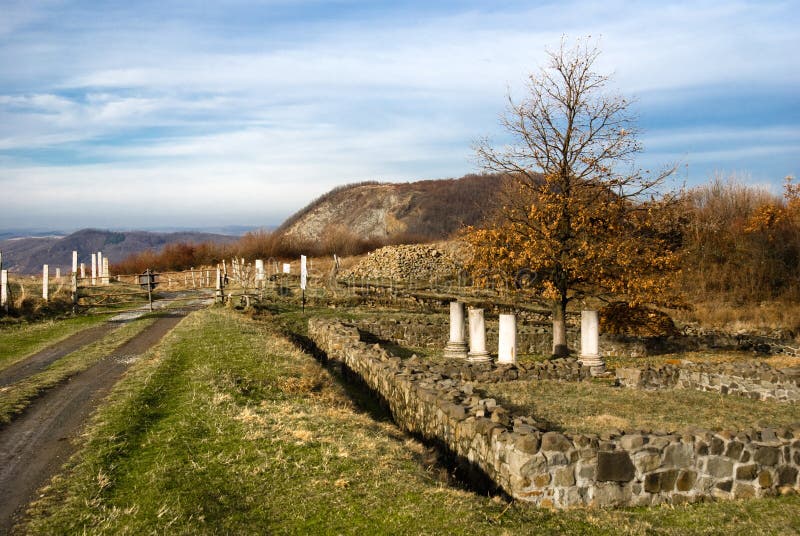
Porolissum was an ancient Roman city in Dacia (Transylvania in Romania of today). Established as a military camp in 106 during Trajan's Dacian Wars, the city became the capital of the province Dacia Porolissensis in 124. Porolissum is on the footh of Meses Mountainse ridge, the ancient natural border of the empire, fortified after the conqest of Dacia. The ruins of Porolissum are located only 8 km far away from Zalau city (the main city of Salaj County in Transylvania region of Romania country). The fort, initially built of wood on stone foundations (after the second war with Dacians, in 106), was garrisoned with 5000 auxiliary troops transferred from Spain, Gaul and Britain. Even though the name Porolissum appears to be Dacian in origin, archaeologists have so far uncovered no evidence of a Dacian settlement preceding the Roman fort. The city quickly grew through trade with the native Dacians. Although the Romans withdrew from Dacia in 271 under Aurelian, the city was abandoned only in 5th century, archaeological evidence shows that it remained inhabited for several centuries afterwards. The site is one of the largest and best-preserved archaeological sites in modern-day Romania. Abandoned settlement stock images, royalty-free photos and pictures
Mission Santa Clara de As�s was founded on January 12, 1777 and named for Clare of Assisi, the founder of the order of the Poor Clares. Although ruined and rebuilt six times, the settlement was never abandoned. Abandoned settlement stock images, royalty-free photos and pictures
The remains of the ground floor with vaults of the dwelling on the site of the ruined cistercian abbey of Villers la Ville, Belgium. Sun light coming through the frames of the windows projected on the floor of the ruins, which gives the picture a romanesque feeling. Abandoned settlement stock images, royalty-free photos and pictures
Sirince is a village of 600 inhabitants in İzmir Province, Turkey, located about 6 kilometres east of the town Selçuk. Sirince was settled when Ephesus was abandoned in the 15th century but most of what one sees today dates from the 19th century. There is a story that the village was settled by freed Greek slaves who named the village Çirkince (meaning Ugly in Turkish) to deter others from following them. The villages name was changed to Sirince (meaning Pleasant) in 1926 by the governor of Izmir Province. Abandoned settlement stock images, royalty-free photos and pictures
Sirince is a village of 600 inhabitants in İzmir Province, Turkey, located about 6 kilometres east of the town Selçuk. Sirince was settled when Ephesus was abandoned in the 15th century but most of what one sees today dates from the 19th century. There is a story that the village was settled by freed Greek slaves who named the village Çirkince (meaning Ugly in Turkish) to deter others from following them. The village's name was changed to Sirince (meaning Pleasant) in 1926 by the governor of Izmir Province. Abandoned settlement stock images, royalty-free photos and pictures
Sirince is a village of 600 inhabitants in İzmir Province, Turkey, located about 6 kilometres east of the town Selçuk. Sirince was settled when Ephesus was abandoned in the 15th century but most of what one sees today dates from the 19th century. There is a story that the village was settled by freed Greek slaves who named the village Çirkince meaning Ugly in Turkish to deter others from following them. The village`s name was changed to Sirince meaning Pleasant in 1926 by the governor of Izmir Province. Abandoned settlement stock images, royalty-free photos and pictures