Search among 1,672 authentic abolition stock photos, high-definition images, and pictures, or look at other slave trade or international day stock images to enhance your presentation with the perfect visual.

The castle's origins go back to the Sengoku period. At that time Shimadachi Sadanaga of the Ogasawara clan built a fort on this site in 1504 which was originally called Fukashi Castle. It is believed the castle was completed by 1593–94. During the Edo period, the Tokugawa shogunate established the Matsumoto Domain, of which the Matsudaira, Mizuno and others were the daimyo. For the next 280 years until the abolition of the feudal system in the Meiji Restoration, the castle was ruled by the 23 lords of Matsumoto representing six different daimyo families. In this period the stronghold was also known as Crow Castle (Karasu-jo) because its black walls and roofs looked like spreading wings. In 1952 the keep, Inui-ko-tenshu (small northern tower), Watari-yagura (roofed passage), Tatsumi-tsuke-yagura (southern wing), and Tsukimi-yagura (moon-viewing room) were designated as national treasures. The second floor of the main keep features a gun museum, Teppo Gura, with a collection of guns, armor and other weapons. Abolition stock images, royalty-free photos and pictures
PORT-OF-SPAIN, TRINIDAD AND TOBAGO - AUGUST 7, 2006. The majority of the people of Trinidad and Tobago (West Indies) are of African ancestry. Africans were brought to Trinidad and Tobago in slavery during the 18th century. Abolition stock images, royalty-free photos and pictures
STONE TOWN, ZANZIBAR - June 16, 2009: Monument to slaves in Stone Town, in the island of Zanzibar, Tanzania in Africa. Slavery was held in this island for many years, in Stone Town in Zanzibar on June 16, 2009. Abolition stock images, royalty-free photos and pictures
A close-up, selective focus shot of a broken, rusty iron chain and padlock lying on a rough, textured concrete surface. One of the chain links is snapped, symbolizing a break for freedom. The metal is heavily corroded, suggesting age and a long period of disuse. Warm sunlight illuminates the scene from the side, casting a soft shadow. The image represents concepts such as liberation, escape, breaking free from bondage, and the abolition of slavery. There is ample copy space on the left side of the frame. Abolition stock images, royalty-free photos and pictures
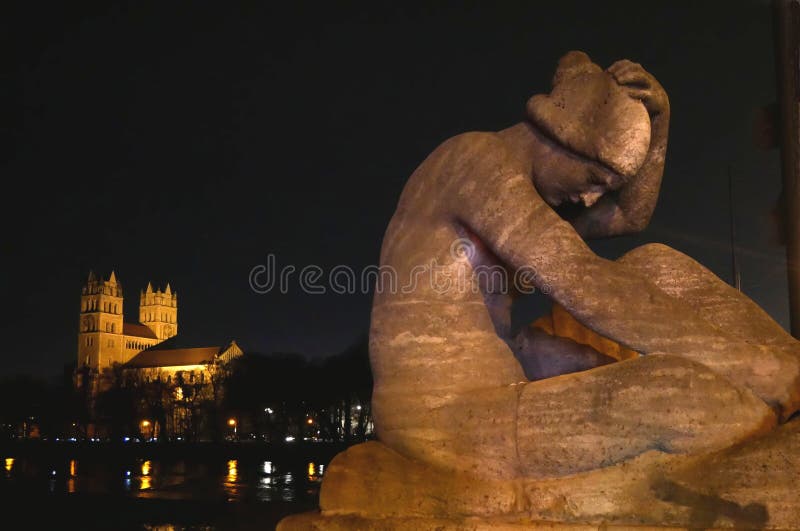
Would the abolition of celibacy among Catholic priests help prevent abuse? Many catholic Germans, Italians and Americans believe that married priests should be accepted in the Catholic Church. The Vatican has persistently resisted this idea. In this photo is a shell-lime sculpture of a lady in waiting, located in Munich, right next to the St. Maximilian Catholic Church. Abolition stock images, royalty-free photos and pictures
The University of Baeza was a university of the ancient kingdom of Jaen ( Spain ) founded in the city of Baeza by bull of Pope Paul III in 1538. It was one of the four universities founded in Andalusia in the sixteenth century (next to Seville, Granada and Osuna ) under the plethora of university foundations that occurred at that time in Spain , being framed in the group is often called 'minor universities ' against the ' major ' universities of Salamanca, Alcalá and Valladolid. It worked for more than three centuries until its abolition in 1824. Abolition stock images, royalty-free photos and pictures
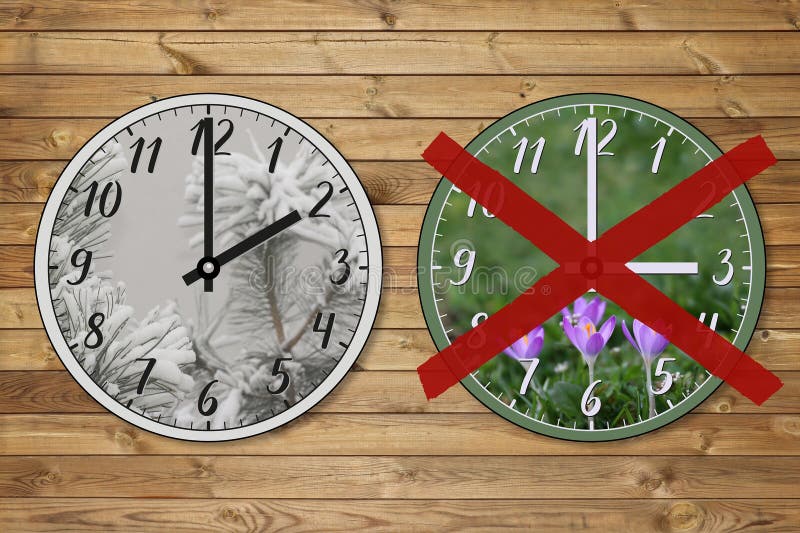
No daylight saving time change: permanent standard time implemented. Abolition of daylight saving time: no clock change this spring. DST discontinuation: no time adjustment needed. Abolition stock images, royalty-free photos and pictures
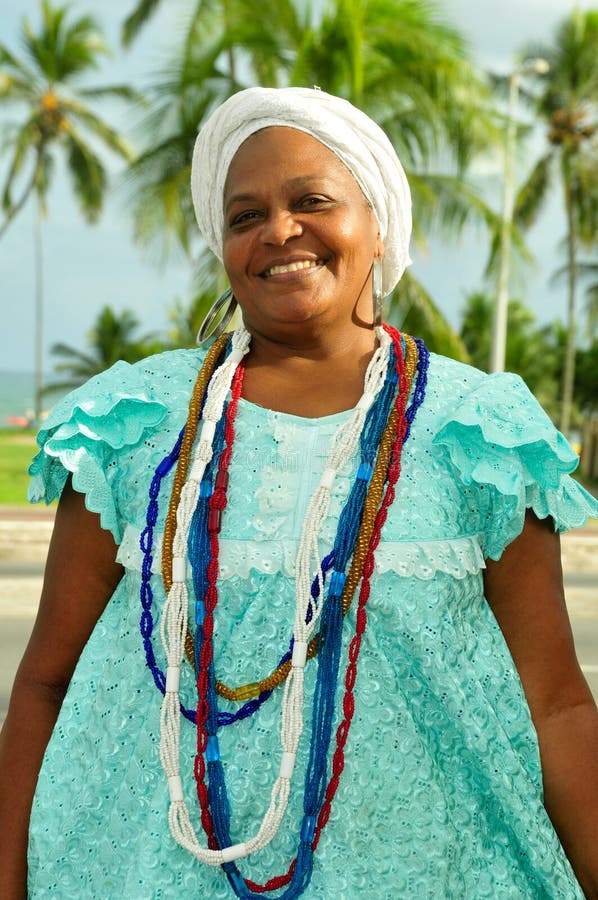
Acarajé sold on the street in Brazil are variously made with fried beef, mutton, dried shrimp, pigweed, fufu osun sauce, and coconut. nnToday in Bahia, Brazil, most street vendors who serve acarajé are women, easily recognizable by their all-white cotton dresses and headscarves and caps. nnThey first appeared in Bahia selling acarajé in the 19th century. Earnings from the sale of acarajé were used both to buy the freedom of enslaved family members until the abolition of slavery in Brazil in 1888; its sale additionally served as a source of family income. nnThe city now has more than 500 acarajé vendors. The image of these women, often simply called baianas, frequently appears in artwork from the region of Bahia. nnAcarajé, however, is available outside of the state of Bahia as well, including the streets of its neighborboring state of Sergipe, and the markets of Rio de Janeiro. Abolition stock images, royalty-free photos and pictures
Empty seats in the stands of the arena or auditorium. Rows of red and white stadium seats without spectators. The concept of the abolition of sports and mass entertainment events. Abolition stock images, royalty-free photos and pictures
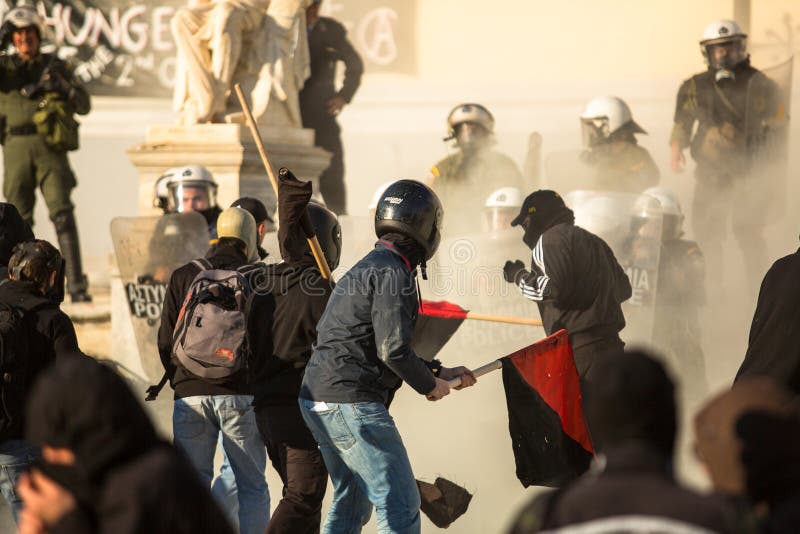
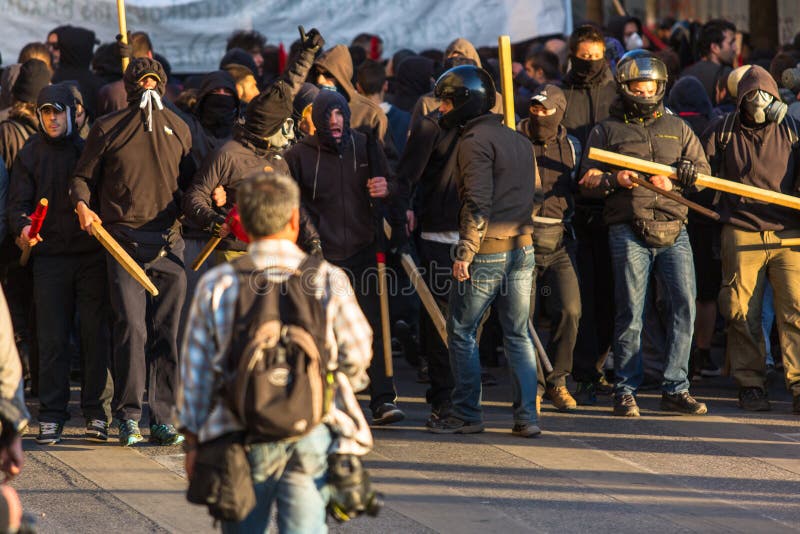
ATHENS, GREECE - CIRCA APR, 2015: Leftist and anarchist groups seeking abolition of new maximum security prisons, clashed with riot police, who responded with tear gas and stun grenades. Abolition stock images, royalty-free photos and pictures
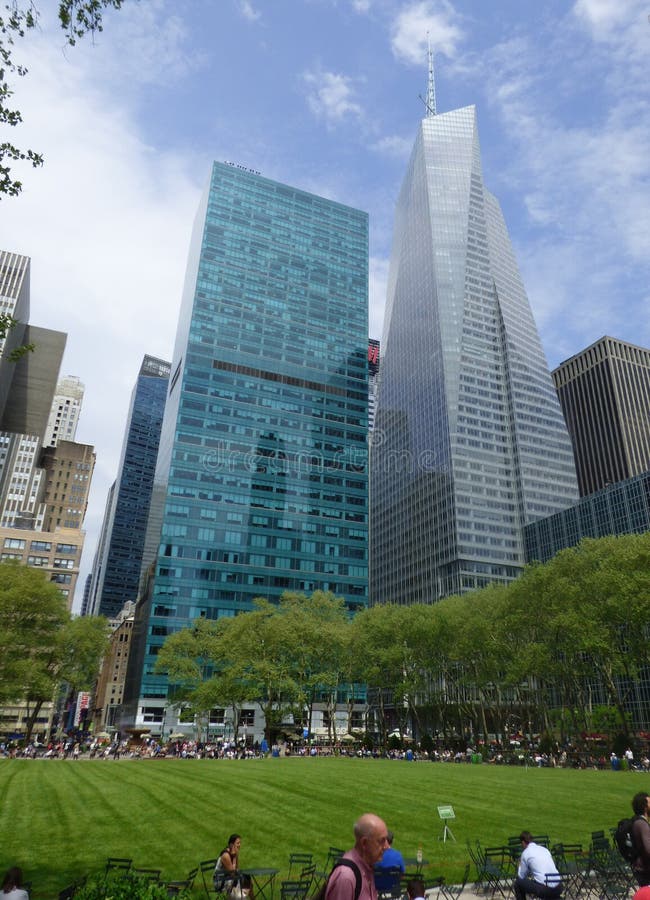
Bryant Park Opened in 1843 as Reservoir Park, the park changed its name in 1884 in honor of the poet and journalist William Bryant, a fervent militant of the abolition of slavery. The park is a place of relaxation and rest for New Yorkers. Bank of America Tower Built in 2009. 55 floors. 365 meters high. The building meets high energy and environmental standards, making it one of the most environmentally friendly buildings in the world. Abolition stock images, royalty-free photos and pictures
African classroom in poor conditions with Slave Trade lesson explained on the board. Slave Trade Abolition and remembrance day context. Mongo, Sierra Leone - June 8, 2019. Abolition stock images, royalty-free photos and pictures
The castle's origins go back to the Sengoku period. At that time Shimadachi Sadanaga of the Ogasawara clan built a fort on this site in 1504 which was originally called Fukashi Castle. It is believed the castle was completed by 1593–94. During the Edo period, the Tokugawa shogunate established the Matsumoto Domain, of which the Matsudaira, Mizuno and others were the daimyo. For the next 280 years until the abolition of the feudal system in the Meiji Restoration, the castle was ruled by the 23 lords of Matsumoto representing six different daimyo families. In this period the stronghold was also known as Crow Castle (Karasu-jo) because its black walls and roofs looked like spreading wings. In 1952 the keep, Inui-ko-tenshu (small northern tower), Watari-yagura (roofed passage), Tatsumi-tsuke-yagura (southern wing), and Tsukimi-yagura (moon-viewing room) were designated as national treasures. The second floor of the main keep features a gun museum, Teppo Gura, with a collection of guns, armor and other weapons. Abolition stock images, royalty-free photos and pictures