Free with trial Close up of a bowl of fermented shrimp paste. Alamang stock images, royalty-free photos and pictures Fermented shrimp paste
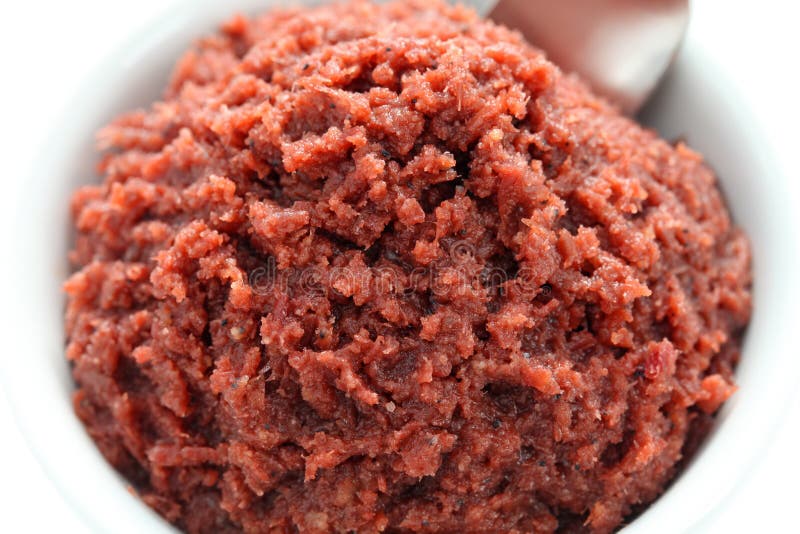
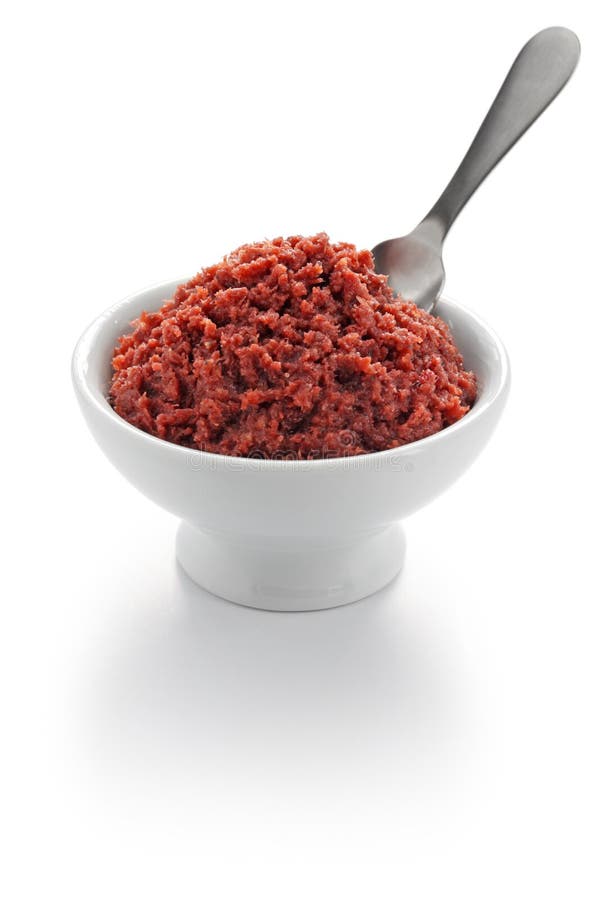
Free with trial Bagoong alamang, philippine fermented condiment made of krill. Alamang stock images, royalty-free photos and pictures Bagoong alamang, philippine fermented condiment
Free with trial Alamang is shrimp paste in the Philippines, it is made up of fermented shrimps with salt. Alamang stock images, royalty-free photos and pictures Alamang 2. Alamang is shrimp paste in the Philippines, it is made up of fermented shrimps with salt
Free with trial Bagoong alamang, philippine fermented condiment made of krill. Alamang stock images, royalty-free photos and pictures Bagoong alamang, philippine fermented condiment
Free with trial Alamang is shrimp paste in the Philippines, it is made up of fermented shrimps with salt. Alamang stock images, royalty-free photos and pictures Alamang 4. Alamang is shrimp paste in the Philippines, it is made up of fermented shrimps with salt
Free with trial Bagoong alamang, philippine fermented condiment made of krill. Alamang stock images, royalty-free photos and pictures Bagoong alamang, philippine fermented condiment
Free with trial Alamang is shrimp paste in the Philippines, it is made up of fermented shrimps with salt. Alamang stock images, royalty-free photos and pictures Alamang 3. Alamang is shrimp paste in the Philippines, it is made up of fermented shrimps with salt
Free with trial Alamang is shrimp paste in the Philippines, it is made up of fermented shrimps with salt. Alamang stock images, royalty-free photos and pictures Alamang 1. Alamang is shrimp paste in the Philippines, it is made up of fermented shrimps with salt
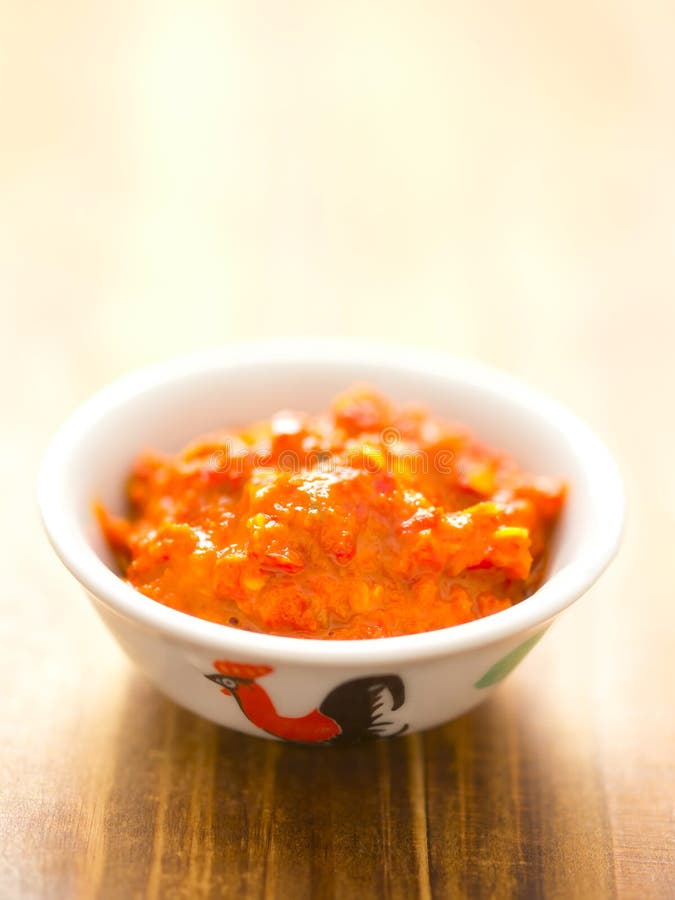
Free with trial Chilly garlic alamang. Alamang stock images, royalty-free photos and pictures Chilly garlic alamang
Free with trial Popular Traditional Filipino dish Pork Lechon Kawali sa Alamang. At restaurant. Alamang stock images, royalty-free photos and pictures Popular Traditional Filipino dish Pork Lechon Kawali sa Alamang. At restaurant
Free with trial Popular Traditional Filipino dish Pork Lechon Kawali sa Alamang at restaurant. Alamang stock images, royalty-free photos and pictures Popular Traditional Filipino dish Pork Lechon Kawali sa Alamang
Free with trial Dried krill, known locally as Alamang. For sale at a dried fish market. Alamang stock images, royalty-free photos and pictures Dried krill, known locally as Alamang. For sale at a dried fish market
Free with trial Dried krill, known locally as Alamang. For sale at a dried fish market. Alamang stock images, royalty-free photos and pictures Dried krill, known locally as Alamang. For sale at a dried fish market
Free with trial Bagoong uyap or alamang for sale at a local market in Alaminos, Pangasinan, Philippines. Alamang stock images, royalty-free photos and pictures Bagoong uyap or alamang for sale at a local market in Alaminos, Pangasinan, Philippines
Free with trial Pinakbet, also called pakbet or pinak bet, is an indigenous Filipino dish from the northern regions of the Philippines. Pinakbet is made from mixed vegetables sautéed in fish or shrimp sauce. The word is the contracted form of the Philippine Ilokano dialect word pinakebbet, meaning `shrunk` or `shriveled”. The original Ilocano pinakbet uses bagoong of fermented monamon or other fish, for seasoning sauce, while further south, bagoong alamang is used. The dish usually includes bitter melon. Other vegetables used include eggplant, tomato, okra, string beans, chili peppers, parda, winged beans, and others. Alamang stock images, royalty-free photos and pictures Philippine Dish Pinakbet. Pinakbet, also called pakbet or pinak bet, is an indigenous Filipino dish from the northern regions of the Philippines. Pinakbet is made from mixed vegetables sautéed in fish or shrimp sauce. The word is the contracted form of the Philippine Ilokano dialect word pinakebbet, meaning `shrunk` or `shriveled”. The original Ilocano pinakbet uses bagoong of fermented monamon or other fish, for seasoning sauce, while further south, bagoong alamang is used. The dish usually includes bitter melon. Other vegetables used include eggplant, tomato, okra, string beans, chili peppers, parda, winged beans, and others.
Free with trial Shrimp paste, hongkong tai o people make chinese food. Alamang stock images, royalty-free photos and pictures Shrimp paste
Free with trial Shrimp paste, hongkong tai o people make chinese food. Alamang stock images, royalty-free photos and pictures Shrimp paste
Free with trial Shrimp paste, hongkong tai o people make chinese food. Alamang stock images, royalty-free photos and pictures Shrimp paste
Free with trial Thai food Shrimp-paste sauce on white dish. Alamang stock images, royalty-free photos and pictures Shrimp-paste sauce
Free with trial Close up of a bowl of fermented shrimp paste. Alamang stock images, royalty-free photos and pictures Fermented shrimp paste
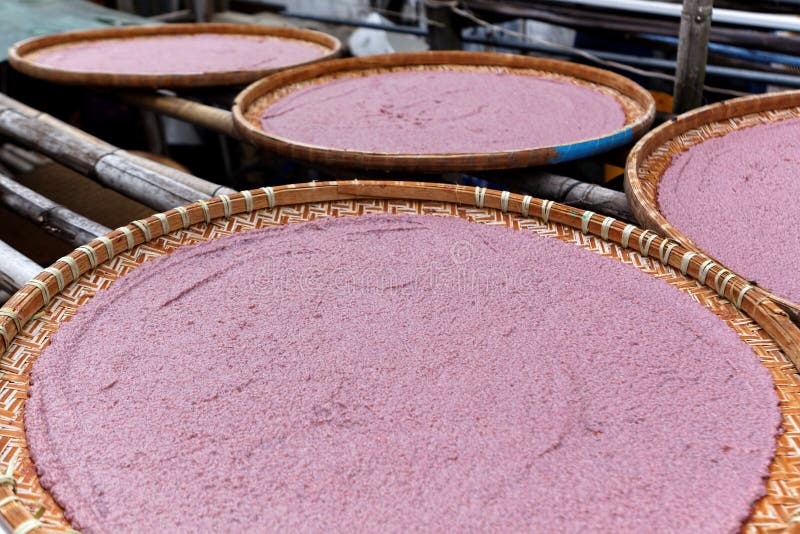
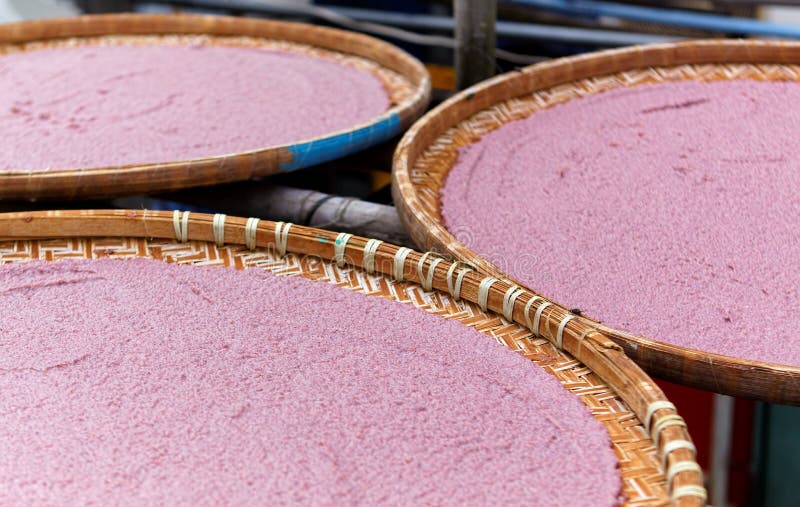
Free with trial Shrimp paste or shrimp sauce, is a common ingredient used in Southeast Asian and Southern Chinese cuisine. It is known as terasi (also spelled trassi, terasie) in Indonesian, ngapi in Burmese, kapi (กะปิ) in Thai, Khmer and Lao language, belacan (also spelled belachan, blachang) in Malay, mắm ruốc, mắm tép and mắm tôm in Vietnamese (the name depends on the shrimp used),[1] bagoong alamang (also known as bagoong aramang) in Filipino, ginamos in Hiligaynon, haam ha/ha jeung in Cantonese Chinese and hom ha/hae ko (Pe̍h-ōe-jī: hê-ko) in Min Nan Chinese. Alamang stock images, royalty-free photos and pictures Shrimp paste
Free with trial Variety of fermented salted shrimp in the market. Alamang stock images, royalty-free photos and pictures Variety of fermented salted shrimp in the market
Free with trial Jusmin Rice with Chilli paste,boil egg. Alamang stock images, royalty-free photos and pictures Jusmin Rice with Chilli paste
Free with trial Jusmin Rice with Chilli paste,boil egg. Alamang stock images, royalty-free photos and pictures Jusmin Rice with Chilli paste
Free with trial Chilli paste with giant water bug on white background. Alamang stock images, royalty-free photos and pictures Chilli paste
Free with trial A man dips a slice of green mango into bagoong, a condiment made with fermented fish, krill or shrimp paste. Alamang stock images, royalty-free photos and pictures A man dips a slice of green mango into bagoong, a condiment made with fermented fish, krill or shrimp paste
Free with trial Jusmin Rice with Chilli paste,boil egg. Alamang stock images, royalty-free photos and pictures Jusmin Rice with Chilli paste
Free with trial Jusmin Rice with Chilli paste,boil egg. Alamang stock images, royalty-free photos and pictures Jusmin Rice with Chilli paste
Free with trial Cooking Bagoong on a large pan on a stove. Bagoong is made of either fermented fish or krill or shrimp paste with salt. Alamang stock images, royalty-free photos and pictures Cooking Bagoong on a large pan on a stove. Bagoong is made of either fermented fish or krill or shrimp paste with salt
Free with trial Cooking Bagoong on a large pan on a stove. Bagoong is made of either fermented fish or krill or shrimp paste with salt. Alamang stock images, royalty-free photos and pictures Cooking Bagoong on a large pan on a stove. Bagoong is made of either fermented fish or krill or shrimp paste with salt
 Sign in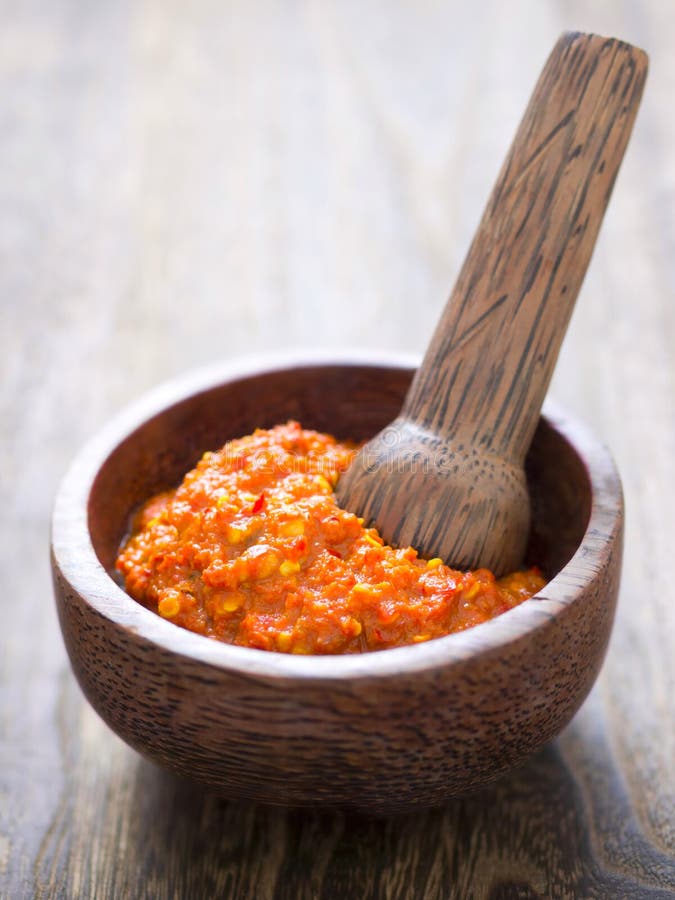





![Shrimp paste or shrimp sauce, is a common ingredient used in Southeast Asian and Southern Chinese cuisine. It is known as terasi (also spelled trassi, terasie) in Indonesian, ngapi in Burmese, kapi (กะปิ) in Thai, Khmer and Lao language, belacan (also spelled belachan, blachang) in Malay, mắm ruốc, mắm tép and mắm tôm in Vietnamese (the name depends on the shrimp used),[1] bagoong alamang (also known as bagoong aramang) in Filipino, ginamos in Hiligaynon, haam ha/ha jeung in Cantonese Chinese and hom ha/hae ko (Pe̍h-ōe-jī: hê-ko) in Min Nan Chinese. Alamang stock images, royalty-free photos and pictures](https://thumbs.dreamstime.com/b/shrimp-paste-sauce-common-ingredient-used-southeast-asian-southern-chinese-cuisine-known-as-terasi-39894032.jpg)


