Free with trial Cynoglossum amabile, the Chinese hound& x27;s tongue or Chinese forget-me-not, is a species of flowering plant in the family Boraginaceae, native to Asia. Amabile stock images, royalty-free photos and pictures Chinese Forget Me Not. Cynoglossum amabile, the Chinese hound& x27;s tongue or Chinese forget-me-not, is a species of flowering plant in the family Boraginaceae, native to Asia.
Free with trial Tiny, delicate flowers of Cynoglossum amabile, Chinese Forget-me-not. Amabile stock images, royalty-free photos and pictures Tiny, delicate flowers of Chinese Forget-me-not. Tiny, delicate flowers of Cynoglossum amabile, Chinese Forget-me-not
Free with trial Wild orchid Dendrobium amabile Hainan China and in Vietnam. Orange flower, nature habitat. Beautiful orchid bloom, close-up detail from nature. Amabile stock images, royalty-free photos and pictures Wild orchid Dendrobium amabile Hainan China and in Vietnam. Orange flower, nature habitat. Beautiful orchid bloom, close-up detail
Free with trial Chinese Forget me Not, Cynoglossum amabile. Delicate tiny blue flowers. Amabile stock images, royalty-free photos and pictures Chinese Forget me Not, Cynoglossum amabile. Delicate tiny blue flowers.
Free with trial Chinese Forget me Not, Cynoglossum amabile. Delicate tiny blue flowers. Amabile stock images, royalty-free photos and pictures Chinese Forget me Not, Cynoglossum amabile. Delicate tiny blue flowers.
Free with trial Crinum amabile donn, Crinum lily or Giantlily with green leaves in garden. Amabile stock images, royalty-free photos and pictures Crinum amabile donn or Giantlily with green leaves. Crinum amabile donn, Crinum lily or Giantlily with green leaves in garden.
Free with trial The clusters of blue flowers of Cynoglossum amabile. Cynoglossum amabile is a species of flowering plant native to Asia, which is also called Chinese hound`s tongue, or Chinese forget-me-not. Amabile stock images, royalty-free photos and pictures Chinese forget-me-not, Cynoglossum amabile. The clusters of blue flowers of Cynoglossum amabile. Cynoglossum amabile is a species of flowering plant native to Asia, which is also called Chinese hound`s tongue, or Chinese forget-me-not.
Free with trial Crinum Amabile asian tropical flower macro. Vietnamese flower. Amabile stock images, royalty-free photos and pictures Crinum Amabile asian tropical flower
Free with trial Giant spider lily otherwise known as crinum amabile from the amaryllidaceae family. Amabile stock images, royalty-free photos and pictures Crinum Amabile Giant Spider Lily. Giant spider lily otherwise known as crinum amabile from the amaryllidaceae family
Free with trial Hound`s Tongue licking its way invasively into a flower garden 822541 Cynoglossum amabile. Amabile stock images, royalty-free photos and pictures Hound`s-tongue 822541. Hound`s Tongue licking its way invasively into a flower garden 822541 Cynoglossum amabile
Free with trial Closeup Crinum amabile Donn,Crinum lily flower,Giantlily. Amabile stock images, royalty-free photos and pictures Crinum amabile Donn,Crinum lily flower,Giantlily
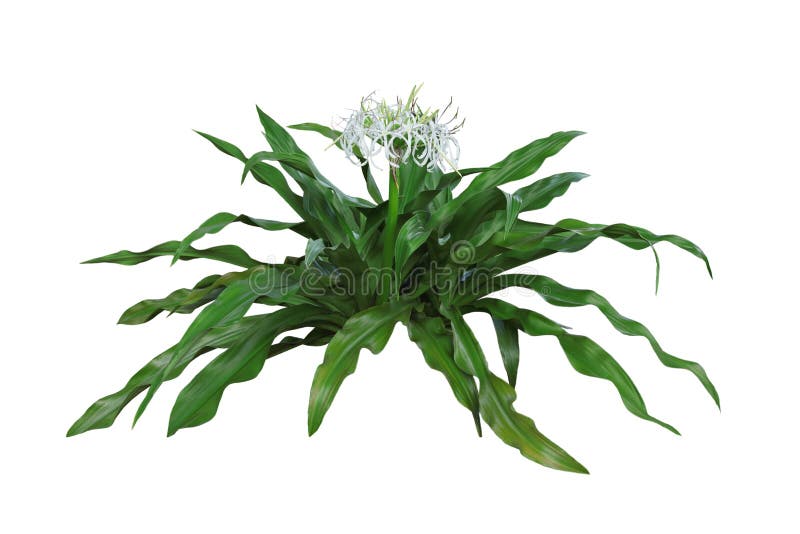
Free with trial Giant Spider Lily Sumatra Crinum flower plant isolated on white background. Amabile stock images, royalty-free photos and pictures Giant Spider Lily
Free with trial Monarch butterfly on a baby blue Chinese Forget-me-not flower in colorful summer garden. Amabile stock images, royalty-free photos and pictures Monarch butterfly on a baby blue Chinese Forget-me-not flower
Free with trial Monarch butterfly on a baby blue Chinese Forget-me-not flower in summer garden. Amabile stock images, royalty-free photos and pictures Monarch butterfly on a baby blue Chinese Forget-me-not flower
Free with trial Baby blue Chinese Forget-me-not flowers in summer garden. Amabile stock images, royalty-free photos and pictures Baby blue Chinese Forget-me-not flowers
Free with trial Crinum asiaticum purple flowers Queen Emma Crinum augustum. Amabile stock images, royalty-free photos and pictures Purple Crinum Lily. Crinum asiaticum purple flowers Queen Emma Crinum augustum
Free with trial Giant White Spider Lily - Crinum asiaticum (poison bulb, giant crinum lily, grand crinum lily, spider lily). Amabile stock images, royalty-free photos and pictures Giant White Spider Lily
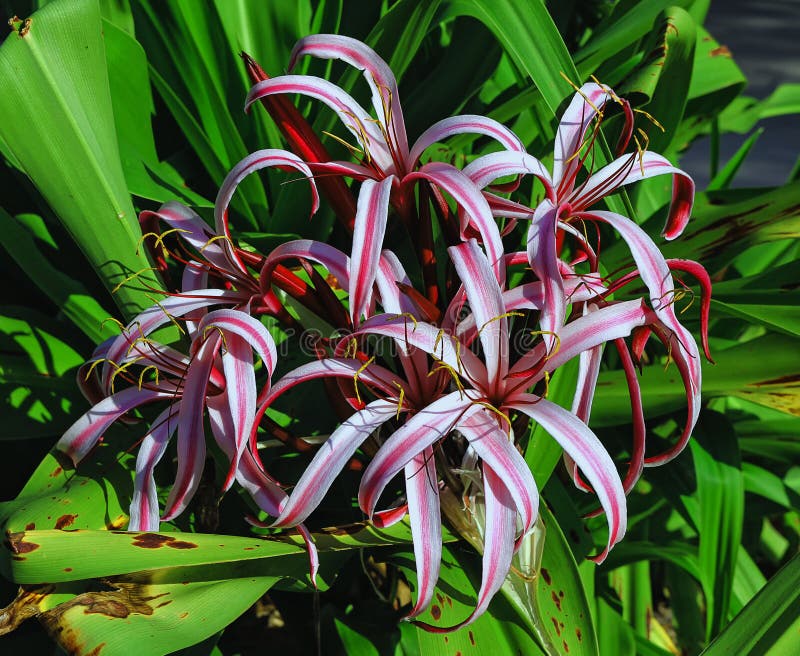
Free with trial Crinum amabile is an annual evergreen herbaceous plant of the genus Manjushri in the family Lycoriaceae, with a height of 60-100 centimeters. The leaves are large, broadband or arrow shaped, with a pointed tip and a base embracing the stem The scape is extracted from the bulb and has a terminal umbel shaped inflorescence. Each inflorescence has more than 20 small flowers, with purple on the back, light pink on the top, and dark purple stripes in the middle. Amabile stock images, royalty-free photos and pictures The flowers of Crinum amabile. Crinum amabile is an annual evergreen herbaceous plant of the genus Manjushri in the family Lycoriaceae, with a height of 60-100 centimeters. The leaves are large, broadband or arrow shaped, with a pointed tip and a base embracing the stem The scape is extracted from the bulb and has a terminal umbel shaped inflorescence. Each inflorescence has more than 20 small flowers, with purple on the back, light pink on the top, and dark purple stripes in the middle.
Free with trial Crinum amabile is an annual evergreen herbaceous plant of the genus Manjushri in the family Lycoriaceae, with a height of 60-100 centimeters. The leaves are large, broadband or arrow shaped, with a pointed tip and a base embracing the stem The scape is extracted from the bulb and has a terminal umbel shaped inflorescence. Each inflorescence has more than 20 small flowers, with purple on the back, light pink on the top, and dark purple stripes in the middle. Amabile stock images, royalty-free photos and pictures The flowers of Crinum amabile. Crinum amabile is an annual evergreen herbaceous plant of the genus Manjushri in the family Lycoriaceae, with a height of 60-100 centimeters. The leaves are large, broadband or arrow shaped, with a pointed tip and a base embracing the stem The scape is extracted from the bulb and has a terminal umbel shaped inflorescence. Each inflorescence has more than 20 small flowers, with purple on the back, light pink on the top, and dark purple stripes in the middle.
Free with trial Crinum amabile is an annual evergreen herbaceous plant of the genus Manjushri in the family Lycoriaceae, with a height of 60-100 centimeters. The leaves are large, broadband or arrow shaped, with a pointed tip and a base embracing the stem The scape is extracted from the bulb and has a terminal umbel shaped inflorescence. Each inflorescence has more than 20 small flowers, with purple on the back, light pink on the top, and dark purple stripes in the middle. Amabile stock images, royalty-free photos and pictures The flowers of Crinum amabile. Crinum amabile is an annual evergreen herbaceous plant of the genus Manjushri in the family Lycoriaceae, with a height of 60-100 centimeters. The leaves are large, broadband or arrow shaped, with a pointed tip and a base embracing the stem The scape is extracted from the bulb and has a terminal umbel shaped inflorescence. Each inflorescence has more than 20 small flowers, with purple on the back, light pink on the top, and dark purple stripes in the middle.
Free with trial Elegant cluster of pink Dendrobium amabile orchids with orange centers. High-quality Fujifilm Velvia 100 slide film scan with rich, deep saturation. Amabile stock images, royalty-free photos and pictures Cascading Pink Dendrobium Orchid (Dendrobium amabile). Elegant cluster of pink Dendrobium amabile orchids with orange centers. High-quality Fujifilm Velvia 100. Elegant cluster of pink Dendrobium amabile orchids with orange centers. High-quality Fujifilm Velvia 100 slide film scan with rich, deep saturation
Free with trial Chinese Forget me Not, Cynoglossum amabile. Delicate tiny blue flowers. Amabile stock images, royalty-free photos and pictures Chinese Forget me Not, Cynoglossum amabile. Delicate tiny blue flowers.
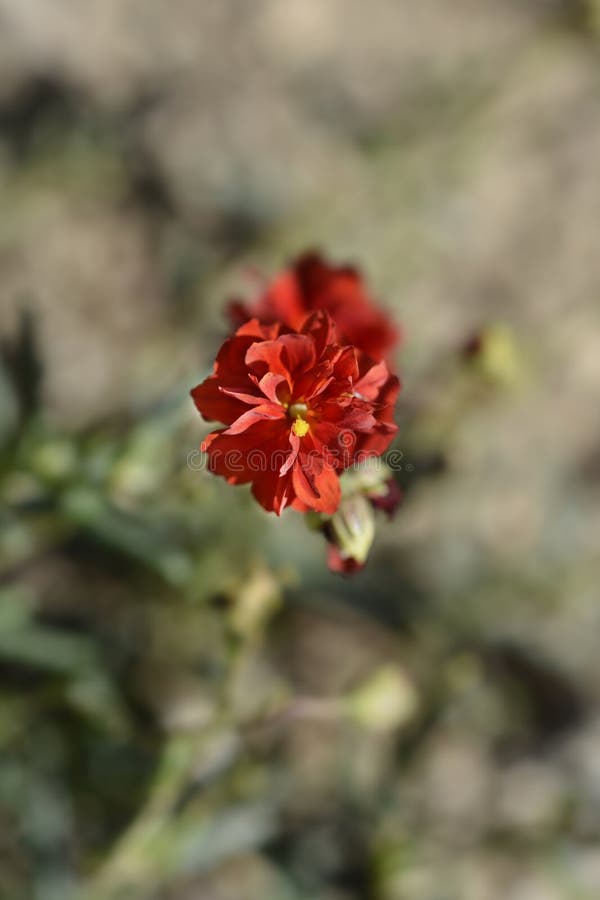
Free with trial Rock rose red flower - Latin name - Helianthemum Amabile Plenum. Amabile stock images, royalty-free photos and pictures Rock rose Amabile Plenum. Rock rose red flower - Latin name - Helianthemum Amabile Plenum
Free with trial Rock rose red flower - Latin name - Helianthemum Amabile Plenum. Amabile stock images, royalty-free photos and pictures Rock rose Amabile Plenum. Rock rose red flower - Latin name - Helianthemum Amabile Plenum
Free with trial Rock rose red flower - Latin name - Helianthemum Amabile Plenum. Amabile stock images, royalty-free photos and pictures Rock rose Amabile Plenum. Rock rose red flower - Latin name - Helianthemum Amabile Plenum
Free with trial Rock rose red flower - Latin name - Helianthemum Amabile Plenum. Amabile stock images, royalty-free photos and pictures Rock rose Amabile Plenum. Rock rose red flower - Latin name - Helianthemum Amabile Plenum
Free with trial Plants in Spain. Giant Spider Lily, Crinum amabile, blooms in November. Crinum is a genus species of perennial plants that have large showy flowers on leafless stems, and develop from bulbs. La Lajita, Las Palmas, Spain. Amabile stock images, royalty-free photos and pictures Crinum amabile, Giant Spider Lily, blooms in November. Oasis Wildlife Fuerteventura, La Lajita, Las Palmas, Spain. Plants in Spain. Giant Spider Lily, Crinum amabile, blooms in November. Crinum is a genus species of perennial plants that have large showy flowers on leafless stems, and develop from bulbs. La Lajita, Las Palmas, Spain
Free with trial Plants in Spain. Giant Spider Lily, Crinum amabile, blooms in November. Crinum is a genus species of perennial plants that have large showy flowers on leafless stems, and develop from bulbs. La Lajita, Las Palmas, Spain. Amabile stock images, royalty-free photos and pictures Crinum amabile, Giant Spider Lily, blooms in November. Oasis Wildlife Fuerteventura, La Lajita, Las Palmas, Spain. Plants in Spain. Giant Spider Lily, Crinum amabile, blooms in November. Crinum is a genus species of perennial plants that have large showy flowers on leafless stems, and develop from bulbs. La Lajita, Las Palmas, Spain
Free with trial Plants in Spain. Giant Spider Lily, Crinum amabile, blooms in November. Crinum is a genus species of perennial plants that have large showy flowers on leafless stems, and develop from bulbs. La Lajita, Las Palmas, Spain. Amabile stock images, royalty-free photos and pictures Crinum amabile, Giant Spider Lily, blooms in November. Oasis Wildlife Fuerteventura, La Lajita, Las Palmas, Spain. Plants in Spain. Giant Spider Lily, Crinum amabile, blooms in November. Crinum is a genus species of perennial plants that have large showy flowers on leafless stems, and develop from bulbs. La Lajita, Las Palmas, Spain
Free with trial Plants in Spain. Giant Spider Lily, Crinum amabile, blooms in November. Crinum is a genus species of perennial plants that have large showy flowers on leafless stems, and develop from bulbs. La Lajita, Las Palmas, Spain. Amabile stock images, royalty-free photos and pictures Crinum amabile, Giant Spider Lily, blooms in November. Oasis Wildlife Fuerteventura, La Lajita, Las Palmas, Spain. Plants in Spain. Giant Spider Lily, Crinum amabile, blooms in November. Crinum is a genus species of perennial plants that have large showy flowers on leafless stems, and develop from bulbs. La Lajita, Las Palmas, Spain
Free with trial Plants in Spain. Giant Spider Lily, Crinum amabile, blooms in November. Crinum is a genus species of perennial plants that have large showy flowers on leafless stems, and develop from bulbs. La Lajita, Las Palmas, Spain. Amabile stock images, royalty-free photos and pictures Crinum amabile, Giant Spider Lily, blooms in November. Oasis Wildlife Fuerteventura, La Lajita, Las Palmas, Spain. Plants in Spain. Giant Spider Lily, Crinum amabile, blooms in November. Crinum is a genus species of perennial plants that have large showy flowers on leafless stems, and develop from bulbs. La Lajita, Las Palmas, Spain
Free with trial Plants in Spain. Giant Spider Lily, Crinum amabile, blooms in November. Crinum is a genus species of perennial plants that have large showy flowers on leafless stems, and develop from bulbs. La Lajita, Las Palmas, Spain. Amabile stock images, royalty-free photos and pictures Crinum amabile, Giant Spider Lily, blooms in November. Oasis Wildlife Fuerteventura, La Lajita, Las Palmas, Spain. Plants in Spain. Giant Spider Lily, Crinum amabile, blooms in November. Crinum is a genus species of perennial plants that have large showy flowers on leafless stems, and develop from bulbs. La Lajita, Las Palmas, Spain
Free with trial Plants in Spain. Giant Spider Lily, Crinum amabile, blooms in November. Crinum is a genus species of perennial plants that have large showy flowers on leafless stems, and develop from bulbs. La Lajita, Las Palmas, Spain. Amabile stock images, royalty-free photos and pictures Crinum amabile, Giant Spider Lily, blooms in November. Oasis Wildlife Fuerteventura, La Lajita, Las Palmas, Spain. Plants in Spain. Giant Spider Lily, Crinum amabile, blooms in November. Crinum is a genus species of perennial plants that have large showy flowers on leafless stems, and develop from bulbs. La Lajita, Las Palmas, Spain
Free with trial Plants in Spain. Giant Spider Lily, Crinum amabile, blooms in November. Crinum is a genus species of perennial plants that have large showy flowers on leafless stems, and develop from bulbs. La Lajita, Las Palmas, Spain. Amabile stock images, royalty-free photos and pictures Crinum amabile, Giant Spider Lily, blooms in November. Oasis Wildlife Fuerteventura, La Lajita, Las Palmas, Spain. Plants in Spain. Giant Spider Lily, Crinum amabile, blooms in November. Crinum is a genus species of perennial plants that have large showy flowers on leafless stems, and develop from bulbs. La Lajita, Las Palmas, Spain
Free with trial Plants in Spain. Crinum amabile, Giant Spider Lily, blooms in November. Crinum is a genus species of perennial plants that have large showy flowers on leafless stems, and develop from bulbs. La Lajita, Las Palmas, Spain. Amabile stock images, royalty-free photos and pictures Crinum amabile, Giant Spider Lily, blooms in November. Oasis Wildlife Fuerteventura, La Lajita, Las Palmas, Spain. Plants in Spain. Crinum amabile, Giant Spider Lily, blooms in November. Crinum is a genus species of perennial plants that have large showy flowers on leafless stems, and develop from bulbs. La Lajita, Las Palmas, Spain
Free with trial Plants in Spain. Crinum amabile, Giant Spider Lily, blooms in November. Crinum is a genus species of perennial plants that have large showy flowers on leafless stems, and develop from bulbs. La Lajita, Las Palmas, Spain. Amabile stock images, royalty-free photos and pictures Crinum amabile, Giant Spider Lily, blooms in November. Oasis Wildlife Fuerteventura, La Lajita, Las Palmas, Spain. Plants in Spain. Crinum amabile, Giant Spider Lily, blooms in November. Crinum is a genus species of perennial plants that have large showy flowers on leafless stems, and develop from bulbs. La Lajita, Las Palmas, Spain
Free with trial Plants in Spain. Giant Spider Lily, Crinum amabile, blooms in November. Crinum is a genus species of perennial plants that have large showy flowers on leafless stems, and develop from bulbs. La Lajita, Las Palmas, Spain. Amabile stock images, royalty-free photos and pictures Crinum amabile, Giant Spider Lily, blooms in November. Oasis Wildlife Fuerteventura, La Lajita, Las Palmas, Spain. Plants in Spain. Giant Spider Lily, Crinum amabile, blooms in November. Crinum is a genus species of perennial plants that have large showy flowers on leafless stems, and develop from bulbs. La Lajita, Las Palmas, Spain
Free with trial Plants in Spain. Giant Spider Lily, Crinum amabile, blooms in November. Crinum is a genus species of perennial plants that have large showy flowers on leafless stems, and develop from bulbs. La Lajita, Las Palmas, Spain. Amabile stock images, royalty-free photos and pictures Crinum amabile, Giant Spider Lily, blooms in November. Oasis Wildlife Fuerteventura, La Lajita, Las Palmas, Spain. Plants in Spain. Giant Spider Lily, Crinum amabile, blooms in November. Crinum is a genus species of perennial plants that have large showy flowers on leafless stems, and develop from bulbs. La Lajita, Las Palmas, Spain
Free with trial Plants in Spain. Crinum amabile, Giant Spider Lily, blooms in November. Crinum is a genus species of perennial plants that have large showy flowers on leafless stems, and develop from bulbs. La Lajita, Las Palmas, Spain. Amabile stock images, royalty-free photos and pictures Crinum amabile, Giant Spider Lily, blooms in November. Oasis Wildlife Fuerteventura, La Lajita, Las Palmas, Spain. Plants in Spain. Crinum amabile, Giant Spider Lily, blooms in November. Crinum is a genus species of perennial plants that have large showy flowers on leafless stems, and develop from bulbs. La Lajita, Las Palmas, Spain
Free with trial Plants in Spain. Giant Spider Lily, Crinum amabile, blooms in November. Crinum is a genus species of perennial plants that have large showy flowers on leafless stems, and develop from bulbs. La Lajita, Las Palmas, Spain. Amabile stock images, royalty-free photos and pictures Crinum amabile, Giant Spider Lily, blooms in November. Oasis Wildlife Fuerteventura, La Lajita, Las Palmas, Spain. Plants in Spain. Giant Spider Lily, Crinum amabile, blooms in November. Crinum is a genus species of perennial plants that have large showy flowers on leafless stems, and develop from bulbs. La Lajita, Las Palmas, Spain
Free with trial Plants in Spain. Crinum amabile, Giant Spider Lily, blooms in November. Crinum is a genus species of perennial plants that have large showy flowers on leafless stems, and develop from bulbs. La Lajita, Las Palmas, Spain. Amabile stock images, royalty-free photos and pictures Crinum amabile, Giant Spider Lily, blooms in November. Oasis Wildlife Fuerteventura, La Lajita, Las Palmas, Spain. Plants in Spain. Crinum amabile, Giant Spider Lily, blooms in November. Crinum is a genus species of perennial plants that have large showy flowers on leafless stems, and develop from bulbs. La Lajita, Las Palmas, Spain
Free with trial Plants in Spain. Crinum amabile, Giant Spider Lily, blooms in November. Crinum is a genus species of perennial plants that have large showy flowers on leafless stems, and develop from bulbs. La Lajita, Las Palmas, Spain. Amabile stock images, royalty-free photos and pictures Crinum amabile, Giant Spider Lily, blooms in November. Oasis Wildlife Fuerteventura, La Lajita, Las Palmas, Spain. Plants in Spain. Crinum amabile, Giant Spider Lily, blooms in November. Crinum is a genus species of perennial plants that have large showy flowers on leafless stems, and develop from bulbs. La Lajita, Las Palmas, Spain
Free with trial Plants in Spain. Giant Spider Lily, Crinum amabile, blooms in November. Crinum is a genus species of perennial plants that have large showy flowers on leafless stems, and develop from bulbs. La Lajita, Las Palmas, Spain. Amabile stock images, royalty-free photos and pictures Crinum amabile, Giant Spider Lily, blooms in November. Oasis Wildlife Fuerteventura, La Lajita, Las Palmas, Spain. Plants in Spain. Giant Spider Lily, Crinum amabile, blooms in November. Crinum is a genus species of perennial plants that have large showy flowers on leafless stems, and develop from bulbs. La Lajita, Las Palmas, Spain
Free with trial Plants in Spain. Giant Spider Lily, Crinum amabile, blooms in November. Crinum is a genus species of perennial plants that have large showy flowers on leafless stems, and develop from bulbs. La Lajita, Las Palmas, Spain. Amabile stock images, royalty-free photos and pictures Crinum amabile, Giant Spider Lily, blooms in November. Oasis Wildlife Fuerteventura, La Lajita, Las Palmas, Spain. Plants in Spain. Giant Spider Lily, Crinum amabile, blooms in November. Crinum is a genus species of perennial plants that have large showy flowers on leafless stems, and develop from bulbs. La Lajita, Las Palmas, Spain
Free with trial Plants in Spain. Crinum amabile, Giant Spider Lily, blooms in November. Crinum is a genus species of perennial plants that have large showy flowers on leafless stems, and develop from bulbs. La Lajita, Las Palmas, Spain. Amabile stock images, royalty-free photos and pictures Crinum amabile, Giant Spider Lily, blooms in November. Oasis Wildlife Fuerteventura, La Lajita, Las Palmas, Spain. Plants in Spain. Crinum amabile, Giant Spider Lily, blooms in November. Crinum is a genus species of perennial plants that have large showy flowers on leafless stems, and develop from bulbs. La Lajita, Las Palmas, Spain
Free with trial Plants in Spain. Giant Spider Lily, Crinum amabile, blooms in November. Crinum is a genus species of perennial plants that have large showy flowers on leafless stems, and develop from bulbs. La Lajita, Las Palmas, Spain. Amabile stock images, royalty-free photos and pictures Crinum amabile, Giant Spider Lily, blooms in November. Oasis Wildlife Fuerteventura, La Lajita, Las Palmas, Spain. Plants in Spain. Giant Spider Lily, Crinum amabile, blooms in November. Crinum is a genus species of perennial plants that have large showy flowers on leafless stems, and develop from bulbs. La Lajita, Las Palmas, Spain
Free with trial Plants in Spain. Crinum amabile blooms in November. Crinum is a genus species of perennial plants that have large showy flowers on leafless stems, and develop from bulbs. La Lajita, Las Palmas, Spain. Amabile stock images, royalty-free photos and pictures Crinum amabile blooms in November. La Lajita, Las Palmas, Spain. Plants in Spain. Crinum amabile blooms in November. Crinum is a genus species of perennial plants that have large showy flowers on leafless stems, and develop from bulbs. La Lajita, Las Palmas, Spain
Free with trial Plants in Spain. Crinum amabile blooms in November. Crinum is a genus species of perennial plants that have large showy flowers on leafless stems, and develop from bulbs. La Lajita, Las Palmas, Spain. Amabile stock images, royalty-free photos and pictures Crinum amabile blooms in November. La Lajita, Las Palmas, Spain. Plants in Spain. Crinum amabile blooms in November. Crinum is a genus species of perennial plants that have large showy flowers on leafless stems, and develop from bulbs. La Lajita, Las Palmas, Spain
Free with trial Plants in Spain. Crinum amabile blooms in November. Crinum is a genus species of perennial plants that have large showy flowers on leafless stems, and develop from bulbs. La Lajita, Las Palmas, Spain. Amabile stock images, royalty-free photos and pictures Crinum amabile blooms in November. La Lajita, Las Palmas, Spain. Plants in Spain. Crinum amabile blooms in November. Crinum is a genus species of perennial plants that have large showy flowers on leafless stems, and develop from bulbs. La Lajita, Las Palmas, Spain
Free with trial Plants in Spain. Crinum amabile blooms in November. Crinum is a genus species of perennial plants that have large showy flowers on leafless stems, and develop from bulbs. La Lajita, Las Palmas, Spain. Amabile stock images, royalty-free photos and pictures Crinum amabile blooms in November. La Lajita, Las Palmas, Spain. Plants in Spain. Crinum amabile blooms in November. Crinum is a genus species of perennial plants that have large showy flowers on leafless stems, and develop from bulbs. La Lajita, Las Palmas, Spain
Free with trial Plants in Spain. Giant Spider Lily, Crinum amabile, blooms in November. Crinum is a genus species of perennial plants that have large showy flowers on leafless stems, and develop from bulbs. La Lajita, Las Palmas. Amabile stock images, royalty-free photos and pictures Giant Spider Lily, Crinum amabile, blooms in November. La Lajita, Las Palmas, Spain. Plants in Spain. Giant Spider Lily, Crinum amabile, blooms in November. Crinum is a genus species of perennial plants that have large showy flowers on leafless stems, and develop from bulbs. La Lajita, Las Palmas
Free with trial Plants in Spain. Giant Spider Lily, Crinum amabile, blooms in November. Crinum is a genus species of perennial plants that have large showy flowers on leafless stems, and develop from bulbs. La Lajita, Las Palmas, Spain. Amabile stock images, royalty-free photos and pictures Crinum amabile, Giant Spider Lily, blooms in November. Oasis Wildlife Fuerteventura, La Lajita, Las Palmas, Spain. Plants in Spain. Giant Spider Lily, Crinum amabile, blooms in November. Crinum is a genus species of perennial plants that have large showy flowers on leafless stems, and develop from bulbs. La Lajita, Las Palmas, Spain
Free with trial Beautiful Succulent Echeveria Amabile Plant Flower Rosette on floral blossom greenery background, top view. Amabile stock images, royalty-free photos and pictures Beautiful Succulent Echeveria Amabile Plant Flower Rosette on floral blossom greenery background, top view
Free with trial Close-up of a DRYAS IULIA butterfly perched on a white CRINUM AMABILE flower, captured in a tropical greenhouse setting. The vivid red-orange wings of the butterfly contrast beautifully with the delicate star-shaped petals and long purple stamens of the lily. The image offers a vibrant and natural composition, ideal for themes related to biodiversity, pollinators, and exotic flora. Amabile stock images, royalty-free photos and pictures DRYAS IULIA butterfly on CRINUM AMABILE flower in tropical garden. Close-up of a DRYAS IULIA butterfly perched on a white CRINUM AMABILE flower, captured in a tropical greenhouse setting. The vivid red-orange wings of the butterfly contrast beautifully with the delicate star-shaped petals and long purple stamens of the lily. The image offers a vibrant and natural composition, ideal for themes related to biodiversity, pollinators, and exotic flora.
Free with trial A vibrant blue Cynoglossum amabile, or Chinese Forget-Me-Not, blooms. Its star-shaped petals and fuzzy green leaves attract pollinators, ensuring the plant's reproduction. Amabile stock images, royalty-free photos and pictures Blue Flower Among the Green. A vibrant blue Cynoglossum amabile, or Chinese Forget-Me-Not, blooms. Its star-shaped petals and fuzzy green leaves attract pollinators, ensuring the plant's reproduction
Free with trial White flowers of oxypetalum coeruleum or tweedia caerulea bloom on a windowsill. Panorama. Amabile stock images, royalty-free photos and pictures White flowers of oxypetalum coeruleum or tweedia caerulea bloom on a windowsill.
Free with trial Dendrobium thyrsiflorum orchid isolated on white background. Amabile stock images, royalty-free photos and pictures Dendrobium thyrsiflorum orchid, Pinecone-like raceme dendrobium, isolated on white background, with clipping path. Dendrobium thyrsiflorum orchid isolated on white background
Free with trial Dendrobium thyrsiflorum orchid isolated on white background. Amabile stock images, royalty-free photos and pictures Dendrobium thyrsiflorum orchid, Pinecone-like raceme dendrobium, isolated on white background, with clipping path. Dendrobium thyrsiflorum orchid isolated on white background
Free with trial Dendrobium thyrsiflorum orchid isolated on white background. Amabile stock images, royalty-free photos and pictures Dendrobium thyrsiflorum orchid, Pinecone-like raceme dendrobium, isolated on white background, with clipping path. Dendrobium thyrsiflorum orchid isolated on white background
Free with trial Dendrobium thyrsiflorum orchid isolated on white background. Amabile stock images, royalty-free photos and pictures Dendrobium thyrsiflorum orchid, Pinecone-like raceme dendrobium, isolated on white background, with clipping path. Dendrobium thyrsiflorum orchid isolated on white background
Free with trial Dendrobium thyrsiflorum orchid isolated on white background. Amabile stock images, royalty-free photos and pictures Dendrobium thyrsiflorum orchid, Pinecone-like raceme dendrobium, isolated on white background, with clipping path. Dendrobium thyrsiflorum orchid isolated on white background
Free with trial Dendrobium thyrsiflorum orchid isolated on white background. Amabile stock images, royalty-free photos and pictures Dendrobium thyrsiflorum orchid, Pinecone-like raceme dendrobium, isolated on white background, with clipping path. Dendrobium thyrsiflorum orchid isolated on white background
Free with trial Dendrobium thyrsiflorum orchid isolated on white background. Amabile stock images, royalty-free photos and pictures Dendrobium thyrsiflorum orchid, Pinecone-like raceme dendrobium, isolated on white background, with clipping path. Dendrobium thyrsiflorum orchid isolated on white background
Free with trial Dendrobium thyrsiflorum orchid isolated on white background. Amabile stock images, royalty-free photos and pictures Dendrobium thyrsiflorum orchid, Pinecone-like raceme dendrobium, isolated on white background, with clipping path. Dendrobium thyrsiflorum orchid isolated on white background
Free with trial Dendrobium thyrsiflorum Orchid mostly from Asia. Amabile stock images, royalty-free photos and pictures Dendrobium thyrsiflorum Orchid
Free with trial Dendrobium thyrsiflorum orchid, Dendrobium orchid isolated on white background, with clipping path. Amabile stock images, royalty-free photos and pictures Dendrobium thyrsiflorum orchid, Pinecone-like raceme dendrobium, Dendrobium orchid isolated on white background. Dendrobium thyrsiflorum orchid, Dendrobium orchid isolated on white background, with clipping path.
Free with trial Dendrobium thyrsiflorum orchid, Dendrobium orchid isolated on white background, with clipping path. Amabile stock images, royalty-free photos and pictures Dendrobium thyrsiflorum orchid, Pinecone-like raceme dendrobium, Dendrobium orchid isolated on white background. Dendrobium thyrsiflorum orchid, Dendrobium orchid isolated on white background, with clipping path.
Free with trial Dendrobium thyrsiflorum orchid, Dendrobium orchid isolated on white background, with clipping path. Amabile stock images, royalty-free photos and pictures Dendrobium thyrsiflorum orchid, Pinecone-like raceme dendrobium, Dendrobium orchid isolated on white background. Dendrobium thyrsiflorum orchid, Dendrobium orchid isolated on white background, with clipping path.
Free with trial Dendrobium thyrsiflorum orchid, Dendrobium orchid isolated on white background, with clipping path. Amabile stock images, royalty-free photos and pictures Dendrobium thyrsiflorum orchid, Pinecone-like raceme dendrobium, Dendrobium orchid isolated on white background. Dendrobium thyrsiflorum orchid, Dendrobium orchid isolated on white background, with clipping path.
Free with trial Dendrobium thyrsiflorum orchid, Dendrobium orchid isolated on white background, with clipping path. Amabile stock images, royalty-free photos and pictures Dendrobium thyrsiflorum orchid, Pinecone-like raceme dendrobium, Dendrobium orchid isolated on white background. Dendrobium thyrsiflorum orchid, Dendrobium orchid isolated on white background, with clipping path.
Free with trial Dendrobium thyrsiflorum orchid, Dendrobium orchid isolated on white background, with clipping path. Amabile stock images, royalty-free photos and pictures Dendrobium thyrsiflorum orchid, Pinecone-like raceme dendrobium, Dendrobium orchid isolated on white background. Dendrobium thyrsiflorum orchid, Dendrobium orchid isolated on white background, with clipping path.
Free with trial Dendrobium orchid isolated on white background, with clipping path. Amabile stock images, royalty-free photos and pictures Dendrobium thyrsiflorum orchid, Pinecone-like raceme dendrobium, Dendrobium orchid isolated on white background. Dendrobium orchid isolated on white background, with clipping path.
Free with trial Phalaenopsis amabilisPhalaenopsis orchids were known in 1750, first identified by Mr. Rumphius under the name Angraecum album. In 1753, Linné changed it to Epidendrum amabile. In 1825, Blume, a Dutch botanist, changed the scientific name of Phalaenopsis amabilis Bl. again, and that name is used to this day. Phalaenopsis is probably the most well-known name. This name comes from ancient Greek, in which Phalaina means butterfly, and Opsis means like. In nature, they live and are distributed mainly in tropical forests in Asia. According to statistics, people have found more than 60 different species of phalaenopsis orchids around the world. In Vietnam, up to now, about 5 pure breeds with unique colors have been recorded. Amabile stock images, royalty-free photos and pictures Phalaenopsis amabilis
Free with trial Phalaenopsis amabilisPhalaenopsis orchids were known in 1750, first identified by Mr. Rumphius under the name Angraecum album. In 1753, Linné changed it to Epidendrum amabile. In 1825, Blume, a Dutch botanist, changed the scientific name of Phalaenopsis amabilis Bl. again, and that name is used to this day. Phalaenopsis is probably the most well-known name. This name comes from ancient Greek, in which Phalaina means butterfly, and Opsis means like. In nature, they live and are distributed mainly in tropical forests in Asia. According to statistics, people have found more than 60 different species of phalaenopsis orchids around the world. In Vietnam, up to now, about 5 pure breeds with unique colors have been recorded. Amabile stock images, royalty-free photos and pictures Phalaenopsis amabilis
Free with trial Phalaenopsis amabilisPhalaenopsis orchids were known in 1750, first identified by Mr. Rumphius under the name Angraecum album. In 1753, Linné changed it to Epidendrum amabile. In 1825, Blume, a Dutch botanist, changed the scientific name of Phalaenopsis amabilis Bl. again, and that name is used to this day. Phalaenopsis is probably the most well-known name. This name comes from ancient Greek, in which Phalaina means butterfly, and Opsis means like. In nature, they live and are distributed mainly in tropical forests in Asia. According to statistics, people have found more than 60 different species of phalaenopsis orchids around the world. In Vietnam, up to now, about 5 pure breeds with unique colors have been recorded. Amabile stock images, royalty-free photos and pictures Phalaenopsis amabilis
Free with trial Phalaenopsis amabilisPhalaenopsis orchids were known in 1750, first identified by Mr. Rumphius under the name Angraecum album. In 1753, Linné changed it to Epidendrum amabile. In 1825, Blume, a Dutch botanist, changed the scientific name of Phalaenopsis amabilis Bl. again, and that name is used to this day. Phalaenopsis is probably the most well-known name. This name comes from ancient Greek, in which Phalaina means butterfly, and Opsis means like. In nature, they live and are distributed mainly in tropical forests in Asia. According to statistics, people have found more than 60 different species of phalaenopsis orchids around the world. In Vietnam, up to now, about 5 pure breeds with unique colors have been recorded. Amabile stock images, royalty-free photos and pictures Phalaenopsis amabilis
Free with trial Phalaenopsis amabilisPhalaenopsis orchids were known in 1750, first identified by Mr. Rumphius under the name Angraecum album. In 1753, Linné changed it to Epidendrum amabile. In 1825, Blume, a Dutch botanist, changed the scientific name of Phalaenopsis amabilis Bl. again, and that name is used to this day. Phalaenopsis is probably the most well-known name. This name comes from ancient Greek, in which Phalaina means butterfly, and Opsis means like. In nature, they live and are distributed mainly in tropical forests in Asia. According to statistics, people have found more than 60 different species of phalaenopsis orchids around the world. In Vietnam, up to now, about 5 pure breeds with unique colors have been recorded. Amabile stock images, royalty-free photos and pictures Phalaenopsis amabilis
Free with trial Phalaenopsis amabilisPhalaenopsis orchids were known in 1750, first identified by Mr. Rumphius under the name Angraecum album. In 1753, Linné changed it to Epidendrum amabile. In 1825, Blume, a Dutch botanist, changed the scientific name of Phalaenopsis amabilis Bl. again, and that name is used to this day. Phalaenopsis is probably the most well-known name. This name comes from ancient Greek, in which Phalaina means butterfly, and Opsis means like. In nature, they live and are distributed mainly in tropical forests in Asia. According to statistics, people have found more than 60 different species of phalaenopsis orchids around the world. In Vietnam, up to now, about 5 pure breeds with unique colors have been recorded. Amabile stock images, royalty-free photos and pictures Phalaenopsis amabilis
Free with trial Phalaenopsis amabilisPhalaenopsis orchids were known in 1750, first identified by Mr. Rumphius under the name Angraecum album. In 1753, Linné changed it to Epidendrum amabile. In 1825, Blume, a Dutch botanist, changed the scientific name of Phalaenopsis amabilis Bl. again, and that name is used to this day. Phalaenopsis is probably the most well-known name. This name comes from ancient Greek, in which Phalaina means butterfly, and Opsis means like. In nature, they live and are distributed mainly in tropical forests in Asia. According to statistics, people have found more than 60 different species of phalaenopsis orchids around the world. In Vietnam, up to now, about 5 pure breeds with unique colors have been recorded. Amabile stock images, royalty-free photos and pictures Phalaenopsis amabilis
Free with trial Phalaenopsis amabilisPhalaenopsis orchids were known in 1750, first identified by Mr. Rumphius under the name Angraecum album. In 1753, Linné changed it to Epidendrum amabile. In 1825, Blume, a Dutch botanist, changed the scientific name of Phalaenopsis amabilis Bl. again, and that name is used to this day. Phalaenopsis is probably the most well-known name. This name comes from ancient Greek, in which Phalaina means butterfly, and Opsis means like. In nature, they live and are distributed mainly in tropical forests in Asia. According to statistics, people have found more than 60 different species of phalaenopsis orchids around the world. In Vietnam, up to now, about 5 pure breeds with unique colors have been recorded. Amabile stock images, royalty-free photos and pictures Phalaenopsis amabilis
 Sign in