Search among 539 authentic archictecture stock photos, high-definition images, and pictures, or look at other arches archictecture or sky background stock images to enhance your presentation with the perfect visual.

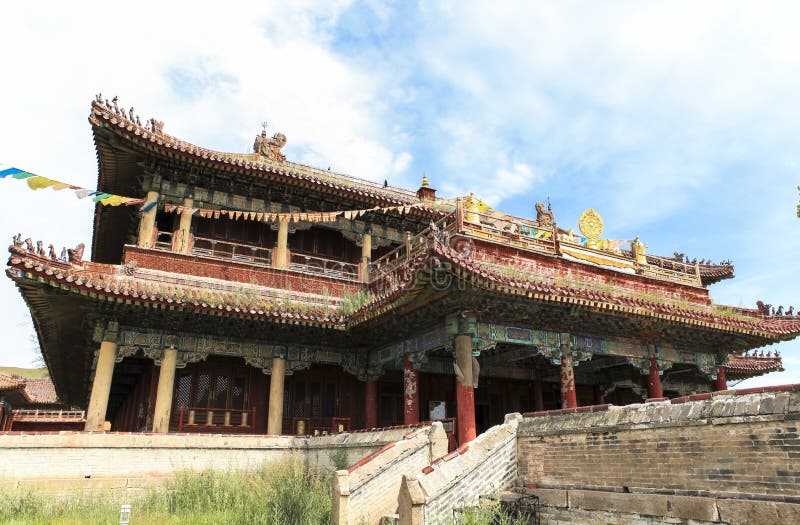
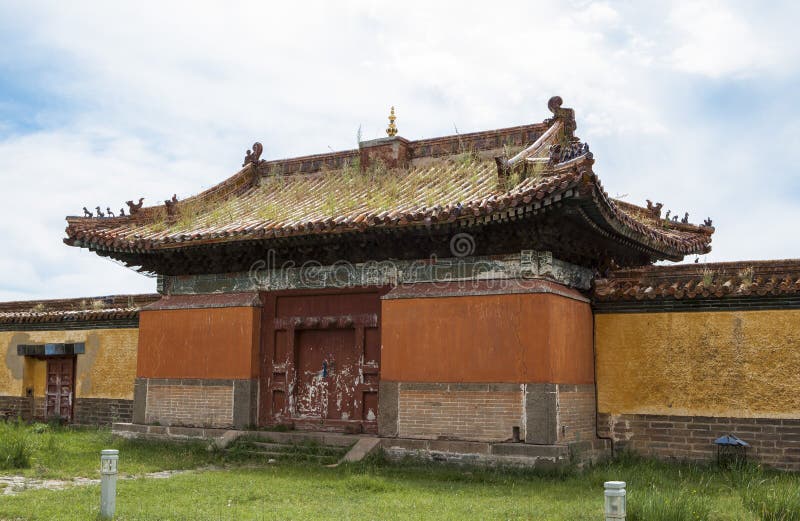
The Erdene Zuu Monastery - Эрдэнэ Зуу хийд - is probably the earliest surviving Buddhist monastery in Mongolia. Located in Övörkhangai Province, approximately 2 km north-east from the center of Kharkhorin and adjacent to the ancient city of Karakorum, it is part of the Orkhon Valley Cultural Landscape World Heritage Site. Archictecture stock images, royalty-free photos and pictures
Buddhism in Mongolia derives much of its recent characteristics from Tibetan Buddhism of the Gelug and Kagyu lineages. Traditionally, the Mongols ethnic religions involved worship of Heaven (the eternal blue sky) and ancestors and the ancient North Asian practices of shamanism, in which human intermediaries went into trance and spoke to and for some of the numberless infinities of spirits responsible for human luck or misfortune. Archictecture stock images, royalty-free photos and pictures