Free with trial Happy person, powerful businessman, friendly manager spreading his arms for success, he is very excited and active to take the challenge of every business opportunity, isolated on white background. Broad collar stock images, royalty-free photos and pictures Successful deal happy person powerful manager. happy person, powerful businessman, friendly manager spreading his arms for success, he is very excited and active to take the challenge of every business opportunity, isolated on white background
Free with trial Broad shouldered and well groomed men with backs to the camera. Broad collar stock images, royalty-free photos and pictures Men in Suits. Broad shouldered and well groomed men with backs to the camera.
Free with trial Woman wearing a blue boilersuit. Broad collar stock images, royalty-free photos and pictures Woman wearing a boilersuit. Woman wearing a blue boilersuit
Free with trial Decorated pharaons broad collar jewelry from ancient Egypt isolated on white background, front view picture. Broad collar stock images, royalty-free photos and pictures Decorated pharaons broad collar jewelry from ancient Egypt isolated
Free with trial Judd mat gaardebounen, Smoked Collar of Pork with Broad Beans and potatoes on a plate on a rustic wooden table, national dish of Luxembourg, horizontal view from above, flat lay, free space. Broad collar stock images, royalty-free photos and pictures Judd mat gaardebounen, pork neck with broad beans. Judd mat gaardebounen, Smoked Collar of Pork with Broad Beans and potatoes on a plate on a rustic wooden table, national dish of Luxembourg, horizontal view from above, flat lay, free space
Free with trial Male ruff with broad white collar. Broad collar stock images, royalty-free photos and pictures Male ruff with white collar. Male ruff with broad white collar
Free with trial Traditional Luxembourgish dish Judd mat Gaardebounen, smoked collar of pork with broad beans, on a plate next to cold meat platter, selective focus. Broad collar stock images, royalty-free photos and pictures Traditional Luxembourgish dish Judd mat Gaardebounen on a plate, selective focus. Traditional Luxembourgish dish Judd mat Gaardebounen, smoked collar of pork with broad beans, on a plate next to cold meat platter, selective focus
Free with trial Judd mat gaardebounen, Smoked Collar of Pork with blanched young Fava Beans cooked with creamy sauce and boiled potatoes on a plate, national dish of Luxembourg, vertical view, close-up. Broad collar stock images, royalty-free photos and pictures Judd mat gaardebounen, pork neck with broad beans. Judd mat gaardebounen, Smoked Collar of Pork with blanched young Fava Beans cooked with creamy sauce and boiled potatoes on a plate, national dish of Luxembourg, vertical view, close-up
Free with trial Luxembourgish judd mat gaardebounen, smoked collar of pork with broad beans, served on a ceramic plate. A traditional and flavorful dish from Luxembourg. Broad collar stock images, royalty-free photos and pictures Luxembourgish judd mat gaardebounen, smoked collar of pork with broad beans, served on a ceramic plate. A traditional
Free with trial The Andean Condor is not just a bird, and national heritage of several South American States. In ancient times, the Condor of the Andes symbolized the soul of these mountains, and the Incas firmly believed that his broad and reliable wings are the backbone of the Sun himself. More disappointing that this beautiful and powerful bird with a bright history in danger of extinction from the face of the planet. The Andean Condor is a large vulture with shiny black plumage, a collar of white feathers around the neck. On the head and greater part of the neck feathers are practically absent, and lots of bare skin in this place usually have shades from pale pink to reddish-brown. Males condors are distinguished by the presence of earrings on the neck and a large, dark-red crest, or fleshy outgrowth on Boskovice. Broad collar stock images, royalty-free photos and pictures The Andean Condor
Free with trial Happy woman smile pink dress isolated. Broad collar stock images, royalty-free photos and pictures Happy woman smile pink dress
Free with trial Happy woman smile pink dress isolated. Broad collar stock images, royalty-free photos and pictures Happy woman smile pink dress
Free with trial A male model in casual clothes over a white background. Broad collar stock images, royalty-free photos and pictures Casual male model. A male model in casual clothes over a white background.
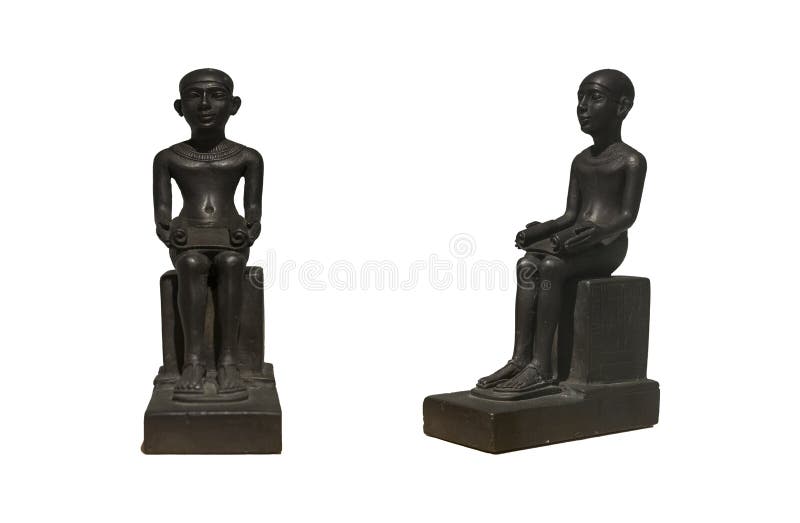
Free with trial Statuette of mhotep depicted as a scribe, 664 BC. Side and feont view. Museum of Ancient Egypt Culture of Barcelona, Spain. Broad collar stock images, royalty-free photos and pictures Statuette of mhotep depicted as a scribe. 26th Dynasty, 664 BC. Statuette of mhotep depicted as a scribe, 664 BC. Side and feont view. Museum of Ancient Egypt Culture of Barcelona, Spain
Free with trial Speech bubble and caucasian businessman shouting into megaphone. Mock up. Broad collar stock images, royalty-free photos and pictures Man shouting into megaphone
Free with trial Wild mutant common pheasant’s back Phasianus colchicus colchicus. Large, beautiful and rare pheasant with iridescent, greenish-blue plumage. Might belong to Elegans group - Yunnan pheasants: White neck collar and orbital lines are absent. A broad band of richly glossed dark green or bluish green colour runs down the underparts, completely separating the brassy-chestnut of the sides of the. Broad collar stock images, royalty-free photos and pictures The Pheasant Beauty’s back. Wild mutant common pheasant’s back Phasianus colchicus colchicus. Large, beautiful and rare pheasant with iridescent, greenish-blue plumage. Might belong to Elegans group - Yunnan pheasants: White neck collar and orbital lines are absent. A broad band of richly glossed dark green or bluish green colour runs down the underparts, completely separating the brassy-chestnut of the sides of the
Free with trial Part 4 of 5. Exterior stance training for Rottweiler dog. Adult woman in blue tracksuit sits down behind her pet and checks correct stance. Broad collar stock images, royalty-free photos and pictures Part 4 of 5. Exterior stance training for Rottweiler dog
Free with trial The adult male Golden Whistler is bright yellow on the underside, olive-green on the back and wings, and black on the head with a bright yellow collar. The throat is white, separated from the yellow chest by a broad black band. The bill and legs are black. Females lack bright plumage. They are generally grey above, with a pale olive tinge, and paler grey below, with a buff wash. The bill is dark brown and the legs grey-brown. The eye is red-brown in adults of both sexes. Young Golden Whistlers are rufous. As they mature, the plumage comes to resemble that of the female other than rufous edges to some wing feathers. These are later replaced as the bird matures. Broad collar stock images, royalty-free photos and pictures Golden Whistler in My Garden. The adult male Golden Whistler is bright yellow on the underside, olive-green on the back and wings, and black on the head with a bright yellow collar. The throat is white, separated from the yellow chest by a broad black band. The bill and legs are black. Females lack bright plumage. They are generally grey above, with a pale olive tinge, and paler grey below, with a buff wash. The bill is dark brown and the legs grey-brown. The eye is red-brown in adults of both sexes. Young Golden Whistlers are rufous. As they mature, the plumage comes to resemble that of the female other than rufous edges to some wing feathers. These are later replaced as the bird matures.
Free with trial Statuette of mhotep depicted as a scribe, 664 BC. Side and feont view. Museum of Ancient Egypt Culture of Barcelona, Spain. Broad collar stock images, royalty-free photos and pictures Statuette of mhotep depicted as a scribe. 26th Dynasty, 664 BC. Statuette of mhotep depicted as a scribe, 664 BC. Side and feont view. Museum of Ancient Egypt Culture of Barcelona, Spain
Free with trial Traditional Luxembourgish dish of judd mat gaardebounen, featuring smoked pork collar with fresh broad beans, served on a simple ceramic plate. This hearty, authentic meal represents the comfort food. Broad collar stock images, royalty-free photos and pictures Traditional Luxembourgish dish of judd mat gaardebounen, featuring smoked pork collar with fresh broad beans, served on
Free with trial Traditional Luxembourgish dish of judd mat gaardebounen, featuring smoked pork collar with fresh broad beans, served on a simple ceramic plate. This hearty, authentic meal represents the comfort food. Broad collar stock images, royalty-free photos and pictures Traditional Luxembourgish dish of judd mat gaardebounen, featuring smoked pork collar with fresh broad beans, served on
Free with trial Judd mat Gaardebounen smoked pork collar with broad beans and potatoes on white plate with white wine glass at restaurant. Broad collar stock images, royalty-free photos and pictures Judd mat Gaardebounen smoked pork collar with broad beans and potatoes on white plate luxembourg. Judd mat Gaardebounen smoked pork collar with broad beans and. Judd mat Gaardebounen smoked pork collar with broad beans and potatoes on white plate with white wine glass at restaurant
Free with trial Luxembourg's national dish: judd mat gaardebounen, featuring slices of smoked pork collar served with savory broad beans in a sauce, on a ceramic plate. Broad collar stock images, royalty-free photos and pictures Luxembourg's national dish: judd mat gaardebounen, featuring slices of smoked pork collar served with savory broad beans in a. Luxembourg's national dish: judd mat gaardebounen, featuring slices of smoked pork collar served with savory broad beans in a sauce, on a ceramic plate
Free with trial Luxembourg's national dish: judd mat gaardebounen, featuring slices of smoked pork collar served with savory broad beans in a sauce, on a ceramic plate. Broad collar stock images, royalty-free photos and pictures Luxembourg's national dish: judd mat gaardebounen, featuring slices of smoked pork collar served with savory broad beans in a. Luxembourg's national dish: judd mat gaardebounen, featuring slices of smoked pork collar served with savory broad beans in a sauce, on a ceramic plate
Free with trial This Painted wooden anthropoid coffin dates back to the Late Period of Egypt (664 - 332 BCE), unearthed from the Saqqara archaeological site and made of wood and pigment. It is a typical example of ancient Egyptian funerary culture. In anthropoid coffins and tomb murals, ancient Egyptians had a unique way of depicting the skin colors of men and women. Men's skin was usually reddish - brown, while women's was whiter. This is both a reflection of reality and an abstract, stylized representation. The five - layer broad collar worn by the deceased on the coffin is extremely ornate. In the last layer, blooming lotus flowers and buds alternate. As a symbol of Upper Egypt and closely associated with the afterlife, the repeated appearance of the lotus conveys the wish for the deceased to achieve eternal life. This painted anthropoid coffin not only showcases the craftsmanship of the time but also serves as important physical evidence for studying ancient Egyptian aesthetic concepts, religious beliefs, and funerary customs, allowing us to understand the ancient Egyptians' perception of life, death, and the afterlife. Broad collar stock images, royalty-free photos and pictures [Museum treasure 216]Saqqara archaeological site,Egyptian,Painted wooden anthropoid coffin. This Painted wooden anthropoid coffin dates back to the Late Period of Egypt (664 - 332 BCE), unearthed from the Saqqara archaeological site and made of wood and pigment. It is a typical example of ancient Egyptian funerary culture.In anthropoid coffins and tomb murals, ancient Egyptians had a unique way of depicting the skin colors of men and women. Men's skin was usually reddish - brown, while women's was whiter. This is both a reflection of reality and an abstract, stylized representation. The five - layer broad collar worn by the deceased on the coffin is extremely ornate. In the last layer, blooming lotus flowers and buds alternate. As a symbol of Upper Egypt and closely associated with the afterlife, the repeated appearance of the lotus conveys the wish for the deceased to achieve eternal life. This painted anthropoid coffin not only showcases the craftsmanship of the time but also serves as important physical evidence for studying ancient Egyptian aesthetic concepts, religious beliefs, and funerary customs, allowing us to understand the ancient Egyptians' perception of life, death, and the afterlife.
Free with trial Black and white dog with a red collar lying in lush green grass. The dog's head is resting sideways, eyes closed, with a hint of a relaxed posture. The grass is dense, with a mix of long blades and broad leaves, suggesting a natural, possibly untended area. The red collar stands out vividly against the dog's fur and the greenery, adding a pop of color. Broad collar stock images, royalty-free photos and pictures A black and white dog with a red collar lays in the grass. Black and white dog with a red collar lying in lush green grass. The dog's head is resting sideways, eyes closed, with a hint of a relaxed posture. The grass is dense, with a mix of long blades and broad leaves, suggesting a natural, possibly untended area. The red collar stands out vividly against the dog's fur and the greenery, adding a pop of color.
Free with trial A muscular dog with a brindle coat stands on snow, showcasing a sleek, short fur pattern. The dog wears a colorful, patterned collar. Its stance is alert and confident, with a broad chest and strong limbs visible. The background features packed snow, emphasizing the wintry setting. Broad collar stock images, royalty-free photos and pictures A brindle pit bull dog in the snow. A muscular dog with a brindle coat stands on snow, showcasing a sleek, short fur pattern. The dog wears a colorful, patterned collar. Its stance is alert and confident, with a broad chest and strong limbs visible. The background features packed snow, emphasizing the wintry setting.
Free with trial In the historical and artistic corridor of the 18th Dynasty in ancient Egypt, the Colossal statue of Tutankhamun, usurped by Ay and Horemheb is a precious cultural relic carrying complex historical stories. Carved from quartzite and decorated with pigment, this colossal statue was unearthed in Luxor and is now treasured in the Egyptian Museum in Cairo. After the death of Akhenaten, the young Tutankhamun ascended the throne, but the real power was in the hands of his minister Ay and general Horemheb. In the second year of his reign, Tutankhamun and his queen changed their names, marking the return of traditional beliefs. In 1931, the Chicago archaeological team discovered the relevant temple ruins in Luxor and unearthed two quartzite statues. The statue in the Egyptian Museum originally belonged to Ay and was later usurped by Horemheb, but it depicts the young Tutankhamun. Artistically, the figure in the statue stands in a ceremonial pose, wearing a broad collar, a nemes headcloth, and a royal kilt. The smooth body lines and the detailed depiction of the face and limbs not only show the solemn royal demeanor but also highlight the natural features of the figure, reflecting the superb carving skills of ancient Egypt. It is not only a work of art but also important physical evidence for studying the political changes, religious evolution, and carving art styles of ancient Egypt, allowing us to explore the context of power alternation and cultural inheritance in that era. Broad collar stock images, royalty-free photos and pictures [Museum treasure 182]Egyptian Museum in Cairo,Colossal statue of Tutankhamun. In the historical and artistic corridor of the 18th Dynasty in ancient Egypt, the Colossal statue of Tutankhamun, usurped by Ay and Horemheb is a precious cultural relic carrying complex historical stories. Carved from quartzite and decorated with pigment, this colossal statue was unearthed in Luxor and is now treasured in the Egyptian Museum in Cairo.After the death of Akhenaten, the young Tutankhamun ascended the throne, but the real power was in the hands of his minister Ay and general Horemheb. In the second year of his reign, Tutankhamun and his queen changed their names, marking the return of traditional beliefs. In 1931, the Chicago archaeological team discovered the relevant temple ruins in Luxor and unearthed two quartzite statues. The statue in the Egyptian Museum originally belonged to Ay and was later usurped by Horemheb, but it depicts the young Tutankhamun.Artistically, the figure in the statue stands in a ceremonial pose, wearing a broad collar, a nemes headcloth, and a royal kilt. The smooth body lines and the detailed depiction of the face and limbs not only show the solemn royal demeanor but also highlight the natural features of the figure, reflecting the superb carving skills of ancient Egypt. It is not only a work of art but also important physical evidence for studying the political changes, religious evolution, and carving art styles of ancient Egypt, allowing us to explore the context of power alternation and cultural inheritance in that era.
Free with trial In the historical and artistic corridor of the 18th Dynasty in ancient Egypt, the Colossal statue of Tutankhamun, usurped by Ay and Horemheb is a precious cultural relic carrying complex historical stories. Carved from quartzite and decorated with pigment, this colossal statue was unearthed in Luxor and is now treasured in the Egyptian Museum in Cairo. After the death of Akhenaten, the young Tutankhamun ascended the throne, but the real power was in the hands of his minister Ay and general Horemheb. In the second year of his reign, Tutankhamun and his queen changed their names, marking the return of traditional beliefs. In 1931, the Chicago archaeological team discovered the relevant temple ruins in Luxor and unearthed two quartzite statues. The statue in the Egyptian Museum originally belonged to Ay and was later usurped by Horemheb, but it depicts the young Tutankhamun. Artistically, the figure in the statue stands in a ceremonial pose, wearing a broad collar, a nemes headcloth, and a royal kilt. The smooth body lines and the detailed depiction of the face and limbs not only show the solemn royal demeanor but also highlight the natural features of the figure, reflecting the superb carving skills of ancient Egypt. It is not only a work of art but also important physical evidence for studying the political changes, religious evolution, and carving art styles of ancient Egypt, allowing us to explore the context of power alternation and cultural inheritance in that era. Broad collar stock images, royalty-free photos and pictures [Museum treasure 182]Egyptian Museum in Cairo,Colossal statue of Tutankhamun. In the historical and artistic corridor of the 18th Dynasty in ancient Egypt, the Colossal statue of Tutankhamun, usurped by Ay and Horemheb is a precious cultural relic carrying complex historical stories. Carved from quartzite and decorated with pigment, this colossal statue was unearthed in Luxor and is now treasured in the Egyptian Museum in Cairo.After the death of Akhenaten, the young Tutankhamun ascended the throne, but the real power was in the hands of his minister Ay and general Horemheb. In the second year of his reign, Tutankhamun and his queen changed their names, marking the return of traditional beliefs. In 1931, the Chicago archaeological team discovered the relevant temple ruins in Luxor and unearthed two quartzite statues. The statue in the Egyptian Museum originally belonged to Ay and was later usurped by Horemheb, but it depicts the young Tutankhamun.Artistically, the figure in the statue stands in a ceremonial pose, wearing a broad collar, a nemes headcloth, and a royal kilt. The smooth body lines and the detailed depiction of the face and limbs not only show the solemn royal demeanor but also highlight the natural features of the figure, reflecting the superb carving skills of ancient Egypt. It is not only a work of art but also important physical evidence for studying the political changes, religious evolution, and carving art styles of ancient Egypt, allowing us to explore the context of power alternation and cultural inheritance in that era.
Free with trial In the historical and artistic corridor of the 18th Dynasty in ancient Egypt, the Colossal statue of Tutankhamun, usurped by Ay and Horemheb is a precious cultural relic carrying complex historical stories. Carved from quartzite and decorated with pigment, this colossal statue was unearthed in Luxor and is now treasured in the Egyptian Museum in Cairo. After the death of Akhenaten, the young Tutankhamun ascended the throne, but the real power was in the hands of his minister Ay and general Horemheb. In the second year of his reign, Tutankhamun and his queen changed their names, marking the return of traditional beliefs. In 1931, the Chicago archaeological team discovered the relevant temple ruins in Luxor and unearthed two quartzite statues. The statue in the Egyptian Museum originally belonged to Ay and was later usurped by Horemheb, but it depicts the young Tutankhamun. Artistically, the figure in the statue stands in a ceremonial pose, wearing a broad collar, a nemes headcloth, and a royal kilt. The smooth body lines and the detailed depiction of the face and limbs not only show the solemn royal demeanor but also highlight the natural features of the figure, reflecting the superb carving skills of ancient Egypt. It is not only a work of art but also important physical evidence for studying the political changes, religious evolution, and carving art styles of ancient Egypt, allowing us to explore the context of power alternation and cultural inheritance in that era. Broad collar stock images, royalty-free photos and pictures [Museum treasure 182]Egyptian Museum in Cairo,Colossal statue of Tutankhamun. In the historical and artistic corridor of the 18th Dynasty in ancient Egypt, the Colossal statue of Tutankhamun, usurped by Ay and Horemheb is a precious cultural relic carrying complex historical stories. Carved from quartzite and decorated with pigment, this colossal statue was unearthed in Luxor and is now treasured in the Egyptian Museum in Cairo.After the death of Akhenaten, the young Tutankhamun ascended the throne, but the real power was in the hands of his minister Ay and general Horemheb. In the second year of his reign, Tutankhamun and his queen changed their names, marking the return of traditional beliefs. In 1931, the Chicago archaeological team discovered the relevant temple ruins in Luxor and unearthed two quartzite statues. The statue in the Egyptian Museum originally belonged to Ay and was later usurped by Horemheb, but it depicts the young Tutankhamun.Artistically, the figure in the statue stands in a ceremonial pose, wearing a broad collar, a nemes headcloth, and a royal kilt. The smooth body lines and the detailed depiction of the face and limbs not only show the solemn royal demeanor but also highlight the natural features of the figure, reflecting the superb carving skills of ancient Egypt. It is not only a work of art but also important physical evidence for studying the political changes, religious evolution, and carving art styles of ancient Egypt, allowing us to explore the context of power alternation and cultural inheritance in that era.
Free with trial In the historical and artistic corridor of the 18th Dynasty in ancient Egypt, the Colossal statue of Tutankhamun, usurped by Ay and Horemheb is a precious cultural relic carrying complex historical stories. Carved from quartzite and decorated with pigment, this colossal statue was unearthed in Luxor and is now treasured in the Egyptian Museum in Cairo. After the death of Akhenaten, the young Tutankhamun ascended the throne, but the real power was in the hands of his minister Ay and general Horemheb. In the second year of his reign, Tutankhamun and his queen changed their names, marking the return of traditional beliefs. In 1931, the Chicago archaeological team discovered the relevant temple ruins in Luxor and unearthed two quartzite statues. The statue in the Egyptian Museum originally belonged to Ay and was later usurped by Horemheb, but it depicts the young Tutankhamun. Artistically, the figure in the statue stands in a ceremonial pose, wearing a broad collar, a nemes headcloth, and a royal kilt. The smooth body lines and the detailed depiction of the face and limbs not only show the solemn royal demeanor but also highlight the natural features of the figure, reflecting the superb carving skills of ancient Egypt. It is not only a work of art but also important physical evidence for studying the political changes, religious evolution, and carving art styles of ancient Egypt, allowing us to explore the context of power alternation and cultural inheritance in that era. Broad collar stock images, royalty-free photos and pictures [Museum treasure 182]Egyptian Museum in Cairo,Colossal statue of Tutankhamun. In the historical and artistic corridor of the 18th Dynasty in ancient Egypt, the Colossal statue of Tutankhamun, usurped by Ay and Horemheb is a precious cultural relic carrying complex historical stories. Carved from quartzite and decorated with pigment, this colossal statue was unearthed in Luxor and is now treasured in the Egyptian Museum in Cairo.After the death of Akhenaten, the young Tutankhamun ascended the throne, but the real power was in the hands of his minister Ay and general Horemheb. In the second year of his reign, Tutankhamun and his queen changed their names, marking the return of traditional beliefs. In 1931, the Chicago archaeological team discovered the relevant temple ruins in Luxor and unearthed two quartzite statues. The statue in the Egyptian Museum originally belonged to Ay and was later usurped by Horemheb, but it depicts the young Tutankhamun.Artistically, the figure in the statue stands in a ceremonial pose, wearing a broad collar, a nemes headcloth, and a royal kilt. The smooth body lines and the detailed depiction of the face and limbs not only show the solemn royal demeanor but also highlight the natural features of the figure, reflecting the superb carving skills of ancient Egypt. It is not only a work of art but also important physical evidence for studying the political changes, religious evolution, and carving art styles of ancient Egypt, allowing us to explore the context of power alternation and cultural inheritance in that era.
Free with trial In the historical and artistic corridor of the 18th Dynasty in ancient Egypt, the Colossal statue of Tutankhamun, usurped by Ay and Horemheb is a precious cultural relic carrying complex historical stories. Carved from quartzite and decorated with pigment, this colossal statue was unearthed in Luxor and is now treasured in the Egyptian Museum in Cairo. After the death of Akhenaten, the young Tutankhamun ascended the throne, but the real power was in the hands of his minister Ay and general Horemheb. In the second year of his reign, Tutankhamun and his queen changed their names, marking the return of traditional beliefs. In 1931, the Chicago archaeological team discovered the relevant temple ruins in Luxor and unearthed two quartzite statues. The statue in the Egyptian Museum originally belonged to Ay and was later usurped by Horemheb, but it depicts the young Tutankhamun. Artistically, the figure in the statue stands in a ceremonial pose, wearing a broad collar, a nemes headcloth, and a royal kilt. The smooth body lines and the detailed depiction of the face and limbs not only show the solemn royal demeanor but also highlight the natural features of the figure, reflecting the superb carving skills of ancient Egypt. It is not only a work of art but also important physical evidence for studying the political changes, religious evolution, and carving art styles of ancient Egypt, allowing us to explore the context of power alternation and cultural inheritance in that era. Broad collar stock images, royalty-free photos and pictures [Museum treasure 182]Egyptian Museum in Cairo,Colossal statue of Tutankhamun. In the historical and artistic corridor of the 18th Dynasty in ancient Egypt, the Colossal statue of Tutankhamun, usurped by Ay and Horemheb is a precious cultural relic carrying complex historical stories. Carved from quartzite and decorated with pigment, this colossal statue was unearthed in Luxor and is now treasured in the Egyptian Museum in Cairo.After the death of Akhenaten, the young Tutankhamun ascended the throne, but the real power was in the hands of his minister Ay and general Horemheb. In the second year of his reign, Tutankhamun and his queen changed their names, marking the return of traditional beliefs. In 1931, the Chicago archaeological team discovered the relevant temple ruins in Luxor and unearthed two quartzite statues. The statue in the Egyptian Museum originally belonged to Ay and was later usurped by Horemheb, but it depicts the young Tutankhamun.Artistically, the figure in the statue stands in a ceremonial pose, wearing a broad collar, a nemes headcloth, and a royal kilt. The smooth body lines and the detailed depiction of the face and limbs not only show the solemn royal demeanor but also highlight the natural features of the figure, reflecting the superb carving skills of ancient Egypt. It is not only a work of art but also important physical evidence for studying the political changes, religious evolution, and carving art styles of ancient Egypt, allowing us to explore the context of power alternation and cultural inheritance in that era.
Free with trial In the historical and artistic corridor of the 18th Dynasty in ancient Egypt, the Colossal statue of Tutankhamun, usurped by Ay and Horemheb is a precious cultural relic carrying complex historical stories. Carved from quartzite and decorated with pigment, this colossal statue was unearthed in Luxor and is now treasured in the Egyptian Museum in Cairo. After the death of Akhenaten, the young Tutankhamun ascended the throne, but the real power was in the hands of his minister Ay and general Horemheb. In the second year of his reign, Tutankhamun and his queen changed their names, marking the return of traditional beliefs. In 1931, the Chicago archaeological team discovered the relevant temple ruins in Luxor and unearthed two quartzite statues. The statue in the Egyptian Museum originally belonged to Ay and was later usurped by Horemheb, but it depicts the young Tutankhamun. Artistically, the figure in the statue stands in a ceremonial pose, wearing a broad collar, a nemes headcloth, and a royal kilt. The smooth body lines and the detailed depiction of the face and limbs not only show the solemn royal demeanor but also highlight the natural features of the figure, reflecting the superb carving skills of ancient Egypt. It is not only a work of art but also important physical evidence for studying the political changes, religious evolution, and carving art styles of ancient Egypt, allowing us to explore the context of power alternation and cultural inheritance in that era. Broad collar stock images, royalty-free photos and pictures [Museum treasure 182]Egyptian Museum in Cairo,Colossal statue of Tutankhamun. In the historical and artistic corridor of the 18th Dynasty in ancient Egypt, the Colossal statue of Tutankhamun, usurped by Ay and Horemheb is a precious cultural relic carrying complex historical stories. Carved from quartzite and decorated with pigment, this colossal statue was unearthed in Luxor and is now treasured in the Egyptian Museum in Cairo.After the death of Akhenaten, the young Tutankhamun ascended the throne, but the real power was in the hands of his minister Ay and general Horemheb. In the second year of his reign, Tutankhamun and his queen changed their names, marking the return of traditional beliefs. In 1931, the Chicago archaeological team discovered the relevant temple ruins in Luxor and unearthed two quartzite statues. The statue in the Egyptian Museum originally belonged to Ay and was later usurped by Horemheb, but it depicts the young Tutankhamun.Artistically, the figure in the statue stands in a ceremonial pose, wearing a broad collar, a nemes headcloth, and a royal kilt. The smooth body lines and the detailed depiction of the face and limbs not only show the solemn royal demeanor but also highlight the natural features of the figure, reflecting the superb carving skills of ancient Egypt. It is not only a work of art but also important physical evidence for studying the political changes, religious evolution, and carving art styles of ancient Egypt, allowing us to explore the context of power alternation and cultural inheritance in that era.
Free with trial In the historical and artistic corridor of the 18th Dynasty in ancient Egypt, the Colossal statue of Tutankhamun, usurped by Ay and Horemheb is a precious cultural relic carrying complex historical stories. Carved from quartzite and decorated with pigment, this colossal statue was unearthed in Luxor and is now treasured in the Egyptian Museum in Cairo. After the death of Akhenaten, the young Tutankhamun ascended the throne, but the real power was in the hands of his minister Ay and general Horemheb. In the second year of his reign, Tutankhamun and his queen changed their names, marking the return of traditional beliefs. In 1931, the Chicago archaeological team discovered the relevant temple ruins in Luxor and unearthed two quartzite statues. The statue in the Egyptian Museum originally belonged to Ay and was later usurped by Horemheb, but it depicts the young Tutankhamun. Artistically, the figure in the statue stands in a ceremonial pose, wearing a broad collar, a nemes headcloth, and a royal kilt. The smooth body lines and the detailed depiction of the face and limbs not only show the solemn royal demeanor but also highlight the natural features of the figure, reflecting the superb carving skills of ancient Egypt. It is not only a work of art but also important physical evidence for studying the political changes, religious evolution, and carving art styles of ancient Egypt, allowing us to explore the context of power alternation and cultural inheritance in that era. Broad collar stock images, royalty-free photos and pictures [Museum treasure 182]Egyptian Museum in Cairo,Colossal statue of Tutankhamun. In the historical and artistic corridor of the 18th Dynasty in ancient Egypt, the Colossal statue of Tutankhamun, usurped by Ay and Horemheb is a precious cultural relic carrying complex historical stories. Carved from quartzite and decorated with pigment, this colossal statue was unearthed in Luxor and is now treasured in the Egyptian Museum in Cairo.After the death of Akhenaten, the young Tutankhamun ascended the throne, but the real power was in the hands of his minister Ay and general Horemheb. In the second year of his reign, Tutankhamun and his queen changed their names, marking the return of traditional beliefs. In 1931, the Chicago archaeological team discovered the relevant temple ruins in Luxor and unearthed two quartzite statues. The statue in the Egyptian Museum originally belonged to Ay and was later usurped by Horemheb, but it depicts the young Tutankhamun.Artistically, the figure in the statue stands in a ceremonial pose, wearing a broad collar, a nemes headcloth, and a royal kilt. The smooth body lines and the detailed depiction of the face and limbs not only show the solemn royal demeanor but also highlight the natural features of the figure, reflecting the superb carving skills of ancient Egypt. It is not only a work of art but also important physical evidence for studying the political changes, religious evolution, and carving art styles of ancient Egypt, allowing us to explore the context of power alternation and cultural inheritance in that era.
Free with trial In the historical and artistic corridor of the 18th Dynasty in ancient Egypt, the Colossal statue of Tutankhamun, usurped by Ay and Horemheb is a precious cultural relic carrying complex historical stories. Carved from quartzite and decorated with pigment, this colossal statue was unearthed in Luxor and is now treasured in the Egyptian Museum in Cairo. After the death of Akhenaten, the young Tutankhamun ascended the throne, but the real power was in the hands of his minister Ay and general Horemheb. In the second year of his reign, Tutankhamun and his queen changed their names, marking the return of traditional beliefs. In 1931, the Chicago archaeological team discovered the relevant temple ruins in Luxor and unearthed two quartzite statues. The statue in the Egyptian Museum originally belonged to Ay and was later usurped by Horemheb, but it depicts the young Tutankhamun. Artistically, the figure in the statue stands in a ceremonial pose, wearing a broad collar, a nemes headcloth, and a royal kilt. The smooth body lines and the detailed depiction of the face and limbs not only show the solemn royal demeanor but also highlight the natural features of the figure, reflecting the superb carving skills of ancient Egypt. It is not only a work of art but also important physical evidence for studying the political changes, religious evolution, and carving art styles of ancient Egypt, allowing us to explore the context of power alternation and cultural inheritance in that era. Broad collar stock images, royalty-free photos and pictures [Museum treasure 182]Egyptian Museum in Cairo,Colossal statue of Tutankhamun. In the historical and artistic corridor of the 18th Dynasty in ancient Egypt, the Colossal statue of Tutankhamun, usurped by Ay and Horemheb is a precious cultural relic carrying complex historical stories. Carved from quartzite and decorated with pigment, this colossal statue was unearthed in Luxor and is now treasured in the Egyptian Museum in Cairo.After the death of Akhenaten, the young Tutankhamun ascended the throne, but the real power was in the hands of his minister Ay and general Horemheb. In the second year of his reign, Tutankhamun and his queen changed their names, marking the return of traditional beliefs. In 1931, the Chicago archaeological team discovered the relevant temple ruins in Luxor and unearthed two quartzite statues. The statue in the Egyptian Museum originally belonged to Ay and was later usurped by Horemheb, but it depicts the young Tutankhamun.Artistically, the figure in the statue stands in a ceremonial pose, wearing a broad collar, a nemes headcloth, and a royal kilt. The smooth body lines and the detailed depiction of the face and limbs not only show the solemn royal demeanor but also highlight the natural features of the figure, reflecting the superb carving skills of ancient Egypt. It is not only a work of art but also important physical evidence for studying the political changes, religious evolution, and carving art styles of ancient Egypt, allowing us to explore the context of power alternation and cultural inheritance in that era.
Free with trial In the historical and artistic corridor of the 18th Dynasty in ancient Egypt, the Colossal statue of Tutankhamun, usurped by Ay and Horemheb is a precious cultural relic carrying complex historical stories. Carved from quartzite and decorated with pigment, this colossal statue was unearthed in Luxor and is now treasured in the Egyptian Museum in Cairo. After the death of Akhenaten, the young Tutankhamun ascended the throne, but the real power was in the hands of his minister Ay and general Horemheb. In the second year of his reign, Tutankhamun and his queen changed their names, marking the return of traditional beliefs. In 1931, the Chicago archaeological team discovered the relevant temple ruins in Luxor and unearthed two quartzite statues. The statue in the Egyptian Museum originally belonged to Ay and was later usurped by Horemheb, but it depicts the young Tutankhamun. Artistically, the figure in the statue stands in a ceremonial pose, wearing a broad collar, a nemes headcloth, and a royal kilt. The smooth body lines and the detailed depiction of the face and limbs not only show the solemn royal demeanor but also highlight the natural features of the figure, reflecting the superb carving skills of ancient Egypt. It is not only a work of art but also important physical evidence for studying the political changes, religious evolution, and carving art styles of ancient Egypt, allowing us to explore the context of power alternation and cultural inheritance in that era. Broad collar stock images, royalty-free photos and pictures [Museum treasure 182]Egyptian Museum in Cairo,Colossal statue of Tutankhamun. In the historical and artistic corridor of the 18th Dynasty in ancient Egypt, the Colossal statue of Tutankhamun, usurped by Ay and Horemheb is a precious cultural relic carrying complex historical stories. Carved from quartzite and decorated with pigment, this colossal statue was unearthed in Luxor and is now treasured in the Egyptian Museum in Cairo.After the death of Akhenaten, the young Tutankhamun ascended the throne, but the real power was in the hands of his minister Ay and general Horemheb. In the second year of his reign, Tutankhamun and his queen changed their names, marking the return of traditional beliefs. In 1931, the Chicago archaeological team discovered the relevant temple ruins in Luxor and unearthed two quartzite statues. The statue in the Egyptian Museum originally belonged to Ay and was later usurped by Horemheb, but it depicts the young Tutankhamun.Artistically, the figure in the statue stands in a ceremonial pose, wearing a broad collar, a nemes headcloth, and a royal kilt. The smooth body lines and the detailed depiction of the face and limbs not only show the solemn royal demeanor but also highlight the natural features of the figure, reflecting the superb carving skills of ancient Egypt. It is not only a work of art but also important physical evidence for studying the political changes, religious evolution, and carving art styles of ancient Egypt, allowing us to explore the context of power alternation and cultural inheritance in that era.
Free with trial In the historical and artistic corridor of the 18th Dynasty in ancient Egypt, the Colossal statue of Tutankhamun, usurped by Ay and Horemheb is a precious cultural relic carrying complex historical stories. Carved from quartzite and decorated with pigment, this colossal statue was unearthed in Luxor and is now treasured in the Egyptian Museum in Cairo. After the death of Akhenaten, the young Tutankhamun ascended the throne, but the real power was in the hands of his minister Ay and general Horemheb. In the second year of his reign, Tutankhamun and his queen changed their names, marking the return of traditional beliefs. In 1931, the Chicago archaeological team discovered the relevant temple ruins in Luxor and unearthed two quartzite statues. The statue in the Egyptian Museum originally belonged to Ay and was later usurped by Horemheb, but it depicts the young Tutankhamun. Artistically, the figure in the statue stands in a ceremonial pose, wearing a broad collar, a nemes headcloth, and a royal kilt. The smooth body lines and the detailed depiction of the face and limbs not only show the solemn royal demeanor but also highlight the natural features of the figure, reflecting the superb carving skills of ancient Egypt. It is not only a work of art but also important physical evidence for studying the political changes, religious evolution, and carving art styles of ancient Egypt, allowing us to explore the context of power alternation and cultural inheritance in that era. Broad collar stock images, royalty-free photos and pictures [Museum treasure 182]Egyptian Museum in Cairo,Colossal statue of Tutankhamun. In the historical and artistic corridor of the 18th Dynasty in ancient Egypt, the Colossal statue of Tutankhamun, usurped by Ay and Horemheb is a precious cultural relic carrying complex historical stories. Carved from quartzite and decorated with pigment, this colossal statue was unearthed in Luxor and is now treasured in the Egyptian Museum in Cairo.After the death of Akhenaten, the young Tutankhamun ascended the throne, but the real power was in the hands of his minister Ay and general Horemheb. In the second year of his reign, Tutankhamun and his queen changed their names, marking the return of traditional beliefs. In 1931, the Chicago archaeological team discovered the relevant temple ruins in Luxor and unearthed two quartzite statues. The statue in the Egyptian Museum originally belonged to Ay and was later usurped by Horemheb, but it depicts the young Tutankhamun.Artistically, the figure in the statue stands in a ceremonial pose, wearing a broad collar, a nemes headcloth, and a royal kilt. The smooth body lines and the detailed depiction of the face and limbs not only show the solemn royal demeanor but also highlight the natural features of the figure, reflecting the superb carving skills of ancient Egypt. It is not only a work of art but also important physical evidence for studying the political changes, religious evolution, and carving art styles of ancient Egypt, allowing us to explore the context of power alternation and cultural inheritance in that era.
Free with trial In the historical and artistic corridor of the 18th Dynasty in ancient Egypt, the Colossal statue of Tutankhamun, usurped by Ay and Horemheb is a precious cultural relic carrying complex historical stories. Carved from quartzite and decorated with pigment, this colossal statue was unearthed in Luxor and is now treasured in the Egyptian Museum in Cairo. After the death of Akhenaten, the young Tutankhamun ascended the throne, but the real power was in the hands of his minister Ay and general Horemheb. In the second year of his reign, Tutankhamun and his queen changed their names, marking the return of traditional beliefs. In 1931, the Chicago archaeological team discovered the relevant temple ruins in Luxor and unearthed two quartzite statues. The statue in the Egyptian Museum originally belonged to Ay and was later usurped by Horemheb, but it depicts the young Tutankhamun. Artistically, the figure in the statue stands in a ceremonial pose, wearing a broad collar, a nemes headcloth, and a royal kilt. The smooth body lines and the detailed depiction of the face and limbs not only show the solemn royal demeanor but also highlight the natural features of the figure, reflecting the superb carving skills of ancient Egypt. It is not only a work of art but also important physical evidence for studying the political changes, religious evolution, and carving art styles of ancient Egypt, allowing us to explore the context of power alternation and cultural inheritance in that era. Broad collar stock images, royalty-free photos and pictures [Museum treasure 182]Egyptian Museum in Cairo,Colossal statue of Tutankhamun. In the historical and artistic corridor of the 18th Dynasty in ancient Egypt, the Colossal statue of Tutankhamun, usurped by Ay and Horemheb is a precious cultural relic carrying complex historical stories. Carved from quartzite and decorated with pigment, this colossal statue was unearthed in Luxor and is now treasured in the Egyptian Museum in Cairo.After the death of Akhenaten, the young Tutankhamun ascended the throne, but the real power was in the hands of his minister Ay and general Horemheb. In the second year of his reign, Tutankhamun and his queen changed their names, marking the return of traditional beliefs. In 1931, the Chicago archaeological team discovered the relevant temple ruins in Luxor and unearthed two quartzite statues. The statue in the Egyptian Museum originally belonged to Ay and was later usurped by Horemheb, but it depicts the young Tutankhamun.Artistically, the figure in the statue stands in a ceremonial pose, wearing a broad collar, a nemes headcloth, and a royal kilt. The smooth body lines and the detailed depiction of the face and limbs not only show the solemn royal demeanor but also highlight the natural features of the figure, reflecting the superb carving skills of ancient Egypt. It is not only a work of art but also important physical evidence for studying the political changes, religious evolution, and carving art styles of ancient Egypt, allowing us to explore the context of power alternation and cultural inheritance in that era.
Free with trial Smoked pork collar with broad beans in creamy sauce served with potatoes bread and glass of white wine on wooden table. Broad collar stock images, royalty-free photos and pictures Smoked pork collar with broad beans in creamy sauce served with potatoes on wooden table. Smoked pork collar with broad beans in creamy sauce served with potatoes bread and glass of white wine on wooden table
Free with trial A traditional Luxembourgish dish, Judd mat Gaardebounen, served on a ceramic plate. The dish features smoked collar of pork paired with hearty broad beans, showcasing Luxembourg's cuisine. Broad collar stock images, royalty-free photos and pictures A traditional Luxembourgish dish, Judd mat Gaardebounen, served on a ceramic plate. The dish features smoked collar
Free with trial A traditional Luxembourgish dish, Judd mat Gaardebounen, served on a ceramic plate. The dish features smoked collar of pork paired with hearty broad beans, showcasing Luxembourg's cuisine. Broad collar stock images, royalty-free photos and pictures A traditional Luxembourgish dish, Judd mat Gaardebounen, served on a ceramic plate. The dish features smoked collar
Free with trial This "Painted wooden anthropoid coffin" dates back to the Late Period of Egypt (664 - 332 BCE), unearthed from the Saqqara archaeological site and made of wood and pigment. It is a typical example of ancient Egyptian funerary culture. In anthropoid coffins and tomb murals, ancient Egyptians had a unique way of depicting the skin colors of men and women. Men's skin was usually reddish - brown, while women's was whiter. This is both a reflection of reality and an abstract, stylized representation. The five - layer broad collar worn by the deceased on the coffin is extremely ornate. In the last layer, blooming lotus flowers and buds alternate. As a symbol of Upper Egypt and closely associated with the afterlife, the repeated appearance of the lotus conveys the wish for the deceased to achieve eternal life. This painted anthropoid coffin not only showcases the craftsmanship of the time but also serves as important physical evidence for studying ancient Egyptian aesthetic concepts, religious beliefs, and funerary customs, allowing us to understand the ancient Egyptians' perception of life, death, and the afterlife. Broad collar stock images, royalty-free photos and pictures [Museum treasure 216]Saqqara archaeological site,Egyptian,Painted wooden anthropoid coffin. This "Painted wooden anthropoid coffin" dates back to the Late Period of Egypt (664 - 332 BCE), unearthed from the Saqqara archaeological site and made of wood and pigment. It is a typical example of ancient Egyptian funerary culture.In anthropoid coffins and tomb murals, ancient Egyptians had a unique way of depicting the skin colors of men and women. Men's skin was usually reddish - brown, while women's was whiter. This is both a reflection of reality and an abstract, stylized representation. The five - layer broad collar worn by the deceased on the coffin is extremely ornate. In the last layer, blooming lotus flowers and buds alternate. As a symbol of Upper Egypt and closely associated with the afterlife, the repeated appearance of the lotus conveys the wish for the deceased to achieve eternal life. This painted anthropoid coffin not only showcases the craftsmanship of the time but also serves as important physical evidence for studying ancient Egyptian aesthetic concepts, religious beliefs, and funerary customs, allowing us to understand the ancient Egyptians' perception of life, death, and the afterlife.
Free with trial This "Painted wooden anthropoid coffin" dates back to the Late Period of Egypt (664 - 332 BCE), unearthed from the Saqqara archaeological site and made of wood and pigment. It is a typical example of ancient Egyptian funerary culture. In anthropoid coffins and tomb murals, ancient Egyptians had a unique way of depicting the skin colors of men and women. Men's skin was usually reddish - brown, while women's was whiter. This is both a reflection of reality and an abstract, stylized representation. The five - layer broad collar worn by the deceased on the coffin is extremely ornate. In the last layer, blooming lotus flowers and buds alternate. As a symbol of Upper Egypt and closely associated with the afterlife, the repeated appearance of the lotus conveys the wish for the deceased to achieve eternal life. This painted anthropoid coffin not only showcases the craftsmanship of the time but also serves as important physical evidence for studying ancient Egyptian aesthetic concepts, religious beliefs, and funerary customs, allowing us to understand the ancient Egyptians' perception of life, death, and the afterlife. Broad collar stock images, royalty-free photos and pictures [Museum treasure 216]Saqqara archaeological site,Egyptian,Painted wooden anthropoid coffin. This "Painted wooden anthropoid coffin" dates back to the Late Period of Egypt (664 - 332 BCE), unearthed from the Saqqara archaeological site and made of wood and pigment. It is a typical example of ancient Egyptian funerary culture.In anthropoid coffins and tomb murals, ancient Egyptians had a unique way of depicting the skin colors of men and women. Men's skin was usually reddish - brown, while women's was whiter. This is both a reflection of reality and an abstract, stylized representation. The five - layer broad collar worn by the deceased on the coffin is extremely ornate. In the last layer, blooming lotus flowers and buds alternate. As a symbol of Upper Egypt and closely associated with the afterlife, the repeated appearance of the lotus conveys the wish for the deceased to achieve eternal life. This painted anthropoid coffin not only showcases the craftsmanship of the time but also serves as important physical evidence for studying ancient Egyptian aesthetic concepts, religious beliefs, and funerary customs, allowing us to understand the ancient Egyptians' perception of life, death, and the afterlife.
Free with trial The "Painted wooden anthropoid coffin" is a precious cultural relic from the Late Period of ancient Egypt (664 - 332 BCE), unearthed at the Saqqara archaeological site and meticulously made of wood and pigment. Since the late Middle Kingdom, anthropoid coffins have been a common form of burial coffins in ancient Egypt, and this "green - faced" coffin is a typical example. The uniqueness of this coffin lies in the green color of the deceased's face, which carries profound symbolic meanings. It represents the god Osiris, who is said to have been resurrected from the dead, symbolizing the hope of rebirth. It also symbolizes the inundated Nile River, signifying the nourishment and prosperity of life. The deceased on the coffin wears a nemes headcloth and a broad collar, elements deliberately used to portray the image of the god Osiris, indicating that the deceased has obtained a divine status after death and can achieve eternal life like Osiris. Culturally and religiously, this painted anthropoid coffin is not only a manifestation of the exquisite woodworking and painting skills of ancient Egypt but also a vivid reflection of the ancient Egyptians' religious beliefs and concepts of the afterlife. It provides precious physical evidence for studying ancient Egyptian funerary culture, myths, and artistic styles, guiding us to explore the ancient Egyptians' unique understanding of the cycle of life and death and their spiritual pursuits. Broad collar stock images, royalty-free photos and pictures [Museum treasure 213]Saqqara archaeological site,Egyptian,Painted wooden anthropoid coffin. The "Painted wooden anthropoid coffin" is a precious cultural relic from the Late Period of ancient Egypt (664 - 332 BCE), unearthed at the Saqqara archaeological site and meticulously made of wood and pigment. Since the late Middle Kingdom, anthropoid coffins have been a common form of burial coffins in ancient Egypt, and this "green - faced" coffin is a typical example.The uniqueness of this coffin lies in the green color of the deceased's face, which carries profound symbolic meanings. It represents the god Osiris, who is said to have been resurrected from the dead, symbolizing the hope of rebirth. It also symbolizes the inundated Nile River, signifying the nourishment and prosperity of life. The deceased on the coffin wears a nemes headcloth and a broad collar, elements deliberately used to portray the image of the god Osiris, indicating that the deceased has obtained a divine status after death and can achieve eternal life like Osiris.Culturally and religiously, this painted anthropoid coffin is not only a manifestation of the exquisite woodworking and painting skills of ancient Egypt but also a vivid reflection of the ancient Egyptians' religious beliefs and concepts of the afterlife. It provides precious physical evidence for studying ancient Egyptian funerary culture, myths, and artistic styles, guiding us to explore the ancient Egyptians' unique understanding of the cycle of life and death and their spiritual pursuits.
Free with trial This "Painted wooden anthropoid coffin" dates back to the Late Period of Egypt (664 - 332 BCE), unearthed from the Saqqara archaeological site and made of wood and pigment. It is a typical example of ancient Egyptian funerary culture. In anthropoid coffins and tomb murals, ancient Egyptians had a unique way of depicting the skin colors of men and women. Men's skin was usually reddish - brown, while women's was whiter. This is both a reflection of reality and an abstract, stylized representation. The five - layer broad collar worn by the deceased on the coffin is extremely ornate. In the last layer, blooming lotus flowers and buds alternate. As a symbol of Upper Egypt and closely associated with the afterlife, the repeated appearance of the lotus conveys the wish for the deceased to achieve eternal life. This painted anthropoid coffin not only showcases the craftsmanship of the time but also serves as important physical evidence for studying ancient Egyptian aesthetic concepts, religious beliefs, and funerary customs, allowing us to understand the ancient Egyptians' perception of life, death, and the afterlife. Broad collar stock images, royalty-free photos and pictures [Museum treasure 216]Saqqara archaeological site,Egyptian,Painted wooden anthropoid coffin. This "Painted wooden anthropoid coffin" dates back to the Late Period of Egypt (664 - 332 BCE), unearthed from the Saqqara archaeological site and made of wood and pigment. It is a typical example of ancient Egyptian funerary culture.In anthropoid coffins and tomb murals, ancient Egyptians had a unique way of depicting the skin colors of men and women. Men's skin was usually reddish - brown, while women's was whiter. This is both a reflection of reality and an abstract, stylized representation. The five - layer broad collar worn by the deceased on the coffin is extremely ornate. In the last layer, blooming lotus flowers and buds alternate. As a symbol of Upper Egypt and closely associated with the afterlife, the repeated appearance of the lotus conveys the wish for the deceased to achieve eternal life. This painted anthropoid coffin not only showcases the craftsmanship of the time but also serves as important physical evidence for studying ancient Egyptian aesthetic concepts, religious beliefs, and funerary customs, allowing us to understand the ancient Egyptians' perception of life, death, and the afterlife.
Free with trial The "Painted wooden anthropoid coffin" is a precious cultural relic from the Late Period of ancient Egypt (664 - 332 BCE), unearthed at the Saqqara archaeological site and meticulously made of wood and pigment. Since the late Middle Kingdom, anthropoid coffins have been a common form of burial coffins in ancient Egypt, and this "green - faced" coffin is a typical example. The uniqueness of this coffin lies in the green color of the deceased's face, which carries profound symbolic meanings. It represents the god Osiris, who is said to have been resurrected from the dead, symbolizing the hope of rebirth. It also symbolizes the inundated Nile River, signifying the nourishment and prosperity of life. The deceased on the coffin wears a nemes headcloth and a broad collar, elements deliberately used to portray the image of the god Osiris, indicating that the deceased has obtained a divine status after death and can achieve eternal life like Osiris. Culturally and religiously, this painted anthropoid coffin is not only a manifestation of the exquisite woodworking and painting skills of ancient Egypt but also a vivid reflection of the ancient Egyptians' religious beliefs and concepts of the afterlife. It provides precious physical evidence for studying ancient Egyptian funerary culture, myths, and artistic styles, guiding us to explore the ancient Egyptians' unique understanding of the cycle of life and death and their spiritual pursuits. Broad collar stock images, royalty-free photos and pictures [Museum treasure 213]Saqqara archaeological site,Egyptian,Painted wooden anthropoid coffin. The "Painted wooden anthropoid coffin" is a precious cultural relic from the Late Period of ancient Egypt (664 - 332 BCE), unearthed at the Saqqara archaeological site and meticulously made of wood and pigment. Since the late Middle Kingdom, anthropoid coffins have been a common form of burial coffins in ancient Egypt, and this "green - faced" coffin is a typical example.The uniqueness of this coffin lies in the green color of the deceased's face, which carries profound symbolic meanings. It represents the god Osiris, who is said to have been resurrected from the dead, symbolizing the hope of rebirth. It also symbolizes the inundated Nile River, signifying the nourishment and prosperity of life. The deceased on the coffin wears a nemes headcloth and a broad collar, elements deliberately used to portray the image of the god Osiris, indicating that the deceased has obtained a divine status after death and can achieve eternal life like Osiris.Culturally and religiously, this painted anthropoid coffin is not only a manifestation of the exquisite woodworking and painting skills of ancient Egypt but also a vivid reflection of the ancient Egyptians' religious beliefs and concepts of the afterlife. It provides precious physical evidence for studying ancient Egyptian funerary culture, myths, and artistic styles, guiding us to explore the ancient Egyptians' unique understanding of the cycle of life and death and their spiritual pursuits.
Free with trial The "Painted wooden anthropoid coffin" is a precious cultural relic from the Late Period of ancient Egypt (664 - 332 BCE), unearthed at the Saqqara archaeological site and meticulously made of wood and pigment. Since the late Middle Kingdom, anthropoid coffins have been a common form of burial coffins in ancient Egypt, and this "green - faced" coffin is a typical example. The uniqueness of this coffin lies in the green color of the deceased's face, which carries profound symbolic meanings. It represents the god Osiris, who is said to have been resurrected from the dead, symbolizing the hope of rebirth. It also symbolizes the inundated Nile River, signifying the nourishment and prosperity of life. The deceased on the coffin wears a nemes headcloth and a broad collar, elements deliberately used to portray the image of the god Osiris, indicating that the deceased has obtained a divine status after death and can achieve eternal life like Osiris. Culturally and religiously, this painted anthropoid coffin is not only a manifestation of the exquisite woodworking and painting skills of ancient Egypt but also a vivid reflection of the ancient Egyptians' religious beliefs and concepts of the afterlife. It provides precious physical evidence for studying ancient Egyptian funerary culture, myths, and artistic styles, guiding us to explore the ancient Egyptians' unique understanding of the cycle of life and death and their spiritual pursuits. Broad collar stock images, royalty-free photos and pictures [Museum treasure 213]Saqqara archaeological site,Egyptian,Painted wooden anthropoid coffin. The "Painted wooden anthropoid coffin" is a precious cultural relic from the Late Period of ancient Egypt (664 - 332 BCE), unearthed at the Saqqara archaeological site and meticulously made of wood and pigment. Since the late Middle Kingdom, anthropoid coffins have been a common form of burial coffins in ancient Egypt, and this "green - faced" coffin is a typical example.The uniqueness of this coffin lies in the green color of the deceased's face, which carries profound symbolic meanings. It represents the god Osiris, who is said to have been resurrected from the dead, symbolizing the hope of rebirth. It also symbolizes the inundated Nile River, signifying the nourishment and prosperity of life. The deceased on the coffin wears a nemes headcloth and a broad collar, elements deliberately used to portray the image of the god Osiris, indicating that the deceased has obtained a divine status after death and can achieve eternal life like Osiris.Culturally and religiously, this painted anthropoid coffin is not only a manifestation of the exquisite woodworking and painting skills of ancient Egypt but also a vivid reflection of the ancient Egyptians' religious beliefs and concepts of the afterlife. It provides precious physical evidence for studying ancient Egyptian funerary culture, myths, and artistic styles, guiding us to explore the ancient Egyptians' unique understanding of the cycle of life and death and their spiritual pursuits.
Free with trial The "Painted wooden anthropoid coffin" is a precious cultural relic from the Late Period of ancient Egypt (664 - 332 BCE), unearthed at the Saqqara archaeological site and meticulously made of wood and pigment. Since the late Middle Kingdom, anthropoid coffins have been a common form of burial coffins in ancient Egypt, and this "green - faced" coffin is a typical example. The uniqueness of this coffin lies in the green color of the deceased's face, which carries profound symbolic meanings. It represents the god Osiris, who is said to have been resurrected from the dead, symbolizing the hope of rebirth. It also symbolizes the inundated Nile River, signifying the nourishment and prosperity of life. The deceased on the coffin wears a nemes headcloth and a broad collar, elements deliberately used to portray the image of the god Osiris, indicating that the deceased has obtained a divine status after death and can achieve eternal life like Osiris. Culturally and religiously, this painted anthropoid coffin is not only a manifestation of the exquisite woodworking and painting skills of ancient Egypt but also a vivid reflection of the ancient Egyptians' religious beliefs and concepts of the afterlife. It provides precious physical evidence for studying ancient Egyptian funerary culture, myths, and artistic styles, guiding us to explore the ancient Egyptians' unique understanding of the cycle of life and death and their spiritual pursuits. Broad collar stock images, royalty-free photos and pictures [Museum treasure 213]Saqqara archaeological site,Egyptian,Painted wooden anthropoid coffin. The "Painted wooden anthropoid coffin" is a precious cultural relic from the Late Period of ancient Egypt (664 - 332 BCE), unearthed at the Saqqara archaeological site and meticulously made of wood and pigment. Since the late Middle Kingdom, anthropoid coffins have been a common form of burial coffins in ancient Egypt, and this "green - faced" coffin is a typical example.The uniqueness of this coffin lies in the green color of the deceased's face, which carries profound symbolic meanings. It represents the god Osiris, who is said to have been resurrected from the dead, symbolizing the hope of rebirth. It also symbolizes the inundated Nile River, signifying the nourishment and prosperity of life. The deceased on the coffin wears a nemes headcloth and a broad collar, elements deliberately used to portray the image of the god Osiris, indicating that the deceased has obtained a divine status after death and can achieve eternal life like Osiris.Culturally and religiously, this painted anthropoid coffin is not only a manifestation of the exquisite woodworking and painting skills of ancient Egypt but also a vivid reflection of the ancient Egyptians' religious beliefs and concepts of the afterlife. It provides precious physical evidence for studying ancient Egyptian funerary culture, myths, and artistic styles, guiding us to explore the ancient Egyptians' unique understanding of the cycle of life and death and their spiritual pursuits.
Free with trial This "Painted wooden anthropoid coffin" dates back to the Late Period of Egypt (664 - 332 BCE), unearthed from the Saqqara archaeological site and made of wood and pigment. It is a typical example of ancient Egyptian funerary culture. In anthropoid coffins and tomb murals, ancient Egyptians had a unique way of depicting the skin colors of men and women. Men's skin was usually reddish - brown, while women's was whiter. This is both a reflection of reality and an abstract, stylized representation. The five - layer broad collar worn by the deceased on the coffin is extremely ornate. In the last layer, blooming lotus flowers and buds alternate. As a symbol of Upper Egypt and closely associated with the afterlife, the repeated appearance of the lotus conveys the wish for the deceased to achieve eternal life. This painted anthropoid coffin not only showcases the craftsmanship of the time but also serves as important physical evidence for studying ancient Egyptian aesthetic concepts, religious beliefs, and funerary customs, allowing us to understand the ancient Egyptians' perception of life, death, and the afterlife. Broad collar stock images, royalty-free photos and pictures [Museum treasure 216]Saqqara archaeological site,Egyptian,Painted wooden anthropoid coffin. This "Painted wooden anthropoid coffin" dates back to the Late Period of Egypt (664 - 332 BCE), unearthed from the Saqqara archaeological site and made of wood and pigment. It is a typical example of ancient Egyptian funerary culture.In anthropoid coffins and tomb murals, ancient Egyptians had a unique way of depicting the skin colors of men and women. Men's skin was usually reddish - brown, while women's was whiter. This is both a reflection of reality and an abstract, stylized representation. The five - layer broad collar worn by the deceased on the coffin is extremely ornate. In the last layer, blooming lotus flowers and buds alternate. As a symbol of Upper Egypt and closely associated with the afterlife, the repeated appearance of the lotus conveys the wish for the deceased to achieve eternal life. This painted anthropoid coffin not only showcases the craftsmanship of the time but also serves as important physical evidence for studying ancient Egyptian aesthetic concepts, religious beliefs, and funerary customs, allowing us to understand the ancient Egyptians' perception of life, death, and the afterlife.
Free with trial The "Painted wooden anthropoid coffin" is a precious cultural relic from the Late Period of ancient Egypt (664 - 332 BCE), unearthed at the Saqqara archaeological site and meticulously made of wood and pigment. Since the late Middle Kingdom, anthropoid coffins have been a common form of burial coffins in ancient Egypt, and this "green - faced" coffin is a typical example. The uniqueness of this coffin lies in the green color of the deceased's face, which carries profound symbolic meanings. It represents the god Osiris, who is said to have been resurrected from the dead, symbolizing the hope of rebirth. It also symbolizes the inundated Nile River, signifying the nourishment and prosperity of life. The deceased on the coffin wears a nemes headcloth and a broad collar, elements deliberately used to portray the image of the god Osiris, indicating that the deceased has obtained a divine status after death and can achieve eternal life like Osiris. Culturally and religiously, this painted anthropoid coffin is not only a manifestation of the exquisite woodworking and painting skills of ancient Egypt but also a vivid reflection of the ancient Egyptians' religious beliefs and concepts of the afterlife. It provides precious physical evidence for studying ancient Egyptian funerary culture, myths, and artistic styles, guiding us to explore the ancient Egyptians' unique understanding of the cycle of life and death and their spiritual pursuits. Broad collar stock images, royalty-free photos and pictures [Museum treasure 213]Saqqara archaeological site,Egyptian,Painted wooden anthropoid coffin. The "Painted wooden anthropoid coffin" is a precious cultural relic from the Late Period of ancient Egypt (664 - 332 BCE), unearthed at the Saqqara archaeological site and meticulously made of wood and pigment. Since the late Middle Kingdom, anthropoid coffins have been a common form of burial coffins in ancient Egypt, and this "green - faced" coffin is a typical example.The uniqueness of this coffin lies in the green color of the deceased's face, which carries profound symbolic meanings. It represents the god Osiris, who is said to have been resurrected from the dead, symbolizing the hope of rebirth. It also symbolizes the inundated Nile River, signifying the nourishment and prosperity of life. The deceased on the coffin wears a nemes headcloth and a broad collar, elements deliberately used to portray the image of the god Osiris, indicating that the deceased has obtained a divine status after death and can achieve eternal life like Osiris.Culturally and religiously, this painted anthropoid coffin is not only a manifestation of the exquisite woodworking and painting skills of ancient Egypt but also a vivid reflection of the ancient Egyptians' religious beliefs and concepts of the afterlife. It provides precious physical evidence for studying ancient Egyptian funerary culture, myths, and artistic styles, guiding us to explore the ancient Egyptians' unique understanding of the cycle of life and death and their spiritual pursuits.
Free with trial The "Painted wooden anthropoid coffin" is a precious cultural relic from the Late Period of ancient Egypt (664 - 332 BCE), unearthed at the Saqqara archaeological site and meticulously made of wood and pigment. Since the late Middle Kingdom, anthropoid coffins have been a common form of burial coffins in ancient Egypt, and this "green - faced" coffin is a typical example. The uniqueness of this coffin lies in the green color of the deceased's face, which carries profound symbolic meanings. It represents the god Osiris, who is said to have been resurrected from the dead, symbolizing the hope of rebirth. It also symbolizes the inundated Nile River, signifying the nourishment and prosperity of life. The deceased on the coffin wears a nemes headcloth and a broad collar, elements deliberately used to portray the image of the god Osiris, indicating that the deceased has obtained a divine status after death and can achieve eternal life like Osiris. Culturally and religiously, this painted anthropoid coffin is not only a manifestation of the exquisite woodworking and painting skills of ancient Egypt but also a vivid reflection of the ancient Egyptians' religious beliefs and concepts of the afterlife. It provides precious physical evidence for studying ancient Egyptian funerary culture, myths, and artistic styles, guiding us to explore the ancient Egyptians' unique understanding of the cycle of life and death and their spiritual pursuits. Broad collar stock images, royalty-free photos and pictures [Museum treasure 213]Saqqara archaeological site,Egyptian,Painted wooden anthropoid coffin. The "Painted wooden anthropoid coffin" is a precious cultural relic from the Late Period of ancient Egypt (664 - 332 BCE), unearthed at the Saqqara archaeological site and meticulously made of wood and pigment. Since the late Middle Kingdom, anthropoid coffins have been a common form of burial coffins in ancient Egypt, and this "green - faced" coffin is a typical example.The uniqueness of this coffin lies in the green color of the deceased's face, which carries profound symbolic meanings. It represents the god Osiris, who is said to have been resurrected from the dead, symbolizing the hope of rebirth. It also symbolizes the inundated Nile River, signifying the nourishment and prosperity of life. The deceased on the coffin wears a nemes headcloth and a broad collar, elements deliberately used to portray the image of the god Osiris, indicating that the deceased has obtained a divine status after death and can achieve eternal life like Osiris.Culturally and religiously, this painted anthropoid coffin is not only a manifestation of the exquisite woodworking and painting skills of ancient Egypt but also a vivid reflection of the ancient Egyptians' religious beliefs and concepts of the afterlife. It provides precious physical evidence for studying ancient Egyptian funerary culture, myths, and artistic styles, guiding us to explore the ancient Egyptians' unique understanding of the cycle of life and death and their spiritual pursuits.
Free with trial This "Painted wooden anthropoid coffin" dates back to the Late Period of Egypt (664 - 332 BCE), unearthed from the Saqqara archaeological site and made of wood and pigment. It is a typical example of ancient Egyptian funerary culture. In anthropoid coffins and tomb murals, ancient Egyptians had a unique way of depicting the skin colors of men and women. Men's skin was usually reddish - brown, while women's was whiter. This is both a reflection of reality and an abstract, stylized representation. The five - layer broad collar worn by the deceased on the coffin is extremely ornate. In the last layer, blooming lotus flowers and buds alternate. As a symbol of Upper Egypt and closely associated with the afterlife, the repeated appearance of the lotus conveys the wish for the deceased to achieve eternal life. This painted anthropoid coffin not only showcases the craftsmanship of the time but also serves as important physical evidence for studying ancient Egyptian aesthetic concepts, religious beliefs, and funerary customs, allowing us to understand the ancient Egyptians' perception of life, death, and the afterlife. Broad collar stock images, royalty-free photos and pictures [Museum treasure 216]Saqqara archaeological site,Egyptian,Painted wooden anthropoid coffin. This "Painted wooden anthropoid coffin" dates back to the Late Period of Egypt (664 - 332 BCE), unearthed from the Saqqara archaeological site and made of wood and pigment. It is a typical example of ancient Egyptian funerary culture.In anthropoid coffins and tomb murals, ancient Egyptians had a unique way of depicting the skin colors of men and women. Men's skin was usually reddish - brown, while women's was whiter. This is both a reflection of reality and an abstract, stylized representation. The five - layer broad collar worn by the deceased on the coffin is extremely ornate. In the last layer, blooming lotus flowers and buds alternate. As a symbol of Upper Egypt and closely associated with the afterlife, the repeated appearance of the lotus conveys the wish for the deceased to achieve eternal life. This painted anthropoid coffin not only showcases the craftsmanship of the time but also serves as important physical evidence for studying ancient Egyptian aesthetic concepts, religious beliefs, and funerary customs, allowing us to understand the ancient Egyptians' perception of life, death, and the afterlife.
Free with trial The "Painted wooden anthropoid coffin" is a precious cultural relic from the Late Period of ancient Egypt (664 - 332 BCE), unearthed at the Saqqara archaeological site and meticulously made of wood and pigment. Since the late Middle Kingdom, anthropoid coffins have been a common form of burial coffins in ancient Egypt, and this "green - faced" coffin is a typical example. The uniqueness of this coffin lies in the green color of the deceased's face, which carries profound symbolic meanings. It represents the god Osiris, who is said to have been resurrected from the dead, symbolizing the hope of rebirth. It also symbolizes the inundated Nile River, signifying the nourishment and prosperity of life. The deceased on the coffin wears a nemes headcloth and a broad collar, elements deliberately used to portray the image of the god Osiris, indicating that the deceased has obtained a divine status after death and can achieve eternal life like Osiris. Culturally and religiously, this painted anthropoid coffin is not only a manifestation of the exquisite woodworking and painting skills of ancient Egypt but also a vivid reflection of the ancient Egyptians' religious beliefs and concepts of the afterlife. It provides precious physical evidence for studying ancient Egyptian funerary culture, myths, and artistic styles, guiding us to explore the ancient Egyptians' unique understanding of the cycle of life and death and their spiritual pursuits. Broad collar stock images, royalty-free photos and pictures [Museum treasure 213]Saqqara archaeological site,Egyptian,Painted wooden anthropoid coffin. The "Painted wooden anthropoid coffin" is a precious cultural relic from the Late Period of ancient Egypt (664 - 332 BCE), unearthed at the Saqqara archaeological site and meticulously made of wood and pigment. Since the late Middle Kingdom, anthropoid coffins have been a common form of burial coffins in ancient Egypt, and this "green - faced" coffin is a typical example.The uniqueness of this coffin lies in the green color of the deceased's face, which carries profound symbolic meanings. It represents the god Osiris, who is said to have been resurrected from the dead, symbolizing the hope of rebirth. It also symbolizes the inundated Nile River, signifying the nourishment and prosperity of life. The deceased on the coffin wears a nemes headcloth and a broad collar, elements deliberately used to portray the image of the god Osiris, indicating that the deceased has obtained a divine status after death and can achieve eternal life like Osiris.Culturally and religiously, this painted anthropoid coffin is not only a manifestation of the exquisite woodworking and painting skills of ancient Egypt but also a vivid reflection of the ancient Egyptians' religious beliefs and concepts of the afterlife. It provides precious physical evidence for studying ancient Egyptian funerary culture, myths, and artistic styles, guiding us to explore the ancient Egyptians' unique understanding of the cycle of life and death and their spiritual pursuits.
Free with trial The "Painted wooden anthropoid coffin" is a precious cultural relic from the Late Period of ancient Egypt (664 - 332 BCE), unearthed at the Saqqara archaeological site and meticulously made of wood and pigment. Since the late Middle Kingdom, anthropoid coffins have been a common form of burial coffins in ancient Egypt, and this "green - faced" coffin is a typical example. The uniqueness of this coffin lies in the green color of the deceased's face, which carries profound symbolic meanings. It represents the god Osiris, who is said to have been resurrected from the dead, symbolizing the hope of rebirth. It also symbolizes the inundated Nile River, signifying the nourishment and prosperity of life. The deceased on the coffin wears a nemes headcloth and a broad collar, elements deliberately used to portray the image of the god Osiris, indicating that the deceased has obtained a divine status after death and can achieve eternal life like Osiris. Culturally and religiously, this painted anthropoid coffin is not only a manifestation of the exquisite woodworking and painting skills of ancient Egypt but also a vivid reflection of the ancient Egyptians' religious beliefs and concepts of the afterlife. It provides precious physical evidence for studying ancient Egyptian funerary culture, myths, and artistic styles, guiding us to explore the ancient Egyptians' unique understanding of the cycle of life and death and their spiritual pursuits. Broad collar stock images, royalty-free photos and pictures [Museum treasure 213]Saqqara archaeological site,Egyptian,Painted wooden anthropoid coffin. The "Painted wooden anthropoid coffin" is a precious cultural relic from the Late Period of ancient Egypt (664 - 332 BCE), unearthed at the Saqqara archaeological site and meticulously made of wood and pigment. Since the late Middle Kingdom, anthropoid coffins have been a common form of burial coffins in ancient Egypt, and this "green - faced" coffin is a typical example.The uniqueness of this coffin lies in the green color of the deceased's face, which carries profound symbolic meanings. It represents the god Osiris, who is said to have been resurrected from the dead, symbolizing the hope of rebirth. It also symbolizes the inundated Nile River, signifying the nourishment and prosperity of life. The deceased on the coffin wears a nemes headcloth and a broad collar, elements deliberately used to portray the image of the god Osiris, indicating that the deceased has obtained a divine status after death and can achieve eternal life like Osiris.Culturally and religiously, this painted anthropoid coffin is not only a manifestation of the exquisite woodworking and painting skills of ancient Egypt but also a vivid reflection of the ancient Egyptians' religious beliefs and concepts of the afterlife. It provides precious physical evidence for studying ancient Egyptian funerary culture, myths, and artistic styles, guiding us to explore the ancient Egyptians' unique understanding of the cycle of life and death and their spiritual pursuits.
Free with trial The "Painted wooden anthropoid coffin" is a precious cultural relic from the Late Period of ancient Egypt (664 - 332 BCE), unearthed at the Saqqara archaeological site and meticulously made of wood and pigment. Since the late Middle Kingdom, anthropoid coffins have been a common form of burial coffins in ancient Egypt, and this "green - faced" coffin is a typical example. The uniqueness of this coffin lies in the green color of the deceased's face, which carries profound symbolic meanings. It represents the god Osiris, who is said to have been resurrected from the dead, symbolizing the hope of rebirth. It also symbolizes the inundated Nile River, signifying the nourishment and prosperity of life. The deceased on the coffin wears a nemes headcloth and a broad collar, elements deliberately used to portray the image of the god Osiris, indicating that the deceased has obtained a divine status after death and can achieve eternal life like Osiris. Culturally and religiously, this painted anthropoid coffin is not only a manifestation of the exquisite woodworking and painting skills of ancient Egypt but also a vivid reflection of the ancient Egyptians' religious beliefs and concepts of the afterlife. It provides precious physical evidence for studying ancient Egyptian funerary culture, myths, and artistic styles, guiding us to explore the ancient Egyptians' unique understanding of the cycle of life and death and their spiritual pursuits. Broad collar stock images, royalty-free photos and pictures [Museum treasure 213]Saqqara archaeological site,Egyptian,Painted wooden anthropoid coffin. The "Painted wooden anthropoid coffin" is a precious cultural relic from the Late Period of ancient Egypt (664 - 332 BCE), unearthed at the Saqqara archaeological site and meticulously made of wood and pigment. Since the late Middle Kingdom, anthropoid coffins have been a common form of burial coffins in ancient Egypt, and this "green - faced" coffin is a typical example.The uniqueness of this coffin lies in the green color of the deceased's face, which carries profound symbolic meanings. It represents the god Osiris, who is said to have been resurrected from the dead, symbolizing the hope of rebirth. It also symbolizes the inundated Nile River, signifying the nourishment and prosperity of life. The deceased on the coffin wears a nemes headcloth and a broad collar, elements deliberately used to portray the image of the god Osiris, indicating that the deceased has obtained a divine status after death and can achieve eternal life like Osiris.Culturally and religiously, this painted anthropoid coffin is not only a manifestation of the exquisite woodworking and painting skills of ancient Egypt but also a vivid reflection of the ancient Egyptians' religious beliefs and concepts of the afterlife. It provides precious physical evidence for studying ancient Egyptian funerary culture, myths, and artistic styles, guiding us to explore the ancient Egyptians' unique understanding of the cycle of life and death and their spiritual pursuits.
Free with trial This "Painted wooden anthropoid coffin" dates back to the Late Period of Egypt (664 - 332 BCE), unearthed from the Saqqara archaeological site and made of wood and pigment. It is a typical example of ancient Egyptian funerary culture. In anthropoid coffins and tomb murals, ancient Egyptians had a unique way of depicting the skin colors of men and women. Men's skin was usually reddish - brown, while women's was whiter. This is both a reflection of reality and an abstract, stylized representation. The five - layer broad collar worn by the deceased on the coffin is extremely ornate. In the last layer, blooming lotus flowers and buds alternate. As a symbol of Upper Egypt and closely associated with the afterlife, the repeated appearance of the lotus conveys the wish for the deceased to achieve eternal life. This painted anthropoid coffin not only showcases the craftsmanship of the time but also serves as important physical evidence for studying ancient Egyptian aesthetic concepts, religious beliefs, and funerary customs, allowing us to understand the ancient Egyptians' perception of life, death, and the afterlife. Broad collar stock images, royalty-free photos and pictures [Museum treasure 216]Saqqara archaeological site,Egyptian,Painted wooden anthropoid coffin. This "Painted wooden anthropoid coffin" dates back to the Late Period of Egypt (664 - 332 BCE), unearthed from the Saqqara archaeological site and made of wood and pigment. It is a typical example of ancient Egyptian funerary culture.In anthropoid coffins and tomb murals, ancient Egyptians had a unique way of depicting the skin colors of men and women. Men's skin was usually reddish - brown, while women's was whiter. This is both a reflection of reality and an abstract, stylized representation. The five - layer broad collar worn by the deceased on the coffin is extremely ornate. In the last layer, blooming lotus flowers and buds alternate. As a symbol of Upper Egypt and closely associated with the afterlife, the repeated appearance of the lotus conveys the wish for the deceased to achieve eternal life. This painted anthropoid coffin not only showcases the craftsmanship of the time but also serves as important physical evidence for studying ancient Egyptian aesthetic concepts, religious beliefs, and funerary customs, allowing us to understand the ancient Egyptians' perception of life, death, and the afterlife.
Free with trial This "Painted wooden anthropoid coffin" dates back to the Late Period of Egypt (664 - 332 BCE), unearthed from the Saqqara archaeological site and made of wood and pigment. It is a typical example of ancient Egyptian funerary culture. In anthropoid coffins and tomb murals, ancient Egyptians had a unique way of depicting the skin colors of men and women. Men's skin was usually reddish - brown, while women's was whiter. This is both a reflection of reality and an abstract, stylized representation. The five - layer broad collar worn by the deceased on the coffin is extremely ornate. In the last layer, blooming lotus flowers and buds alternate. As a symbol of Upper Egypt and closely associated with the afterlife, the repeated appearance of the lotus conveys the wish for the deceased to achieve eternal life. This painted anthropoid coffin not only showcases the craftsmanship of the time but also serves as important physical evidence for studying ancient Egyptian aesthetic concepts, religious beliefs, and funerary customs, allowing us to understand the ancient Egyptians' perception of life, death, and the afterlife. Broad collar stock images, royalty-free photos and pictures [Museum treasure 216]Saqqara archaeological site,Egyptian,Painted wooden anthropoid coffin. This "Painted wooden anthropoid coffin" dates back to the Late Period of Egypt (664 - 332 BCE), unearthed from the Saqqara archaeological site and made of wood and pigment. It is a typical example of ancient Egyptian funerary culture.In anthropoid coffins and tomb murals, ancient Egyptians had a unique way of depicting the skin colors of men and women. Men's skin was usually reddish - brown, while women's was whiter. This is both a reflection of reality and an abstract, stylized representation. The five - layer broad collar worn by the deceased on the coffin is extremely ornate. In the last layer, blooming lotus flowers and buds alternate. As a symbol of Upper Egypt and closely associated with the afterlife, the repeated appearance of the lotus conveys the wish for the deceased to achieve eternal life. This painted anthropoid coffin not only showcases the craftsmanship of the time but also serves as important physical evidence for studying ancient Egyptian aesthetic concepts, religious beliefs, and funerary customs, allowing us to understand the ancient Egyptians' perception of life, death, and the afterlife.
Free with trial The "Painted wooden anthropoid coffin" is a precious cultural relic from the Late Period of ancient Egypt (664 - 332 BCE), unearthed at the Saqqara archaeological site and meticulously made of wood and pigment. Since the late Middle Kingdom, anthropoid coffins have been a common form of burial coffins in ancient Egypt, and this "green - faced" coffin is a typical example. The uniqueness of this coffin lies in the green color of the deceased's face, which carries profound symbolic meanings. It represents the god Osiris, who is said to have been resurrected from the dead, symbolizing the hope of rebirth. It also symbolizes the inundated Nile River, signifying the nourishment and prosperity of life. The deceased on the coffin wears a nemes headcloth and a broad collar, elements deliberately used to portray the image of the god Osiris, indicating that the deceased has obtained a divine status after death and can achieve eternal life like Osiris. Culturally and religiously, this painted anthropoid coffin is not only a manifestation of the exquisite woodworking and painting skills of ancient Egypt but also a vivid reflection of the ancient Egyptians' religious beliefs and concepts of the afterlife. It provides precious physical evidence for studying ancient Egyptian funerary culture, myths, and artistic styles, guiding us to explore the ancient Egyptians' unique understanding of the cycle of life and death and their spiritual pursuits. Broad collar stock images, royalty-free photos and pictures [Museum treasure 213]Saqqara archaeological site,Egyptian,Painted wooden anthropoid coffin. The "Painted wooden anthropoid coffin" is a precious cultural relic from the Late Period of ancient Egypt (664 - 332 BCE), unearthed at the Saqqara archaeological site and meticulously made of wood and pigment. Since the late Middle Kingdom, anthropoid coffins have been a common form of burial coffins in ancient Egypt, and this "green - faced" coffin is a typical example.The uniqueness of this coffin lies in the green color of the deceased's face, which carries profound symbolic meanings. It represents the god Osiris, who is said to have been resurrected from the dead, symbolizing the hope of rebirth. It also symbolizes the inundated Nile River, signifying the nourishment and prosperity of life. The deceased on the coffin wears a nemes headcloth and a broad collar, elements deliberately used to portray the image of the god Osiris, indicating that the deceased has obtained a divine status after death and can achieve eternal life like Osiris.Culturally and religiously, this painted anthropoid coffin is not only a manifestation of the exquisite woodworking and painting skills of ancient Egypt but also a vivid reflection of the ancient Egyptians' religious beliefs and concepts of the afterlife. It provides precious physical evidence for studying ancient Egyptian funerary culture, myths, and artistic styles, guiding us to explore the ancient Egyptians' unique understanding of the cycle of life and death and their spiritual pursuits.
Free with trial Grilled pork collar neck steak, stewed fava beans and pea and baked stuffing with sauce on gray plate on table. Broad collar stock images, royalty-free photos and pictures Grilled pork collar neck steak, stewed fava beans and pea and baked stuffing
Free with trial The scared kingfisher has a turquoise back, turquoise blue rump and tail, buff-white underparts and a broad cream collar. Broad collar stock images, royalty-free photos and pictures The scared kingfisher is on a perch. the scared kingfisher has a turquoise back, turquoise blue rump and tail, buff-white underparts and a broad cream collar
Free with trial In the historical and artistic corridor of the 18th Dynasty in ancient Egypt, the "Colossal statue of Tutankhamun, usurped by Ay and Horemheb" is a precious cultural relic carrying complex historical stories. Carved from quartzite and decorated with pigment, this colossal statue was unearthed in Luxor and is now treasured in the Egyptian Museum in Cairo. After the death of Akhenaten, the young Tutankhamun ascended the throne, but the real power was in the hands of his minister Ay and general Horemheb. In the second year of his reign, Tutankhamun and his queen changed their names, marking the return of traditional beliefs. In 1931, the Chicago archaeological team discovered the relevant temple ruins in Luxor and unearthed two quartzite statues. The statue in the Egyptian Museum originally belonged to Ay and was later usurped by Horemheb, but it depicts the young Tutankhamun. Artistically, the figure in the statue stands in a ceremonial pose, wearing a broad collar, a nemes headcloth, and a royal kilt. The smooth body lines and the detailed depiction of the face and limbs not only show the solemn royal demeanor but also highlight the natural features of the figure, reflecting the superb carving skills of ancient Egypt. It is not only a work of art but also important physical evidence for studying the political changes, religious evolution, and carving art styles of ancient Egypt, allowing us to explore the context of power alternation and cultural inheritance in that era. Broad collar stock images, royalty-free photos and pictures [Museum treasure 182]Egyptian Museum in Cairo,Colossal statue of Tutankhamun. In the historical and artistic corridor of the 18th Dynasty in ancient Egypt, the "Colossal statue of Tutankhamun, usurped by Ay and Horemheb" is a precious cultural relic carrying complex historical stories. Carved from quartzite and decorated with pigment, this colossal statue was unearthed in Luxor and is now treasured in the Egyptian Museum in Cairo.After the death of Akhenaten, the young Tutankhamun ascended the throne, but the real power was in the hands of his minister Ay and general Horemheb. In the second year of his reign, Tutankhamun and his queen changed their names, marking the return of traditional beliefs. In 1931, the Chicago archaeological team discovered the relevant temple ruins in Luxor and unearthed two quartzite statues. The statue in the Egyptian Museum originally belonged to Ay and was later usurped by Horemheb, but it depicts the young Tutankhamun.Artistically, the figure in the statue stands in a ceremonial pose, wearing a broad collar, a nemes headcloth, and a royal kilt. The smooth body lines and the detailed depiction of the face and limbs not only show the solemn royal demeanor but also highlight the natural features of the figure, reflecting the superb carving skills of ancient Egypt. It is not only a work of art but also important physical evidence for studying the political changes, religious evolution, and carving art styles of ancient Egypt, allowing us to explore the context of power alternation and cultural inheritance in that era.
Free with trial The scared kingfisher has a turquoise back, turquoise blue rump and tail, buff-white underparts and a broad cream collar. Broad collar stock images, royalty-free photos and pictures The scared kingfisher is perched on a branch. the scared kingfisher has a turquoise back, turquoise blue rump and tail, buff-white underparts and a broad cream collar
Free with trial A muscular dog with a black and white coat stands on lush green grass. The dog has a broad chest and a robust build, with expressive eyes and a slightly open mouth showing its tongue and teeth. Its ears are semi-erect and it wears a collar. The background is a blurred mix of greens, suggesting a natural, outdoor setting, possibly a park or garden. Broad collar stock images, royalty-free photos and pictures Staffordshire Bull Terrier with a black and white coat stands on lush green grass. A muscular dog with a black and white coat stands on lush green grass. The dog has a broad chest and a robust build, with expressive eyes and a slightly open mouth showing its tongue and teeth. Its ears are semi-erect and it wears a collar. The background is a blurred mix of greens, suggesting a natural, outdoor setting, possibly a park or garden.
Free with trial Luxembourgish judd mat gaardebounen, smoked collar of pork with broad beans, served on a ceramic plate. A traditional and flavorful dish from Luxembourg. Broad collar stock images, royalty-free photos and pictures Luxembourgish judd mat gaardebounen, smoked collar of pork with broad beans, served on a ceramic plate. A traditional
Free with trial Man wearing blue polo shirt shrugs palms at a building site in broad daylight while smiling slightly; uncertainty. Broad collar stock images, royalty-free photos and pictures Man wearing blue polo shirt shrugs palms at a building site in broad daylight while smiling slightly; uncertainty
Free with trial Woman stressed standing outdoors on a street wearing a gray sweater with a blue collar, showcasing an expression of frustration amidst an urban setting in broad daylight. Broad collar stock images, royalty-free photos and pictures Woman stressed standing outdoors on a street wearing a gray sweater with a blue collar, showcasing an expression of frustration
Free with trial A powerful brindle pitbull dog with a broad head and intense amber eyes stands alert in a natural setting. Its muscular build and serious expression highlight strength and loyalty, perfect for pet or security themes. Broad collar stock images, royalty-free photos and pictures Close-up of a muscular brindle pitbull dog with a chain collar outdoors. A powerful brindle pitbull dog with a broad head and intense amber eyes stands alert in a natural setting. Its muscular build and serious expression highlight strength and loyalty, perfect for pet or security themes
Free with trial Man wearing blue polo shirt shrugs palms at a building site in broad daylight while smiling slightly; uncertainty. Broad collar stock images, royalty-free photos and pictures Man wearing blue polo shirt shrugs palms at a building site in broad daylight while smiling slightly; uncertainty
Free with trial A close-up portrait of a mid-adult woman with a warm, broad smile, perfect for conveying professionalism, approachability, and successful leadership in a corporate setting. Broad collar stock images, royalty-free photos and pictures A close-up portrait of a mid-adult ?onfident Businesswoman Smiling Portrait. A close-up portrait of a mid-adult woman with a warm, broad smile, perfect for conveying professionalism, approachability, and successful leadership in a corporate setting
Free with trial African American man standing smiling on sunlit grassy lawn wearing striped shirt. Outdoor, park, greenery, sunlight, vibrant, confident, casual. Broad collar stock images, royalty-free photos and pictures African American man standing smiling on sunlit grassy lawn wearing striped shirt
Free with trial African American man smiling while standing in yard wearing striped T-shirt, jeans and wristwatch. Outdoor, leisure, casual, nature, wellness, relaxation, lifestyle. Broad collar stock images, royalty-free photos and pictures African american man smiling while standing in yard wearing t-shirt, jeans and wristwatch. African American man smiling while standing in yard wearing striped T-shirt, jeans and wristwatch. Outdoor, leisure, casual, nature, wellness, relaxation, lifestyle
Free with trial Woman standing on right side smiling in office, wearing grey shirt, window blinds, copy space. Executive, headshot, corporate, business, confident, bright, modern. Broad collar stock images, royalty-free photos and pictures Woman standing on right side smiling in office, wearing grey shirt, window blinds, copy space
Free with trial The scared kingfisher has a turquoise back, turquoise blue rump and tail, buff-white underparts and a broad cream collar. There is a broad black eye stripe extending from bill to nape of neck. Broad collar stock images, royalty-free photos and pictures The kingfisher is perched on a branch. the scared kingfisher has a turquoise back, turquoise blue rump and tail, buff-white underparts and a broad cream collar. There is a broad black eye stripe extending from bill to nape of neck
Free with trial The scared kingfisher has a turquoise back, turquoise blue rump and tail, buff-white underparts and a broad cream collar. Broad collar stock images, royalty-free photos and pictures The sacred kingfisher is perched on a branch. the scared kingfisher has a turquoise back, turquoise blue rump and tail, buff-white underparts and a broad cream collar
Free with trial The scared kingfisher has a turquoise back, turquoise blue rump and tail, buff-white underparts and a broad cream collar. Broad collar stock images, royalty-free photos and pictures The scared kingfisher is perched on a branch. the scared kingfisher has a turquoise back, turquoise blue rump and tail, buff-white underparts and a broad cream collar
Free with trial The scared kingfisher has a turquoise back, turquoise blue rump and tail, buff-white underparts and a broad cream collar. There is a broad black eye stripe extending from bill to nape of neck. Broad collar stock images, royalty-free photos and pictures The kingfisher is perched on a branch. the scared kingfisher has a turquoise back, turquoise blue rump and tail, buff-white underparts and a broad cream collar. There is a broad black eye stripe extending from bill to nape of neck
Free with trial Painter Diego Velázquez in the bronze sculpture (1895) by the sculptor Antonio Susillo located in the Plaza del Duque in Seville, Andalusia, Spain. Bronze bust of a man, possibly representing a historical figure, with curly hair and a prominent mustache. The sculpture features detailed facial features and a broad collar. Located outdoors in Seville, Spain, a palm tree and scaffolding are visible in the background. The bust captures historical clothing style reflective of earlier centuries. Broad collar stock images, royalty-free photos and pictures Portrait of the painter Diego Velázquez in Seville, Spain. Painter Diego Velázquez in the bronze sculpture (1895) by the sculptor Antonio Susillo located in the Plaza del Duque in Seville, Andalusia, Spain. Bronze bust of a man, possibly representing a historical figure, with curly hair and a prominent mustache. The sculpture features detailed facial features and a broad collar. Located outdoors in Seville, Spain, a palm tree and scaffolding are visible in the background. The bust captures historical clothing style reflective of earlier centuries.
Free with trial Painter Diego Velázquez in the bronze sculpture (1895) by the sculptor Antonio Susillo located in the Plaza del Duque in Seville, Andalusia, Spain. Bronze bust of a man, possibly representing a historical figure, with curly hair and a prominent mustache. The sculpture features detailed facial features and a broad collar. Located outdoors in Seville, Spain, a palm tree and scaffolding are visible in the background. The bust captures historical clothing style reflective of earlier centuries. Broad collar stock images, royalty-free photos and pictures Portrait of the painter Diego Velázquez in Seville, Spain. Painter Diego Velázquez in the bronze sculpture (1895) by the sculptor Antonio Susillo located in the Plaza del Duque in Seville, Andalusia, Spain. Bronze bust of a man, possibly representing a historical figure, with curly hair and a prominent mustache. The sculpture features detailed facial features and a broad collar. Located outdoors in Seville, Spain, a palm tree and scaffolding are visible in the background. The bust captures historical clothing style reflective of earlier centuries.
Free with trial The scared kingfisher has a turquoise back, turquoise blue rump and tail, buff-white underparts and a broad cream collar. Broad collar stock images, royalty-free photos and pictures The sacred kingfisher is perched on a branch. the scared kingfisher has a turquoise back, turquoise blue rump and tail, buff-white underparts and a broad cream collar
Free with trial Siberian stonechat or Asian stonechat & x28;Saxicola maurus& x29;. It is a small passerine bird in the Old World flycatcher family and is known for its distinctive black head, broad white half-collar, and orange-red chest. . Broad collar stock images, royalty-free photos and pictures Shrike, likely a burmese shrike or a Long-tailed shrike, perched on a branch. Siberian stonechat or Asian stonechat & x28;Saxicola maurus& x29;. It is a small passerine bird in the Old World flycatcher family and is known for its distinctive black head, broad white half-collar, and orange-red chest.
 Sign in