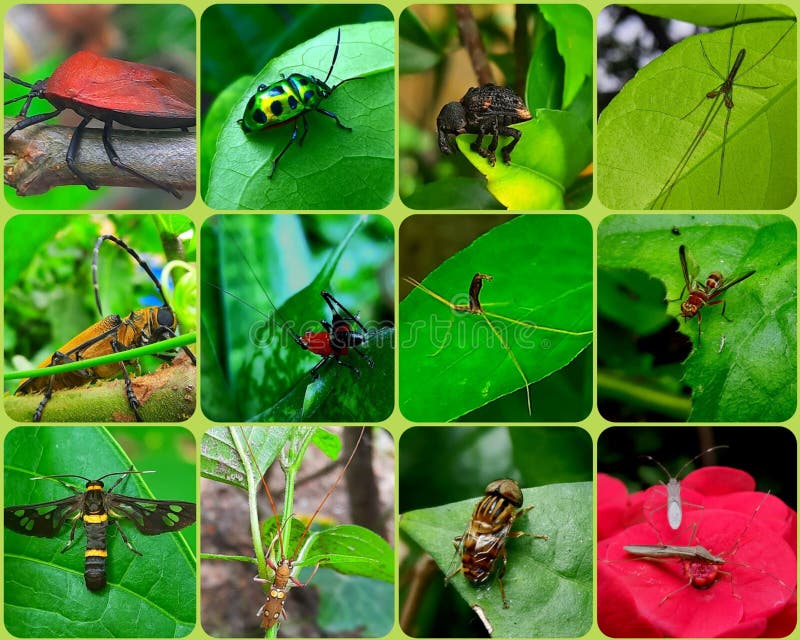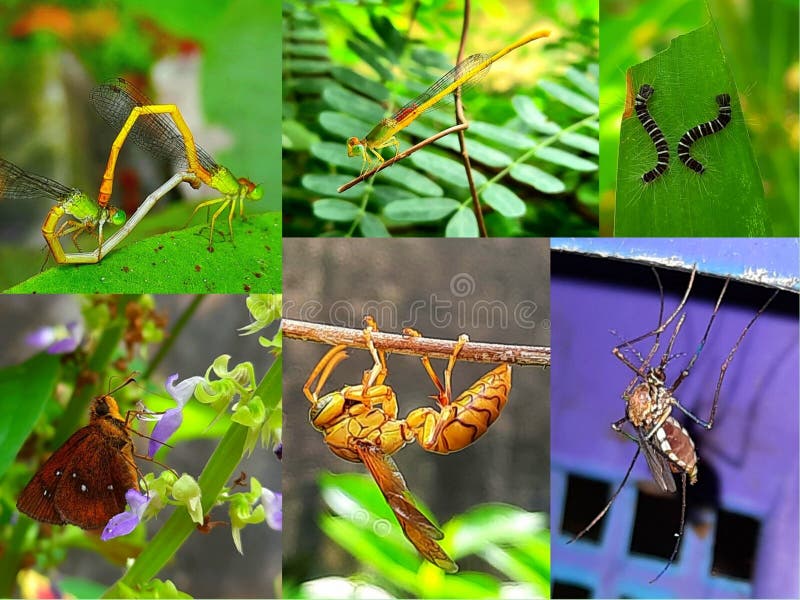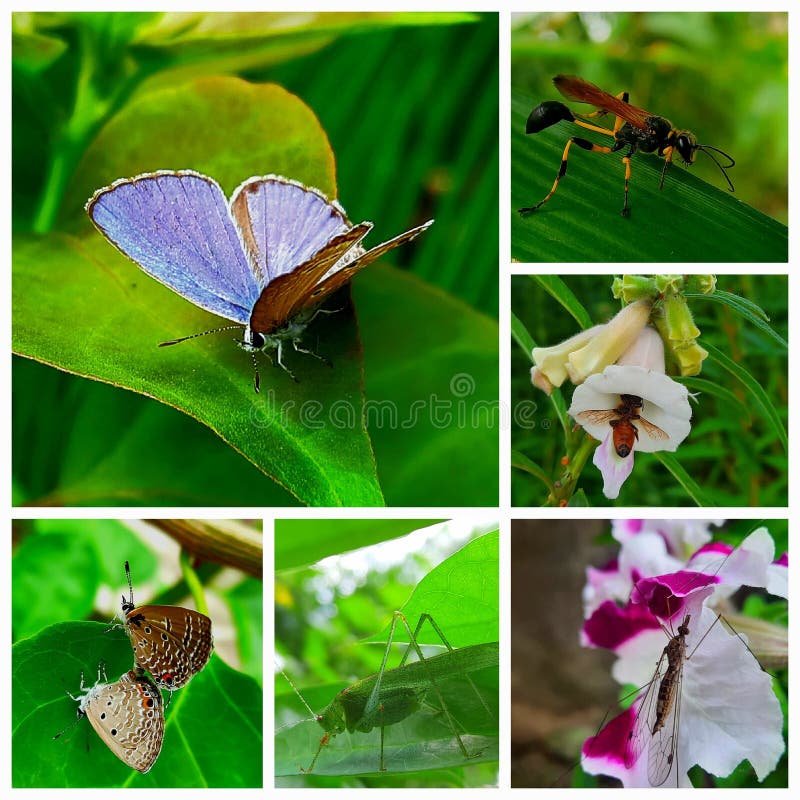
Search among 775 authentic class insecta stock photos, high-definition images, and pictures, or look at other animalia phylum or arthropoda class stock images to enhance your presentation with the perfect visual.

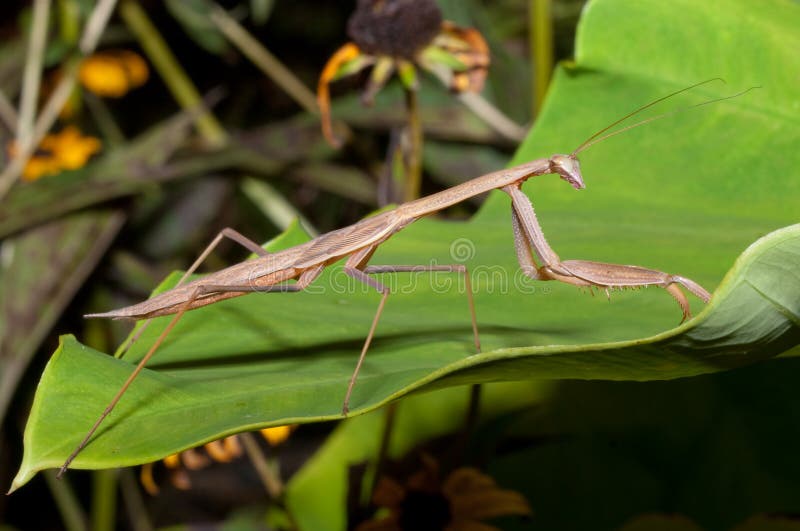
The Carolina Praying Mantis (Stagmomantis carolina) on Leaf. The Carolina mantis is a praying mantis native to the Southern United (photo taken in Cherry Hill, NJ USA). It grows to approximately 2. 5 in (64 mm) in length. The Carolina mantis has a dusty brown, gray, or green color useful as camouflage in certain environments. Carolina mantis oothecae can be purchased in garden supply centers as a means of biological control of pest insects. It is the state insect of South Carolina. Mantodea or mantises is an order of insects which contains approximately 2,200 species in 9 families worldwide in temperate and tropical habitats. About 20 species are native to the United States, including the common Carolina mantis. Scientific classification Domain: Eukarya Kingdom: Animalia Phylum: Arthropoda Class: Insecta Subclass: Pterygota Infraclass: Neoptera Superorder: Dictyoptera Order: Mantodea Family: Mantidae Genus: Stagmomantis Species: carolina. Class insecta stock images, royalty-free photos and pictures
Female - The African moon or lunar moth (Argema mimosae) is a giant silk moth of the Family Saturniidae. This moth can be found near the east coast of South Africa. An adult can measure 10-12 centimetres across its wingspan, and 12-14 centimetres from head to the tip of its elongated 'tail-like' second pair of wings. Its forward wings have a distinctive grey-coloured 'furry' leading edge, giving a very rough surface, presumably for aerodynamic reasons. The moth does not eat after emerging from its cocoon and lives about 10 days Scientific classification Kingdom: Animalia Phylum: Arthropoda Class: Insecta Order: Lepidoptera Family: Saturniidae Genus: Argema Species: A. mimosae. Class insecta stock images, royalty-free photos and pictures
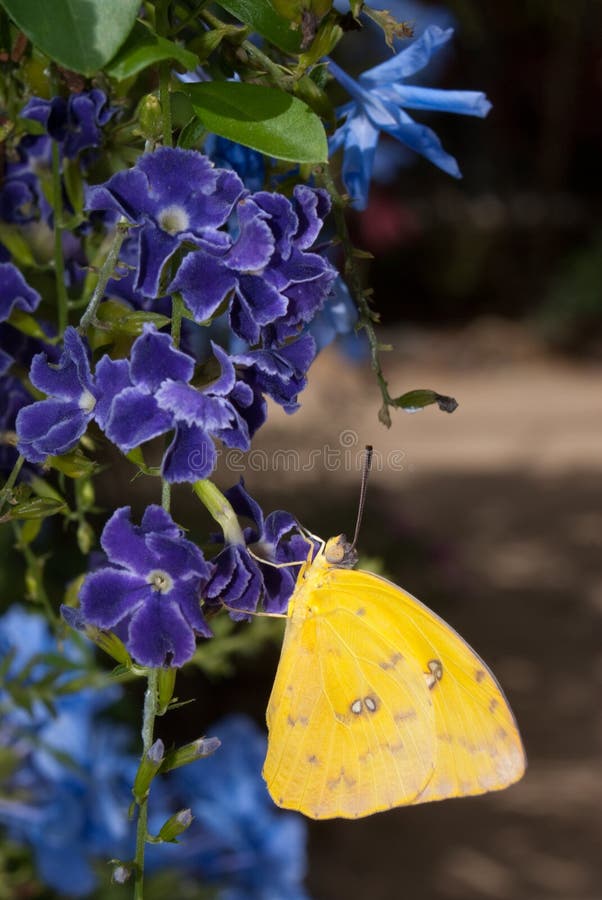
Orange Barred Sulphur Butterfly (Phoebis philea) on blue flowers in a garden. Phoebis (or Sulphurs) is a genus of butterflies, belonging to the Coliadinae subfamily of the Whites or Pieridae. They are native to the Americas. (neotropical) Scientific classification Kingdom: Animalia Phylum: Arthropoda Subphylum: Hexapoda Class: Insecta Subclass: Pterygota Infraclass: Neoptera Superorder: Endopterygota Order: Lepidoptera (unranked): Rhopalocera Superfamily: Papilionoidea Family: Pieridae Subfamily: Coliadinae Tribe: Coliadini Genus: Phoebis Species: P. philea. Class insecta stock images, royalty-free photos and pictures
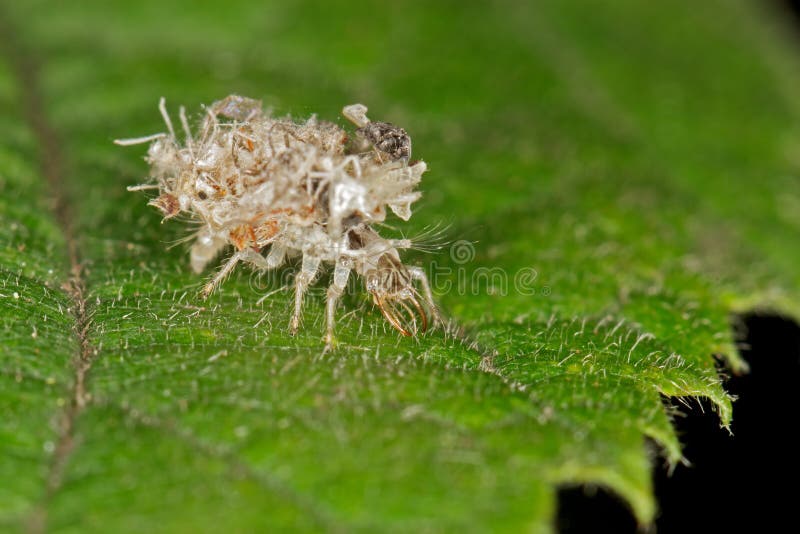
Larva of a lacewing; the dead carcasses of its prey together with its moults and dirt is massed on its body to camouflage. Family: Chrysopidae (lacewings, Florfliegen) Superfamily: Chrysopoidea Suborder: Hemerobiiformia Order: Neuroptera Class: Insecta. Class insecta stock images, royalty-free photos and pictures
Insects are living things from a group of Invertebrate Animals, class Insecta, which has the highest number of species. In mainland habitats, insects most widespread compared with other classes in the Arthropod phylum. Class insecta stock images, royalty-free photos and pictures
The Idomeneus Giant Owl (Caligo idomeneus) is a butterfly of the Nymphalidae family. The species can be found in the Amazon rainforest and eastern Andes, from Venezuela to Ecuador, and south to the Mato Grosso in southern Brazil. (Neotropical) The butterfly is named for Idomeneus, the leader of the Cretan army during the Trojan War. Scientific classification Kingdom: Animalia Phylum: Arthropoda Class: Insecta Order: Lepidoptera Family: Nymphalidae Subfamily: Morphinae Tribe: Brassolini Genus: Caligo Species: C. idomeneus. Class insecta stock images, royalty-free photos and pictures
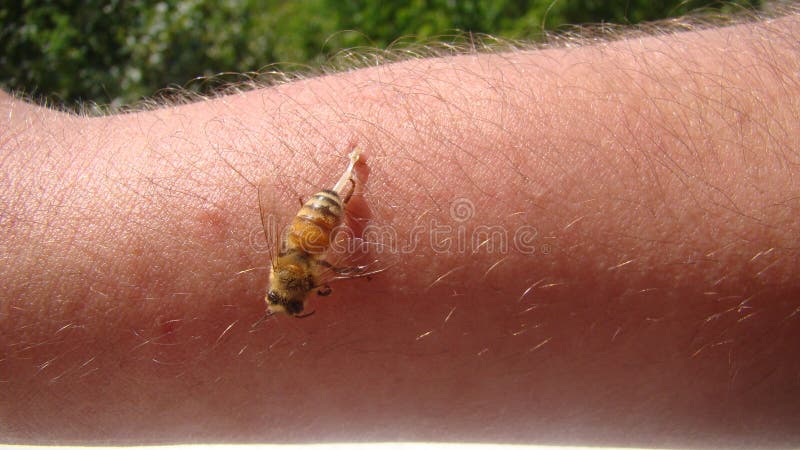
Extreme close-up capturing a dragonfly with striking big green eyes, perched gracefully on a branch. Blurred background features a vibrant blue sky, highlighting delicate details of nature. Class insecta stock images, royalty-free photos and pictures
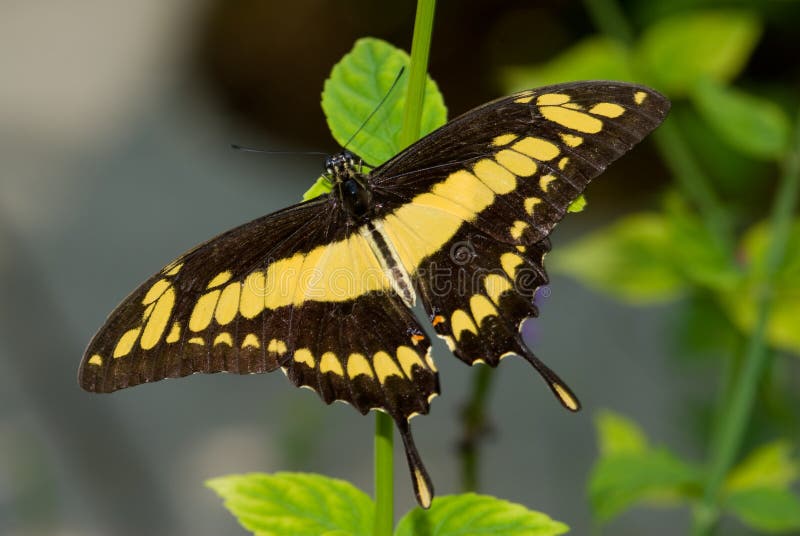
Closeup Giant Swallowtail Butterfly(Papilio cresphonte) is a beautiful and large butterfly belonging to the Swallowtail (Papilionidae family). Butterfly Lightbox: There are at least 550 species, and though the majority are tropical, members of the family are found on all continents except Antarctica. Kingdom: Animalia Phylum: Arthropoda Class: Insecta Order: Lepidoptera Suborder: Ditrysia Superfamily: Papilionoidea Family: Papilionidae. Class insecta stock images, royalty-free photos and pictures
Damselflies (Caenagrion) belongs to the class insecta, odonata, zygoptera division. Body shape is petite and resting above the wing beam in the back. Common in our country has a large and small. Long and thin and weak flying insects, similar to a small dragonfly. Class insecta stock images, royalty-free photos and pictures
Closeup view of a Bumble Bee approaching a Milk Thistle in the Heard Wildlife Sanctuary in McKinney, Texas. There are 250 species of bumble bee. The milk thistle, Silybum marianum, is an annual or biennial plant of the Asteraceae family with a worldwide distribution. Class insecta stock images, royalty-free photos and pictures
Cotton moth its a dansing butterfly.. Its a cucumber moth or cotton moth from family grass moth its hard to take photo or video because its always lived back side of leaf nevere come front side.. And its always finde in down side on half feet.. Kingdom: Animalia Phylum: Arthropoda Class: Insecta Order: Lepidoptera Division: Ditrysia & x28;unranked& x29;: Obtectomera Superfamily: Pyraloidea Family: Crambidae Subfamily: Spilomelinae Genus: Diaphania Species: D. indica Binomial name Diaphania indica. Class insecta stock images, royalty-free photos and pictures
Pictured is a closeup view of a red paper wasp on a dock on Grand Lake in the state of Oklahoma. The wasp`s nest is below the boards and the wasp is about to go through the crack to enter the nest. Class insecta stock images, royalty-free photos and pictures
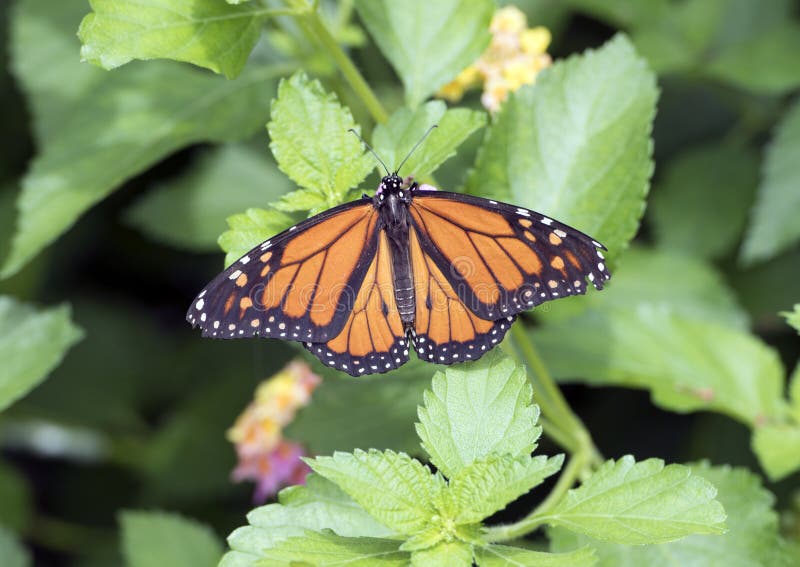
Pictured is a beautiful Monarch butterfly perched on a plant at the Dallas Zoo. It may be the most familiar North American butterfly, and is considered an iconic pollinator species. Class insecta stock images, royalty-free photos and pictures
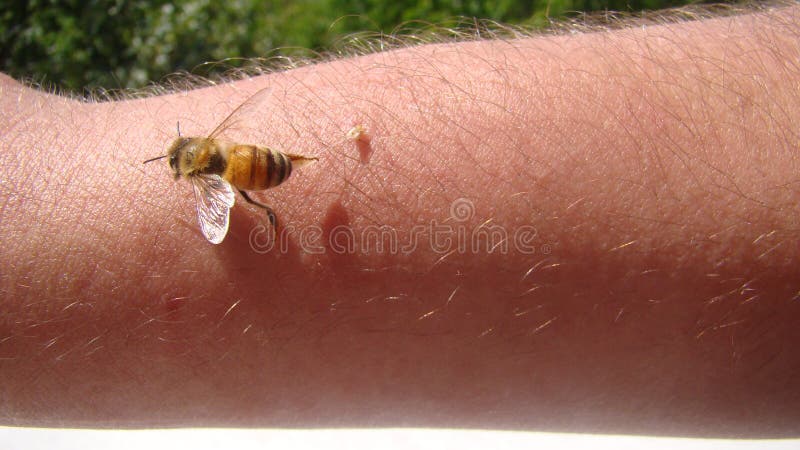
Bee Anthophila during the harvest of cherry tree Cerasus nectar. Bee Temporal range: Early Cretaceous – Present, 100–0 Ma PreЄЄOSDCPTJKPgN Tetragonula carbonaria 14521993792 The sugarbag bee, Tetragonula carbonaria Scientific classification e Kingdom: Animalia Clade: Euarthropoda Class: Insecta Order: Hymenoptera unranked: Unicalcarida Suborder: Apocrita Superfamily: Apoidea Clade: Anthophila Families Andrenidae Apidae Colletidae Halictidae Megachilidae Melittidae Stenotritidae Synonyms Apiformes from Latin `apis` Bees are flying insects closely related to wasps and ants, known for their role in pollination and, in the case of the best-known bee species, the European honey bee, for producing honey and beeswax. Bees are a monophyletic lineage within the superfamily Apoidea and are presently considered a clade, called Anthophila. Class insecta stock images, royalty-free photos and pictures
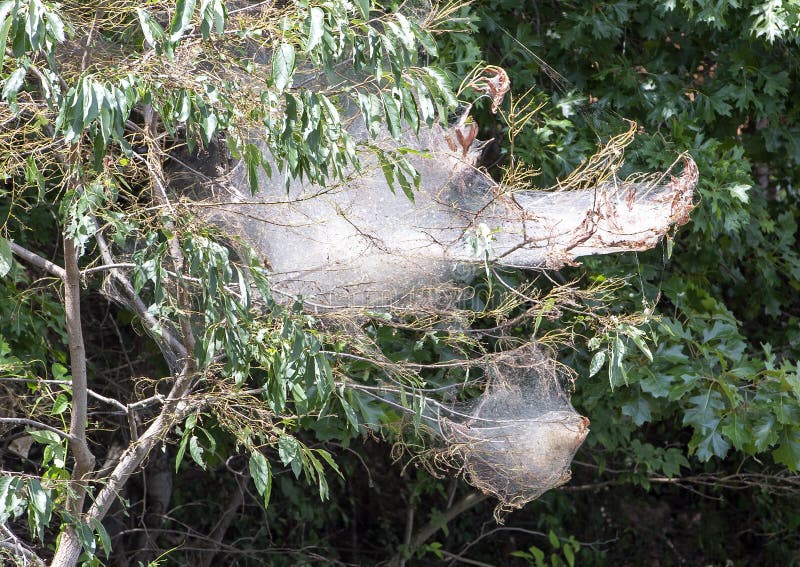
Pictured are silken nests of the fall webworm on a tree at the edge of Grand Lake in the state of Oklahoma. The fall webworm Hyphantria cunea is a moth in the family Erebidae known principally for its larval stage, which creates the characteristic webbed nests on the tree limbs of a wide variety of hardwoods in the late summer and fall. It is considered a pest but although unsightly, does not harm otherwise healthy trees. Class insecta stock images, royalty-free photos and pictures
Praying Mantis (tenodera sinensis), phylum Arthropoda, class Insecta, order Mantodea, family Mantidae, poised delicately on a dew-covered leaf, its slender body and sharp forelegs detailed against green foliage. Class insecta stock images, royalty-free photos and pictures
Jewel Beetle (chrysochroa fulgidissima), phylum Arthropoda, class Insecta, order Coleoptera, family Buprestidae, resting on rough tree bark, its iridescent body glowing brightly under sunlight. Class insecta stock images, royalty-free photos and pictures
Insects are hexapod invertebrates of the class Insecta. They are the largest group within the arthropod phylum. Insects have a chitinous exoskeleton, a three-part body, three pairs of jointed legs, compound eyes, and a pair of antennae. Class insecta stock images, royalty-free photos and pictures
Butterflies are winged insects that belong to the order Rhopalocera in the class Insecta. They are part of the Lepidoptera group of insects, which means "scaley-winged" because their wings are made up of tiny overlapping scales. Butterflies are characterized by their large, often brightly colored wings that fold together when they are at rest and their fluttering flight. They also have six legs, with two pairs of wings attached to their thorax. Class insecta stock images, royalty-free photos and pictures
Insects are pancrustacean hexapod invertebrates of the class Insecta. They are the largest group within the arthropod phylum. Insects have a chitinous exoskeleton, a three-part body, three pairs of jointed legs, compound eyes and one pair of antennae. Class insecta stock images, royalty-free photos and pictures
Monarch Butterflies Danaus plexippus phylum Arthropoda class Insecta order Lepidoptera family Nymphalidae clustered tree branches during migration vivid orange and black patterns mesmerize. Class insecta stock images, royalty-free photos and pictures
Insects are pancrustacean hexapod invertebrates of the class Insecta. They are the largest group within the arthropod phylum. Insects have a chitinous exoskeleton, a three-part body, three pairs of jointed legs, compound eyes and one pair of antennae. Class insecta stock images, royalty-free photos and pictures
Jewel Beetle (chrysochroa fulgidissima), phylum Arthropoda, class Insecta, order Coleoptera, family Buprestidae, resting on rough tree bark, its iridescent body glowing brightly under sunlight. Class insecta stock images, royalty-free photos and pictures
Praying Mantis (tenodera sinensis), phylum Arthropoda, class Insecta, order Mantodea, family Mantidae, poised delicately on a dew-covered leaf, its slender body and sharp forelegs detailed against green foliage. Class insecta stock images, royalty-free photos and pictures
Monarch Butterflies (danaus plexippus), phylum Arthropoda, class Insecta, order Lepidoptera, family Nymphalidae, clustered on tree branches during migration, vivid orange and black patterns mesmerize. Class insecta stock images, royalty-free photos and pictures
Praying Mantis Tenodera sinensis phylum Arthropoda class Insecta order Mantodea family Mantidae poised delicately a dewcovered leaf its slender body and sharp forelegs detailed against green foliage. Class insecta stock images, royalty-free photos and pictures
Glowing Fireflies (lampyridae), phylum Arthropoda, class Insecta, order Coleoptera, family Lampyridae, illuminating a jungle clearing under a canopy of stars, their green light creating magic. Class insecta stock images, royalty-free photos and pictures
Green cricket from the subfamily Conocephalinae, likely Neoconocephalus species, perched on a white wall. The macro shot highlights its leaf-like wings, elongated body, and long antennae. The insect's vibrant green color contrasts sharply with the white background. The cricket belongs to the class Insecta and order Orthoptera, known for their jumping hind legs and chirping sounds. The image provides a detailed view of its physical features, typical of the Tettigoniidae family. Class insecta stock images, royalty-free photos and pictures
Kingdom: Animalia Phylum: Arthropoda Subphylum: Hexapoda Class: Insecta Order: Odonata (Dragonflies and Damselflies) Suborder: Zygoptera (Damselflies) Family: Coenagrionidae (Pond Damselflies) Genus: RopadiliaRopadilia is a genus of damselflies in the family Coenagrionidae. There are currently 4 described species in the genus. The genus is found in Southeast Asia, including countries such as Indonesia, Malaysia, Thailand, and the Philippines. Class insecta stock images, royalty-free photos and pictures
Clownfish Amphiprion ocellaris phylum Chordata class Actinopterygii order Perciformes family Pomacentridae swimming among colorful coral reefs vivid orange and white stripes prominent. Class insecta stock images, royalty-free photos and pictures
Chameleon Chamaeleo calyptratus phylum Chordata class Reptilia order Squamata family Chamaeleonidae blending into tree branch showcasing vibrant color transitions adaptive camouflage forest habitats. Class insecta stock images, royalty-free photos and pictures