Search among 1,966 authentic common dandelions stock photos, high-definition images, and pictures, or look at other large genus or dandelion leaves stock images to enhance your presentation with the perfect visual.

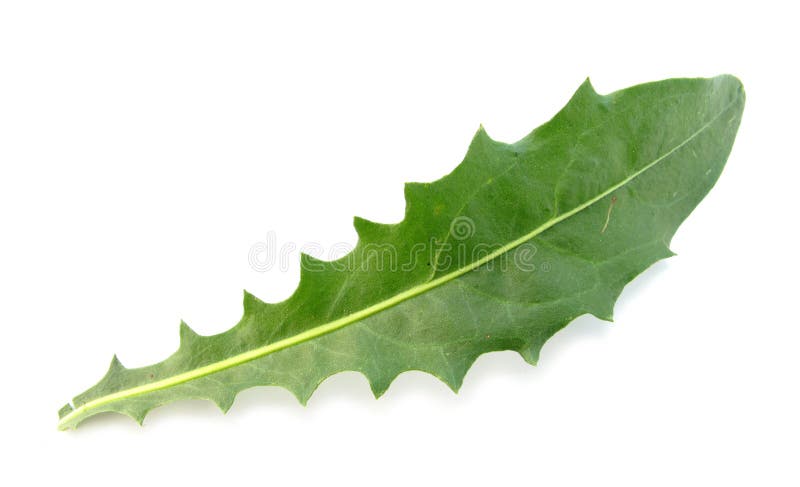
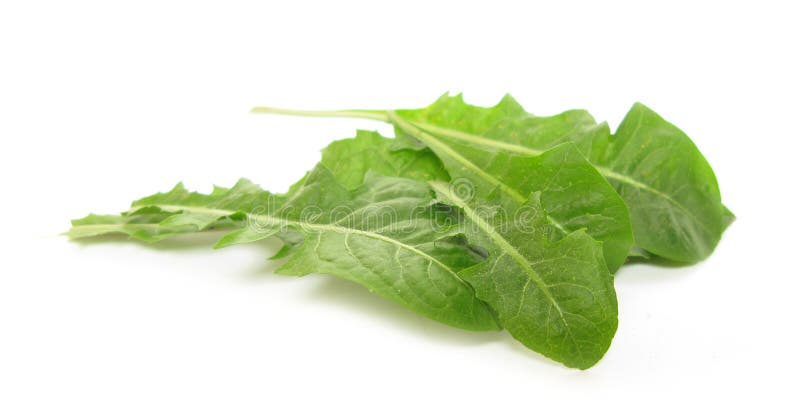
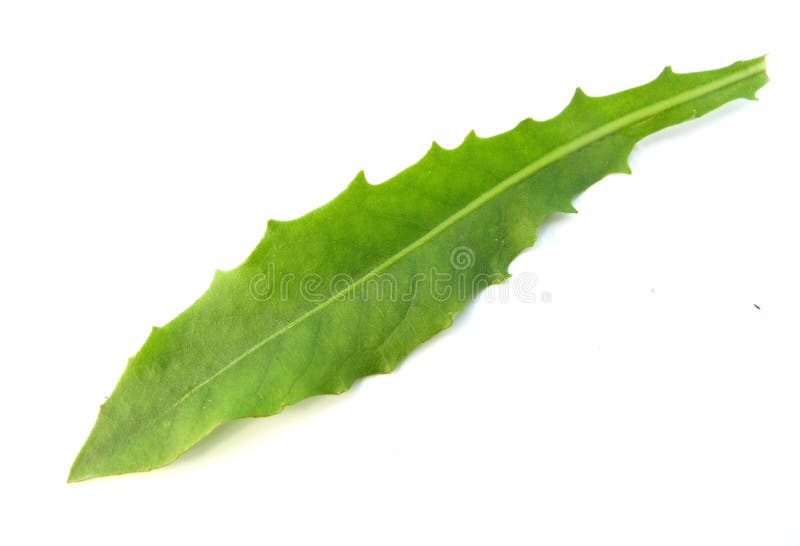
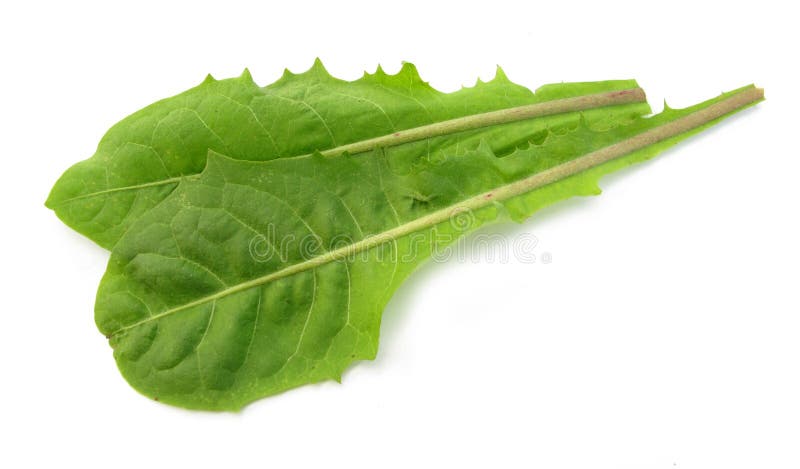
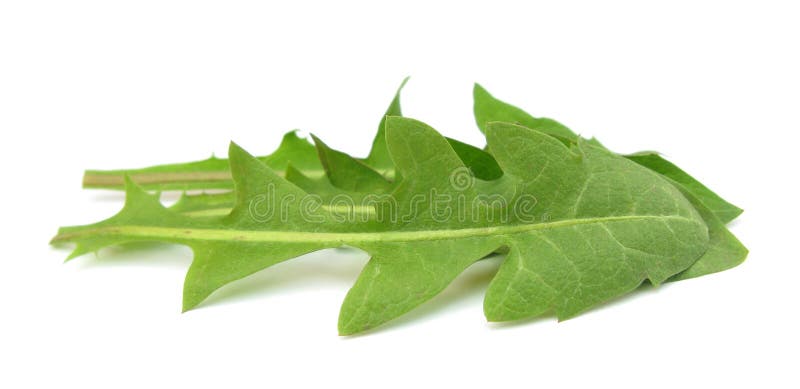
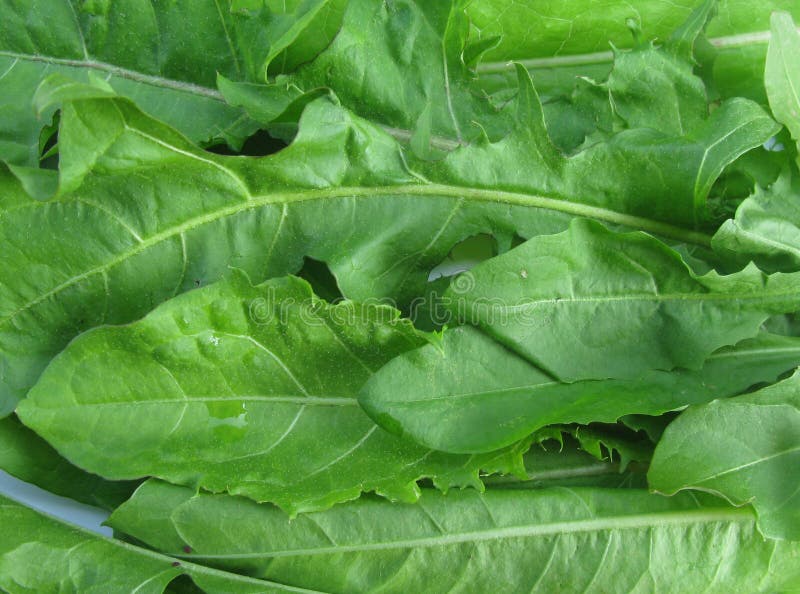
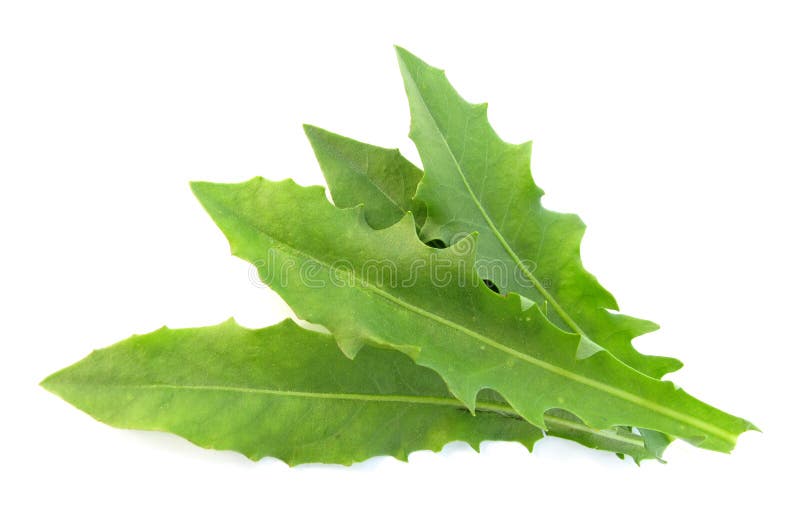
The common name Dandelion is given to species of the genus Taraxacum, a large genus of flowering plants in the family Asteraceae. Dandelions are grown commercially on a small scale as a leaf vegetable. The English name dandelion is a corruption of the French dent de lion, meaning lion's tooth, referring to the coarsely-toothed leaves. The names of the plant have the same meaning in several other European languages, such as Italian dente di leone, Spanish diente de león, Portuguese dente-de-leão, Norwegian Løvetann, and German Löwenzahn. Common dandelions stock images, royalty-free photos and pictures
Papilio rutulus is found in the Rocky Mountain Range flower wildflower. Western Tiger butterfly has wider stripes and is smaller than the Two-tailed Swallowtail butterflies in wildflowers. Common dandelions stock images, royalty-free photos and pictures
The common name Dandelion is given to species of the genus Taraxacum, a large genus of flowering plants in the family Asteraceae. Dandelions are grown commercially on a small scale as a leaf vegetable. The English name dandelion is a corruption of the French dent de lion, meaning lion`s tooth, referring to the coarsely-toothed leaves. The names of the plant have the same meaning in several other European languages, such as Italian dente di leone, Spanish diente de león, Portuguese dente-de-leão, Norwegian Løvetann, and German Löwenzahn. Common dandelions stock images, royalty-free photos and pictures
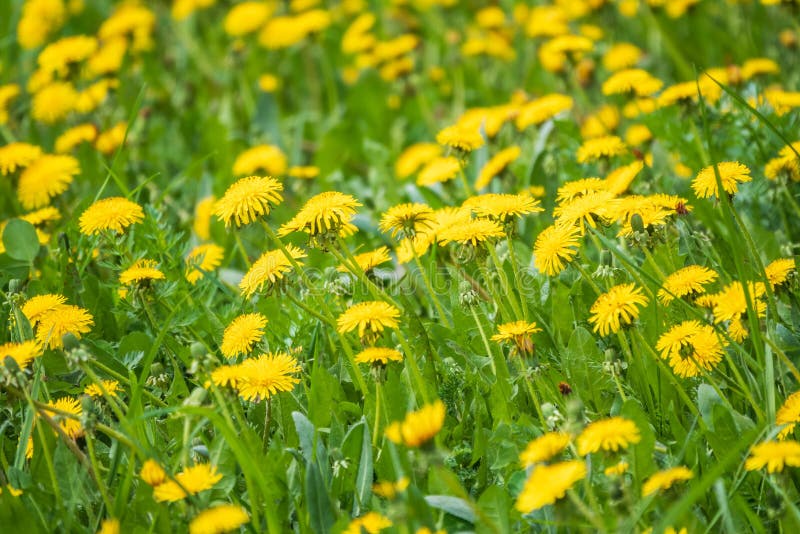
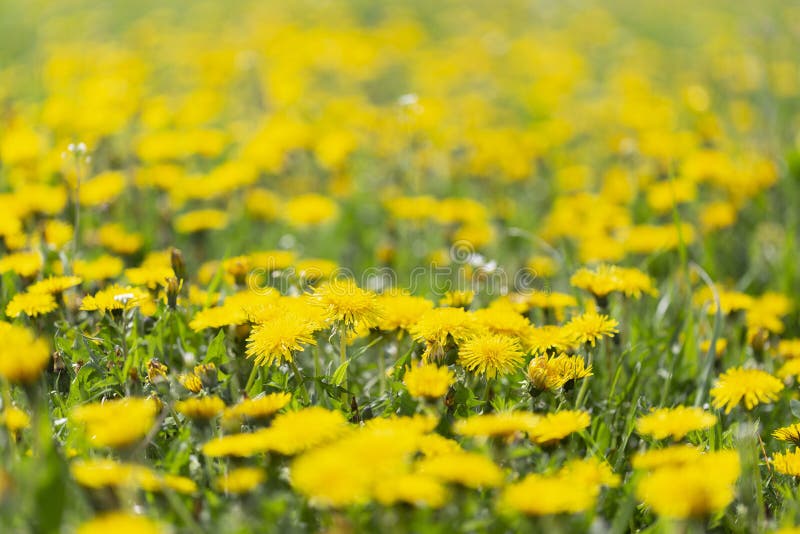
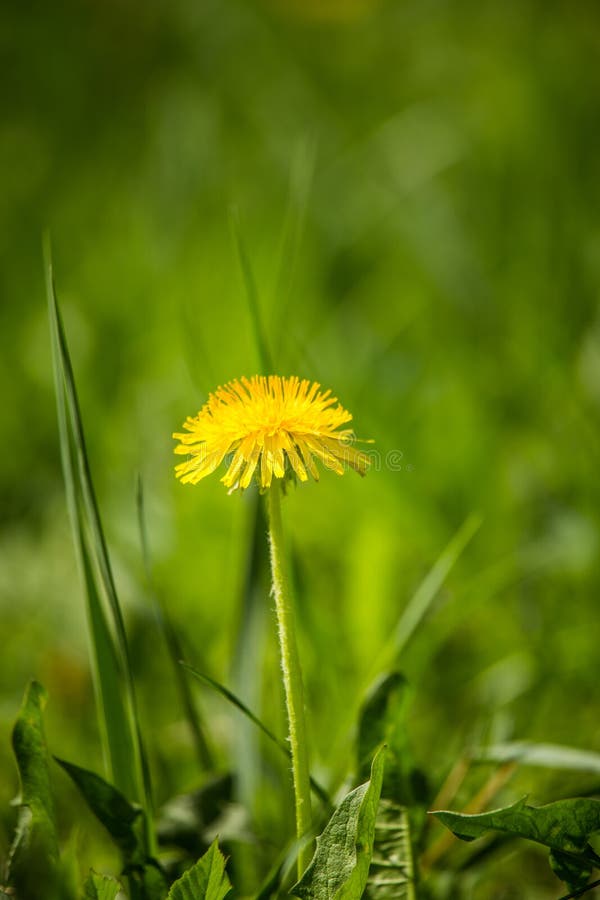
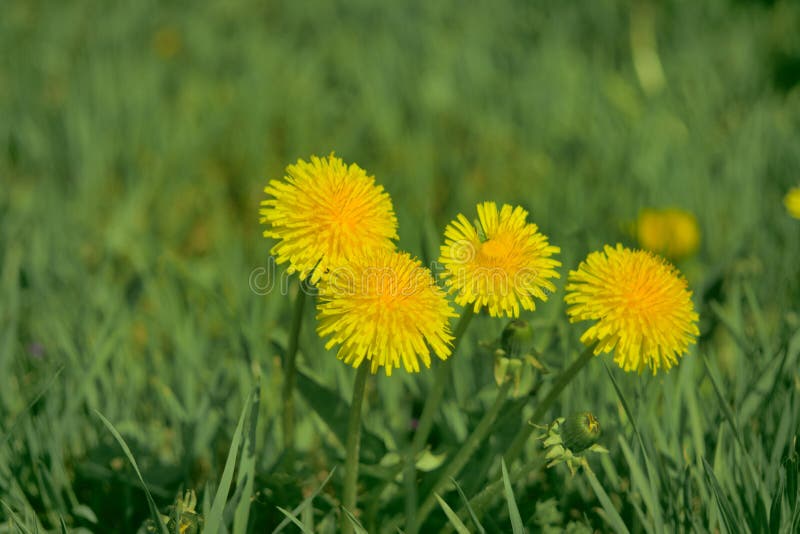
Taraxacum officinale, dandelion, common dandelion, flowering common dandelion, Blooming dandelion, Dandelions field, Yellow dandelion flowers, blooming dandelion field, Yellow dandelion flowers Taraxacum officinale grow along an old brick fence in the city. plant Taraxacum officinale at the time of mass flowering. Dandelion, Taraxacum officinale, in flower. Common dandelions stock images, royalty-free photos and pictures
A small tortoiseshell butterfly, Aglais urticae, feeds on a common dandelion flower, Taraxacum officinale, in a meadow in Yorkshire, UK. Small tortoiseshells are widespread throughout Britain and are among the first butterflies to be seen in spring. Dandelions are often treated as weeds but they are an important source of food for pollinators. Common dandelions stock images, royalty-free photos and pictures
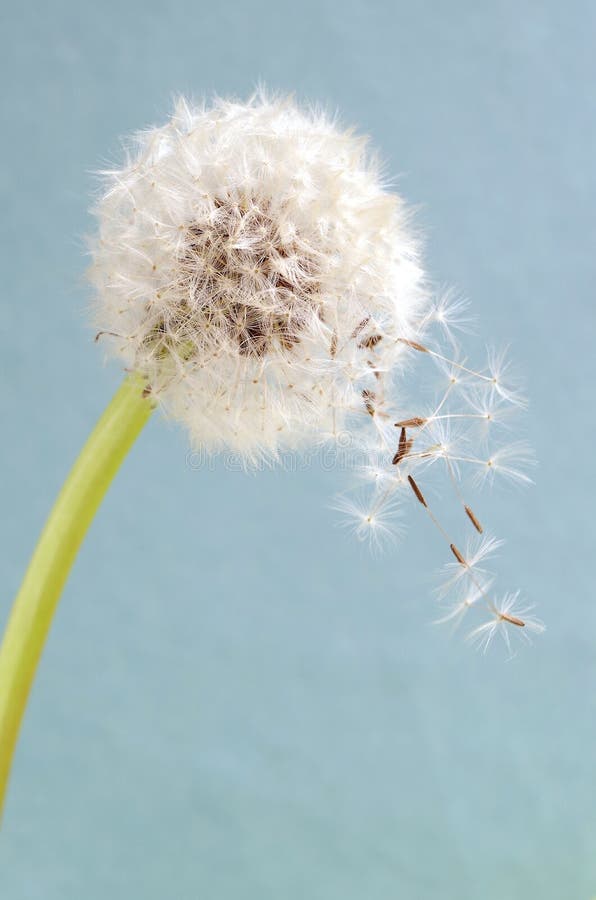
Netherlands, province Gelderland: rural landscape near the small town of Doesburg, is the IJsseldijk, of the river IJssel, in the spring, overgrown with flowering wild plants, roadside plants. Still life of yellow blooming flowers sharp buttercups [Ranunculus acris] and fruits of the common dandelion [Taraxacum officinale]. Seed or fruit fluff. The seed fluff or lint fruit is dispersed by the wind. Common dandelions stock images, royalty-free photos and pictures
The eastern cottontail Sylvilagus floridanus is a New World cottontail rabbit, a member of the family Leporidae. It is one of the most common rabbit species in North America. We see many of them in and around our gardens. We use no pesticides or lawn treatments so the cottontails have a rich feast of clover, dandelions and plantain. These plants are their necessary sources of protein. We find if we leave the weeds for the bunnies, the bunnies leave our garden veggies and flowers alone for the most part. Common dandelions stock images, royalty-free photos and pictures
Dandelion are a family of flowering plants also known as Taraxacum, though Taraxacum officinale is the most common species. Most people consider dandelions as a stubborn weed commonly found in yards. Common dandelions stock images, royalty-free photos and pictures
The eastern cottontail Sylvilagus floridanus is a New World cottontail rabbit, a member of the family Leporidae. It is one of the most common rabbit species in North America. We see many of them in and around our gardens. We use no pesticides or lawn treatments so the cottontails have a rich feast of clover, dandelions and plantain. These plants are their necessary sources of protein. We find if we leave the weeds for the bunnies, the bunnies leave our garden veggies and flowers alone for the most part. Common dandelions stock images, royalty-free photos and pictures
Wild garlic, chickweed, young nettles, nipplewort and other wild edible plants and medicinal herbs growing in early spring with empty spaces for inscriptions. Common dandelions stock images, royalty-free photos and pictures
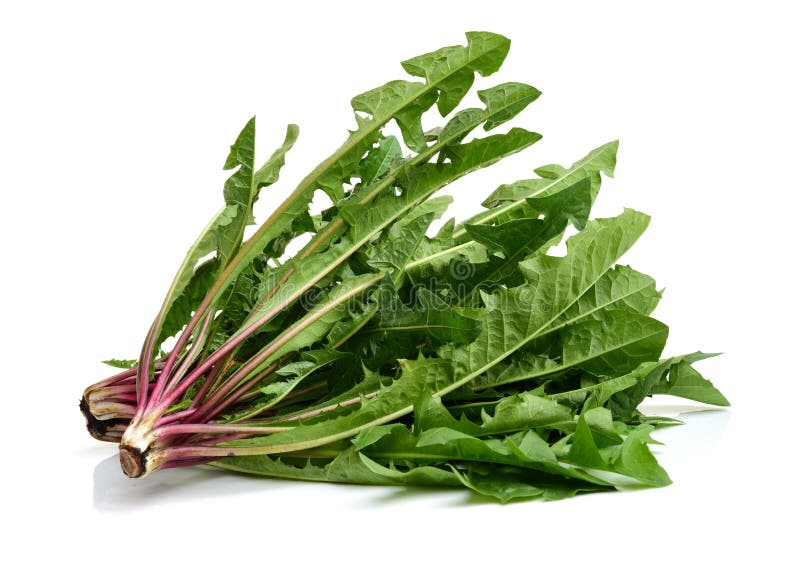
Is used as an auxiliary in the treatment of many diseases - incl. diseases of the bile ducts, kidney stones, liver diseases, kidney failure. Dandelion's choleretic properties mean that dandelion honey, herb, juices and syrups are used for digestive problems, lack of appetite or as a diuretic. Common dandelions stock images, royalty-free photos and pictures
The common name Dandelion is given to species of the genus Taraxacum, a large genus of flowering plants in the family Asteraceae. Dandelions are grown commercially on a small scale as a leaf vegetable. The English name dandelion is a corruption of the French dent de lion, meaning lion's tooth, referring to the coarsely-toothed leaves. The names of the plant have the same meaning in several other European languages, such as Italian dente di leone, Spanish diente de león, Portuguese dente-de-leão, Norwegian Løvetann, and German Löwenzahn. Common dandelions stock images, royalty-free photos and pictures
A studio shot showing a diverse collection of common wildflowers and weeds, including dandelions, clover, thistle, and grass, complete with roots for botanical study. This detailed digital composition of various plant specimens is Rendered by Ai. Common dandelions stock images, royalty-free photos and pictures
The common name Dandelion is given to species of the genus Taraxacum, a large genus of flowering plants in the family Asteraceae. Dandelions are grown commercially on a small scale as a leaf vegetable. The English name dandelion is a corruption of the French dent de lion, meaning lion's tooth, referring to the coarsely-toothed leaves. The names of the plant have the same meaning in several other European languages, such as Italian dente di leone, Spanish diente de león, Portuguese dente-de-leão, Norwegian Løvetann, and German Löwenzahn. Common dandelions stock images, royalty-free photos and pictures
Small blue flower Speedwell flower - Veronica filiformis - is a species of flowering plant in the family Plantaginaceae. It is known by many common names, including slender speedwell, creeping speedwell, threadstalk speedwell and Whetzel weed. It is native to eastern Europe and western Asia, and it is known in many other regions as an introduced species. Common dandelions stock images, royalty-free photos and pictures
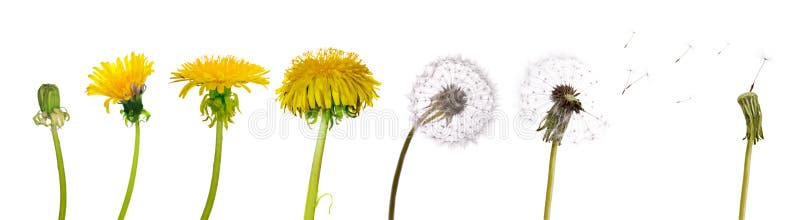
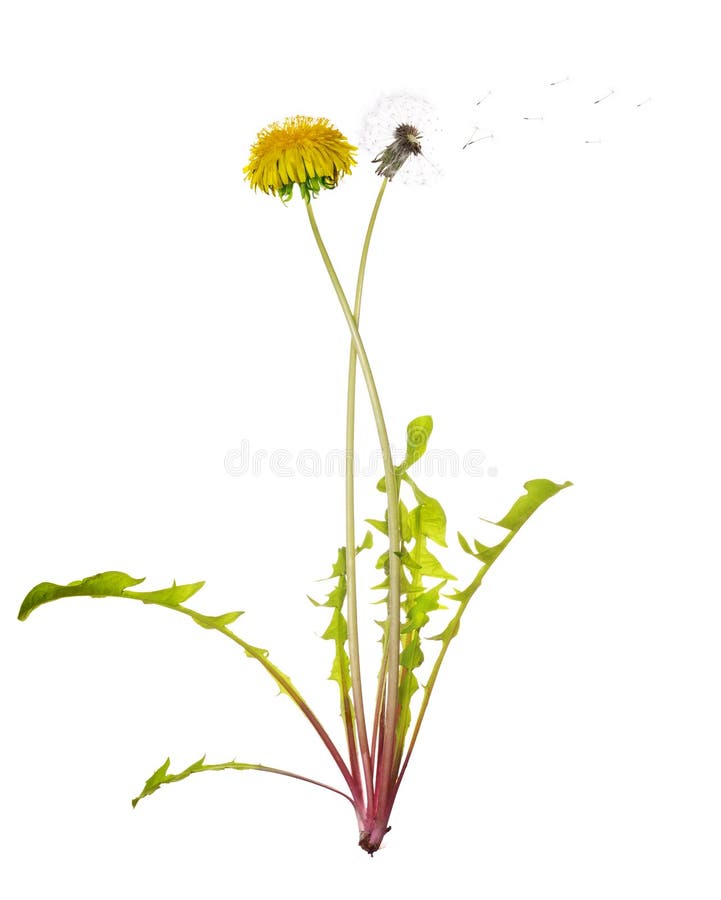
Taraxacum ( t?? r�ks? k? m )[3] is a large genus of flowering plants in the family Asteraceae, which consists of species commonly known as dandelions. The scientific and hobby study of the genus is known as taraxacology. [4] The genus is native to Eurasia but the two most commonplace species worldwide, T. officinale (the common dandelion) and T. erythrospermum (the red-seeded dandelion), were introduced from Europe into North America, where they are an invasive species. [5] Dandelions thrive in temperate regions and can be found in yards, gardens, sides of roads, among crops, and in many other habitats. [6] Both species are edible in their entirety[a] and have a long history of consumption. [7] The common name dandelion (? d�nd? la?.? n DAN-d? -ly-? n from French dent-de-lion 'lion's tooth', referring to the jagged leaves) is also given to specific members of the genus. [8]Like other members of the family Asteraceae, they have very small flowers collected together into a composite flower head. Each single flower in a head is called a floret. In part due to their abundance, along with being a generalist species, dandelions are one of the most vital early spring nectar sources for a wide host of pollinators. [9] Many Taraxacum species produce seeds asexually by apomixis, where the seeds are produced without pollination, resulting in offspring that are genetically identical to the parent plant. [10]In general, the leaves are 50�250 mm (2�10 in) long or longer, simple, lobed-to-pinnatisect, and form a basal rosette above the central taproot. The flower heads are yellow to orange coloured, and are open in the daytime, but closed at night. The heads are borne singly on a hollow stem (scape) that is usually leafless and rises 10�100 mm (3? 8�3+7? 8 in) or more[5] above the leaves. Stems and leaves exude a white, milky latex when broken. A rosette may produce several flowering stems at a time. The flower heads are 20�50 mm (3? 4�2 in) in diameter and consist entirely of ray florets. The flower heads mature into spherical seed heads sometimes called blowballs[11] or clocks (in both British and American English)[12][13][14][15] containing many single-seeded fruits called cypselae, similar to achenes. Each cypsela is attached to a pappus of fine hair-like material which enables anemochorous (wind-aided) dispersal over long distances. [citation needed]The flower head is surrounded by bracts (sometimes mistakenly called sepals) in two series. The inner bracts are erect until the seeds mature, then flex downward to allow the seeds to disperse. The outer bracts are often reflexed downward, but remain appressed in plants of the sections Palustria and Spectabilia. Between the pappus and the achene is a stalk called a beak, which elongates as the fruit matures. The beak breaks off from the achene quite easily, separating the seed from the parachute. [16]. Common dandelions stock images, royalty-free photos and pictures
Taraxacum ( t?? rks? k? m )[3] is a large genus of flowering plants in the family Asteraceae, which consists of species commonly known as dandelions. The scientific and hobby study of the genus is known as taraxacology. [4] The genus is native to Eurasia but the two most commonplace species worldwide, T. officinale (the common dandelion) and T. erythrospermum (the red-seeded dandelion), were introduced from Europe into North America, where they are an invasive species. [5] Dandelions thrive in temperate regions and can be found in yards, gardens, sides of roads, among crops, and in many other habitats. [6] Both species are edible in their entirety[a] and have a long history of consumption. [7] The common name dandelion (? dnd? la?.? n DAN-d? -ly-? n from French dent-de-lion 'lion's tooth', referring to the jagged leaves) is also given to specific members of the genus. [8]Like other members of the family Asteraceae, they have very small flowers collected together into a composite flower head. Each single flower in a head is called a floret. In part due to their abundance, along with being a generalist species, dandelions are one of the most vital early spring nectar sources for a wide host of pollinators. [9] Many Taraxacum species produce seeds asexually by apomixis, where the seeds are produced without pollination, resulting in offspring that are genetically identical to the parent plant. [10]In general, the leaves are 50250 mm (210 in) long or longer, simple, lobed-to-pinnatisect, and form a basal rosette above the central taproot. The flower heads are yellow to orange coloured, and are open in the daytime, but closed at night. The heads are borne singly on a hollow stem (scape) that is usually leafless and rises 10100 mm (3? 83+7? 8 in) or more[5] above the leaves. Stems and leaves exude a white, milky latex when broken. A rosette may produce several flowering stems at a time. The flower heads are 2050 mm (3? 42 in) in diameter and consist entirely of ray florets. The flower heads mature into spherical seed heads sometimes called blowballs[11] or clocks (in both British and American English)[12][13][14][15] containing many single-seeded fruits called cypselae, similar to achenes. Each cypsela is attached to a pappus of fine hair-like material which enables anemochorous (wind-aided) dispersal over long distances. [citation needed]The flower head is surrounded by bracts (sometimes mistakenly called sepals) in two series. The inner bracts are erect until the seeds mature, then flex downward to allow the seeds to disperse. The outer bracts are often reflexed downward, but remain appressed in plants of the sections Palustria and Spectabilia. Between the pappus and the achene is a stalk called a beak, which elongates as the fruit matures. The beak breaks off from the achene quite easily, separating the seed from the parachute. [16]. Common dandelions stock images, royalty-free photos and pictures

Dandelion Taraxacum. Taraxacum ( t??rks?k?m )[3] is a large genus of flowering plants in the family Asteraceae, which consists of species commonly known as dandelions. The scientific and hobby study of the genus is known as taraxacology.[4] The genus is native to Eurasia but the two most commonplace species worldwide, T. officinale (the common dandelion) and T. erythrospermum (the red-seeded dandelion), were introduced from Europe into North America, where they are an invasive species.[5] Dandelions thrive in temperate regions and can be found in yards, gardens, sides of roads, among crops, and in many other habitats.[6] Both species are edible in their entirety[a] and have a long history of consumption.[7] The common name dandelion ( ?dnd?la?.?n DAN-d?-ly-?n from French dent-de-lion 'lion's tooth', referring to the jagged leaves) is also given to specific members of the genus.[8]Like other members of the family Asteraceae, they have very small flowers collected together into a composite flower head. Each single flower in a head is called a floret. In part due to their abundance, along with being a generalist species, dandelions are one of the most vital early spring nectar sources for a wide host of pollinators.[9] Many Taraxacum species produce seeds asexually by apomixis, where the seeds are produced without pollination, resulting in offspring that are genetically identical to the parent plant.[10]In general, the leaves are 50250 mm (210 in) long or longer, simple, lobed-to-pinnatisect, and form a basal rosette above the central taproot. The flower heads are yellow to orange coloured, and are open in the daytime, but closed at night. The heads are borne singly on a hollow stem (scape) that is usually leafless and rises 10100 mm (3?83+7?8 in) or more[5] above the leaves. Stems and leaves exude a white, milky latex when broken. A rosette may produce several flowering stems at a time. The flower heads are 2050 mm (3?42 in) in diameter and consist entirely of ray florets. The flower heads mature into spherical seed heads sometimes called blowballs[11] or clocks (in both British and American English)[12][13][14][15] containing many single-seeded fruits called cypselae, similar to achenes. Each cypsela is attached to a pappus of fine hair-like material which enables anemochorous (wind-aided) dispersal over long distances.[citation needed]The flower head is surrounded by bracts (sometimes mistakenly called sepals) in two series. The inner bracts are erect until the seeds mature, then flex downward to allow the seeds to disperse. The outer bracts are often reflexed downward, but remain appressed in plants of the sections Palustria and Spectabilia. Between the pappus and the achene is a stalk called a beak, which elongates as the fruit matures. The beak breaks off from the achene quite easily, separating the seed from the parachute.[16]