Search among 589 authentic consumption decrease stock photos, high-definition images, and pictures, or look at other total oil or oil consumption stock images to enhance your presentation with the perfect visual.

Handwriting text Oil Consumption, Business concept This entry is the total oil consumed in barrels per day Office Supplies Over Desk With Keyboard And Glasses And Coffee Cup For Working. Consumption decrease stock images, royalty-free photos and pictures
Writing displaying text Oil Consumption, Business approach This entry is the total oil consumed in barrels per day Creating Property Contract To Sell, Presenting House Sale Deal. Consumption decrease stock images, royalty-free photos and pictures
Writing displaying text Oil Consumption, Concept meaning This entry is the total oil consumed in barrels per day Sharing Experience Through Video Blogging, Learning New Knowledge Online. Consumption decrease stock images, royalty-free photos and pictures
Conceptual hand writing showing Oil Consumption. Concept meaning This entry is the total oil consumed in barrels per day Clipboard sheet pencil smartphone clips notepad wooden back. Consumption decrease stock images, royalty-free photos and pictures
Writing note showing Oil Consumption. Business concept for This entry is the total oil consumed in barrels per day Front view colored sticky note two ballpoints cool yolk background. Consumption decrease stock images, royalty-free photos and pictures
Close-up of digital smart meter, a device for household meter readings, measurement of electricity consumption and injection of self-generated energy. Consumption decrease stock images, royalty-free photos and pictures
Turmeric is a flowering plant, Curcuma longa of the ginger family, Zingiberaceae, of which are used in cooking. The plant is a perennial, rhizomatous, herbaceous plant native to the Indian subcontinent and Southeast Asia, that requires temperatures between 20 and 30 °C 68 and 86 °F and a considerable amount of annual rainfall to thrive. Plants are gathered each year for their rhizomes, some for propagation in the following season and some for consumption. Turmeric has a warm, bitter taste and is frequently used to flavor or color curry powders, mustards, butters, and cheeses. Because curcumin and other chemicals in turmeric might decrease swelling, it is often used to treat conditions that involve pain and inflammation. People commonly use turmeric for osteoarthritis. It is also used for hay fever, depression, high cholesterol, a type of liver disease, and itching, but there is no good scientific evidence to support most of these uses. There is also no good evidence to support using turmeric for COVID-19. Consumption decrease stock images, royalty-free photos and pictures
Russian ruble money bag and down arrow. Bad consumer sentiment and demand for goods. Low sales. Production decline. Reduced transportation prices. Income decrease, slowdown and decline of economy. Consumption decrease stock images, royalty-free photos and pictures
British pound sterling money bag with boxes and down arrow. Bad consumer sentiment and demand for goods. Low sales. Reduced transportation prices. Income decrease, slowdown and decline of economy. Consumption decrease stock images, royalty-free photos and pictures
Indian rupee money with goods and an arrow down. Falling profits. Low sales. Production decline. Import export. Taxes. National economy fall. Reduction in consumption, trade imbalance. Consumption decrease stock images, royalty-free photos and pictures
Thai baht money with goods and an arrow down. Low sales. Production decline. Import export. Taxes. National economy fall. Falling profits. Reduction in consumption, trade imbalance. Consumption decrease stock images, royalty-free photos and pictures
Turmeric is a flowering plant, Curcuma longa of the ginger family, Zingiberaceae, of which are used in cooking. The plant is a perennial, rhizomatous, herbaceous plant native to the Indian subcontinent and Southeast Asia, that requires temperatures between 20 and 30 °C 68 and 86 °F and a considerable amount of annual rainfall to thrive. Plants are gathered each year for their rhizomes, some for propagation in the following season and some for consumption. Turmeric has a warm, bitter taste and is frequently used to flavor or color curry powders, mustards, butters, and cheeses. Because curcumin and other chemicals in turmeric might decrease swelling, it is often used to treat conditions that involve pain and inflammation. People commonly use turmeric for osteoarthritis. It is also used for hay fever, depression, high cholesterol, a type of liver disease, and itching, but there is no good scientific evidence to support most of these uses. There is also no good evidence to support using turmeric for COVID-19. Consumption decrease stock images, royalty-free photos and pictures
Hand arranged green heart with earth icon on wood cube health world ,CSR, eco green sustainable living, zero waste, earth day, world environment day, responsible consumption, Social responsibility. Consumption decrease stock images, royalty-free photos and pictures
Turmeric is a flowering plant, Curcuma longa of the ginger family, Zingiberaceae, of which are used in cooking. The plant is a perennial, rhizomatous, herbaceous plant native to the Indian subcontinent and Southeast Asia, that requires temperatures between 20 and 30 °C 68 and 86 °F and a considerable amount of annual rainfall to thrive. Plants are gathered each year for their rhizomes, some for propagation in the following season and some for consumption. Turmeric has a warm, bitter taste and is frequently used to flavor or color curry powders, mustards, butters, and cheeses. Because curcumin and other chemicals in turmeric might decrease swelling, it is often used to treat conditions that involve pain and inflammation. People commonly use turmeric for osteoarthritis. It is also used for hay fever, depression, high cholesterol, a type of liver disease, and itching, but there is no good scientific evidence to support most of these uses. There is also no good evidence to support using turmeric for COVID-19. Consumption decrease stock images, royalty-free photos and pictures
German tax cut on value-added tax VAT. Wooden blocks with one inverted block. VAT reduction from 7% to 5% for consumption in restaurants. Economic crises concept. Consumption decrease stock images, royalty-free photos and pictures
Turmeric is a flowering plant, Curcuma longa of the ginger family, Zingiberaceae, of which are used in cooking. The plant is a perennial, rhizomatous, herbaceous plant native to the Indian subcontinent and Southeast Asia, that requires temperatures between 20 and 30 °C 68 and 86 °F and a considerable amount of annual rainfall to thrive. Plants are gathered each year for their rhizomes, some for propagation in the following season and some for consumption. Turmeric has a warm, bitter taste and is frequently used to flavor or color curry powders, mustards, butters, and cheeses. Because curcumin and other chemicals in turmeric might decrease swelling, it is often used to treat conditions that involve pain and inflammation. People commonly use turmeric for osteoarthritis. It is also used for hay fever, depression, high cholesterol, a type of liver disease, and itching, but there is no good scientific evidence to support most of these uses. There is also no good evidence to support using turmeric for COVID-19. Consumption decrease stock images, royalty-free photos and pictures
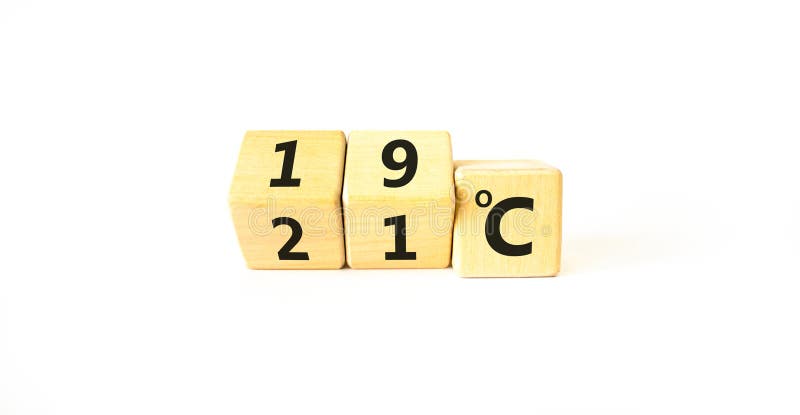
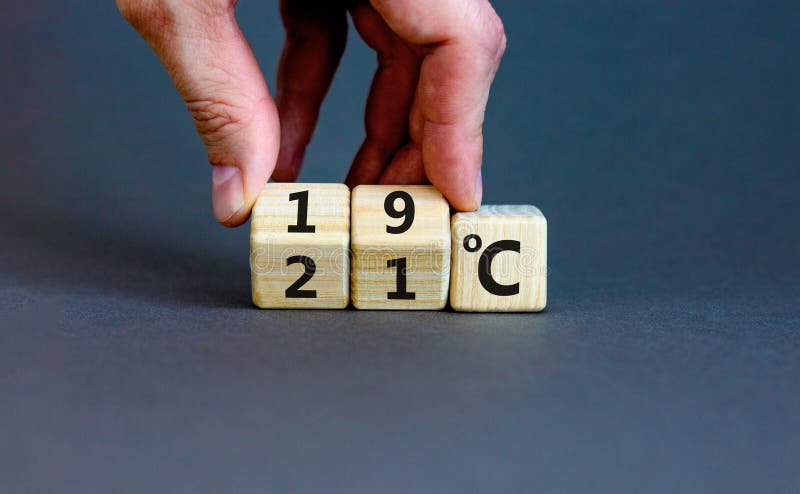
19 or 21 degrees Celsius symbol. Concept word 19 or 21 degrees Celsius on cubes. Beautiful yellow table white background. Lowering temperature to reduce energy consumption concept. Copy space. Consumption decrease stock images, royalty-free photos and pictures
Charging a smartphone from the home balcony with a portable solar panel charger. Self-consumption and charging with small solar panels is a way to decrease the use of fossil fuels to generate electricity and reduce the ecological footprint. Consumption decrease stock images, royalty-free photos and pictures
House figurine with a chunky orange hat on top placed in the autumn foliage of the tree. Saving on energy costs trapping heat inside the house. Consumption decrease stock images, royalty-free photos and pictures
19 or 21 degrees Celsius symbol. Concept word 19 or 21 degrees Celsius on cubes. Beautiful white table white background. Lowering temperature to reduce energy consumption concept. Copy space. Consumption decrease stock images, royalty-free photos and pictures
19 or 21 degrees Celsius symbol. Concept word 19 or 21 degrees Celsius on cubes. Beautiful yellow table white background. Lowering temperature to reduce energy consumption concept. Copy space. Consumption decrease stock images, royalty-free photos and pictures
Plastic garbage bins with waste type label and recycle logo are the best for waste sorting systems. Separate garbage collection helps save the environment and decrease environment pollution. Loop. Consumption decrease stock images, royalty-free photos and pictures
A woman touches the cold radiator of a home heater with her frozen hands and increases the heating power by the maximum value. Limiting energy consumption during the heating season. The energy crisis. Consumption decrease stock images, royalty-free photos and pictures
St. Petersburg, Russia - June 8, 2021: Hall of top largest new modern shopping and entertainment mall. Retail space. Supermarket. Concept of Decrease in consumer demand after coronavirus pandemic. Consumption decrease stock images, royalty-free photos and pictures
St. Petersburg, Russia - May 15, 2021: Top Russian Supermarket is one of largest players of retail industry. Grocery Store. Concept of Decrease in consumer demand after coronavirus pandemic. Consumption decrease stock images, royalty-free photos and pictures
St. Petersburg, Russia - June 8, 2021: Hall of top largest new modern shopping and entertainment mall. Retail space. Supermarket. Concept of Decrease in consumer demand after coronavirus pandemic. Consumption decrease stock images, royalty-free photos and pictures
St. Petersburg, Russia - February 3, 2021: Hall of top largest new modern shopping and entertainment mall. Retail space. Supermarket. Concept of Decrease in consumer demand after coronavirus pandemic. Consumption decrease stock images, royalty-free photos and pictures
Electronic plug and growth money coins, how to reduce the electricity bill and save more money, electricity and economy concept. Consumption decrease stock images, royalty-free photos and pictures
Sweet Level text with percentage and check box printed on portable cup with pile of coffee beans, concept for amount of sugar, diet and diabetes about coffee. Consumption decrease stock images, royalty-free photos and pictures
Portable coffee cup with text : Sweet Level and percentage check box, on wood table, concept for amount of sugar, diet and diabetes. Consumption decrease stock images, royalty-free photos and pictures