Free with trial A fiddler crab, sometimes known as a calling crab, may be any of approximately 94 species of semi-terrestrial marine crabs which make up the genus Uca. As members of the family Ocypodidae, fiddler crabs are most closely related to the ghost crabs of the genus Ocypode. This entire group is composed of small crabs – the largest being slightly over two inches across. Fiddler crabs are found along sea beaches and brackish inter-tidal mud flats, lagoons and swamps. Crabs found stock images, royalty-free photos and pictures Fiddler crab
Free with trial A fiddler crab, sometimes known as a calling crab, may be any of approximately 94 species of semi-terrestrial marine crabs which make up the genus Uca. As members of the family Ocypodidae, fiddler crabs are most closely related to the ghost crabs of the genus Ocypode. This entire group is composed of small crabs – the largest being slightly over two inches across. Fiddler crabs are found along sea beaches and brackish inter-tidal mud flats, lagoons and swamps. Crabs found stock images, royalty-free photos and pictures Fiddler crab
Free with trial The Oriental dwarf kingfisher (Ceyx erithaca) also known as the black-backed kingfisher or three-toed kingfisher is a species of bird in the Alcedinidae family. Crabs found stock images, royalty-free photos and pictures Oriental Dwarf Kingfisher
Free with trial These crabs can be found for sale on the pier in Santa Cruz, Calif. Crabs found stock images, royalty-free photos and pictures Crabs For Sale. These crabs can be found for sale on the pier in Santa Cruz, Calif
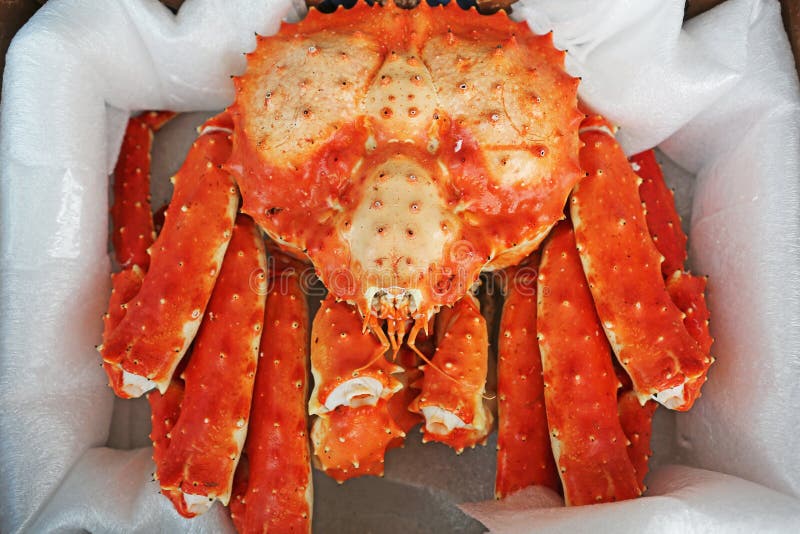
Free with trial King crab legs are rich in protein, trace elements, such as nutrition, have very good nourishing effect to the body. The study found that in recent years, crabs and TB, eat crab rehabilitation of TB in tonic. The doctor of traditional Chinese medicine thinks it has qingrejiedu, bone marrow more, raise muscle invigorate the circulation, through channels and collaterals, renew segments, no injury, liver Yin, the effect of gastric juice. For passive congestion, damage, jaundice, waist and leg pain and diseases such as rheumatoid arthritis have certain dietotherapy effect. Crabs found stock images, royalty-free photos and pictures A king crab. King crab legs are rich in protein, trace elements, such as nutrition, have very good nourishing effect to the body. The study found that in recent years, crabs and TB, eat crab rehabilitation of TB in tonic. The doctor of traditional Chinese medicine thinks it has qingrejiedu, bone marrow more, raise muscle invigorate the circulation, through channels and collaterals, renew segments, no injury, liver Yin, the effect of gastric juice. For passive congestion, damage, jaundice, waist and leg pain and diseases such as rheumatoid arthritis have certain dietotherapy effect.
Free with trial Various pieces of fishermen's equipment, found in fishing village in southwestern Florida. Crabs found stock images, royalty-free photos and pictures Fishermen's tools. Various pieces of fishermen's equipment, found in fishing village in southwestern Florida
Free with trial Portunus pelagicus, also known as the flower crab, blue crab, blue swimmer crab, blue manna crab or sand crab, is a large crab found in the intertidal estuaries of the Indian and Pacific Oceans (Asian coasts) and the Middle-Eastern coast of the Mediterranean Sea. The name flower crab is used in east Asian countries while the latter names are used in Australia. The crabs are widely distributed in eastern Africa, Southeast Asia, East Asia, Australia and New Zealand. Crabs found stock images, royalty-free photos and pictures Blue Swimming Crab (male). Portunus pelagicus, also known as the flower crab, blue crab, blue swimmer crab, blue manna crab or sand crab, is a large crab found in the intertidal estuaries of the Indian and Pacific Oceans (Asian coasts) and the Middle-Eastern coast of the Mediterranean Sea. The name flower crab is used in east Asian countries while the latter names are used in Australia. The crabs are widely distributed in eastern Africa, Southeast Asia, East Asia, Australia and New Zealand.
Free with trial 2 two hermit crabs found their way home at black Japanese snail shell, on board a drift wood. Crabs found stock images, royalty-free photos and pictures 2 two hermit crabs found their way home at black Japanese snail shell
Free with trial 2 two hermit crabs found their way home at black japanese snail shell. Crabs found stock images, royalty-free photos and pictures 2 two hermit crabs found their way home at black Japanese snail shell
Free with trial These crabs can be found for sale on the pier in Oban, scotland. Crabs found stock images, royalty-free photos and pictures Crabs For Sale. These crabs can be found for sale on the pier in Oban, scotland.
Free with trial A pair of Porcelain crabs are found in their host anemone on a reef in Indonesia. This part of the world harbors an extraordinary amount of marine biodiversity. Crabs found stock images, royalty-free photos and pictures Porcelain Crabs and Anemone. A pair of Porcelain crabs are found in their host anemone on a reef in Indonesia. This part of the world harbors an extraordinary amount of marine biodiversity.
Free with trial An octopus, Octopus cyanea, hunts for small crabs on a coral reef in Wakatobi National Park, Indonesia. This intelligent species is diurnal and is commonly found camouflaged on shallow reefs. Crabs found stock images, royalty-free photos and pictures Octopus Hunting on Seafloor of Coral Reef. An octopus, Octopus cyanea, hunts for small crabs on a coral reef in Wakatobi National Park, Indonesia. This intelligent species is diurnal and is commonly found camouflaged on shallow reefs.
Free with trial Shuttles Hoppfish and Great Blue Spotted Mudskipper Boleophthalmus pectinirostris are two common mudskippers found along the Mangrove Boardwalk in Wetland Park. Shuttles Hoppfish is smaller in size with dark stripes on its body. It feeds mainly on insects and small crabs, sometimes it waits for preys on the trunks of mangroves or rocks. Crabs found stock images, royalty-free photos and pictures The Shuttles Hoppfish Periophthalmus modestus. Shuttles Hoppfish and Great Blue Spotted Mudskipper Boleophthalmus pectinirostris are two common mudskippers found along the Mangrove Boardwalk in Wetland Park. Shuttles Hoppfish is smaller in size with dark stripes on its body. It feeds mainly on insects and small crabs, sometimes it waits for preys on the trunks of mangroves or rocks.
Free with trial A child holding a starfish in their hand five arms fishing seaweed rock pooling beach found located unique bucket captured caught in a net slippery creature mollusc sea star asteroidea ophiuroids brittle basket echinoderm beaumaris shore line coast coastline waterfront beautiful ocean animal wildlife foraged scavenged discovered uncovered crabbing brown tiny shells crustaceans eggs clinging attached stuck on a rock whelks snails barnacles fixed fun fish cockles boulders stones limpets plastic tub container discarded scene wet dropped finished searching hunting crabs. Crabs found stock images, royalty-free photos and pictures Rock pooling with a bucket and net for sea creatures. A child holding a starfish in their hand five arms fishing seaweed rock pooling beach found located unique bucket captured caught in a net slippery creature mollusc sea star asteroidea ophiuroids brittle basket echinoderm beaumaris shore line coast coastline waterfront beautiful ocean animal wildlife foraged scavenged discovered uncovered crabbing brown tiny shells crustaceans eggs clinging attached stuck on a rock whelks snails barnacles fixed fun fish cockles boulders stones limpets plastic tub container discarded scene wet dropped finished searching hunting crabs
Free with trial Scientist from State of Delaware counting Horseshoe Crabs. The annual count is done in the spring each year along the Delaware Bay on Delaware and New Jersey Coastline. Nighttime after dark data collection. Crabs found stock images, royalty-free photos and pictures Scientist counting Horseshoe crabs at Night in water on Kitts Hummock a Delaware Bay Coastline. Scientist from State of Delaware counting Horseshoe Crabs. The annual count is done in the spring each year along the Delaware Bay on Delaware and New Jersey Coastline. Nighttime after dark data collection
Free with trial Beautiful portrait of Crab are decapod crustaceans of the infraorder Brachyura. Crabs are generally covered with a thick exoskeleton, composed primarily of highly mineralized chitin and armed with a single pair of chelae. Crabs are found in all of the world`s oceans, while many crabs live in fresh water and on land, particularly in tropical regions. Crabs found stock images, royalty-free photos and pictures Crab
Free with trial Soldier Crab - Mictyris platycheles species of crab found on mudflats on the east coast of Australia from Tasmania and Victoria to Queensland, live in large groups, so commonly called soldier crabs. Crabs found stock images, royalty-free photos and pictures Soldier Crab - Mictyris platycheles species of crab found on mudflats on the east coast of Australia from Tasmania and Victoria to
Free with trial Spider crabs found at the seashore on a rock At Sunset Beach in Cape May New Jersey. Crabs found stock images, royalty-free photos and pictures Spider crabs on a rock at the beach. Spider crabs found at the seashore on a rock At Sunset Beach in Cape May New Jersey
Free with trial Gulls or seagulls are seabirds of the family Laridae in the sub-order Lari. They are most closely related to the terns (family Sternidae) and only distantly related to auks, skimmers, and more distantly to the waders. Until the twenty-first century most gulls were placed in the genus Larus, but this arrangement is now known to be polyphyletic, leading to the resurrection of several genera. An older name for gulls is mew, cognate with German Möwe, Danish måge, Dutch meeuw and French mouette; this term can still be found in certain regional dialects. Gulls are typically medium to large birds, usually grey or white, often with black markings on the head or wings. They typically have harsh wailing or squawking calls, stout, longish bills, and webbed feet. Most gulls, particularly Larus species, are ground-nesting carnivores, which will take live food or scavenge opportunistically. Live food often includes crabs and small fish. Gulls have unhinging jaws which allow them to consume large prey. Apart from the kittiwakes, gulls are typically coastal or inland species, rarely venturing far out to sea. The large species take up to four years to attain full adult plumage, but two years is typical for small gulls. Large white-headed gulls are typically long-lived birds, with a maximum age of 49 years recorded for the herring gull. Crabs found stock images, royalty-free photos and pictures Angry Bird Seagull. Gulls or seagulls are seabirds of the family Laridae in the sub-order Lari. They are most closely related to the terns (family Sternidae) and only distantly related to auks, skimmers, and more distantly to the waders. Until the twenty-first century most gulls were placed in the genus Larus, but this arrangement is now known to be polyphyletic, leading to the resurrection of several genera. An older name for gulls is mew, cognate with German Möwe, Danish måge, Dutch meeuw and French mouette; this term can still be found in certain regional dialects. Gulls are typically medium to large birds, usually grey or white, often with black markings on the head or wings. They typically have harsh wailing or squawking calls, stout, longish bills, and webbed feet. Most gulls, particularly Larus species, are ground-nesting carnivores, which will take live food or scavenge opportunistically. Live food often includes crabs and small fish. Gulls have unhinging jaws which allow them to consume large prey. Apart from the kittiwakes, gulls are typically coastal or inland species, rarely venturing far out to sea. The large species take up to four years to attain full adult plumage, but two years is typical for small gulls. Large white-headed gulls are typically long-lived birds, with a maximum age of 49 years recorded for the herring gull.
Free with trial A crab found on top of other crabs. Crabs found stock images, royalty-free photos and pictures Crab
Free with trial The west side of Hanalei Bay on the island of Kauai, Hawaii is a great place for beachcombing. Many crabs can be found among the shoreline rocks. Crabs found stock images, royalty-free photos and pictures Exploring Hanalei Bay. The west side of Hanalei Bay on the island of Kauai, Hawaii is a great place for beachcombing. Many crabs can be found among the shoreline rocks.
Free with trial Small land-living tropics and subtropics crabs which is found on Java, Indonesia. Crabs found stock images, royalty-free photos and pictures Vampire crab Geosesarma Hagen. Small land-living tropics and subtropics crabs which is found on Java, Indonesia
Free with trial Small land-living tropics and subtropics crabs which is found on Java, Indonesia. Crabs found stock images, royalty-free photos and pictures Vampire crab Geosesarma Hagen. Small land-living tropics and subtropics crabs which is found on Java, Indonesia
Free with trial Small land-living tropics and subtropics crabs which is found on Java, Indonesia. Crabs found stock images, royalty-free photos and pictures Vampire crab Geosesarma dennerle. Small land-living tropics and subtropics crabs which is found on Java, Indonesia
Free with trial Small land-living tropics and subtropics crabs which is found on Java, Indonesia. Crabs found stock images, royalty-free photos and pictures Vampire crab Geosesarma Hagen. Small land-living tropics and subtropics crabs which is found on Java, Indonesia
Free with trial Atlantic horseshoe crabs, Limulus polyphemus, are found all throughout the eastern Atlantic Ocean, from Canada to South America. Crabs found stock images, royalty-free photos and pictures Atlantic Horseshoe Crab and White Background. Atlantic horseshoe crabs, Limulus polyphemus, are found all throughout the eastern Atlantic Ocean, from Canada to South America.
Free with trial Female Horseshoe Crabs release tiny green eggs along the shore in the spring each year along the Delaware Bay on Delaware and New Jersey Coastline. Crabs found stock images, royalty-free photos and pictures Tiny Green eggs of the Horseshoe crab. Female Horseshoe Crabs release tiny green eggs along the shore in the spring each year along the Delaware Bay on Delaware and New Jersey Coastline.
Free with trial Probably the most successful primate species in Southeast Asia (besides Homo sapiens), the Long-tailed Macaque is to be found in a wide range of habitats including primary and secondary forest, mangroves, plantations and the outskirts of towns and villages. Its success is largely due to a varied diet of fruits, leaves, small mammals and birds, shellfish and crabs, as well as human leftovers. It can be identified by the length of its tail, by the shape of the muzzle, and its colour, which is generally grey-brown or reddish-brown. It has a noisy, aggressive temperament and sometimes travels in large troupes of up to 30. The species ranges from Indochina, Southern Thailand and Peninsular Malaysia to Sumatra, Java, Borneo and the Philippines. In Singapore it is the commonest primate. Crabs found stock images, royalty-free photos and pictures Long Tail Macaque at Tanjung Puting National Park, Borneo, Jakarta, Indonesia. Probably the most successful primate species in Southeast Asia (besides Homo sapiens), the Long-tailed Macaque is to be found in a wide range of habitats including primary and secondary forest, mangroves, plantations and the outskirts of towns and villages. Its success is largely due to a varied diet of fruits, leaves, small mammals and birds, shellfish and crabs, as well as human leftovers.It can be identified by the length of its tail, by the shape of the muzzle, and its colour, which is generally grey-brown or reddish-brown. It has a noisy, aggressive temperament and sometimes travels in large troupes of up to 30. The species ranges from Indochina, Southern Thailand and Peninsular Malaysia to Sumatra, Java, Borneo and the Philippines. In Singapore it is the commonest primate.
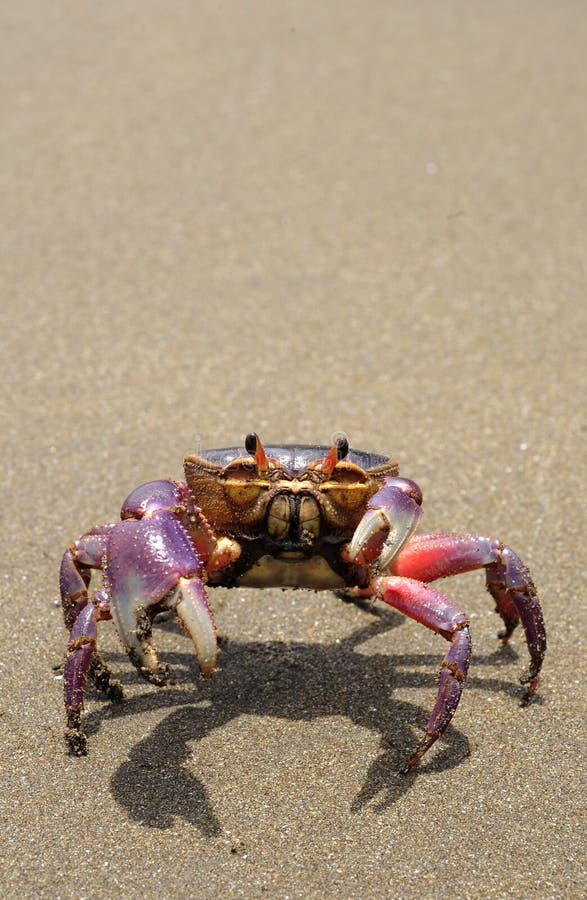
Free with trial Red Ghost crabs are found in some of the sea beaches of India. This image was captured in Tajpur sea beach of West Bengal in India. Crabs found stock images, royalty-free photos and pictures Red Ghost crab
Free with trial Puerto Egas, south of James Bay and west side of Santiago, is one of the best sites. There is a long, lava shoreline where eroded rock formations house an excellent variety of wildlife. Marine iguanas bask in the sun. The tide pools contain many Sally Lightfoot crabs, which attract other types of hunters. Following the trail Fur seal lions are found. Puerto Egas is not only a good spot for taking. Crabs found stock images, royalty-free photos and pictures Puerto Ergas - Santiago Island. Puerto Egas, south of James Bay and west side of Santiago, is one of the best sites. There is a long, lava shoreline where eroded rock formations house an excellent variety of wildlife. Marine iguanas bask in the sun. The tide pools contain many Sally Lightfoot crabs, which attract other types of hunters. Following the trail Fur seal lions are found. Puerto Egas is not only a good spot for taking
Free with trial The genus Coenobita contains the sixteen species of terrestrial hermit crabs. [1] The majority of the species are found in the Indo-Pacific region, with only one species in West Africa, one species occurring along the western Atlantic Ocean, and one species occurring on the Pacific coast of the Americas. [2] Coenobita is closely related to the coconut crab, Birgus latro, with the two genera making up the whole of the family Coenobitidae. Coenobita species carry water in the gastropod shells they inhabit, allowing them to stay out of water for a long time. [3]. Crabs found stock images, royalty-free photos and pictures Hermit crab
Free with trial Puerto Egas, south of James Bay and west side of Santiago, is one of the best sites. There is a long, lava shoreline where eroded rock formations house an excellent variety of wildlife. Marine iguanas bask in the sun. The tide pools contain many Sally Lightfoot crabs, which attract other types of hunters. Following the trail Fur seal lions are found. Puerto Egas is not only a good spot for taking. Crabs found stock images, royalty-free photos and pictures Puerto Ergas - Santiago Island. Puerto Egas, south of James Bay and west side of Santiago, is one of the best sites. There is a long, lava shoreline where eroded rock formations house an excellent variety of wildlife. Marine iguanas bask in the sun. The tide pools contain many Sally Lightfoot crabs, which attract other types of hunters. Following the trail Fur seal lions are found. Puerto Egas is not only a good spot for taking
Free with trial King crab legs are rich in protein, trace elements, such as nutrition, have very good nourishing effect to the body. The study found that in recent years, crabs and TB, eat crab rehabilitation of TB in tonic. The doctor of traditional Chinese medicine thinks it has qingrejiedu, bone marrow more, raise muscle invigorate the circulation, through channels and collaterals, renew segments, no injury, liver Yin, the effect of gastric juice. For passive congestion, damage, jaundice, waist and leg pain and diseases such as rheumatoid arthritis have certain dietotherapy effect. Crabs found stock images, royalty-free photos and pictures A king crab. King crab legs are rich in protein, trace elements, such as nutrition, have very good nourishing effect to the body. The study found that in recent years, crabs and TB, eat crab rehabilitation of TB in tonic. The doctor of traditional Chinese medicine thinks it has qingrejiedu, bone marrow more, raise muscle invigorate the circulation, through channels and collaterals, renew segments, no injury, liver Yin, the effect of gastric juice. For passive congestion, damage, jaundice, waist and leg pain and diseases such as rheumatoid arthritis have certain dietotherapy effect.
Free with trial Asian Short-Clawed Otter (Amblonyx cinereus) Family: Mustelidae Order: Carnivora. Found in swampy mangroves and freshwater wetlands of southern Asia. They feed on crabs, snails, crayfish, molluscs and frogs. Crabs found stock images, royalty-free photos and pictures Pair of cute Otters sitting together near water. Asian Short-Clawed Otter (Amblonyx cinereus) Family: Mustelidae Order: Carnivora. Found in swampy mangroves and freshwater wetlands of southern Asia. They feed on crabs, snails, crayfish, molluscs and frogs
Free with trial The Great Egret is a wading bird which is found in lakes, ponds, rivers catching fish and crabs. Crabs found stock images, royalty-free photos and pictures Great Egret
Free with trial Orangutan Crab Oncinopus sp. 1 Synonyms: Achaeus japonicus Category: True Crabs. orangutan crab, is a crab of the family Inachidae (spider crabs or decorator crabs) has been observed in tropical waters of the Western Pacific Ocean from Indonesia to Fiji, as well as in coastal waters of Japan. With a carapace of only about 2 centimetres or 0. 8 inches in diameter, it has relatively long arms, which are thickly covered with fine hairs, red or reddish brown in colour, and often laden with small bits of debris for further camouflage. It is frequently, but not always, found in association with the bubble coral Plerogyra sinuosa. Crabs found stock images, royalty-free photos and pictures Orangutan Crab
Free with trial King crab, also known as stone crab or rock crab, is a crustacean of the family Crabidae. It is not a real crab. They are mainly found in cold seas. Because of its large size and its name, it is known as `the king of crabs`. Crabs found stock images, royalty-free photos and pictures King crab in fish tank. King crab, also known as stone crab or rock crab, is a crustacean of the family Crabidae. It is not a real crab. They are mainly found in cold seas. Because of its large size and its name, it is known as `the king of crabs`.
Free with trial King crab legs are rich in protein, trace elements, such as nutrition, have very good nourishing effect to the body. The study found that in recent years, crabs and TB, eat crab rehabilitation of TB in tonic. The doctor of traditional Chinese medicine thinks it has qingrejiedu, bone marrow more, raise muscle invigorate the circulation, through channels and collaterals, renew segments, no injury, liver Yin, the effect of gastric juice. For passive congestion, damage, jaundice, waist and leg pain and diseases such as rheumatoid arthritis have certain dietotherapy effect. Crabs found stock images, royalty-free photos and pictures A king crab. King crab legs are rich in protein, trace elements, such as nutrition, have very good nourishing effect to the body. The study found that in recent years, crabs and TB, eat crab rehabilitation of TB in tonic. The doctor of traditional Chinese medicine thinks it has qingrejiedu, bone marrow more, raise muscle invigorate the circulation, through channels and collaterals, renew segments, no injury, liver Yin, the effect of gastric juice. For passive congestion, damage, jaundice, waist and leg pain and diseases such as rheumatoid arthritis have certain dietotherapy effect.
Free with trial King crab legs are rich in protein, trace elements, such as nutrition, have very good nourishing effect to the body. The study found that in recent years, crabs and TB, eat crab rehabilitation of TB in tonic. The doctor of traditional Chinese medicine thinks it has qingrejiedu, bone marrow more, raise muscle invigorate the circulation, through channels and collaterals, renew segments, no injury, liver Yin, the effect of gastric juice. For passive congestion, damage, jaundice, waist and leg pain and diseases such as rheumatoid arthritis have certain dietotherapy effect. Crabs found stock images, royalty-free photos and pictures A king crab. King crab legs are rich in protein, trace elements, such as nutrition, have very good nourishing effect to the body. The study found that in recent years, crabs and TB, eat crab rehabilitation of TB in tonic. The doctor of traditional Chinese medicine thinks it has qingrejiedu, bone marrow more, raise muscle invigorate the circulation, through channels and collaterals, renew segments, no injury, liver Yin, the effect of gastric juice. For passive congestion, damage, jaundice, waist and leg pain and diseases such as rheumatoid arthritis have certain dietotherapy effect.
Free with trial King crab legs are rich in protein, trace elements, such as nutrition, have very good nourishing effect to the body. The study found that in recent years, crabs and TB, eat crab rehabilitation of TB in tonic. The doctor of traditional Chinese medicine thinks it has qingrejiedu, bone marrow more, raise muscle invigorate the circulation, through channels and collaterals, renew segments, no injury, liver Yin, the effect of gastric juice. For passive congestion, damage, jaundice, waist and leg pain and diseases such as rheumatoid arthritis have certain dietotherapy effect. Crabs found stock images, royalty-free photos and pictures A king crab. King crab legs are rich in protein, trace elements, such as nutrition, have very good nourishing effect to the body. The study found that in recent years, crabs and TB, eat crab rehabilitation of TB in tonic. The doctor of traditional Chinese medicine thinks it has qingrejiedu, bone marrow more, raise muscle invigorate the circulation, through channels and collaterals, renew segments, no injury, liver Yin, the effect of gastric juice. For passive congestion, damage, jaundice, waist and leg pain and diseases such as rheumatoid arthritis have certain dietotherapy effect.
Free with trial A snowy egret forages on the El Zonte beach, in El Salvador. The snowy egret (Egretta thula) is a small white heron. The snowy egret is the American counterpart to the very similar Old World little egret, which has become established in the Bahamas. At one time, the plumes of the snowy egret were in great demand as decorations for women's hats. They were hunted for these plumes and this reduced the population of the species to dangerously low levels. Now protected in the United States by law, under the Migratory Bird Treaty Act, this bird's population has rebounded. The snowy egret is native to North, Central and South America. It is present all year round in South America, ranging as far south as Chile and Argentina. It is found in wetlands of many types marshes, riverbanks, lakesides, pools, salt marshes and estuaries. It is not found at high altitudes nor generally on the coast. The snowy egret has occurred as a vagrant in Europe, in Iceland, Scotland and the Azores. The birds eat fish, crustaceans such as crabs, shrimp and crayfish, insects, small reptiles such as lizards and snakes, snails, frogs, toads and worms especially earthworms and other annelids. They stalk prey in shallow water, often running or shuffling their feet, flushing prey into view by swaying their heads, flicking their wings or vibrating their bills. They may also hover, or "dip-fish" by flying with their feet just above the water surface. Snowy egrets may also stand still and wait to ambush prey, or hunt for insects stirred up by domestic animals in open fields. They sometimes forage in mixed species groups. Fossils of the snowy egret have been reported from the Talara tar seeps of Peru and in Bradenton in Manatee County and Haile XIB in Alachua County in Florida, United States. The deposits were dated to the Late Pleistocene. Crabs found stock images, royalty-free photos and pictures Wildlife in Guatemala: A Snowy egret is seen foraging on a beach in El Salvador. A snowy egret forages on the El Zonte beach, in El Salvador. The snowy egret (Egretta thula) is a small white heron. The snowy egret is the American counterpart to the very similar Old World little egret, which has become established in the Bahamas. At one time, the plumes of the snowy egret were in great demand as decorations for women's hats. They were hunted for these plumes and this reduced the population of the species to dangerously low levels. Now protected in the United States by law, under the Migratory Bird Treaty Act, this bird's population has rebounded. The snowy egret is native to North, Central and South America. It is present all year round in South America, ranging as far south as Chile and Argentina. It is found in wetlands of many types marshes, riverbanks, lakesides, pools, salt marshes and estuaries. It is not found at high altitudes nor generally on the coast. The snowy egret has occurred as a vagrant in Europe, in Iceland, Scotland and the Azores. The birds eat fish, crustaceans such as crabs, shrimp and crayfish, insects, small reptiles such as lizards and snakes, snails, frogs, toads and worms especially earthworms and other annelids. They stalk prey in shallow water, often running or shuffling their feet, flushing prey into view by swaying their heads, flicking their wings or vibrating their bills. They may also hover, or "dip-fish" by flying with their feet just above the water surface. Snowy egrets may also stand still and wait to ambush prey, or hunt for insects stirred up by domestic animals in open fields. They sometimes forage in mixed species groups. Fossils of the snowy egret have been reported from the Talara tar seeps of Peru and in Bradenton in Manatee County and Haile XIB in Alachua County in Florida, United States. The deposits were dated to the Late Pleistocene.
Free with trial On my trip to Skagen, Denmark after slipping over some slimy rocks along side the sea and almost falling in trying to get a shot of a seal sitting on a rock further in the sea, I decided to walk on further on the beach and try my luck. After walking about 50 meters ahead I found this cute little guy lying peacefully on the beach. Crabs found stock images, royalty-free photos and pictures Baby seal close up. On my trip to Skagen, Denmark after slipping over some slimy rocks along side the sea and almost falling in trying to get a shot of a seal sitting on a rock further in the sea, I decided to walk on further on the beach and try my luck. After walking about 50 meters ahead I found this cute little guy lying peacefully on the beach.
Free with trial A pair of Olive ridley sea turtle hatchlings is seen moving towards the Ocean after being released by marine biologists working on preserving the species, in the Las Lisas beach, in Santa Rosa, Guatemala. The olive ridley sea turtle (Lepidochelys olivacea), also known commonly as the Pacific ridley sea turtle, is a species of turtle in the family Cheloniidae. The species is the second-smallest and most abundant of all sea turtles found in the world. The turtle is found in warm and tropical waters, primarily in the Pacific and Indian Oceans, but also in the warm waters of the Atlantic Ocean. This turtle and the related Kemp's ridley sea turtle are best known for their unique synchronised mass nestings called arribadas, where thousands of females come together on the same beach to lay eggs. Hatchlings are dark gray with a pale yolk scar, but appear all black when wet. Growing to about 61cm (2ft) in carapace length (measured along the curve), the olive ridley sea turtle gets its common name from its olive-colored carapace, which is heart-shaped and rounded. Males and females grow to the same size, but females have a slightly more rounded carapace as compared to males. Females return to the same beach from where they hatched, to lay their eggs. The olive ridley is predominantly carnivorous. Common prey items include tunicates like salps and sea squirts), starfish, sea urchins, bryozoans, squid, bivalves, snails, barnacles, shrimp, crabs, rock lobsters, and sipunculid worms. Additionally, consumption of jellyfish and both adult fish like phoeroides and fish eggs may be indicative of pelagic or open ocean feeding. The olive ridley is also known to feed on filamentous algae in areas devoid of other food sources. Captive studies have indicated some level of cannibalistic behavior in this species. The olive ridley is classified as vulnerable according to the International Union for Conservation of Nature and Natural Resources. Crabs found stock images, royalty-free photos and pictures Wildlife in Guatemala: A pair of Olive ridley sea turtle hatchlings is seen moving towards the Ocean. A pair of Olive ridley sea turtle hatchlings is seen moving towards the Ocean after being released by marine biologists working on preserving the species, in the Las Lisas beach, in Santa Rosa, Guatemala. The olive ridley sea turtle (Lepidochelys olivacea), also known commonly as the Pacific ridley sea turtle, is a species of turtle in the family Cheloniidae. The species is the second-smallest and most abundant of all sea turtles found in the world. The turtle is found in warm and tropical waters, primarily in the Pacific and Indian Oceans, but also in the warm waters of the Atlantic Ocean. This turtle and the related Kemp's ridley sea turtle are best known for their unique synchronised mass nestings called arribadas, where thousands of females come together on the same beach to lay eggs. Hatchlings are dark gray with a pale yolk scar, but appear all black when wet. Growing to about 61cm (2ft) in carapace length (measured along the curve), the olive ridley sea turtle gets its common name from its olive-colored carapace, which is heart-shaped and rounded. Males and females grow to the same size, but females have a slightly more rounded carapace as compared to males. Females return to the same beach from where they hatched, to lay their eggs. The olive ridley is predominantly carnivorous. Common prey items include tunicates like salps and sea squirts), starfish, sea urchins, bryozoans, squid, bivalves, snails, barnacles, shrimp, crabs, rock lobsters, and sipunculid worms. Additionally, consumption of jellyfish and both adult fish like phoeroides and fish eggs may be indicative of pelagic or open ocean feeding. The olive ridley is also known to feed on filamentous algae in areas devoid of other food sources. Captive studies have indicated some level of cannibalistic behavior in this species. The olive ridley is classified as vulnerable according to the International Union for Conservation of Nature and Natural Resources.
Free with trial Orangutan Crab Oncinopus sp. 1 Synonyms: Achaeus japonicus Category: True Crabs. orangutan crab, is a crab of the family Inachidae (spider crabs or decorator crabs) has been observed in tropical waters of the Western Pacific Ocean from Indonesia to Fiji, as well as in coastal waters of Japan. With a carapace of only about 2 centimetres or 0. 8 inches in diameter, it has relatively long arms, which are thickly covered with fine hairs, red or reddish brown in colour, and often laden with small bits of debris for further camouflage. It is frequently, but not always, found in association with the bubble coral Plerogyra sinuosa. Crabs found stock images, royalty-free photos and pictures Orangutan Crab1. Orangutan Crab Oncinopus sp. 1 Synonyms: Achaeus japonicus Category: True Crabs. orangutan crab, is a crab of the family Inachidae (spider crabs or decorator crabs) has been observed in tropical waters of the Western Pacific Ocean from Indonesia to Fiji, as well as in coastal waters of Japan. With a carapace of only about 2 centimetres or 0.8 inches in diameter, it has relatively long arms, which are thickly covered with fine hairs, red or reddish brown in colour, and often laden with small bits of debris for further camouflage. It is frequently, but not always, found in association with the bubble coral Plerogyra sinuosa.
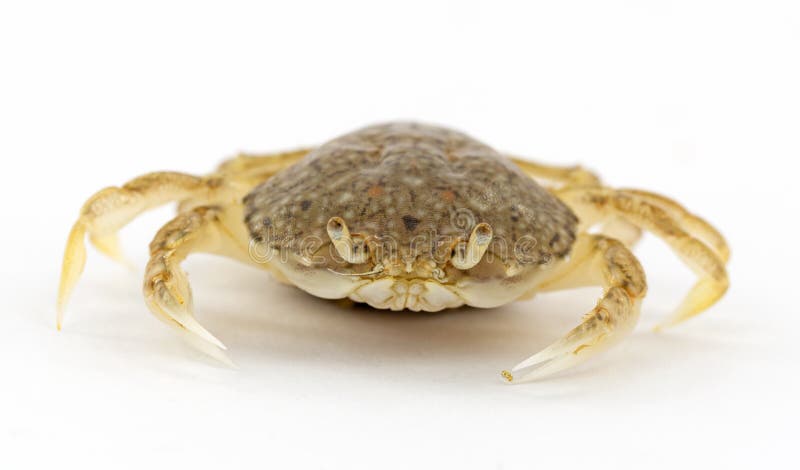
Free with trial Beautiful image of a mollusk found in the Mediterranean Sea. Crabs found stock images, royalty-free photos and pictures Crab on white. Beautiful image of a mollusk found in the Mediterranean Sea
Free with trial Portunus pelagicus, also known as the flower crab, blue crab, blue swimmer crab, blue manna crab or sand crab, is a large crab found in the intertidal estuaries of the Indian and Pacific Oceans (Asian coasts) and the Middle-Eastern coast of the Mediterranean Sea. The name flower crab is used in east Asian countries while the latter names are used in Australia. The crabs are widely distributed in eastern Africa, Southeast Asia, East Asia, Australia and New Zealand. Crabs found stock images, royalty-free photos and pictures Blue Swimming Crab (female). Portunus pelagicus, also known as the flower crab, blue crab, blue swimmer crab, blue manna crab or sand crab, is a large crab found in the intertidal estuaries of the Indian and Pacific Oceans (Asian coasts) and the Middle-Eastern coast of the Mediterranean Sea. The name flower crab is used in east Asian countries while the latter names are used in Australia. The crabs are widely distributed in eastern Africa, Southeast Asia, East Asia, Australia and New Zealand.
Free with trial An Olive ridley sea turtle hatchling is seen moving towards the Ocean after being released by marine biologists working on preserving the species, in the Las Lisas beach, in Santa Rosa, Guatemala. The olive ridley sea turtle (Lepidochelys olivacea), also known commonly as the Pacific ridley sea turtle, is a species of turtle in the family Cheloniidae. The species is the second-smallest and most abundant of all sea turtles found in the world. The turtle is found in warm and tropical waters, primarily in the Pacific and Indian Oceans, but also in the warm waters of the Atlantic Ocean. This turtle and the related Kemp's ridley sea turtle are best known for their unique synchronised mass nestings called arribadas, where thousands of females come together on the same beach to lay eggs. Hatchlings are dark gray with a pale yolk scar, but appear all black when wet. Growing to about 61cm (2ft) in carapace length (measured along the curve), the olive ridley sea turtle gets its common name from its olive-colored carapace, which is heart-shaped and rounded. Males and females grow to the same size, but females have a slightly more rounded carapace as compared to males. Females return to the same beach from where they hatched, to lay their eggs. The olive ridley is predominantly carnivorous. Common prey items include tunicates like salps and sea squirts), starfish, sea urchins, bryozoans, squid, bivalves, snails, barnacles, shrimp, crabs, rock lobsters, and sipunculid worms. Additionally, consumption of jellyfish and both adult fish like phoeroides and fish eggs may be indicative of pelagic or open ocean feeding. The olive ridley is also known to feed on filamentous algae in areas devoid of other food sources. Captive studies have indicated some level of cannibalistic behavior in this species. The olive ridley is classified as vulnerable according to the International Union for Conservation of Nature and Natural Resources. Crabs found stock images, royalty-free photos and pictures Wildlife in Guatemala: An Olive ridley sea turtle hatchling is seen moving towards the Ocean. An Olive ridley sea turtle hatchling is seen moving towards the Ocean after being released by marine biologists working on preserving the species, in the Las Lisas beach, in Santa Rosa, Guatemala. The olive ridley sea turtle (Lepidochelys olivacea), also known commonly as the Pacific ridley sea turtle, is a species of turtle in the family Cheloniidae. The species is the second-smallest and most abundant of all sea turtles found in the world. The turtle is found in warm and tropical waters, primarily in the Pacific and Indian Oceans, but also in the warm waters of the Atlantic Ocean. This turtle and the related Kemp's ridley sea turtle are best known for their unique synchronised mass nestings called arribadas, where thousands of females come together on the same beach to lay eggs. Hatchlings are dark gray with a pale yolk scar, but appear all black when wet. Growing to about 61cm (2ft) in carapace length (measured along the curve), the olive ridley sea turtle gets its common name from its olive-colored carapace, which is heart-shaped and rounded. Males and females grow to the same size, but females have a slightly more rounded carapace as compared to males. Females return to the same beach from where they hatched, to lay their eggs. The olive ridley is predominantly carnivorous. Common prey items include tunicates like salps and sea squirts), starfish, sea urchins, bryozoans, squid, bivalves, snails, barnacles, shrimp, crabs, rock lobsters, and sipunculid worms. Additionally, consumption of jellyfish and both adult fish like phoeroides and fish eggs may be indicative of pelagic or open ocean feeding. The olive ridley is also known to feed on filamentous algae in areas devoid of other food sources. Captive studies have indicated some level of cannibalistic behavior in this species. The olive ridley is classified as vulnerable according to the International Union for Conservation of Nature and Natural Resources.
Free with trial An Olive ridley sea turtle hatchling is seen moving towards the Ocean after being released by marine biologists working on preserving the species, in the El Zonte beach, in El Salvador. The olive ridley sea turtle (Lepidochelys olivacea), also known commonly as the Pacific ridley sea turtle, is a species of turtle in the family Cheloniidae. The species is the second-smallest and most abundant of all sea turtles found in the world. The turtle is found in warm and tropical waters, primarily in the Pacific and Indian Oceans, but also in the warm waters of the Atlantic Ocean. This turtle and the related Kemp's ridley sea turtle are best known for their unique synchronised mass nestings called arribadas, where thousands of females come together on the same beach to lay eggs. Hatchlings are dark gray with a pale yolk scar, but appear all black when wet. Growing to about 61cm (2ft) in carapace length (measured along the curve), the olive ridley sea turtle gets its common name from its olive-colored carapace, which is heart-shaped and rounded. Males and females grow to the same size, but females have a slightly more rounded carapace as compared to males. Females return to the same beach from where they hatched, to lay their eggs. The olive ridley is predominantly carnivorous. Common prey items include tunicates like salps and sea squirts), starfish, sea urchins, bryozoans, squid, bivalves, snails, barnacles, shrimp, crabs, rock lobsters, and sipunculid worms. Additionally, consumption of jellyfish and both adult fish like phoeroides and fish eggs may be indicative of pelagic or open ocean feeding. The olive ridley is also known to feed on filamentous algae in areas devoid of other food sources. Captive studies have indicated some level of cannibalistic behavior in this species. The olive ridley is classified as vulnerable according to the International Union for Conservation of Nature and Natural Resources. Crabs found stock images, royalty-free photos and pictures Wildlife in El Salvador: An Olive ridley sea turtle hatchling is seen moving towards the Ocean. An Olive ridley sea turtle hatchling is seen moving towards the Ocean after being released by marine biologists working on preserving the species, in the El Zonte beach, in El Salvador. The olive ridley sea turtle (Lepidochelys olivacea), also known commonly as the Pacific ridley sea turtle, is a species of turtle in the family Cheloniidae. The species is the second-smallest and most abundant of all sea turtles found in the world. The turtle is found in warm and tropical waters, primarily in the Pacific and Indian Oceans, but also in the warm waters of the Atlantic Ocean. This turtle and the related Kemp's ridley sea turtle are best known for their unique synchronised mass nestings called arribadas, where thousands of females come together on the same beach to lay eggs. Hatchlings are dark gray with a pale yolk scar, but appear all black when wet. Growing to about 61cm (2ft) in carapace length (measured along the curve), the olive ridley sea turtle gets its common name from its olive-colored carapace, which is heart-shaped and rounded. Males and females grow to the same size, but females have a slightly more rounded carapace as compared to males. Females return to the same beach from where they hatched, to lay their eggs. The olive ridley is predominantly carnivorous. Common prey items include tunicates like salps and sea squirts), starfish, sea urchins, bryozoans, squid, bivalves, snails, barnacles, shrimp, crabs, rock lobsters, and sipunculid worms. Additionally, consumption of jellyfish and both adult fish like phoeroides and fish eggs may be indicative of pelagic or open ocean feeding. The olive ridley is also known to feed on filamentous algae in areas devoid of other food sources. Captive studies have indicated some level of cannibalistic behavior in this species. The olive ridley is classified as vulnerable according to the International Union for Conservation of Nature and Natural Resources.
Free with trial A snowy egret forages on the El Zonte beach, in El Salvador. The snowy egret (Egretta thula) is a small white heron. The snowy egret is the American counterpart to the very similar Old World little egret, which has become established in the Bahamas. At one time, the plumes of the snowy egret were in great demand as decorations for women's hats. They were hunted for these plumes and this reduced the population of the species to dangerously low levels. Now protected in the United States by law, under the Migratory Bird Treaty Act, this bird's population has rebounded. The snowy egret is native to North, Central and South America. It is present all year round in South America, ranging as far south as Chile and Argentina. It is found in wetlands of many types marshes, riverbanks, lakesides, pools, salt marshes and estuaries. It is not found at high altitudes nor generally on the coast. The snowy egret has occurred as a vagrant in Europe, in Iceland, Scotland and the Azores. The birds eat fish, crustaceans such as crabs, shrimp and crayfish, insects, small reptiles such as lizards and snakes, snails, frogs, toads and worms especially earthworms and other annelids. They stalk prey in shallow water, often running or shuffling their feet, flushing prey into view by swaying their heads, flicking their wings or vibrating their bills. They may also hover, or "dip-fish" by flying with their feet just above the water surface. Snowy egrets may also stand still and wait to ambush prey, or hunt for insects stirred up by domestic animals in open fields. They sometimes forage in mixed species groups. Fossils of the snowy egret have been reported from the Talara tar seeps of Peru and in Bradenton in Manatee County and Haile XIB in Alachua County in Florida, United States. The deposits were dated to the Late Pleistocene. Crabs found stock images, royalty-free photos and pictures Wildlife in Guatemala: A Snowy egret is seen foraging on a beach in El Salvador. A snowy egret forages on the El Zonte beach, in El Salvador. The snowy egret (Egretta thula) is a small white heron. The snowy egret is the American counterpart to the very similar Old World little egret, which has become established in the Bahamas. At one time, the plumes of the snowy egret were in great demand as decorations for women's hats. They were hunted for these plumes and this reduced the population of the species to dangerously low levels. Now protected in the United States by law, under the Migratory Bird Treaty Act, this bird's population has rebounded. The snowy egret is native to North, Central and South America. It is present all year round in South America, ranging as far south as Chile and Argentina. It is found in wetlands of many types marshes, riverbanks, lakesides, pools, salt marshes and estuaries. It is not found at high altitudes nor generally on the coast. The snowy egret has occurred as a vagrant in Europe, in Iceland, Scotland and the Azores. The birds eat fish, crustaceans such as crabs, shrimp and crayfish, insects, small reptiles such as lizards and snakes, snails, frogs, toads and worms especially earthworms and other annelids. They stalk prey in shallow water, often running or shuffling their feet, flushing prey into view by swaying their heads, flicking their wings or vibrating their bills. They may also hover, or "dip-fish" by flying with their feet just above the water surface. Snowy egrets may also stand still and wait to ambush prey, or hunt for insects stirred up by domestic animals in open fields. They sometimes forage in mixed species groups. Fossils of the snowy egret have been reported from the Talara tar seeps of Peru and in Bradenton in Manatee County and Haile XIB in Alachua County in Florida, United States. The deposits were dated to the Late Pleistocene.
Free with trial A snowy egret forages in the El Zonte beach, in El Salvador. The snowy egret (Egretta thula) is a small white heron. The snowy egret is the American counterpart to the very similar Old World little egret, which has become established in the Bahamas. At one time, the plumes of the snowy egret were in great demand as decorations for women's hats. They were hunted for these plumes and this reduced the population of the species to dangerously low levels. Now protected in the United States by law, under the Migratory Bird Treaty Act, this bird's population has rebounded. The snowy egret is native to North, Central and South America. It is present all year round in South America, ranging as far south as Chile and Argentina. It is found in wetlands of many types marshes, riverbanks, lakesides, pools, salt marshes and estuaries. It is not found at high altitudes nor generally on the coast. The snowy egret has occurred as a vagrant in Europe, in Iceland, Scotland and the Azores. The birds eat fish, crustaceans such as crabs, shrimp and crayfish, insects, small reptiles such as lizards and snakes, snails, frogs, toads and worms especially earthworms and other annelids. They stalk prey in shallow water, often running or shuffling their feet, flushing prey into view by swaying their heads, flicking their wings or vibrating their bills. They may also hover, or "dip-fish" by flying with their feet just above the water surface. Snowy egrets may also stand still and wait to ambush prey, or hunt for insects stirred up by domestic animals in open fields. They sometimes forage in mixed species groups. Fossils of the snowy egret have been reported from the Talara tar seeps of Peru and in Bradenton in Manatee County and Haile XIB in Alachua County in Florida, United States. The deposits were dated to the Late Pleistocene. Crabs found stock images, royalty-free photos and pictures Wildlife in Guatemala: A Snowy egret is seen foraging on a beach in El Salvador. A snowy egret forages in the El Zonte beach, in El Salvador. The snowy egret (Egretta thula) is a small white heron. The snowy egret is the American counterpart to the very similar Old World little egret, which has become established in the Bahamas. At one time, the plumes of the snowy egret were in great demand as decorations for women's hats. They were hunted for these plumes and this reduced the population of the species to dangerously low levels. Now protected in the United States by law, under the Migratory Bird Treaty Act, this bird's population has rebounded. The snowy egret is native to North, Central and South America. It is present all year round in South America, ranging as far south as Chile and Argentina. It is found in wetlands of many types marshes, riverbanks, lakesides, pools, salt marshes and estuaries. It is not found at high altitudes nor generally on the coast. The snowy egret has occurred as a vagrant in Europe, in Iceland, Scotland and the Azores. The birds eat fish, crustaceans such as crabs, shrimp and crayfish, insects, small reptiles such as lizards and snakes, snails, frogs, toads and worms especially earthworms and other annelids. They stalk prey in shallow water, often running or shuffling their feet, flushing prey into view by swaying their heads, flicking their wings or vibrating their bills. They may also hover, or "dip-fish" by flying with their feet just above the water surface. Snowy egrets may also stand still and wait to ambush prey, or hunt for insects stirred up by domestic animals in open fields. They sometimes forage in mixed species groups. Fossils of the snowy egret have been reported from the Talara tar seeps of Peru and in Bradenton in Manatee County and Haile XIB in Alachua County in Florida, United States. The deposits were dated to the Late Pleistocene.
Free with trial A snowy egret forages in the El Zonte beach, in El Salvador. The snowy egret (Egretta thula) is a small white heron. The snowy egret is the American counterpart to the very similar Old World little egret, which has become established in the Bahamas. At one time, the plumes of the snowy egret were in great demand as decorations for women's hats. They were hunted for these plumes and this reduced the population of the species to dangerously low levels. Now protected in the United States by law, under the Migratory Bird Treaty Act, this bird's population has rebounded. The snowy egret is native to North, Central and South America. It is present all year round in South America, ranging as far south as Chile and Argentina. It is found in wetlands of many types marshes, riverbanks, lakesides, pools, salt marshes and estuaries. It is not found at high altitudes nor generally on the coast. The snowy egret has occurred as a vagrant in Europe, in Iceland, Scotland and the Azores. The birds eat fish, crustaceans such as crabs, shrimp and crayfish, insects, small reptiles such as lizards and snakes, snails, frogs, toads and worms especially earthworms and other annelids. They stalk prey in shallow water, often running or shuffling their feet, flushing prey into view by swaying their heads, flicking their wings or vibrating their bills. They may also hover, or "dip-fish" by flying with their feet just above the water surface. Snowy egrets may also stand still and wait to ambush prey, or hunt for insects stirred up by domestic animals in open fields. They sometimes forage in mixed species groups. Fossils of the snowy egret have been reported from the Talara tar seeps of Peru and in Bradenton in Manatee County and Haile XIB in Alachua County in Florida, United States. The deposits were dated to the Late Pleistocene. Crabs found stock images, royalty-free photos and pictures Wildlife in Guatemala: A Snowy egret is seen foraging on a beach in El Salvador. A snowy egret forages in the El Zonte beach, in El Salvador. The snowy egret (Egretta thula) is a small white heron. The snowy egret is the American counterpart to the very similar Old World little egret, which has become established in the Bahamas. At one time, the plumes of the snowy egret were in great demand as decorations for women's hats. They were hunted for these plumes and this reduced the population of the species to dangerously low levels. Now protected in the United States by law, under the Migratory Bird Treaty Act, this bird's population has rebounded. The snowy egret is native to North, Central and South America. It is present all year round in South America, ranging as far south as Chile and Argentina. It is found in wetlands of many types marshes, riverbanks, lakesides, pools, salt marshes and estuaries. It is not found at high altitudes nor generally on the coast. The snowy egret has occurred as a vagrant in Europe, in Iceland, Scotland and the Azores. The birds eat fish, crustaceans such as crabs, shrimp and crayfish, insects, small reptiles such as lizards and snakes, snails, frogs, toads and worms especially earthworms and other annelids. They stalk prey in shallow water, often running or shuffling their feet, flushing prey into view by swaying their heads, flicking their wings or vibrating their bills. They may also hover, or "dip-fish" by flying with their feet just above the water surface. Snowy egrets may also stand still and wait to ambush prey, or hunt for insects stirred up by domestic animals in open fields. They sometimes forage in mixed species groups. Fossils of the snowy egret have been reported from the Talara tar seeps of Peru and in Bradenton in Manatee County and Haile XIB in Alachua County in Florida, United States. The deposits were dated to the Late Pleistocene.
Free with trial A snowy egret forages on the El Zonte beach, in El Salvador. The snowy egret (Egretta thula) is a small white heron. The snowy egret is the American counterpart to the very similar Old World little egret, which has become established in the Bahamas. At one time, the plumes of the snowy egret were in great demand as decorations for women's hats. They were hunted for these plumes and this reduced the population of the species to dangerously low levels. Now protected in the United States by law, under the Migratory Bird Treaty Act, this bird's population has rebounded. The snowy egret is native to North, Central and South America. It is present all year round in South America, ranging as far south as Chile and Argentina. It is found in wetlands of many types marshes, riverbanks, lakesides, pools, salt marshes and estuaries. It is not found at high altitudes nor generally on the coast. The snowy egret has occurred as a vagrant in Europe, in Iceland, Scotland and the Azores. The birds eat fish, crustaceans such as crabs, shrimp and crayfish, insects, small reptiles such as lizards and snakes, snails, frogs, toads and worms especially earthworms and other annelids. They stalk prey in shallow water, often running or shuffling their feet, flushing prey into view by swaying their heads, flicking their wings or vibrating their bills. They may also hover, or "dip-fish" by flying with their feet just above the water surface. Snowy egrets may also stand still and wait to ambush prey, or hunt for insects stirred up by domestic animals in open fields. They sometimes forage in mixed species groups. Fossils of the snowy egret have been reported from the Talara tar seeps of Peru and in Bradenton in Manatee County and Haile XIB in Alachua County in Florida, United States. The deposits were dated to the Late Pleistocene. Crabs found stock images, royalty-free photos and pictures Wildlife in Guatemala: A Snowy egret is seen foraging on a beach in El Salvador. A snowy egret forages on the El Zonte beach, in El Salvador. The snowy egret (Egretta thula) is a small white heron. The snowy egret is the American counterpart to the very similar Old World little egret, which has become established in the Bahamas. At one time, the plumes of the snowy egret were in great demand as decorations for women's hats. They were hunted for these plumes and this reduced the population of the species to dangerously low levels. Now protected in the United States by law, under the Migratory Bird Treaty Act, this bird's population has rebounded. The snowy egret is native to North, Central and South America. It is present all year round in South America, ranging as far south as Chile and Argentina. It is found in wetlands of many types marshes, riverbanks, lakesides, pools, salt marshes and estuaries. It is not found at high altitudes nor generally on the coast. The snowy egret has occurred as a vagrant in Europe, in Iceland, Scotland and the Azores. The birds eat fish, crustaceans such as crabs, shrimp and crayfish, insects, small reptiles such as lizards and snakes, snails, frogs, toads and worms especially earthworms and other annelids. They stalk prey in shallow water, often running or shuffling their feet, flushing prey into view by swaying their heads, flicking their wings or vibrating their bills. They may also hover, or "dip-fish" by flying with their feet just above the water surface. Snowy egrets may also stand still and wait to ambush prey, or hunt for insects stirred up by domestic animals in open fields. They sometimes forage in mixed species groups. Fossils of the snowy egret have been reported from the Talara tar seeps of Peru and in Bradenton in Manatee County and Haile XIB in Alachua County in Florida, United States. The deposits were dated to the Late Pleistocene.
Free with trial A Little blue heron is seen foraging for food in a beach in El Zonte, El Salvador. The little blue heron (Egretta caerulea) is a small heron of the genus Egretta. It is a small, darkly colored heron with a two-toned bill. Juveniles are entirely white, bearing resemblance to the snowy egret. During the breeding season, adults develop different coloration on the head, legs, and feet. They have a range that encompasses much of the Americas, from the United States to northern South America. Some populations are migratory. Climate change will probably cause their distribution to spread north. They can be found in both saltwater and freshwater ecosystems. Their preference for either one depends on where they live. Nesting behaviors are documented by numerous sources. The adults build nests in trees, in colonies with other bird species. The number of eggs laid varies from place to place. The young mature quickly, requiring little attention from adults after about nineteen days of age. Both young and adults are sometimes preyed on by other species. Adults hunt fish, crabs, and other small animals. As with clutch sizes, diet can vary regionally. The population of this heron is declining. Many possible reasons for this have been proposed, they could include development along coastlines, habitat disturbance, predators, pesticide exposure, and parasites.. Exposure to heavy metals has been found to have detrimental effects on young birds. Crabs found stock images, royalty-free photos and pictures Wildlife in El Salvador: A Little blue heron is seen foraging for food in a beach. A Little blue heron is seen foraging for food in a beach in El Zonte, El Salvador. The little blue heron (Egretta caerulea) is a small heron of the genus Egretta. It is a small, darkly colored heron with a two-toned bill. Juveniles are entirely white, bearing resemblance to the snowy egret. During the breeding season, adults develop different coloration on the head, legs, and feet. They have a range that encompasses much of the Americas, from the United States to northern South America. Some populations are migratory. Climate change will probably cause their distribution to spread north. They can be found in both saltwater and freshwater ecosystems. Their preference for either one depends on where they live. Nesting behaviors are documented by numerous sources. The adults build nests in trees, in colonies with other bird species. The number of eggs laid varies from place to place. The young mature quickly, requiring little attention from adults after about nineteen days of age. Both young and adults are sometimes preyed on by other species. Adults hunt fish, crabs, and other small animals. As with clutch sizes, diet can vary regionally. The population of this heron is declining. Many possible reasons for this have been proposed, they could include development along coastlines, habitat disturbance, predators, pesticide exposure, and parasites.. Exposure to heavy metals has been found to have detrimental effects on young birds.
Free with trial A Little blue heron is seen foraging for food in a beach in El Zonte, El Salvador. The little blue heron (Egretta caerulea) is a small heron of the genus Egretta. It is a small, darkly colored heron with a two-toned bill. Juveniles are entirely white, bearing resemblance to the snowy egret. During the breeding season, adults develop different coloration on the head, legs, and feet. They have a range that encompasses much of the Americas, from the United States to northern South America. Some populations are migratory. Climate change will probably cause their distribution to spread north. They can be found in both saltwater and freshwater ecosystems. Their preference for either one depends on where they live. Nesting behaviors are documented by numerous sources. The adults build nests in trees, in colonies with other bird species. The number of eggs laid varies from place to place. The young mature quickly, requiring little attention from adults after about nineteen days of age. Both young and adults are sometimes preyed on by other species. Adults hunt fish, crabs, and other small animals. As with clutch sizes, diet can vary regionally. The population of this heron is declining. Many possible reasons for this have been proposed, they could include development along coastlines, habitat disturbance, predators, pesticide exposure, and parasites.. Exposure to heavy metals has been found to have detrimental effects on young birds. Crabs found stock images, royalty-free photos and pictures Wildlife in El Salvador: A Little blue heron is seen foraging for food in a beach. A Little blue heron is seen foraging for food in a beach in El Zonte, El Salvador. The little blue heron (Egretta caerulea) is a small heron of the genus Egretta. It is a small, darkly colored heron with a two-toned bill. Juveniles are entirely white, bearing resemblance to the snowy egret. During the breeding season, adults develop different coloration on the head, legs, and feet. They have a range that encompasses much of the Americas, from the United States to northern South America. Some populations are migratory. Climate change will probably cause their distribution to spread north. They can be found in both saltwater and freshwater ecosystems. Their preference for either one depends on where they live. Nesting behaviors are documented by numerous sources. The adults build nests in trees, in colonies with other bird species. The number of eggs laid varies from place to place. The young mature quickly, requiring little attention from adults after about nineteen days of age. Both young and adults are sometimes preyed on by other species. Adults hunt fish, crabs, and other small animals. As with clutch sizes, diet can vary regionally. The population of this heron is declining. Many possible reasons for this have been proposed, they could include development along coastlines, habitat disturbance, predators, pesticide exposure, and parasites.. Exposure to heavy metals has been found to have detrimental effects on young birds.
Free with trial A Little blue heron is seen foraging for food in a beach in El Zonte, El Salvador. The little blue heron (Egretta caerulea) is a small heron of the genus Egretta. It is a small, darkly colored heron with a two-toned bill. Juveniles are entirely white, bearing resemblance to the snowy egret. During the breeding season, adults develop different coloration on the head, legs, and feet. They have a range that encompasses much of the Americas, from the United States to northern South America. Some populations are migratory. Climate change will probably cause their distribution to spread north. They can be found in both saltwater and freshwater ecosystems. Their preference for either one depends on where they live. Nesting behaviors are documented by numerous sources. The adults build nests in trees, in colonies with other bird species. The number of eggs laid varies from place to place. The young mature quickly, requiring little attention from adults after about nineteen days of age. Both young and adults are sometimes preyed on by other species. Adults hunt fish, crabs, and other small animals. As with clutch sizes, diet can vary regionally. The population of this heron is declining. Many possible reasons for this have been proposed, they could include development along coastlines, habitat disturbance, predators, pesticide exposure, and parasites.. Exposure to heavy metals has been found to have detrimental effects on young birds. Crabs found stock images, royalty-free photos and pictures Wildlife in El Salvador: A Little blue heron is seen foraging for food in a beach. A Little blue heron is seen foraging for food in a beach in El Zonte, El Salvador. The little blue heron (Egretta caerulea) is a small heron of the genus Egretta. It is a small, darkly colored heron with a two-toned bill. Juveniles are entirely white, bearing resemblance to the snowy egret. During the breeding season, adults develop different coloration on the head, legs, and feet. They have a range that encompasses much of the Americas, from the United States to northern South America. Some populations are migratory. Climate change will probably cause their distribution to spread north. They can be found in both saltwater and freshwater ecosystems. Their preference for either one depends on where they live. Nesting behaviors are documented by numerous sources. The adults build nests in trees, in colonies with other bird species. The number of eggs laid varies from place to place. The young mature quickly, requiring little attention from adults after about nineteen days of age. Both young and adults are sometimes preyed on by other species. Adults hunt fish, crabs, and other small animals. As with clutch sizes, diet can vary regionally. The population of this heron is declining. Many possible reasons for this have been proposed, they could include development along coastlines, habitat disturbance, predators, pesticide exposure, and parasites.. Exposure to heavy metals has been found to have detrimental effects on young birds.
Free with trial A Little blue heron is seen foraging for food in a beach in El Zonte, El Salvador. The little blue heron (Egretta caerulea) is a small heron of the genus Egretta. It is a small, darkly colored heron with a two-toned bill. Juveniles are entirely white, bearing resemblance to the snowy egret. During the breeding season, adults develop different coloration on the head, legs, and feet. They have a range that encompasses much of the Americas, from the United States to northern South America. Some populations are migratory. Climate change will probably cause their distribution to spread north. They can be found in both saltwater and freshwater ecosystems. Their preference for either one depends on where they live. Nesting behaviors are documented by numerous sources. The adults build nests in trees, in colonies with other bird species. The number of eggs laid varies from place to place. The young mature quickly, requiring little attention from adults after about nineteen days of age. Both young and adults are sometimes preyed on by other species. Adults hunt fish, crabs, and other small animals. As with clutch sizes, diet can vary regionally. The population of this heron is declining. Many possible reasons for this have been proposed, they could include development along coastlines, habitat disturbance, predators, pesticide exposure, and parasites.. Exposure to heavy metals has been found to have detrimental effects on young birds. Crabs found stock images, royalty-free photos and pictures Wildlife in El Salvador: A Little blue heron is seen foraging for food in a beach. A Little blue heron is seen foraging for food in a beach in El Zonte, El Salvador. The little blue heron (Egretta caerulea) is a small heron of the genus Egretta. It is a small, darkly colored heron with a two-toned bill. Juveniles are entirely white, bearing resemblance to the snowy egret. During the breeding season, adults develop different coloration on the head, legs, and feet. They have a range that encompasses much of the Americas, from the United States to northern South America. Some populations are migratory. Climate change will probably cause their distribution to spread north. They can be found in both saltwater and freshwater ecosystems. Their preference for either one depends on where they live. Nesting behaviors are documented by numerous sources. The adults build nests in trees, in colonies with other bird species. The number of eggs laid varies from place to place. The young mature quickly, requiring little attention from adults after about nineteen days of age. Both young and adults are sometimes preyed on by other species. Adults hunt fish, crabs, and other small animals. As with clutch sizes, diet can vary regionally. The population of this heron is declining. Many possible reasons for this have been proposed, they could include development along coastlines, habitat disturbance, predators, pesticide exposure, and parasites.. Exposure to heavy metals has been found to have detrimental effects on young birds.
Free with trial A Little blue heron is seen foraging for food in a mangrove, in Las Lisas beach in Santa Rosa. The little blue heron (Egretta caerulea) is a small heron of the genus Egretta. It is a small, darkly colored heron with a two-toned bill. Juveniles are entirely white, bearing resemblance to the snowy egret. During the breeding season, adults develop different coloration on the head, legs, and feet. They have a range that encompasses much of the Americas, from the United States to northern South America. Some populations are migratory. Climate change will probably cause their distribution to spread north. They can be found in both saltwater and freshwater ecosystems. Their preference for either one depends on where they live. Nesting behaviors are documented by numerous sources. The adults build nests in trees, in colonies with other bird species. The number of eggs laid varies from place to place. The young mature quickly, requiring little attention from adults after about nineteen days of age. Both young and adults are sometimes preyed on by other species. Adults hunt fish, crabs, and other small animals. As with clutch sizes, diet can vary regionally. The population of this heron is declining. Many possible reasons for this have been proposed, they could include development along coastlines, habitat disturbance, predators, pesticide exposure, and parasites.. Exposure to heavy metals has been found to have detrimental effects on young birds. Crabs found stock images, royalty-free photos and pictures Wildlife in Guatemala: A Little blue heron is seen foraging for food in a mangrove. A Little blue heron is seen foraging for food in a mangrove, in Las Lisas beach in Santa Rosa. The little blue heron (Egretta caerulea) is a small heron of the genus Egretta. It is a small, darkly colored heron with a two-toned bill. Juveniles are entirely white, bearing resemblance to the snowy egret. During the breeding season, adults develop different coloration on the head, legs, and feet. They have a range that encompasses much of the Americas, from the United States to northern South America. Some populations are migratory. Climate change will probably cause their distribution to spread north. They can be found in both saltwater and freshwater ecosystems. Their preference for either one depends on where they live. Nesting behaviors are documented by numerous sources. The adults build nests in trees, in colonies with other bird species. The number of eggs laid varies from place to place. The young mature quickly, requiring little attention from adults after about nineteen days of age. Both young and adults are sometimes preyed on by other species. Adults hunt fish, crabs, and other small animals. As with clutch sizes, diet can vary regionally. The population of this heron is declining. Many possible reasons for this have been proposed, they could include development along coastlines, habitat disturbance, predators, pesticide exposure, and parasites.. Exposure to heavy metals has been found to have detrimental effects on young birds.
Free with trial A snowy egret stands in an aerator along two other birds, in a pond located at a shrimp farm, near the Las Lisas beach in Guatemala. The snowy egret (Egretta thula) is a small white heron. The snowy egret is the American counterpart to the very similar Old World little egret, which has become established in the Bahamas. At one time, the plumes of the snowy egret were in great demand as decorations for women's hats. They were hunted for these plumes and this reduced the population of the species to dangerously low levels. Now protected in the United States by law, under the Migratory Bird Treaty Act, this bird's population has rebounded. The snowy egret is native to North, Central and South America. It is present all year round in South America, ranging as far south as Chile and Argentina. It is found in wetlands of many types marshes, riverbanks, lakesides, pools, salt marshes and estuaries. It is not found at high altitudes nor generally on the coast. The snowy egret has occurred as a vagrant in Europe, in Iceland, Scotland and the Azores. The birds eat fish, crustaceans such as crabs, shrimp and crayfish, insects, small reptiles such as lizards and snakes, snails, frogs, toads and worms especially earthworms and other annelids. They stalk prey in shallow water, often running or shuffling their feet, flushing prey into view by swaying their heads, flicking their wings or vibrating their bills. They may also hover, or "dip-fish" by flying with their feet just above the water surface. Snowy egrets may also stand still and wait to ambush prey, or hunt for insects stirred up by domestic animals in open fields. They sometimes forage in mixed species groups. Fossils of the snowy egret have been reported from the Talara tar seeps of Peru and in Bradenton in Manatee County and Haile XIB in Alachua County in Florida, United States. The deposits were dated to the Late Pleistocene. Crabs found stock images, royalty-free photos and pictures Wildlife in Guatemala: A Snowy egret is seen standing on an aerator in a shrimp farm in Guatemala. A snowy egret stands in an aerator along two other birds, in a pond located at a shrimp farm, near the Las Lisas beach in Guatemala. The snowy egret (Egretta thula) is a small white heron. The snowy egret is the American counterpart to the very similar Old World little egret, which has become established in the Bahamas. At one time, the plumes of the snowy egret were in great demand as decorations for women's hats. They were hunted for these plumes and this reduced the population of the species to dangerously low levels. Now protected in the United States by law, under the Migratory Bird Treaty Act, this bird's population has rebounded. The snowy egret is native to North, Central and South America. It is present all year round in South America, ranging as far south as Chile and Argentina. It is found in wetlands of many types marshes, riverbanks, lakesides, pools, salt marshes and estuaries. It is not found at high altitudes nor generally on the coast. The snowy egret has occurred as a vagrant in Europe, in Iceland, Scotland and the Azores. The birds eat fish, crustaceans such as crabs, shrimp and crayfish, insects, small reptiles such as lizards and snakes, snails, frogs, toads and worms especially earthworms and other annelids. They stalk prey in shallow water, often running or shuffling their feet, flushing prey into view by swaying their heads, flicking their wings or vibrating their bills. They may also hover, or "dip-fish" by flying with their feet just above the water surface. Snowy egrets may also stand still and wait to ambush prey, or hunt for insects stirred up by domestic animals in open fields. They sometimes forage in mixed species groups. Fossils of the snowy egret have been reported from the Talara tar seeps of Peru and in Bradenton in Manatee County and Haile XIB in Alachua County in Florida, United States. The deposits were dated to the Late Pleistocene.
Free with trial A snowy egret stands along two other birds atop an aerator in a shrimp farm, near the Las Lisas beach in Guatemala. The snowy egret (Egretta thula) is a small white heron. The snowy egret is the American counterpart to the very similar Old World little egret, which has become established in the Bahamas. At one time, the plumes of the snowy egret were in great demand as decorations for women's hats. They were hunted for these plumes and this reduced the population of the species to dangerously low levels. Now protected in the United States by law, under the Migratory Bird Treaty Act, this bird's population has rebounded. The snowy egret is native to North, Central and South America. It is present all year round in South America, ranging as far south as Chile and Argentina. It is found in wetlands of many types marshes, riverbanks, lakesides, pools, salt marshes and estuaries. It is not found at high altitudes nor generally on the coast. The snowy egret has occurred as a vagrant in Europe, in Iceland, Scotland and the Azores. The birds eat fish, crustaceans such as crabs, shrimp and crayfish, insects, small reptiles such as lizards and snakes, snails, frogs, toads and worms especially earthworms and other annelids. They stalk prey in shallow water, often running or shuffling their feet, flushing prey into view by swaying their heads, flicking their wings or vibrating their bills. They may also hover, or "dip-fish" by flying with their feet just above the water surface. Snowy egrets may also stand still and wait to ambush prey, or hunt for insects stirred up by domestic animals in open fields. They sometimes forage in mixed species groups. Fossils of the snowy egret have been reported from the Talara tar seeps of Peru and in Bradenton in Manatee County and Haile XIB in Alachua County in Florida, United States. The deposits were dated to the Late Pleistocene. Crabs found stock images, royalty-free photos and pictures Wildlife in Guatemala: A Snowy egret is seen standing on an aerator in a shrimp farm in Guatemala. A snowy egret stands along two other birds atop an aerator in a shrimp farm, near the Las Lisas beach in Guatemala. The snowy egret (Egretta thula) is a small white heron. The snowy egret is the American counterpart to the very similar Old World little egret, which has become established in the Bahamas. At one time, the plumes of the snowy egret were in great demand as decorations for women's hats. They were hunted for these plumes and this reduced the population of the species to dangerously low levels. Now protected in the United States by law, under the Migratory Bird Treaty Act, this bird's population has rebounded. The snowy egret is native to North, Central and South America. It is present all year round in South America, ranging as far south as Chile and Argentina. It is found in wetlands of many types marshes, riverbanks, lakesides, pools, salt marshes and estuaries. It is not found at high altitudes nor generally on the coast. The snowy egret has occurred as a vagrant in Europe, in Iceland, Scotland and the Azores. The birds eat fish, crustaceans such as crabs, shrimp and crayfish, insects, small reptiles such as lizards and snakes, snails, frogs, toads and worms especially earthworms and other annelids. They stalk prey in shallow water, often running or shuffling their feet, flushing prey into view by swaying their heads, flicking their wings or vibrating their bills. They may also hover, or "dip-fish" by flying with their feet just above the water surface. Snowy egrets may also stand still and wait to ambush prey, or hunt for insects stirred up by domestic animals in open fields. They sometimes forage in mixed species groups. Fossils of the snowy egret have been reported from the Talara tar seeps of Peru and in Bradenton in Manatee County and Haile XIB in Alachua County in Florida, United States. The deposits were dated to the Late Pleistocene.
Free with trial An Olive ridley sea turtle hatchling is seen moving towards the Ocean after being released by marine biologists working on preserving the species, in the Las Lisas beach, in Santa Rosa, Guatemala. The olive ridley sea turtle (Lepidochelys olivacea), also known commonly as the Pacific ridley sea turtle, is a species of turtle in the family Cheloniidae. The species is the second-smallest and most abundant of all sea turtles found in the world. The turtle is found in warm and tropical waters, primarily in the Pacific and Indian Oceans, but also in the warm waters of the Atlantic Ocean. This turtle and the related Kemp's ridley sea turtle are best known for their unique synchronised mass nestings called arribadas, where thousands of females come together on the same beach to lay eggs. Hatchlings are dark gray with a pale yolk scar, but appear all black when wet. Growing to about 61cm (2ft) in carapace length (measured along the curve), the olive ridley sea turtle gets its common name from its olive-colored carapace, which is heart-shaped and rounded. Males and females grow to the same size, but females have a slightly more rounded carapace as compared to males. Females return to the same beach from where they hatched, to lay their eggs. The olive ridley is predominantly carnivorous. Common prey items include tunicates like salps and sea squirts), starfish, sea urchins, bryozoans, squid, bivalves, snails, barnacles, shrimp, crabs, rock lobsters, and sipunculid worms. Additionally, consumption of jellyfish and both adult fish like phoeroides and fish eggs may be indicative of pelagic or open ocean feeding. The olive ridley is also known to feed on filamentous algae in areas devoid of other food sources. Captive studies have indicated some level of cannibalistic behavior in this species. The olive ridley is classified as vulnerable according to the International Union for Conservation of Nature and Natural Resources. Crabs found stock images, royalty-free photos and pictures Wildlife in Guatemala: An Olive ridley sea turtle hatchling is seen moving towards the Ocean. An Olive ridley sea turtle hatchling is seen moving towards the Ocean after being released by marine biologists working on preserving the species, in the Las Lisas beach, in Santa Rosa, Guatemala. The olive ridley sea turtle (Lepidochelys olivacea), also known commonly as the Pacific ridley sea turtle, is a species of turtle in the family Cheloniidae. The species is the second-smallest and most abundant of all sea turtles found in the world. The turtle is found in warm and tropical waters, primarily in the Pacific and Indian Oceans, but also in the warm waters of the Atlantic Ocean. This turtle and the related Kemp's ridley sea turtle are best known for their unique synchronised mass nestings called arribadas, where thousands of females come together on the same beach to lay eggs. Hatchlings are dark gray with a pale yolk scar, but appear all black when wet. Growing to about 61cm (2ft) in carapace length (measured along the curve), the olive ridley sea turtle gets its common name from its olive-colored carapace, which is heart-shaped and rounded. Males and females grow to the same size, but females have a slightly more rounded carapace as compared to males. Females return to the same beach from where they hatched, to lay their eggs. The olive ridley is predominantly carnivorous. Common prey items include tunicates like salps and sea squirts), starfish, sea urchins, bryozoans, squid, bivalves, snails, barnacles, shrimp, crabs, rock lobsters, and sipunculid worms. Additionally, consumption of jellyfish and both adult fish like phoeroides and fish eggs may be indicative of pelagic or open ocean feeding. The olive ridley is also known to feed on filamentous algae in areas devoid of other food sources. Captive studies have indicated some level of cannibalistic behavior in this species. The olive ridley is classified as vulnerable according to the International Union for Conservation of Nature and Natural Resources.
Free with trial An Olive ridley sea turtle hatchling is seen moving towards the Ocean after being released by marine biologists working on preserving the species, in the Las Lisas beach, in Santa Rosa, Guatemala. The olive ridley sea turtle (Lepidochelys olivacea), also known commonly as the Pacific ridley sea turtle, is a species of turtle in the family Cheloniidae. The species is the second-smallest and most abundant of all sea turtles found in the world. The turtle is found in warm and tropical waters, primarily in the Pacific and Indian Oceans, but also in the warm waters of the Atlantic Ocean. This turtle and the related Kemp's ridley sea turtle are best known for their unique synchronised mass nestings called arribadas, where thousands of females come together on the same beach to lay eggs. Hatchlings are dark gray with a pale yolk scar, but appear all black when wet. Growing to about 61cm (2ft) in carapace length (measured along the curve), the olive ridley sea turtle gets its common name from its olive-colored carapace, which is heart-shaped and rounded. Males and females grow to the same size, but females have a slightly more rounded carapace as compared to males. Females return to the same beach from where they hatched, to lay their eggs. The olive ridley is predominantly carnivorous. Common prey items include tunicates like salps and sea squirts), starfish, sea urchins, bryozoans, squid, bivalves, snails, barnacles, shrimp, crabs, rock lobsters, and sipunculid worms. Additionally, consumption of jellyfish and both adult fish like phoeroides and fish eggs may be indicative of pelagic or open ocean feeding. The olive ridley is also known to feed on filamentous algae in areas devoid of other food sources. Captive studies have indicated some level of cannibalistic behavior in this species. The olive ridley is classified as vulnerable according to the International Union for Conservation of Nature and Natural Resources. Crabs found stock images, royalty-free photos and pictures Wildlife in Guatemala: An Olive ridley sea turtle hatchling is seen moving towards the Ocean. An Olive ridley sea turtle hatchling is seen moving towards the Ocean after being released by marine biologists working on preserving the species, in the Las Lisas beach, in Santa Rosa, Guatemala. The olive ridley sea turtle (Lepidochelys olivacea), also known commonly as the Pacific ridley sea turtle, is a species of turtle in the family Cheloniidae. The species is the second-smallest and most abundant of all sea turtles found in the world. The turtle is found in warm and tropical waters, primarily in the Pacific and Indian Oceans, but also in the warm waters of the Atlantic Ocean. This turtle and the related Kemp's ridley sea turtle are best known for their unique synchronised mass nestings called arribadas, where thousands of females come together on the same beach to lay eggs. Hatchlings are dark gray with a pale yolk scar, but appear all black when wet. Growing to about 61cm (2ft) in carapace length (measured along the curve), the olive ridley sea turtle gets its common name from its olive-colored carapace, which is heart-shaped and rounded. Males and females grow to the same size, but females have a slightly more rounded carapace as compared to males. Females return to the same beach from where they hatched, to lay their eggs. The olive ridley is predominantly carnivorous. Common prey items include tunicates like salps and sea squirts), starfish, sea urchins, bryozoans, squid, bivalves, snails, barnacles, shrimp, crabs, rock lobsters, and sipunculid worms. Additionally, consumption of jellyfish and both adult fish like phoeroides and fish eggs may be indicative of pelagic or open ocean feeding. The olive ridley is also known to feed on filamentous algae in areas devoid of other food sources. Captive studies have indicated some level of cannibalistic behavior in this species. The olive ridley is classified as vulnerable according to the International Union for Conservation of Nature and Natural Resources.
Free with trial An Olive ridley sea turtle hatchling is seen moving towards the Ocean after being released by marine biologists working on preserving the species, in the El Zonte beach, in El Salvador. The olive ridley sea turtle (Lepidochelys olivacea), also known commonly as the Pacific ridley sea turtle, is a species of turtle in the family Cheloniidae. The species is the second-smallest and most abundant of all sea turtles found in the world. The turtle is found in warm and tropical waters, primarily in the Pacific and Indian Oceans, but also in the warm waters of the Atlantic Ocean. This turtle and the related Kemp's ridley sea turtle are best known for their unique synchronised mass nestings called arribadas, where thousands of females come together on the same beach to lay eggs. Hatchlings are dark gray with a pale yolk scar, but appear all black when wet. Growing to about 61cm (2ft) in carapace length (measured along the curve), the olive ridley sea turtle gets its common name from its olive-colored carapace, which is heart-shaped and rounded. Males and females grow to the same size, but females have a slightly more rounded carapace as compared to males. Females return to the same beach from where they hatched, to lay their eggs. The olive ridley is predominantly carnivorous. Common prey items include tunicates like salps and sea squirts), starfish, sea urchins, bryozoans, squid, bivalves, snails, barnacles, shrimp, crabs, rock lobsters, and sipunculid worms. Additionally, consumption of jellyfish and both adult fish like phoeroides and fish eggs may be indicative of pelagic or open ocean feeding. The olive ridley is also known to feed on filamentous algae in areas devoid of other food sources. Captive studies have indicated some level of cannibalistic behavior in this species. The olive ridley is classified as vulnerable according to the International Union for Conservation of Nature and Natural Resources. Crabs found stock images, royalty-free photos and pictures Wildlife in El Salvador: An Olive ridley sea turtle hatchling is seen moving towards the Ocean. An Olive ridley sea turtle hatchling is seen moving towards the Ocean after being released by marine biologists working on preserving the species, in the El Zonte beach, in El Salvador. The olive ridley sea turtle (Lepidochelys olivacea), also known commonly as the Pacific ridley sea turtle, is a species of turtle in the family Cheloniidae. The species is the second-smallest and most abundant of all sea turtles found in the world. The turtle is found in warm and tropical waters, primarily in the Pacific and Indian Oceans, but also in the warm waters of the Atlantic Ocean. This turtle and the related Kemp's ridley sea turtle are best known for their unique synchronised mass nestings called arribadas, where thousands of females come together on the same beach to lay eggs. Hatchlings are dark gray with a pale yolk scar, but appear all black when wet. Growing to about 61cm (2ft) in carapace length (measured along the curve), the olive ridley sea turtle gets its common name from its olive-colored carapace, which is heart-shaped and rounded. Males and females grow to the same size, but females have a slightly more rounded carapace as compared to males. Females return to the same beach from where they hatched, to lay their eggs. The olive ridley is predominantly carnivorous. Common prey items include tunicates like salps and sea squirts), starfish, sea urchins, bryozoans, squid, bivalves, snails, barnacles, shrimp, crabs, rock lobsters, and sipunculid worms. Additionally, consumption of jellyfish and both adult fish like phoeroides and fish eggs may be indicative of pelagic or open ocean feeding. The olive ridley is also known to feed on filamentous algae in areas devoid of other food sources. Captive studies have indicated some level of cannibalistic behavior in this species. The olive ridley is classified as vulnerable according to the International Union for Conservation of Nature and Natural Resources.
Free with trial An Olive ridley sea turtle hatchling is seen moving towards the Ocean after being released by marine biologists working on preserving the species, in the El Zonte beach, in El Salvador. The olive ridley sea turtle (Lepidochelys olivacea), also known commonly as the Pacific ridley sea turtle, is a species of turtle in the family Cheloniidae. The species is the second-smallest and most abundant of all sea turtles found in the world. The turtle is found in warm and tropical waters, primarily in the Pacific and Indian Oceans, but also in the warm waters of the Atlantic Ocean. This turtle and the related Kemp's ridley sea turtle are best known for their unique synchronised mass nestings called arribadas, where thousands of females come together on the same beach to lay eggs. Hatchlings are dark gray with a pale yolk scar, but appear all black when wet. Growing to about 61cm (2ft) in carapace length (measured along the curve), the olive ridley sea turtle gets its common name from its olive-colored carapace, which is heart-shaped and rounded. Males and females grow to the same size, but females have a slightly more rounded carapace as compared to males. Females return to the same beach from where they hatched, to lay their eggs. The olive ridley is predominantly carnivorous. Common prey items include tunicates like salps and sea squirts), starfish, sea urchins, bryozoans, squid, bivalves, snails, barnacles, shrimp, crabs, rock lobsters, and sipunculid worms. Additionally, consumption of jellyfish and both adult fish like phoeroides and fish eggs may be indicative of pelagic or open ocean feeding. The olive ridley is also known to feed on filamentous algae in areas devoid of other food sources. Captive studies have indicated some level of cannibalistic behavior in this species. The olive ridley is classified as vulnerable according to the International Union for Conservation of Nature and Natural Resources. Crabs found stock images, royalty-free photos and pictures Wildlife in El Salvador: An Olive ridley sea turtle hatchling is seen moving towards the Ocean. An Olive ridley sea turtle hatchling is seen moving towards the Ocean after being released by marine biologists working on preserving the species, in the El Zonte beach, in El Salvador. The olive ridley sea turtle (Lepidochelys olivacea), also known commonly as the Pacific ridley sea turtle, is a species of turtle in the family Cheloniidae. The species is the second-smallest and most abundant of all sea turtles found in the world. The turtle is found in warm and tropical waters, primarily in the Pacific and Indian Oceans, but also in the warm waters of the Atlantic Ocean. This turtle and the related Kemp's ridley sea turtle are best known for their unique synchronised mass nestings called arribadas, where thousands of females come together on the same beach to lay eggs. Hatchlings are dark gray with a pale yolk scar, but appear all black when wet. Growing to about 61cm (2ft) in carapace length (measured along the curve), the olive ridley sea turtle gets its common name from its olive-colored carapace, which is heart-shaped and rounded. Males and females grow to the same size, but females have a slightly more rounded carapace as compared to males. Females return to the same beach from where they hatched, to lay their eggs. The olive ridley is predominantly carnivorous. Common prey items include tunicates like salps and sea squirts), starfish, sea urchins, bryozoans, squid, bivalves, snails, barnacles, shrimp, crabs, rock lobsters, and sipunculid worms. Additionally, consumption of jellyfish and both adult fish like phoeroides and fish eggs may be indicative of pelagic or open ocean feeding. The olive ridley is also known to feed on filamentous algae in areas devoid of other food sources. Captive studies have indicated some level of cannibalistic behavior in this species. The olive ridley is classified as vulnerable according to the International Union for Conservation of Nature and Natural Resources.
Free with trial An Olive ridley sea turtle hatchling is seen moving towards the Ocean after being released by marine biologists working on preserving the species, in the El Zonte beach, in El Salvador. The olive ridley sea turtle (Lepidochelys olivacea), also known commonly as the Pacific ridley sea turtle, is a species of turtle in the family Cheloniidae. The species is the second-smallest and most abundant of all sea turtles found in the world. The turtle is found in warm and tropical waters, primarily in the Pacific and Indian Oceans, but also in the warm waters of the Atlantic Ocean. This turtle and the related Kemp's ridley sea turtle are best known for their unique synchronised mass nestings called arribadas, where thousands of females come together on the same beach to lay eggs. Hatchlings are dark gray with a pale yolk scar, but appear all black when wet. Growing to about 61cm (2ft) in carapace length (measured along the curve), the olive ridley sea turtle gets its common name from its olive-colored carapace, which is heart-shaped and rounded. Males and females grow to the same size, but females have a slightly more rounded carapace as compared to males. Females return to the same beach from where they hatched, to lay their eggs. The olive ridley is predominantly carnivorous. Common prey items include tunicates like salps and sea squirts), starfish, sea urchins, bryozoans, squid, bivalves, snails, barnacles, shrimp, crabs, rock lobsters, and sipunculid worms. Additionally, consumption of jellyfish and both adult fish like phoeroides and fish eggs may be indicative of pelagic or open ocean feeding. The olive ridley is also known to feed on filamentous algae in areas devoid of other food sources. Captive studies have indicated some level of cannibalistic behavior in this species. The olive ridley is classified as vulnerable according to the International Union for Conservation of Nature and Natural Resources. Crabs found stock images, royalty-free photos and pictures Wildlife in El Salvador: An Olive ridley sea turtle hatchling is seen moving towards the Ocean. An Olive ridley sea turtle hatchling is seen moving towards the Ocean after being released by marine biologists working on preserving the species, in the El Zonte beach, in El Salvador. The olive ridley sea turtle (Lepidochelys olivacea), also known commonly as the Pacific ridley sea turtle, is a species of turtle in the family Cheloniidae. The species is the second-smallest and most abundant of all sea turtles found in the world. The turtle is found in warm and tropical waters, primarily in the Pacific and Indian Oceans, but also in the warm waters of the Atlantic Ocean. This turtle and the related Kemp's ridley sea turtle are best known for their unique synchronised mass nestings called arribadas, where thousands of females come together on the same beach to lay eggs. Hatchlings are dark gray with a pale yolk scar, but appear all black when wet. Growing to about 61cm (2ft) in carapace length (measured along the curve), the olive ridley sea turtle gets its common name from its olive-colored carapace, which is heart-shaped and rounded. Males and females grow to the same size, but females have a slightly more rounded carapace as compared to males. Females return to the same beach from where they hatched, to lay their eggs. The olive ridley is predominantly carnivorous. Common prey items include tunicates like salps and sea squirts), starfish, sea urchins, bryozoans, squid, bivalves, snails, barnacles, shrimp, crabs, rock lobsters, and sipunculid worms. Additionally, consumption of jellyfish and both adult fish like phoeroides and fish eggs may be indicative of pelagic or open ocean feeding. The olive ridley is also known to feed on filamentous algae in areas devoid of other food sources. Captive studies have indicated some level of cannibalistic behavior in this species. The olive ridley is classified as vulnerable according to the International Union for Conservation of Nature and Natural Resources.
Free with trial An Olive ridley sea turtle hatchling is seen moving towards the Ocean after being released by marine biologists working on preserving the species, in the El Zonte beach, in El Salvador. The olive ridley sea turtle (Lepidochelys olivacea), also known commonly as the Pacific ridley sea turtle, is a species of turtle in the family Cheloniidae. The species is the second-smallest and most abundant of all sea turtles found in the world. The turtle is found in warm and tropical waters, primarily in the Pacific and Indian Oceans, but also in the warm waters of the Atlantic Ocean. This turtle and the related Kemp's ridley sea turtle are best known for their unique synchronised mass nestings called arribadas, where thousands of females come together on the same beach to lay eggs. Hatchlings are dark gray with a pale yolk scar, but appear all black when wet. Growing to about 61cm (2ft) in carapace length (measured along the curve), the olive ridley sea turtle gets its common name from its olive-colored carapace, which is heart-shaped and rounded. Males and females grow to the same size, but females have a slightly more rounded carapace as compared to males. Females return to the same beach from where they hatched, to lay their eggs. The olive ridley is predominantly carnivorous. Common prey items include tunicates like salps and sea squirts), starfish, sea urchins, bryozoans, squid, bivalves, snails, barnacles, shrimp, crabs, rock lobsters, and sipunculid worms. Additionally, consumption of jellyfish and both adult fish like phoeroides and fish eggs may be indicative of pelagic or open ocean feeding. The olive ridley is also known to feed on filamentous algae in areas devoid of other food sources. Captive studies have indicated some level of cannibalistic behavior in this species. The olive ridley is classified as vulnerable according to the International Union for Conservation of Nature and Natural Resources. Crabs found stock images, royalty-free photos and pictures Wildlife in El Salvador: An Olive ridley sea turtle hatchling is seen moving towards the Ocean. An Olive ridley sea turtle hatchling is seen moving towards the Ocean after being released by marine biologists working on preserving the species, in the El Zonte beach, in El Salvador. The olive ridley sea turtle (Lepidochelys olivacea), also known commonly as the Pacific ridley sea turtle, is a species of turtle in the family Cheloniidae. The species is the second-smallest and most abundant of all sea turtles found in the world. The turtle is found in warm and tropical waters, primarily in the Pacific and Indian Oceans, but also in the warm waters of the Atlantic Ocean. This turtle and the related Kemp's ridley sea turtle are best known for their unique synchronised mass nestings called arribadas, where thousands of females come together on the same beach to lay eggs. Hatchlings are dark gray with a pale yolk scar, but appear all black when wet. Growing to about 61cm (2ft) in carapace length (measured along the curve), the olive ridley sea turtle gets its common name from its olive-colored carapace, which is heart-shaped and rounded. Males and females grow to the same size, but females have a slightly more rounded carapace as compared to males. Females return to the same beach from where they hatched, to lay their eggs. The olive ridley is predominantly carnivorous. Common prey items include tunicates like salps and sea squirts), starfish, sea urchins, bryozoans, squid, bivalves, snails, barnacles, shrimp, crabs, rock lobsters, and sipunculid worms. Additionally, consumption of jellyfish and both adult fish like phoeroides and fish eggs may be indicative of pelagic or open ocean feeding. The olive ridley is also known to feed on filamentous algae in areas devoid of other food sources. Captive studies have indicated some level of cannibalistic behavior in this species. The olive ridley is classified as vulnerable according to the International Union for Conservation of Nature and Natural Resources.
Free with trial A pair of Olive ridley sea turtles hatchlings is seen moving towards the Ocean after being released by marine biologists working on preserving the species, in the Las Lisas beach, in Santa Rosa, Guatemala. The olive ridley sea turtle (Lepidochelys olivacea), also known commonly as the Pacific ridley sea turtle, is a species of turtle in the family Cheloniidae. The species is the second-smallest and most abundant of all sea turtles found in the world. The turtle is found in warm and tropical waters, primarily in the Pacific and Indian Oceans, but also in the warm waters of the Atlantic Ocean. This turtle and the related Kemp's ridley sea turtle are best known for their unique synchronised mass nestings called arribadas, where thousands of females come together on the same beach to lay eggs. Hatchlings are dark gray with a pale yolk scar, but appear all black when wet. Growing to about 61cm (2ft) in carapace length (measured along the curve), the olive ridley sea turtle gets its common name from its olive-colored carapace, which is heart-shaped and rounded. Males and females grow to the same size, but females have a slightly more rounded carapace as compared to males. Females return to the same beach from where they hatched, to lay their eggs. The olive ridley is predominantly carnivorous. Common prey items include tunicates like salps and sea squirts), starfish, sea urchins, bryozoans, squid, bivalves, snails, barnacles, shrimp, crabs, rock lobsters, and sipunculid worms. Additionally, consumption of jellyfish and both adult fish like phoeroides and fish eggs may be indicative of pelagic or open ocean feeding. The olive ridley is also known to feed on filamentous algae in areas devoid of other food sources. Captive studies have indicated some level of cannibalistic behavior in this species. The olive ridley is classified as vulnerable according to the International Union for Conservation of Nature and Natural Resources. Crabs found stock images, royalty-free photos and pictures Wildlife in Guatemala: A pair of Olive ridley sea turtles hatchling is seen moving towards the Ocean. A pair of Olive ridley sea turtles hatchlings is seen moving towards the Ocean after being released by marine biologists working on preserving the species, in the Las Lisas beach, in Santa Rosa, Guatemala. The olive ridley sea turtle (Lepidochelys olivacea), also known commonly as the Pacific ridley sea turtle, is a species of turtle in the family Cheloniidae. The species is the second-smallest and most abundant of all sea turtles found in the world. The turtle is found in warm and tropical waters, primarily in the Pacific and Indian Oceans, but also in the warm waters of the Atlantic Ocean. This turtle and the related Kemp's ridley sea turtle are best known for their unique synchronised mass nestings called arribadas, where thousands of females come together on the same beach to lay eggs. Hatchlings are dark gray with a pale yolk scar, but appear all black when wet. Growing to about 61cm (2ft) in carapace length (measured along the curve), the olive ridley sea turtle gets its common name from its olive-colored carapace, which is heart-shaped and rounded. Males and females grow to the same size, but females have a slightly more rounded carapace as compared to males. Females return to the same beach from where they hatched, to lay their eggs. The olive ridley is predominantly carnivorous. Common prey items include tunicates like salps and sea squirts), starfish, sea urchins, bryozoans, squid, bivalves, snails, barnacles, shrimp, crabs, rock lobsters, and sipunculid worms. Additionally, consumption of jellyfish and both adult fish like phoeroides and fish eggs may be indicative of pelagic or open ocean feeding. The olive ridley is also known to feed on filamentous algae in areas devoid of other food sources. Captive studies have indicated some level of cannibalistic behavior in this species. The olive ridley is classified as vulnerable according to the International Union for Conservation of Nature and Natural Resources.
Free with trial A pair of Olive ridley sea turtle hatchlings is seen moving towards the Ocean after being released by marine biologists working on preserving the species, in the Las Lisas beach, in Santa Rosa, Guatemala. The olive ridley sea turtle (Lepidochelys olivacea), also known commonly as the Pacific ridley sea turtle, is a species of turtle in the family Cheloniidae. The species is the second-smallest and most abundant of all sea turtles found in the world. The turtle is found in warm and tropical waters, primarily in the Pacific and Indian Oceans, but also in the warm waters of the Atlantic Ocean. This turtle and the related Kemp's ridley sea turtle are best known for their unique synchronised mass nestings called arribadas, where thousands of females come together on the same beach to lay eggs. Hatchlings are dark gray with a pale yolk scar, but appear all black when wet. Growing to about 61cm (2ft) in carapace length (measured along the curve), the olive ridley sea turtle gets its common name from its olive-colored carapace, which is heart-shaped and rounded. Males and females grow to the same size, but females have a slightly more rounded carapace as compared to males. Females return to the same beach from where they hatched, to lay their eggs. The olive ridley is predominantly carnivorous. Common prey items include tunicates like salps and sea squirts), starfish, sea urchins, bryozoans, squid, bivalves, snails, barnacles, shrimp, crabs, rock lobsters, and sipunculid worms. Additionally, consumption of jellyfish and both adult fish like phoeroides and fish eggs may be indicative of pelagic or open ocean feeding. The olive ridley is also known to feed on filamentous algae in areas devoid of other food sources. Captive studies have indicated some level of cannibalistic behavior in this species. The olive ridley is classified as vulnerable according to the International Union for Conservation of Nature and Natural Resources. Crabs found stock images, royalty-free photos and pictures Wildlife in Guatemala: A pair of Olive ridley sea turtle hatchlings is seen moving towards the Ocean. A pair of Olive ridley sea turtle hatchlings is seen moving towards the Ocean after being released by marine biologists working on preserving the species, in the Las Lisas beach, in Santa Rosa, Guatemala. The olive ridley sea turtle (Lepidochelys olivacea), also known commonly as the Pacific ridley sea turtle, is a species of turtle in the family Cheloniidae. The species is the second-smallest and most abundant of all sea turtles found in the world. The turtle is found in warm and tropical waters, primarily in the Pacific and Indian Oceans, but also in the warm waters of the Atlantic Ocean. This turtle and the related Kemp's ridley sea turtle are best known for their unique synchronised mass nestings called arribadas, where thousands of females come together on the same beach to lay eggs. Hatchlings are dark gray with a pale yolk scar, but appear all black when wet. Growing to about 61cm (2ft) in carapace length (measured along the curve), the olive ridley sea turtle gets its common name from its olive-colored carapace, which is heart-shaped and rounded. Males and females grow to the same size, but females have a slightly more rounded carapace as compared to males. Females return to the same beach from where they hatched, to lay their eggs. The olive ridley is predominantly carnivorous. Common prey items include tunicates like salps and sea squirts), starfish, sea urchins, bryozoans, squid, bivalves, snails, barnacles, shrimp, crabs, rock lobsters, and sipunculid worms. Additionally, consumption of jellyfish and both adult fish like phoeroides and fish eggs may be indicative of pelagic or open ocean feeding. The olive ridley is also known to feed on filamentous algae in areas devoid of other food sources. Captive studies have indicated some level of cannibalistic behavior in this species. The olive ridley is classified as vulnerable according to the International Union for Conservation of Nature and Natural Resources.
Free with trial An Olive ridley sea turtle hatchling is seen among others, moving towards the Ocean after being released by marine biologists working on preserve the species, in the Las Lisas beach, in Santa Rosa, Guatemala. The olive ridley sea turtle (Lepidochelys olivacea), also known commonly as the Pacific ridley sea turtle, is a species of turtle in the family Cheloniidae. The species is the second-smallest and most abundant of all sea turtles found in the world. The turtle is found in warm and tropical waters, primarily in the Pacific and Indian Oceans, but also in the warm waters of the Atlantic Ocean. This turtle and the related Kemp's ridley sea turtle are best known for their unique synchronised mass nestings called arribadas, where thousands of females come together on the same beach to lay eggs. Hatchlings are dark gray with a pale yolk scar, but appear all black when wet. Growing to about 61cm (2ft) in carapace length (measured along the curve), the olive ridley sea turtle gets its common name from its olive-colored carapace, which is heart-shaped and rounded. Males and females grow to the same size, but females have a slightly more rounded carapace as compared to males. Females return to the same beach from where they hatched, to lay their eggs. The olive ridley is predominantly carnivorous. Common prey items include tunicates like salps and sea squirts), starfish, sea urchins, bryozoans, squid, bivalves, snails, barnacles, shrimp, crabs, rock lobsters, and sipunculid worms. Additionally, consumption of jellyfish and both adult fish like phoeroides and fish eggs may be indicative of pelagic or open ocean feeding. The olive ridley is also known to feed on filamentous algae in areas devoid of other food sources. Captive studies have indicated some level of cannibalistic behavior in this species. The olive ridley is classified as vulnerable according to the International Union for Conservation of Nature and Natural Resources. Crabs found stock images, royalty-free photos and pictures Wildlife in Guatemala: An Olive ridley sea turtle hatchling is seen among others moving towards the Ocean. An Olive ridley sea turtle hatchling is seen among others, moving towards the Ocean after being released by marine biologists working on preserve the species, in the Las Lisas beach, in Santa Rosa, Guatemala. The olive ridley sea turtle (Lepidochelys olivacea), also known commonly as the Pacific ridley sea turtle, is a species of turtle in the family Cheloniidae. The species is the second-smallest and most abundant of all sea turtles found in the world. The turtle is found in warm and tropical waters, primarily in the Pacific and Indian Oceans, but also in the warm waters of the Atlantic Ocean. This turtle and the related Kemp's ridley sea turtle are best known for their unique synchronised mass nestings called arribadas, where thousands of females come together on the same beach to lay eggs. Hatchlings are dark gray with a pale yolk scar, but appear all black when wet. Growing to about 61cm (2ft) in carapace length (measured along the curve), the olive ridley sea turtle gets its common name from its olive-colored carapace, which is heart-shaped and rounded. Males and females grow to the same size, but females have a slightly more rounded carapace as compared to males. Females return to the same beach from where they hatched, to lay their eggs. The olive ridley is predominantly carnivorous. Common prey items include tunicates like salps and sea squirts), starfish, sea urchins, bryozoans, squid, bivalves, snails, barnacles, shrimp, crabs, rock lobsters, and sipunculid worms. Additionally, consumption of jellyfish and both adult fish like phoeroides and fish eggs may be indicative of pelagic or open ocean feeding. The olive ridley is also known to feed on filamentous algae in areas devoid of other food sources. Captive studies have indicated some level of cannibalistic behavior in this species. The olive ridley is classified as vulnerable according to the International Union for Conservation of Nature and Natural Resources.
Free with trial Clibanarius erythropus is a species of hermit crab that lives in rockpools and sublittoral waters. It is found in the Mediterranean Sea, Black Sea and eastern Atlantic Ocean from the Azores to Brittany, the Channel Islands and as far north as the south Cornwall coast. Crabs found stock images, royalty-free photos and pictures Small Mediterranean Hermit crab - Clibanarius erythropus. Clibanarius erythropus is a species of hermit crab that lives in rockpools and sublittoral waters. It is found in the Mediterranean Sea, Black Sea and eastern Atlantic Ocean from the Azores to Brittany, the Channel Islands and as far north as the south Cornwall coast.
Free with trial Clibanarius erythropus is a species of hermit crab that lives in rockpools and sublittoral waters. It is found in the Mediterranean Sea, Black Sea and eastern Atlantic Ocean from the Azores to Brittany, the Channel Islands and as far north as the south Cornwall coast. Crabs found stock images, royalty-free photos and pictures Small Mediterranean Hermit crab - Clibanarius erythropus. Clibanarius erythropus is a species of hermit crab that lives in rockpools and sublittoral waters. It is found in the Mediterranean Sea, Black Sea and eastern Atlantic Ocean from the Azores to Brittany, the Channel Islands and as far north as the south Cornwall coast.
Free with trial A group of Olive ridley sea turtle hatchlings is released to the sea by an environmental organization dedicated to protecting and preserving the species, in front of a group of tourists in El Zonte beach, in El Salvador. The olive ridley sea turtle (Lepidochelys olivacea), also known commonly as the Pacific ridley sea turtle, is a species of turtle in the family Cheloniidae. The species is the second-smallest and most abundant of all sea turtles found in the world. The turtle is found in warm and tropical waters, primarily in the Pacific and Indian Oceans, but also in the warm waters of the Atlantic Ocean. This turtle and the related Kemp's ridley sea turtle are best known for their unique synchronised mass nestings called arribadas, where thousands of females come together on the same beach to lay eggs. Hatchlings are dark gray with a pale yolk scar, but appear all black when wet. Growing to about 61cm (2ft) in carapace length (measured along the curve), the olive ridley sea turtle gets its common name from its olive-colored carapace, which is heart-shaped and rounded. Males and females grow to the same size, but females have a slightly more rounded carapace as compared to males. Females return to the same beach from where they hatched, to lay their eggs. The olive ridley is predominantly carnivorous. Common prey items include tunicates like salps and sea squirts), starfish, sea urchins, bryozoans, squid, bivalves, snails, barnacles, shrimp, crabs, rock lobsters, and sipunculid worms. Additionally, consumption of jellyfish and both adult fish like sphoeroides and fish eggs may be indicative of pelagic or open ocean feeding. The olive ridley is also known to feed on filamentous algae in areas devoid of other food sources. Captive studies have indicated some level of cannibalistic behavior in this species. The olive ridley is classified as vulnerable according to the International Union for Conservation of Nature and Natural Resources. Crabs found stock images, royalty-free photos and pictures Wildlife in El Salvador: Olive ridley sea turtle hatchlings make their way towards the sea after being released on a beach. A group of Olive ridley sea turtle hatchlings is released to the sea by an environmental organization dedicated to protecting and preserving the species, in front of a group of tourists in El Zonte beach, in El Salvador. The olive ridley sea turtle (Lepidochelys olivacea), also known commonly as the Pacific ridley sea turtle, is a species of turtle in the family Cheloniidae. The species is the second-smallest and most abundant of all sea turtles found in the world. The turtle is found in warm and tropical waters, primarily in the Pacific and Indian Oceans, but also in the warm waters of the Atlantic Ocean. This turtle and the related Kemp's ridley sea turtle are best known for their unique synchronised mass nestings called arribadas, where thousands of females come together on the same beach to lay eggs. Hatchlings are dark gray with a pale yolk scar, but appear all black when wet. Growing to about 61cm (2ft) in carapace length (measured along the curve), the olive ridley sea turtle gets its common name from its olive-colored carapace, which is heart-shaped and rounded. Males and females grow to the same size, but females have a slightly more rounded carapace as compared to males. Females return to the same beach from where they hatched, to lay their eggs. The olive ridley is predominantly carnivorous. Common prey items include tunicates like salps and sea squirts), starfish, sea urchins, bryozoans, squid, bivalves, snails, barnacles, shrimp, crabs, rock lobsters, and sipunculid worms. Additionally, consumption of jellyfish and both adult fish like sphoeroides and fish eggs may be indicative of pelagic or open ocean feeding. The olive ridley is also known to feed on filamentous algae in areas devoid of other food sources. Captive studies have indicated some level of cannibalistic behavior in this species. The olive ridley is classified as vulnerable according to the International Union for Conservation of Nature and Natural Resources.
Free with trial The colorful land crab Gecarcinus quadratus, is also known as the red land crab, whitespot crab, halloween crab, moon crab, halloween moon crab, mouthless crab or harlequin land crab. They are found in mangrove, sand dunes and rainforest along the Pacific coast from Mexico south to Panama. The Holloween Crab has a pair of largely purple claws, red-orange legs, and an almost entirely black carapa. Crabs found stock images, royalty-free photos and pictures The colorful land crab Gecarcinus quadratus, also known as the halloween crab, crosses Paloma Beach in Costa Rica. The colorful land crab Gecarcinus quadratus, is also known as the red land crab, whitespot crab, halloween crab, moon crab, halloween moon crab, mouthless crab or harlequin land crab. They are found in mangrove, sand dunes and rainforest along the Pacific coast from Mexico south to Panama. The Holloween Crab has a pair of largely purple claws, red-orange legs, and an almost entirely black carapa
Free with trial Bat skeleton kept into the laboratory for preservation at museum. Crabs found stock images, royalty-free photos and pictures Bat skeleton kept into the laboratory for preservation at museum
Free with trial Side and front view of baby and adult freshwater crab on white background. The crabs were found on mountain in Chiang Mai, Thailand. Crabs found stock images, royalty-free photos and pictures Side and front view of baby and adult crab. Side and front view of baby and adult freshwater crab on white background. The crabs were found on mountain in Chiang Mai, Thailand
Free with trial Ucides cordatus, the swamp ghost crab, is one of two species of crabs in the genus Ucides. This species of crab is native to many coasts off of the western Atlantic Ocean. It has been found to be native to areas as far as Florida, to as southern as Uruguay. U. cordatus has two distinct pinchers for different uses. Its left sharp pincher functions to cut and feed and the other pincher, is much. Crabs found stock images, royalty-free photos and pictures The swamp ghost crab Ucides cordatus, caught for sale, hung like a garland. The swamp ghost crab Ucides cordatus, caught for. Ucides cordatus, the swamp ghost crab, is one of two species of crabs in the genus Ucides. This species of crab is native to many coasts off of the western Atlantic Ocean. It has been found to be native to areas as far as Florida, to as southern as Uruguay. U. cordatus has two distinct pinchers for different uses. Its left sharp pincher functions to cut and feed and the other pincher, is much
Free with trial Lido Key is located within the Sarasota city limits, A sea shell is the shell of a marine mollusk. Crabs found stock images, royalty-free photos and pictures Sea shells on the beach on Lido Key on the Gulf of Mexico. Lido Key is located within the Sarasota city limits, A sea shell is the shell of a marine mollusk.
Free with trial The yellow-crowned night heron (Nyctanassa violacea), is one of two species of night heron in genus Nyctanassa. Unlike the black-crowned night heron, which has a worldwide distribution, the yellow-crowned is restricted to the Americas, and its distribution depends closely on food (mainly crustaceans) availability. It is known as the bihoreau violacé in French and the pedrete corona clara or yaboa común in some Spanish-speaking countries. The yellow-crowned night heron looks for shallow water to live in: marshes, wooded swamps, and lakeshores for inland populations, and thickets, mangroves and cliff-bound coasts for coastal populations. It can also be found in areas that don't always have enough water, but that get flooded on a regular basis. Its habitat is closely linked to that of the crustaceans that make for most of its diet, and it tolerates fresh water, brackish water and saltwater. Another important habitat factor is nesting sites. The yellow-crowned night heron needs bushes or trees to build nests, although it will use rock ledges where vegetation is unavailable (for example, on cliffs). Unlike the black-crowned night heron, the yellow-crowned does not mind living near humans and can be found in wooded neighborhoods, nesting on rooftops and driveways. Such cohabitation may not go smoothly and can create conflicts with humans. The yellow-crowned night heron eats mainly crustaceans (crabs and crayfish) as well as insects, some fish (eels and pipefish) or worms (leeches and other aquatic worms). Crabs preyed upon include fiddler crabs, marsh crabs, blue crabs (Callinectes sapidus, Callinectes similis and Cardisoma guanhumi) and green crabs. It can also feed on amphibians, mollusks (mussels and snails), lizards, snakes, small rodents and small birds. The geographic location of the heron is closely related to the prey it may find, and the size and shape of its bill allows it to hunt for prey of specific size. In 2019, the yellow-crowned night heron was named the official bird of the City of Houston, Texas. Crabs found stock images, royalty-free photos and pictures Wildlife in Guatemala: A Yellow-crowned night heron is seen perched on a wire over a river in Guatemala. The yellow-crowned night heron (Nyctanassa violacea), is one of two species of night heron in genus Nyctanassa. Unlike the black-crowned night heron, which has a worldwide distribution, the yellow-crowned is restricted to the Americas, and its distribution depends closely on food (mainly crustaceans) availability. It is known as the bihoreau violacé in French and the pedrete corona clara or yaboa común in some Spanish-speaking countries. The yellow-crowned night heron looks for shallow water to live in: marshes, wooded swamps, and lakeshores for inland populations, and thickets, mangroves and cliff-bound coasts for coastal populations. It can also be found in areas that don't always have enough water, but that get flooded on a regular basis. Its habitat is closely linked to that of the crustaceans that make for most of its diet, and it tolerates fresh water, brackish water and saltwater. Another important habitat factor is nesting sites. The yellow-crowned night heron needs bushes or trees to build nests, although it will use rock ledges where vegetation is unavailable (for example, on cliffs). Unlike the black-crowned night heron, the yellow-crowned does not mind living near humans and can be found in wooded neighborhoods, nesting on rooftops and driveways. Such cohabitation may not go smoothly and can create conflicts with humans. The yellow-crowned night heron eats mainly crustaceans (crabs and crayfish) as well as insects, some fish (eels and pipefish) or worms (leeches and other aquatic worms). Crabs preyed upon include fiddler crabs, marsh crabs, blue crabs (Callinectes sapidus, Callinectes similis and Cardisoma guanhumi) and green crabs. It can also feed on amphibians, mollusks (mussels and snails), lizards, snakes, small rodents and small birds. The geographic location of the heron is closely related to the prey it may find, and the size and shape of its bill allows it to hunt for prey of specific size. In 2019, the yellow-crowned night heron was named the official bird of the City of Houston, Texas.
Free with trial Large crabs are found on the beaches of Malaysia. Crabs found stock images, royalty-free photos and pictures Large crabs are found on the beaches of Malaysia
Free with trial Rice crabs on hebel stones are often found in rice fields. Crabs found stock images, royalty-free photos and pictures Rice crabs on hebel stones are often found in rice fields
Free with trial Dead ghost crabs, commonly found on sandy beaches in tropical and subtropical regions around the world. Crabs found stock images, royalty-free photos and pictures Dead ghost crabs, commonly found on sandy beaches in tropical and subtropical regions around the world
 Sign in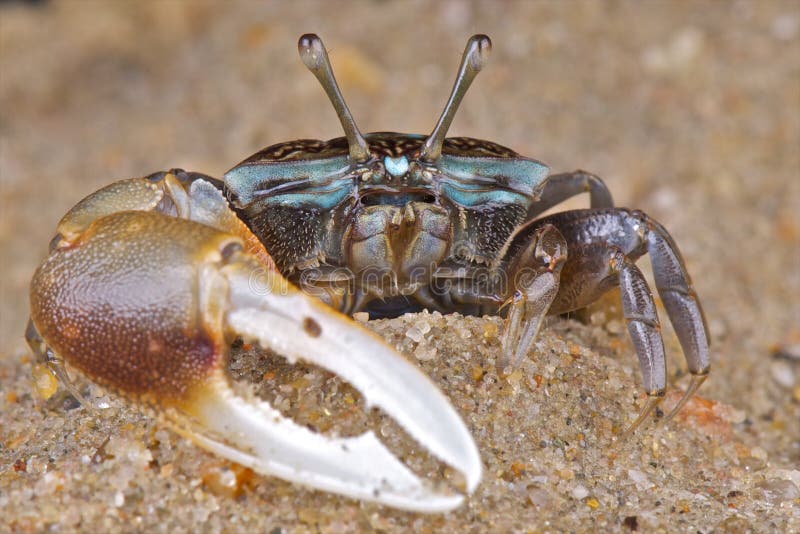
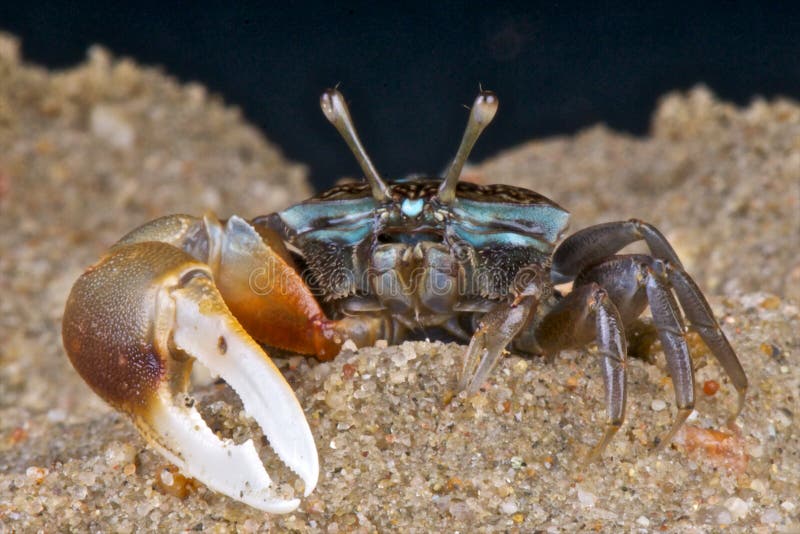


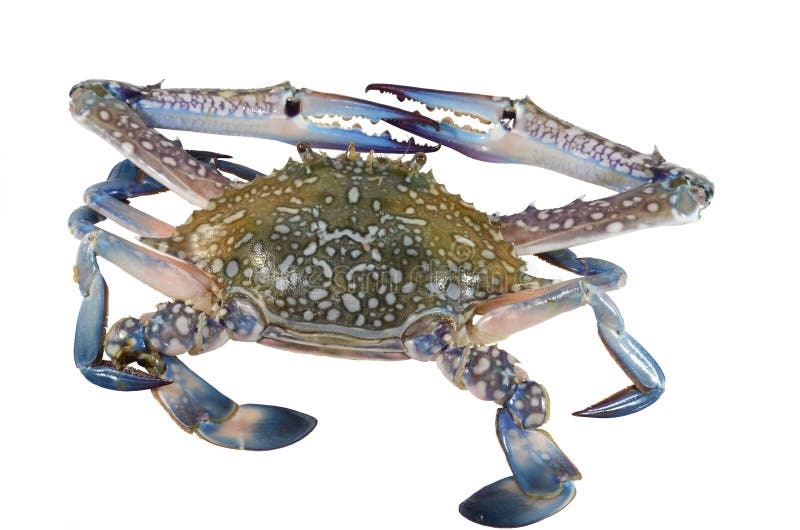


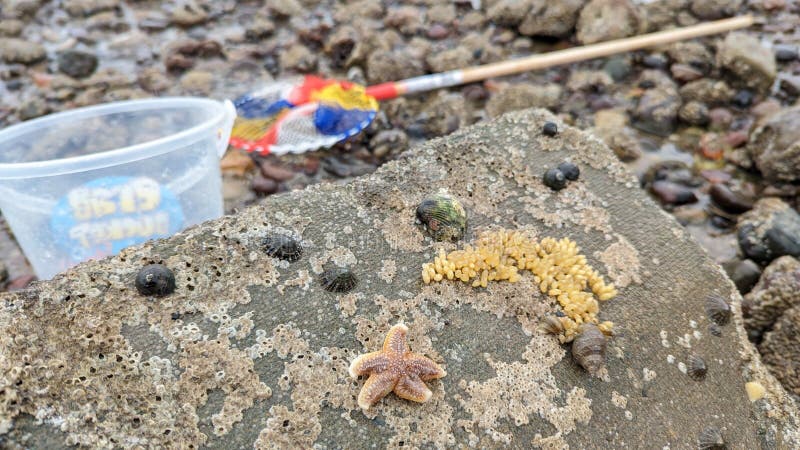


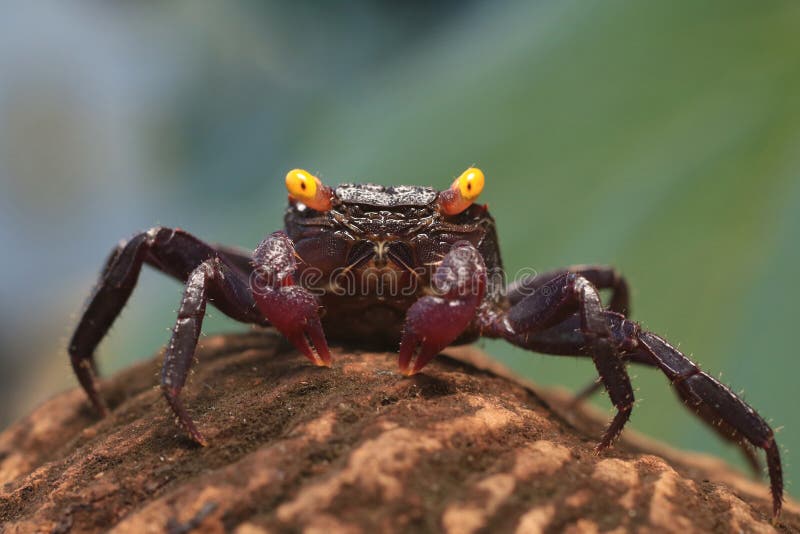


![The genus Coenobita contains the sixteen species of terrestrial hermit crabs. [1] The majority of the species are found in the Indo-Pacific region, with only one species in West Africa, one species occurring along the western Atlantic Ocean, and one species occurring on the Pacific coast of the Americas. [2] Coenobita is closely related to the coconut crab, Birgus latro, with the two genera making up the whole of the family Coenobitidae. Coenobita species carry water in the gastropod shells they inhabit, allowing them to stay out of water for a long time. [3]. Crabs found stock images, royalty-free photos and pictures](https://thumbs.dreamstime.com/b/hermit-crab-17232855.jpg)