Declineddecrease Images, Pictures And Stock Photos

No matches for declineddecrease. Displaying results for

Search among 110,413 authentic declineddecrease stock photos, high-definition images, and pictures, or look at other ga usa or game hunting stock images to enhance your presentation with the perfect visual.
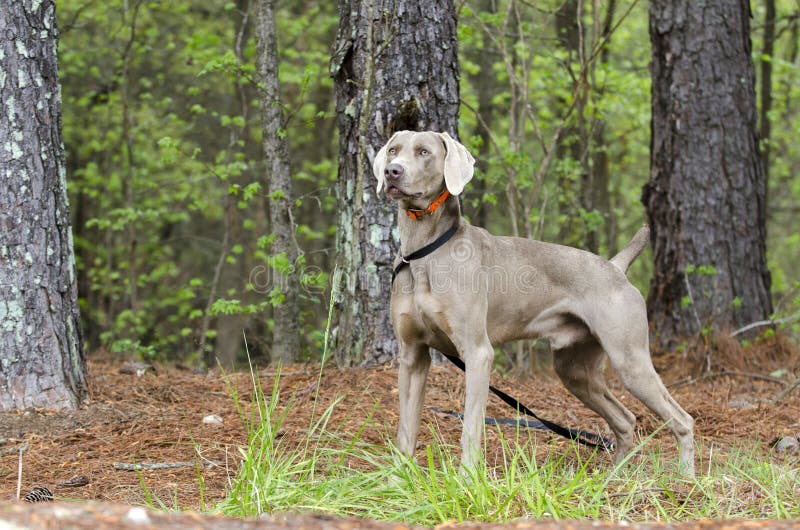
Unneutered male blue Weimaraner dog with hunter orange collar on leash in pine tree woods. Outdoor pet adoption photography for Walton County Animal Control humane society shelter in Monroe, GA USA. The Weimaraner is a sporting dog originally bred for hunting in the early 19th century. Weimaraners were used by royalty for hunting large game such as boar, bear and deer. As the popularity of large game hunting began to decline, Weimaraners were used for hunting smaller animals like fowl, rabbits and foxes. The Weimaraner is an all-purpose gun dog. All stock sales support animal adoption websites and photography. Declineddecrease stock images, royalty-free photos and pictures
Old, rusty metal wall with remains of old posters and advertisements. Torn paper texture background. Black and white tone - retro monochrome BW color style. Declineddecrease stock images, royalty-free photos and pictures
High quality aged and weathered green and blue rustic natural weathered pattern paint background with aged and grunge look for background backdrop or wallpaper. Declineddecrease stock images, royalty-free photos and pictures
Madagascar, Antananarivo: the daily market in the capital of Madagascar. In Madagascar two-thirds of the population live below the international poverty line of US$1. 25 per day. Despite a wealth of abundant and diverse natural resources, Madagascar is one of the world’s poorest countries. Madagascar holds great potential for agricultural development, mainly due to the large variety of soil types and climatic diversity. Nevertheless, natural hazards combined with old-fashioned farming practices limit production. The standard of living of the Malagasy population has been declining dramatically over the past 25 years. The country has gone from being a net exporter of agricultural products in the 1960s to a net importer since 1971. Inappropriate traditional agricultural methods cause soil to erode and soil quality to decline, and the basis of survival for Madagascar’s people is under serious threat. Declineddecrease stock images, royalty-free photos and pictures
High quality aged and weathered colorful yellow purple wall pattern rustic natural weathered pattern paint background with aged and grunge look for background backdrop or wallpaper. Declineddecrease stock images, royalty-free photos and pictures
This picture is taken at Chengdu city, China. The red panda Ailurus fulgens, also called the lesser panda, the red bear-cat, and the red cat-bear, is a mammal native to the eastern Himalayas and southwestern China. It has reddish-brown fur, a long, shaggy tail, and a waddling gait due to its shorter front legs; it is slightly larger than a domestic cat. It is arboreal, feeds mainly on bamboo, but also eats eggs, birds, and insects. It is a solitary animal, mainly active from dusk to dawn, and is largely sedentary during the day. The red panda has been classified as Endangered by the IUCN because its wild population is estimated at less than 10,000 mature individuals and continues to decline due to habitat loss and fragmentation, poaching, and inbreeding depression, although red pandas are protected by national laws in their range countries. The red panda is the only living species of the genus Ailurus and the family Ailuridae. It has been previously placed in the raccoon and bear families, but the results of phylogenetic analysis provide strong support for its taxonomic classification in its own family Ailuridae, which, along with the weasel, raccoon and skunk families is part of the superfamily Musteloidea. Two subspecies are recognized. It is not closely related to the giant panda. Declineddecrease stock images, royalty-free photos and pictures