Free with trial Financial crash in world economy because of coronavirus. Downtrend in the economic charts. Global economic crisis, start of recession. Coronavirus pandemic, COVID-19 outbreak in the world, infection concept. Decrease stock stock images, royalty-free photos and pictures Close sign on economy background - graph and coins. Financial crash in world economy because of coronavirus. Downtrend in the economic charts. Global economic. Financial crash in world economy because of coronavirus. Downtrend in the economic charts. Global economic crisis, start of recession. Coronavirus pandemic, COVID-19 outbreak in the world, infection concept.
Free with trial Alphabet letter block with word amount on wood background with another alphabet as frame. Decrease stock stock images, royalty-free photos and pictures Letter block with word amount on wood background with another alphabet as frame. Alphabet letter block with word amount on wood background with another alphabet. Alphabet letter block with word amount on wood background with another alphabet as frame
Free with trial Tablet with crisis concept on screen. Hands using digital tablet with crisis concept on screen. Decrease stock stock images, royalty-free photos and pictures Tablet with crisis concept on screen. Hands using digital tablet with crisis concept on screen
Free with trial Coronavirus vial on euro banknotes, conceptual image. Decrease stock stock images, royalty-free photos and pictures Coronavirus vial on euro banknotes. Conceptual image
Free with trial Unemployed spelled out in wooden letter tiles on a blue background, copy space for ad text. unemployment concept. global financial crisis. Decrease stock stock images, royalty-free photos and pictures Unemployed spelled out in wooden letter tiles. On a blue background, copy space for ad text. unemployment concept. global financial crisis
Free with trial Bitcoin on a gold background, three coins on golden fabric. Decrease stock stock images, royalty-free photos and pictures Bitcoin on a gold background. Three coins on golden fabric
Free with trial Falling chart. Crazy businessman thinking about falling chart. Decrease stock stock images, royalty-free photos and pictures Falling chart. Crazy businessman thinking about falling chart
Free with trial Inflation sign on economy background - graph and coins. Decrease stock stock images, royalty-free photos and pictures Inflation sign on economy background - graph and coins.
Free with trial Columns of British Pound Sterling coins in decreasing heights, symbolising steep economic losses and recession. Isolated on white background. Decrease stock stock images, royalty-free photos and pictures British Pound Sterling coins in decreasing heights. Columns of British Pound Sterling coins in decreasing heights, symbolising steep economic losses and. Columns of British Pound Sterling coins in decreasing heights, symbolising steep economic losses and recession. Isolated on white background.
Free with trial Crisis. Businessman thinking and looking to crisis symbol on wall. Decrease stock stock images, royalty-free photos and pictures Crisis. Businessman thinking and looking to crisis symbol on wall
Free with trial Dollar Sign On the Sand. US Dollar Symbol lies on the Sand in Direct Sunlight. Decrease stock stock images, royalty-free photos and pictures Dollar Sign On the Sand. US Dollar Symbol lies on the Sand in Direct Sunlight
Free with trial Copper, the concept for the energy industry. Decrease stock stock images, royalty-free photos and pictures Copper, the concept for the energy industry. Copper line , the concept for the energy industry
Free with trial Red arrow - falling chart on glass with raindrops. Decrease stock stock images, royalty-free photos and pictures Red arrow - falling chart on glass with raindrops.
Free with trial Bad economy sign on a wooden desk in an office. With red color in the background. Decrease stock stock images, royalty-free photos and pictures Bad economy sign on a wooden desk in an office. With red color in the background
Free with trial Crisis. Businessman showing thumb up and crisis concept on screen. Decrease stock stock images, royalty-free photos and pictures Crisis. Businessman showing thumb up and crisis concept on screen
Free with trial COVID-19 ECONOMIC IMPACT. Text with alarm clock, banknotes currencies and calculator on blue background. Coronavirus Covid-19 and Business Concept. Decrease stock stock images, royalty-free photos and pictures COVID-19 ECONOMIC IMPACT. Text with alarm clock, banknotes currencies and calculator on blue background. Coronavirus Covid-19 and Business Concept
Free with trial Black bead with letter in word demand supply on wood background. Decrease stock stock images, royalty-free photos and pictures Black bead with letter in word demand supply on wood background. Black bead with color letter in word demand supply on wood background
Free with trial Drawing falling oil chart. Businessman drawing falling oil chart on concerete wall. Decrease stock stock images, royalty-free photos and pictures Drawing falling oil chart. Businessman drawing falling oil chart on concerete wall
Free with trial Drawing falling oil chart. On concerete wall. Decrease stock stock images, royalty-free photos and pictures Drawing falling oil chart. On concerete wall
Free with trial Indonesian rupiah currency rolled on the wood. Indonesian rupiah banknotes rolled up lying on the wood. Economic and business concepts. Decrease stock stock images, royalty-free photos and pictures Indonesian rupiah currency rolled on the wood. Indonesian rupiah banknotes rolled up lying on the wood. Economic and business concepts
Free with trial Black bead with letter in word demand supply on wood background. Decrease stock stock images, royalty-free photos and pictures Black bead with letter in word demand supply on wood background. Black bead with color letter in word demand supply on wood background
Free with trial Factory and down arrow. Concept drop in production and profit. Decrease stock stock images, royalty-free photos and pictures Factory and down arrow. Concept drop in production and profit.
Free with trial Turmeric is a flowering plant, Curcuma longa of the ginger family, Zingiberaceae, of which are used in cooking. The plant is a perennial, rhizomatous, herbaceous plant native to the Indian subcontinent and Southeast Asia, that requires temperatures between 20 and 30 °C 68 and 86 °F and a considerable amount of annual rainfall to thrive. Plants are gathered each year for their rhizomes, some for propagation in the following season and some for consumption. Turmeric has a warm, bitter taste and is frequently used to flavor or color curry powders, mustards, butters, and cheeses. Because curcumin and other chemicals in turmeric might decrease swelling, it is often used to treat conditions that involve pain and inflammation. People commonly use turmeric for osteoarthritis. It is also used for hay fever, depression, high cholesterol, a type of liver disease, and itching, but there is no good scientific evidence to support most of these uses. There is also no good evidence to support using turmeric for COVID-19. Decrease stock stock images, royalty-free photos and pictures Turmeric plant stock photo. Turmeric is a flowering plant, Curcuma longa of the ginger family, Zingiberaceae, of which are used in cooking. The plant is a. Turmeric is a flowering plant, Curcuma longa of the ginger family, Zingiberaceae, of which are used in cooking. The plant is a perennial, rhizomatous, herbaceous plant native to the Indian subcontinent and Southeast Asia, that requires temperatures between 20 and 30 °C 68 and 86 °F and a considerable amount of annual rainfall to thrive. Plants are gathered each year for their rhizomes, some for propagation in the following season and some for consumption. Turmeric has a warm, bitter taste and is frequently used to flavor or color curry powders, mustards, butters, and cheeses. Because curcumin and other chemicals in turmeric might decrease swelling, it is often used to treat conditions that involve pain and inflammation. People commonly use turmeric for osteoarthritis. It is also used for hay fever, depression, high cholesterol, a type of liver disease, and itching, but there is no good scientific evidence to support most of these uses. There is also no good evidence to support using turmeric for COVID-19.
Free with trial Coronavirus infection cause economic crisis. Stack of coins decreasing in order with coronavirus model. Concept of pandemic causing economic regression. Decrease stock stock images, royalty-free photos and pictures Stack of coins decreasing in order with coronavirus model. Coronavirus infection cause economic crisis. Stack of coins decreasing in order with coronavirus model. Coronavirus infection cause economic crisis. Stack of coins decreasing in order with coronavirus model. Concept of pandemic causing economic regression.
Free with trial Trader holding poster with crisis chart. Frustrated trader holding poster with drawing crisis chart. Falling euro banknote. Decrease stock stock images, royalty-free photos and pictures Trader holding poster with crisis chart. Frustrated trader holding poster with drawing crisis chart. Falling euro banknote
Free with trial Crisis symbol. Touch pad with crisis symbol on gray table. Decrease stock stock images, royalty-free photos and pictures Crisis symbol. Touch pad with crisis symbol on gray table
Free with trial Business lost profits, Businessman sitting on the walkway, feeling stress. Decrease stock stock images, royalty-free photos and pictures Business lost profits, Businessman sitting on the walkway, feeling stress.
Free with trial Chess fall down on pile of coins. Dark color tone for business difficulties and bankruptcy concept. Decrease stock stock images, royalty-free photos and pictures Chess fall down on pile of coins. Dark color tone for business difficulties and bankruptcy concept
Free with trial Crisis symbol. Businessman showing empty pocket and drawing crisis symbol. Decrease stock stock images, royalty-free photos and pictures Crisis symbol. Businessman showing empty pocket and drawing crisis symbol
Free with trial Graph with arrow down on the chalkboard. Global economic crisis. Decrease stock stock images, royalty-free photos and pictures Graph with arrow down on the chalkboard. Global economic crisis
Free with trial Oil sanctions. Businessman looking to drawing oil sanctions on wall. Decrease stock stock images, royalty-free photos and pictures Oil sanctions. Businessman looking to drawing oil sanctions on wall
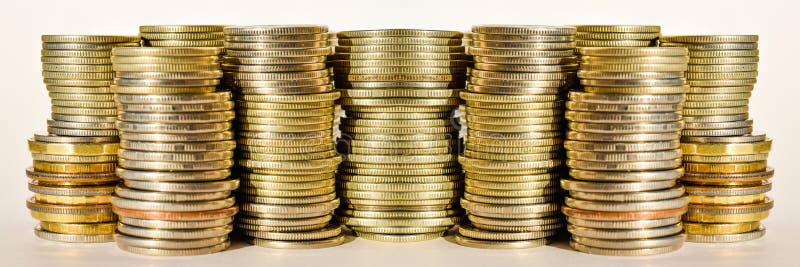
Free with trial Coins stacked in bars. The concept of revenue growth. Decrease stock stock images, royalty-free photos and pictures Coins stacked in bars. The concept of revenue growth.
Free with trial Businessman sitting in room and thinking. big plasma tv wall with crisis chart. Decrease stock stock images, royalty-free photos and pictures Businessman sitting in room and thinking. Big plasma tv wall with crisis chart
Free with trial Touch pad with crisis chart. Businessman holding digital touch pad with crisis chart. Decrease stock stock images, royalty-free photos and pictures Touch pad with crisis chart. Businessman holding digital touch pad with crisis chart
Free with trial Black oil barrel with a one euro coin and down arrow on a red background. Oil barrel price falls down chart. Oil market trend. Petroleum infographic. Decrease stock stock images, royalty-free photos and pictures Black oil barrel with a one euro coin and down arrow on a red background. Oil barrel price falls down chart. Oil market trend. Petroleum infographic
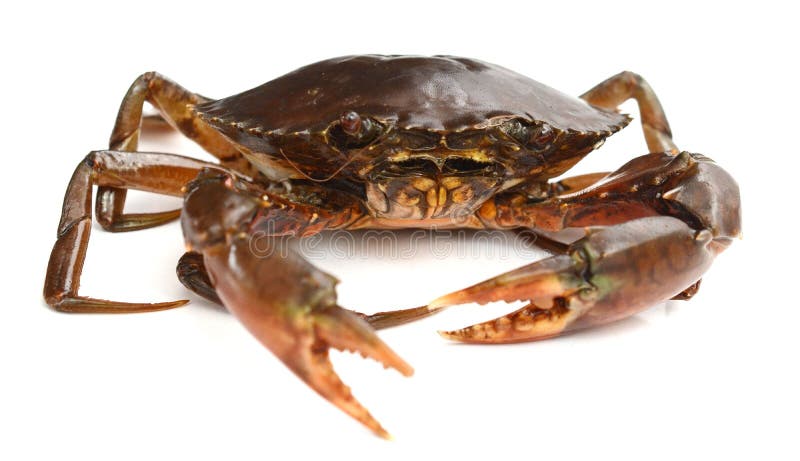
Free with trial Crab on white. Decrease, eating. Decrease stock stock images, royalty-free photos and pictures Mud Crab. Crab on white. Decrease, eating. Crab on white. Decrease, eating.
Free with trial Touch pad with crisis chart. Businessman holaing touch pad with crisis chart on screen. Decrease stock stock images, royalty-free photos and pictures Touch pad with crisis chart. Businessman holaing touch pad with crisis chart on screen
Free with trial Recovery concept with businessman and charts. Decrease stock stock images, royalty-free photos and pictures Recovery concept with businessman and charts. Recovery concept with the businessman and charts
Free with trial Recovery concept with businessman and charts. Decrease stock stock images, royalty-free photos and pictures Recovery concept with businessman and charts. Recovery concept with the businessman and charts
Free with trial Recovery concept with businessman and charts. Decrease stock stock images, royalty-free photos and pictures Recovery concept with businessman and charts. Recovery concept with the businessman and charts
Free with trial Difficult times. A bearish chart being drawn with graffiti on a ruin wall, a financial crisis concept. Decrease stock stock images, royalty-free photos and pictures Difficult times. A bearish chart being drawn with graffiti on a ruin wall, a financial crisis concept
Free with trial Difficult times. A bearish chart being drawn with graffiti on a ruin wall, a financial crisis concept. Decrease stock stock images, royalty-free photos and pictures Difficult times. A bearish chart being drawn with graffiti on a ruin wall, a financial crisis concept
Free with trial Coins stacked in bars. The concept of revenue growth. Decrease stock stock images, royalty-free photos and pictures Coins stacked in bars. The concept of revenue growth.
Free with trial Recovery concept with businessman and charts. Decrease stock stock images, royalty-free photos and pictures Recovery concept with businessman and charts. Recovery concept with the businessman and charts
Free with trial Rupiah banknotes lying on an isolated background. Economic and business concepts. Decrease stock stock images, royalty-free photos and pictures Rupiah banknotes lying on an isolated background. Rolled rupiah banknotes lying on an isolated background. Economic and business concepts
Free with trial Touch Pad with start up concept on screen. And business objects on wooden desk. Decrease stock stock images, royalty-free photos and pictures Touch Pad with start up concept on screen. And business objects on wooden desk
Free with trial Business crisis. Broker sitting on chair and dreaming of business crisis. Decrease stock stock images, royalty-free photos and pictures Business crisis. Broker sitting on chair and dreaming of business crisis
Free with trial Fountain pen on bad news grunge concept. Decrease stock stock images, royalty-free photos and pictures Fountain pen on bad news grunge concept.
Free with trial Tablet with crisis. Digital tablet with crisis symbol on screen. Decrease stock stock images, royalty-free photos and pictures Tablet with crisis. Digital tablet with crisis symbol on screen
Free with trial Chart graph spreadsheet on US dollar banknotes money. Financial banking account, investment analytic research data economy, statistics, trading, office reporting business company meeting concept. Decrease stock stock images, royalty-free photos and pictures Chart graph spreadsheet on US dollar banknotes money. Financial banking account, investment analytic research data economy, statistics, trading, office
Free with trial Difficult times. A bearish chart being drawn with graffiti on a ruin wall, a financial crisis concept. Decrease stock stock images, royalty-free photos and pictures Difficult times. A bearish chart being drawn with graffiti on a ruin wall, a financial crisis concept
Free with trial Difficult times. A bearish chart being drawn with graffiti on a ruin wall, a financial crisis concept. Decrease stock stock images, royalty-free photos and pictures Difficult times. A bearish chart being drawn with graffiti on a ruin wall, a financial crisis concept
Free with trial Difficult times. A bearish chart being drawn with graffiti on a ruin wall, a financial crisis concept. Decrease stock stock images, royalty-free photos and pictures Difficult times. A bearish chart being drawn with graffiti on a ruin wall, a financial crisis concept
Free with trial Difficult times. A bearish chart being drawn with graffiti on a ruin wall, a financial crisis concept. Decrease stock stock images, royalty-free photos and pictures Difficult times. A bearish chart being drawn with graffiti on a ruin wall, a financial crisis concept
Free with trial Difficult times. A bearish chart being drawn with graffiti on a ruin wall, a financial crisis concept. Decrease stock stock images, royalty-free photos and pictures Difficult times. A bearish chart being drawn with graffiti on a ruin wall, a financial crisis concept
Free with trial Difficult times. A bearish chart being drawn with graffiti on a ruin wall, a financial crisis concept. Decrease stock stock images, royalty-free photos and pictures Difficult times. A bearish chart being drawn with graffiti on a ruin wall, a financial crisis concept
Free with trial Difficult times. A bearish chart being drawn with graffiti on a ruin wall, a financial crisis concept. Decrease stock stock images, royalty-free photos and pictures Difficult times. A bearish chart being drawn with graffiti on a ruin wall, a financial crisis concept
Free with trial Difficult times. A bearish chart being drawn with graffiti on a ruin wall, a financial crisis concept. Decrease stock stock images, royalty-free photos and pictures Difficult times. A bearish chart being drawn with graffiti on a ruin wall, a financial crisis concept
Free with trial Difficult times. A bearish chart being drawn with graffiti on a ruin wall, a financial crisis concept. Decrease stock stock images, royalty-free photos and pictures Difficult times. A bearish chart being drawn with graffiti on a ruin wall, a financial crisis concept
Free with trial Difficult times. A bearish chart being drawn with graffiti on a ruin wall, a financial crisis concept. Decrease stock stock images, royalty-free photos and pictures Difficult times. A bearish chart being drawn with graffiti on a ruin wall, a financial crisis concept
Free with trial Difficult times. A bearish chart being drawn with graffiti on a ruin wall, a financial crisis concept. Decrease stock stock images, royalty-free photos and pictures Difficult times. A bearish chart being drawn with graffiti on a ruin wall, a financial crisis concept
Free with trial Back view of investor trading stocks online from home office. Businessman with headphones. Decrease stock stock images, royalty-free photos and pictures Back view of investor trading stocks online. From home office. Businessman with headphones
Free with trial Brake cylinder and brake shoe. Brake system of drum type. Decrease stock stock images, royalty-free photos and pictures Brake cylinder and brake shoe. Brake system of drum type
Free with trial Brake cylinder and brake shoe. Brake system of drum type. Decrease stock stock images, royalty-free photos and pictures Brake cylinder and brake shoe. Brake system of drum type
Free with trial Brake cylinder and brake shoe. Brake system of drum type. Decrease stock stock images, royalty-free photos and pictures Brake cylinder and brake shoe. Brake system of drum type
Free with trial Brake cylinder and brake shoe. Brake system of drum type. Decrease stock stock images, royalty-free photos and pictures Brake cylinder and brake shoe. Brake system of drum type
Free with trial Economic recovery concept with the line charts. Decrease stock stock images, royalty-free photos and pictures Economic recovery concept with the line charts. Economic recovery concept with line charts
Free with trial Economic recovery concept with the line charts. Decrease stock stock images, royalty-free photos and pictures Economic recovery concept with the line charts. Economic recovery concept with line charts
Free with trial Close up of unrecognizable businessman standing with empty wallet near gray wall with bitcoin network hologram. Toned image double exposure. Decrease stock stock images, royalty-free photos and pictures Man with empty wallet, bitcoin. Close up of unrecognizable businessman standing with empty wallet near gray wall with bitcoin network hologram. Toned image. Close up of unrecognizable businessman standing with empty wallet near gray wall with bitcoin network hologram. Toned image double exposure
Free with trial Flat lay and Business Concept. Fountain pen, keyboard, decorative plant and notepad on wooden background. Copy space. Decrease stock stock images, royalty-free photos and pictures Flat lay and Business Concept. Fountain pen, keyboard, decorative plant and notepad on wooden background. Copy space
Free with trial Economic crisis due to coronavirus. Unrecognizable man holding empty wallet and word BANKRUPTCY on blue background, collage. Panorama. Decrease stock stock images, royalty-free photos and pictures Unrecognizable man holding empty wallet and word BANKRUPTCY on blue background, collage. Panorama. Economic crisis due to coronavirus. Unrecognizable man holding. Economic crisis due to coronavirus. Unrecognizable man holding empty wallet and word BANKRUPTCY on blue background, collage. Panorama
Free with trial World crisis stocks crash downtrend panic. Stocks market graph downtrend falling prices. Decrease stock stock images, royalty-free photos and pictures World crisis stocks crash downtrend panic. Stocks market graph downtrend falling prices
Free with trial Portrait of a blond businessman wearing a suit and pulling out his hair in panic. A rear view. Graphs and diagrams drawn on a concrete wall. Decrease stock stock images, royalty-free photos and pictures Businessman in terror, graphs concrete. Portrait of a blond businessman wearing a suit and pulling out his hair in panic. A rear view. Graphs and diagrams drawn. Portrait of a blond businessman wearing a suit and pulling out his hair in panic. A rear view. Graphs and diagrams drawn on a concrete wall
Free with trial Mixed Media Finance Background. Economy trends city concept. Decrease stock stock images, royalty-free photos and pictures Mixed Media Finance Background. Economy trends city concept.
Free with trial Businessman writing increase red arrow on bar chart. Business investor concept and profit rise up. Decrease stock stock images, royalty-free photos and pictures Businessman writing increase red arrow on bar chart.Business investor concept and profit rise up.
Free with trial Surprised business man holds paper with black silhouette bear financial icon. Decrease stock stock images, royalty-free photos and pictures Surprised businessman with black silhouette bear financial icon. Surprised business man holds paper with black silhouette bear financial icon. Surprised business man holds paper with black silhouette bear financial icon.
Free with trial Financial and economic crisis concept. CRISIS word on a wooden block with coins with upside down piggy bank background. Decrease stock stock images, royalty-free photos and pictures Financial and economic crisis concept. CRISIS word on a wooden block with coins with upside down piggy bank background.
Free with trial Coronavirus vial on euro banknotes, conceptual image. Decrease stock stock images, royalty-free photos and pictures Coronavirus vial on euro banknotes. Conceptual image
Free with trial Business woman holds tablet folder with black silhouette bear financial icon. Isolated on white. Decrease stock stock images, royalty-free photos and pictures Business woman holds folder with silhouette bear financial icon. Business woman holds tablet folder with black silhouette bear financial icon. Isolated on white. Business woman holds tablet folder with black silhouette bear financial icon. Isolated on white.
Free with trial Turmeric is a flowering plant, Curcuma longa of the ginger family, Zingiberaceae, of which are used in cooking. The plant is a perennial, rhizomatous, herbaceous plant native to the Indian subcontinent and Southeast Asia, that requires temperatures between 20 and 30 °C 68 and 86 °F and a considerable amount of annual rainfall to thrive. Plants are gathered each year for their rhizomes, some for propagation in the following season and some for consumption. Turmeric has a warm, bitter taste and is frequently used to flavor or color curry powders, mustards, butters, and cheeses. Because curcumin and other chemicals in turmeric might decrease swelling, it is often used to treat conditions that involve pain and inflammation. People commonly use turmeric for osteoarthritis. It is also used for hay fever, depression, high cholesterol, a type of liver disease, and itching, but there is no good scientific evidence to support most of these uses. There is also no good evidence to support using turmeric for COVID-19. Decrease stock stock images, royalty-free photos and pictures Turmeric haldi green plants stock. Turmeric is a flowering plant, Curcuma longa of the ginger family, Zingiberaceae, of which are used in cooking. The plant is a. Turmeric is a flowering plant, Curcuma longa of the ginger family, Zingiberaceae, of which are used in cooking. The plant is a perennial, rhizomatous, herbaceous plant native to the Indian subcontinent and Southeast Asia, that requires temperatures between 20 and 30 °C 68 and 86 °F and a considerable amount of annual rainfall to thrive. Plants are gathered each year for their rhizomes, some for propagation in the following season and some for consumption. Turmeric has a warm, bitter taste and is frequently used to flavor or color curry powders, mustards, butters, and cheeses. Because curcumin and other chemicals in turmeric might decrease swelling, it is often used to treat conditions that involve pain and inflammation. People commonly use turmeric for osteoarthritis. It is also used for hay fever, depression, high cholesterol, a type of liver disease, and itching, but there is no good scientific evidence to support most of these uses. There is also no good evidence to support using turmeric for COVID-19.
 Sign in