Search among 164 authentic decrease water level stock photos, high-definition images, and pictures, or look at other big waves or indah beach stock images to enhance your presentation with the perfect visual.

The first impression in Glagah Indah Beach is definitely the big waves with their thrilling splash. The unique thing is tourists can find a group of tetrapod scattered on the shoreline. The purpose is to reduce erosion and decrease the threats level of the waves as well. Decrease water level stock images, royalty-free photos and pictures
Carpathian high-altitude lake Synevyr through treetops and a shallow water island. Seasonal changes during low water levels in mountain ecosystems of Ukraine. Decrease water level stock images, royalty-free photos and pictures
Carpathian high-altitude lake Synevyr is surrounded by dense coniferous forest and a shallow shore. Seasonal changes during low water levels in mountain ecosystems of Ukraine. Decrease water level stock images, royalty-free photos and pictures
Water quality in Indonesia will experience a decline in 2021. Changes in river water quality are influenced by human activities and result in a decrease in the level of usability, usability, productivity, carrying capacity and capacity of water resources. Decrease water level stock images, royalty-free photos and pictures
An agricultural drone is an unmanned aerial vehicle used in agriculture operations, mostly in yield optimization and in monitoring crop growth and crop production. Agricultural drone optimizes the application of pesticides, herbicides and liquid fertilizers, providing uniform distribution and high-precision control. It has a modular construction, consisting of two main components - the flight platform and the agricultural platform, which can be either the phytosanitary treatment application system or the solid substance application system, equipped with liquid and solid substance tanks. Agricultural drones provide information on crop growth stages, crop health, and soil variations. The use of drone technology in the agriculture sector will vastly benefit the industry by enabling treatment from above for crops as high as 30 meters or even for infant and maturing crops at ground level. The footage will provide high quality zone maps for future reference and crop planning. Remote monitoring of crops and livestock plus targeted nutrient or pesticide applications with the generation of variable rate prescriptions will help to decrease inputs and maximize profits. The crops can be managed better and safeguarded by the timely detection of weeds, diseases, and pests. Drone spraying ensures even chemical distribution, optimizing plant health and improving yields. Agriculture is rapidly evolving toward precision and data-driven farming. Drones will play a crucial role in this transformation by collecting and analyzing data to optimize resource allocation. For example, rather than applying fertilizer uniformly, drones can assess soil conditions and determine the precise quantity needed for each section, reducing waste and improving efficiency. Water conservation is another critical benefit. On some plantations, our drones have helped save five million liters of water annually by reducing spray volumes from 400 liters to 100 liters per hectare. This level of efficiency is crucial for sustainable agriculture. Decrease water level stock images, royalty-free photos and pictures

Agricultural drone flying over a tea plantation in Sri Lanka, Asia. An agricultural drone is an unmanned aerial vehicle used in agriculture operations, mostly in yield optimization and in monitoring crop growth and crop production. Agricultural drone optimizes the application of pesticides, herbicides and liquid fertilizers, providing uniform distribution and high-precision control. It has a modular construction, consisting of two main components - the flight platform and the agricultural platform, which can be either the phytosanitary treatment application system or the solid substance application system, equipped with liquid and solid substance tanks. Agricultural drones provide information on crop growth stages, crop health, and soil variations. The use of drone technology in the agriculture sector will vastly benefit the industry by enabling treatment from above for crops as high as 30 meters or even for infant and maturing crops at ground level. The footage will provide high quality zone maps for future reference and crop planning. Remote monitoring of crops and livestock plus targeted nutrient or pesticide applications with the generation of variable rate prescriptions will help to decrease inputs and maximize profits. The crops can be managed better and safeguarded by the timely detection of weeds, diseases, and pests. Drone spraying ensures even chemical distribution, optimizing plant health and improving yields.Agriculture is rapidly evolving toward precision and data-driven farming. Drones will play a crucial role in this transformation by collecting and analyzing data to optimize resource allocation. For example, rather than applying fertilizer uniformly, drones can assess soil conditions and determine the precise quantity needed for each section, reducing waste and improving efficiency.Water conservation is another critical benefit. On some plantations, our drones have helped save five million liters of water annually by reducing spray volumes from 400 liters to 100 liters per hectare. This level of efficiency is crucial for sustainable agriculture.

An agricultural drone is an unmanned aerial vehicle used in agriculture operations, mostly in yield optimization and in monitoring crop growth and crop production. Agricultural drone optimizes the application of pesticides, herbicides and liquid fertilizers, providing uniform distribution and high-precision control. It has a modular construction, consisting of two main components - the flight platform and the agricultural platform, which can be either the phytosanitary treatment application system or the solid substance application system, equipped with liquid and solid substance tanks. Agricultural drones provide information on crop growth stages, crop health, and soil variations. The use of drone technology in the agriculture sector will vastly benefit the industry by enabling treatment from above for crops as high as 30 meters or even for infant and maturing crops at ground level. The footage will provide high quality zone maps for future reference and crop planning. Remote monitoring of crops and livestock plus targeted nutrient or pesticide applications with the generation of variable rate prescriptions will help to decrease inputs and maximize profits. The crops can be managed better and safeguarded by the timely detection of weeds, diseases, and pests. Drone spraying ensures even chemical distribution, optimizing plant health and improving yields. Agriculture is rapidly evolving toward precision and data-driven farming. Drones will play a crucial role in this transformation by collecting and analyzing data to optimize resource allocation. For example, rather than applying fertilizer uniformly, drones can assess soil conditions and determine the precise quantity needed for each section, reducing waste and improving efficiency. Water conservation is another critical benefit. On some plantations, our drones have helped save five million liters of water annually by reducing spray volumes from 400 liters to 100 liters per hectare. This level of efficiency is crucial for sustainable agriculture. Decrease water level stock images, royalty-free photos and pictures

Agricultural drone spraying over a tea plantation in Sri Lanka, Asia. An agricultural drone is an unmanned aerial vehicle used in agriculture operations, mostly in yield optimization and in monitoring crop growth and crop production. Agricultural drone optimizes the application of pesticides, herbicides and liquid fertilizers, providing uniform distribution and high-precision control. It has a modular construction, consisting of two main components - the flight platform and the agricultural platform, which can be either the phytosanitary treatment application system or the solid substance application system, equipped with liquid and solid substance tanks. Agricultural drones provide information on crop growth stages, crop health, and soil variations. The use of drone technology in the agriculture sector will vastly benefit the industry by enabling treatment from above for crops as high as 30 meters or even for infant and maturing crops at ground level. The footage will provide high quality zone maps for future reference and crop planning. Remote monitoring of crops and livestock plus targeted nutrient or pesticide applications with the generation of variable rate prescriptions will help to decrease inputs and maximize profits. The crops can be managed better and safeguarded by the timely detection of weeds, diseases, and pests. Drone spraying ensures even chemical distribution, optimizing plant health and improving yields.Agriculture is rapidly evolving toward precision and data-driven farming. Drones will play a crucial role in this transformation by collecting and analyzing data to optimize resource allocation. For example, rather than applying fertilizer uniformly, drones can assess soil conditions and determine the precise quantity needed for each section, reducing waste and improving efficiency.Water conservation is another critical benefit. On some plantations, our drones have helped save five million liters of water annually by reducing spray volumes from 400 liters to 100 liters per hectare. This level of efficiency is crucial for sustainable agriculture.

An agricultural drone is an unmanned aerial vehicle used in agriculture operations, mostly in yield optimization and in monitoring crop growth and crop production. Agricultural drone optimizes the application of pesticides, herbicides and liquid fertilizers, providing uniform distribution and high-precision control. It has a modular construction, consisting of two main components - the flight platform and the agricultural platform, which can be either the phytosanitary treatment application system or the solid substance application system, equipped with liquid and solid substance tanks. Agricultural drones provide information on crop growth stages, crop health, and soil variations. The use of drone technology in the agriculture sector will vastly benefit the industry by enabling treatment from above for crops as high as 30 meters or even for infant and maturing crops at ground level. The footage will provide high quality zone maps for future reference and crop planning. Remote monitoring of crops and livestock plus targeted nutrient or pesticide applications with the generation of variable rate prescriptions will help to decrease inputs and maximize profits. The crops can be managed better and safeguarded by the timely detection of weeds, diseases, and pests. Drone spraying ensures even chemical distribution, optimizing plant health and improving yields. Agriculture is rapidly evolving toward precision and data-driven farming. Drones will play a crucial role in this transformation by collecting and analyzing data to optimize resource allocation. For example, rather than applying fertilizer uniformly, drones can assess soil conditions and determine the precise quantity needed for each section, reducing waste and improving efficiency. Water conservation is another critical benefit. On some plantations, our drones have helped save five million liters of water annually by reducing spray volumes from 400 liters to 100 liters per hectare. This level of efficiency is crucial for sustainable agriculture. Decrease water level stock images, royalty-free photos and pictures

Agricultural drone spraying over a tea plantation in Sri Lanka, Asia. An agricultural drone is an unmanned aerial vehicle used in agriculture operations, mostly in yield optimization and in monitoring crop growth and crop production. Agricultural drone optimizes the application of pesticides, herbicides and liquid fertilizers, providing uniform distribution and high-precision control. It has a modular construction, consisting of two main components - the flight platform and the agricultural platform, which can be either the phytosanitary treatment application system or the solid substance application system, equipped with liquid and solid substance tanks. Agricultural drones provide information on crop growth stages, crop health, and soil variations. The use of drone technology in the agriculture sector will vastly benefit the industry by enabling treatment from above for crops as high as 30 meters or even for infant and maturing crops at ground level. The footage will provide high quality zone maps for future reference and crop planning. Remote monitoring of crops and livestock plus targeted nutrient or pesticide applications with the generation of variable rate prescriptions will help to decrease inputs and maximize profits. The crops can be managed better and safeguarded by the timely detection of weeds, diseases, and pests. Drone spraying ensures even chemical distribution, optimizing plant health and improving yields.Agriculture is rapidly evolving toward precision and data-driven farming. Drones will play a crucial role in this transformation by collecting and analyzing data to optimize resource allocation. For example, rather than applying fertilizer uniformly, drones can assess soil conditions and determine the precise quantity needed for each section, reducing waste and improving efficiency.Water conservation is another critical benefit. On some plantations, our drones have helped save five million liters of water annually by reducing spray volumes from 400 liters to 100 liters per hectare. This level of efficiency is crucial for sustainable agriculture.

An agricultural drone is an unmanned aerial vehicle used in agriculture operations, mostly in yield optimization and in monitoring crop growth and crop production. Agricultural drone optimizes the application of pesticides, herbicides and liquid fertilizers, providing uniform distribution and high-precision control. It has a modular construction, consisting of two main components - the flight platform and the agricultural platform, which can be either the phytosanitary treatment application system or the solid substance application system, equipped with liquid and solid substance tanks. Agricultural drones provide information on crop growth stages, crop health, and soil variations. The use of drone technology in the agriculture sector will vastly benefit the industry by enabling treatment from above for crops as high as 30 meters or even for infant and maturing crops at ground level. The footage will provide high quality zone maps for future reference and crop planning. Remote monitoring of crops and livestock plus targeted nutrient or pesticide applications with the generation of variable rate prescriptions will help to decrease inputs and maximize profits. The crops can be managed better and safeguarded by the timely detection of weeds, diseases, and pests. Drone spraying ensures even chemical distribution, optimizing plant health and improving yields. Agriculture is rapidly evolving toward precision and data-driven farming. Drones will play a crucial role in this transformation by collecting and analyzing data to optimize resource allocation. For example, rather than applying fertilizer uniformly, drones can assess soil conditions and determine the precise quantity needed for each section, reducing waste and improving efficiency. Water conservation is another critical benefit. On some plantations, our drones have helped save five million liters of water annually by reducing spray volumes from 400 liters to 100 liters per hectare. This level of efficiency is crucial for sustainable agriculture. Decrease water level stock images, royalty-free photos and pictures

Agricultural drone spraying over a tea plantation in Sri Lanka, Asia. An agricultural drone is an unmanned aerial vehicle used in agriculture operations, mostly in yield optimization and in monitoring crop growth and crop production. Agricultural drone optimizes the application of pesticides, herbicides and liquid fertilizers, providing uniform distribution and high-precision control. It has a modular construction, consisting of two main components - the flight platform and the agricultural platform, which can be either the phytosanitary treatment application system or the solid substance application system, equipped with liquid and solid substance tanks. Agricultural drones provide information on crop growth stages, crop health, and soil variations. The use of drone technology in the agriculture sector will vastly benefit the industry by enabling treatment from above for crops as high as 30 meters or even for infant and maturing crops at ground level. The footage will provide high quality zone maps for future reference and crop planning. Remote monitoring of crops and livestock plus targeted nutrient or pesticide applications with the generation of variable rate prescriptions will help to decrease inputs and maximize profits. The crops can be managed better and safeguarded by the timely detection of weeds, diseases, and pests. Drone spraying ensures even chemical distribution, optimizing plant health and improving yields.Agriculture is rapidly evolving toward precision and data-driven farming. Drones will play a crucial role in this transformation by collecting and analyzing data to optimize resource allocation. For example, rather than applying fertilizer uniformly, drones can assess soil conditions and determine the precise quantity needed for each section, reducing waste and improving efficiency.Water conservation is another critical benefit. On some plantations, our drones have helped save five million liters of water annually by reducing spray volumes from 400 liters to 100 liters per hectare. This level of efficiency is crucial for sustainable agriculture.

An agricultural drone is an unmanned aerial vehicle used in agriculture operations, mostly in yield optimization and in monitoring crop growth and crop production. Agricultural drone optimizes the application of pesticides, herbicides and liquid fertilizers, providing uniform distribution and high-precision control. It has a modular construction, consisting of two main components - the flight platform and the agricultural platform, which can be either the phytosanitary treatment application system or the solid substance application system, equipped with liquid and solid substance tanks. Agricultural drones provide information on crop growth stages, crop health, and soil variations. The use of drone technology in the agriculture sector will vastly benefit the industry by enabling treatment from above for crops as high as 30 meters or even for infant and maturing crops at ground level. The footage will provide high quality zone maps for future reference and crop planning. Remote monitoring of crops and livestock plus targeted nutrient or pesticide applications with the generation of variable rate prescriptions will help to decrease inputs and maximize profits. The crops can be managed better and safeguarded by the timely detection of weeds, diseases, and pests. Drone spraying ensures even chemical distribution, optimizing plant health and improving yields. Agriculture is rapidly evolving toward precision and data-driven farming. Drones will play a crucial role in this transformation by collecting and analyzing data to optimize resource allocation. For example, rather than applying fertilizer uniformly, drones can assess soil conditions and determine the precise quantity needed for each section, reducing waste and improving efficiency. Water conservation is another critical benefit. On some plantations, our drones have helped save five million liters of water annually by reducing spray volumes from 400 liters to 100 liters per hectare. This level of efficiency is crucial for sustainable agriculture. Decrease water level stock images, royalty-free photos and pictures

Agricultural drone flying over a tea plantation in Sri Lanka, Asia. An agricultural drone is an unmanned aerial vehicle used in agriculture operations, mostly in yield optimization and in monitoring crop growth and crop production. Agricultural drone optimizes the application of pesticides, herbicides and liquid fertilizers, providing uniform distribution and high-precision control. It has a modular construction, consisting of two main components - the flight platform and the agricultural platform, which can be either the phytosanitary treatment application system or the solid substance application system, equipped with liquid and solid substance tanks. Agricultural drones provide information on crop growth stages, crop health, and soil variations. The use of drone technology in the agriculture sector will vastly benefit the industry by enabling treatment from above for crops as high as 30 meters or even for infant and maturing crops at ground level. The footage will provide high quality zone maps for future reference and crop planning. Remote monitoring of crops and livestock plus targeted nutrient or pesticide applications with the generation of variable rate prescriptions will help to decrease inputs and maximize profits. The crops can be managed better and safeguarded by the timely detection of weeds, diseases, and pests. Drone spraying ensures even chemical distribution, optimizing plant health and improving yields.Agriculture is rapidly evolving toward precision and data-driven farming. Drones will play a crucial role in this transformation by collecting and analyzing data to optimize resource allocation. For example, rather than applying fertilizer uniformly, drones can assess soil conditions and determine the precise quantity needed for each section, reducing waste and improving efficiency.Water conservation is another critical benefit. On some plantations, our drones have helped save five million liters of water annually by reducing spray volumes from 400 liters to 100 liters per hectare. This level of efficiency is crucial for sustainable agriculture.

An agricultural drone is an unmanned aerial vehicle used in agriculture operations, mostly in yield optimization and in monitoring crop growth and crop production. Agricultural drone optimizes the application of pesticides, herbicides and liquid fertilizers, providing uniform distribution and high-precision control. It has a modular construction, consisting of two main components - the flight platform and the agricultural platform, which can be either the phytosanitary treatment application system or the solid substance application system, equipped with liquid and solid substance tanks. Agricultural drones provide information on crop growth stages, crop health, and soil variations. The use of drone technology in the agriculture sector will vastly benefit the industry by enabling treatment from above for crops as high as 30 meters or even for infant and maturing crops at ground level. The footage will provide high quality zone maps for future reference and crop planning. Remote monitoring of crops and livestock plus targeted nutrient or pesticide applications with the generation of variable rate prescriptions will help to decrease inputs and maximize profits. The crops can be managed better and safeguarded by the timely detection of weeds, diseases, and pests. Drone spraying ensures even chemical distribution, optimizing plant health and improving yields. Agriculture is rapidly evolving toward precision and data-driven farming. Drones will play a crucial role in this transformation by collecting and analyzing data to optimize resource allocation. For example, rather than applying fertilizer uniformly, drones can assess soil conditions and determine the precise quantity needed for each section, reducing waste and improving efficiency. Water conservation is another critical benefit. On some plantations, our drones have helped save five million liters of water annually by reducing spray volumes from 400 liters to 100 liters per hectare. This level of efficiency is crucial for sustainable agriculture. Decrease water level stock images, royalty-free photos and pictures

Agricultural drone spraying over a tea plantation in Sri Lanka, Asia. An agricultural drone is an unmanned aerial vehicle used in agriculture operations, mostly in yield optimization and in monitoring crop growth and crop production. Agricultural drone optimizes the application of pesticides, herbicides and liquid fertilizers, providing uniform distribution and high-precision control. It has a modular construction, consisting of two main components - the flight platform and the agricultural platform, which can be either the phytosanitary treatment application system or the solid substance application system, equipped with liquid and solid substance tanks. Agricultural drones provide information on crop growth stages, crop health, and soil variations. The use of drone technology in the agriculture sector will vastly benefit the industry by enabling treatment from above for crops as high as 30 meters or even for infant and maturing crops at ground level. The footage will provide high quality zone maps for future reference and crop planning. Remote monitoring of crops and livestock plus targeted nutrient or pesticide applications with the generation of variable rate prescriptions will help to decrease inputs and maximize profits. The crops can be managed better and safeguarded by the timely detection of weeds, diseases, and pests. Drone spraying ensures even chemical distribution, optimizing plant health and improving yields.Agriculture is rapidly evolving toward precision and data-driven farming. Drones will play a crucial role in this transformation by collecting and analyzing data to optimize resource allocation. For example, rather than applying fertilizer uniformly, drones can assess soil conditions and determine the precise quantity needed for each section, reducing waste and improving efficiency.Water conservation is another critical benefit. On some plantations, our drones have helped save five million liters of water annually by reducing spray volumes from 400 liters to 100 liters per hectare. This level of efficiency is crucial for sustainable agriculture.

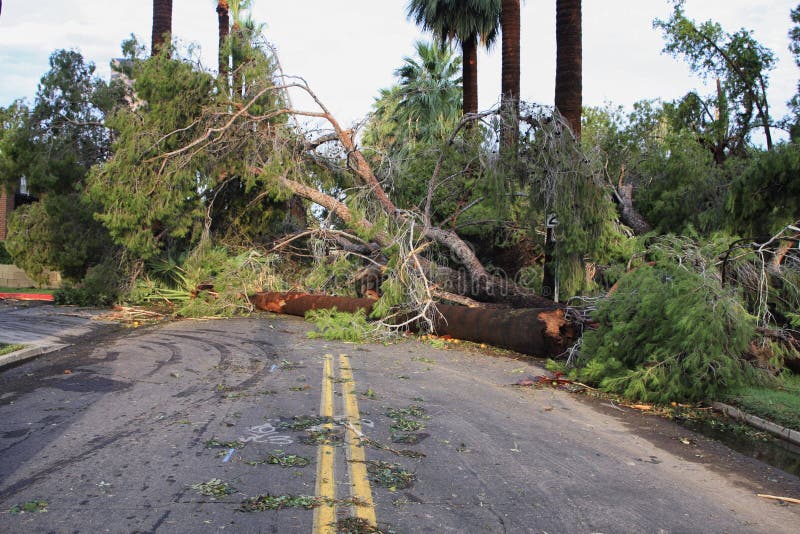
Hurricane weather. Scientists say the earth has been gradually warming. This causes a change in weather patterns including increasing high winds and hurricanes causing massive destruction. Decrease water level stock images, royalty-free photos and pictures
Scientists say the earth has been gradually warming. This causes ice to melt and oceans to rise. Coastline is being lost to the seas. The warming effect takes away environment from wildlife. Decrease water level stock images, royalty-free photos and pictures
Scientists say the earth is gradually warming. Higher temperatures mean rivers and lakes will eventually dry up and oceans will rise affecting the survival of humanity, farming, plant growth, and wildlife. Decrease water level stock images, royalty-free photos and pictures
A close-up of a modern, gray appliance's user interface, with the control dial set between the WARM and HOT settings for precise adjustment. Decrease water level stock images, royalty-free photos and pictures