Search among 154 authentic derived engine stock photos, high-definition images, and pictures, or look at other rear wheel or sports car stock images to enhance your presentation with the perfect visual.

The UH 60 Black Hawk United States Army helicopter simulating a beach invasion. The Sikorsky UH-60 Black Hawk is a medium-lift utility or assault helicopter derived from the twin-turboshaft engine, single rotor Sikorsky S-70. The S-70 was the winner of a United States Army Utility Tactical Transport Aircraft System (UTTAS) competition in the early 1970s to replace the UH-1 Huey family. Though the two final competing designs were both developed to Army specifications, the UH-60 was selected over the Boeing-Vertol YUH-61 entry from Boeing-Vertol. It would go on to serve as the basis for variants in service with other branches of the US military. The Black Hawk series of aircraft can perform a wide array of missions, including the tactical transport of troops, electronic warfare, and aeromedical evacuation: several VH-60N Black Hawks are even used to transport the President of the United States as Marine One, known as the VH-60 Whitehawk. [1] In air assault operations it can move a squad of 11 combat troops with equipment or reposition the 105 mm M102 howitzer with thirty rounds of 105 mm ammunition, and a four-man crew in a single lift. Alternatively, it can carry 2, 600 lb (1, 170 kg) of cargo or sling load 9, 000 lb (4, 050 kg) of cargo. The Black Hawk is equipped with advanced avionics and electronics for increased survivability and capability, such as the Global Positioning System. Derived engine stock images, royalty-free photos and pictures
The New York International Auto Show is an annual auto show held in New York City in late March or early April. It is usually held at the Jacob Javits Convention Center. It usually opens on or just before Easter weekend and closes on the first Sunday after Easter. In 2013 the NYIAS will take place from March 29 through April 7. The Porsche Cayman S is a rear mid-engined, rear wheel drive 2-seat sports car produced by Porsche AG of Germany. First launched in the 2006 model year, the Cayman is a coupé derived from Porsche's second and third generation Boxster roadster. Like the Boxster, most Caymans were assembled in Finland for Porsche by Valmet Automotive (the rest are assembled in Zuffenhausen, Stuttgart, Germany). Porsche's Deputy Chairman, Holger P. Haerter stated that their contract with Valmet Automotive will end in 2012, and the Cayman's production will be outsourced to Magna Steyr Fahrzeugtechnik of Graz, Austria. (Panorama, 2008). More recently, as Volkswagen assumed ultimate control of Porsche AG, that agreement fell through, and the production of both Caymans and Boxsters after 2012 will be in the former Karmann plant in Osnabrück, Germany, now owned by Volkswagen and used for production of the new 2012 Golf Cabriolet. Derived engine stock images, royalty-free photos and pictures
The Transporter is a light commercial vehicle for the transport of persons or goods produced by Volkswagen, in various series, starting in 1949. With the name Transporter, in fact, identifies a particularly heterogeneous group of vehicles. It can, however, a fundamental distinction between the first three series, T2 Split, T2 Bay and T25, derived from the Beetle, with rear wheel drive and the engine at the rear overhang and subsequent generations (T4 and T5), with front-wheel drive and motor front. Derived engine stock images, royalty-free photos and pictures
The Toyota Supra is a sports car and grand tourer manufactured by the Toyota Motor Corporation beginning in 1978. The name "supra" is derived from the Latin prefix, meaning "above", "to surpass" or "go beyond". The initial four generations of the Supra were produced from 1978 to 2002. This coupe is manufactured in 1997 and features a 3-spoke steering wheel, VVTI valve technology and enhanced transmission. The car has a 3. 0 liter turbocharged inline 6-cylinder engine. Derived engine stock images, royalty-free photos and pictures
He Porsche 968 is a sports car manufactured by German automobile manufacturer Porsche AG from 1991 until 1995. It was the final evolution of a series of water-cooled front-engine rear wheel drive models begun almost 20 years earlier with the 924, taking over the entry-level position in the company lineup from the 944 from which it was derived. The 968 was Porsche's last new front-engined vehicle before the introduction of the Cayenne SUV in 2003. Derived engine stock images, royalty-free photos and pictures
The Audi Quattro is a road and rally car, produced by the German automobile manufacturer Audi, part of the Volkswagen Group. It was first shown at the 1980 Geneva Motor Show on 3 March. Production continued through 1991. The word quattro is derived from the Italian word for "four" to represent the fact that the vehicle delivers power to all four wheels. Audi introduced the original Quattro to European customers in late 1980, featuring Audi's quattro permanent four-wheel drive system, and the first to mate the front-engine, four-wheel-drive layout with a turbocharged engine. Derived engine stock images, royalty-free photos and pictures
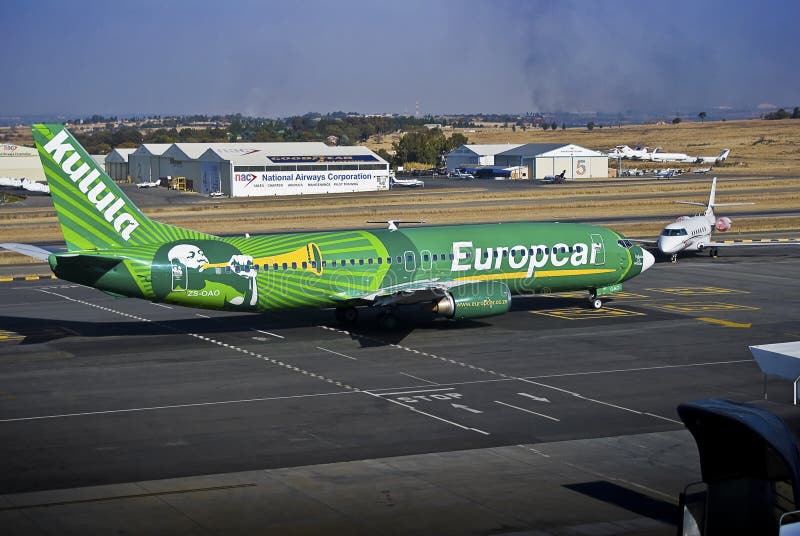
One of only three of a series of aircraft painted with individual livery to represent the Europcar international sponsorship for the games. This one being the scheme of the man blowing the vuvuzela. The Boeing 737 is a short- to medium-range, twin-engine narrow-body jet airliner. Originally developed as a shorter, lower-cost twin-engine airliner derived from Boeing's 707 and 727, the 737 has developed into a family of nine passenger models with a capacity of 85 to 215 passengers. Derived engine stock images, royalty-free photos and pictures
Boeing 737 is a short- to medium-range, twin-engine narrow-body jet airliner. Originally developed as a shorter, lower-cost twin-engine airliner derived from Boeing's 707 and 727, the 737 has developed into a family of nine passenger models with a capacity of 85 to 215 passengers. One of only three of a series of aircraft painted with individual livery to represent the Europcar international sponsorship for the games. This one being the scheme of the man blowing the vuvuzela. Derived engine stock images, royalty-free photos and pictures
The 1899 De Dion Bouton 3. 5-HP Vis-a-vis in the Louwman Museum of Den Haag (the Netherlands). Although in 1900 phrases such as ‘family car’ and ‘mass production’ were not commonplace, they were certainly applicable to this ‘Petite Voiture’ by De Dion-Bouton. This four-seater car was introduced in 1899 as being ‘light, simple and easy to steer, with a certain degree of comfort’. The passengers would sit two-by-two, facing each other (in French: vis-à-vis), a design derived from the world of carriages and which was frequently used at the turn of the 19th century. Some 3,000 of these very popular cars were produced over a four-year period. The engine was located in the rear and the two-speed gearbox was easy to handle; as you can see here, the earliest examples of this model had a handle for steering and a wheel for changing gears - in other words, the exact opposite of what we have today. The famous De Dion rear axle design, which was developed for the company’s heavier steam cars, was also used in this model. In this construction, drive is split by a differential between two independent axles, which drive the rear wheels. The De Dion axle is still used today, predominantly in sports and racing cars. Derived engine stock images, royalty-free photos and pictures
The Boeing 737 is an American short- to medium-range twinjet narrow-body airliner developed and manufactured by Boeing Commercial Airplanes. Originally developed as a shorter, lower-cost twin-engine airliner derived from the 707 and 727, the 737 has developed into a family of thirteen passenger models with capacities from 85 to 215 passengers. The 737 is Boeing`s only narrow-body airliner in production, with the 737 Next Generation -700, -800, and -900ER and the re-engined and updated 737 MAX variants. Derived engine stock images, royalty-free photos and pictures
The New York International Auto Show is an annual auto show held in New York City in late March or early April. It is usually held at the Jacob Javits Convention Center. It usually opens on or just before Easter weekend and closes on the first Sunday after Easter. In 2013 the NYIAS will take place from March 29 through April 7. McLaren's New Track-Focused 12C Can-Am Edition Concept with 630HP. British sports car manufacturer McLaren wants to impress the crowds visiting this week's Pebble Beach Concours d’Elegance in California with a new racing concept variant of its MP4-12C supercar designed for the North American market. The one-off 12C Can-Am Edition is the work of McLaren GT, which is the new racecar manufacturing arm of the McLaren Group. The track-focused model is based on the 12C GT3 racecar and is finished in the firm's traditional orange hue as a tribute to the cars of Bruce McLaren and Denny Hulme from the 1960s and 1970s and is contrasted by satin black and carbon fiber details. Like the GT3, the Can-Am Edition features a wide body aero kit that includes carbon fibre front splitter, dive planes, rear wing and rear diffuser, all of which help to offer an increase in downforce of 30 per cent over the regular model. Given that it's a pure design study at this stage, McLaren engineers weren't required to abide to the regular racing regulations so they were able to revise the MP4-12C's 3. 8-litre twin-turbo V8 engine that gains a unique ECU calibration and optimized cooling system, allowing for a power output of up to 630hp. According to McLaren, the car weighs only 1,200kg (2645. 5 lbs). Other notable upgrades include the race-spec braking system that sits behind the new black satin-finished forged alloy wheels,wrapped around in Pirelli racing slick tires. The stripped out interior of the 12C Can-Am Edition is finished in race-specification and comes with two body hugging seats complete with six-point harnesses, a full roll cage and a new removable steering wheel with the shape and grip said to be derived from that of Lewis Hamilton’s MP4-24 Formula 1 car. McLaren says the car also features an integrated air conditioning system as it is mandatory now in a growing number of race series. Derived engine stock images, royalty-free photos and pictures

McLaren 12C CAN-AM EDITION showcased at the New York Auto Show. The New York International Auto Show is an annual auto show held in New York City in late March or early April. It is usually held at the Jacob Javits Convention Center. It usually opens on or just before Easter weekend and closes on the first Sunday after Easter. In 2013 the NYIAS will take place from March 29 through April 7. McLaren's New Track-Focused 12C Can-Am Edition Concept with 630HP. British sports car manufacturer McLaren wants to impress the crowds visiting this week's Pebble Beach Concours d’Elegance in California with a new racing concept variant of its MP4-12C supercar designed for the North American market. The one-off 12C Can-Am Edition is the work of McLaren GT, which is the new racecar manufacturing arm of the McLaren Group. The track-focused model is based on the 12C GT3 racecar and is finished in the firm's traditional orange hue as a tribute to the cars of Bruce McLaren and Denny Hulme from the 1960s and 1970s and is contrasted by satin black and carbon fiber details. Like the GT3, the Can-Am Edition features a wide body aero kit that includes carbon fibre front splitter, dive planes, rear wing and rear diffuser, all of which help to offer an increase in downforce of 30 per cent over the regular model. Given that it's a pure design study at this stage, McLaren engineers weren't required to abide to the regular racing regulations so they were able to revise the MP4-12C's 3.8-litre twin-turbo V8 engine that gains a unique ECU calibration and optimized cooling system, allowing for a power output of up to 630hp. According to McLaren, the car weighs only 1,200kg (2645.5 lbs). Other notable upgrades include the race-spec braking system that sits behind the new black satin-finished forged alloy wheels,wrapped around in Pirelli racing slick tires. The stripped out interior of the 12C Can-Am Edition is finished in race-specification and comes with two body hugging seats complete with six-point harnesses, a full roll cage and a new removable steering wheel with the shape and grip said to be derived from that of Lewis Hamilton’s MP4-24 Formula 1 car. McLaren says the car also features an integrated air conditioning system as it is mandatory now in a growing number of race series.

The New York International Auto Show is an annual auto show held in New York City in late March or early April. It is usually held at the Jacob Javits Convention Center. It usually opens on or just before Easter weekend and closes on the first Sunday after Easter. In 2013 the NYIAS will take place from March 29 through April 7. McLaren's New Track-Focused 12C Can-Am Edition Concept with 630HP. British sports car manufacturer McLaren wants to impress the crowds visiting this week's Pebble Beach Concours d’Elegance in California with a new racing concept variant of its MP4-12C supercar designed for the North American market. The one-off 12C Can-Am Edition is the work of McLaren GT, which is the new racecar manufacturing arm of the McLaren Group. The track-focused model is based on the 12C GT3 racecar and is finished in the firm's traditional orange hue as a tribute to the cars of Bruce McLaren and Denny Hulme from the 1960s and 1970s and is contrasted by satin black and carbon fiber details. Like the GT3, the Can-Am Edition features a wide body aero kit that includes carbon fibre front splitter, dive planes, rear wing and rear diffuser, all of which help to offer an increase in downforce of 30 per cent over the regular model. Given that it's a pure design study at this stage, McLaren engineers weren't required to abide to the regular racing regulations so they were able to revise the MP4-12C's 3. 8-litre twin-turbo V8 engine that gains a unique ECU calibration and optimized cooling system, allowing for a power output of up to 630hp. According to McLaren, the car weighs only 1,200kg (2645. 5 lbs). Other notable upgrades include the race-spec braking system that sits behind the new black satin-finished forged alloy wheels,wrapped around in Pirelli racing slick tires. The stripped out interior of the 12C Can-Am Edition is finished in race-specification and comes with two body hugging seats complete with six-point harnesses, a full roll cage and a new removable steering wheel with the shape and grip said to be derived from that of Lewis Hamilton’s MP4-24 Formula 1 car. McLaren says the car also features an integrated air conditioning system as it is mandatory now in a growing number of race series. Derived engine stock images, royalty-free photos and pictures

McLaren 12C CAN-AM EDITION showcased at the New York Auto Show. The New York International Auto Show is an annual auto show held in New York City in late March or early April. It is usually held at the Jacob Javits Convention Center. It usually opens on or just before Easter weekend and closes on the first Sunday after Easter. In 2013 the NYIAS will take place from March 29 through April 7. McLaren's New Track-Focused 12C Can-Am Edition Concept with 630HP. British sports car manufacturer McLaren wants to impress the crowds visiting this week's Pebble Beach Concours d’Elegance in California with a new racing concept variant of its MP4-12C supercar designed for the North American market. The one-off 12C Can-Am Edition is the work of McLaren GT, which is the new racecar manufacturing arm of the McLaren Group. The track-focused model is based on the 12C GT3 racecar and is finished in the firm's traditional orange hue as a tribute to the cars of Bruce McLaren and Denny Hulme from the 1960s and 1970s and is contrasted by satin black and carbon fiber details. Like the GT3, the Can-Am Edition features a wide body aero kit that includes carbon fibre front splitter, dive planes, rear wing and rear diffuser, all of which help to offer an increase in downforce of 30 per cent over the regular model. Given that it's a pure design study at this stage, McLaren engineers weren't required to abide to the regular racing regulations so they were able to revise the MP4-12C's 3.8-litre twin-turbo V8 engine that gains a unique ECU calibration and optimized cooling system, allowing for a power output of up to 630hp. According to McLaren, the car weighs only 1,200kg (2645.5 lbs). Other notable upgrades include the race-spec braking system that sits behind the new black satin-finished forged alloy wheels,wrapped around in Pirelli racing slick tires. The stripped out interior of the 12C Can-Am Edition is finished in race-specification and comes with two body hugging seats complete with six-point harnesses, a full roll cage and a new removable steering wheel with the shape and grip said to be derived from that of Lewis Hamilton’s MP4-24 Formula 1 car. McLaren says the car also features an integrated air conditioning system as it is mandatory now in a growing number of race series.

Citroen Tubik concept presented at the 2012 edition of the Geneva Motorshow. The Tubik has room for nine passengers with modular seating that can be arranged in a number of ways in several ways. Power is derived from the coupling of a diesel engine that turns the front wheels with an electric motor at the rear. Photo taken on: March 8, 2012. Derived engine stock images, royalty-free photos and pictures
Rapeseed oil is used in the manufacture of biodiesel for powering motor vehicles. Biodiesel may be used in pure form in newer engines without engine damage, and is frequently combined with standard diesel in ratios varying from 2% to 20% biodiesel. Formerly, due to the costs of growing, crushing, and refining rapeseed biodiesel, rapeseed derived biodiesel cost more to produce than standard diesel. Derived engine stock images, royalty-free photos and pictures
The rare Lancia Delta Cabriolet in the Museo dell`Automobile in Torino Piedmont, Italy Derived from the all winning rally hatchback, this model was built expressely for the FIAT president Gianni Agnelli. Derived engine stock images, royalty-free photos and pictures
The Boeing 737 is a short- to medium-range twinjet narrow-body airliner. Originally developed as a shorter, lower-cost twin-engined airliner derived from Boeing's 707 and 727, the 737 has developed into a family of nine passenger models with a capacity of 85 to 215 passengers. Derived engine stock images, royalty-free photos and pictures
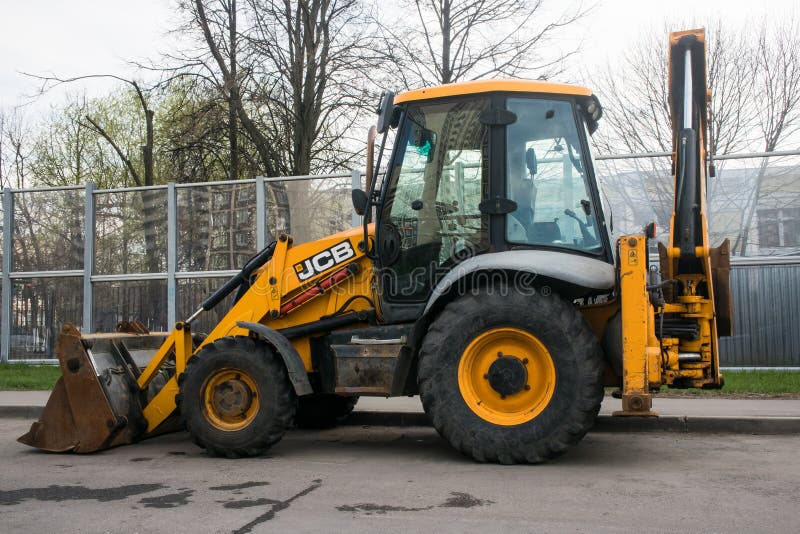
A backhoe loader, also called a loader backhoe, digger in layman`s terms, or colloquially shortened to backhoe within the industry, is a heavy equipment vehicle that consists of a tractor like unit fitted with a loader-style shovel/bucket on the front and a backhoe on the back. Due to its relatively small size and versatility, backhoe loaders are very common in urban engineering and small construction projects such as building a small house, fixing urban roads, etc. as well as developing countryside. This type of machine is similar to and derived from an agricultural tractor. Derived engine stock images, royalty-free photos and pictures
The New York International Auto Show is an annual auto show held in New York City in late March or early April. It is usually held at the Jacob Javits Convention Center. It usually opens on or just before Easter weekend and closes on the first Sunday after Easter. In 2013 the NYIAS will take place from March 29 through April 7. The Porsche Cayman S is a rear mid-engined, rear wheel drive 2-seat sports car produced by Porsche AG of Germany. First launched in the 2006 model year, the Cayman is a coupé derived from Porsche's second and third generation Boxster roadster. Like the Boxster, most Caymans were assembled in Finland for Porsche by Valmet Automotive (the rest are assembled in Zuffenhausen, Stuttgart, Germany). Porsche's Deputy Chairman, Holger P. Haerter stated that their contract with Valmet Automotive will end in 2012, and the Cayman's production will be outsourced to Magna Steyr Fahrzeugtechnik of Graz, Austria. (Panorama, 2008). More recently, as Volkswagen assumed ultimate control of Porsche AG, that agreement fell through, and the production of both Caymans and Boxsters after 2012 will be in the former Karmann plant in Osnabrück, Germany, now owned by Volkswagen and used for production of the new 2012 Golf Cabriolet. Derived engine stock images, royalty-free photos and pictures
The electric motorcycle of the italian team Vercar Moto, derived from Yamaha YZF R6, that took part in the Isle of Man TT Zero race, exhibited at Expo' AEM-ZERO on September 19, 2013 in Lugo. RA. Italy. Derived engine stock images, royalty-free photos and pictures
The driver Carlo Gelmi riding the electric motorcycle of the italian team Vercar Moto, derived from Yamaha YZF R6, that took part in the Isle of Man TT Zero race, exhibited at Expo' AEM-ZERO on September 19, 2013 in Lugo. RA. Italy. Derived engine stock images, royalty-free photos and pictures
The Northrop Grumman (formerly Grumman) EA-6B Prowler is a twin-engine, four-seat, mid-wing electronic-warfare aircraft derived from the A-6 Intruder airframe. The EA-6A was the initial electronic warfare version of the A-6 used by the United States Marine Corps and United States Navy it was used during the Vietnam War and served in service until 2019. Derived engine stock images, royalty-free photos and pictures
The Subaru Outback is an automotive nameplate used by the Japanese automaker Subaru for SUV-themed vehicle - a Legacy-derived crossover station wagon. The sixth-generation Outback was marketed outside of North America starting in 2021. Derived engine stock images, royalty-free photos and pictures
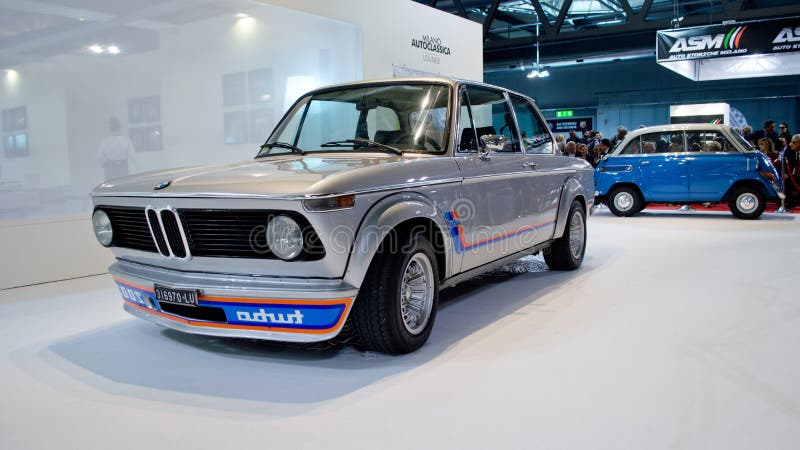
A silver BMW 2002 Turbo in the BMW area during the classic car expo Milano Autoclassica 2016 exposed to celebrate the 100th anniversary of the german manufacturer. Presented in 1972 as BMW Turbo and derived by the sixties 02 series, this sporty sedan showed the world what BMW Motorsport could do with tuning of road cars starting a tradition that has then ontinued in the M series that came from the eighties on. Derived engine stock images, royalty-free photos and pictures
Geneva, 87th Salon de l`Auto 2017 Despite a name derived from the French word for ‘illusion’, the GEMBALLA MIRAGE GT is very real, and is a limited edition series of 25 very special cars based on the legendary Porsche Carrera GT. Unique and desirable, each MIRAGE GT is made specifically for its owner, and sets aesthetic, aerodynamic and technical standards that approach perfection. Derived engine stock images, royalty-free photos and pictures
The Ford Mustang is a series of American automobiles manufactured by Ford. In continuous production since 1964, the Mustang is currently the longest-produced Ford car nameplate. Currently in its seventh generation, it is the fifth-best selling Ford car nameplate. The namesake of the "pony car" automobile segment, the Mustang was developed as a highly styled line of sporty coupes and convertibles derived from existing model lines, initially distinguished by "long hood, short deck" proportions. For the 2021 model year, Ford re-introduced the Mach 1 after a 17-year hiatus. The 2021 Mach 1 utilizes the current Coyote 5. 0 L engine with GT350 parts, including the intake manifold, increasing performance to 480 hp (358 kW). Derived engine stock images, royalty-free photos and pictures
The Porsche 982 is the internal designation of the fourth generation Boxster Cayman (third generation Cayman) made by German automobile manufacturer Porsche. With the switch to a new turbocharged flat-four engine the marketing name for the models was changed to Porsche 718. The 718 Cayman GT4 and 718 Spyder (previously named the Boxster Spyder) were revealed in June 2019. Both are differentiated from less powerful models by more aggressive bodywork, including a lower stance, new front bumper, a large new diffuser, and exhaust pipes that are spaced farther apart. The GT4 also features larger side intakes and an adjustable wing, the latter of which helps it generate up to 150 kg (330 lb) of downforce. Both have a naturally aspirated 4. 0-litre flat-6 derived from the 992's 3. 0-litre 9A2EVO engine, which is rated at 309 kW (414 hp 420 PS). Derived engine stock images, royalty-free photos and pictures
The Audi Quattro is a road and rally car, produced by the German automobile manufacturer Audi, part of the Volkswagen Group. It was first shown at the 1980 Geneva Motor Show on 3 March. Production continued through 1991. The word quattro is derived from the Italian word for "four" to represent the fact that the vehicle delivers power to all four wheels. Audi introduced the original Quattro to European customers in late 1980, featuring Audi's quattro permanent four-wheel drive system, and the first to mate the front-engine, four-wheel-drive layout with a turbocharged engine. Derived engine stock images, royalty-free photos and pictures
Surakarta Indonesia November 11 2024 The Honda Prelude is a sports car produced by Japanese car manufacturer Honda from 1978 until 2001. The two-door coupe was loosely derived from the Honda Accord. Derived engine stock images, royalty-free photos and pictures
He Porsche 968 is a sports car manufactured by German automobile manufacturer Porsche AG from 1991 until 1995. It was the final evolution of a series of water-cooled front-engine rear wheel drive models begun almost 20 years earlier with the 924, taking over the entry-level position in the company lineup from the 944 from which it was derived. The 968 was Porsche's last new front-engined vehicle before the introduction of the Cayenne SUV in 2003. Derived engine stock images, royalty-free photos and pictures
Bandung Indonesia July 19 2025 The Honda Prelude is a sports car produced by Japanese car manufacturer Honda from 1978 until 2001. The two-door coupe was loosely derived from the Honda Accord. Derived engine stock images, royalty-free photos and pictures
He Porsche 968 is a sports car manufactured by German automobile manufacturer Porsche AG from 1991 until 1995. It was the final evolution of a series of water-cooled front-engine rear wheel drive models begun almost 20 years earlier with the 924, taking over the entry-level position in the company lineup from the 944 from which it was derived. The 968 was Porsche's last new front-engined vehicle before the introduction of the Cayenne SUV in 2003. Derived engine stock images, royalty-free photos and pictures
The Curtiss C-46 Commando is a low-wing, twin-engine aircraft derived from the Curtiss CW-20 pressurised high-altitude airliner design. Early press reports used the name Condor III but the Commando name was in use by early 1942 in company publicity. It was used primarily as a cargo aircraft during World War II, with fold-down seating for military transport and some use in delivering paratroops. Mainly deployed by the United States Army Air Forces, it also served the U. S. Navy Marine Corps, which called it R5C. The C-46 filled similar roles as its Douglas-built counterpart, the C-47 Skytrain, with some 3,200 C-46s produced to approximately 10,200 C-47s. Derived engine stock images, royalty-free photos and pictures
He Porsche 968 is a sports car manufactured by German automobile manufacturer Porsche AG from 1991 until 1995. It was the final evolution of a series of water-cooled front-engine rear wheel drive models begun almost 20 years earlier with the 924, taking over the entry-level position in the company lineup from the 944 from which it was derived. The 968 was Porsche's last new front-engined vehicle before the introduction of the Cayenne SUV in 2003. Derived engine stock images, royalty-free photos and pictures
Flying Tiger McDonnell Douglas DC-8-062CF-H N3931A CN 35961 LN 361. Talen in July 1985 at Pinal Air Park , Marana Az (KMZJ). The Douglas DC-8 (sometimes McDonnell Douglas DC-8) is an early long-range narrow-body jetliner designed and produced by the American Douglas Aircraft Company. Work began in 1952 towards the United States Air Force's (USAF) requirement for a jet-powered aerial refueling tanker. After losing the USAF's tanker competition to the rival Boeing KC-135 Stratotanker in May 1954, Douglas announced in June 1955 its derived jetliner project marketed to civil operators. DC-8 Series 62: The long-range Series 62 followed in April 1967. It had a more modest stretch, two 40-inch (1. 0 m) plugs fore and aft of the wing taking overall length to 157 feet 5 inches (47. 98 m), and a number of modifications to provide greater range. 3 feet (0. 91 m) wingtip extensions reduced drag and added fuel capacity, and Douglas redesigned the engine pods, extending the pylons and substituting new shorter and neater nacelles, all in the cause of drag reduction. The 18,000 lb JT3D-3B was retained but the engine pylons were redesigned to eliminate their protrusion above the wing and make them sweep forward more sharply, so that the engines were some 40 inches (1. 0 m) further forward. Many late production -62s had 350,000 pounds (158,760 kg) maximum takeoff weight and were known as the -62H. Also available were the cargo door-equipped convertible -62CF. Derived engine stock images, royalty-free photos and pictures

Flying Tiger McDonnell Douglas DC-8-62CF-H N3931A CN 35961 LN 361 . Flying Tiger McDonnell Douglas DC-8-062CF-H N3931A CN 35961 LN 361 . Talen in July 1985 at Pinal Air Park , Marana Az (KMZJ) .The Douglas DC-8 (sometimes McDonnell Douglas DC-8) is an early long-range narrow-body jetliner designed and produced by the American Douglas Aircraft Company. Work began in 1952 towards the United States Air Force's (USAF) requirement for a jet-powered aerial refueling tanker. After losing the USAF's tanker competition to the rival Boeing KC-135 Stratotanker in May 1954, Douglas announced in June 1955 its derived jetliner project marketed to civil operators. DC-8 Series 62: The long-range Series 62 followed in April 1967. It had a more modest stretch, two 40-inch (1.0 m) plugs fore and aft of the wing taking overall length to 157 feet 5 inches (47.98 m), and a number of modifications to provide greater range. 3 feet (0.91 m) wingtip extensions reduced drag and added fuel capacity, and Douglas redesigned the engine pods, extending the pylons and substituting new shorter and neater nacelles, all in the cause of drag reduction. The 18,000 lb JT3D-3B was retained but the engine pylons were redesigned to eliminate their protrusion above the wing and make them sweep forward more sharply, so that the engines were some 40 inches (1.0 m) further forward. Many late production -62s had 350,000 pounds (158,760 kg) maximum takeoff weight and were known as the -62H.Also available were the cargo door-equipped convertible -62CF

The Curtiss C-46 Commando is a low-wing, twin-engine aircraft derived from the Curtiss CW-20 pressurised high-altitude airliner design. Early press reports used the name "Condor III" but the Commando name was in use by early 1942 in company publicity. It was used primarily as a cargo aircraft during World War II, with fold-down seating for military transport and some use in delivering paratroops. Mainly deployed by the United States Army Air Forces, it also served the U. S. Navy Marine Corps, which called it R5C. The C-46 filled similar roles as its Douglas-built counterpart, the C-47 Skytrain, with some 3,200 C-46s produced to approximately 10,200 C-47s. Derived engine stock images, royalty-free photos and pictures
The Curtiss C-46 Commando is a low-wing, twin-engine aircraft derived from the Curtiss CW-20 pressurised high-altitude airliner design. Early press reports used the name "Condor III" but the Commando name was in use by early 1942 in company publicity. It was used primarily as a cargo aircraft during World War II, 31812 were built. Derived engine stock images, royalty-free photos and pictures
C-GTXW Buffalo Airways Curtis C-46A CN 30386. Taken on June 1 , 2003 The Curtiss C-46 Commando is a low-wing, twin-engine aircraft derived from the Curtiss CW-20 pressurized high-altitude airliner design. Early press reports used the name "Condor III" but the Commando name was in use by early 1942 in company publicity. [2] It was used primarily as a cargo aircraft during World War II, with fold-down seating for military transport and some use in delivering paratroops. Mainly deployed by the United States Army Air Forces, it also served the U. S. Navy Marine Corps, which called it R5C. The C-46 filled similar roles as its Douglas-built counterpart, the C-47 Skytrain, with some 3,200 C-46s produced to approximately 10,200 C-47s. Derived engine stock images, royalty-free photos and pictures
He Curtiss C-46 Commando is a low-wing, twin-engine aircraft derived from the Curtiss CW-20 pressurized high-altitude airliner design. Early press reports used the name "Condor III" but the Commando name was in use by early 1942 in company publicity] It was used primarily as a cargo aircraft during World War II, with fold-down seating for military transport and some use in delivering paratroops. Mainly deployed by the United States Army Air Forces, it also served the U. S. Navy Marine Corps, which called it R5C. The C-46 filled similar roles as its Douglas-built counterpart, the C-47 Skytrain, with some 3,200 C-46s produced to approximately 10,200 C-47s. Derived engine stock images, royalty-free photos and pictures
Beechcraft Model 99The Beechcraft Model 99 is a civilian aircraft produced by Beechcraft. It is also known as the Beech 99 Airliner and the Commuter 99. The 99 is a twin-engine, unpressurized, 15 to 17 passenger seat turboprop aircraft, derived from the earlier Beechcraft King Air and Queen Air. It uses the wings of the Queen Air, the engines and nacelles of the King Air, and sub-systems from both, with a specifically designed nose structure99 Airliner: Twin-engined Commuter and cargo transport aircraft, 10,400 lb max takeoff weight, accommodation for a crew of two and up to 15 passengers. powered by two 550-hp (410-kW) Pratt & Whitney Canada PT6A-20 turboprop engines. Derived engine stock images, royalty-free photos and pictures
The C209 Mercedes-Benz CLK-Class is the second generation of the Mercedes-Benz CLK-Class range of grand tourers, produced between 2001 and 2009. The CLK 63 AMG was also used as an F1 safety car for the 2006 and 2007 seasons. This model served as the foundation for the limited? edition CLK 63 AMG Black Series, which brought racing? derived technology to everyday roads. It is equipped with a powerful AMG V8 engine and a specially tuned chassis designed for maximum performance. Derived engine stock images, royalty-free photos and pictures
The ATR 42 is a regional airliner produced by Franco-Italian manufacturer ATR, with final assembly in Toulouse, France. On 4 November 1981, the aircraft was launched with ATR, as a joint venture between French A�rospatiale (now part of Airbus) and Aeritalia (now Leonardo S. p. A. ). The ATR 42-300 performed its maiden flight on 16 August 1984 and type certification was granted during September 1985. Launch customer Air Littoral operated its first revenue-earning flight in December of that year. The high-wing airliner is powered by two turboprop engines, Pratt & Whitney Canada PW120s. The number "42" in its name is derived from the aircraft's original standard seating capacity of 42 passengers. Later variants are upgraded with new avionics, a glass cockpit, and newer engine versions. The ATR 42 is the basis for the stretched ATR 72, introduced in October 1989. Derived engine stock images, royalty-free photos and pictures
The ATR 42 is a regional airliner produced by Franco-Italian manufacturer ATR, with final assembly in Toulouse, France. On 4 November 1981, the aircraft was launched with ATR, as a joint venture between French Arospatiale (now part of Airbus) and Aeritalia (now Leonardo S. p. A. ). The ATR 42-300 performed its maiden flight on 16 August 1984 and type certification was granted during September 1985. Launch customer Air Littoral operated its first revenue-earning flight in December of that year. The high-wing airliner is powered by two turboprop engines, Pratt & Whitney Canada PW120s. The number "42" in its name is derived from the aircraft's original standard seating capacity of 42 passengers. Later variants are upgraded with new avionics, a glass cockpit, and newer engine versions. The ATR 42 is the basis for the stretched ATR 72, introduced in October 1989. Derived engine stock images, royalty-free photos and pictures
Unveiled at GIMS 2013, the Ferrari LaFerrari represents the ultimate expression of technology transfer from racing to road vehicles and one of Ferrari�s most ambitious projects. Its heart beats to the rhythm of a 6. 3-liter V12 combined with a KERS system derived from Formula 1, delivering a total power of 963 horsepower. Its carbon fiber body embodies both elegance and raw power. The seven-speed dual-clutch gearbox ensures exceptional performance. LaFerrari means The Ferrari in Italian this is intended to be the definitive Ferrari. Derived engine stock images, royalty-free photos and pictures
Unveiled at GIMS 2013, the Ferrari LaFerrari represents the ultimate expression of technology transfer from racing to road vehicles and one of Ferraris most ambitious projects. Its heart beats to the rhythm of a 6. 3-liter V12 combined with a KERS system derived from Formula 1, delivering a total power of 963 horsepower. Its carbon fiber body embodies both elegance and raw power. The seven-speed dual-clutch gearbox ensures exceptional performance. LaFerrari means The Ferrari in Italian this is intended to be the definitive Ferrari. Derived engine stock images, royalty-free photos and pictures
The BMW CE 04 is an electric scooter produced by BMW Motorrad. The Concept Link design study gave an initial preview for the successor to the C evolution electric scooter as early as 2017, when it was shown at the Concorso d'Eleganza Villa d'Este in Lake Como, Italy. In July 2021, BMW officially presented the final production version of the CE 04, which is scheduled to go on sale in February 2022. The "04" in the name refers to the market segment (400 cc gasoline-powered scooters) at which it is intended. The powertrain of the CE 04 is derived from BMW automobiles. Derived engine stock images, royalty-free photos and pictures
In 2021, Porsche unveiled the 718 Cayman GT4 RS, the first Cayman to receive the RS treatment which is usually reserved for the 911 models. With a 4. 0 naturally aspirated flat-six derived from the 911 GT3, it puts out 500 PS (370 kW 490 hp) with an rpm limit of 9,000rpm, which allows it to sprint from 0�100 km h (0�62 mph) in just 3. 4 seconds. Derived engine stock images, royalty-free photos and pictures
In 2021, Porsche unveiled the 718 Cayman GT4 RS, the first Cayman to receive the RS treatment which is usually reserved for the 911 models. With a 4. 0 naturally aspirated flat-six derived from the 911 GT3, it puts out 500 PS (370 kW 490 hp) with an rpm limit of 9,000rpm, which allows it to sprint from 0100 km h (062 mph) in just 3. 4 seconds. Derived engine stock images, royalty-free photos and pictures
The ATR 42 is a regional airliner produced by Franco-Italian manufacturer ATR, with final assembly in Toulouse, France. On 4 November 1981, the aircraft was launched with ATR, as a joint venture between French A�rospatiale (now part of Airbus) and Aeritalia (now Leonardo S. p. A. ). The ATR 42-300 performed its maiden flight on 16 August 1984 and type certification was granted during September 1985. Launch customer Air Littoral operated its first revenue-earning flight in December of that year. The high-wing airliner is powered by two turboprop engines, Pratt & Whitney Canada PW120s. The number "42" in its name is derived from the aircraft's original standard seating capacity of 42 passengers. Later variants are upgraded with new avionics, a glass cockpit, and newer engine versions. The ATR 42 is the basis for the stretched ATR 72, introduced in October 1989. ATR 42-300(QC). Derived engine stock images, royalty-free photos and pictures
The ATR 42 is a regional airliner produced by Franco-Italian manufacturer ATR, with final assembly in Toulouse, France. On 4 November 1981, the aircraft was launched with ATR, as a joint venture between French Arospatiale (now part of Airbus) and Aeritalia (now Leonardo S. p. A. ). The ATR 42-300 performed its maiden flight on 16 August 1984 and type certification was granted during September 1985. Launch customer Air Littoral operated its first revenue-earning flight in December of that year. The high-wing airliner is powered by two turboprop engines, Pratt & Whitney Canada PW120s. The number "42" in its name is derived from the aircraft's original standard seating capacity of 42 passengers. Later variants are upgraded with new avionics, a glass cockpit, and newer engine versions. The ATR 42 is the basis for the stretched ATR 72, introduced in October 1989. ATR 42-300(QC). Derived engine stock images, royalty-free photos and pictures
South Tangerang Indonesia October 4 2024 The Honda Prelude is a sports car produced by Japanese car manufacturer Honda from 1978 until 2001. The two-door coupe was loosely derived from the Honda Accord. Derived engine stock images, royalty-free photos and pictures
Bandung Indonesia July 19 2025 The Honda Prelude is a sports car produced by Japanese car manufacturer Honda from 1978 until 2001. The two-door coupe was loosely derived from the Honda Accord. Derived engine stock images, royalty-free photos and pictures
737-200 freighter and passenger aircraft The 737-200 was a 737-100 with an extended fuselage, launched by an order from United Airlines in 1965 and entered service with the launch customer in April 1968. Its unit cost was US$4. 0M (1968)[28] ($35M today). The -200's unit cost was US$5. 2M (1972) ($37. 9M today). The 737-200 Advanced is an improved version of the -200, introduced into service by All Nippon Airways on May 20, 1971. After aircraft #135, the 737-200 Advanced has improved aerodynamics, automatic wheel brakes, more powerful engines, more fuel capacity, and hence a 15% increase in payload and range over the original -200s and respectively -100s. The 737-200 Advanced became the production standard in June 1971. Boeing also provided the 737-200C (Combi), which allowed for conversion between passenger and cargo use and the 737-200QC (Quick Change), which facilitated a rapid conversion between roles. The 1,114th and last delivery of a -200 series aircraft was in August 1988 to Xiamen Airlines. the Boeing 737 is one of the most famous aircraft variants on the planet, not many know about the combi design, and only a handful were ever delivered. Derived from the German VW Type 2 Van, the name comes from Kombinationskraftwagen (or Kombi for short). These aircraft (and vans) aimed to maximize cargo capacity while allowing for a decent number of passenger seats. The combi aircraft provides large cargo doors on the side of the aircraft and tracks installed along the floor of the fold to allow the carrier to provide extended flexibility when required. This would allow airlines to add or remove seats depending on the loadings of both passengers and cargo. This is where Northern Canada could see its benefit, with low passenger loads but a high demand for necessary goods and supplies to these isolated communities. mbation. Derived engine stock images, royalty-free photos and pictures

N744AS Alaska Airlines B-737-210C CN21822 LN605 . Taken in February 1984. 737-200 freighter and passenger aircraft The 737-200 was a 737-100 with an extended fuselage, launched by an order from United Airlines in 1965 and entered service with the launch customer in April 1968. Its unit cost was US$4.0M (1968)[28] ($35M today). The -200's unit cost was US$5.2M (1972) ($37.9M today). The 737-200 Advanced is an improved version of the -200, introduced into service by All Nippon Airways on May 20, 1971. After aircraft #135, the 737-200 Advanced has improved aerodynamics, automatic wheel brakes, more powerful engines, more fuel capacity, and hence a 15% increase in payload and range over the original -200s and respectively -100s. The 737-200 Advanced became the production standard in June 1971. Boeing also provided the 737-200C (Combi), which allowed for conversion between passenger and cargo use and the 737-200QC (Quick Change), which facilitated a rapid conversion between roles. The 1,114th and last delivery of a -200 series aircraft was in August 1988 to Xiamen Airlines.the Boeing 737 is one of the most famous aircraft variants on the planet, not many know about the combi design, and only a handful were ever delivered. Derived from the German VW Type 2 Van, the name comes from Kombinationskraftwagen (or Kombi for short). These aircraft (and vans) aimed to maximize cargo capacity while allowing for a decent number of passenger seats.The combi aircraft provides large cargo doors on the side of the aircraft and tracks installed along the floor of the fold to allow the carrier to provide extended flexibility when required. This would allow airlines to add or remove seats depending on the loadings of both passengers and cargo. This is where Northern Canada could see its benefit, with low passenger loads but a high demand for necessary goods and supplies to these isolated communities.mbation

The Douglas DC-8 (sometimes McDonnell Douglas DC-8) is an early long-range narrow-body jetliner designed and produced by the American Douglas Aircraft Company. Work began in 1952 towards the United States Air Force's (USAF) requirement for a jet-powered aerial refueling tanker. After losing the USAF's tanker competition to the rival Boeing KC-135 Stratotanker in May 1954, Douglas announced in June 1955 its derived jetliner project marketed to civil operators. In October 1955, Pan Am made the first order along with the competing Boeing 707, and many other airlines soon followed. The first DC-8 was rolled out in Long Beach Airport on April 9, 1958, and flew for the first time on May 30. Following Federal Aviation Administration (FAA) certification in August 1959, the DC-8 entered service with Delta Air Lines on September 18. The DC-8-40 was essentially the -30 but with 17,500 lb (78. 4 kN) Rolls-Royce Conway 509 turbofan engines for better efficiency, less noise and less smoke. The Conway was an improvement over the turbojets that preceded it, but the Series 40 sold poorly because of the traditional reluctance of U. S. airlines to buy a foreign product and because the still-more-advanced Pratt & Whitney JT3D turbofan was due in early 1961. The DC-8-41 and DC-8-42 had weights of 300,000 and 310,000 pounds (140,000 and 140,000 kg) respectively, the 315,000-pound (142,880 kg) DC-8-43 had the 1. 5� flap setting of the -33 and introduced a 4% leading-edge wing extension to reduce drag and increase fuel capacity slightly � the new wing improved range by 8%, lifting capacity by 6,600 lb (3 metric tons), and cruising speed by better than 10 knots (19 km h 12 mph). It was used on all later DC-8s. The first DC-8-40 was delivered in 1960 32 were built (of which three would eventually be converted to DC-8-50s). [46]The Series 40 DC-8 first flew on 23 July 1959 and received FAA certification on 24 March 1960. Derived engine stock images, royalty-free photos and pictures
The Douglas DC-8 (sometimes McDonnell Douglas DC-8) is an early long-range narrow-body jetliner designed and produced by the American Douglas Aircraft Company. Work began in 1952 towards the United States Air Force's (USAF) requirement for a jet-powered aerial refueling tanker. After losing the USAF's tanker competition to the rival Boeing KC-135 Stratotanker in May 1954, Douglas announced in June 1955 its derived jetliner project marketed to civil operators. In October 1955, Pan Am made the first order along with the competing Boeing 707, and many other airlines soon followed. The first DC-8 was rolled out in Long Beach Airport on April 9, 1958, and flew for the first time on May 30. Following Federal Aviation Administration (FAA) certification in August 1959, the DC-8 entered service with Delta Air Lines on September 18. The DC-8-40 was essentially the -30 but with 17,500 lb (78. 4 kN) Rolls-Royce Conway 509 turbofan engines for better efficiency, less noise and less smoke. The Conway was an improvement over the turbojets that preceded it, but the Series 40 sold poorly because of the traditional reluctance of U. S. airlines to buy a foreign product and because the still-more-advanced Pratt & Whitney JT3D turbofan was due in early 1961. The DC-8-41 and DC-8-42 had weights of 300,000 and 310,000 pounds (140,000 and 140,000 kg) respectively, the 315,000-pound (142,880 kg) DC-8-43 had the 1. 5 flap setting of the -33 and introduced a 4% leading-edge wing extension to reduce drag and increase fuel capacity slightly the new wing improved range by 8%, lifting capacity by 6,600 lb (3 metric tons), and cruising speed by better than 10 knots (19 km h 12 mph). It was used on all later DC-8s. The first DC-8-40 was delivered in 1960 32 were built (of which three would eventually be converted to DC-8-50s). [46]The Series 40 DC-8 first flew on 23 July 1959 and received FAA certification on 24 March 1960. Derived engine stock images, royalty-free photos and pictures

Air Canada McDonnell Douglas DC-8-43 CF-TJB CN 45443 LN 18. The Douglas DC-8 (sometimes McDonnell Douglas DC-8) is an early long-range narrow-body jetliner designed and produced by the American Douglas Aircraft Company. Work began in 1952 towards the United States Air Force's (USAF) requirement for a jet-powered aerial refueling tanker. After losing the USAF's tanker competition to the rival Boeing KC-135 Stratotanker in May 1954, Douglas announced in June 1955 its derived jetliner project marketed to civil operators. In October 1955, Pan Am made the first order along with the competing Boeing 707, and many other airlines soon followed. The first DC-8 was rolled out in Long Beach Airport on April 9, 1958, and flew for the first time on May 30. Following Federal Aviation Administration (FAA) certification in August 1959, the DC-8 entered service with Delta Air Lines on September 18.The DC-8-40 was essentially the -30 but with 17,500 lb (78.4 kN) Rolls-Royce Conway 509 turbofan engines for better efficiency, less noise and less smoke. The Conway was an improvement over the turbojets that preceded it, but the Series 40 sold poorly because of the traditional reluctance of U.S. airlines to buy a foreign product and because the still-more-advanced Pratt & Whitney JT3D turbofan was due in early 1961. The DC-8-41 and DC-8-42 had weights of 300,000 and 310,000 pounds (140,000 and 140,000 kg) respectively, the 315,000-pound (142,880 kg) DC-8-43 had the 1.5 flap setting of the -33 and introduced a 4% leading-edge wing extension to reduce drag and increase fuel capacity slightly the new wing improved range by 8%, lifting capacity by 6,600 lb (3 metric tons), and cruising speed by better than 10 knots (19 km h 12 mph). It was used on all later DC-8s. The first DC-8-40 was delivered in 1960 32 were built (of which three would eventually be converted to DC-8-50s).[46]The Series 40 DC-8 first flew on 23 July 1959 and received FAA certification on 24 March 1960.

He VIP support fleet consists of a wide variety of civil registered aircraft such as the Airbus A330, Airbus A320, 737 and 747, Lockheed Tri-Stars, MD11s and G1159A as well as Lockheed L-100-30. The HZ- prefix used in the civilian registrations of these aircraft derived from the former name of the territory (Hejaz). Derived engine stock images, royalty-free photos and pictures
VEL Costa Rica McDonnell Douglas DC-9-21 TI-VEL CN 45435 LN 149. Taken in January 1989. The Douglas DC-8 (sometimes McDonnell Douglas DC-8) is an early long-range narrow-body jetliner designed and produced by the American Douglas Aircraft Company. Work began in 1952 towards the United States Air Force's (USAF) requirement for a jet-powered aerial refueling tanker. After losing the USAF's tanker competition to the rival Boeing KC-135 Stratotanker in May 1954, Douglas announced in June 1955 its derived jetliner project marketed to civil operators. In October 1955, Pan Am made the first order along with the competing Boeing 707, and many other airlines soon followed. The first DC-8 was rolled out in Long Beach Airport on April 9, 1958, and flew for the first time on May 30. Following Federal Aviation Administration (FAA) certification in August 1959, the DC-8 entered service with Delta Air Lines on September 18. Derived engine stock images, royalty-free photos and pictures
Pacific Air Express Douglas DC-4A C-54B N301JT CN 18375 LN DO149. Talen in October 1984. The Douglas C-54 Skymaster is a four-engined transport aircraft used by the United States Army Air Forces in World War II and the Korean War. Like the Douglas C-47 Skytrain derived from the DC-3, the C-54 Skymaster was derived from a civilian airliner, the Douglas DC-4. Besides transport of cargo, the C-54 also carried presidents, prime ministers, and military staff. Dozens of variants of the C-54 were employed in a wide variety of non-combat roles such as air-sea rescue, scientific and military research, and missile tracking and recovery. During the Berlin Airlift it hauled coal and food supplies to West Berlin. After the Korean War it continued to be used for military and civilian uses by more than 30 countries. It was one of the first aircraft to carry the President of the United States, the first being President Franklin D. Roosevelt during World War II. Number built 1,170. Derived engine stock images, royalty-free photos and pictures
The Douglas DC-8 (sometimes McDonnell Douglas DC-8) is an early long-range narrow-body jetliner designed and produced by the American Douglas Aircraft Company. Work began in 1952 towards the United States Air Force's (USAF) requirement for a jet-powered aerial refueling tanker. After losing the USAF's tanker competition to the rival Boeing KC-135 Stratotanker in May 1954, Douglas announced in June 1955 its derived jetliner project marketed to civil operators. In October 1955, Pan Am made the first order along with the competing Boeing 707, and many other airlines soon followed. The first DC-8 was rolled out in Long Beach Airport on April 9, 1958, and flew for the first time on May 30. Following Federal Aviation Administration (FAA) certification in August 1959, the DC-8 entered service with Delta Air Lines on September 18. DC-8 Series 61: The "Super DC-8" Series 61 was designed for high capacity and medium range. It had the same wings, engines and pylons as the -55, and sacrificed range to gain capacity. Having decided to stretch the DC-8, Douglas inserted a 240-inch (6. 1 m) plug in the forward fuselage and a 200-inch (5. 1 m) plug aft, taking overall length to 187 feet 4 inches (57. 10 m). The added length required strengthening of the structure, but the basic DC-8 design already had sufficient ground clearance to permit the one-third increase in cabin size without requiring longer landing gear. The variant first flew on March 14, 1966, and was certified on September 2, 1966, at a maximum weight of 325,000 pounds (147,420 kg). Deliveries began in January 1967 and it entered service with United Airlines in February 1967. It typically carried 180�220 passengers in mixed-class configuration, or 259 in high-density configuration. A cargo door equipped DC-8-61CF was also available. 78 -61s and 10 -61CFs were built. Derived engine stock images, royalty-free photos and pictures
The Douglas DC-8 (sometimes McDonnell Douglas DC-8) is an early long-range narrow-body jetliner designed and produced by the American Douglas Aircraft Company. Work began in 1952 towards the United States Air Force's (USAF) requirement for a jet-powered aerial refueling tanker. After losing the USAF's tanker competition to the rival Boeing KC-135 Stratotanker in May 1954, Douglas announced in June 1955 its derived jetliner project marketed to civil operators. In October 1955, Pan Am made the first order along with the competing Boeing 707, and many other airlines soon followed. The first DC-8 was rolled out in Long Beach Airport on April 9, 1958, and flew for the first time on May 30. Following Federal Aviation Administration (FAA) certification in August 1959, the DC-8 entered service with Delta Air Lines on September 18. DC-8 Series 61: The "Super DC-8" Series 61 was designed for high capacity and medium range. It had the same wings, engines and pylons as the -55, and sacrificed range to gain capacity. Having decided to stretch the DC-8, Douglas inserted a 240-inch (6. 1 m) plug in the forward fuselage and a 200-inch (5. 1 m) plug aft, taking overall length to 187 feet 4 inches (57. 10 m). The added length required strengthening of the structure, but the basic DC-8 design already had sufficient ground clearance to permit the one-third increase in cabin size without requiring longer landing gear. The variant first flew on March 14, 1966, and was certified on September 2, 1966, at a maximum weight of 325,000 pounds (147,420 kg). Deliveries began in January 1967 and it entered service with United Airlines in February 1967. It typically carried 180220 passengers in mixed-class configuration, or 259 in high-density configuration. A cargo door equipped DC-8-61CF was also available. 78 -61s and 10 -61CFs were built. Derived engine stock images, royalty-free photos and pictures

Japan Asia Airways McDonnell Douglas DC-8-61 JA8038 CN 46031 LN 435 . Taken at Haneda Toyoko , Japan on February 25 , 1976 . The Douglas DC-8 (sometimes McDonnell Douglas DC-8) is an early long-range narrow-body jetliner designed and produced by the American Douglas Aircraft Company. Work began in 1952 towards the United States Air Force's (USAF) requirement for a jet-powered aerial refueling tanker. After losing the USAF's tanker competition to the rival Boeing KC-135 Stratotanker in May 1954, Douglas announced in June 1955 its derived jetliner project marketed to civil operators. In October 1955, Pan Am made the first order along with the competing Boeing 707, and many other airlines soon followed. The first DC-8 was rolled out in Long Beach Airport on April 9, 1958, and flew for the first time on May 30. Following Federal Aviation Administration (FAA) certification in August 1959, the DC-8 entered service with Delta Air Lines on September 18.DC-8 Series 61: The "Super DC-8" Series 61 was designed for high capacity and medium range. It had the same wings, engines and pylons as the -55, and sacrificed range to gain capacity. Having decided to stretch the DC-8, Douglas inserted a 240-inch (6.1 m) plug in the forward fuselage and a 200-inch (5.1 m) plug aft, taking overall length to 187 feet 4 inches (57.10 m). The added length required strengthening of the structure, but the basic DC-8 design already had sufficient ground clearance to permit the one-third increase in cabin size without requiring longer landing gear. The variant first flew on March 14, 1966, and was certified on September 2, 1966, at a maximum weight of 325,000 pounds (147,420 kg). Deliveries began in January 1967 and it entered service with United Airlines in February 1967. It typically carried 180220 passengers in mixed-class configuration, or 259 in high-density configuration. A cargo door equipped DC-8-61CF was also available. 78 -61s and 10 -61CFs were built.

Northwest Airlines Boeing B-727-251 N273US LN772 CN20295. Taken nin July 1978 at San Francisaco International Airport (KSFO).. Northwest Airlines (often abbreviated as NWA) was a trunk carrier and a major airline in the United States that operated from 1926 until itNorthwest Airlines was founded on September 1, 1926, by Colonel Lewis Brittin, under the name Northwest Airways,a reference to the historical name for the Midwestern United States that derived from the Northwest Territory merged with Delta Air Lines in 2010. The merger made Delta the largest airline in the world. Derived engine stock images, royalty-free photos and pictures
The Northrop Grumman (formerly Grumman) EA-6B Prowler is a twin-engine, four-seat, mid-wing electronic-warfare aircraft derived from the A-6 Intruder airframe. The EA-6A was the initial electronic warfare version of the A-6 used by the United States Marine Corps and United States Navy it was used during the Vietnam War and served in service until 2019. Derived engine stock images, royalty-free photos and pictures
N868AS Delta Connection Bombardier CRJ-200LR. Taken IN May 2001. The Bombardier CRJ100 and CRJ200 (previously Canadair CRJ100 and CRJ200) are regional jets designed and manufactured by Bombardier Aerospace between 1991 and 2006, the first of the Bombardier CRJ family. The Canadair Regional Jet (CRJ) program, derived from the Challenger 600 business jet, was launched in early 1989. The first CRJ100 prototype made its maiden flight on 10 May 1991. Canada's first jet airliner to enter commercial service was introduced by launch customer Lufthansa in 1992. CRJ-200LRLong range version of CRJ200. Derived engine stock images, royalty-free photos and pictures
The Bombardier CRJ550, CRJ700, CRJ705, CRJ900, and CRJ1000 are a family of regional jet airliners that were designed and manufactured by Canadian transportation conglomerate Bombardier (formerly Canadair) between 1999 and 2020. Their design was derived from the smaller CRJ100 and 200 airliners, the other members of the Bombardier CRJ aircraft family. The CRJ program was acquired by the Japanese corporation Mitsubishi Heavy Industries in 2020, which ended production of the aircraft. Derived engine stock images, royalty-free photos and pictures
The Bombardier CRJ100 and CRJ200 (previously Canadair CRJ100 and CRJ200) is a regional jet designed and manufactured by Bombardier Aerospace between 1991 and 2006, the first of the Bombardier CRJ family. The Canadair Regional Jet (CRJ) program, derived from the Challenger 600 business jet, was launched in early 1989. The first CRJ100 prototype made its maiden flight on 10 May 1991. Canada's first jet airliner to enter commercial service was introduced by launch customer Lufthansa in 1992. The 50 seat aircraft is powered by two GE CF34 turbofans, mounted on the rear fuselage. The CRJ200 has more efficient turbofan engines for lower fuel consumption, increased cruise altitude and speed. During the late 1990s, it was stretched into the CRJ700 series. Production ended in 2006 but many remain in service. In 2020, Mitsubishi Heavy Industries purchased the entire CRJ line from Bombardier, and will continue support for the aircraft. [4]CRJ100 and CRJ200 are marketing designations defining a CRJ100 of aircraft type CL-600-2B19 with CF34-3A1 engines and a CRJ200 as CL-600-2B19 variant with CF34-3B1 engines. Derived engine stock images, royalty-free photos and pictures