Free with trial Curled Dock - Rumex crispus Farmland weed against field background. Dock rumex stock images, royalty-free photos and pictures Curled Dock - Rumex crispus
Free with trial This plant is a Bladder Dock (Rumex vesicarius), also known as Rosy Dock or Ruby Dock. Edibility: It is an edible wild annual plant often used in salads or cooked as a leafy vegetable, known for its sour taste. Nutritional Value: The plant is a good source of vitamins, minerals, protein, and ascorbic acid (Vitamin C). Appearance: It features succulent, glaucous stems and triangular-arrow-shaped leaves, with distinctive pinkish or reddish papery fruit capsules that resemble small bladders. Habitat: It is native to arid regions in Asia, Africa, and Southern Europe. Dock rumex stock images, royalty-free photos and pictures Bladder dock rumex vesicarius rosy dock. This plant is a Bladder Dock (Rumex vesicarius), also known as Rosy Dock or Ruby Dock. Edibility: It is an edible wild annual plant often used in salads or cooked as a leafy vegetable, known for its sour taste. Nutritional Value: The plant is a good source of vitamins, minerals, protein, and ascorbic acid (Vitamin C). Appearance: It features succulent, glaucous stems and triangular-arrow-shaped leaves, with distinctive pinkish or reddish papery fruit capsules that resemble small bladders. Habitat: It is native to arid regions in Asia, Africa, and Southern Europe.
Free with trial Curled Dock - Rumex crispus Closeup of flower. Dock rumex stock images, royalty-free photos and pictures Curled Dock - Rumex crispus
Free with trial Common sorrel, Spinach Dock, Rumex acetosa, growing in garden. Dock rumex stock images, royalty-free photos and pictures Common sorrel, Spinach Dock, Rumex acetosa, growing in garden
Free with trial Close up of bladder dock rumex vesicarius flowers. Dock rumex stock images, royalty-free photos and pictures Bladder dock rumex vesicarius
Free with trial This plant is a Bladder Dock (Rumex vesicarius), also known as Rosy Dock or Ruby Dock. Edibility: It is an edible wild annual plant often used in salads or cooked as a leafy vegetable, known for its sour taste. Nutritional Value: The plant is a good source of vitamins, minerals, protein, and ascorbic acid (Vitamin C). Appearance: It features succulent, glaucous stems and triangular-arrow-shaped leaves, with distinctive pinkish or reddish papery fruit capsules that resemble small bladders. Habitat: It is native to arid regions in Asia, Africa, and Southern Europe. Dock rumex stock images, royalty-free photos and pictures Bladder dock rumex vesicarius beautiful flower. This plant is a Bladder Dock (Rumex vesicarius), also known as Rosy Dock or Ruby Dock. Edibility: It is an edible wild annual plant often used in salads or cooked as a leafy vegetable, known for its sour taste. Nutritional Value: The plant is a good source of vitamins, minerals, protein, and ascorbic acid (Vitamin C). Appearance: It features succulent, glaucous stems and triangular-arrow-shaped leaves, with distinctive pinkish or reddish papery fruit capsules that resemble small bladders. Habitat: It is native to arid regions in Asia, Africa, and Southern Europe.
Free with trial Leaves of a wood dock Rumex sanguineus, a garden herb. Dock rumex stock images, royalty-free photos and pictures Leaves of a wood dock Rumex sanguineus
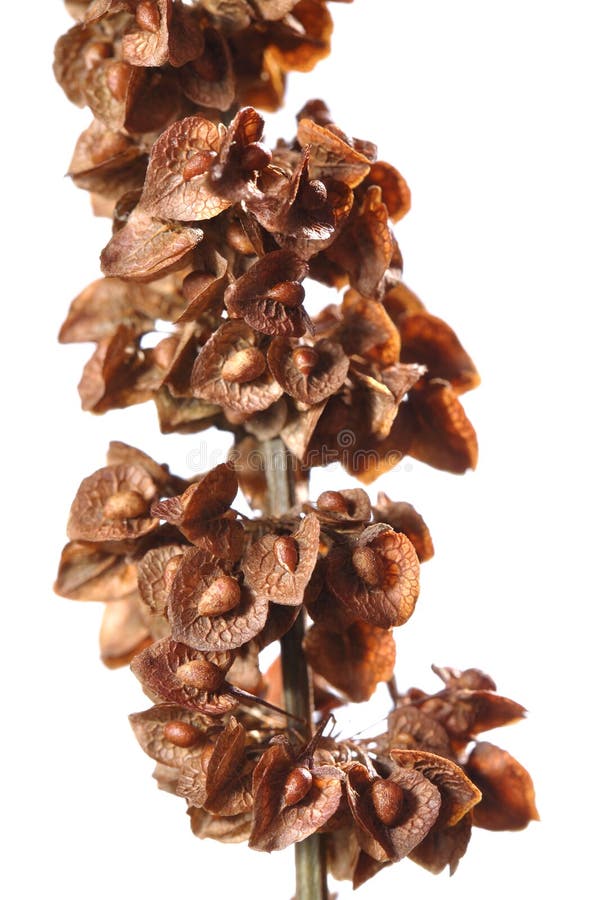
Free with trial Macro closep of ripe seeds on flower stalk of curly dock Rumex crispus. Dock rumex stock images, royalty-free photos and pictures Rumex seeds. Macro closep of ripe seeds on flower stalk of curly dock Rumex crispus
Free with trial Entire harvested plants of yellow curly dock (Rumex) with roots, stems and leaves on yellow table. Dock rumex stock images, royalty-free photos and pictures Dock
Free with trial This plant is a Bladder Dock (Rumex vesicarius), also known as Rosy Dock or Ruby Dock. Edibility: It is an edible wild annual plant often used in salads or cooked as a leafy vegetable, known for its sour taste. Nutritional Value: The plant is a good source of vitamins, minerals, protein, and ascorbic acid (Vitamin C). Appearance: It features succulent, glaucous stems and triangular-arrow-shaped leaves, with distinctive pinkish or reddish papery fruit capsules that resemble small bladders. Habitat: It is native to arid regions in Asia, Africa, and Southern Europe. Dock rumex stock images, royalty-free photos and pictures Bladder dock rumex vesicarius beautiful flower stock. This plant is a Bladder Dock (Rumex vesicarius), also known as Rosy Dock or Ruby Dock. Edibility: It is an edible wild annual plant often used in salads or cooked as a leafy vegetable, known for its sour taste. Nutritional Value: The plant is a good source of vitamins, minerals, protein, and ascorbic acid (Vitamin C). Appearance: It features succulent, glaucous stems and triangular-arrow-shaped leaves, with distinctive pinkish or reddish papery fruit capsules that resemble small bladders. Habitat: It is native to arid regions in Asia, Africa, and Southern Europe.
Free with trial Ripe flower stalk of curly dock Rumex crispus on black background. Dock rumex stock images, royalty-free photos and pictures Rumex flower stalk. Ripe flower stalk of curly dock Rumex crispus on black background
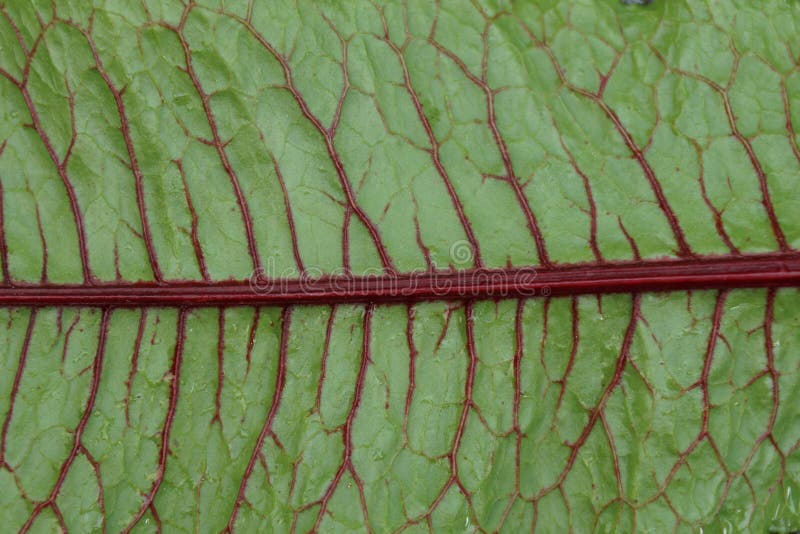
Free with trial Green leaves with dark red veins of the blood dock red sorrel plant rumex sanguineus. Dock rumex stock images, royalty-free photos and pictures Blood dock red sorrel plant rumex sanguineus
Free with trial Green leaves with dark red veins of the blood dock red sorrel plant rumex sanguineus. Dock rumex stock images, royalty-free photos and pictures Blood dock red sorrel plant rumex sanguineus
Free with trial This plant is a Bladder Dock (Rumex vesicarius), also known as Rosy Dock or Ruby Dock. Edibility: It is an edible wild annual plant often used in salads or cooked as a leafy vegetable, known for its sour taste. Nutritional Value: The plant is a good source of vitamins, minerals, protein, and ascorbic acid (Vitamin C). Appearance: It features succulent, glaucous stems and triangular-arrow-shaped leaves, with distinctive pinkish or reddish papery fruit capsules that resemble small bladders. Habitat: It is native to arid regions in Asia, Africa, and Southern Europe. Dock rumex stock images, royalty-free photos and pictures Bladder dock rumex vesicarius rosy dock beautiful flowers. This plant is a Bladder Dock (Rumex vesicarius), also known as Rosy Dock or Ruby Dock. Edibility: It is an edible wild annual plant often used in salads or cooked as a leafy vegetable, known for its sour taste. Nutritional Value: The plant is a good source of vitamins, minerals, protein, and ascorbic acid (Vitamin C). Appearance: It features succulent, glaucous stems and triangular-arrow-shaped leaves, with distinctive pinkish or reddish papery fruit capsules that resemble small bladders. Habitat: It is native to arid regions in Asia, Africa, and Southern Europe.
Free with trial Rumex vesicarius, Bladder DocK, Annual ornamental herb with pale pink bladder-like fruits, also used as medicinal herb. Dock rumex stock images, royalty-free photos and pictures Rumex vesicarius, Bladder DocK
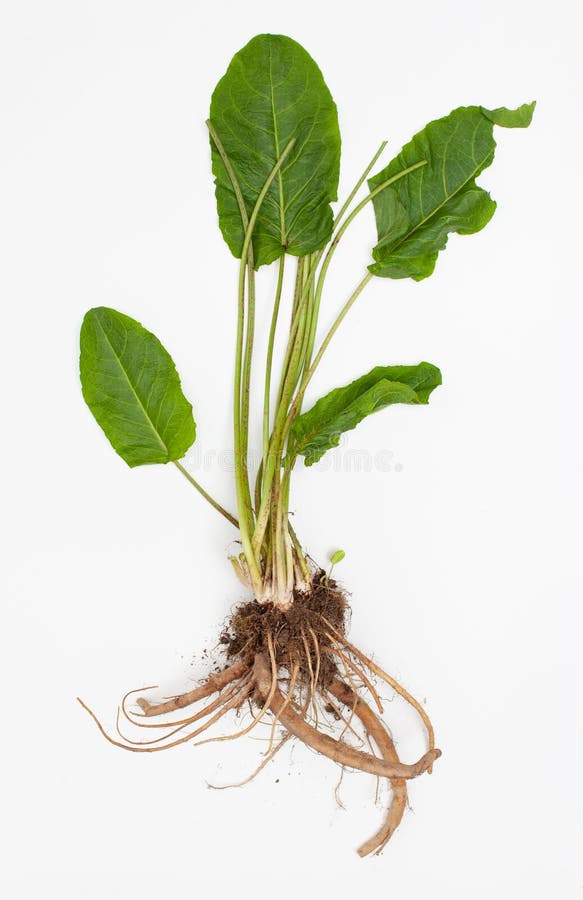
Free with trial Raw Rumex crispus yellow dock plant with root and green fresh leaves on white. Top view. Dock rumex stock images, royalty-free photos and pictures Rumex crispus yellow dock plant with root and green leaves on white background. Raw Rumex crispus yellow dock plant with root and green fresh leaves on white. Top view
Free with trial Pack of rhizomes Rumex crispus yellow dock with green fresh leaves on white. Top view. Copy space text. Dock rumex stock images, royalty-free photos and pictures Rumex crispus root yellow dock with leaves on white background. Pack of rhizomes Rumex crispus yellow dock with green fresh leaves on white. Top view. Copy space text
Free with trial This plant is a Bladder Dock (Rumex vesicarius), also known as Rosy Dock or Ruby Dock. Edibility: It is an edible wild annual plant often used in salads or cooked as a leafy vegetable, known for its sour taste. Nutritional Value: The plant is a good source of vitamins, minerals, protein, and ascorbic acid (Vitamin C). Appearance: It features succulent, glaucous stems and triangular-arrow-shaped leaves, with distinctive pinkish or reddish papery fruit capsules that resemble small bladders. Habitat: It is native to arid regions in Asia, Africa, and Southern Europe. Dock rumex stock images, royalty-free photos and pictures Bladder dock rumex vesicarius beautiful flowers image. This plant is a Bladder Dock (Rumex vesicarius), also known as Rosy Dock or Ruby Dock. Edibility: It is an edible wild annual plant often used in salads or cooked as a leafy vegetable, known for its sour taste. Nutritional Value: The plant is a good source of vitamins, minerals, protein, and ascorbic acid (Vitamin C). Appearance: It features succulent, glaucous stems and triangular-arrow-shaped leaves, with distinctive pinkish or reddish papery fruit capsules that resemble small bladders. Habitat: It is native to arid regions in Asia, Africa, and Southern Europe.
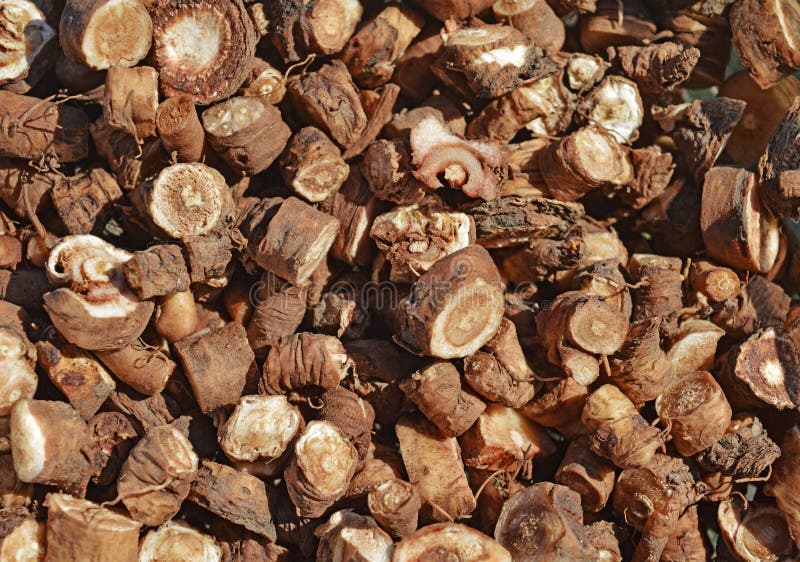
Free with trial Yellow dock root - Rumex Patientia. Dock rumex stock images, royalty-free photos and pictures Yellow dock root
Free with trial Curled dock or Rumex crispus. Dock rumex stock images, royalty-free photos and pictures Curled dock. Curled dock or Rumex crispus.
Free with trial Common sorrel or garden sorrel (Rumex acetosa), often simply called sorrel, is a perennial herb in the family Polygonaceae. Other names for sorrel include spinach dock and narrow-leaved dock. Dock rumex stock images, royalty-free photos and pictures Common sorrel or garden sorrel (Rumex acetosa)
Free with trial This plant is a Bladder Dock (Rumex vesicarius), also known as Rosy Dock or Ruby Dock. Edibility: It is an edible wild annual plant often used in salads or cooked as a leafy vegetable, known for its sour taste. Nutritional Value: The plant is a good source of vitamins, minerals, protein, and ascorbic acid (Vitamin C). Appearance: It features succulent, glaucous stems and triangular-arrow-shaped leaves, with distinctive pinkish or reddish papery fruit capsules that resemble small bladders. Habitat: It is native to arid regions in Asia, Africa, and Southern Europe. Dock rumex stock images, royalty-free photos and pictures Bladder dock rumex vesicarius beautiful flowers close up. This plant is a Bladder Dock (Rumex vesicarius), also known as Rosy Dock or Ruby Dock. Edibility: It is an edible wild annual plant often used in salads or cooked as a leafy vegetable, known for its sour taste. Nutritional Value: The plant is a good source of vitamins, minerals, protein, and ascorbic acid (Vitamin C). Appearance: It features succulent, glaucous stems and triangular-arrow-shaped leaves, with distinctive pinkish or reddish papery fruit capsules that resemble small bladders. Habitat: It is native to arid regions in Asia, Africa, and Southern Europe.
Free with trial Macro of Dock bugs (Coreus marginatus) stinging sorrel (Rumex) leaf on meadow. Dock rumex stock images, royalty-free photos and pictures Vermin bugs. Macro of Dock bugs (Coreus marginatus) stinging sorrel (Rumex) leaf on meadow
Free with trial Water dock - Latin name - Rumex aquaticus. Dock rumex stock images, royalty-free photos and pictures Water dock
Free with trial Fresh rumex vegetable isolated on white background. Dock rumex stock images, royalty-free photos and pictures Rumex vegetable
Free with trial This plant is a Bladder Dock (Rumex vesicarius), also known as Rosy Dock or Ruby Dock. Edibility: It is an edible wild annual plant often used in salads or cooked as a leafy vegetable, known for its sour taste. Nutritional Value: The plant is a good source of vitamins, minerals, protein, and ascorbic acid (Vitamin C). Appearance: It features succulent, glaucous stems and triangular-arrow-shaped leaves, with distinctive pinkish or reddish papery fruit capsules that resemble small bladders. Habitat: It is native to arid regions in Asia, Africa, and Southern Europe. Dock rumex stock images, royalty-free photos and pictures Bladder dock rumex vesicarius beautiful flower stock photo. This plant is a Bladder Dock (Rumex vesicarius), also known as Rosy Dock or Ruby Dock. Edibility: It is an edible wild annual plant often used in salads or cooked as a leafy vegetable, known for its sour taste. Nutritional Value: The plant is a good source of vitamins, minerals, protein, and ascorbic acid (Vitamin C). Appearance: It features succulent, glaucous stems and triangular-arrow-shaped leaves, with distinctive pinkish or reddish papery fruit capsules that resemble small bladders. Habitat: It is native to arid regions in Asia, Africa, and Southern Europe.
Free with trial Fresh rumex vegetable isolated on white background. Dock rumex stock images, royalty-free photos and pictures Rumex vegetable
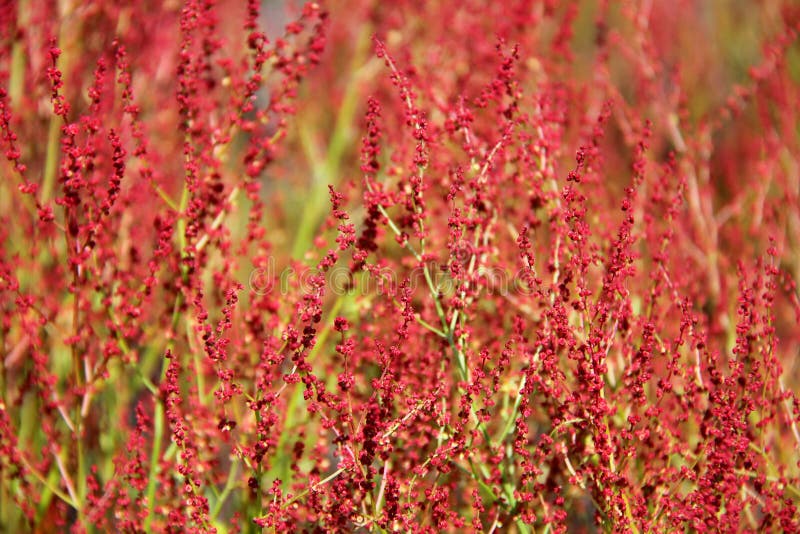
Free with trial Plant background of flowering Rumex acetosella (Sheep Sorrel). Dock rumex stock images, royalty-free photos and pictures Plant background of Rumex acetosella. Plant background of flowering Rumex acetosella (Sheep Sorrel)
Free with trial Background from Roots of Rumex Patientia. Dock rumex stock images, royalty-free photos and pictures Rumex Patientia
Free with trial This plant is a Bladder Dock (Rumex vesicarius), also known as Rosy Dock or Ruby Dock. Edibility: It is an edible wild annual plant often used in salads or cooked as a leafy vegetable, known for its sour taste. Nutritional Value: The plant is a good source of vitamins, minerals, protein, and ascorbic acid (Vitamin C). Appearance: It features succulent, glaucous stems and triangular-arrow-shaped leaves, with distinctive pinkish or reddish papery fruit capsules that resemble small bladders. Habitat: It is native to arid regions in Asia, Africa, and Southern Europe. Dock rumex stock images, royalty-free photos and pictures Bladder dock rumex vesicarius rosy dock beautiful flowers stock. This plant is a Bladder Dock (Rumex vesicarius), also known as Rosy Dock or Ruby Dock. Edibility: It is an edible wild annual plant often used in salads or cooked as a leafy vegetable, known for its sour taste. Nutritional Value: The plant is a good source of vitamins, minerals, protein, and ascorbic acid (Vitamin C). Appearance: It features succulent, glaucous stems and triangular-arrow-shaped leaves, with distinctive pinkish or reddish papery fruit capsules that resemble small bladders. Habitat: It is native to arid regions in Asia, Africa, and Southern Europe.
Free with trial Flowering Common Sorrel (Rumex acetosa), isolated in front of white background. Dock rumex stock images, royalty-free photos and pictures Garden sorrel (Rumex acetosa). Flowering Common Sorrel (Rumex acetosa), isolated in front of white background
Free with trial Leaves of fresh Sorrel Rumex acetosa pot herb. Clipping paths, shadow separated, top view. Dock rumex stock images, royalty-free photos and pictures Leaves of Sorrel Rumex acetosa, paths. Leaves of fresh Sorrel Rumex acetosa pot herb. Clipping paths, shadow separated, top view
Free with trial Blood sorrel, Rumex sanguineus, in garden bed. Dock rumex stock images, royalty-free photos and pictures Blood sorrel, Rumex sanguineus
Free with trial This plant is a Bladder Dock (Rumex vesicarius), also known as Rosy Dock or Ruby Dock. Edibility: It is an edible wild annual plant often used in salads or cooked as a leafy vegetable, known for its sour taste. Nutritional Value: The plant is a good source of vitamins, minerals, protein, and ascorbic acid (Vitamin C). Appearance: It features succulent, glaucous stems and triangular-arrow-shaped leaves, with distinctive pinkish or reddish papery fruit capsules that resemble small bladders. Habitat: It is native to arid regions in Asia, Africa, and Southern Europe. Dock rumex stock images, royalty-free photos and pictures Bladder dock rumex vesicarius rosy and ruby dock beautiful flowers. This plant is a Bladder Dock (Rumex vesicarius), also known as Rosy Dock or Ruby Dock. Edibility: It is an edible wild annual plant often used in salads or cooked as a leafy vegetable, known for its sour taste. Nutritional Value: The plant is a good source of vitamins, minerals, protein, and ascorbic acid (Vitamin C). Appearance: It features succulent, glaucous stems and triangular-arrow-shaped leaves, with distinctive pinkish or reddish papery fruit capsules that resemble small bladders. Habitat: It is native to arid regions in Asia, Africa, and Southern Europe.
Free with trial Sheep's Sorrel - Rumex acetosella Small Dock Species. Dock rumex stock images, royalty-free photos and pictures Sheep's Sorrel
Free with trial Perennial plant Rumex crispus in the field. Dock rumex stock images, royalty-free photos and pictures Perennial plant Rumex crispus
Free with trial Fruit close up of Rumex acetosa plant. Dock rumex stock images, royalty-free photos and pictures Rumex acetosa plant
Free with trial This plant is a Bladder Dock (Rumex vesicarius), also known as Rosy Dock or Ruby Dock. Edibility: It is an edible wild annual plant often used in salads or cooked as a leafy vegetable, known for its sour taste. Nutritional Value: The plant is a good source of vitamins, minerals, protein, and ascorbic acid (Vitamin C). Appearance: It features succulent, glaucous stems and triangular-arrow-shaped leaves, with distinctive pinkish or reddish papery fruit capsules that resemble small bladders. Habitat: It is native to arid regions in Asia, Africa, and Southern Europe. Dock rumex stock images, royalty-free photos and pictures Bladder dock rumex vesicarius rosy dock beautiful flowers stock photo. This plant is a Bladder Dock (Rumex vesicarius), also known as Rosy Dock or Ruby Dock. Edibility: It is an edible wild annual plant often used in salads or cooked as a leafy vegetable, known for its sour taste. Nutritional Value: The plant is a good source of vitamins, minerals, protein, and ascorbic acid (Vitamin C). Appearance: It features succulent, glaucous stems and triangular-arrow-shaped leaves, with distinctive pinkish or reddish papery fruit capsules that resemble small bladders. Habitat: It is native to arid regions in Asia, Africa, and Southern Europe.
Free with trial Detail of a Wild plant named curled dock, in a field of Galicia Spain. Dock rumex stock images, royalty-free photos and pictures Wild plant named curled dock
Free with trial Rumex crispus the curly curled or yellow dock elongated plant with whitish and reddish green flowers on greenish background light by flash. Dock rumex stock images, royalty-free photos and pictures Rumex crispus the curly curled or yellow dock elongated plant with whitish and reddish green flowers on greenish background
Free with trial Herbaceous perennial plant of the genus rumex from the polygonaceae family. Dock rumex stock images, royalty-free photos and pictures Garden patience or monks rhubarb plant, Rumex patientia, golden leaves in the sun. Herbaceous perennial plant of the genus rumex from the polygonaceae family
Free with trial This plant is a Bladder Dock (Rumex vesicarius), also known as Rosy Dock or Ruby Dock. Edibility: It is an edible wild annual plant often used in salads or cooked as a leafy vegetable, known for its sour taste. Nutritional Value: The plant is a good source of vitamins, minerals, protein, and ascorbic acid (Vitamin C). Appearance: It features succulent, glaucous stems and triangular-arrow-shaped leaves, with distinctive pinkish or reddish papery fruit capsules that resemble small bladders. Habitat: It is native to arid regions in Asia, Africa, and Southern Europe. Dock rumex stock images, royalty-free photos and pictures Bladder dock rumex vesicarius rosy and ruby dock beautiful flowers stock. This plant is a Bladder Dock (Rumex vesicarius), also known as Rosy Dock or Ruby Dock. Edibility: It is an edible wild annual plant often used in salads or cooked as a leafy vegetable, known for its sour taste. Nutritional Value: The plant is a good source of vitamins, minerals, protein, and ascorbic acid (Vitamin C). Appearance: It features succulent, glaucous stems and triangular-arrow-shaped leaves, with distinctive pinkish or reddish papery fruit capsules that resemble small bladders. Habitat: It is native to arid regions in Asia, Africa, and Southern Europe.
Free with trial Red veined sorrel leaves on white background. Dock rumex stock images, royalty-free photos and pictures Red veined sorel leaves. Red veined sorrel leaves on white background
Free with trial Sheep Sorrel Leaves from a fresh plant in a pot. Dock rumex stock images, royalty-free photos and pictures Sheep Sorrel Fresh. Sheep Sorrel Leaves from a fresh plant in a pot
Free with trial Sheep Sorrel Leaves from a fresh plant. Dock rumex stock images, royalty-free photos and pictures Sheep Sorrel Fresh. Sheep Sorrel Leaves from a fresh plant
Free with trial This plant is a Bladder Dock (Rumex vesicarius), also known as Rosy Dock or Ruby Dock. Edibility: It is an edible wild annual plant often used in salads or cooked as a leafy vegetable, known for its sour taste. Nutritional Value: The plant is a good source of vitamins, minerals, protein, and ascorbic acid (Vitamin C). Appearance: It features succulent, glaucous stems and triangular-arrow-shaped leaves, with distinctive pinkish or reddish papery fruit capsules that resemble small bladders. Habitat: It is native to arid regions in Asia, Africa, and Southern Europe. Dock rumex stock images, royalty-free photos and pictures Bladder dock rumex vesicarius rosy and ruby dock beautiful flowers image. This plant is a Bladder Dock (Rumex vesicarius), also known as Rosy Dock or Ruby Dock. Edibility: It is an edible wild annual plant often used in salads or cooked as a leafy vegetable, known for its sour taste. Nutritional Value: The plant is a good source of vitamins, minerals, protein, and ascorbic acid (Vitamin C). Appearance: It features succulent, glaucous stems and triangular-arrow-shaped leaves, with distinctive pinkish or reddish papery fruit capsules that resemble small bladders. Habitat: It is native to arid regions in Asia, Africa, and Southern Europe.
Free with trial Sorrel herb closeup isolated on white. Dock rumex stock images, royalty-free photos and pictures Sorrel herb closeup
Free with trial Fresh leaves of a sorrel on a white background. Dock rumex stock images, royalty-free photos and pictures Sorrel
Free with trial Close up view of vegetable sorrel. Dock rumex stock images, royalty-free photos and pictures Vegetable sorrel
Free with trial This plant is a Bladder Dock (Rumex vesicarius), also known as Rosy Dock or Ruby Dock. Edibility: It is an edible wild annual plant often used in salads or cooked as a leafy vegetable, known for its sour taste. Nutritional Value: The plant is a good source of vitamins, minerals, protein, and ascorbic acid (Vitamin C). Appearance: It features succulent, glaucous stems and triangular-arrow-shaped leaves, with distinctive pinkish or reddish papery fruit capsules that resemble small bladders. Habitat: It is native to arid regions in Asia, Africa, and Southern Europe. Dock rumex stock images, royalty-free photos and pictures Bladder dock rumex vesicarius rosy and ruby dock beautiful flowers stock photo. This plant is a Bladder Dock (Rumex vesicarius), also known as Rosy Dock or Ruby Dock. Edibility: It is an edible wild annual plant often used in salads or cooked as a leafy vegetable, known for its sour taste. Nutritional Value: The plant is a good source of vitamins, minerals, protein, and ascorbic acid (Vitamin C). Appearance: It features succulent, glaucous stems and triangular-arrow-shaped leaves, with distinctive pinkish or reddish papery fruit capsules that resemble small bladders. Habitat: It is native to arid regions in Asia, Africa, and Southern Europe.
Free with trial Sorrel soup with fresh sorrel leaves. Dock rumex stock images, royalty-free photos and pictures Sorrel soup
Free with trial Glass cup with sorrel tea. Dock rumex stock images, royalty-free photos and pictures Sorrel tea and a bunch of frsh sorrel. Glass cup with sorrel tea
Free with trial Sorrel soup with an egg. Dock rumex stock images, royalty-free photos and pictures Sorrel soup
Free with trial Rumex spinosus (spiny emex) is an annual herb used in traditional medicine to treat inflammation, digestive issues (colic, indigestion), and liver gallbladder problems. The leaves are edible, often used in salads or salads, though they are bitter and contain oxalic acid. It is also known as a weed that causes issues for agriculture. Dock rumex stock images, royalty-free photos and pictures Spiny threecornerjack, Prickly dock, Rumex epineux, Romaza espinosa, Cargatripa, Rumex spinosus, Polygonaceae. Rumex spinosus (spiny emex) is an annual herb used in traditional medicine to treat inflammation, digestive issues (colic, indigestion), and liver gallbladder problems. The leaves are edible, often used in salads or salads, though they are bitter and contain oxalic acid. It is also known as a weed that causes issues for agriculture
Free with trial Dark clouds gather in the skies over the Yorkshire Dales on a summers day. Dock rumex stock images, royalty-free photos and pictures Dark clouds begin to gather over the Yorkshire Dales. Dark clouds gather in the skies over the Yorkshire Dales on a summers day
Free with trial Looking out over the hills and valleys of the Yorkshire Dales near Stainforth. Dock rumex stock images, royalty-free photos and pictures The hills and valleys of the Yorkshire Dales
Free with trial Sorrel leaves. close-up. In the park in nature. Dock rumex stock images, royalty-free photos and pictures Sorrel leaves. close-up
Free with trial Rumex spinosus (spiny emex) is an annual herb used in traditional medicine to treat inflammation, digestive issues (colic, indigestion), and liver gallbladder problems. The leaves are edible, often used in salads or salads, though they are bitter and contain oxalic acid. It is also known as a weed that causes issues for agriculture. Dock rumex stock images, royalty-free photos and pictures Spiny threecornerjack, Prickly dock, Rumex epineux, Romaza espinosa, Cargatripa, Rumex spinosus, Polygonaceae. Rumex spinosus (spiny emex) is an annual herb used in traditional medicine to treat inflammation, digestive issues (colic, indigestion), and liver gallbladder problems. The leaves are edible, often used in salads or salads, though they are bitter and contain oxalic acid. It is also known as a weed that causes issues for agriculture
Free with trial Rumex spinosus (spiny emex) is an annual herb used in traditional medicine to treat inflammation, digestive issues (colic, indigestion), and liver gallbladder problems. The leaves are edible, often used in salads or salads, though they are bitter and contain oxalic acid. It is also known as a weed that causes issues for agriculture. Dock rumex stock images, royalty-free photos and pictures Spiny threecornerjack, Prickly dock, Rumex epineux, Romaza espinosa, Cargatripa, Rumex spinosus, Polygonaceae. Rumex spinosus (spiny emex) is an annual herb used in traditional medicine to treat inflammation, digestive issues (colic, indigestion), and liver gallbladder problems. The leaves are edible, often used in salads or salads, though they are bitter and contain oxalic acid. It is also known as a weed that causes issues for agriculture
Free with trial Fruits of a curled dock plant, Rumex crispus, Rocks Curly dock Rumex crispus. Curly dock bloom with seeds shows green perennial plant close up. Rumex crispus or yellow dock, is a perennial flowering plant in the family Polygonaceae. Dock rumex stock images, royalty-free photos and pictures Rumex crispus or yellow dock, is a perennial flowering plant in the family Polygonaceae.
Free with trial Fruits of a curled dock plant, Rumex crispus, Rocks Curly dock Rumex crispus. Curly dock bloom with seeds shows green perennial plant close up. Rumex crispus or yellow dock, is a perennial flowering plant in the family Polygonaceae. Dock rumex stock images, royalty-free photos and pictures Rumex crispus or yellow dock, is a perennial flowering plant in the family Polygonaceae.
Free with trial Meadow dock (Rumex obtusifolius L. ) plants in the fields. Dock rumex stock images, royalty-free photos and pictures Meadow dock (Rumex obtusifolius L.)
Free with trial Meadow dock (Rumex obtusifolius) suitable for healing as well. Dock rumex stock images, royalty-free photos and pictures Meadow dock (Rumex obtusifolius)
Free with trial Fruits of a curled dock plant, Rumex crispus, Rocks Curly dock Rumex crispus. Curly dock bloom with seeds shows green perennial plant close up. Rumex crispus or yellow dock, is a perennial flowering plant in the family Polygonaceae. Dock rumex stock images, royalty-free photos and pictures Rumex crispus or yellow dock, is a perennial flowering plant in the family Polygonaceae.
Free with trial Mountain dock (Rumex alpinus) on rocky slope, Great Chimgan, Uzbekistan, summer alpine flora, July 2025. Dock rumex stock images, royalty-free photos and pictures Mountain dock Rumex alpinus on rocky slope in Uzbekistan. Mountain dock (Rumex alpinus) on rocky slope, Great Chimgan, Uzbekistan, summer alpine flora, July 2025
Free with trial Meadow dock (Rumex obtusifolius L. ) plants in the fields. Dock rumex stock images, royalty-free photos and pictures Meadow dock (Rumex obtusifolius L.)
Free with trial Young Curled Dock Rumex crispus plant growning in Texas. Dock rumex stock images, royalty-free photos and pictures Young Curled Dock Rumex crispus plant growning in Texas
Free with trial Fruits of a curled dock plant, Rumex crispus, Rocks Curly dock Rumex crispus. Curly dock bloom with seeds shows green perennial plant close up. Rumex crispus or yellow dock, is a perennial flowering plant in the family Polygonaceae. Dock rumex stock images, royalty-free photos and pictures Rumex crispus or yellow dock, is a perennial flowering plant in the family Polygonaceae. Fruits of a curled dock plant, Rumex crispus, Rocks Curly dock Rumex. Fruits of a curled dock plant, Rumex crispus, Rocks Curly dock Rumex crispus. Curly dock bloom with seeds shows green perennial plant close up. Rumex crispus or yellow dock, is a perennial flowering plant in the family Polygonaceae.
Free with trial Natural closeup on an emerging White Willow Dock, Rumex triangulivalvis in Oregon, USA. Dock rumex stock images, royalty-free photos and pictures Closeup on an emerging White Willow Dock, Rumex triangulivalvis in Oregon, USA
Free with trial Bitter Dock - Rumex obtusifolius, Norfolk, England, UK. Rumex obtusifolius, commonly known as bitter dock, broad-leaved dock, bluntleaf dock, dock leaf or butter dock, is a perennial plant in the family Polygonaceae. Dock rumex stock images, royalty-free photos and pictures Bitter Dock - Rumex obtusifolius, Norfolk, England, UK.
Free with trial Flora of Chukotka: arctic dock (Rumex arcticus) grows on the bank of a stream. Several stalks in bloom with last. year's stalks. Dock rumex stock images, royalty-free photos and pictures Flora of Chukotka: arctic dock (Rumex arcticus) grows on the bank of a stream.
 Sign in