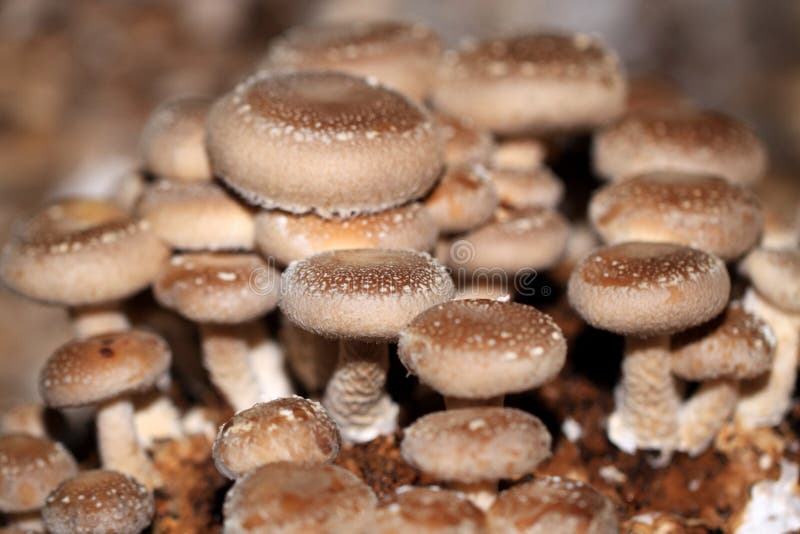
Free with trial (Lentinula edodes) In Nature grows Shiitake mushroom on wood such as oak, beech, chestnut and walnut. Edodes stock images, royalty-free photos and pictures Shiitake mushroom grow together in groups. (Lentinula edodes) In Nature grows Shiitake mushroom on wood such as oak, beech, chestnut and walnut
Free with trial Shiitake isolated on white background. Edodes stock images, royalty-free photos and pictures Shiitake
Free with trial The shiitake (Lentinula edodes) is an edible mushroom native to East Asia, which is cultivated and consumed in many Asian countries, as well as being dried and exported to many countries around the world. It is a feature of many Asian cuisines including Chinese, Japanese, Korean and Thai. Fresh and dried shiitake have many uses in the cuisines of East Asia. In Japan, they are served in miso soup, used as the basis for a kind of vegetarian dashi, and also as an ingredient in many steamed and simmered dishes. In Korean cuisine, they are commonly used in dishes such as bulgogi (marinated grilled beef), jjigae (stews), and namul (sauteed vegetable dishes). In Thailand, they may be served either fried or steamed. Shiitake mushrooms have been researched for their medicinal benefits, most notably their anti-tumor properties in laboratory mice. Edodes stock images, royalty-free photos and pictures Shiitake mushrooms
Free with trial The background of fresh shiitake. Scientific name: Lentinus edodes. Edodes stock images, royalty-free photos and pictures Shiitake
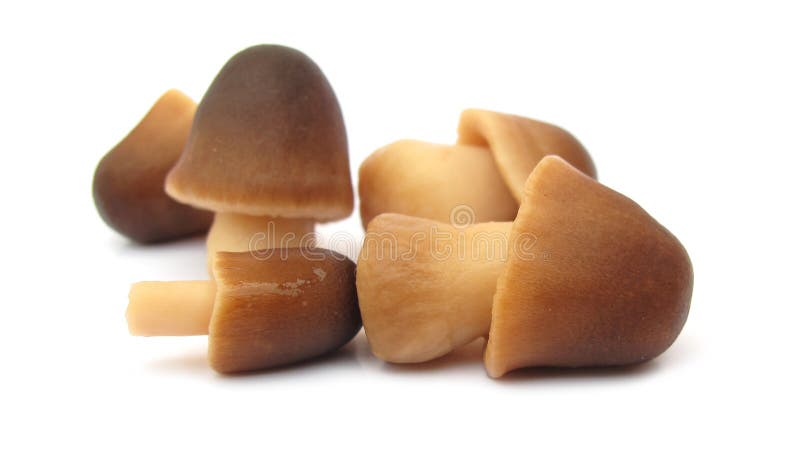
Free with trial These jolly mushrooms are called Volvariella volvacea. Their common name comes from the rice straw on which they are grown. The straw mushroom, also called paddy straw mushroom, is cultivated in the hot, steamy climate of Southeast Asia. Attempts to grow them in the southern United States so far have been unsuccessful. They are not widely eaten in the United States, but worldwide they rank third in consumption, just behind Agaricus bisporus (the common store mushroom) and Lentinus edodes (shiitake). Indeed, straw mushrooms have been used for food in China for two thousand years. Baskets of fresh straw mushrooms can be found in the exotic marketplaces of southern China and Asia. They look like tan quail eggs. They are harvested in the egg stage before the caps have erupted from their confining universal veils. When sold in this condition they are called unpeeled. Research has shown that these unopened caps contain a more nutritious balance of amino acids than when opened, suggesting that these mushrooms could supplement proteins lacking in the Asian diet. That is why this mushroom is seldom found peeled, or in its mature state with the cap open. Edodes stock images, royalty-free photos and pictures Paddy straw mushrooms. These jolly mushrooms are called Volvariella volvacea. Their common name comes from the rice straw on which they are grown. The straw mushroom, also called paddy straw mushroom, is cultivated in the hot, steamy climate of Southeast Asia. Attempts to grow them in the southern United States so far have been unsuccessful. They are not widely eaten in the United States, but worldwide they rank third in consumption, just behind Agaricus bisporus (the common store mushroom) and Lentinus edodes (shiitake). Indeed, straw mushrooms have been used for food in China for two thousand years. Baskets of fresh straw mushrooms can be found in the exotic marketplaces of southern China and Asia. They look like tan quail eggs. They are harvested in the egg stage before the caps have erupted from their confining universal veils. When sold in this condition they are called unpeeled. Research has shown that these unopened caps contain a more nutritious balance of amino acids than when opened, suggesting that these mushrooms could supplement proteins lacking in the Asian diet. That is why this mushroom is seldom found peeled, or in its mature state with the cap open.
Free with trial These jolly mushrooms are called Volvariella volvacea. Their common name comes from the rice straw on which they are grown. The straw mushroom, also called paddy straw mushroom, is cultivated in the hot, steamy climate of Southeast Asia. Attempts to grow them in the southern United States so far have been unsuccessful. They are not widely eaten in the United States, but worldwide they rank third in consumption, just behind Agaricus bisporus (the common store mushroom) and Lentinus edodes (shiitake). Indeed, straw mushrooms have been used for food in China for two thousand years. Baskets of fresh straw mushrooms can be found in the exotic marketplaces of southern China and Asia. They look like tan quail eggs. They are harvested in the egg stage before the caps have erupted from their confining universal veils. When sold in this condition they are called unpeeled. Research has shown that these unopened caps contain a more nutritious balance of amino acids than when opened, suggesting that these mushrooms could supplement proteins lacking in the Asian diet. That is why this mushroom is seldom found peeled, or in its mature state with the cap open. Edodes stock images, royalty-free photos and pictures Paddy straw mushrooms. These jolly mushrooms are called Volvariella volvacea. Their common name comes from the rice straw on which they are grown. The straw mushroom, also called paddy straw mushroom, is cultivated in the hot, steamy climate of Southeast Asia. Attempts to grow them in the southern United States so far have been unsuccessful. They are not widely eaten in the United States, but worldwide they rank third in consumption, just behind Agaricus bisporus (the common store mushroom) and Lentinus edodes (shiitake). Indeed, straw mushrooms have been used for food in China for two thousand years. Baskets of fresh straw mushrooms can be found in the exotic marketplaces of southern China and Asia. They look like tan quail eggs. They are harvested in the egg stage before the caps have erupted from their confining universal veils. When sold in this condition they are called unpeeled. Research has shown that these unopened caps contain a more nutritious balance of amino acids than when opened, suggesting that these mushrooms could supplement proteins lacking in the Asian diet. That is why this mushroom is seldom found peeled, or in its mature state with the cap open.
Free with trial Shiitake mushrooms on white background. Edodes stock images, royalty-free photos and pictures Shiitake Mushrooms Isolated on White. Shiitake mushrooms on white background
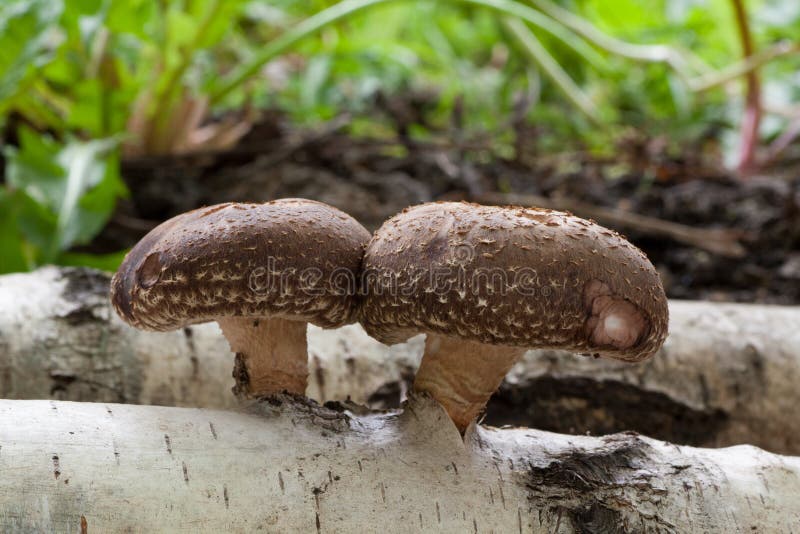
Free with trial Fresh Shiitake mushrooms growing on birch trunk. Edodes stock images, royalty-free photos and pictures Shiitake Mushrooms
Free with trial Using knife to pick cut Shiitake mushrooms, Lentinula edodes growing in home kitchen. Growing your own food, indoor garden concept. Edodes stock images, royalty-free photos and pictures Using knife to pick cut Shiitake mushrooms, Lentinula edodes growing in home kitchen.
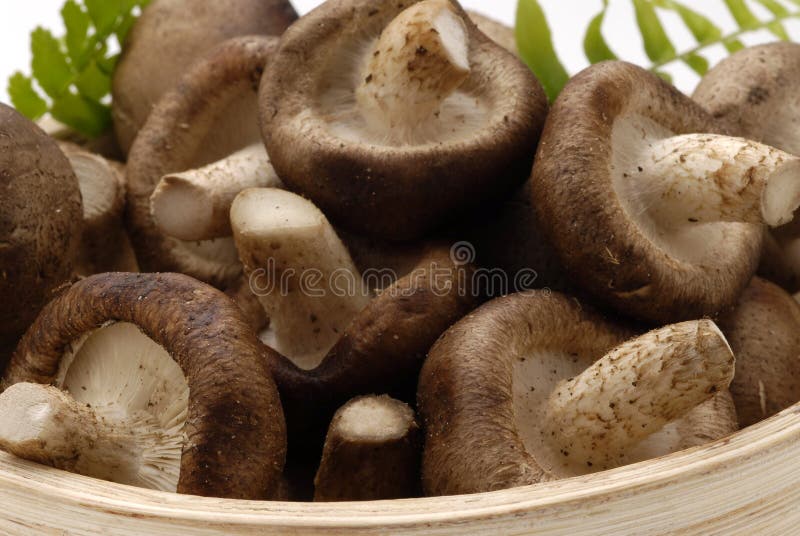
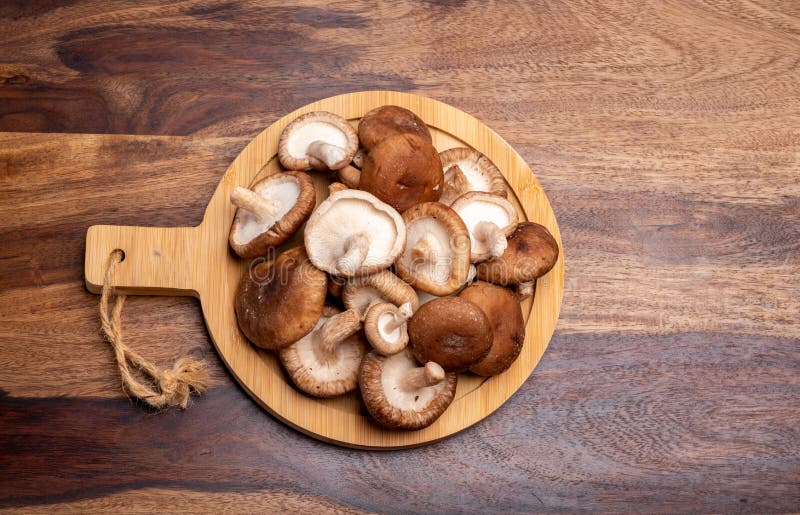
Free with trial Shiitake mushrooms in a wooden bowl. Selective focus. Lentinula edodes. Edodes stock images, royalty-free photos and pictures Shiitake mushrooms. Shiitake mushrooms in a wooden bowl.Selective focus.Lentinula edodes
Free with trial The shiitake (Lentinula edodes) is an edible mushroom native to East Asia, which is cultivated and consumed in many Asian countries, as well as being dried and exported to many countries around the world. It is a feature of many Asian cuisines including Chinese, Japanese, Korean and Thai. Fresh and dried shiitake have many uses in the cuisines of East Asia. In Japan, they are served in miso soup, used as the basis for a kind of vegetarian dashi, and also as an ingredient in many steamed and simmered dishes. In Korean cuisine, they are commonly used in dishes such as bulgogi (marinated grilled beef), jjigae (stews), and namul (sauteed vegetable dishes). In Thailand, they may be served either fried or steamed. Shiitake mushrooms have been researched for their medicinal benefits, most notably their anti-tumor properties in laboratory mice. Edodes stock images, royalty-free photos and pictures Shiitake mushrooms
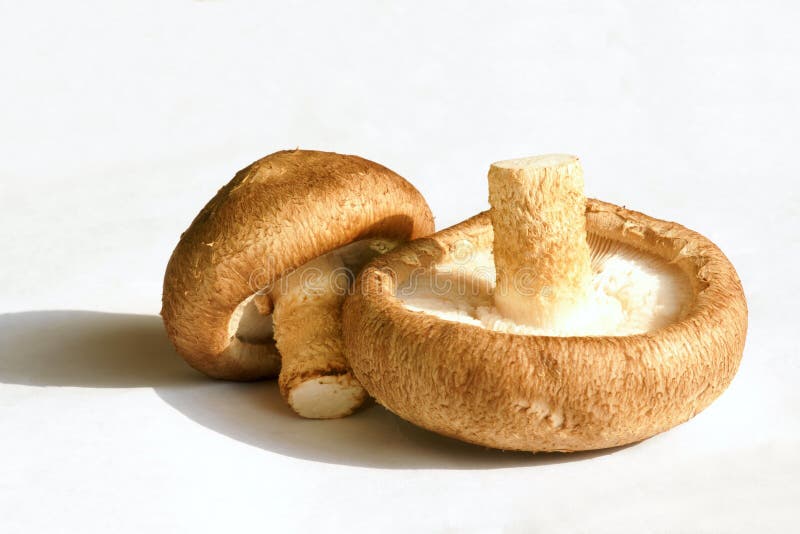
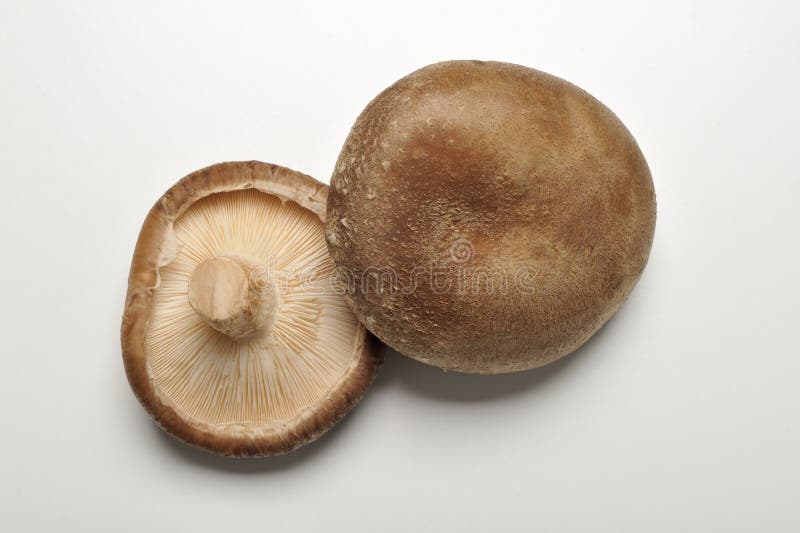
Free with trial Two whole big Japanese Shiitake mushrooms (Lentinula edodes) isolated on white studio background. Edodes stock images, royalty-free photos and pictures Shiitake mushrooms
Free with trial The Shiitake (Lentinula edodes) mushroom and herb of immortality (Gynostemma pentaphyllum). Edodes stock images, royalty-free photos and pictures Shiitake mushroom and jiaogulan leaves. The Shiitake (Lentinula edodes) mushroom and herb of immortality (Gynostemma pentaphyllum)
Free with trial The Shiitake (Lentinula edodes) mushroom and herb of immortality (Gynostemma pentaphyllum). Edodes stock images, royalty-free photos and pictures Shiitake mushroom and jiaogulan leaves. The Shiitake (Lentinula edodes) mushroom and herb of immortality (Gynostemma pentaphyllum)
Free with trial In Nature grows Shiitake mushroom on wood such as oak, beech, chestnut and walnut. Edodes stock images, royalty-free photos and pictures Shiitake plantation (Lentinula edodes). In Nature grows Shiitake mushroom on wood such as oak, beech, chestnut and walnut
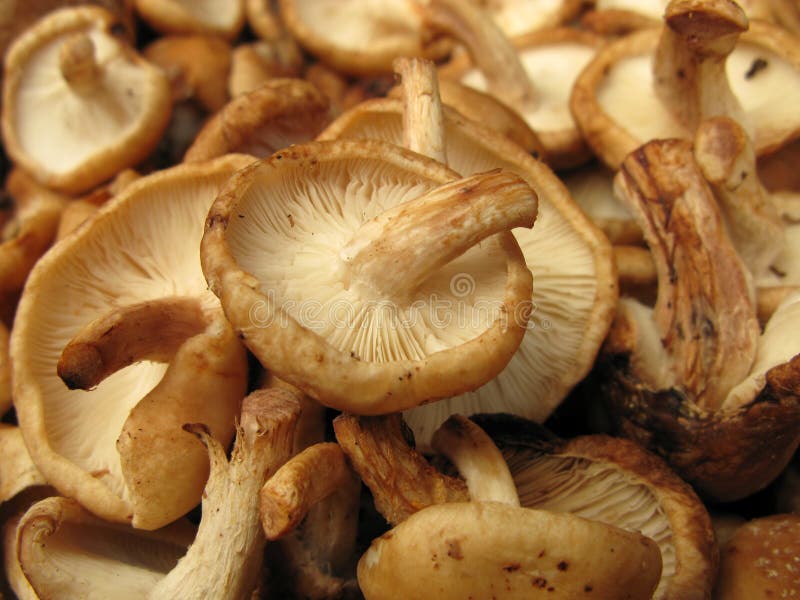
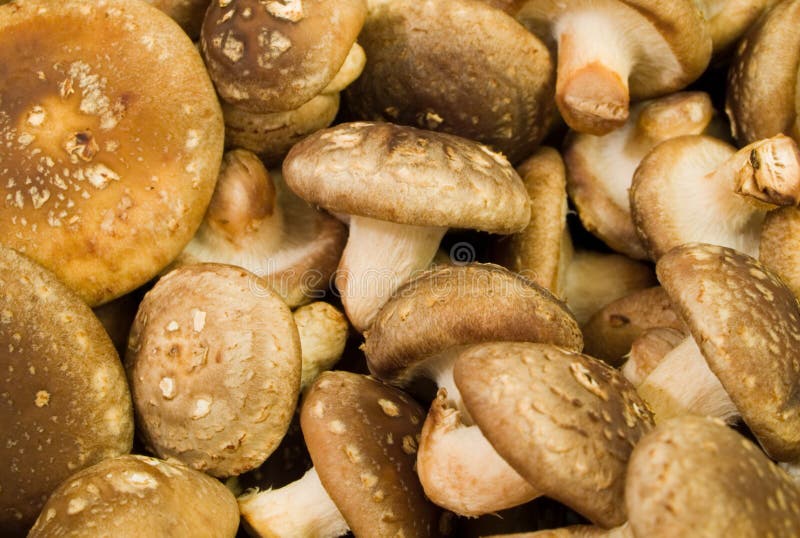
Free with trial A background of fresh shiitake mushrooms. Edodes stock images, royalty-free photos and pictures Shiitake mushrooms
Free with trial The Shiitake (Lentinula edodes) is an edible mushroom native to East Asia, which is cultivated and consumed in many Asian countries, as well as being dried and exported to many countries around the world. It is a feature of many Asian cuisines including Chinese, Japanese, Korean and Thai. In the East, the Shiitake mushroom has long been considered a delicacy as well as a medicinal mushroom. Edodes stock images, royalty-free photos and pictures The Shiitake
Free with trial The Shiitake (Lentinula edodes) is an edible mushroom native to East Asia, which is cultivated and consumed in many Asian countries, as well as being dried and exported to many countries around the world. It is a feature of many Asian cuisines including Chinese, Japanese, Korean and Thai. In the East, the Shiitake mushroom has long been considered a delicacy as well as a medicinal mushroom. Edodes stock images, royalty-free photos and pictures The Shiitake
Free with trial These jolly mushrooms are called Volvariella volvacea. Their common name comes from the rice straw on which they are grown. The straw mushroom, also called paddy straw mushroom, is cultivated in the hot, steamy climate of Southeast Asia. Attempts to grow them in the southern United States so far have been unsuccessful. They are not widely eaten in the United States, but worldwide they rank third in consumption, just behind Agaricus bisporus (the common store mushroom) and Lentinus edodes (shiitake). Indeed, straw mushrooms have been used for food in China for two thousand years. Baskets of fresh straw mushrooms can be found in the exotic marketplaces of southern China and Asia. They look like tan quail eggs. They are harvested in the egg stage before the caps have erupted from their confining universal veils. When sold in this condition they are called unpeeled. Research has shown that these unopened caps contain a more nutritious balance of amino acids than when opened, suggesting that these mushrooms could supplement proteins lacking in the Asian diet. That is why this mushroom is seldom found peeled, or in its mature state with the cap open. Edodes stock images, royalty-free photos and pictures Paddy straw mushrooms. These jolly mushrooms are called Volvariella volvacea. Their common name comes from the rice straw on which they are grown. The straw mushroom, also called paddy straw mushroom, is cultivated in the hot, steamy climate of Southeast Asia. Attempts to grow them in the southern United States so far have been unsuccessful. They are not widely eaten in the United States, but worldwide they rank third in consumption, just behind Agaricus bisporus (the common store mushroom) and Lentinus edodes (shiitake). Indeed, straw mushrooms have been used for food in China for two thousand years. Baskets of fresh straw mushrooms can be found in the exotic marketplaces of southern China and Asia. They look like tan quail eggs. They are harvested in the egg stage before the caps have erupted from their confining universal veils. When sold in this condition they are called unpeeled. Research has shown that these unopened caps contain a more nutritious balance of amino acids than when opened, suggesting that these mushrooms could supplement proteins lacking in the Asian diet. That is why this mushroom is seldom found peeled, or in its mature state with the cap open.
Free with trial The Shiitake (Lentinula edodes) is an edible mushroom native to East Asia, which is cultivated and consumed in many Asian countries, as well as being dried and exported to many countries around the world. It is a feature of many Asian cuisines including Chinese, Japanese, Korean and Thai. In the East, the Shiitake mushroom has long been considered a delicacy as well as a medicinal mushroom. Edodes stock images, royalty-free photos and pictures The Shiitake.Mushroom. The Shiitake (Lentinula edodes) is an edible mushroom native to East Asia, which is cultivated and consumed in many Asian countries, as well as being dried and exported to many countries around the world. It is a feature of many Asian cuisines including Chinese, Japanese, Korean and Thai. In the East, the Shiitake mushroom has long been considered a delicacy as well as a medicinal mushroom.
Free with trial One whole fresh single shiitake mushroom up side down on white background. Edodes stock images, royalty-free photos and pictures One whole fresh single shiitake mushroom
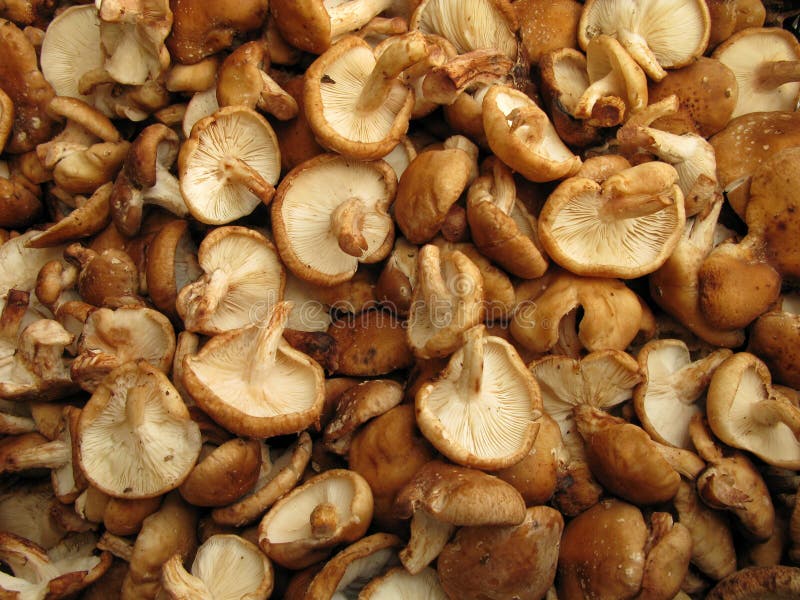
Free with trial Fresh Shiitake Mushrooms at Southeast Asian Farmers Market Closeup. Edodes stock images, royalty-free photos and pictures Fresh Shiitake Mushrooms Closeup. Fresh Shiitake Mushrooms at Southeast Asian Farmers Market Closeup
Free with trial Macro of a cultivated shiitake mushrooms ( lentinus edodes). Edodes stock images, royalty-free photos and pictures Shiitake mushrooms
Free with trial Shiitake mushroom is one of the best ingredient. Edodes stock images, royalty-free photos and pictures Shiitake Mushroom
Free with trial Fungiculture and home with substrate kit and various fungi types, shiitake and king oyster mushrooms, copyspace. Edodes stock images, royalty-free photos and pictures Fungiculture and home with substrate kit and various fungi types, shiitake and king oyster mushrooms
Free with trial Fresh shiitake mushrooms in wooden bowl. Lentinula edodes, edible mushroom, native to East Asia, also used in traditional medicine. Close-up from above, isolated on white background, macro food photo. Edodes stock images, royalty-free photos and pictures Fresh shiitake mushrooms, Lentinula edodes, in a wooden bowl. Fresh shiitake mushrooms in wooden bowl. Lentinula edodes, edible mushroom, native to East Asia, also used in traditional medicine. Close-up from above, isolated on white background, macro food photo.
Free with trial Banner, Lentinula edodes on grey wooden table with copyspace, shiitake mushrooms. Edodes stock images, royalty-free photos and pictures Banner, Lentinula edodes on wooden table with copyspace, shiitake mushrooms
Free with trial The background of fruiting bodies of Lentinus edodes. Edodes stock images, royalty-free photos and pictures Lentinus edodes
Free with trial Shiitake mushrooms, Lentinula edodes growing kit in home kitchen, fungi culture. Fun hobby growing food in home. Edodes stock images, royalty-free photos and pictures Shiitake mushrooms, Lentinula edodes growing kit in home kitchen, fungi culture.
Free with trial Delicious fresh shiitake mushrooms isolated on white background, Lentinula edodes. Edodes stock images, royalty-free photos and pictures Delicious fresh shiitake mushrooms isolated on white, Lentinula edodes
Free with trial Shiitake mushrooms (Lentinula edodes) on white background. Edodes stock images, royalty-free photos and pictures Shiitake mushrooms (Lentinula edodes). Shiitake mushrooms (Lentinula edodes) on white background
Free with trial Shiitake mushrooms, Lentinula edodes growing kit in home kitchen counter by sink, fungiculture. Fun hobby growing food in home. Edodes stock images, royalty-free photos and pictures Shiitake mushrooms, Lentinula edodes growing kit in home kitchen counter. Shiitake mushrooms, Lentinula edodes growing kit in home kitchen counter by sink, fungiculture. Fun hobby growing food in home.
Free with trial Group of edible Shiitake mushrooms, Lentinula edodes growing on log, isolated on white background. Studio shot, copy space. Edodes stock images, royalty-free photos and pictures Group of edible Shiitake mushrooms, Lentinula edodes growing on log, isolated on white background.
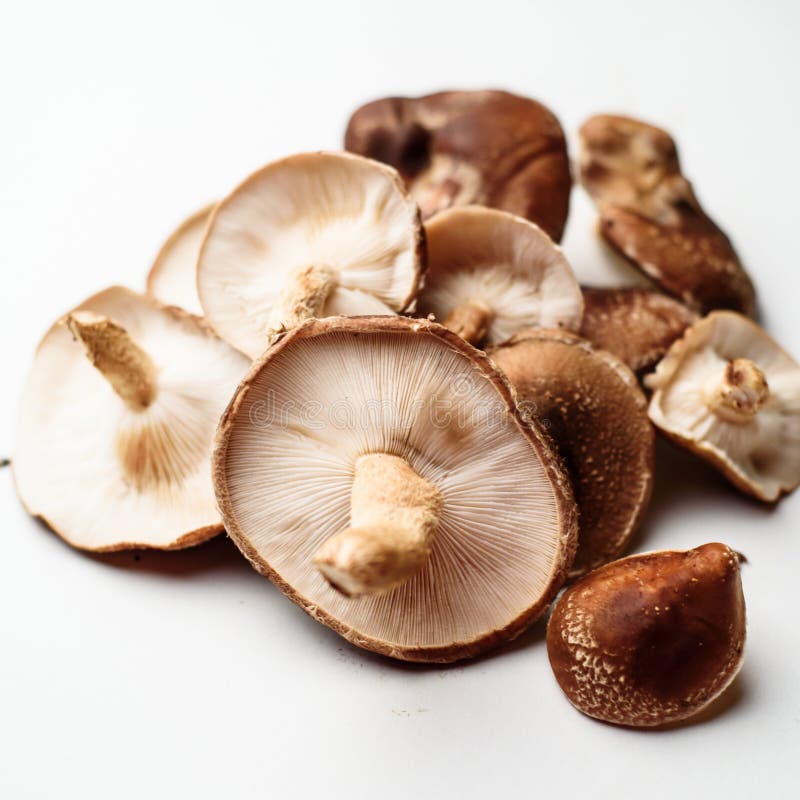
Free with trial Dried Shiitake Mushrooms (Lentinula edodes). Edodes stock images, royalty-free photos and pictures Dried Shiitake Mushrooms (Lentinula edodes)
Free with trial Shiitake mushrooms, Lentinula edodes growing kit in home kitchen counter by sink, fungiculture. Fun hobby growing food in home. Edodes stock images, royalty-free photos and pictures Shiitake mushrooms, Lentinula edodes growing kit in home kitchen counter. Shiitake mushrooms, Lentinula edodes growing kit in home kitchen counter by sink, fungiculture. Fun hobby growing food in home.
Free with trial Shiitake mushrooms, Lentinula edodes growing kit in home kitchen counter by sink, fungiculture. Fun hobby growing food in home. Edodes stock images, royalty-free photos and pictures Shiitake mushrooms, Lentinula edodes growing kit in home kitchen counter by sink, fungiculture.
Free with trial Shiitake mushrooms, Lentinula edodes growing kit in home kitchen counter by sink, fungiculture. Fun hobby growing food in home. Edodes stock images, royalty-free photos and pictures Shiitake mushrooms, Lentinula edodes growing kit in home kitchen counter. Shiitake mushrooms, Lentinula edodes growing kit in home kitchen counter by sink, fungiculture. Fun hobby growing food in home.
Free with trial Shiitake mushrooms, Lentinula edodes growing kit in home kitchen, fungi culture. Fun hobby growing food in home. Edodes stock images, royalty-free photos and pictures Shiitake mushrooms, Lentinula edodes growing kit in home kitchen, fungi culture.
Free with trial Shiitake Mushrooms Lentinula edodes organic growing from trees by japanese tradition. Edodes stock images, royalty-free photos and pictures Shiitake Mushrooms Lentinula edodes growing from trees. Shiitake Mushrooms Lentinula edodes organic growing from trees by japanese tradition
Free with trial Shiitake Mushrooms Lentinula edodes organic growing from trees by japanese tradition. Edodes stock images, royalty-free photos and pictures Shiitake Mushrooms Lentinula edodes growing from trees. Shiitake Mushrooms Lentinula edodes organic growing from trees by japanese tradition
Free with trial Shiitake mushrooms Lentinula edodes close-up isolated on a white background. Edodes stock images, royalty-free photos and pictures Shiitake mushrooms Lentinula edodes close-up isolated on a white background
Free with trial Macro of the cap of a Shiitake mushroom, Lentinula edodes. Bottom view with not yet ripe spores. Diet and health concept. Edodes stock images, royalty-free photos and pictures Macro of the cap of a Shiitake mushroom, Lentinula edodes. Bottom view with not yet ripe spores. Diet and health concept
Free with trial Shiitake mushrooms, Lentinula edodes growing kit in home kitchen on window sill, fungiculture. Fun hobby growing food in home. Edodes stock images, royalty-free photos and pictures Shiitake mushrooms, Lentinula edodes growing kit in home kitchen on window sill, fungiculture.
Free with trial Fresh raw brown Lentinula edodes or shiitake edible mushrooms isolated on white background. Edodes stock images, royalty-free photos and pictures Fresh brown Lentinula edodes or shiitake edible mushrooms isolated on white background
Free with trial Top view of mixture of raw and fresh `Pleurotus Ostreatus` oyster mushrooms and `Lentinula Edodes` Shiitake mushrooms. Edodes stock images, royalty-free photos and pictures Top view of mixture of raw fresh `Pleurotus Ostreatus` oyster mushrooms and `Lentinula Edodes` Shiitake mushrooms
Free with trial Nutritious ingredients on the table, letinous edodes and peas. Edodes stock images, royalty-free photos and pictures Elicious letinous edodes ingredients. Nutritious ingredients on the table, letinous edodes and peas
Free with trial Fresh Slice Shiitake Mushrooms or Lentinula Edodes Mushrooms in A Water, High in Pantothenic Acid B5, Riboflavin B2, Niacin B3, Vitamin B6 and Minerals. Edodes stock images, royalty-free photos and pictures Slice Shiitake Mushrooms or Lentinula Edodes Mushrooms
Free with trial Fresh brown Lentinula edodes or shiitake edible mushrooms from Japan. Edodes stock images, royalty-free photos and pictures Fresh brown Lentinula edodes or shiitake edible mushrooms
Free with trial Close up Shiitake mushrooms or fresh lentinula edodes growing closeup nature indoor background. Edodes stock images, royalty-free photos and pictures Shiitake mushrooms or fresh lentinula edodes growing closeup nature indoor background
Free with trial Shiitake (Lentinula edodes), mushroom, controlled growth, clean background, taste well. The Shiitake mushroom has long been considered a delicacy as well as a medicinal mushroom. Edodes stock images, royalty-free photos and pictures Shiitake mushroom
Free with trial The shiitake (Lentinula edodes) is an edible mushroom native to East Asia, which is cultivated and consumed in many Asian countries, as well as being dried and exported to many countries around the world. It is a feature of many Asian cuisines including Chinese, Japanese, Korean and Thai. Fresh and dried shiitake have many uses in the cuisines of East Asia. In Japan, they are served in miso soup, used as the basis for a kind of vegetarian dashi, and also as an ingredient in many steamed and simmered dishes. In Korean cuisine, they are commonly used in dishes such as bulgogi (marinated grilled beef), jjigae (stews), and namul (sauteed vegetable dishes). In Thailand, they may be served either fried or steamed. Shiitake mushrooms have been researched for their medicinal benefits, most notably their anti-tumor properties in laboratory mice. Edodes stock images, royalty-free photos and pictures Shiitake mushrooms
Free with trial Shiitake mushrooms in a wooden bowl. Selective focus. Lentinula edodes,. Edodes stock images, royalty-free photos and pictures Shiitake. Shiitake mushrooms in a wooden bowl.Selective focus.Lentinula edodes,
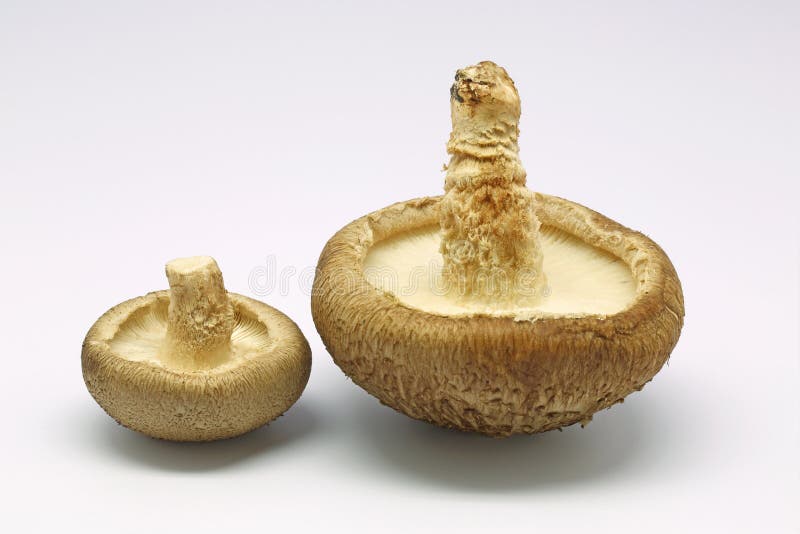
Free with trial Light box shooting two mushroom. Edodes stock images, royalty-free photos and pictures Lentinus edodes. Light box shooting two mushroom.
Free with trial The close-up of dried mushroom with white background. Scientific name: Lentinus edodes (Berk. )sing. Edodes stock images, royalty-free photos and pictures Dried mushroom
Free with trial The backrgound of many Mushrooms. Scientific name: Lentinus edodes (Berk. )sing. Edodes stock images, royalty-free photos and pictures Mushrooms
Free with trial The backrgound of many Mushrooms. Scientific name: Lentinus edodes (Berk. )sing. Edodes stock images, royalty-free photos and pictures Mushrooms
Free with trial Shiitake mushrooms in a wooden bowl. Selective focus. Lentinula edodes. Edodes stock images, royalty-free photos and pictures Shiitake mushrooms. Shiitake mushrooms in a wooden bowl.Selective focus.Lentinula edodes
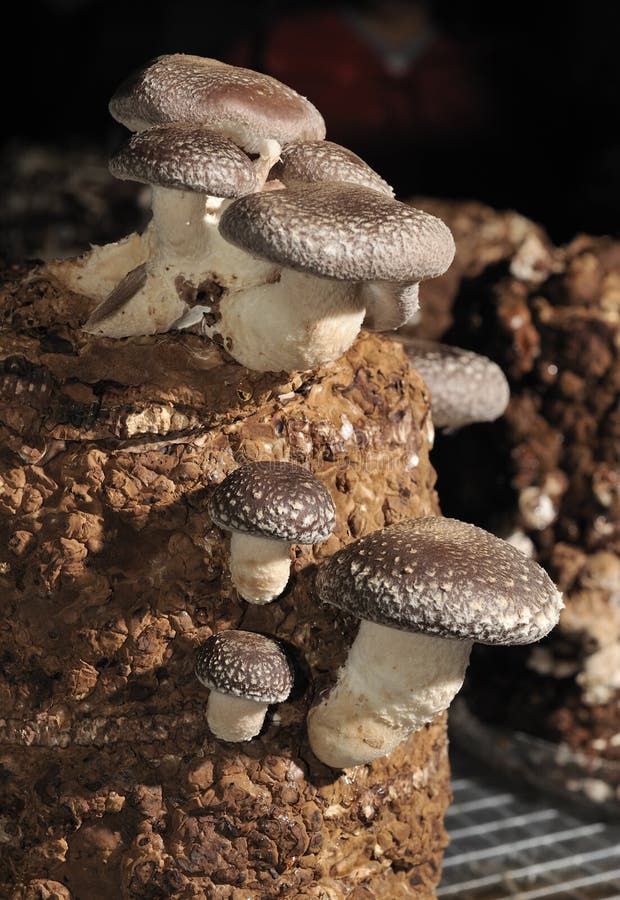
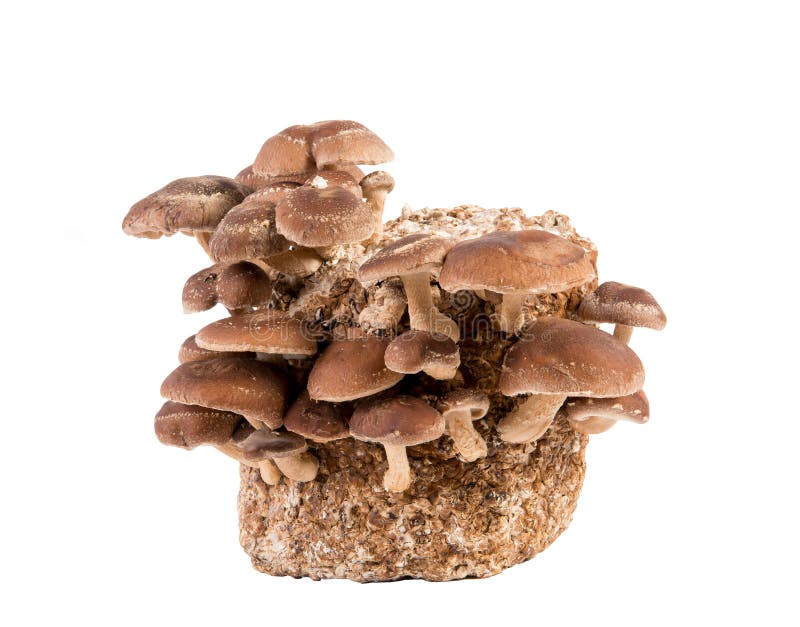
Free with trial Shiitake mushroom culture on substrate Lentinula edodes. Edodes stock images, royalty-free photos and pictures Shiitake mushrooms. Shiitake mushroom culture on substrate Lentinula edodes
Free with trial The shiitake (Lentinula edodes) is an edible mushroom native to East Asia, which is cultivated and consumed in many Asian countries, as well as being dried and exported to many countries around the world. It is a feature of many Asian cuisines including Chinese, Japanese, Korean and Thai. Fresh and dried shiitake have many uses in the cuisines of East Asia. In Japan, they are served in miso soup, used as the basis for a kind of vegetarian dashi, and also as an ingredient in many steamed and simmered dishes. In Korean cuisine, they are commonly used in dishes such as bulgogi (marinated grilled beef), jjigae (stews), and namul (sauteed vegetable dishes). In Thailand, they may be served either fried or steamed. Shiitake mushrooms have been researched for their medicinal benefits, most notably their anti-tumor properties in laboratory mice. Edodes stock images, royalty-free photos and pictures Shiitake mushrooms
Free with trial Shiitake mushrooms. Selective focus. White background. Lentinula edodes. Edodes stock images, royalty-free photos and pictures Shiitake mushrooms. Shiitake mushrooms .Selective focus.White background.Lentinula edodes
Free with trial Shiitake mushroom culture on substrate Lentinula edodes. Edodes stock images, royalty-free photos and pictures Shiitake mushrooms. Shiitake mushroom culture on substrate Lentinula edodes
Free with trial Topview panorama, lots of delicious shiitake mushrooms on wooden table, Lentinula edodes. Edodes stock images, royalty-free photos and pictures Topview panorama, lots of delicious shiitake mushrooms on wooden table
Free with trial Fresh and raw shiitake mushrooms isolated on white background, Lentinula edodes. Edodes stock images, royalty-free photos and pictures Fresh and raw shiitake mushrooms isolated on white background
Free with trial (Lentinula edodes) In Nature grows Shiitake mushroom on wood such as oak, beech, chestnut and walnut. Edodes stock images, royalty-free photos and pictures Shiitake mushroom is an edible mushroom. (Lentinula edodes) In Nature grows Shiitake mushroom on wood such as oak, beech, chestnut and walnut
Free with trial Growing mushrooms at home concept. Person spraying shiitake mushrooms, Lentinula edodes growing kit in home kitchen, fungi culture. Fun hobby growing food in home. Edodes stock images, royalty-free photos and pictures Growing mushrooms at home concept. Person spraying shiitake mushrooms. Growing mushrooms at home concept. Person spraying shiitake mushrooms, Lentinula edodes growing kit in home kitchen, fungi culture. Fun hobby growing food in home.
Free with trial Close up shiitake edible mushrooms Lentinula edodes at retail display, high angle view. Edodes stock images, royalty-free photos and pictures Shiitake edible mushrooms at retail display. Close up shiitake edible mushrooms Lentinula edodes at retail display, high angle view
Free with trial The close-up of fresh shiitake. Scientific name: Lentinus edodes. Edodes stock images, royalty-free photos and pictures Shiitake
Free with trial Shiitake mushrooms (Lentinus edodes) on the wooden background. Edodes stock images, royalty-free photos and pictures Shiitake mushrooms on the wooden background. Shiitake mushrooms (Lentinus edodes) on the wooden background
Free with trial Shiitake mushrooms Lentinus edodes in white plate on the wooden background. Edodes stock images, royalty-free photos and pictures Shiitake mushrooms on the wooden background. Shiitake mushrooms Lentinus edodes in white plate on the wooden background
Free with trial Shiitake mushrooms (Lentinus edodes) in white plate on the wooden background. Edodes stock images, royalty-free photos and pictures Shiitake mushrooms on the wooden background. Shiitake mushrooms (Lentinus edodes) in white plate on the wooden background
Free with trial Shiitake mushrooms (Lentinus edodes) in white plate on the wooden background. Edodes stock images, royalty-free photos and pictures Shiitake mushrooms on the wooden background. Shiitake mushrooms (Lentinus edodes) in white plate on the wooden background
Free with trial Shiitake mushrooms (Lentinus edodes) on the wooden background. Edodes stock images, royalty-free photos and pictures Shiitake mushrooms on the wooden background. Shiitake mushrooms (Lentinus edodes) on the wooden background
Free with trial The Shiitake (Lentinula edodes) is an edible mushroom native to East Asia, which is cultivated and consumed in many Asian countries, as well as being dried and exported to many countries around the world. It is a feature of many Asian cuisines including Chinese, Japanese, Korean and Thai. In the East, the Shiitake mushroom has long been considered a delicacy as well as a medicinal mushroom. Edodes stock images, royalty-free photos and pictures Shiitake
Free with trial One whole fresh single shiitake on white background. Edodes stock images, royalty-free photos and pictures One whole fresh single shiitake
Free with trial Pile of unwashed shitake mushrooms on a white background. Edodes stock images, royalty-free photos and pictures Shitake mushrooms
Free with trial Macro of a cultivated shiitake mushrooms ( lentinus edodes). Edodes stock images, royalty-free photos and pictures Shiitake mushrooms
Free with trial Two whole fresh shiitake mushrooms on white background. Edodes stock images, royalty-free photos and pictures Two whole fresh shiitake mushrooms
Free with trial These jolly mushrooms are called Volvariella volvacea. Their common name comes from the rice straw on which they are grown. The straw mushroom, also called paddy straw mushroom, is cultivated in the hot, steamy climate of Southeast Asia. Attempts to grow them in the southern United States so far have been unsuccessful. They are not widely eaten in the United States, but worldwide they rank third in consumption, just behind Agaricus bisporus (the common store mushroom) and Lentinus edodes (shiitake). Indeed, straw mushrooms have been used for food in China for two thousand years. Baskets of fresh straw mushrooms can be found in the exotic marketplaces of southern China and Asia. They look like tan quail eggs. They are harvested in the egg stage before the caps have erupted from their confining universal veils. When sold in this condition they are called unpeeled. Research has shown that these unopened caps contain a more nutritious balance of amino acids than when opened, suggesting that these mushrooms could supplement proteins lacking in the Asian diet. That is why this mushroom is seldom found peeled, or in its mature state with the cap open. Edodes stock images, royalty-free photos and pictures Paddy straw mushrooms. These jolly mushrooms are called Volvariella volvacea. Their common name comes from the rice straw on which they are grown. The straw mushroom, also called paddy straw mushroom, is cultivated in the hot, steamy climate of Southeast Asia. Attempts to grow them in the southern United States so far have been unsuccessful. They are not widely eaten in the United States, but worldwide they rank third in consumption, just behind Agaricus bisporus (the common store mushroom) and Lentinus edodes (shiitake). Indeed, straw mushrooms have been used for food in China for two thousand years. Baskets of fresh straw mushrooms can be found in the exotic marketplaces of southern China and Asia. They look like tan quail eggs. They are harvested in the egg stage before the caps have erupted from their confining universal veils. When sold in this condition they are called unpeeled. Research has shown that these unopened caps contain a more nutritious balance of amino acids than when opened, suggesting that these mushrooms could supplement proteins lacking in the Asian diet. That is why this mushroom is seldom found peeled, or in its mature state with the cap open.
Free with trial Fresh shiitake mushrooms grown in Romania. Edodes stock images, royalty-free photos and pictures Fresh shiitake mushrooms
Free with trial The Shiitake (Lentinula edodes) is an edible mushroom native to East Asia, which is cultivated and consumed in many Asian countries, as well as being dried and exported to many countries around the world. It is a feature of many Asian cuisines including Chinese, Japanese, Korean and Thai. In the East, the Shiitake mushroom has long been considered a delicacy as well as a medicinal mushroom. Edodes stock images, royalty-free photos and pictures The Shiitake
 Sign in