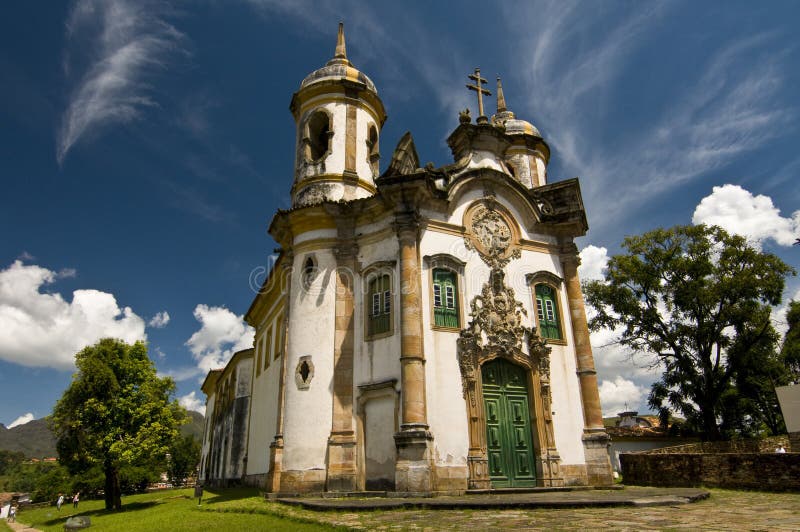
Free with trial The Church of Saint Francis of Assisi is a Rococo Catholic church in Ouro Preto, Brazil. Its erection began in 1766 after a design by the great Brazilian architect and sculptor Antônio Francisco Lisboa, the so-called Aleijadinho, who also designed the carved decorations inside, which were only finished towards the end of the 19th century. The circular bell towers and the oculus closed by a relief were original features in religious architecture of that time in Brazil. The façade has a single entrance door under a fine stone frontispiece, surmounted by a relief depicting Saint Francis receiving the stigmata. The interior is richly decorated with golden woodwork, statues and paintings, and the wooden ceiling displays a beautiful painting by Manuel da Costa AtaÃde on a Marian subject, one of his best works. Era statues stock images, royalty-free photos and pictures Rococo Architecture Style. The Church of Saint Francis of Assisi is a Rococo Catholic church in Ouro Preto, Brazil. Its erection began in 1766 after a design by the great Brazilian architect and sculptor Antônio Francisco Lisboa, the so-called Aleijadinho, who also designed the carved decorations inside, which were only finished towards the end of the 19th century. The circular bell towers and the oculus closed by a relief were original features in religious architecture of that time in Brazil. The façade has a single entrance door under a fine stone frontispiece, surmounted by a relief depicting Saint Francis receiving the stigmata. The interior is richly decorated with golden woodwork, statues and paintings, and the wooden ceiling displays a beautiful painting by Manuel da Costa AtaÃde on a Marian subject, one of his best works.
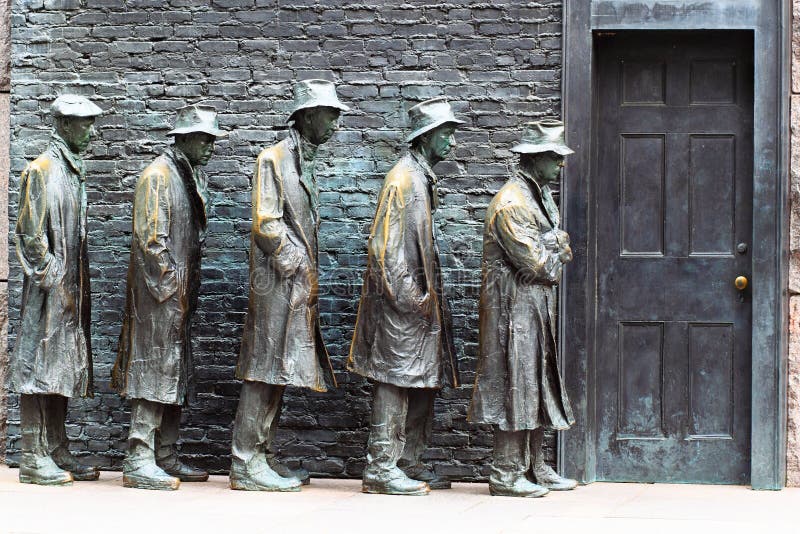
Free with trial The Soup Line at the Franklin Delano Roosevelt Memorial at the National Mall in Washington DC. Era statues stock images, royalty-free photos and pictures Soup Kitchen at FDR Memorial. The Soup Line at the Franklin Delano Roosevelt Memorial at the National Mall in Washington DC.
Free with trial William Shakespeare wax statues at the famous Madame Tussaud's museum in London. Era statues stock images, royalty-free photos and pictures William Shakespeare at Madame Tussaud's. William Shakespeare wax statues at the famous Madame Tussaud's museum in London.
Free with trial The statues of Vatican Bernini's colonnade, Saint Peter's dome (Basilica di San Pietro) Vatican City,. Era statues stock images, royalty-free photos and pictures The statues in Vatican. The statues of Vatican Bernini's colonnade, Saint Peter's dome (Basilica di San Pietro) Vatican City,
Free with trial Rodin's Statues, created by Auguste Rodin at the end of the 18 century. Era statues stock images, royalty-free photos and pictures Rodin's Statues
Free with trial In the vast and magnificent historical river of ancient Egypt, the "Colossal Osiris statue of Amenhotep IV (Akhenaten)" is a precious cultural relic that witnesses religious reform and artistic innovation. Made of sandstone and decorated with pigment, this colossal statue dates back to the 18th Dynasty (1550 - 1295 BCE) and is now treasured in the Egyptian Museum in Cairo. Amenhotep IV changed his name to Akhenaten in the fourth year of his reign, initiating a wave of religious reforms centered around the god Aten. This colossal statue is a product of that special era. It once stood in the Aten temple on the east side of the Karnak Temple, together with other statues of the same shape, demonstrating the authority of the new religion. Unlike the heroic style of traditional king statues, Akhenaten's image shows a gentle and feminine appearance, with narrow eyes and a pointed chin as his unique features. The inscriptions on the wrists and arms are a vivid manifestation of Akhenaten's religious beliefs, expressing praise for the god Ra - Horakhty and admiration for the radiance of the god Aten. In terms of artistic and historical value, it is not only a unique representation of ancient Egyptian sculpture art during the period of religious reform, reflecting the transformation of artistic styles at that time, but also important physical evidence for studying Akhenaten's religious reforms, the evolution of ancient Egyptian religious beliefs, and the relationship between royal power and divine power. It allows us to travel through time and space and appreciate the style of that era full of reforms and innovations. Era statues stock images, royalty-free photos and pictures [Museum treasure 181]Egyptian Museum in Cairo,Colossal Osiris statue of Amenhotep IV. In the vast and magnificent historical river of ancient Egypt, the "Colossal Osiris statue of Amenhotep IV (Akhenaten)" is a precious cultural relic that witnesses religious reform and artistic innovation. Made of sandstone and decorated with pigment, this colossal statue dates back to the 18th Dynasty (1550 - 1295 BCE) and is now treasured in the Egyptian Museum in Cairo.Amenhotep IV changed his name to Akhenaten in the fourth year of his reign, initiating a wave of religious reforms centered around the god Aten. This colossal statue is a product of that special era. It once stood in the Aten temple on the east side of the Karnak Temple, together with other statues of the same shape, demonstrating the authority of the new religion. Unlike the heroic style of traditional king statues, Akhenaten's image shows a gentle and feminine appearance, with narrow eyes and a pointed chin as his unique features. The inscriptions on the wrists and arms are a vivid manifestation of Akhenaten's religious beliefs, expressing praise for the god Ra - Horakhty and admiration for the radiance of the god Aten.In terms of artistic and historical value, it is not only a unique representation of ancient Egyptian sculpture art during the period of religious reform, reflecting the transformation of artistic styles at that time, but also important physical evidence for studying Akhenaten's religious reforms, the evolution of ancient Egyptian religious beliefs, and the relationship between royal power and divine power. It allows us to travel through time and space and appreciate the style of that era full of reforms and innovations.
Free with trial Dalt Vila This old part of Ibiza City was declared a World Heritage Site in 1999. Here one will find the Cathedral (14th century) and walls from the Renaissance era, as well as spectacular views overlooking the sea. The ramp of the Dalt Vila Ibiza. Era statues stock images, royalty-free photos and pictures Ibiza serie Dalt Vila. Dalt Vila This old part of Ibiza City was declared a World Heritage Site in 1999. Here one will find the Cathedral (14th century) and walls from the Renaissance era, as well as spectacular views overlooking the sea. The ramp of the Dalt Vila Ibiza
Free with trial Ancient Greek statues standing outside a classic era temple. Era statues stock images, royalty-free photos and pictures Achilleion palace, Corfu, Greece. Ancient Greek statues standing outside a classic era temple
Free with trial A 10th century temple from india having walls decorated with statues. Era statues stock images, royalty-free photos and pictures Temple
Free with trial Two towers on Railway station square known as City Gates in Minsk. Era statues stock images, royalty-free photos and pictures City Gates in Minsk
Free with trial At the heart of Phuket FantaSea is the magnificent Palace of the Elephants, a state-of-the-art theater that seats 3,000 guests. Fronted by a glorious reconstruction of the ancient Sukhothai era stone palace, with 999 intriguing elephant statues, the theater puts on a spell-binding show that is beyond imagination!. Era statues stock images, royalty-free photos and pictures Phuket FantaSea Palace of the Elephants Theater, Phuket Thailand. At the heart of Phuket FantaSea is the magnificent Palace of the Elephants, a state-of-the-art theater that seats 3,000 guests. Fronted by a glorious reconstruction of the ancient Sukhothai era stone palace, with 999 intriguing elephant statues, the theater puts on a spell-binding show that is beyond imagination!
Free with trial Ancient egyptian monements displayed at Grand Egyptian Museum near pyramides in Cairo, Egypt. Era statues stock images, royalty-free photos and pictures Ancient egyptian monements displayed at Grand Egyptian Museum in Cairo, Egypt. Ancient egyptian monements displayed at Grand Egyptian Museum near pyramides in Cairo, Egypt
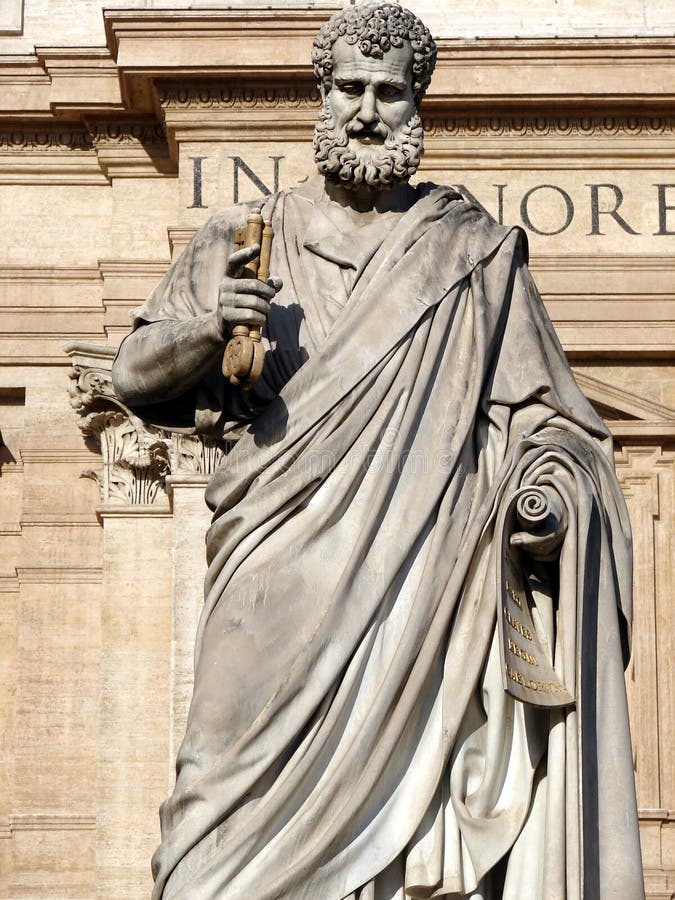
Free with trial Statue of St. Peter by Giuseppe De Fabris, 1840. The statue of St. Peter is iconographically faithful to the noteworthy pictures and sculptures of the sixteenth and seventeenth centuries; however, it especially expresses inspiration and sentiment, thereby showing the artist's reaction to the academic rigor of the era. In his right hand the apostle is holding the keys, symbol of the power promised to him by Christ in Caesarea of Philippi; in his left hand is the scroll bearing the words ET TIBI DABO CLAVES REGNI CAELORUM' (Mt. 16, 19). One key is silver-plated, while the other is gold plated. Era statues stock images, royalty-free photos and pictures St Peters Statue at the Vatican. Statue of St. Peter by Giuseppe De Fabris, 1840. The statue of St. Peter is iconographically faithful to the noteworthy pictures and sculptures of the sixteenth and seventeenth centuries; however, it especially expresses inspiration and sentiment, thereby showing the artist's reaction to the academic rigor of the era. In his right hand the apostle is holding the keys, symbol of the power promised to him by Christ in Caesarea of Philippi; in his left hand is the scroll bearing the words ET TIBI DABO CLAVES REGNI CAELORUM' (Mt. 16, 19). One key is silver-plated, while the other is gold plated.
Free with trial Interiors of the Chhatrapati Shivaji Maharaj Vastu Sangrahalaya, formerly The Prince of Wales Museum, the main museum in Mumbai, Maharashtra, India. Era statues stock images, royalty-free photos and pictures Interiors of the Chhatrapati Shivaji Maharaj Vastu Sangrahalaya, formerly The Prince of Wales Museum, the main museum in Mumbai
Free with trial A Sculpture of men lined up during US Depression at USA, Arkansas, Bentonville, Crystal Bridges Museum of American Art, 8-24-2017. Era statues stock images, royalty-free photos and pictures Sculpture of men lined up during US Depression at USA, Arkansas, Bentonville, Crystal Bridges Museum of American Art, 8-24-2017
Free with trial Kyzyl, Tuva, Russia - August 23, 2015: Ancient statues with drawings of the Neolithic era next to the Aldyn-Bulak ethnocultural complex. Era statues stock images, royalty-free photos and pictures Ancient statues with drawings of the Neolithic era next to the Aldyn-Bulak ethnocultural complex
Free with trial Richly decorated Corinthian-style marble columns and statues reminiscent of Roman Forum building in Merida. Founded by ancient Rome in western Spain, the city preserves many buildings of that era europe extremadura vacation travel trip tourist picturesque classical greek antique old historical history charming town center facade architecture heritage stone brick wall masonry quiet sunny finery carved temple pillar shaft colonnade structure capital pedestal ruins worn monumental archeology civilization sculpture landmark. Era statues stock images, royalty-free photos and pictures Marble columns and statues of Roman Forum building in Merida. Richly decorated Corinthian-style marble columns and statues reminiscent of Roman Forum building in Merida. Founded by ancient Rome in western Spain, the city preserves many buildings of that era europe extremadura vacation travel trip tourist picturesque classical greek antique old historical history charming town center facade architecture heritage stone brick wall masonry quiet sunny finery carved temple pillar shaft colonnade structure capital pedestal ruins worn monumental archeology civilization sculpture landmark
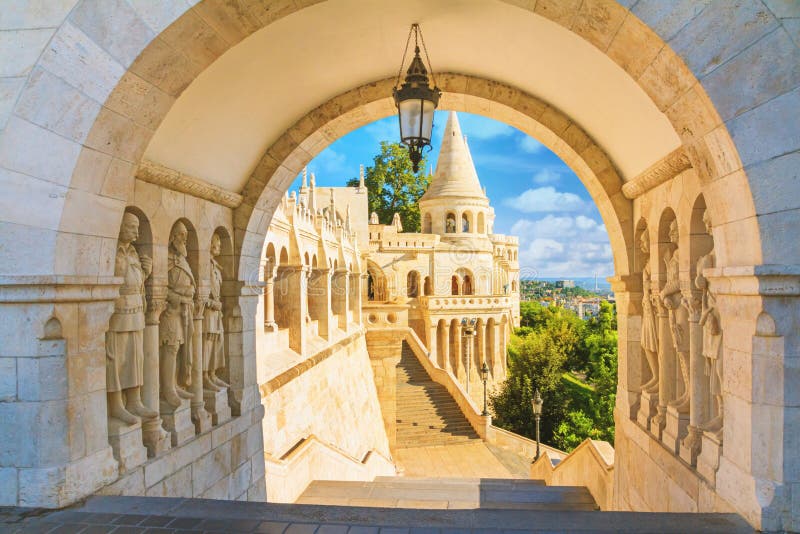
Free with trial View on the Fisherman`s Bastion. Arch gallery and Arpad-era warrior statues with staircase. Popular tourist attraction in Budapest, Hungary. Era statues stock images, royalty-free photos and pictures View on the Fisherman`s Bastion. Arch gallery and Arpad-era warrior statues with staircase
Free with trial Close-up of marble statues in a brick wall reminiscent of Roman Forum building in Merida. Founded by ancient Rome in western Spain, the city preserves many buildings of that era europe extremadura vacation travel trip tourist picturesque classical greek antique old historical history charming town center facade architecture heritage stone masonry quiet sunny finery carved temple corinthian column pillar shaft colonnade structure ruins worn monumental archeology civilization sculpture landmark niche. Era statues stock images, royalty-free photos and pictures Marble statues in a brick wall of Roman Forum building in Merida. Close-up of marble statues in a brick wall reminiscent of Roman Forum building in Merida. Founded by ancient Rome in western Spain, the city preserves many buildings of that era europe extremadura vacation travel trip tourist picturesque classical greek antique old historical history charming town center facade architecture heritage stone masonry quiet sunny finery carved temple corinthian column pillar shaft colonnade structure ruins worn monumental archeology civilization sculpture landmark niche
Free with trial The Memorial to the victims of Communism is a series of statues in Prague commemorating the victims of the communist era between 1948-1989. Era statues stock images, royalty-free photos and pictures The Memorial to the victims of Communism, Prague. The Memorial to the victims of Communism is a series of statues in Prague commemorating the victims of the communist era between 1948-1989.
Free with trial Dinosaur statues model in a museum. Era statues stock images, royalty-free photos and pictures Dinosaur statues
Free with trial The Platorini tomb in the hall X of the National Museum of Rome – Baths of Diocletian in Rome, Italy. It dates from the Claudian era II century A. C. Hall X houses three family tombs, called colombari, sarcophaguses and funerary statues. Named after emperor Diocletian and built from 298 AD to 306 AD, the Baths of Diocletian were the largest in the imperial Rome. Era statues stock images, royalty-free photos and pictures The National Museum of Rome – Baths of Diocletian in Rome, Italy. The Platorini tomb in the hall X of the National Museum of Rome – Baths of Diocletian in Rome, Italy. It dates from the Claudian era II century A.C. Hall X houses three family tombs, called colombari, sarcophaguses and funerary statues. Named after emperor Diocletian and built from 298 AD to 306 AD, the Baths of Diocletian were the largest in the imperial Rome
Free with trial The Platorini tomb in the hall X of the National Museum of Rome – Baths of Diocletian in Rome, Italy. It dates from the Claudian era II century A. C. Hall X houses three family tombs, called colombari, sarcophaguses and funerary statues. Named after emperor Diocletian and built from 298 AD to 306 AD, the Baths of Diocletian were the largest in the imperial Rome. Era statues stock images, royalty-free photos and pictures The National Museum of Rome – Baths of Diocletian in Rome, Italy. The Platorini tomb in the hall X of the National Museum of Rome – Baths of Diocletian in Rome, Italy. It dates from the Claudian era II century A.C. Hall X houses three family tombs, called colombari, sarcophaguses and funerary statues. Named after emperor Diocletian and built from 298 AD to 306 AD, the Baths of Diocletian were the largest in the imperial Rome
Free with trial Belgrade, Serbia - May 13, 2025: Decorative statues from the communist era, Josip Broz Tito, Stalin and others on a shelf in a shop. Era statues stock images, royalty-free photos and pictures Decorative statues from the communist era
Free with trial Pictured is a marble complex of statues with central figure Lajos Kossuth standing among fellow politicians. It is located in Kossuth Square, Budapest, Hungary. Kossuth is one of Hungary’s most revered statesmen, who devoted his life to fight for the Hungarians’ independence during the era when the country was ruled by Austrian powers, leading the ill-fated 1848 Revolution. Era statues stock images, royalty-free photos and pictures Marble complex of statues with central figure Lajos Kossuth, standing among fellow politicians, Kossuth Square, Budapest, Hungary. Pictured is a marble complex of statues with central figure Lajos Kossuth standing among fellow politicians. It is located in Kossuth Square, Budapest, Hungary. Kossuth is one of Hungary’s most revered statesmen, who devoted his life to fight for the Hungarians’ independence during the era when the country was ruled by Austrian powers, leading the ill-fated 1848 Revolution
Free with trial Herbivorous dinosaur statues in the zoo. Era statues stock images, royalty-free photos and pictures Dinosaur statues in the zoo
Free with trial Mati Temple is Cave temple built in the Northern Liang Dynasty era, with 500 Buddha statues & numerous frescos located in Yugur Autonomous County,Zhangye, Gansu, China. Era statues stock images, royalty-free photos and pictures Mati Temple detail Zhangye, Gansu, China. Mati Temple is Cave temple built in the Northern Liang Dynasty era, with 500 Buddha statues & numerous frescos located in Yugur Autonomous County,Zhangye, Gansu, China.
Free with trial Mati Temple is Cave temple built in the Northern Liang Dynasty era, with 500 Buddha statues & numerous frescos located in Yugur Autonomous County,Zhangye, Gansu, China. Era statues stock images, royalty-free photos and pictures Mati Temple detail Zhangye, Gansu, China. Mati Temple is Cave temple built in the Northern Liang Dynasty era, with 500 Buddha statues & numerous frescos located in Yugur Autonomous County,Zhangye, Gansu, China.
Free with trial Portrait of balcony support statues of artistic young and naked sensual Roman Renaissance Era women in historical downtown of Vienna, Austria, details, closeup. Era statues stock images, royalty-free photos and pictures Portrait of balcony support statues of artistic young and naked sensual Roman Renaissance Era women in historical downtown of
Free with trial Rock Beach in Pondicherry is one of the city's most popular beachfront attractions, also known as Promenade Beach. It stretches about 1. 2 kilometers along the Bay of Bengal and is lined with rocks protecting the shore, giving it the name "Rock Beach. " The promenade is a beautiful place to stroll, especially in the early morning or evening, offering stunning views, and it is surrounded by colonial-era buildings, cafes, and statues. Era statues stock images, royalty-free photos and pictures Rock Beach, Pondicherry, India: A Scenic Coastal Promenade in the Nature Beautiful Afternoon. Rock Beach in Pondicherry is one of the city's most popular beachfront attractions, also known as Promenade Beach. It stretches about 1.2 kilometers along the Bay of Bengal and is lined with rocks protecting the shore, giving it the name "Rock Beach." The promenade is a beautiful place to stroll, especially in the early morning or evening, offering stunning views, and it is surrounded by colonial-era buildings, cafes, and statues.
Free with trial Abdeen Palace in Cairo, Egypt, a large and luxurious palace belonging to the family of Muhammad Ali Pasha and contains thousands of valuable antiques, rare statues and ancient collectibles belonging to the kings of Egypt in the modern era. Era statues stock images, royalty-free photos and pictures Abdeen Palace in Cairo, Egypt, a large and luxurious palace belonging to the family of Muhammad Ali Pasha and contains
Free with trial May 22, 2020. Buchansky park, the city of Bucha, Kiev region, Ukraine. Exhibition of metal statues, characters from famous science fiction films. Cover design. Era statues stock images, royalty-free photos and pictures May 22, 2020. Buchansky park, the city of Bucha, Kiev region, Ukraine. Exhibition of metal statues, characters from famous science
Free with trial Jura Park Krasiejow. Poland. 6. 09. 2025. Group of dinosaur statues near the lake in grassland. Prehistoric predator models showing evolution, natural history and paleontology education. Era statues stock images, royalty-free photos and pictures Jura Park Krasiejow. Poland. 6.09.2025. Group of dinosaur statues near the lake in grassland. Prehistoric predator models showing evolution, natural history
Free with trial The statues of Vatican Bernini's colonnade, Saint Peter's dome (Basilica di San Pietro) Vatican City,. Era statues stock images, royalty-free photos and pictures The statues in Vatican. The statues of Vatican Bernini's colonnade, Saint Peter's dome (Basilica di San Pietro) Vatican City,
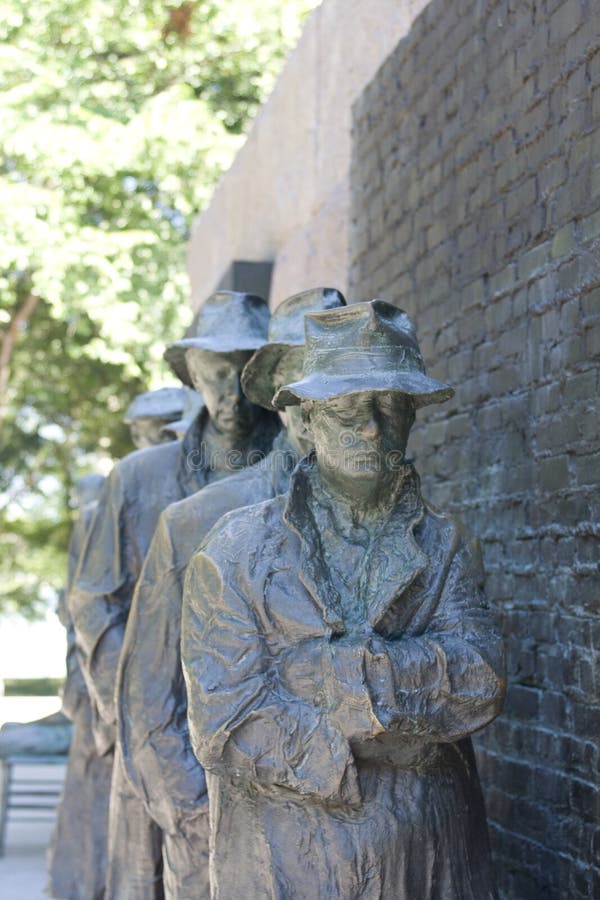
Free with trial Statue of breadline in Depression era at Roosevelt memorial. Era statues stock images, royalty-free photos and pictures Bronze statue of depression line. Statue of breadline in Depression era at Roosevelt memorial
Free with trial The statue of Wolfgang Amadeus Mozart, a famous composer of the Classical Era. Era statues stock images, royalty-free photos and pictures Mozart statue in Salzburg. The statue of Wolfgang Amadeus Mozart, a famous composer of the Classical Era.
Free with trial British Museum is a public institution dedicated to human history, art and culture. Its permanent collection of some eight million works is among the largest and most comprehensive in existence, having been widely collected during the era of the British Empire. It documents the story of human culture from its beginnings to the present. It was the first public national museum in the world. The Museum was established in 1753, largely based on the collections of the Irish physician and scientist Sir Hans Sloane. Today the museum no longer houses collections of natural history, and the books and manuscripts it once held now form part of the independent British Library. The museum nevertheless preserves its universality in its collections of artefacts representing the cultures of the world, ancient and modern. The original 1753 collection has grown to over 13 million objects at the British Museum, 70 million at the Natural History Museum and 150 million at the British Library. Era statues stock images, royalty-free photos and pictures British Museum in London is dedicated to human history, art and culture. British Museum is a public institution dedicated to human history, art and culture. Its permanent collection of some eight million works is among the largest and most comprehensive in existence, having been widely collected during the era of the British Empire. It documents the story of human culture from its beginnings to the present. It was the first public national museum in the world.The Museum was established in 1753, largely based on the collections of the Irish physician and scientist Sir Hans Sloane. Today the museum no longer houses collections of natural history, and the books and manuscripts it once held now form part of the independent British Library. The museum nevertheless preserves its universality in its collections of artefacts representing the cultures of the world, ancient and modern. The original 1753 collection has grown to over 13 million objects at the British Museum, 70 million at the Natural History Museum and 150 million at the British Library.
Free with trial British Museum is a public institution dedicated to human history, art and culture. Its permanent collection of some eight million works is among the largest and most comprehensive in existence, having been widely collected during the era of the British Empire. It documents the story of human culture from its beginnings to the present. It was the first public national museum in the world. The Museum was established in 1753, largely based on the collections of the Irish physician and scientist Sir Hans Sloane. Today the museum no longer houses collections of natural history, and the books and manuscripts it once held now form part of the independent British Library. The museum nevertheless preserves its universality in its collections of artefacts representing the cultures of the world, ancient and modern. The original 1753 collection has grown to over 13 million objects at the British Museum, 70 million at the Natural History Museum and 150 million at the British Library. Era statues stock images, royalty-free photos and pictures British Museum in London is dedicated to human history, art and culture. British Museum is a public institution dedicated to human history, art and culture. Its permanent collection of some eight million works is among the largest and most comprehensive in existence, having been widely collected during the era of the British Empire. It documents the story of human culture from its beginnings to the present. It was the first public national museum in the world.The Museum was established in 1753, largely based on the collections of the Irish physician and scientist Sir Hans Sloane. Today the museum no longer houses collections of natural history, and the books and manuscripts it once held now form part of the independent British Library. The museum nevertheless preserves its universality in its collections of artefacts representing the cultures of the world, ancient and modern. The original 1753 collection has grown to over 13 million objects at the British Museum, 70 million at the Natural History Museum and 150 million at the British Library.
Free with trial Historic museum with ancient artifacts. Gold coins and jewelry Thracian era. Era statues stock images, royalty-free photos and pictures Nessebar Bulgaria. Historic museum with ancient artifacts. Gold coins and jewelry Thracian era.
Free with trial Unique ancient exhibits, antique sculptures fragments, reliefs and statues displayed in courtyard of Istanbul Archeology Museum, Turkey. Era statues stock images, royalty-free photos and pictures Istanbul Archaeological Museum. Unique ancient exhibits, antique sculptures fragments, reliefs and statues displayed in courtyard of Istanbul Archeology Museum, Turkey
Free with trial Statues of Giants and Tritons in the Ancient Agora of Athens (from the Odeon of Agrippa), Greece. Era statues stock images, royalty-free photos and pictures Statues of Giants and Tritons in Agora of Athens. Statues of Giants and Tritons in the Ancient Agora of Athens (from the Odeon of Agrippa), Greece
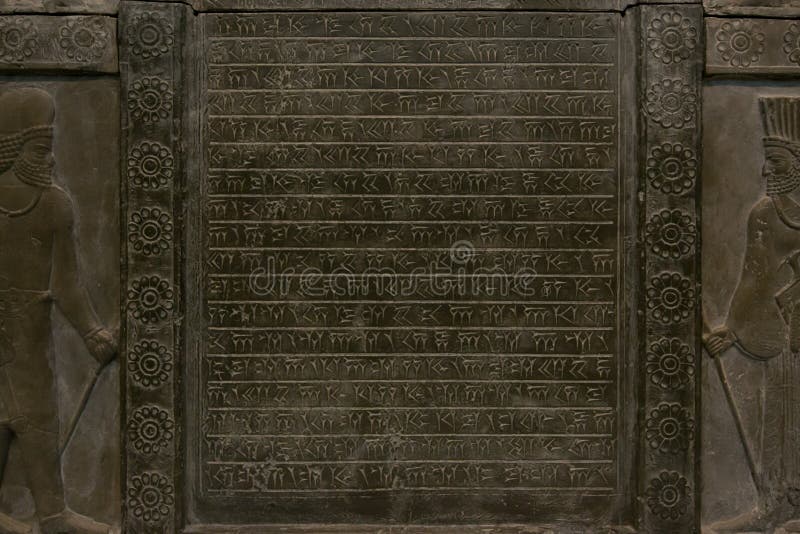
Free with trial Hieroglyphs from the ancient Egyptian era with decorations in the British museum, London. Era statues stock images, royalty-free photos and pictures Ancient hieroglyphs in the British museum. Hieroglyphs from the ancient Egyptian era with decorations in the British museum, London.
Free with trial British Museum is a public institution dedicated to human history, art and culture. Its permanent collection of some eight million works is among the largest and most comprehensive in existence, having been widely collected during the era of the British Empire. It documents the story of human culture from its beginnings to the present. It was the first public national museum in the world. The Museum was established in 1753, largely based on the collections of the Irish physician and scientist Sir Hans Sloane. Today the museum no longer houses collections of natural history, and the books and manuscripts it once held now form part of the independent British Library. The museum nevertheless preserves its universality in its collections of artefacts representing the cultures of the world, ancient and modern. The original 1753 collection has grown to over 13 million objects at the British Museum, 70 million at the Natural History Museum and 150 million at the British Library. Era statues stock images, royalty-free photos and pictures British Museum in London is dedicated to human history, art and culture. British Museum is a public institution dedicated to human history, art and culture. Its permanent collection of some eight million works is among the largest and most comprehensive in existence, having been widely collected during the era of the British Empire. It documents the story of human culture from its beginnings to the present. It was the first public national museum in the world.The Museum was established in 1753, largely based on the collections of the Irish physician and scientist Sir Hans Sloane. Today the museum no longer houses collections of natural history, and the books and manuscripts it once held now form part of the independent British Library. The museum nevertheless preserves its universality in its collections of artefacts representing the cultures of the world, ancient and modern. The original 1753 collection has grown to over 13 million objects at the British Museum, 70 million at the Natural History Museum and 150 million at the British Library.
Free with trial British Museum is a public institution dedicated to human history, art and culture. Its permanent collection of some eight million works is among the largest and most comprehensive in existence, having been widely collected during the era of the British Empire. It documents the story of human culture from its beginnings to the present. It was the first public national museum in the world. The Museum was established in 1753, largely based on the collections of the Irish physician and scientist Sir Hans Sloane. Today the museum no longer houses collections of natural history, and the books and manuscripts it once held now form part of the independent British Library. The museum nevertheless preserves its universality in its collections of artefacts representing the cultures of the world, ancient and modern. The original 1753 collection has grown to over 13 million objects at the British Museum, 70 million at the Natural History Museum and 150 million at the British Library. Era statues stock images, royalty-free photos and pictures British Museum in London is dedicated to human history, art and culture. British Museum is a public institution dedicated to human history, art and culture. Its permanent collection of some eight million works is among the largest and most comprehensive in existence, having been widely collected during the era of the British Empire. It documents the story of human culture from its beginnings to the present. It was the first public national museum in the world.The Museum was established in 1753, largely based on the collections of the Irish physician and scientist Sir Hans Sloane. Today the museum no longer houses collections of natural history, and the books and manuscripts it once held now form part of the independent British Library. The museum nevertheless preserves its universality in its collections of artefacts representing the cultures of the world, ancient and modern. The original 1753 collection has grown to over 13 million objects at the British Museum, 70 million at the Natural History Museum and 150 million at the British Library.
Free with trial Hieroglyphs from the ancient Egyptian era with decorations in the British museum, London. Era statues stock images, royalty-free photos and pictures Ancient hieroglyphs in the British museum. Hieroglyphs from the ancient Egyptian era with decorations in the British museum, London.
Free with trial In the vast and magnificent historical river of ancient Egypt, the "Colossal Osiris statue of Amenhotep IV (Akhenaten)" is a precious cultural relic that witnesses religious reform and artistic innovation. Made of sandstone and decorated with pigment, this colossal statue dates back to the 18th Dynasty (1550 - 1295 BCE) and is now treasured in the Egyptian Museum in Cairo. Amenhotep IV changed his name to Akhenaten in the fourth year of his reign, initiating a wave of religious reforms centered around the god Aten. This colossal statue is a product of that special era. It once stood in the Aten temple on the east side of the Karnak Temple, together with other statues of the same shape, demonstrating the authority of the new religion. Unlike the heroic style of traditional king statues, Akhenaten's image shows a gentle and feminine appearance, with narrow eyes and a pointed chin as his unique features. The inscriptions on the wrists and arms are a vivid manifestation of Akhenaten's religious beliefs, expressing praise for the god Ra - Horakhty and admiration for the radiance of the god Aten. In terms of artistic and historical value, it is not only a unique representation of ancient Egyptian sculpture art during the period of religious reform, reflecting the transformation of artistic styles at that time, but also important physical evidence for studying Akhenaten's religious reforms, the evolution of ancient Egyptian religious beliefs, and the relationship between royal power and divine power. It allows us to travel through time and space and appreciate the style of that era full of reforms and innovations. Era statues stock images, royalty-free photos and pictures [Museum treasure 181]Egyptian Museum in Cairo,Colossal Osiris statue of Amenhotep IV. In the vast and magnificent historical river of ancient Egypt, the "Colossal Osiris statue of Amenhotep IV (Akhenaten)" is a precious cultural relic that witnesses religious reform and artistic innovation. Made of sandstone and decorated with pigment, this colossal statue dates back to the 18th Dynasty (1550 - 1295 BCE) and is now treasured in the Egyptian Museum in Cairo.Amenhotep IV changed his name to Akhenaten in the fourth year of his reign, initiating a wave of religious reforms centered around the god Aten. This colossal statue is a product of that special era. It once stood in the Aten temple on the east side of the Karnak Temple, together with other statues of the same shape, demonstrating the authority of the new religion. Unlike the heroic style of traditional king statues, Akhenaten's image shows a gentle and feminine appearance, with narrow eyes and a pointed chin as his unique features. The inscriptions on the wrists and arms are a vivid manifestation of Akhenaten's religious beliefs, expressing praise for the god Ra - Horakhty and admiration for the radiance of the god Aten.In terms of artistic and historical value, it is not only a unique representation of ancient Egyptian sculpture art during the period of religious reform, reflecting the transformation of artistic styles at that time, but also important physical evidence for studying Akhenaten's religious reforms, the evolution of ancient Egyptian religious beliefs, and the relationship between royal power and divine power. It allows us to travel through time and space and appreciate the style of that era full of reforms and innovations.
Free with trial Pictured is the The Memorial to the victims of Communism, a series of bronze statues in Prague commemorating the victims of the communist era between 1948 and 1989. It is located at the base of PetÅ™ÃÂn hill, Újezd street in the Malá Strana or the Lesser Town area. It was unveiled on the 22 May 2002, twelve years after the fall of communism, and is the work of Czech sculptor Olbram Zoubek and architects Jan Kerel and ZdenÄ›k Holzel. It was supported by the local council and Confederation of Political Prisoners KPV. The statues appear more `decayed` the further away they are from you - losing limbs and their bodies breaking open. It symbolizes how political prisoners were affected by Communism. Era statues stock images, royalty-free photos and pictures The Memorial to the Victims of Communism, prague, Czech Republic. Pictured is the The Memorial to the victims of Communism, a series of bronze statues in Prague commemorating the victims of the communist era between 1948 and 1989. It is located at the base of PetÅ™ÃÂn hill, Újezd street in the Malá Strana or the Lesser Town area. It was unveiled on the 22 May 2002, twelve years after the fall of communism, and is the work of Czech sculptor Olbram Zoubek and architects Jan Kerel and ZdenÄ›k Holzel. It was supported by the local council and Confederation of Political Prisoners KPV. The statues appear more `decayed` the further away they are from you - losing limbs and their bodies breaking open. It symbolizes how political prisoners were affected by Communism.
Free with trial Memento Park is place with statues from `soviet-era` from different places in Hungary. It is interesting place and history reminder in Budapest. Era statues stock images, royalty-free photos and pictures Memento Park - The Republic of Councils Monument. Memento Park is place with statues from `soviet-era` from different places in Hungary. It is interesting place and history reminder in Budapest.
Free with trial Hieroglyphs from the ancient Egyptian era with decorations in the British museum, London. Era statues stock images, royalty-free photos and pictures Ancient hieroglyphs in the British museum. Hieroglyphs from the ancient Egyptian era with decorations in the British museum, London.
Free with trial Pictured is the The Memorial to the victims of Communism, a series of bronze statues in Prague commemorating the victims of the communist era between 1948 and 1989. It is located at the base of PetÅ™ÃÂn hill, Újezd street in the Malá Strana or the Lesser Town area. It was unveiled on the 22 May 2002, twelve years after the fall of communism, and is the work of Czech sculptor Olbram Zoubek and architects Jan Kerel and ZdenÄ›k Holzel. It was supported by the local council and Confederation of Political Prisoners KPV. The statues appear more `decayed` the further away they are from you - losing limbs and their bodies breaking open. It symbolizes how political prisoners were affected by Communism. Era statues stock images, royalty-free photos and pictures The Memorial to the Victims of Communism, prague, Czech Republic. Pictured is the The Memorial to the victims of Communism, a series of bronze statues in Prague commemorating the victims of the communist era between 1948 and 1989. It is located at the base of PetÅ™ÃÂn hill, Újezd street in the Malá Strana or the Lesser Town area. It was unveiled on the 22 May 2002, twelve years after the fall of communism, and is the work of Czech sculptor Olbram Zoubek and architects Jan Kerel and ZdenÄ›k Holzel. It was supported by the local council and Confederation of Political Prisoners KPV. The statues appear more `decayed` the further away they are from you - losing limbs and their bodies breaking open. It symbolizes how political prisoners were affected by Communism.
Free with trial Memento Park is place with statues from `soviet-era` from different places in Hungary. It is interesting place and history reminder in Budapest. Era statues stock images, royalty-free photos and pictures Memento Park - Communist Monument. Memento Park is place with statues from `soviet-era` from different places in Hungary. It is interesting place and history reminder in Budapest.
Free with trial Memento Park is place with statues from `soviet-era` from different places in Hungary. It is interesting place and history reminder in Budapest. Era statues stock images, royalty-free photos and pictures Memento Park - Lenin. Memento Park is place with statues from `soviet-era` from different places in Hungary. It is interesting place and history reminder in Budapest.
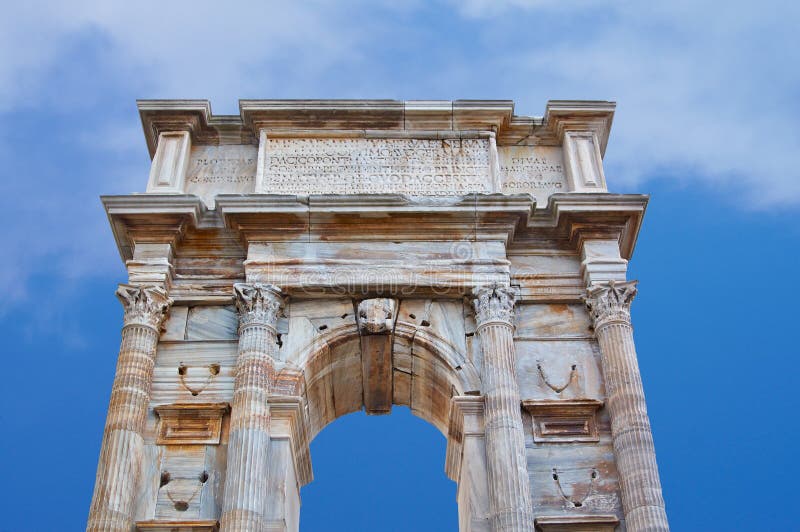
Free with trial Ancient historic arch of the Roman era in the port of Ancona, Italy. Era statues stock images, royalty-free photos and pictures Ancient historic arch of the Roman era , Italy. Ancient historic arch of the Roman era in the port of Ancona, Italy
Free with trial Memento Park is place with statues from `soviet-era` from different places in Hungary. It is interesting place and history reminder in Budapest. Era statues stock images, royalty-free photos and pictures Memento Park - Marx and Engels. Memento Park is place with statues from `soviet-era` from different places in Hungary. It is interesting place and history reminder in Budapest.
Free with trial Hampi, also referred to as the Group of Monuments at Hampi, is a UNESCO World Heritage Site located in east-central Karnataka, India. It became the centre of the Hindu Vijayanagara Empire capital in the 14th century. Chronicles left by Persian and European travellers, particularly the Portuguese, state Hampi was a prosperous, wealthy and grand city near the Tungabhadra River, with numerous temples, farms and trading markets. By 1500 CE, Hampi-Vijayanagara was the world`s second-largest medieval-era city after Beijing, and probably India`s richest at that time, attracting traders from Persia and Portugal. The Vijayanagara Empire was defeated by a coalition of Muslim sultanates; its capital was conquered, pillaged and destroyed by sultanate armies in 1565, after which Hampi remained in ruins. Era statues stock images, royalty-free photos and pictures The Hampi temple complex, a UNESCO World Heritage Site in Karnataka, India. Hampi, also referred to as the Group of Monuments at Hampi, is a UNESCO World Heritage Site located in east-central Karnataka, India. It became the centre of the Hindu Vijayanagara Empire capital in the 14th century. Chronicles left by Persian and European travellers, particularly the Portuguese, state Hampi was a prosperous, wealthy and grand city near the Tungabhadra River, with numerous temples, farms and trading markets. By 1500 CE, Hampi-Vijayanagara was the world`s second-largest medieval-era city after Beijing, and probably India`s richest at that time, attracting traders from Persia and Portugal. The Vijayanagara Empire was defeated by a coalition of Muslim sultanates; its capital was conquered, pillaged and destroyed by sultanate armies in 1565, after which Hampi remained in ruins.
Free with trial In the vast and magnificent historical river of ancient Egypt, the Colossal Osiris statue of Amenhotep IV (Akhenaten) is a precious cultural relic that witnesses religious reform and artistic innovation. Made of sandstone and decorated with pigment, this colossal statue dates back to the 18th Dynasty (1550 - 1295 BCE) and is now treasured in the Egyptian Museum in Cairo. Amenhotep IV changed his name to Akhenaten in the fourth year of his reign, initiating a wave of religious reforms centered around the god Aten. This colossal statue is a product of that special era. It once stood in the Aten temple on the east side of the Karnak Temple, together with other statues of the same shape, demonstrating the authority of the new religion. Unlike the heroic style of traditional king statues, Akhenaten's image shows a gentle and feminine appearance, with narrow eyes and a pointed chin as his unique features. The inscriptions on the wrists and arms are a vivid manifestation of Akhenaten's religious beliefs, expressing praise for the god Ra - Horakhty and admiration for the radiance of the god Aten. In terms of artistic and historical value, it is not only a unique representation of ancient Egyptian sculpture art during the period of religious reform, reflecting the transformation of artistic styles at that time, but also important physical evidence for studying Akhenaten's religious reforms, the evolution of ancient Egyptian religious beliefs, and the relationship between royal power and divine power. It allows us to travel through time and space and appreciate the style of that era full of reforms and innovations. Era statues stock images, royalty-free photos and pictures [Museum treasure 181]Egyptian Museum in Cairo,Colossal Osiris statue of Amenhotep IV. In the vast and magnificent historical river of ancient Egypt, the Colossal Osiris statue of Amenhotep IV (Akhenaten) is a precious cultural relic that witnesses religious reform and artistic innovation. Made of sandstone and decorated with pigment, this colossal statue dates back to the 18th Dynasty (1550 - 1295 BCE) and is now treasured in the Egyptian Museum in Cairo.Amenhotep IV changed his name to Akhenaten in the fourth year of his reign, initiating a wave of religious reforms centered around the god Aten. This colossal statue is a product of that special era. It once stood in the Aten temple on the east side of the Karnak Temple, together with other statues of the same shape, demonstrating the authority of the new religion. Unlike the heroic style of traditional king statues, Akhenaten's image shows a gentle and feminine appearance, with narrow eyes and a pointed chin as his unique features. The inscriptions on the wrists and arms are a vivid manifestation of Akhenaten's religious beliefs, expressing praise for the god Ra - Horakhty and admiration for the radiance of the god Aten.In terms of artistic and historical value, it is not only a unique representation of ancient Egyptian sculpture art during the period of religious reform, reflecting the transformation of artistic styles at that time, but also important physical evidence for studying Akhenaten's religious reforms, the evolution of ancient Egyptian religious beliefs, and the relationship between royal power and divine power. It allows us to travel through time and space and appreciate the style of that era full of reforms and innovations.
Free with trial In the vast and magnificent historical river of ancient Egypt, the "Colossal Osiris statue of Amenhotep IV (Akhenaten)" is a precious cultural relic that witnesses religious reform and artistic innovation. Made of sandstone and decorated with pigment, this colossal statue dates back to the 18th Dynasty (1550 - 1295 BCE) and is now treasured in the Egyptian Museum in Cairo. Amenhotep IV changed his name to Akhenaten in the fourth year of his reign, initiating a wave of religious reforms centered around the god Aten. This colossal statue is a product of that special era. It once stood in the Aten temple on the east side of the Karnak Temple, together with other statues of the same shape, demonstrating the authority of the new religion. Unlike the heroic style of traditional king statues, Akhenaten's image shows a gentle and feminine appearance, with narrow eyes and a pointed chin as his unique features. The inscriptions on the wrists and arms are a vivid manifestation of Akhenaten's religious beliefs, expressing praise for the god Ra - Horakhty and admiration for the radiance of the god Aten. In terms of artistic and historical value, it is not only a unique representation of ancient Egyptian sculpture art during the period of religious reform, reflecting the transformation of artistic styles at that time, but also important physical evidence for studying Akhenaten's religious reforms, the evolution of ancient Egyptian religious beliefs, and the relationship between royal power and divine power. It allows us to travel through time and space and appreciate the style of that era full of reforms and innovations. Era statues stock images, royalty-free photos and pictures [Museum treasure 181]Egyptian Museum in Cairo,Colossal Osiris statue of Amenhotep IV. In the vast and magnificent historical river of ancient Egypt, the "Colossal Osiris statue of Amenhotep IV (Akhenaten)" is a precious cultural relic that witnesses religious reform and artistic innovation. Made of sandstone and decorated with pigment, this colossal statue dates back to the 18th Dynasty (1550 - 1295 BCE) and is now treasured in the Egyptian Museum in Cairo.Amenhotep IV changed his name to Akhenaten in the fourth year of his reign, initiating a wave of religious reforms centered around the god Aten. This colossal statue is a product of that special era. It once stood in the Aten temple on the east side of the Karnak Temple, together with other statues of the same shape, demonstrating the authority of the new religion. Unlike the heroic style of traditional king statues, Akhenaten's image shows a gentle and feminine appearance, with narrow eyes and a pointed chin as his unique features. The inscriptions on the wrists and arms are a vivid manifestation of Akhenaten's religious beliefs, expressing praise for the god Ra - Horakhty and admiration for the radiance of the god Aten.In terms of artistic and historical value, it is not only a unique representation of ancient Egyptian sculpture art during the period of religious reform, reflecting the transformation of artistic styles at that time, but also important physical evidence for studying Akhenaten's religious reforms, the evolution of ancient Egyptian religious beliefs, and the relationship between royal power and divine power. It allows us to travel through time and space and appreciate the style of that era full of reforms and innovations.
Free with trial Majestic moai statues standing on easter island during a vibrant sunset, creating a breathtaking scene of ancient history and natural beauty. Era statues stock images, royalty-free photos and pictures Moai statues standing on easter island during sunset. Majestic moai statues standing on easter island during a vibrant sunset, creating a breathtaking scene of ancient history and natural beauty
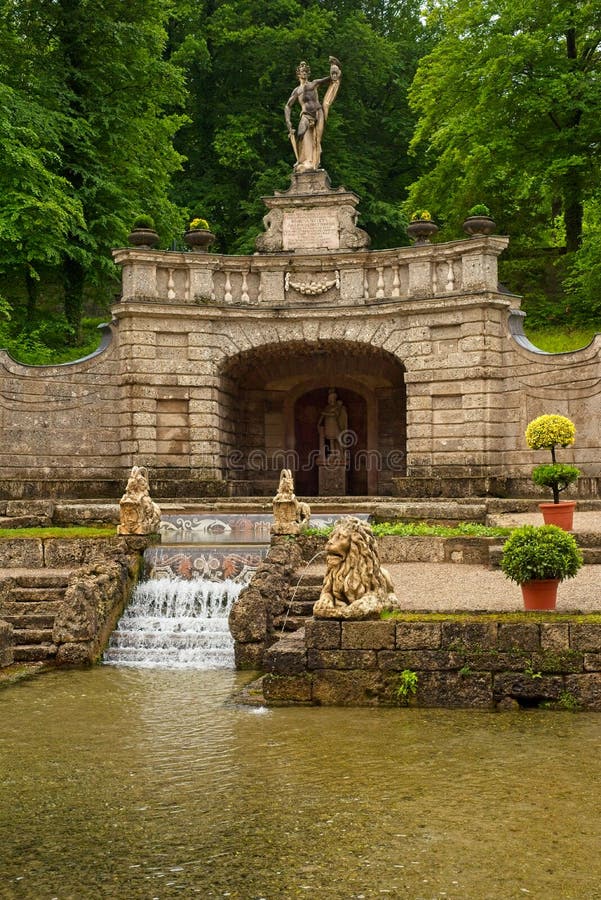
Free with trial Salzburg, Austria - May 28, 2019: Hellbrunn Palace, built in 1613-19 by Prince-Archbishop Markus Sittikus of Salzburg and outfitted with a waterpark of trick fountains Wasserspiele, has a wealth of sculpture from the baroque era. Era statues stock images, royalty-free photos and pictures Hellbrunn Palace statuary and pools. Salzburg, Austria - May 28, 2019: Hellbrunn Palace, built in 1613-19 by Prince-Archbishop Markus Sittikus of Salzburg and outfitted with a waterpark of trick fountains Wasserspiele, has a wealth of sculpture from the baroque era
Free with trial DRUSKININKAI, LITHUANIA - JAN 07, 2011: Guard tower at Grutas Park Gruto parkas, a sculpture garden of Soviet-era statues and an exposition of other Soviet ideological relics. Era statues stock images, royalty-free photos and pictures DRUSKININKAI, LITHUANIA - JAN 07, 2011: Guard tower at Grutas
Free with trial DRUSKININKAI, LITHUANIA - JAN 07, 2011: Guard tower in forest at Grutas Park Gruto parkas, a sculpture garden of Soviet-era statues and an exposition of other Soviet ideological relics. Era statues stock images, royalty-free photos and pictures DRUSKININKAI, LITHUANIA - JAN 07, 2011: Guard tower in forest
Free with trial DRUSKININKAI, LITHUANIA - JAN 07, 2011: Guard tower in forest at Grutas Park Gruto parkas, a sculpture garden of Soviet-era statues and an exposition of other Soviet ideological relics. Era statues stock images, royalty-free photos and pictures DRUSKININKAI, LITHUANIA - JAN 07, 2011: Guard tower in forest
Free with trial DRUSKININKAI, LITHUANIA - JAN 07, 2011: Guard tower in forest at Grutas Park Gruto parkas, a sculpture garden of Soviet-era statues and an exposition of other Soviet ideological relics. Era statues stock images, royalty-free photos and pictures DRUSKININKAI, LITHUANIA - JAN 07, 2011: Guard tower in forest
Free with trial DRUSKININKAI, LITHUANIA - JAN 07, 2011: Guard tower in forest at Grutas Park Gruto parkas, a sculpture garden of Soviet-era statues and an exposition of other Soviet ideological relics. Era statues stock images, royalty-free photos and pictures DRUSKININKAI, LITHUANIA - JAN 07, 2011: Guard tower in forest
Free with trial Peterhof, Saint-Petersburg, Russia - August 15, 2008: View of the Grand Peterhof Palace, with fountains and golden statues. Located on the southern shore of the Gulf of Finland. Era statues stock images, royalty-free photos and pictures Peterhof, Russia - August 15, 2008: View of the Grand Peterhof Palace, with fountains and golden statues. Peterhof, Saint-Petersburg, Russia - August 15, 2008: View of the Grand Peterhof Palace, with fountains and golden statues. Located on the southern shore of the Gulf of Finland.
Free with trial The gate of Shaolin Temple. The Original of Kung Fu Chinese Martial Art from Tang Dynasty Era. Dengfeng, Zhengzhou City, Henan Province, China, 18th October 2018. Era statues stock images, royalty-free photos and pictures The gate of Shaolin Temple.The Original of Kung Fu Chinese Martial Art from Tang Dynasty Era. Dengfeng City, Zhengzhou City, Henan. The gate of Shaolin Temple.The Original of Kung Fu Chinese Martial Art from Tang Dynasty Era. Dengfeng, Zhengzhou City, Henan Province, China, 18th October 2018
Free with trial Province of Matanzas, Cuba - May 20, 2021: Indian Village Guam. Cienaga de Zapata. Indigenous statues of Cuba depict everyday life. Era statues stock images, royalty-free photos and pictures Province of Matanzas, Cuba - May 20, 2021: Indian Village Guam. Cienaga de Zapata. Indigenous statues of Cuba depict everyday life
Free with trial Province of Matanzas, Cuba - May 20, 2021: Indian Village Guam. Cienaga de Zapata. Indigenous statues of Cuba depict everyday life. Era statues stock images, royalty-free photos and pictures Province of Matanzas, Cuba - May 20, 2021: Indian Village Guam. Cienaga de Zapata. Indigenous statues of Cuba depict everyday life
Free with trial Province of Matanzas, Cuba - May 20, 2021: Indian Village Guam. Cienaga de Zapata. Indigenous statues of Cuba depict everyday life. Era statues stock images, royalty-free photos and pictures Province of Matanzas, Cuba - May 20, 2021: Indian Village Guam. Cienaga de Zapata. Indigenous statues of Cuba depict everyday life
Free with trial Province of Matanzas, Cuba - May 20, 2021: Indian Village Guam. Cienaga de Zapata. Indigenous statues of Cuba depict everyday life. Era statues stock images, royalty-free photos and pictures Province of Matanzas, Cuba - May 20, 2021: Indian Village Guam. Cienaga de Zapata. Indigenous statues of Cuba depict everyday life
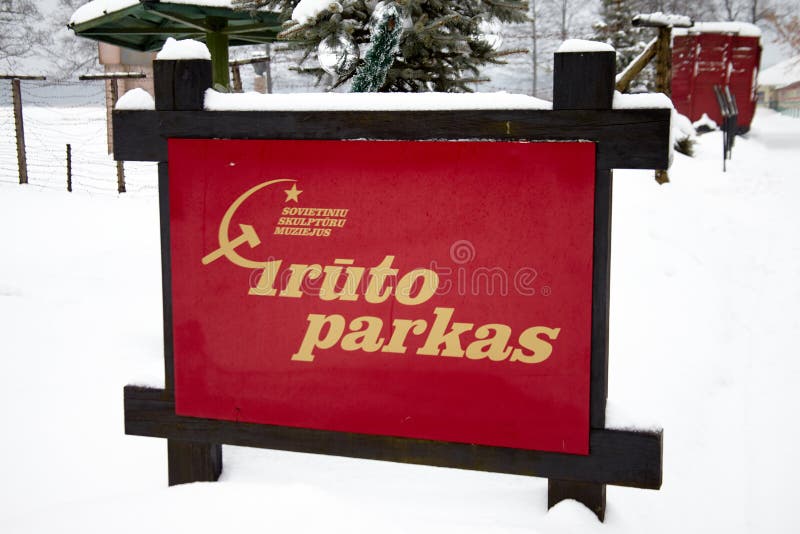
Free with trial DRUSKININKAI, LITHUANIA - JAN 07, 2011: Entrance to Grutas Park Gruto parkas, a sculpture garden of Soviet-era statues and an exposition of other Soviet ideological relics. Era statues stock images, royalty-free photos and pictures DRUSKININKAI, LITHUANIA - JAN 07, 2011: Entrance to Grutas Park
Free with trial Oscar Wilde wax statues at the famous Madame Tussaud's museum in London. Era statues stock images, royalty-free photos and pictures Oscar Wilde at Madame Tussaud's. Oscar Wilde wax statues at the famous Madame Tussaud's museum in London.
Free with trial Ancient Greek statues standing outside a classic era temple. Era statues stock images, royalty-free photos and pictures Achilleion palace, Corfu, Greece. Ancient Greek statues standing outside a classic era temple
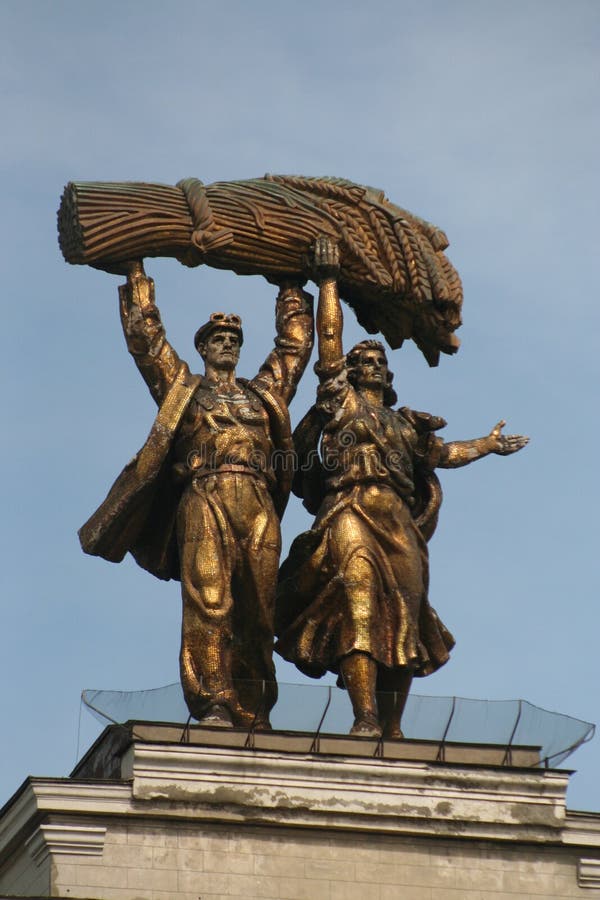
Free with trial Soviet era statues in Moscow. Era statues stock images, royalty-free photos and pictures Socialist workers. Soviet era statues in Moscow
Free with trial Hand reaching out of coffin. Era statues stock images, royalty-free photos and pictures Hand reaching out of coffin
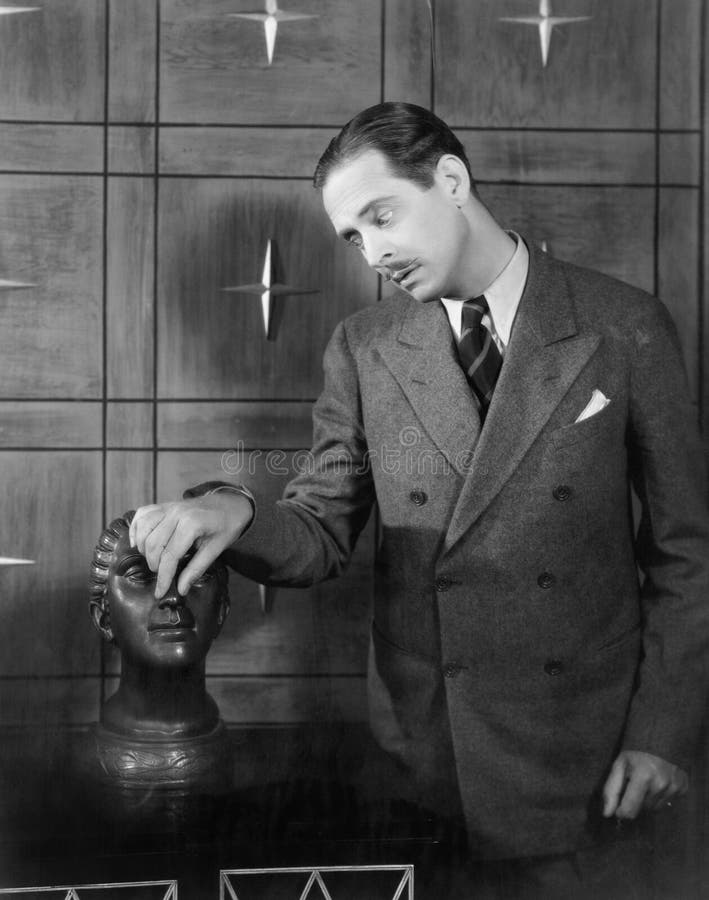
Free with trial Man squeezing nose of bust (All persons depicted are no longer living and no estate exists. Supplier grants that there will be no model release issues. ). Era statues stock images, royalty-free photos and pictures Man squeezing nose of bust
Free with trial Little girl sleeping in front of a fireplace (All persons depicted are no longer living and no estate exists. Supplier grants that there will be no model release issues. ). Era statues stock images, royalty-free photos and pictures Little girl sleeping in front of a fireplace
Free with trial Tourists viewing the Arc de Triomphe du Carrousel at the Tuileries Gardens, July 15, 1953 (All persons depicted are no longer living and no estate exists. Supplier grants that there will be no model release issues. ). Era statues stock images, royalty-free photos and pictures Tourists viewing the Arc de Triomphe du Carrousel at the Tuileries Gardens, July 15, 1953
Free with trial Ancient Greek statues standing outside a classic era temple. Era statues stock images, royalty-free photos and pictures Achilleion palace, Corfu, Greece. Ancient Greek statues standing outside a classic era temple
Free with trial Ancient Greek statues standing outside a classic era temple. Era statues stock images, royalty-free photos and pictures Achilleion palace, Corfu, Greece. Ancient Greek statues standing outside a classic era temple
 Sign in