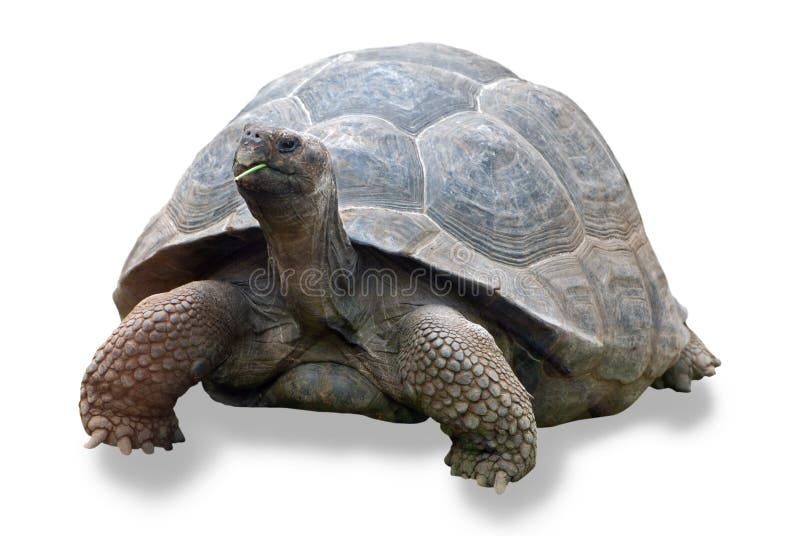
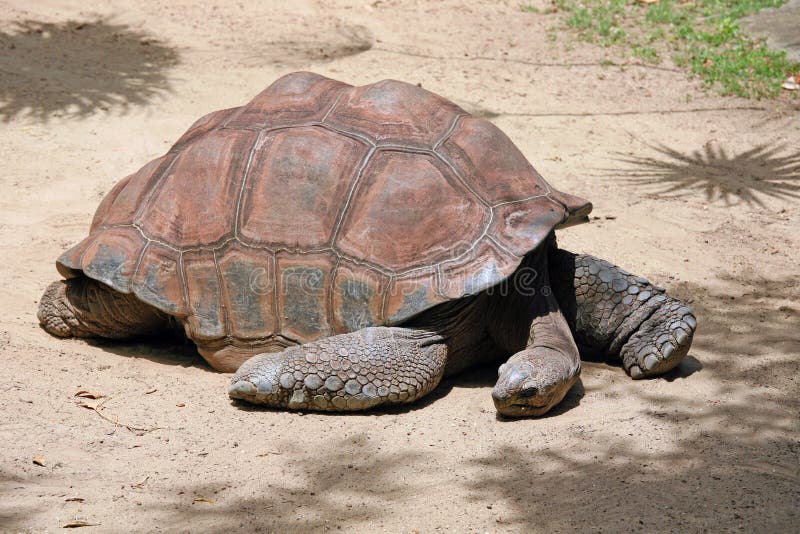
Free with trial Adult galapagos turtle is eating. Gray turtle stock images, royalty-free photos and pictures Galapagos turtle
Free with trial An image of a gentle dove sitting on some barbed wires. Taken as a silhouette against the morning sky of pastel blue and yellow. Composed with space for text, words, etc. Gray turtle stock images, royalty-free photos and pictures Dove bird on barb wire. An image of a gentle dove sitting on some barbed wires. Taken as a silhouette against the morning sky of pastel blue and yellow. Composed with space for text, words, etc.
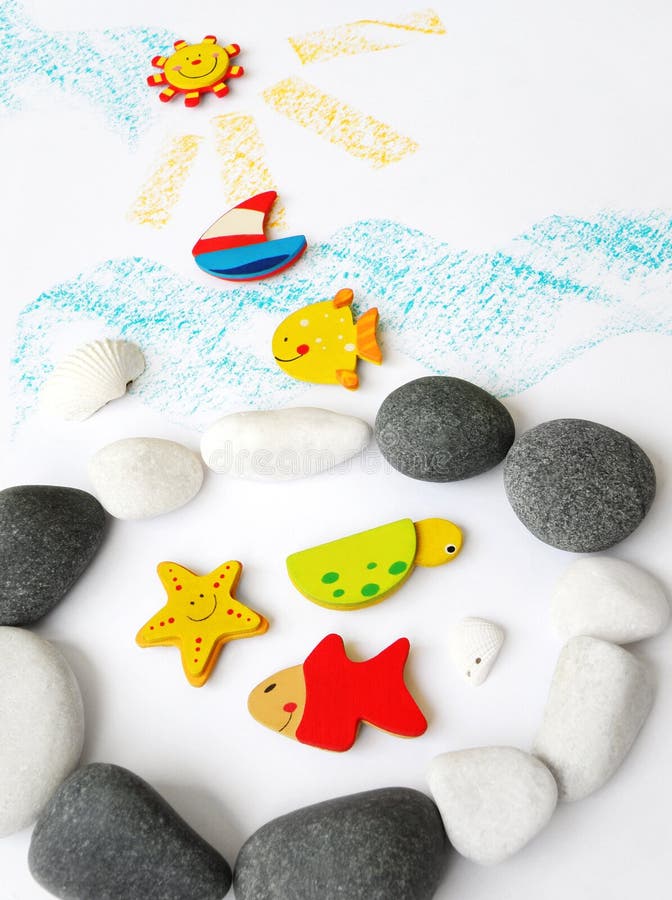
Free with trial Happy summer time by the sea - a cute and fun conceptual still life picture of a rock pool at beaches. Arranged with white and gray pebbles, bright and colorful toy fridge magnets in the shapes of smiling yellow sun, sailing boat, sea turtle, starfish, seashells and fishes. Touched up with blue green and yellow crayon pastels. Vertical color picture. Vacations, travel and summer holiday concept. Clean white background. Having fun at seaside theme. Gray turtle stock images, royalty-free photos and pictures Beach vacation still life. Happy summer time by the sea - a cute and fun conceptual still life picture of a rock pool at beaches. Arranged with white and gray pebbles, bright and colorful toy fridge magnets in the shapes of smiling yellow sun, sailing boat, sea turtle, starfish, seashells and fishes. Touched up with blue green and yellow crayon pastels. Vertical color picture. Vacations, travel and summer holiday concept. Clean white background. Having fun at seaside theme.
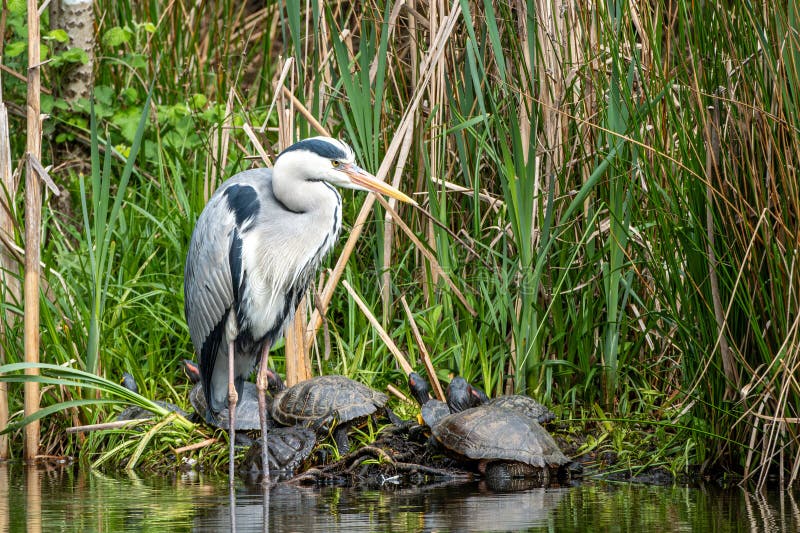
Free with trial Gray heron and red-cheeked turtles by the lake. Gray turtle stock images, royalty-free photos and pictures Gray heron and red-cheeked turtles
Free with trial Friendship of cat and turtle. Gray turtle stock images, royalty-free photos and pictures Cat&turtle. Friendship of cat and turtle
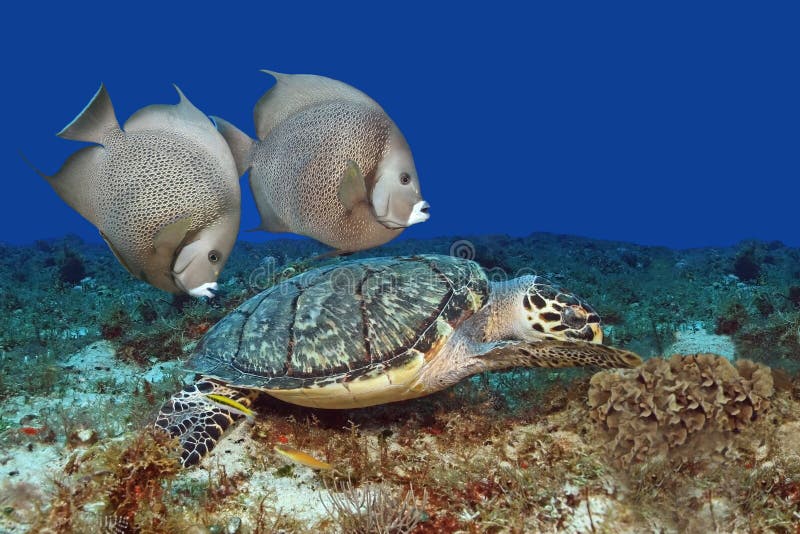
Free with trial Hawksbill turtle and gray angelfish taken while diving in Grand Cayman. The turtle is feeding off the sponge to the right and the angelfish is grabbing up the little bits the turtle leaves behind. What is truly amazing about this shot is how close I was able to get to the turtle without scaring him. Close-up shot was taken while lying on the ocean floor roughly 8 from the turtle's face. I think he was fascinated with his reflection in my diopter. Equipment used: Nikonos V underwater camera, 35mm lens w/close-up diopter, and Substrobe 200 on TTL. Gray turtle stock images, royalty-free photos and pictures Say Cheese. Hawksbill turtle and gray angelfish taken while diving in Grand Cayman. The turtle is feeding off the sponge to the right and the angelfish is grabbing up the little bits the turtle leaves behind. What is truly amazing about this shot is how close I was able to get to the turtle without scaring him. Close-up shot was taken while lying on the ocean floor roughly 8 from the turtle's face. I think he was fascinated with his reflection in my diopter. Equipment used: Nikonos V underwater camera, 35mm lens w/close-up diopter, and Substrobe 200 on TTL.
Free with trial Giant tortoise from Mauritius is posing. Gray turtle stock images, royalty-free photos and pictures Giant tortoise in a pose. Giant tortoise from Mauritius is posing
Free with trial British cute kitten, piercing eyes. Gray turtle stock images, royalty-free photos and pictures British kitten. British cute kitten, piercing eyes
Free with trial Idols from Jeju island which protect from evil ghosts and bring good luck. Gray turtle stock images, royalty-free photos and pictures Idols from island Jeju. Idols from Jeju island which protect from evil ghosts and bring good luck
Free with trial Rabbits vs turtle, speed vs slow, isolatet in gray background. Gray turtle stock images, royalty-free photos and pictures Rabbit vs turtle. Rabbits vs turtle, speed vs slow, isolatet in gray background.
Free with trial A turtle statue sitting on a rock in a garden setting with two purple flowers and yellow fall leaves on the grass. Gray turtle stock images, royalty-free photos and pictures Cute Decorative Turtle in a Garden Setting. A turtle statue sitting on a rock in a garden setting with two purple flowers and yellow fall leaves on the grass.
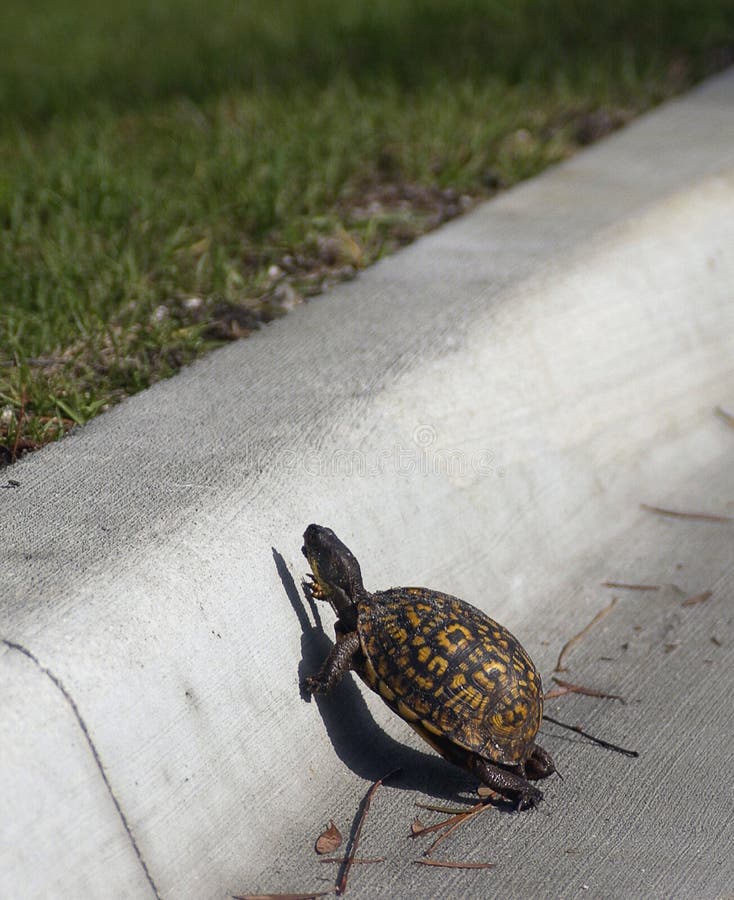
Free with trial Turtle with orange markings crosses the road and tries to get over the curb in Florida. Gray turtle stock images, royalty-free photos and pictures Turtle crosses road. Turtle with orange markings crosses the road and tries to get over the curb in Florida.
Free with trial A snapping turtle on a log in the water. Gray turtle stock images, royalty-free photos and pictures Snapping Turtle
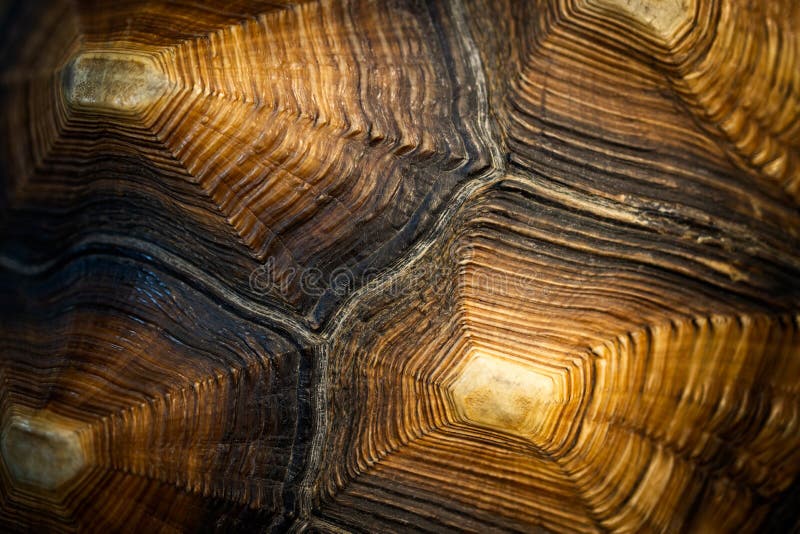
Free with trial Close up of beautiful texture of turtle carapace, tortoise skin for animal skin, nature abstract background, pattern of turtle back shell, Sulcata tortoise or African apurred tortoise. Gray turtle stock images, royalty-free photos and pictures Close up of beautiful texture of turtle carapace, tortoise skin for animal skin, nature abstract background, pattern of turtle
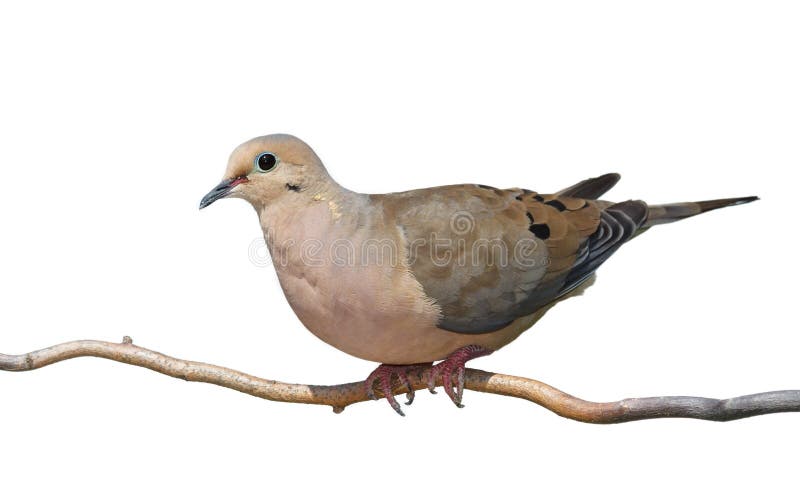
Free with trial A mourning dove begins to rise off a branch. Full profile of bird, blue green skin around birds eye contrast against its tan and gray feathers. On a white background. Gray turtle stock images, royalty-free photos and pictures Mourning Dove Rises. A mourning dove begins to rise off a branch. Full profile of bird, blue green skin around birds eye contrast against its tan and gray feathers. On a white background.
Free with trial A young gator with a turtle in an enlcosed area of a park in Orlando, Florida. Gray turtle stock images, royalty-free photos and pictures Gator and Turtle. A young gator with a turtle in an enlcosed area of a park in Orlando, Florida
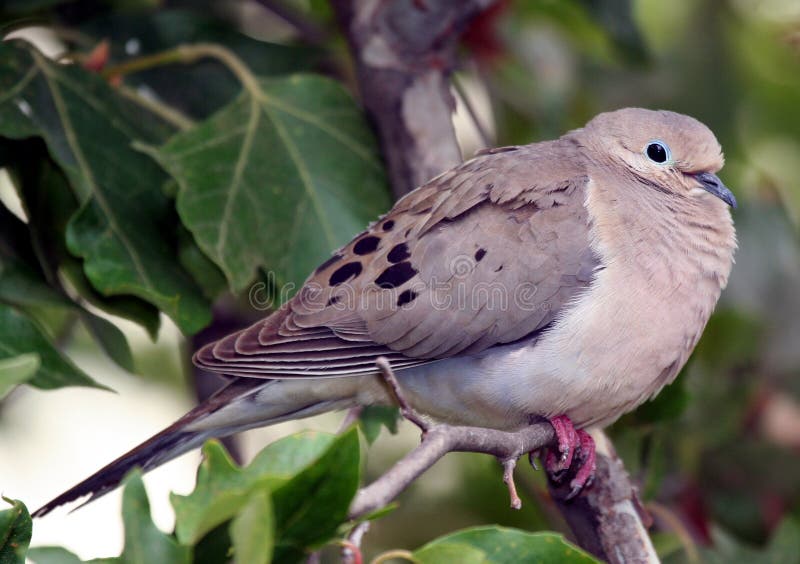
Free with trial Gray, black and white morning dove. Gray turtle stock images, royalty-free photos and pictures Morning Dove
Free with trial Young man white adult male crosses his arms and shivers with his turtleck sweater isolated on white background. Gray turtle stock images, royalty-free photos and pictures Young man shivering. Young man white adult male crosses his arms and shivers with his turtleck sweater isolated on white background.
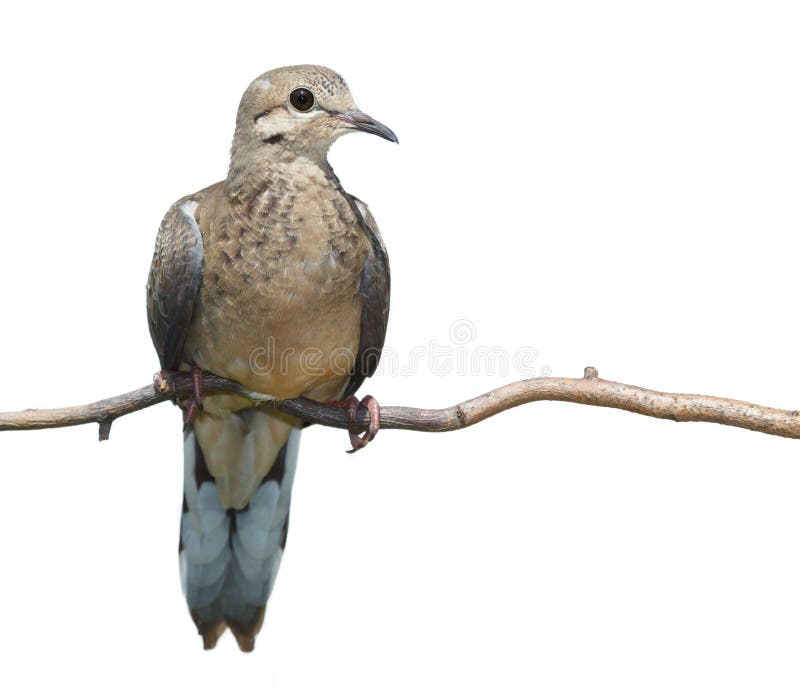
Free with trial Profile of upright mourning dove resting on a branch, breast forward, head and beak turned to the right, white background. Gray turtle stock images, royalty-free photos and pictures Mourning Dove
Free with trial Big set of bright color female clothes isolated on white. Gray turtle stock images, royalty-free photos and pictures Big set of bright color female clothes
Free with trial Donskoy sphynx hairless cat isolated on white. Gray turtle stock images, royalty-free photos and pictures Donskoy sphynx hairless cat isolated
Free with trial Pair of Gray Angelfish (Pomacanthus arcuatus)Swimming with Hawksbill Turtle (Eretmochelys imbriocota) - Cozumel, Mexico. Gray turtle stock images, royalty-free photos and pictures Hawksbill Turtle and Gray Angelfish. Pair of Gray Angelfish (Pomacanthus arcuatus)Swimming with Hawksbill Turtle (Eretmochelys imbriocota) - Cozumel, Mexico
Free with trial Origami gray turtle on a white background. Gray turtle stock images, royalty-free photos and pictures Origami gray turtle
Free with trial Gray turtle under sea water. Gray turtle stock images, royalty-free photos and pictures A large gray turtle swims under the water. Gray turtle under sea water
Free with trial Two turtle doves or mourning dove perched together on a tree branch staying warm on a winter`s day. Snow covered branches and tree trunk with details of the bark and twigs. The gray reddish feathers of the body, wings and tail. The holiday song the twelve days of Christmas. Zenaida macroura. Gray turtle stock images, royalty-free photos and pictures Two Turtle Doves Perched on a Branch. Two turtle doves or mourning dove perched together on a tree branch staying warm on a winter`s day. Snow covered branches and tree trunk with details of the bark and twigs. The gray reddish feathers of the body, wings and tail. The holiday song the twelve days of Christmas. Zenaida macroura.
Free with trial Close up Folded Gray Turtle Neck Sweater with Textured Design. Isolated on White Background. Gray turtle stock images, royalty-free photos and pictures Folded Gray Turtle Neck Sweater with Design. Close up Folded Gray Turtle Neck Sweater with Textured Design. Isolated on White Background.
Free with trial Fashion flat lay gray yellow turtle neck match. Lady fashion winter autumn cozy flat lay in trendy colors. Gray turtle stock images, royalty-free photos and pictures Fashion flat lay gray yellow turtle neck match
Free with trial Turtle crawl in nature in Vashovani. Exotic wild land turtle with gray shell crawls on stones. Gray turtle stock images, royalty-free photos and pictures Turtle crawl in nature in Vashovani. Exotic wild land turtle with gray shell crawls on stones
Free with trial A hawksbill turtle feeds on sponge while a gray angelfish & queen angels pick up the leftovers;. Gray turtle stock images, royalty-free photos and pictures Life on the reef. A hawksbill turtle feeds on sponge while a gray angelfish & queen angels pick up the leftovers;
Free with trial Friendship of cat and turtle. Gray turtle stock images, royalty-free photos and pictures Cat & turtle. Friendship of cat and turtle
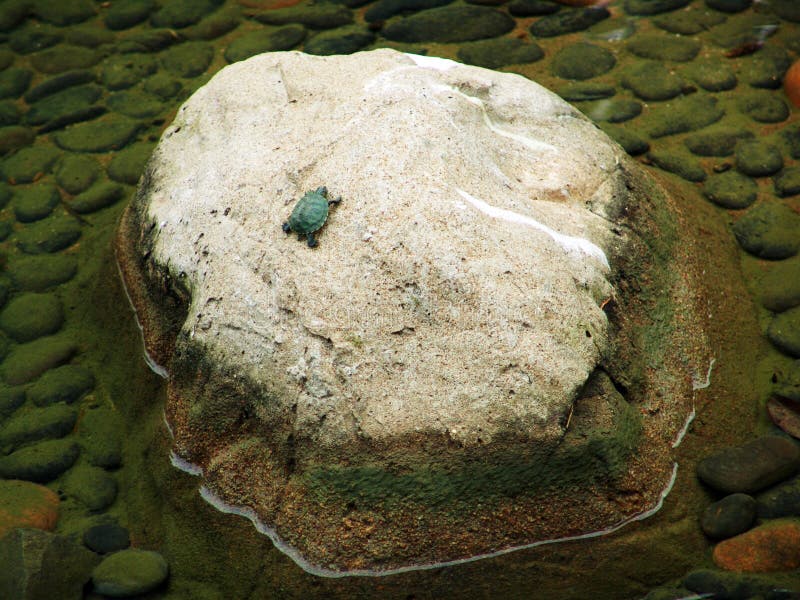
Free with trial Tiny turtle struggling to climb up a big rock. Gray turtle stock images, royalty-free photos and pictures Tiny turtle on a rock. Tiny turtle struggling to climb up a big rock
Free with trial Galapagos turtle laying in hot sun. Gray turtle stock images, royalty-free photos and pictures Galapagos Turtle
Free with trial Full length image of an African American woman leaning against a gray wall wearing turtle neck sweater and chinos. Gray turtle stock images, royalty-free photos and pictures Leaning against gray wall. Full length image of an African American woman leaning against a gray wall wearing turtle neck sweater and chinos.
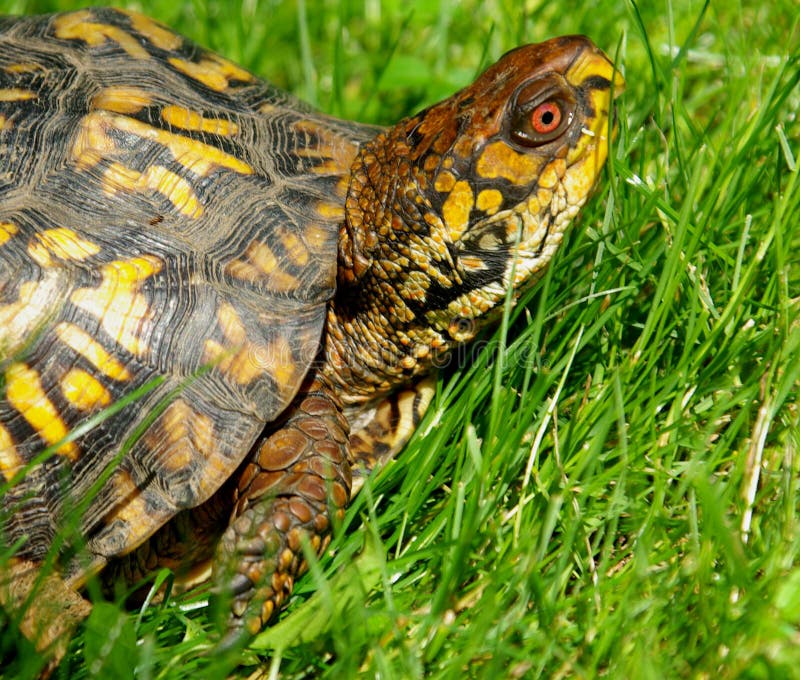
Free with trial This poor turtle was trying to cross 4 lane highway, We saved him and releave back into the forest. Gray turtle stock images, royalty-free photos and pictures Eastern Box Turtle 3. This poor turtle was trying to cross 4 lane highway, We saved him and releave back into the forest.
Free with trial Turtle sunning on a rock in a shallow pool in a park in Orlando, Florida. Gray turtle stock images, royalty-free photos and pictures Turtle on a rock. Turtle sunning on a rock in a shallow pool in a park in Orlando, Florida
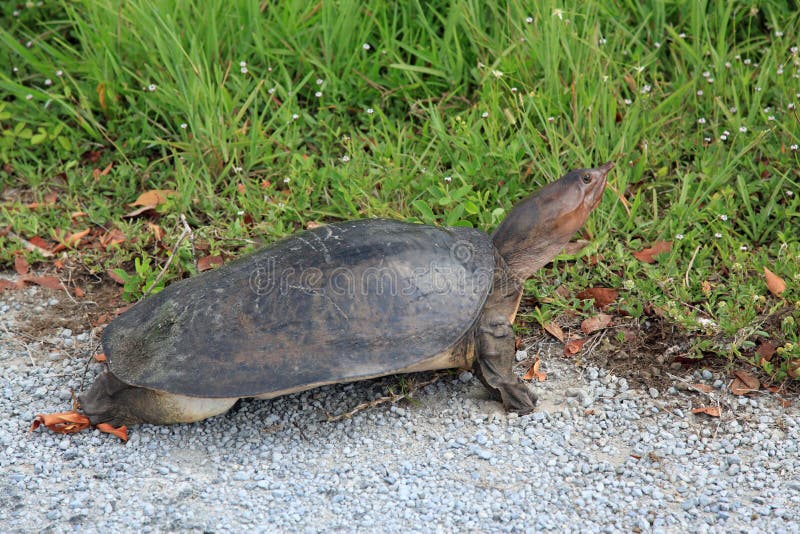
Free with trial Florida softshell turtle at everglades national park florida. Gray turtle stock images, royalty-free photos and pictures Florida softshell turtle
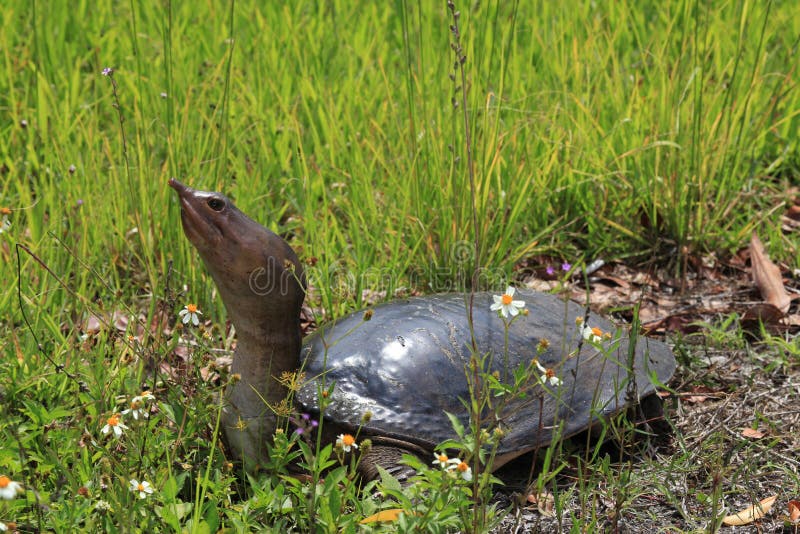
Free with trial Florida softshell turtle at everglades national park florida. Gray turtle stock images, royalty-free photos and pictures Florida softshell turtle
Free with trial This poor turtle was trying to cross 4 lanes of highway. Gray turtle stock images, royalty-free photos and pictures Eastern Box turtle. This poor turtle was trying to cross 4 lanes of highway.
Free with trial Blue Heron sits on a snag branch looking at a turtle. Gray turtle stock images, royalty-free photos and pictures Heron and Turtle. Blue Heron sits on a snag branch looking at a turtle
Free with trial Turtle portrait detail animal nature. Gray turtle stock images, royalty-free photos and pictures Turtle
Free with trial Close up of beautiful texture of turtle carapace, tortoise skin for animal skin, nature abstract background, pattern of turtle back shell, Sulcata tortoise or African apurred tortoise. Gray turtle stock images, royalty-free photos and pictures Close up of beautiful texture of turtle carapace, tortoise skin for animal skin, nature abstract background, pattern of turtle
Free with trial Mata Mata Turtle Sleeping Under Water. Gray turtle stock images, royalty-free photos and pictures Turtle
Free with trial A pair of Olive ridley sea turtle hatchlings is seen moving towards the Ocean after being released by marine biologists working on preserving the species, in the Las Lisas beach, in Santa Rosa, Guatemala. The olive ridley sea turtle (Lepidochelys olivacea), also known commonly as the Pacific ridley sea turtle, is a species of turtle in the family Cheloniidae. The species is the second-smallest and most abundant of all sea turtles found in the world. The turtle is found in warm and tropical waters, primarily in the Pacific and Indian Oceans, but also in the warm waters of the Atlantic Ocean. This turtle and the related Kemp's ridley sea turtle are best known for their unique synchronised mass nestings called arribadas, where thousands of females come together on the same beach to lay eggs. Hatchlings are dark gray with a pale yolk scar, but appear all black when wet. Growing to about 61cm (2ft) in carapace length (measured along the curve), the olive ridley sea turtle gets its common name from its olive-colored carapace, which is heart-shaped and rounded. Males and females grow to the same size, but females have a slightly more rounded carapace as compared to males. Females return to the same beach from where they hatched, to lay their eggs. The olive ridley is predominantly carnivorous. Common prey items include tunicates like salps and sea squirts), starfish, sea urchins, bryozoans, squid, bivalves, snails, barnacles, shrimp, crabs, rock lobsters, and sipunculid worms. Additionally, consumption of jellyfish and both adult fish like phoeroides and fish eggs may be indicative of pelagic or open ocean feeding. The olive ridley is also known to feed on filamentous algae in areas devoid of other food sources. Captive studies have indicated some level of cannibalistic behavior in this species. The olive ridley is classified as vulnerable according to the International Union for Conservation of Nature and Natural Resources. Gray turtle stock images, royalty-free photos and pictures Wildlife in Guatemala: A pair of Olive ridley sea turtle hatchlings is seen moving towards the Ocean. A pair of Olive ridley sea turtle hatchlings is seen moving towards the Ocean after being released by marine biologists working on preserving the species, in the Las Lisas beach, in Santa Rosa, Guatemala. The olive ridley sea turtle (Lepidochelys olivacea), also known commonly as the Pacific ridley sea turtle, is a species of turtle in the family Cheloniidae. The species is the second-smallest and most abundant of all sea turtles found in the world. The turtle is found in warm and tropical waters, primarily in the Pacific and Indian Oceans, but also in the warm waters of the Atlantic Ocean. This turtle and the related Kemp's ridley sea turtle are best known for their unique synchronised mass nestings called arribadas, where thousands of females come together on the same beach to lay eggs. Hatchlings are dark gray with a pale yolk scar, but appear all black when wet. Growing to about 61cm (2ft) in carapace length (measured along the curve), the olive ridley sea turtle gets its common name from its olive-colored carapace, which is heart-shaped and rounded. Males and females grow to the same size, but females have a slightly more rounded carapace as compared to males. Females return to the same beach from where they hatched, to lay their eggs. The olive ridley is predominantly carnivorous. Common prey items include tunicates like salps and sea squirts), starfish, sea urchins, bryozoans, squid, bivalves, snails, barnacles, shrimp, crabs, rock lobsters, and sipunculid worms. Additionally, consumption of jellyfish and both adult fish like phoeroides and fish eggs may be indicative of pelagic or open ocean feeding. The olive ridley is also known to feed on filamentous algae in areas devoid of other food sources. Captive studies have indicated some level of cannibalistic behavior in this species. The olive ridley is classified as vulnerable according to the International Union for Conservation of Nature and Natural Resources.
Free with trial Turtle on the sidewalk in the movement away from the water gray stone. Gray turtle stock images, royalty-free photos and pictures Turtle on the green grass. Turtle on the sidewalk in the movement away from the water gray stone
Free with trial Woman wearing gray clothing inside. Gray turtle stock images, royalty-free photos and pictures Woman wearing gray clothing
Free with trial A cluster of brown seedpods of the American bladdernut Staphylea trifolia against a gray sky. Taken along Turtle creek in western Pennsylvania during spring. Gray turtle stock images, royalty-free photos and pictures Seed pods of the American bladdernut. A cluster of brown seedpods of the American bladdernut Staphylea trifolia against a gray sky. Taken along Turtle creek in western Pennsylvania during spring.
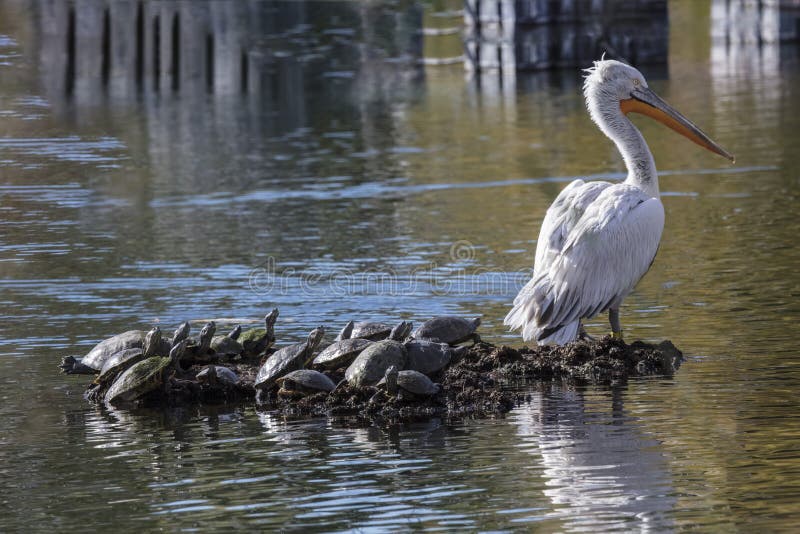
Free with trial American White Pelican holding court for his turtle students; www. grayfoxxpixx. com; Carol Gray. Gray turtle stock images, royalty-free photos and pictures American White Pelicans. American White Pelican holding court for his turtle students; www.grayfoxxpixx.com; Carol Gray
Free with trial An Olive ridley sea turtle hatchling is seen moving towards the Ocean after being released by marine biologists working on preserving the species, in the Las Lisas beach, in Santa Rosa, Guatemala. The olive ridley sea turtle (Lepidochelys olivacea), also known commonly as the Pacific ridley sea turtle, is a species of turtle in the family Cheloniidae. The species is the second-smallest and most abundant of all sea turtles found in the world. The turtle is found in warm and tropical waters, primarily in the Pacific and Indian Oceans, but also in the warm waters of the Atlantic Ocean. This turtle and the related Kemp's ridley sea turtle are best known for their unique synchronised mass nestings called arribadas, where thousands of females come together on the same beach to lay eggs. Hatchlings are dark gray with a pale yolk scar, but appear all black when wet. Growing to about 61cm (2ft) in carapace length (measured along the curve), the olive ridley sea turtle gets its common name from its olive-colored carapace, which is heart-shaped and rounded. Males and females grow to the same size, but females have a slightly more rounded carapace as compared to males. Females return to the same beach from where they hatched, to lay their eggs. The olive ridley is predominantly carnivorous. Common prey items include tunicates like salps and sea squirts), starfish, sea urchins, bryozoans, squid, bivalves, snails, barnacles, shrimp, crabs, rock lobsters, and sipunculid worms. Additionally, consumption of jellyfish and both adult fish like phoeroides and fish eggs may be indicative of pelagic or open ocean feeding. The olive ridley is also known to feed on filamentous algae in areas devoid of other food sources. Captive studies have indicated some level of cannibalistic behavior in this species. The olive ridley is classified as vulnerable according to the International Union for Conservation of Nature and Natural Resources. Gray turtle stock images, royalty-free photos and pictures Wildlife in Guatemala: An Olive ridley sea turtle hatchling is seen moving towards the Ocean. An Olive ridley sea turtle hatchling is seen moving towards the Ocean after being released by marine biologists working on preserving the species, in the Las Lisas beach, in Santa Rosa, Guatemala. The olive ridley sea turtle (Lepidochelys olivacea), also known commonly as the Pacific ridley sea turtle, is a species of turtle in the family Cheloniidae. The species is the second-smallest and most abundant of all sea turtles found in the world. The turtle is found in warm and tropical waters, primarily in the Pacific and Indian Oceans, but also in the warm waters of the Atlantic Ocean. This turtle and the related Kemp's ridley sea turtle are best known for their unique synchronised mass nestings called arribadas, where thousands of females come together on the same beach to lay eggs. Hatchlings are dark gray with a pale yolk scar, but appear all black when wet. Growing to about 61cm (2ft) in carapace length (measured along the curve), the olive ridley sea turtle gets its common name from its olive-colored carapace, which is heart-shaped and rounded. Males and females grow to the same size, but females have a slightly more rounded carapace as compared to males. Females return to the same beach from where they hatched, to lay their eggs. The olive ridley is predominantly carnivorous. Common prey items include tunicates like salps and sea squirts), starfish, sea urchins, bryozoans, squid, bivalves, snails, barnacles, shrimp, crabs, rock lobsters, and sipunculid worms. Additionally, consumption of jellyfish and both adult fish like phoeroides and fish eggs may be indicative of pelagic or open ocean feeding. The olive ridley is also known to feed on filamentous algae in areas devoid of other food sources. Captive studies have indicated some level of cannibalistic behavior in this species. The olive ridley is classified as vulnerable according to the International Union for Conservation of Nature and Natural Resources.
Free with trial An Olive ridley sea turtle hatchling is seen moving towards the Ocean after being released by marine biologists working on preserving the species, in the El Zonte beach, in El Salvador. The olive ridley sea turtle (Lepidochelys olivacea), also known commonly as the Pacific ridley sea turtle, is a species of turtle in the family Cheloniidae. The species is the second-smallest and most abundant of all sea turtles found in the world. The turtle is found in warm and tropical waters, primarily in the Pacific and Indian Oceans, but also in the warm waters of the Atlantic Ocean. This turtle and the related Kemp's ridley sea turtle are best known for their unique synchronised mass nestings called arribadas, where thousands of females come together on the same beach to lay eggs. Hatchlings are dark gray with a pale yolk scar, but appear all black when wet. Growing to about 61cm (2ft) in carapace length (measured along the curve), the olive ridley sea turtle gets its common name from its olive-colored carapace, which is heart-shaped and rounded. Males and females grow to the same size, but females have a slightly more rounded carapace as compared to males. Females return to the same beach from where they hatched, to lay their eggs. The olive ridley is predominantly carnivorous. Common prey items include tunicates like salps and sea squirts), starfish, sea urchins, bryozoans, squid, bivalves, snails, barnacles, shrimp, crabs, rock lobsters, and sipunculid worms. Additionally, consumption of jellyfish and both adult fish like phoeroides and fish eggs may be indicative of pelagic or open ocean feeding. The olive ridley is also known to feed on filamentous algae in areas devoid of other food sources. Captive studies have indicated some level of cannibalistic behavior in this species. The olive ridley is classified as vulnerable according to the International Union for Conservation of Nature and Natural Resources. Gray turtle stock images, royalty-free photos and pictures Wildlife in El Salvador: An Olive ridley sea turtle hatchling is seen moving towards the Ocean. An Olive ridley sea turtle hatchling is seen moving towards the Ocean after being released by marine biologists working on preserving the species, in the El Zonte beach, in El Salvador. The olive ridley sea turtle (Lepidochelys olivacea), also known commonly as the Pacific ridley sea turtle, is a species of turtle in the family Cheloniidae. The species is the second-smallest and most abundant of all sea turtles found in the world. The turtle is found in warm and tropical waters, primarily in the Pacific and Indian Oceans, but also in the warm waters of the Atlantic Ocean. This turtle and the related Kemp's ridley sea turtle are best known for their unique synchronised mass nestings called arribadas, where thousands of females come together on the same beach to lay eggs. Hatchlings are dark gray with a pale yolk scar, but appear all black when wet. Growing to about 61cm (2ft) in carapace length (measured along the curve), the olive ridley sea turtle gets its common name from its olive-colored carapace, which is heart-shaped and rounded. Males and females grow to the same size, but females have a slightly more rounded carapace as compared to males. Females return to the same beach from where they hatched, to lay their eggs. The olive ridley is predominantly carnivorous. Common prey items include tunicates like salps and sea squirts), starfish, sea urchins, bryozoans, squid, bivalves, snails, barnacles, shrimp, crabs, rock lobsters, and sipunculid worms. Additionally, consumption of jellyfish and both adult fish like phoeroides and fish eggs may be indicative of pelagic or open ocean feeding. The olive ridley is also known to feed on filamentous algae in areas devoid of other food sources. Captive studies have indicated some level of cannibalistic behavior in this species. The olive ridley is classified as vulnerable according to the International Union for Conservation of Nature and Natural Resources.
Free with trial This is a Alligator Snapping Turtle, Macrochelys temminckii this was in Morgan County Alabama USA. He has huge claws. Gray turtle stock images, royalty-free photos and pictures Alligator Snapping Turtle - Macrochelys temminckii. This is a Alligator Snapping Turtle, Macrochelys temminckii this was in Morgan County Alabama USA. He has huge claws.
Free with trial Persian cat in turtle colors on black background. Gray turtle stock images, royalty-free photos and pictures Persian cat in turtle colors
Free with trial Turtle dove nesting despite rain falling. Gray turtle stock images, royalty-free photos and pictures Turtle dove nesting
Free with trial Turtle casket isolated on white background. Gray turtle stock images, royalty-free photos and pictures Turtle casket
Free with trial Close up view of a turtle. Gray turtle stock images, royalty-free photos and pictures Turtle
Free with trial A middle aged man in a white turtle neck t shirt giving a very big smile and looking to side. Gray turtle stock images, royalty-free photos and pictures A middle aged man in a white turtle neck t shirt giving a very big smile
Free with trial European pond turtle is a long-living freshwater species of turtle. Gray turtle stock images, royalty-free photos and pictures European pond turtle
Free with trial Orlando, FL/USA-7/31/19: Turtle talk with Crush at the Living Seas Pavilion at Disney World`s EPCOT which educates visitors about the ocean. Gray turtle stock images, royalty-free photos and pictures Turtle talk with Crush at the Living Seas Pavilion at EPCOT. Orlando, FL/USA-7/31/19: Turtle talk with Crush at the Living Seas Pavilion at Disney World`s EPCOT which educates visitors about the ocean
Free with trial Brown turtle lying on a stone. Gray turtle stock images, royalty-free photos and pictures Brown turtle lying on a stone
Free with trial Persian cat in turtle colors on black background. Gray turtle stock images, royalty-free photos and pictures Persian cat in turtle colors on black
Free with trial An Olive ridley sea turtle hatchling is seen moving towards the Ocean after being released by marine biologists working on preserving the species, in the Las Lisas beach, in Santa Rosa, Guatemala. The olive ridley sea turtle (Lepidochelys olivacea), also known commonly as the Pacific ridley sea turtle, is a species of turtle in the family Cheloniidae. The species is the second-smallest and most abundant of all sea turtles found in the world. The turtle is found in warm and tropical waters, primarily in the Pacific and Indian Oceans, but also in the warm waters of the Atlantic Ocean. This turtle and the related Kemp's ridley sea turtle are best known for their unique synchronised mass nestings called arribadas, where thousands of females come together on the same beach to lay eggs. Hatchlings are dark gray with a pale yolk scar, but appear all black when wet. Growing to about 61cm (2ft) in carapace length (measured along the curve), the olive ridley sea turtle gets its common name from its olive-colored carapace, which is heart-shaped and rounded. Males and females grow to the same size, but females have a slightly more rounded carapace as compared to males. Females return to the same beach from where they hatched, to lay their eggs. The olive ridley is predominantly carnivorous. Common prey items include tunicates like salps and sea squirts), starfish, sea urchins, bryozoans, squid, bivalves, snails, barnacles, shrimp, crabs, rock lobsters, and sipunculid worms. Additionally, consumption of jellyfish and both adult fish like phoeroides and fish eggs may be indicative of pelagic or open ocean feeding. The olive ridley is also known to feed on filamentous algae in areas devoid of other food sources. Captive studies have indicated some level of cannibalistic behavior in this species. The olive ridley is classified as vulnerable according to the International Union for Conservation of Nature and Natural Resources. Gray turtle stock images, royalty-free photos and pictures Wildlife in Guatemala: An Olive ridley sea turtle hatchling is seen moving towards the Ocean. An Olive ridley sea turtle hatchling is seen moving towards the Ocean after being released by marine biologists working on preserving the species, in the Las Lisas beach, in Santa Rosa, Guatemala. The olive ridley sea turtle (Lepidochelys olivacea), also known commonly as the Pacific ridley sea turtle, is a species of turtle in the family Cheloniidae. The species is the second-smallest and most abundant of all sea turtles found in the world. The turtle is found in warm and tropical waters, primarily in the Pacific and Indian Oceans, but also in the warm waters of the Atlantic Ocean. This turtle and the related Kemp's ridley sea turtle are best known for their unique synchronised mass nestings called arribadas, where thousands of females come together on the same beach to lay eggs. Hatchlings are dark gray with a pale yolk scar, but appear all black when wet. Growing to about 61cm (2ft) in carapace length (measured along the curve), the olive ridley sea turtle gets its common name from its olive-colored carapace, which is heart-shaped and rounded. Males and females grow to the same size, but females have a slightly more rounded carapace as compared to males. Females return to the same beach from where they hatched, to lay their eggs. The olive ridley is predominantly carnivorous. Common prey items include tunicates like salps and sea squirts), starfish, sea urchins, bryozoans, squid, bivalves, snails, barnacles, shrimp, crabs, rock lobsters, and sipunculid worms. Additionally, consumption of jellyfish and both adult fish like phoeroides and fish eggs may be indicative of pelagic or open ocean feeding. The olive ridley is also known to feed on filamentous algae in areas devoid of other food sources. Captive studies have indicated some level of cannibalistic behavior in this species. The olive ridley is classified as vulnerable according to the International Union for Conservation of Nature and Natural Resources.
Free with trial An Olive ridley sea turtle hatchling is seen moving towards the Ocean after being released by marine biologists working on preserving the species, in the Las Lisas beach, in Santa Rosa, Guatemala. The olive ridley sea turtle (Lepidochelys olivacea), also known commonly as the Pacific ridley sea turtle, is a species of turtle in the family Cheloniidae. The species is the second-smallest and most abundant of all sea turtles found in the world. The turtle is found in warm and tropical waters, primarily in the Pacific and Indian Oceans, but also in the warm waters of the Atlantic Ocean. This turtle and the related Kemp's ridley sea turtle are best known for their unique synchronised mass nestings called arribadas, where thousands of females come together on the same beach to lay eggs. Hatchlings are dark gray with a pale yolk scar, but appear all black when wet. Growing to about 61cm (2ft) in carapace length (measured along the curve), the olive ridley sea turtle gets its common name from its olive-colored carapace, which is heart-shaped and rounded. Males and females grow to the same size, but females have a slightly more rounded carapace as compared to males. Females return to the same beach from where they hatched, to lay their eggs. The olive ridley is predominantly carnivorous. Common prey items include tunicates like salps and sea squirts), starfish, sea urchins, bryozoans, squid, bivalves, snails, barnacles, shrimp, crabs, rock lobsters, and sipunculid worms. Additionally, consumption of jellyfish and both adult fish like phoeroides and fish eggs may be indicative of pelagic or open ocean feeding. The olive ridley is also known to feed on filamentous algae in areas devoid of other food sources. Captive studies have indicated some level of cannibalistic behavior in this species. The olive ridley is classified as vulnerable according to the International Union for Conservation of Nature and Natural Resources. Gray turtle stock images, royalty-free photos and pictures Wildlife in Guatemala: An Olive ridley sea turtle hatchling is seen moving towards the Ocean. An Olive ridley sea turtle hatchling is seen moving towards the Ocean after being released by marine biologists working on preserving the species, in the Las Lisas beach, in Santa Rosa, Guatemala. The olive ridley sea turtle (Lepidochelys olivacea), also known commonly as the Pacific ridley sea turtle, is a species of turtle in the family Cheloniidae. The species is the second-smallest and most abundant of all sea turtles found in the world. The turtle is found in warm and tropical waters, primarily in the Pacific and Indian Oceans, but also in the warm waters of the Atlantic Ocean. This turtle and the related Kemp's ridley sea turtle are best known for their unique synchronised mass nestings called arribadas, where thousands of females come together on the same beach to lay eggs. Hatchlings are dark gray with a pale yolk scar, but appear all black when wet. Growing to about 61cm (2ft) in carapace length (measured along the curve), the olive ridley sea turtle gets its common name from its olive-colored carapace, which is heart-shaped and rounded. Males and females grow to the same size, but females have a slightly more rounded carapace as compared to males. Females return to the same beach from where they hatched, to lay their eggs. The olive ridley is predominantly carnivorous. Common prey items include tunicates like salps and sea squirts), starfish, sea urchins, bryozoans, squid, bivalves, snails, barnacles, shrimp, crabs, rock lobsters, and sipunculid worms. Additionally, consumption of jellyfish and both adult fish like phoeroides and fish eggs may be indicative of pelagic or open ocean feeding. The olive ridley is also known to feed on filamentous algae in areas devoid of other food sources. Captive studies have indicated some level of cannibalistic behavior in this species. The olive ridley is classified as vulnerable according to the International Union for Conservation of Nature and Natural Resources.
Free with trial This is a Alligator Snapping Turtle, Macrochelys temminckii this was in Morgan County Alabama USA. He has huge claws, and green algae on his shell. Gray turtle stock images, royalty-free photos and pictures Alligator Snapping Turtle - Macrochelys temminckii. This is a Alligator Snapping Turtle, Macrochelys temminckii this was in Morgan County Alabama USA. He has huge claws, and green algae on his shell.
Free with trial An Olive ridley sea turtle hatchling is seen moving towards the Ocean after being released by marine biologists working on preserving the species, in the El Zonte beach, in El Salvador. The olive ridley sea turtle (Lepidochelys olivacea), also known commonly as the Pacific ridley sea turtle, is a species of turtle in the family Cheloniidae. The species is the second-smallest and most abundant of all sea turtles found in the world. The turtle is found in warm and tropical waters, primarily in the Pacific and Indian Oceans, but also in the warm waters of the Atlantic Ocean. This turtle and the related Kemp's ridley sea turtle are best known for their unique synchronised mass nestings called arribadas, where thousands of females come together on the same beach to lay eggs. Hatchlings are dark gray with a pale yolk scar, but appear all black when wet. Growing to about 61cm (2ft) in carapace length (measured along the curve), the olive ridley sea turtle gets its common name from its olive-colored carapace, which is heart-shaped and rounded. Males and females grow to the same size, but females have a slightly more rounded carapace as compared to males. Females return to the same beach from where they hatched, to lay their eggs. The olive ridley is predominantly carnivorous. Common prey items include tunicates like salps and sea squirts), starfish, sea urchins, bryozoans, squid, bivalves, snails, barnacles, shrimp, crabs, rock lobsters, and sipunculid worms. Additionally, consumption of jellyfish and both adult fish like phoeroides and fish eggs may be indicative of pelagic or open ocean feeding. The olive ridley is also known to feed on filamentous algae in areas devoid of other food sources. Captive studies have indicated some level of cannibalistic behavior in this species. The olive ridley is classified as vulnerable according to the International Union for Conservation of Nature and Natural Resources. Gray turtle stock images, royalty-free photos and pictures Wildlife in El Salvador: An Olive ridley sea turtle hatchling is seen moving towards the Ocean. An Olive ridley sea turtle hatchling is seen moving towards the Ocean after being released by marine biologists working on preserving the species, in the El Zonte beach, in El Salvador. The olive ridley sea turtle (Lepidochelys olivacea), also known commonly as the Pacific ridley sea turtle, is a species of turtle in the family Cheloniidae. The species is the second-smallest and most abundant of all sea turtles found in the world. The turtle is found in warm and tropical waters, primarily in the Pacific and Indian Oceans, but also in the warm waters of the Atlantic Ocean. This turtle and the related Kemp's ridley sea turtle are best known for their unique synchronised mass nestings called arribadas, where thousands of females come together on the same beach to lay eggs. Hatchlings are dark gray with a pale yolk scar, but appear all black when wet. Growing to about 61cm (2ft) in carapace length (measured along the curve), the olive ridley sea turtle gets its common name from its olive-colored carapace, which is heart-shaped and rounded. Males and females grow to the same size, but females have a slightly more rounded carapace as compared to males. Females return to the same beach from where they hatched, to lay their eggs. The olive ridley is predominantly carnivorous. Common prey items include tunicates like salps and sea squirts), starfish, sea urchins, bryozoans, squid, bivalves, snails, barnacles, shrimp, crabs, rock lobsters, and sipunculid worms. Additionally, consumption of jellyfish and both adult fish like phoeroides and fish eggs may be indicative of pelagic or open ocean feeding. The olive ridley is also known to feed on filamentous algae in areas devoid of other food sources. Captive studies have indicated some level of cannibalistic behavior in this species. The olive ridley is classified as vulnerable according to the International Union for Conservation of Nature and Natural Resources.
Free with trial An Olive ridley sea turtle hatchling is seen moving towards the Ocean after being released by marine biologists working on preserving the species, in the El Zonte beach, in El Salvador. The olive ridley sea turtle (Lepidochelys olivacea), also known commonly as the Pacific ridley sea turtle, is a species of turtle in the family Cheloniidae. The species is the second-smallest and most abundant of all sea turtles found in the world. The turtle is found in warm and tropical waters, primarily in the Pacific and Indian Oceans, but also in the warm waters of the Atlantic Ocean. This turtle and the related Kemp's ridley sea turtle are best known for their unique synchronised mass nestings called arribadas, where thousands of females come together on the same beach to lay eggs. Hatchlings are dark gray with a pale yolk scar, but appear all black when wet. Growing to about 61cm (2ft) in carapace length (measured along the curve), the olive ridley sea turtle gets its common name from its olive-colored carapace, which is heart-shaped and rounded. Males and females grow to the same size, but females have a slightly more rounded carapace as compared to males. Females return to the same beach from where they hatched, to lay their eggs. The olive ridley is predominantly carnivorous. Common prey items include tunicates like salps and sea squirts), starfish, sea urchins, bryozoans, squid, bivalves, snails, barnacles, shrimp, crabs, rock lobsters, and sipunculid worms. Additionally, consumption of jellyfish and both adult fish like phoeroides and fish eggs may be indicative of pelagic or open ocean feeding. The olive ridley is also known to feed on filamentous algae in areas devoid of other food sources. Captive studies have indicated some level of cannibalistic behavior in this species. The olive ridley is classified as vulnerable according to the International Union for Conservation of Nature and Natural Resources. Gray turtle stock images, royalty-free photos and pictures Wildlife in El Salvador: An Olive ridley sea turtle hatchling is seen moving towards the Ocean. An Olive ridley sea turtle hatchling is seen moving towards the Ocean after being released by marine biologists working on preserving the species, in the El Zonte beach, in El Salvador. The olive ridley sea turtle (Lepidochelys olivacea), also known commonly as the Pacific ridley sea turtle, is a species of turtle in the family Cheloniidae. The species is the second-smallest and most abundant of all sea turtles found in the world. The turtle is found in warm and tropical waters, primarily in the Pacific and Indian Oceans, but also in the warm waters of the Atlantic Ocean. This turtle and the related Kemp's ridley sea turtle are best known for their unique synchronised mass nestings called arribadas, where thousands of females come together on the same beach to lay eggs. Hatchlings are dark gray with a pale yolk scar, but appear all black when wet. Growing to about 61cm (2ft) in carapace length (measured along the curve), the olive ridley sea turtle gets its common name from its olive-colored carapace, which is heart-shaped and rounded. Males and females grow to the same size, but females have a slightly more rounded carapace as compared to males. Females return to the same beach from where they hatched, to lay their eggs. The olive ridley is predominantly carnivorous. Common prey items include tunicates like salps and sea squirts), starfish, sea urchins, bryozoans, squid, bivalves, snails, barnacles, shrimp, crabs, rock lobsters, and sipunculid worms. Additionally, consumption of jellyfish and both adult fish like phoeroides and fish eggs may be indicative of pelagic or open ocean feeding. The olive ridley is also known to feed on filamentous algae in areas devoid of other food sources. Captive studies have indicated some level of cannibalistic behavior in this species. The olive ridley is classified as vulnerable according to the International Union for Conservation of Nature and Natural Resources.
Free with trial An Olive ridley sea turtle hatchling is seen moving towards the Ocean after being released by marine biologists working on preserving the species, in the El Zonte beach, in El Salvador. The olive ridley sea turtle (Lepidochelys olivacea), also known commonly as the Pacific ridley sea turtle, is a species of turtle in the family Cheloniidae. The species is the second-smallest and most abundant of all sea turtles found in the world. The turtle is found in warm and tropical waters, primarily in the Pacific and Indian Oceans, but also in the warm waters of the Atlantic Ocean. This turtle and the related Kemp's ridley sea turtle are best known for their unique synchronised mass nestings called arribadas, where thousands of females come together on the same beach to lay eggs. Hatchlings are dark gray with a pale yolk scar, but appear all black when wet. Growing to about 61cm (2ft) in carapace length (measured along the curve), the olive ridley sea turtle gets its common name from its olive-colored carapace, which is heart-shaped and rounded. Males and females grow to the same size, but females have a slightly more rounded carapace as compared to males. Females return to the same beach from where they hatched, to lay their eggs. The olive ridley is predominantly carnivorous. Common prey items include tunicates like salps and sea squirts), starfish, sea urchins, bryozoans, squid, bivalves, snails, barnacles, shrimp, crabs, rock lobsters, and sipunculid worms. Additionally, consumption of jellyfish and both adult fish like phoeroides and fish eggs may be indicative of pelagic or open ocean feeding. The olive ridley is also known to feed on filamentous algae in areas devoid of other food sources. Captive studies have indicated some level of cannibalistic behavior in this species. The olive ridley is classified as vulnerable according to the International Union for Conservation of Nature and Natural Resources. Gray turtle stock images, royalty-free photos and pictures Wildlife in El Salvador: An Olive ridley sea turtle hatchling is seen moving towards the Ocean. An Olive ridley sea turtle hatchling is seen moving towards the Ocean after being released by marine biologists working on preserving the species, in the El Zonte beach, in El Salvador. The olive ridley sea turtle (Lepidochelys olivacea), also known commonly as the Pacific ridley sea turtle, is a species of turtle in the family Cheloniidae. The species is the second-smallest and most abundant of all sea turtles found in the world. The turtle is found in warm and tropical waters, primarily in the Pacific and Indian Oceans, but also in the warm waters of the Atlantic Ocean. This turtle and the related Kemp's ridley sea turtle are best known for their unique synchronised mass nestings called arribadas, where thousands of females come together on the same beach to lay eggs. Hatchlings are dark gray with a pale yolk scar, but appear all black when wet. Growing to about 61cm (2ft) in carapace length (measured along the curve), the olive ridley sea turtle gets its common name from its olive-colored carapace, which is heart-shaped and rounded. Males and females grow to the same size, but females have a slightly more rounded carapace as compared to males. Females return to the same beach from where they hatched, to lay their eggs. The olive ridley is predominantly carnivorous. Common prey items include tunicates like salps and sea squirts), starfish, sea urchins, bryozoans, squid, bivalves, snails, barnacles, shrimp, crabs, rock lobsters, and sipunculid worms. Additionally, consumption of jellyfish and both adult fish like phoeroides and fish eggs may be indicative of pelagic or open ocean feeding. The olive ridley is also known to feed on filamentous algae in areas devoid of other food sources. Captive studies have indicated some level of cannibalistic behavior in this species. The olive ridley is classified as vulnerable according to the International Union for Conservation of Nature and Natural Resources.
Free with trial An Olive ridley sea turtle hatchling is seen moving towards the Ocean after being released by marine biologists working on preserving the species, in the El Zonte beach, in El Salvador. The olive ridley sea turtle (Lepidochelys olivacea), also known commonly as the Pacific ridley sea turtle, is a species of turtle in the family Cheloniidae. The species is the second-smallest and most abundant of all sea turtles found in the world. The turtle is found in warm and tropical waters, primarily in the Pacific and Indian Oceans, but also in the warm waters of the Atlantic Ocean. This turtle and the related Kemp's ridley sea turtle are best known for their unique synchronised mass nestings called arribadas, where thousands of females come together on the same beach to lay eggs. Hatchlings are dark gray with a pale yolk scar, but appear all black when wet. Growing to about 61cm (2ft) in carapace length (measured along the curve), the olive ridley sea turtle gets its common name from its olive-colored carapace, which is heart-shaped and rounded. Males and females grow to the same size, but females have a slightly more rounded carapace as compared to males. Females return to the same beach from where they hatched, to lay their eggs. The olive ridley is predominantly carnivorous. Common prey items include tunicates like salps and sea squirts), starfish, sea urchins, bryozoans, squid, bivalves, snails, barnacles, shrimp, crabs, rock lobsters, and sipunculid worms. Additionally, consumption of jellyfish and both adult fish like phoeroides and fish eggs may be indicative of pelagic or open ocean feeding. The olive ridley is also known to feed on filamentous algae in areas devoid of other food sources. Captive studies have indicated some level of cannibalistic behavior in this species. The olive ridley is classified as vulnerable according to the International Union for Conservation of Nature and Natural Resources. Gray turtle stock images, royalty-free photos and pictures Wildlife in El Salvador: An Olive ridley sea turtle hatchling is seen moving towards the Ocean. An Olive ridley sea turtle hatchling is seen moving towards the Ocean after being released by marine biologists working on preserving the species, in the El Zonte beach, in El Salvador. The olive ridley sea turtle (Lepidochelys olivacea), also known commonly as the Pacific ridley sea turtle, is a species of turtle in the family Cheloniidae. The species is the second-smallest and most abundant of all sea turtles found in the world. The turtle is found in warm and tropical waters, primarily in the Pacific and Indian Oceans, but also in the warm waters of the Atlantic Ocean. This turtle and the related Kemp's ridley sea turtle are best known for their unique synchronised mass nestings called arribadas, where thousands of females come together on the same beach to lay eggs. Hatchlings are dark gray with a pale yolk scar, but appear all black when wet. Growing to about 61cm (2ft) in carapace length (measured along the curve), the olive ridley sea turtle gets its common name from its olive-colored carapace, which is heart-shaped and rounded. Males and females grow to the same size, but females have a slightly more rounded carapace as compared to males. Females return to the same beach from where they hatched, to lay their eggs. The olive ridley is predominantly carnivorous. Common prey items include tunicates like salps and sea squirts), starfish, sea urchins, bryozoans, squid, bivalves, snails, barnacles, shrimp, crabs, rock lobsters, and sipunculid worms. Additionally, consumption of jellyfish and both adult fish like phoeroides and fish eggs may be indicative of pelagic or open ocean feeding. The olive ridley is also known to feed on filamentous algae in areas devoid of other food sources. Captive studies have indicated some level of cannibalistic behavior in this species. The olive ridley is classified as vulnerable according to the International Union for Conservation of Nature and Natural Resources.
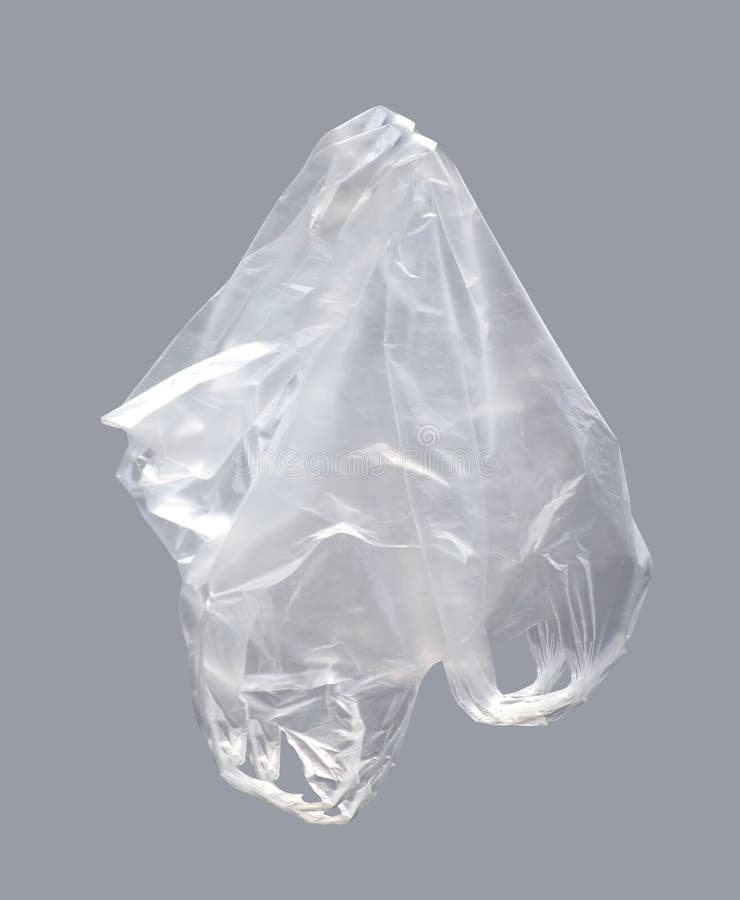
Free with trial The Plastic bag, Clear plastic bag on gray background, Plastic bag clear waste, Plastic bag clear garbage, Pollution from garbage waste bags. Gray turtle stock images, royalty-free photos and pictures Plastic bag, Clear plastic bag on gray background, Plastic bag clear waste, Plastic bag clear garbage, Pollution from garbage wast
Free with trial Turtle cat paw scratch fleas behind the ear in rural garden. Gray turtle stock images, royalty-free photos and pictures Turtle cat paw scratch fleas behind the ear in rural garden
Free with trial A pair of Olive ridley sea turtle hatchlings is seen moving towards the Ocean after being released by marine biologists working on preserving the species, in the Las Lisas beach, in Santa Rosa, Guatemala. The olive ridley sea turtle (Lepidochelys olivacea), also known commonly as the Pacific ridley sea turtle, is a species of turtle in the family Cheloniidae. The species is the second-smallest and most abundant of all sea turtles found in the world. The turtle is found in warm and tropical waters, primarily in the Pacific and Indian Oceans, but also in the warm waters of the Atlantic Ocean. This turtle and the related Kemp's ridley sea turtle are best known for their unique synchronised mass nestings called arribadas, where thousands of females come together on the same beach to lay eggs. Hatchlings are dark gray with a pale yolk scar, but appear all black when wet. Growing to about 61cm (2ft) in carapace length (measured along the curve), the olive ridley sea turtle gets its common name from its olive-colored carapace, which is heart-shaped and rounded. Males and females grow to the same size, but females have a slightly more rounded carapace as compared to males. Females return to the same beach from where they hatched, to lay their eggs. The olive ridley is predominantly carnivorous. Common prey items include tunicates like salps and sea squirts), starfish, sea urchins, bryozoans, squid, bivalves, snails, barnacles, shrimp, crabs, rock lobsters, and sipunculid worms. Additionally, consumption of jellyfish and both adult fish like phoeroides and fish eggs may be indicative of pelagic or open ocean feeding. The olive ridley is also known to feed on filamentous algae in areas devoid of other food sources. Captive studies have indicated some level of cannibalistic behavior in this species. The olive ridley is classified as vulnerable according to the International Union for Conservation of Nature and Natural Resources. Gray turtle stock images, royalty-free photos and pictures Wildlife in Guatemala: A pair of Olive ridley sea turtle hatchlings is seen moving towards the Ocean. A pair of Olive ridley sea turtle hatchlings is seen moving towards the Ocean after being released by marine biologists working on preserving the species, in the Las Lisas beach, in Santa Rosa, Guatemala. The olive ridley sea turtle (Lepidochelys olivacea), also known commonly as the Pacific ridley sea turtle, is a species of turtle in the family Cheloniidae. The species is the second-smallest and most abundant of all sea turtles found in the world. The turtle is found in warm and tropical waters, primarily in the Pacific and Indian Oceans, but also in the warm waters of the Atlantic Ocean. This turtle and the related Kemp's ridley sea turtle are best known for their unique synchronised mass nestings called arribadas, where thousands of females come together on the same beach to lay eggs. Hatchlings are dark gray with a pale yolk scar, but appear all black when wet. Growing to about 61cm (2ft) in carapace length (measured along the curve), the olive ridley sea turtle gets its common name from its olive-colored carapace, which is heart-shaped and rounded. Males and females grow to the same size, but females have a slightly more rounded carapace as compared to males. Females return to the same beach from where they hatched, to lay their eggs. The olive ridley is predominantly carnivorous. Common prey items include tunicates like salps and sea squirts), starfish, sea urchins, bryozoans, squid, bivalves, snails, barnacles, shrimp, crabs, rock lobsters, and sipunculid worms. Additionally, consumption of jellyfish and both adult fish like phoeroides and fish eggs may be indicative of pelagic or open ocean feeding. The olive ridley is also known to feed on filamentous algae in areas devoid of other food sources. Captive studies have indicated some level of cannibalistic behavior in this species. The olive ridley is classified as vulnerable according to the International Union for Conservation of Nature and Natural Resources.
Free with trial Turtle cat paw scratch fleas behind the ear in sunset spring garden. Gray turtle stock images, royalty-free photos and pictures Turtle cat paw scratch fleas behind the ear in sunset spring garden
Free with trial Turtle dove nesting despite rain falling. Gray turtle stock images, royalty-free photos and pictures Turtle dove nesting
Free with trial Turtle cheesecake with caramel, chocolate, chocolate chips and walnuts on a black and gray plate with two forks. Gray turtle stock images, royalty-free photos and pictures Cheesecake with caramel, chocolate, chocolate chips and walnuts
Free with trial Madagascar Turtle-dove - Nesoenas picturatus, beautiful colored dove endemic in Madagascar forests, Andasibe. Gray turtle stock images, royalty-free photos and pictures Madagascar Turtle-dove - Nesoenas picturatus
Free with trial A group of Olive ridley sea turtle hatchlings is released to the sea by an environmental organization dedicated to protecting and preserving the species, in front of a group of tourists in El Zonte beach, in El Salvador. The olive ridley sea turtle (Lepidochelys olivacea), also known commonly as the Pacific ridley sea turtle, is a species of turtle in the family Cheloniidae. The species is the second-smallest and most abundant of all sea turtles found in the world. The turtle is found in warm and tropical waters, primarily in the Pacific and Indian Oceans, but also in the warm waters of the Atlantic Ocean. This turtle and the related Kemp's ridley sea turtle are best known for their unique synchronised mass nestings called arribadas, where thousands of females come together on the same beach to lay eggs. Hatchlings are dark gray with a pale yolk scar, but appear all black when wet. Growing to about 61cm (2ft) in carapace length (measured along the curve), the olive ridley sea turtle gets its common name from its olive-colored carapace, which is heart-shaped and rounded. Males and females grow to the same size, but females have a slightly more rounded carapace as compared to males. Females return to the same beach from where they hatched, to lay their eggs. The olive ridley is predominantly carnivorous. Common prey items include tunicates like salps and sea squirts), starfish, sea urchins, bryozoans, squid, bivalves, snails, barnacles, shrimp, crabs, rock lobsters, and sipunculid worms. Additionally, consumption of jellyfish and both adult fish like sphoeroides and fish eggs may be indicative of pelagic or open ocean feeding. The olive ridley is also known to feed on filamentous algae in areas devoid of other food sources. Captive studies have indicated some level of cannibalistic behavior in this species. The olive ridley is classified as vulnerable according to the International Union for Conservation of Nature and Natural Resources. Gray turtle stock images, royalty-free photos and pictures Wildlife in El Salvador: Olive ridley sea turtle hatchlings make their way towards the sea after being released on a beach. A group of Olive ridley sea turtle. A group of Olive ridley sea turtle hatchlings is released to the sea by an environmental organization dedicated to protecting and preserving the species, in front of a group of tourists in El Zonte beach, in El Salvador. The olive ridley sea turtle (Lepidochelys olivacea), also known commonly as the Pacific ridley sea turtle, is a species of turtle in the family Cheloniidae. The species is the second-smallest and most abundant of all sea turtles found in the world. The turtle is found in warm and tropical waters, primarily in the Pacific and Indian Oceans, but also in the warm waters of the Atlantic Ocean. This turtle and the related Kemp's ridley sea turtle are best known for their unique synchronised mass nestings called arribadas, where thousands of females come together on the same beach to lay eggs. Hatchlings are dark gray with a pale yolk scar, but appear all black when wet. Growing to about 61cm (2ft) in carapace length (measured along the curve), the olive ridley sea turtle gets its common name from its olive-colored carapace, which is heart-shaped and rounded. Males and females grow to the same size, but females have a slightly more rounded carapace as compared to males. Females return to the same beach from where they hatched, to lay their eggs. The olive ridley is predominantly carnivorous. Common prey items include tunicates like salps and sea squirts), starfish, sea urchins, bryozoans, squid, bivalves, snails, barnacles, shrimp, crabs, rock lobsters, and sipunculid worms. Additionally, consumption of jellyfish and both adult fish like sphoeroides and fish eggs may be indicative of pelagic or open ocean feeding. The olive ridley is also known to feed on filamentous algae in areas devoid of other food sources. Captive studies have indicated some level of cannibalistic behavior in this species. The olive ridley is classified as vulnerable according to the International Union for Conservation of Nature and Natural Resources.
Free with trial The little turtle is held in the palms. Gray turtle stock images, royalty-free photos and pictures The little turtle is held in the palms
Free with trial Close up of a turtle in the tank. Gray turtle stock images, royalty-free photos and pictures Close up of a turtle
Free with trial Close up of a turtle in the tank. Gray turtle stock images, royalty-free photos and pictures Close up of a turtle
Free with trial Large land turtle at the Seoul zoo. Gray turtle stock images, royalty-free photos and pictures Head of a large land turtle close-up. Large land turtle at the Seoul zoo.
Free with trial Water turtle basking in the sun. Amphibian on the border of sand and water bathes in the sun. Gray turtle stock images, royalty-free photos and pictures Water turtle basking in the sun. Amphibian on the border of sand and water bathes in the sun
Free with trial This is a Common Snapping Turtle - Chelydra serpentina, a reptile that lives in Morgan County Alabama USA in ponds, lakes, and rivers. This is the details of the spikes on his tail and points on his shell edge. Gray turtle stock images, royalty-free photos and pictures Common Snapping Turtle Tail Details. This is a Common Snapping Turtle - Chelydra serpentina, a reptile that lives in Morgan County Alabama USA in ponds, lakes, and rivers. This is the details of the spikes on his tail and points on his shell edge.
 Sign in