Free with trial White ibis flying across Orlando Wetlands Park located east Orange County. Ibis located stock images, royalty-free photos and pictures White Ibis in Flight. White ibis flying across Orlando Wetlands Park located east Orange County
Free with trial BEZIERS, FRANCE - FEBRUARY 26, 2018: Ibis logo at hotel building located in Beziers, France. Bright blue sky with copy space background. Ibis located stock images, royalty-free photos and pictures Ibis logo at hotel building in Beziers France. BEZIERS, FRANCE - FEBRUARY 26, 2018: Ibis logo at hotel building located in Beziers, France. Bright blue sky with copy space background
Free with trial Mangrove tree on the banks of the Caroni swamp located in the Caroni Bird Sanctuary in Trinidad. Ibis located stock images, royalty-free photos and pictures Mangrove in the Caroni Swamp. Mangrove tree on the banks of the Caroni swamp located in the Caroni Bird Sanctuary in Trinidad
Free with trial This is a Winter picture of a White Ibis perched in a tree in the Everglades located in Big Cypress National Preserve in Ochopee, Florida in Collier County. The White Ibis uses its long curved bill to probe for crustaceans in ponds, river banks, and along Gulf beaches. This picture was taken on February 14, 2019. Ibis located stock images, royalty-free photos and pictures A White Ibis #3. This is a Winter picture of a White Ibis perched in a tree in the Everglades located in Big Cypress National Preserve in Ochopee, Florida in Collier County. The White Ibis uses its long curved bill to probe for crustaceans in ponds, river banks, and along Gulf beaches. This picture was taken on February 14, 2019.
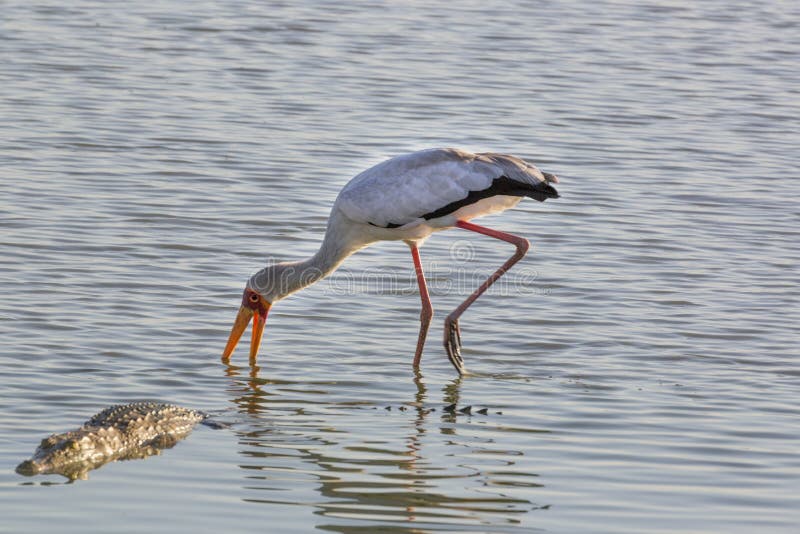
Free with trial Also called the wood stork or wood ibis, is a large African wading stork species in the family Ciconiidae. The Selous Game Reserve is one of the largest faunal reserves of the world, located in the south of Tanzania. It was named after Englishman Sir Frederick Selous, a famous big game hunter and early conservationist. Nowadays, the reserve covers a total area of 54,600 km2. Ibis located stock images, royalty-free photos and pictures Yellow-billed Stork and Crocodile, Selous Game Reserve, Tanzania. Also called the wood stork or wood ibis, is a large African wading stork species in the family Ciconiidae. The Selous Game Reserve is one of the largest faunal reserves of the world, located in the south of Tanzania. It was named after Englishman Sir Frederick Selous, a famous big game hunter and early conservationist. Nowadays, the reserve covers a total area of 54,600 km2.
Free with trial Also called the wood stork or wood ibis, is a large African wading stork species in the family Ciconiidae. The Selous Game Reserve is one of the largest faunal reserves of the world, located in the south of Tanzania. It was named after Englishman Sir Frederick Selous, a famous big game hunter and early conservationist. Nowadays, the reserve covers a total area of 54,600 km2. Ibis located stock images, royalty-free photos and pictures Yellow-billed Stork and Crocodile, Selous Game Reserve, Tanzania. Also called the wood stork or wood ibis, is a large African wading stork species in the family Ciconiidae. The Selous Game Reserve is one of the largest faunal reserves of the world, located in the south of Tanzania. It was named after Englishman Sir Frederick Selous, a famous big game hunter and early conservationist. Nowadays, the reserve covers a total area of 54,600 km2.
Free with trial Located in North Uganda. Murchison is a habitat for many species and wetlands. Ibis located stock images, royalty-free photos and pictures Monkeys Murchison National Park and Rhino Preserve. Located in North Uganda. Murchison is a habitat for many species and wetlands.
Free with trial The Golden Gate National Park is a spectacular mountain reserve located in the eastern parts of the Free State province in South Africa. Besides big game, such as wildebeest, the park hosts vultures and other spectacular birds, and is the site of some wonder geological marvels such as the Sentinel Rock. Ibis located stock images, royalty-free photos and pictures Bald Ibis photographed at Golden Gate National Park in the Eastern Free-state, South Africa. The Golden Gate National Park is a spectacular mountain reserve located in the eastern parts of the Free State province in South Africa. Besides big game, such as wildebeest, the park hosts vultures and other spectacular birds, and is the site of some wonder geological marvels such as the Sentinel Rock
Free with trial AMSTERDAM–AUG. 19, 2012. Regardz meeting center on Aug. 19, 2012 in Amsterdam. It is located near the Ibis Hotel. Regardz is a chain for encounters with 12 different locations troughout Netherlands. Ibis located stock images, royalty-free photos and pictures Bicycle parking and a moored tour boat in Amsterdam. AMSTERDAM–AUG. 19, 2012. Regardz meeting center on Aug. 19, 2012 in Amsterdam. It is located near the Ibis Hotel. Regardz is a chain for encounters with 12 different locations troughout Netherlands.
Free with trial AMSTERDAM–AUG. 19, 2012. Regardz meeting center with a bicycle parking. It is located near the Ibis Hotel. Regardz is a chain for encounters with 12 different locations throughout The Netherlands. Ibis located stock images, royalty-free photos and pictures Moored tour boat near bicycle parking, Amsterdam, Netherlands. AMSTERDAM–AUG. 19, 2012. Regardz meeting center with a bicycle parking. It is located near the Ibis Hotel. Regardz is a chain for encounters with 12 different locations throughout The Netherlands.
Free with trial Cattle egret (Bubulcus [Ardea] ibis) with white plumage and orange accents, collecting a long stick from the water. The bird stands in shallow water, wings partially spread, with one foot lifting, creating splashes. Located in the Houston area, Texas, the surrounding water surface is calm with a greenish reflection. The egret's posture is focused, emphasizing its activity in gathering nesting material. {Ardea}. Ibis located stock images, royalty-free photos and pictures Cattle egret (Bubulcus [Ardea] ibis) collecting nesting material from water, Houston area, Texas. Cattle egret (Bubulcus [Ardea] ibis) with white plumage and orange accents, collecting a long stick from the water. The bird stands in shallow water, wings partially spread, with one foot lifting, creating splashes. Located in the Houston area, Texas, the surrounding water surface is calm with a greenish reflection. The egret's posture is focused, emphasizing its activity in gathering nesting material.{Ardea}
Free with trial Ibis lying in wait in a wetland in the Camargue region. Camargue is a coastal region in southern France located south of the city of Arles, between the Mediterranean Sea and the two arms of the Rhône river delta. Ibis located stock images, royalty-free photos and pictures Ibis lying in wait in a wetland
Free with trial Ibis lying in wait in a wetland in the Camargue region. Camargue is a coastal region in southern France located south of the city of Arles, between the Mediterranean Sea and the two arms of the Rhône river delta. Ibis located stock images, royalty-free photos and pictures Ibis lying in wait in a wetland
Free with trial Pictured is an American white ibis and a little blue heron foraging for food in Chokoloskee Bay in Florida. The mirror-like surface of the bay provides reflections of both birds. Their binomial names are Eudocimus albus and Egretta caerulea. The ibis main foraging behavior is probing with its beak at the bottom of shallow water to feel for and capture its prey. Chokoloskee Bay is roughly 10 miles long and 2 miles wide and is located along Florida s Gulf Coast, separated from the Gulf of Mexico by the Ten Thousand Islands. Ibis located stock images, royalty-free photos and pictures American white ibis and a little blue heron foraging for food in Chokoloskee Bay in Florida.
Free with trial Pictured is a juvenile American white ibis and four adults foraging for food in Chokoloskee Bay in Florida. The adults are white and the juvenile has mainly brown plumage. The ibis main foraging behavior is probing with its beak at the bottom of shallow water to feel for and capture its prey. Chokoloskee Bay is roughly 10 miles long and 2 miles wide and is located along Florida s Gulf Coast, separated from the Gulf of Mexico by the Ten Thousand Islands. Ibis located stock images, royalty-free photos and pictures Juvenile American white ibis and four adults foraging for food in Chokoloskee Bay in Florida.
Free with trial Pictured is the American white ibis, binomial name Eudocimus albus, feeding on the edge of Chokoloskee Bay. Its main foraging behavior is probing with its beak at the bottom of shallow water to feel for and capture its prey. Chokoloskee Bay is roughly 10 miles long and 2 miles wide and is located along Florida's Gulf Coast, separated from the Gulf of Mexico by the Ten Thousand Islands. Ibis located stock images, royalty-free photos and pictures American white ibis, binomial name Eudocimus albus, feeding on the edge of Chokoloskee Bay in Florida. Pictured is the American white ibis, binomial name Eudocimus albus, feeding on the edge of Chokoloskee Bay. Its main foraging behavior is probing with its beak at the bottom of shallow water to feel for and capture its prey. Chokoloskee Bay is roughly 10 miles long and 2 miles wide and is located along Florida's Gulf Coast, separated from the Gulf of Mexico by the Ten Thousand Islands.
Free with trial Pictured is an American white ibis, a wimbrel, a great egret, and a tricolored heron, all with reflections in shallow water in Chokoloskee Bay in Florida. The binomial names in order are Eudocimus albus, Numenius phaeopus, Ardea alba, and Egretta tricolor. Chokoloskee Bay is roughly 10 miles long and 2 miles wide. It is located along Florida's Gulf Coast and is separated from the Gulf of Mexico by the Ten Thousand Islands. Ibis located stock images, royalty-free photos and pictures American white ibis, wimbrel, great egret, and tricolored heron in shallow water in Chokoloskee Bay in Florida. Pictured is an American white ibis, a wimbrel, a great egret, and a tricolored heron, all with reflections in shallow water in Chokoloskee Bay in Florida. The binomial names in order are Eudocimus albus, Numenius phaeopus, Ardea alba, and Egretta tricolor. Chokoloskee Bay is roughly 10 miles long and 2 miles wide. It is located along Florida's Gulf Coast and is separated from the Gulf of Mexico by the Ten Thousand Islands.
Free with trial Pictured is an American white ibis foraging for food in Chokoloskee Bay in Florida. The mirror-like surface of the bay provides a reflection. The ibis main foraging behavior is probing with its beak at the bottom of shallow water to feel for and capture its prey. Chokoloskee Bay is roughly 10 miles long and 2 miles wide and is located along Florida s Gulf Coast, separated from the Gulf of Mexico by the Ten Thousand Islands. Ibis located stock images, royalty-free photos and pictures American white ibis foraging for food in Chokoloskee Bay in Florida.
Free with trial Pictured is an American white ibis foraging for food in Chokoloskee Bay in Florida. The mirror-like surface of the bay provides a reflection. The ibis main foraging behavior is probing with its beak at the bottom of shallow water to feel for and capture its prey. Chokoloskee Bay is roughly 10 miles long and 2 miles wide and is located along Florida s Gulf Coast, separated from the Gulf of Mexico by the Ten Thousand Islands. Ibis located stock images, royalty-free photos and pictures American white ibis foraging for food in Chokoloskee Bay in Florida.
Free with trial Carara National Park, located in Puntarenas Province, is the habitat of the American White Ibis (Eudocimus albus) by the Tarcoles River. Ibis located stock images, royalty-free photos and pictures Carara National Park, located in Puntarenas Province, is the habitat of the American White Ibis (Eudocimus albus. Carara National Park, located in Puntarenas Province, is the habitat of the American White Ibis (Eudocimus albus) by the Tarcoles River.
Free with trial This image of a Glossy Ibis was captured in Myakka River State Park during winter. This park is located near Venice and Sarasota, Florida. Ibis located stock images, royalty-free photos and pictures Glossy Ibis Foraging. This image of a Glossy Ibis was captured in Myakka River State Park during winter. This park is located near Venice and Sarasota, Florida.
Free with trial A juvenile American white ibis is seen standing atop an aerator, or water wheel, in a shrimp located near the Las Lisas Beach, in Santa Rosa, Guatemala. The American white ibis (Eudocimus albus) is a species of bird in the ibis family, Threskiornithidae. It is found from the southern half of the US East Coast (from southern New Jersey, Virginia, the Carolinas and Georgia), along the Gulf Coast states Florida, Alabama, Mississippi, Louisiana and Texas and south through most of the Caribbean coastal regions of Central America. This particular ibis species is a medium-sized wading bird, possessing an overall white plumage with black wing-tips usually only visible in flight, and having the typical downward-curving bill of the ibises, though of a bright red-orange color, the same hue as its long legs. Males are larger and have longer bills than females. The breeding range runs along the Gulf and Atlantic Coast, and the coasts of Mexico and Central America. Outside the breeding period, the range extends further inland in North America and also includes the Caribbean. It is also found along the northwestern South American coastline in Colombia and Venezuela. Populations in central Venezuela overlap and interbreed with the scarlet ibis. The two have been classified by some authorities as a single species. Their diet consists primarily of small aquatic prey, such as insects and small fishes. Crayfish are its preferred food in most regions, but it can adjust its diet according to the habitat and prey abundance. Its main foraging behavior is probing with its beak at the bottom of shallow water to feel for and capture its prey. It does not see the prey. During the breeding season, the American white ibis gathers in huge colonies near water. Pairs are predominantly monogamous and both parents care for the young, although males tend to engage in extra-pair copulation with other females to increase their reproductive success. Males have also been found to pirate food from unmated females and juveniles during the breeding season. Human pollution has affected the behavior of the American white ibis via an increase in the concentrations of methylmercury, which is released into the environment from untreated waste. Exposure alters the hormone levels of American white ibis, affecting their mating and nesting behavior and leading to lower reproduction rates. Remains similar to the American white ibis have been found in Middle Pliocene deposits of the Bone Valley formation in the U. S. Two species, one living and one extinct, have been recovered from the Talara Tar Seeps in northern coastal Peru. The tar seeps have been dated at 13,900 years old. The American white ibis is still found in Peru. Ibis located stock images, royalty-free photos and pictures Wildlife in Guatemala: An juvenile American white ibis is seen standing in an aerator in a shrimp farm. A juvenile American white ibis is seen standing atop an aerator, or water wheel, in a shrimp located near the Las Lisas Beach, in Santa Rosa, Guatemala. The American white ibis (Eudocimus albus) is a species of bird in the ibis family, Threskiornithidae. It is found from the southern half of the US East Coast (from southern New Jersey, Virginia, the Carolinas and Georgia), along the Gulf Coast states Florida, Alabama, Mississippi, Louisiana and Texas and south through most of the Caribbean coastal regions of Central America. This particular ibis species is a medium-sized wading bird, possessing an overall white plumage with black wing-tips usually only visible in flight, and having the typical downward-curving bill of the ibises, though of a bright red-orange color, the same hue as its long legs. Males are larger and have longer bills than females. The breeding range runs along the Gulf and Atlantic Coast, and the coasts of Mexico and Central America. Outside the breeding period, the range extends further inland in North America and also includes the Caribbean. It is also found along the northwestern South American coastline in Colombia and Venezuela. Populations in central Venezuela overlap and interbreed with the scarlet ibis. The two have been classified by some authorities as a single species. Their diet consists primarily of small aquatic prey, such as insects and small fishes. Crayfish are its preferred food in most regions, but it can adjust its diet according to the habitat and prey abundance. Its main foraging behavior is probing with its beak at the bottom of shallow water to feel for and capture its prey. It does not see the prey.During the breeding season, the American white ibis gathers in huge colonies near water. Pairs are predominantly monogamous and both parents care for the young, although males tend to engage in extra-pair copulation with other females to increase their reproductive success. Males have also been found to pirate food from unmated females and juveniles during the breeding season. Human pollution has affected the behavior of the American white ibis via an increase in the concentrations of methylmercury, which is released into the environment from untreated waste. Exposure alters the hormone levels of American white ibis, affecting their mating and nesting behavior and leading to lower reproduction rates. Remains similar to the American white ibis have been found in Middle Pliocene deposits of the Bone Valley formation in the U.S. Two species, one living and one extinct, have been recovered from the Talara Tar Seeps in northern coastal Peru. The tar seeps have been dated at 13,900 years old. The American white ibis is still found in Peru.
Free with trial The scarlet ibis, sometimes called red ibis (Eudocimus ruber), is a species of ibis in the bird family Threskiornithidae. is an indoor tropical garden complete with gorgeous flowers, a butterfly garden, rainbow lorikeets, fish and monkeys. Pantropica is located near Emmeloord in Flevoland in the Netherlands. Ibis located stock images, royalty-free photos and pictures Scarlet Ibis bird in Pantropica in the Netherlands. The scarlet ibis, sometimes called red ibis (Eudocimus ruber), is a species of ibis in the bird family Threskiornithidae. is an indoor tropical garden complete with gorgeous flowers, a butterfly garden, rainbow lorikeets, fish and monkeys. Pantropica is located near Emmeloord in Flevoland in the Netherlands.
Free with trial The scarlet ibis, sometimes called red ibis (Eudocimus ruber), is a species of ibis in the bird family Threskiornithidae. is an indoor tropical garden complete with gorgeous flowers, a butterfly garden, rainbow lorikeets, fish and monkeys. Pantropica is located near Emmeloord in Flevoland in the Netherlands. Ibis located stock images, royalty-free photos and pictures Scarlet Ibis bird in Pantropica in the Netherlands. The scarlet ibis, sometimes called red ibis (Eudocimus ruber), is a species of ibis in the bird family Threskiornithidae. is an indoor tropical garden complete with gorgeous flowers, a butterfly garden, rainbow lorikeets, fish and monkeys. Pantropica is located near Emmeloord in Flevoland in the Netherlands.
Free with trial The scarlet ibis, sometimes called red ibis (Eudocimus ruber), is a species of ibis in the bird family Threskiornithidae. is an indoor tropical garden complete with gorgeous flowers, a butterfly garden, rainbow lorikeets, fish and monkeys. Pantropica is located near Emmeloord in Flevoland in the Netherlands. Ibis located stock images, royalty-free photos and pictures Scarlet Ibis bird in Pantropica in the Netherlands. The scarlet ibis, sometimes called red ibis (Eudocimus ruber), is a species of ibis in the bird family Threskiornithidae. is an indoor tropical garden complete with gorgeous flowers, a butterfly garden, rainbow lorikeets, fish and monkeys. Pantropica is located near Emmeloord in Flevoland in the Netherlands.
Free with trial A American white ibis is seen standing along other birds atop an aerator, or water wheel, in a shrimp located near the Las Lisas Beach, in Santa Rosa, Guatemala. The American white ibis (Eudocimus albus) is a species of bird in the ibis family, Threskiornithidae. It is found from the southern half of the US East Coast (from southern New Jersey, Virginia, the Carolinas and Georgia), along the Gulf Coast states Florida, Alabama, Mississippi, Louisiana and Texas and south through most of the Caribbean coastal regions of Central America. This particular ibis species is a medium-sized wading bird, possessing an overall white plumage with black wingtips usually only visible in flight, and having the typical downward-curving bill of the ibises, though of a bright red-orange color, the same hue as its long legs. Males are larger and have longer bills than females. The breeding range runs along the Gulf and Atlantic Coast, and the coasts of Mexico and Central America. Outside the breeding period, the range extends further inland in North America and also includes the Caribbean. It is also found along the northwestern South American coastline in Colombia and Venezuela. Populations in central Venezuela overlap and interbreed with the scarlet ibis. The two have been classified by some authorities as a single species. Their diet consists primarily of small aquatic prey, such as insects and small fishes. Crayfish are its preferred food in most regions, but it can adjust its diet according to the habitat and prey abundance. Its main foraging behavior is probing with its beak at the bottom of shallow water to feel for and capture its prey. It does not see the prey. During the breeding season, the American white ibis gathers in huge colonies near water. Pairs are predominantly monogamous and both parents care for the young, although males tend to engage in extra-pair copulation with other females to increase their reproductive success. Males have also been found to pirate food from unmated females and juveniles during the breeding season. Human pollution has affected the behavior of the American white ibis via an increase in the concentrations of methylmercury, which is released into the environment from untreated waste. Exposure alters the hormone levels of American white ibis, affecting their mating and nesting behavior and leading to lower reproduction rates. Remains similar to the American white ibis have been found in Middle Pliocene deposits of the Bone Valley formation in the U. S. Two species, one living and one extinct, have been recovered from the Talara Tar Seeps in northern coastal Peru. The tar seeps have been dated at 13,900 years old. The American white ibis is still found in Peru. Ibis located stock images, royalty-free photos and pictures Wildlife in Guatemala: An American white ibis along other birds are seen standing in an aerator in a shrimp farm. A American white ibis is seen standing along other birds atop an aerator, or water wheel, in a shrimp located near the Las Lisas Beach, in Santa Rosa, Guatemala. The American white ibis (Eudocimus albus) is a species of bird in the ibis family, Threskiornithidae. It is found from the southern half of the US East Coast (from southern New Jersey, Virginia, the Carolinas and Georgia), along the Gulf Coast states Florida, Alabama, Mississippi, Louisiana and Texas and south through most of the Caribbean coastal regions of Central America. This particular ibis species is a medium-sized wading bird, possessing an overall white plumage with black wingtips usually only visible in flight, and having the typical downward-curving bill of the ibises, though of a bright red-orange color, the same hue as its long legs. Males are larger and have longer bills than females. The breeding range runs along the Gulf and Atlantic Coast, and the coasts of Mexico and Central America. Outside the breeding period, the range extends further inland in North America and also includes the Caribbean. It is also found along the northwestern South American coastline in Colombia and Venezuela. Populations in central Venezuela overlap and interbreed with the scarlet ibis. The two have been classified by some authorities as a single species. Their diet consists primarily of small aquatic prey, such as insects and small fishes. Crayfish are its preferred food in most regions, but it can adjust its diet according to the habitat and prey abundance. Its main foraging behavior is probing with its beak at the bottom of shallow water to feel for and capture its prey. It does not see the prey.During the breeding season, the American white ibis gathers in huge colonies near water. Pairs are predominantly monogamous and both parents care for the young, although males tend to engage in extra-pair copulation with other females to increase their reproductive success. Males have also been found to pirate food from unmated females and juveniles during the breeding season. Human pollution has affected the behavior of the American white ibis via an increase in the concentrations of methylmercury, which is released into the environment from untreated waste. Exposure alters the hormone levels of American white ibis, affecting their mating and nesting behavior and leading to lower reproduction rates. Remains similar to the American white ibis have been found in Middle Pliocene deposits of the Bone Valley formation in the U.S. Two species, one living and one extinct, have been recovered from the Talara Tar Seeps in northern coastal Peru. The tar seeps have been dated at 13,900 years old. The American white ibis is still found in Peru.
Free with trial A large flock of Glossy Ibis birds in flight over Isla Mayor, located in the Doñana region near Seville, Spain. Ibis located stock images, royalty-free photos and pictures Flock of Glossy Ibis Birds in Isla Mayor, Doñana, Seville, Spain. A large flock of Glossy Ibis birds in flight over Isla Mayor, located in the Doñana region near Seville, Spain
Free with trial A large flock of Glossy Ibis birds in flight over Isla Mayor, located in the Doñana region near Seville, Spain. Ibis located stock images, royalty-free photos and pictures Flock of Glossy Ibis Birds in Isla Mayor, Doñana, Seville, Spain. A large flock of Glossy Ibis birds in flight over Isla Mayor, located in the Doñana region near Seville, Spain
Free with trial Glossy Ibis in Wakodahatchee Wetlands Park, located in Delray Beach, Florida. 14 07 2024. Ibis located stock images, royalty-free photos and pictures Glossy Ibis in Wakodahatchee Wetlands Park
Free with trial Glossy Ibis in Wakodahatchee Wetlands Park, located in Delray Beach, Florida. 14 07 2024. Ibis located stock images, royalty-free photos and pictures Glossy Ibis in Wakodahatchee Wetlands Park
Free with trial Glossy Ibis in Wakodahatchee Wetlands Park, located in Delray Beach, Florida. 14 07 2024. Ibis located stock images, royalty-free photos and pictures Glossy Ibis in Wakodahatchee Wetlands Park
Free with trial Northampton, UK - February 07 2026: A red Ibis Hotels logo is mounted on a glass panel facade at the entrance of the modern hotel building located within the town center. Ibis located stock images, royalty-free photos and pictures Red Ibis Hotels signage and logo mounted on the modern glass facade entrance in Northampton. Northampton, UK - February 07 2026: A red Ibis Hotels logo is. Northampton, UK - February 07 2026: A red Ibis Hotels logo is mounted on a glass panel facade at the entrance of the modern hotel building located within the town center
Free with trial Black-headed Ibis (*Threskiornis melanocephalus*) perched on the top of a tree branch with sparse greenery against a clear sky. The bird has a distinct black head and a long, downward-curved bill. Located in Vedanthangal Bird Sanctuary, Tamil Nadu, India, the image captures the serene and isolated presence of the bird, ideal for wallpaper or print media. Ibis located stock images, royalty-free photos and pictures Isolated Black headed Ibis above the tree found in Vedanthangal Bird Sanctuary, Tamil nadu, India 2026. Wallpaper print media. Black-headed Ibis (*Threskiornis melanocephalus*) perched on the top of a tree branch with sparse greenery against a clear sky. The bird has a distinct black head and a long, downward-curved bill. Located in Vedanthangal Bird Sanctuary, Tamil Nadu, India, the image captures the serene and isolated presence of the bird, ideal for wallpaper or print media.
Free with trial The Caroni Swamp is the largest mangrove wetland in Trinidad and Tobago It is located on the west coast of Trinidad, south of Port of Spain and northwest of Chaguanas, where the Caroni River meets the Gulf of Paria. Ibis located stock images, royalty-free photos and pictures Scarlet Ibis flying in Caroni Swamp in Trinidad and Tobago. The Caroni Swamp is the largest mangrove wetland in Trinidad and Tobago It is located on the west coast of Trinidad, south of Port of Spain and northwest of Chaguanas, where the Caroni River meets the Gulf of Paria.
Free with trial The Caroni Swamp is the largest mangrove wetland in Trinidad and Tobago It is located on the west coast of Trinidad, south of Port of Spain and northwest of Chaguanas, where the Caroni River meets the Gulf of Paria. Ibis located stock images, royalty-free photos and pictures Scarlet Ibis flying in Caroni Swamp in Trinidad and Tobago. The Caroni Swamp is the largest mangrove wetland in Trinidad and Tobago It is located on the west coast of Trinidad, south of Port of Spain and northwest of Chaguanas, where the Caroni River meets the Gulf of Paria.
Free with trial Egrets and horses in a wetland in Camargue. Camargue is a coastal region in southern France located south of the city of Arles, between the Mediterranean Sea and the two arms of the Rhône river delta. Ibis located stock images, royalty-free photos and pictures Egrets and horses in a wetland
Free with trial The marshy grass area is located next to Lake Lotus in central Florida. Ibis located stock images, royalty-free photos and pictures White Ibis bird walking to the left, carrying a yellow leaf in its mouth. The marshy grass area is located next to Lake Lotus in central Florida.
Free with trial The marshy area is located next to Lake Lotus in central Florida. Ibis located stock images, royalty-free photos and pictures White Ibis bird walking towards the camera, looking right, the lake blurred in the background. The marshy area is located next to Lake Lotus in central Florida.
Free with trial This aerial image was taken above the wetlands of St Kilda, South Australia, showcasing a group of Australian birds (likely pelicans or ibis) from a unique top-down perspective. These dry coastal marshlands provide habitat for a wide variety of native birds and wildlife, particularly during low tide. Located just north of Adelaide, St Kilda is well known for its mangrove boardwalks, birdwatching, and salt flats. Ibis located stock images, royalty-free photos and pictures Aerial top-down view of Australian wild birds forming patterns on the dry, grassy wetlands of St Kilda, South Australia: captured. This aerial image was taken above the wetlands of St Kilda, South Australia, showcasing a group of Australian birds (likely pelicans or ibis) from a unique top-down perspective. These dry coastal marshlands provide habitat for a wide variety of native birds and wildlife, particularly during low tide. Located just north of Adelaide, St Kilda is well known for its mangrove boardwalks, birdwatching, and salt flats.
Free with trial This aerial image was taken above the wetlands of St Kilda, South Australia, showcasing a group of Australian birds (likely pelicans or ibis) from a unique top-down perspective. These dry coastal marshlands provide habitat for a wide variety of native birds and wildlife, particularly during low tide. Located just north of Adelaide, St Kilda is well known for its mangrove boardwalks, birdwatching, and salt flats. Ibis located stock images, royalty-free photos and pictures Aerial top-down view of Australian wild birds forming patterns on the dry, grassy wetlands of St Kilda, South Australia: captured. This aerial image was taken above the wetlands of St Kilda, South Australia, showcasing a group of Australian birds (likely pelicans or ibis) from a unique top-down perspective. These dry coastal marshlands provide habitat for a wide variety of native birds and wildlife, particularly during low tide. Located just north of Adelaide, St Kilda is well known for its mangrove boardwalks, birdwatching, and salt flats.
Free with trial This aerial image was taken above the wetlands of St Kilda, South Australia, showcasing a group of Australian birds (likely pelicans or ibis) from a unique top-down perspective. These dry coastal marshlands provide habitat for a wide variety of native birds and wildlife, particularly during low tide. Located just north of Adelaide, St Kilda is well known for its mangrove boardwalks, birdwatching, and salt flats. Ibis located stock images, royalty-free photos and pictures Aerial top-down view of Australian wild birds forming patterns on the dry, grassy wetlands of St Kilda, South Australia: captured. This aerial image was taken above the wetlands of St Kilda, South Australia, showcasing a group of Australian birds (likely pelicans or ibis) from a unique top-down perspective. These dry coastal marshlands provide habitat for a wide variety of native birds and wildlife, particularly during low tide. Located just north of Adelaide, St Kilda is well known for its mangrove boardwalks, birdwatching, and salt flats.
Free with trial This aerial image was taken above the wetlands of St Kilda, South Australia, showcasing a group of Australian birds (likely pelicans or ibis) from a unique top-down perspective. These dry coastal marshlands provide habitat for a wide variety of native birds and wildlife, particularly during low tide. Located just north of Adelaide, St Kilda is well known for its mangrove boardwalks, birdwatching, and salt flats. Ibis located stock images, royalty-free photos and pictures Aerial top-down view of Australian wild birds forming patterns on the dry, grassy wetlands of St Kilda, South Australia: captured. This aerial image was taken above the wetlands of St Kilda, South Australia, showcasing a group of Australian birds (likely pelicans or ibis) from a unique top-down perspective. These dry coastal marshlands provide habitat for a wide variety of native birds and wildlife, particularly during low tide. Located just north of Adelaide, St Kilda is well known for its mangrove boardwalks, birdwatching, and salt flats.
Free with trial The American flamingo (Phoenicopterus ruber) is a large wading bird with reddish-pink plumage. The Caroni Swamp is the largest mangrove wetland in Trinidad and Tobago It is located on the west coast of Trinidad, south of Port of Spain and northwest of Chaguanas, where the Caroni River meets the Gulf of Paria. Ibis located stock images, royalty-free photos and pictures Young Grey American Flamingo in Caroni Swamp in Trinidad and Tobago. The American flamingo (Phoenicopterus ruber) is a large wading bird with reddish-pink plumage.The Caroni Swamp is the largest mangrove wetland in Trinidad and Tobago It is located on the west coast of Trinidad, south of Port of Spain and northwest of Chaguanas, where the Caroni River meets the Gulf of Paria.
Free with trial The American flamingo (Phoenicopterus ruber) is a large wading bird with reddish-pink plumage. The Caroni Swamp is the largest mangrove wetland in Trinidad and Tobago It is located on the west coast of Trinidad, south of Port of Spain and northwest of Chaguanas, where the Caroni River meets the Gulf of Paria. Ibis located stock images, royalty-free photos and pictures White Ibis and American Flamingos in Caroni Swamp in Trinidad and Tobago. The American flamingo (Phoenicopterus ruber) is a large wading bird with reddish-pink plumage.The Caroni Swamp is the largest mangrove wetland in Trinidad and Tobago It is located on the west coast of Trinidad, south of Port of Spain and northwest of Chaguanas, where the Caroni River meets the Gulf of Paria.
Free with trial The American flamingo (Phoenicopterus ruber) is a large wading bird with reddish-pink plumage. The Caroni Swamp is the largest mangrove wetland in Trinidad and Tobago It is located on the west coast of Trinidad, south of Port of Spain and northwest of Chaguanas, where the Caroni River meets the Gulf of Paria. Ibis located stock images, royalty-free photos and pictures White Ibis and American Flamingos in Caroni Swamp in Trinidad and Tobago. The American flamingo (Phoenicopterus ruber) is a large wading bird with reddish-pink plumage.The Caroni Swamp is the largest mangrove wetland in Trinidad and Tobago It is located on the west coast of Trinidad, south of Port of Spain and northwest of Chaguanas, where the Caroni River meets the Gulf of Paria.
Free with trial The Caroni Swamp is the largest mangrove wetland in Trinidad and Tobago It is located on the west coast of Trinidad, south of Port of Spain and northwest of Chaguanas, where the Caroni River meets the Gulf of Paria. Ibis located stock images, royalty-free photos and pictures Flamingos and Clouds reflecting in the blue water of Caroni Swamp in Trinidad and Tobago. The Caroni Swamp is the largest mangrove wetland in Trinidad and Tobago It is located on the west coast of Trinidad, south of Port of Spain and northwest of Chaguanas, where the Caroni River meets the Gulf of Paria.
Free with trial Marilia, Sao Paulo, Brazil, October 24, 2022: European hotel chains Ibis, this hotel is located in Marilia city, Sao Paulo state, Brazil. Ibis located stock images, royalty-free photos and pictures European hotel chains Ibis, this hotel is located in Marilia city
Free with trial The ibis Fès hotel is located a few minutes from the centre of Fès and the magnificent Médina, a universal heritage retracing the history of the Moroccan dynasties. 40 m from the railway station and 12 km only from the airport, the hotel has 123 air-conditioned rooms and a meeting room for organising seminars and conferences. Guests have the use of a garden with a swimming pool, a bar open 24/24, a restaurant and parking. Ibis located stock images, royalty-free photos and pictures Ibis Hotel in Meknes, Morocco. The ibis Fès hotel is located a few minutes from the centre of Fès and the magnificent Médina, a universal heritage retracing the history of the Moroccan dynasties. 40 m from the railway station and 12 km only from the airport, the hotel has 123 air-conditioned rooms and a meeting room for organising seminars and conferences. Guests have the use of a garden with a swimming pool, a bar open 24/24, a restaurant and parking.
Free with trial Pictured is an American white ibis and a wimbrel, both with reflections in Chokoloskee Bay , Florida. The ibis binomial name is Eudocimus albus and the wimbrel is Numenius phaeopus. Chokoloskee Bay is roughly 10 miles long and 2 miles wide. It is located along Florida’s Gulf Coast and is separated from the Gulf of Mexico by the Ten Thousand Islands. Ibis located stock images, royalty-free photos and pictures American white ibis and a wimbrel, both with reflections in Chokoloskee Bay , Florida.
Free with trial Pictured is a Juvenile American white ibis foraging for food in Chokoloskee Bay in Florida. The binomial name is Eudocimus albus. The ibis main foraging behavior is probing with its beak at the bottom of shallow water to feel for and capture its prey. Chokoloskee Bay is roughly 10 miles long and 2 miles wide and is located along the Gulf Coast of Florida, separated from the Gulf of Mexico by the Ten Thousand Islands. Ibis located stock images, royalty-free photos and pictures Juvenile American white ibis foraging for food in Chokoloskee Bay in Florida.
Free with trial Hotel Ibis Delhi Airport, located adjacent to both T1 & T3 airport terminals in Delhi, India. Ibis located stock images, royalty-free photos and pictures Hotel Ibis Delhi Airport
Free with trial Pictured is a reddish egret and an American white ibis standing in shallow water in Chokoloskee Bay in Florida. The binomial names are Egretta rufescens and Eudocimus albus. Chokoloskee Bay is roughly 10 miles long and 2 miles wide. It is located along Florida’s Gulf Coast and is separated from the Gulf of Mexico by the Ten Thousand Islands are. Ibis located stock images, royalty-free photos and pictures Reddish egret and American white ibis in shallow water in Chokoloskee Bay in Florida. Pictured is a reddish egret and an American white ibis standing in shallow water in Chokoloskee Bay in Florida. The binomial names are Egretta rufescens and Eudocimus albus. Chokoloskee Bay is roughly 10 miles long and 2 miles wide. It is located along Florida’s Gulf Coast and is separated from the Gulf of Mexico by the Ten Thousand Islands are
Free with trial Pictured is a reddish egret and an American white ibis standing in shallow water in Chokoloskee Bay in Florida. The binomial names are Egretta rufescens and Eudocimus albus. The ibis is searching for food underwater feeling blindly with its bill. Chokoloskee Bay is roughly 10 miles long and 2 miles wide. It is located along Florida’s Gulf Coast and is separated from the Gulf of Mexico by the Ten Thousand Islands are. Ibis located stock images, royalty-free photos and pictures Reddish egret and American white ibis in shallow water in Chokoloskee Bay in Florida. Pictured is a reddish egret and an American white ibis standing in shallow water in Chokoloskee Bay in Florida. The binomial names are Egretta rufescens and Eudocimus albus. The ibis is searching for food underwater feeling blindly with its bill. Chokoloskee Bay is roughly 10 miles long and 2 miles wide. It is located along Florida’s Gulf Coast and is separated from the Gulf of Mexico by the Ten Thousand Islands are
Free with trial Pictured are two juvenile American white ibis, binomial name Eudocimus albus, flying just above the surface of Chokoloskee Bay in Florida. The juvenile American white ibis has largely brown plumage and only the rump, underwing and underparts are white. As it matures it undergoes a gradual molt over two years to obtain the white adult plumage. Chokoloskee Bay is roughly 10 miles long and two miles wide. It is located along Florida's Gulf Coast and is separated from the gulf of Mexico by the Ten Thousand Islands. Ibis located stock images, royalty-free photos and pictures Two juvenile American white ibis flying just above the surface of Chokoloskee Bay in Florida. Pictured are two juvenile American white ibis, binomial name Eudocimus albus, flying just above the surface of Chokoloskee Bay in Florida. The juvenile American white ibis has largely brown plumage and only the rump, underwing and underparts are white. As it matures it undergoes a gradual molt over two years to obtain the white adult plumage. Chokoloskee Bay is roughly 10 miles long and two miles wide. It is located along Florida's Gulf Coast and is separated from the gulf of Mexico by the Ten Thousand Islands.
Free with trial Pictured is an American white ibis perched in red mangrove tree alongside Chokoloskee Bay in Florida. The binomial name is Eudocimus albus. Their diet consists primarily of small aquatic prey, such as insects and small fishes. Crayfish are its preferred food in most regions, but it can adjust its diet according to the habitat and prey abundance. Chokoloskee Bay is roughly ten miles long and two miles wide. It is located along Florida’s Gulf Coast and is separated from the Gulf of Mexico by the Ten Thousand Islands. Ibis located stock images, royalty-free photos and pictures American white ibis perched in a red mangrove tree alongside Chokoloskee Bay in Florida. Pictured is an American white ibis perched in red mangrove tree alongside Chokoloskee Bay in Florida. The binomial name is Eudocimus albus. Their diet consists primarily of small aquatic prey, such as insects and small fishes. Crayfish are its preferred food in most regions, but it can adjust its diet according to the habitat and prey abundance. Chokoloskee Bay is roughly ten miles long and two miles wide. It is located along Florida’s Gulf Coast and is separated from the Gulf of Mexico by the Ten Thousand Islands.
Free with trial Pictured is an American white ibis perched in red mangrove tree alongside Chokoloskee Bay in Florida. The binomial name is Eudocimus albus. Their diet consists primarily of small aquatic prey, such as insects and small fishes. Crayfish are its preferred food in most regions, but it can adjust its diet according to the habitat and prey abundance. Chokoloskee Bay is roughly ten miles long and two miles wide. It is located along Florida’s Gulf Coast and is separated from the Gulf of Mexico by the Ten Thousand Islands. Ibis located stock images, royalty-free photos and pictures American white ibis perched in a red mangrove tree alongside Chokoloskee Bay in Florida. Pictured is an American white ibis perched in red mangrove tree alongside Chokoloskee Bay in Florida. The binomial name is Eudocimus albus. Their diet consists primarily of small aquatic prey, such as insects and small fishes. Crayfish are its preferred food in most regions, but it can adjust its diet according to the habitat and prey abundance. Chokoloskee Bay is roughly ten miles long and two miles wide. It is located along Florida’s Gulf Coast and is separated from the Gulf of Mexico by the Ten Thousand Islands.
Free with trial Pictured are two American white ibis, binomial name Eudocimus albus, flying low over the surface of Chokoloskee Bay in Florida. Crayfish are its preferred food in most regions, but it can adjust its diet according to the habitat and prey abundance. Its main foraging behavior is probing with its beak at the bottom of shallow water to feel for and capture its prey. . Chokoloskee Bay is roughly 10 miles long and 2 miles wide and is located along Florida's Gulf Coast and is separated from the Gulf of Mexico by the Ten Thousand Islands. Ibis located stock images, royalty-free photos and pictures Two American white ibis, binomial name Eudocimus albus, flying low over the surface of Chokoloskee Bay in Florida.
Free with trial Pictured is an American white ibis perched in red mangrove tree alongside Chokoloskee Bay in Florida. The binomial name is Eudocimus albus. Their diet consists primarily of small aquatic prey, such as insects and small fishes. Crayfish are its preferred food in most regions, but it can adjust its diet according to the habitat and prey abundance. Chokoloskee Bay is roughly ten miles long and two miles wide. It is located along Florida’s Gulf Coast and is separated from the Gulf of Mexico by the Ten Thousand Islands. Ibis located stock images, royalty-free photos and pictures American white ibis perched in a tree with green leaves alongside Chokoloskee Bay in Florida. Pictured is an American white ibis perched in red mangrove tree alongside Chokoloskee Bay in Florida. The binomial name is Eudocimus albus. Their diet consists primarily of small aquatic prey, such as insects and small fishes. Crayfish are its preferred food in most regions, but it can adjust its diet according to the habitat and prey abundance. Chokoloskee Bay is roughly ten miles long and two miles wide. It is located along Florida’s Gulf Coast and is separated from the Gulf of Mexico by the Ten Thousand Islands.
Free with trial Pictured is an American white ibis perched in red mangrove tree alongside Chokoloskee Bay in Florida. The binomial name is Eudocimus albus. Their diet consists primarily of small aquatic prey, such as insects and small fishes. Crayfish are its preferred food in most regions, but it can adjust its diet according to the habitat and prey abundance. Chokoloskee Bay is roughly ten miles long and two miles wide. It is located along Florida’s Gulf Coast and is separated from the Gulf of Mexico by the Ten Thousand Islands. Ibis located stock images, royalty-free photos and pictures American white ibis perched in a tree with green leaves alongside Chokoloskee Bay in Florida. Pictured is an American white ibis perched in red mangrove tree alongside Chokoloskee Bay in Florida. The binomial name is Eudocimus albus. Their diet consists primarily of small aquatic prey, such as insects and small fishes. Crayfish are its preferred food in most regions, but it can adjust its diet according to the habitat and prey abundance. Chokoloskee Bay is roughly ten miles long and two miles wide. It is located along Florida’s Gulf Coast and is separated from the Gulf of Mexico by the Ten Thousand Islands.
Free with trial Pictured is an American white ibis perched in red mangrove tree alongside Chokoloskee Bay in Florida. The binomial name is Eudocimus albus. Their diet consists primarily of small aquatic prey, such as insects and small fishes. Crayfish are its preferred food in most regions, but it can adjust its diet according to the habitat and prey abundance. Chokoloskee Bay is roughly ten miles long and two miles wide. It is located along Florida’s Gulf Coast and is separated from the Gulf of Mexico by the Ten Thousand Islands. Ibis located stock images, royalty-free photos and pictures American white ibis perched in a tree with green leaves alongside Chokoloskee Bay in Florida. Pictured is an American white ibis perched in red mangrove tree alongside Chokoloskee Bay in Florida. The binomial name is Eudocimus albus. Their diet consists primarily of small aquatic prey, such as insects and small fishes. Crayfish are its preferred food in most regions, but it can adjust its diet according to the habitat and prey abundance. Chokoloskee Bay is roughly ten miles long and two miles wide. It is located along Florida’s Gulf Coast and is separated from the Gulf of Mexico by the Ten Thousand Islands.
Free with trial Hotel Ibis Delhi Airport, located adjacent to both T1 & T3 airport terminals in Delhi, India. Ibis located stock images, royalty-free photos and pictures Hotel Ibis Delhi Airport
Free with trial Hotel Ibis Delhi Airport, located adjacent to both T1 & T3 airport terminals in Delhi, India. Ibis located stock images, royalty-free photos and pictures Hotel Ibis Delhi Airport
Free with trial Pictured is an American white ibis perched in the remains of a dead tree trunk alongside Chokoloskee Bay in Florida. The binomial name is Eudocimus albus. Their diet consists primarily of small aquatic prey, such as insects and small fishes. Crayfish are its preferred food in most regions, but it can adjust its diet according to the habitat and prey abundance. Chokoloskee Bay is roughly ten miles long and two miles wide. It is located along Florida’s Gulf Coast and is separated from the Gulf of Mexico by the Ten Thousand Islands. Ibis located stock images, royalty-free photos and pictures American white ibis perched in the remains of a dead tree trunk alongside Chokoloskee Bay in Florida.
Free with trial Pictured is an American white ibis perched in the remains of a dead tree trunk alongside Chokoloskee Bay in Florida. The binomial name is Eudocimus albus. Their diet consists primarily of small aquatic prey, such as insects and small fishes. Crayfish are its preferred food in most regions, but it can adjust its diet according to the habitat and prey abundance. Chokoloskee Bay is roughly ten miles long and two miles wide. It is located along Florida’s Gulf Coast and is separated from the Gulf of Mexico by the Ten Thousand Islands. Ibis located stock images, royalty-free photos and pictures American white ibis perched in the remains of a dead tree trunk alongside Chokoloskee Bay in Florida.
Free with trial Pictured is an American white ibis perched in the remains of a dead tree trunk alongside Chokoloskee Bay in Florida. The binomial name is Eudocimus albus. Their diet consists primarily of small aquatic prey, such as insects and small fishes. Crayfish are its preferred food in most regions, but it can adjust its diet according to the habitat and prey abundance. Chokoloskee Bay is roughly ten miles long and two miles wide. It is located along Florida’s Gulf Coast and is separated from the Gulf of Mexico by the Ten Thousand Islands. Ibis located stock images, royalty-free photos and pictures American white ibis perched in the remains of a dead tree trunk alongside Chokoloskee Bay in Florida.
Free with trial Pictured is an American white ibis perched in the remains of a dead tree trunk alongside Chokoloskee Bay in Florida. The binomial name is Eudocimus albus. Their diet consists primarily of small aquatic prey, such as insects and small fishes. Crayfish are its preferred food in most regions, but it can adjust its diet according to the habitat and prey abundance. Chokoloskee Bay is roughly ten miles long and two miles wide. It is located along Florida’s Gulf Coast and is separated from the Gulf of Mexico by the Ten Thousand Islands. Ibis located stock images, royalty-free photos and pictures American white ibis perched in the remains of a dead tree trunk alongside Chokoloskee Bay in Florida.
Free with trial Hotel Ibis Delhi Airport, located adjacent to both T1 & T3 airport terminals in Delhi, India. Ibis located stock images, royalty-free photos and pictures Hotel Ibis Delhi Airport
Free with trial A beautiful black-headed ibis in the Colombian Bird Sanctuary located in Cartagena de Indias. Ibis located stock images, royalty-free photos and pictures Beautiful black-headed ibis in the Colombian Bird Sanctuary located in Cartagena de Indias.
Free with trial A beautiful scarlet ibis in the Colombian Bird Sanctuary located in Cartagena de Indias. Ibis located stock images, royalty-free photos and pictures Beautiful scarlet ibis in the Colombian Bird Sanctuary located in Cartagena de Indias.
Free with trial A beautiful scarlet ibis in the Colombian Bird Sanctuary located in Cartagena de Indias. Ibis located stock images, royalty-free photos and pictures Beautiful scarlet ibis in the Colombian Bird Sanctuary located in Cartagena de Indias.
Free with trial A beautiful scarlet ibis in the Colombian Bird Sanctuary located in Cartagena de Indias. Ibis located stock images, royalty-free photos and pictures Beautiful scarlet ibis in the Colombian Bird Sanctuary located in Cartagena de Indias.
Free with trial A beautiful scarlet ibis in the Colombian Bird Sanctuary located in Cartagena de Indias. Ibis located stock images, royalty-free photos and pictures Beautiful scarlet ibis in the Colombian Bird Sanctuary located in Cartagena de Indias.
Free with trial This is a Winter picture of a White Ibis perched in a tree in the Everglades located in Big Cypress National Preserve in Ochopee, Florida in Collier County. The White Ibis uses its long curved bill to probe for crustaceans in ponds, river banks, and along Gulf beaches. This picture was taken on February 14, 2019. Ibis located stock images, royalty-free photos and pictures A White Ibis 2. This is a Winter picture of a White Ibis perched in a tree in the Everglades located in Big Cypress National Preserve in Ochopee, Florida in Collier County. The White Ibis uses its long curved bill to probe for crustaceans in ponds, river banks, and along Gulf beaches. This picture was taken on February 14, 2019.
Free with trial This is a Winter picture of a White Ibis perched in a tree in the Everglades located in Big Cypress National Preserve in Ochopee, Florida in Collier County. The White Ibis uses its long curved bill to probe for crustaceans in ponds, river banks, and along Gulf beaches. This picture was taken on February 14, 2019. Ibis located stock images, royalty-free photos and pictures A White Ibis 1. This is a Winter picture of a White Ibis perched in a tree in the Everglades located in Big Cypress National Preserve in Ochopee, Florida in Collier County. The White Ibis uses its long curved bill to probe for crustaceans in ponds, river banks, and along Gulf beaches. This picture was taken on February 14, 2019.
Free with trial This is a Winter picture of a Sacred Ibis on exhibit at the Lowry Park Zoo located in Tampa, Florida in a Hillsborough County. This picture was taken on February 12, 2018. Ibis located stock images, royalty-free photos and pictures A Sacred Ibis
Free with trial This is a Winter picture of a Scarlet Ibis on exhibit at the Lowry Park Zoo located in Tampa, Florida in a Hillsborough County. This picture was taken on February 12, 2018. Ibis located stock images, royalty-free photos and pictures Scarlet Ibis
Free with trial This is a Winter picture of a Scarlet Ibis on exhibit at the Lowry Park Zoo located in Tampa, Florida in a Hillsborough County. This picture was taken on February 12, 2018. Ibis located stock images, royalty-free photos and pictures A Scarlet Ibis
Free with trial Bangkok, Thailand June 17 2017: Ibis Bangkok Riverside Hotel outside view of sign and swimming pool. This is a family friendly hotel located directly on the Chao Phraya River. Ibis located stock images, royalty-free photos and pictures Bangkok, Thailand June 17 2017: Ibis Bangkok Riverside Hotel outside view of sign and swimming pool
Free with trial A hotel Ibis located at Bristol Temple Meads Quay, United Kingdom. Ibis located stock images, royalty-free photos and pictures Hotel Ibis
Free with trial Also called the wood stork or wood ibis, is a large African wading stork species in the family Ciconiidae. The Selous Game Reserve is one of the largest faunal reserves of the world, located in the south of Tanzania. It was named after Englishman Sir Frederick Selous, a famous big game hunter and early conservationist. Nowadays, the reserve covers a total area of 54,600 km2. Ibis located stock images, royalty-free photos and pictures Yellow-billed Stork and Crocodile, Selous Game Reserve, Tanzania. Also called the wood stork or wood ibis, is a large African wading stork species in the family Ciconiidae. The Selous Game Reserve is one of the largest faunal reserves of the world, located in the south of Tanzania. It was named after Englishman Sir Frederick Selous, a famous big game hunter and early conservationist. Nowadays, the reserve covers a total area of 54,600 km2.
 Sign in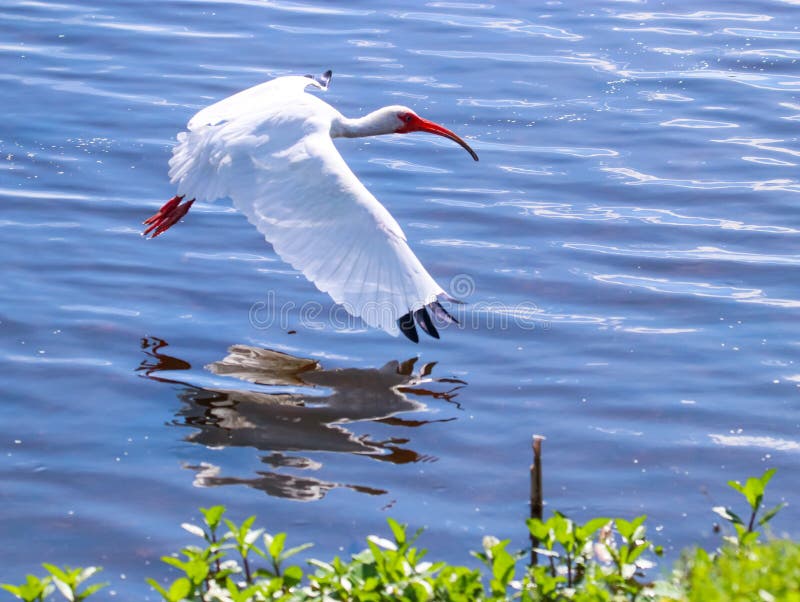




![Cattle egret (Bubulcus [Ardea] ibis) with white plumage and orange accents, collecting a long stick from the water. The bird stands in shallow water, wings partially spread, with one foot lifting, creating splashes. Located in the Houston area, Texas, the surrounding water surface is calm with a greenish reflection. The egret's posture is focused, emphasizing its activity in gathering nesting material. {Ardea}. Ibis located stock images, royalty-free photos and pictures](https://thumbs.dreamstime.com/b/cattle-egret-bubulcus-ardea-ibis-white-plumage-orange-accents-collecting-long-stick-water-bird-stands-416348785.jpg)


