Free with trial Komárom, Hungary - 16th September 2014: There is a plastic C-3PO action figure in the photo. This version of the droid performed in the following Star Wars movies: Episode III, IV, V, VI. This figure made by Hasbro. Iii c stock images, royalty-free photos and pictures Star Wars character C-3PO. Komárom, Hungary - 16th September 2014: There is a plastic C-3PO action figure in the photo. This version of the droid performed in the following Star Wars movies: Episode III, IV, V, VI. This figure made by Hasbro.
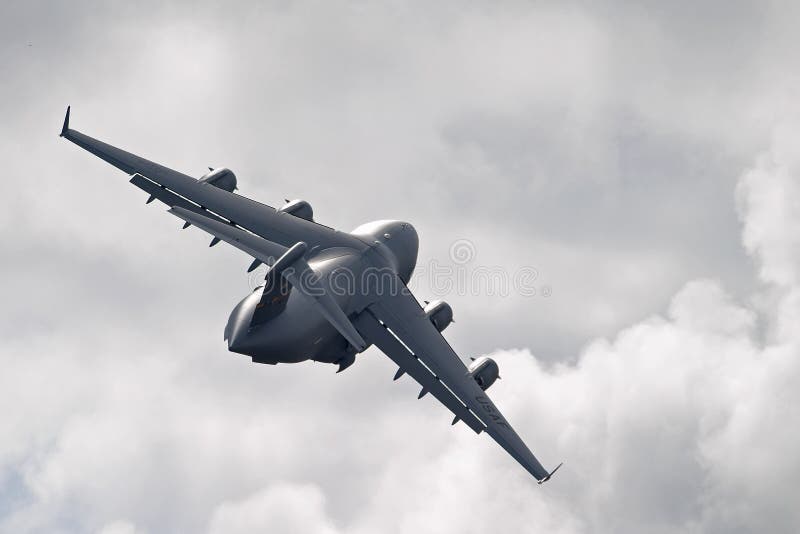
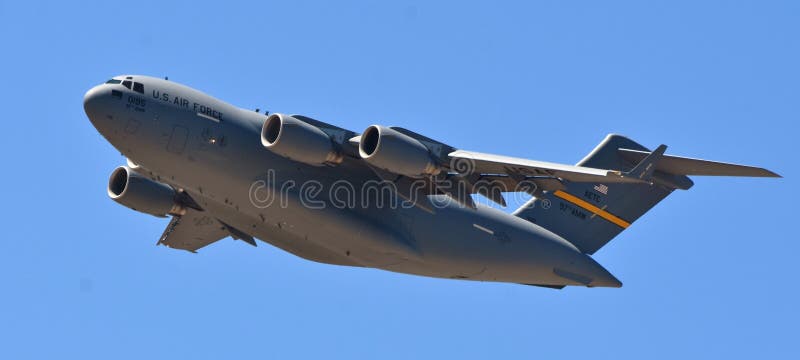
Free with trial C-17 in flight. Iii c stock images, royalty-free photos and pictures C-17 Globemaster III. C-17 in flight
Free with trial New Philippine President Benigno Simeon C. Aquino Jr. III delivers his innaugural speech on June 30 2010. Iii c stock images, royalty-free photos and pictures President Innaugural Speech. New Philippine President Benigno Simeon C. Aquino Jr. III delivers his innaugural speech on June 30 2010
Free with trial New Philippine President Benigno C Aquino Jr. III acknowledge the Military Pass in Review during his innaugural as the 15th President of the Republic of the Philippines on June 30 2010. Iii c stock images, royalty-free photos and pictures Benigno C. Aquino Jr. III. New Philippine President Benigno C Aquino Jr. III acknowledge the Military Pass in Review during his innaugural as the 15th President of the Republic of the Philippines on June 30 2010
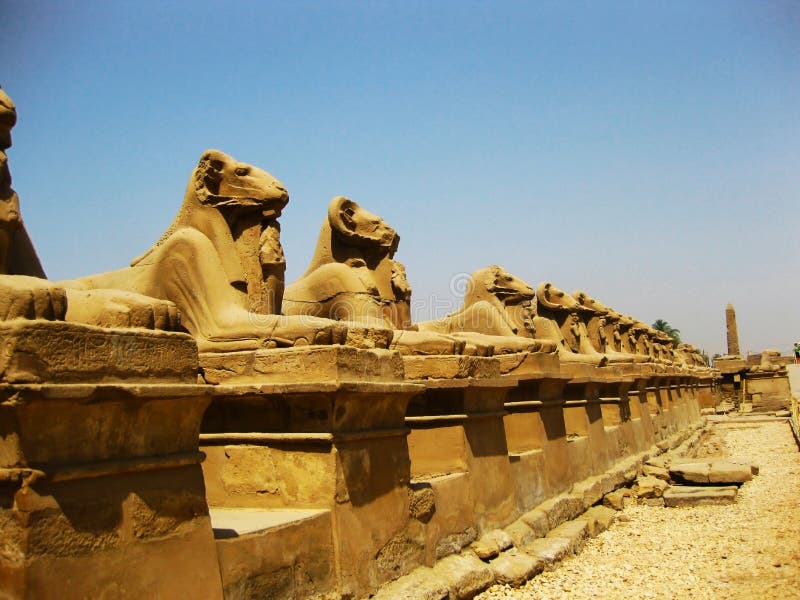
Free with trial Luxor Temple is a large Ancient Egyptian temple complex located on the east bank of the River Nile in the city today known as Luxor (ancient Thebes) and was founded in 1400 B. C. E. Known in the Egyptian language as ipet resyt, or the southern sanctuary, the temple was dedicated to the Theban Triad of Amun, Mut, and Chons and was built during the New Kingdom, the focus of the annual Opet Festival, in which a cult statue of Amun was paraded down the Nile from nearby Karnak Temple (ipet-isut) to stay there for a while, with his consort Mut, in a celebration of fertility – whence its name. The earliest parts of the temple still standing are the barque chapels, just behind the first pylon. They were built by Hatshepsut, and appropriated by Tuthmosis III. The main part of the temple - the colonnade and the sun court were built by Amenhotep III, and a later addition by Rameses II, who built the entrance pylon, and the two obelisks (one of which was given to France, and is now at the centre of the Place de la Concorde linked the Hatshepsut buildings with the main temple. To the rear of the temple are chapels built by Tuthmosis III, and Alexander. During the Roman era, the temple and its surroundings were a legionary fortress and the home of the Roman government in the area. Iii c stock images, royalty-free photos and pictures Luxor Temple - Detail. Luxor Temple is a large Ancient Egyptian temple complex located on the east bank of the River Nile in the city today known as Luxor (ancient Thebes) and was founded in 1400 B.C.E. Known in the Egyptian language as ipet resyt, or the southern sanctuary, the temple was dedicated to the Theban Triad of Amun, Mut, and Chons and was built during the New Kingdom, the focus of the annual Opet Festival, in which a cult statue of Amun was paraded down the Nile from nearby Karnak Temple (ipet-isut) to stay there for a while, with his consort Mut, in a celebration of fertility – whence its name. The earliest parts of the temple still standing are the barque chapels, just behind the first pylon. They were built by Hatshepsut, and appropriated by Tuthmosis III. The main part of the temple - the colonnade and the sun court were built by Amenhotep III, and a later addition by Rameses II, who built the entrance pylon, and the two obelisks (one of which was given to France, and is now at the centre of the Place de la Concorde linked the Hatshepsut buildings with the main temple. To the rear of the temple are chapels built by Tuthmosis III, and Alexander. During the Roman era, the temple and its surroundings were a legionary fortress and the home of the Roman government in the area.
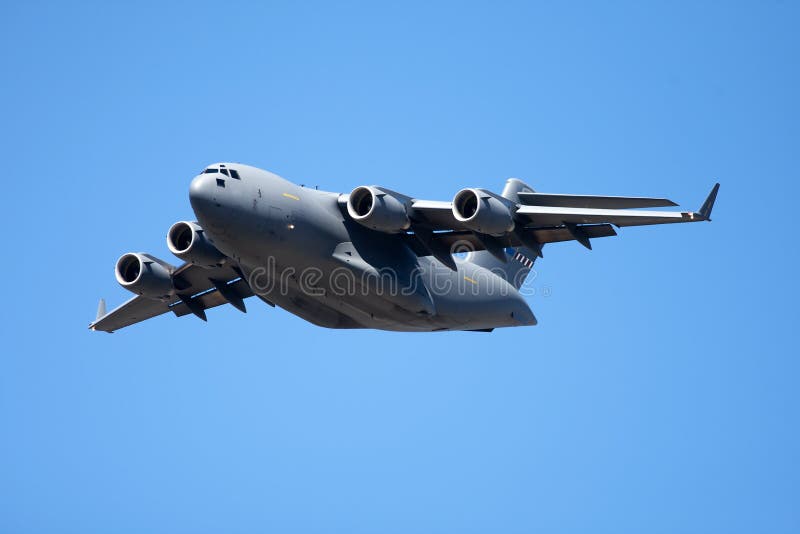
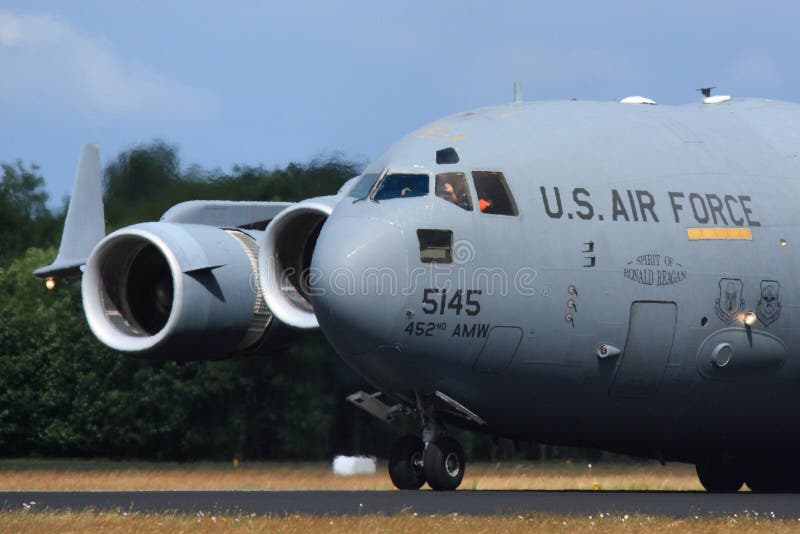
Free with trial A Boeing C-17 Globemaster III (Spirit of Ronald Reagan) of the US Air Force in flight. Iii c stock images, royalty-free photos and pictures C-17 Globemaster III
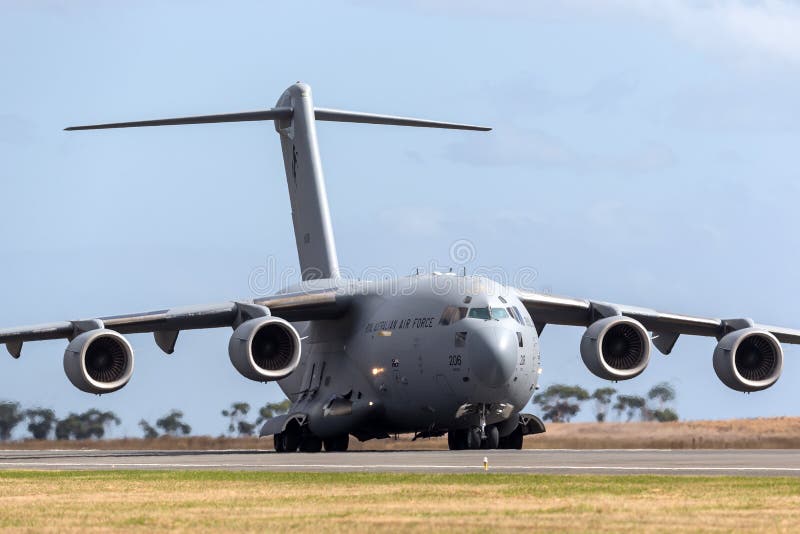
Free with trial Avalon, Australia - February 28, 2013: Royal Australian Air Force RAAF Boeing C-17A Globemaster III Large military cargo aircraft A41-206 from 36 Squadron based at RAAF Amberley, Queensland. Iii c stock images, royalty-free photos and pictures Royal Australian Air Force RAAF Boeing C-17A Globemaster III Large military cargo aircraft A41-206 from 36 Squadron
Free with trial U. S. Air Force Boeing C-17 Globemaster III at the air show at Ysterplaat Air Force Base, Cape Town South Africa, 24 September 2010. Iii c stock images, royalty-free photos and pictures Boeing C-17
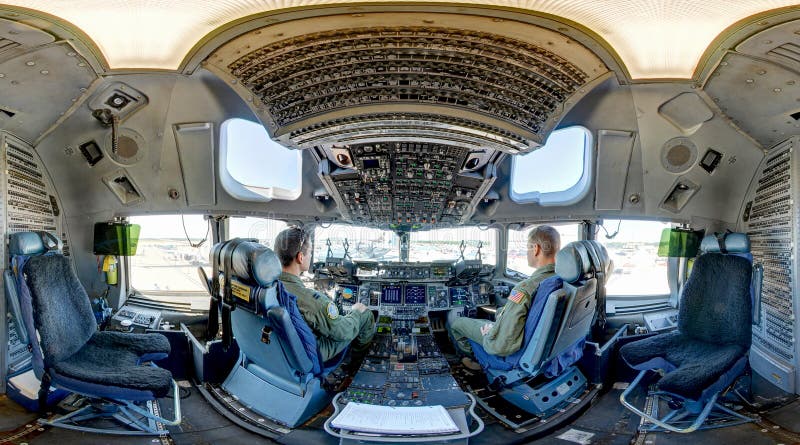
Free with trial ROCKFORD, IL- JUNE 2: United States Air Force Boeing C-17 Globemaster III cockpit on display at the June 2012 Rockford AirFest. The C-17 is a large military transport aircraft. June 2, 2012 Rockford, IL. Iii c stock images, royalty-free photos and pictures C-17 Globemaster III cockpit wide angle. ROCKFORD, IL- JUNE 2: United States Air Force Boeing C-17 Globemaster III cockpit on display at the June 2012 Rockford AirFest. The C-17 is a large military transport aircraft.June 2, 2012 Rockford, IL
Free with trial Unclassified interior view of a C-17 Globemaster III military cargo jet. Iii c stock images, royalty-free photos and pictures C-17 Interior. Unclassified interior view of a C-17 Globemaster III military cargo jet.
Free with trial A Boeing C-17 Globemaster III (Spirit of Ronald Reagan) is rolling out after landing at the Dutch Air Force airshow in June 2010, at the Gilze Rijen air force base. Pilot is waving. Iii c stock images, royalty-free photos and pictures C-17 rolling out after landing. A Boeing C-17 Globemaster III (Spirit of Ronald Reagan) is rolling out after landing at the Dutch Air Force airshow in June 2010, at the Gilze Rijen air force base. Pilot is waving.
Free with trial Roman amphora collar dating the iii or iv century before j-c found in the mediterranean sea. Iii c stock images, royalty-free photos and pictures Roman Amphora Collar
Free with trial Luxor Temple is a large Ancient Egyptian temple complex located on the east bank of the River Nile in the city today known as Luxor (ancient Thebes) and was founded in 1400 B. C. E. Known in the Egyptian language as ipet resyt, or the southern sanctuary, the temple was dedicated to the Theban Triad of Amun, Mut, and Chons and was built during the New Kingdom, the focus of the annual Opet Festival, in which a cult statue of Amun was paraded down the Nile from nearby Karnak Temple (ipet-isut) to stay there for a while, with his consort Mut, in a celebration of fertility – whence its name. The earliest parts of the temple still standing are the barque chapels, just behind the first pylon. They were built by Hatshepsut, and appropriated by Tuthmosis III. The main part of the temple - the colonnade and the sun court were built by Amenhotep III, and a later addition by Rameses II, who built the entrance pylon, and the two obelisks (one of which was given to France, and is now at the centre of the Place de la Concorde linked the Hatshepsut buildings with the main temple. To the rear of the temple are chapels built by Tuthmosis III, and Alexander. During the Roman era, the temple and its surroundings were a legionary fortress and the home of the Roman government in the area. Iii c stock images, royalty-free photos and pictures Luxor Temple - Detail. Luxor Temple is a large Ancient Egyptian temple complex located on the east bank of the River Nile in the city today known as Luxor (ancient Thebes) and was founded in 1400 B.C.E. Known in the Egyptian language as ipet resyt, or the southern sanctuary, the temple was dedicated to the Theban Triad of Amun, Mut, and Chons and was built during the New Kingdom, the focus of the annual Opet Festival, in which a cult statue of Amun was paraded down the Nile from nearby Karnak Temple (ipet-isut) to stay there for a while, with his consort Mut, in a celebration of fertility – whence its name. The earliest parts of the temple still standing are the barque chapels, just behind the first pylon. They were built by Hatshepsut, and appropriated by Tuthmosis III. The main part of the temple - the colonnade and the sun court were built by Amenhotep III, and a later addition by Rameses II, who built the entrance pylon, and the two obelisks (one of which was given to France, and is now at the centre of the Place de la Concorde linked the Hatshepsut buildings with the main temple. To the rear of the temple are chapels built by Tuthmosis III, and Alexander. During the Roman era, the temple and its surroundings were a legionary fortress and the home of the Roman government in the area.
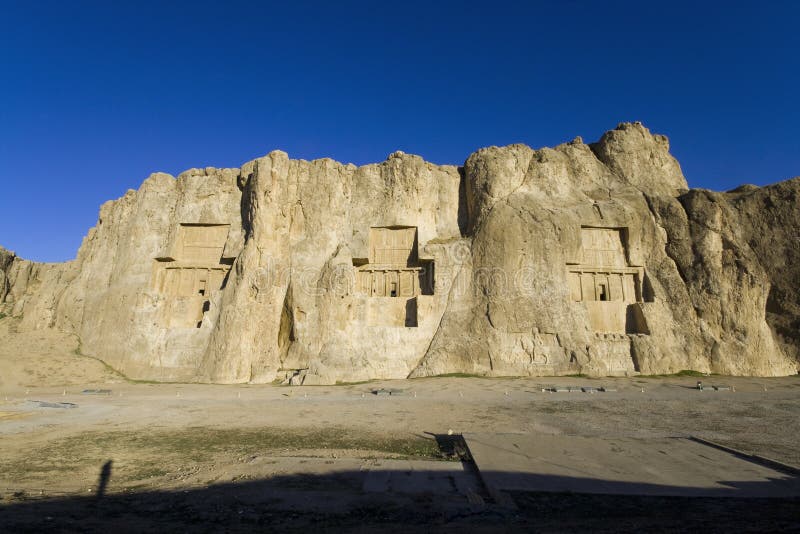
Free with trial The tombs of Persian kings, Naqsh-i Rustam. Naqsh-e Rustam is an ancient necropolis located about 12 km northwest of Persepolis. Four tombs belonging to Achaemenid kings are carved out of the rock. Locals gave them name as the Persian crosses, after the shape of the facades of the tombs. The center of each cross is also the entrance to each tomb, where kings lay in a sarcophagus. One of the tombs is of Darius I the Great (c. 522-486 BC). The other three tombs are believed to be those of Xerxes I (c. 486-465 BC), Artaxerxes I (c. 465-424 BC), and Darius II (c. 423-404 BC). A fifth unfinished one is more likely that of Darius III (c. 336-330 BC), last of the Achaemenid dynasty. The tombs were looted by Alexander the Great. Iii c stock images, royalty-free photos and pictures Naqsh-i Rustam
Free with trial A Lewis Mc Chord USAF base stationed Boeing C-17 Globemaster III performing low take-off and low pass fly by. Iii c stock images, royalty-free photos and pictures US Air Force Boeing C-17 Globemaster III performing low take-off and low pass fly by. A Lewis Mc Chord USAF base stationed Boeing C-17 Globemaster III performing low take-off and low pass fly by
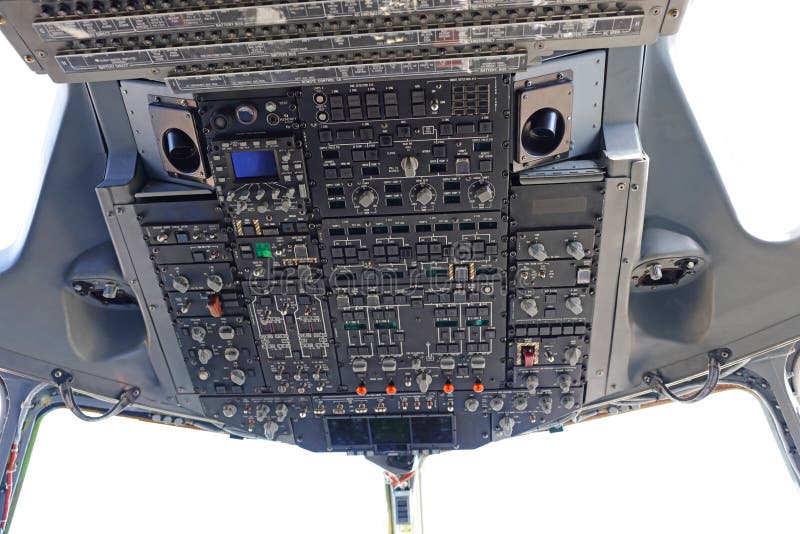
Free with trial An overhead panel in the cockpit of a USAF C-17 Globemaster III showing all the electronics, controls and switches. Iii c stock images, royalty-free photos and pictures Overhead cockpit panel of a USAF C-17 Globemaster III. An overhead panel in the cockpit of a USAF C-17 Globemaster III showing all the electronics, controls and switches
Free with trial USAF Boeing C-17 Globemaster III display at Singapore Airshow 2024, Changi Exhibition Center. Iii c stock images, royalty-free photos and pictures Singapore Airshow 2024 - USAF Boeing C-17 Globemaster III. USAF Boeing C-17 Globemaster III display at Singapore Airshow 2024, Changi Exhibition Center
Free with trial USAF General Atomics MQ-9 Reaper inside Cargo of Boeing C-17 Globemaster III display at Singapore Airshow 2024, Changi Exhibition Center. Iii c stock images, royalty-free photos and pictures Singapore Airshow 2024 - USAF General Atomics MQ-9 Reaper inside Cargo of Boeing C-17 Globemaster III. USAF General Atomics MQ-9 Reaper inside Cargo of Boeing C-17 Globemaster III display at Singapore Airshow 2024, Changi Exhibition Center
Free with trial Photo of a C-17 Globemaster III. Iii c stock images, royalty-free photos and pictures C-17 Globemaster III
Free with trial A U. S. Air Force C-17 Globemaster III cargo plane on a runway at MacDill Air Force Base. This C-17 belongs to 437th Airlift Wing and 315th Airlift Wing at Joint Base Charleston. Iii c stock images, royalty-free photos and pictures C-17 Globemaster III
Free with trial The Boeing C-17A Globemaster III is a premier strategic and tactical airlift aircraft for the U. S. Air Force. Iii c stock images, royalty-free photos and pictures United States - Air Force Boeing C-17A Globemaster III in airport. The Boeing C-17A Globemaster III is a premier strategic and tactical airlift aircraft for the. The Boeing C-17A Globemaster III is a premier strategic and tactical airlift aircraft for the U.S. Air Force.
Free with trial A Boeing C-17A Globemaster III Operated by USA - Air Force. Iii c stock images, royalty-free photos and pictures Boeing C-17A Globemaster III Operated by USA - Air Force
Free with trial The Boeing C-17 Globemaster III in Houston against a clouded sky. Iii c stock images, royalty-free photos and pictures Boeing C-17 Globemaster III in Houston against a clouded sky
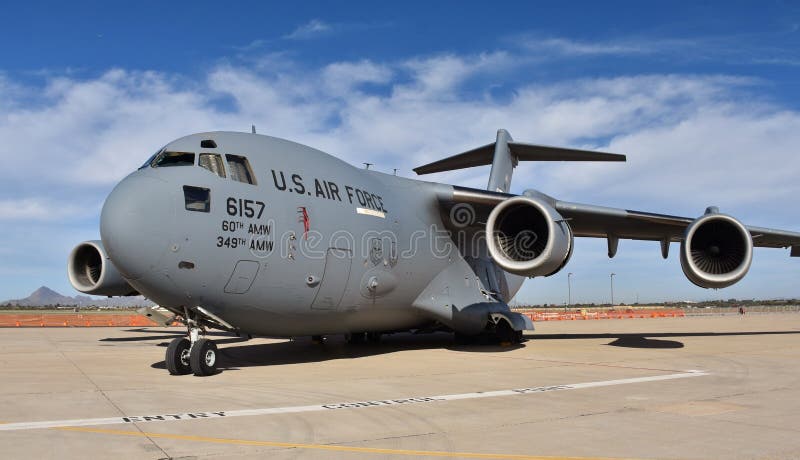
Free with trial Tucson, AZ, USA - March 23, 2019: A U. S. Air Force C-17 Globemaster III cargo plane flying at Davis-Monthan Air Force Base. This C-17 belongs to the 60th Air Mobility Wing from Travis AFB. Iii c stock images, royalty-free photos and pictures Air Force C-17 Globemaster III
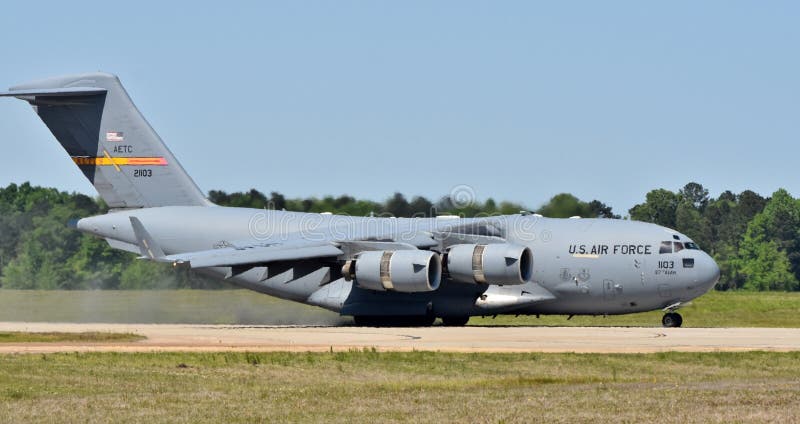
Free with trial Columbus AFB, Mississippi - April 20, 2018: A U. S. Air Force C-17 Globemaster III cargo plane flying a sortie. This C-17 belongs to the 97th Air Mobility Wing from Altus Air Force Base. Iii c stock images, royalty-free photos and pictures Air Force C-17 Globemaster III
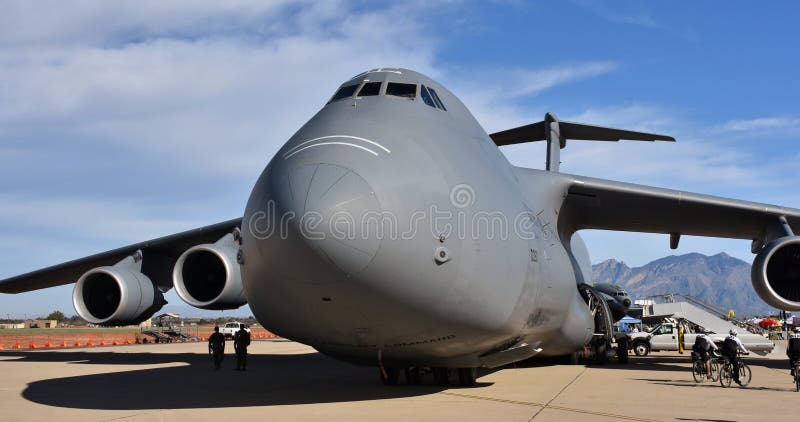
Free with trial Tucson, AZ, USA - March 23, 2019: A U. S. Air Force C-17 Globemaster III cargo plane on a runway at Davis-Monthan Air Force Base. This C-17 belongs to the 60th Air Mobility Wing from Travis Air Force Base. Iii c stock images, royalty-free photos and pictures U.S. Air Force C-17 Globemaster III
Free with trial Tucson, AZ, USA - March 23, 2019: A U. S. Air Force C-17 Globemaster III cargo plane flying at Davis-Monthan Air Force Base. This C-17 belongs to the 60th Air Mobility Wing from Travis AFB. Iii c stock images, royalty-free photos and pictures U.S. Air Force C-17 Globemaster III
Free with trial Moody, Georgia, USA - October 27, 2017: A U. S. Air Force C-17 Globemaster III cargo plane at Moody Air Force Base. This C-17 belongs to the 436th Airlift Wing from Dover Air Force Base. Iii c stock images, royalty-free photos and pictures U.S. Air Force C-17 Globemaster III
Free with trial Tucson, AZ, USA - March 23, 2019: A U. S. Air Force C-17 Globemaster III cargo plane on a runway at Davis-Monthan Air Force Base. This C-17 belongs to the 60th Air Mobility Wing from Travis Air Force Base. Iii c stock images, royalty-free photos and pictures U.S. Air Force C-17 Globemaster III
Free with trial Tucson, AZ, USA - March 23, 2019: A U. S. Air Force C-17 Globemaster III cargo plane on a runway at Davis-Monthan Air Force Base. This C-17 belongs to the 60th Air Mobility Wing from Travis Air Force Base. Iii c stock images, royalty-free photos and pictures U.S. Air Force C-17 Globemaster III
Free with trial Tucson, AZ, USA - March 23, 2019: A U. S. Air Force C-17 Globemaster III cargo plane on a runway at Davis-Monthan Air Force Base. This C-17 belongs to the 60th Air Mobility Wing from Travis Air Force Base. Iii c stock images, royalty-free photos and pictures U.S. Air Force C-17 Globemaster III
Free with trial Columbus AFB, Mississippi - April 20, 2018: A U. S. Air Force C-17 Globemaster III cargo plane flying a sortie. This C-17 belongs to the 97th Air Mobility Wing from Altus Air Force Base. Iii c stock images, royalty-free photos and pictures Air Force C-17 Globemaster III
Free with trial Columbus AFB, Mississippi - April 20, 2018: A U. S. Air Force C-17 Globemaster III cargo plane flying a sortie. This C-17 belongs to the 97th Air Mobility Wing from Altus Air Force Base. Iii c stock images, royalty-free photos and pictures Air Force C-17 Globemaster III
Free with trial Tucson, AZ, USA - March 23, 2019: A U. S. Air Force C-17 Globemaster III cargo plane flying at Davis-Monthan Air Force Base. This C-17 belongs to the 60th Air Mobility Wing from Travis AFB. Iii c stock images, royalty-free photos and pictures Air Force C-17 Globemaster III
Free with trial The Boeing C-17 Globemaster III military transport aircraft performing at Aero India Show 2013. Iii c stock images, royalty-free photos and pictures The Boeing C-17 Globemaster III military transport aircraft
Free with trial Avalon, Australia - February 28, 2013: Royal Australian Air Force RAAF Boeing C-17A Globemaster III Large military cargo aircraft A41-206 from 36 Squadron based at RAAF Amberley, Queensland. Iii c stock images, royalty-free photos and pictures Royal Australian Air Force RAAF Boeing C-17A Globemaster III Large military cargo aircraft A41-206 from 36 Squadron
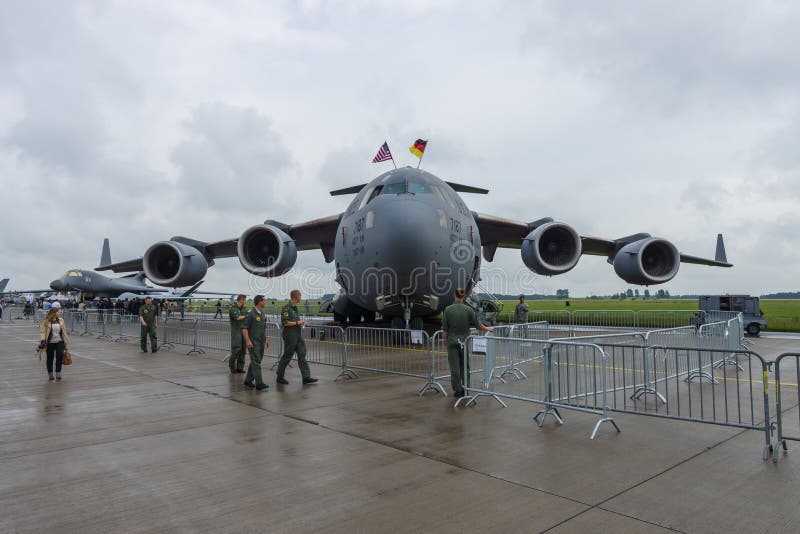
Free with trial BERLIN, GERMANY - JUNE 01, 2016: A strategic and tactical airlifter Boeing C-17 Globemaster III. US Air Force. Exhibition ILA Berlin Air Show 2016. Iii c stock images, royalty-free photos and pictures A strategic and tactical airlifter Boeing C-17 Globemaster III. US Air Force.
Free with trial Avalon, Australia - February 25, 2013: United States Air Force USAF Boeing C-17A Globemaster III military transport aircraft 05-5153 from the 535th Airlift Squadron, 15th Airlift Wing based at Hickam Air Force Base. Iii c stock images, royalty-free photos and pictures United States Air Force USAF Boeing C-17A Globemaster III military transport aircraft 05-5153 from the 535th Airlift Squadron
Free with trial Avalon, Australia - February 25, 2013: United States Air Force USAF Boeing C-17A Globemaster III military transport aircraft 05-5153 from the 535th Airlift Squadron, 15th Airlift Wing based at Hickam Air Force Base. Iii c stock images, royalty-free photos and pictures United States Air Force USAF Boeing C-17A Globemaster III military transport aircraft 05-5153 from the 535th Airlift Squadron
Free with trial Qatar Emiri Air Force C-17 Globemaster III captured at the 2019 Royal International Air Tattoo at RAF Fairford. Iii c stock images, royalty-free photos and pictures Qatar Emiri Air Force C-17 Globemaster III
Free with trial A United States Air Force C-17 Globemaster III performs at the 2018 Arctic Thunder Airshow. Iii c stock images, royalty-free photos and pictures C-17 Globemaster III at the 2018 Arctic Thunder Airshow. A United States Air Force C-17 Globemaster III performs at the 2018 Arctic Thunder Airshow.
Free with trial BERLIN, GERMANY - JUNE 03, 2016: A strategic and tactical airlifter Boeing C-17 Globemaster III. US Air Force. Exhibition ILA Berlin Air Show 2016. Iii c stock images, royalty-free photos and pictures A strategic and tactical airlifter Boeing C-17 Globemaster III
Free with trial Avalon, Australia - February 25, 2013: United States Air Force USAF Boeing C-17A Globemaster III military transport aircraft 05-5153 from the 535th Airlift Squadron, 15th Airlift Wing based at Hickam Air Force Base. Iii c stock images, royalty-free photos and pictures United States Air Force USAF Boeing C-17A Globemaster III military transport aircraft 05-5153
Free with trial Avalon, Australia - February 25, 2013: United States Air Force USAF Boeing C-17A Globemaster III military transport aircraft 05-5153 from the 535th Airlift Squadron, 15th Airlift Wing based at Hickam Air Force Base. Iii c stock images, royalty-free photos and pictures United States Air Force USAF Boeing C-17A Globemaster III military transport aircraft 05-5153
Free with trial Boeing C-17 Globemaster III, large military transport aircraft, preparing for taxiing and take-off during ILA 2008 air show. Ground service crew people around. Photo in facebook background format. Iii c stock images, royalty-free photos and pictures USAF Boeing C-17 Globemaster III preparing for taxiing during ILA 2008 air show. Boeing C-17 Globemaster III, large military transport aircraft, preparing for taxiing and take-off during ILA 2008 air show. Ground service crew people around. Photo in facebook background format.
Free with trial Avalon, Australia - February 27, 2015: Royal Australian Air Force RAAF Boeing C-17A Globemaster III Large military cargo aircraft operated by 36 Squadron based at RAAF Amberley, Queensland. Iii c stock images, royalty-free photos and pictures Royal Australian Air Force RAAF Boeing C-17A Globemaster III Large military cargo aircraft operated by 36 Squadron based at RAAF
Free with trial BERLIN, GERMANY - JUNE 03, 2016: Turbofan Pratt & Whitney F117-PW-100 of the large military transport aircraft Boeing C-17 Globemaster III. US Air Force. Exhibition ILA Berlin Air Show 2016. Iii c stock images, royalty-free photos and pictures Turbofan Pratt & Whitney F117-PW-100 of the large military transport aircraft Boeing C-17 Globemaster III.
Free with trial Avalon, Australia - February 25, 2013: United States Air Force USAF Boeing C-17A Globemaster III military transport aircraft 05-5153 from the 535th Airlift Squadron, 15th Airlift Wing based at Hickam Air Force Base. Iii c stock images, royalty-free photos and pictures United States Air Force USAF Boeing C-17A Globemaster III military transport aircraft 05-5153 from the 535th Airlift Squadron
Free with trial Osaka, Japan - Jun 26, 2019. USAF Boeing C-17A Globemaster III carrying US President Cadillac One and landing at Osaka Itami Airport ITM. Iii c stock images, royalty-free photos and pictures USAF Boeing C-17A Globemaster III
Free with trial Avalon, Australia - February 28, 2015: Royal Australian Air Force RAAF Boeing C-17A Globemaster III Large military cargo aircraft operated by 36 Squadron based at RAAF Amberley, Queensland. Iii c stock images, royalty-free photos and pictures Royal Australian Air Force RAAF Boeing C-17A Globemaster III Large military cargo aircraft operated by 36 Squadron based at RAAF
Free with trial Avalon, Australia - February 25, 2013: United States Air Force USAF Boeing C-17A Globemaster III military transport aircraft 05-5153 from the 535th Airlift Squadron, 15th Airlift Wing based at Hickam Air Force Base. Iii c stock images, royalty-free photos and pictures United States Air Force USAF Boeing C-17A Globemaster III military transport aircraft 05-5153 from the 535th Airlift Squadron
Free with trial Avalon, Australia - February 27, 2015: Royal Australian Air Force RAAF Boeing C-17A Globemaster III Large military cargo aircraft unloading a Bushmaster Armored personnel carrier while three C-130’s fly overhead. Iii c stock images, royalty-free photos and pictures Royal Australian Air Force RAAF Boeing C-17A Globemaster III Large military cargo aircraft unloading a Bushmaster Armored person
Free with trial A United States Air Force C-17 Globemaster III performs at the 2018 Arctic Thunder Airshow. Iii c stock images, royalty-free photos and pictures C-17 Globemaster III at the 2018 Arctic Thunder Airshow. A United States Air Force C-17 Globemaster III performs at the 2018 Arctic Thunder Airshow.
Free with trial BERLIN, GERMANY - JUNE 02, 2016: Turbofan Pratt & Whitney F117-PW-100 of the large military transport aircraft Boeing C-17 Globemaster III. US Air Force. Exhibition ILA Berlin Air Show 2016. Iii c stock images, royalty-free photos and pictures Turbofan Pratt & Whitney F117-PW-100 of the large military transport aircraft Boeing C-17 Globemaster III.
Free with trial Avalon, Australia - March 1, 2013: Royal Australian Air Force RAAF Boeing C-17A Globemaster III Large military cargo aircraft A41-206 from 36 Squadron based at RAAF Amberley, Queensland. Iii c stock images, royalty-free photos and pictures Royal Australian Air Force RAAF Boeing C-17A Globemaster III Large military cargo aircraft A41-206 from 36 Squadron
Free with trial A United States Air Force C-17 Globemaster III performs at the 2018 Arctic Thunder Airshow. Iii c stock images, royalty-free photos and pictures C-17 Globemaster III at the 2018 Arctic Thunder Airshow. A United States Air Force C-17 Globemaster III performs at the 2018 Arctic Thunder Airshow.
Free with trial Avalon, Australia - February 25, 2013: United States Air Force USAF Boeing C-17A Globemaster III military transport aircraft 05-5153 from the 535th Airlift Squadron, 15th Airlift Wing based at Hickam Air Force Base. Iii c stock images, royalty-free photos and pictures United States Air Force USAF Boeing C-17A Globemaster III military transport aircraft 05-5153 from the 535th Airlift Squadron
Free with trial BERLIN, GERMANY - APRIL 25, 2018: The cargo compartment of the strategic and tactical airlifter Boeing C-17 Globemaster III. Exhibition ILA Berlin Air Show 2018. Iii c stock images, royalty-free photos and pictures The cargo compartment of the strategic and tactical airlifter Boeing C-17 Globemaster III.
Free with trial BERLIN, GERMANY - MAY 21, 2014: A turbojet engine Pratt & Whitney F117-PW-100 of a strategic and tactical airlifter Boeing C-17 Globemaster III. US Air Force. Joint base Charleston. Exhibition ILA Berlin Air Show 2014. Iii c stock images, royalty-free photos and pictures A turbojet engine Pratt & Whitney F117-PW-100 of a strategic and tactical airlifter Boeing C-17 Globemaster III.
Free with trial NEW WINDSOR, NY - SEPTEMBER 3, 2016: Giant C-17 Globemaster III taking off at Stewart International Airport during the New York Airshow. Iii c stock images, royalty-free photos and pictures NEW WINDSOR, NY - SEPTEMBER 3, 2016: Giant C-17 Globemaster III
Free with trial NEW WINDSOR, NY - SEPTEMBER 3, 2016: Giant C-17 Globemaster III taking off at Stewart International Airport during the New York Airshow. Iii c stock images, royalty-free photos and pictures NEW WINDSOR, NY - SEPTEMBER 3, 2016: Giant C-17 Globemaster III
Free with trial NEW WINDSOR, NY - SEPTEMBER 3, 2016: Giant C-17 Globemaster III taking off at Stewart International Airport during the New York Airshow. Iii c stock images, royalty-free photos and pictures NEW WINDSOR, NY - SEPTEMBER 3, 2016: Giant C-17 Globemaster III
Free with trial NEW WINDSOR, NY - SEPTEMBER 3, 2016: Giant C-17 Globemaster III taking off at Stewart International Airport during the New York Airshow. Iii c stock images, royalty-free photos and pictures NEW WINDSOR, NY - SEPTEMBER 3, 2016: Giant C-17 Globemaster III
Free with trial NEW WINDSOR, NY - SEPTEMBER 3, 2016: Giant C-17 Globemaster III taking off at Stewart International Airport during the New York Airshow. Iii c stock images, royalty-free photos and pictures NEW WINDSOR, NY - SEPTEMBER 3, 2016: Giant C-17 Globemaster III
Free with trial NEW WINDSOR, NY - JULY 2, 2017: Giant C-17 Globemaster III taking off at Stewart International Airport during the New York Airshow. Iii c stock images, royalty-free photos and pictures C-17 Globemaster III
Free with trial GILZE RIJEN, THE NETHERLANDS - Military Boeing C-17 Globemaster III cargo plane touch-and-go. The plane belongs to SAC and is used by a consortium of 12 nations. Iii c stock images, royalty-free photos and pictures C-17 military cargo aircraft. GILZE RIJEN, THE NETHERLANDS - Military Boeing C-17 Globemaster III cargo plane touch-and-go.The plane belongs to SAC and is used by a consortium of 12 nations.
Free with trial Royal Australian Air Force (RAAF) Boeing C-17 Globemaster III landing at runway 25 Kharkiv International Airport. Iii c stock images, royalty-free photos and pictures Boeing C-17 Globemaster III landing
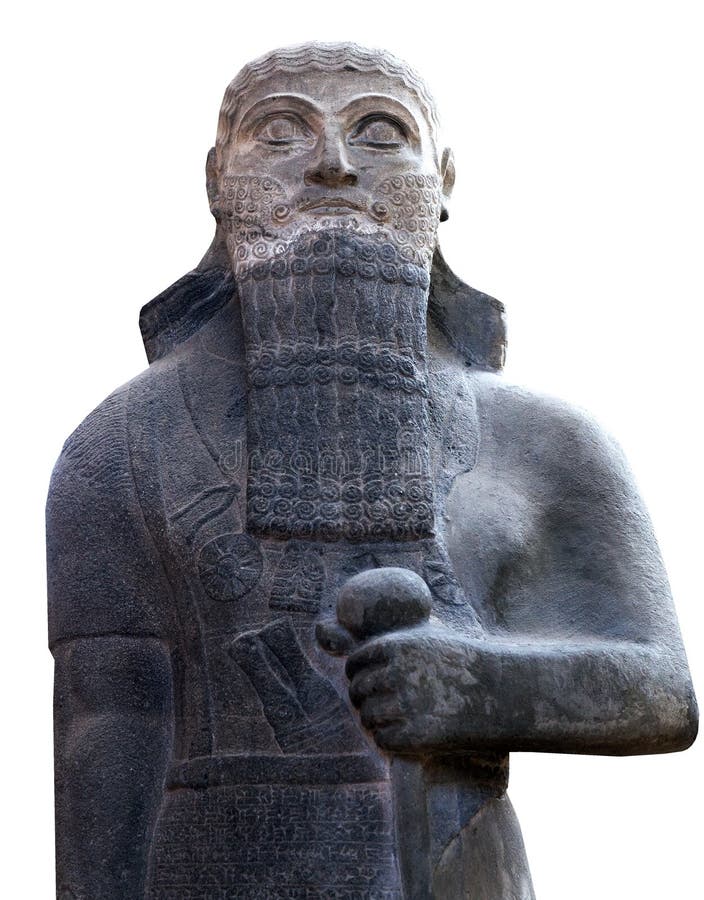
Free with trial Statue of a king Shalmaneser III (858-824 B. C. ) of Neo-Assyrian Period in the Istanbul Archaeology Museum in Istanbul, Turkey. Iii c stock images, royalty-free photos and pictures Statue of a king Shalmaneser III in Istanbul, Turkey. Statue of a king Shalmaneser III (858-824 B.C.) of Neo-Assyrian Period in the Istanbul Archaeology Museum in Istanbul, Turkey
Free with trial A C-17 Globemaster III heavy military transport plane in flight. Iii c stock images, royalty-free photos and pictures C-17 Globemaster III
Free with trial USAF McDonnell Douglas Boeing C-17A Globemaster III 96-0004 waiting for another mission at Travis Air Force Base, California KSUU. Iii c stock images, royalty-free photos and pictures United States Air force C-17A Globemaster III 96-0004. USAF McDonnell Douglas Boeing C-17A Globemaster III 96-0004 waiting for another mission at Travis Air Force Base, California KSUU
Free with trial A section of the painted ceiling within the Festival Temple of Thutmose III, c. 1479-25 B. C. at Karnak Temple Temple of Amun at Luxor in Egypt. Iii c stock images, royalty-free photos and pictures The Festival Temple of Thutmose III at Karnak Temple at Luxor in Egypt. A section of the painted ceiling within the Festival Temple of Thutmose III, c. 1479-25 B.C. at Karnak Temple Temple of Amun at Luxor in Egypt.
Free with trial A row of tent pole columns within the Festival Temple of Thutmose III, c. 1479-25 B. C. at Karnak Temple Temple of Amun at Luxor in Egypt. Iii c stock images, royalty-free photos and pictures The Festival Temple of Thutmose III at Karnak Temple at Luxor in Egypt. A row of tent pole columns within the Festival Temple of Thutmose III, c. 1479-25 B.C. at Karnak Temple Temple of Amun at Luxor in Egypt.
Free with trial Dassault Mirage III C exhibited by the association of the Ailes Anciennes de Toulouse in Blagnac, France. Iii c stock images, royalty-free photos and pictures Dassault Mirage III C
Free with trial Beoing C-17A visited NATO Days in Ostrava ( Czech republic ). Iii c stock images, royalty-free photos and pictures Boeing C-17A Globemaster III. Beoing C-17A visited NATO Days in Ostrava ( Czech republic )
Free with trial Rock - Arts - Reproduction , III-II Millennnium B. C, Dubendy Village. Ancient stone. An ancient stone with writing and a picture of a man on it. Iii c stock images, royalty-free photos and pictures III-II Millennnium B.C, Dubendy Village . Rock - Arts - Reproduction . Rock - Arts - Reproduction , III-II Millennnium B.C, Dubendy Village . Ancient stone. An ancient stone with writing and a picture of a man on it.
Free with trial Royal Air Force C-17 Globemaster III on approach, blue sky. Iii c stock images, royalty-free photos and pictures Royal Air Force C-17 on approach. Royal Air Force C-17 Globemaster III on approach, blue sky.
Free with trial Christchurch, New Zealand, 30 November 2010. A C-17 Globemaster III Aircraft at the Operation Deep Freeze Base in Christchurch, New Zealand prepares for takeoff to Antarctica. Iii c stock images, royalty-free photos and pictures C-17 Globemaster III Aircraft Prepares for Flight. Christchurch, New Zealand, 30 November 2010. A C-17 Globemaster III Aircraft at the Operation Deep Freeze Base in Christchurch, New Zealand prepares for takeoff to Antarctica.
Free with trial The Boeing C-17 Globemaster III military aircraft used by US Air Force flying at Aero India Show 2013. Iii c stock images, royalty-free photos and pictures The Boeing C-17 Globemaster III military aircraft flying at Aero India Show 2013. The Boeing C-17 Globemaster III military aircraft used by US Air Force flying at Aero India Show 2013.
Free with trial ELVASTON, DERBYSHIRE, UK. JULY 04, 2015. Vintage A. E. C Regal III from 1949 restored and preserved on display at the Elvaston steam Rally in Derbyshire, UK. Iii c stock images, royalty-free photos and pictures Vintage 1949 A.E.C Regal III bus. ELVASTON, DERBYSHIRE, UK. JULY 04, 2015. Vintage A.E.C Regal III from 1949 restored and preserved on display at the Elvaston steam Rally in Derbyshire, UK.
Free with trial SINGAPORE - FEBRUARY 16: USAF Boeing C-17 Globemaster III military transport aircraft on display at Singapore Airshow February 16, 2016 in Singapore. Iii c stock images, royalty-free photos and pictures USAF Boeing C-17 Globemaster III military transport aircraft on display at Singapore Airshow
 Sign in