Search among 535 authentic native american mud stock photos, high-definition images, and pictures, or look at other santa fe or new mexico stock images to enhance your presentation with the perfect visual.

Closeup of Indian woman in colorful traditional dress with modern hat from the mining town of Huanuni. Her poverty is so great that she stands with her backs against the wall, literally and figuratively. She looks expressionless, sad, straight in the camera. Native american mud stock images, royalty-free photos and pictures
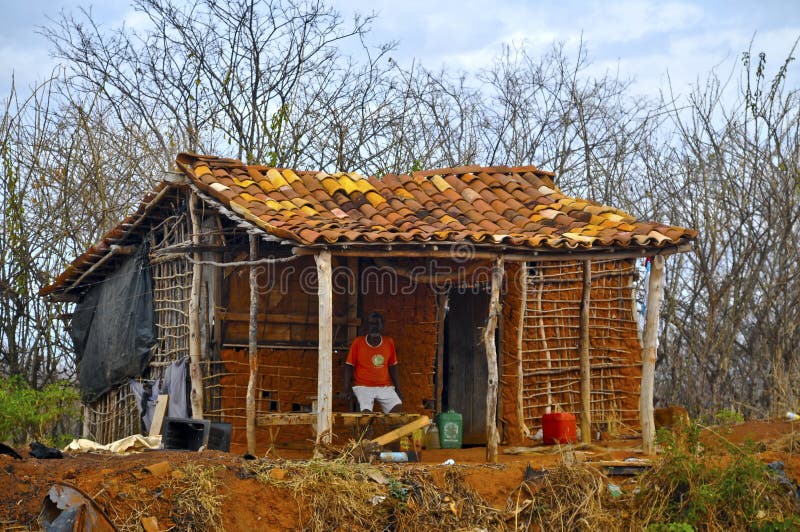
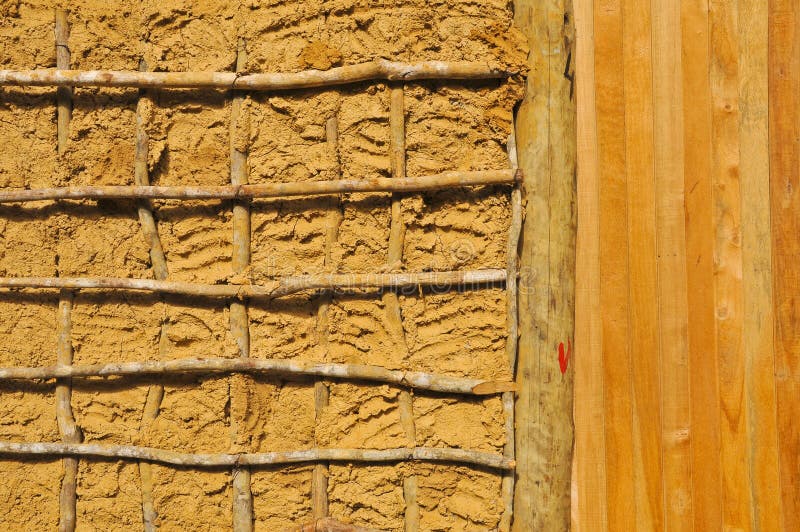
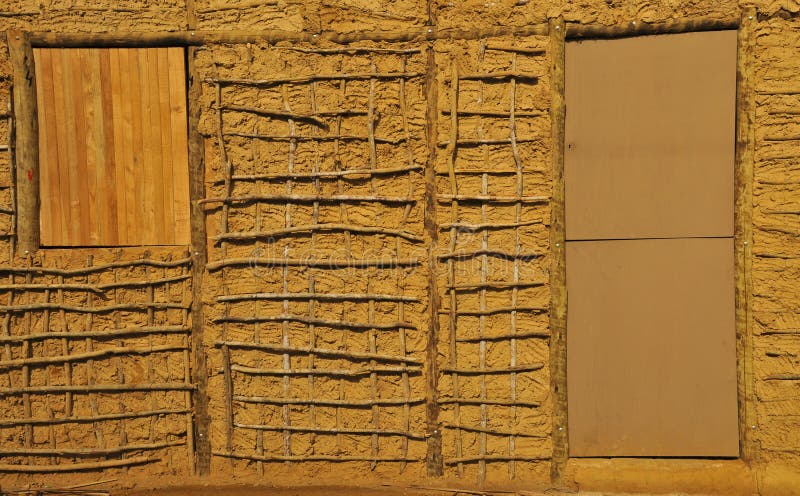
A classic and well shown exemplary of the construction technology of the wattle and daub (or wattle-and-daub), now considered ecologically modern, despite thousands of years known. Wattle and daub (or wattle-and-daub) is a building material used for making walls, in which a woven lattice of wooden strips called wattle is daubed with a sticky material usually made of some combination of wet soil, clay, sand, animal dung and straw. Wattle and daub has been used for at least 6,000 years, and is still an important construction material in many parts of the world. Many historic buildings include wattle and daub construction, and the technique is becoming popular again in more developed areas as a low-impact sustainable building technique. It is also strongly related to Chagas disease a tropical parasitic disease caused by the flagellate protozoan Trypanosoma cruzi. Chagas disease, also known as American trypanosomiasis, is a potentially life-threatening illness caused by the protozoan parasite, Trypanosoma cruzi (T. cruzi). It is found mainly in Latin America, where it is mostly transmitted to humans by the faeces of triatomine bugs, known as 'kissing bugs' , among other names, depending on the geographical area. Native american mud stock images, royalty-free photos and pictures
Life in the countryside, mountains in eastern Guatemala: Woman cooking in her kitchen in her house, home. Cooking, preparing a meal, food, is her daily housekeeping work and life. She cooks on a wood stove with firewood and a comal, a kind of light metal tray, baking sheet. The fire is burning under the baking sheet. Colorful flames of the fire. Department Alta Verapaz, central, south and latin America. Native american mud stock images, royalty-free photos and pictures
Mud nest atop a wooden post in a grassy field. The nest has a dual-chamber appearance, typically constructed by the rufous hornero, a native bird found in South America known for its distinctive mud nests. The structure is spherical with rough, textured surfaces, featuring two entry holes for access. The surrounding landscape is open, with tall grass and a blurred background, indicating a rural or natural environment. Native american mud stock images, royalty-free photos and pictures
The building which resembles a historic Native American structure was designed and constructed in 1904 by Mary Colter at the South Rim of the Grand Canyon as a place to purchase Native American crafts that were fashioned by local artists. The outside resembles a traditional Hopi pueblo. The material used for the outside is sandstone of different sizes giving it a step pattern. The roof is flat and serves as walkways as it does in other Hopi buildings. All the windows and doorways are meager in size. Inside, the walls are adobe; the ceilings are twigs, grass and covered with mud. The staircase is adorned with paintings by an anonymous Hopi artist. The floors look adobe but are cement but were later covered in hard wood. Native american mud stock images, royalty-free photos and pictures
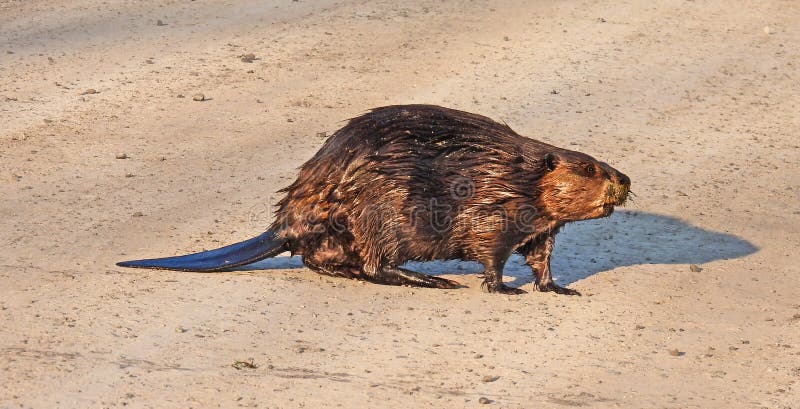
The North American beaver, Castor canadensis is native to North America and is one of the official national wildlife of Canada symbols and is the official state mammal of Oregon and New York. It is the largest rodent in the United States, growing from two to three feet plus the tail length. Beavers are semi-aquatic herbivores. They travel from water to land to collect and eat tree bark, leaves, roots, and wetland plants. They have dark-brown waterproof fur and webbed feet. Beavers live in ponds, lakes, rivers, and streams. They are one of the few animals that can actively change an ecosystem by blocking rivers and streams with trees and mud, creating new lakes, ponds, and floodplains. Beavers also build homes called lodges out of branches and mud, which can often only be accessed from underwater entrances in the ponds. Native american mud stock images, royalty-free photos and pictures
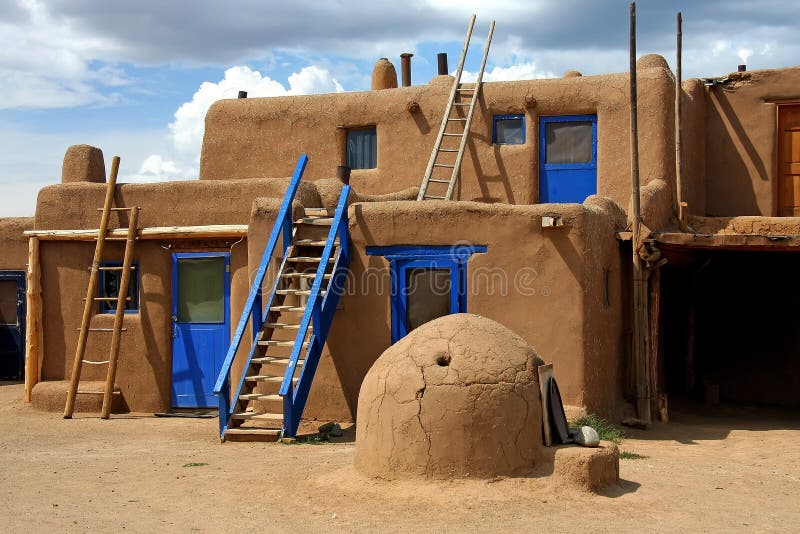
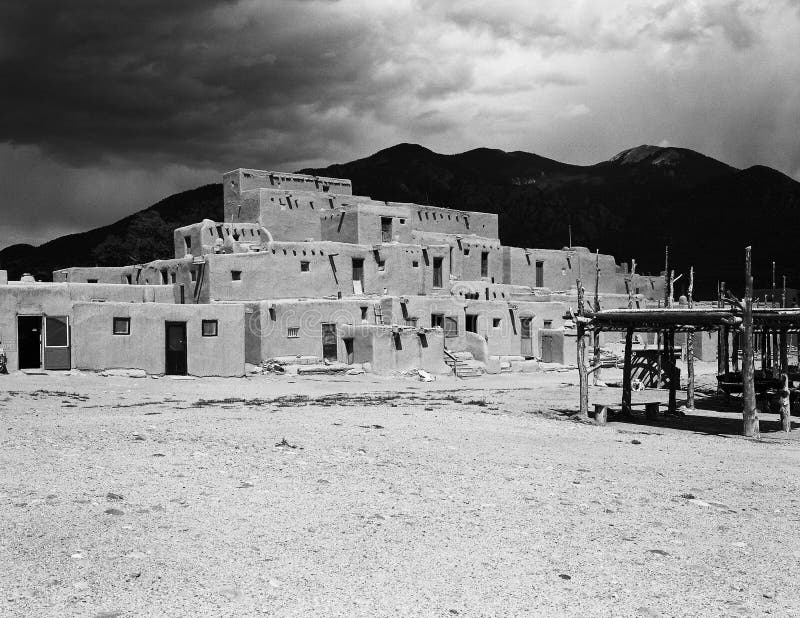
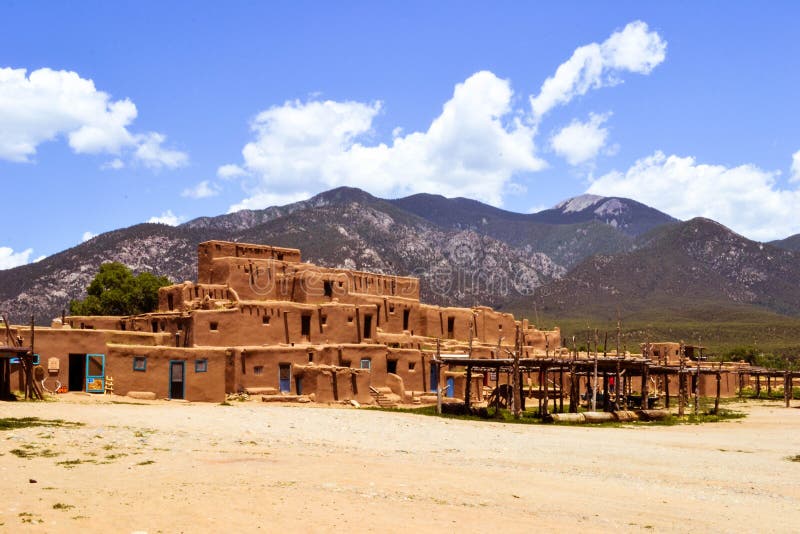
A portion of the traditional pueblo buildings in Taos, New Mexico. Taos Pueblo's most prominent architectural feature is a multi-storied residential complex of reddish-brown adobe divided into two parts by the Rio Pueblo. It is a National Historic Landmark and a World Heritage Site. This native American structure is built from mud, straw and some some structural wood. (Scanned from black and white film. ). Native american mud stock images, royalty-free photos and pictures
The Taos Pueblo was designated a National Historic Landmark on October 9, 1960, and in 1992 became a World Heritage Site. It is a traditional native American building constructed with mud, straw and wood posts. This building is one of the oldest continuously inhabited buildings in North America and is a UNESCO World Heritage site. (Scanned from black and white film. ). Native american mud stock images, royalty-free photos and pictures
Wattle and daub (or wattle-and-daub) is a building material used for making walls, in which a woven lattice of wooden strips called wattle is daubed with a sticky material usually made of some combination of wet soil, clay, sand, animal dung and straw. Wattle and daub has been used for at least 6,000 years, and is still an important construction material in many parts of the world. Many historic buildings include wattle and daub construction, and the technique is becoming popular again in more developed areas as a low-impact sustainable building technique. It is also strongly related to Chagas disease a tropical parasitic disease caused by the flagellate protozoan Trypanosoma cruzi. Chagas disease, also known as American trypanosomiasis, is a potentially life-threatening illness caused by the protozoan parasite, Trypanosoma cruzi (T. cruzi). It is found mainly in Latin America, where it is mostly transmitted to humans by the faeces of triatomine bugs, known as 'kissing bugs' , among other names, depending on the geographical area. Native american mud stock images, royalty-free photos and pictures
Wattle and daub (or wattle-and-daub) is a building material used for making walls, in which a woven lattice of wooden strips called wattle is daubed with a sticky material usually made of some combination of wet soil, clay, sand, animal dung and straw. Wattle and daub has been used for at least 6, 000 years, and is still an important construction material in many parts of the world. Many historic buildings include wattle and daub construction, and the technique is becoming popular again in more developed areas as a low-impact sustainable building technique. It is also strongly related to Chagas disease a tropical parasitic disease caused by the flagellate protozoan Trypanosoma cruzi. Chagas disease, also known as American trypanosomiasis, is a potentially life-threatening illness caused by the protozoan parasite, Trypanosoma cruzi (T. cruzi). It is found mainly in Latin America, where it is mostly transmitted to humans by the faeces of triatomine bugs, known as 'kissing bugs' , among other names, depending on the geographical area. Native american mud stock images, royalty-free photos and pictures