Search among 692 authentic other climates stock photos, high-definition images, and pictures, or look at other fruit fly or c capitata stock images to enhance your presentation with the perfect visual.

Agriculture is the cultivation of animals, plants, fungi and other life forms for food, fiber, and other products used to sustain life. [1] Agriculture was the key implement in the rise of sedentary human civilization, whereby farming of domesticated species created food surpluses that nurtured the development of civilization. The study of agriculture is known as agricultural science. Agriculture is also observed in certain species of ant and termite,[2][3] but generally speaking refers to human activities. The history of agriculture dates back thousands of years, and its development has been driven and defined by greatly different climates, cultures, and technologies. However, all farming generally relies on techniques to expand and maintain the lands suitable for raising domesticated species. For plants, this usually requires some form of irrigation, although there are methods of dryland farming; pastoral herding on rangeland is still the most common means of raising livestock. In the developed world, industrial agriculture based on large-scale monoculture has become the dominant system of modern farming, although there is growing support for sustainable agriculture (e. g. permaculture or organic agriculture). Other climates stock images, royalty-free photos and pictures
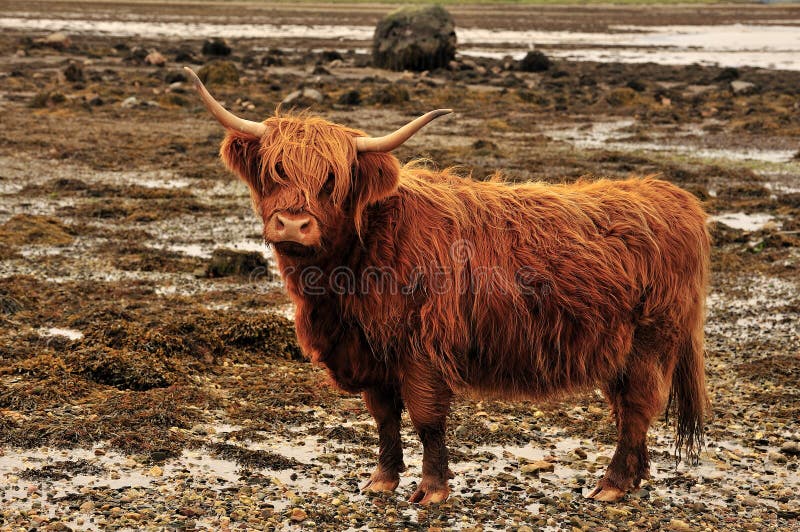
A red Highland cow on the shore of loch Linnhe, in the Scottish highlands. These are an exceptionally hardy breed, and can thrive in climates, and vegetation, where other cattle would fail. Other climates stock images, royalty-free photos and pictures
Agriculture is the cultivation of animals, plants, fungi and other life forms for food, fiber, and other products used to sustain life. [1] Agriculture was the key implement in the rise of sedentary human civilization, whereby farming of domesticated species created food surpluses that nurtured the development of civilization. The study of agriculture is known as agricultural science. Agriculture is also observed in certain species of ant and termite,[2][3] but generally speaking refers to human activities. The history of agriculture dates back thousands of years, and its development has been driven and defined by greatly different climates, cultures, and technologies. However, all farming generally relies on techniques to expand and maintain the lands suitable for raising domesticated species. For plants, this usually requires some form of irrigation, although there are methods of dryland farming; pastoral herding on rangeland is still the most common means of raising livestock. In the developed world, industrial agriculture based on large-scale monoculture has become the dominant system of modern farming, although there is growing support for sustainable agriculture (e. g. permaculture or organic agriculture). Other climates stock images, royalty-free photos and pictures
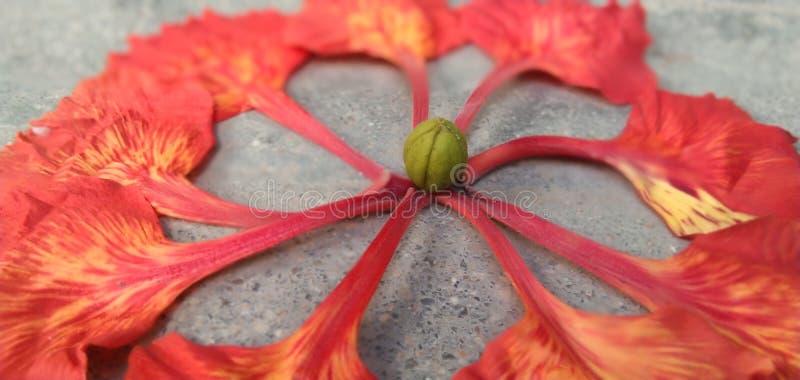
The Royal Poinciana is a flamboyant tree which, some say, is the world’s most colorful tree. For several weeks in spring and summer it is covered with exuberant clusters of flame-red flowers, 4-5 in across. Even up close the individual flowers are striking: they have four spoon shaped spreading scarlet or orange-red petals about 3 in and one upright slightly larger petal the standard which is marked with yellow and white. Royal poinciana is deciduous in climates that have a marked dry season, but in Florida and other areas where the winter is not that much dryer than the summer, it is a semi-evergreen tree. Other climates stock images, royalty-free photos and pictures
Mediterranean fruit fly or medfly (Ceratitis capitata) is considered to be one of the most destructive fruit pests in the world. C. capitata is the most economically important fruit fly species because of its ability to survive in cooler climates more successfully than most other fly species, and its ability to inhabit over 200+ tropical fruits and vegetables to which it causes severe destruction and degradation. Other climates stock images, royalty-free photos and pictures
Grain Sorghum cultivar being grown as a trial crop in Forncett, Norfolk, England, UK. Commercial sorghum is the cultivation and commercial exploitation of species of grasses within the genus Sorghum. These plants are used for grain, fibre and fodder. The plants are cultivated in warmer climates worldwide. Commercial Sorghum species are native to tropical and subtropical regions of Africa and Asia. Other names include durra, Egyptian millet, feterita, Guinea corn, jwari Marathi, jowar, juwar, milo, shallu & Sudan grass. Grain sorghum is the third most important cereal crop grown in the United States and the fifth most important cereal crop grown in the world. Other climates stock images, royalty-free photos and pictures
Bud, Small lateral or terminal protuberance on the stem of a vascular plant that may develop into a flower, leaf, or shoot. Buds arise from meristem tissue. In temperate climates, trees form resting buds that are resistant to frost in preparation for winter. Flower buds are modified leaves. some of the most well known types of buds terminal, axillary, and adventitious are location classifications, such as: Terminal buds are buds located at the tip of a stem. Axillary buds are buds located at the base or axil of a leaf. Adventitious buds are buds that occur on other parts of a plant. Literally speaking,a group of flowers is called a “bouquet”. However,botanically speaking,it is called an “inflorescence”. An inflorescence is a collection or aggregation of flowers on an individual plant. Inflorescences often function to enhance reproduction. Other climates stock images, royalty-free photos and pictures
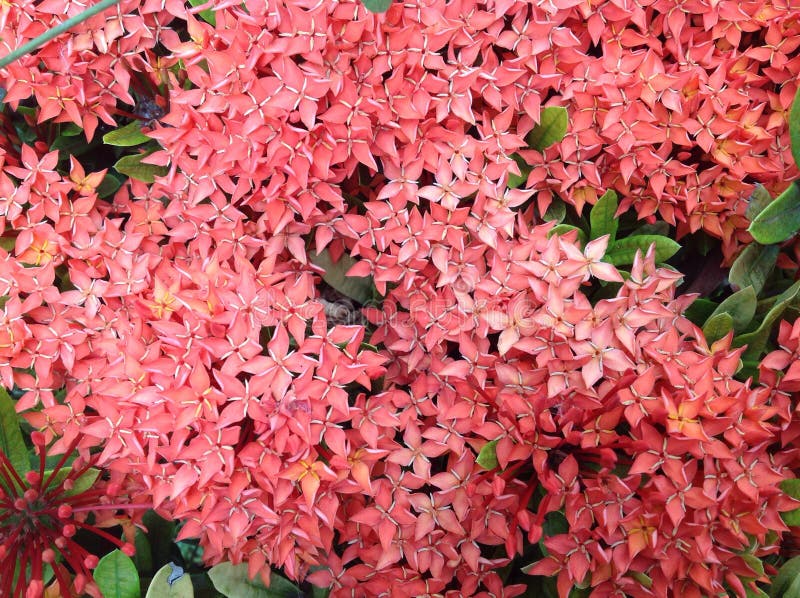
The image of the red Ixora flower on its leaves background. Ixora is a genus of flowering plants in the Rubiaceae family. It consists of tropical evergreen trees and shrubs and holds around 500 species. Though native to the tropical and subtropical areas throughout the world, its centre of diversity is in Tropical Asia. Ixora also grows commonly in subtropical climates in the United States, such as Florida. It is commonly known as West Indian Jasmine. Other common names include: rangan, kheme, ponna, chann tanea, techi, pan, santan, jarum-jarum, Jungle flame, Jungle geranium, and many more. The plants possess leathery leaves, ranging from 3 to 6 inches in length, and produce large clusters of tiny flowers in the summer. Members of Ixora prefer acidic soil, and are suitable choices for bonsai. It is also a popular choice for hedges in parts of South East Asia, like in Thailand. In tropical climates they flower year round. Other climates stock images, royalty-free photos and pictures
The house sparrow (Passer domesticus) is a bird of the sparrow family Passeridae, found in most parts of the world. One of about 25�species in the genus Passer, the house sparrow is native to most of Europe, the Mediterranean Basin, and a large part of Asia. Its intentional or accidental introductions to many regions, including parts of Australasia, Africa, and the Americas, make it the most widely distributed wild bird. The house sparrow is strongly associated with human habitation, and can live in urban or rural settings. Though found in widely varied habitats and climates, it typically avoids extensive woodlands, grasslands, polar regions, and hot, dry deserts far away from human development. For sustenance, the house sparrow routinely feeds at home and public bird feeding stations, but naturally feeds on the seeds of grains, flowering plants and weeds. However, it is an opportunistic, omnivorous eater, and commonly catches insects, their larvae, caterpillars, invertebrates and many other natural foods. Other climates stock images, royalty-free photos and pictures
The house sparrow (Passer domesticus) is a bird of the sparrow family Passeridae, found in most parts of the world. One of about 25species in the genus Passer, the house sparrow is native to most of Europe, the Mediterranean Basin, and a large part of Asia. Its intentional or accidental introductions to many regions, including parts of Australasia, Africa, and the Americas, make it the most widely distributed wild bird. The house sparrow is strongly associated with human habitation, and can live in urban or rural settings. Though found in widely varied habitats and climates, it typically avoids extensive woodlands, grasslands, polar regions, and hot, dry deserts far away from human development. For sustenance, the house sparrow routinely feeds at home and public bird feeding stations, but naturally feeds on the seeds of grains, flowering plants and weeds. However, it is an opportunistic, omnivorous eater, and commonly catches insects, their larvae, caterpillars, invertebrates and many other natural foods. Other climates stock images, royalty-free photos and pictures
The house sparrow (Passer domesticus) is a bird of the sparrow family Passeridae, found in most parts of the world. One of about 25�species in the genus Passer, the house sparrow is native to most of Europe, the Mediterranean Basin, and a large part of Asia. Its intentional or accidental introductions to many regions, including parts of Australasia, Africa, and the Americas, make it the most widely distributed wild bird. The house sparrow is strongly associated with human habitation, and can live in urban or rural settings. Though found in widely varied habitats and climates, it typically avoids extensive woodlands, grasslands, polar regions, and hot, dry deserts far away from human development. For sustenance, the house sparrow routinely feeds at home and public bird feeding stations, but naturally feeds on the seeds of grains, flowering plants and weeds. However, it is an opportunistic, omnivorous eater, and commonly catches insects, their larvae, caterpillars, invertebrates and many other natural foods. Other climates stock images, royalty-free photos and pictures
The house sparrow (Passer domesticus) is a bird of the sparrow family Passeridae, found in most parts of the world. One of about 25species in the genus Passer, the house sparrow is native to most of Europe, the Mediterranean Basin, and a large part of Asia. Its intentional or accidental introductions to many regions, including parts of Australasia, Africa, and the Americas, make it the most widely distributed wild bird. The house sparrow is strongly associated with human habitation, and can live in urban or rural settings. Though found in widely varied habitats and climates, it typically avoids extensive woodlands, grasslands, polar regions, and hot, dry deserts far away from human development. For sustenance, the house sparrow routinely feeds at home and public bird feeding stations, but naturally feeds on the seeds of grains, flowering plants and weeds. However, it is an opportunistic, omnivorous eater, and commonly catches insects, their larvae, caterpillars, invertebrates and many other natural foods. Other climates stock images, royalty-free photos and pictures
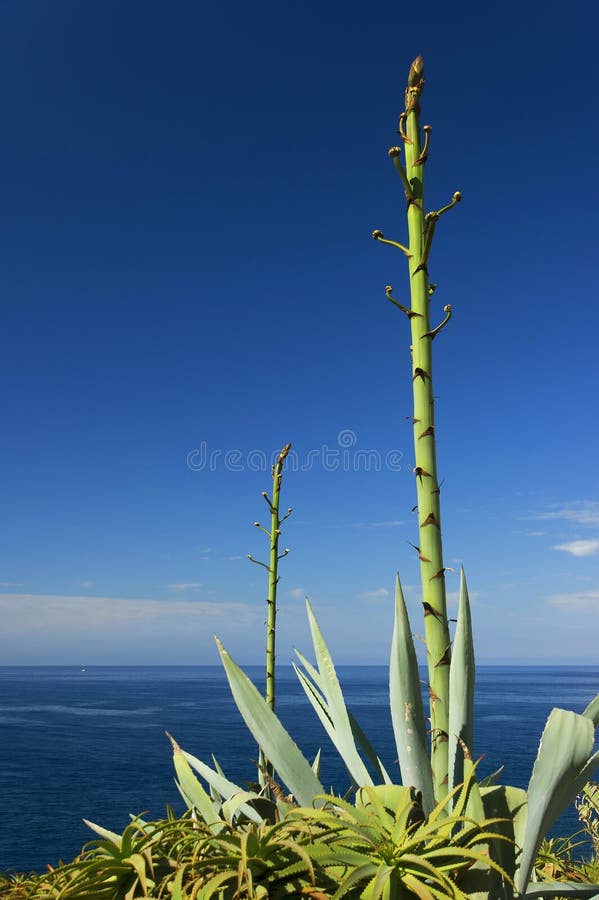
Agave attenuata is a species of agave sometimes known as the lion`s tail, swan`s neck, or foxtail for its development of a curved inflorescence, unusual among agaves. Native to the plateau of the State of Jalisco in central Mexico, as one of the unarmed agaves, it is popular as an ornamental plant in gardens in many other places with subtropical and warm climates. They can also find them in the Mediterranean, in the Canary Islands and Madeira. Portugal, Europe. Other climates stock images, royalty-free photos and pictures
Agave americana is a species of flowering plant in the family Asparagaceae cultivated worldwide as an ornamental plant. It has become naturalized in many regions of the world. Aloe vera is a succulent plant species of the genus Aloe, an evergreen perennial plant originates from the Arabian Peninsula, but grows wild in tropical, semi-tropical, and arid climates around the world. It is cultivated for agricultural and medicinal uses. The species is also used for decorative purposes and grows successfully indoors as a potted plant. It is found in many consumer products including beverages, skin lotion, cosmetics, or ointments for minor burns and sunburns. There is little clinical evidence for the effectiveness or safety of Aloe vera extract as a cosmetic or medicine. Madeira officially the Autonomous Region of Madeira, is one of the two autonomous regions of Portugal the other being the Azores. It is an archipelago situated in the north Atlantic Ocean, in a region known as Macaronesia. Madeira Island, Portugal, Europe. Other climates stock images, royalty-free photos and pictures
Friendly atmosphere with the penguins. Penguins order Sphenisciformes, family Spheniscidae are a group of aquatic flightless birds. They live almost exclusively in the Southern Hemisphere, with only one species, the Galapagos penguin, found north of the equator. Highly adapted for life in the water, penguins have countershaded dark and white plumage, and their wings have evolved into flippers. Most penguins feed on krill, fish, squid and other forms of sea life which they catch while swimming underwater. They spend roughly half of their lives on land and the other half in the sea. Although almost all penguin species are native to the Southern Hemisphere, they are not found only in cold climates, such as Antarctica. In fact, only a few species of penguin live so far south. Several species are found in the temperate zone, and one species, the Galápagos penguin, lives near the equator. Other climates stock images, royalty-free photos and pictures
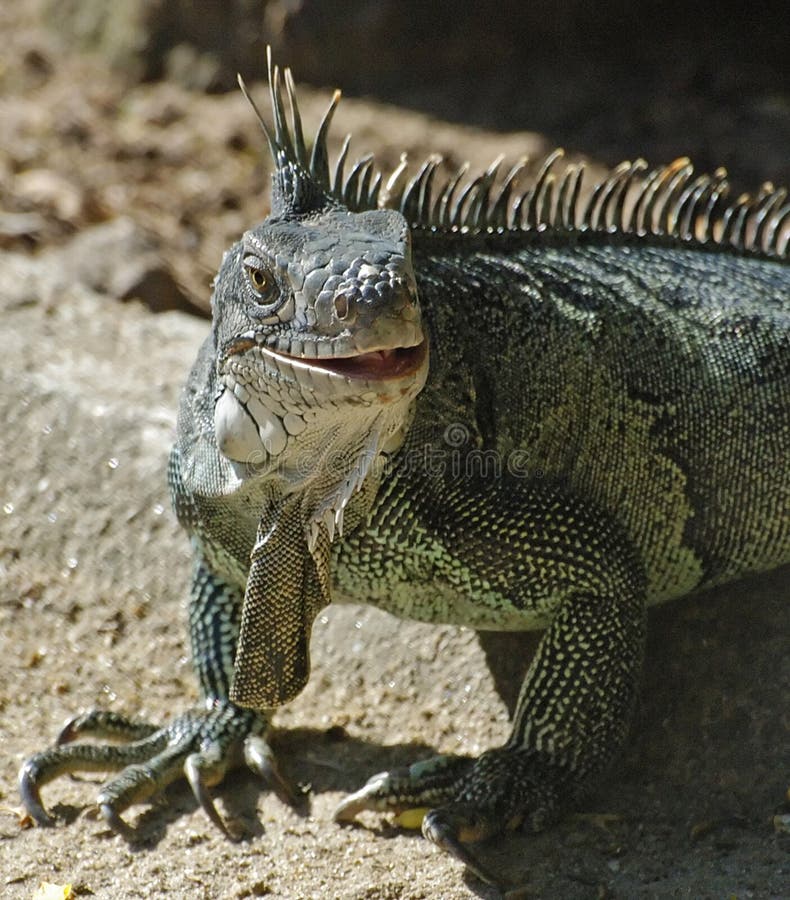
Captured iguanas kept as pets tend to be thin and nervous, often dying from side-effects of the stress of adapting to captivity - though if they're given a large swimming area in which to hide, their chances of survival improve, as they live on streambanks in the wild, diving in when alarmed or for other reasons. As they are cold-blooded creatures, they thrive in humid climates. The Green Iguana needs to be in temperatures of 75 to 90 degrees. If it is not kept under UVB lighting it can develop metabolic bone disease. Other climates stock images, royalty-free photos and pictures
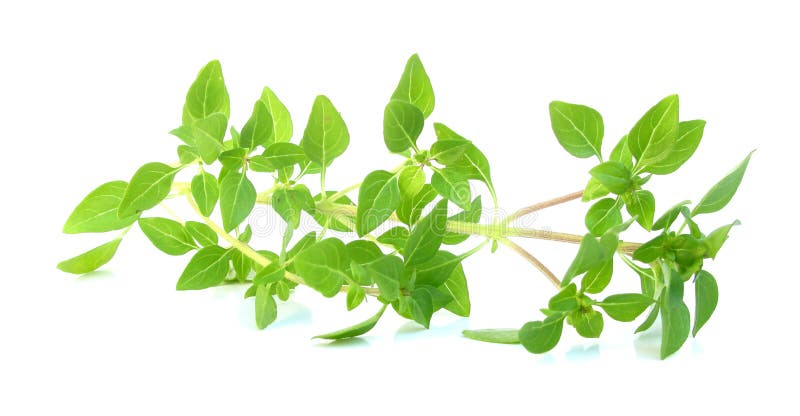
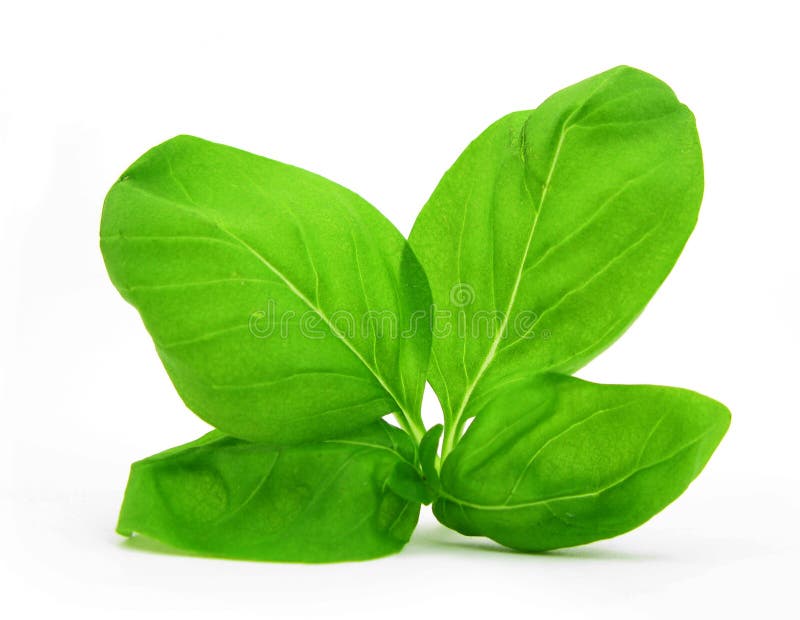
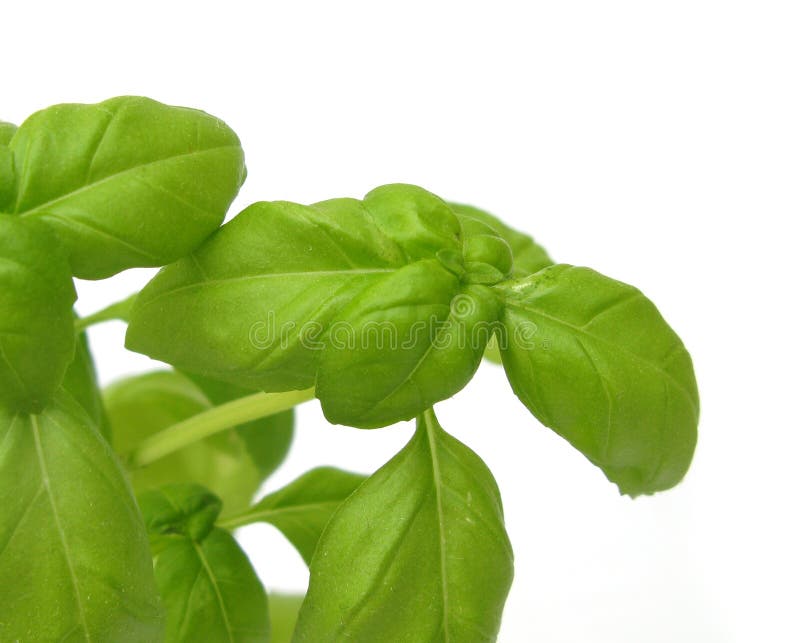
Basil (Ocimum basilicum), of the Family Lamiaceae. Basil is a tender low-growing herb that is grown as a perennial in warm, tropical climates. Basil is originally native to India and other tropical regions of Asia, having been cultivated there for more than 5,000 years. There are many varieties of basil, that which is used in Italian food is typically called sweet basil, as opposed to Thai basil or holy basil, which are used in Asia. There are so many uses for basil that every herb gardener will want to have a plant or two. It is an attractive plant that works well in vegetable, herb and flower gardens. Place pots of basil around the deck or porch to enjoy the aroma. Basil has a warm, resinous, clove-like flavor and fragrance. Other climates stock images, royalty-free photos and pictures
Basil (Ocimum basilicum), of the Family Lamiaceae. Basil is a tender low-growing herb that is grown as a perennial in warm, tropical climates. Basil is originally native to India and other tropical regions of Asia, having been cultivated there for more than 5,000 years. There are many varieties of basil, that which is used in Italian food is typically called sweet basil, as opposed to Thai basil or holy basil, which are used in Asia. There are so many uses for basil that every herb gardener will want to have a plant or two. It is an attractive plant that works well in vegetable, herb and flower gardens. Place pots of basil around the deck or porch to enjoy the aroma. Basil has a warm, resinous, clove-like flavor and fragrance. The flowers and leaves are best used fresh and added only during the last few minutes of cooking. Basil works well in combination with tomatoes. Finely chopped basil stirred into mayonnaise makes a good sauce for fish. Other climates stock images, royalty-free photos and pictures
Agriculture is the cultivation of animals, plants, fungi and other life forms for food, fiber, and other products used to sustain life. [1] Agriculture was the key implement in the rise of sedentary human civilization, whereby farming of domesticated species created food surpluses that nurtured the development of civilization. The study of agriculture is known as agricultural science. Agriculture is also observed in certain species of ant and termite,[2][3] but generally speaking refers to human activities. The history of agriculture dates back thousands of years, and its development has been driven and defined by greatly different climates, cultures, and technologies. However, all farming generally relies on techniques to expand and maintain the lands suitable for raising domesticated species. For plants, this usually requires some form of irrigation, although there are methods of dryland farming; pastoral herding on rangeland is still the most common means of raising livestock. In the developed world, industrial agriculture based on large-scale monoculture has become the dominant system of modern farming, although there is growing support for sustainable agriculture e. g. permaculture or organic agriculture. Other climates stock images, royalty-free photos and pictures
Malabar red spinach (Basella alba 'Rubra') with thick, oval-shaped leaves featuring a vibrant red hue along the veins and stems. The plant thrives in a garden setting, surrounded by other green foliage. The leaves have a waxy texture and slightly glossy appearance, typical of this edible vine. Known for its rapid growth, Malabar spinach is popular in tropical climates and used in salads and cooking due to its mild taste and high nutritional content. Other climates stock images, royalty-free photos and pictures
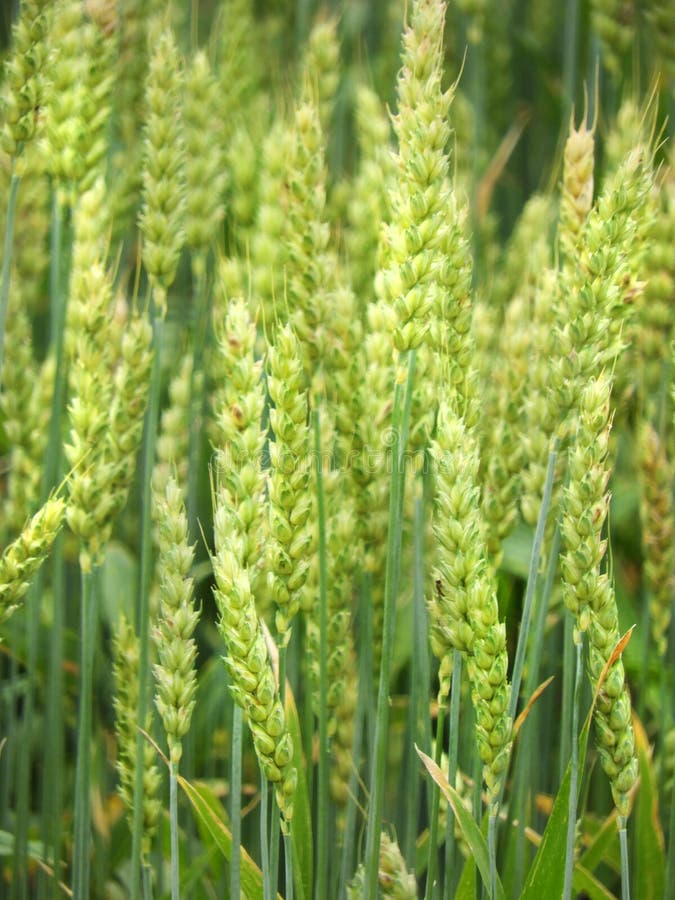
Barley, a member of the grass family, is a major cereal grain grown in temperate climates globally. Barley has been used as animal fodder, as a source of fermentable material for beer and certain distilled beverages, and as a component of various health foods. It is used in soups and stews, and in barley bread of various cultures. Barley grains are commonly made into malt in a traditional and ancient method of preparation. NYS Finger Lakes fields are good for growing grapes, barley, rye, wheat and other cash crops. Other climates stock images, royalty-free photos and pictures
Geckos are small to average sized lizards belonging to the family Gekkonidae, found in warm climates throughout the world. Geckos are unique among lizards in their vocalizations, making chirping sounds in social interactions with other geckos. Gekkonidae is the largest family of lizards, with an estimated 2,000 different species worldwide and many others likely yet to be discovered. The name stems from the Indonesian/Javanese word Tokek, inspired by the sound these animals make. All geckos, excluding the Eublepharinae family, have no eyelids and instead have a transparent membrane which they lick to clean. Many species will, in defense, expel a foul-smelling material and feces onto their aggressors. There are also many species that will drop their tails in defense, a process called autotomy. Many species are well known for their specialized toe pads that enable them to climb smooth and vertical surfaces, and even cross indoor ceilings with ease (one hypothesis explains the ability in terms of the van der Waals force). These antics are well-known to people who live in warm regions of the world, where several species of geckos make their home inside human habitations. These species (for example the House Gecko) become part of the indoor menagerie and are often welcome guests, as they feed on insects, including mosquitoes. Other climates stock images, royalty-free photos and pictures
The Monteverde Cloud Forest Reserve was established in 1972 and initially covered some 810 acres of forested land. Over 8 miles 13 km of trails are available for visitors to explore on their own or with a guide. Often taking the form of fog, clouds hover around the upper canopy of the forest before condensing onto the leaves of trees and dripping onto the plants below. Understandably, the sun has a hard time breaking through this thick veil of clouds. This causes a slower rate of evaporation and thus provides the plants with a bounty of life-giving moisture. This moisture helps to promote a huge amount of biodiversity, particularly within the type of plants known as epiphytes. These plants grow on other plants including trees non-parasitically, collecting their moisture and nutrients from the air, rain, and debris that surround them. Common examples include lichens, orchids and bromeliads, all of which are abundant in Monteverde. Cloud forests also tend to host a large number of endemic species, as their unique climates and specialized ecosystems create habitats that are not found anywhere else on Earth. Other climates stock images, royalty-free photos and pictures
The process sometimes starts with a planning stage in which plans are prepared by an architect and approved by the client and any regulatory authority. Then the site is cleared, foundations are laid and trenches for connection to services such as sewerage, water and electricity are established. If the house is wooden-framed then a framework is constructed which will support the boards, siding and roof. If the house is of brick construction, then courses of bricks are laid to construct the walls. Floors, beams and internal walls are constructed as the building develops, with plumbing and wiring for water and electricity being installed as appropriate. Once the main structure is complete then internal fitting out with lights and other fitments is done and the house is decorated and furnished with furniture, cupboards, carpets, curtains and other fittings. There are problems associated with the house-building industry. Mass house-builders can be risk averse, preferring cost-efficient building methods rather than adopting new technologies for improved building performance. Traditional vernacular building methods that suit local conditions and climates can be dispensed with in favour of a generic 'cookie cutter' housing type. Other climates stock images, royalty-free photos and pictures
Sheep farming or sheep husbandry is the raising and breeding of domestic sheep. It is a branch of animal husbandry. Sheep are raised principally for their meat lamb and mutton, milk sheep`s milk, and fiber wool. They also yield sheepskin and parchment. Sheep can be raised in a range of temperate climates, including arid zones. Farmers build fences, housing, shearing sheds and other facilities on their property, such as for water, feed, transport and pest control. Most farms are managed so sheep can graze pastures, sometimes under the control of a shepherd or sheep dog. The major sources of income for a farm come from the sale of lambs and the shearing of sheep for their wool. Farmers can select from various breeds suitable for their region and market conditions. When the farmer sees that a ewe female adult is showing signs of heat or estrus, they can organise for mating with males. Newborn lambs are typically subjected to lamb marking, which involves tail docking, mulesing, earmarking, and males may be castrated. Other climates stock images, royalty-free photos and pictures
Bauhinia trees, or bauhinia guianensis, are widely planted in the tropics as orchid trees, and are also commonly called mountain ebony and kachnar. This is a very popular ornamental tree in subtropical and tropical climates, grown for its scented flowers and also used as food item in South Asian cuisine. In the Neotropics, it can be used to attract hummingbirds into gardens and parks. On the other hand, in some areas. Other climates stock images, royalty-free photos and pictures
Aloe Vera Often called the `Medicine Plant, `Miracle Plant` or the `natural healer`, Aloe Vera is a plant of many surprises. The health benefits of aloe vera include strengthening the immune system, delaying the aging process, curing dermatitis, alleviating menstrual problems, reducing arthritis pain, and healing wounds. It also cures nausea, eliminates ulcers, lowers blood sugar and cholesterol levels, reduces oxidative stress, inhibits cancerous growth. Aloe vera belongs to the succulent plant species of the genus aloe. Aloe vera grows in tropical climates and has been used for centuries as a medicinal plant. Aloe vera juice or aloe vera juice is a thick, viscous liquid made from the flesh of the aloe leaf. Aloe vera juice is commonly known to treat sunburn. But drinking this water in the form of juice will provide the body with a number of other health benefits. How to make aloe vera juice :Aloe vera juice is made initially by selecting the aloe vera leaf vessels, The ingredients for Aloe vera juice are Aloe vera, Lemon juice, honey, salt, sugar. then following the steps of how to grind or grind the whole leaves of the aloe vera plant, then make The next steps to clean the solution of aloe vera mixture and at the same time bring this mixture to the filter to remove the peel and residue. With a mild, pleasant taste, the juice blends easily into smoothies, making aloe vera juice a whole food supplement. Other climates stock images, royalty-free photos and pictures

Juice. aloe vera juice. soththu kaththazhai juice. aloe barbadensis mill. miracle plant juice.natural healer juice. Aloe Vera Often called the `Medicine Plant, `Miracle Plant` or the `natural healer`, Aloe Vera is a plant of many surprises. The health benefits of aloe vera include strengthening the immune system, delaying the aging process, curing dermatitis, alleviating menstrual problems, reducing arthritis pain, and healing wounds. It also cures nausea, eliminates ulcers, lowers blood sugar and cholesterol levels, reduces oxidative stress, inhibits cancerous growth. Aloe vera belongs to the succulent plant species of the genus aloe. Aloe vera grows in tropical climates and has been used for centuries as a medicinal plant.Aloe vera juice or aloe vera juice is a thick, viscous liquid made from the flesh of the aloe leaf. Aloe vera juice is commonly known to treat sunburn. But drinking this water in the form of juice will provide the body with a number of other health benefits.How to make aloe vera juice :Aloe vera juice is made initially by selecting the aloe vera leaf vessels, The ingredients for Aloe vera juice are Aloe vera, Lemon juice, honey, salt, sugar. then following the steps of how to grind or grind the whole leaves of the aloe vera plant, then make The next steps to clean the solution of aloe vera mixture and at the same time bring this mixture to the filter to remove the peel and residue. With a mild, pleasant taste, the juice blends easily into smoothies, making aloe vera juice a whole food supplement.

The Monteverde Cloud Forest Reserve was established in 1972 and initially covered some 810 acres of forested land. Over 8 miles 13 km of trails are available for visitors to explore on their own or with a guide. Often taking the form of fog, clouds hover around the upper canopy of the forest before condensing onto the leaves of trees and dripping onto the plants below. Understandably, the sun has a hard time breaking through this thick veil of clouds. This causes a slower rate of evaporation and thus provides the plants with a bounty of life-giving moisture. This moisture helps to promote a huge amount of biodiversity, particularly within the type of plants known as epiphytes. These plants grow on other plants including trees non-parasitically, collecting their moisture and nutrients from the air, rain, and debris that surround them. Common examples include lichens, orchids and bromeliads, all of which are abundant in Monteverde. Cloud forests also tend to host a large number of endemic species, as their unique climates and specialized ecosystems create habitats that are not found anywhere else on Earth. Other climates stock images, royalty-free photos and pictures
The Monteverde Cloud Forest Reserve was established in 1972 and initially covered some 810 acres of forested land. Over 8 miles 13 km of trails are available for visitors to explore on their own or with a guide. Often taking the form of fog, clouds hover around the upper canopy of the forest before condensing onto the leaves of trees and dripping onto the plants below. Understandably, the sun has a hard time breaking through this thick veil of clouds. This causes a slower rate of evaporation and thus provides the plants with a bounty of life-giving moisture. This moisture helps to promote a huge amount of biodiversity, particularly within the type of plants known as epiphytes. These plants grow on other plants including trees non-parasitically, collecting their moisture and nutrients from the air, rain, and debris that surround them. Common examples include lichens, orchids and bromeliads, all of which are abundant in Monteverde. Cloud forests also tend to host a large number of endemic species, as their unique climates and specialized ecosystems create habitats that are not found anywhere else on Earth. -www. monteverdeinfo. com/cloud-forests. Other climates stock images, royalty-free photos and pictures
Maple syrup is a syrup usually made from the xylem sap of sugar maple, red maple, or black maple trees, although it can also be made from other maple species. In cold climates, these trees store starch in their trunks and roots before the winter; the starch is then converted to sugar that rises in the sap in late winter and early spring. Maple trees are tapped by drilling holes into their trunks and collecting the exuded sap, which is processed by heating to evaporate much of the water, leaving the concentrated syrup. nnMaple syrup was first collected and used by the indigenous peoples of North America, and the practice was adopted by European settlers, who gradually refined production methods. Technological improvements in the 1970s further refined syrup processing. The Canadian province of Quebec is by far the largest producer, responsible for 75% of the world`s output; Canadian exports of maple syrup in 2014 were C$ 380 million approximately US$ 300 million, with Quebec accounting for 85% of this total. Other climates stock images, royalty-free photos and pictures
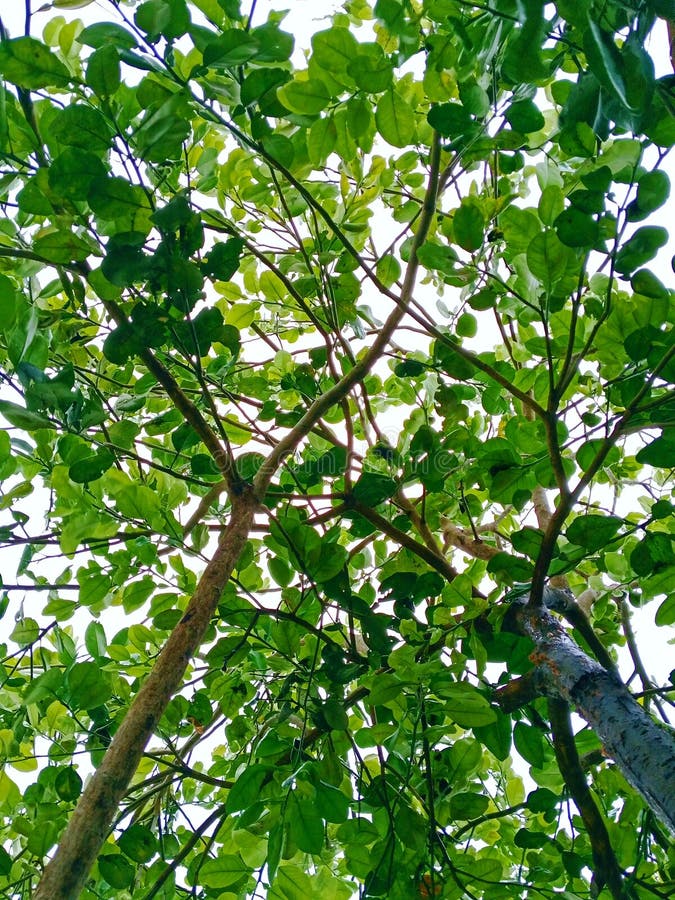
A tree with many leaves and a trunk with many branches. This tree is a citrus fruit tree that is very cool and dense because of its green leaves. Orange trees are particularly suited to cultivation in tropical climates, such as in Indonesia, where the majority of its territory has a tropical climate. As we know, orange trees also supply oxygen to humans and other living things. Other climates stock images, royalty-free photos and pictures
A flower garden in December can be a peaceful and magical place. In colder regions, the garden may be covered with frost or snow, creating a quiet and serene atmosphere. Some evergreen plants and winter flowers, like pansies and hellebores, bring color to the garden even in the cold. In warmer climates, the garden may still bloom with roses, camellias, and other seasonal flowers. The crisp air and soft light of December add to the beauty of the landscape, making the garden a lovely place to relax and enjoy nature. Other climates stock images, royalty-free photos and pictures
The oil palm tree & x28;Elaeis guineensis& x29; is a tropical plant known for its tall, slender trunk and large feather-like fronds. It produces reddish fruit clusters that contain palm oil and palm kernel oil, two of the most widely used vegetable oils in the world. Oil palms thrive in hot, humid climates and are commonly grown on large plantations in Southeast Asia, Africa, and South America. The tree is highly valued for its high oil yield and its role in producing food products, cosmetics, biofuel, and other industrial materials. Other climates stock images, royalty-free photos and pictures
This vivid image captures a close-up of ripe cashew apples hanging gracefully from their tree. The fruits display a mix of red and orange hues, complemented by the signature kidney-shaped cashew nuts beneath. Surrounded by lush green foliage, the photo highlights the natural beauty and dual purpose of the cashew tree � offering both fruit and nut. A perfect representation of tropical abundance and organic growth, commonly found in regions like Guyana and other warm climates. Other climates stock images, royalty-free photos and pictures
This vivid image captures a close-up of ripe cashew apples hanging gracefully from their tree. The fruits display a mix of red and orange hues, complemented by the signature kidney-shaped cashew nuts beneath. Surrounded by lush green foliage, the photo highlights the natural beauty and dual purpose of the cashew tree offering both fruit and nut. A perfect representation of tropical abundance and organic growth, commonly found in regions like Guyana and other warm climates. Other climates stock images, royalty-free photos and pictures
Cluster of ripe loquat fruits (Eriobotrya japonica) on a tree. The fruits are oval-shaped, golden-orange, and have a smooth texture. They are attached to branches with thick, glossy, dark green leaves featuring a distinct veined pattern. Sunlight illuminates the fruits, enhancing their color and shine. The loquat tree is known for its edible fruits and is native to China but also widely cultivated in other regions with suitable climates. Other climates stock images, royalty-free photos and pictures
Alpinia purpurata, commonly known as the red ginger, is celebrated for its stunning, vibrant inflorescences, which feature large, cone-shaped clusters of striking red or pink bracts. These bracts surround the plant's small white or yellow flowers, creating a dramatic contrast that draws the eye. Native to the tropical regions of Southeast Asia and the Pacific Islands, Alpinia purpurata thrives in warm, humid climates and is often cultivated as an ornamental plant for its bold color and architectural form. With its tropical allure, the plant's tall, leafy stems and striking blooms make it a favorite in tropical gardens and landscapes. Alpinia purpurata belongs to the Zingiberaceae family, which also includes other well-known species like ginger and turmeric. Photographed in the Grand Cayman Islands. Other climates stock images, royalty-free photos and pictures
Two roe deer (*Capreolus capreolus*) stand in a snow-covered field in front of a dense forest. One deer grazes, while the other stands alert. The trees in the background are bare, indicating a winter setting. The scene conveys a natural, tranquil environment, highlighting the deer's adaptation to cold climates. The forest, with its dark, leafless branches, contrasts with the brightness of the snow-covered field. Other climates stock images, royalty-free photos and pictures
Epiphytic herbaceous plants, likely from the Bromeliad family, with vibrant green leaves and a prominent central inflorescence. The inflorescence features a layered arrangement of red and yellow bracts. The foliage is broad, stiff, and pointed, characteristic of many bromeliads, providing structural support. These plants are adapted to attach to other structures, extracting moisture and nutrients from the air and debris around them. Their growth pattern and vibrant coloring are typical of bromeliads found in tropical and subtropical climates. Other climates stock images, royalty-free photos and pictures
Lantana camara is depicted with bright orange and yellow clustered flowers surrounded by oval, serrated green leaves. The flower heads are small, vibrant, and tubular, contrasting with the broad textured leaves. Lantana is often found in tropical areas and is known for its hardy nature and ability to thrive in various climates. The dense foliage provides a lush background, indicating a healthy plant environment. This species is popular in gardens for attracting butterflies and other pollinators. Other climates stock images, royalty-free photos and pictures
A lush azalea bush (Rhododendron spp. ) with an abundance of pale pink blossoms, featuring delicate petals tinged with deeper pink and orange hues. The vibrant green leaves provide a contrasting backdrop. The bush is set in a garden with other greenery visible, indicating a thriving, naturalistic setting. The flowers are abundant, with some buds yet to open, giving an impression of fullness and vitality. The plant, known for its ornamental beauty, thrives in temperate climates and symbolizes the arrival of spring. Other climates stock images, royalty-free photos and pictures
Calotropis gigantea leaves are large and oval with a soft, velvety texture. The prominent veins are clearly visible on the surface. These leaves are green and situated among other foliage in an outdoor garden setting. Calotropis gigantea, commonly known as the crown flower, thrives in warm, tropical climates and is known for its clusters of waxy flowers and broad leaves. Other climates stock images, royalty-free photos and pictures
Pineapple plant (Ananas comosus) with a developing fruit, surrounded by long, pointed green leaves. The fruit is characterized by its rough, spiky exterior and crown of spiky leaves on top. The plant is growing in a natural setting with soil visible beneath, and other green foliage in the background. Pineapples are terrestrial plants known for their sweet, tropical flavor, commonly grown in warm climates. Other climates stock images, royalty-free photos and pictures
Tall coconut trees (Cocos nucifera) in a low-angle perspective against a sky filled with scattered clouds. The trees have slender, bare trunks rising to a canopy of feathery, arching fronds. The background features a dynamic sky with shades of blue and gray, indicating varying weather conditions. The viewpoint emphasizes the height and elegance of the palms, often found in tropical climates. Dense foliage from other trees is visible at the lower edge, adding depth and context to the scene. Other climates stock images, royalty-free photos and pictures
Pink oleander flower blossoms among clusters of red buds, surrounded by narrow, elongated green leaves. The plant features a dense arrangement of slender stems and glossy foliage, set against a bright sky. This ornamental plant is popular in warm climates, appreciated for its vibrant blooms and lush, evergreen leaves. Other climates stock images, royalty-free photos and pictures
Rye is a hardy annual grass used for grain, animal feed, and as a cover crop. It&#x27 s also used to make rye flour for bread, whiskey, and other products. Rye is particularly well-suited to colder climates and nutrient-poor soils. Other climates stock images, royalty-free photos and pictures
Rye is a hardy annual grass used for grain, animal feed, and as a cover crop. It' s also used to make rye flour for bread, whiskey, and other products. Rye is particularly well-suited to colder climates and nutrient-poor soils. Other climates stock images, royalty-free photos and pictures
Petunia is a genus in the family Solanaceae, subfamily Petunioideae. Petunias are generally insect pollinated. The tubular flowers are favoured by some Lepidoptera species, including the Hummingbird hawk moth. Petunias can tolerate relatively harsh conditions and hot climates, but not frost. They need at least five hours of sunlight every day and flourish in moist soil and conditions of low atmospheric humidity. They are best grown from seed. Watering once a week should be sufficient in most regions. Hanging baskets and other containers need more frequent watering. Maximum growth occurs in late spring. Applying fertilizer monthly or weekly, depending on the variety, will help the plant grow quickly. The Maya and Inca believed that the scent of petunias had the power to ward off underworld monsters and spirits. Their flower-buds were bunched together for magical drinks. Other climates stock images, royalty-free photos and pictures
A banana plantation is a commercial agricultural facility found in tropical climates where bananas are grown. Banana plantations, as well as growing the fruit, may also package, process, and ship their product directly from the plantation to worldwide markets. Depending on the scope of the operation, a plantation's size may vary from a small family farm operation to a corporate facility encompassing large tracts of land, multiple physical plants, and many employees. Production-related activities on a plantation may include cultivating and harvesting the fruit, transporting the picked bunches to a packing shed, hanging to ripen in large bunches, dividing large bunches into smaller market-friendly bunches, sorting, labeling, washing, drying, packing, boxing, storing, refrigeration, shipping, and marketing. Depending on the scope of the operation, other activities may include drying, food preparation, tourism, and market research. Other climates stock images, royalty-free photos and pictures
Yellow Allamanda flowers (Allamanda cathartica) with vibrant green leaves grow near a light-colored wall. The flowers are trumpet-shaped with five petals. The plant is surrounded by other foliage, including dark green leaves and small red flowers blurred in the background. This vine is often found in tropical climates and is known for its ornamental beauty. Other climates stock images, royalty-free photos and pictures
Lagerstroemia, commonly known as crape myrtle, is a genus of around 50 species of deciduous and evergreen trees and shrubs native to the Indian subcontinent, southeast Asia, northern Australia, and other parts of Oceania, cultivated in warmer climates around the world. Other climates stock images, royalty-free photos and pictures
Succulent plants, also known as succulents, are plants with parts that are thickened, fleshy, and engorged, usually to retain water in arid climates or soil conditions. The storage of water often gives succulent plants a more swollen or fleshy appearance than other plants, a characteristic known as succulence. San Vito Lo Capo is a town and comune in North-Western Sicily, Italy, administratively part of the province of Trapani. The small town is located in a valley between mountains, and is home to a public beach that is destination of local vacationers. San Vito Lo Capo is a well-known rock climbing destination, along the coast is a coastal cliff. To the south of San Vito lo Capo is the Riserva naturale dello Zingaro. Other climates stock images, royalty-free photos and pictures
Wichita Blue Juniper hedges are exceptionally blue juniper varieties of Rocky Mountain Juniper (Juniperus scopulorum) that makes an excellent low hedge or border, especially in more arid climates. Juniperus scopulorum 'Wichita Blue' is adaptable to a wide range of soils, but grows best in dry, sandy soils with good drainage. This juniper hedge tree is native to the Rocky Mountain region, where it can be found from Alberta down to Texas, as well as in other mountainous areas from British Columbia to the Southwest. Other climates stock images, royalty-free photos and pictures
Close-up of a white cattle breed with short ears, loose skin, and a prominent black nose, typical in tropical regions. The background features grazing land with partial views of other cattle and trees, under a cloudy sky. The cattle's smooth coat and distinct hump are characteristic features, often bred for their adaptability to hot climates and robust physique. The scene suggests a rural, pastoral setting. Other climates stock images, royalty-free photos and pictures
This plant is famous for its method of reproduction through leaf shoots (budding adventivation). 'Cocorbebek' is the name in Indonesia, popularly used as an ornamental plant at home but many also grow wild in gardens and on the edge of ditches where the soil is often rocky. This plant grows commonly in tropical climates such as Asia, Australia, New Zealand, West India, Macaronesia, Maskarenes, Galapagos, Melanesia, Polynesia and Hawaii. This plant has been known as a traditional medicine to cure headaches, coughs, chest pain, ulcers and other skin diseases, cure fever, facilitate irregular menstruation, treat wounds and boils. Other climates stock images, royalty-free photos and pictures
Mustard Flowers Nature Green Flowers In the vibrant tapestry of nature, few sights rival the mesmerizing beauty of fields adorned with mustard flowers. These delicate blooms, with their vivid yellow petals contrasting against lush green foliage, create a breathtaking spectacle that evokes feelings of joy and serenity. As the gentle breeze rustles through the verdant landscape, the mustard flowers sway in unison, painting the countryside with splashes of golden hues. The mustard plant, scientifically known as Brassica juncea, is a member of the Brassicaceae family and is cultivated primarily for its seeds, which are used to produce mustard oil and condiments. However, it is the radiant flowers of the mustard plant that truly captivate the senses and command attention during their blooming season. In springtime, vast expanses of countryside and rolling hills come alive with the vibrant colors of mustard flowers. These resilient plants thrive in temperate climates, dotting the landscape with their cheerful blooms from late winter through early summer. Fields of mustard flowers create a picturesque backdrop for leisurely strolls, picnics, and outdoor gatherings, inviting people to immerse themselves in the beauty of nature. The sight of nature green mustard flowers not only delights the eye but also serves as a vital ecosystem for local flora and fauna. Bees and other pollinators are drawn to the nectar-rich blossoms, ensuring the continuation of life cycles and contributing to the biodiversity of the region. The delicate fragrance of the mustard flowers further enhances the sensory experience, infusing the air with a subtle sweetness that lingers long after the blooms have faded. Beyond their aesthetic appeal, mustard flowers hold cultural significance in many regions around the world. In some cultures, mustard flowers symbolize prosperity, abundance, and renewal, making them a popular motif in art, literature, and religious ceremonies. In essence, nature green mustard flowers exemplify the harmonious relationship between humans and the natural world, offering a glimpse into the timeless beauty and resilience of Mother Nature's creations. Other climates stock images, royalty-free photos and pictures
African leaves are shrubs that originate from the African continent and other parts of Africa, especially Nigeria, Cameroon and Zimbabwe and countries with tropical climates, one of which is Indonesia. This plant can be found in the yard, along rivers and lakes, on the edge of forests, and in grasslands. Other climates stock images, royalty-free photos and pictures
White cumulus clouds scattered across a bright blue sky, creating a dynamic pattern. The clouds vary in size and shape, providing texture against the stark blue backdrop. The scene suggests a fair weather day, typical of temperate climates. No other elements are in view, emphasizing the expansive sky and cloud formations. Other climates stock images, royalty-free photos and pictures
Unripe Nam Wa bananas of the Mali Ong variety are clustered on a tree, showcasing their green, plump bodies. The bananas are attached to a strong, slightly curved stem. Surrounding them are bright green banana leaves with a smooth texture. The background is blurred, suggesting a lush, natural setting. These bananas are typical of regions with tropical climates, suitable for natural cultivation in Thailand and other Southeast Asian countries. Other climates stock images, royalty-free photos and pictures
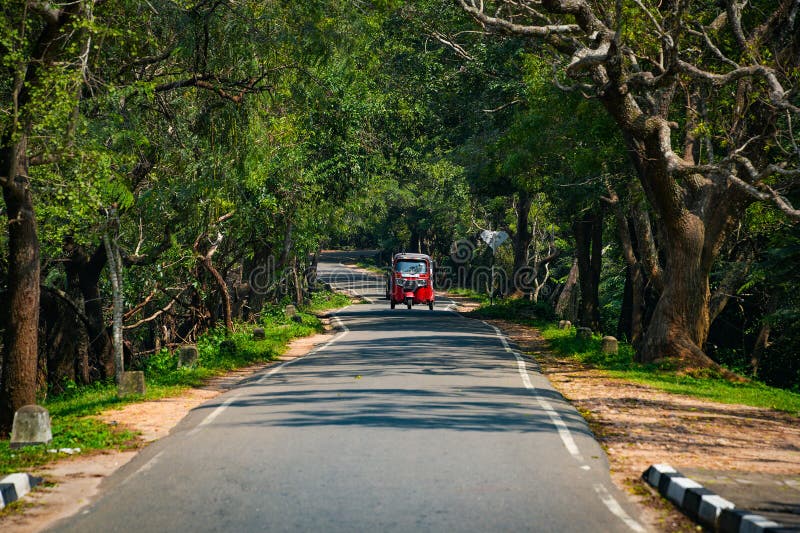
Tuk-Tuk is an auto rickshaw motorized version of the pulled rickshaw or cycle rickshaw. Most have three wheels and do not tilt. Auto rickshaws, commonly known as three-wheelers, tuk-tuks, autos, or trishaws can be found on all roads in Sri Lanka transporting people or freight. Sri Lankan three-wheelers are of the style of the light Phnom Penh-type. Most of the three-wheelers in Sri Lanka are a slightly modified Indian Bajaj model, imported from India though there are few manufactured locally and increasingly imports from other countries in the region and other brands of three-wheelers such as Piaggio Ape. The vast majority of fares are negotiated between the passenger and driver. The auto rickshaw is a common form of transport around the world, both as a vehicle for hire and for private use. They are especially common in countries with tropical or subtropical climates since they are usually not fully enclosed, and they are found in many developing countries because they are relatively inexpensive to own and operate. There are many different auto rickshaw designs. The most common type is characterized by a sheet-metal body or open frame resting on three wheels a canvas roof with drop-down side curtains a small cabin at the front for the driver operating handlebar controls and a cargo, passenger, or dual purpose space at the rear. Other climates stock images, royalty-free photos and pictures