Free with trial Modena, Emilia Romagna, Italy, Luigi Poletti monument in the Estense Museum, Unesco world heritage site, historical center of the city. Poletti stock images, royalty-free photos and pictures Modena, Emilia Romagna, Italy, Luigi Poletti monument in the Estense Museum, Unesco world heritage site
Free with trial Rome - The relief of Dream of st. Joseph on the The Immaculate Conception column on the Piazza Espana square designed by Luigi Poletti and inaugurated in 1857. Poletti stock images, royalty-free photos and pictures Rome - The relief of Dream of st. Joseph on the The Immaculate Conception column on the Piazza Espana square
Free with trial Pius V decided to build the Basilica of St Mary of the Angels, which was completed between 1569 and 1679. It incorporated the structures of the Franciscan monastery, erected close to the Portiuncula, in order to recognise the importance of the Minorite order of Franciscans and to welcome the pilgrims who still flock there today on the occasion of the Indulgence of Forgiveness (31 July-2 August), originally desired by St Francis. The church, designed by Galeazzo Alessi and built by Giacomo Martelli, Giacomo Giorgetti and possibly Vignola, has three naves and a bell tower was built on the right side. However, the Basilica suffered severe damage during the 1832 earthquake, which is why Luigi Poletti rebuilt it, in the same form, between 1836 and 1840. The façade was raised in 1925-30, a statue of the 'Madonna of the Angels' by the sculptor Colasanti was placed on top. The current arrangement of the forecourt is due to the architect Nicolosi's 1950 design. The interior of the Basilica is characterised by its side chapels, decorated with an organic collection of Umbrian paintings from the late 16th and early 17th century. Of particular interest are the Portiuncula Chapel, built in the 10th-11th centuries and dedicated to St Mary of the Angels or St Mary of the Portiuncula, and the Chapel of the Transit, where St Francis died on 3 October 1226. Poletti stock images, royalty-free photos and pictures Basilica of St Mary of the Angels
Free with trial Pius V decided to build the Basilica of St Mary of the Angels, which was completed between 1569 and 1679. It incorporated the structures of the Franciscan monastery, erected close to the Portiuncula, in order to recognise the importance of the Minorite order of Franciscans and to welcome the pilgrims who still flock there today on the occasion of the Indulgence of Forgiveness (31 July-2 August), originally desired by St Francis. The church, designed by Galeazzo Alessi and built by Giacomo Martelli, Giacomo Giorgetti and possibly Vignola, has three naves and a bell tower was built on the right side. However, the Basilica suffered severe damage during the 1832 earthquake, which is why Luigi Poletti rebuilt it, in the same form, between 1836 and 1840. The façade was raised in 1925-30, a statue of the 'Madonna of the Angels' by the sculptor Colasanti was placed on top. The current arrangement of the forecourt is due to the architect Nicolosi's 1950 design. The interior of the Basilica is characterised by its side chapels, decorated with an organic collection of Umbrian paintings from the late 16th and early 17th century. Of particular interest are the Portiuncula Chapel, built in the 10th-11th centuries and dedicated to St Mary of the Angels or St Mary of the Portiuncula, and the Chapel of the Transit, where St Francis died on 3 October 1226. Poletti stock images, royalty-free photos and pictures Basilica of St Mary of the Angels
Free with trial Pius V decided to build the Basilica of St Mary of the Angels, which was completed between 1569 and 1679. It incorporated the structures of the Franciscan monastery, erected close to the Portiuncula, in order to recognise the importance of the Minorite order of Franciscans and to welcome the pilgrims who still flock there today on the occasion of the Indulgence of Forgiveness (31 July-2 August), originally desired by St Francis. The church, designed by Galeazzo Alessi and built by Giacomo Martelli, Giacomo Giorgetti and possibly Vignola, has three naves and a bell tower was built on the right side. However, the Basilica suffered severe damage during the 1832 earthquake, which is why Luigi Poletti rebuilt it, in the same form, between 1836 and 1840. The façade was raised in 1925-30, a statue of the 'Madonna of the Angels' by the sculptor Colasanti was placed on top. The current arrangement of the forecourt is due to the architect Nicolosi's 1950 design. The interior of the Basilica is characterised by its side chapels, decorated with an organic collection of Umbrian paintings from the late 16th and early 17th century. Of particular interest are the Portiuncula Chapel, built in the 10th-11th centuries and dedicated to St Mary of the Angels or St Mary of the Portiuncula, and the Chapel of the Transit, where St Francis died on 3 October 1226. Poletti stock images, royalty-free photos and pictures Basilica of St Mary of the Angels
Free with trial Pius V decided to build the Basilica of St Mary of the Angels, which was completed between 1569 and 1679. It incorporated the structures of the Franciscan monastery, erected close to the Portiuncula, in order to recognise the importance of the Minorite order of Franciscans and to welcome the pilgrims who still flock there today on the occasion of the Indulgence of Forgiveness (31 July-2 August), originally desired by St Francis. The church, designed by Galeazzo Alessi and built by Giacomo Martelli, Giacomo Giorgetti and possibly Vignola, has three naves and a bell tower was built on the right side. However, the Basilica suffered severe damage during the 1832 earthquake, which is why Luigi Poletti rebuilt it, in the same form, between 1836 and 1840. The façade was raised in 1925-30, a statue of the 'Madonna of the Angels' by the sculptor Colasanti was placed on top. The current arrangement of the forecourt is due to the architect Nicolosi's 1950 design. The interior of the Basilica is characterised by its side chapels, decorated with an organic collection of Umbrian paintings from the late 16th and early 17th century. Of particular interest are the Portiuncula Chapel, built in the 10th-11th centuries and dedicated to St Mary of the Angels or St Mary of the Portiuncula, and the Chapel of the Transit, where St Francis died on 3 October 1226. Poletti stock images, royalty-free photos and pictures Basilica of St Mary of the Angels
Free with trial Pius V decided to build the Basilica of St Mary of the Angels, which was completed between 1569 and 1679. It incorporated the structures of the Franciscan monastery, erected close to the Portiuncula, in order to recognise the importance of the Minorite order of Franciscans and to welcome the pilgrims who still flock there today on the occasion of the Indulgence of Forgiveness (31 July-2 August), originally desired by St Francis. The church, designed by Galeazzo Alessi and built by Giacomo Martelli, Giacomo Giorgetti and possibly Vignola, has three naves and a bell tower was built on the right side. However, the Basilica suffered severe damage during the 1832 earthquake, which is why Luigi Poletti rebuilt it, in the same form, between 1836 and 1840. The façade was raised in 1925-30, a statue of the 'Madonna of the Angels' by the sculptor Colasanti was placed on top. The current arrangement of the forecourt is due to the architect Nicolosi's 1950 design. The interior of the Basilica is characterised by its side chapels, decorated with an organic collection of Umbrian paintings from the late 16th and early 17th century. Of particular interest are the Portiuncula Chapel, built in the 10th-11th centuries and dedicated to St Mary of the Angels or St Mary of the Portiuncula, and the Chapel of the Transit, where St Francis died on 3 October 1226. Poletti stock images, royalty-free photos and pictures Basilica of St Mary of the Angels
Free with trial Pius V decided to build the Basilica of St Mary of the Angels, which was completed between 1569 and 1679. It incorporated the structures of the Franciscan monastery, erected close to the Portiuncula, in order to recognise the importance of the Minorite order of Franciscans and to welcome the pilgrims who still flock there today on the occasion of the Indulgence of Forgiveness (31 July-2 August), originally desired by St Francis. The church, designed by Galeazzo Alessi and built by Giacomo Martelli, Giacomo Giorgetti and possibly Vignola, has three naves and a bell tower was built on the right side. However, the Basilica suffered severe damage during the 1832 earthquake, which is why Luigi Poletti rebuilt it, in the same form, between 1836 and 1840. The façade was raised in 1925-30, a statue of the 'Madonna of the Angels' by the sculptor Colasanti was placed on top. The current arrangement of the forecourt is due to the architect Nicolosi's 1950 design. The interior of the Basilica is characterised by its side chapels, decorated with an organic collection of Umbrian paintings from the late 16th and early 17th century. Of particular interest are the Portiuncula Chapel, built in the 10th-11th centuries and dedicated to St Mary of the Angels or St Mary of the Portiuncula, and the Chapel of the Transit, where St Francis died on 3 October 1226. Poletti stock images, royalty-free photos and pictures Basilica of St Mary of the Angels
Free with trial Pius V decided to build the Basilica of St Mary of the Angels, which was completed between 1569 and 1679. It incorporated the structures of the Franciscan monastery, erected close to the Portiuncula, in order to recognise the importance of the Minorite order of Franciscans and to welcome the pilgrims who still flock there today on the occasion of the Indulgence of Forgiveness (31 July-2 August), originally desired by St Francis. The church, designed by Galeazzo Alessi and built by Giacomo Martelli, Giacomo Giorgetti and possibly Vignola, has three naves and a bell tower was built on the right side. However, the Basilica suffered severe damage during the 1832 earthquake, which is why Luigi Poletti rebuilt it, in the same form, between 1836 and 1840. The façade was raised in 1925-30, a statue of the 'Madonna of the Angels' by the sculptor Colasanti was placed on top. The current arrangement of the forecourt is due to the architect Nicolosi's 1950 design. The interior of the Basilica is characterised by its side chapels, decorated with an organic collection of Umbrian paintings from the late 16th and early 17th century. Of particular interest are the Portiuncula Chapel, built in the 10th-11th centuries and dedicated to St Mary of the Angels or St Mary of the Portiuncula, and the Chapel of the Transit, where St Francis died on 3 October 1226. Poletti stock images, royalty-free photos and pictures Basilica of St Mary of the Angels
Free with trial Pius V decided to build the Basilica of St Mary of the Angels, which was completed between 1569 and 1679. It incorporated the structures of the Franciscan monastery, erected close to the Portiuncula, in order to recognise the importance of the Minorite order of Franciscans and to welcome the pilgrims who still flock there today on the occasion of the Indulgence of Forgiveness (31 July-2 August), originally desired by St Francis. The church, designed by Galeazzo Alessi and built by Giacomo Martelli, Giacomo Giorgetti and possibly Vignola, has three naves and a bell tower was built on the right side. However, the Basilica suffered severe damage during the 1832 earthquake, which is why Luigi Poletti rebuilt it, in the same form, between 1836 and 1840. The façade was raised in 1925-30, a statue of the 'Madonna of the Angels' by the sculptor Colasanti was placed on top. The current arrangement of the forecourt is due to the architect Nicolosi's 1950 design. The interior of the Basilica is characterised by its side chapels, decorated with an organic collection of Umbrian paintings from the late 16th and early 17th century. Of particular interest are the Portiuncula Chapel, built in the 10th-11th centuries and dedicated to St Mary of the Angels or St Mary of the Portiuncula, and the Chapel of the Transit, where St Francis died on 3 October 1226. Poletti stock images, royalty-free photos and pictures Basilica of St Mary of the Angels
Free with trial Pius V decided to build the Basilica of St Mary of the Angels, which was completed between 1569 and 1679. It incorporated the structures of the Franciscan monastery, erected close to the Portiuncula, in order to recognise the importance of the Minorite order of Franciscans and to welcome the pilgrims who still flock there today on the occasion of the Indulgence of Forgiveness (31 July-2 August), originally desired by St Francis. The church, designed by Galeazzo Alessi and built by Giacomo Martelli, Giacomo Giorgetti and possibly Vignola, has three naves and a bell tower was built on the right side. However, the Basilica suffered severe damage during the 1832 earthquake, which is why Luigi Poletti rebuilt it, in the same form, between 1836 and 1840. The façade was raised in 1925-30, a statue of the 'Madonna of the Angels' by the sculptor Colasanti was placed on top. The current arrangement of the forecourt is due to the architect Nicolosi's 1950 design. The interior of the Basilica is characterised by its side chapels, decorated with an organic collection of Umbrian paintings from the late 16th and early 17th century. Of particular interest are the Portiuncula Chapel, built in the 10th-11th centuries and dedicated to St Mary of the Angels or St Mary of the Portiuncula, and the Chapel of the Transit, where St Francis died on 3 October 1226. Poletti stock images, royalty-free photos and pictures Basilica of St Mary of the Angels
Free with trial Pius V decided to build the Basilica of St Mary of the Angels, which was completed between 1569 and 1679. It incorporated the structures of the Franciscan monastery, erected close to the Portiuncula, in order to recognise the importance of the Minorite order of Franciscans and to welcome the pilgrims who still flock there today on the occasion of the Indulgence of Forgiveness (31 July-2 August), originally desired by St Francis. The church, designed by Galeazzo Alessi and built by Giacomo Martelli, Giacomo Giorgetti and possibly Vignola, has three naves and a bell tower was built on the right side. However, the Basilica suffered severe damage during the 1832 earthquake, which is why Luigi Poletti rebuilt it, in the same form, between 1836 and 1840. The façade was raised in 1925-30, a statue of the 'Madonna of the Angels' by the sculptor Colasanti was placed on top. The current arrangement of the forecourt is due to the architect Nicolosi's 1950 design. The interior of the Basilica is characterised by its side chapels, decorated with an organic collection of Umbrian paintings from the late 16th and early 17th century. Of particular interest are the Portiuncula Chapel, built in the 10th-11th centuries and dedicated to St Mary of the Angels or St Mary of the Portiuncula, and the Chapel of the Transit, where St Francis died on 3 October 1226. Poletti stock images, royalty-free photos and pictures Basilica of St Mary of the Angels
Free with trial Pius V decided to build the Basilica of St Mary of the Angels, which was completed between 1569 and 1679. It incorporated the structures of the Franciscan monastery, erected close to the Portiuncula, in order to recognise the importance of the Minorite order of Franciscans and to welcome the pilgrims who still flock there today on the occasion of the Indulgence of Forgiveness (31 July-2 August), originally desired by St Francis. The church, designed by Galeazzo Alessi and built by Giacomo Martelli, Giacomo Giorgetti and possibly Vignola, has three naves and a bell tower was built on the right side. However, the Basilica suffered severe damage during the 1832 earthquake, which is why Luigi Poletti rebuilt it, in the same form, between 1836 and 1840. The façade was raised in 1925-30, a statue of the 'Madonna of the Angels' by the sculptor Colasanti was placed on top. The current arrangement of the forecourt is due to the architect Nicolosi's 1950 design. The interior of the Basilica is characterised by its side chapels, decorated with an organic collection of Umbrian paintings from the late 16th and early 17th century. Of particular interest are the Portiuncula Chapel, built in the 10th-11th centuries and dedicated to St Mary of the Angels or St Mary of the Portiuncula, and the Chapel of the Transit, where St Francis died on 3 October 1226. Poletti stock images, royalty-free photos and pictures Basilica of St Mary of the Angels
Free with trial Pius V decided to build the Basilica of St Mary of the Angels, which was completed between 1569 and 1679. It incorporated the structures of the Franciscan monastery, erected close to the Portiuncula, in order to recognise the importance of the Minorite order of Franciscans and to welcome the pilgrims who still flock there today on the occasion of the Indulgence of Forgiveness (31 July-2 August), originally desired by St Francis. The church, designed by Galeazzo Alessi and built by Giacomo Martelli, Giacomo Giorgetti and possibly Vignola, has three naves and a bell tower was built on the right side. However, the Basilica suffered severe damage during the 1832 earthquake, which is why Luigi Poletti rebuilt it, in the same form, between 1836 and 1840. The façade was raised in 1925-30, a statue of the 'Madonna of the Angels' by the sculptor Colasanti was placed on top. The current arrangement of the forecourt is due to the architect Nicolosi's 1950 design. The interior of the Basilica is characterised by its side chapels, decorated with an organic collection of Umbrian paintings from the late 16th and early 17th century. Of particular interest are the Portiuncula Chapel, built in the 10th-11th centuries and dedicated to St Mary of the Angels or St Mary of the Portiuncula, and the Chapel of the Transit, where St Francis died on 3 October 1226. Poletti stock images, royalty-free photos and pictures Basilica of St Mary of the Angels
Free with trial Pius V decided to build the Basilica of St Mary of the Angels, which was completed between 1569 and 1679. It incorporated the structures of the Franciscan monastery, erected close to the Portiuncula, in order to recognise the importance of the Minorite order of Franciscans and to welcome the pilgrims who still flock there today on the occasion of the Indulgence of Forgiveness (31 July-2 August), originally desired by St Francis. The church, designed by Galeazzo Alessi and built by Giacomo Martelli, Giacomo Giorgetti and possibly Vignola, has three naves and a bell tower was built on the right side. However, the Basilica suffered severe damage during the 1832 earthquake, which is why Luigi Poletti rebuilt it, in the same form, between 1836 and 1840. The façade was raised in 1925-30, a statue of the 'Madonna of the Angels' by the sculptor Colasanti was placed on top. The current arrangement of the forecourt is due to the architect Nicolosi's 1950 design. The interior of the Basilica is characterised by its side chapels, decorated with an organic collection of Umbrian paintings from the late 16th and early 17th century. Of particular interest are the Portiuncula Chapel, built in the 10th-11th centuries and dedicated to St Mary of the Angels or St Mary of the Portiuncula, and the Chapel of the Transit, where St Francis died on 3 October 1226. Poletti stock images, royalty-free photos and pictures Basilica of St Mary of the Angels
Free with trial Pius V decided to build the Basilica of St Mary of the Angels, which was completed between 1569 and 1679. It incorporated the structures of the Franciscan monastery, erected close to the Portiuncula, in order to recognise the importance of the Minorite order of Franciscans and to welcome the pilgrims who still flock there today on the occasion of the Indulgence of Forgiveness (31 July-2 August), originally desired by St Francis. The church, designed by Galeazzo Alessi and built by Giacomo Martelli, Giacomo Giorgetti and possibly Vignola, has three naves and a bell tower was built on the right side. However, the Basilica suffered severe damage during the 1832 earthquake, which is why Luigi Poletti rebuilt it, in the same form, between 1836 and 1840. The façade was raised in 1925-30, a statue of the 'Madonna of the Angels' by the sculptor Colasanti was placed on top. The current arrangement of the forecourt is due to the architect Nicolosi's 1950 design. The interior of the Basilica is characterised by its side chapels, decorated with an organic collection of Umbrian paintings from the late 16th and early 17th century. Of particular interest are the Portiuncula Chapel, built in the 10th-11th centuries and dedicated to St Mary of the Angels or St Mary of the Portiuncula, and the Chapel of the Transit, where St Francis died on 3 October 1226. Poletti stock images, royalty-free photos and pictures Basilica of St Mary of the Angels
Free with trial Pius V decided to build the Basilica of St Mary of the Angels, which was completed between 1569 and 1679. It incorporated the structures of the Franciscan monastery, erected close to the Portiuncula, in order to recognise the importance of the Minorite order of Franciscans and to welcome the pilgrims who still flock there today on the occasion of the Indulgence of Forgiveness (31 July-2 August), originally desired by St Francis. The church, designed by Galeazzo Alessi and built by Giacomo Martelli, Giacomo Giorgetti and possibly Vignola, has three naves and a bell tower was built on the right side. However, the Basilica suffered severe damage during the 1832 earthquake, which is why Luigi Poletti rebuilt it, in the same form, between 1836 and 1840. The façade was raised in 1925-30, a statue of the 'Madonna of the Angels' by the sculptor Colasanti was placed on top. The current arrangement of the forecourt is due to the architect Nicolosi's 1950 design. The interior of the Basilica is characterised by its side chapels, decorated with an organic collection of Umbrian paintings from the late 16th and early 17th century. Of particular interest are the Portiuncula Chapel, built in the 10th-11th centuries and dedicated to St Mary of the Angels or St Mary of the Portiuncula, and the Chapel of the Transit, where St Francis died on 3 October 1226. Poletti stock images, royalty-free photos and pictures Basilica of St Mary of the Angels
Free with trial Pius V decided to build the Basilica of St Mary of the Angels, which was completed between 1569 and 1679. It incorporated the structures of the Franciscan monastery, erected close to the Portiuncula, in order to recognise the importance of the Minorite order of Franciscans and to welcome the pilgrims who still flock there today on the occasion of the Indulgence of Forgiveness (31 July-2 August), originally desired by St Francis. The church, designed by Galeazzo Alessi and built by Giacomo Martelli, Giacomo Giorgetti and possibly Vignola, has three naves and a bell tower was built on the right side. However, the Basilica suffered severe damage during the 1832 earthquake, which is why Luigi Poletti rebuilt it, in the same form, between 1836 and 1840. The façade was raised in 1925-30, a statue of the 'Madonna of the Angels' by the sculptor Colasanti was placed on top. The current arrangement of the forecourt is due to the architect Nicolosi's 1950 design. The interior of the Basilica is characterised by its side chapels, decorated with an organic collection of Umbrian paintings from the late 16th and early 17th century. Of particular interest are the Portiuncula Chapel, built in the 10th-11th centuries and dedicated to St Mary of the Angels or St Mary of the Portiuncula, and the Chapel of the Transit, where St Francis died on 3 October 1226. Poletti stock images, royalty-free photos and pictures Basilica of St Mary of the Angels
Free with trial Pius V decided to build the Basilica of St Mary of the Angels, which was completed between 1569 and 1679. It incorporated the structures of the Franciscan monastery, erected close to the Portiuncula, in order to recognise the importance of the Minorite order of Franciscans and to welcome the pilgrims who still flock there today on the occasion of the Indulgence of Forgiveness (31 July-2 August), originally desired by St Francis. The church, designed by Galeazzo Alessi and built by Giacomo Martelli, Giacomo Giorgetti and possibly Vignola, has three naves and a bell tower was built on the right side. However, the Basilica suffered severe damage during the 1832 earthquake, which is why Luigi Poletti rebuilt it, in the same form, between 1836 and 1840. The façade was raised in 1925-30, a statue of the 'Madonna of the Angels' by the sculptor Colasanti was placed on top. The current arrangement of the forecourt is due to the architect Nicolosi's 1950 design. The interior of the Basilica is characterised by its side chapels, decorated with an organic collection of Umbrian paintings from the late 16th and early 17th century. Of particular interest are the Portiuncula Chapel, built in the 10th-11th centuries and dedicated to St Mary of the Angels or St Mary of the Portiuncula, and the Chapel of the Transit, where St Francis died on 3 October 1226. Poletti stock images, royalty-free photos and pictures Basilica of St Mary of the Angels
Free with trial Pius V decided to build the Basilica of St Mary of the Angels, which was completed between 1569 and 1679. It incorporated the structures of the Franciscan monastery, erected close to the Portiuncula, in order to recognise the importance of the Minorite order of Franciscans and to welcome the pilgrims who still flock there today on the occasion of the Indulgence of Forgiveness (31 July-2 August), originally desired by St Francis. The church, designed by Galeazzo Alessi and built by Giacomo Martelli, Giacomo Giorgetti and possibly Vignola, has three naves and a bell tower was built on the right side. However, the Basilica suffered severe damage during the 1832 earthquake, which is why Luigi Poletti rebuilt it, in the same form, between 1836 and 1840. The façade was raised in 1925-30, a statue of the 'Madonna of the Angels' by the sculptor Colasanti was placed on top. The current arrangement of the forecourt is due to the architect Nicolosi's 1950 design. The interior of the Basilica is characterised by its side chapels, decorated with an organic collection of Umbrian paintings from the late 16th and early 17th century. Of particular interest are the Portiuncula Chapel, built in the 10th-11th centuries and dedicated to St Mary of the Angels or St Mary of the Portiuncula, and the Chapel of the Transit, where St Francis died on 3 October 1226. Poletti stock images, royalty-free photos and pictures Basilica of St Mary of the Angels
Free with trial Pius V decided to build the Basilica of St Mary of the Angels, which was completed between 1569 and 1679. It incorporated the structures of the Franciscan monastery, erected close to the Portiuncula, in order to recognise the importance of the Minorite order of Franciscans and to welcome the pilgrims who still flock there today on the occasion of the Indulgence of Forgiveness (31 July-2 August), originally desired by St Francis. The church, designed by Galeazzo Alessi and built by Giacomo Martelli, Giacomo Giorgetti and possibly Vignola, has three naves and a bell tower was built on the right side. However, the Basilica suffered severe damage during the 1832 earthquake, which is why Luigi Poletti rebuilt it, in the same form, between 1836 and 1840. The façade was raised in 1925-30, a statue of the 'Madonna of the Angels' by the sculptor Colasanti was placed on top. The current arrangement of the forecourt is due to the architect Nicolosi's 1950 design. The interior of the Basilica is characterised by its side chapels, decorated with an organic collection of Umbrian paintings from the late 16th and early 17th century. Of particular interest are the Portiuncula Chapel, built in the 10th-11th centuries and dedicated to St Mary of the Angels or St Mary of the Portiuncula, and the Chapel of the Transit, where St Francis died on 3 October 1226. Poletti stock images, royalty-free photos and pictures Basilica of St Mary of the Angels
Free with trial Pius V decided to build the Basilica of St Mary of the Angels, which was completed between 1569 and 1679. It incorporated the structures of the Franciscan monastery, erected close to the Portiuncula, in order to recognise the importance of the Minorite order of Franciscans and to welcome the pilgrims who still flock there today on the occasion of the Indulgence of Forgiveness (31 July-2 August), originally desired by St Francis. The church, designed by Galeazzo Alessi and built by Giacomo Martelli, Giacomo Giorgetti and possibly Vignola, has three naves and a bell tower was built on the right side. However, the Basilica suffered severe damage during the 1832 earthquake, which is why Luigi Poletti rebuilt it, in the same form, between 1836 and 1840. The façade was raised in 1925-30, a statue of the 'Madonna of the Angels' by the sculptor Colasanti was placed on top. The current arrangement of the forecourt is due to the architect Nicolosi's 1950 design. The interior of the Basilica is characterised by its side chapels, decorated with an organic collection of Umbrian paintings from the late 16th and early 17th century. Of particular interest are the Portiuncula Chapel, built in the 10th-11th centuries and dedicated to St Mary of the Angels or St Mary of the Portiuncula, and the Chapel of the Transit, where St Francis died on 3 October 1226. Poletti stock images, royalty-free photos and pictures Basilica of St Mary of the Angels
Free with trial Pius V decided to build the Basilica of St Mary of the Angels, which was completed between 1569 and 1679. It incorporated the structures of the Franciscan monastery, erected close to the Portiuncula, in order to recognise the importance of the Minorite order of Franciscans and to welcome the pilgrims who still flock there today on the occasion of the Indulgence of Forgiveness (31 July-2 August), originally desired by St Francis. The church, designed by Galeazzo Alessi and built by Giacomo Martelli, Giacomo Giorgetti and possibly Vignola, has three naves and a bell tower was built on the right side. However, the Basilica suffered severe damage during the 1832 earthquake, which is why Luigi Poletti rebuilt it, in the same form, between 1836 and 1840. The façade was raised in 1925-30, a statue of the 'Madonna of the Angels' by the sculptor Colasanti was placed on top. The current arrangement of the forecourt is due to the architect Nicolosi's 1950 design. The interior of the Basilica is characterised by its side chapels, decorated with an organic collection of Umbrian paintings from the late 16th and early 17th century. Of particular interest are the Portiuncula Chapel, built in the 10th-11th centuries and dedicated to St Mary of the Angels or St Mary of the Portiuncula, and the Chapel of the Transit, where St Francis died on 3 October 1226. Poletti stock images, royalty-free photos and pictures Basilica of St Mary of the Angels
Free with trial Pius V decided to build the Basilica of St Mary of the Angels, which was completed between 1569 and 1679. It incorporated the structures of the Franciscan monastery, erected close to the Portiuncula, in order to recognise the importance of the Minorite order of Franciscans and to welcome the pilgrims who still flock there today on the occasion of the Indulgence of Forgiveness (31 July-2 August), originally desired by St Francis. The church, designed by Galeazzo Alessi and built by Giacomo Martelli, Giacomo Giorgetti and possibly Vignola, has three naves and a bell tower was built on the right side. However, the Basilica suffered severe damage during the 1832 earthquake, which is why Luigi Poletti rebuilt it, in the same form, between 1836 and 1840. The façade was raised in 1925-30, a statue of the 'Madonna of the Angels' by the sculptor Colasanti was placed on top. The current arrangement of the forecourt is due to the architect Nicolosi's 1950 design. The interior of the Basilica is characterised by its side chapels, decorated with an organic collection of Umbrian paintings from the late 16th and early 17th century. Of particular interest are the Portiuncula Chapel, built in the 10th-11th centuries and dedicated to St Mary of the Angels or St Mary of the Portiuncula, and the Chapel of the Transit, where St Francis died on 3 October 1226. Poletti stock images, royalty-free photos and pictures Basilica of St Mary of the Angels
Free with trial Pius V decided to build the Basilica of St Mary of the Angels, which was completed between 1569 and 1679. It incorporated the structures of the Franciscan monastery, erected close to the Portiuncula, in order to recognise the importance of the Minorite order of Franciscans and to welcome the pilgrims who still flock there today on the occasion of the Indulgence of Forgiveness (31 July-2 August), originally desired by St Francis. The church, designed by Galeazzo Alessi and built by Giacomo Martelli, Giacomo Giorgetti and possibly Vignola, has three naves and a bell tower was built on the right side. However, the Basilica suffered severe damage during the 1832 earthquake, which is why Luigi Poletti rebuilt it, in the same form, between 1836 and 1840. The façade was raised in 1925-30, a statue of the 'Madonna of the Angels' by the sculptor Colasanti was placed on top. The current arrangement of the forecourt is due to the architect Nicolosi's 1950 design. The interior of the Basilica is characterised by its side chapels, decorated with an organic collection of Umbrian paintings from the late 16th and early 17th century. Of particular interest are the Portiuncula Chapel, built in the 10th-11th centuries and dedicated to St Mary of the Angels or St Mary of the Portiuncula, and the Chapel of the Transit, where St Francis died on 3 October 1226. Poletti stock images, royalty-free photos and pictures Basilica of St Mary of the Angels. Pius V decided to build the Basilica of St Mary of the Angels, which was completed between 1569 and 1679. It incorporated the. Pius V decided to build the Basilica of St Mary of the Angels, which was completed between 1569 and 1679. It incorporated the structures of the Franciscan monastery, erected close to the Portiuncula, in order to recognise the importance of the Minorite order of Franciscans and to welcome the pilgrims who still flock there today on the occasion of the Indulgence of Forgiveness (31 July-2 August), originally desired by St Francis.The church, designed by Galeazzo Alessi and built by Giacomo Martelli, Giacomo Giorgetti and possibly Vignola, has three naves and a bell tower was built on the right side. However, the Basilica suffered severe damage during the 1832 earthquake, which is why Luigi Poletti rebuilt it, in the same form, between 1836 and 1840. The façade was raised in 1925-30, a statue of the 'Madonna of the Angels' by the sculptor Colasanti was placed on top. The current arrangement of the forecourt is due to the architect Nicolosi's 1950 design.The interior of the Basilica is characterised by its side chapels, decorated with an organic collection of Umbrian paintings from the late 16th and early 17th century.Of particular interest are the Portiuncula Chapel, built in the 10th-11th centuries and dedicated to St Mary of the Angels or St Mary of the Portiuncula, and the Chapel of the Transit, where St Francis died on 3 October 1226.
Free with trial Pius V decided to build the Basilica of St Mary of the Angels, which was completed between 1569 and 1679. It incorporated the structures of the Franciscan monastery, erected close to the Portiuncula, in order to recognise the importance of the Minorite order of Franciscans and to welcome the pilgrims who still flock there today on the occasion of the Indulgence of Forgiveness (31 July-2 August), originally desired by St Francis. The church, designed by Galeazzo Alessi and built by Giacomo Martelli, Giacomo Giorgetti and possibly Vignola, has three naves and a bell tower was built on the right side. However, the Basilica suffered severe damage during the 1832 earthquake, which is why Luigi Poletti rebuilt it, in the same form, between 1836 and 1840. The façade was raised in 1925-30, a statue of the 'Madonna of the Angels' by the sculptor Colasanti was placed on top. The current arrangement of the forecourt is due to the architect Nicolosi's 1950 design. The interior of the Basilica is characterised by its side chapels, decorated with an organic collection of Umbrian paintings from the late 16th and early 17th century. Of particular interest are the Portiuncula Chapel, built in the 10th-11th centuries and dedicated to St Mary of the Angels or St Mary of the Portiuncula, and the Chapel of the Transit, where St Francis died on 3 October 1226. Poletti stock images, royalty-free photos and pictures Basilica of St Mary of the Angels
Free with trial Pius V decided to build the Basilica of St Mary of the Angels, which was completed between 1569 and 1679. It incorporated the structures of the Franciscan monastery, erected close to the Portiuncula, in order to recognise the importance of the Minorite order of Franciscans and to welcome the pilgrims who still flock there today on the occasion of the Indulgence of Forgiveness (31 July-2 August), originally desired by St Francis. The church, designed by Galeazzo Alessi and built by Giacomo Martelli, Giacomo Giorgetti and possibly Vignola, has three naves and a bell tower was built on the right side. However, the Basilica suffered severe damage during the 1832 earthquake, which is why Luigi Poletti rebuilt it, in the same form, between 1836 and 1840. The façade was raised in 1925-30, a statue of the 'Madonna of the Angels' by the sculptor Colasanti was placed on top. The current arrangement of the forecourt is due to the architect Nicolosi's 1950 design. The interior of the Basilica is characterised by its side chapels, decorated with an organic collection of Umbrian paintings from the late 16th and early 17th century. Of particular interest are the Portiuncula Chapel, built in the 10th-11th centuries and dedicated to St Mary of the Angels or St Mary of the Portiuncula, and the Chapel of the Transit, where St Francis died on 3 October 1226. Poletti stock images, royalty-free photos and pictures Basilica of St Mary of the Angels
Free with trial Pius V decided to build the Basilica of St Mary of the Angels, which was completed between 1569 and 1679. It incorporated the structures of the Franciscan monastery, erected close to the Portiuncula, in order to recognise the importance of the Minorite order of Franciscans and to welcome the pilgrims who still flock there today on the occasion of the Indulgence of Forgiveness (31 July-2 August), originally desired by St Francis. The church, designed by Galeazzo Alessi and built by Giacomo Martelli, Giacomo Giorgetti and possibly Vignola, has three naves and a bell tower was built on the right side. However, the Basilica suffered severe damage during the 1832 earthquake, which is why Luigi Poletti rebuilt it, in the same form, between 1836 and 1840. The façade was raised in 1925-30, a statue of the 'Madonna of the Angels' by the sculptor Colasanti was placed on top. The current arrangement of the forecourt is due to the architect Nicolosi's 1950 design. The interior of the Basilica is characterised by its side chapels, decorated with an organic collection of Umbrian paintings from the late 16th and early 17th century. Of particular interest are the Portiuncula Chapel, built in the 10th-11th centuries and dedicated to St Mary of the Angels or St Mary of the Portiuncula, and the Chapel of the Transit, where St Francis died on 3 October 1226. Poletti stock images, royalty-free photos and pictures Basilica of St Mary of the Angels
Free with trial Pius V decided to build the Basilica of St Mary of the Angels, which was completed between 1569 and 1679. It incorporated the structures of the Franciscan monastery, erected close to the Portiuncula, in order to recognise the importance of the Minorite order of Franciscans and to welcome the pilgrims who still flock there today on the occasion of the Indulgence of Forgiveness (31 July-2 August), originally desired by St Francis. The church, designed by Galeazzo Alessi and built by Giacomo Martelli, Giacomo Giorgetti and possibly Vignola, has three naves and a bell tower was built on the right side. However, the Basilica suffered severe damage during the 1832 earthquake, which is why Luigi Poletti rebuilt it, in the same form, between 1836 and 1840. The façade was raised in 1925-30, a statue of the 'Madonna of the Angels' by the sculptor Colasanti was placed on top. The current arrangement of the forecourt is due to the architect Nicolosi's 1950 design. The interior of the Basilica is characterised by its side chapels, decorated with an organic collection of Umbrian paintings from the late 16th and early 17th century. Of particular interest are the Portiuncula Chapel, built in the 10th-11th centuries and dedicated to St Mary of the Angels or St Mary of the Portiuncula, and the Chapel of the Transit, where St Francis died on 3 October 1226. Poletti stock images, royalty-free photos and pictures Basilica of St Mary of the Angels
Free with trial Pius V decided to build the Basilica of St Mary of the Angels, which was completed between 1569 and 1679. It incorporated the structures of the Franciscan monastery, erected close to the Portiuncula, in order to recognise the importance of the Minorite order of Franciscans and to welcome the pilgrims who still flock there today on the occasion of the Indulgence of Forgiveness (31 July-2 August), originally desired by St Francis. The church, designed by Galeazzo Alessi and built by Giacomo Martelli, Giacomo Giorgetti and possibly Vignola, has three naves and a bell tower was built on the right side. However, the Basilica suffered severe damage during the 1832 earthquake, which is why Luigi Poletti rebuilt it, in the same form, between 1836 and 1840. The façade was raised in 1925-30, a statue of the 'Madonna of the Angels' by the sculptor Colasanti was placed on top. The current arrangement of the forecourt is due to the architect Nicolosi's 1950 design. The interior of the Basilica is characterised by its side chapels, decorated with an organic collection of Umbrian paintings from the late 16th and early 17th century. Of particular interest are the Portiuncula Chapel, built in the 10th-11th centuries and dedicated to St Mary of the Angels or St Mary of the Portiuncula, and the Chapel of the Transit, where St Francis died on 3 October 1226. Poletti stock images, royalty-free photos and pictures Basilica of St Mary of the Angels
Free with trial Minister giuliano poletti conference press. Poletti stock images, royalty-free photos and pictures Portrait giuliano poletti. Minister giuliano poletti conference press
Free with trial Minister giuliano poletti conference press. Poletti stock images, royalty-free photos and pictures Portrait giuliano poletti. Minister giuliano poletti conference press
Free with trial Minister giuliano poletti conference press. Poletti stock images, royalty-free photos and pictures Portrait giuliano poletti. Minister giuliano poletti conference press
Free with trial TERUEL, SPAIN - JUL 27 : French driver Laurent Poletti and his codriver Cyril Debet in a MPP Original race in the XXXVI Baja Spain, on Jul 27, 2019 in Teruel, Spain. Poletti stock images, royalty-free photos and pictures French driver Laurent Poletti and his codriver Cyril Debet in a MPP Original
Free with trial TERUEL, SPAIN - JUL 27 : French driver Laurent Poletti and his codriver Cyril Debet in a MPP Original race in the XXXVI Baja Spain, on Jul 27, 2019 in Teruel, Spain. Poletti stock images, royalty-free photos and pictures French driver Laurent Poletti and his codriver Cyril Debet in a MPP Original
Free with trial Giffoni Valle Piana, Salerno, Italia - 20 Luglio, 2016 : Giuliano Poletti al Giffoni Film Festival 2016 - il 20 Luglio, 2016 a Giffoni Valle Piana, Italia. Poletti stock images, royalty-free photos and pictures Giuliano Poletti al Giffoni Film Festival 2016
Free with trial Giffoni Valle Piana, Salerno, Italia - 20 Luglio, 2016 : Giuliano Poletti al Giffoni Film Festival 2016 - il 20 Luglio, 2016 a Giffoni Valle Piana, Italia. Poletti stock images, royalty-free photos and pictures Giuliano Poletti al Giffoni Film Festival 2016
Free with trial Giffoni Valle Piana, Salerno, Italia - 20 Luglio, 2016 : Giuliano Poletti al Giffoni Film Festival 2016 - il 20 Luglio, 2016 a Giffoni Valle Piana, Italia. Poletti stock images, royalty-free photos and pictures Giuliano Poletti al Giffoni Film Festival 2016
Free with trial Giffoni Valle Piana, Salerno, Italia - 20 Luglio, 2016 : Giuliano Poletti al Giffoni Film Festival 2016 - il 20 Luglio, 2016 a Giffoni Valle Piana, Italia. Poletti stock images, royalty-free photos and pictures Giuliano Poletti al Giffoni Film Festival 2016
Free with trial Giffoni Valle Piana, Salerno, Italia - 20 Luglio, 2016 : Giuliano Poletti al Giffoni Film Festival 2016 - il 20 Luglio, 2016 a Giffoni Valle Piana, Italia. Poletti stock images, royalty-free photos and pictures Giuliano Poletti al Giffoni Film Festival 2016
Free with trial Giffoni Valle Piana, Salerno, Italia - 20 Luglio, 2016 : Giuliano Poletti al Giffoni Film Festival 2016 - il 20 Luglio, 2016 a Giffoni Valle Piana, Italia. Poletti stock images, royalty-free photos and pictures Giuliano Poletti al Giffoni Film Festival 2016
Free with trial Giffoni Valle Piana, Salerno, Italia - 20 Luglio, 2016 : Giuliano Poletti al Giffoni Film Festival 2016 - il 20 Luglio, 2016 a Giffoni Valle Piana, Italia. Poletti stock images, royalty-free photos and pictures Giuliano Poletti al Giffoni Film Festival 2016
Free with trial Rome - The relief of Annunciation on the The Immaculate Conception column on the Piazza Espana square designed by Luigi Poletti and inaugurated in 1857. Poletti stock images, royalty-free photos and pictures Rome - The relief of Annunciation on the The Immaculate Conception column on the Piazza Espana square designed by Luigi Poletti
Free with trial Pictured is the Prophet Isaiah by Revelli at the base of The Column of the Immaculate Conception, a nineteenth-century monument in central Rome. The monument depicting the Blessed Virgin Mary is located in what is called Piazza Mignanelli. The Marian monument was designed by the architect Luigi Poletti. Poletti stock images, royalty-free photos and pictures Prophet Isaiah by Revelli, base of the Column of the Immaculate Conception monument, Rome. Pictured is the Prophet Isaiah by Revelli at the base of The Column of the Immaculate Conception, a nineteenth-century monument in central Rome. The monument depicting the Blessed Virgin Mary is located in what is called Piazza Mignanelli. The Marian monument was designed by the architect Luigi Poletti.
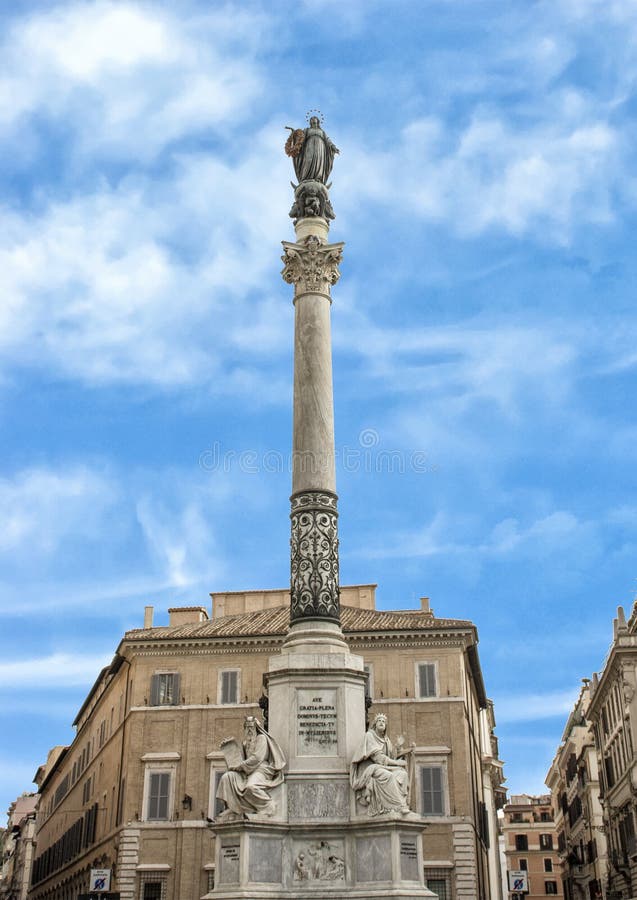
Free with trial The Column of the Immaculate Conception is a nineteenth-century monument in central Rome depicting the Blessed Virgin Mary, located in what is called Piazza Mignanelli. The Marian monument was designed by the architect Luigi Poletti. The sculpture on top of the Corinthian column of the goddess Minerva was done by by Giuseppe Obici. Poletti stock images, royalty-free photos and pictures The Column of the Immaculate Conception, Rome. The Column of the Immaculate Conception is a nineteenth-century monument in central Rome depicting the Blessed Virgin Mary, located in what is called Piazza Mignanelli. The Marian monument was designed by the architect Luigi Poletti. The sculpture on top of the Corinthian column of the goddess Minerva was done by by Giuseppe Obici.
Free with trial Pictured is the Patriarch Moses by Jacometti at the base of The Column of the Immaculate Conception, a nineteenth-century monument in central Rome. The monument depicting the Blessed Virgin Mary is located in what is called Piazza Mignanelli. The Marian monument was designed by the architect Luigi Poletti. Poletti stock images, royalty-free photos and pictures Patriarch Moses by Jacometti, base of the Column of the Immaculate Conception monument, Rome. Pictured is the Patriarch Moses by Jacometti at the base of The Column of the Immaculate Conception, a nineteenth-century monument in central Rome. The monument depicting the Blessed Virgin Mary is located in what is called Piazza Mignanelli. The Marian monument was designed by the architect Luigi Poletti.
Free with trial Pictured is King David playing a harp by Tadolini at the base of The Column of the Immaculate Conception, a nineteenth-century monument in central Rome. The monument depicting the Blessed Virgin Mary is located in what is called Piazza Mignanelli. The Marian monument was designed by the architect Luigi Poletti. Poletti stock images, royalty-free photos and pictures King David by Tadoini, base of the Column of the Immaculate Conception monument, Rome. Pictured is King David playing a harp by Tadolini at the base of The Column of the Immaculate Conception, a nineteenth-century monument in central Rome. The monument depicting the Blessed Virgin Mary is located in what is called Piazza Mignanelli. The Marian monument was designed by the architect Luigi Poletti.
Free with trial Pictured is King David playing a harp by Tadolini at the base of The Column of the Immaculate Conception, a nineteenth-century monument in central Rome. The monument depicting the Blessed Virgin Mary is located in what is called Piazza Mignanelli. The Marian monument was designed by the architect Luigi Poletti. Poletti stock images, royalty-free photos and pictures King David by Tadoini, base of the Column of the Immaculate Conception monument, Rome. Pictured is King David playing a harp by Tadolini at the base of The Column of the Immaculate Conception, a nineteenth-century monument in central Rome. The monument depicting the Blessed Virgin Mary is located in what is called Piazza Mignanelli. The Marian monument was designed by the architect Luigi Poletti.
Free with trial Pictured is the Seer Ezekiel at the base of The Column of the Immaculate Conception, a nineteenth-century monument in central Rome. The monument depicting the Blessed Virgin Mary is located in what is called Piazza Mignanelli. The Marian monument was designed by the architect Luigi Poletti. Poletti stock images, royalty-free photos and pictures Seer Ezekiel by Carlo Chelli, base of the Column of the Immaculate Conception monument, Rome. Pictured is the Seer Ezekiel at the base of The Column of the Immaculate Conception, a nineteenth-century monument in central Rome. The monument depicting the Blessed Virgin Mary is located in what is called Piazza Mignanelli. The Marian monument was designed by the architect Luigi Poletti.
Free with trial Modena,Italy - March 5,2019: The marble statue of the architect Luigi Poletti in the courtyard of the Palazzo dei Musei (Museums Palace. Poletti stock images, royalty-free photos and pictures Modena, arte e tecnologia. Modena,Italy - March 5,2019: The marble statue of the architect Luigi Poletti in the courtyard of the Palazzo dei Musei (Museums Palace
Free with trial Column of the Immaculate Conception monument at at Piazza di Spagna Rome. Poletti stock images, royalty-free photos and pictures Column of the Immaculate Conception Rome. Column of the Immaculate Conception monument at at Piazza di Spagna Rome
Free with trial Rome - The relief of Annunciation on the The Immaculate Conception column on the Piazza Espana square designed by Luigi Poletti and inaugurated in 1857. Poletti stock images, royalty-free photos and pictures Rome - The relief of Annunciation on the The Immaculate Conception column on the Piazza Espana square
Free with trial The Column of the Immaculate Conception is a 19th century monument in central Rome depicting the Blessed Virgin Mary, located in what is called Piazza Mignanelli. It was sculpted by Giuseppe Obici. Poletti stock images, royalty-free photos and pictures Column of the Immaculate Conception, Rome. The Column of the Immaculate Conception is a 19th century monument in central Rome depicting the Blessed Virgin Mary, located in what is called Piazza Mignanelli. It was sculpted by Giuseppe Obici.
Free with trial Gregorian portico of San Paolo fuori le mura, Rome Italy. Poletti stock images, royalty-free photos and pictures San Paolo fuori le Mura
Free with trial The Column of the Immaculate Conception, a nineteenth-century monument in central Rome depicting the Blessed Virgin Mary at the Piazza Mignanelli. Poletti stock images, royalty-free photos and pictures The Column of the Immaculate Conception monument. The Column of the Immaculate Conception, a nineteenth-century monument in central Rome depicting the Blessed Virgin Mary at the Piazza Mignanelli
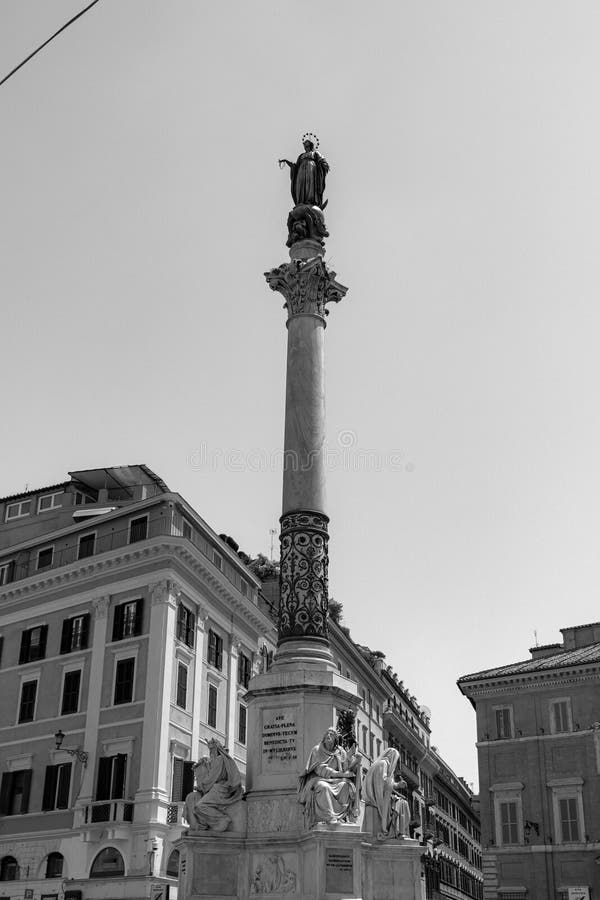
Free with trial The Column of the Immaculate Conception, a nineteenth-century monument in central Rome depicting the Blessed Virgin Mary at the Piazza Mignanelli in black and white. Poletti stock images, royalty-free photos and pictures The Column of the Immaculate Conception monument. The Column of the Immaculate Conception, a nineteenth-century monument in central Rome depicting the Blessed Virgin Mary at the Piazza Mignanelli in black and white
Free with trial Rome, Basilica of Saint Paul Outside the Walls. Lateral View of the Gregorian Portico. Poletti stock images, royalty-free photos and pictures Lateral View of the Gregorian Portico
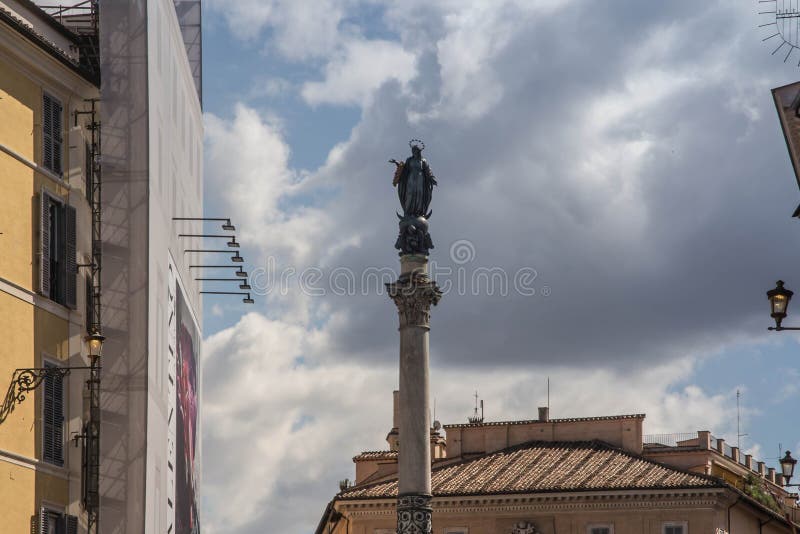
Free with trial Column of the Immaculate Conception of the Blessed Virgin Mary in Piazza di Spagna in Rome, Italy. Poletti stock images, royalty-free photos and pictures Column of the Immaculate Conception of the Blessed Virgin Mary in Piazza di Spagna in Rome
Free with trial Column of the Immaculate Conception of the Blessed Virgin Mary in Piazza di Spagna in Rome, Italy. Poletti stock images, royalty-free photos and pictures Column of the Immaculate Conception of the Blessed Virgin Mary in Piazza di Spagna in Rome
Free with trial Santiago de Chile, Chile - November 28, 2015: Virgin Mary statue on Cerro San Cristoba,ldesigned by Luigi Poletti and is a work by Giuseppe Obici. Poletti stock images, royalty-free photos and pictures Virgin Mary Statue on Cerro San Cristobal, Santiago de Chile. Santiago de Chile, Chile - November 28, 2015: Virgin Mary statue on Cerro San Cristoba,ldesigned by Luigi Poletti and is a work by Giuseppe Obici
Free with trial Rome, Italy, September 25, 2023: Nettuno (Neptune) Fountain located at the north end of Piazza Navona. Poletti stock images, royalty-free photos and pictures Column of the Immaculate Conception of the Blessed Virgin Mary in Piazza di Spagna in Rome. Rome, Italy, September 25, 2023: Nettuno (Neptune) Fountain located at the north end of Piazza Navona.
 Sign in