Search among 2,419 authentic power decrease stock photos, high-definition images, and pictures, or look at other net zero or zero icons stock images to enhance your presentation with the perfect visual.

As people learned of the power of opium, demand for it increased. Many countries began to grow and process Papaver somniferum to expand its availability and to decrease its cost. Power decrease stock images, royalty-free photos and pictures
Transformer posts are often seen in Israel with the transformer on the actual pylon. Arabic and Hebrew translate as Danger of Death!. Power decrease stock images, royalty-free photos and pictures
Petrol or gasoline being pumped into a motor vehicle car. Closeup of man, showing thumb up gesture, pumping gasoline fuel in car at gas station. Power decrease stock images, royalty-free photos and pictures
JAIPUR, INDIA: Gas cylinders put on a dirty street with old houses of poor families. Jaipur, with population 6,664000 people, is a capital of Rajasthan. Power decrease stock images, royalty-free photos and pictures
The earliest reference to opium growth and use is in 3,400 B. C. when the opium poppy was cultivated in lower Mesopotamia (Southwest Asia). As people learned of the power of opium, demand for it increased. Many countries began to grow and process opium to expand its availability and to decrease its cost. Power decrease stock images, royalty-free photos and pictures
Conceptual image of 50 euro bills placed on top of a toilet paper roll, symbolizing high inflation, rising costs of living, economic crisis, and commodity scarcity. Power decrease stock images, royalty-free photos and pictures
Net zero concept, robot hand touching green energy icon represents exchange of artificial intelligence. AI technology Machine learning for data analysis management for carbon and Net zero emission. Power decrease stock images, royalty-free photos and pictures
Uaxactun is an ancient sacred place of the Maya civilization, located in the Peten Basin region of the Maya lowlands, in the present-day department of Peten, Guatemala. The site lies some 12 miles 19 km north of the major center of Tikal. He coined the name from Maya words Waxac and Tun, to mean `Eight Stones`. A war between Tikal and Uaxactun, in which Uaxactun was defeated by forces led by Fire is Born Siyaj K`ak`, formerly identified as Smoking Frog, ended in 378 AD. The combined political entity of Tikal-Uaxactun dominated the region for the following 180 years. Siyaj K`ak` might have come from Teotihuacan, been the general of the Teotihuacano ruler Spearthrower Owl, and conquered Tikal earlier the same year. After the conquest, Uaxactun was still able to keep elite prerogatives of monument carving, temple erection, and rich burials during most of the Early Classic era. During the Hiatus period between Early Classic and Late Classic, Uaxactun experienced a lack of architectural activity and ceramic production, which coincided with the decline of the power of Teotihuacan and Tikal. By the middle of Late Classic, Uaxactun showed evidences of population increase, new construction, remodeling of old structures, and appearance of new residential areas, plaza groups, and buildings. There was a time of distinctive population decrease towards the end of Late Classic. By the end of Terminal Classic, Uaxactun was virtually abandoned. Power decrease stock images, royalty-free photos and pictures

Archaeological Site Drone view: Uaxactun, ancient sacred Maya place and astronomical observatory. Uaxactun is an ancient sacred place of the Maya civilization. Uaxactun is an ancient sacred place of the Maya civilization, located in the Peten Basin region of the Maya lowlands, in the present-day department of Peten, Guatemala. The site lies some 12 miles 19 km north of the major center of Tikal. He coined the name from Maya words Waxac and Tun, to mean `Eight Stones`. A war between Tikal and Uaxactun, in which Uaxactun was defeated by forces led by Fire is Born Siyaj K`ak`, formerly identified as Smoking Frog, ended in 378 AD. The combined political entity of Tikal-Uaxactun dominated the region for the following 180 years. Siyaj K`ak` might have come from Teotihuacan, been the general of the Teotihuacano ruler Spearthrower Owl, and conquered Tikal earlier the same year. After the conquest, Uaxactun was still able to keep elite prerogatives of monument carving, temple erection, and rich burials during most of the Early Classic era. During the Hiatus period between Early Classic and Late Classic, Uaxactun experienced a lack of architectural activity and ceramic production, which coincided with the decline of the power of Teotihuacan and Tikal. By the middle of Late Classic, Uaxactun showed evidences of population increase, new construction, remodeling of old structures, and appearance of new residential areas, plaza groups, and buildings. There was a time of distinctive population decrease towards the end of Late Classic. By the end of Terminal Classic, Uaxactun was virtually abandoned.

Futuristic abstract concept presenting a vibrant neon thermometer indicating a low percentage of progress or temperature level against a dark, minimalist backdrop. Power decrease stock images, royalty-free photos and pictures
Concept of Net Zero, carbon neutral, and net zero concepts. natural environment Long-term, climate-neutral strategy Greenhouse gas emissions. AI Generative. Power decrease stock images, royalty-free photos and pictures
Uaxactun is an ancient sacred place of the Maya civilization, located in the Peten Basin region of the Maya lowlands, in the present-day department of Peten, Guatemala. The site lies some 12 miles 19 km north of the major center of Tikal. He coined the name from Maya words Waxac and Tun, to mean `Eight Stones`. A war between Tikal and Uaxactun, in which Uaxactun was defeated by forces led by Fire is Born Siyaj K`ak`, formerly identified as Smoking Frog, ended in 378 AD. The combined political entity of Tikal-Uaxactun dominated the region for the following 180 years. Siyaj K`ak` might have come from Teotihuacan, been the general of the Teotihuacano ruler Spearthrower Owl, and conquered Tikal earlier the same year. After the conquest, Uaxactun was still able to keep elite prerogatives of monument carving, temple erection, and rich burials during most of the Early Classic era. During the Hiatus period between Early Classic and Late Classic, Uaxactun experienced a lack of architectural activity and ceramic production, which coincided with the decline of the power of Teotihuacan and Tikal. By the middle of Late Classic, Uaxactun showed evidences of population increase, new construction, remodeling of old structures, and appearance of new residential areas, plaza groups, and buildings. There was a time of distinctive population decrease towards the end of Late Classic. By the end of Terminal Classic, Uaxactun was virtually abandoned. Power decrease stock images, royalty-free photos and pictures

Archaeological Site: Uaxactun, ancient sacred Maya place and astronomical observatory. Uaxactun is an ancient sacred place of the Maya civilization, located in. Uaxactun is an ancient sacred place of the Maya civilization, located in the Peten Basin region of the Maya lowlands, in the present-day department of Peten, Guatemala. The site lies some 12 miles 19 km north of the major center of Tikal. He coined the name from Maya words Waxac and Tun, to mean `Eight Stones`. A war between Tikal and Uaxactun, in which Uaxactun was defeated by forces led by Fire is Born Siyaj K`ak`, formerly identified as Smoking Frog, ended in 378 AD. The combined political entity of Tikal-Uaxactun dominated the region for the following 180 years. Siyaj K`ak` might have come from Teotihuacan, been the general of the Teotihuacano ruler Spearthrower Owl, and conquered Tikal earlier the same year. After the conquest, Uaxactun was still able to keep elite prerogatives of monument carving, temple erection, and rich burials during most of the Early Classic era. During the Hiatus period between Early Classic and Late Classic, Uaxactun experienced a lack of architectural activity and ceramic production, which coincided with the decline of the power of Teotihuacan and Tikal. By the middle of Late Classic, Uaxactun showed evidences of population increase, new construction, remodeling of old structures, and appearance of new residential areas, plaza groups, and buildings. There was a time of distinctive population decrease towards the end of Late Classic. By the end of Terminal Classic, Uaxactun was virtually abandoned.

Net Zero - Icon with Net Zero on green rice fields. Net Zero and Carbon Neutral Concepts. Net Zero Emissions Goals. A long-term climate neutral strategy. Power decrease stock images, royalty-free photos and pictures
Uaxactun is an ancient sacred place of the Maya civilization, located in the Peten Basin region of the Maya lowlands, in the present-day department of Peten, Guatemala. The site lies some 12 miles 19 km north of the major center of Tikal. He coined the name from Maya words Waxac and Tun, to mean `Eight Stones`. A war between Tikal and Uaxactun, in which Uaxactun was defeated by forces led by Fire is Born Siyaj K`ak`, formerly identified as Smoking Frog, ended in 378 AD. The combined political entity of Tikal-Uaxactun dominated the region for the following 180 years. Siyaj K`ak` might have come from Teotihuacan, been the general of the Teotihuacano ruler Spearthrower Owl, and conquered Tikal earlier the same year. After the conquest, Uaxactun was still able to keep elite prerogatives of monument carving, temple erection, and rich burials during most of the Early Classic era. During the Hiatus period between Early Classic and Late Classic, Uaxactun experienced a lack of architectural activity and ceramic production, which coincided with the decline of the power of Teotihuacan and Tikal. By the middle of Late Classic, Uaxactun showed evidences of population increase, new construction, remodeling of old structures, and appearance of new residential areas, plaza groups, and buildings. There was a time of distinctive population decrease towards the end of Late Classic. By the end of Terminal Classic, Uaxactun was virtually abandoned. Power decrease stock images, royalty-free photos and pictures

Archaeological Site: Uaxactun, ancient sacred Maya place and astronomical observatory. Uaxactun is an ancient sacred place of the Maya civilization, located in. Uaxactun is an ancient sacred place of the Maya civilization, located in the Peten Basin region of the Maya lowlands, in the present-day department of Peten, Guatemala. The site lies some 12 miles 19 km north of the major center of Tikal. He coined the name from Maya words Waxac and Tun, to mean `Eight Stones`. A war between Tikal and Uaxactun, in which Uaxactun was defeated by forces led by Fire is Born Siyaj K`ak`, formerly identified as Smoking Frog, ended in 378 AD. The combined political entity of Tikal-Uaxactun dominated the region for the following 180 years. Siyaj K`ak` might have come from Teotihuacan, been the general of the Teotihuacano ruler Spearthrower Owl, and conquered Tikal earlier the same year. After the conquest, Uaxactun was still able to keep elite prerogatives of monument carving, temple erection, and rich burials during most of the Early Classic era. During the Hiatus period between Early Classic and Late Classic, Uaxactun experienced a lack of architectural activity and ceramic production, which coincided with the decline of the power of Teotihuacan and Tikal. By the middle of Late Classic, Uaxactun showed evidences of population increase, new construction, remodeling of old structures, and appearance of new residential areas, plaza groups, and buildings. There was a time of distinctive population decrease towards the end of Late Classic. By the end of Terminal Classic, Uaxactun was virtually abandoned.

Earth Hour: global event, yearly action, March observance, planet protection, energy saving, turning off lights, WWF initiative, ecological awareness, sustainability effort, united participation. Power decrease stock images, royalty-free photos and pictures
Uaxactun is an ancient sacred place of the Maya civilization, located in the Peten Basin region of the Maya lowlands, in the present-day department of Peten, Guatemala. The site lies some 12 miles 19 km north of the major center of Tikal. He coined the name from Maya words Waxac and Tun, to mean `Eight Stones`. A war between Tikal and Uaxactun, in which Uaxactun was defeated by forces led by Fire is Born Siyaj K`ak`, formerly identified as Smoking Frog, ended in 378 AD. The combined political entity of Tikal-Uaxactun dominated the region for the following 180 years. Siyaj K`ak` might have come from Teotihuacan, been the general of the Teotihuacano ruler Spearthrower Owl, and conquered Tikal earlier the same year. After the conquest, Uaxactun was still able to keep elite prerogatives of monument carving, temple erection, and rich burials during most of the Early Classic era. During the Hiatus period between Early Classic and Late Classic, Uaxactun experienced a lack of architectural activity and ceramic production, which coincided with the decline of the power of Teotihuacan and Tikal. By the middle of Late Classic, Uaxactun showed evidences of population increase, new construction, remodeling of old structures, and appearance of new residential areas, plaza groups, and buildings. There was a time of distinctive population decrease towards the end of Late Classic. By the end of Terminal Classic, Uaxactun was virtually abandoned. Power decrease stock images, royalty-free photos and pictures

Archaeological Site: Uaxactun, ancient sacred Maya place and astronomical observatory. Uaxactun is an ancient sacred place of the Maya civilization, located in. Uaxactun is an ancient sacred place of the Maya civilization, located in the Peten Basin region of the Maya lowlands, in the present-day department of Peten, Guatemala. The site lies some 12 miles 19 km north of the major center of Tikal. He coined the name from Maya words Waxac and Tun, to mean `Eight Stones`. A war between Tikal and Uaxactun, in which Uaxactun was defeated by forces led by Fire is Born Siyaj K`ak`, formerly identified as Smoking Frog, ended in 378 AD. The combined political entity of Tikal-Uaxactun dominated the region for the following 180 years. Siyaj K`ak` might have come from Teotihuacan, been the general of the Teotihuacano ruler Spearthrower Owl, and conquered Tikal earlier the same year. After the conquest, Uaxactun was still able to keep elite prerogatives of monument carving, temple erection, and rich burials during most of the Early Classic era. During the Hiatus period between Early Classic and Late Classic, Uaxactun experienced a lack of architectural activity and ceramic production, which coincided with the decline of the power of Teotihuacan and Tikal. By the middle of Late Classic, Uaxactun showed evidences of population increase, new construction, remodeling of old structures, and appearance of new residential areas, plaza groups, and buildings. There was a time of distinctive population decrease towards the end of Late Classic. By the end of Terminal Classic, Uaxactun was virtually abandoned.

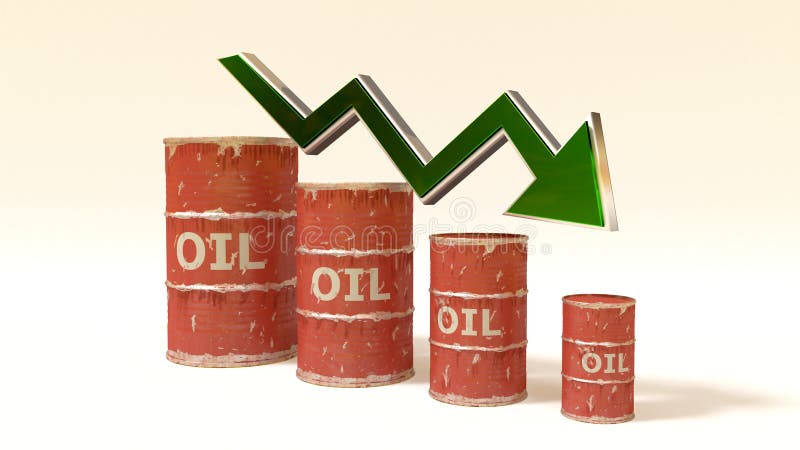
Oil barrel and toilet paper on scales, oil drum and bog roll balance, oil price drop concept, low cost barrel banner, fuel value fall illustration, global financial crisis poster, economic recession. Power decrease stock images, royalty-free photos and pictures
Uaxactun is an ancient sacred place of the Maya civilization, located in the Peten Basin region of the Maya lowlands, in the present-day department of Peten, Guatemala. The site lies some 12 miles 19 km north of the major center of Tikal. He coined the name from Maya words Waxac and Tun, to mean `Eight Stones`. A war between Tikal and Uaxactun, in which Uaxactun was defeated by forces led by Fire is Born Siyaj K`ak`, formerly identified as Smoking Frog, ended in 378 AD. The combined political entity of Tikal-Uaxactun dominated the region for the following 180 years. Siyaj K`ak` might have come from Teotihuacan, been the general of the Teotihuacano ruler Spearthrower Owl, and conquered Tikal earlier the same year. After the conquest, Uaxactun was still able to keep elite prerogatives of monument carving, temple erection, and rich burials during most of the Early Classic era. During the Hiatus period between Early Classic and Late Classic, Uaxactun experienced a lack of architectural activity and ceramic production, which coincided with the decline of the power of Teotihuacan and Tikal. By the middle of Late Classic, Uaxactun showed evidences of population increase, new construction, remodeling of old structures, and appearance of new residential areas, plaza groups, and buildings. There was a time of distinctive population decrease towards the end of Late Classic. By the end of Terminal Classic, Uaxactun was virtually abandoned. Power decrease stock images, royalty-free photos and pictures

Archaeological Site: Uaxactun, ancient sacred Maya place and astronomical observatory. Uaxactun is an ancient sacred place of the Maya civilization, located in. Uaxactun is an ancient sacred place of the Maya civilization, located in the Peten Basin region of the Maya lowlands, in the present-day department of Peten, Guatemala. The site lies some 12 miles 19 km north of the major center of Tikal. He coined the name from Maya words Waxac and Tun, to mean `Eight Stones`. A war between Tikal and Uaxactun, in which Uaxactun was defeated by forces led by Fire is Born Siyaj K`ak`, formerly identified as Smoking Frog, ended in 378 AD. The combined political entity of Tikal-Uaxactun dominated the region for the following 180 years. Siyaj K`ak` might have come from Teotihuacan, been the general of the Teotihuacano ruler Spearthrower Owl, and conquered Tikal earlier the same year. After the conquest, Uaxactun was still able to keep elite prerogatives of monument carving, temple erection, and rich burials during most of the Early Classic era. During the Hiatus period between Early Classic and Late Classic, Uaxactun experienced a lack of architectural activity and ceramic production, which coincided with the decline of the power of Teotihuacan and Tikal. By the middle of Late Classic, Uaxactun showed evidences of population increase, new construction, remodeling of old structures, and appearance of new residential areas, plaza groups, and buildings. There was a time of distinctive population decrease towards the end of Late Classic. By the end of Terminal Classic, Uaxactun was virtually abandoned.