Search among 1,807 authentic production decrease stock photos, high-definition images, and pictures, or look at other acronym text or business concept stock images to enhance your presentation with the perfect visual.

Hand putting green factory on highest coins stacking among pollution manufacturing for green economy to reduce carbon dioxide emission can make more money and business profit , sustainable development. Production decrease stock images, royalty-free photos and pictures
Sign displaying Cost Cutting, Word Written on Measures implemented to reduced expenses and improved profit Abstract Typing License Agreement, Creating Online Reference Book. Production decrease stock images, royalty-free photos and pictures
Writing note showing Purchasing Manager S Index. Business photo showcasing indicator of economic health for analysisufacturing Keyboard key Intention to create computer message pressing keypad idea. Production decrease stock images, royalty-free photos and pictures
Text sign showing Zero Cost. Business photo text business decision that does not entail any expense to execute Cardboard which is torn in the middle placed above a wooden classic table. Production decrease stock images, royalty-free photos and pictures
Handwriting text writing Cost Control. Conceptual photo practice of identifying and reducing business expenses Small little wallet inside man trousers front pocket near notation paper. Production decrease stock images, royalty-free photos and pictures
Writing note showing Zero Cost. Business concept for business decision that does not entail any expense to execute Male human wear formal clothes present use hitech smartphone. Production decrease stock images, royalty-free photos and pictures
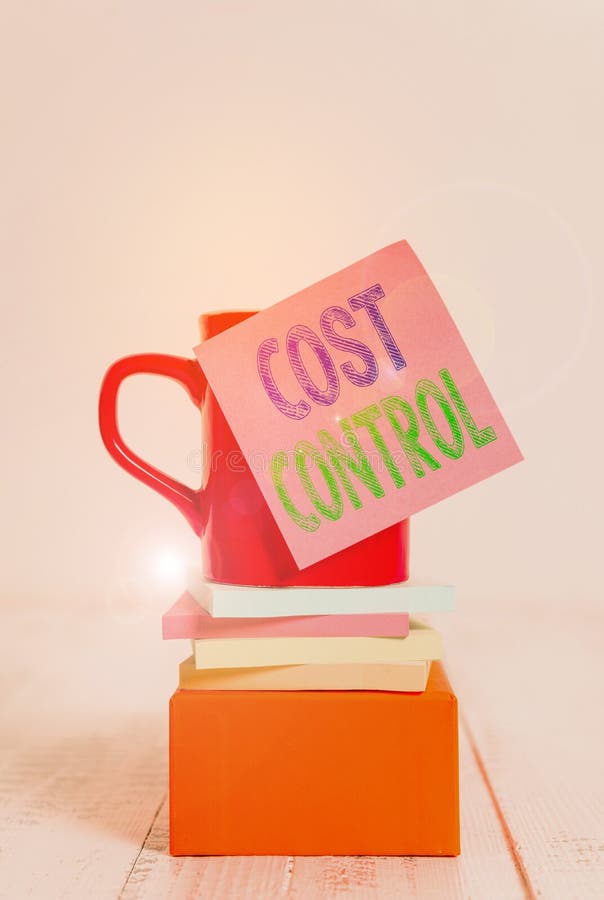
Text sign showing Cost Control. Business photo showcasing practice of identifying and reducing business expenses Coffee cup blank sticky note stacked note pads square box wooden table. Production decrease stock images, royalty-free photos and pictures
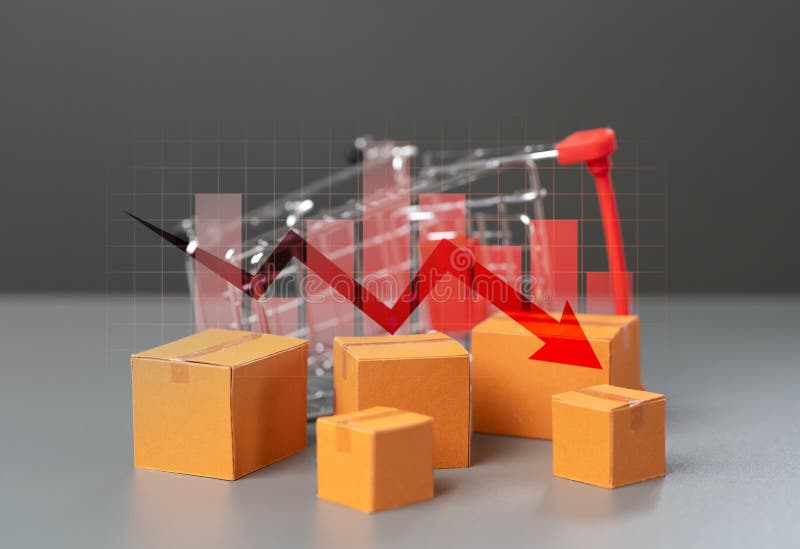
Cost reduction to target indicators. Cost text with down arrow. Goal reduction in cost of product services, modernization, credit products. Production decrease stock images, royalty-free photos and pictures
Text showing inspiration Cost Cutting, Business approach Measures implemented to reduced expenses and improved profit Converting Analog Data To Digital Media, Typing Forum Helpful Tips. Production decrease stock images, royalty-free photos and pictures
Decrease in industrial production. Factory slowdown, economic downturn, labor reduction, manufacturing crisis, global supply chain disruption, energy costs, unemployment rise, weak investment climate. Production decrease stock images, royalty-free photos and pictures
Rows of tall leafy plants are being grown in a greenhouse their purpose solely for use in biofuel production. These sustainable ods are being employed to help decrease the industrys. Production decrease stock images, royalty-free photos and pictures
Multiethnic men increasing semiconductor substrates production to decrease national security vulnerabilities. Soldier speaks with microchip factory director manufacturing silicon wafers. Production decrease stock images, royalty-free photos and pictures
Oil gas refinery or petrochemical plant. Include arrow, graph or bar chart. Decrease trend or low of production, market price, demand, supply. Concept of business, industry, fuel, power energy. Production decrease stock images, royalty-free photos and pictures
Closeup view of small plants in wooden boxes. Magnifying glass shows oxygen production of plants in detail. Focus on eco-friendly energy production carbon footprint reduction. Sustainable. Production decrease stock images, royalty-free photos and pictures
Oil pump extracting crude oil at sunset with stock market data and graphs showing a price decrease, concept of oil industry and price volatility. Production decrease stock images, royalty-free photos and pictures
Cleome rutidosperma is a weed plant which is a member of the Cleomaceae family. The presence of weeds in plantations can result in a decrease in crop production. Production decrease stock images, royalty-free photos and pictures
Oil gas refinery or petrochemical plant. Include arrow, graph or bar chart. Decrease trend or low of production, market price, demand, supply. Concept of business, industry, fuel, power energy. Production decrease stock images, royalty-free photos and pictures
Maman lanang or cleome rutidosperma. Maman lanang & x28;Cleome rutidosperma& x29; is a weed plant belonging to the Cleomaceae family. This plant is locally known as maman lanang, purple maman or male maman. Maman lanang weed & x28;C. rutidosperma& x29; is one of the weeds that grows in oil palm plantations and other plantations. The presence of weeds in plantations can result in a decrease in crop production. Production decrease stock images, royalty-free photos and pictures
Iran flag integrated with plummeting bar graphs and an oil pumpjack silhouette, representing the nation's declining oil production and economic challenges. Production decrease stock images, royalty-free photos and pictures
Truck and falling statistical chart. Decrease in cargo transportation, economic indicator decline. Lower freight demand, shrinking trade activity and logistics slowdown. Economic recession. Production decrease stock images, royalty-free photos and pictures
Oil gas refinery plant or petrochemical plant at night. Negative color tone suit for negative concept of price, market. Many machine equipment and pipeline to processing for petrol or fuel production. Production decrease stock images, royalty-free photos and pictures
An agricultural drone is an unmanned aerial vehicle used in agriculture operations, mostly in yield optimization and in monitoring crop growth and crop production. Agricultural drone optimizes the application of pesticides, herbicides and liquid fertilizers, providing uniform distribution and high-precision control. It has a modular construction, consisting of two main components - the flight platform and the agricultural platform, which can be either the phytosanitary treatment application system or the solid substance application system, equipped with liquid and solid substance tanks. Agricultural drones provide information on crop growth stages, crop health, and soil variations. The use of drone technology in the agriculture sector will vastly benefit the industry by enabling treatment from above for crops as high as 30 meters or even for infant and maturing crops at ground level. The footage will provide high quality zone maps for future reference and crop planning. Remote monitoring of crops and livestock plus targeted nutrient or pesticide applications with the generation of variable rate prescriptions will help to decrease inputs and maximize profits. The crops can be managed better and safeguarded by the timely detection of weeds, diseases, and pests. Drone spraying ensures even chemical distribution, optimizing plant health and improving yields. Agriculture is rapidly evolving toward precision and data-driven farming. Drones will play a crucial role in this transformation by collecting and analyzing data to optimize resource allocation. For example, rather than applying fertilizer uniformly, drones can assess soil conditions and determine the precise quantity needed for each section, reducing waste and improving efficiency. Water conservation is another critical benefit. On some plantations, our drones have helped save five million liters of water annually by reducing spray volumes from 400 liters to 100 liters per hectare. This level of efficiency is crucial for sustainable agriculture. Production decrease stock images, royalty-free photos and pictures

Agricultural drone flying over a tea plantation in Sri Lanka, Asia. An agricultural drone is an unmanned aerial vehicle used in agriculture operations, mostly in. An agricultural drone is an unmanned aerial vehicle used in agriculture operations, mostly in yield optimization and in monitoring crop growth and crop production. Agricultural drone optimizes the application of pesticides, herbicides and liquid fertilizers, providing uniform distribution and high-precision control. It has a modular construction, consisting of two main components - the flight platform and the agricultural platform, which can be either the phytosanitary treatment application system or the solid substance application system, equipped with liquid and solid substance tanks. Agricultural drones provide information on crop growth stages, crop health, and soil variations. The use of drone technology in the agriculture sector will vastly benefit the industry by enabling treatment from above for crops as high as 30 meters or even for infant and maturing crops at ground level. The footage will provide high quality zone maps for future reference and crop planning. Remote monitoring of crops and livestock plus targeted nutrient or pesticide applications with the generation of variable rate prescriptions will help to decrease inputs and maximize profits. The crops can be managed better and safeguarded by the timely detection of weeds, diseases, and pests. Drone spraying ensures even chemical distribution, optimizing plant health and improving yields.Agriculture is rapidly evolving toward precision and data-driven farming. Drones will play a crucial role in this transformation by collecting and analyzing data to optimize resource allocation. For example, rather than applying fertilizer uniformly, drones can assess soil conditions and determine the precise quantity needed for each section, reducing waste and improving efficiency.Water conservation is another critical benefit. On some plantations, our drones have helped save five million liters of water annually by reducing spray volumes from 400 liters to 100 liters per hectare. This level of efficiency is crucial for sustainable agriculture.

An agricultural drone is an unmanned aerial vehicle used in agriculture operations, mostly in yield optimization and in monitoring crop growth and crop production. Agricultural drone optimizes the application of pesticides, herbicides and liquid fertilizers, providing uniform distribution and high-precision control. It has a modular construction, consisting of two main components - the flight platform and the agricultural platform, which can be either the phytosanitary treatment application system or the solid substance application system, equipped with liquid and solid substance tanks. Agricultural drones provide information on crop growth stages, crop health, and soil variations. The use of drone technology in the agriculture sector will vastly benefit the industry by enabling treatment from above for crops as high as 30 meters or even for infant and maturing crops at ground level. The footage will provide high quality zone maps for future reference and crop planning. Remote monitoring of crops and livestock plus targeted nutrient or pesticide applications with the generation of variable rate prescriptions will help to decrease inputs and maximize profits. The crops can be managed better and safeguarded by the timely detection of weeds, diseases, and pests. Drone spraying ensures even chemical distribution, optimizing plant health and improving yields. Agriculture is rapidly evolving toward precision and data-driven farming. Drones will play a crucial role in this transformation by collecting and analyzing data to optimize resource allocation. For example, rather than applying fertilizer uniformly, drones can assess soil conditions and determine the precise quantity needed for each section, reducing waste and improving efficiency. Water conservation is another critical benefit. On some plantations, our drones have helped save five million liters of water annually by reducing spray volumes from 400 liters to 100 liters per hectare. This level of efficiency is crucial for sustainable agriculture. Production decrease stock images, royalty-free photos and pictures

Agricultural drone spraying over a tea plantation in Sri Lanka, Asia. An agricultural drone is an unmanned aerial vehicle used in agriculture operations, mostly. An agricultural drone is an unmanned aerial vehicle used in agriculture operations, mostly in yield optimization and in monitoring crop growth and crop production. Agricultural drone optimizes the application of pesticides, herbicides and liquid fertilizers, providing uniform distribution and high-precision control. It has a modular construction, consisting of two main components - the flight platform and the agricultural platform, which can be either the phytosanitary treatment application system or the solid substance application system, equipped with liquid and solid substance tanks. Agricultural drones provide information on crop growth stages, crop health, and soil variations. The use of drone technology in the agriculture sector will vastly benefit the industry by enabling treatment from above for crops as high as 30 meters or even for infant and maturing crops at ground level. The footage will provide high quality zone maps for future reference and crop planning. Remote monitoring of crops and livestock plus targeted nutrient or pesticide applications with the generation of variable rate prescriptions will help to decrease inputs and maximize profits. The crops can be managed better and safeguarded by the timely detection of weeds, diseases, and pests. Drone spraying ensures even chemical distribution, optimizing plant health and improving yields.Agriculture is rapidly evolving toward precision and data-driven farming. Drones will play a crucial role in this transformation by collecting and analyzing data to optimize resource allocation. For example, rather than applying fertilizer uniformly, drones can assess soil conditions and determine the precise quantity needed for each section, reducing waste and improving efficiency.Water conservation is another critical benefit. On some plantations, our drones have helped save five million liters of water annually by reducing spray volumes from 400 liters to 100 liters per hectare. This level of efficiency is crucial for sustainable agriculture.