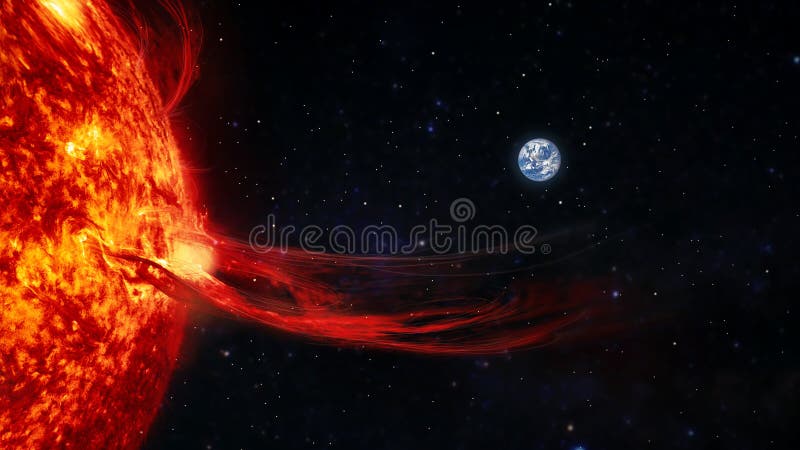
Search among 5,978 authentic prominence stock photos, high-definition images, and pictures, or look at other solar prominence or solar flare stock images to enhance your presentation with the perfect visual.

The entrance to Fingals Cave. Staffa Inland, Inner Hebrides,Argii and Bute Scotland, UK Staffa (Scottish Gaelic: Stafa, pronounced [ˈs̪t̪afa], from the Old Norse for stave or pillar island) is an island of the Inner Hebrides in Argyll and Bute, Scotland. The Vikings gave it this name as its columnar basalt reminded them of their houses, which were built from vertically placed tree-logs. Staffa lies about 10 kilometres (6 mi) west of the Isle of Mull. The area is 33 hectares (82 acres) and the highest point is 42 metres (138 ft) above sea level. The island came to prominence in the late 18th century after a visit by Sir Joseph Banks. He and his fellow-travellers extolled the natural beauty of the basalt columns in general and of the island's main sea cavern, which Banks re-named 'Fingal's Cave'. Their visit was followed by those of many other prominent personalities throughout the next two centuries, including Queen Victoria and Felix Mendelssohn. The latter's Hebrides Overture brought further fame to the island, which was by then uninhabited. It is now in the care of the National Trust for Scotland. Staffa lies about 10 kilometres (6 mi) west of Mull and 9 km northeast of Iona. It is longitudinally oriented north-south and is a kilometre long by about half a kilometre wide. The circumference is about 3. 8 km in extent. In the northeast the isle shelves to a shore, but otherwise the coast is rugged. Prominence stock images, royalty-free photos and pictures

The entrance to Fingals Cave.Staffa Island,Inner Hebrides,Argyll-Bute, Scotland,UK. The entrance to Fingals Cave. Staffa Inland, Inner Hebrides,Argii and Bute Scotland, UK Staffa (Scottish Gaelic: Stafa, pronounced [ˈs̪t̪afa], from the Old Norse for stave or pillar island) is an island of the Inner Hebrides in Argyll and Bute, Scotland. The Vikings gave it this name as its columnar basalt reminded them of their houses, which were built from vertically placed tree-logs. Staffa lies about 10 kilometres (6 mi) west of the Isle of Mull. The area is 33 hectares (82 acres) and the highest point is 42 metres (138 ft) above sea level. The island came to prominence in the late 18th century after a visit by Sir Joseph Banks. He and his fellow-travellers extolled the natural beauty of the basalt columns in general and of the island's main sea cavern, which Banks re-named 'Fingal's Cave'. Their visit was followed by those of many other prominent personalities throughout the next two centuries, including Queen Victoria and Felix Mendelssohn. The latter's Hebrides Overture brought further fame to the island, which was by then uninhabited. It is now in the care of the National Trust for Scotland. Staffa lies about 10 kilometres (6 mi) west of Mull and 9 km northeast of Iona. It is longitudinally oriented north-south and is a kilometre long by about half a kilometre wide. The circumference is about 3.8 km in extent. In the northeast the isle shelves to a shore, but otherwise the coast is rugged

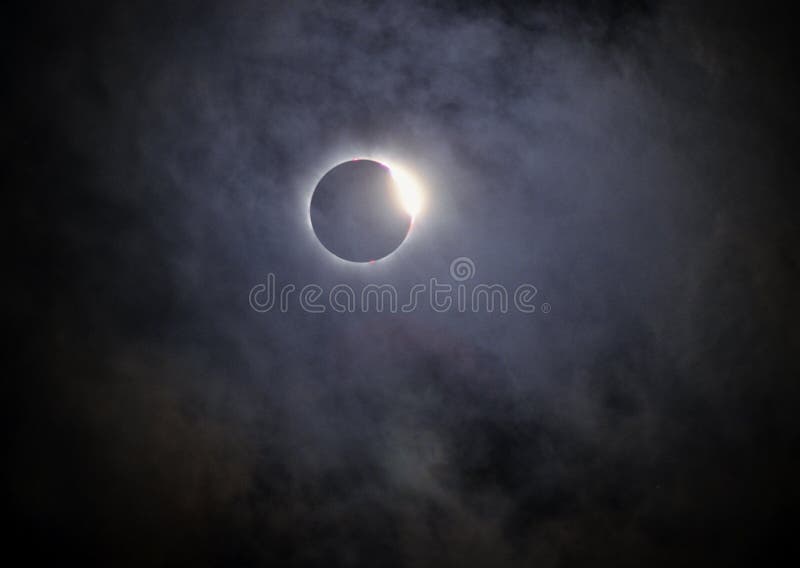
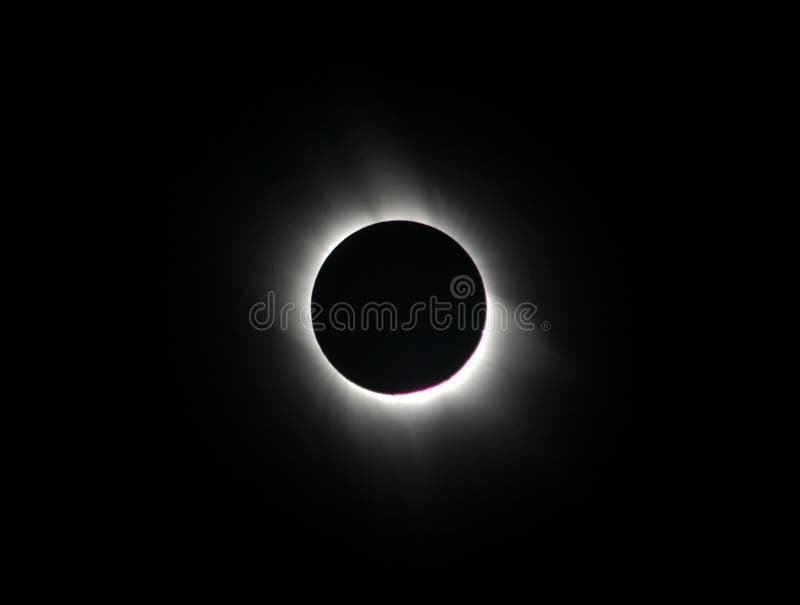
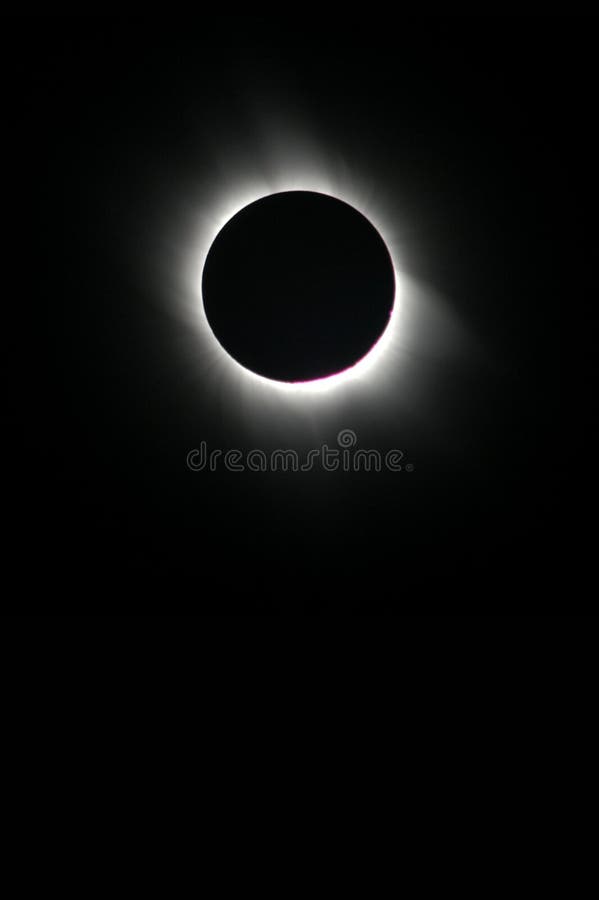
Amazing scientific natural phenomenon. Prominence and internal corona. Total solar eclipse glowing on orange sky above silhouette of trees, serenity nature. Abstract fantastic background. Prominence stock images, royalty-free photos and pictures
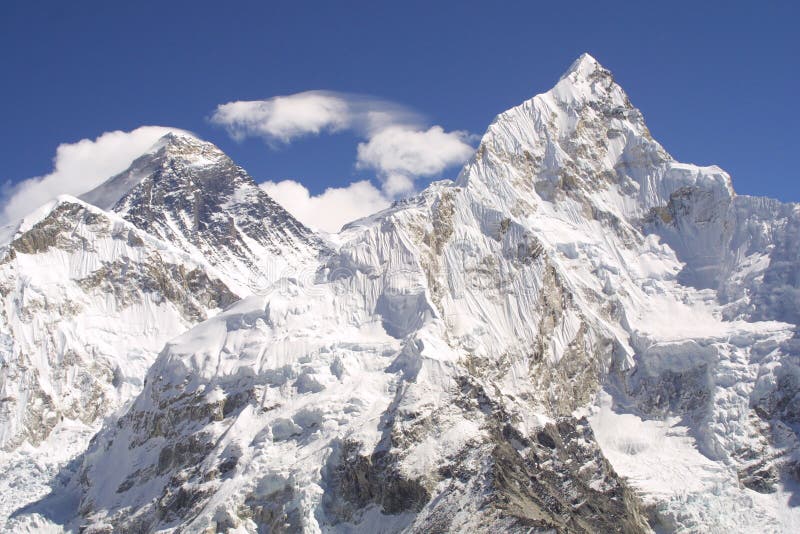
Panoramic view of Mount Everest, Lhotse and Nuptse. Photo has been taken December 2013 from Kala Patthar. Kala Patthar, meaning 'black rock' in Nepali and Hindi, is a notable landmark located on the south ridge Pumori (7,161 m or 23,494 ft) in the Nepalese Himalayas. Although not a proper mountain with a prominence of only (10 m or 33 ft),[1] the ascent of Kala Patthar is very popular with trekkers in the region of Mount Everest, since it provides the most accessible point to view Mt. Everest from base camp to peak (due to the structure of Everest, the peak cannot be seen from the base camp). The views of Everest, Nuptse Nup II and Changtse are spectacular from Kala Patthar and there are glimpses of the northern flank and summit of Lhotse. The world's highest webcam, Mount Everest webcam, is located here. Prominence stock images, royalty-free photos and pictures
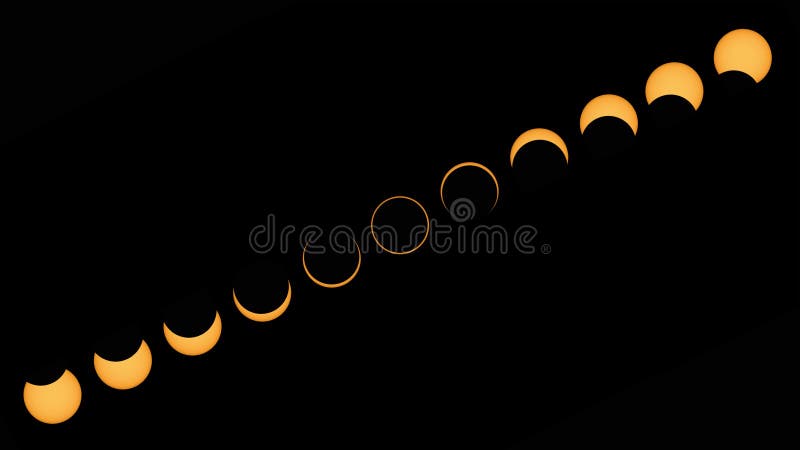
Annular solar eclipse phases composite panorama during Totality , moon covers the sun`s visible outer edges to form a `ring of fire` , shot from Tamil Nadu , India. using solar filter rare annular solar eclipse total phases composite during Totality popularly called "ring of fire" , shot from Tamil Nadu , India. using solar filter , special astronomical event. Prominence stock images, royalty-free photos and pictures
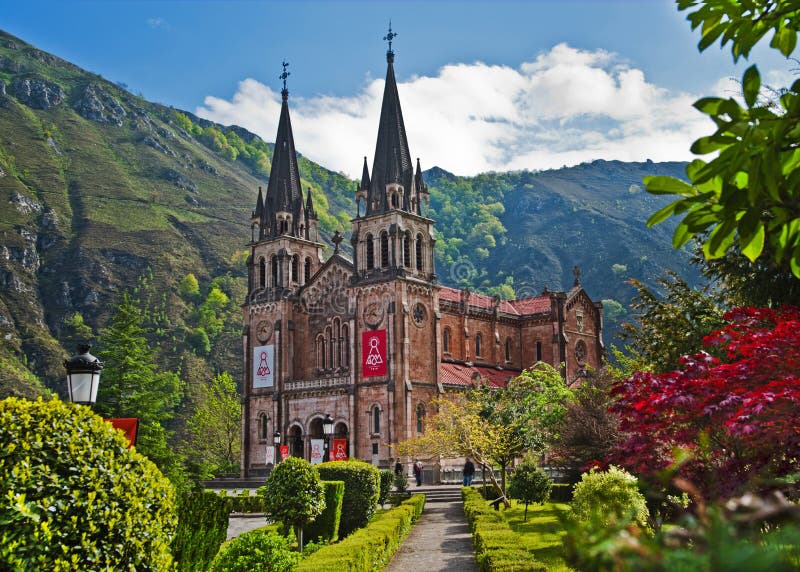
Our Lady of Covadonga is a title of the Blessed Virgin Mary, and a Marian shrine devoted to her at Covadonga in the province of Asturias in north west Spain. The Spanish shrine rose to prominence following the Battle of Covadonga in 722, at which the Moorish invasion of Spain was first resisted. A statue of the Virgin Mary, secretly hidden in one of the caves, was believed to have miraculously aided the Christian victory. Our Lady of Covadonga is the patron of Asturias, and a basilica was built to house the current statue. Pope John Paul II visited the shrine at Covadonga to honour the Virgin Mary. The feast of our Lady under this title is Sept. 7. Prominence stock images, royalty-free photos and pictures
Colorful magnetic resonance imaging of orthopedic pathology. This is right ankle after surgery of Haglunds deformity. A calcaneal prominence associated with pain in retrocalcaneal area and cause of posterior heel pain , painful bursitis and insertional Achilles tendinopathy. Prominence stock images, royalty-free photos and pictures
Napoléon Bonaparte 15 August 1769 – 5 May 1821 was a French statesman and military leader who rose to prominence during the French Revolution and led several successful campaigns during the French Revolutionary Wars. He was Emperor of the French as Napoleon I from 1804 until 1814 and again briefly in 1815 during the Hundred Days. Prominence stock images, royalty-free photos and pictures
Staffa Island, Inland, Inner Hebrides, near Mull, Argyll and Bute, Scotland, UK Staffa (Scottish Gaelic: Stafa, pronounced [ˈs̪t̪afa], from the Old Norse for stave or pillar island) is an island of the Inner Hebrides in Argyll and Bute, Scotland. The Vikings gave it this name as its columnar basalt reminded them of their houses, which were built from vertically placed tree-logs. Staffa lies about 10 kilometres (6 mi) west of the Isle of Mull. The area is 33 hectares (82 acres) and the highest point is 42 metres (138 ft) above sea level. The island came to prominence in the late 18th century after a visit by Sir Joseph Banks. He and his fellow-travellers extolled the natural beauty of the basalt columns in general and of the island's main sea cavern, which Banks re-named 'Fingal's Cave'. Their visit was followed by those of many other prominent personalities throughout the next two centuries, including Queen Victoria and Felix Mendelssohn. The latter's Hebrides Overture brought further fame to the island, which was by then uninhabited. It is now in the care of the National Trust for Scotland. Staffa lies about 10 kilometres (6 mi) west of Mull and 9 km northeast of Iona. It is longitudinally oriented north-south and is a kilometre long by about half a kilometre wide. The circumference is about 3. 8 km in extent. In the northeast the isle shelves to a shore, but otherwise the coast is rugged and. Prominence stock images, royalty-free photos and pictures

Staffa Island, Inland, Inner-Hebrides, Near Mull, Argyll and Bute, Scotland ,UK. Staffa Island, Inland, Inner Hebrides, near Mull, Argyll and Bute, Scotland, UK Staffa (Scottish Gaelic: Stafa, pronounced [ˈs̪t̪afa], from the Old Norse for stave or pillar island) is an island of the Inner Hebrides in Argyll and Bute, Scotland. The Vikings gave it this name as its columnar basalt reminded them of their houses, which were built from vertically placed tree-logs. Staffa lies about 10 kilometres (6 mi) west of the Isle of Mull. The area is 33 hectares (82 acres) and the highest point is 42 metres (138 ft) above sea level. The island came to prominence in the late 18th century after a visit by Sir Joseph Banks. He and his fellow-travellers extolled the natural beauty of the basalt columns in general and of the island's main sea cavern, which Banks re-named 'Fingal's Cave'. Their visit was followed by those of many other prominent personalities throughout the next two centuries, including Queen Victoria and Felix Mendelssohn. The latter's Hebrides Overture brought further fame to the island, which was by then uninhabited. It is now in the care of the National Trust for Scotland. Staffa lies about 10 kilometres (6 mi) west of Mull and 9 km northeast of Iona. It is longitudinally oriented north-south and is a kilometre long by about half a kilometre wide. The circumference is about 3.8 km in extent. In the northeast the isle shelves to a shore, but otherwise the coast is rugged and

The Moon is Earths only natural satellite. It is one of the largest natural satellites in the Solar System, and, among planetary satellites, the largest relative to the size of the planet it orbits (its primary). It is the second-densest satellite among those whose densities are known (after Jupiters satellite Io). The Moon is thought to have formed approximately 4. 5 billion years ago, not long after Earth. There are several hypotheses for its origin; the most widely accepted explanation is that the Moon formed from the debris left over after a giant impact between Earth and a Mars-sized body called Theia. The Moon is in synchronous rotation with Earth, always showing the same face with its near side marked by dark volcanic maria that fill between the bright ancient crustal highlands and the prominent impact craters. It is the second-brightest regularly visible celestial object in Earths sky after the Sun, as measured by illuminance on Earths surface. Although it can appear a very bright white, its surface is actually dark, with a reflectance just slightly higher than that of worn asphalt. Its prominence in the sky and its regular cycle of phases have, since ancient times, made the Moon an important cultural influence on language, calendars, art, and mythology. Prominence stock images, royalty-free photos and pictures
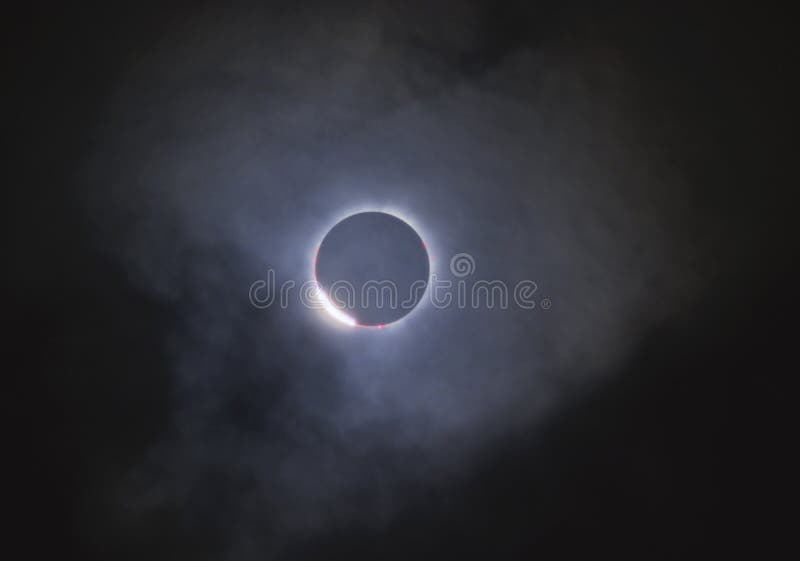
Amazing scientific natural phenomenon. Diamond ring, prominence and internal corona. Total solar eclipse glowing on orange sky with clouds and flower, serenity nature. Abstract fantastic background. Prominence stock images, royalty-free photos and pictures
Paul Kagame, President of the Republic of Rwanda, rose to prominence as the leader of the Rwandan Patriotic Front (RPF), whose victory over the incumbent government in July 1994 effectively ended the Rwandan genocide. Under his leadership, Rwanda has been called Africa’s “biggest success story” and Kagame has become a public advocate of new models for foreign aid designed to help recipients become self-reliant. However, involvement in the Congo Civil War and the recent and mysterious death of opposition deputy Andre Kagwa Rwisereka has seen doubts raised over his Governments policies and motives, particularly regarding political freedom. Prominence stock images, royalty-free photos and pictures
Amazing scientific natural phenomenon. Diamond ring, prominence and internal corona. Total solar eclipse glowing on blue sky above silhouette of trees, serenity nature. Abstract fantastic background. Prominence stock images, royalty-free photos and pictures