Search among 328 authentic quechua language stock photos, high-definition images, and pictures, or look at other inca site or sea level stock images to enhance your presentation with the perfect visual.
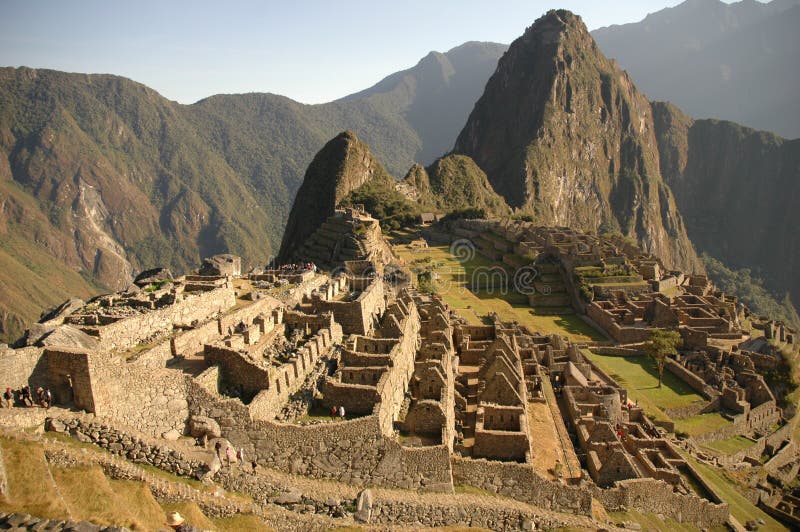
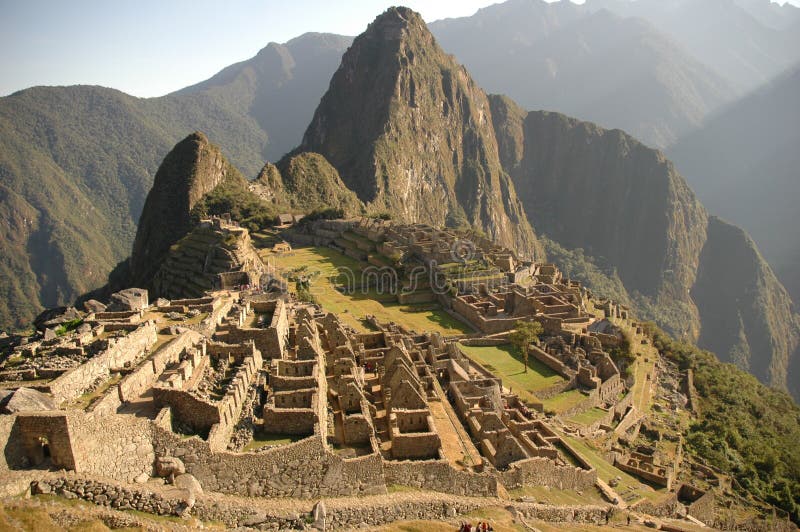
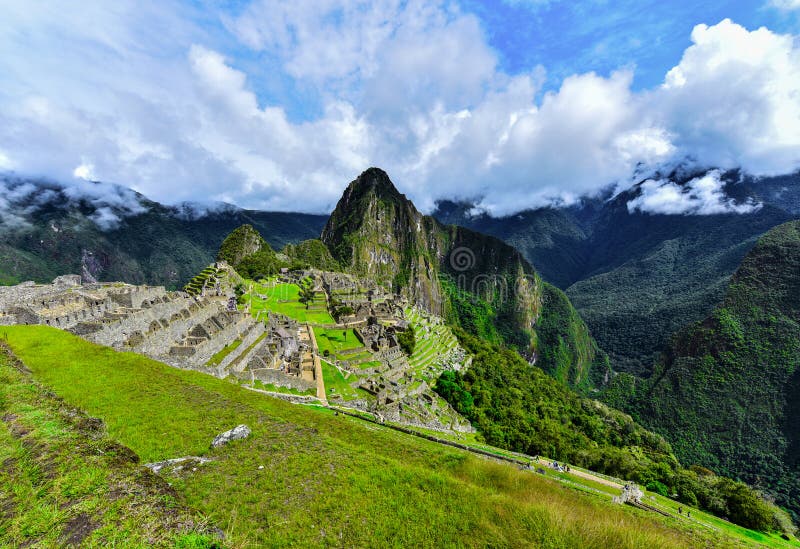
Panoramic view of Machu Picchu ruins in Peru. Machu Picchu in Quechua language: Machu Pikchu Old Peak, is a pre-Columbian 15th-century Inca site located 2,430 metres (7,970 ft) above sea level. It is situated on a mountain ridge above the Urubamba Valley in Peru, which is 80 kilometres (50 mi) northwest of Cusco and through which the Urubamba River flows. Most archaeologists believe that Machu Picchu was built as an estate for the Inca emperor Pachacuti (1438–1472). Often referred to as the Lost City of the Incas, it is perhaps the most familiar icon of the Inca World. Quechua language stock images, royalty-free photos and pictures
Nusta's Bedroom from Machu Picchu ruins in Peru. Machu Picchu in Quechua language: Machu Pikchu Old Peak, is a pre-Columbian 15th-century Inca site located 2,430 metres (7,970 ft) above sea level. It is situated on a mountain ridge above the Urubamba Valley in Peru, which is 80 kilometres (50 mi) northwest of Cusco and through which the Urubamba River flows. Most archaeologists believe that Machu Picchu was built as an estate for the Inca emperor Pachacuti (1438–1472). Often referred to as the Lost City of the Incas, it is perhaps the most familiar icon of the Inca World. Quechua language stock images, royalty-free photos and pictures
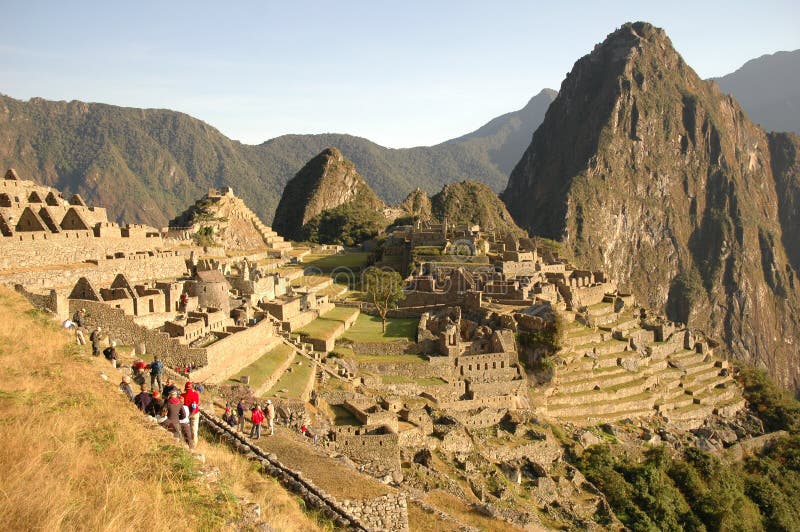
Huayna Picchu from Machu Picchu ruins in Peru. Machu Picchu in Quechua language: Machu Pikchu Old Peak, is a pre-Columbian 15th-century Inca site located 2,430 metres (7,970 ft) above sea level. It is situated on a mountain ridge above the Urubamba Valley in Peru, which is 80 kilometres (50 mi) northwest of Cusco and through which the Urubamba River flows. Most archaeologists believe that Machu Picchu was built as an estate for the Inca emperor Pachacuti (1438–1472). Often referred to as the Lost City of the Incas, it is perhaps the most familiar icon of the Inca World. Quechua language stock images, royalty-free photos and pictures
Machu Picchu ruins in Peru. Machu Picchu in Quechua language: Machu Pikchu Old Peak, is a pre-Columbian 15th-century Inca site located 2,430 metres (7,970 ft) above sea level. It is situated on a mountain ridge above the Urubamba Valley in Peru, which is 80 kilometres (50 mi) northwest of Cusco and through which the Urubamba River flows. Most archaeologists believe that Machu Picchu was built as an estate for the Inca emperor Pachacuti (1438–1472). Often referred to as the Lost City of the Incas, it is perhaps the most familiar icon of the Inca World. Quechua language stock images, royalty-free photos and pictures
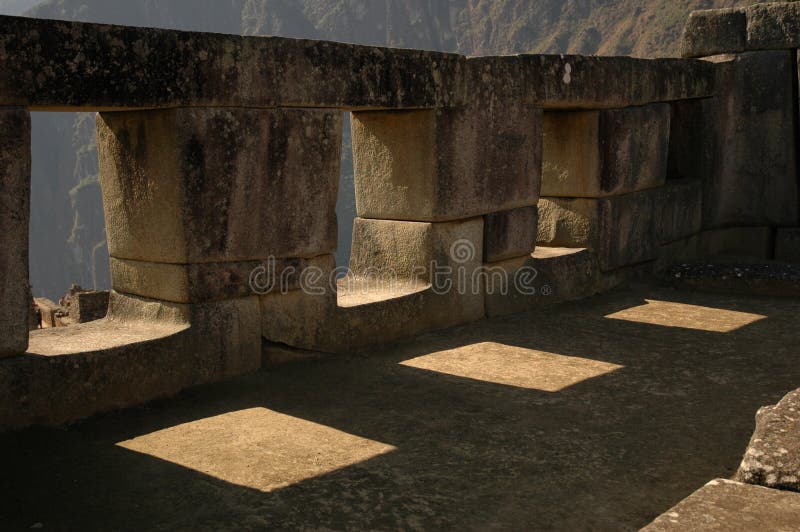
Inside the Temple of three windows from Machu Picchu ruins in Peru. Machu Picchu in Quechua language: Machu Pikchu Old Peak, is a pre-Columbian 15th-century Inca site located 2,430 metres (7,970 ft) above sea level. It is situated on a mountain ridge above the Urubamba Valley in Peru, which is 80 kilometres (50 mi) northwest of Cusco and through which the Urubamba River flows. Most archaeologists believe that Machu Picchu was built as an estate for the Inca emperor Pachacuti (1438–1472). Often referred to as the Lost City of the Incas, it is perhaps the most familiar icon of the Inca World. Quechua language stock images, royalty-free photos and pictures
Panoramic view of Machu Picchu ruins in Peru. Machu Picchu in Quechua language: Machu Pikchu Old Peak, is a pre-Columbian 15th-century Inca site located 2,430 metres (7,970 ft) above sea level. It is situated on a mountain ridge above the Urubamba Valley in Peru, which is 80 kilometres (50 mi) northwest of Cusco and through which the Urubamba River flows. Most archaeologists believe that Machu Picchu was built as an estate for the Inca emperor Pachacuti (1438–1472). Often referred to as the Lost City of the Incas, it is perhaps the most familiar icon of the Inca World. Quechua language stock images, royalty-free photos and pictures
Inside view from the house of the guardians, Machu Picchu ruins in Peru. Machu Picchu in Quechua language: Machu Pikchu Old Peak, is a pre-Columbian 15th-century Inca site located 2,430 metres (7,970 ft) above sea level. It is situated on a mountain ridge above the Urubamba Valley in Peru, which is 80 kilometres (50 mi) northwest of Cusco and through which the Urubamba River flows. Most archaeologists believe that Machu Picchu was built as an estate for the Inca emperor Pachacuti (1438–1472). Often referred to as the Lost City of the Incas, it is perhaps the most familiar icon of the Inca World. Quechua language stock images, royalty-free photos and pictures
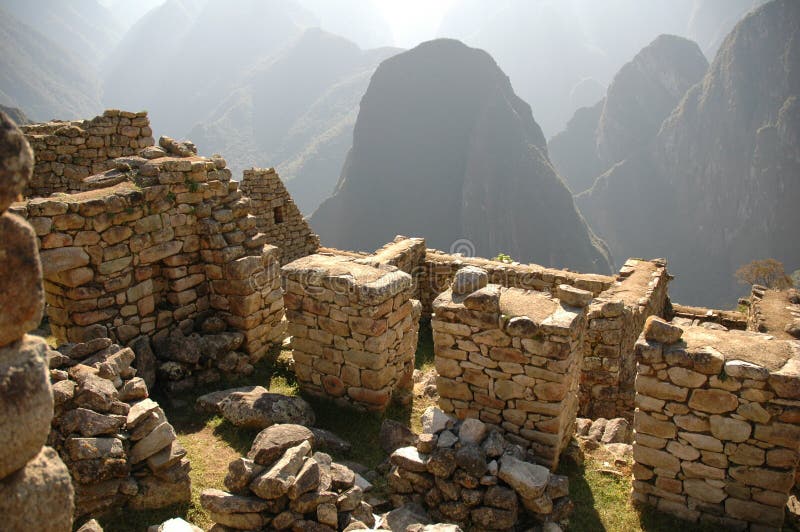
Inside Machu Picchu ruins in Peru. Machu Picchu in Quechua language: Machu Pikchu Old Peak, is a pre-Columbian 15th-century Inca site located 2,430 metres (7,970 ft) above sea level. It is situated on a mountain ridge above the Urubamba Valley in Peru, which is 80 kilometres (50 mi) northwest of Cusco and through which the Urubamba River flows. Most archaeologists believe that Machu Picchu was built as an estate for the Inca emperor Pachacuti (1438–1472). Often referred to as the Lost City of the Incas, it is perhaps the most familiar icon of the Inca World. Quechua language stock images, royalty-free photos and pictures
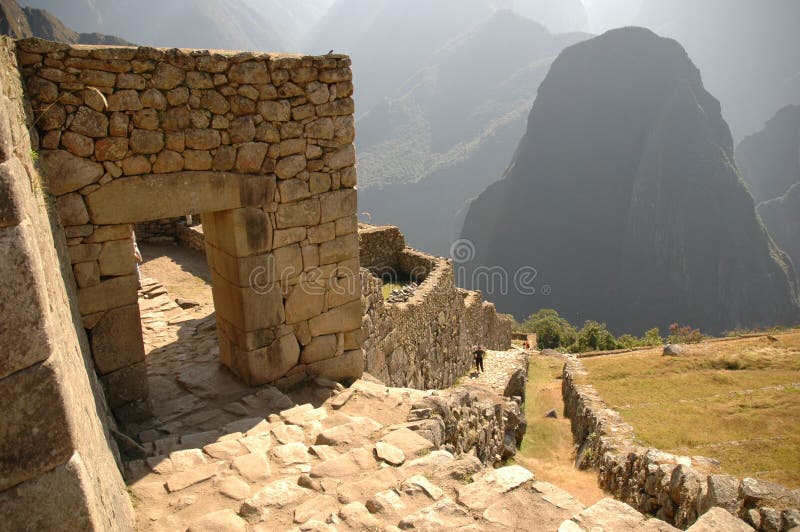
House of the Guardians from Machu Picchu ruins in Peru. Machu Picchu in Quechua language: Machu Pikchu Old Peak, is a pre-Columbian 15th-century Inca site located 2,430 metres (7,970 ft) above sea level. It is situated on a mountain ridge above the Urubamba Valley in Peru, which is 80 kilometres (50 mi) northwest of Cusco and through which the Urubamba River flows. Most archaeologists believe that Machu Picchu was built as an estate for the Inca emperor Pachacuti (1438–1472). Often referred to as the Lost City of the Incas, it is perhaps the most familiar icon of the Inca World. Quechua language stock images, royalty-free photos and pictures
Windows from Machu Picchu ruins in Peru. Machu Picchu in Quechua language: Machu Pikchu Old Peak, is a pre-Columbian 15th-century Inca site located 2,430 metres (7,970 ft) above sea level. It is situated on a mountain ridge above the Urubamba Valley in Peru, which is 80 kilometres (50 mi) northwest of Cusco and through which the Urubamba River flows. Most archaeologists believe that Machu Picchu was built as an estate for the Inca emperor Pachacuti (1438–1472). Often referred to as the Lost City of the Incas, it is perhaps the most familiar icon of the Inca World. Quechua language stock images, royalty-free photos and pictures
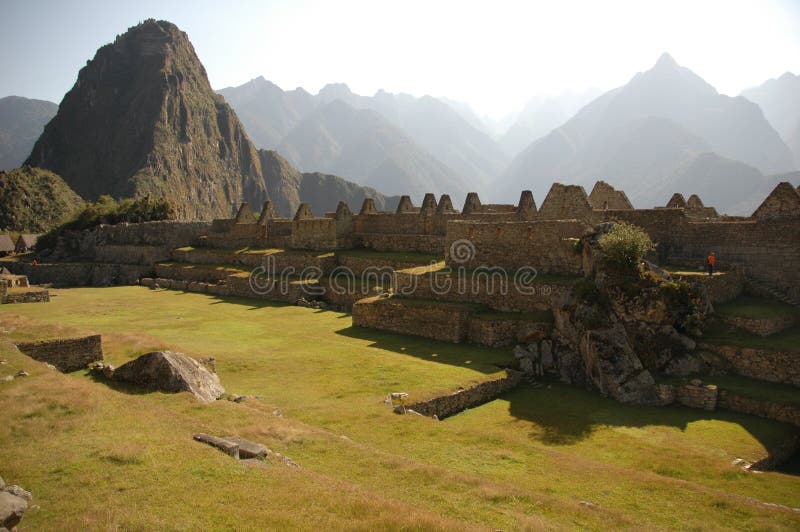
Main square and Huayna Picchu from Machu Picchu ruins in Peru. Machu Picchu in Quechua language: Machu Pikchu Old Peak, is a pre-Columbian 15th-century Inca site located 2,430 metres (7,970 ft) above sea level. It is situated on a mountain ridge above the Urubamba Valley in Peru, which is 80 kilometres (50 mi) northwest of Cusco and through which the Urubamba River flows. Most archaeologists believe that Machu Picchu was built as an estate for the Inca emperor Pachacuti (1438–1472). Often referred to as the Lost City of the Incas, it is perhaps the most familiar icon of the Inca World. Quechua language stock images, royalty-free photos and pictures
The Guanaco Llama (Lama Guanicoe) is a camelid animal native to South America that stands between 107 and 122 centimeters (3. 5 and 4 feet) at the shoulder and weighs about 90 kg (200 lb). The colour varies very little, ranging from a light brown to dark cinnamon and shading to white underneath. Guanacos have grey faces and small straight ears. They are extremely striking with their large, alert brown eyes, streamlined form, and energetic pace. They are particularly ideal for keeping in large groups in open parklands. The name Guanaco comes from the South American language Quechua word huanaco. The young guanacos are named chulengo(s). The guanaco is native to the arid, mountainous regions of South America. Guanaco are found in the altiplano of Bolivia, Peru, Ecuador, Colombia, Chile and Argentina. In Chile and Argentina they are more numerous in Patagonian regions, in places like the Torres del Paine National Park, and Isla Grande de Tierra del Fuego in fact has an overpopulation of guanacos. Bolivian Indians have been known to raise guanacos to help them regain their population stability. A guanaco's average life span is 20-25 years. Quechua language stock images, royalty-free photos and pictures
Machu Picchu is a 15th-century Inca village in the Cusco region. The ruins entrusted the rediscovery in 1911 by archaeologist Hiram Bingham, being among the most beautiful parts and ancient jobs in the world. While entrusted with safe use at the top of the mountain 2761. 50 m high, erecting hundreds of stone structures still dating back to the 1400s, legend and myths indicate that Machu Picchu meaning `old peak` in the language Quechua was worshiped as a sacred place in ancient times. Whatever the original sale, the Incas turned it into a small but extraordinary city. Quechua language stock images, royalty-free photos and pictures
Huayna Picchu, Quechua: Wayna Pikchu, is a mountain in Peru which the Urubamba River bends. It is located in the Cusco Region, Urubamba Province, Machupicchu District. It rises over Machu Picchu, the so-called lost city of the Incas. The Incas built a trail up the side of the Huayna Picchu and built temples and terraces on its top. The peak of Huayna Picchu is 2,693 metres above sea level, or about 260 metres higher than Machu Picchu mountain, nature, valley, sky, peru, Huayna Picchu, rock, machu picchu, inca, view, green, blue, peak, stone, clouds, tourists Machu Picchu is a 15th-century Inca village in the Cusco region. The ruins entrusted the rediscovery in 1911 by archaeologist Hiram Bingham, being among the most beautiful parts and ancient jobs in the world. While entrusted with safe use at the top of the mountain 2761. 50 m high, erecting hundreds of stone structures still dating back to the 1400s, legend and myths indicate that Machu Picchu meaning `old peak` in the language Quechua was worshiped as a sacred place in ancient times. Whatever the original sale, the Incas turned it into a small but extraordinary city. Quechua language stock images, royalty-free photos and pictures
Snow capped and lake in mountain. Amazing. It is peaceful and amazing. I got lost in the fog at 16,000 ft, It was a wild journey - a 6 km hike from 15,000 to 16,800 ft then 4 km down, Firstly I made a hike taking pictures and then I felt drowsy because of the not enough air in the environment but I found this place, some friends wonder how I take this picture, well I Crouch down and looked for the best position and I take it, it is located in Junin region, Huancayo province, Peru. This snow-capped mountain is called Huaytapallana some natives told me the name means ”the place where to harvest flowers, ” in Quechua, an incaic language, by the way, there`s a sign in the picture it says that ”If you throw garbage, Huaytapallana will live less period of time”, so sad, the shanty town dwellers put this sign and some more in the mountain to prevent the pollution from the garbage thrown by the people. I hope you like this picture. Quechua language stock images, royalty-free photos and pictures
Inside ruins Machu Picchu ruins in Peru. Machu Picchu in Quechua language: Machu Pikchu Old Peak, is a pre-Columbian 15th-century Inca site located 2,430 metres (7,970 ft) above sea level. It is situated on a mountain ridge above the Urubamba Valley in Peru, which is 80 kilometres (50 mi) northwest of Cusco and through which the Urubamba River flows. Most archaeologists believe that Machu Picchu was built as an estate for the Inca emperor Pachacuti (1438–1472). Often referred to as the Lost City of the Incas, it is perhaps the most familiar icon of the Inca World. Quechua language stock images, royalty-free photos and pictures
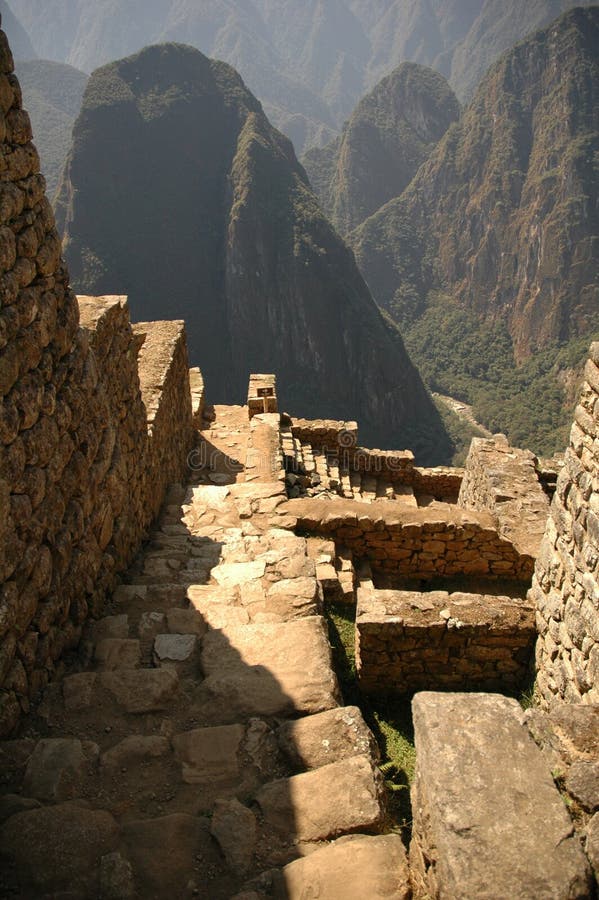
Stairs inside Machu Picchu ruins in Peru. Machu Picchu in Quechua language: Machu Pikchu Old Peak, is a pre-Columbian 15th-century Inca site located 2,430 metres (7,970 ft) above sea level. It is situated on a mountain ridge above the Urubamba Valley in Peru, which is 80 kilometres (50 mi) northwest of Cusco and through which the Urubamba River flows. Most archaeologists believe that Machu Picchu was built as an estate for the Inca emperor Pachacuti (1438–1472). Often referred to as the Lost City of the Incas, it is perhaps the most familiar icon of the Inca World. Quechua language stock images, royalty-free photos and pictures
House and workers area from Machu Picchu ruins in Peru. Machu Picchu in Quechua language: Machu Pikchu Old Peak, is a pre-Columbian 15th-century Inca site located 2,430 metres (7,970 ft) above sea level. It is situated on a mountain ridge above the Urubamba Valley in Peru, which is 80 kilometres (50 mi) northwest of Cusco and through which the Urubamba River flows. Most archaeologists believe that Machu Picchu was built as an estate for the Inca emperor Pachacuti (1438–1472). Often referred to as the Lost City of the Incas, it is perhaps the most familiar icon of the Inca World. Quechua language stock images, royalty-free photos and pictures
Agricultural terraces from Machu Picchu ruins in Peru. Machu Picchu in Quechua language: Machu Pikchu Old Peak, is a pre-Columbian 15th-century Inca site located 2,430 metres (7,970 ft) above sea level. It is situated on a mountain ridge above the Urubamba Valley in Peru, which is 80 kilometres (50 mi) northwest of Cusco and through which the Urubamba River flows. Most archaeologists believe that Machu Picchu was built as an estate for the Inca emperor Pachacuti (1438–1472). Often referred to as the Lost City of the Incas, it is perhaps the most familiar icon of the Inca World. Quechua language stock images, royalty-free photos and pictures
Main square in Machu Picchu ruins in Peru. Machu Picchu in Quechua language: Machu Pikchu Old Peak, is a pre-Columbian 15th-century Inca site located 2,430 metres (7,970 ft) above sea level. It is situated on a mountain ridge above the Urubamba Valley in Peru, which is 80 kilometres (50 mi) northwest of Cusco and through which the Urubamba River flows. Most archaeologists believe that Machu Picchu was built as an estate for the Inca emperor Pachacuti (1438–1472). Often referred to as the Lost City of the Incas, it is perhaps the most familiar icon of the Inca World. Quechua language stock images, royalty-free photos and pictures
Inside Machu Picchu ruins in Peru. Machu Picchu in Quechua language: Machu Pikchu Old Peak, is a pre-Columbian 15th-century Inca site located 2,430 metres (7,970 ft) above sea level. It is situated on a mountain ridge above the Urubamba Valley in Peru, which is 80 kilometres (50 mi) northwest of Cusco and through which the Urubamba River flows. Most archaeologists believe that Machu Picchu was built as an estate for the Inca emperor Pachacuti (1438–1472). Often referred to as the Lost City of the Incas, it is perhaps the most familiar icon of the Inca World. Quechua language stock images, royalty-free photos and pictures
Agricultural terraces from Machu Picchu ruins in Peru. Machu Picchu in Quechua language: Machu Pikchu Old Peak, is a pre-Columbian 15th-century Inca site located 2, 430 metres (7, 970 ft) above sea level. It is situated on a mountain ridge above the Urubamba Valley in Peru, which is 80 kilometres (50 mi) northwest of Cusco and through which the Urubamba River flows. Most archaeologists believe that Machu Picchu was built as an estate for the Inca emperor Pachacuti (1438–1472). Often referred to as the Lost City of the Incas, it is perhaps the most familiar icon of the Inca World. Quechua language stock images, royalty-free photos and pictures
Agricultural area from Machu Picchu ruins in Peru. Machu Picchu in Quechua language: Machu Pikchu Old Peak, is a pre-Columbian 15th-century Inca site located 2,430 metres (7,970 ft) above sea level. It is situated on a mountain ridge above the Urubamba Valley in Peru, which is 80 kilometres (50 mi) northwest of Cusco and through which the Urubamba River flows. Most archaeologists believe that Machu Picchu was built as an estate for the Inca emperor Pachacuti (1438–1472). Often referred to as the Lost City of the Incas, it is perhaps the most familiar icon of the Inca World. Quechua language stock images, royalty-free photos and pictures
Panoramic view of agricultural area from Machu Picchu ruins in Peru. Machu Picchu in Quechua language: Machu Pikchu Old Peak, is a pre-Columbian 15th-century Inca site located 2,430 metres (7,970 ft) above sea level. It is situated on a mountain ridge above the Urubamba Valley in Peru, which is 80 kilometres (50 mi) northwest of Cusco and through which the Urubamba River flows. Most archaeologists believe that Machu Picchu was built as an estate for the Inca emperor Pachacuti (1438–1472). Often referred to as the Lost City of the Incas, it is perhaps the most familiar icon of the Inca World. Quechua language stock images, royalty-free photos and pictures
Mountains around Machu Picchu ruins in Peru. Machu Picchu in Quechua language: Machu Pikchu Old Peak, is a pre-Columbian 15th-century Inca site located 2,430 metres (7,970 ft) above sea level. It is situated on a mountain ridge above the Urubamba Valley in Peru, which is 80 kilometres (50 mi) northwest of Cusco and through which the Urubamba River flows. Most archaeologists believe that Machu Picchu was built as an estate for the Inca emperor Pachacuti (1438–1472). Often referred to as the Lost City of the Incas, it is perhaps the most familiar icon of the Inca World. Quechua language stock images, royalty-free photos and pictures
Mountains valley around Machu Picchu ruins in Peru. Machu Picchu in Quechua language: Machu Pikchu Old Peak, is a pre-Columbian 15th-century Inca site located 2,430 metres (7,970 ft) above sea level. It is situated on a mountain ridge above the Urubamba Valley in Peru, which is 80 kilometres (50 mi) northwest of Cusco and through which the Urubamba River flows. Most archaeologists believe that Machu Picchu was built as an estate for the Inca emperor Pachacuti (1438–1472). Often referred to as the Lost City of the Incas, it is perhaps the most familiar icon of the Inca World. Quechua language stock images, royalty-free photos and pictures
This picture is taken in Cusco, Peru. Saksaywaman, Saqsaywaman, Sasawaman, Saksawaman, Sacsahuayman, Sasaywaman or Saksaq Waman Quechua language, waman falcon or variable hawk, hispanicized spellings Sacsayhuamán, Sacsayhuaman, Sacsahuaman, Saxahuaman and others is a citadel on the northern outskirts of the city of Cusco, Peru, the historic capital of the Inca Empire. Sections were first built by the Killke culture about 1100; they had occupied the area since 900. The complex was expanded and added to by the Inca from the 13th century; they built dry stone walls constructed of huge stones. The workers carefully cut the boulders to fit them together tightly without mortar. The site is at an altitude of 3,701 m. In 1983, Cusco and Saksaywaman together were added to the UNESCO World Heritage List for recognition and protection. Quechua language stock images, royalty-free photos and pictures
Iruya is a small town in northwestern Argentina. Iruya's name is derived from the Quechua language, meaning brave straw or site of the high pastures. The town may date back to pre-Colombian origins. Quechua language stock images, royalty-free photos and pictures
Taquile, Peru - September 1, 2015: Community of traditionally dressed people in Taquile Island, Titicaca Lake, Peru. About 2200 people live on the island. They speak Quechua language. Quechua language stock images, royalty-free photos and pictures
Guatape is a town and municipality in Antioquia Department, situated in the outskirts of Medellin. It is a part of the subregion of Eastern Antioquia. Before Iberian conquistadors reached the area in the 16th century, this territory was inhabited by indigenous ethnic groups, some controlled by a cacique named Guatape. In his honor, the town was named after him. The name Guatape, comes from the Quechua language, related to stones and water. Colombia, South America. Quechua language stock images, royalty-free photos and pictures
Taquile, Peru - September 1, 2015: Community of traditionally dressed people at work in Taquile Island, Titicaca Lake, Peru. About 2200 people live on the island. They speak Quechua language. Quechua language stock images, royalty-free photos and pictures
The word Intihuatana is in the Quechua language, which was spoken by the Incas and still many people in Peru today. It means "place to tie up the sun". The Intihuatana at Machu Picchu was carved from a huge slab of rock from the surrounding mountains. It stands at the highest elevation inside the archeological site, which is usually known as the Sacred Plaza. Quechua language stock images, royalty-free photos and pictures
This photograph captures the exuberant density of a small vendor's stall in San Pedro Market, Cuzco, where global brands and local rhythms collide in a visual symphony. Shelves overflow with canned goods, sauces, snacks, and personal care items�Colgate, Maggi, Gloria, Lav�, Ideal, and Pur�sima�stacked with improvisational flair. In front, three bold yellow bins shout 'Maggi p�del�! ' like street performers vying for attention, while a humble carton of fresh eggs anchors the scene in everyday reality. The composition is chaotic yet intimate, reflecting the pulse of micro-economies where Quechua-speaking vendors blend banter, barter, and branding. This image is ideal for projects exploring informal commerce, cultural hybridity, or the aesthetics of abundance in Latin American urban life. Quechua language stock images, royalty-free photos and pictures
This photograph captures the exuberant density of a small vendor's stall in San Pedro Market, Cuzco, where global brands and local rhythms collide in a visual symphony. Shelves overflow with canned goods, sauces, snacks, and personal care itemsColgate, Maggi, Gloria, Lav, Ideal, and Pursimastacked with improvisational flair. In front, three bold yellow bins shout 'Maggi pdel! ' like street performers vying for attention, while a humble carton of fresh eggs anchors the scene in everyday reality. The composition is chaotic yet intimate, reflecting the pulse of micro-economies where Quechua-speaking vendors blend banter, barter, and branding. This image is ideal for projects exploring informal commerce, cultural hybridity, or the aesthetics of abundance in Latin American urban life. Quechua language stock images, royalty-free photos and pictures
Machu Picchu is a 15th-century Inca village in the Cusco region. The ruins entrusted the rediscovery in 1911 by archaeologist Hiram Bingham, being among the most beautiful parts and ancient jobs in the world. While entrusted with safe use at the top of the mountain 2761. 50 m high, erecting hundreds of stone structures still dating back to the 1400s, legend and myths indicate that Machu Picchu meaning `old peak` in the language Quechua was worshiped as a sacred place in ancient times. Whatever the original sale, the Incas turned it into a small but extraordinary city. Quechua language stock images, royalty-free photos and pictures