Search among 462 authentic safety decrease stock photos, high-definition images, and pictures, or look at other gas regulator or pressure gauge stock images to enhance your presentation with the perfect visual.

Stairs rising upward created from a rope on red wooden background made of wooden planks pattern. Facade detail of a red house represents raising steps and conveys a concept of improvement and progress. Safety decrease stock images, royalty-free photos and pictures
Set line Tearing money banknote Contract and pen Credit card Bank building Global economic crisis Money bomb dollar Prison cell door and Pie chart infographic icon. Vector. Safety decrease stock images, royalty-free photos and pictures
Shocked senior, 40s to 50s, businessman read bad company news by smartphone to reduce salary for covid-19 or coronavirus disease impact. Leave without pay, unemployment, work from home. Safety decrease stock images, royalty-free photos and pictures
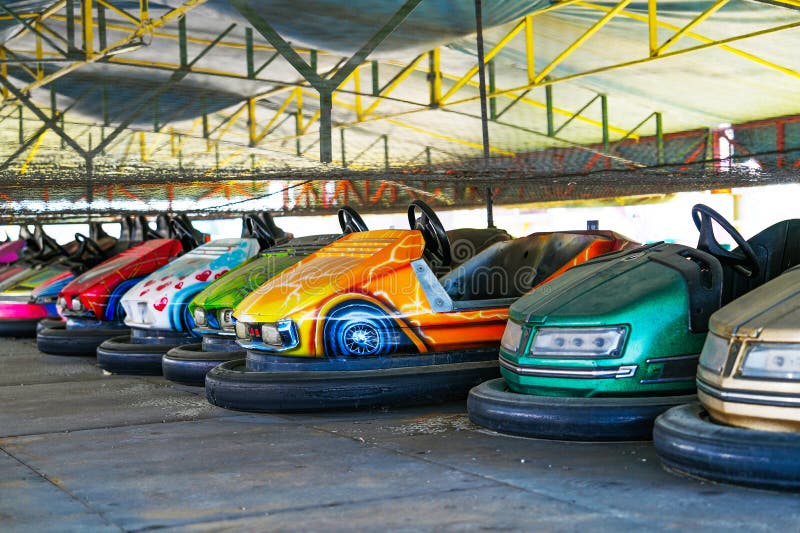
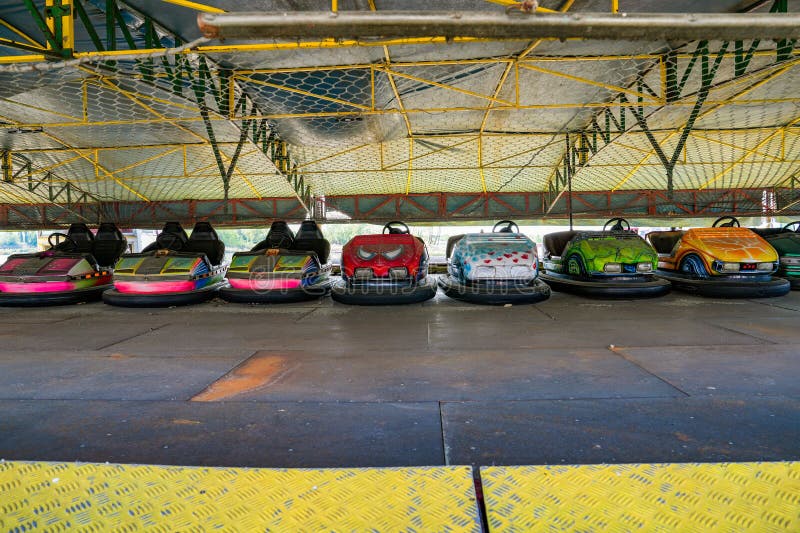
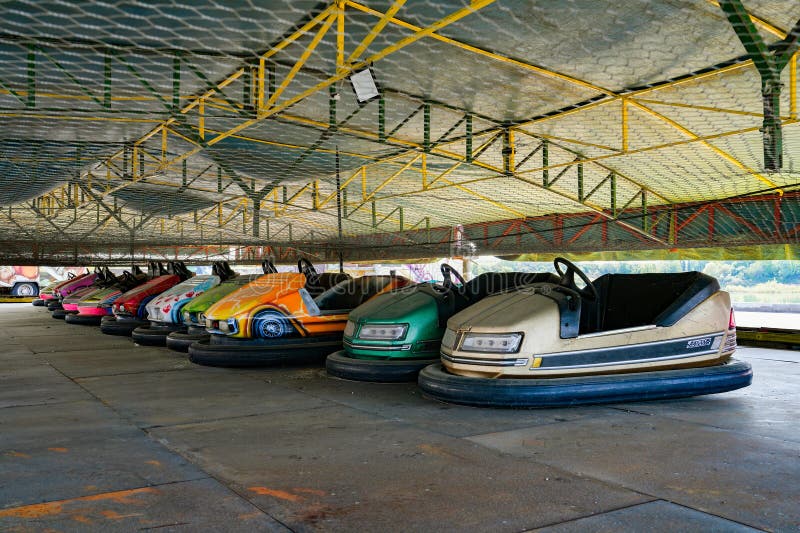
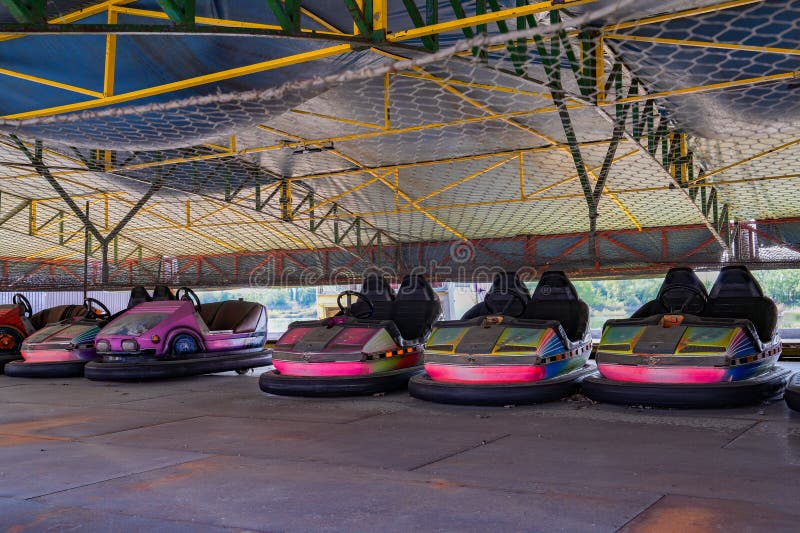
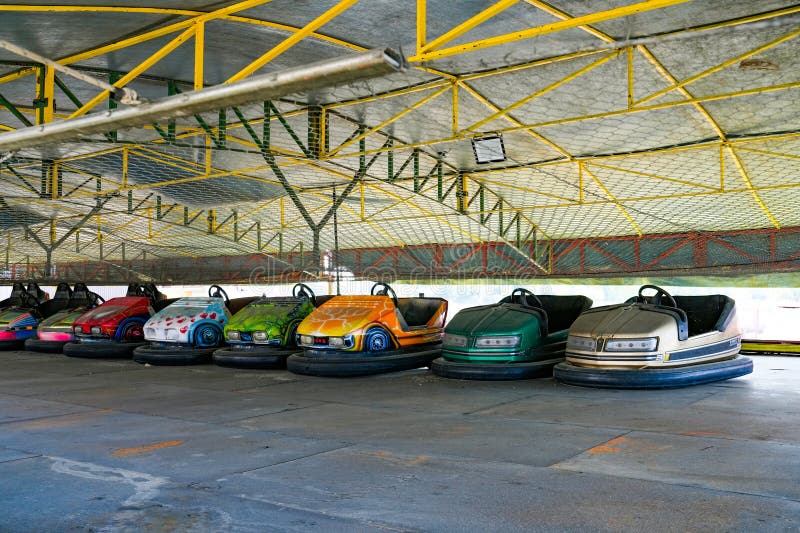
Bumper cars or dodgems are the generic names for a type of flat amusement ride consisting of multiple small electrically powered cars which draw power from the floor or ceiling, and which are turned on and off remotely by an operator. They are also known as bumping cars, dodging cars and dashing cars. The first patent for them was filed in 1921. The metal floor is usually set up as a rectangular or oval track, and graphite is sprinkled on the floor to decrease friction. A rubber bumper surrounds each vehicle, and drivers either ram or dodge each other as they travel. The controls are usually an accelerator and a steering wheel. The cars can be made to go backwards by turning the steering wheel far enough in either direction, necessary in the frequent pile-ups that occur. Although the idea of the ride is to bump other cars, safety-conscious (or at least litigation-conscious) owners sometimes put up signs reading "This way around" and "No (head on) bumping". Depending on the level of enforcement by operators, these rules are often ignored by bumper car riders, especially younger children and teenagers. Safety decrease stock images, royalty-free photos and pictures