Free with trial As baiqoi monastery sects in Tibet to rival established under equal circumstances, so that it can gather Sakya, Gelug more unexpected when other factions coexist peacefully in a temple, each sect in this temple have 56 chacang. 16 chacang the existing monastery. This makes the history of Buddhism in Tibet have special status and influence. Sects stock images, royalty-free photos and pictures Baiqoi monastery
Free with trial Banned sects. image of road sign with the word inside. Sects stock images, royalty-free photos and pictures Banned sects. image of road sign with the word inside
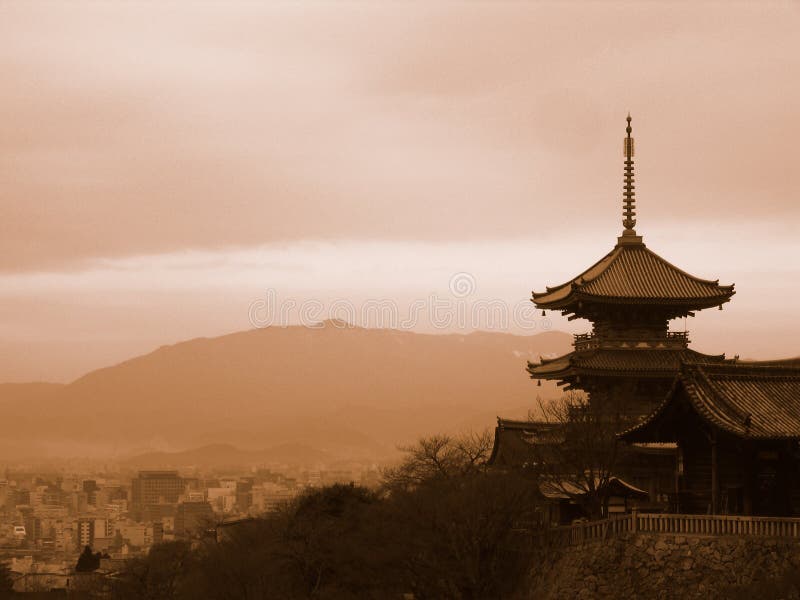
Free with trial Located on the hill of eastern Kyoto, Kiyomizu-dera (pure water temple) temple is one of the most popular temples in Kyoto and one of the World Heritage Sites since 1994. It was founded in 780 and remains associated with the Hosso sect, one of the oldest sects within Japanese Buddhism. This three stories pagoda belonging to the temple and overlooking Kyoto is one of the most representative image of Japan. Sects stock images, royalty-free photos and pictures Pagoda Overlooking Kyoto Japan. Located on the hill of eastern Kyoto, Kiyomizu-dera (pure water temple) temple is one of the most popular temples in Kyoto and one of the World Heritage Sites since 1994. It was founded in 780 and remains associated with the Hosso sect, one of the oldest sects within Japanese Buddhism. This three stories pagoda belonging to the temple and overlooking Kyoto is one of the most representative image of Japan.
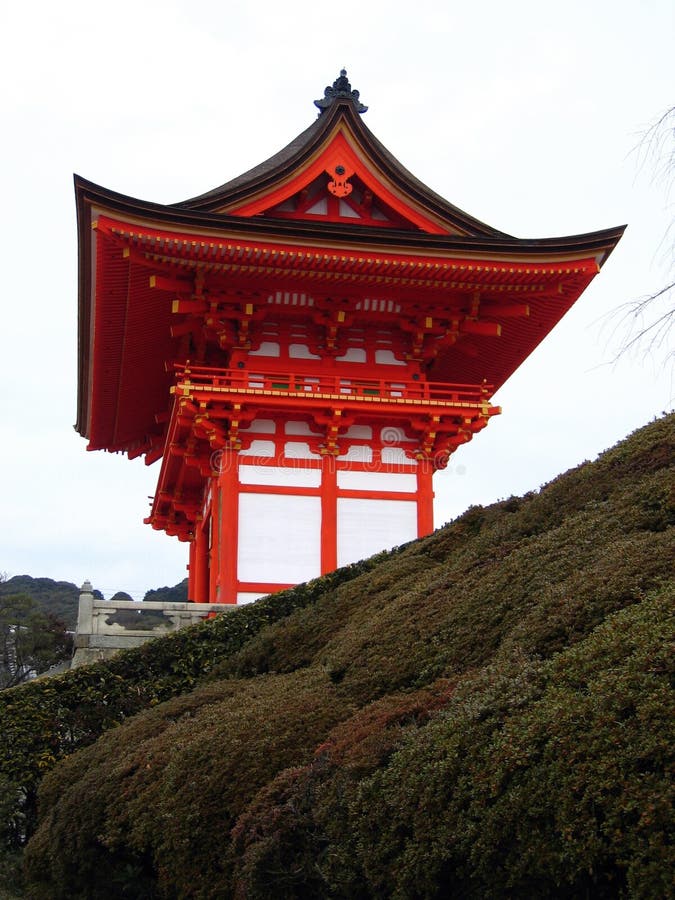
Free with trial Located on the hill of eastern Kyoto, Kiyomizu-dera (pure water temple) temple is one of the most popular temples in Kyoto and one of the World Heritage Sites since 1994. It was founded in 780 and remains associated with the Hosso sect, one of the oldest sects within Japanese Buddhism. Sects stock images, royalty-free photos and pictures Entrance to Kiyomizu-dera Temple - Kyoto, Japan. Located on the hill of eastern Kyoto, Kiyomizu-dera (pure water temple) temple is one of the most popular temples in Kyoto and one of the World Heritage Sites since 1994. It was founded in 780 and remains associated with the Hosso sect, one of the oldest sects within Japanese Buddhism.
Free with trial A chapel of many faiths welcomes those who want to worship. Sects stock images, royalty-free photos and pictures Interfaith Chapel. A chapel of many faiths welcomes those who want to worship.
Free with trial Stop sects. social issues concepts. road sign on asphalt with written text. Sects stock images, royalty-free photos and pictures Stop sects. social issues concepts. road sign on asphalt with written text.
Free with trial Taranga Jain temple is popular pilgrim for Jains/Hindus. It was build in 1121 ad by Solankis' (King Kumarpal Solanki). Its one of the very few piligrim where Swetambers and Digambars visit. Swetambar and Digambar are two sects of Jainism where Degambars believe in nudist adherents and Swetambars believe in wearing white clothes. Site of Tranga temple is surrounded by hills and thick forest. Temples has finest stone carving and its also a popular tourist destination of Gujarat, India. Sects stock images, royalty-free photos and pictures Taranga hills jain temple. Taranga Jain temple is popular pilgrim for Jains/Hindus. It was build in 1121 ad by Solankis' (King Kumarpal Solanki). Its one of the very few piligrim where Swetambers and Digambars visit. Swetambar and Digambar are two sects of Jainism where Degambars believe in nudist adherents and Swetambars believe in wearing white clothes. Site of Tranga temple is surrounded by hills and thick forest. Temples has finest stone carving and its also a popular tourist destination of Gujarat, India.
Free with trial Ganesha Sanskrit: गणेश, Gaṇeśa; About this sound listen, also known as Ganapati, Vinayaka and Binayak, is one of the best-known and most worshiped deities in the Hindu pantheon. His image is found throughout India, Sri Lanka, Thailand and Nepal. Hindu sects worship him regardless of affiliations. Devotion to Ganesha is widely diffused and extends to Jains and Buddhists. Sects stock images, royalty-free photos and pictures Lord Ganesha - India. Ganesha Sanskrit: गणेश, Gaṇeśa; About this sound listen, also known as Ganapati, Vinayaka and Binayak, is one of the best-known and most worshiped deities in the Hindu pantheon. His image is found throughout India, Sri Lanka, Thailand and Nepal. Hindu sects worship him regardless of affiliations. Devotion to Ganesha is widely diffused and extends to Jains and Buddhists.
Free with trial Ancient Stone Carvings of Central India depicting Jain Deities. Most of these sculptures belongs to 8 to 12 Century AD. Sects stock images, royalty-free photos and pictures Ancient Jain Deity Central India. Ancient Stone Carvings of Central India depicting Jain Deities. Most of these sculptures belongs to 8 to 12 Century AD.
Free with trial Colorful maple leaf tree tunnel by bamboo grove forest at autumn garden of Enkoji temple, Kyoto, Japan. travel destination of Rinzai Zen Buddhist sects for sightseeing Kansai in fall. Sects stock images, royalty-free photos and pictures Colorful maple leaf tunnel by bamboo grove at fall of Enkoji, Kyoto. Colorful maple leaf tree tunnel by bamboo grove forest at autumn garden of Enkoji temple, Kyoto, Japan. travel destination of Rinzai Zen Buddhist sects for sightseeing Kansai in fall
Free with trial Beautiful Statue of Lu Dongbin, the patriarch of Chinese sects, 1 of 8 Immortal deities and revered by the Taoist and a popular element in Chinese culture at Viharn Sien, Pattaya, Chonburi, Thailand. Sects stock images, royalty-free photos and pictures Beautiful Statue of Lu Dongbin, the patriarch of Chinese sects, 1 of 8 Immortal deities and revered by the Taoist and a popular el
Free with trial Smiling Jizo Buddha stone statue with red maple leaf and orange heart on head at Enko-ji temple garden in autumn, Kyoto, Japan. travel destination of Rinzai Zen Buddhist sects in Kansai at fall. Sects stock images, royalty-free photos and pictures Smile Jizo Buddha stone statue with red maple leaf, Enko-ji temple, Kyoto. Smiling Jizo Buddha stone statue with red maple leaf and orange heart on head at Enko-ji temple garden in autumn, Kyoto, Japan. travel destination of Rinzai Zen Buddhist sects in Kansai at fall
Free with trial Purple Lotus: known to be Mystic and is associated with esoteric sects. Sects stock images, royalty-free photos and pictures Purple Lotus: known to be Mystic and is associated with esoteric sects
Free with trial Purple Lotus: known to be Mystic and is associated with esoteric sects. Sects stock images, royalty-free photos and pictures Purple Lotus: known to be Mystic and is associated with esoteric sects
Free with trial Purple Lotus: known to be Mystic and is associated with esoteric sects. Sects stock images, royalty-free photos and pictures Purple Lotus: known to be Mystic and is associated with esoteric sects
Free with trial Cute dog statues decor in Enkoji temple at autumn with fallen red maple leaves, Kyoto, Japan. Famous travel destination of Rinzai Zen Buddhist sects in Kansai at fall. Sects stock images, royalty-free photos and pictures Cute dog statues decor in Enkoji temple with autumn fallen leaf, Kyoto. Cute dog statues decor in Enkoji temple at autumn with fallen red maple leaves, Kyoto, Japan. Famous travel destination of Rinzai Zen Buddhist sects in Kansai at fall
Free with trial Beautiful Statue of Lu Dongbin, the patriarch of Chinese sects, 1 of 8 Immortal deities and revered by the Taoist and a popular element in Chinese culture at Viharn Sien, Pattaya, Chonburi, Thailand. Sects stock images, royalty-free photos and pictures Beautiful Statue of Lu Dongbin, the patriarch of Chinese sects, 1 of 8 Immortal deities and revered by the Taoist and a popular el
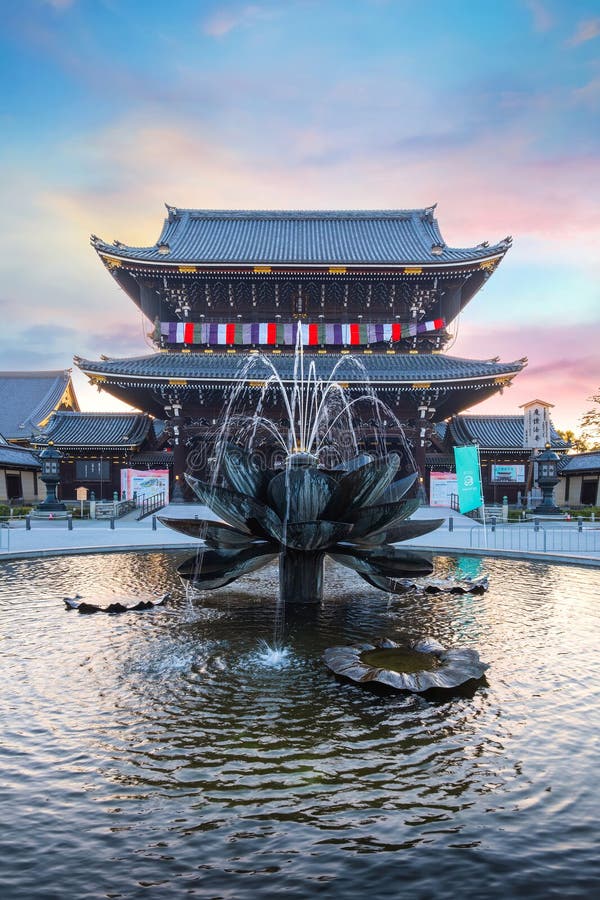
Free with trial Kyoto, Japan - March 28 2023: Higashi Honganji temple situated at the center of Kyoto, one of two dominant sub-sects of Shin Buddhism in Japan and abroad. Sects stock images, royalty-free photos and pictures Higashi Honganji temple situated at the center of Kyoto, one of two dominant sub-sects of Shin
Free with trial Kyoto, Japan - March 28 2023: Higashi Honganji temple situated at the center of Kyoto, one of two dominant sub-sects of Shin Buddhism in Japan and abroad. Sects stock images, royalty-free photos and pictures Higashi Honganji temple situated at the center of Kyoto, one of two dominant sub-sects of Shin
Free with trial Enkoji temple door to terrace with colorful autumn leaf garden view, Kyoto, Japan. Famous travel destination of Rinzai Zen Buddhist sects for sightseeing Kansai for fall. Sects stock images, royalty-free photos and pictures Enkoji temple door to terrace with colorful autumn leaf garden view, Kyoto
Free with trial Kyoto, Japan - March 28 2023: Higashi Honganji temple situated at the center of Kyoto, one of two dominant sub-sects of Shin Buddhism in Japan and abroad. Sects stock images, royalty-free photos and pictures Higashi Honganji temple situated at the center of Kyoto, one of two dominant sub-sects of Shin
Free with trial Kyoto, Japan - March 28 2023: Higashi Honganji temple situated at the center of Kyoto, one of two dominant sub-sects of Shin Buddhism in Japan and abroad. Sects stock images, royalty-free photos and pictures Higashi Honganji temple situated at the center of Kyoto, one of two dominant sub-sects of Shin
Free with trial Kyoto, Japan - March 28 2023: Higashi Honganji temple situated at the center of Kyoto, one of two dominant sub-sects of Shin Buddhism in Japan and abroad. Sects stock images, royalty-free photos and pictures Higashi Honganji temple situated at the center of Kyoto, one of two dominant sub-sects of Shin
Free with trial Founded in the 7th century, the temple is home to the first Buddhist statue ever brought to Japan. Unlike many temples tied to specific sects, Zenk? ji has historically welcomed all believers, including men, women, nobles, and commoners. Visitors can participate in morning ceremonies or try sutra copying. The main hall contains an underground passage where visitors can search for the key to paradise. Sects stock images, royalty-free photos and pictures Zenkoji, Zenko-ji ,Temple in Nagano, Japan. Founded in the 7th century, the temple is home to the first Buddhist statue ever brought to Japan. Unlike many temples tied to specific sects, Zenk?ji has historically welcomed all believers, including men, women, nobles, and commoners. Visitors can participate in morning ceremonies or try sutra copying. The main hall contains an underground passage where visitors can search for the key to paradise
Free with trial Kyoto, Japan - March 30 2023: Higashi Honganji temple situated at the center of Kyoto, one of two dominant sub-sects of Shin Buddhism in Japan and abroad. Sects stock images, royalty-free photos and pictures Higashi Honganji temple situated at the center of Kyoto, one of two dominant sub-sects of Shin
Free with trial Kyoto, Japan - March 30 2023: Higashi Honganji temple situated at the center of Kyoto, one of two dominant sub-sects of Shin Buddhism in Japan and abroad. Sects stock images, royalty-free photos and pictures Higashi Honganji temple situated at the center of Kyoto, one of two dominant sub-sects of Shin
Free with trial Kyoto, Japan - March 30 2023: Higashi Honganji temple situated at the center of Kyoto, one of two dominant sub-sects of Shin Buddhism in Japan and abroad. Sects stock images, royalty-free photos and pictures Higashi Honganji temple situated at the center of Kyoto, one of two dominant sub-sects of Shin
Free with trial Red carpet on porch to view Japanese autumn garden in Enkoji temple, Kyoto, Japan. travel destination of Rinzai Zen Buddhist sects for sightseeing Kansai for fall. Sects stock images, royalty-free photos and pictures Red carpet on porch to view fall garden in Enkoji temple, Kyoto. red carpet on porch to view Japanese autumn garden in Enkoji temple, Kyoto, Japan. travel destination of Rinzai Zen Buddhist sects for sightseeing Kansai for fall
Free with trial Kyoto, Japan - March 30 2023: Higashi Honganji temple situated at the center of Kyoto, one of two dominant sub-sects of Shin Buddhism in Japan and abroad. Sects stock images, royalty-free photos and pictures Higashi Honganji temple situated at the center of Kyoto, one of two dominant sub-sects of Shin
Free with trial Kyoto, Japan - March 28 2023: Higashi Honganji temple situated at the center of Kyoto, one of two dominant sub-sects of Shin Buddhism in Japan and abroad. Sects stock images, royalty-free photos and pictures Higashi Honganji temple situated at the center of Kyoto, one of two dominant sub-sects of Shin
Free with trial Kyoto, Japan - March 28 2023: Higashi Honganji temple situated at the center of Kyoto, one of two dominant sub-sects of Shin Buddhism in Japan and abroad. Sects stock images, royalty-free photos and pictures Higashi Honganji temple situated at the center of Kyoto, one of two dominant sub-sects of Shin
Free with trial Fallen red maple leaf with orange heart shape over Jizo smiling Buddha statue head in Enkoji temple garden, Kyoto, Japan. Travel destination of Rinzai Zen Buddhist sects in Kansai at fall season. Sects stock images, royalty-free photos and pictures Red maple leaf with orange heart shape over Jizo statue, Enkoj, Kyoto. Fallen red maple leaf with orange heart shape over Jizo smiling Buddha statue head in Enkoji temple garden, Kyoto, Japan. Travel destination of Rinzai Zen Buddhist sects in Kansai at fall season
Free with trial Kyoto, Japan - March 30 2023: Higashi Honganji temple situated at the center of Kyoto, one of two dominant sub-sects of Shin Buddhism in Japan and abroad. Sects stock images, royalty-free photos and pictures Higashi Honganji temple situated at the center of Kyoto, one of two dominant sub-sects of Shin
Free with trial Kyoto, Japan - March 28 2023: Higashi Honganji temple situated at the center of Kyoto, one of two dominant sub-sects of Shin Buddhism in Japan and abroad. Sects stock images, royalty-free photos and pictures Higashi Honganji temple situated at the center of Kyoto, one of two dominant sub-sects of Shin
Free with trial Kyoto, Japan - March 30 2023: Higashi Honganji temple situated at the center of Kyoto, one of two dominant sub-sects of Shin Buddhism in Japan and abroad. Sects stock images, royalty-free photos and pictures Higashi Honganji temple situated at the center of Kyoto, one of two dominant sub-sects of Shin
Free with trial The Jetavanarama Stupa or Jetavanaramaya is a Buddhist relic monument in Anuradhapura, a UNESCO World Heritage Site in Sri Lanka. At 122 metres (400 ft) tall, it was the tallest stupa in the world, and the third tallest when built by King Mahasena of Anuradhapura (273–301). (Behind only the two Great Pyramids: the Great Pyramid of Giza and the Pyramid of Khafre). He began construction of the stupa after the destruction of the Anuradhapura Mahavihara: 49 His son Kitsirimevan completed the stupa, which was renovated by Parakramabahu I of Polonnaruwa. The relic enshrined here is believed to be a piece of a belt tied by the Buddha. The structure is important in the history of the island because it represents the tensions between the Theravada and Mahayana sects of Buddhism it is significant in recorded history as one of the tallest structures in the ancient world, and as the tallest non-pyramidal building the height of the stupa was 122 metres (400 ft), making it the tallest stupa in the ancient world. With the destruction and abandonment of the Anuradhapura kingdom in the 11th century, the stupa and other stupas were overgrown with jungle. In the 12th century, King Parakramabahu attempted to restore the stupa and rebuilt it to its current height, a reduction from its original height. Today it stands at 71 metres (233 ft). The complex covers about 5. 6 hectares (13 acres) and is estimated to have housed 10,000 Buddhist monks. The stupa is 176 metres (576 ft) long on one side, and each of its four sides has a step of 9 metres (28 ft) wide. The temple's entrance pillar, located in the courtyard, is 8 metres (27 ft) high. The stupa's foundation is 8. 5 metres (28 ft) deep and rests on bedrock. This structure is no longer the tallest, but it is still the largest, with a base area of?? 233,000 square metres (2,508,000 sq ft). Approximately 93. 3 million baked bricks were used in its construction the engineering prowess behind the structure is a significant development in the island's history. Sects stock images, royalty-free photos and pictures Jetavanarama stupa I Jetavanaramaya. The Jetavanarama Stupa or Jetavanaramaya is a Buddhist relic monument in Anuradhapura, a UNESCO World Heritage Site in Sri Lanka. At 122 metres (400 ft) tall, it was the tallest stupa in the world, and the third tallest when built by King Mahasena of Anuradhapura (273–301). (Behind only the two Great Pyramids: the Great Pyramid of Giza and the Pyramid of Khafre). He began construction of the stupa after the destruction of the Anuradhapura Mahavihara: 49 His son Kitsirimevan completed the stupa, which was renovated by Parakramabahu I of Polonnaruwa. The relic enshrined here is believed to be a piece of a belt tied by the Buddha.The structure is important in the history of the island because it represents the tensions between the Theravada and Mahayana sects of Buddhism it is significant in recorded history as one of the tallest structures in the ancient world, and as the tallest non-pyramidal building the height of the stupa was 122 metres (400 ft), making it the tallest stupa in the ancient world. With the destruction and abandonment of the Anuradhapura kingdom in the 11th century, the stupa and other stupas were overgrown with jungle. In the 12th century, King Parakramabahu attempted to restore the stupa and rebuilt it to its current height, a reduction from its original height. Today it stands at 71 metres (233 ft).The complex covers about 5.6 hectares (13 acres) and is estimated to have housed 10,000 Buddhist monks. The stupa is 176 metres (576 ft) long on one side, and each of its four sides has a step of 9 metres (28 ft) wide. The temple's entrance pillar, located in the courtyard, is 8 metres (27 ft) high. The stupa's foundation is 8.5 metres (28 ft) deep and rests on bedrock.This structure is no longer the tallest, but it is still the largest, with a base area of ??233,000 square metres (2,508,000 sq ft). Approximately 93.3 million baked bricks were used in its construction the engineering prowess behind the structure is a significant development in the island's history.
Free with trial Kyoto, Japan - March 30 2023: Higashi Honganji temple situated at the center of Kyoto, one of two dominant sub-sects of Shin Buddhism in Japan and abroad. Sects stock images, royalty-free photos and pictures Higashi Honganji temple situated at the center of Kyoto, one of two dominant sub-sects of Shin
Free with trial Kyoto, Japan - March 30 2023: Higashi Honganji temple situated at the center of Kyoto, one of two dominant sub-sects of Shin Buddhism in Japan and abroad. Sects stock images, royalty-free photos and pictures Higashi Honganji temple situated at the center of Kyoto, one of two dominant sub-sects of Shin
Free with trial Kyoto, Japan - March 28 2023: Higashi Honganji temple situated at the center of Kyoto, one of two dominant sub-sects of Shin Buddhism in Japan and abroad. Sects stock images, royalty-free photos and pictures Higashi Honganji temple situated at the center of Kyoto, one of two dominant sub-sects of Shin
Free with trial The Jetavanarama Stupa or Jetavanaramaya is a Buddhist relic monument in Anuradhapura, a UNESCO World Heritage Site in Sri Lanka. At 122 metres (400 ft) tall, it was the tallest stupa in the world, and the third tallest when built by King Mahasena of Anuradhapura (273–301). (Behind only the two Great Pyramids: the Great Pyramid of Giza and the Pyramid of Khafre). He began construction of the stupa after the destruction of the Anuradhapura Mahavihara: 49 His son Kitsirimevan completed the stupa, which was renovated by Parakramabahu I of Polonnaruwa. The relic enshrined here is believed to be a piece of a belt tied by the Buddha. The structure is important in the history of the island because it represents the tensions between the Theravada and Mahayana sects of Buddhism it is significant in recorded history as one of the tallest structures in the ancient world, and as the tallest non-pyramidal building the height of the stupa was 122 metres (400 ft), making it the tallest stupa in the ancient world. With the destruction and abandonment of the Anuradhapura kingdom in the 11th century, the stupa and other stupas were overgrown with jungle. In the 12th century, King Parakramabahu attempted to restore the stupa and rebuilt it to its current height, a reduction from its original height. Today it stands at 71 metres (233 ft). The complex covers about 5. 6 hectares (13 acres) and is estimated to have housed 10,000 Buddhist monks. The stupa is 176 metres (576 ft) long on one side, and each of its four sides has a step of 9 metres (28 ft) wide. The temple's entrance pillar, located in the courtyard, is 8 metres (27 ft) high. The stupa's foundation is 8. 5 metres (28 ft) deep and rests on bedrock. This structure is no longer the tallest, but it is still the largest, with a base area of?? 233,000 square metres (2,508,000 sq ft). Approximately 93. 3 million baked bricks were used in its construction the engineering prowess behind the structure is a significant development in the island's history. Sects stock images, royalty-free photos and pictures Jetavanarama stupa I Jetavanaramaya. The Jetavanarama Stupa or Jetavanaramaya is a Buddhist relic monument in Anuradhapura, a UNESCO World Heritage Site in Sri Lanka. At 122 metres (400 ft) tall, it was the tallest stupa in the world, and the third tallest when built by King Mahasena of Anuradhapura (273–301). (Behind only the two Great Pyramids: the Great Pyramid of Giza and the Pyramid of Khafre). He began construction of the stupa after the destruction of the Anuradhapura Mahavihara: 49 His son Kitsirimevan completed the stupa, which was renovated by Parakramabahu I of Polonnaruwa. The relic enshrined here is believed to be a piece of a belt tied by the Buddha.The structure is important in the history of the island because it represents the tensions between the Theravada and Mahayana sects of Buddhism it is significant in recorded history as one of the tallest structures in the ancient world, and as the tallest non-pyramidal building the height of the stupa was 122 metres (400 ft), making it the tallest stupa in the ancient world. With the destruction and abandonment of the Anuradhapura kingdom in the 11th century, the stupa and other stupas were overgrown with jungle. In the 12th century, King Parakramabahu attempted to restore the stupa and rebuilt it to its current height, a reduction from its original height. Today it stands at 71 metres (233 ft).The complex covers about 5.6 hectares (13 acres) and is estimated to have housed 10,000 Buddhist monks. The stupa is 176 metres (576 ft) long on one side, and each of its four sides has a step of 9 metres (28 ft) wide. The temple's entrance pillar, located in the courtyard, is 8 metres (27 ft) high. The stupa's foundation is 8.5 metres (28 ft) deep and rests on bedrock.This structure is no longer the tallest, but it is still the largest, with a base area of ??233,000 square metres (2,508,000 sq ft). Approximately 93.3 million baked bricks were used in its construction the engineering prowess behind the structure is a significant development in the island's history.
Free with trial Kyoto, Japan - March 28 2023: Higashi Honganji temple situated at the center of Kyoto, one of two dominant sub-sects of Shin Buddhism in Japan and abroad. Sects stock images, royalty-free photos and pictures Higashi Honganji temple situated at the center of Kyoto, one of two dominant sub-sects of Shin
Free with trial Kyoto, Japan - March 30 2023: Higashi Honganji temple situated at the center of Kyoto, one of two dominant sub-sects of Shin Buddhism in Japan and abroad. Sects stock images, royalty-free photos and pictures Higashi Honganji temple situated at the center of Kyoto, one of two dominant sub-sects of Shin
Free with trial Kyoto, Japan - March 30 2023: Higashi Honganji temple situated at the center of Kyoto, one of two dominant sub-sects of Shin Buddhism in Japan and abroad. Sects stock images, royalty-free photos and pictures Higashi Honganji temple situated at the center of Kyoto, one of two dominant sub-sects of Shin
Free with trial The Jetavanarama Stupa or Jetavanaramaya is a Buddhist relic monument in Anuradhapura, a UNESCO World Heritage Site in Sri Lanka. At 122 metres (400 ft) tall, it was the tallest stupa in the world, and the third tallest when built by King Mahasena of Anuradhapura (273–301). (Behind only the two Great Pyramids: the Great Pyramid of Giza and the Pyramid of Khafre). He began construction of the stupa after the destruction of the Anuradhapura Mahavihara: 49 His son Kitsirimevan completed the stupa, which was renovated by Parakramabahu I of Polonnaruwa. The relic enshrined here is believed to be a piece of a belt tied by the Buddha. The structure is important in the history of the island because it represents the tensions between the Theravada and Mahayana sects of Buddhism it is significant in recorded history as one of the tallest structures in the ancient world, and as the tallest non-pyramidal building the height of the stupa was 122 metres (400 ft), making it the tallest stupa in the ancient world. With the destruction and abandonment of the Anuradhapura kingdom in the 11th century, the stupa and other stupas were overgrown with jungle. In the 12th century, King Parakramabahu attempted to restore the stupa and rebuilt it to its current height, a reduction from its original height. Today it stands at 71 metres (233 ft). The complex covers about 5. 6 hectares (13 acres) and is estimated to have housed 10,000 Buddhist monks. The stupa is 176 metres (576 ft) long on one side, and each of its four sides has a step of 9 metres (28 ft) wide. The temple's entrance pillar, located in the courtyard, is 8 metres (27 ft) high. The stupa's foundation is 8. 5 metres (28 ft) deep and rests on bedrock. This structure is no longer the tallest, but it is still the largest, with a base area of?? 233,000 square metres (2,508,000 sq ft). Approximately 93. 3 million baked bricks were used in its construction the engineering prowess behind the structure is a significant development in the island's history. Sects stock images, royalty-free photos and pictures Jetavanarama stupa I Jetavanaramaya. The Jetavanarama Stupa or Jetavanaramaya is a Buddhist relic monument in Anuradhapura, a UNESCO World Heritage Site in Sri Lanka. At 122 metres (400 ft) tall, it was the tallest stupa in the world, and the third tallest when built by King Mahasena of Anuradhapura (273–301). (Behind only the two Great Pyramids: the Great Pyramid of Giza and the Pyramid of Khafre). He began construction of the stupa after the destruction of the Anuradhapura Mahavihara: 49 His son Kitsirimevan completed the stupa, which was renovated by Parakramabahu I of Polonnaruwa. The relic enshrined here is believed to be a piece of a belt tied by the Buddha.The structure is important in the history of the island because it represents the tensions between the Theravada and Mahayana sects of Buddhism it is significant in recorded history as one of the tallest structures in the ancient world, and as the tallest non-pyramidal building the height of the stupa was 122 metres (400 ft), making it the tallest stupa in the ancient world. With the destruction and abandonment of the Anuradhapura kingdom in the 11th century, the stupa and other stupas were overgrown with jungle. In the 12th century, King Parakramabahu attempted to restore the stupa and rebuilt it to its current height, a reduction from its original height. Today it stands at 71 metres (233 ft).The complex covers about 5.6 hectares (13 acres) and is estimated to have housed 10,000 Buddhist monks. The stupa is 176 metres (576 ft) long on one side, and each of its four sides has a step of 9 metres (28 ft) wide. The temple's entrance pillar, located in the courtyard, is 8 metres (27 ft) high. The stupa's foundation is 8.5 metres (28 ft) deep and rests on bedrock.This structure is no longer the tallest, but it is still the largest, with a base area of ??233,000 square metres (2,508,000 sq ft). Approximately 93.3 million baked bricks were used in its construction the engineering prowess behind the structure is a significant development in the island's history.
Free with trial Kyoto, Japan - March 30 2023: Higashi Honganji temple situated at the center of Kyoto, one of two dominant sub-sects of Shin Buddhism in Japan and abroad. Sects stock images, royalty-free photos and pictures Kyoto, Japan - March 30 2023: Higashi Honganji temple situated at the center of Kyoto, one of two dominant sub-sects of Shin
Free with trial Kyoto, Japan - March 30 2023: Higashi Honganji temple situated at the center of Kyoto, one of two dominant sub-sects of Shin Buddhism in Japan and abroad. Sects stock images, royalty-free photos and pictures Higashi Honganji temple situated at the center of Kyoto, one of two dominant sub-sects of Shin
Free with trial Kyoto, Japan - March 28 2023: Higashi Honganji temple situated at the center of Kyoto, one of two dominant sub-sects of Shin Buddhism in Japan and abroad. Sects stock images, royalty-free photos and pictures Higashi Honganji temple situated at the center of Kyoto, one of two dominant sub-sects of Shin
Free with trial The Jetavanarama Stupa or Jetavanaramaya is a Buddhist relic monument in Anuradhapura, a UNESCO World Heritage Site in Sri Lanka. At 122 metres (400 ft) tall, it was the tallest stupa in the world, and the third tallest when built by King Mahasena of Anuradhapura (273–301). (Behind only the two Great Pyramids: the Great Pyramid of Giza and the Pyramid of Khafre). He began construction of the stupa after the destruction of the Anuradhapura Mahavihara: 49 His son Kitsirimevan completed the stupa, which was renovated by Parakramabahu I of Polonnaruwa. The relic enshrined here is believed to be a piece of a belt tied by the Buddha. The structure is important in the history of the island because it represents the tensions between the Theravada and Mahayana sects of Buddhism it is significant in recorded history as one of the tallest structures in the ancient world, and as the tallest non-pyramidal building the height of the stupa was 122 metres (400 ft), making it the tallest stupa in the ancient world. With the destruction and abandonment of the Anuradhapura kingdom in the 11th century, the stupa and other stupas were overgrown with jungle. In the 12th century, King Parakramabahu attempted to restore the stupa and rebuilt it to its current height, a reduction from its original height. Today it stands at 71 metres (233 ft). The complex covers about 5. 6 hectares (13 acres) and is estimated to have housed 10,000 Buddhist monks. The stupa is 176 metres (576 ft) long on one side, and each of its four sides has a step of 9 metres (28 ft) wide. The temple's entrance pillar, located in the courtyard, is 8 metres (27 ft) high. The stupa's foundation is 8. 5 metres (28 ft) deep and rests on bedrock. This structure is no longer the tallest, but it is still the largest, with a base area of?? 233,000 square metres (2,508,000 sq ft). Approximately 93. 3 million baked bricks were used in its construction the engineering prowess behind the structure is a significant development in the island's history. Sects stock images, royalty-free photos and pictures Jetavanarama stupa I Jetavanaramaya. The Jetavanarama Stupa or Jetavanaramaya is a Buddhist relic monument in Anuradhapura, a UNESCO World Heritage Site in Sri Lanka. At 122 metres (400 ft) tall, it was the tallest stupa in the world, and the third tallest when built by King Mahasena of Anuradhapura (273–301). (Behind only the two Great Pyramids: the Great Pyramid of Giza and the Pyramid of Khafre). He began construction of the stupa after the destruction of the Anuradhapura Mahavihara: 49 His son Kitsirimevan completed the stupa, which was renovated by Parakramabahu I of Polonnaruwa. The relic enshrined here is believed to be a piece of a belt tied by the Buddha.The structure is important in the history of the island because it represents the tensions between the Theravada and Mahayana sects of Buddhism it is significant in recorded history as one of the tallest structures in the ancient world, and as the tallest non-pyramidal building the height of the stupa was 122 metres (400 ft), making it the tallest stupa in the ancient world. With the destruction and abandonment of the Anuradhapura kingdom in the 11th century, the stupa and other stupas were overgrown with jungle. In the 12th century, King Parakramabahu attempted to restore the stupa and rebuilt it to its current height, a reduction from its original height. Today it stands at 71 metres (233 ft).The complex covers about 5.6 hectares (13 acres) and is estimated to have housed 10,000 Buddhist monks. The stupa is 176 metres (576 ft) long on one side, and each of its four sides has a step of 9 metres (28 ft) wide. The temple's entrance pillar, located in the courtyard, is 8 metres (27 ft) high. The stupa's foundation is 8.5 metres (28 ft) deep and rests on bedrock.This structure is no longer the tallest, but it is still the largest, with a base area of ??233,000 square metres (2,508,000 sq ft). Approximately 93.3 million baked bricks were used in its construction the engineering prowess behind the structure is a significant development in the island's history.
Free with trial Kyoto, Japan - March 28 2023: Higashi Honganji temple situated at the center of Kyoto, one of two dominant sub-sects of Shin Buddhism in Japan and abroad. Sects stock images, royalty-free photos and pictures Higashi Honganji temple situated at the center of Kyoto, one of two dominant sub-sects of Shin
Free with trial Kyoto, Japan - March 30 2023: Higashi Honganji temple situated at the center of Kyoto, one of two dominant sub-sects of Shin Buddhism in Japan and abroad. Sects stock images, royalty-free photos and pictures Higashi Honganji temple situated at the center of Kyoto, one of two dominant sub-sects of Shin
Free with trial Kyoto, Japan - March 28 2023: Higashi Honganji temple situated at the center of Kyoto, one of two dominant sub-sects of Shin Buddhism in Japan and abroad. Sects stock images, royalty-free photos and pictures Higashi Honganji temple situated at the center of Kyoto, one of two dominant sub-sects of Shin
Free with trial The Jetavanarama Stupa or Jetavanaramaya is a Buddhist relic monument in Anuradhapura, a UNESCO World Heritage Site in Sri Lanka. At 122 metres (400 ft) tall, it was the tallest stupa in the world, and the third tallest when built by King Mahasena of Anuradhapura (273–301). (Behind only the two Great Pyramids: the Great Pyramid of Giza and the Pyramid of Khafre). He began construction of the stupa after the destruction of the Anuradhapura Mahavihara: 49 His son Kitsirimevan completed the stupa, which was renovated by Parakramabahu I of Polonnaruwa. The relic enshrined here is believed to be a piece of a belt tied by the Buddha. The structure is important in the history of the island because it represents the tensions between the Theravada and Mahayana sects of Buddhism it is significant in recorded history as one of the tallest structures in the ancient world, and as the tallest non-pyramidal building the height of the stupa was 122 metres (400 ft), making it the tallest stupa in the ancient world. With the destruction and abandonment of the Anuradhapura kingdom in the 11th century, the stupa and other stupas were overgrown with jungle. In the 12th century, King Parakramabahu attempted to restore the stupa and rebuilt it to its current height, a reduction from its original height. Today it stands at 71 metres (233 ft). The complex covers about 5. 6 hectares (13 acres) and is estimated to have housed 10,000 Buddhist monks. The stupa is 176 metres (576 ft) long on one side, and each of its four sides has a step of 9 metres (28 ft) wide. The temple's entrance pillar, located in the courtyard, is 8 metres (27 ft) high. The stupa's foundation is 8. 5 metres (28 ft) deep and rests on bedrock. This structure is no longer the tallest, but it is still the largest, with a base area of?? 233,000 square metres (2,508,000 sq ft). Approximately 93. 3 million baked bricks were used in its construction the engineering prowess behind the structure is a significant development in the island's history. Sects stock images, royalty-free photos and pictures Jetavanarama stupa I Jetavanaramaya. The Jetavanarama Stupa or Jetavanaramaya is a Buddhist relic monument in Anuradhapura, a UNESCO World Heritage Site in Sri Lanka. At 122 metres (400 ft) tall, it was the tallest stupa in the world, and the third tallest when built by King Mahasena of Anuradhapura (273–301). (Behind only the two Great Pyramids: the Great Pyramid of Giza and the Pyramid of Khafre). He began construction of the stupa after the destruction of the Anuradhapura Mahavihara: 49 His son Kitsirimevan completed the stupa, which was renovated by Parakramabahu I of Polonnaruwa. The relic enshrined here is believed to be a piece of a belt tied by the Buddha.The structure is important in the history of the island because it represents the tensions between the Theravada and Mahayana sects of Buddhism it is significant in recorded history as one of the tallest structures in the ancient world, and as the tallest non-pyramidal building the height of the stupa was 122 metres (400 ft), making it the tallest stupa in the ancient world. With the destruction and abandonment of the Anuradhapura kingdom in the 11th century, the stupa and other stupas were overgrown with jungle. In the 12th century, King Parakramabahu attempted to restore the stupa and rebuilt it to its current height, a reduction from its original height. Today it stands at 71 metres (233 ft).The complex covers about 5.6 hectares (13 acres) and is estimated to have housed 10,000 Buddhist monks. The stupa is 176 metres (576 ft) long on one side, and each of its four sides has a step of 9 metres (28 ft) wide. The temple's entrance pillar, located in the courtyard, is 8 metres (27 ft) high. The stupa's foundation is 8.5 metres (28 ft) deep and rests on bedrock.This structure is no longer the tallest, but it is still the largest, with a base area of ??233,000 square metres (2,508,000 sq ft). Approximately 93.3 million baked bricks were used in its construction the engineering prowess behind the structure is a significant development in the island's history.
Free with trial Kyoto, Japan - March 30 2023: Higashi Honganji temple situated at the center of Kyoto, one of two dominant sub-sects of Shin Buddhism in Japan and abroad. Sects stock images, royalty-free photos and pictures Higashi Honganji temple situated at the center of Kyoto, one of two dominant sub-sects of Shin
Free with trial Kyoto, Japan - March 30 2023: Higashi Honganji temple situated at the center of Kyoto, one of two dominant sub-sects of Shin Buddhism in Japan and abroad. Sects stock images, royalty-free photos and pictures Higashi Honganji temple situated at the center of Kyoto, one of two dominant sub-sects of Shin
Free with trial Kyoto, Japan - March 28 2023: Higashi Honganji temple situated at the center of Kyoto, one of two dominant sub-sects of Shin Buddhism in Japan and abroad. Sects stock images, royalty-free photos and pictures Higashi Honganji temple situated at the center of Kyoto, one of two dominant sub-sects of Shin
Free with trial On October 14, 2025, aerial photography revealed that the full name of Zandan Temple, Suoxiugandan Peijin Forest, is one of the earliest Gelugpa temples in northern Tibet and the largest Buddhist ancient architectural complex in the region. It is located in Yala Town, Suo County, Naqu City, Xizang Autonomous Region, 1 km away from Suo County along the direction of Baqing National Highway 317, on the top of Yarrado Mountain, with an altitude of about 4100 meters. Zandan Temple was founded in 1232 by Juewo Gangga, a disciple of the first generation of the Karma Kagyu sect's founder, the Great Treasure Dharma King Karmapa Batu Songkhinba. In 1668, the Fifth Dalai Lama Awang Lobsang Gyatso, with the assistance of the Mongol Khan Gushi, converted him to the Gelug sect and later became a subordinate temple of the Zhabang Monastery in Lhasa. Zandan Temple is built along the mountain, with a magnificent and majestic atmosphere. It consists of two architectural complexes, namely Sanbai and Sanbai, which resemble the Potala Palace in appearance. Therefore, it is known as the Little Potala Palace in Northern Tibet. In the center is the Red Palace, which is mainly used for worshiping Buddha and gods and religious affairs. On both sides and behind is the White House, which is the main place for monks to live and live. Sects stock images, royalty-free photos and pictures Aerial photo of Zandan Temple (Little Potala Palace) in Xizang. On October 14, 2025, aerial photography revealed that the full name of Zandan Temple, Suoxiugandan Peijin Forest, is one of the earliest Gelugpa temples in northern Tibet and the largest Buddhist ancient architectural complex in the region. It is located in Yala Town, Suo County, Naqu City, Xizang Autonomous Region, 1 km away from Suo County along the direction of Baqing National Highway 317, on the top of Yarrado Mountain, with an altitude of about 4100 meters. Zandan Temple was founded in 1232 by Juewo Gangga, a disciple of the first generation of the Karma Kagyu sect's founder, the Great Treasure Dharma King Karmapa Batu Songkhinba. In 1668, the Fifth Dalai Lama Awang Lobsang Gyatso, with the assistance of the Mongol Khan Gushi, converted him to the Gelug sect and later became a subordinate temple of the Zhabang Monastery in Lhasa. Zandan Temple is built along the mountain, with a magnificent and majestic atmosphere. It consists of two architectural complexes, namely Sanbai and Sanbai, which resemble the Potala Palace in appearance. Therefore, it is known as the Little Potala Palace in Northern Tibet. In the center is the Red Palace, which is mainly used for worshiping Buddha and gods and religious affairs. On both sides and behind is the White House, which is the main place for monks to live and live.
Free with trial Kyoto, Japan - March 30 2023: Higashi Honganji temple situated at the center of Kyoto, one of two dominant sub-sects of Shin Buddhism in Japan and abroad. Sects stock images, royalty-free photos and pictures Higashi Honganji temple situated at the center of Kyoto, one of two dominant sub-sects of Shin
Free with trial Kyoto, Japan - March 28 2023: Higashi Honganji temple situated at the center of Kyoto, one of two dominant sub-sects of Shin Buddhism in Japan and abroad. Sects stock images, royalty-free photos and pictures Higashi Honganji temple situated at the center of Kyoto, one of two dominant sub-sects of Shin
Free with trial Kyoto, Japan - March 30 2023: Higashi Honganji temple situated at the center of Kyoto, one of two dominant sub-sects of Shin Buddhism in Japan and abroad. Sects stock images, royalty-free photos and pictures Higashi Honganji temple situated at the center of Kyoto, one of two dominant sub-sects of Shin
Free with trial On October 14, 2025, aerial photography revealed that the full name of Zandan Temple, Suoxiugandan Peijin Forest, is one of the earliest Gelugpa temples in northern Tibet and the largest Buddhist ancient architectural complex in the region. It is located in Yala Town, Suo County, Naqu City, Xizang Autonomous Region, 1 km away from Suo County along the direction of Baqing National Highway 317, on the top of Yarrado Mountain, with an altitude of about 4100 meters. Zandan Temple was founded in 1232 by Juewo Gangga, a disciple of the first generation of the Karma Kagyu sect's founder, the Great Treasure Dharma King Karmapa Batu Songkhinba. In 1668, the Fifth Dalai Lama Awang Lobsang Gyatso, with the assistance of the Mongol Khan Gushi, converted him to the Gelug sect and later became a subordinate temple of the Zhabang Monastery in Lhasa. Zandan Temple is built along the mountain, with a magnificent and majestic atmosphere. It consists of two architectural complexes, namely Sanbai and Sanbai, which resemble the Potala Palace in appearance. Therefore, it is known as the Little Potala Palace in Northern Tibet. In the center is the Red Palace, which is mainly used for worshiping Buddha and gods and religious affairs. On both sides and behind is the White House, which is the main place for monks to live and live. Sects stock images, royalty-free photos and pictures Aerial photo of Zandan Temple (Little Potala Palace) in Xizang. On October 14, 2025, aerial photography revealed that the full name of Zandan Temple, Suoxiugandan Peijin Forest, is one of the earliest Gelugpa temples in northern Tibet and the largest Buddhist ancient architectural complex in the region. It is located in Yala Town, Suo County, Naqu City, Xizang Autonomous Region, 1 km away from Suo County along the direction of Baqing National Highway 317, on the top of Yarrado Mountain, with an altitude of about 4100 meters. Zandan Temple was founded in 1232 by Juewo Gangga, a disciple of the first generation of the Karma Kagyu sect's founder, the Great Treasure Dharma King Karmapa Batu Songkhinba. In 1668, the Fifth Dalai Lama Awang Lobsang Gyatso, with the assistance of the Mongol Khan Gushi, converted him to the Gelug sect and later became a subordinate temple of the Zhabang Monastery in Lhasa. Zandan Temple is built along the mountain, with a magnificent and majestic atmosphere. It consists of two architectural complexes, namely Sanbai and Sanbai, which resemble the Potala Palace in appearance. Therefore, it is known as the Little Potala Palace in Northern Tibet. In the center is the Red Palace, which is mainly used for worshiping Buddha and gods and religious affairs. On both sides and behind is the White House, which is the main place for monks to live and live.
Free with trial Kyoto, Japan - March 30 2023: Higashi Honganji temple situated at the center of Kyoto, one of two dominant sub-sects of Shin Buddhism in Japan and abroad. Sects stock images, royalty-free photos and pictures Higashi Honganji temple situated at the center of Kyoto, one of two dominant sub-sects of Shin
Free with trial Kyoto, Japan - March 30 2023: Higashi Honganji temple situated at the center of Kyoto, one of two dominant sub-sects of Shin Buddhism in Japan and abroad. Sects stock images, royalty-free photos and pictures Higashi Honganji temple situated at the center of Kyoto, one of two dominant sub-sects of Shin
Free with trial Kyoto, Japan - March 28 2023: Higashi Honganji temple situated at the center of Kyoto, one of two dominant sub-sects of Shin Buddhism in Japan and abroad. Sects stock images, royalty-free photos and pictures Higashi Honganji temple situated at the center of Kyoto, one of two dominant sub-sects of Shin
Free with trial On October 14, 2025, aerial photography revealed that the full name of Zandan Temple, Suoxiugandan Peijin Forest, is one of the earliest Gelugpa temples in northern Tibet and the largest Buddhist ancient architectural complex in the region. It is located in Yala Town, Suo County, Naqu City, Xizang Autonomous Region, 1 km away from Suo County along the direction of Baqing National Highway 317, on the top of Yarrado Mountain, with an altitude of about 4100 meters. Zandan Temple was founded in 1232 by Juewo Gangga, a disciple of the first generation of the Karma Kagyu sect's founder, the Great Treasure Dharma King Karmapa Batu Songkhinba. In 1668, the Fifth Dalai Lama Awang Lobsang Gyatso, with the assistance of the Mongol Khan Gushi, converted him to the Gelug sect and later became a subordinate temple of the Zhabang Monastery in Lhasa. Zandan Temple is built along the mountain, with a magnificent and majestic atmosphere. It consists of two architectural complexes, namely Sanbai and Sanbai, which resemble the Potala Palace in appearance. Therefore, it is known as the Little Potala Palace in Northern Tibet. In the center is the Red Palace, which is mainly used for worshiping Buddha and gods and religious affairs. On both sides and behind is the White House, which is the main place for monks to live and live. Sects stock images, royalty-free photos and pictures Aerial photo of Zandan Temple (Little Potala Palace) in Xizang. On October 14, 2025, aerial photography revealed that the full name of Zandan Temple, Suoxiugandan Peijin Forest, is one of the earliest Gelugpa temples in northern Tibet and the largest Buddhist ancient architectural complex in the region. It is located in Yala Town, Suo County, Naqu City, Xizang Autonomous Region, 1 km away from Suo County along the direction of Baqing National Highway 317, on the top of Yarrado Mountain, with an altitude of about 4100 meters. Zandan Temple was founded in 1232 by Juewo Gangga, a disciple of the first generation of the Karma Kagyu sect's founder, the Great Treasure Dharma King Karmapa Batu Songkhinba. In 1668, the Fifth Dalai Lama Awang Lobsang Gyatso, with the assistance of the Mongol Khan Gushi, converted him to the Gelug sect and later became a subordinate temple of the Zhabang Monastery in Lhasa. Zandan Temple is built along the mountain, with a magnificent and majestic atmosphere. It consists of two architectural complexes, namely Sanbai and Sanbai, which resemble the Potala Palace in appearance. Therefore, it is known as the Little Potala Palace in Northern Tibet. In the center is the Red Palace, which is mainly used for worshiping Buddha and gods and religious affairs. On both sides and behind is the White House, which is the main place for monks to live and live.
Free with trial Kyoto, Japan - March 30 2023: Higashi Honganji temple situated at the center of Kyoto, one of two dominant sub-sects of Shin Buddhism in Japan and abroad. Sects stock images, royalty-free photos and pictures Higashi Honganji temple situated at the center of Kyoto, one of two dominant sub-sects of Shin
Free with trial Kyoto, Japan - March 28 2023: Higashi Honganji temple situated at the center of Kyoto, one of two dominant sub-sects of Shin Buddhism in Japan and abroad. Sects stock images, royalty-free photos and pictures Higashi Honganji temple situated at the center of Kyoto, one of two dominant sub-sects of Shin
Free with trial Kyoto, Japan - March 28 2023: Higashi Honganji temple situated at the center of Kyoto, one of two dominant sub-sects of Shin Buddhism in Japan and abroad. Sects stock images, royalty-free photos and pictures Higashi Honganji temple situated at the center of Kyoto, one of two dominant sub-sects of Shin
Free with trial Red carpet on terrace to view Japanese autumn garden in Enkoji temple, Kyoto, Japan. travel destination of Rinzai Zen Buddhist sects for sightseeing Kansai for fall. Sects stock images, royalty-free photos and pictures Red carpet on terrace to view fall garden in Enkoji temple, Kyoto. red carpet on terrace to view Japanese autumn garden in Enkoji temple, Kyoto, Japan. travel destination of Rinzai Zen Buddhist sects for sightseeing Kansai for fall
Free with trial Kyoto, Japan - March 28 2023: Higashi Honganji temple situated at the center of Kyoto, one of two dominant sub-sects of Shin Buddhism in Japan and abroad. Sects stock images, royalty-free photos and pictures Higashi Honganji temple situated at the center of Kyoto, one of two dominant sub-sects of Shin
Free with trial Kyoto, Japan - March 28 2023: Higashi Honganji temple situated at the center of Kyoto, one of two dominant sub-sects of Shin Buddhism in Japan and abroad. Sects stock images, royalty-free photos and pictures Higashi Honganji temple situated at the center of Kyoto, one of two dominant sub-sects of Shin
Free with trial Kyoto, Japan - March 28 2023: Higashi Honganji temple situated at the center of Kyoto, one of two dominant sub-sects of Shin Buddhism in Japan and abroad. Sects stock images, royalty-free photos and pictures Higashi Honganji temple situated at the center of Kyoto, one of two dominant sub-sects of Shin
Free with trial Red carpet on veranda to view Japanese autumn garden in Enkoji temple, Kyoto, Japan. travel destination of Rinzai Zen Buddhist sects for tourist sightseeing Kansai for fall. Sects stock images, royalty-free photos and pictures Red carpet on veranda to view autumn garden in Enkoji temple, Kyoto. red carpet on veranda to view Japanese autumn garden in Enkoji temple, Kyoto, Japan. travel destination of Rinzai Zen Buddhist sects for tourist sightseeing Kansai for fall
Free with trial Kyoto, Japan - March 28 2023: Higashi Honganji temple situated at the center of Kyoto, one of two dominant sub-sects of Shin Buddhism in Japan and abroad. Sects stock images, royalty-free photos and pictures Higashi Honganji temple situated at the center of Kyoto, one of two dominant sub-sects of Shin
Free with trial Kyoto, Japan - March 28 2023: Higashi Honganji temple situated at the center of Kyoto, one of two dominant sub-sects of Shin Buddhism in Japan and abroad. Sects stock images, royalty-free photos and pictures Higashi Honganji temple situated at the center of Kyoto, one of two dominant sub-sects of Shin
Free with trial Kyoto, Japan - March 28 2023: Higashi Honganji temple situated at the center of Kyoto, one of two dominant sub-sects of Shin Buddhism in Japan and abroad. Sects stock images, royalty-free photos and pictures Higashi Honganji temple situated at the center of Kyoto, one of two dominant sub-sects of Shin
Free with trial Red carpet on balcony to view Japanese autumn garden in Enkoji temple, Kyoto, Japan. travel destination of Rinzai Zen Buddhist sects for tourist sightseeing Kansai for fall. Sects stock images, royalty-free photos and pictures Red carpet on balcony to view autumn garden in Enkoji temple, Kyoto. red carpet on balcony to view Japanese autumn garden in Enkoji temple, Kyoto, Japan. travel destination of Rinzai Zen Buddhist sects for tourist sightseeing Kansai for fall
Free with trial Kyoto, Japan - March 28 2023: Higashi Honganji temple situated at the center of Kyoto, one of two dominant sub-sects of Shin Buddhism in Japan and abroad. Sects stock images, royalty-free photos and pictures Higashi Honganji temple situated at the center of Kyoto, one of two dominant sub-sects of Shin
Free with trial Kyoto, Japan - March 30 2023: Higashi Honganji temple situated at the center of Kyoto, one of two dominant sub-sects of Shin Buddhism in Japan and abroad. Sects stock images, royalty-free photos and pictures Kyoto, Japan - March 30 2023: Higashi Honganji temple situated at the center of Kyoto, one of two dominant sub-sects of Shin
Free with trial Kyoto, Japan - March 28 2023: Higashi Honganji temple situated at the center of Kyoto, one of two dominant sub-sects of Shin Buddhism in Japan and abroad. Sects stock images, royalty-free photos and pictures Higashi Honganji temple situated at the center of Kyoto, one of two dominant sub-sects of Shin
 Sign in