
Search among 1,088 authentic settlement evidence stock photos, high-definition images, and pictures, or look at other main gate or roman city stock images to enhance your presentation with the perfect visual.

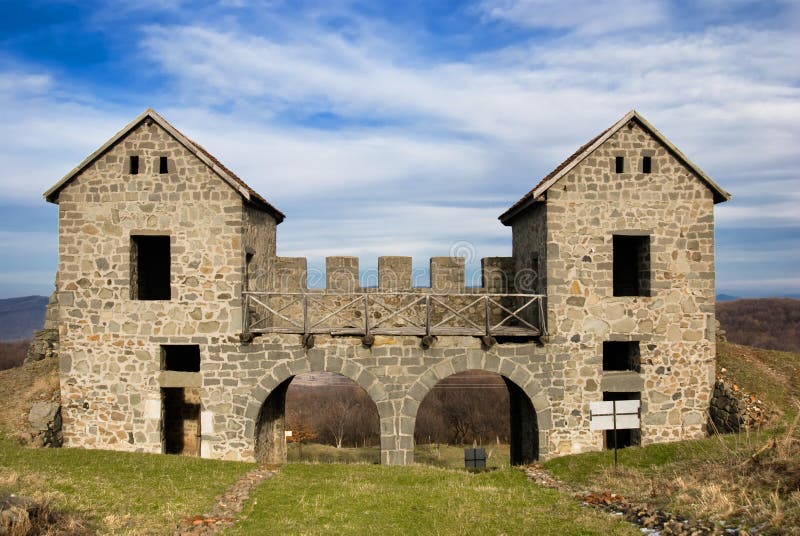
Porolissum was, ancient Roman city in Dacia (Transylvania in Romania of today). Established as a military camp in 106 during Trajans Dacian Wars, the city became the capital of the province Dacia Porolissensis in 124. Porolissum is on the footh of Meses Mountains range, the ancient natural border of the empire, fortified after the conqest of Dacia. The ruins of Porolissum are located only 8 km far away from Zalau city (the main city of Salaj County in Transylvania region of Romania country). The fort, initially built of wood on stone foundations (after the second war with Dacians, in 106), was garrisoned with 5000 auxiliary troops transferred from Spain, Gaul and Britain. Even though the name Porolissum appears to be Dacian in origin, archaeologists have so far uncovered no evidence of a Dacian settlement preceding the Roman fort. The city quickly grew through trade with the native Dacians. Although the Romans withdrew from Dacia in 271 under Aurelian, the city was abandoned only in 5th century, archaeological evidence shows that it remained inhabited for several centuries afterwards. The site is one of the largest and best-preserved archaeological sites in modern-day Romania. In the image is Praetoria Gate of the fort of Porolissum. Praetoria gate is the main gate of any Roman fortification (all had four gates), normally situated in one of the shorter walls opposite the porta decumana or rear gate. Settlement evidence stock images, royalty-free photos and pictures
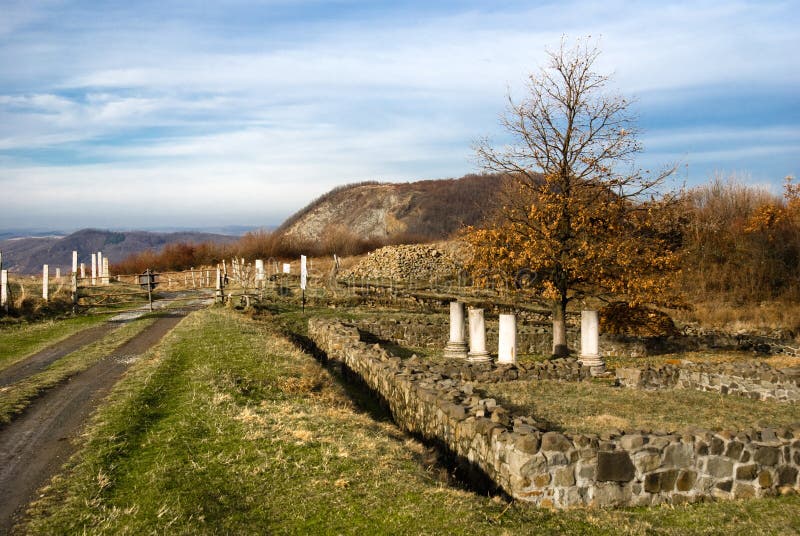
Porolissum was an ancient Roman city in Dacia (Transylvania in Romania of today). Established as a military camp in 106 during Trajan's Dacian Wars, the city became the capital of the province Dacia Porolissensis in 124. Porolissum is on the footh of Meses Mountainse ridge, the ancient natural border of the empire, fortified after the conqest of Dacia. The ruins of Porolissum are located only 8 km far away from Zalau city (the main city of Salaj County in Transylvania region of Romania country). The fort, initially built of wood on stone foundations (after the second war with Dacians, in 106), was garrisoned with 5000 auxiliary troops transferred from Spain, Gaul and Britain. Even though the name Porolissum appears to be Dacian in origin, archaeologists have so far uncovered no evidence of a Dacian settlement preceding the Roman fort. The city quickly grew through trade with the native Dacians. Although the Romans withdrew from Dacia in 271 under Aurelian, the city was abandoned only in 5th century, archaeological evidence shows that it remained inhabited for several centuries afterwards. The site is one of the largest and best-preserved archaeological sites in modern-day Romania. Settlement evidence stock images, royalty-free photos and pictures
Divorce agreement. Couple signing legal document. Prenuptial marriage settlement, prenup. Lawyer meeting. Separation, breakup or lawsuit after family conflict. Obligation, alimony or custody contract. Settlement evidence stock images, royalty-free photos and pictures
Carn Euny is an archaeological site near Sancreed, on the Penwith peninsula in Cornwall, UK with considerable evidence of both Iron Age and post-Iron Age settlement. Carn Euny is best known for the well-preserved state of the large fogou, an underground passageway, which is more than 65 feet 20 metres long. This fogou runs just below the surface of the ground and is roofed with massive stone slabs. The site was abandoned late in the Roman period. Settlement evidence stock images, royalty-free photos and pictures
Carn Euny is an archaeological site near Sancreed, on the Penwith peninsula in Cornwall, United Kingdom with considerable evidence of both Iron Age and post-Iron Age settlement. Excavations on this site have shown that there was activity at Carn Euny as early as the Neolithic period. Settlement evidence stock images, royalty-free photos and pictures
Carn Euny is an archaeological site near Sancreed, on the Penwith peninsula in Cornwall, UK with considerable evidence of both Iron Age and post-Iron Age settlement. Carn Euny is best known for the well-preserved state of the large fogou, an underground passageway, which is more than 65 feet 20 metres long. This fogou runs just below the surface of the ground and is roofed with massive stone slabs. The site was abandoned late in the Roman period. Settlement evidence stock images, royalty-free photos and pictures
Tel Es-Sultan, also known as Tell el-Sultan, is an archaeological site located in the modern-day city of Jericho in the West Bank. It is one of the oldest continuously inhabited cities in the world, with evidence of human settlement dating back to around 10,000 BCE. The site is of great historical and archaeological significance due to its role in understanding the development of early human societies. Settlement evidence stock images, royalty-free photos and pictures
Smile, business and woman with folder in office for case file, witness statement and legal document. Lawyer, reading and evidence with paperwork, lawsuit investigation and agreement for court summon. Settlement evidence stock images, royalty-free photos and pictures
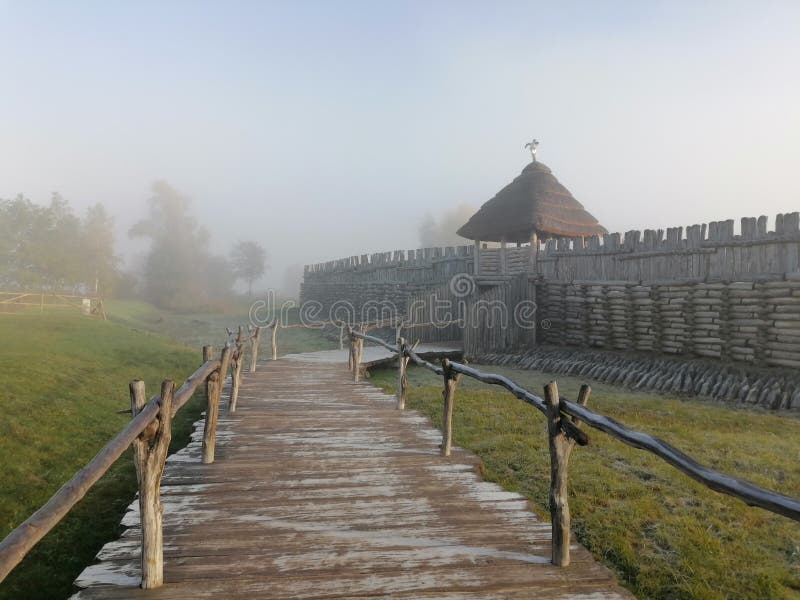
Biskupin is an archaeological site and a life-size model of a late Bronze Age fortified settlement in north-central Poland that also serves as an archaeological open-air museum. When first discovered it was thought to be early evidence of a West Slavic settlement, but archaeologists later confirmed it belonged to the Biskupin group of the Lusatian culture from the 8th century BC. The excavation and the reconstruction of the prehistoric settlement has played an instrumental part in Polish historical consciousness. Settlement evidence stock images, royalty-free photos and pictures
Statue of a roman foot soldier with a bird on his head in the open heath field, near the dutch city ermelo in the netherlands. This statue was placed, because they found evidence of a roman settlement on that particular field. Settlement evidence stock images, royalty-free photos and pictures
Personal Injury Claim Form on a Legal Desk. A detailed personal injury claim form is neatly placed on a wooden desk, accompanied by a pen and glasses, symbolizing the process of filing legal claims. Close-up of a personal injury claim form with a stethoscope, calculator, and cash, indicating healthcare expenses. The form includes sections for documenting injuries and damages, emphasizing the importance of thorough documentation in legal proceedings. This image conveys concepts of personal injury law, legal representation, and the steps involved in seeking compensation. Ideal for use in legal, insurance, and personal injury-related content. Generative Ai. desk, document, pen, law, claim, insurance, legal, injury, accident, business, compensation, form, paperwork, office, personal, lawyer, concept, court, finance, justice, lawsuit, contract, medical, right, health, litigation, attorney, horizontal, safety, liability, no people, procedure, risk, misfortune, paper, healthcare and medicine, agreement, client, financial, job, medicine, protection, signature, stethoscope, word, workplace, work, application, calculator, clipboard, damage, health care, money, patient, professional, scale, support, writing, questionnaire, care, case, industry, settlement, studio shot, text, table, advice, book, documentation, hospital, information, judge, pain, policy, process, report, service, strategy, success, vertical, benefits, color image, goggles, eyeglasses, lifestyle, background, employment and labor, perks, aid, assistance, assurance, awareness, clinic, consultation, currency, exam, file, gavel, graphic, idea, injured, letter, management, message, official, page, payment, practice, responsibility, security, signs, treatment, trial, worker, working, advocate, apply, barrister, computer mouse, coverage, fill, motion, person, pleading, regulation, workspace, cash, complaining, technology, white, accessory, advocacy, equipment, hand, 3d, accountant, accounting, action, administrative, advertising, approval, authority, automobile, businesswoman, calculation, cardiology, code, conceptual, connection, content, correct, cost, courthouse, cut out, diagram, disability, disease, display, doctor, education, electronic, emotion, employee, employer, employment, eraser, examination, expert, females, glasses, gold, graph, growth, healthcare, hearing, hurt, indoors, ink, investment, labor, laptop, leader, mail, males, manager, marketing, medicare, note, notebook, nurse, occupation, of, option, order, pharmacy, photo, physical, physician, place, plan, planning, preparation, prescription, problem, real estate, rehabilitation, retirement, review, rules, serious, session, shop, suffering, teamwork, therapy, typography, unemployment, wealth, write, written, alphabet, appeal, approved, bill, billing, browsing, businessman, civil, compliance, copy space, counsel, courtroom, covering, damaged, device, evidence, expenses, fabric, filing, frame, judgement, legislation, medical exam, portable, provider, receiving, rehab, stamp, surface, term, uk. Settlement evidence stock images, royalty-free photos and pictures
Arbroath Boat Building Yard, Arbroath Harbour, Angus, Scotland, UK Arbroath or Aberbrothock (Scottish Gaelic: Obar Bhrothaig ˈopəɾ ˈvɾo. ɪkʲ]) is a former royal burgh and the largest town in the council area of Angus in Scotland, and has a population of 23,902. It lies on the North Sea coast, around 16 miles (25. 7 km) ENE of Dundee and 45 miles (72. 4 km) SSW of Aberdeen. While there is evidence for the settlement of the area now occupied by the town that dates back to the Iron Age, Arbroath's history as a town begins in the High Middle Ages with the founding of Arbroath Abbey in 1178. Arbroath grew considerably during the Industrial Revolution owing to the expansion of firstly the flax and secondly the jute industries and the engineering sector. A new harbour was built in 1839 and by the 20th century, Arbroath had become one of the larger fishing ports in Scotland. The town is notable as the home of the Declaration of Arbroath, as well as the Arbroath smokie. The town's football team, Arbroath Football Club, hold the world record for the highest number of goals scored in a professional football match. They won 36–0 against Aberdeen Bon Accord in the Scottish Cup in 1885. Settlement evidence stock images, royalty-free photos and pictures
Symbolic image representing a personal injury lawsuit. Features an injured mannequin alongside a gavel and scales of justice, conveying themes of injury, legal proceedings, and fair compensation. Settlement evidence stock images, royalty-free photos and pictures
This image showcases wooden blocks, each representing a different legal concept, arranged on a rustic wooden surface alongside gavels. The scene, generated by AI, symbolizes the multifaceted nature of law and justice, depicting various areas of legal practice. Settlement evidence stock images, royalty-free photos and pictures
A professional close-up of a dark wooden gavel and sounding block placed on a polished wooden desk. In the soft-focus background, the scales of justice stand beside rows of law books in a library, illuminated by warm, natural light. This image symbolizes the judicial system, authority, legal judgment, fairness, and the pursuit of justice within the courtroom or academic environment. Settlement evidence stock images, royalty-free photos and pictures
San Clemente is a ruin of the ancient Maya civilization in Guatemala. Its main period of occupation dates to the Classic period of Mesoamerican chronology approximately 250 – 950 AD. The ruins were first described in the late 19th century, before being visited by a number of investigators in the early part of the 20th century. The site is situated in the Petén Basin, approximately 55 kilometres 34 mi from Flores, in the department of El Petén of northern Guatemala. It is 13 kilometres 8. 1 mi north of the modern settlement of El Naranjo, within the municipality of Flores. The site occupies a deforested hilltop at an elevation of 270 metres 890 ft above mean sea level. San Clemente is located in the north of the Maya Biosphere Reserve. The ruins were given the name San Clemente in the late 19th century by Karl Sapper, after a camp to the west of the site. Sylvanus Morley named the site Chinchantun `small stone` in Mayan. The site was first occupied during the Early Classic c. 250–550 AD, when simple platforms were built directly upon the bedrock, around unsurfaced plazas. The city underwent a major construction phase during the Late Classic c. 550–830, with the development of monumental platforms and the construction of two Mesoamerican ballcourts. The architecture visible today dates to the Terminal Classic c. 830–950. Principal activity at the site has been dated according to ceramic evidence to the period running from c. 450 to c. 900. Settlement evidence stock images, royalty-free photos and pictures

Archaeological Site: San Clemente, also known as `Chinchantun` or `Small Stone. San Clemente is a ruin of the ancient Maya civilization in Guatemala. Its main period of occupation dates to the Classic period of Mesoamerican chronology approximately 250 – 950 AD. The ruins were first described in the late 19th century, before being visited by a number of investigators in the early part of the 20th century. The site is situated in the Petén Basin, approximately 55 kilometres 34 mi from Flores, in the department of El Petén of northern Guatemala. It is 13 kilometres 8.1 mi north of the modern settlement of El Naranjo, within the municipality of Flores. The site occupies a deforested hilltop at an elevation of 270 metres 890 ft above mean sea level. San Clemente is located in the north of the Maya Biosphere Reserve. The ruins were given the name San Clemente in the late 19th century by Karl Sapper, after a camp to the west of the site. Sylvanus Morley named the site Chinchantun `small stone` in Mayan. The site was first occupied during the Early Classic c. 250–550 AD, when simple platforms were built directly upon the bedrock, around unsurfaced plazas. The city underwent a major construction phase during the Late Classic c. 550–830, with the development of monumental platforms and the construction of two Mesoamerican ballcourts. The architecture visible today dates to the Terminal Classic c. 830–950. Principal activity at the site has been dated according to ceramic evidence to the period running from c. 450 to c. 900.

San Clemente is a ruin of the ancient Maya civilization in Guatemala. Its main period of occupation dates to the Classic period of Mesoamerican chronology approximately 250 – 950 AD. The ruins were first described in the late 19th century, before being visited by a number of investigators in the early part of the 20th century. The site is situated in the Petén Basin, approximately 55 kilometres 34 mi from Flores, in the department of El Petén of northern Guatemala. It is 13 kilometres 8. 1 mi north of the modern settlement of El Naranjo, within the municipality of Flores. The site occupies a deforested hilltop at an elevation of 270 metres 890 ft above mean sea level. San Clemente is located in the north of the Maya Biosphere Reserve. The ruins were given the name San Clemente in the late 19th century by Karl Sapper, after a camp to the west of the site. Sylvanus Morley named the site Chinchantun `small stone` in Mayan. The site was first occupied during the Early Classic c. 250–550 AD, when simple platforms were built directly upon the bedrock, around unsurfaced plazas. The city underwent a major construction phase during the Late Classic c. 550–830, with the development of monumental platforms and the construction of two Mesoamerican ballcourts. The architecture visible today dates to the Terminal Classic c. 830–950. Principal activity at the site has been dated according to ceramic evidence to the period running from c. 450 to c. 900. Settlement evidence stock images, royalty-free photos and pictures

Archaeological Site: San Clemente, also known as `Chinchantun` or `Small Stone. San Clemente is a ruin of the ancient Maya civilization in Guatemala. Its main period of occupation dates to the Classic period of Mesoamerican chronology approximately 250 – 950 AD. The ruins were first described in the late 19th century, before being visited by a number of investigators in the early part of the 20th century. The site is situated in the Petén Basin, approximately 55 kilometres 34 mi from Flores, in the department of El Petén of northern Guatemala. It is 13 kilometres 8.1 mi north of the modern settlement of El Naranjo, within the municipality of Flores. The site occupies a deforested hilltop at an elevation of 270 metres 890 ft above mean sea level. San Clemente is located in the north of the Maya Biosphere Reserve. The ruins were given the name San Clemente in the late 19th century by Karl Sapper, after a camp to the west of the site. Sylvanus Morley named the site Chinchantun `small stone` in Mayan. The site was first occupied during the Early Classic c. 250–550 AD, when simple platforms were built directly upon the bedrock, around unsurfaced plazas. The city underwent a major construction phase during the Late Classic c. 550–830, with the development of monumental platforms and the construction of two Mesoamerican ballcourts. The architecture visible today dates to the Terminal Classic c. 830–950. Principal activity at the site has been dated according to ceramic evidence to the period running from c. 450 to c. 900.

San Clemente is a ruin of the ancient Maya civilization in Guatemala. Its main period of occupation dates to the Classic period of Mesoamerican chronology approximately 250 – 950 AD. The ruins were first described in the late 19th century, before being visited by a number of investigators in the early part of the 20th century. The site is situated in the Petén Basin, approximately 55 kilometres 34 mi from Flores, in the department of El Petén of northern Guatemala. It is 13 kilometres 8. 1 mi north of the modern settlement of El Naranjo, within the municipality of Flores. The site occupies a deforested hilltop at an elevation of 270 metres 890 ft above mean sea level. San Clemente is located in the north of the Maya Biosphere Reserve. The ruins were given the name San Clemente in the late 19th century by Karl Sapper, after a camp to the west of the site. Sylvanus Morley named the site Chinchantun `small stone` in Mayan. The site was first occupied during the Early Classic c. 250–550 AD, when simple platforms were built directly upon the bedrock, around unsurfaced plazas. The city underwent a major construction phase during the Late Classic c. 550–830, with the development of monumental platforms and the construction of two Mesoamerican ballcourts. The architecture visible today dates to the Terminal Classic c. 830–950. Principal activity at the site has been dated according to ceramic evidence to the period running from c. 450 to c. 900. Settlement evidence stock images, royalty-free photos and pictures

Archaeological Site: San Clemente, also known as `Chinchantun` or `Small Stone. San Clemente is a ruin of the ancient Maya civilization in Guatemala. Its main period of occupation dates to the Classic period of Mesoamerican chronology approximately 250 – 950 AD. The ruins were first described in the late 19th century, before being visited by a number of investigators in the early part of the 20th century. The site is situated in the Petén Basin, approximately 55 kilometres 34 mi from Flores, in the department of El Petén of northern Guatemala. It is 13 kilometres 8.1 mi north of the modern settlement of El Naranjo, within the municipality of Flores. The site occupies a deforested hilltop at an elevation of 270 metres 890 ft above mean sea level. San Clemente is located in the north of the Maya Biosphere Reserve. The ruins were given the name San Clemente in the late 19th century by Karl Sapper, after a camp to the west of the site. Sylvanus Morley named the site Chinchantun `small stone` in Mayan. The site was first occupied during the Early Classic c. 250–550 AD, when simple platforms were built directly upon the bedrock, around unsurfaced plazas. The city underwent a major construction phase during the Late Classic c. 550–830, with the development of monumental platforms and the construction of two Mesoamerican ballcourts. The architecture visible today dates to the Terminal Classic c. 830–950. Principal activity at the site has been dated according to ceramic evidence to the period running from c. 450 to c. 900.

San Clemente is a ruin of the ancient Maya civilization in Guatemala. Its main period of occupation dates to the Classic period of Mesoamerican chronology approximately 250 – 950 AD. The ruins were first described in the late 19th century, before being visited by a number of investigators in the early part of the 20th century. The site is situated in the Petén Basin, approximately 55 kilometres 34 mi from Flores, in the department of El Petén of northern Guatemala. It is 13 kilometres 8. 1 mi north of the modern settlement of El Naranjo, within the municipality of Flores. The site occupies a deforested hilltop at an elevation of 270 metres 890 ft above mean sea level. San Clemente is located in the north of the Maya Biosphere Reserve. The ruins were given the name San Clemente in the late 19th century by Karl Sapper, after a camp to the west of the site. Sylvanus Morley named the site Chinchantun `small stone` in Mayan. The site was first occupied during the Early Classic c. 250–550 AD, when simple platforms were built directly upon the bedrock, around unsurfaced plazas. The city underwent a major construction phase during the Late Classic c. 550–830, with the development of monumental platforms and the construction of two Mesoamerican ballcourts. The architecture visible today dates to the Terminal Classic c. 830–950. Principal activity at the site has been dated according to ceramic evidence to the period running from c. 450 to c. 900. Settlement evidence stock images, royalty-free photos and pictures

Archaeological Site: San Clemente, also known as `Chinchantun` or `Small Stone. San Clemente is a ruin of the ancient Maya civilization in Guatemala. Its main period of occupation dates to the Classic period of Mesoamerican chronology approximately 250 – 950 AD. The ruins were first described in the late 19th century, before being visited by a number of investigators in the early part of the 20th century. The site is situated in the Petén Basin, approximately 55 kilometres 34 mi from Flores, in the department of El Petén of northern Guatemala. It is 13 kilometres 8.1 mi north of the modern settlement of El Naranjo, within the municipality of Flores. The site occupies a deforested hilltop at an elevation of 270 metres 890 ft above mean sea level. San Clemente is located in the north of the Maya Biosphere Reserve. The ruins were given the name San Clemente in the late 19th century by Karl Sapper, after a camp to the west of the site. Sylvanus Morley named the site Chinchantun `small stone` in Mayan. The site was first occupied during the Early Classic c. 250–550 AD, when simple platforms were built directly upon the bedrock, around unsurfaced plazas. The city underwent a major construction phase during the Late Classic c. 550–830, with the development of monumental platforms and the construction of two Mesoamerican ballcourts. The architecture visible today dates to the Terminal Classic c. 830–950. Principal activity at the site has been dated according to ceramic evidence to the period running from c. 450 to c. 900.

San Clemente is a ruin of the ancient Maya civilization in Guatemala. Its main period of occupation dates to the Classic period of Mesoamerican chronology approximately 250 – 950 AD. The ruins were first described in the late 19th century, before being visited by a number of investigators in the early part of the 20th century. The site is situated in the Petén Basin, approximately 55 kilometres 34 mi from Flores, in the department of El Petén of northern Guatemala. It is 13 kilometres 8. 1 mi north of the modern settlement of El Naranjo, within the municipality of Flores. The site occupies a deforested hilltop at an elevation of 270 metres 890 ft above mean sea level. San Clemente is located in the north of the Maya Biosphere Reserve. The ruins were given the name San Clemente in the late 19th century by Karl Sapper, after a camp to the west of the site. Sylvanus Morley named the site Chinchantun `small stone` in Mayan. The site was first occupied during the Early Classic c. 250–550 AD, when simple platforms were built directly upon the bedrock, around unsurfaced plazas. The city underwent a major construction phase during the Late Classic c. 550–830, with the development of monumental platforms and the construction of two Mesoamerican ballcourts. The architecture visible today dates to the Terminal Classic c. 830–950. Principal activity at the site has been dated according to ceramic evidence to the period running from c. 450 to c. 900. Settlement evidence stock images, royalty-free photos and pictures

Archaeological Site: San Clemente, also known as `Chinchantun` or `Small Stone. San Clemente is a ruin of the ancient Maya civilization in Guatemala. Its main period of occupation dates to the Classic period of Mesoamerican chronology approximately 250 – 950 AD. The ruins were first described in the late 19th century, before being visited by a number of investigators in the early part of the 20th century. The site is situated in the Petén Basin, approximately 55 kilometres 34 mi from Flores, in the department of El Petén of northern Guatemala. It is 13 kilometres 8.1 mi north of the modern settlement of El Naranjo, within the municipality of Flores. The site occupies a deforested hilltop at an elevation of 270 metres 890 ft above mean sea level. San Clemente is located in the north of the Maya Biosphere Reserve. The ruins were given the name San Clemente in the late 19th century by Karl Sapper, after a camp to the west of the site. Sylvanus Morley named the site Chinchantun `small stone` in Mayan. The site was first occupied during the Early Classic c. 250–550 AD, when simple platforms were built directly upon the bedrock, around unsurfaced plazas. The city underwent a major construction phase during the Late Classic c. 550–830, with the development of monumental platforms and the construction of two Mesoamerican ballcourts. The architecture visible today dates to the Terminal Classic c. 830–950. Principal activity at the site has been dated according to ceramic evidence to the period running from c. 450 to c. 900.

San Clemente is a ruin of the ancient Maya civilization in Guatemala. Its main period of occupation dates to the Classic period of Mesoamerican chronology approximately 250 – 950 AD. The ruins were first described in the late 19th century, before being visited by a number of investigators in the early part of the 20th century. The site is situated in the Petén Basin, approximately 55 kilometres 34 mi from Flores, in the department of El Petén of northern Guatemala. It is 13 kilometres 8. 1 mi north of the modern settlement of El Naranjo, within the municipality of Flores. The site occupies a deforested hilltop at an elevation of 270 metres 890 ft above mean sea level. San Clemente is located in the north of the Maya Biosphere Reserve. The ruins were given the name San Clemente in the late 19th century by Karl Sapper, after a camp to the west of the site. Sylvanus Morley named the site Chinchantun `small stone` in Mayan. The site was first occupied during the Early Classic c. 250–550 AD, when simple platforms were built directly upon the bedrock, around unsurfaced plazas. The city underwent a major construction phase during the Late Classic c. 550–830, with the development of monumental platforms and the construction of two Mesoamerican ballcourts. The architecture visible today dates to the Terminal Classic c. 830–950. Principal activity at the site has been dated according to ceramic evidence to the period running from c. 450 to c. 900. Settlement evidence stock images, royalty-free photos and pictures

Archaeological Site: San Clemente, also known as `Chinchantun` or `Small Stone. San Clemente is a ruin of the ancient Maya civilization in Guatemala. Its main period of occupation dates to the Classic period of Mesoamerican chronology approximately 250 – 950 AD. The ruins were first described in the late 19th century, before being visited by a number of investigators in the early part of the 20th century. The site is situated in the Petén Basin, approximately 55 kilometres 34 mi from Flores, in the department of El Petén of northern Guatemala. It is 13 kilometres 8.1 mi north of the modern settlement of El Naranjo, within the municipality of Flores. The site occupies a deforested hilltop at an elevation of 270 metres 890 ft above mean sea level. San Clemente is located in the north of the Maya Biosphere Reserve. The ruins were given the name San Clemente in the late 19th century by Karl Sapper, after a camp to the west of the site. Sylvanus Morley named the site Chinchantun `small stone` in Mayan. The site was first occupied during the Early Classic c. 250–550 AD, when simple platforms were built directly upon the bedrock, around unsurfaced plazas. The city underwent a major construction phase during the Late Classic c. 550–830, with the development of monumental platforms and the construction of two Mesoamerican ballcourts. The architecture visible today dates to the Terminal Classic c. 830–950. Principal activity at the site has been dated according to ceramic evidence to the period running from c. 450 to c. 900.

San Clemente is a ruin of the ancient Maya civilization in Guatemala. Its main period of occupation dates to the Classic period of Mesoamerican chronology approximately 250 – 950 AD. The ruins were first described in the late 19th century, before being visited by a number of investigators in the early part of the 20th century. The site is situated in the Petén Basin, approximately 55 kilometres 34 mi from Flores, in the department of El Petén of northern Guatemala. It is 13 kilometres 8. 1 mi north of the modern settlement of El Naranjo, within the municipality of Flores. The site occupies a deforested hilltop at an elevation of 270 metres 890 ft above mean sea level. San Clemente is located in the north of the Maya Biosphere Reserve. The ruins were given the name San Clemente in the late 19th century by Karl Sapper, after a camp to the west of the site. Sylvanus Morley named the site Chinchantun `small stone` in Mayan. The site was first occupied during the Early Classic c. 250–550 AD, when simple platforms were built directly upon the bedrock, around unsurfaced plazas. The city underwent a major construction phase during the Late Classic c. 550–830, with the development of monumental platforms and the construction of two Mesoamerican ballcourts. The architecture visible today dates to the Terminal Classic c. 830–950. Principal activity at the site has been dated according to ceramic evidence to the period running from c. 450 to c. 900. Settlement evidence stock images, royalty-free photos and pictures

Archaeological Site: San Clemente, also known as `Chinchantun` or `Small Stone. San Clemente is a ruin of the ancient Maya civilization in Guatemala. Its main period of occupation dates to the Classic period of Mesoamerican chronology approximately 250 – 950 AD. The ruins were first described in the late 19th century, before being visited by a number of investigators in the early part of the 20th century. The site is situated in the Petén Basin, approximately 55 kilometres 34 mi from Flores, in the department of El Petén of northern Guatemala. It is 13 kilometres 8.1 mi north of the modern settlement of El Naranjo, within the municipality of Flores. The site occupies a deforested hilltop at an elevation of 270 metres 890 ft above mean sea level. San Clemente is located in the north of the Maya Biosphere Reserve. The ruins were given the name San Clemente in the late 19th century by Karl Sapper, after a camp to the west of the site. Sylvanus Morley named the site Chinchantun `small stone` in Mayan. The site was first occupied during the Early Classic c. 250–550 AD, when simple platforms were built directly upon the bedrock, around unsurfaced plazas. The city underwent a major construction phase during the Late Classic c. 550–830, with the development of monumental platforms and the construction of two Mesoamerican ballcourts. The architecture visible today dates to the Terminal Classic c. 830–950. Principal activity at the site has been dated according to ceramic evidence to the period running from c. 450 to c. 900.

San Clemente is a ruin of the ancient Maya civilization in Guatemala. Its main period of occupation dates to the Classic period of Mesoamerican chronology approximately 250 – 950 AD. The ruins were first described in the late 19th century, before being visited by a number of investigators in the early part of the 20th century. The site is situated in the Petén Basin, approximately 55 kilometres 34 mi from Flores, in the department of El Petén of northern Guatemala. It is 13 kilometres 8. 1 mi north of the modern settlement of El Naranjo, within the municipality of Flores. The site occupies a deforested hilltop at an elevation of 270 metres 890 ft above mean sea level. San Clemente is located in the north of the Maya Biosphere Reserve. The ruins were given the name San Clemente in the late 19th century by Karl Sapper, after a camp to the west of the site. Sylvanus Morley named the site Chinchantun `small stone` in Mayan. The site was first occupied during the Early Classic c. 250–550 AD, when simple platforms were built directly upon the bedrock, around unsurfaced plazas. The city underwent a major construction phase during the Late Classic c. 550–830, with the development of monumental platforms and the construction of two Mesoamerican ballcourts. The architecture visible today dates to the Terminal Classic c. 830–950. Principal activity at the site has been dated according to ceramic evidence to the period running from c. 450 to c. 900. Settlement evidence stock images, royalty-free photos and pictures

Archaeological Site: San Clemente, also known as `Chinchantun` or `Small Stone. San Clemente is a ruin of the ancient Maya civilization in Guatemala. Its main period of occupation dates to the Classic period of Mesoamerican chronology approximately 250 – 950 AD. The ruins were first described in the late 19th century, before being visited by a number of investigators in the early part of the 20th century. The site is situated in the Petén Basin, approximately 55 kilometres 34 mi from Flores, in the department of El Petén of northern Guatemala. It is 13 kilometres 8.1 mi north of the modern settlement of El Naranjo, within the municipality of Flores. The site occupies a deforested hilltop at an elevation of 270 metres 890 ft above mean sea level. San Clemente is located in the north of the Maya Biosphere Reserve. The ruins were given the name San Clemente in the late 19th century by Karl Sapper, after a camp to the west of the site. Sylvanus Morley named the site Chinchantun `small stone` in Mayan. The site was first occupied during the Early Classic c. 250–550 AD, when simple platforms were built directly upon the bedrock, around unsurfaced plazas. The city underwent a major construction phase during the Late Classic c. 550–830, with the development of monumental platforms and the construction of two Mesoamerican ballcourts. The architecture visible today dates to the Terminal Classic c. 830–950. Principal activity at the site has been dated according to ceramic evidence to the period running from c. 450 to c. 900.

San Clemente is a ruin of the ancient Maya civilization in Guatemala. Its main period of occupation dates to the Classic period of Mesoamerican chronology approximately 250 – 950 AD. The ruins were first described in the late 19th century, before being visited by a number of investigators in the early part of the 20th century. The site is situated in the Petén Basin, approximately 55 kilometres 34 mi from Flores, in the department of El Petén of northern Guatemala. It is 13 kilometres 8. 1 mi north of the modern settlement of El Naranjo, within the municipality of Flores. The site occupies a deforested hilltop at an elevation of 270 metres 890 ft above mean sea level. San Clemente is located in the north of the Maya Biosphere Reserve. The ruins were given the name San Clemente in the late 19th century by Karl Sapper, after a camp to the west of the site. Sylvanus Morley named the site Chinchantun `small stone` in Mayan. The site was first occupied during the Early Classic c. 250–550 AD, when simple platforms were built directly upon the bedrock, around unsurfaced plazas. The city underwent a major construction phase during the Late Classic c. 550–830, with the development of monumental platforms and the construction of two Mesoamerican ballcourts. The architecture visible today dates to the Terminal Classic c. 830–950. Principal activity at the site has been dated according to ceramic evidence to the period running from c. 450 to c. 900. Settlement evidence stock images, royalty-free photos and pictures

Archaeological Site: San Clemente, also known as `Chinchantun` or `Small Stone. San Clemente is a ruin of the ancient Maya civilization in Guatemala. Its main period of occupation dates to the Classic period of Mesoamerican chronology approximately 250 – 950 AD. The ruins were first described in the late 19th century, before being visited by a number of investigators in the early part of the 20th century. The site is situated in the Petén Basin, approximately 55 kilometres 34 mi from Flores, in the department of El Petén of northern Guatemala. It is 13 kilometres 8.1 mi north of the modern settlement of El Naranjo, within the municipality of Flores. The site occupies a deforested hilltop at an elevation of 270 metres 890 ft above mean sea level. San Clemente is located in the north of the Maya Biosphere Reserve. The ruins were given the name San Clemente in the late 19th century by Karl Sapper, after a camp to the west of the site. Sylvanus Morley named the site Chinchantun `small stone` in Mayan. The site was first occupied during the Early Classic c. 250–550 AD, when simple platforms were built directly upon the bedrock, around unsurfaced plazas. The city underwent a major construction phase during the Late Classic c. 550–830, with the development of monumental platforms and the construction of two Mesoamerican ballcourts. The architecture visible today dates to the Terminal Classic c. 830–950. Principal activity at the site has been dated according to ceramic evidence to the period running from c. 450 to c. 900.

San Clemente is a ruin of the ancient Maya civilization in Guatemala. Its main period of occupation dates to the Classic period of Mesoamerican chronology approximately 250 – 950 AD. The ruins were first described in the late 19th century, before being visited by a number of investigators in the early part of the 20th century. The site is situated in the Petén Basin, approximately 55 kilometres 34 mi from Flores, in the department of El Petén of northern Guatemala. It is 13 kilometres 8. 1 mi north of the modern settlement of El Naranjo, within the municipality of Flores. The site occupies a deforested hilltop at an elevation of 270 metres 890 ft above mean sea level. San Clemente is located in the north of the Maya Biosphere Reserve. The ruins were given the name San Clemente in the late 19th century by Karl Sapper, after a camp to the west of the site. Sylvanus Morley named the site Chinchantun `small stone` in Mayan. The site was first occupied during the Early Classic c. 250–550 AD, when simple platforms were built directly upon the bedrock, around unsurfaced plazas. The city underwent a major construction phase during the Late Classic c. 550–830, with the development of monumental platforms and the construction of two Mesoamerican ballcourts. The architecture visible today dates to the Terminal Classic c. 830–950. Principal activity at the site has been dated according to ceramic evidence to the period running from c. 450 to c. 900. Settlement evidence stock images, royalty-free photos and pictures

Archaeological Site: San Clemente, also known as `Chinchantun` or `Small Stone. San Clemente is a ruin of the ancient Maya civilization in Guatemala. Its main period of occupation dates to the Classic period of Mesoamerican chronology approximately 250 – 950 AD. The ruins were first described in the late 19th century, before being visited by a number of investigators in the early part of the 20th century. The site is situated in the Petén Basin, approximately 55 kilometres 34 mi from Flores, in the department of El Petén of northern Guatemala. It is 13 kilometres 8.1 mi north of the modern settlement of El Naranjo, within the municipality of Flores. The site occupies a deforested hilltop at an elevation of 270 metres 890 ft above mean sea level. San Clemente is located in the north of the Maya Biosphere Reserve. The ruins were given the name San Clemente in the late 19th century by Karl Sapper, after a camp to the west of the site. Sylvanus Morley named the site Chinchantun `small stone` in Mayan. The site was first occupied during the Early Classic c. 250–550 AD, when simple platforms were built directly upon the bedrock, around unsurfaced plazas. The city underwent a major construction phase during the Late Classic c. 550–830, with the development of monumental platforms and the construction of two Mesoamerican ballcourts. The architecture visible today dates to the Terminal Classic c. 830–950. Principal activity at the site has been dated according to ceramic evidence to the period running from c. 450 to c. 900.

San Clemente is a ruin of the ancient Maya civilization in Guatemala. Its main period of occupation dates to the Classic period of Mesoamerican chronology approximately 250 – 950 AD. The ruins were first described in the late 19th century, before being visited by a number of investigators in the early part of the 20th century. The site is situated in the Petén Basin, approximately 55 kilometres 34 mi from Flores, in the department of El Petén of northern Guatemala. It is 13 kilometres 8. 1 mi north of the modern settlement of El Naranjo, within the municipality of Flores. The site occupies a deforested hilltop at an elevation of 270 metres 890 ft above mean sea level. San Clemente is located in the north of the Maya Biosphere Reserve. The ruins were given the name San Clemente in the late 19th century by Karl Sapper, after a camp to the west of the site. Sylvanus Morley named the site Chinchantun `small stone` in Mayan. The site was first occupied during the Early Classic c. 250–550 AD, when simple platforms were built directly upon the bedrock, around unsurfaced plazas. The city underwent a major construction phase during the Late Classic c. 550–830, with the development of monumental platforms and the construction of two Mesoamerican ballcourts. The architecture visible today dates to the Terminal Classic c. 830–950. Principal activity at the site has been dated according to ceramic evidence to the period running from c. 450 to c. 900. Settlement evidence stock images, royalty-free photos and pictures

Archaeological Site: San Clemente, also known as `Chinchantun` or `Small Stone. San Clemente is a ruin of the ancient Maya civilization in Guatemala. Its main period of occupation dates to the Classic period of Mesoamerican chronology approximately 250 – 950 AD. The ruins were first described in the late 19th century, before being visited by a number of investigators in the early part of the 20th century. The site is situated in the Petén Basin, approximately 55 kilometres 34 mi from Flores, in the department of El Petén of northern Guatemala. It is 13 kilometres 8.1 mi north of the modern settlement of El Naranjo, within the municipality of Flores. The site occupies a deforested hilltop at an elevation of 270 metres 890 ft above mean sea level. San Clemente is located in the north of the Maya Biosphere Reserve. The ruins were given the name San Clemente in the late 19th century by Karl Sapper, after a camp to the west of the site. Sylvanus Morley named the site Chinchantun `small stone` in Mayan. The site was first occupied during the Early Classic c. 250–550 AD, when simple platforms were built directly upon the bedrock, around unsurfaced plazas. The city underwent a major construction phase during the Late Classic c. 550–830, with the development of monumental platforms and the construction of two Mesoamerican ballcourts. The architecture visible today dates to the Terminal Classic c. 830–950. Principal activity at the site has been dated according to ceramic evidence to the period running from c. 450 to c. 900.

San Clemente is a ruin of the ancient Maya civilization in Guatemala. Its main period of occupation dates to the Classic period of Mesoamerican chronology approximately 250 – 950 AD. The ruins were first described in the late 19th century, before being visited by a number of investigators in the early part of the 20th century. The site is situated in the Petén Basin, approximately 55 kilometres 34 mi from Flores, in the department of El Petén of northern Guatemala. It is 13 kilometres 8. 1 mi north of the modern settlement of El Naranjo, within the municipality of Flores. The site occupies a deforested hilltop at an elevation of 270 metres 890 ft above mean sea level. San Clemente is located in the north of the Maya Biosphere Reserve. The ruins were given the name San Clemente in the late 19th century by Karl Sapper, after a camp to the west of the site. Sylvanus Morley named the site Chinchantun `small stone` in Mayan. The site was first occupied during the Early Classic c. 250–550 AD, when simple platforms were built directly upon the bedrock, around unsurfaced plazas. The city underwent a major construction phase during the Late Classic c. 550–830, with the development of monumental platforms and the construction of two Mesoamerican ballcourts. The architecture visible today dates to the Terminal Classic c. 830–950. Principal activity at the site has been dated according to ceramic evidence to the period running from c. 450 to c. 900. Settlement evidence stock images, royalty-free photos and pictures

Archaeological Site: San Clemente, also known as `Chinchantun` or `Small Stone. San Clemente is a ruin of the ancient Maya civilization in Guatemala. Its main period of occupation dates to the Classic period of Mesoamerican chronology approximately 250 – 950 AD. The ruins were first described in the late 19th century, before being visited by a number of investigators in the early part of the 20th century. The site is situated in the Petén Basin, approximately 55 kilometres 34 mi from Flores, in the department of El Petén of northern Guatemala. It is 13 kilometres 8.1 mi north of the modern settlement of El Naranjo, within the municipality of Flores. The site occupies a deforested hilltop at an elevation of 270 metres 890 ft above mean sea level. San Clemente is located in the north of the Maya Biosphere Reserve. The ruins were given the name San Clemente in the late 19th century by Karl Sapper, after a camp to the west of the site. Sylvanus Morley named the site Chinchantun `small stone` in Mayan. The site was first occupied during the Early Classic c. 250–550 AD, when simple platforms were built directly upon the bedrock, around unsurfaced plazas. The city underwent a major construction phase during the Late Classic c. 550–830, with the development of monumental platforms and the construction of two Mesoamerican ballcourts. The architecture visible today dates to the Terminal Classic c. 830–950. Principal activity at the site has been dated according to ceramic evidence to the period running from c. 450 to c. 900.

San Clemente is a ruin of the ancient Maya civilization in Guatemala. Its main period of occupation dates to the Classic period of Mesoamerican chronology approximately 250 – 950 AD. The ruins were first described in the late 19th century, before being visited by a number of investigators in the early part of the 20th century. The site is situated in the Petén Basin, approximately 55 kilometres 34 mi from Flores, in the department of El Petén of northern Guatemala. It is 13 kilometres 8. 1 mi north of the modern settlement of El Naranjo, within the municipality of Flores. The site occupies a deforested hilltop at an elevation of 270 metres 890 ft above mean sea level. San Clemente is located in the north of the Maya Biosphere Reserve. The ruins were given the name San Clemente in the late 19th century by Karl Sapper, after a camp to the west of the site. Sylvanus Morley named the site Chinchantun `small stone` in Mayan. The site was first occupied during the Early Classic c. 250–550 AD, when simple platforms were built directly upon the bedrock, around unsurfaced plazas. The city underwent a major construction phase during the Late Classic c. 550–830, with the development of monumental platforms and the construction of two Mesoamerican ballcourts. The architecture visible today dates to the Terminal Classic c. 830–950. Principal activity at the site has been dated according to ceramic evidence to the period running from c. 450 to c. 900. Settlement evidence stock images, royalty-free photos and pictures

Archaeological Site: San Clemente, also known as `Chinchantun` or `Small Stone. San Clemente is a ruin of the ancient Maya civilization in Guatemala. Its main period of occupation dates to the Classic period of Mesoamerican chronology approximately 250 – 950 AD. The ruins were first described in the late 19th century, before being visited by a number of investigators in the early part of the 20th century. The site is situated in the Petén Basin, approximately 55 kilometres 34 mi from Flores, in the department of El Petén of northern Guatemala. It is 13 kilometres 8.1 mi north of the modern settlement of El Naranjo, within the municipality of Flores. The site occupies a deforested hilltop at an elevation of 270 metres 890 ft above mean sea level. San Clemente is located in the north of the Maya Biosphere Reserve. The ruins were given the name San Clemente in the late 19th century by Karl Sapper, after a camp to the west of the site. Sylvanus Morley named the site Chinchantun `small stone` in Mayan. The site was first occupied during the Early Classic c. 250–550 AD, when simple platforms were built directly upon the bedrock, around unsurfaced plazas. The city underwent a major construction phase during the Late Classic c. 550–830, with the development of monumental platforms and the construction of two Mesoamerican ballcourts. The architecture visible today dates to the Terminal Classic c. 830–950. Principal activity at the site has been dated according to ceramic evidence to the period running from c. 450 to c. 900.

San Clemente is a ruin of the ancient Maya civilization in Guatemala. Its main period of occupation dates to the Classic period of Mesoamerican chronology approximately 250 – 950 AD. The ruins were first described in the late 19th century, before being visited by a number of investigators in the early part of the 20th century. The site is situated in the Petén Basin, approximately 55 kilometres 34 mi from Flores, in the department of El Petén of northern Guatemala. It is 13 kilometres 8. 1 mi north of the modern settlement of El Naranjo, within the municipality of Flores. The site occupies a deforested hilltop at an elevation of 270 metres 890 ft above mean sea level. San Clemente is located in the north of the Maya Biosphere Reserve. The ruins were given the name San Clemente in the late 19th century by Karl Sapper, after a camp to the west of the site. Sylvanus Morley named the site Chinchantun `small stone` in Mayan. The site was first occupied during the Early Classic c. 250–550 AD, when simple platforms were built directly upon the bedrock, around unsurfaced plazas. The city underwent a major construction phase during the Late Classic c. 550–830, with the development of monumental platforms and the construction of two Mesoamerican ballcourts. The architecture visible today dates to the Terminal Classic c. 830–950. Principal activity at the site has been dated according to ceramic evidence to the period running from c. 450 to c. 900. Settlement evidence stock images, royalty-free photos and pictures

Archaeological Site: San Clemente, also known as `Chinchantun` or `Small Stone. San Clemente is a ruin of the ancient Maya civilization in Guatemala. Its main period of occupation dates to the Classic period of Mesoamerican chronology approximately 250 – 950 AD. The ruins were first described in the late 19th century, before being visited by a number of investigators in the early part of the 20th century. The site is situated in the Petén Basin, approximately 55 kilometres 34 mi from Flores, in the department of El Petén of northern Guatemala. It is 13 kilometres 8.1 mi north of the modern settlement of El Naranjo, within the municipality of Flores. The site occupies a deforested hilltop at an elevation of 270 metres 890 ft above mean sea level. San Clemente is located in the north of the Maya Biosphere Reserve. The ruins were given the name San Clemente in the late 19th century by Karl Sapper, after a camp to the west of the site. Sylvanus Morley named the site Chinchantun `small stone` in Mayan. The site was first occupied during the Early Classic c. 250–550 AD, when simple platforms were built directly upon the bedrock, around unsurfaced plazas. The city underwent a major construction phase during the Late Classic c. 550–830, with the development of monumental platforms and the construction of two Mesoamerican ballcourts. The architecture visible today dates to the Terminal Classic c. 830–950. Principal activity at the site has been dated according to ceramic evidence to the period running from c. 450 to c. 900.

San Clemente is a ruin of the ancient Maya civilization in Guatemala. Its main period of occupation dates to the Classic period of Mesoamerican chronology approximately 250 – 950 AD. The ruins were first described in the late 19th century, before being visited by a number of investigators in the early part of the 20th century. The site is situated in the Petén Basin, approximately 55 kilometres 34 mi from Flores, in the department of El Petén of northern Guatemala. It is 13 kilometres 8. 1 mi north of the modern settlement of El Naranjo, within the municipality of Flores. The site occupies a deforested hilltop at an elevation of 270 metres 890 ft above mean sea level. San Clemente is located in the north of the Maya Biosphere Reserve. The ruins were given the name San Clemente in the late 19th century by Karl Sapper, after a camp to the west of the site. Sylvanus Morley named the site Chinchantun `small stone` in Mayan. The site was first occupied during the Early Classic c. 250–550 AD, when simple platforms were built directly upon the bedrock, around unsurfaced plazas. The city underwent a major construction phase during the Late Classic c. 550–830, with the development of monumental platforms and the construction of two Mesoamerican ballcourts. The architecture visible today dates to the Terminal Classic c. 830–950. Principal activity at the site has been dated according to ceramic evidence to the period running from c. 450 to c. 900. Settlement evidence stock images, royalty-free photos and pictures

Archaeological Site: San Clemente, also known as `Chinchantun` or `Small Stone. San Clemente is a ruin of the ancient Maya civilization in Guatemala. Its main period of occupation dates to the Classic period of Mesoamerican chronology approximately 250 – 950 AD. The ruins were first described in the late 19th century, before being visited by a number of investigators in the early part of the 20th century. The site is situated in the Petén Basin, approximately 55 kilometres 34 mi from Flores, in the department of El Petén of northern Guatemala. It is 13 kilometres 8.1 mi north of the modern settlement of El Naranjo, within the municipality of Flores. The site occupies a deforested hilltop at an elevation of 270 metres 890 ft above mean sea level. San Clemente is located in the north of the Maya Biosphere Reserve. The ruins were given the name San Clemente in the late 19th century by Karl Sapper, after a camp to the west of the site. Sylvanus Morley named the site Chinchantun `small stone` in Mayan. The site was first occupied during the Early Classic c. 250–550 AD, when simple platforms were built directly upon the bedrock, around unsurfaced plazas. The city underwent a major construction phase during the Late Classic c. 550–830, with the development of monumental platforms and the construction of two Mesoamerican ballcourts. The architecture visible today dates to the Terminal Classic c. 830–950. Principal activity at the site has been dated according to ceramic evidence to the period running from c. 450 to c. 900.

San Clemente is a ruin of the ancient Maya civilization in Guatemala. Its main period of occupation dates to the Classic period of Mesoamerican chronology approximately 250 – 950 AD. The ruins were first described in the late 19th century, before being visited by a number of investigators in the early part of the 20th century. The site is situated in the Petén Basin, approximately 55 kilometres 34 mi from Flores, in the department of El Petén of northern Guatemala. It is 13 kilometres 8. 1 mi north of the modern settlement of El Naranjo, within the municipality of Flores. The site occupies a deforested hilltop at an elevation of 270 metres 890 ft above mean sea level. San Clemente is located in the north of the Maya Biosphere Reserve. The ruins were given the name San Clemente in the late 19th century by Karl Sapper, after a camp to the west of the site. Sylvanus Morley named the site Chinchantun `small stone` in Mayan. The site was first occupied during the Early Classic c. 250–550 AD, when simple platforms were built directly upon the bedrock, around unsurfaced plazas. The city underwent a major construction phase during the Late Classic c. 550–830, with the development of monumental platforms and the construction of two Mesoamerican ballcourts. The architecture visible today dates to the Terminal Classic c. 830–950. Principal activity at the site has been dated according to ceramic evidence to the period running from c. 450 to c. 900. Settlement evidence stock images, royalty-free photos and pictures

Archaeological Site: San Clemente, also known as `Chinchantun` or `Small Stone. San Clemente is a ruin of the ancient Maya civilization in Guatemala. Its main period of occupation dates to the Classic period of Mesoamerican chronology approximately 250 – 950 AD. The ruins were first described in the late 19th century, before being visited by a number of investigators in the early part of the 20th century. The site is situated in the Petén Basin, approximately 55 kilometres 34 mi from Flores, in the department of El Petén of northern Guatemala. It is 13 kilometres 8.1 mi north of the modern settlement of El Naranjo, within the municipality of Flores. The site occupies a deforested hilltop at an elevation of 270 metres 890 ft above mean sea level. San Clemente is located in the north of the Maya Biosphere Reserve. The ruins were given the name San Clemente in the late 19th century by Karl Sapper, after a camp to the west of the site. Sylvanus Morley named the site Chinchantun `small stone` in Mayan. The site was first occupied during the Early Classic c. 250–550 AD, when simple platforms were built directly upon the bedrock, around unsurfaced plazas. The city underwent a major construction phase during the Late Classic c. 550–830, with the development of monumental platforms and the construction of two Mesoamerican ballcourts. The architecture visible today dates to the Terminal Classic c. 830–950. Principal activity at the site has been dated according to ceramic evidence to the period running from c. 450 to c. 900.

San Clemente is a ruin of the ancient Maya civilization in Guatemala. Its main period of occupation dates to the Classic period of Mesoamerican chronology approximately 250 – 950 AD. The ruins were first described in the late 19th century, before being visited by a number of investigators in the early part of the 20th century. The site is situated in the Petén Basin, approximately 55 kilometres 34 mi from Flores, in the department of El Petén of northern Guatemala. It is 13 kilometres 8. 1 mi north of the modern settlement of El Naranjo, within the municipality of Flores. The site occupies a deforested hilltop at an elevation of 270 metres 890 ft above mean sea level. San Clemente is located in the north of the Maya Biosphere Reserve. The ruins were given the name San Clemente in the late 19th century by Karl Sapper, after a camp to the west of the site. Sylvanus Morley named the site Chinchantun `small stone` in Mayan. The site was first occupied during the Early Classic c. 250–550 AD, when simple platforms were built directly upon the bedrock, around unsurfaced plazas. The city underwent a major construction phase during the Late Classic c. 550–830, with the development of monumental platforms and the construction of two Mesoamerican ballcourts. The architecture visible today dates to the Terminal Classic c. 830–950. Principal activity at the site has been dated according to ceramic evidence to the period running from c. 450 to c. 900. Settlement evidence stock images, royalty-free photos and pictures

Archaeological Site: San Clemente, also known as `Chinchantun` or `Small Stone. San Clemente is a ruin of the ancient Maya civilization in Guatemala. Its main period of occupation dates to the Classic period of Mesoamerican chronology approximately 250 – 950 AD. The ruins were first described in the late 19th century, before being visited by a number of investigators in the early part of the 20th century. The site is situated in the Petén Basin, approximately 55 kilometres 34 mi from Flores, in the department of El Petén of northern Guatemala. It is 13 kilometres 8.1 mi north of the modern settlement of El Naranjo, within the municipality of Flores. The site occupies a deforested hilltop at an elevation of 270 metres 890 ft above mean sea level. San Clemente is located in the north of the Maya Biosphere Reserve. The ruins were given the name San Clemente in the late 19th century by Karl Sapper, after a camp to the west of the site. Sylvanus Morley named the site Chinchantun `small stone` in Mayan. The site was first occupied during the Early Classic c. 250–550 AD, when simple platforms were built directly upon the bedrock, around unsurfaced plazas. The city underwent a major construction phase during the Late Classic c. 550–830, with the development of monumental platforms and the construction of two Mesoamerican ballcourts. The architecture visible today dates to the Terminal Classic c. 830–950. Principal activity at the site has been dated according to ceramic evidence to the period running from c. 450 to c. 900.

Deva is a city in Romania, in the historical region of Transylvania, on the left bank of the Mures River at 187 m above sea level. It is the capital of Hunedoara County. Documentary evidence of the city`s existence first appeared in 1269 mentioned as ` the royal castle of Deva `. Deva, Hunedoara County, Romania, Europe. Settlement evidence stock images, royalty-free photos and pictures
Deva is a city in Romania, in the historical region of Transylvania, on the left bank of the MureÈ™ River at 187 m above sea level. It is the capital of Hunedoara County. Documentary evidence of the city`s existence first appeared in 1269 mentioned as ` the royal castle of Deva `. Deva, Hunedoara County, Romania, Europe. Settlement evidence stock images, royalty-free photos and pictures