Free with trial Brick and trowel on a white background. Solid void stock images, royalty-free photos and pictures Trowel with red brick. Brick and trowel on a white background. Brick and trowel on a white background.
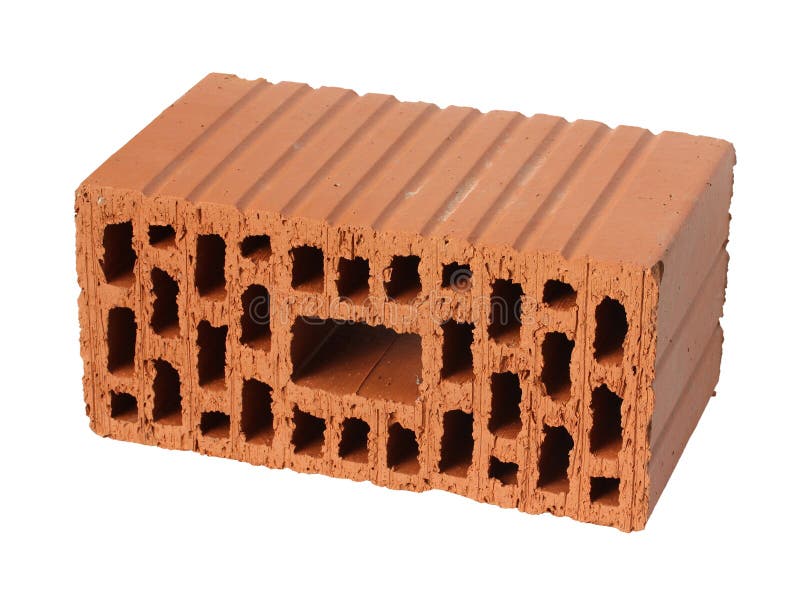
Free with trial Red brick isolated on a white background. Solid void stock images, royalty-free photos and pictures Red brick. Red brick isolated on a white background. Red brick isolated on a white background.
Free with trial Brick isolated on a white background. Solid void stock images, royalty-free photos and pictures Red brick. Brick isolated on a white background. Brick isolated on a white background.
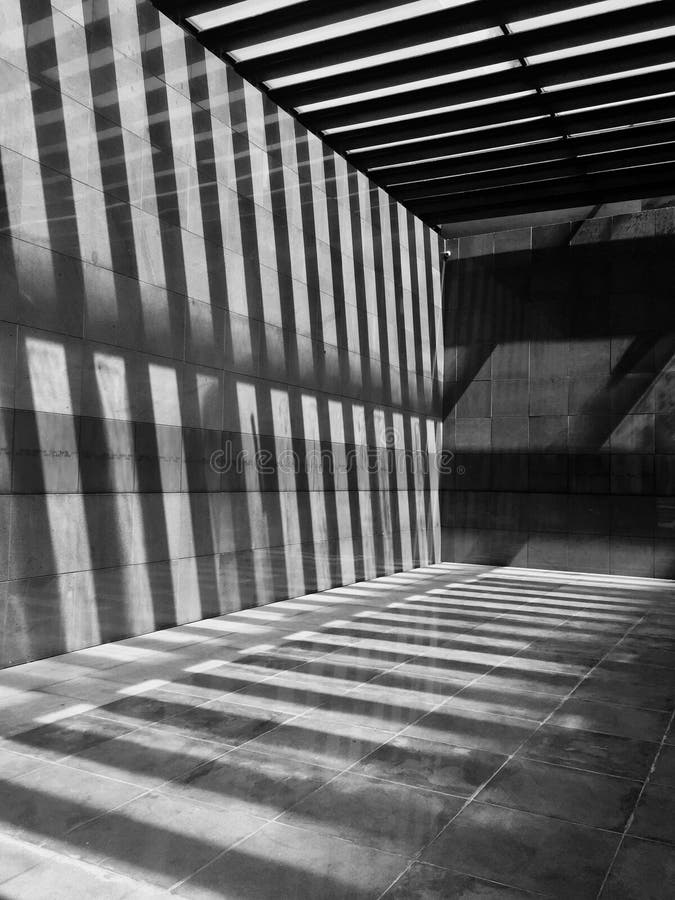
Free with trial Wall, floor and cover, the solid elements that allow light. Solid void stock images, royalty-free photos and pictures Warm void. Wall, floor and cover, the solid elements that allow light. Wall, floor and cover, the solid elements that allow light.
Free with trial A plain, solid black background with a very subtle, almost imperceptible texture, offering a minimalist and deep dark appearance. Solid void stock images, royalty-free photos and pictures Plain Solid Black Background With Subtle Texture And Minimalist Design dark. A plain, solid black background with a very subtle, almost imperceptible texture. A plain, solid black background with a very subtle, almost imperceptible texture, offering a minimalist and deep dark appearance
Free with trial A high contrast vertical rip in white paper exposing a solid black void for creative design layouts. Solid void stock images, royalty-free photos and pictures Torn white paper edge revealing a deep black background with a vertical ripped texture and copy space. A high contrast vertical rip in white paper exposing a. A high contrast vertical rip in white paper exposing a solid black void for creative design layouts.
Free with trial Mountain in China. Huangshan mountain is famous in China. Small lanes are build on rocks. Thousand of tourists come and visit Huangshan Mt. every year. Solid void stock images, royalty-free photos and pictures Mountain in China. Huangshan mountain is famous in China. Small lanes are build on rocks. Thousand of tourists come and visit Huangshan Mt. every year
Free with trial Trowel with red brick isolated on a white background. Solid void stock images, royalty-free photos and pictures Trowel with red brick. Trowel with red brick isolated on a white background. Trowel with red brick isolated on a white background.
Free with trial Brick isolated on a white background. Solid void stock images, royalty-free photos and pictures Red brick. Brick isolated on a white background. Brick isolated on a white background.
Free with trial Street Art at Penang, Cannon Hole. Street Art, Cannon Hole, making from wire frame at Georgetown, Penang, Malaysia. Solid void stock images, royalty-free photos and pictures Street Art at Penang, Cannon Hole. Street Art, Cannon Hole, making from wire frame at Georgetown, Penang, Malaysia
Free with trial Street Art at Penang, Beca. Street Art, trishaw paddlers, making from wire frame at Georgetown, Penang, malaysia. Solid void stock images, royalty-free photos and pictures Street Art at Penang, Beca. Street Art, trishaw paddlers, making from wire frame at Georgetown, Penang, malaysia
Free with trial A rough square opening on a construction site wall, painted in blue (coarse texture). The interior, seen through the square, is out of focus. Mostly useful as an abstract design, although it might be used for concepts like depth, contrasts or seeing a way out. Solid void stock images, royalty-free photos and pictures Square opening on a wall. A rough square opening on a construction site wall, painted in blue (coarse texture). The interior, seen through the square, is out of. A rough square opening on a construction site wall, painted in blue (coarse texture). The interior, seen through the square, is out of focus. Mostly useful as an abstract design, although it might be used for concepts like depth, contrasts or seeing a way out.
Free with trial Red brick. Isolated on a white background. Solid void stock images, royalty-free photos and pictures Red brick. Isolated on a white background
Free with trial Red brick isolated. On a white background. Solid void stock images, royalty-free photos and pictures Red brick isolated. On a white background
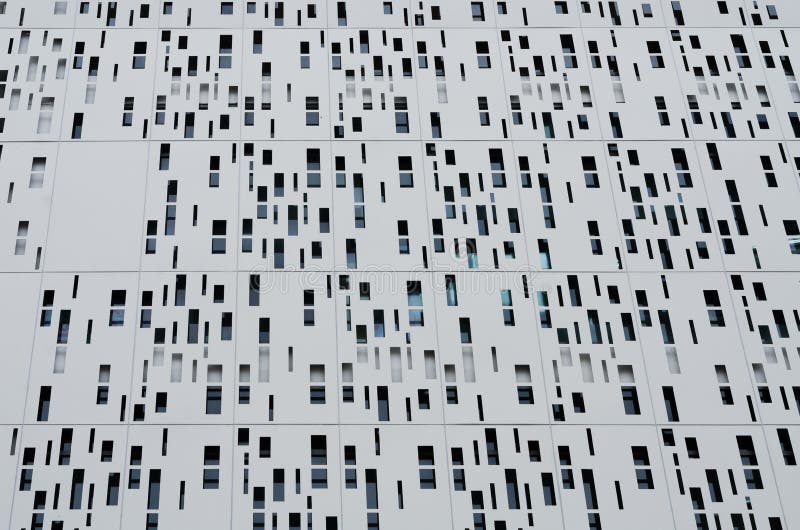
Free with trial Aluminum cladding second skin of building. Modern aluminum cladding second skin of building. Solid void stock images, royalty-free photos and pictures Aluminum cladding second skin of building. Modern aluminum cladding second skin of building
Free with trial Two red bricks. Isolated on a white background. Solid void stock images, royalty-free photos and pictures Two red bricks. Isolated on a white background
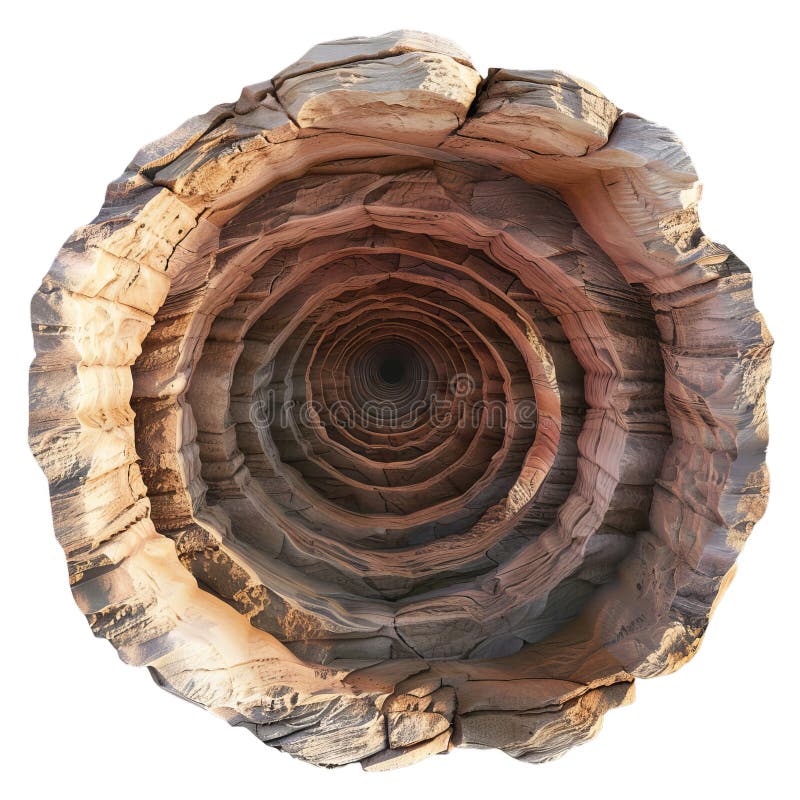
Free with trial Deep round hole leading to the center of the earth. Layers of rock forming a deep round hole leading to the center of the earth AI generated. Solid void stock images, royalty-free photos and pictures Deep round hole leading to the center of the earth. Layers of rock forming a deep round hole leading to the center of the earth AI generated
Free with trial Brick. Close view on the single red brick. Solid void stock images, royalty-free photos and pictures Brick. Close view on the single red brick
Free with trial Yellow arrow on cement wall. Yellow arrow cement wall, detail of a dirty concrete wall with an arrow indication. Solid void stock images, royalty-free photos and pictures Yellow arrow on cement wall. Yellow arrow cement wall, detail of a dirty concrete wall with an arrow indication
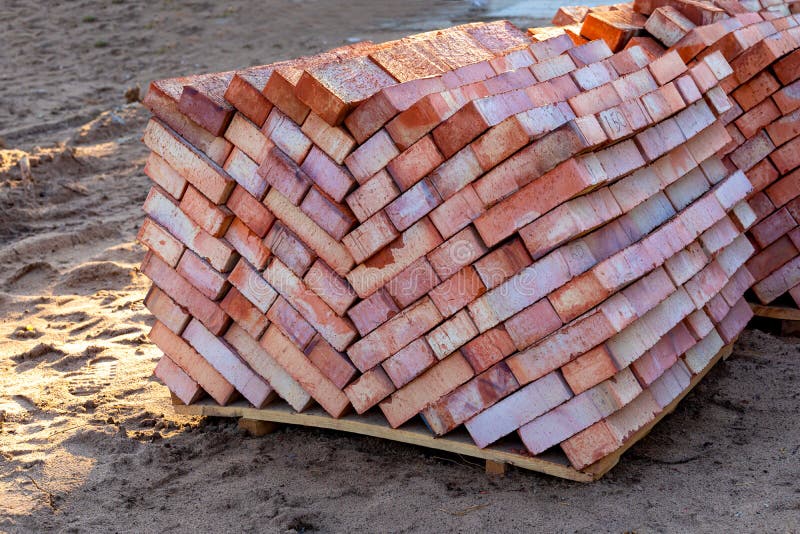
Free with trial Racks with full-bodied bricks. Several pallets of red bricks are stacked on top of each other. Material for brickwork. Solid void stock images, royalty-free photos and pictures Racks with full-bodied bricks. Several pallets of red bricks are stacked on top of each other. Material for brickwork.
Free with trial Racks with brick. Masonry, stonework. Several pallets with concrete brick stacked on top of each other in depot. new bricks on. Pallets. Solid void stock images, royalty-free photos and pictures Racks with brick. Masonry, stonework. Several pallets with concrete brick stacked on top of each other in depot. new bricks on. Pallets
Free with trial Vertical of a plain black background. Solid void stock images, royalty-free photos and pictures Vertical of a plain black background. A vertical of a plain black background
Free with trial A plain, solid black rectangular object with a subtle shadow, isolated on a white background, representing a blank slate or void. High quality photo AI. Solid void stock images, royalty-free photos and pictures A plain, solid black rectangular object with a subtle shadow, isolated on a white background, representing a blank slate or void. High quality photo AI
Free with trial Solid black frame is being shown in flat minimal design, suggesting covered lens or off screen. Unlit, empty, blank, void, monochrome, underexposed, featureless. Solid void stock images, royalty-free photos and pictures Solid black frame is being shown in flat minimal design, suggesting covered lens or off screen. Unlit, empty, blank, void, monochrome, underexposed
Free with trial A single, intense blue laser beam cuts horizontally across a solid black background. The beam is brightest at the leading edge, where a cluster of glowing particles suggests velocity and energy. A faint, shimmering trail follows the beam, creating a sense of rapid movement and direction. The contrast between the blue light and the deep black void creates a sharp, clean aesthetic, emphasizing the. Solid void stock images, royalty-free photos and pictures Glowing blue laser beam streak with light particles moving across a solid black background. A single, intense blue laser beam cuts horizontally across a solid. A single, intense blue laser beam cuts horizontally across a solid black background. The beam is brightest at the leading edge, where a cluster of glowing particles suggests velocity and energy. A faint, shimmering trail follows the beam, creating a sense of rapid movement and direction. The contrast between the blue light and the deep black void creates a sharp, clean aesthetic, emphasizing the
Free with trial A large, intense explosion of bright orange and yellow flames erupting against a solid black background. The fire forms a complex, cloud-like shape with swirling textures and glowing embers or sparks flying outward in all directions. The contrast between the vibrant, hot colors of the fire and the dark void creates a dramatic and energetic visual. The captures the chaotic movement and raw thermal. Solid void stock images, royalty-free photos and pictures Large explosion of bright orange fire and glowing sparks against a solid black background. A large, intense explosion of bright orange and yellow flames erupting. A large, intense explosion of bright orange and yellow flames erupting against a solid black background. The fire forms a complex, cloud-like shape with swirling textures and glowing embers or sparks flying outward in all directions. The contrast between the vibrant, hot colors of the fire and the dark void creates a dramatic and energetic visual. The captures the chaotic movement and raw thermal
Free with trial Wooden blocks representing Earth, Fire, Water, and Air hold steady, while Void shifts out, symbolizing its transcendence beyond the foundational elements. Solid void stock images, royalty-free photos and pictures The escaping Void: Elements in balance. Wooden blocks representing Earth, Fire, Water, and Air hold steady, while Void shifts out, symbolizing its transcendence. Wooden blocks representing Earth, Fire, Water, and Air hold steady, while Void shifts out, symbolizing its transcendence beyond the foundational elements
Free with trial Versatile deep black solid background texture, perfect for minimalist designs, elegant backdrops, copy space, and modern graphic projects. Evokes sophistication and mystery. Solid void stock images, royalty-free photos and pictures Sleek Deep Black Solid Background Texture for Modern Design and Copy Space. Versatile deep black solid background texture, perfect for minimalist designs. Versatile deep black solid background texture, perfect for minimalist designs, elegant backdrops, copy space, and modern graphic projects. Evokes sophistication and mystery
Free with trial Floating glowing HUD icon cluster pulsing in dark void, showing book target search chart globe. Neon, cybernetic, glyphs, dashboard, dimensional, analytics, dataflow. Solid void stock images, royalty-free photos and pictures Floating glowing HUD icon cluster pulsing in dark void, showing book target search chart globe. Neon, cybernetic, glyphs, dashboard, dimensional, analytics
Free with trial Architectural grey brick cubic structure with vertical window void reflected in polished black surface, minimalist gallery setting. Solid void stock images, royalty-free photos and pictures Solid Grey Brick Cube with Rectangular Opening on Dark Reflective Floor. Architectural grey brick cubic structure with vertical window void reflected in polished. Architectural grey brick cubic structure with vertical window void reflected in polished black surface, minimalist gallery setting
Free with trial This image presents a solid deep black background characterized by a uniform and flat texture, providing a clean and minimalist surface suitable for versatile graphic design applications. Solid void stock images, royalty-free photos and pictures Solid deep black background texture for minimalist design projects and digital graphic artistry compositions. This image presents a solid deep black background. This image presents a solid deep black background characterized by a uniform and flat texture, providing a clean and minimalist surface suitable for versatile graphic design applications
Free with trial A smooth gradient transitioning from a soft, glowing red and orange light on the left to a deep, solid black void on the right side. Solid void stock images, royalty-free photos and pictures Abstract background, with a soft, glowing red and, orange light gradient, fading into a, deep solid black, shadow area. A smooth gradient transitioning from a. A smooth gradient transitioning from a soft, glowing red and orange light on the left to a deep, solid black void on the right side
Free with trial A solid black background with a subtle gradient lighting effect, creating a dark and minimalist visual. Solid void stock images, royalty-free photos and pictures Solid Black Background with Subtle Gradient Lighting Effect dark. A solid black background with a subtle gradient lighting effect, creating a dark and minimalist. A solid black background with a subtle gradient lighting effect, creating a dark and minimalist visual
Free with trial Displaying glowing pitch with center-circle and oval track in dark void, with waveform lines. Field, neon, futuristic, holographic, abstract, grid, data. Solid void stock images, royalty-free photos and pictures Displaying glowing pitch with center-circle and oval track in dark void, with waveform lines. Field, neon, futuristic, holographic, abstract, grid, data
Free with trial Rotating wireframe globe showing Africa Europe Mideast shapes in dark void with grid, stars, guides. Planet, space, 3d, render, monochrome, silhouette, futuristic. Solid void stock images, royalty-free photos and pictures Rotating wireframe globe showing Africa Europe Mideast shapes in dark void with grid, stars, guides. Planet, space, 3d, render, monochrome, silhouette
Free with trial A small, pale mushroom emerges from vibrant green moss. The mushroom's slender, slightly curved stem and smooth cap stand out against a solid black background, highlighting its delicate structure. The moss on which it grows appears lush and textured, with fine leaves and a soft appearance. The stark contrast between the vivid green moss and the dark void enhances the mushroom's subtle elegance. Solid void stock images, royalty-free photos and pictures Minimalist Pale Fungi Growing on Moss Against Solid Black Background. A small, pale mushroom emerges from vibrant green moss. The mushroom's slender, slightly. A small, pale mushroom emerges from vibrant green moss. The mushroom's slender, slightly curved stem and smooth cap stand out against a solid black background, highlighting its delicate structure. The moss on which it grows appears lush and textured, with fine leaves and a soft appearance. The stark contrast between the vivid green moss and the dark void enhances the mushroom's subtle elegance.
Free with trial Minimalist blue cylindrical platform on a solid blue background with soft lighting. AI generated. Solid void stock images, royalty-free photos and pictures Minimalist blue cylindrical platform on a solid blue background with soft lighting. AI generated
Free with trial A white sheet of paper with a rough, hexagonal tear in the center reveals a solid black background. The edges of the tear are uneven and splayed outward, creating a dynamic contrast between the bright white paper and dark background. The lighting emphasizes the texture of the paper and the depth of the black void behind it, highlighting the stark opposition of colors and materials. Solid void stock images, royalty-free photos and pictures A rough tear hole in the center of a white sheet of paper against a contrasting, solid black background. A white sheet of paper with a rough, hexagonal tear in. A white sheet of paper with a rough, hexagonal tear in the center reveals a solid black background. The edges of the tear are uneven and splayed outward, creating a dynamic contrast between the bright white paper and dark background. The lighting emphasizes the texture of the paper and the depth of the black void behind it, highlighting the stark opposition of colors and materials.
Free with trial Abstract blue textured background with a rectangular void. Blank space for text or image placement. Deep blue color with rough surface effect. Ideal for modern graphic design, and art projects. Solid void stock images, royalty-free photos and pictures Abstract blue textured background with a rectangular void. Blank space for text or image placement. Deep blue color with rough. Surface effect. Ideal for modern. Abstract blue textured background with a rectangular void. Blank space for text or image placement. Deep blue color with rough surface effect. Ideal for modern graphic design, and art projects
Free with trial Floating neon contour head crossing bright waveform in black void, with glowing nodes and gradients. Abstract, neural, dataviz, futuristic, luminous, spectrum, cybernetic. Solid void stock images, royalty-free photos and pictures Floating neon contour head crossing bright waveform in black void, with glowing nodes and gradients. Abstract, neural, dataviz, futuristic, luminous, spectrum
Free with trial A tall, dark metallic sculpture of a stylized human figure with an exaggerated winged arm stands against a dusky sky elongated limbs, a hollowed torso and a raised hand holding a symbolic object create a dramatic silhouette while the setting sun or moon is visible through the torso void—an expressive public? art piece that contrasts solid metal form with transient natural light. Solid void stock images, royalty-free photos and pictures Winged Abstract Sculpture Framed by Dusky Sky. A tall, dark metallic sculpture of a stylized human figure with an exaggerated winged arm stands against a dusky. A tall, dark metallic sculpture of a stylized human figure with an exaggerated winged arm stands against a dusky sky elongated limbs, a hollowed torso and a raised hand holding a symbolic object create a dramatic silhouette while the setting sun or moon is visible through the torso void—an expressive public?art piece that contrasts solid metal form with transient natural light.
Free with trial A striking and elegant arrangement of vibrant red lily flowers perfectly isolated on a solid black background. This high-contrast vertical composition emphasizes the bold, saturated red petals and the graceful, sculptural form of the lilies. The deep black void creates a luxurious, minimalist aesthetic with ample copy space for text. This high-quality image is ideal for premium branding, floral advertisements, luxury greeting cards, funeral or memorial designs, and sophisticated social media layouts focused on timeless elegance and beauty. Solid void stock images, royalty-free photos and pictures Elegant red lily flowers arrangement isolated on black background. High contrast floral vertical composition with copy space. A striking and elegant arrangement. A striking and elegant arrangement of vibrant red lily flowers perfectly isolated on a solid black background. This high-contrast vertical composition emphasizes the bold, saturated red petals and the graceful, sculptural form of the lilies. The deep black void creates a luxurious, minimalist aesthetic with ample copy space for text. This high-quality image is ideal for premium branding, floral advertisements, luxury greeting cards, funeral or memorial designs, and sophisticated social media layouts focused on timeless elegance and beauty.
Free with trial Abstract Solid Deep Black Background Texture. Photo. Solid void stock images, royalty-free photos and pictures Abstract Solid Deep Black Background Texture. Photo
Free with trial Dark and grainy texture resembling a deep cosmic void with subtle noise patterns. Solid void stock images, royalty-free photos and pictures This image depicts a solid expanse of dark tones with a grainy, almost pixelated texture that evokes the appearance of a deep. Dark and grainy texture resembling. Dark and grainy texture resembling a deep cosmic void with subtle noise patterns
Free with trial The image presents a striking contrast of black and white, dominated by a black, textured fabric draped over a black, solid, and smooth surface. The fabric, with its folds and creases, creates a sense of depth and dimension, giving the impression of a large, undefined mound or a void. The black surface, which appears to be a table or a similar flat surface, serves as a stark contrast to the fabric, highlighting its intricate details and textures. The image is devoid of any other objects or text, allowing the viewer to focus solely on the fabric and the surface it rests upon. Solid void stock images, royalty-free photos and pictures A black and white abstract image of a draped fabric. The image presents a striking contrast of black and white, dominated by a black, textured fabric draped. The image presents a striking contrast of black and white, dominated by a black, textured fabric draped over a black, solid, and smooth surface. The fabric, with its folds and creases, creates a sense of depth and dimension, giving the impression of a large, undefined mound or a void. The black surface, which appears to be a table or a similar flat surface, serves as a stark contrast to the fabric, highlighting its intricate details and textures. The image is devoid of any other objects or text, allowing the viewer to focus solely on the fabric and the surface it rests upon.
Free with trial This image displays a solid dark black background featuring a subtle grunge texture with faint surface imperfections. Solid void stock images, royalty-free photos and pictures Solid dark black grunge texture with subtle surface details. This image displays a solid dark black background featuring a subtle grunge texture with faint. This image displays a solid dark black background featuring a subtle grunge texture with faint surface imperfections
Free with trial Close-up view of a brick wall displaying a rectangular opening between the solid blocks, highlighting construction techniques used in masonry. Solid void stock images, royalty-free photos and pictures Unique Arrangement of Bricks Showing a Rectangular Void for Construction Purposes in a Building Project. Close-up view of a brick wall displaying a rectangular. Close-up view of a brick wall displaying a rectangular opening between the solid blocks, highlighting construction techniques used in masonry.
Free with trial White cosmonaut suit stands against a solid blue background, representing space travel and the cosmos. AI generated. Solid void stock images, royalty-free photos and pictures White cosmonaut suit stands against a solid blue background, representing space travel and the cosmos. AI generated
Free with trial Translucent gas dwarf planet floating in deep cosmic void of the outer galactic rim, demonstrating a metal-poor atmosphere composed of cold hydrogen without heavy elements or solid rocky crust. Solid void stock images, royalty-free photos and pictures Translucent gas dwarf planet floating in deep cosmic void of the outer galactic rim, demonstrating a metal-poor. Atmosphere composed of cold hydrogen without. Translucent gas dwarf planet floating in deep cosmic void of the outer galactic rim, demonstrating a metal-poor atmosphere composed of cold hydrogen without heavy elements or solid rocky crust.
Free with trial A noticeable crack runs through the wall, creating a dark void that suggests something unknown lies behind the surface, inviting curiosity and caution. Solid void stock images, royalty-free photos and pictures Crack in the Wall Revealing an Ominous Dark Void Behind It, Hinting at Hidden Depths in an Otherwise Solid Surface. A noticeable crack runs through the wall. A noticeable crack runs through the wall, creating a dark void that suggests something unknown lies behind the surface, inviting curiosity and caution.
Free with trial Void casino scene with glowing rings, scattered spheres, and 3D mobile game art High contrast, vibrant, digital illustration style Focus on light, space, and depth AI-Generated. Solid void stock images, royalty-free photos and pictures Void casino scene with glowing rings, scattered spheres, and 3D mobile game art High contrast, vibrant, digital illustration style. Focus on light, space, and
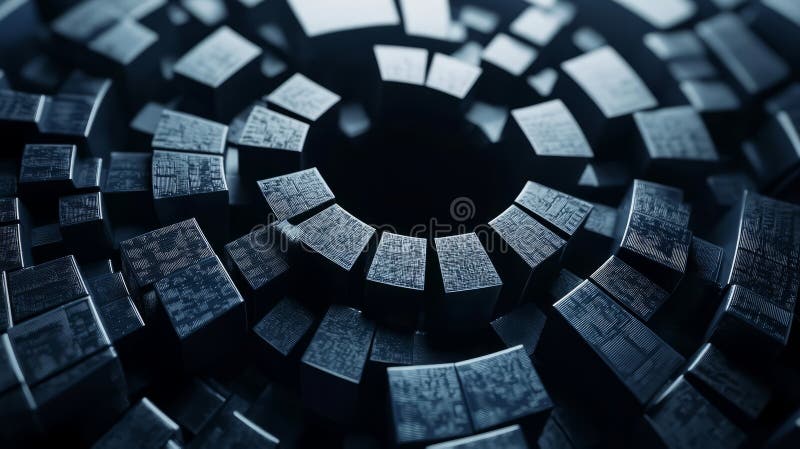
Free with trial Abstract 3D background of stacked cubes forming a digital tower, with a circular void. Generative AI. Solid void stock images, royalty-free photos and pictures Abstract 3D background of stacked cubes forming a digital tower, with a circular void . Abstract 3D background of stacked cubes forming a digital tower, with a. Abstract 3D background of stacked cubes forming a digital tower, with a circular void. Generative AI
Free with trial Abstract 3D background of stacked cubes forming a digital tower, with a circular void. Generative AI. Solid void stock images, royalty-free photos and pictures Abstract 3D background of stacked cubes forming a digital tower, with a circular void . Abstract 3D background of stacked cubes forming a digital tower, with a. Abstract 3D background of stacked cubes forming a digital tower, with a circular void. Generative AI
Free with trial Abstract 3D background of stacked cubes forming a digital tower, with a circular void. Generative AI. Solid void stock images, royalty-free photos and pictures Abstract 3D background of stacked cubes forming a digital tower, with a circular void . Abstract 3D background of stacked cubes forming a digital tower, with a. Abstract 3D background of stacked cubes forming a digital tower, with a circular void. Generative AI
Free with trial Abstract 3D background of stacked cubes forming a digital tower, with a circular void. Generative AI. Solid void stock images, royalty-free photos and pictures Abstract 3D background of stacked cubes forming a digital tower, with a circular void . Abstract 3D background of stacked cubes forming a digital tower, with a. Abstract 3D background of stacked cubes forming a digital tower, with a circular void. Generative AI
Free with trial Abstract 3D background of stacked cubes forming a digital tower, with a circular void. Generative AI. Solid void stock images, royalty-free photos and pictures Abstract 3D background of stacked cubes forming a digital tower, with a circular void . Abstract 3D background of stacked cubes forming a digital tower, with a. Abstract 3D background of stacked cubes forming a digital tower, with a circular void. Generative AI
Free with trial A solid pure black background offering a minimalist and abstract dark empty space perfect for text overlays design elements or a clean backdrop. Solid void stock images, royalty-free photos and pictures Pure Black Background Abstract Minimalist Dark Empty Space. A solid pure black background offering a minimalist and abstract dark empty space perfect for text. A solid pure black background offering a minimalist and abstract dark empty space perfect for text overlays design elements or a clean backdrop
Free with trial A close-up view of an old, weathered concrete block wall showing significant wear, structural degradation, discoloration, moisture stains, and a dark hole or void on the textured surface. Solid void stock images, royalty-free photos and pictures Close-up view of a weathered and damaged concrete block wall. A close-up view of an old, weathered concrete block wall showing significant wear, structural. A close-up view of an old, weathered concrete block wall showing significant wear, structural degradation, discoloration, moisture stains, and a dark hole or void on the textured surface.
Free with trial Lotus leaves rest in the sunset's mirrored glow and in the willows' reflected shadeThe lotus, emerging unstained from muddy water, is a sacred symbol in Buddhism (as the lotus throne) and also the embodiment of the scholar-gentleman's ideal of moral integrity. The white lily, as a symbol of the Virgin Mary, represents the Immaculate Conception and supreme purity. In Renaissance religious paintings, the lily and the lotus occupy exactly equivalent moral and symbolic heights within their respective cultural traditions. The majestic, opulent beauty of the lotus rendered in meticulous gongbi painting (heavy color) finds its counterpart in the sensory, sumptuous beauty of roses in Western classical oil paintings—such as those by Odilon Redon or Henri Fantin-Latour. The lotus in China also holds a status comparable to Monet's Water Lilies in the West—in that both once served as a revolution in the very mode of seeing. In China: Southern Song painters (such as Ma Yuan and Li Di) detached the lotus from its complete, sacred iconography, depicting merely a single leaf, a single blossom, and a dragonfly. This fragmented composition and its treatment of light, shadow, and atmospheric presence were remarkably groundbreaking in art history. In the West: Monet, in his late Water Lilies, abandoned solid forms altogether, pursuing only the light and color dancing on the water's surface. Though their materials differ, the two traditions share a profound spiritual kinship in that both treat the flower as a purely visual element rather than a narrative symbol. In essence, the lotus in Chinese art is the equivalent of the lily + the rose in Western art history—it simultaneously carries the divine (purity and transcendence) and the human (worldly prosperity and beauty). And at its highest aesthetic reach, like Monet's water lilies, it becomes a window through which the Eastern mind contemplates the void—the cosmic emptiness underlying all phenomena. It is more complex than any single flower in the Western tradition, because it is at once religious, secular, and philosophical. Solid void stock images, royalty-free photos and pictures IMG623 Lotus leaves lie in the reflections of the sunset and the willows. Lotus leaves rest in the sunset's mirrored glow and in the willows' reflected shadeThe. Lotus leaves rest in the sunset's mirrored glow and in the willows' reflected shadeThe lotus, emerging unstained from muddy water, is a sacred symbol in Buddhism (as the lotus throne) and also the embodiment of the scholar-gentleman's ideal of moral integrity. The white lily, as a symbol of the Virgin Mary, represents the Immaculate Conception and supreme purity. In Renaissance religious paintings, the lily and the lotus occupy exactly equivalent moral and symbolic heights within their respective cultural traditions.The majestic, opulent beauty of the lotus rendered in meticulous gongbi painting (heavy color) finds its counterpart in the sensory, sumptuous beauty of roses in Western classical oil paintings—such as those by Odilon Redon or Henri Fantin-Latour.The lotus in China also holds a status comparable to Monet's Water Lilies in the West—in that both once served as a revolution in the very mode of seeing.In China: Southern Song painters (such as Ma Yuan and Li Di) detached the lotus from its complete, sacred iconography, depicting merely a single leaf, a single blossom, and a dragonfly. This fragmented composition and its treatment of light, shadow, and atmospheric presence were remarkably groundbreaking in art history.In the West: Monet, in his late Water Lilies, abandoned solid forms altogether, pursuing only the light and color dancing on the water's surface. Though their materials differ, the two traditions share a profound spiritual kinship in that both treat the flower as a purely visual element rather than a narrative symbol.In essence, the lotus in Chinese art is the equivalent of the lily + the rose in Western art history—it simultaneously carries the divine (purity and transcendence) and the human (worldly prosperity and beauty). And at its highest aesthetic reach, like Monet's water lilies, it becomes a window through which the Eastern mind contemplates the void—the cosmic emptiness underlying all phenomena. It is more complex than any single flower in the Western tradition, because it is at once religious, secular, and philosophical.
Free with trial The lotus, emerging unstained from muddy water, is a sacred symbol in Buddhism (as the lotus throne) and also the embodiment of the scholar-gentleman's ideal of moral integrity. The white lily, as a symbol of the Virgin Mary, represents the Immaculate Conception and supreme purity. In Renaissance religious paintings, the lily and the lotus occupy exactly equivalent moral and symbolic heights within their respective cultural traditions. The majestic, opulent beauty of the lotus rendered in meticulous gongbi painting (heavy color) finds its counterpart in the sensory, sumptuous beauty of roses in Western classical oil paintings—such as those by Odilon Redon or Henri Fantin-Latour. The lotus in China also holds a status comparable to Monet's Water Lilies in the West—in that both once served as a revolution in the very mode of seeing. In China: Southern Song painters (such as Ma Yuan and Li Di) detached the lotus from its complete, sacred iconography, depicting merely a single leaf, a single blossom, and a dragonfly. This fragmented composition and its treatment of light, shadow, and atmospheric presence were remarkably groundbreaking in art history. In the West: Monet, in his late Water Lilies, abandoned solid forms altogether, pursuing only the light and color dancing on the water's surface. Though their materials differ, the two traditions share a profound spiritual kinship in that both treat the flower as a purely visual element rather than a narrative symbol. In essence, the lotus in Chinese art is the equivalent of the lily + the rose in Western art history—it simultaneously carries the divine (purity and transcendence) and the human (worldly prosperity and beauty). And at its highest aesthetic reach, like Monet's water lilies, it becomes a window through which the Eastern mind contemplates the void—the cosmic emptiness underlying all phenomena. It is more complex than any single flower in the Western tradition, because it is at once religious, secular, and philosophical. Solid void stock images, royalty-free photos and pictures IMG634 Lotus leaves lie in the reflection of the sunset glow and in the reflection of the willows. The lotus, emerging unstained from muddy water, is a sacred. The lotus, emerging unstained from muddy water, is a sacred symbol in Buddhism (as the lotus throne) and also the embodiment of the scholar-gentleman's ideal of moral integrity. The white lily, as a symbol of the Virgin Mary, represents the Immaculate Conception and supreme purity. In Renaissance religious paintings, the lily and the lotus occupy exactly equivalent moral and symbolic heights within their respective cultural traditions.The majestic, opulent beauty of the lotus rendered in meticulous gongbi painting (heavy color) finds its counterpart in the sensory, sumptuous beauty of roses in Western classical oil paintings—such as those by Odilon Redon or Henri Fantin-Latour.The lotus in China also holds a status comparable to Monet's Water Lilies in the West—in that both once served as a revolution in the very mode of seeing.In China: Southern Song painters (such as Ma Yuan and Li Di) detached the lotus from its complete, sacred iconography, depicting merely a single leaf, a single blossom, and a dragonfly. This fragmented composition and its treatment of light, shadow, and atmospheric presence were remarkably groundbreaking in art history.In the West: Monet, in his late Water Lilies, abandoned solid forms altogether, pursuing only the light and color dancing on the water's surface. Though their materials differ, the two traditions share a profound spiritual kinship in that both treat the flower as a purely visual element rather than a narrative symbol.In essence, the lotus in Chinese art is the equivalent of the lily + the rose in Western art history—it simultaneously carries the divine (purity and transcendence) and the human (worldly prosperity and beauty). And at its highest aesthetic reach, like Monet's water lilies, it becomes a window through which the Eastern mind contemplates the void—the cosmic emptiness underlying all phenomena. It is more complex than any single flower in the Western tradition, because it is at once religious, secular, and philosophical.
Free with trial A glowing red sphere with a soft light reflection, isolated against a solid dark black. The orb a smooth gradient effect. Solid void stock images, royalty-free photos and pictures A glowing red sphere with a soft light reflection, isolated against a solid dark black. The orb a smooth gradient effect
Free with trial A glowing blue sphere with a soft light reflection, isolated against a solid dark black. The orb a smooth gradient effect. Solid void stock images, royalty-free photos and pictures A glowing blue sphere with a soft light reflection, isolated against a solid dark black. The orb a smooth gradient effect
Free with trial A glowing grey sphere with a soft light reflection, isolated against a solid dark black. The orb a smooth gradient effect. Solid void stock images, royalty-free photos and pictures A glowing grey sphere with a soft light reflection, isolated against a solid dark black. The orb a smooth gradient effect
Free with trial A glowing orange sphere with a soft light reflection, isolated against a solid dark black. The orb a smooth gradient effect. Solid void stock images, royalty-free photos and pictures A glowing orange sphere with a soft light reflection, isolated against a solid dark black. The orb a smooth gradient effect
Free with trial The lotus, emerging unstained from muddy water, is a sacred symbol in Buddhism (as the lotus throne) and also the embodiment of the scholar-gentleman's ideal of moral integrity. The white lily, as a symbol of the Virgin Mary, represents the Immaculate Conception and supreme purity. In Renaissance religious paintings, the lily and the lotus occupy exactly equivalent moral and symbolic heights within their respective cultural traditions. The majestic, opulent beauty of the lotus rendered in meticulous gongbi painting (heavy color) finds its counterpart in the sensory, sumptuous beauty of roses in Western classical oil paintings—such as those by Odilon Redon or Henri Fantin-Latour. The lotus in China also holds a status comparable to Monet's Water Lilies in the West—in that both once served as a revolution in the very mode of seeing. In China: Southern Song painters (such as Ma Yuan and Li Di) detached the lotus from its complete, sacred iconography, depicting merely a single leaf, a single blossom, and a dragonfly. This fragmented composition and its treatment of light, shadow, and atmospheric presence were remarkably groundbreaking in art history. In the West: Monet, in his late Water Lilies, abandoned solid forms altogether, pursuing only the light and color dancing on the water's surface. Though their materials differ, the two traditions share a profound spiritual kinship in that both treat the flower as a purely visual element rather than a narrative symbol. In essence, the lotus in Chinese art is the equivalent of the lily + the rose in Western art history—it simultaneously carries the divine (purity and transcendence) and the human (worldly prosperity and beauty). And at its highest aesthetic reach, like Monet's water lilies, it becomes a window through which the Eastern mind contemplates the void—the cosmic emptiness underlying all phenomena. It is more complex than any single flower in the Western tradition, because it is at once religious, secular, and philosophical. Solid void stock images, royalty-free photos and pictures IMG670 Lotus leaves rest in the sunset's mirrored glow and in the willows' reflected shade. The lotus, emerging unstained from muddy water, is a sacred symbol. The lotus, emerging unstained from muddy water, is a sacred symbol in Buddhism (as the lotus throne) and also the embodiment of the scholar-gentleman's ideal of moral integrity. The white lily, as a symbol of the Virgin Mary, represents the Immaculate Conception and supreme purity. In Renaissance religious paintings, the lily and the lotus occupy exactly equivalent moral and symbolic heights within their respective cultural traditions.The majestic, opulent beauty of the lotus rendered in meticulous gongbi painting (heavy color) finds its counterpart in the sensory, sumptuous beauty of roses in Western classical oil paintings—such as those by Odilon Redon or Henri Fantin-Latour.The lotus in China also holds a status comparable to Monet's Water Lilies in the West—in that both once served as a revolution in the very mode of seeing.In China: Southern Song painters (such as Ma Yuan and Li Di) detached the lotus from its complete, sacred iconography, depicting merely a single leaf, a single blossom, and a dragonfly. This fragmented composition and its treatment of light, shadow, and atmospheric presence were remarkably groundbreaking in art history.In the West: Monet, in his late Water Lilies, abandoned solid forms altogether, pursuing only the light and color dancing on the water's surface. Though their materials differ, the two traditions share a profound spiritual kinship in that both treat the flower as a purely visual element rather than a narrative symbol.In essence, the lotus in Chinese art is the equivalent of the lily + the rose in Western art history—it simultaneously carries the divine (purity and transcendence) and the human (worldly prosperity and beauty). And at its highest aesthetic reach, like Monet's water lilies, it becomes a window through which the Eastern mind contemplates the void—the cosmic emptiness underlying all phenomena. It is more complex than any single flower in the Western tradition, because it is at once religious, secular, and philosophical.
Free with trial The lotus, emerging unstained from muddy water, is a sacred symbol in Buddhism (as the lotus throne) and also the embodiment of the scholar-gentleman's ideal of moral integrity. The white lily, as a symbol of the Virgin Mary, represents the Immaculate Conception and supreme purity. In Renaissance religious paintings, the lily and the lotus occupy exactly equivalent moral and symbolic heights within their respective cultural traditions. The majestic, opulent beauty of the lotus rendered in meticulous gongbi painting (heavy color) finds its counterpart in the sensory, sumptuous beauty of roses in Western classical oil paintings—such as those by Odilon Redon or Henri Fantin-Latour. The lotus in China also holds a status comparable to Monet's Water Lilies in the West—in that both once served as a revolution in the very mode of seeing. In China: Southern Song painters (such as Ma Yuan and Li Di) detached the lotus from its complete, sacred iconography, depicting merely a single leaf, a single blossom, and a dragonfly. This fragmented composition and its treatment of light, shadow, and atmospheric presence were remarkably groundbreaking in art history. In the West: Monet, in his late Water Lilies, abandoned solid forms altogether, pursuing only the light and color dancing on the water's surface. Though their materials differ, the two traditions share a profound spiritual kinship in that both treat the flower as a purely visual element rather than a narrative symbol. In essence, the lotus in Chinese art is the equivalent of the lily + the rose in Western art history—it simultaneously carries the divine (purity and transcendence) and the human (worldly prosperity and beauty). And at its highest aesthetic reach, like Monet's water lilies, it becomes a window through which the Eastern mind contemplates the void—the cosmic emptiness underlying all phenomena. It is more complex than any single flower in the Western tradition, because it is at once religious, secular, and philosophical. Solid void stock images, royalty-free photos and pictures IMG630 Lotus leaves rest in the sunset's mirrored glow and in the willows' reflected shade. The lotus, emerging unstained from muddy water, is a sacred symbol in. The lotus, emerging unstained from muddy water, is a sacred symbol in Buddhism (as the lotus throne) and also the embodiment of the scholar-gentleman's ideal of moral integrity. The white lily, as a symbol of the Virgin Mary, represents the Immaculate Conception and supreme purity. In Renaissance religious paintings, the lily and the lotus occupy exactly equivalent moral and symbolic heights within their respective cultural traditions.The majestic, opulent beauty of the lotus rendered in meticulous gongbi painting (heavy color) finds its counterpart in the sensory, sumptuous beauty of roses in Western classical oil paintings—such as those by Odilon Redon or Henri Fantin-Latour.The lotus in China also holds a status comparable to Monet's Water Lilies in the West—in that both once served as a revolution in the very mode of seeing.In China: Southern Song painters (such as Ma Yuan and Li Di) detached the lotus from its complete, sacred iconography, depicting merely a single leaf, a single blossom, and a dragonfly. This fragmented composition and its treatment of light, shadow, and atmospheric presence were remarkably groundbreaking in art history.In the West: Monet, in his late Water Lilies, abandoned solid forms altogether, pursuing only the light and color dancing on the water's surface. Though their materials differ, the two traditions share a profound spiritual kinship in that both treat the flower as a purely visual element rather than a narrative symbol.In essence, the lotus in Chinese art is the equivalent of the lily + the rose in Western art history—it simultaneously carries the divine (purity and transcendence) and the human (worldly prosperity and beauty). And at its highest aesthetic reach, like Monet's water lilies, it becomes a window through which the Eastern mind contemplates the void—the cosmic emptiness underlying all phenomena. It is more complex than any single flower in the Western tradition, because it is at once religious, secular, and philosophical.
Free with trial Futuristic cyber metaverse architecture and virtual reality concept. Impossible stairs made entirely of glowing, solid neon magenta and cyan light float in a dark, glitchy digital void. Solid void stock images, royalty-free photos and pictures Futuristic Metaverse Architecture Neon Escher Stairs. Futuristic cyber metaverse architecture and virtual reality concept. Impossible stairs made entirely of. Futuristic cyber metaverse architecture and virtual reality concept. Impossible stairs made entirely of glowing, solid neon magenta and cyan light float in a dark, glitchy digital void.
Free with trial Pulsing centered curved band flowing on solid black canvas, showing cyan magenta neon dashes. Glow, luminous, symmetry, abstract, digital, motion, futuristic. Solid void stock images, royalty-free photos and pictures Pulsing centered curved band flowing on solid black canvas, showing cyan magenta neon dashes. Glow, luminous, symmetry, abstract, digital, motion, futuristic
Free with trial Jagged grey stone pieces shatter and drift within a swirling, ethereal blue fog, creating a dramatic, abstract scene. Solid void stock images, royalty-free photos and pictures Abstract rock fragments exploding into a vibrant blue misty void. Jagged grey stone pieces shatter and drift within a swirling, ethereal blue fog, creating a. Jagged grey stone pieces shatter and drift within a swirling, ethereal blue fog, creating a dramatic, abstract scene
Free with trial The lotus, emerging unstained from muddy water, is a sacred symbol in Buddhism (as the lotus throne) and also the embodiment of the scholar-gentleman's ideal of moral integrity. The white lily, as a symbol of the Virgin Mary, represents the Immaculate Conception and supreme purity. In Renaissance religious paintings, the lily and the lotus occupy exactly equivalent moral and symbolic heights within their respective cultural traditions. The majestic, opulent beauty of the lotus rendered in meticulous gongbi painting (heavy color) finds its counterpart in the sensory, sumptuous beauty of roses in Western classical oil paintings—such as those by Odilon Redon or Henri Fantin-Latour. The lotus in China also holds a status comparable to Monet's Water Lilies in the West—in that both once served as a revolution in the very mode of seeing. In China: Southern Song painters (such as Ma Yuan and Li Di) detached the lotus from its complete, sacred iconography, depicting merely a single leaf, a single blossom, and a dragonfly. This fragmented composition and its treatment of light, shadow, and atmospheric presence were remarkably groundbreaking in art history. In the West: Monet, in his late Water Lilies, abandoned solid forms altogether, pursuing only the light and color dancing on the water's surface. Though their materials differ, the two traditions share a profound spiritual kinship in that both treat the flower as a purely visual element rather than a narrative symbol. In essence, the lotus in Chinese art is the equivalent of the lily + the rose in Western art history—it simultaneously carries the divine (purity and transcendence) and the human (worldly prosperity and beauty). And at its highest aesthetic reach, like Monet's water lilies, it becomes a window through which the Eastern mind contemplates the void—the cosmic emptiness underlying all phenomena. It is more complex than any single flower in the Western tradition, because it is at once religious, secular, and philosophical. Solid void stock images, royalty-free photos and pictures IMG673 Lotus flowers, in their noble bearing, stand amid the reflections of clouds and trees upon the water. The lotus, emerging unstained from muddy water, is. The lotus, emerging unstained from muddy water, is a sacred symbol in Buddhism (as the lotus throne) and also the embodiment of the scholar-gentleman's ideal of moral integrity. The white lily, as a symbol of the Virgin Mary, represents the Immaculate Conception and supreme purity. In Renaissance religious paintings, the lily and the lotus occupy exactly equivalent moral and symbolic heights within their respective cultural traditions.The majestic, opulent beauty of the lotus rendered in meticulous gongbi painting (heavy color) finds its counterpart in the sensory, sumptuous beauty of roses in Western classical oil paintings—such as those by Odilon Redon or Henri Fantin-Latour.The lotus in China also holds a status comparable to Monet's Water Lilies in the West—in that both once served as a revolution in the very mode of seeing.In China: Southern Song painters (such as Ma Yuan and Li Di) detached the lotus from its complete, sacred iconography, depicting merely a single leaf, a single blossom, and a dragonfly. This fragmented composition and its treatment of light, shadow, and atmospheric presence were remarkably groundbreaking in art history.In the West: Monet, in his late Water Lilies, abandoned solid forms altogether, pursuing only the light and color dancing on the water's surface. Though their materials differ, the two traditions share a profound spiritual kinship in that both treat the flower as a purely visual element rather than a narrative symbol.In essence, the lotus in Chinese art is the equivalent of the lily + the rose in Western art history—it simultaneously carries the divine (purity and transcendence) and the human (worldly prosperity and beauty). And at its highest aesthetic reach, like Monet's water lilies, it becomes a window through which the Eastern mind contemplates the void—the cosmic emptiness underlying all phenomena. It is more complex than any single flower in the Western tradition, because it is at once religious, secular, and philosophical.
Free with trial A solid black background featuring a subtle horizontal light gradient along the bottom edge. The transitions from deep darkness at the to a soft greyish illumination at the base surface. Solid void stock images, royalty-free photos and pictures Solid black background with a subtle horizontal light gradient at the bottom edge. A solid black background featuring a subtle horizontal light gradient along. A solid black background featuring a subtle horizontal light gradient along the bottom edge. The transitions from deep darkness at the to a soft greyish illumination at the base surface
Free with trial Minimalist sand dune silhouette against solid black sky. Dramatic lighting on orange and white sand layers. Solid void stock images, royalty-free photos and pictures Minimalist sand dune silhouette against solid black sky. Dramatic lighting on orange and white sand layers. Minimalist sand dune silhouette against solid black
Free with trial A tall, dark metallic sculpture of a stylized human figure with an exaggerated winged arm stands against a dusky sky elongated limbs, a hollowed torso and a raised hand holding a symbolic object create a dramatic silhouette while the setting sun or moon is visible through the torso void—an expressive public? art piece that contrasts solid metal form with transient natural light. Solid void stock images, royalty-free photos and pictures Winged Abstract Sculpture Framed by Dusky Sky. A tall, dark metallic sculpture of a stylized human figure with an exaggerated winged arm stands against a dusky. A tall, dark metallic sculpture of a stylized human figure with an exaggerated winged arm stands against a dusky sky elongated limbs, a hollowed torso and a raised hand holding a symbolic object create a dramatic silhouette while the setting sun or moon is visible through the torso void—an expressive public?art piece that contrasts solid metal form with transient natural light.
Free with trial The massive vault door stands in contrast to the empty digital space, showcasing advanced design and security features within a modern environment. Solid void stock images, royalty-free photos and pictures Futuristic Circular Vault Door With Brushed Steel and Blue Light Against a Vast Digital Void. The massive vault door stands in contrast to the empty digital. The massive vault door stands in contrast to the empty digital space, showcasing advanced design and security features within a modern environment.
Free with trial Pulsing microchip projecting neon cyan circuit traces across cyber void, showing padlock and sphere. Encryption, cybersecurity, data, circuitry, processor, cyberspace, futuristic. Solid void stock images, royalty-free photos and pictures Pulsing microchip projecting neon cyan circuit traces across cyber void, showing padlock and sphere. Encryption, cybersecurity, data, circuitry, processor
Free with trial This image features glowing digital soundwave sculpted from solid neon glass, set against dark command center interface blurred heavily in the background, with soft diffused daylight from large north-facing windows. Solid void stock images, royalty-free photos and pictures Glowing neon glass digital soundwave. This image features glowing digital soundwave sculpted from solid neon glass, set against dark command center interface. This image features glowing digital soundwave sculpted from solid neon glass, set against dark command center interface blurred heavily in the background, with soft diffused daylight from large north-facing windows
Free with trial A modern American football, deep matte black with subtle texture for grip, suspended against a bright red void background Shot in studio lighting with soft shadows AI-Generated. Solid void stock images, royalty-free photos and pictures A modern American football, deep matte black with subtle texture for grip, suspended against a bright red void background Shot in. Studio lighting with soft
Free with trial Open space with solid wood flooring, where the warmth of the material contrasts with the coldness of the void. Open space with solid wood flooring, where the. Solid void stock images, royalty-free photos and pictures Open space with solid wood flooring, where the warmth of the material contrasts with the coldness of the void. Open space with solid wood flooring, where the
Free with trial Concrete or ice slab splitting open to reveal a jagged void, white fragments and dust splashing against a solid teal background gritty, abstract rupture for design use. Solid void stock images, royalty-free photos and pictures Concrete surface breaking apart revealing blue background. Concrete or ice slab splitting open to reveal a jagged void, white fragments and dust splashing. Concrete or ice slab splitting open to reveal a jagged void, white fragments and dust splashing against a solid teal background gritty, abstract rupture for design use
 Sign in