Search among 46 authentic stretched fuselage stock photos, high-definition images, and pictures, or look at other narrow body or maiden flight stock images to enhance your presentation with the perfect visual.
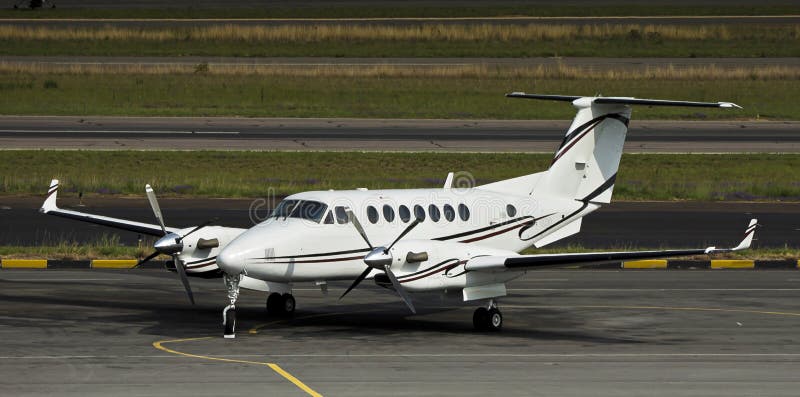
Twin turbine engine powered, civil utility aircraft. The fuselage of the 300 was stretched by nearly three feet with two extra cabin windows on each side and winglets added to the wingtips to create the Model B300, introduced in 1990 and initially marketed as the Super King Air 350. Suitable whether you’re traveling to major airports or unimproved airstrips. Perfect for the go–anywhere global business traveler. Stretched fuselage stock images, royalty-free photos and pictures
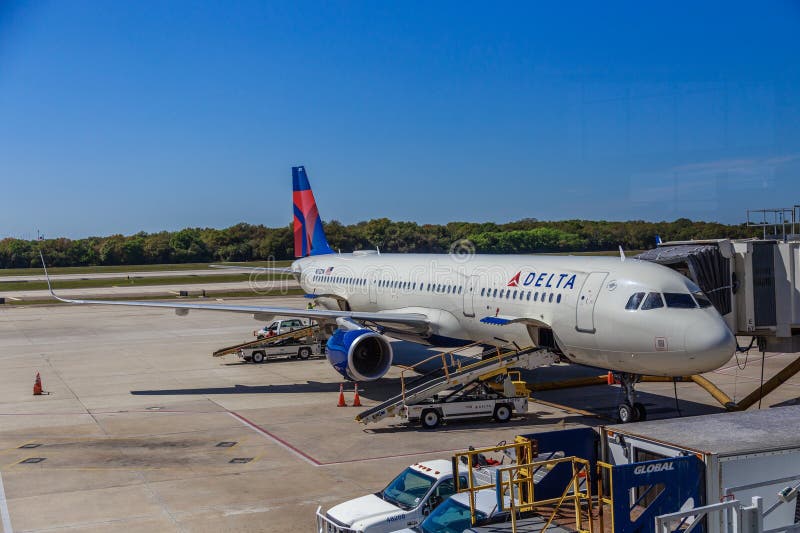
This Delta narrow body jet aircraft, FAA # N372DN is parked at Sarasota-Bradenton Airport awaiting departure. This commercial Airbus A321-211 has a stretched fuselage and is considered to be short to medium range aircraft. Stretched fuselage stock images, royalty-free photos and pictures
He Boeing 757 is an American narrow-body airliner designed and built by Boeing Commercial Airplanes. The then-named 7N7, a twinjet successor for the trijet 727, received its first orders in August 1978. The prototype completed its maiden flight on February 19, 1982, and it was FAA certified on December 21, 1982. Eastern Air Lines placed the initial 757-200 variant in commercial service on January 1, 1983. A package freighter (PF) variant entered service in September 1987 and a combi model in September 1988. The stretched 757-300 was launched in September 1996 and began service in March 1999. After 1,050 had been built for 54 customers, production ended in October 2004, while Boeing offered the largest 737 NG variants as a successor to the -200. The jetliner is powered by 36,600�43,500 lbf (163�193 kN) Rolls-Royce RB211 or Pratt & Whitney PW2000 underwing turbofan engines for a 255,000�273,000 lb (116�124 t) maximum takeoff weight (MTOW). The 757 has a 2,000 sq ft (185 m2) supercritical wing for reduced aerodynamic drag and a conventional tail. It keeps the 707 fuselage width and six�abreast seating and its two-crew glass cockpit has a common type rating with the concurrently designed 767 (a wide-body aircraft). It was produced in two fuselage lengths: the 155 ft (47. 3 m) long 757-200 (the most popular with 913 built) typically seats 200 passengers in two classes over 3,915 nautical miles [nmi] (7,250 km 4,505 mi) while the 178 ft (54. 4 m) long 757-300 typically seats 243 over 3,400 nmi (6,295 km 3,900 mi). The 757-200F can haul a 72,210 lb (32,755 kg) payload over 2,935 nmi (5,435 km 3,378 mi). Passenger 757-200s have been modified for cargo use as the Special Freighter (SF) and the Precision Converted Freighter (PCF). Stretched fuselage stock images, royalty-free photos and pictures
He Boeing 757 is an American narrow-body airliner designed and built by Boeing Commercial Airplanes. The then-named 7N7, a twinjet successor for the trijet 727, received its first orders in August 1978. The prototype completed its maiden flight on February 19, 1982, and it was FAA certified on December 21, 1982. Eastern Air Lines placed the initial 757-200 variant in commercial service on January 1, 1983. A package freighter (PF) variant entered service in September 1987 and a combi model in September 1988. The stretched 757-300 was launched in September 1996 and began service in March 1999. After 1,050 had been built for 54 customers, production ended in October 2004, while Boeing offered the largest 737 NG variants as a successor to the -200. The jetliner is powered by 36,60043,500 lbf (163193 kN) Rolls-Royce RB211 or Pratt & Whitney PW2000 underwing turbofan engines for a 255,000273,000 lb (116124 t) maximum takeoff weight (MTOW). The 757 has a 2,000 sq ft (185 m2) supercritical wing for reduced aerodynamic drag and a conventional tail. It keeps the 707 fuselage width and sixabreast seating and its two-crew glass cockpit has a common type rating with the concurrently designed 767 (a wide-body aircraft). It was produced in two fuselage lengths: the 155 ft (47. 3 m) long 757-200 (the most popular with 913 built) typically seats 200 passengers in two classes over 3,915 nautical miles [nmi] (7,250 km 4,505 mi) while the 178 ft (54. 4 m) long 757-300 typically seats 243 over 3,400 nmi (6,295 km 3,900 mi). The 757-200F can haul a 72,210 lb (32,755 kg) payload over 2,935 nmi (5,435 km 3,378 mi). Passenger 757-200s have been modified for cargo use as the Special Freighter (SF) and the Precision Converted Freighter (PCF). Stretched fuselage stock images, royalty-free photos and pictures

Side view USAir Boeing B-757. he Boeing 757 is an American narrow-body airliner designed and built by Boeing Commercial Airplanes. The then-named 7N7, a twinjet successor for the trijet 727, received its first orders in August 1978. The prototype completed its maiden flight on February 19, 1982, and it was FAA certified on December 21, 1982. Eastern Air Lines placed the initial 757-200 variant in commercial service on January 1, 1983. A package freighter (PF) variant entered service in September 1987 and a combi model in September 1988. The stretched 757-300 was launched in September 1996 and began service in March 1999. After 1,050 had been built for 54 customers, production ended in October 2004, while Boeing offered the largest 737 NG variants as a successor to the -200.The jetliner is powered by 36,60043,500 lbf (163193 kN) Rolls-Royce RB211 or Pratt & Whitney PW2000 underwing turbofan engines for a 255,000273,000 lb (116124 t) maximum takeoff weight (MTOW). The 757 has a 2,000 sq ft (185 m2) supercritical wing for reduced aerodynamic drag and a conventional tail. It keeps the 707 fuselage width and sixabreast seating and its two-crew glass cockpit has a common type rating with the concurrently designed 767 (a wide-body aircraft). It was produced in two fuselage lengths: the 155 ft (47.3 m) long 757-200 (the most popular with 913 built) typically seats 200 passengers in two classes over 3,915 nautical miles [nmi] (7,250 km 4,505 mi) while the 178 ft (54.4 m) long 757-300 typically seats 243 over 3,400 nmi (6,295 km 3,900 mi). The 757-200F can haul a 72,210 lb (32,755 kg) payload over 2,935 nmi (5,435 km 3,378 mi). Passenger 757-200s have been modified for cargo use as the Special Freighter (SF) and the Precision Converted Freighter (PCF).

This Frontier Airlines narrow body jet aircraft, FAA # N344FR is parked at Sarasota-Bradenton Airport awaiting departure. This commercial Airbus A321 has a stretched fuselage and is considered to be short to medium range aircraft. This aircraft features Ed, Edwin, and Eddie the Penguins on its tail. Stretched fuselage stock images, royalty-free photos and pictures
Aero Jet Sud SE-210 Super Caravelle 10B3 HB-ICJ CN 169. Taken in june 1992. The Sud Aviation SE 210 Caravelle is a rear-engine narrow-body jet airliner produced by French Sud Aviation. made its maiden flight on May 27, 1955. It included some de Havilland designs and components developed for the de Havilland Comet, the first jet airliner. SNCASE merged into the larger Sud Aviation conglomerate before the aircraft entered revenue service on April 26, 1959, with Scandinavian Airlines System (SAS) 282 were built until production ended in 1972. It was ordered by airlines on every continent and operated until its retirement in 2005. (Super Caravelle)This was the last version of the Caravelle to appear, first flying on 12 March 1971. The Series 12 was a 10B with a noticeably longer fuselage, stretched by 3. 2 m (10 ft 6 in), and a newer uprated version of the JT8D engines with 6,577 kgf (64,500 N 14,500 lbf) of unitary thrust. This allowed for up to 140 passengers. The Caravelle 12 was aimed at the charter market, produced to 12 examples starting in 1972. Stretched fuselage stock images, royalty-free photos and pictures
Lufthansa Airbus A321-121 D-AIRH CN 412 at Toulouse Airport just before being painted in April 1993. The Airbus A321 is a member of the Airbus A320 family of short to medium range, narrow-body, commercial passenger twin engine jet airliners it carries 185 to 239 passengers. It has a stretched fuselage which was the first derivative of the baseline A320 and entered service in 1994, about six years after the original A320. Number built 3,536 as of 30 June 2025. Stretched fuselage stock images, royalty-free photos and pictures
Air Charter Sud SE-210 Super Caravelle F-BMKS CN 181 LN 171. Taken on November 28 , 1984 at ORLY Airport , France (ORY)(LFPO). The Sud Aviation SE 210 Caravelle is a French jet airliner produced by Sud Aviation. It was developed by SNCASE in the early 1950s, and made its maiden flight on May 27, 1955Caravelle 12 (Super Caravelle)This was the last version of the Caravelle to appear, first flying on 12 March 1971. The Series 12 was a 10B with a noticeably longer fuselage, stretched by 3. 2 m (10 ft 6 in), and a newer uprated version of the JT8D engines with 6,577 kgf (64,500 N 14,500 lbf) of unitary thrust. This allowed for up to 140 passengers over a reduced range. The Caravelle 12 was aimed primarily at the charter market, produced to 12 examples starting in 1972. By this point Concorde was in production this design was originally known in France as Sud Aviation Super-Caravelle. The Caravelle 12 was often also referred to by this name. The launch customer for the Series 12 was Sterling Airways with seven delivered, while the remaining five went to Air Inter. Series 12s flew in Europe until October 1996, and in Africa until more recently. The unit cost was US$5. 5M. (1972). Stretched fuselage stock images, royalty-free photos and pictures
KLM Fokker F100 PH-KLD CN11269. Taken in november 1989. The Fokker 100 is a regional jet that was produced by Fokker in the Netherlands. The Fokker 100 was based on the Fokker F28 with a fuselage stretched by 5. 7 m (18. 8 ft) to seat up to 109 passengers, up from 85. It is powered by two newer Rolls-Royce Tay turbofans, and it has an updated glass cockpit and a wider wing and tail for increased maximum weights. The Fokker 70 is a shortened variant that can seat up to 85 passengers and was developed for shorter routes, which first flew in April of 1993Number built 283 (+2 prototypes). Stretched fuselage stock images, royalty-free photos and pictures
The Fokker 100 is a regional jet that was produced by Fokker in the Netherlands. The Fokker 100 was based on the Fokker F28 with a fuselage stretched by 5. 7 m (18. 8 ft) to seat up to 109 passengers, up from 85. It is powered by two newer Rolls-Royce Tay turbofans, and it has an updated glass cockpit and a wider wing and tail for increased maximum weights. The program was announced in 1983 and it made its maiden flight on 30 November 1986. The variant was approved on 20 November 1987, and first deliveries to Swissair started in February 1988. American Airlines ordered 75, TAM Transportes A�reos Regionais asked for 50, and USAir got 40. It is the basis of the shorter Fokker 70, which made its first flight in April 1993. Fokker had financial troubles and went bankrupt in March 1996, and production ended in 1998 after 283 deliveries. Amsterdam-based Rekkof group wants to restart its production and update it with new engines, but has not reached its goal. Stretched fuselage stock images, royalty-free photos and pictures
The Fokker 100 is a regional jet that was produced by Fokker in the Netherlands. The Fokker 100 was based on the Fokker F28 with a fuselage stretched by 5. 7 m (18. 8 ft) to seat up to 109 passengers, up from 85. It is powered by two newer Rolls-Royce Tay turbofans, and it has an updated glass cockpit and a wider wing and tail for increased maximum weights. The program was announced in 1983 and it made its maiden flight on 30 November 1986. The variant was approved on 20 November 1987, and first deliveries to Swissair started in February 1988. American Airlines ordered 75, TAM Transportes Areos Regionais asked for 50, and USAir got 40. It is the basis of the shorter Fokker 70, which made its first flight in April 1993. Fokker had financial troubles and went bankrupt in March 1996, and production ended in 1998 after 283 deliveries. Amsterdam-based Rekkof group wants to restart its production and update it with new engines, but has not reached its goal. Stretched fuselage stock images, royalty-free photos and pictures
The Airbus A319 is a member of the Airbus A320 family of short- to medium-range, narrow-body, commercial passenger twin-engine jet airliners manufactured by Airbus. The A319 carries 124 to 156 passengers and has a maximum range of 3,700 nmi (6,900 km 4,300 mi). Final assembly of the aircraft takes place in Hamburg, Germany and Tianjin, China. The A319 is a shortened-fuselage variant of the Airbus A320 and entered service in April 1996 with Swissair, around two years after the stretched Airbus A321 and eight years after the original A320. The aircraft shares a common type rating with all other Airbus A320 family variants, allowing existing A320 family pilots to fly the aircraft without the need for further training. Stretched fuselage stock images, royalty-free photos and pictures
BWIA International Airbus A321-131 9Y-BWB CN614. Taken on December 14 , 1996 at Miami International Airport , Florida (KMIA) The Airbus A321 is a member of the Airbus A320 family of short to medium range, narrow-body, commercial passenger twin engine jet airliners it carries 185 to 236 passengers. It has a stretched fuselage which was the first derivative of the baseline A320 and entered service in 1994, about six years after the original A320. The aircraft shares a common type rating with all other Airbus A320-family variants, allowing A320-family pilots to fly the aircraft without the need for further training. A321-100The original derivative of the A321, the A321-100, had shorter range than the A320 because no extra fuel tank was added to compensate for the increased weight. The MTOW of the A321-100 is 83,000 kg (183,000 lb). The A321-100 entered service with Lufthansa in 1994. Only about 90 were produced a few were later converted to the A321-200 variant. Stretched fuselage stock images, royalty-free photos and pictures
The Fokker 100 is a regional jet that was produced by Fokker in the Netherlands. The Fokker 100 was based on the Fokker F28 with a fuselage stretched by 18. 8 ft (5. 7 m) to seat up to 109 passengers, up from 85. It is powered by two newer Rolls-Royce Tay turbofans, and it has an updated glass cockpit and a wider wing and tail for increased maximum weights. The program was announced in 1983 and it made its maiden flight on 30 November 1986. The variant was approved on 20 November 1987, and first deliveries to Swissair started in February 1988. American Airlines ordered 75, TAM Transportes A�reos Regionais asked for 50, and USAir got 40. It is the basis of the shorter Fokker 70, which made its first flight in April 1993. Fokker had financial troubles and went bankrupt in March 1996, and production ended in 1998 after 283 deliveries. Amsterdam-based Rekkof group wants to restart its production and update it with new engines, but has not reached its goal. 283 were built. Stretched fuselage stock images, royalty-free photos and pictures
The Fokker 100 is a regional jet that was produced by Fokker in the Netherlands. The Fokker 100 was based on the Fokker F28 with a fuselage stretched by 18. 8 ft (5. 7 m) to seat up to 109 passengers, up from 85. It is powered by two newer Rolls-Royce Tay turbofans, and it has an updated glass cockpit and a wider wing and tail for increased maximum weights. The program was announced in 1983 and it made its maiden flight on 30 November 1986. The variant was approved on 20 November 1987, and first deliveries to Swissair started in February 1988. American Airlines ordered 75, TAM Transportes Areos Regionais asked for 50, and USAir got 40. It is the basis of the shorter Fokker 70, which made its first flight in April 1993. Fokker had financial troubles and went bankrupt in March 1996, and production ended in 1998 after 283 deliveries. Amsterdam-based Rekkof group wants to restart its production and update it with new engines, but has not reached its goal. 283 were built. Stretched fuselage stock images, royalty-free photos and pictures
The Fairchild F-27 and Fairchild Hiller FH-227 were versions of the Fokker F27 Friendship twin-engined, turboprop, passenger aircraft manufactured under license by Fairchild Hiller in the United States. The Fairchild F-27 was similar to the standard Fokker F27, while the FH-227 was an independently developed, stretched version. The Fokker F27 began life as a 1950 design study known as the P275, a 32-seater powered by two Rolls-Royce Dart turboprops. With the aid of Dutch government funding, the P275 evolved into the F27, which first flew on November 24, 1955. The first prototype was powered by Dart 507s and would have seated 28. To correct a slight tail heaviness and to allow for more seats, the second prototype (which first flew in January 1957) had a 3-foot-longer (0. 91 m) fuselage, which allowed seating for 32. Stretched fuselage stock images, royalty-free photos and pictures
Delta Airlines Boeing B-727-232 N419DA CN21272 LN1243. Taken in 2000 at Boston Logan International Airport , (KBOS). The Boeing 727 is an American narrow-body airliner that was developed and produced by Boeing Commercial Airplanes. After the heavier 707 quad-jet was introduced in 1958, Boeing addressed the demand for shorter flight lengths from smaller airports. On December 5, 1960, the 727 was launched with 40 orders each from United Airlines and Eastern Air Lines. The first 727-100 rolled out on November 27, 1962, first flew on February 9, 1963, and entered service with Eastern on February 1, 1964. 727-200A stretched version of the 727-100, the -200 is 20 feet (6. 1 m) longer (153 feet 2 inches or 46. 69 metres) than the -100 (133 feet 2 inches or 40. 59 metres). A 10 ft (3. 0 m) fuselage section ("plug") was added in front of the wings and another 10 ft fuselage section was added behind them. The wing span and height remain the same on both the -100 and -200 (108 and 34 feet (33 and 10 m), respectively). The original 727-200 had the same maximum gross weight as the 727-100 however, as the aircraft evolved, a series of higher gross weights and more powerful engines were introduced along with other improvements, and from line number 881, 727-200s are dubbed -200 Advanced. The aircraft gross weight eventually increased from 169,000 to 209,500 pounds (76,700 to 95,000 kg) for the latest versions. The dorsal intake of the number-two engine was also redesigned to be round in shape, rather than oval as it was on the -100 series. The first 727-200 flew on July 27, 1967, and received FAA certification on November 30, 1967. The first delivery was made on December 14, 1967, to Northeast Airlines. A total of 310 727-200s were delivered before the -200 was replaced on the production line by the 727-200 Advanced in 1972. Stretched fuselage stock images, royalty-free photos and pictures
The 767-300, the first stretched version of the aircraft, entered service with Japan Airlines in 1986. The type features a 21. 1-foot (6. 43 m) fuselage extension over the 767-200, achieved by additional sections inserted before and after the wings, for an overall length of 180. 25 ft (54. 9 m). Reflecting the growth potential built into the original 767 design, the wings, engines, and most systems were largely unchanged on the 767-300. An optional mid-cabin exit door isositioned ahead of the wings on the left, while more powerful Pratt & Whitney PW4000 and Rolls-Royce RB211 engines later became available. [ The 767-300's increased capacity has been used on high-density routes within Asia and Europe. The 767-300 was produced from 1986 until 2000. Deliveries for the type totaled 104 aircraft with no unfilled orders remaining. The type's main competitor was the Airbus A300. Stretched fuselage stock images, royalty-free photos and pictures
Fokker 100The Fokker 100 is a regional jet that was produced by Fokker in the Netherlands. The Fokker 100 was based on the Fokker F28 with a fuselage stretched by 5. 7 m (18. 8 ft) to seat up to 109 passengers, up from 85. It is powered by two newer Rolls-Royce Tay turbofans, and it has an updated glass cockpit and a wider wing and tail for increased maximum weights. The program was announced in 1983 and it made its maiden flight on 30 November 1986. The variant was approved on 20 November 1987, and first deliveries to Swissair started in February 1988. American Airlines ordered 75, TAM Transportes A�reos Regionais asked for 50, and USAir got 40. It is the basis of the shorter Fokker 70, which made its first flight in April 1993. Fokker had financial troubles and went bankrupt in March 1996, and production ended in 1998 after 283 deliveries. Amsterdam-based Rekkof group wants to restart its production and update it with new engines, but has not reached its goal. Stretched fuselage stock images, royalty-free photos and pictures
Fokker 100The Fokker 100 is a regional jet that was produced by Fokker in the Netherlands. The Fokker 100 was based on the Fokker F28 with a fuselage stretched by 5. 7 m (18. 8 ft) to seat up to 109 passengers, up from 85. It is powered by two newer Rolls-Royce Tay turbofans, and it has an updated glass cockpit and a wider wing and tail for increased maximum weights. The program was announced in 1983 and it made its maiden flight on 30 November 1986. The variant was approved on 20 November 1987, and first deliveries to Swissair started in February 1988. American Airlines ordered 75, TAM Transportes Areos Regionais asked for 50, and USAir got 40. It is the basis of the shorter Fokker 70, which made its first flight in April 1993. Fokker had financial troubles and went bankrupt in March 1996, and production ended in 1998 after 283 deliveries. Amsterdam-based Rekkof group wants to restart its production and update it with new engines, but has not reached its goal. Stretched fuselage stock images, royalty-free photos and pictures
Air Provence Sud SE-210 Super Caravelle 12 CN273. Caravelle 12 (Super Caravelle)This was the last version of the Caravelle to appear, first flying on 12 March 1971. The Series 12 was a 10B with a noticeably longer fuselage, stretched by 3. 2 m (10 ft 6 in), and a newer uprated version of the JT8D engines with 6,577 kgf (64,500 N 14,500 lbf) of unitary thrust. This allowed for up to 140 passengers over a reduced range. The Caravelle 12 was aimed primarily at the charter market, produced to 12 examples starting in 1972. By this point Concorde was in production this design was originally known in France as Sud Aviation Super-Caravelle. The Caravelle 12 was often also referred to by this name. The launch customer for the Series 12 was Sterling Airways with seven delivered, while the remaining five went to Air Inter. Series 12s flew in Europe until October 1996, and in Africa until more recently. The unit cost was US$5. 5M. (1972). Stretched fuselage stock images, royalty-free photos and pictures
Lufthansa Boeing B-727-230 D-ABKT CN21623 LN1433 , Taken in October 1980. A stretched version of the 727-100, the -200 is 20 feet (6. 1 m) longer (153 feet 2 inches or 46. 69 metres) than the -100 (133 feet 2 inches or 40. 59 metres). A 10 ft (3. 0 m) fuselage section ("plug") was added in front of the wings and another 10 ft fuselage section was added behind them. The wing span and height remain the same on both the -100 and -200 (108 and 34 feet (33 and 10 m), respectively). The original 727-200 had the same maximum gross weight as the 727-100 however, as the aircraft evolved, a series of higher gross weights and more powerful engines were introduced along with other improvements, and from line number 881, 727-200s are dubbed -200 Advanced. The aircraft gross weight eventually increased from 169,000 to 209,500 pounds (76,700 to 95,000 kg) for the latest versions. The dorsal intake of the number-two engine was also redesigned to be round in shape, rather than oval as it was on the -100 series. Stretched fuselage stock images, royalty-free photos and pictures
The view showcases a plane wing stretched out over a vast expanse of soft clouds, with a beautiful sunset casting warm hues across the sky. The scene captures the tranquility of flying. AI Generative. Stretched fuselage stock images, royalty-free photos and pictures
Air Charter Sud SE-210 Super Caravelle F-BMKS CN 181 LN 171. Taken on November 28 , 1984 at ORLY Airport , France (ORY)(LFPO). The Sud Aviation SE 210 Caravelle is a French jet airliner produced by Sud Aviation. It was developed by SNCASE in the early 1950s, and made its maiden flight on May 27, 1955Caravelle 12 (Super Caravelle)This was the last version of the Caravelle to appear, first flying on 12 March 1971. The Series 12 was a 10B with a noticeably longer fuselage, stretched by 3. 2 m (10 ft 6 in), and a newer uprated version of the JT8D engines with 6,577 kgf (64,500 N 14,500 lbf) of unitary thrust. This allowed for up to 140 passengers over a reduced range. The Caravelle 12 was aimed primarily at the charter market, produced to 12 examples starting in 1972. By this point Concorde was in production this design was originally known in France as Sud Aviation Super-Caravelle. The Caravelle 12 was often also referred to by this name. The launch customer for the Series 12 was Sterling Airways with seven delivered, while the remaining five went to Air Inter. Series 12s flew in Europe until October 1996, and in Africa until more recently. The unit cost was US$5. 5M. (1972). Stretched fuselage stock images, royalty-free photos and pictures
A stretched version of the 727-100, the -200 is 20 feet (6. 1 m) longer (153 feet 2 inches 46. 69 m) than the -100 (133 feet 2 inches 40. 59 m). A 10-ft (3-m) fuselage section ("plug") was added in front of the wings and another 10-ft fuselage section was added behind them. The wing span and height remain the same on both the -100 and -200 (108 and 34 feet (33 and 10 m), respectively). The original 727-200 had the same maximum gross weight as the 727-100 however, as the aircraft evolved, a series of higher gross weights and more powerful engines were introduced along with other improvements, and from line number 881, 727-200s are dubbed -200 Advanced. The aircraft gross weight eventually increased from 169,000 to 209,500 pounds (76,700 to 95,000 kg) for the latest versions. The dorsal intake of the number-two engine was also redesigned to be round in shape, rather than oval as it was on the -100 series. The first 727-200 flew on July 27, 1967, and received FAA certification on November 30, 1967. The first delivery was made on December 14, 1967, to Northeast Airlines. A total of 310 727-200s were delivered before the -200 was replaced on the production line by the 727-200 Advanced in 1972. Stretched fuselage stock images, royalty-free photos and pictures
Boeing 727The Boeing 727 is an American narrow-body airliner that was developed and produced by Boeing Commercial Airplanes. After the heavier 707 quad-jet was introduced in 1958, Boeing addressed the demand for shorter flight lengths from smaller airports. On December 5, 1960, the 727 was launched with 40 orders each from United Airlines and Eastern Air Lines. The first 727-100 rolled out on November 27, 1962, first flew on February 9, 1963, and entered service with Eastern on February 1, 1964. A stretched version of the 727-100, the -200 is 20 feet (6. 1 m) longer (153 feet 2 inches 46. 69 m) than the -100 (133 feet 2 inches 40. 59 m). A 10-ft (3-m) fuselage section ("plug") was added in front of the wings and another 10-ft fuselage section was added behind them. The wing span and height remain the same on both the -100 and -200 (108 and 34 feet (33 and 10 m), respectively). The original 727-200 had the same maximum gross weight as the 727-100 however, as the aircraft evolved, a series of higher gross weights and more powerful engines were introduced along with other improvements, and from line number 881, 727-200s are dubbed -200 Advanced. The aircraft gross weight eventually increased from 169,000 to 209,500 pounds (76,700 to 95,000 kg) for the latest versions. The dorsal intake of the number-two engine was also redesigned to be round in shape, rather than oval as it was on the -100 series. The first 727-200 flew on July 27, 1967, and received FAA certification on November 30, 1967. The first delivery was made on December 14, 1967, to Northeast Airlines. A total of 310 727-200s were delivered before the -200 was replaced on the production line by the 727-200 Advanced in 1972. Stretched fuselage stock images, royalty-free photos and pictures

Alaska Airlines Boeing B-727-290 N2990AS CN 21510 LN 1359 . Taken on December 8 , 1981 at Will Rodgers International. Boeing 727The Boeing 727 is an American narrow-body airliner that was developed and produced by Boeing Commercial Airplanes. After the heavier 707 quad-jet was introduced in 1958, Boeing addressed the demand for shorter flight lengths from smaller airports. On December 5, 1960, the 727 was launched with 40 orders each from United Airlines and Eastern Air Lines. The first 727-100 rolled out on November 27, 1962, first flew on February 9, 1963, and entered service with Eastern on February 1, 1964.A stretched version of the 727-100, the -200 is 20 feet (6.1 m) longer (153 feet 2 inches 46.69 m) than the -100 (133 feet 2 inches 40.59 m). A 10-ft (3-m) fuselage section ("plug") was added in front of the wings and another 10-ft fuselage section was added behind them. The wing span and height remain the same on both the -100 and -200 (108 and 34 feet (33 and 10 m), respectively). The original 727-200 had the same maximum gross weight as the 727-100 however, as the aircraft evolved, a series of higher gross weights and more powerful engines were introduced along with other improvements, and from line number 881, 727-200s are dubbed -200 Advanced. The aircraft gross weight eventually increased from 169,000 to 209,500 pounds (76,700 to 95,000 kg) for the latest versions. The dorsal intake of the number-two engine was also redesigned to be round in shape, rather than oval as it was on the -100 series.The first 727-200 flew on July 27, 1967, and received FAA certification on November 30, 1967. The first delivery was made on December 14, 1967, to Northeast Airlines. A total of 310 727-200s were delivered before the -200 was replaced on the production line by the 727-200 Advanced in 1972.

At Washington Airport, as the sun dipped below the horizon, painting the sky in fiery hues of orange, purple, and deep red, an airplane rested quietly on the tarmac. Its metallic fuselage, bathed in the warm, fading light, reflected the brilliant colors, transforming from a utilitarian silver to a canvas of warm tones. The cockpit windows, like dark eyes, stared out towards the distant city lights just beginning to twinkle, while the massive engines, now silent, seemed to sigh contentedly after their day of powerful propulsion. The long shadow of its tail stretched across the concrete, a stark silhouette against the glowing sky, embodying a peaceful moment of rest before its next journey into the evening. Stretched fuselage stock images, royalty-free photos and pictures
The view showcases a plane wing stretched out over a vast expanse of soft clouds, with a beautiful sunset casting warm hues across the sky. The scene captures the tranquility of flying. AI Generative. Stretched fuselage stock images, royalty-free photos and pictures
C-GBHZ Air Canada Airbus A319-114 CN 813. Taken on Augustn 2 , 2003 The Airbus A319 is a member of the Airbus A320 family of short- to medium-range, narrow-body, commercial passenger twin-engine jet airliners manufactured by Airbus. The A319 carries 124 to 156 passengers and has a maximum range of 3,700 nmi (6,900 km 4,300 mi). [2] Final assembly of the aircraft takes place in Hamburg, Germany and Tianjin, China. The A319 is a shortened-fuselage variant of the Airbus A320 and entered service in April 1996 with Swissair, around two years after the stretched Airbus A321 and eight years after the original A320. The aircraft shares a common type rating with all other Airbus A320 family variants, allowing existing A320 family pilots to fly the aircraft withoutNumber built1,507 as of November 2024. Stretched fuselage stock images, royalty-free photos and pictures
Air Canada Airbus A319-112 C-GITT CN1630. Taken in July 2004. Airbus A319The Airbus A319 is a member of the Airbus A320 family of short- to medium-range, narrow-body, commercial passenger twin-engine jet airliners manufactured by Airbus. The A319 carries 124 to 156 passengers and has a maximum range of 3,700 nmi (6,900 km 4,300 mi). Final assembly of the aircraft takes place in Hamburg, Germany and Tianjin, China. The A319 is a shortened-fuselage variant of the Airbus A320 and entered service in April 1996 with Swissair, around two years after the stretched Airbus A321 and eight years after the original A320. The aircraft shares a common type rating with all other Airbus A320 family variants, allowing existing A320 family pilots to fly the aircraft without the need for further training. Number built 1,512 as of January 2025. Stretched fuselage stock images, royalty-free photos and pictures
Swissair Fokker F100 HB-IVF CN11254. Taken on December 23 , 1988. Fokker 100The Fokker 100 is a regional jet that was produced by Fokker in the Netherlands. The Fokker 100 was based on the Fokker F28 with a fuselage stretched by 5. 7 m (18. 8 ft) to seat up to 109 passengers, up from 85. It is powered by two newer Rolls-Royce Tay turbofans, and it has an updated glass cockpit and a wider wing and tail for increased maximum weights. The Fokker 70 is a shortened variant that can hold up to 85 passengers and was developed for shorter routes, which first flew in April of 1993. Since the 2000s, airlines have been retiring the aircraft, but large numbers remain in operation in Australia, with smaller numbers in Iran and various other countries. In July 2019, 101 aircraft remained in service with 19 airlines around the world. Number built 283 (+2 prototypes). Stretched fuselage stock images, royalty-free photos and pictures
Boeing 737The Boeing 737 is an American narrow-body airliner produced by Boeing at its Renton factory in Washington. Developed to supplement the Boeing 727 on short and thin routes, the twinjet retained the 707 fuselage width and six abreast seating but with two underwing Pratt & Whitney JT8D low-bypass turbofan engines. Envisioned in 1964, the initial 737-100 made its first flight in April 1967 and entered service in February 1968 with Lufthansa. The lengthened 737-200 entered service in April 1968, and evolved through four generations, offering several variants for 85 to 215 passengers. 737-400The 737-400 was launched in 1985 to fill the gap between the 737-300 and the 757-200. In June 1986, Boeing announced the development of the 737-400,[60] which stretched the fuselage a further 10 feet (3. 0 m), increasing the capacity to 188 passengers, and requiring a tail bumper to prevent tailstrikes during take-off and a strengthened wing spar. [61] The -400s first flight was on February 19, 1988, and, after a seven-month 500-hour flight-testing run, entered service with Piedmont Airlines that October. [62] The last two -400s, i. e. the last 737 Classics series, were delivered to CSA Czech Airlines on February 28, 2000. [63] The 737-400 was replaced by the 737-800 of the Next Generation series. The 737-400SF was a 737-400 converted to freighter, though it was not a model delivered by Boeing and hence the nickname Special Freighter (SF). Alaska Airlines was the first to convert one of their 400s from regular service to an aircraft with the ability to handle 10 pallets. [64] The airline had also converted five more into fixed combi aircraft for half passenger and freight. These 737-400 Combi aircraft were retired in 2017 and replaced by the 737-700F of the Next Generation series. Stretched fuselage stock images, royalty-free photos and pictures

ANA Boeing B-737-4YO JA391K LN1805 CN24545 . Takne on Jumne 2 , 2002 . Boeing 737The Boeing 737 is an American narrow-body airliner produced by Boeing at its Renton factory in Washington. Developed to supplement the Boeing 727 on short and thin routes, the twinjet retained the 707 fuselage width and six abreast seating but with two underwing Pratt & Whitney JT8D low-bypass turbofan engines. Envisioned in 1964, the initial 737-100 made its first flight in April 1967 and entered service in February 1968 with Lufthansa. The lengthened 737-200 entered service in April 1968, and evolved through four generations, offering several variants for 85 to 215 passengers.737-400The 737-400 was launched in 1985 to fill the gap between the 737-300 and the 757-200. In June 1986, Boeing announced the development of the 737-400,[60] which stretched the fuselage a further 10 feet (3.0 m), increasing the capacity to 188 passengers, and requiring a tail bumper to prevent tailstrikes during take-off and a strengthened wing spar.[61] The -400s first flight was on February 19, 1988, and, after a seven-month 500-hour flight-testing run, entered service with Piedmont Airlines that October.[62] The last two -400s, i.e. the last 737 Classics series, were delivered to CSA Czech Airlines on February 28, 2000.[63] The 737-400 was replaced by the 737-800 of the Next Generation series. The 737-400SF was a 737-400 converted to freighter, though it was not a model delivered by Boeing and hence the nickname Special Freighter (SF). Alaska Airlines was the first to convert one of their 400s from regular service to an aircraft with the ability to handle 10 pallets.[64] The airline had also converted five more into fixed combi aircraft for half passenger and freight. These 737-400 Combi aircraft were retired in 2017 and replaced by the 737-700F of the Next Generation series

Airbus A319The Airbus A319 is a member of the Airbus A320 family of short- to medium-range, narrow-body, commercial passenger twin-engine jet airliners manufactured by Airbus. The A319 carries 124 to 156 passengers and has a maximum range of 3,700 nmi (6,900 km 4,300 mi). Final assembly of the aircraft takes place in Hamburg, Germany and Tianjin, China. The A319 is a shortened-fuselage variant of the Airbus A320 and entered service in April 1996 with Swissair, around two years after the stretched Airbus A321 and eight years after the original A320. The aircraft shares a common type rating with all other Airbus A320 family variants, allowing existing A320 family pilots to fly the aircraft without the need for further training. Number built 1,501 as of March 2024. Stretched fuselage stock images, royalty-free photos and pictures
Markair Lockheed L-100-30 N108AK CN4763. Taken in August 1986 at Willow Run Airport (YIP) The Lockheed L-100 Hercules is the civilian variant of the prolific C-130 Hercules military transport aircraft made by the Lockheed Corporation. Its first flight occurred in 1964. Longer L-100-20 and L-100-30 versions were developed. L-100 production ended in 1992 with 114 aircraft delivered. An updated variant of the model, LM-100J, completed its first flight in Marietta, Georgia on 25 May 2017, and started production in 2019. L-100 and LM-100J aircraft can be distinguished from the C-130 and C-130J military versions by the absence of side and forward windows underneath the main windshield. L-100-30 (Model 382G)A further stretched variant with an additional 6 ft 8 in (2. 03 m) fuselage section. Stretched fuselage stock images, royalty-free photos and pictures
The Bombardier CRJ100 and CRJ200 (previously Canadair CRJ100 and CRJ200) is a regional jet designed and manufactured by Bombardier Aerospace between 1991 and 2006, the first of the Bombardier CRJ family. The Canadair Regional Jet (CRJ) program, derived from the Challenger 600 business jet, was launched in early 1989. The first CRJ100 prototype made its maiden flight on 10 May 1991. Canada's first jet airliner to enter commercial service was introduced by launch customer Lufthansa in 1992. The 50 seat aircraft is powered by two GE CF34 turbofans, mounted on the rear fuselage. The CRJ200 has more efficient turbofan engines for lower fuel consumption, increased cruise altitude and speed. During the late 1990s, it was stretched into the CRJ700 series. Production ended in 2006 but many remain in service. In 2020, Mitsubishi Heavy Industries purchased the entire CRJ line from Bombardier, and will continue support for the aircraft. [4]CRJ100 and CRJ200 are marketing designations defining a CRJ100 of aircraft type CL-600-2B19 with CF34-3A1 engines and a CRJ200 as CL-600-2B19 variant with CF34-3B1 engines. Stretched fuselage stock images, royalty-free photos and pictures
The 737-400 was launched in 1985 to fill the gap between the 737-300 and the 757-200. In June 1986, Boeing announced the development of the 737-400,[which stretched the fuselage a further 10 feet (3. 0 m), increasing the capacity to 188 passengers, and requiring a tail bumper to prevent tailstrikes during take-off and a strengthened wing spar. The -400s first flight was on February 19, 1988, and, after a seven-month 500-hour flight-testing run, entered service with Piedmont Airlines that October. The last two -400s, i. e. the last 737 Classics series, were delivered to CSA Czech Airlines on February 28, 2000. [61] The 737-400 was replaced by the 737-800 of the Next Generation series. The 737-400SF was a 737-400 converted to freighter, though it was not a model delivered by Boeing and hence the nickname Special Freighter (SF). Alaska Airlines was the first to convert one of their 400s from regular service to an aircraft with the ability to handle 10 pallets. The airline had also converted five more into fixed combi aircraft for half passenger and freight. These 737-400 Combi aircraft were retired in 2017 and replaced by the 737-700F of the Next Generation series. Stretched fuselage stock images, royalty-free photos and pictures
The McDonnell Douglas MD-11 is an American tri-jet wide-body airliner manufactured by American manufacturer McDonnell Douglas (MDC) and later by Boeing. Following DC-10 development studies, the MD-11 program was launched on December 30, 1986. Assembly of the first prototype began on March 9, 1988. Its maiden flight occurred on January 10, and it achieved FAA certification on November 8, 1990. The first delivery was to Finnair on December 7 and it entered service on December 20, 1990. It retains the basic trijet configuration of the DC-10 with updated GE CF6-80C2 or PW4000 turbofan engines. Its wingspan is slightly larger than the DC-10 and it has winglets. Its MTOW is increased by 14% to 630,500 lb (286 t). Its fuselage is stretched by 11% to 202 ft (61. 6 m) to accommodate 298 passengers in three classes over a range of up to 7,130 nmi (13,200 km). It features a glass cockpit that eliminates the need for a flight engineer. The MD-11 failed to meet its range and fuel burn targets. The last of 200 aircraft was built in October 2000 after Boeing merged with McDonnell Douglas in 1997. Some MD-11 freighters were built, but many more are converted MD-11 passenger aircraft, many of which are still in service. Stretched fuselage stock images, royalty-free photos and pictures
The McDonnell Douglas DC-9 is an American five-abreast, single-aisle aircraft designed by the Douglas Aircraft Company. It was initially produced as the Douglas DC-9 prior to August 1967, after which point the company had merged with McDonnell Aircraft to become McDonnell Douglas. Following the introduction of its first jetliner, the high capacity DC-8, in 1959, Douglas was interested in producing an aircraft suited to smaller routes. As early as 1958, design studies were conducted approval for the DC-9, a smaller all-new jetliner, came on April 8, 1963. The DC-9-10 first flew on February 25, 1965, and gained its type certificate on November 23, to enter service with Delta Air Lines on December 8. The DC-9 is powered by two rear-mounted Pratt & Whitney JT8D low-bypass turbofan engines under a T-tail for a cleaner wing aerodynamic. It has a two-person flight deck and built-in airstairs to better suit smaller airports. The Series 10 aircraft are 104 ft (32 m) long for typically 90 coach seats. The Series 30, stretched by 15 ft (4. 5 m) to seat 115 in economy, has a larger wing and more powerful engines for a higher maximum takeoff weight (MTOW) it first flew in August 1966 and entered service in February 1967. The Series 20 has the Series 10 fuselage, more powerful engines, and the Series 30's improved wings it first flew in September 1968 and entered service in January 1969. The Series 40 was further lengthened by 6 ft (2 m) for 125 passengers, and the final DC-9-50 series first flew in 1974, stretched again by 8 ft (2. 5 m) for 135 passengers. When deliveries ended in October 1982, 976 had been built. Smaller variants competed with the BAC One-Eleven, Fokker F28, and Sud Aviation Caravelle, and larger ones with the original Boeing 737. Series 10 featuresThe Series 10 has an overall length of 104. 4 feet (31. 82 m), a fuselage length of 92. 1 feet (28. 07 m), a passenger-cabin length of 60 feet (18. 29 m), and a wingspan of 89. 4 feet (27. 25 m). Stretched fuselage stock images, royalty-free photos and pictures

Air Canada Douglas DC-9-15RC C-FTOR CN47013 LN128 . Taken on August 24 , 1978 . The McDonnell Douglas DC-9 is an American five-abreast, single-aisle aircraft designed by the Douglas Aircraft Company. It was initially produced as the Douglas DC-9 prior to August 1967, after which point the company had merged with McDonnell Aircraft to become McDonnell Douglas. Following the introduction of its first jetliner, the high capacity DC-8, in 1959, Douglas was interested in producing an aircraft suited to smaller routes. As early as 1958, design studies were conducted approval for the DC-9, a smaller all-new jetliner, came on April 8, 1963. The DC-9-10 first flew on February 25, 1965, and gained its type certificate on November 23, to enter service with Delta Air Lines on December 8.The DC-9 is powered by two rear-mounted Pratt & Whitney JT8D low-bypass turbofan engines under a T-tail for a cleaner wing aerodynamic. It has a two-person flight deck and built-in airstairs to better suit smaller airports. The Series 10 aircraft are 104 ft (32 m) long for typically 90 coach seats. The Series 30, stretched by 15 ft (4.5 m) to seat 115 in economy, has a larger wing and more powerful engines for a higher maximum takeoff weight (MTOW) it first flew in August 1966 and entered service in February 1967. The Series 20 has the Series 10 fuselage, more powerful engines, and the Series 30's improved wings it first flew in September 1968 and entered service in January 1969. The Series 40 was further lengthened by 6 ft (2 m) for 125 passengers, and the final DC-9-50 series first flew in 1974, stretched again by 8 ft (2.5 m) for 135 passengers. When deliveries ended in October 1982, 976 had been built. Smaller variants competed with the BAC One-Eleven, Fokker F28, and Sud Aviation Caravelle, and larger ones with the original Boeing 737.Series 10 featuresThe Series 10 has an overall length of 104.4 feet (31.82 m), a fuselage length of 92.1 feet (28.07 m), a passenger-cabin length of 60 feet (18.29 m), and a wingspan of 89.4 feet (27.25 m).

The 707-320 Intercontinental is a stretched version of the turbojet-powered 707-120, initially powered by JT4A-3 or JT4A-5 turbojets producing 15,800 lbf (70. 3 kN) each (most eventually got 17,500 lbf (77. 8 kN) JT4A-11s). The interior allowed up to 189 passengers, the same as the -120 and -220 series, but improved two-class capacity due to an 80-in fuselage stretch ahead of the wing (from 138 ft 10 in (42. 32 m) to 145 ft 6 in (44. 35 m) ), with extensions to the fin and horizontal stabilizer extending the aircraft's length further. [43] The longer wing carried more fuel, increasing range by 1,600 miles (2,600 km) and allowing the aircraft to operate as true transoceanic aircraft. Stretched fuselage stock images, royalty-free photos and pictures
The Airbus A321 is a member of the Airbus A320 family of short- to medium-range, narrow-body, commercial passenger twin-engine jet airliners. [b] The first derivative of the baseline A320, it has a stretched fuselage and entered service in 1994 with Lufthansa, around six years after the original A320. The aircraft shares a common type rating with all other Airbus A320 family variants, allowing existing A320 family pilots to fly the aircraft without the need for further training. Stretched fuselage stock images, royalty-free photos and pictures
Lockheed L-100 HerculesThe Lockheed L-100 Hercules is the civilian variant of the prolific C-130 Hercules military transport aircraft made by the Lockheed Corporation. Its first flight occurred in 1964. Longer L-100-20 and L-100-30 versions were developed. L-100 production ended in 1992 with 114 aircraft delivered. [An updated variant of the model, LM-100J, has completed its first flight in Marietta, Georgia on 25 May 2017, and was set to start production in 2018�19L-100-30 (Model 382G)A further stretched variant with an additional 6 ft 8 in (2. 03 m) fuselage section. Stretched fuselage stock images, royalty-free photos and pictures
Lockheed L-100 HerculesThe Lockheed L-100 Hercules is the civilian variant of the prolific C-130 Hercules military transport aircraft made by the Lockheed Corporation. Its first flight occurred in 1964. Longer L-100-20 and L-100-30 versions were developed. L-100 production ended in 1992 with 114 aircraft delivered. [An updated variant of the model, LM-100J, has completed its first flight in Marietta, Georgia on 25 May 2017, and was set to start production in 201819L-100-30 (Model 382G)A further stretched variant with an additional 6 ft 8 in (2. 03 m) fuselage section. Stretched fuselage stock images, royalty-free photos and pictures
The Bombardier CRJ100 and CRJ200 (previously Canadair CRJ100 and CRJ200) is a regional jet designed and manufactured by Bombardier Aerospace between 1991 and 2006, the first of the Bombardier CRJ family. The Canadair Regional Jet (CRJ) program, derived from the Challenger 600 business jet, was launched in early 1989. The first CRJ100 prototype made its maiden flight on 10 May 1991. Canada's first jet airliner to enter commercial service was introduced by launch customer Lufthansa in 1992. The 50 seat aircraft is powered by two GE CF34 turbofans, mounted on the rear fuselage. The CRJ200 has more efficient turbofan engines for lower fuel consumption, increased cruise altitude and speed. During the late 1990s, it was stretched into the CRJ700 series. Production ended in 2006 but many remain in service. In 2020, Mitsubishi Heavy Industries purchased the entire CRJ line from Bombardier, and will continue support for the aircraftCRJ100 and CRJ200 are marketing designations defining a CRJ100 of aircraft type CL-600-2B19 with CF34-3A1 engines and a CRJ200 as CL-600-2B19 variant with CF34-3B1 engines. Stretched fuselage stock images, royalty-free photos and pictures