Search among 50 authentic temperatures decrease stock photos, high-definition images, and pictures, or look at other o dowleh or timcheh e stock images to enhance your presentation with the perfect visual.

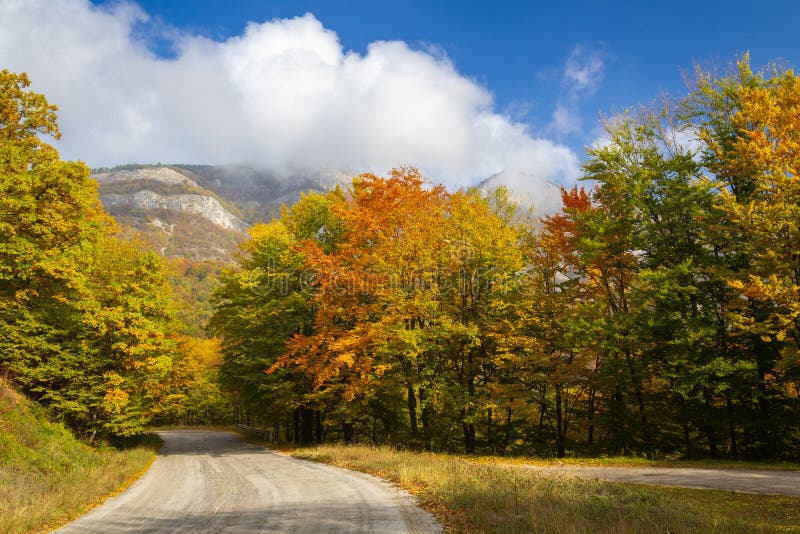
Rain, mist, and fog in the air turns leaves vibrant along a small stretch of the Blue Ridge Parkway near Asheville North Carolina. `In North America, autumn is usually considered to start with the September equinox 21 to 24 September and end with the winter solstice 21 or 22 December. Popular culture in North America associates Labor Day, the first Monday in September, as the end of summer and the start of autumn; certain summer traditions, such as wearing white, are discouraged after that date. As daytime and nighttime temperatures decrease, trees shed their leaves. In traditional East Asian solar term, autumn starts on or around 8 August and ends on or about 7 November. `. Temperatures decrease stock images, royalty-free photos and pictures
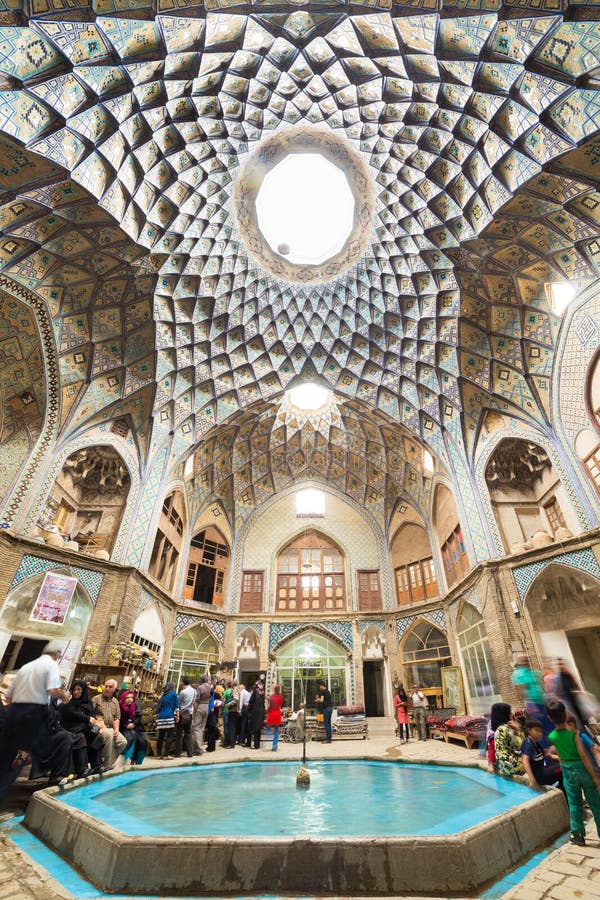
Timcheh-e Amin o Dowleh, Kashan Bazaar (19th century), in Iran. Persian architects used these structures to naturally decrease temperatures, regulate sunlight, and ventilate the interior spaces during the daytime. Temperatures decrease stock images, royalty-free photos and pictures
Timcheh-e Amin o Dowleh, Kashan Bazaar 19th century, in Iran. Persian architects used these structures to naturally decrease temperatures, regulate sunlight, and ventilate the interior spaces during the daytime. Temperatures decrease stock images, royalty-free photos and pictures
Emerald Pool at Black Sand Basin, an group of the Upper Geyser Basin, is so named because of the small fragments of black obsidian sand which cover portions sand which cover portions of the basin. Emerald Pool is the most colorful and famous of these springs. It is a deep emerald green fringed by an outer ring of yellow and orange. The color is the result of lower temperatures which have allowed yellow bacteria and algae to grow on the lining of the pool. The clear water of the pool reflects the blues but absorbs the other hues of the color spectrum. The combination of blue and yellow then produces green. Objects thrown into the pool and natural debris have caused a further decrease in temperature, resulting in a change of bacteria and algae growth and thus a change of color. The edge of the pool is now orange and brown. Temperatures decrease stock images, royalty-free photos and pictures
Autumn, also known as fall in American English and Canadian English, is one of the four temperate seasons. Autumn marks the transition from summer to winter, in September Northern Hemisphere or March Southern Hemisphere, when the duration of daylight becomes noticeably shorter and the temperature cools considerably. One of its main features in temperate climates is the shedding of leaves from deciduous trees. nnSome cultures regard the autumnal equinox as `mid-autumn`, while others with a longer temperature lag treat it as the start of autumn. Meteorologists and most of the temperate countries in the southern hemisphere use a definition based on Gregorian calendar months, with autumn being September, October, and November in the northern hemisphere, and March, April, and May in the southern hemisphere. nnIn North America, autumn traditionally starts on September 21 and ends on December 21. It is considered to start with the September equinox 21 to 24 September and end with the winter solstice 21 or 22 December. Popular culture in the United States associates Labor Day, the first Monday in September, as the end of summer and the start of autumn; certain summer traditions, such as wearing white, are discouraged after that date. As daytime and nighttime temperatures decrease, trees shed their leaves. In traditional East Asian solar term, autumn starts on or around 8 August and ends on or about 7 November. Temperatures decrease stock images, royalty-free photos and pictures

Autumn Road on a Sunny Day. Autumn, also known as fall in American English and Canadian English, is one of the four temperate seasons. Autumn marks the. Autumn, also known as fall in American English and Canadian English, is one of the four temperate seasons. Autumn marks the transition from summer to winter, in September Northern Hemisphere or March Southern Hemisphere, when the duration of daylight becomes noticeably shorter and the temperature cools considerably. One of its main features in temperate climates is the shedding of leaves from deciduous trees.nnSome cultures regard the autumnal equinox as `mid-autumn`, while others with a longer temperature lag treat it as the start of autumn. Meteorologists and most of the temperate countries in the southern hemisphere use a definition based on Gregorian calendar months, with autumn being September, October, and November in the northern hemisphere, and March, April, and May in the southern hemisphere.nnIn North America, autumn traditionally starts on September 21 and ends on December 21. It is considered to start with the September equinox 21 to 24 September and end with the winter solstice 21 or 22 December. Popular culture in the United States associates Labor Day, the first Monday in September, as the end of summer and the start of autumn; certain summer traditions, such as wearing white, are discouraged after that date. As daytime and nighttime temperatures decrease, trees shed their leaves. In traditional East Asian solar term, autumn starts on or around 8 August and ends on or about 7 November.

Timcheh-e Amin o Dowleh, Kashan Bazaar (19th century), in Iran. Persian architects used these structures to naturally decrease temperatures, regulate sunlight, and ventilate the interior spaces during the daytime. Temperatures decrease stock images, royalty-free photos and pictures
Salton Sea - California’s apocalyptic wasteland. The Salton Sea is shrinking, a phenomenon due partially to rapid evaporation—summer temperatures around the lake routinely top 110 degrees—and partially to the decrease in the agricultural runoff that was the lake’s primary water source. It is now a major source of air pollution. Temperatures decrease stock images, royalty-free photos and pictures
Autumn, season of the year between summer and winter during which temperatures gradually decrease. It is often called fall in the United States because leaves fall from the trees at that time. Temperatures decrease stock images, royalty-free photos and pictures
Excessive classroom temperatures measured in both degrees Celsius and Fahrenheit. Working environment conditions are extreme for both people and keeping electronic equipment cool. Temperatures decrease stock images, royalty-free photos and pictures
Turmeric is a flowering plant, Curcuma longa of the ginger family, Zingiberaceae, of which are used in cooking. The plant is a perennial, rhizomatous, herbaceous plant native to the Indian subcontinent and Southeast Asia, that requires temperatures between 20 and 30 °C 68 and 86 °F and a considerable amount of annual rainfall to thrive. Plants are gathered each year for their rhizomes, some for propagation in the following season and some for consumption. Turmeric has a warm, bitter taste and is frequently used to flavor or color curry powders, mustards, butters, and cheeses. Because curcumin and other chemicals in turmeric might decrease swelling, it is often used to treat conditions that involve pain and inflammation. People commonly use turmeric for osteoarthritis. It is also used for hay fever, depression, high cholesterol, a type of liver disease, and itching, but there is no good scientific evidence to support most of these uses. There is also no good evidence to support using turmeric for COVID-19. Temperatures decrease stock images, royalty-free photos and pictures
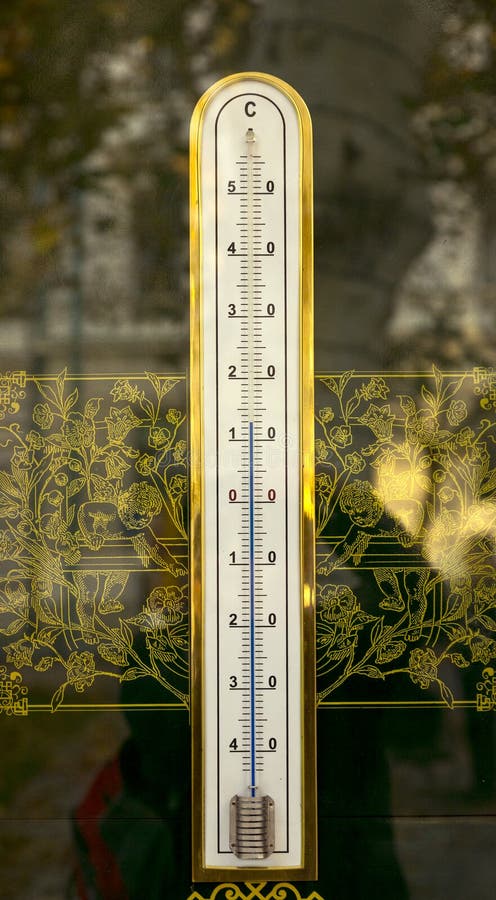
Excessive office temperatures measured in both degrees Celsius and Fahrenheit with electronics server in the background. Working environment conditions are extreme for both people and keeping electronic equipment cool. Temperatures decrease stock images, royalty-free photos and pictures
Turmeric is a flowering plant, Curcuma longa of the ginger family, Zingiberaceae, of which are used in cooking. The plant is a perennial, rhizomatous, herbaceous plant native to the Indian subcontinent and Southeast Asia, that requires temperatures between 20 and 30 °C 68 and 86 °F and a considerable amount of annual rainfall to thrive. Plants are gathered each year for their rhizomes, some for propagation in the following season and some for consumption. Turmeric has a warm, bitter taste and is frequently used to flavor or color curry powders, mustards, butters, and cheeses. Because curcumin and other chemicals in turmeric might decrease swelling, it is often used to treat conditions that involve pain and inflammation. People commonly use turmeric for osteoarthritis. It is also used for hay fever, depression, high cholesterol, a type of liver disease, and itching, but there is no good scientific evidence to support most of these uses. There is also no good evidence to support using turmeric for COVID-19. Temperatures decrease stock images, royalty-free photos and pictures
Scientists say the earth is gradually warming. Higher temperatures mean rivers and lakes will eventually dry up and oceans will rise affecting the survival of humanity, farming, plant growth, and wildlife. Temperatures decrease stock images, royalty-free photos and pictures
Timcheh-e Amin o Dowleh, Kashan Bazaar 19th century, in Iran. Persian architects used these structures to naturally decrease temperatures, regulate sunlight, and ventilate the interior spaces during the daytime. Temperatures decrease stock images, royalty-free photos and pictures
Timcheh-e Amin o Dowleh, Kashan Bazaar (19th century), in Iran. Persian architects used these structures to naturally decrease temperatures, regulate sunlight, and ventilate the interior spaces during the daytime. Temperatures decrease stock images, royalty-free photos and pictures
Timcheh-e Amin o Dowleh, Kashan Bazaar & x28;19th century& x29;. Persian architects used these structures to naturally decrease temperatures, regulate sunlight, and ventilate the interior spaces during the daytime. Temperatures decrease stock images, royalty-free photos and pictures