Free with trial Swainson's Thrush, Catharus ustulatus, is a medium-sized thrush. This species is 16-18 cm in length, and has the white-dark-white underwing patterm characteristic of Catharus thrushes. Swainson's Thrush was named after William Swainson, an English ornithologist. Texas sized stock images, royalty-free photos and pictures Swainson's Thrush
Free with trial George W. Bush, 43rd president of the USA stands resolute in front of the wreckage of the Pentagon inflicted by the terrorists who crashed a hijacked plane into the military headquarters complex in Northern Virginia on Sept. 11, 2001. Bush, is seen here in wax as a life-sized mannequin in front of the large blow-up of a photograph of the carnage, at Madame Tussauds in Washington, DC; March 3, 2012. Texas sized stock images, royalty-free photos and pictures President George W. Bush. George W. Bush, 43rd president of the USA stands resolute in front of the wreckage of the Pentagon inflicted by the terrorists who crashed a hijacked plane into the military headquarters complex in Northern Virginia on Sept. 11, 2001. Bush, is seen here in wax as a life-sized mannequin in front of the large blow-up of a photograph of the carnage, at Madame Tussauds in Washington, DC; March 3, 2012.
Free with trial 10/24/2010 Distant Supercell Storm The sun begins to set over Lake Lewisville illuminating the spectacular features on the supercell storm that produced baseball sized hail and tornados in Navarro. All primary storm features from the massive overshooting top, to the hard knuckled anvil and the main storm tower can be seen simultaneously from this range. Texas sized stock images, royalty-free photos and pictures Texas Supercell. 10/24/2010 Distant Supercell Storm The sun begins to set over Lake Lewisville illuminating the spectacular features on the supercell storm that produced baseball sized hail and tornados in Navarro. All primary storm features from the massive overshooting top, to the hard knuckled anvil and the main storm tower can be seen simultaneously from this range.
Free with trial Sculpture with two life sized bronze figurines pushing a large polished stainles steel ball in Dallas, Texas. It was custom made for the founder and owner of Power Properties, Braden Power. It is located at the entrance to the Greenhouse Flats Apartments in Dallas, Texas. Texas sized stock images, royalty-free photos and pictures Sculpture with two life sized bronze figurines pushing a large polished stainles steel ball in Dallas, Texas.
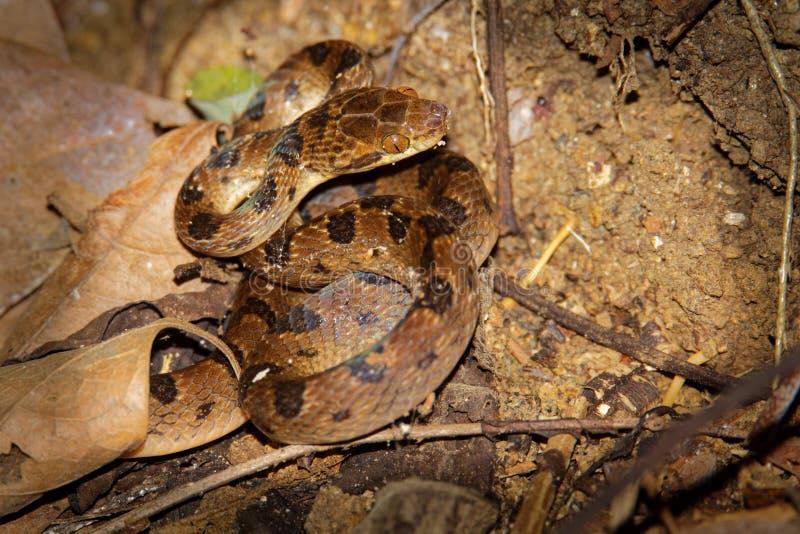
Free with trial Northern Cat-eyed Snake - Leptodeira septentrionalis species of medium-sized, slightly venomous snake, found from southern Texas to northern Colombia, Ecuador, Costa Rica. Texas sized stock images, royalty-free photos and pictures Northern Cat-eyed Snake - Leptodeira septentrionalis species of medium-sized, slightly venomous snake, found from southern Texas
Free with trial Northern Cat-eyed Snake - Leptodeira septentrionalis species of medium-sized, slightly venomous snake, found from southern Texas to northern Colombia, Ecuador, Costa Rica. Texas sized stock images, royalty-free photos and pictures Northern Cat-eyed Snake - Leptodeira septentrionalis species of medium-sized, slightly venomous snake, found from southern Texas
Free with trial Northern Cat-eyed Snake - Leptodeira septentrionalis species of medium-sized, slightly venomous snake, found from southern Texas to northern Colombia, Ecuador, Costa Rica. Texas sized stock images, royalty-free photos and pictures Northern Cat-eyed Snake - Leptodeira septentrionalis species of medium-sized, slightly venomous snake, found from southern Texas
Free with trial Houston, Texas - Exceptionally beautiful plus-sized woman of color. Texas sized stock images, royalty-free photos and pictures Exceptionally beautiful plus-sized woman of color with a palm tree in the background. Houston, Texas - Exceptionally beautiful plus-sized woman of color.
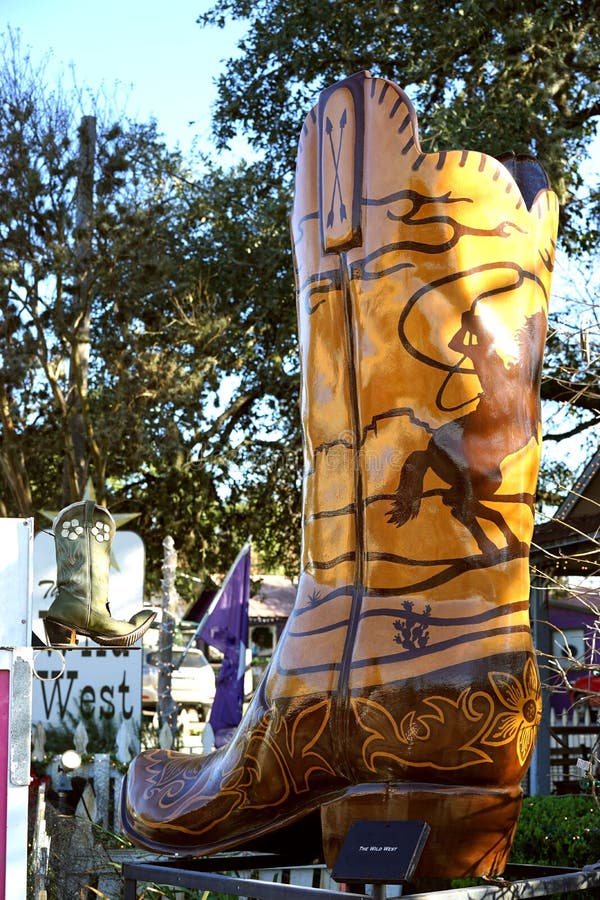
Free with trial This large cowboy boot landscape feature shows a cowboy in action on a rearing horse. Texas sized stock images, royalty-free photos and pictures Texas sized cowboy boot. This large cowboy boot landscape feature shows a cowboy in action on a rearing horse.
Free with trial An old, abandoned damaged full sized yellow school bus found at the edge of a pile of scrap metal in a salvage yard in a small Texas town. Texas sized stock images, royalty-free photos and pictures Old, abandoned, damaged school bus amid scrap metal at a salvage yard. An old, abandoned damaged full sized yellow school bus found at the edge of a pile of scrap metal in a salvage yard in a small Texas town.
Free with trial Pictured is a a life sized bronze sculpture of a cowboy on horseback. The sculptor is Anita Pauwels. It is part of a public art installation titled `Cattle Drive` in Central Park in Frisco, Texas. It features bronze statues, murals and saying about life on the Shawnee Trail, the first north-south cattle trail in Texas. It was created in 2003. Texas sized stock images, royalty-free photos and pictures Cowboy on horseback, a bronze sculpture by Anita Pauwels, part of a public art installation titled `Cattle Drive` in Central Park. Pictured is a a life sized bronze sculpture of a cowboy on horseback. The sculptor is Anita Pauwels. It is part of a public art installation titled `Cattle Drive` in Central Park in Frisco, Texas. It features bronze statues, murals and saying about life on the Shawnee Trail, the first north-south cattle trail in Texas. It was created in 2003.
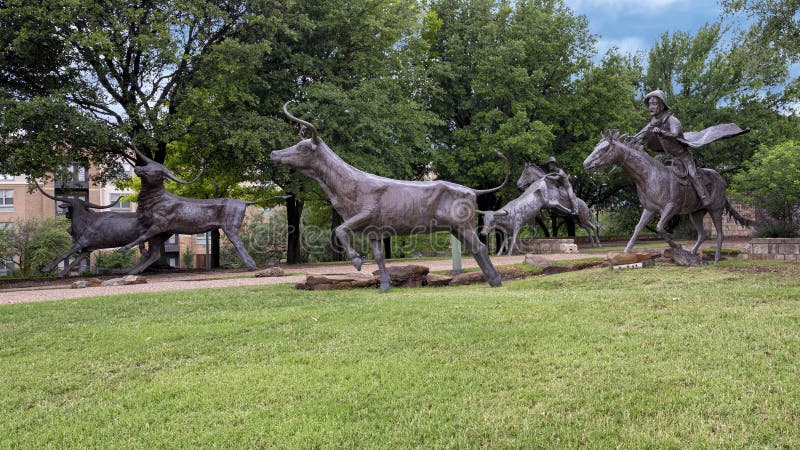
Free with trial Pictured are life sized longhorn steers and two cowboys on horseback, bronze sculptures by Anita Pauwels. They are part of a public art installation titled `Cattle Drive` in Central Park in Frisco, Texas. It features bronze statues, murals and sayings about life on the Shawnee Trail, the first north-south cattle trail in Texas. It was created in 2003. Texas sized stock images, royalty-free photos and pictures `Cattle Drive` by Anita Pauwels, part of a public art installation in Central Park in Frisco, Texas. Pictured are life sized longhorn steers and two cowboys on horseback, bronze sculptures by Anita Pauwels. They are part of a public art installation titled `Cattle Drive` in Central Park in Frisco, Texas. It features bronze statues, murals and sayings about life on the Shawnee Trail, the first north-south cattle trail in Texas. It was created in 2003.
Free with trial Pictured is a two story mural featuring Texas sized tourist coffee cups and mugs by Jill Stanton. It was , part of the Wild West Mural Fest in 2019. Dallas artists were joined by artists from Austin, Houston, Miami an Canada to create wild west themed murals on 12 building walls in West Dallas. Jill van Stanton is an artist and muralist from Edmonton, Alberta. Texas sized stock images, royalty-free photos and pictures Two story mural featuring Texas coffee cups by Jill Stanton, part of the Wild West Mural Fest in 2019. Pictured is a two story mural featuring Texas sized tourist coffee cups and mugs by Jill Stanton. It was , part of the Wild West Mural Fest in 2019. Dallas artists were joined by artists from Austin, Houston, Miami an Canada to create wild west themed murals on 12 building walls in West Dallas. Jill van Stanton is an artist and muralist from Edmonton, Alberta.
Free with trial Pictured are life sized longhorn steers and two cowboys on horseback, bronze sculptures by Anita Pauwels. They are part of a public art installation titled `Cattle Drive` in Central Park in Frisco, Texas. It features bronze statues, murals and sayings about life on the Shawnee Trail, the first north-south cattle trail in Texas. It was created in 2003. Texas sized stock images, royalty-free photos and pictures `Cattle Drive` by Anita Pauwels, part of a public art installation in Central Park in Frisco, Texas. Pictured are life sized longhorn steers and two cowboys on horseback, bronze sculptures by Anita Pauwels. They are part of a public art installation titled `Cattle Drive` in Central Park in Frisco, Texas. It features bronze statues, murals and sayings about life on the Shawnee Trail, the first north-south cattle trail in Texas. It was created in 2003.
Free with trial Pictured are life sized longhorn steers and two cowboys on horseback, bronze sculptures by Anita Pauwels. They are part of a public art installation titled `Cattle Drive` in Central Park in Frisco, Texas. It features bronze statues, murals and sayings about life on the Shawnee Trail, the first north-south cattle trail in Texas. It was created in 2003. Texas sized stock images, royalty-free photos and pictures `Cattle Drive` by Anita Pauwels, part of a public art installation in Central Park in Frisco, Texas. Pictured are life sized longhorn steers and two cowboys on horseback, bronze sculptures by Anita Pauwels. They are part of a public art installation titled `Cattle Drive` in Central Park in Frisco, Texas. It features bronze statues, murals and sayings about life on the Shawnee Trail, the first north-south cattle trail in Texas. It was created in 2003.
Free with trial A close shot of a high contrast, medium sized western diamond back rattlesnake from West Texas. Texas sized stock images, royalty-free photos and pictures Western Diamondback Rattlesnake. A close shot of a high contrast, medium sized western diamond back rattlesnake from West Texas.
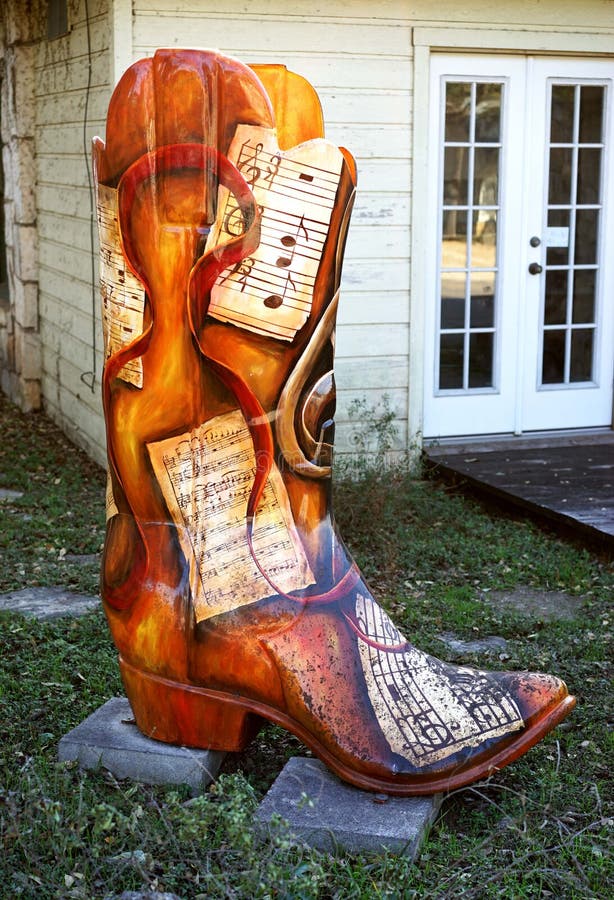
Free with trial This Texas sized cowboy boot has a sheet music theme. Texas sized stock images, royalty-free photos and pictures Cowboy boot with sheet music. This Texas sized cowboy boot has a sheet music theme.
Free with trial This large cowboy boot landscape feature shows an urban cowboy boot with abstract buildings. Texas sized stock images, royalty-free photos and pictures Texas sized urban cowboy boot. This large cowboy boot landscape feature shows an urban cowboy boot with abstract buildings.
Free with trial The Florida stone crab, Menippe mercenaria, is a crab found in the western North Atlantic, from Connecticut to Belize, including Texas, the Gulf of Mexico, Cuba, The Bahamas, and the East Coast The crab can also be found in and around the salt marshes of South Carolina and Georgia. It is widely caught for food. They are brownish red with gray spots and a tan underside, and have large and unequally-sized chelae (claws) with black tips. Texas sized stock images, royalty-free photos and pictures Florida Stone Crab
Free with trial Red-bellied Woodpecker perched on side of pine tree in Athens, GA in July. The red-bellied woodpecker Melanerpes carolinus is a medium-sized woodpecker of the family Picidae. It breeds mainly in the eastern United States, ranging as far south as Texas and as far north as Canada. Texas sized stock images, royalty-free photos and pictures Red-bellied Woodpecker in Loblolly Pine Tree, Georgia USA. Red-bellied Woodpecker perched on side of pine tree in Athens, GA in July. The red-bellied woodpecker Melanerpes carolinus is a medium-sized woodpecker of the family Picidae. It breeds mainly in the eastern United States, ranging as far south as Texas and as far north as Canada.
Free with trial The common nighthawk Chordeiles minor flying over wetland on the East End of Galveston Island, Texas, USA. Texas sized stock images, royalty-free photos and pictures The common nighthawk Chordeiles minor flying over wetland
Free with trial The common nighthawk Chordeiles minor flying over wetland, Texas, USA. Texas sized stock images, royalty-free photos and pictures The common nighthawk Chordeiles minor
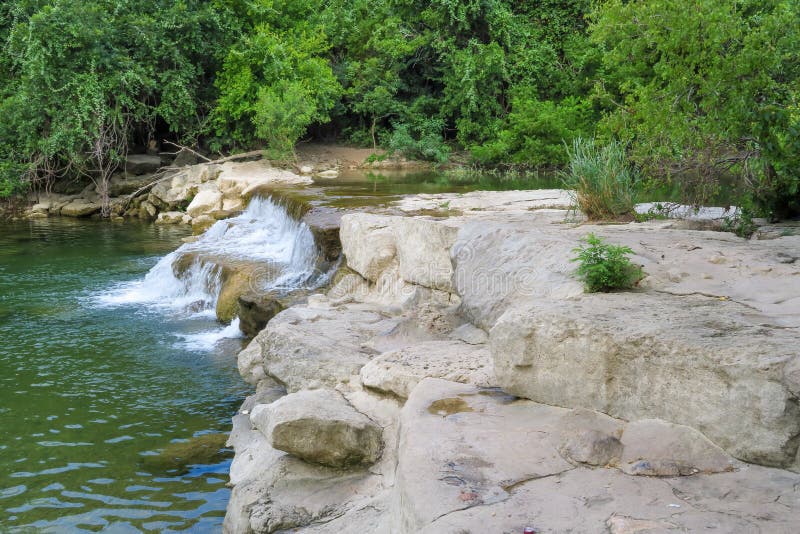
Free with trial Water pouring over sedimentary rock to create a waterfall on a medium sized Texas creek. Texas sized stock images, royalty-free photos and pictures Water pouring over sedimentary rock to create a waterfall
Free with trial Pictured is a life sized longhorn steer bronze sculpture by Anita Pauwels. It is part of a public art installation titled `Cattle Drive` in Central Park in Frisco, Texas. It features bronze statues, murals and saying about life on the Shawnee Trail, the first north-south cattle trail in Texas. It was created in 2003. Texas sized stock images, royalty-free photos and pictures Longhorn Steer bronze sculpture by Anita Pauwels, part of a public art installation titled `Cattle Drive` in Central Park. Pictured is a life sized longhorn steer bronze sculpture by Anita Pauwels. It is part of a public art installation titled `Cattle Drive` in Central Park in Frisco, Texas. It features bronze statues, murals and saying about life on the Shawnee Trail, the first north-south cattle trail in Texas. It was created in 2003.
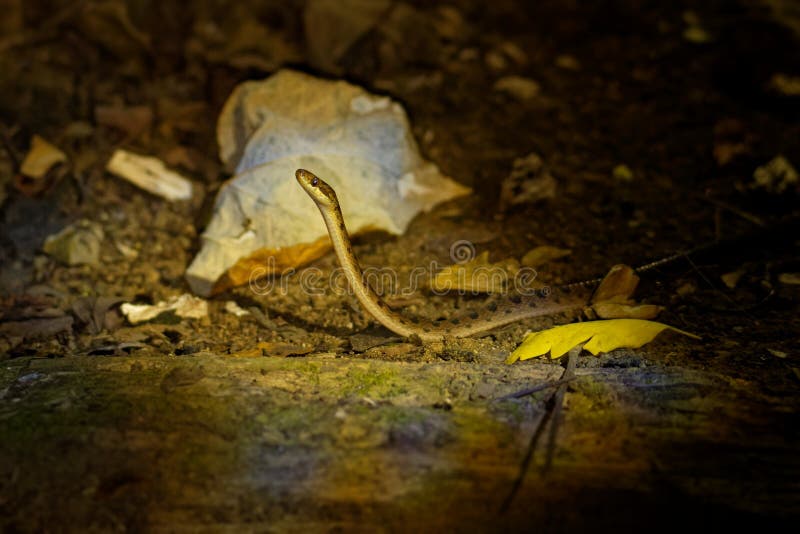
Free with trial A Cat-Eyed Snake Leptodeira posticta is seen sliding through the brush in Nakum Archaeological site, in the northern jungles of Peten, in Guatemala. Leptodeira is a genus of colubrid snakes common referred to as cat-eyed snakes. The genus consists of 12 species that are native to primari Mexico and Central America, but range as far north as the southern tip of Texas in United States and as far south as Argentina in South America. This snake is a species of medium-sized, mild venomous, colubrid snake endemic to the New World. Additional common names include: cat-eyed night snake, come sapo, culebra de pantano, culebra destenida, machete savane, mapana de agua, mapana tigre, and ranera. It is found in Mexico, Central America, and South America, including the offshore islands of Margarita, and Trinidad and Tobago. It has a pair of enlarged, grooved teeth at the rear of each upper jaw maxilla, and produces a mild venom. The venom affects the snake`s natural prey main small frogs and small lizards. The snake tends not to bite humans when handled, but when it does, the venom has relative mild effects in most individuals some describe it as a slight irritating/itching sensation with slight swelling. The snake is not considered a risk to human health. It preys on frogs, frog eggs, salamanders, and small reptiles such as lizards. It may also feed on fledgling birds. Texas sized stock images, royalty-free photos and pictures Wildlife: A Cat-Eyed Snake is seen dwelling during the night in the Northern Jungles of Guatemala. A Cat-Eyed Snake Leptodeira posticta is seen sliding through the brush in Nakum Archaeological site, in the northern jungles of Peten, in Guatemala. Leptodeira is a genus of colubrid snakes common referred to as cat-eyed snakes. The genus consists of 12 species that are native to primari Mexico and Central America, but range as far north as the southern tip of Texas in United States and as far south as Argentina in South America. This snake is a species of medium-sized, mild venomous, colubrid snake endemic to the New World. Additional common names include: cat-eyed night snake, come sapo, culebra de pantano, culebra destenida, machete savane, mapana de agua, mapana tigre, and ranera. It is found in Mexico, Central America, and South America, including the offshore islands of Margarita, and Trinidad and Tobago. It has a pair of enlarged, grooved teeth at the rear of each upper jaw maxilla, and produces a mild venom. The venom affects the snake`s natural prey main small frogs and small lizards. The snake tends not to bite humans when handled, but when it does, the venom has relative mild effects in most individuals some describe it as a slight irritating/itching sensation with slight swelling. The snake is not considered a risk to human health. It preys on frogs, frog eggs, salamanders, and small reptiles such as lizards. It may also feed on fledgling birds.
Free with trial Parabuteo unicinctus. A medium-sized predatory bird of the Harrier family, ranging from the southwestern United States to the south to Chile and the central part of Argentina. Photographed in Czech. Nice picture. Nature. From bird life. Texas sized stock images, royalty-free photos and pictures Parabuteo unicinctus. A medium-sized predatory bird of the Harrier family, ranging from the southwestern United States
Free with trial Severe thunderstorm that produced golf ball sized hail in Kingston Texas on April 4 2017. Texas sized stock images, royalty-free photos and pictures Supercell viewed from Greenville Texas. Severe thunderstorm that produced golf ball sized hail in Kingston Texas on April 4 2017
Free with trial The Leopard lizard is a medium sized lizard species from the desert of Arizona to Mexico. These are extreme predators and will hunt down anything they come across, including their owns. Texas sized stock images, royalty-free photos and pictures Leopard lizard / Gambelia wislizenii. The Leopard lizard is a medium sized lizard species from the desert of Arizona to Mexico. These are extreme predators and will hunt down anything they come across, including their owns.
Free with trial Medium-sized, stocky chickadee with pale gray upperparts and breast and pale olive-brown underparts. Texas sized stock images, royalty-free photos and pictures Chickadee Morning. Medium-sized, stocky chickadee with pale gray upperparts and breast and pale olive-brown underparts.
Free with trial The White-tailed deer (Odocoileus virginianus), also known as the Virginia deer, or simply as the whitetail, is a medium-sized deer found throughout most of the continental United States, southern Canada, Mexico, Central America and northern portions of South America as far south as Peru. Texas sized stock images, royalty-free photos and pictures White-tailed Buck Portrait. The White-tailed deer (Odocoileus virginianus), also known as the Virginia deer, or simply as the whitetail, is a medium-sized deer found throughout most of the continental United States, southern Canada, Mexico, Central America and northern portions of South America as far south as Peru.
Free with trial The red-bellied woodpecker is a medium-sized woodpecker of the Picidae family. It breeds in southern Canada, northeastern Mexico, and the northeastern United States, ranging as far south as Florida and as far west as Texas. Texas sized stock images, royalty-free photos and pictures Red Bellied Woodpecker. The red-bellied woodpecker is a medium-sized woodpecker of the Picidae family. It breeds in southern Canada, northeastern Mexico, and the northeastern United States, ranging as far south as Florida and as far west as Texas.
Free with trial The white-tailed deer Odocoileus virginianus, also known as the whitetail or Virginia deer, is a medium-sized deer native to the United States, Canada, Mexico, Central America, and South America as far south as Peru and Bolivia. [2] It has also been introduced to New Zealand, Cuba, Jamaica, Hispaniola, Puerto Rico, the Bahamas, the Lesser Antilles, and some countries in Europe, such as Finland, the Czech Republic, Romania and Serbia. [3][4] In the Americas, it is the most widely distributed wild ungulate. In North America, the species is widely distributed east of the Rocky Mountains, but elsewhere, it is mostly replaced by the black-tailed or mule deer Odocoileus hemionus. In western North America, it is found in aspen parklands and deciduous river bottomlands within the central and northern Great Plains, and in mixed deciduous riparian corridors, river valley bottomlands, and lower foothills of the northern Rocky Mountain regions from South Dakota and Wyoming to northeastern British Columbia, including the Montana Valley and Foothill grasslands. The conversion of land adjacent to the northern Rockies into agriculture use and partial clear-cutting of coniferous trees resulting in widespread deciduous vegetation has been favorable to the white-tailed deer and has pushed its distribution to as far north as Fort St. John, British Columbia. Populations of deer around the Great Lakes have also expanded their range northwards, due to conversion of land to agricultural. Texas sized stock images, royalty-free photos and pictures Whitetail Bucks in Meadow, White Tail. The white-tailed deer Odocoileus virginianus, also known as the whitetail or Virginia deer, is a medium-sized deer native to the United States, Canada, Mexico, Central America, and South America as far south as Peru and Bolivia.[2] It has also been introduced to New Zealand, Cuba, Jamaica, Hispaniola, Puerto Rico, the Bahamas, the Lesser Antilles, and some countries in Europe, such as Finland, the Czech Republic, Romania and Serbia.[3][4] In the Americas, it is the most widely distributed wild ungulate. In North America, the species is widely distributed east of the Rocky Mountains, but elsewhere, it is mostly replaced by the black-tailed or mule deer Odocoileus hemionus. In western North America, it is found in aspen parklands and deciduous river bottomlands within the central and northern Great Plains, and in mixed deciduous riparian corridors, river valley bottomlands, and lower foothills of the northern Rocky Mountain regions from South Dakota and Wyoming to northeastern British Columbia, including the Montana Valley and Foothill grasslands. The conversion of land adjacent to the northern Rockies into agriculture use and partial clear-cutting of coniferous trees resulting in widespread deciduous vegetation has been favorable to the white-tailed deer and has pushed its distribution to as far north as Fort St. John, British Columbia. Populations of deer around the Great Lakes have also expanded their range northwards, due to conversion of land to agricultural
Free with trial The western pond turtle (Actinemys marmorata or Emys marmorata), or Pacific pond turtle is a small to medium-sized turtle growing to approximately 20 cm (8 in) in carapace length. It is limited to the west coast of the United States of America and Mexico, ranging from western Washington state to northern Baja California. Texas sized stock images, royalty-free photos and pictures Western Pond Turtle (Actinemys marmorata or Emys marmorata)
Free with trial Rose-throated amazon,The Cuban amazon also known as Cuban parrot or the rose-throated parrot, is a medium-sized mainly green parrot found in woodlands and dry forests of Cuba. Texas sized stock images, royalty-free photos and pictures Rose-throated amazon parrot. Rose-throated amazon,The Cuban amazon also known as Cuban parrot or the rose-throated parrot, is a medium-sized mainly green parrot found in woodlands and dry forests of Cuba.
Free with trial Rose-throated amazon,The Cuban amazon also known as Cuban parrot or the rose-throated parrot, is a medium-sized mainly green parrot found in woodlands and dry forests of Cuba. Texas sized stock images, royalty-free photos and pictures Rose-throated amazon parrot. Rose-throated amazon,The Cuban amazon also known as Cuban parrot or the rose-throated parrot, is a medium-sized mainly green parrot found in woodlands and dry forests of Cuba.
Free with trial Rufous grasshopper or Gomphocerippus rufous on bamboo stake at backyard garden in Dallas, Texas, medium-sized, broad, brown, short-horned grasshopper with clubbed antennae tipped pale color. USA. Texas sized stock images, royalty-free photos and pictures Rufous grasshopper or Gomphocerippus rufous on bamboo stake at backyard garden in Dallas, Texas, medium-sized, broad, brown, short
Free with trial Sideview rufous grasshopper or Gomphocerippus on pepper plant at backyard garden in Dallas, Texas, medium-sized, broad, brown, short-horned grasshopper with clubbed antennae tipped pale color. USA. Texas sized stock images, royalty-free photos and pictures Sideview rufous grasshopper or Gomphocerippus on pepper plant at backyard garden in Dallas, Texas, medium-sized, broad, brown
Free with trial Close-up rufous grasshopper or Gomphocerippus on pepper plant at backyard garden in Dallas, Texas, medium-sized, broad, brown, short-horned grasshopper with clubbed antennae tipped pale color. USA. Texas sized stock images, royalty-free photos and pictures Close-up rufous grasshopper or Gomphocerippus on pepper plant at backyard garden in Dallas, Texas, medium-sized, broad, brown
Free with trial Rear view rufous grasshopper or Gomphocerippus on pepper plant at backyard garden in Dallas, Texas, medium-sized, broad, brown, short-horned grasshopper with clubbed antennae tipped pale color. USA. Texas sized stock images, royalty-free photos and pictures Rear view rufous grasshopper or Gomphocerippus on pepper plant at backyard garden in Dallas, Texas, medium-sized, broad, brown
Free with trial Panorama side view rufous grasshopper or Gomphocerippus on pepper plant at backyard garden, Dallas, Texas, medium-sized, broad, brown, short-horned insect with clubbed antennae tipped pale color. USA. Texas sized stock images, royalty-free photos and pictures Panorama side view rufous grasshopper or Gomphocerippus on pepper plant at backyard garden, Dallas, Texas, medium-sized, broad
Free with trial Panorama side view rufous grasshopper or Gomphocerippus on pepper plant at backyard garden, Dallas, Texas, medium-sized, broad, brown, short-horned insect with clubbed antennae tipped pale color. USA. Texas sized stock images, royalty-free photos and pictures Panorama side view rufous grasshopper or Gomphocerippus on pepper plant at backyard garden, Dallas, Texas, medium-sized, broad
Free with trial Black-crowned night heron (*Nycticorax nycticorax*) in flight against a clear blue sky in Harris County, Texas. The bird displays a striking black crown, gray wings, and red eyes, characteristic of the species. Its wings are fully extended, showcasing their span as the bird glides effortlessly. The heron's long, pointed beak is visible, and its legs trail behind. This medium-sized heron is commonly found near wetlands and rivers, feeding on fish and small aquatic creatures. Texas sized stock images, royalty-free photos and pictures Black-crowned night heron in flight, Harris County, Texas. Black-crowned night heron (*Nycticorax nycticorax*) in flight against a clear blue sky in Harris County, Texas. The bird displays a striking black crown, gray wings, and red eyes, characteristic of the species. Its wings are fully extended, showcasing their span as the bird glides effortlessly. The heron's long, pointed beak is visible, and its legs trail behind. This medium-sized heron is commonly found near wetlands and rivers, feeding on fish and small aquatic creatures.
Free with trial A Plain Chachalaca (*Ortalis vetula*) perches on a branch in Bentsen-Rio Grande Valley State Park, Texas. The bird has a grayish-brown plumage with a slightly darker head and a medium-sized, curved beak. It is surrounded by green leaves and small berries. The chachalaca is native to this region and known for its loud calls. The background is a blurred mixture of green and branches, indicating a dense, natural habitat. Texas sized stock images, royalty-free photos and pictures Plain Chachalaca (Ortalis vetula) feeding with berries on a bush at Bentsen?Rio Grande Valley State Park, Texas. A Plain Chachalaca (*Ortalis vetula*) perches on a branch in Bentsen-Rio Grande Valley State Park, Texas. The bird has a grayish-brown plumage with a slightly darker head and a medium-sized, curved beak. It is surrounded by green leaves and small berries. The chachalaca is native to this region and known for its loud calls. The background is a blurred mixture of green and branches, indicating a dense, natural habitat.
Free with trial Bronze statue of The Woodlands, Texas, founder George P. Mitchell. The life-sized bronze was created by Jay Hester and is located in Town Green Park. Texas sized stock images, royalty-free photos and pictures Bronze Statue of The Woodlands, Texas, Founder George P. Mitchell
Free with trial Pictured is the monumental bronze Texan Rider statue by Mike Tabor in front of Memorial Stadium at Tarleton State University, Stephenville, Texas, United States of America. The iconic horse and rider emerged as the athletic mascot of Tarleton State in 1961. The 13. 5 foot tall, more than 3500 pound, large than life sized bronze statue is the first three dimensional artistic manifestation of the Tarleton State icon. It was unveiled August 25th, 2024. Texas sized stock images, royalty-free photos and pictures Texan Rider statue by Mike Tabor in front of Memorial Stadium at Tarleton State University, Stephenville. Pictured is the monumental bronze Texan Rider statue. Pictured is the monumental bronze Texan Rider statue by Mike Tabor in front of Memorial Stadium at Tarleton State University, Stephenville, Texas, United States of America. The iconic horse and rider emerged as the athletic mascot of Tarleton State in 1961. The 13.5 foot tall, more than 3500 pound, large than life sized bronze statue is the first three dimensional artistic manifestation of the Tarleton State icon. It was unveiled August 25th, 2024.
Free with trial Pictured is the monumental bronze Texan Rider statue by Mike Tabor in front of Memorial Stadium at Tarleton State University, Stephenville, Texas, United States of America. The iconic horse and rider emerged as the athletic mascot of Tarleton State in 1961. The 13. 5 foot tall, more than 3500 pound, large than life sized bronze statue is the first three dimensional artistic manifestation of the Tarleton State icon. It was unveiled August 25th, 2024. Texas sized stock images, royalty-free photos and pictures Texan Rider statue by Mike Tabor in front of Memorial Stadium at Tarleton State University, Stephenville. Pictured is the monumental bronze Texan Rider statue by Mike Tabor in front of Memorial Stadium at Tarleton State University, Stephenville, Texas, United States of America. The iconic horse and rider emerged as the athletic mascot of Tarleton State in 1961. The 13.5 foot tall, more than 3500 pound, large than life sized bronze statue is the first three dimensional artistic manifestation of the Tarleton State icon. It was unveiled August 25th, 2024.
Free with trial Pictured is the monumental bronze Texan Rider statue by Mike Tabor in front of Memorial Stadium at Tarleton State University, Stephenville, Texas, United States of America. The iconic horse and rider emerged as the athletic mascot of Tarleton State in 1961. The 13. 5 foot tall, more than 3500 pound, large than life sized bronze statue is the first three dimensional artistic manifestation of the Tarleton State icon. It was unveiled August 25th, 2024. Texas sized stock images, royalty-free photos and pictures Texan Rider statue by Mike Tabor in front of Memorial Stadium at Tarleton State University, Stephenville. Pictured is the monumental bronze Texan Rider statue by Mike Tabor in front of Memorial Stadium at Tarleton State University, Stephenville, Texas, United States of America. The iconic horse and rider emerged as the athletic mascot of Tarleton State in 1961. The 13.5 foot tall, more than 3500 pound, large than life sized bronze statue is the first three dimensional artistic manifestation of the Tarleton State icon. It was unveiled August 25th, 2024.
Free with trial Pictured is the information plaque for the monumental bronze Texan Rider statue by Mike Tabor in front of Memorial Stadium at Tarleton State University, Stephenville, Texas, United States of America. The iconic horse and rider emerged as the athletic mascot of Tarleton State in 1961. The 13. 5 foot tall, more than 3500 pound, large than life sized bronze statue is the first three dimensional artistic manifestation of the Tarleton State icon. It was unveiled August 25th, 2024. Texas sized stock images, royalty-free photos and pictures Information plaque Texan Rider statue by Mike Tabor in front of Memorial Stadium at Tarleton State University, Stephenville. Pictured is the information plaque for the monumental bronze Texan Rider statue by Mike Tabor in front of Memorial Stadium at Tarleton State University, Stephenville, Texas, United States of America. The iconic horse and rider emerged as the athletic mascot of Tarleton State in 1961. The 13.5 foot tall, more than 3500 pound, large than life sized bronze statue is the first three dimensional artistic manifestation of the Tarleton State icon. It was unveiled August 25th, 2024.
Free with trial An American white ibis is seen standing in a water-wheel or aerator, in a shrimp farm near the Las Lisas beach in Santa Rosa, Guatemala. The American white ibis (Eudocimus albus) is a species of bird in the ibis family, Threskiornithidae. It is found from the southern half of the US East Coast (from southern New Jersey, Virginia, the Carolinas and Georgia), along the Gulf Coast states Florida, Alabama, Mississippi, Louisiana and Texas and south through most of the Caribbean coastal regions of Central America. This particular ibis species is a medium-sized wading bird, possessing an overall white plumage with black wing-tips usually only visible in flight, and having the typical downward-curving bill of the ibises, though of a bright red-orange color, the same hue as its long legs. Males are larger and have longer bills than females. The breeding range runs along the Gulf and Atlantic Coast, and the coasts of Mexico and Central America. Outside the breeding period, the range extends further inland in North America and also includes the Caribbean. It is also found along the northwestern South American coastline in Colombia and Venezuela. Populations in central Venezuela overlap and interbreed with the scarlet ibis. The two have been classified by some authorities as a single species. Their diet consists primarily of small aquatic prey, such as insects and small fishes. Crayfish are its preferred food in most regions, but it can adjust its diet according to the habitat and prey abundance. Its main foraging behavior is probing with its beak at the bottom of shallow water to feel for and capture its prey. It does not see the prey. During the breeding season, the American white ibis gathers in huge colonies near water. Pairs are predominantly monogamous and both parents care for the young, although males tend to engage in extra-pair copulation with other females to increase their reproductive success. Males have also been found to pirate food from unmated females and juveniles during the breeding season. Human pollution has affected the behavior of the American white ibis via an increase in the concentrations of methylmercury, which is released into the environment from untreated waste. Exposure alters the hormone levels of American white ibis, affecting their mating and nesting behavior and leading to lower reproduction rates. Remains similar to the American white ibis have been found in Middle Pliocene deposits of the Bone Valley formation in the U. S. Two species, one living and one extinct, have been recovered from the Talara Tar Seeps in northern coastal Peru. The tar seeps have been dated at 13,900 years old. The American white ibis is still found in Peru. Texas sized stock images, royalty-free photos and pictures WIldlife in Guatemala: An American white ibis is seen in a shrimp farm. An American white ibis is seen standing in a water-wheel or aerator, in a shrimp farm near the Las Lisas beach in Santa Rosa, Guatemala. The American white ibis (Eudocimus albus) is a species of bird in the ibis family, Threskiornithidae. It is found from the southern half of the US East Coast (from southern New Jersey, Virginia, the Carolinas and Georgia), along the Gulf Coast states Florida, Alabama, Mississippi, Louisiana and Texas and south through most of the Caribbean coastal regions of Central America. This particular ibis species is a medium-sized wading bird, possessing an overall white plumage with black wing-tips usually only visible in flight, and having the typical downward-curving bill of the ibises, though of a bright red-orange color, the same hue as its long legs. Males are larger and have longer bills than females. The breeding range runs along the Gulf and Atlantic Coast, and the coasts of Mexico and Central America. Outside the breeding period, the range extends further inland in North America and also includes the Caribbean. It is also found along the northwestern South American coastline in Colombia and Venezuela. Populations in central Venezuela overlap and interbreed with the scarlet ibis. The two have been classified by some authorities as a single species. Their diet consists primarily of small aquatic prey, such as insects and small fishes. Crayfish are its preferred food in most regions, but it can adjust its diet according to the habitat and prey abundance. Its main foraging behavior is probing with its beak at the bottom of shallow water to feel for and capture its prey. It does not see the prey.During the breeding season, the American white ibis gathers in huge colonies near water. Pairs are predominantly monogamous and both parents care for the young, although males tend to engage in extra-pair copulation with other females to increase their reproductive success. Males have also been found to pirate food from unmated females and juveniles during the breeding season. Human pollution has affected the behavior of the American white ibis via an increase in the concentrations of methylmercury, which is released into the environment from untreated waste. Exposure alters the hormone levels of American white ibis, affecting their mating and nesting behavior and leading to lower reproduction rates. Remains similar to the American white ibis have been found in Middle Pliocene deposits of the Bone Valley formation in the U.S. Two species, one living and one extinct, have been recovered from the Talara Tar Seeps in northern coastal Peru. The tar seeps have been dated at 13,900 years old. The American white ibis is still found in Peru.
Free with trial This life-sized nutcracker is seen at the Abilene, Texas zoo. He's wearing a red uniform with a black hat and has white hair and a white goat tee. He's holding a staff with a small Christmas tree. it's one of the many nutcrackers scattered around the zoo in preparation for the coming holiday season. He's standing in front of a wooden fence made of small round tree trunks. Texas sized stock images, royalty-free photos and pictures Nutcracker in Red Uniform with Christmas Tree staff. This life-sized nutcracker is seen at the Abilene, Texas zoo. He's wearing a red uniform with a black hat and has white hair and a white goat tee. He's holding a staff with a small Christmas tree. it's one of the many nutcrackers scattered around the zoo in preparation for the coming holiday season. He's standing in front of a wooden fence made of small round tree trunks.
Free with trial Summer Tanager (Piranga rubra) is a medium-sized American songbird. Formerly placed in the Tanager family (Thraupidae), it and other members of its genus are now classified in the Cardinal family (Cardinalidae. Texas sized stock images, royalty-free photos and pictures Summer Tanager perched on branch. Summer Tanager (Piranga rubra) is a medium-sized American songbird. Formerly placed in the Tanager family (Thraupidae), it and other members of its genus are now classified in the Cardinal family (Cardinalidae
Free with trial The dusky-capped flycatcher is a passerine bird in the tyrant flycatcher family. It breeds in forest and other woodland from southern Arizona, as well as the Chisos Mountains, Texas, south to northern Argentina and on Trinidad. It is resident in most of its range, but American breeders retreat to Mexico in winter. Texas sized stock images, royalty-free photos and pictures The dusky-capped flycatcher in Arizona. The dusky-capped flycatcher is a passerine bird in the tyrant flycatcher family. It breeds in forest and other woodland from southern Arizona, as well as the Chisos Mountains, Texas, south to northern Argentina and on Trinidad. It is resident in most of its range, but American breeders retreat to Mexico in winter.
Free with trial A juvenile American white ibis is seen standing atop an aerator, or water wheel, in a shrimp located near the Las Lisas Beach, in Santa Rosa, Guatemala. The American white ibis (Eudocimus albus) is a species of bird in the ibis family, Threskiornithidae. It is found from the southern half of the US East Coast (from southern New Jersey, Virginia, the Carolinas and Georgia), along the Gulf Coast states Florida, Alabama, Mississippi, Louisiana and Texas and south through most of the Caribbean coastal regions of Central America. This particular ibis species is a medium-sized wading bird, possessing an overall white plumage with black wing-tips usually only visible in flight, and having the typical downward-curving bill of the ibises, though of a bright red-orange color, the same hue as its long legs. Males are larger and have longer bills than females. The breeding range runs along the Gulf and Atlantic Coast, and the coasts of Mexico and Central America. Outside the breeding period, the range extends further inland in North America and also includes the Caribbean. It is also found along the northwestern South American coastline in Colombia and Venezuela. Populations in central Venezuela overlap and interbreed with the scarlet ibis. The two have been classified by some authorities as a single species. Their diet consists primarily of small aquatic prey, such as insects and small fishes. Crayfish are its preferred food in most regions, but it can adjust its diet according to the habitat and prey abundance. Its main foraging behavior is probing with its beak at the bottom of shallow water to feel for and capture its prey. It does not see the prey. During the breeding season, the American white ibis gathers in huge colonies near water. Pairs are predominantly monogamous and both parents care for the young, although males tend to engage in extra-pair copulation with other females to increase their reproductive success. Males have also been found to pirate food from unmated females and juveniles during the breeding season. Human pollution has affected the behavior of the American white ibis via an increase in the concentrations of methylmercury, which is released into the environment from untreated waste. Exposure alters the hormone levels of American white ibis, affecting their mating and nesting behavior and leading to lower reproduction rates. Remains similar to the American white ibis have been found in Middle Pliocene deposits of the Bone Valley formation in the U. S. Two species, one living and one extinct, have been recovered from the Talara Tar Seeps in northern coastal Peru. The tar seeps have been dated at 13,900 years old. The American white ibis is still found in Peru. Texas sized stock images, royalty-free photos and pictures Wildlife in Guatemala: An juvenile American white ibis is seen standing in an aerator in a shrimp farm. A juvenile American white ibis is seen standing atop an aerator, or water wheel, in a shrimp located near the Las Lisas Beach, in Santa Rosa, Guatemala. The American white ibis (Eudocimus albus) is a species of bird in the ibis family, Threskiornithidae. It is found from the southern half of the US East Coast (from southern New Jersey, Virginia, the Carolinas and Georgia), along the Gulf Coast states Florida, Alabama, Mississippi, Louisiana and Texas and south through most of the Caribbean coastal regions of Central America. This particular ibis species is a medium-sized wading bird, possessing an overall white plumage with black wing-tips usually only visible in flight, and having the typical downward-curving bill of the ibises, though of a bright red-orange color, the same hue as its long legs. Males are larger and have longer bills than females. The breeding range runs along the Gulf and Atlantic Coast, and the coasts of Mexico and Central America. Outside the breeding period, the range extends further inland in North America and also includes the Caribbean. It is also found along the northwestern South American coastline in Colombia and Venezuela. Populations in central Venezuela overlap and interbreed with the scarlet ibis. The two have been classified by some authorities as a single species. Their diet consists primarily of small aquatic prey, such as insects and small fishes. Crayfish are its preferred food in most regions, but it can adjust its diet according to the habitat and prey abundance. Its main foraging behavior is probing with its beak at the bottom of shallow water to feel for and capture its prey. It does not see the prey.During the breeding season, the American white ibis gathers in huge colonies near water. Pairs are predominantly monogamous and both parents care for the young, although males tend to engage in extra-pair copulation with other females to increase their reproductive success. Males have also been found to pirate food from unmated females and juveniles during the breeding season. Human pollution has affected the behavior of the American white ibis via an increase in the concentrations of methylmercury, which is released into the environment from untreated waste. Exposure alters the hormone levels of American white ibis, affecting their mating and nesting behavior and leading to lower reproduction rates. Remains similar to the American white ibis have been found in Middle Pliocene deposits of the Bone Valley formation in the U.S. Two species, one living and one extinct, have been recovered from the Talara Tar Seeps in northern coastal Peru. The tar seeps have been dated at 13,900 years old. The American white ibis is still found in Peru.
Free with trial A Reddish egret is seen walking around in a pond, looking for food, in a shrimp farm near the Las Lisas beach, in Santa Rosa, Guatemala. The reddish egret (Egretta rufescens) is a medium-sized heron that is a resident breeder in Central America, the Bahamas, the Caribbean, the Gulf Coast of the United States (primarily Texas), and Mexico. The egret is known for its unusual foraging behavior compared to other herons as well as its association with mud flats, its habitat of choice. In the past, this bird was a victim of the plume trade and is North America’s rarest and least studied ardeid. The reddish egret is considered one of the most active herons, and is often seen on the move. It stalks its prey (fish, frogs, crustaceans, and insects) in shallow water, typically near mud flats, while frequently running energetically and using the shadow of its wings to reduce glare on the water once it is in position to spear its prey. Due to its bold, rapacious yet graceful feeding behavior and its typical proximity to mud flats, author Pete Dunne nicknamed the reddish egret "the Tyrannosaurus rex of the Flats". According to the Texas Parks and Wildlife Department, there are only 1,500 to 2,000 nesting pairs of reddish egrets in the United States - and most of these are in Texas. They are classified as "threatened" in Texas and receive special protection. Texas sized stock images, royalty-free photos and pictures Wildlife in Guatemala: A Reddish egret is seen walking around in a pond looking for food. A Reddish egret is seen walking around in a pond, looking for food, in a shrimp farm near the Las Lisas beach, in Santa Rosa, Guatemala. The reddish egret (Egretta rufescens) is a medium-sized heron that is a resident breeder in Central America, the Bahamas, the Caribbean, the Gulf Coast of the United States (primarily Texas), and Mexico. The egret is known for its unusual foraging behavior compared to other herons as well as its association with mud flats, its habitat of choice. In the past, this bird was a victim of the plume trade and is North America’s rarest and least studied ardeid. The reddish egret is considered one of the most active herons, and is often seen on the move. It stalks its prey (fish, frogs, crustaceans, and insects) in shallow water, typically near mud flats, while frequently running energetically and using the shadow of its wings to reduce glare on the water once it is in position to spear its prey. Due to its bold, rapacious yet graceful feeding behavior and its typical proximity to mud flats, author Pete Dunne nicknamed the reddish egret "the Tyrannosaurus rex of the Flats". According to the Texas Parks and Wildlife Department, there are only 1,500 to 2,000 nesting pairs of reddish egrets in the United States - and most of these are in Texas. They are classified as "threatened" in Texas and receive special protection.
Free with trial A Reddish egret is seen walking around in a pond, looking for food, in a shrimp farm near the Las Lisas beach, in Santa Rosa, Guatemala. The reddish egret (Egretta rufescens) is a medium-sized heron that is a resident breeder in Central America, the Bahamas, the Caribbean, the Gulf Coast of the United States (primarily Texas), and Mexico. The egret is known for its unusual foraging behavior compared to other herons as well as its association with mud flats, its habitat of choice. In the past, this bird was a victim of the plume trade and is North America’s rarest and least studied ardeid. The reddish egret is considered one of the most active herons, and is often seen on the move. It stalks its prey (fish, frogs, crustaceans, and insects) in shallow water, typically near mud flats, while frequently running energetically and using the shadow of its wings to reduce glare on the water once it is in position to spear its prey. Due to its bold, rapacious yet graceful feeding behavior and its typical proximity to mud flats, author Pete Dunne nicknamed the reddish egret "the Tyrannosaurus rex of the Flats". According to the Texas Parks and Wildlife Department, there are only 1,500 to 2,000 nesting pairs of reddish egrets in the United States - and most of these are in Texas. They are classified as "threatened" in Texas and receive special protection. Texas sized stock images, royalty-free photos and pictures Wildlife in Guatemala: A Reddish egret is seen walking around in a pond looking for food. A Reddish egret is seen walking around in a pond, looking for food, in a shrimp farm near the Las Lisas beach, in Santa Rosa, Guatemala. The reddish egret (Egretta rufescens) is a medium-sized heron that is a resident breeder in Central America, the Bahamas, the Caribbean, the Gulf Coast of the United States (primarily Texas), and Mexico. The egret is known for its unusual foraging behavior compared to other herons as well as its association with mud flats, its habitat of choice. In the past, this bird was a victim of the plume trade and is North America’s rarest and least studied ardeid. The reddish egret is considered one of the most active herons, and is often seen on the move. It stalks its prey (fish, frogs, crustaceans, and insects) in shallow water, typically near mud flats, while frequently running energetically and using the shadow of its wings to reduce glare on the water once it is in position to spear its prey. Due to its bold, rapacious yet graceful feeding behavior and its typical proximity to mud flats, author Pete Dunne nicknamed the reddish egret "the Tyrannosaurus rex of the Flats". According to the Texas Parks and Wildlife Department, there are only 1,500 to 2,000 nesting pairs of reddish egrets in the United States - and most of these are in Texas. They are classified as "threatened" in Texas and receive special protection.
Free with trial A Reddish egret is seen walking around in a pond, looking for food, in a shrimp farm near the Las Lisas beach, in Santa Rosa, Guatemala. The reddish egret (Egretta rufescens) is a medium-sized heron that is a resident breeder in Central America, the Bahamas, the Caribbean, the Gulf Coast of the United States (primarily Texas), and Mexico. The egret is known for its unusual foraging behavior compared to other herons as well as its association with mud flats, its habitat of choice. In the past, this bird was a victim of the plume trade and is North America’s rarest and least studied ardeid. The reddish egret is considered one of the most active herons, and is often seen on the move. It stalks its prey (fish, frogs, crustaceans, and insects) in shallow water, typically near mud flats, while frequently running energetically and using the shadow of its wings to reduce glare on the water once it is in position to spear its prey. Due to its bold, rapacious yet graceful feeding behavior and its typical proximity to mud flats, author Pete Dunne nicknamed the reddish egret "the Tyrannosaurus rex of the Flats". According to the Texas Parks and Wildlife Department, there are only 1,500 to 2,000 nesting pairs of reddish egrets in the United States - and most of these are in Texas. They are classified as "threatened" in Texas and receive special protection. Texas sized stock images, royalty-free photos and pictures Wildlife in Guatemala: A Reddish egret is seen walking around in a pond looking for food. A Reddish egret is seen walking around in a pond, looking for food, in a shrimp farm near the Las Lisas beach, in Santa Rosa, Guatemala. The reddish egret (Egretta rufescens) is a medium-sized heron that is a resident breeder in Central America, the Bahamas, the Caribbean, the Gulf Coast of the United States (primarily Texas), and Mexico. The egret is known for its unusual foraging behavior compared to other herons as well as its association with mud flats, its habitat of choice. In the past, this bird was a victim of the plume trade and is North America’s rarest and least studied ardeid. The reddish egret is considered one of the most active herons, and is often seen on the move. It stalks its prey (fish, frogs, crustaceans, and insects) in shallow water, typically near mud flats, while frequently running energetically and using the shadow of its wings to reduce glare on the water once it is in position to spear its prey. Due to its bold, rapacious yet graceful feeding behavior and its typical proximity to mud flats, author Pete Dunne nicknamed the reddish egret "the Tyrannosaurus rex of the Flats". According to the Texas Parks and Wildlife Department, there are only 1,500 to 2,000 nesting pairs of reddish egrets in the United States - and most of these are in Texas. They are classified as "threatened" in Texas and receive special protection.
Free with trial A American white ibis is seen standing along other birds atop an aerator, or water wheel, in a shrimp located near the Las Lisas Beach, in Santa Rosa, Guatemala. The American white ibis (Eudocimus albus) is a species of bird in the ibis family, Threskiornithidae. It is found from the southern half of the US East Coast (from southern New Jersey, Virginia, the Carolinas and Georgia), along the Gulf Coast states Florida, Alabama, Mississippi, Louisiana and Texas and south through most of the Caribbean coastal regions of Central America. This particular ibis species is a medium-sized wading bird, possessing an overall white plumage with black wingtips usually only visible in flight, and having the typical downward-curving bill of the ibises, though of a bright red-orange color, the same hue as its long legs. Males are larger and have longer bills than females. The breeding range runs along the Gulf and Atlantic Coast, and the coasts of Mexico and Central America. Outside the breeding period, the range extends further inland in North America and also includes the Caribbean. It is also found along the northwestern South American coastline in Colombia and Venezuela. Populations in central Venezuela overlap and interbreed with the scarlet ibis. The two have been classified by some authorities as a single species. Their diet consists primarily of small aquatic prey, such as insects and small fishes. Crayfish are its preferred food in most regions, but it can adjust its diet according to the habitat and prey abundance. Its main foraging behavior is probing with its beak at the bottom of shallow water to feel for and capture its prey. It does not see the prey. During the breeding season, the American white ibis gathers in huge colonies near water. Pairs are predominantly monogamous and both parents care for the young, although males tend to engage in extra-pair copulation with other females to increase their reproductive success. Males have also been found to pirate food from unmated females and juveniles during the breeding season. Human pollution has affected the behavior of the American white ibis via an increase in the concentrations of methylmercury, which is released into the environment from untreated waste. Exposure alters the hormone levels of American white ibis, affecting their mating and nesting behavior and leading to lower reproduction rates. Remains similar to the American white ibis have been found in Middle Pliocene deposits of the Bone Valley formation in the U. S. Two species, one living and one extinct, have been recovered from the Talara Tar Seeps in northern coastal Peru. The tar seeps have been dated at 13,900 years old. The American white ibis is still found in Peru. Texas sized stock images, royalty-free photos and pictures Wildlife in Guatemala: An American white ibis along other birds are seen standing in an aerator in a shrimp farm. A American white ibis is seen standing along other birds atop an aerator, or water wheel, in a shrimp located near the Las Lisas Beach, in Santa Rosa, Guatemala. The American white ibis (Eudocimus albus) is a species of bird in the ibis family, Threskiornithidae. It is found from the southern half of the US East Coast (from southern New Jersey, Virginia, the Carolinas and Georgia), along the Gulf Coast states Florida, Alabama, Mississippi, Louisiana and Texas and south through most of the Caribbean coastal regions of Central America. This particular ibis species is a medium-sized wading bird, possessing an overall white plumage with black wingtips usually only visible in flight, and having the typical downward-curving bill of the ibises, though of a bright red-orange color, the same hue as its long legs. Males are larger and have longer bills than females. The breeding range runs along the Gulf and Atlantic Coast, and the coasts of Mexico and Central America. Outside the breeding period, the range extends further inland in North America and also includes the Caribbean. It is also found along the northwestern South American coastline in Colombia and Venezuela. Populations in central Venezuela overlap and interbreed with the scarlet ibis. The two have been classified by some authorities as a single species. Their diet consists primarily of small aquatic prey, such as insects and small fishes. Crayfish are its preferred food in most regions, but it can adjust its diet according to the habitat and prey abundance. Its main foraging behavior is probing with its beak at the bottom of shallow water to feel for and capture its prey. It does not see the prey.During the breeding season, the American white ibis gathers in huge colonies near water. Pairs are predominantly monogamous and both parents care for the young, although males tend to engage in extra-pair copulation with other females to increase their reproductive success. Males have also been found to pirate food from unmated females and juveniles during the breeding season. Human pollution has affected the behavior of the American white ibis via an increase in the concentrations of methylmercury, which is released into the environment from untreated waste. Exposure alters the hormone levels of American white ibis, affecting their mating and nesting behavior and leading to lower reproduction rates. Remains similar to the American white ibis have been found in Middle Pliocene deposits of the Bone Valley formation in the U.S. Two species, one living and one extinct, have been recovered from the Talara Tar Seeps in northern coastal Peru. The tar seeps have been dated at 13,900 years old. The American white ibis is still found in Peru.
Free with trial A rocky hiking trail in the forest, captured from ground level. Medium-sized rocks line the dirt path, surrounded by lush green trees, creating a rugged yet serene outdoor scene. Texas sized stock images, royalty-free photos and pictures Low-Angle View of Rocky Hiking Trail in Green Forest. A rocky hiking trail in the forest, captured from ground level. Medium-sized rocks line the dirt path, surrounded by lush green trees, creating a rugged yet serene outdoor scene
Free with trial Male lucifer hummingbird by its brightly colored purple gorget. Males are green-gray save for the gorget, rusty patches on the breast, and cream-colored feathers along the throat. Females lack the vibrant gorget instead, they have the same green-gray upperparts, buff or rusty underparts and a dark stripe by the eye. Both females and males have a curved bill. Texas sized stock images, royalty-free photos and pictures A Male Lucifer Hummingbird Feeds at the Wildflowers of Arizona. Male lucifer hummingbird by its brightly colored purple gorget. Males are green-gray save for the gorget, rusty patches on the breast, and cream-colored feathers along the throat.Females lack the vibrant gorget instead, they have the same green-gray upperparts, buff or rusty underparts and a dark stripe by the eye. Both females and males have a curved bill.
Free with trial Sculpture with two life sized bronze figurines pushing a large polished stainles steel ball in Dallas, Texas. It was custom made for the founder and owner of Power Properties, Braden Power. It is located at the entrance to the Greenhouse Flats Apartments in Dallas, Texas. Texas sized stock images, royalty-free photos and pictures Sculpture with two life sized bronze figurines pushing a large polished stainles steel ball in Dallas, Texas.
Free with trial Sculpture with two life sized bronze figurines pushing a large polished stainles steel ball in Dallas, Texas. It was custom made for the founder and owner of Power Properties, Braden Power. It is located at the entrance to the Greenhouse Flats Apartments in Dallas, Texas. Texas sized stock images, royalty-free photos and pictures Sculpture with two life sized bronze figurines pushing a large polished stainles steel ball in Dallas, Texas.
Free with trial Pictured is a red-bellied woodpecker peeking from it`s nest in a hole in a dead tree in Dallas, Texas. The red-bellied woodpecker is a medium-sized woodpecker of the family Picidae. It breeds mainly in the eastern United States, ranging as far south as Florida and as far north as Canada. It`s scientific name is melanerpes carolinus. Texas sized stock images, royalty-free photos and pictures Red-bellied woodpecker peeking from it`s nest in a hole in a dead tree in Dallas, Texas.
Free with trial Profile of a rooster from a Texas farm. The German Sperber chicken breed is a nicely-sized dual-purpose chicken with a single comb, white earlobes, and whitish-yellow legs. Texas sized stock images, royalty-free photos and pictures Profile of a cock, Rooster, from a Texas farm. Profile of a rooster from a Texas farm. The German Sperber chicken breed is a nicely-sized dual-purpose chicken with a single comb, white earlobes, and whitish-yellow legs.
Free with trial Traveling through Texas to see a beautiful Texas sized sunrise. Texas sized stock images, royalty-free photos and pictures A Texas Sunrise. Traveling through Texas to see a beautiful Texas sized sunrise
Free with trial Pictured is a white marble bust of John Wesley in the Garden of the First United Methodist Church in Fort Worth, Texas. It sits on a granite pedestal. This life-sized marble bust is the work of Bruno File of the Apollini and Tosi studio in Pietrasanta, Italy. John Wesley was born in 1703 and died in 1791. He was an English cleric, theologian, and evangelist, who was a leader of a revival movement within the Church of England known as Methodism. The societies he founded became the dominant form of the independent Methodist movement that continues to this day. Texas sized stock images, royalty-free photos and pictures Marble bust of John Wesley in the Garden of the First United Methodist Church in Fort Worth, Texas.
Free with trial Pictured is a bobcat sitting on the ground near the shoreline of White Rock Lake in Dallas, Texas. The bobcat, binomial name Lynx rufus, is also known as the red lynx. It is a medium-sized cat native to North America. Though the bobcat prefers rabbits and hares, it hunts insects, chickens, geese and other birds, small rodents, and deer. Texas sized stock images, royalty-free photos and pictures Bobcat sitting on the ground near the shoreline of White Rock Lake in Dallas, Texas.
Free with trial Pictured is a bobcat sitting on the ground near the shoreline of White Rock Lake in Dallas, Texas. The bobcat, binomial name Lynx rufus, is also known as the red lynx. It is a medium-sized cat native to North America. Though the bobcat prefers rabbits and hares, it hunts insects, chickens, geese and other birds, small rodents, and deer. Texas sized stock images, royalty-free photos and pictures Bobcat sitting on the ground near the shoreline of White Rock Lake in Dallas, Texas.
Free with trial Pictured is a bobcat sitting on the ground near the shoreline of White Rock Lake in Dallas, Texas. The bobcat, binomial name Lynx rufus, is also known as the red lynx. It is a medium-sized cat native to North America. Though the bobcat prefers rabbits and hares, it hunts insects, chickens, geese and other birds, small rodents, and deer. Texas sized stock images, royalty-free photos and pictures Bobcat sitting on the ground near the shoreline of White Rock Lake in Dallas, Texas.
Free with trial Pictured is a bronze raccoon sculpture at the Dallas Zoo in Texas. The artist is unidentified. A raccoon is a medium-sized animal native to North American. Texas sized stock images, royalty-free photos and pictures Bronze raccoon sculpture at the Dallas Zoo in Texas.
Free with trial Pictured is a bronze raccoon sculpture at the Dallas Zoo in Texas. The artist is unidentified. A raccoon is a medium-sized animal native to North American. Texas sized stock images, royalty-free photos and pictures Bronze raccoon sculpture at the Dallas Zoo in Texas.
Free with trial Pictured is a bronze raccoon sculpture at the Dallas Zoo in Texas. The artist is unidentified. A raccoon is a medium-sized animal native to North American. Texas sized stock images, royalty-free photos and pictures Bronze raccoon sculpture at the Dallas Zoo in Texas.
Free with trial Pictured is a red-bellied woodpecker perched at the top of a dead tree in Dallas, Texas. The red-bellied woodpecker is a medium-sized woodpecker of the family Picidae. It breeds mainly in the eastern United States, ranging as far south as Florida and as far north as Canada. It`s scientific name is melanerpes carolinus. Texas sized stock images, royalty-free photos and pictures Red-bellied woodpecker perched at the top of a dead tree in Dallas, Texas.
Free with trial Pictured is a white cockatoo perched on a wooden rail at the Dallas Zoo in Texas. The white cockatoo is a medium-sized all-white cockatoo endemic to tropical rainforest on islands of Indonesia. The binomial name is cacatua alba. Texas sized stock images, royalty-free photos and pictures White cockatoo perched on a wooden rail at the Dallas Zoo in Texas.
Free with trial Pictured is a white cockatoo perched on a wooden rail at the Dallas Zoo in Texas. The white cockatoo is a medium-sized all-white cockatoo endemic to tropical rainforest on islands of Indonesia. The binomial name is cacatua alba. Texas sized stock images, royalty-free photos and pictures White cockatoo perched on a wooden rail at the Dallas Zoo in Texas.
Free with trial Pictured is a white marble bust of John Wesley in the Garden of the First United Methodist Church in Fort Worth, Texas. It sits on a granite pedestal. This life-sized marble bust is the work of Bruno File of the Apollini and Tosi studio in Pietrasanta, Italy. John Wesley was born in 1703 and died in 1791. He was an English cleric, theologian, and evangelist, who was a leader of a revival movement within the Church of England known as Methodism. The societies he founded became the dominant form of the independent Methodist movement that continues to this day. Texas sized stock images, royalty-free photos and pictures Marble bust of John Wesley in the Garden of the First United Methodist Church in Fort Worth, Texas.
Free with trial Pictured is a white marble bust of bishop Francis Asbury in the Garden of the First United Methodist Church in Fort Worth, Texas. It sits on a granite pedestal. This life-sized marble bust is the work of Bruno File of the Apollini and Tosi studio in Pietrasanta, Italy. Francis Asbury was born in 1745 and died in 1816. He was one of the first two bishops of the Methodist Episcopal Church in the United States. During his 45 years in the colonies and the newly independent United States, he devoted his life to ministry, traveling on horseback and by carriage thousands of miles to those living on the frontier. Texas sized stock images, royalty-free photos and pictures Marble bust of bishop Francis Asbury in the Garden of the First United Methodist Church in Fort Worth, Texas.
Free with trial Pictured is a white marble bust of bishop Francis Asbury in the Garden of the First United Methodist Church in Fort Worth, Texas. It sits on a granite pedestal. This life-sized marble bust is the work of Bruno File of the Apollini and Tosi studio in Pietrasanta, Italy. Francis Asbury was born in 1745 and died in 1816. He was one of the first two bishops of the Methodist Episcopal Church in the United States. During his 45 years in the colonies and the newly independent United States, he devoted his life to ministry, traveling on horseback and by carriage thousands of miles to those living on the frontier. Texas sized stock images, royalty-free photos and pictures Marble bust of bishop Francis Asbury in the Garden of the First United Methodist Church in Fort Worth, Texas.
Free with trial Northern Cat-eyed Snake - Leptodeira septentrionalis species of medium-sized, slightly venomous snake, found from southern Texas to northern Colombia, Ecuador, Costa Rica. Texas sized stock images, royalty-free photos and pictures Northern Cat-eyed Snake - Leptodeira septentrionalis species of medium-sized, slightly venomous snake, found from southern Texas
Free with trial Northern Cat-eyed Snake - Leptodeira septentrionalis species of medium-sized, slightly venomous snake, found from southern Texas to northern Colombia, Ecuador, Costa Rica. Texas sized stock images, royalty-free photos and pictures Northern Cat-eyed Snake - Leptodeira septentrionalis species of medium-sized, slightly venomous snake, found from southern Texas
Free with trial Pictured is `Random Gradation with French Knots` by Dallas artist Linnea Glatt on public display inside William P. Clements Jr. University Hospital in Dallas, Texas. It was created from thread on sized mulberrry paper in 2012. Texas sized stock images, royalty-free photos and pictures `Random Gradation with French Knots` by Linnea Glatt on public display in Dallas, Texas. Pictured is `Random Gradation with French Knots` by Dallas artist Linnea Glatt on public display inside William P. Clements Jr. University Hospital in Dallas, Texas. It was created from thread on sized mulberrry paper in 2012.
 Sign in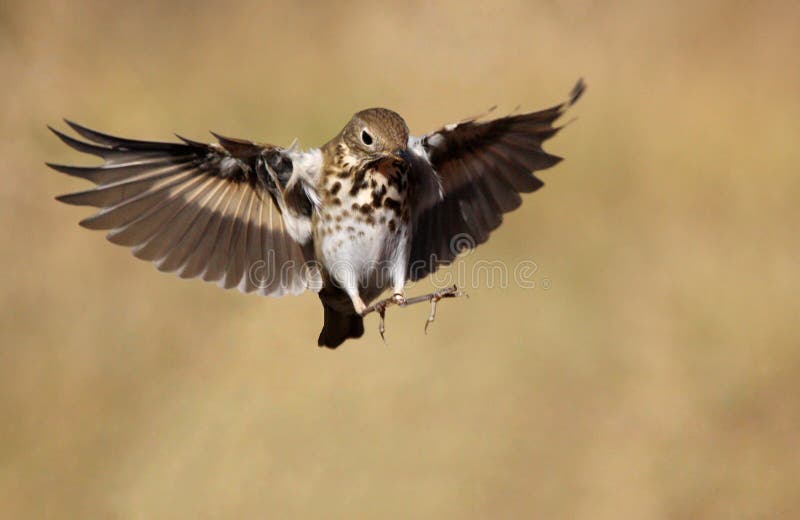












![The white-tailed deer Odocoileus virginianus, also known as the whitetail or Virginia deer, is a medium-sized deer native to the United States, Canada, Mexico, Central America, and South America as far south as Peru and Bolivia. [2] It has also been introduced to New Zealand, Cuba, Jamaica, Hispaniola, Puerto Rico, the Bahamas, the Lesser Antilles, and some countries in Europe, such as Finland, the Czech Republic, Romania and Serbia. [3][4] In the Americas, it is the most widely distributed wild ungulate. In North America, the species is widely distributed east of the Rocky Mountains, but elsewhere, it is mostly replaced by the black-tailed or mule deer Odocoileus hemionus. In western North America, it is found in aspen parklands and deciduous river bottomlands within the central and northern Great Plains, and in mixed deciduous riparian corridors, river valley bottomlands, and lower foothills of the northern Rocky Mountain regions from South Dakota and Wyoming to northeastern British Columbia, including the Montana Valley and Foothill grasslands. The conversion of land adjacent to the northern Rockies into agriculture use and partial clear-cutting of coniferous trees resulting in widespread deciduous vegetation has been favorable to the white-tailed deer and has pushed its distribution to as far north as Fort St. John, British Columbia. Populations of deer around the Great Lakes have also expanded their range northwards, due to conversion of land to agricultural. Texas sized stock images, royalty-free photos and pictures](https://thumbs.dreamstime.com/b/white-tailed-deer-odocoileus-virginianus-also-known-as-whitetail-virginia-medium-sized-native-to-united-states-canada-137061701.jpg)


