Search among 216 authentic transitional time stock photos, high-definition images, and pictures, or look at other winter time or arctic grouse stock images to enhance your presentation with the perfect visual.

Colorful autumn leaves and vintage red clock on blue wooden background. Represents the passage of time and transitional seasons. Perfect for seasonal promotions, designs, and backgrounds. Generative AI. Transitional time stock images, royalty-free photos and pictures
There are metastasis of dangerous urological cancer as urothelial , which can spreadind from different parts of urologicsl system to spinal vertebrae and pelvis during short period of time in spite of chemotherapy. Radiological nuclear scintigraphy can reveal this pathology. Transitional time stock images, royalty-free photos and pictures
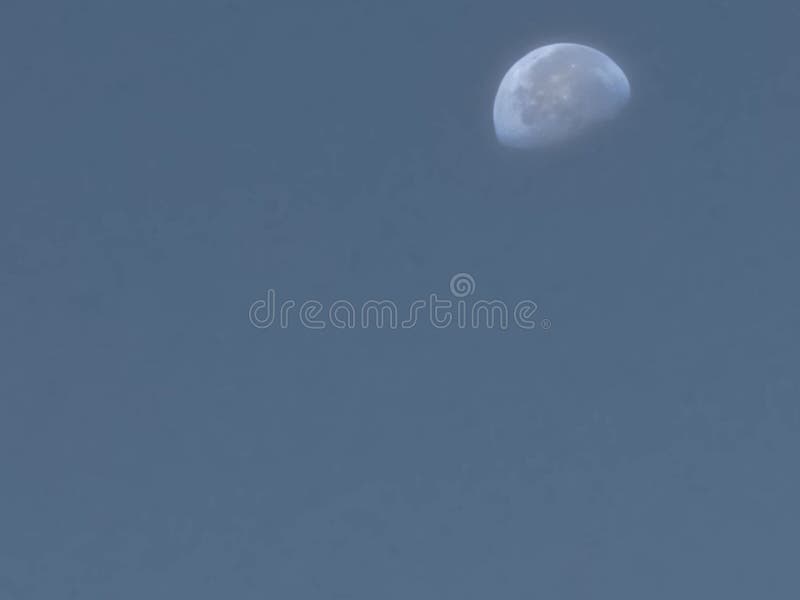
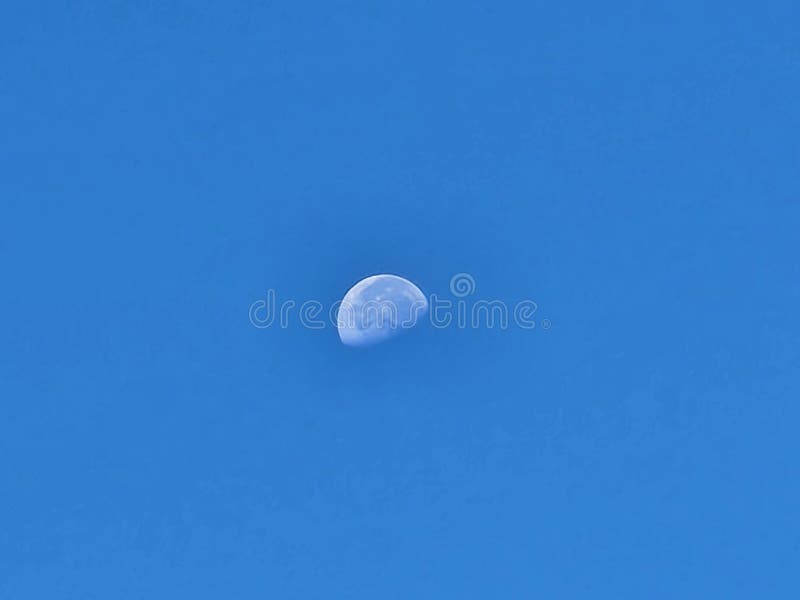
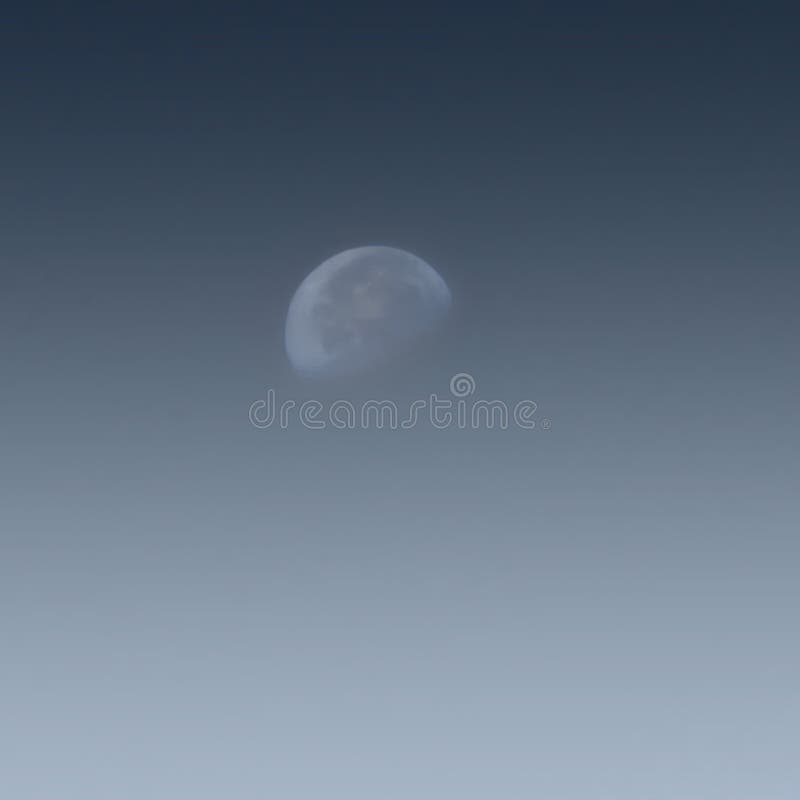
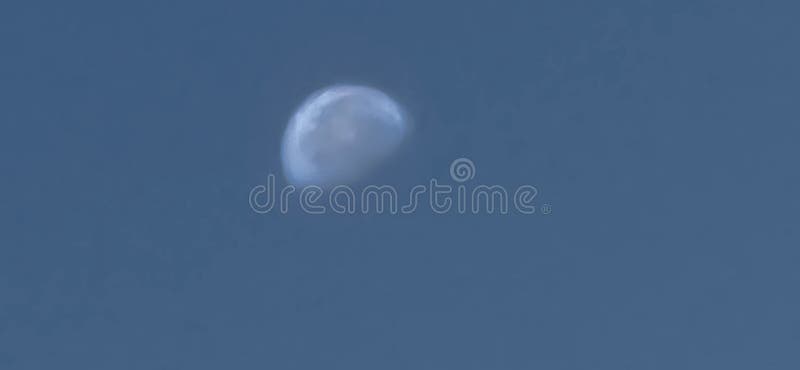
The waning moon in daylight is a fascinating celestial phenomenon in which the waning phase of the Moon becomes visible during the daytime. During this phase, the lunar disk appears partially illuminated, forming an inverted crescent that gradually diminishes until the New Moon. This phase occurs between the last quarter and the New Moon, approximately one week before the beginning of a new lunar cycle. During the waning moon, the relative position of the Sun, Earth, and Moon allows it to be observed mainly in the morning sky, rising in the east just before sunrise and fading throughout the day. Its brightness is more subtle since sunlight partially outshines its reflection, but on clear days, its outline can be distinctly seen. This lunar period is traditionally associated with introspection, the closing of cycles, and renewal. In many cultures, the waning moon symbolizes an ideal time for reflection, energetic cleansing, and preparation for new beginnings. Farmers, for example, consider this phase suitable for pruning and harvesting, as it is believed that plant sap is concentrated in the roots. Beyond its symbolism, observing the waning moon in daylight allows for a better understanding of celestial dynamics. Its shape and luminosity vary depending on Earth's atmosphere and the angle of sunlight, making each appearance unique. Capturing it in photographs can be challenging, but with the right settings, its delicate beauty can be preserved against the blue sky. Thus, the waning moon in daylight represents a transitional moment in the lunar cycle, blending science, aesthetics, and spirituality in a natural spectacle that can be appreciated by all. Transitional time stock images, royalty-free photos and pictures

The Waning Moon, softly visible, floats in the blue sky, revealing its transitional phase between darkness and daylight. The waning moon in daylight is a fascinating celestial phenomenon in which the waning phase of the Moon becomes visible during the daytime. During this phase, the lunar disk appears partially illuminated, forming an inverted crescent that gradually diminishes until the New Moon. This phase occurs between the last quarter and the New Moon, approximately one week before the beginning of a new lunar cycle. During the waning moon, the relative position of the Sun, Earth, and Moon allows it to be observed mainly in the morning sky, rising in the east just before sunrise and fading throughout the day. Its brightness is more subtle since sunlight partially outshines its reflection, but on clear days, its outline can be distinctly seen. This lunar period is traditionally associated with introspection, the closing of cycles, and renewal. In many cultures, the waning moon symbolizes an ideal time for reflection, energetic cleansing, and preparation for new beginnings. Farmers, for example, consider this phase suitable for pruning and harvesting, as it is believed that plant sap is concentrated in the roots. Beyond its symbolism, observing the waning moon in daylight allows for a better understanding of celestial dynamics. Its shape and luminosity vary depending on Earth's atmosphere and the angle of sunlight, making each appearance unique. Capturing it in photographs can be challenging, but with the right settings, its delicate beauty can be preserved against the blue sky. Thus, the waning moon in daylight represents a transitional moment in the lunar cycle, blending science, aesthetics, and spirituality in a natural spectacle that can be appreciated by all.

View from Le Pont des Arts above the Seine River in Paris at sunset. The sky features a blend of soft blue and warm orange hues. The foreground shows a wooden deck with a decorative lamppost. Historic buildings line both riverbanks, and boats are moored along the water's edge. The bridge offers a picturesque scene, showcasing the tranquil beauty of Paris during this transitional time of day. Transitional time stock images, royalty-free photos and pictures
Flying male Willow Ptarmigan (Lagopus Lagopus) in transitional plumage from white to brown. The Ptarmigan changes from the summer coloration pictured here to all white in winter time. Photo taken on Mageroya, Finnmark in Norway. Also called Arctic Grouse. Transitional time stock images, royalty-free photos and pictures
Cloudy sky stretches over a highway, creating a dramatic scene with a mix of dark and light cloud formations. Silhouetted trees line the road, adding depth to the composition. The highway is equipped with a metal guardrail, and a few vehicles are visible in the distance. The setting suggests a transitional time of day, enhancing the atmospheric contrast between the sky and horizon. Transitional time stock images, royalty-free photos and pictures
Willow Ptarmigan (Lagopus Lagopus) in transitional plumage from white to brown, standing on a green field with a blurry background. The Ptarmigan changes from the summer coloration pictured here to all white in winter time. Photo taken on Mageroya, Finnmark in Norway. Also called Arctic Grouse. Transitional time stock images, royalty-free photos and pictures
Flying male Willow Ptarmigan (Lagopus Lagopus) in transitional plumage from white to brown. The Ptarmigan changes from the summer coloration pictured here to all white in winter time. Photo taken on Mageroya, Finnmark in Norway. Also called Arctic Grouse. Transitional time stock images, royalty-free photos and pictures
Willow Ptarmigan (Lagopus Lagopus) in transitional plumage from white to brown, standing on a green field with a blurry background. The Ptarmigan changes from the summer coloration pictured here to all white in winter time. Photo taken on Mageroya, Finnmark in Norway. Also called Arctic Grouse. Transitional time stock images, royalty-free photos and pictures
Silhouettes of trees with autumn foliage under a clear sky transitioning from deep blue to pale, indicating the blue hour. The leaves are illuminated in red hues, contrasting with the serene, expansive sky. The scene evokes a tranquil, transitional time of day, capturing the essence of autumn. Transitional time stock images, royalty-free photos and pictures
An open field in late autumn features a brush pile composed of twigs and branches. The ground is covered with dry, brown grass, suggesting the transitional season. Surrounding the field are trees, primarily coniferous, with a mixture of green and bare branches. The muted colors and sparse foliage of the trees reflect the late autumn setting, with a clear sky indicating a cold, crisp atmosphere typical of this time of year. Transitional time stock images, royalty-free photos and pictures
A detailed image of a broken clock amidst scattered glass fragments, evoking themes of time breaking, impermanence, and transitional phases. The intricate details of the clock hands and Roman numerals contrast with the chaotic spread of glass shards, creating a striking and dramatic visual representation of time-related concepts and the fragility of existence. Transitional time stock images, royalty-free photos and pictures
The waning moon in daylight is a fascinating celestial phenomenon in which the waning phase of the Moon becomes visible during the daytime. During this phase, the lunar disk appears partially illuminated, forming an inverted crescent that gradually diminishes until the New Moon. This phase occurs between the last quarter and the New Moon, approximately one week before the beginning of a new lunar cycle. During the waning moon, the relative position of the Sun, Earth, and Moon allows it to be observed mainly in the morning sky, rising in the east just before sunrise and fading throughout the day. Its brightness is more subtle since sunlight partially outshines its reflection, but on clear days, its outline can be distinctly seen. This lunar period is traditionally associated with introspection, the closing of cycles, and renewal. In many cultures, the waning moon symbolizes an ideal time for reflection, energetic cleansing, and preparation for new beginnings. Farmers, for example, consider this phase suitable for pruning and harvesting, as it is believed that plant sap is concentrated in the roots. Beyond its symbolism, observing the waning moon in daylight allows for a better understanding of celestial dynamics. Its shape and luminosity vary depending on Earth's atmosphere and the angle of sunlight, making each appearance unique. Capturing it in photographs can be challenging, but with the right settings, its delicate beauty can be preserved against the blue sky. Thus, the waning moon in daylight represents a transitional moment in the lunar cycle, blending science, aesthetics, and spirituality in a natural spectacle that can be appreciated by all. Transitional time stock images, royalty-free photos and pictures

The Waning Moon gently dances in the calm blue horizon. The waning moon in daylight is a fascinating celestial phenomenon in which the waning phase of the Moon becomes visible during the daytime. During this phase, the lunar disk appears partially illuminated, forming an inverted crescent that gradually diminishes until the New Moon. This phase occurs between the last quarter and the New Moon, approximately one week before the beginning of a new lunar cycle. During the waning moon, the relative position of the Sun, Earth, and Moon allows it to be observed mainly in the morning sky, rising in the east just before sunrise and fading throughout the day. Its brightness is more subtle since sunlight partially outshines its reflection, but on clear days, its outline can be distinctly seen. This lunar period is traditionally associated with introspection, the closing of cycles, and renewal. In many cultures, the waning moon symbolizes an ideal time for reflection, energetic cleansing, and preparation for new beginnings. Farmers, for example, consider this phase suitable for pruning and harvesting, as it is believed that plant sap is concentrated in the roots. Beyond its symbolism, observing the waning moon in daylight allows for a better understanding of celestial dynamics. Its shape and luminosity vary depending on Earth's atmosphere and the angle of sunlight, making each appearance unique. Capturing it in photographs can be challenging, but with the right settings, its delicate beauty can be preserved against the blue sky. Thus, the waning moon in daylight represents a transitional moment in the lunar cycle, blending science, aesthetics, and spirituality in a natural spectacle that can be appreciated by all.

The waning moon in daylight is a fascinating celestial phenomenon in which the waning phase of the Moon becomes visible during the daytime. During this phase, the lunar disk appears partially illuminated, forming an inverted crescent that gradually diminishes until the New Moon. This phase occurs between the last quarter and the New Moon, approximately one week before the beginning of a new lunar cycle. During the waning moon, the relative position of the Sun, Earth, and Moon allows it to be observed mainly in the morning sky, rising in the east just before sunrise and fading throughout the day. Its brightness is more subtle since sunlight partially outshines its reflection, but on clear days, its outline can be distinctly seen. This lunar period is traditionally associated with introspection, the closing of cycles, and renewal. In many cultures, the waning moon symbolizes an ideal time for reflection, energetic cleansing, and preparation for new beginnings. Farmers, for example, consider this phase suitable for pruning and harvesting, as it is believed that plant sap is concentrated in the roots. Beyond its symbolism, observing the waning moon in daylight allows for a better understanding of celestial dynamics. Its shape and luminosity vary depending on Earth's atmosphere and the angle of sunlight, making each appearance unique. Capturing it in photographs can be challenging, but with the right settings, its delicate beauty can be preserved against the blue sky. Thus, the waning moon in daylight represents a transitional moment in the lunar cycle, blending science, aesthetics, and spirituality in a natural spectacle that can be appreciated by all. Transitional time stock images, royalty-free photos and pictures

The Waning Moon softly glows in turquoise tones in the sky. The waning moon in daylight is a fascinating celestial phenomenon in which the waning phase of the Moon becomes visible during the daytime. During this phase, the lunar disk appears partially illuminated, forming an inverted crescent that gradually diminishes until the New Moon. This phase occurs between the last quarter and the New Moon, approximately one week before the beginning of a new lunar cycle. During the waning moon, the relative position of the Sun, Earth, and Moon allows it to be observed mainly in the morning sky, rising in the east just before sunrise and fading throughout the day. Its brightness is more subtle since sunlight partially outshines its reflection, but on clear days, its outline can be distinctly seen. This lunar period is traditionally associated with introspection, the closing of cycles, and renewal. In many cultures, the waning moon symbolizes an ideal time for reflection, energetic cleansing, and preparation for new beginnings. Farmers, for example, consider this phase suitable for pruning and harvesting, as it is believed that plant sap is concentrated in the roots. Beyond its symbolism, observing the waning moon in daylight allows for a better understanding of celestial dynamics. Its shape and luminosity vary depending on Earth's atmosphere and the angle of sunlight, making each appearance unique. Capturing it in photographs can be challenging, but with the right settings, its delicate beauty can be preserved against the blue sky. Thus, the waning moon in daylight represents a transitional moment in the lunar cycle, blending science, aesthetics, and spirituality in a natural spectacle that can be appreciated by all.

The waning moon in daylight is a fascinating celestial phenomenon in which the waning phase of the Moon becomes visible during the daytime. During this phase, the lunar disk appears partially illuminated, forming an inverted crescent that gradually diminishes until the New Moon. This phase occurs between the last quarter and the New Moon, approximately one week before the beginning of a new lunar cycle. During the waning moon, the relative position of the Sun, Earth, and Moon allows it to be observed mainly in the morning sky, rising in the east just before sunrise and fading throughout the day. Its brightness is more subtle since sunlight partially outshines its reflection, but on clear days, its outline can be distinctly seen. This lunar period is traditionally associated with introspection, the closing of cycles, and renewal. In many cultures, the waning moon symbolizes an ideal time for reflection, energetic cleansing, and preparation for new beginnings. Farmers, for example, consider this phase suitable for pruning and harvesting, as it is believed that plant sap is concentrated in the roots. Beyond its symbolism, observing the waning moon in daylight allows for a better understanding of celestial dynamics. Its shape and luminosity vary depending on Earth's atmosphere and the angle of sunlight, making each appearance unique. Capturing it in photographs can be challenging, but with the right settings, its delicate beauty can be preserved against the blue sky. Thus, the waning moon in daylight represents a transitional moment in the lunar cycle, blending science, aesthetics, and spirituality in a natural spectacle that can be appreciated by all. Transitional time stock images, royalty-free photos and pictures

Even in gray tones, the Waning Moon keeps its charm in the sky. The waning moon in daylight is a fascinating celestial phenomenon in which the waning phase of the Moon becomes visible during the daytime. During this phase, the lunar disk appears partially illuminated, forming an inverted crescent that gradually diminishes until the New Moon. This phase occurs between the last quarter and the New Moon, approximately one week before the beginning of a new lunar cycle. During the waning moon, the relative position of the Sun, Earth, and Moon allows it to be observed mainly in the morning sky, rising in the east just before sunrise and fading throughout the day. Its brightness is more subtle since sunlight partially outshines its reflection, but on clear days, its outline can be distinctly seen. This lunar period is traditionally associated with introspection, the closing of cycles, and renewal. In many cultures, the waning moon symbolizes an ideal time for reflection, energetic cleansing, and preparation for new beginnings. Farmers, for example, consider this phase suitable for pruning and harvesting, as it is believed that plant sap is concentrated in the roots. Beyond its symbolism, observing the waning moon in daylight allows for a better understanding of celestial dynamics. Its shape and luminosity vary depending on Earth's atmosphere and the angle of sunlight, making each appearance unique. Capturing it in photographs can be challenging, but with the right settings, its delicate beauty can be preserved against the blue sky. Thus, the waning moon in daylight represents a transitional moment in the lunar cycle, blending science, aesthetics, and spirituality in a natural spectacle that can be appreciated by all.

The waning moon in daylight is a fascinating celestial phenomenon in which the waning phase of the Moon becomes visible during the daytime. During this phase, the lunar disk appears partially illuminated, forming an inverted crescent that gradually diminishes until the New Moon. This phase occurs between the last quarter and the New Moon, approximately one week before the beginning of a new lunar cycle. During the waning moon, the relative position of the Sun, Earth, and Moon allows it to be observed mainly in the morning sky, rising in the east just before sunrise and fading throughout the day. Its brightness is more subtle since sunlight partially outshines its reflection, but on clear days, its outline can be distinctly seen. This lunar period is traditionally associated with introspection, the closing of cycles, and renewal. In many cultures, the waning moon symbolizes an ideal time for reflection, energetic cleansing, and preparation for new beginnings. Farmers, for example, consider this phase suitable for pruning and harvesting, as it is believed that plant sap is concentrated in the roots. Beyond its symbolism, observing the waning moon in daylight allows for a better understanding of celestial dynamics. Its shape and luminosity vary depending on Earth's atmosphere and the angle of sunlight, making each appearance unique. Capturing it in photographs can be challenging, but with the right settings, its delicate beauty can be preserved against the blue sky. Thus, the waning moon in daylight represents a transitional moment in the lunar cycle, blending science, aesthetics, and spirituality in a natural spectacle that can be appreciated by all. Transitional time stock images, royalty-free photos and pictures

The Waning Moon displays subtle purple hues in daylight. The waning moon in daylight is a fascinating celestial phenomenon in which the waning phase of the Moon becomes visible during the daytime. During this phase, the lunar disk appears partially illuminated, forming an inverted crescent that gradually diminishes until the New Moon. This phase occurs between the last quarter and the New Moon, approximately one week before the beginning of a new lunar cycle. During the waning moon, the relative position of the Sun, Earth, and Moon allows it to be observed mainly in the morning sky, rising in the east just before sunrise and fading throughout the day. Its brightness is more subtle since sunlight partially outshines its reflection, but on clear days, its outline can be distinctly seen. This lunar period is traditionally associated with introspection, the closing of cycles, and renewal. In many cultures, the waning moon symbolizes an ideal time for reflection, energetic cleansing, and preparation for new beginnings. Farmers, for example, consider this phase suitable for pruning and harvesting, as it is believed that plant sap is concentrated in the roots. Beyond its symbolism, observing the waning moon in daylight allows for a better understanding of celestial dynamics. Its shape and luminosity vary depending on Earth's atmosphere and the angle of sunlight, making each appearance unique. Capturing it in photographs can be challenging, but with the right settings, its delicate beauty can be preserved against the blue sky. Thus, the waning moon in daylight represents a transitional moment in the lunar cycle, blending science, aesthetics, and spirituality in a natural spectacle that can be appreciated by all.

The waning moon in daylight is a fascinating celestial phenomenon in which the waning phase of the Moon becomes visible during the daytime. During this phase, the lunar disk appears partially illuminated, forming an inverted crescent that gradually diminishes until the New Moon. This phase occurs between the last quarter and the New Moon, approximately one week before the beginning of a new lunar cycle. During the waning moon, the relative position of the Sun, Earth, and Moon allows it to be observed mainly in the morning sky, rising in the east just before sunrise and fading throughout the day. Its brightness is more subtle since sunlight partially outshines its reflection, but on clear days, its outline can be distinctly seen. This lunar period is traditionally associated with introspection, the closing of cycles, and renewal. In many cultures, the waning moon symbolizes an ideal time for reflection, energetic cleansing, and preparation for new beginnings. Farmers, for example, consider this phase suitable for pruning and harvesting, as it is believed that plant sap is concentrated in the roots. Beyond its symbolism, observing the waning moon in daylight allows for a better understanding of celestial dynamics. Its shape and luminosity vary depending on Earth's atmosphere and the angle of sunlight, making each appearance unique. Capturing it in photographs can be challenging, but with the right settings, its delicate beauty can be preserved against the blue sky. Thus, the waning moon in daylight represents a transitional moment in the lunar cycle, blending science, aesthetics, and spirituality in a natural spectacle that can be appreciated by all. Transitional time stock images, royalty-free photos and pictures

In the sky, the Waning Moon stands out with soft purple tones. The waning moon in daylight is a fascinating celestial phenomenon in which the waning phase of the Moon becomes visible during the daytime. During this phase, the lunar disk appears partially illuminated, forming an inverted crescent that gradually diminishes until the New Moon. This phase occurs between the last quarter and the New Moon, approximately one week before the beginning of a new lunar cycle. During the waning moon, the relative position of the Sun, Earth, and Moon allows it to be observed mainly in the morning sky, rising in the east just before sunrise and fading throughout the day. Its brightness is more subtle since sunlight partially outshines its reflection, but on clear days, its outline can be distinctly seen. This lunar period is traditionally associated with introspection, the closing of cycles, and renewal. In many cultures, the waning moon symbolizes an ideal time for reflection, energetic cleansing, and preparation for new beginnings. Farmers, for example, consider this phase suitable for pruning and harvesting, as it is believed that plant sap is concentrated in the roots. Beyond its symbolism, observing the waning moon in daylight allows for a better understanding of celestial dynamics. Its shape and luminosity vary depending on Earth's atmosphere and the angle of sunlight, making each appearance unique. Capturing it in photographs can be challenging, but with the right settings, its delicate beauty can be preserved against the blue sky. Thus, the waning moon in daylight represents a transitional moment in the lunar cycle, blending science, aesthetics, and spirituality in a natural spectacle that can be appreciated by all.

The waning moon in daylight is a fascinating celestial phenomenon in which the waning phase of the Moon becomes visible during the daytime. During this phase, the lunar disk appears partially illuminated, forming an inverted crescent that gradually diminishes until the New Moon. This phase occurs between the last quarter and the New Moon, approximately one week before the beginning of a new lunar cycle. During the waning moon, the relative position of the Sun, Earth, and Moon allows it to be observed mainly in the morning sky, rising in the east just before sunrise and fading throughout the day. Its brightness is more subtle since sunlight partially outshines its reflection, but on clear days, its outline can be distinctly seen. This lunar period is traditionally associated with introspection, the closing of cycles, and renewal. In many cultures, the waning moon symbolizes an ideal time for reflection, energetic cleansing, and preparation for new beginnings. Farmers, for example, consider this phase suitable for pruning and harvesting, as it is believed that plant sap is concentrated in the roots. Beyond its symbolism, observing the waning moon in daylight allows for a better understanding of celestial dynamics. Its shape and luminosity vary depending on Earth's atmosphere and the angle of sunlight, making each appearance unique. Capturing it in photographs can be challenging, but with the right settings, its delicate beauty can be preserved against the blue sky. Thus, the waning moon in daylight represents a transitional moment in the lunar cycle, blending science, aesthetics, and spirituality in a natural spectacle that can be appreciated by all. Transitional time stock images, royalty-free photos and pictures

The Waning Moon hovers in the sky, revealing its subtle beauty. The waning moon in daylight is a fascinating celestial phenomenon in which the waning phase of the Moon becomes visible during the daytime. During this phase, the lunar disk appears partially illuminated, forming an inverted crescent that gradually diminishes until the New Moon. This phase occurs between the last quarter and the New Moon, approximately one week before the beginning of a new lunar cycle. During the waning moon, the relative position of the Sun, Earth, and Moon allows it to be observed mainly in the morning sky, rising in the east just before sunrise and fading throughout the day. Its brightness is more subtle since sunlight partially outshines its reflection, but on clear days, its outline can be distinctly seen. This lunar period is traditionally associated with introspection, the closing of cycles, and renewal. In many cultures, the waning moon symbolizes an ideal time for reflection, energetic cleansing, and preparation for new beginnings. Farmers, for example, consider this phase suitable for pruning and harvesting, as it is believed that plant sap is concentrated in the roots. Beyond its symbolism, observing the waning moon in daylight allows for a better understanding of celestial dynamics. Its shape and luminosity vary depending on Earth's atmosphere and the angle of sunlight, making each appearance unique. Capturing it in photographs can be challenging, but with the right settings, its delicate beauty can be preserved against the blue sky. Thus, the waning moon in daylight represents a transitional moment in the lunar cycle, blending science, aesthetics, and spirituality in a natural spectacle that can be appreciated by all.

The waning moon in daylight is a fascinating celestial phenomenon in which the waning phase of the Moon becomes visible during the daytime. During this phase, the lunar disk appears partially illuminated, forming an inverted crescent that gradually diminishes until the New Moon. This phase occurs between the last quarter and the New Moon, approximately one week before the beginning of a new lunar cycle. During the waning moon, the relative position of the Sun, Earth, and Moon allows it to be observed mainly in the morning sky, rising in the east just before sunrise and fading throughout the day. Its brightness is more subtle since sunlight partially outshines its reflection, but on clear days, its outline can be distinctly seen. This lunar period is traditionally associated with introspection, the closing of cycles, and renewal. In many cultures, the waning moon symbolizes an ideal time for reflection, energetic cleansing, and preparation for new beginnings. Farmers, for example, consider this phase suitable for pruning and harvesting, as it is believed that plant sap is concentrated in the roots. Beyond its symbolism, observing the waning moon in daylight allows for a better understanding of celestial dynamics. Its shape and luminosity vary depending on Earth's atmosphere and the angle of sunlight, making each appearance unique. Capturing it in photographs can be challenging, but with the right settings, its delicate beauty can be preserved against the blue sky. Thus, the waning moon in daylight represents a transitional moment in the lunar cycle, blending science, aesthetics, and spirituality in a natural spectacle that can be appreciated by all. Transitional time stock images, royalty-free photos and pictures

In turquoise tones, the Waning Moon contrasts with the blue sky. The waning moon in daylight is a fascinating celestial phenomenon in which the waning phase of the Moon becomes visible during the daytime. During this phase, the lunar disk appears partially illuminated, forming an inverted crescent that gradually diminishes until the New Moon. This phase occurs between the last quarter and the New Moon, approximately one week before the beginning of a new lunar cycle. During the waning moon, the relative position of the Sun, Earth, and Moon allows it to be observed mainly in the morning sky, rising in the east just before sunrise and fading throughout the day. Its brightness is more subtle since sunlight partially outshines its reflection, but on clear days, its outline can be distinctly seen. This lunar period is traditionally associated with introspection, the closing of cycles, and renewal. In many cultures, the waning moon symbolizes an ideal time for reflection, energetic cleansing, and preparation for new beginnings. Farmers, for example, consider this phase suitable for pruning and harvesting, as it is believed that plant sap is concentrated in the roots. Beyond its symbolism, observing the waning moon in daylight allows for a better understanding of celestial dynamics. Its shape and luminosity vary depending on Earth's atmosphere and the angle of sunlight, making each appearance unique. Capturing it in photographs can be challenging, but with the right settings, its delicate beauty can be preserved against the blue sky. Thus, the waning moon in daylight represents a transitional moment in the lunar cycle, blending science, aesthetics, and spirituality in a natural spectacle that can be appreciated by all.

The waning moon in daylight is a fascinating celestial phenomenon in which the waning phase of the Moon becomes visible during the daytime. During this phase, the lunar disk appears partially illuminated, forming an inverted crescent that gradually diminishes until the New Moon. This phase occurs between the last quarter and the New Moon, approximately one week before the beginning of a new lunar cycle. During the waning moon, the relative position of the Sun, Earth, and Moon allows it to be observed mainly in the morning sky, rising in the east just before sunrise and fading throughout the day. Its brightness is more subtle since sunlight partially outshines its reflection, but on clear days, its outline can be distinctly seen. This lunar period is traditionally associated with introspection, the closing of cycles, and renewal. In many cultures, the waning moon symbolizes an ideal time for reflection, energetic cleansing, and preparation for new beginnings. Farmers, for example, consider this phase suitable for pruning and harvesting, as it is believed that plant sap is concentrated in the roots. Beyond its symbolism, observing the waning moon in daylight allows for a better understanding of celestial dynamics. Its shape and luminosity vary depending on Earth's atmosphere and the angle of sunlight, making each appearance unique. Capturing it in photographs can be challenging, but with the right settings, its delicate beauty can be preserved against the blue sky. Thus, the waning moon in daylight represents a transitional moment in the lunar cycle, blending science, aesthetics, and spirituality in a natural spectacle that can be appreciated by all. Transitional time stock images, royalty-free photos and pictures

The Waning Moon glides through the sky, a celestial touch to the day. The waning moon in daylight is a fascinating celestial phenomenon in which the waning phase of the Moon becomes visible during the daytime. During this phase, the lunar disk appears partially illuminated, forming an inverted crescent that gradually diminishes until the New Moon. This phase occurs between the last quarter and the New Moon, approximately one week before the beginning of a new lunar cycle. During the waning moon, the relative position of the Sun, Earth, and Moon allows it to be observed mainly in the morning sky, rising in the east just before sunrise and fading throughout the day. Its brightness is more subtle since sunlight partially outshines its reflection, but on clear days, its outline can be distinctly seen. This lunar period is traditionally associated with introspection, the closing of cycles, and renewal. In many cultures, the waning moon symbolizes an ideal time for reflection, energetic cleansing, and preparation for new beginnings. Farmers, for example, consider this phase suitable for pruning and harvesting, as it is believed that plant sap is concentrated in the roots. Beyond its symbolism, observing the waning moon in daylight allows for a better understanding of celestial dynamics. Its shape and luminosity vary depending on Earth's atmosphere and the angle of sunlight, making each appearance unique. Capturing it in photographs can be challenging, but with the right settings, its delicate beauty can be preserved against the blue sky. Thus, the waning moon in daylight represents a transitional moment in the lunar cycle, blending science, aesthetics, and spirituality in a natural spectacle that can be appreciated by all.

The waning moon in daylight is a fascinating celestial phenomenon in which the waning phase of the Moon becomes visible during the daytime. During this phase, the lunar disk appears partially illuminated, forming an inverted crescent that gradually diminishes until the New Moon. This phase occurs between the last quarter and the New Moon, approximately one week before the beginning of a new lunar cycle. During the waning moon, the relative position of the Sun, Earth, and Moon allows it to be observed mainly in the morning sky, rising in the east just before sunrise and fading throughout the day. Its brightness is more subtle since sunlight partially outshines its reflection, but on clear days, its outline can be distinctly seen. This lunar period is traditionally associated with introspection, the closing of cycles, and renewal. In many cultures, the waning moon symbolizes an ideal time for reflection, energetic cleansing, and preparation for new beginnings. Farmers, for example, consider this phase suitable for pruning and harvesting, as it is believed that plant sap is concentrated in the roots. Beyond its symbolism, observing the waning moon in daylight allows for a better understanding of celestial dynamics. Its shape and luminosity vary depending on Earth's atmosphere and the angle of sunlight, making each appearance unique. Capturing it in photographs can be challenging, but with the right settings, its delicate beauty can be preserved against the blue sky. Thus, the waning moon in daylight represents a transitional moment in the lunar cycle, blending science, aesthetics, and spirituality in a natural spectacle that can be appreciated by all. Transitional time stock images, royalty-free photos and pictures

The Waning Moon softly glows with purple tones in the clear sky. The waning moon in daylight is a fascinating celestial phenomenon in which the waning phase of the Moon becomes visible during the daytime. During this phase, the lunar disk appears partially illuminated, forming an inverted crescent that gradually diminishes until the New Moon. This phase occurs between the last quarter and the New Moon, approximately one week before the beginning of a new lunar cycle. During the waning moon, the relative position of the Sun, Earth, and Moon allows it to be observed mainly in the morning sky, rising in the east just before sunrise and fading throughout the day. Its brightness is more subtle since sunlight partially outshines its reflection, but on clear days, its outline can be distinctly seen. This lunar period is traditionally associated with introspection, the closing of cycles, and renewal. In many cultures, the waning moon symbolizes an ideal time for reflection, energetic cleansing, and preparation for new beginnings. Farmers, for example, consider this phase suitable for pruning and harvesting, as it is believed that plant sap is concentrated in the roots. Beyond its symbolism, observing the waning moon in daylight allows for a better understanding of celestial dynamics. Its shape and luminosity vary depending on Earth's atmosphere and the angle of sunlight, making each appearance unique. Capturing it in photographs can be challenging, but with the right settings, its delicate beauty can be preserved against the blue sky. Thus, the waning moon in daylight represents a transitional moment in the lunar cycle, blending science, aesthetics, and spirituality in a natural spectacle that can be appreciated by all.

The waning moon in daylight is a fascinating celestial phenomenon in which the waning phase of the Moon becomes visible during the daytime. During this phase, the lunar disk appears partially illuminated, forming an inverted crescent that gradually diminishes until the New Moon. This phase occurs between the last quarter and the New Moon, approximately one week before the beginning of a new lunar cycle. During the waning moon, the relative position of the Sun, Earth, and Moon allows it to be observed mainly in the morning sky, rising in the east just before sunrise and fading throughout the day. Its brightness is more subtle since sunlight partially outshines its reflection, but on clear days, its outline can be distinctly seen. This lunar period is traditionally associated with introspection, the closing of cycles, and renewal. In many cultures, the waning moon symbolizes an ideal time for reflection, energetic cleansing, and preparation for new beginnings. Farmers, for example, consider this phase suitable for pruning and harvesting, as it is believed that plant sap is concentrated in the roots. Beyond its symbolism, observing the waning moon in daylight allows for a better understanding of celestial dynamics. Its shape and luminosity vary depending on Earth's atmosphere and the angle of sunlight, making each appearance unique. Capturing it in photographs can be challenging, but with the right settings, its delicate beauty can be preserved against the blue sky. Thus, the waning moon in daylight represents a transitional moment in the lunar cycle, blending science, aesthetics, and spirituality in a natural spectacle that can be appreciated by all. Transitional time stock images, royalty-free photos and pictures

The Waning Moon floats in the clear sky, revealing its soft tones. The waning moon in daylight is a fascinating celestial phenomenon in which the waning phase of the Moon becomes visible during the daytime. During this phase, the lunar disk appears partially illuminated, forming an inverted crescent that gradually diminishes until the New Moon. This phase occurs between the last quarter and the New Moon, approximately one week before the beginning of a new lunar cycle. During the waning moon, the relative position of the Sun, Earth, and Moon allows it to be observed mainly in the morning sky, rising in the east just before sunrise and fading throughout the day. Its brightness is more subtle since sunlight partially outshines its reflection, but on clear days, its outline can be distinctly seen. This lunar period is traditionally associated with introspection, the closing of cycles, and renewal. In many cultures, the waning moon symbolizes an ideal time for reflection, energetic cleansing, and preparation for new beginnings. Farmers, for example, consider this phase suitable for pruning and harvesting, as it is believed that plant sap is concentrated in the roots. Beyond its symbolism, observing the waning moon in daylight allows for a better understanding of celestial dynamics. Its shape and luminosity vary depending on Earth's atmosphere and the angle of sunlight, making each appearance unique. Capturing it in photographs can be challenging, but with the right settings, its delicate beauty can be preserved against the blue sky. Thus, the waning moon in daylight represents a transitional moment in the lunar cycle, blending science, aesthetics, and spirituality in a natural spectacle that can be appreciated by all.

The waning moon in daylight is a fascinating celestial phenomenon in which the waning phase of the Moon becomes visible during the daytime. During this phase, the lunar disk appears partially illuminated, forming an inverted crescent that gradually diminishes until the New Moon. This phase occurs between the last quarter and the New Moon, approximately one week before the beginning of a new lunar cycle. During the waning moon, the relative position of the Sun, Earth, and Moon allows it to be observed mainly in the morning sky, rising in the east just before sunrise and fading throughout the day. Its brightness is more subtle since sunlight partially outshines its reflection, but on clear days, its outline can be distinctly seen. This lunar period is traditionally associated with introspection, the closing of cycles, and renewal. In many cultures, the waning moon symbolizes an ideal time for reflection, energetic cleansing, and preparation for new beginnings. Farmers, for example, consider this phase suitable for pruning and harvesting, as it is believed that plant sap is concentrated in the roots. Beyond its symbolism, observing the waning moon in daylight allows for a better understanding of celestial dynamics. Its shape and luminosity vary depending on Earth's atmosphere and the angle of sunlight, making each appearance unique. Capturing it in photographs can be challenging, but with the right settings, its delicate beauty can be preserved against the blue sky. Thus, the waning moon in daylight represents a transitional moment in the lunar cycle, blending science, aesthetics, and spirituality in a natural spectacle that can be appreciated by all. Transitional time stock images, royalty-free photos and pictures

The Waning Moon displays subtle gray tones against the clear sky. The waning moon in daylight is a fascinating celestial phenomenon in which the waning phase of the Moon becomes visible during the daytime. During this phase, the lunar disk appears partially illuminated, forming an inverted crescent that gradually diminishes until the New Moon. This phase occurs between the last quarter and the New Moon, approximately one week before the beginning of a new lunar cycle. During the waning moon, the relative position of the Sun, Earth, and Moon allows it to be observed mainly in the morning sky, rising in the east just before sunrise and fading throughout the day. Its brightness is more subtle since sunlight partially outshines its reflection, but on clear days, its outline can be distinctly seen. This lunar period is traditionally associated with introspection, the closing of cycles, and renewal. In many cultures, the waning moon symbolizes an ideal time for reflection, energetic cleansing, and preparation for new beginnings. Farmers, for example, consider this phase suitable for pruning and harvesting, as it is believed that plant sap is concentrated in the roots. Beyond its symbolism, observing the waning moon in daylight allows for a better understanding of celestial dynamics. Its shape and luminosity vary depending on Earth's atmosphere and the angle of sunlight, making each appearance unique. Capturing it in photographs can be challenging, but with the right settings, its delicate beauty can be preserved against the blue sky. Thus, the waning moon in daylight represents a transitional moment in the lunar cycle, blending science, aesthetics, and spirituality in a natural spectacle that can be appreciated by all.

The waning moon in daylight is a fascinating celestial phenomenon in which the waning phase of the Moon becomes visible during the daytime. During this phase, the lunar disk appears partially illuminated, forming an inverted crescent that gradually diminishes until the New Moon. This phase occurs between the last quarter and the New Moon, approximately one week before the beginning of a new lunar cycle. During the waning moon, the relative position of the Sun, Earth, and Moon allows it to be observed mainly in the morning sky, rising in the east just before sunrise and fading throughout the day. Its brightness is more subtle since sunlight partially outshines its reflection, but on clear days, its outline can be distinctly seen. This lunar period is traditionally associated with introspection, the closing of cycles, and renewal. In many cultures, the waning moon symbolizes an ideal time for reflection, energetic cleansing, and preparation for new beginnings. Farmers, for example, consider this phase suitable for pruning and harvesting, as it is believed that plant sap is concentrated in the roots. Beyond its symbolism, observing the waning moon in daylight allows for a better understanding of celestial dynamics. Its shape and luminosity vary depending on Earth's atmosphere and the angle of sunlight, making each appearance unique. Capturing it in photographs can be challenging, but with the right settings, its delicate beauty can be preserved against the blue sky. Thus, the waning moon in daylight represents a transitional moment in the lunar cycle, blending science, aesthetics, and spirituality in a natural spectacle that can be appreciated by all. Transitional time stock images, royalty-free photos and pictures

The Waning Moon shows subtle greenish tones against the clear sky. The waning moon in daylight is a fascinating celestial phenomenon in which the waning phase of the Moon becomes visible during the daytime. During this phase, the lunar disk appears partially illuminated, forming an inverted crescent that gradually diminishes until the New Moon. This phase occurs between the last quarter and the New Moon, approximately one week before the beginning of a new lunar cycle. During the waning moon, the relative position of the Sun, Earth, and Moon allows it to be observed mainly in the morning sky, rising in the east just before sunrise and fading throughout the day. Its brightness is more subtle since sunlight partially outshines its reflection, but on clear days, its outline can be distinctly seen. This lunar period is traditionally associated with introspection, the closing of cycles, and renewal. In many cultures, the waning moon symbolizes an ideal time for reflection, energetic cleansing, and preparation for new beginnings. Farmers, for example, consider this phase suitable for pruning and harvesting, as it is believed that plant sap is concentrated in the roots. Beyond its symbolism, observing the waning moon in daylight allows for a better understanding of celestial dynamics. Its shape and luminosity vary depending on Earth's atmosphere and the angle of sunlight, making each appearance unique. Capturing it in photographs can be challenging, but with the right settings, its delicate beauty can be preserved against the blue sky. Thus, the waning moon in daylight represents a transitional moment in the lunar cycle, blending science, aesthetics, and spirituality in a natural spectacle that can be appreciated by all.

The waning moon in daylight is a fascinating celestial phenomenon in which the waning phase of the Moon becomes visible during the daytime. During this phase, the lunar disk appears partially illuminated, forming an inverted crescent that gradually diminishes until the New Moon. This phase occurs between the last quarter and the New Moon, approximately one week before the beginning of a new lunar cycle. During the waning moon, the relative position of the Sun, Earth, and Moon allows it to be observed mainly in the morning sky, rising in the east just before sunrise and fading throughout the day. Its brightness is more subtle since sunlight partially outshines its reflection, but on clear days, its outline can be distinctly seen. This lunar period is traditionally associated with introspection, the closing of cycles, and renewal. In many cultures, the waning moon symbolizes an ideal time for reflection, energetic cleansing, and preparation for new beginnings. Farmers, for example, consider this phase suitable for pruning and harvesting, as it is believed that plant sap is concentrated in the roots. Beyond its symbolism, observing the waning moon in daylight allows for a better understanding of celestial dynamics. Its shape and luminosity vary depending on Earth's atmosphere and the angle of sunlight, making each appearance unique. Capturing it in photographs can be challenging, but with the right settings, its delicate beauty can be preserved against the blue sky. Thus, the waning moon in daylight represents a transitional moment in the lunar cycle, blending science, aesthetics, and spirituality in a natural spectacle that can be appreciated by all. Transitional time stock images, royalty-free photos and pictures

In the daytime sky, the Waning Moon softly stands out amid daylight. The waning moon in daylight is a fascinating celestial phenomenon in which the waning phase of the Moon becomes visible during the daytime. During this phase, the lunar disk appears partially illuminated, forming an inverted crescent that gradually diminishes until the New Moon. This phase occurs between the last quarter and the New Moon, approximately one week before the beginning of a new lunar cycle. During the waning moon, the relative position of the Sun, Earth, and Moon allows it to be observed mainly in the morning sky, rising in the east just before sunrise and fading throughout the day. Its brightness is more subtle since sunlight partially outshines its reflection, but on clear days, its outline can be distinctly seen. This lunar period is traditionally associated with introspection, the closing of cycles, and renewal. In many cultures, the waning moon symbolizes an ideal time for reflection, energetic cleansing, and preparation for new beginnings. Farmers, for example, consider this phase suitable for pruning and harvesting, as it is believed that plant sap is concentrated in the roots. Beyond its symbolism, observing the waning moon in daylight allows for a better understanding of celestial dynamics. Its shape and luminosity vary depending on Earth's atmosphere and the angle of sunlight, making each appearance unique. Capturing it in photographs can be challenging, but with the right settings, its delicate beauty can be preserved against the blue sky. Thus, the waning moon in daylight represents a transitional moment in the lunar cycle, blending science, aesthetics, and spirituality in a natural spectacle that can be appreciated by all.

The waning moon in daylight is a fascinating celestial phenomenon in which the waning phase of the Moon becomes visible during the daytime. During this phase, the lunar disk appears partially illuminated, forming an inverted crescent that gradually diminishes until the New Moon. This phase occurs between the last quarter and the New Moon, approximately one week before the beginning of a new lunar cycle. During the waning moon, the relative position of the Sun, Earth, and Moon allows it to be observed mainly in the morning sky, rising in the east just before sunrise and fading throughout the day. Its brightness is more subtle since sunlight partially outshines its reflection, but on clear days, its outline can be distinctly seen. This lunar period is traditionally associated with introspection, the closing of cycles, and renewal. In many cultures, the waning moon symbolizes an ideal time for reflection, energetic cleansing, and preparation for new beginnings. Farmers, for example, consider this phase suitable for pruning and harvesting, as it is believed that plant sap is concentrated in the roots. Beyond its symbolism, observing the waning moon in daylight allows for a better understanding of celestial dynamics. Its shape and luminosity vary depending on Earth's atmosphere and the angle of sunlight, making each appearance unique. Capturing it in photographs can be challenging, but with the right settings, its delicate beauty can be preserved against the blue sky. Thus, the waning moon in daylight represents a transitional moment in the lunar cycle, blending science, aesthetics, and spirituality in a natural spectacle that can be appreciated by all. Transitional time stock images, royalty-free photos and pictures

Even discreet, the Waning Moon marks its presence in the daytime sky. The waning moon in daylight is a fascinating celestial phenomenon in which the waning phase of the Moon becomes visible during the daytime. During this phase, the lunar disk appears partially illuminated, forming an inverted crescent that gradually diminishes until the New Moon. This phase occurs between the last quarter and the New Moon, approximately one week before the beginning of a new lunar cycle. During the waning moon, the relative position of the Sun, Earth, and Moon allows it to be observed mainly in the morning sky, rising in the east just before sunrise and fading throughout the day. Its brightness is more subtle since sunlight partially outshines its reflection, but on clear days, its outline can be distinctly seen. This lunar period is traditionally associated with introspection, the closing of cycles, and renewal. In many cultures, the waning moon symbolizes an ideal time for reflection, energetic cleansing, and preparation for new beginnings. Farmers, for example, consider this phase suitable for pruning and harvesting, as it is believed that plant sap is concentrated in the roots. Beyond its symbolism, observing the waning moon in daylight allows for a better understanding of celestial dynamics. Its shape and luminosity vary depending on Earth's atmosphere and the angle of sunlight, making each appearance unique. Capturing it in photographs can be challenging, but with the right settings, its delicate beauty can be preserved against the blue sky. Thus, the waning moon in daylight represents a transitional moment in the lunar cycle, blending science, aesthetics, and spirituality in a natural spectacle that can be appreciated by all.

A gravel road divides a field into two distinct sections: one with brown, dry grass on the left and vibrant green grass on the right. At the horizon, two bare trees stand parallel to each other. The sky is partly cloudy with a mix of blue and white, casting a serene atmosphere over the landscape. The scene likely captures a transitional time in a rural area, possibly during early spring or late autumn. Transitional time stock images, royalty-free photos and pictures
The waning moon in daylight is a fascinating celestial phenomenon in which the waning phase of the Moon becomes visible during the daytime. During this phase, the lunar disk appears partially illuminated, forming an inverted crescent that gradually diminishes until the New Moon. This phase occurs between the last quarter and the New Moon, approximately one week before the beginning of a new lunar cycle. During the waning moon, the relative position of the Sun, Earth, and Moon allows it to be observed mainly in the morning sky, rising in the east just before sunrise and fading throughout the day. Its brightness is more subtle since sunlight partially outshines its reflection, but on clear days, its outline can be distinctly seen. This lunar period is traditionally associated with introspection, the closing of cycles, and renewal. In many cultures, the waning moon symbolizes an ideal time for reflection, energetic cleansing, and preparation for new beginnings. Farmers, for example, consider this phase suitable for pruning and harvesting, as it is believed that plant sap is concentrated in the roots. Beyond its symbolism, observing the waning moon in daylight allows for a better understanding of celestial dynamics. Its shape and luminosity vary depending on Earth's atmosphere and the angle of sunlight, making each appearance unique. Capturing it in photographs can be challenging, but with the right settings, its delicate beauty can be preserved against the blue sky. Thus, the waning moon in daylight represents a transitional moment in the lunar cycle, blending science, aesthetics, and spirituality in a natural spectacle that can be appreciated by all. Transitional time stock images, royalty-free photos and pictures

In soft green tones, the Waning Moon stands out on the horizon. The waning moon in daylight is a fascinating celestial phenomenon in which the waning phase of the Moon becomes visible during the daytime. During this phase, the lunar disk appears partially illuminated, forming an inverted crescent that gradually diminishes until the New Moon. This phase occurs between the last quarter and the New Moon, approximately one week before the beginning of a new lunar cycle. During the waning moon, the relative position of the Sun, Earth, and Moon allows it to be observed mainly in the morning sky, rising in the east just before sunrise and fading throughout the day. Its brightness is more subtle since sunlight partially outshines its reflection, but on clear days, its outline can be distinctly seen. This lunar period is traditionally associated with introspection, the closing of cycles, and renewal. In many cultures, the waning moon symbolizes an ideal time for reflection, energetic cleansing, and preparation for new beginnings. Farmers, for example, consider this phase suitable for pruning and harvesting, as it is believed that plant sap is concentrated in the roots. Beyond its symbolism, observing the waning moon in daylight allows for a better understanding of celestial dynamics. Its shape and luminosity vary depending on Earth's atmosphere and the angle of sunlight, making each appearance unique. Capturing it in photographs can be challenging, but with the right settings, its delicate beauty can be preserved against the blue sky. Thus, the waning moon in daylight represents a transitional moment in the lunar cycle, blending science, aesthetics, and spirituality in a natural spectacle that can be appreciated by all.

The waning moon in daylight is a fascinating celestial phenomenon in which the waning phase of the Moon becomes visible during the daytime. During this phase, the lunar disk appears partially illuminated, forming an inverted crescent that gradually diminishes until the New Moon. This phase occurs between the last quarter and the New Moon, approximately one week before the beginning of a new lunar cycle. During the waning moon, the relative position of the Sun, Earth, and Moon allows it to be observed mainly in the morning sky, rising in the east just before sunrise and fading throughout the day. Its brightness is more subtle since sunlight partially outshines its reflection, but on clear days, its outline can be distinctly seen. This lunar period is traditionally associated with introspection, the closing of cycles, and renewal. In many cultures, the waning moon symbolizes an ideal time for reflection, energetic cleansing, and preparation for new beginnings. Farmers, for example, consider this phase suitable for pruning and harvesting, as it is believed that plant sap is concentrated in the roots. Beyond its symbolism, observing the waning moon in daylight allows for a better understanding of celestial dynamics. Its shape and luminosity vary depending on Earth's atmosphere and the angle of sunlight, making each appearance unique. Capturing it in photographs can be challenging, but with the right settings, its delicate beauty can be preserved against the blue sky. Thus, the waning moon in daylight represents a transitional moment in the lunar cycle, blending science, aesthetics, and spirituality in a natural spectacle that can be appreciated by all. Transitional time stock images, royalty-free photos and pictures

In soft green tones, the Waning Moon stands out on the horizon. The waning moon in daylight is a fascinating celestial phenomenon in which the waning phase of the Moon becomes visible during the daytime. During this phase, the lunar disk appears partially illuminated, forming an inverted crescent that gradually diminishes until the New Moon. This phase occurs between the last quarter and the New Moon, approximately one week before the beginning of a new lunar cycle. During the waning moon, the relative position of the Sun, Earth, and Moon allows it to be observed mainly in the morning sky, rising in the east just before sunrise and fading throughout the day. Its brightness is more subtle since sunlight partially outshines its reflection, but on clear days, its outline can be distinctly seen. This lunar period is traditionally associated with introspection, the closing of cycles, and renewal. In many cultures, the waning moon symbolizes an ideal time for reflection, energetic cleansing, and preparation for new beginnings. Farmers, for example, consider this phase suitable for pruning and harvesting, as it is believed that plant sap is concentrated in the roots. Beyond its symbolism, observing the waning moon in daylight allows for a better understanding of celestial dynamics. Its shape and luminosity vary depending on Earth's atmosphere and the angle of sunlight, making each appearance unique. Capturing it in photographs can be challenging, but with the right settings, its delicate beauty can be preserved against the blue sky. Thus, the waning moon in daylight represents a transitional moment in the lunar cycle, blending science, aesthetics, and spirituality in a natural spectacle that can be appreciated by all.

The waning moon in daylight is a fascinating celestial phenomenon in which the waning phase of the Moon becomes visible during the daytime. During this phase, the lunar disk appears partially illuminated, forming an inverted crescent that gradually diminishes until the New Moon. This phase occurs between the last quarter and the New Moon, approximately one week before the beginning of a new lunar cycle. During the waning moon, the relative position of the Sun, Earth, and Moon allows it to be observed mainly in the morning sky, rising in the east just before sunrise and fading throughout the day. Its brightness is more subtle since sunlight partially outshines its reflection, but on clear days, its outline can be distinctly seen. This lunar period is traditionally associated with introspection, the closing of cycles, and renewal. In many cultures, the waning moon symbolizes an ideal time for reflection, energetic cleansing, and preparation for new beginnings. Farmers, for example, consider this phase suitable for pruning and harvesting, as it is believed that plant sap is concentrated in the roots. Beyond its symbolism, observing the waning moon in daylight allows for a better understanding of celestial dynamics. Its shape and luminosity vary depending on Earth's atmosphere and the angle of sunlight, making each appearance unique. Capturing it in photographs can be challenging, but with the right settings, its delicate beauty can be preserved against the blue sky. Thus, the waning moon in daylight represents a transitional moment in the lunar cycle, blending science, aesthetics, and spirituality in a natural spectacle that can be appreciated by all. Transitional time stock images, royalty-free photos and pictures

The Waning Moon glows softly against the blue sky. The waning moon in daylight is a fascinating celestial phenomenon in which the waning phase of the Moon becomes visible during the daytime. During this phase, the lunar disk appears partially illuminated, forming an inverted crescent that gradually diminishes until the New Moon. This phase occurs between the last quarter and the New Moon, approximately one week before the beginning of a new lunar cycle. During the waning moon, the relative position of the Sun, Earth, and Moon allows it to be observed mainly in the morning sky, rising in the east just before sunrise and fading throughout the day. Its brightness is more subtle since sunlight partially outshines its reflection, but on clear days, its outline can be distinctly seen. This lunar period is traditionally associated with introspection, the closing of cycles, and renewal. In many cultures, the waning moon symbolizes an ideal time for reflection, energetic cleansing, and preparation for new beginnings. Farmers, for example, consider this phase suitable for pruning and harvesting, as it is believed that plant sap is concentrated in the roots. Beyond its symbolism, observing the waning moon in daylight allows for a better understanding of celestial dynamics. Its shape and luminosity vary depending on Earth's atmosphere and the angle of sunlight, making each appearance unique. Capturing it in photographs can be challenging, but with the right settings, its delicate beauty can be preserved against the blue sky. Thus, the waning moon in daylight represents a transitional moment in the lunar cycle, blending science, aesthetics, and spirituality in a natural spectacle that can be appreciated by all.

The waning moon in daylight is a fascinating celestial phenomenon in which the waning phase of the Moon becomes visible during the daytime. During this phase, the lunar disk appears partially illuminated, forming an inverted crescent that gradually diminishes until the New Moon. This phase occurs between the last quarter and the New Moon, approximately one week before the beginning of a new lunar cycle. During the waning moon, the relative position of the Sun, Earth, and Moon allows it to be observed mainly in the morning sky, rising in the east just before sunrise and fading throughout the day. Its brightness is more subtle since sunlight partially outshines its reflection, but on clear days, its outline can be distinctly seen. This lunar period is traditionally associated with introspection, the closing of cycles, and renewal. In many cultures, the waning moon symbolizes an ideal time for reflection, energetic cleansing, and preparation for new beginnings. Farmers, for example, consider this phase suitable for pruning and harvesting, as it is believed that plant sap is concentrated in the roots. Beyond its symbolism, observing the waning moon in daylight allows for a better understanding of celestial dynamics. Its shape and luminosity vary depending on Earth's atmosphere and the angle of sunlight, making each appearance unique. Capturing it in photographs can be challenging, but with the right settings, its delicate beauty can be preserved against the blue sky. Thus, the waning moon in daylight represents a transitional moment in the lunar cycle, blending science, aesthetics, and spirituality in a natural spectacle that can be appreciated by all. Transitional time stock images, royalty-free photos and pictures

The Waning Moon hovers in the blue sky, discreet and luminous. The waning moon in daylight is a fascinating celestial phenomenon in which the waning phase of the Moon becomes visible during the daytime. During this phase, the lunar disk appears partially illuminated, forming an inverted crescent that gradually diminishes until the New Moon. This phase occurs between the last quarter and the New Moon, approximately one week before the beginning of a new lunar cycle. During the waning moon, the relative position of the Sun, Earth, and Moon allows it to be observed mainly in the morning sky, rising in the east just before sunrise and fading throughout the day. Its brightness is more subtle since sunlight partially outshines its reflection, but on clear days, its outline can be distinctly seen. This lunar period is traditionally associated with introspection, the closing of cycles, and renewal. In many cultures, the waning moon symbolizes an ideal time for reflection, energetic cleansing, and preparation for new beginnings. Farmers, for example, consider this phase suitable for pruning and harvesting, as it is believed that plant sap is concentrated in the roots. Beyond its symbolism, observing the waning moon in daylight allows for a better understanding of celestial dynamics. Its shape and luminosity vary depending on Earth's atmosphere and the angle of sunlight, making each appearance unique. Capturing it in photographs can be challenging, but with the right settings, its delicate beauty can be preserved against the blue sky. Thus, the waning moon in daylight represents a transitional moment in the lunar cycle, blending science, aesthetics, and spirituality in a natural spectacle that can be appreciated by all.

The waning moon in daylight is a fascinating celestial phenomenon in which the waning phase of the Moon becomes visible during the daytime. During this phase, the lunar disk appears partially illuminated, forming an inverted crescent that gradually diminishes until the New Moon. This phase occurs between the last quarter and the New Moon, approximately one week before the beginning of a new lunar cycle. During the waning moon, the relative position of the Sun, Earth, and Moon allows it to be observed mainly in the morning sky, rising in the east just before sunrise and fading throughout the day. Its brightness is more subtle since sunlight partially outshines its reflection, but on clear days, its outline can be distinctly seen. This lunar period is traditionally associated with introspection, the closing of cycles, and renewal. In many cultures, the waning moon symbolizes an ideal time for reflection, energetic cleansing, and preparation for new beginnings. Farmers, for example, consider this phase suitable for pruning and harvesting, as it is believed that plant sap is concentrated in the roots. Beyond its symbolism, observing the waning moon in daylight allows for a better understanding of celestial dynamics. Its shape and luminosity vary depending on Earth's atmosphere and the angle of sunlight, making each appearance unique. Capturing it in photographs can be challenging, but with the right settings, its delicate beauty can be preserved against the blue sky. Thus, the waning moon in daylight represents a transitional moment in the lunar cycle, blending science, aesthetics, and spirituality in a natural spectacle that can be appreciated by all. Transitional time stock images, royalty-free photos and pictures

The Waning Moon displays its silver face against the blue sky. The waning moon in daylight is a fascinating celestial phenomenon in which the waning phase of the Moon becomes visible during the daytime. During this phase, the lunar disk appears partially illuminated, forming an inverted crescent that gradually diminishes until the New Moon. This phase occurs between the last quarter and the New Moon, approximately one week before the beginning of a new lunar cycle. During the waning moon, the relative position of the Sun, Earth, and Moon allows it to be observed mainly in the morning sky, rising in the east just before sunrise and fading throughout the day. Its brightness is more subtle since sunlight partially outshines its reflection, but on clear days, its outline can be distinctly seen. This lunar period is traditionally associated with introspection, the closing of cycles, and renewal. In many cultures, the waning moon symbolizes an ideal time for reflection, energetic cleansing, and preparation for new beginnings. Farmers, for example, consider this phase suitable for pruning and harvesting, as it is believed that plant sap is concentrated in the roots. Beyond its symbolism, observing the waning moon in daylight allows for a better understanding of celestial dynamics. Its shape and luminosity vary depending on Earth's atmosphere and the angle of sunlight, making each appearance unique. Capturing it in photographs can be challenging, but with the right settings, its delicate beauty can be preserved against the blue sky. Thus, the waning moon in daylight represents a transitional moment in the lunar cycle, blending science, aesthetics, and spirituality in a natural spectacle that can be appreciated by all.

The waning moon in daylight is a fascinating celestial phenomenon in which the waning phase of the Moon becomes visible during the daytime. During this phase, the lunar disk appears partially illuminated, forming an inverted crescent that gradually diminishes until the New Moon. This phase occurs between the last quarter and the New Moon, approximately one week before the beginning of a new lunar cycle. During the waning moon, the relative position of the Sun, Earth, and Moon allows it to be observed mainly in the morning sky, rising in the east just before sunrise and fading throughout the day. Its brightness is more subtle since sunlight partially outshines its reflection, but on clear days, its outline can be distinctly seen. This lunar period is traditionally associated with introspection, the closing of cycles, and renewal. In many cultures, the waning moon symbolizes an ideal time for reflection, energetic cleansing, and preparation for new beginnings. Farmers, for example, consider this phase suitable for pruning and harvesting, as it is believed that plant sap is concentrated in the roots. Beyond its symbolism, observing the waning moon in daylight allows for a better understanding of celestial dynamics. Its shape and luminosity vary depending on Earth's atmosphere and the angle of sunlight, making each appearance unique. Capturing it in photographs can be challenging, but with the right settings, its delicate beauty can be preserved against the blue sky. Thus, the waning moon in daylight represents a transitional moment in the lunar cycle, blending science, aesthetics, and spirituality in a natural spectacle that can be appreciated by all. Transitional time stock images, royalty-free photos and pictures

The daytime sky embraces the Waning Moon, visible among the clouds. The waning moon in daylight is a fascinating celestial phenomenon in which the waning phase of the Moon becomes visible during the daytime. During this phase, the lunar disk appears partially illuminated, forming an inverted crescent that gradually diminishes until the New Moon. This phase occurs between the last quarter and the New Moon, approximately one week before the beginning of a new lunar cycle. During the waning moon, the relative position of the Sun, Earth, and Moon allows it to be observed mainly in the morning sky, rising in the east just before sunrise and fading throughout the day. Its brightness is more subtle since sunlight partially outshines its reflection, but on clear days, its outline can be distinctly seen. This lunar period is traditionally associated with introspection, the closing of cycles, and renewal. In many cultures, the waning moon symbolizes an ideal time for reflection, energetic cleansing, and preparation for new beginnings. Farmers, for example, consider this phase suitable for pruning and harvesting, as it is believed that plant sap is concentrated in the roots. Beyond its symbolism, observing the waning moon in daylight allows for a better understanding of celestial dynamics. Its shape and luminosity vary depending on Earth's atmosphere and the angle of sunlight, making each appearance unique. Capturing it in photographs can be challenging, but with the right settings, its delicate beauty can be preserved against the blue sky. Thus, the waning moon in daylight represents a transitional moment in the lunar cycle, blending science, aesthetics, and spirituality in a natural spectacle that can be appreciated by all.

The waning moon in daylight is a fascinating celestial phenomenon in which the waning phase of the Moon becomes visible during the daytime. During this phase, the lunar disk appears partially illuminated, forming an inverted crescent that gradually diminishes until the New Moon. This phase occurs between the last quarter and the New Moon, approximately one week before the beginning of a new lunar cycle. During the waning moon, the relative position of the Sun, Earth, and Moon allows it to be observed mainly in the morning sky, rising in the east just before sunrise and fading throughout the day. Its brightness is more subtle since sunlight partially outshines its reflection, but on clear days, its outline can be distinctly seen. This lunar period is traditionally associated with introspection, the closing of cycles, and renewal. In many cultures, the waning moon symbolizes an ideal time for reflection, energetic cleansing, and preparation for new beginnings. Farmers, for example, consider this phase suitable for pruning and harvesting, as it is believed that plant sap is concentrated in the roots. Beyond its symbolism, observing the waning moon in daylight allows for a better understanding of celestial dynamics. Its shape and luminosity vary depending on Earth's atmosphere and the angle of sunlight, making each appearance unique. Capturing it in photographs can be challenging, but with the right settings, its delicate beauty can be preserved against the blue sky. Thus, the waning moon in daylight represents a transitional moment in the lunar cycle, blending science, aesthetics, and spirituality in a natural spectacle that can be appreciated by all. Transitional time stock images, royalty-free photos and pictures

Even under the sunlight, the Waning Moon remains visible. The waning moon in daylight is a fascinating celestial phenomenon in which the waning phase of the Moon becomes visible during the daytime. During this phase, the lunar disk appears partially illuminated, forming an inverted crescent that gradually diminishes until the New Moon. This phase occurs between the last quarter and the New Moon, approximately one week before the beginning of a new lunar cycle. During the waning moon, the relative position of the Sun, Earth, and Moon allows it to be observed mainly in the morning sky, rising in the east just before sunrise and fading throughout the day. Its brightness is more subtle since sunlight partially outshines its reflection, but on clear days, its outline can be distinctly seen. This lunar period is traditionally associated with introspection, the closing of cycles, and renewal. In many cultures, the waning moon symbolizes an ideal time for reflection, energetic cleansing, and preparation for new beginnings. Farmers, for example, consider this phase suitable for pruning and harvesting, as it is believed that plant sap is concentrated in the roots. Beyond its symbolism, observing the waning moon in daylight allows for a better understanding of celestial dynamics. Its shape and luminosity vary depending on Earth's atmosphere and the angle of sunlight, making each appearance unique. Capturing it in photographs can be challenging, but with the right settings, its delicate beauty can be preserved against the blue sky. Thus, the waning moon in daylight represents a transitional moment in the lunar cycle, blending science, aesthetics, and spirituality in a natural spectacle that can be appreciated by all.

The waning moon in daylight is a fascinating celestial phenomenon in which the waning phase of the Moon becomes visible during the daytime. During this phase, the lunar disk appears partially illuminated, forming an inverted crescent that gradually diminishes until the New Moon. This phase occurs between the last quarter and the New Moon, approximately one week before the beginning of a new lunar cycle. During the waning moon, the relative position of the Sun, Earth, and Moon allows it to be observed mainly in the morning sky, rising in the east just before sunrise and fading throughout the day. Its brightness is more subtle since sunlight partially outshines its reflection, but on clear days, its outline can be distinctly seen. This lunar period is traditionally associated with introspection, the closing of cycles, and renewal. In many cultures, the waning moon symbolizes an ideal time for reflection, energetic cleansing, and preparation for new beginnings. Farmers, for example, consider this phase suitable for pruning and harvesting, as it is believed that plant sap is concentrated in the roots. Beyond its symbolism, observing the waning moon in daylight allows for a better understanding of celestial dynamics. Its shape and luminosity vary depending on Earth's atmosphere and the angle of sunlight, making each appearance unique. Capturing it in photographs can be challenging, but with the right settings, its delicate beauty can be preserved against the blue sky. Thus, the waning moon in daylight represents a transitional moment in the lunar cycle, blending science, aesthetics, and spirituality in a natural spectacle that can be appreciated by all. Transitional time stock images, royalty-free photos and pictures

Amid the blue daytime sky, the Waning Moon remains visible and serene. The waning moon in daylight is a fascinating celestial phenomenon in which the waning phase of the Moon becomes visible during the daytime. During this phase, the lunar disk appears partially illuminated, forming an inverted crescent that gradually diminishes until the New Moon. This phase occurs between the last quarter and the New Moon, approximately one week before the beginning of a new lunar cycle. During the waning moon, the relative position of the Sun, Earth, and Moon allows it to be observed mainly in the morning sky, rising in the east just before sunrise and fading throughout the day. Its brightness is more subtle since sunlight partially outshines its reflection, but on clear days, its outline can be distinctly seen. This lunar period is traditionally associated with introspection, the closing of cycles, and renewal. In many cultures, the waning moon symbolizes an ideal time for reflection, energetic cleansing, and preparation for new beginnings. Farmers, for example, consider this phase suitable for pruning and harvesting, as it is believed that plant sap is concentrated in the roots. Beyond its symbolism, observing the waning moon in daylight allows for a better understanding of celestial dynamics. Its shape and luminosity vary depending on Earth's atmosphere and the angle of sunlight, making each appearance unique. Capturing it in photographs can be challenging, but with the right settings, its delicate beauty can be preserved against the blue sky. Thus, the waning moon in daylight represents a transitional moment in the lunar cycle, blending science, aesthetics, and spirituality in a natural spectacle that can be appreciated by all.

The waning moon in daylight is a fascinating celestial phenomenon in which the waning phase of the Moon becomes visible during the daytime. During this phase, the lunar disk appears partially illuminated, forming an inverted crescent that gradually diminishes until the New Moon. This phase occurs between the last quarter and the New Moon, approximately one week before the beginning of a new lunar cycle. During the waning moon, the relative position of the Sun, Earth, and Moon allows it to be observed mainly in the morning sky, rising in the east just before sunrise and fading throughout the day. Its brightness is more subtle since sunlight partially outshines its reflection, but on clear days, its outline can be distinctly seen. This lunar period is traditionally associated with introspection, the closing of cycles, and renewal. In many cultures, the waning moon symbolizes an ideal time for reflection, energetic cleansing, and preparation for new beginnings. Farmers, for example, consider this phase suitable for pruning and harvesting, as it is believed that plant sap is concentrated in the roots. Beyond its symbolism, observing the waning moon in daylight allows for a better understanding of celestial dynamics. Its shape and luminosity vary depending on Earth's atmosphere and the angle of sunlight, making each appearance unique. Capturing it in photographs can be challenging, but with the right settings, its delicate beauty can be preserved against the blue sky. Thus, the waning moon in daylight represents a transitional moment in the lunar cycle, blending science, aesthetics, and spirituality in a natural spectacle that can be appreciated by all. Transitional time stock images, royalty-free photos and pictures

The Waning Moon remains visible, even under the sunlight. The waning moon in daylight is a fascinating celestial phenomenon in which the waning phase of the Moon becomes visible during the daytime. During this phase, the lunar disk appears partially illuminated, forming an inverted crescent that gradually diminishes until the New Moon. This phase occurs between the last quarter and the New Moon, approximately one week before the beginning of a new lunar cycle. During the waning moon, the relative position of the Sun, Earth, and Moon allows it to be observed mainly in the morning sky, rising in the east just before sunrise and fading throughout the day. Its brightness is more subtle since sunlight partially outshines its reflection, but on clear days, its outline can be distinctly seen. This lunar period is traditionally associated with introspection, the closing of cycles, and renewal. In many cultures, the waning moon symbolizes an ideal time for reflection, energetic cleansing, and preparation for new beginnings. Farmers, for example, consider this phase suitable for pruning and harvesting, as it is believed that plant sap is concentrated in the roots. Beyond its symbolism, observing the waning moon in daylight allows for a better understanding of celestial dynamics. Its shape and luminosity vary depending on Earth's atmosphere and the angle of sunlight, making each appearance unique. Capturing it in photographs can be challenging, but with the right settings, its delicate beauty can be preserved against the blue sky. Thus, the waning moon in daylight represents a transitional moment in the lunar cycle, blending science, aesthetics, and spirituality in a natural spectacle that can be appreciated by all.

The waning moon in daylight is a fascinating celestial phenomenon in which the waning phase of the Moon becomes visible during the daytime. During this phase, the lunar disk appears partially illuminated, forming an inverted crescent that gradually diminishes until the New Moon. This phase occurs between the last quarter and the New Moon, approximately one week before the beginning of a new lunar cycle. During the waning moon, the relative position of the Sun, Earth, and Moon allows it to be observed mainly in the morning sky, rising in the east just before sunrise and fading throughout the day. Its brightness is more subtle since sunlight partially outshines its reflection, but on clear days, its outline can be distinctly seen. This lunar period is traditionally associated with introspection, the closing of cycles, and renewal. In many cultures, the waning moon symbolizes an ideal time for reflection, energetic cleansing, and preparation for new beginnings. Farmers, for example, consider this phase suitable for pruning and harvesting, as it is believed that plant sap is concentrated in the roots. Beyond its symbolism, observing the waning moon in daylight allows for a better understanding of celestial dynamics. Its shape and luminosity vary depending on Earth's atmosphere and the angle of sunlight, making each appearance unique. Capturing it in photographs can be challenging, but with the right settings, its delicate beauty can be preserved against the blue sky. Thus, the waning moon in daylight represents a transitional moment in the lunar cycle, blending science, aesthetics, and spirituality in a natural spectacle that can be appreciated by all. Transitional time stock images, royalty-free photos and pictures

The Waning Moon appears in soft greenish tones, delicately contrasting with the open and serene sky. The waning moon in daylight is a fascinating celestial phenomenon in which the waning phase of the Moon becomes visible during the daytime. During this phase, the lunar disk appears partially illuminated, forming an inverted crescent that gradually diminishes until the New Moon. This phase occurs between the last quarter and the New Moon, approximately one week before the beginning of a new lunar cycle. During the waning moon, the relative position of the Sun, Earth, and Moon allows it to be observed mainly in the morning sky, rising in the east just before sunrise and fading throughout the day. Its brightness is more subtle since sunlight partially outshines its reflection, but on clear days, its outline can be distinctly seen. This lunar period is traditionally associated with introspection, the closing of cycles, and renewal. In many cultures, the waning moon symbolizes an ideal time for reflection, energetic cleansing, and preparation for new beginnings. Farmers, for example, consider this phase suitable for pruning and harvesting, as it is believed that plant sap is concentrated in the roots. Beyond its symbolism, observing the waning moon in daylight allows for a better understanding of celestial dynamics. Its shape and luminosity vary depending on Earth's atmosphere and the angle of sunlight, making each appearance unique. Capturing it in photographs can be challenging, but with the right settings, its delicate beauty can be preserved against the blue sky. Thus, the waning moon in daylight represents a transitional moment in the lunar cycle, blending science, aesthetics, and spirituality in a natural spectacle that can be appreciated by all.

The waning moon in daylight is a fascinating celestial phenomenon in which the waning phase of the Moon becomes visible during the daytime. During this phase, the lunar disk appears partially illuminated, forming an inverted crescent that gradually diminishes until the New Moon. This phase occurs between the last quarter and the New Moon, approximately one week before the beginning of a new lunar cycle. During the waning moon, the relative position of the Sun, Earth, and Moon allows it to be observed mainly in the morning sky, rising in the east just before sunrise and fading throughout the day. Its brightness is more subtle since sunlight partially outshines its reflection, but on clear days, its outline can be distinctly seen. This lunar period is traditionally associated with introspection, the closing of cycles, and renewal. In many cultures, the waning moon symbolizes an ideal time for reflection, energetic cleansing, and preparation for new beginnings. Farmers, for example, consider this phase suitable for pruning and harvesting, as it is believed that plant sap is concentrated in the roots. Beyond its symbolism, observing the waning moon in daylight allows for a better understanding of celestial dynamics. Its shape and luminosity vary depending on Earth's atmosphere and the angle of sunlight, making each appearance unique. Capturing it in photographs can be challenging, but with the right settings, its delicate beauty can be preserved against the blue sky. Thus, the waning moon in daylight represents a transitional moment in the lunar cycle, blending science, aesthetics, and spirituality in a natural spectacle that can be appreciated by all. Transitional time stock images, royalty-free photos and pictures

The Waning Moon appears subtly in the blue sky, showing its softly lit face. The waning moon in daylight is a fascinating celestial phenomenon in which the waning phase of the Moon becomes visible during the daytime. During this phase, the lunar disk appears partially illuminated, forming an inverted crescent that gradually diminishes until the New Moon. This phase occurs between the last quarter and the New Moon, approximately one week before the beginning of a new lunar cycle. During the waning moon, the relative position of the Sun, Earth, and Moon allows it to be observed mainly in the morning sky, rising in the east just before sunrise and fading throughout the day. Its brightness is more subtle since sunlight partially outshines its reflection, but on clear days, its outline can be distinctly seen. This lunar period is traditionally associated with introspection, the closing of cycles, and renewal. In many cultures, the waning moon symbolizes an ideal time for reflection, energetic cleansing, and preparation for new beginnings. Farmers, for example, consider this phase suitable for pruning and harvesting, as it is believed that plant sap is concentrated in the roots. Beyond its symbolism, observing the waning moon in daylight allows for a better understanding of celestial dynamics. Its shape and luminosity vary depending on Earth's atmosphere and the angle of sunlight, making each appearance unique. Capturing it in photographs can be challenging, but with the right settings, its delicate beauty can be preserved against the blue sky. Thus, the waning moon in daylight represents a transitional moment in the lunar cycle, blending science, aesthetics, and spirituality in a natural spectacle that can be appreciated by all.

The waning moon in daylight is a fascinating celestial phenomenon in which the waning phase of the Moon becomes visible during the daytime. During this phase, the lunar disk appears partially illuminated, forming an inverted crescent that gradually diminishes until the New Moon. This phase occurs between the last quarter and the New Moon, approximately one week before the beginning of a new lunar cycle. During the waning moon, the relative position of the Sun, Earth, and Moon allows it to be observed mainly in the morning sky, rising in the east just before sunrise and fading throughout the day. Its brightness is more subtle since sunlight partially outshines its reflection, but on clear days, its outline can be distinctly seen. This lunar period is traditionally associated with introspection, the closing of cycles, and renewal. In many cultures, the waning moon symbolizes an ideal time for reflection, energetic cleansing, and preparation for new beginnings. Farmers, for example, consider this phase suitable for pruning and harvesting, as it is believed that plant sap is concentrated in the roots. Beyond its symbolism, observing the waning moon in daylight allows for a better understanding of celestial dynamics. Its shape and luminosity vary depending on Earth's atmosphere and the angle of sunlight, making each appearance unique. Capturing it in photographs can be challenging, but with the right settings, its delicate beauty can be preserved against the blue sky. Thus, the waning moon in daylight represents a transitional moment in the lunar cycle, blending science, aesthetics, and spirituality in a natural spectacle that can be appreciated by all. Transitional time stock images, royalty-free photos and pictures

In soft brown tones, the Waning Moon stands out in the sky, giving the landscape a mysterious and unique appearance. The waning moon in daylight is a fascinating celestial phenomenon in which the waning phase of the Moon becomes visible during the daytime. During this phase, the lunar disk appears partially illuminated, forming an inverted crescent that gradually diminishes until the New Moon. This phase occurs between the last quarter and the New Moon, approximately one week before the beginning of a new lunar cycle. During the waning moon, the relative position of the Sun, Earth, and Moon allows it to be observed mainly in the morning sky, rising in the east just before sunrise and fading throughout the day. Its brightness is more subtle since sunlight partially outshines its reflection, but on clear days, its outline can be distinctly seen. This lunar period is traditionally associated with introspection, the closing of cycles, and renewal. In many cultures, the waning moon symbolizes an ideal time for reflection, energetic cleansing, and preparation for new beginnings. Farmers, for example, consider this phase suitable for pruning and harvesting, as it is believed that plant sap is concentrated in the roots. Beyond its symbolism, observing the waning moon in daylight allows for a better understanding of celestial dynamics. Its shape and luminosity vary depending on Earth's atmosphere and the angle of sunlight, making each appearance unique. Capturing it in photographs can be challenging, but with the right settings, its delicate beauty can be preserved against the blue sky. Thus, the waning moon in daylight represents a transitional moment in the lunar cycle, blending science, aesthetics, and spirituality in a natural spectacle that can be appreciated by all.

The waning moon in daylight is a fascinating celestial phenomenon in which the waning phase of the Moon becomes visible during the daytime. During this phase, the lunar disk appears partially illuminated, forming an inverted crescent that gradually diminishes until the New Moon. This phase occurs between the last quarter and the New Moon, approximately one week before the beginning of a new lunar cycle. During the waning moon, the relative position of the Sun, Earth, and Moon allows it to be observed mainly in the morning sky, rising in the east just before sunrise and fading throughout the day. Its brightness is more subtle since sunlight partially outshines its reflection, but on clear days, its outline can be distinctly seen. This lunar period is traditionally associated with introspection, the closing of cycles, and renewal. In many cultures, the waning moon symbolizes an ideal time for reflection, energetic cleansing, and preparation for new beginnings. Farmers, for example, consider this phase suitable for pruning and harvesting, as it is believed that plant sap is concentrated in the roots. Beyond its symbolism, observing the waning moon in daylight allows for a better understanding of celestial dynamics. Its shape and luminosity vary depending on Earth's atmosphere and the angle of sunlight, making each appearance unique. Capturing it in photographs can be challenging, but with the right settings, its delicate beauty can be preserved against the blue sky. Thus, the waning moon in daylight represents a transitional moment in the lunar cycle, blending science, aesthetics, and spirituality in a natural spectacle that can be appreciated by all. Transitional time stock images, royalty-free photos and pictures

Amid the daytime sky, the Waning Moon displays subtle green hues, creating an ethereal and fascinating effect. The waning moon in daylight is a fascinating celestial phenomenon in which the waning phase of the Moon becomes visible during the daytime. During this phase, the lunar disk appears partially illuminated, forming an inverted crescent that gradually diminishes until the New Moon. This phase occurs between the last quarter and the New Moon, approximately one week before the beginning of a new lunar cycle. During the waning moon, the relative position of the Sun, Earth, and Moon allows it to be observed mainly in the morning sky, rising in the east just before sunrise and fading throughout the day. Its brightness is more subtle since sunlight partially outshines its reflection, but on clear days, its outline can be distinctly seen. This lunar period is traditionally associated with introspection, the closing of cycles, and renewal. In many cultures, the waning moon symbolizes an ideal time for reflection, energetic cleansing, and preparation for new beginnings. Farmers, for example, consider this phase suitable for pruning and harvesting, as it is believed that plant sap is concentrated in the roots. Beyond its symbolism, observing the waning moon in daylight allows for a better understanding of celestial dynamics. Its shape and luminosity vary depending on Earth's atmosphere and the angle of sunlight, making each appearance unique. Capturing it in photographs can be challenging, but with the right settings, its delicate beauty can be preserved against the blue sky. Thus, the waning moon in daylight represents a transitional moment in the lunar cycle, blending science, aesthetics, and spirituality in a natural spectacle that can be appreciated by all.

The waning moon in daylight is a fascinating celestial phenomenon in which the waning phase of the Moon becomes visible during the daytime. During this phase, the lunar disk appears partially illuminated, forming an inverted crescent that gradually diminishes until the New Moon. This phase occurs between the last quarter and the New Moon, approximately one week before the beginning of a new lunar cycle. During the waning moon, the relative position of the Sun, Earth, and Moon allows it to be observed mainly in the morning sky, rising in the east just before sunrise and fading throughout the day. Its brightness is more subtle since sunlight partially outshines its reflection, but on clear days, its outline can be distinctly seen. This lunar period is traditionally associated with introspection, the closing of cycles, and renewal. In many cultures, the waning moon symbolizes an ideal time for reflection, energetic cleansing, and preparation for new beginnings. Farmers, for example, consider this phase suitable for pruning and harvesting, as it is believed that plant sap is concentrated in the roots. Beyond its symbolism, observing the waning moon in daylight allows for a better understanding of celestial dynamics. Its shape and luminosity vary depending on Earth's atmosphere and the angle of sunlight, making each appearance unique. Capturing it in photographs can be challenging, but with the right settings, its delicate beauty can be preserved against the blue sky. Thus, the waning moon in daylight represents a transitional moment in the lunar cycle, blending science, aesthetics, and spirituality in a natural spectacle that can be appreciated by all. Transitional time stock images, royalty-free photos and pictures

The Waning Moon displays subtle brown tones, blending into the sky and creating an intriguing and earthy appearance. The waning moon in daylight is a fascinating celestial phenomenon in which the waning phase of the Moon becomes visible during the daytime. During this phase, the lunar disk appears partially illuminated, forming an inverted crescent that gradually diminishes until the New Moon. This phase occurs between the last quarter and the New Moon, approximately one week before the beginning of a new lunar cycle. During the waning moon, the relative position of the Sun, Earth, and Moon allows it to be observed mainly in the morning sky, rising in the east just before sunrise and fading throughout the day. Its brightness is more subtle since sunlight partially outshines its reflection, but on clear days, its outline can be distinctly seen. This lunar period is traditionally associated with introspection, the closing of cycles, and renewal. In many cultures, the waning moon symbolizes an ideal time for reflection, energetic cleansing, and preparation for new beginnings. Farmers, for example, consider this phase suitable for pruning and harvesting, as it is believed that plant sap is concentrated in the roots. Beyond its symbolism, observing the waning moon in daylight allows for a better understanding of celestial dynamics. Its shape and luminosity vary depending on Earth's atmosphere and the angle of sunlight, making each appearance unique. Capturing it in photographs can be challenging, but with the right settings, its delicate beauty can be preserved against the blue sky. Thus, the waning moon in daylight represents a transitional moment in the lunar cycle, blending science, aesthetics, and spirituality in a natural spectacle that can be appreciated by all.

Gullfoss Waterfall in Iceland cascades powerfully over rocky cliffs into a narrow canyon. Mist rises prominently, creating a mystical atmosphere against the dark, cloud-filled sky. Rugged terrain surrounds the waterfall, with patches of grass and moss on the cliffs and valley. The soft lighting suggests a transitional time of day, enhancing the dramatic natural beauty of the scene. Gullfoss, part of the Golden Circle, is a notable tourist destination known for its two-tiered fall and glacial river origins. Transitional time stock images, royalty-free photos and pictures
The waning moon in daylight is a fascinating celestial phenomenon in which the waning phase of the Moon becomes visible during the daytime. During this phase, the lunar disk appears partially illuminated, forming an inverted crescent that gradually diminishes until the New Moon. This phase occurs between the last quarter and the New Moon, approximately one week before the beginning of a new lunar cycle. During the waning moon, the relative position of the Sun, Earth, and Moon allows it to be observed mainly in the morning sky, rising in the east just before sunrise and fading throughout the day. Its brightness is more subtle since sunlight partially outshines its reflection, but on clear days, its outline can be distinctly seen. This lunar period is traditionally associated with introspection, the closing of cycles, and renewal. In many cultures, the waning moon symbolizes an ideal time for reflection, energetic cleansing, and preparation for new beginnings. Farmers, for example, consider this phase suitable for pruning and harvesting, as it is believed that plant sap is concentrated in the roots. Beyond its symbolism, observing the waning moon in daylight allows for a better understanding of celestial dynamics. Its shape and luminosity vary depending on Earth's atmosphere and the angle of sunlight, making each appearance unique. Capturing it in photographs can be challenging, but with the right settings, its delicate beauty can be preserved against the blue sky. Thus, the waning moon in daylight represents a transitional moment in the lunar cycle, blending science, aesthetics, and spirituality in a natural spectacle that can be appreciated by all. Transitional time stock images, royalty-free photos and pictures

In the daytime sky, the Waning Moon presents a subtle gradient, blending soft hues that enhance its mysterious beauty. The waning moon in daylight is a fascinating celestial phenomenon in which the waning phase of the Moon becomes visible during the daytime. During this phase, the lunar disk appears partially illuminated, forming an inverted crescent that gradually diminishes until the New Moon. This phase occurs between the last quarter and the New Moon, approximately one week before the beginning of a new lunar cycle. During the waning moon, the relative position of the Sun, Earth, and Moon allows it to be observed mainly in the morning sky, rising in the east just before sunrise and fading throughout the day. Its brightness is more subtle since sunlight partially outshines its reflection, but on clear days, its outline can be distinctly seen. This lunar period is traditionally associated with introspection, the closing of cycles, and renewal. In many cultures, the waning moon symbolizes an ideal time for reflection, energetic cleansing, and preparation for new beginnings. Farmers, for example, consider this phase suitable for pruning and harvesting, as it is believed that plant sap is concentrated in the roots. Beyond its symbolism, observing the waning moon in daylight allows for a better understanding of celestial dynamics. Its shape and luminosity vary depending on Earth's atmosphere and the angle of sunlight, making each appearance unique. Capturing it in photographs can be challenging, but with the right settings, its delicate beauty can be preserved against the blue sky. Thus, the waning moon in daylight represents a transitional moment in the lunar cycle, blending science, aesthetics, and spirituality in a natural spectacle that can be appreciated by all.

The waning moon in daylight is a fascinating celestial phenomenon in which the waning phase of the Moon becomes visible during the daytime. During this phase, the lunar disk appears partially illuminated, forming an inverted crescent that gradually diminishes until the New Moon. This phase occurs between the last quarter and the New Moon, approximately one week before the beginning of a new lunar cycle. During the waning moon, the relative position of the Sun, Earth, and Moon allows it to be observed mainly in the morning sky, rising in the east just before sunrise and fading throughout the day. Its brightness is more subtle since sunlight partially outshines its reflection, but on clear days, its outline can be distinctly seen. This lunar period is traditionally associated with introspection, the closing of cycles, and renewal. In many cultures, the waning moon symbolizes an ideal time for reflection, energetic cleansing, and preparation for new beginnings. Farmers, for example, consider this phase suitable for pruning and harvesting, as it is believed that plant sap is concentrated in the roots. Beyond its symbolism, observing the waning moon in daylight allows for a better understanding of celestial dynamics. Its shape and luminosity vary depending on Earth's atmosphere and the angle of sunlight, making each appearance unique. Capturing it in photographs can be challenging, but with the right settings, its delicate beauty can be preserved against the blue sky. Thus, the waning moon in daylight represents a transitional moment in the lunar cycle, blending science, aesthetics, and spirituality in a natural spectacle that can be appreciated by all. Transitional time stock images, royalty-free photos and pictures

The Waning Moon displays gradient tones, smoothly transitioning between light and dark, creating a mesmerizing effect. The waning moon in daylight is a fascinating celestial phenomenon in which the waning phase of the Moon becomes visible during the daytime. During this phase, the lunar disk appears partially illuminated, forming an inverted crescent that gradually diminishes until the New Moon. This phase occurs between the last quarter and the New Moon, approximately one week before the beginning of a new lunar cycle. During the waning moon, the relative position of the Sun, Earth, and Moon allows it to be observed mainly in the morning sky, rising in the east just before sunrise and fading throughout the day. Its brightness is more subtle since sunlight partially outshines its reflection, but on clear days, its outline can be distinctly seen. This lunar period is traditionally associated with introspection, the closing of cycles, and renewal. In many cultures, the waning moon symbolizes an ideal time for reflection, energetic cleansing, and preparation for new beginnings. Farmers, for example, consider this phase suitable for pruning and harvesting, as it is believed that plant sap is concentrated in the roots. Beyond its symbolism, observing the waning moon in daylight allows for a better understanding of celestial dynamics. Its shape and luminosity vary depending on Earth's atmosphere and the angle of sunlight, making each appearance unique. Capturing it in photographs can be challenging, but with the right settings, its delicate beauty can be preserved against the blue sky. Thus, the waning moon in daylight represents a transitional moment in the lunar cycle, blending science, aesthetics, and spirituality in a natural spectacle that can be appreciated by all.

The waning moon in daylight is a fascinating celestial phenomenon in which the waning phase of the Moon becomes visible during the daytime. During this phase, the lunar disk appears partially illuminated, forming an inverted crescent that gradually diminishes until the New Moon. This phase occurs between the last quarter and the New Moon, approximately one week before the beginning of a new lunar cycle. During the waning moon, the relative position of the Sun, Earth, and Moon allows it to be observed mainly in the morning sky, rising in the east just before sunrise and fading throughout the day. Its brightness is more subtle since sunlight partially outshines its reflection, but on clear days, its outline can be distinctly seen. This lunar period is traditionally associated with introspection, the closing of cycles, and renewal. In many cultures, the waning moon symbolizes an ideal time for reflection, energetic cleansing, and preparation for new beginnings. Farmers, for example, consider this phase suitable for pruning and harvesting, as it is believed that plant sap is concentrated in the roots. Beyond its symbolism, observing the waning moon in daylight allows for a better understanding of celestial dynamics. Its shape and luminosity vary depending on Earth's atmosphere and the angle of sunlight, making each appearance unique. Capturing it in photographs can be challenging, but with the right settings, its delicate beauty can be preserved against the blue sky. Thus, the waning moon in daylight represents a transitional moment in the lunar cycle, blending science, aesthetics, and spirituality in a natural spectacle that can be appreciated by all. Transitional time stock images, royalty-free photos and pictures

The Waning Moon, almost imperceptible, softly glows in the sky, contrasting with the vibrant daylight. The waning moon in daylight is a fascinating celestial phenomenon in which the waning phase of the Moon becomes visible during the daytime. During this phase, the lunar disk appears partially illuminated, forming an inverted crescent that gradually diminishes until the New Moon. This phase occurs between the last quarter and the New Moon, approximately one week before the beginning of a new lunar cycle. During the waning moon, the relative position of the Sun, Earth, and Moon allows it to be observed mainly in the morning sky, rising in the east just before sunrise and fading throughout the day. Its brightness is more subtle since sunlight partially outshines its reflection, but on clear days, its outline can be distinctly seen. This lunar period is traditionally associated with introspection, the closing of cycles, and renewal. In many cultures, the waning moon symbolizes an ideal time for reflection, energetic cleansing, and preparation for new beginnings. Farmers, for example, consider this phase suitable for pruning and harvesting, as it is believed that plant sap is concentrated in the roots. Beyond its symbolism, observing the waning moon in daylight allows for a better understanding of celestial dynamics. Its shape and luminosity vary depending on Earth's atmosphere and the angle of sunlight, making each appearance unique. Capturing it in photographs can be challenging, but with the right settings, its delicate beauty can be preserved against the blue sky. Thus, the waning moon in daylight represents a transitional moment in the lunar cycle, blending science, aesthetics, and spirituality in a natural spectacle that can be appreciated by all.

The waning moon in daylight is a fascinating celestial phenomenon in which the waning phase of the Moon becomes visible during the daytime. During this phase, the lunar disk appears partially illuminated, forming an inverted crescent that gradually diminishes until the New Moon. This phase occurs between the last quarter and the New Moon, approximately one week before the beginning of a new lunar cycle. During the waning moon, the relative position of the Sun, Earth, and Moon allows it to be observed mainly in the morning sky, rising in the east just before sunrise and fading throughout the day. Its brightness is more subtle since sunlight partially outshines its reflection, but on clear days, its outline can be distinctly seen. This lunar period is traditionally associated with introspection, the closing of cycles, and renewal. In many cultures, the waning moon symbolizes an ideal time for reflection, energetic cleansing, and preparation for new beginnings. Farmers, for example, consider this phase suitable for pruning and harvesting, as it is believed that plant sap is concentrated in the roots. Beyond its symbolism, observing the waning moon in daylight allows for a better understanding of celestial dynamics. Its shape and luminosity vary depending on Earth's atmosphere and the angle of sunlight, making each appearance unique. Capturing it in photographs can be challenging, but with the right settings, its delicate beauty can be preserved against the blue sky. Thus, the waning moon in daylight represents a transitional moment in the lunar cycle, blending science, aesthetics, and spirituality in a natural spectacle that can be appreciated by all. Transitional time stock images, royalty-free photos and pictures

With a delicate gradient, the Waning Moon stands out in the sky, displaying smooth transitions between shadows and brightness. The waning moon in daylight is a fascinating celestial phenomenon in which the waning phase of the Moon becomes visible during the daytime. During this phase, the lunar disk appears partially illuminated, forming an inverted crescent that gradually diminishes until the New Moon. This phase occurs between the last quarter and the New Moon, approximately one week before the beginning of a new lunar cycle. During the waning moon, the relative position of the Sun, Earth, and Moon allows it to be observed mainly in the morning sky, rising in the east just before sunrise and fading throughout the day. Its brightness is more subtle since sunlight partially outshines its reflection, but on clear days, its outline can be distinctly seen. This lunar period is traditionally associated with introspection, the closing of cycles, and renewal. In many cultures, the waning moon symbolizes an ideal time for reflection, energetic cleansing, and preparation for new beginnings. Farmers, for example, consider this phase suitable for pruning and harvesting, as it is believed that plant sap is concentrated in the roots. Beyond its symbolism, observing the waning moon in daylight allows for a better understanding of celestial dynamics. Its shape and luminosity vary depending on Earth's atmosphere and the angle of sunlight, making each appearance unique. Capturing it in photographs can be challenging, but with the right settings, its delicate beauty can be preserved against the blue sky. Thus, the waning moon in daylight represents a transitional moment in the lunar cycle, blending science, aesthetics, and spirituality in a natural spectacle that can be appreciated by all.

An hourglass filled with sand runs out, revealing a heartbeat symbol within it, creating a visual representation of time and life, set against a blank backdrop. Transitional time stock images, royalty-free photos and pictures
The waning moon in daylight is a fascinating celestial phenomenon in which the waning phase of the Moon becomes visible during the daytime. During this phase, the lunar disk appears partially illuminated, forming an inverted crescent that gradually diminishes until the New Moon. This phase occurs between the last quarter and the New Moon, approximately one week before the beginning of a new lunar cycle. During the waning moon, the relative position of the Sun, Earth, and Moon allows it to be observed mainly in the morning sky, rising in the east just before sunrise and fading throughout the day. Its brightness is more subtle since sunlight partially outshines its reflection, but on clear days, its outline can be distinctly seen. This lunar period is traditionally associated with introspection, the closing of cycles, and renewal. In many cultures, the waning moon symbolizes an ideal time for reflection, energetic cleansing, and preparation for new beginnings. Farmers, for example, consider this phase suitable for pruning and harvesting, as it is believed that plant sap is concentrated in the roots. Beyond its symbolism, observing the waning moon in daylight allows for a better understanding of celestial dynamics. Its shape and luminosity vary depending on Earth's atmosphere and the angle of sunlight, making each appearance unique. Capturing it in photographs can be challenging, but with the right settings, its delicate beauty can be preserved against the blue sky. Thus, the waning moon in daylight represents a transitional moment in the lunar cycle, blending science, aesthetics, and spirituality in a natural spectacle that can be appreciated by all. Transitional time stock images, royalty-free photos and pictures

High in the daytime sky, the Waning Moon displays its faint glow, a subtle reminder of the night amid the daylight. The waning moon in daylight is a fascinating celestial phenomenon in which the waning phase of the Moon becomes visible during the daytime. During this phase, the lunar disk appears partially illuminated, forming an inverted crescent that gradually diminishes until the New Moon. This phase occurs between the last quarter and the New Moon, approximately one week before the beginning of a new lunar cycle. During the waning moon, the relative position of the Sun, Earth, and Moon allows it to be observed mainly in the morning sky, rising in the east just before sunrise and fading throughout the day. Its brightness is more subtle since sunlight partially outshines its reflection, but on clear days, its outline can be distinctly seen. This lunar period is traditionally associated with introspection, the closing of cycles, and renewal. In many cultures, the waning moon symbolizes an ideal time for reflection, energetic cleansing, and preparation for new beginnings. Farmers, for example, consider this phase suitable for pruning and harvesting, as it is believed that plant sap is concentrated in the roots. Beyond its symbolism, observing the waning moon in daylight allows for a better understanding of celestial dynamics. Its shape and luminosity vary depending on Earth's atmosphere and the angle of sunlight, making each appearance unique. Capturing it in photographs can be challenging, but with the right settings, its delicate beauty can be preserved against the blue sky. Thus, the waning moon in daylight represents a transitional moment in the lunar cycle, blending science, aesthetics, and spirituality in a natural spectacle that can be appreciated by all.

The waning moon in daylight is a fascinating celestial phenomenon in which the waning phase of the Moon becomes visible during the daytime. During this phase, the lunar disk appears partially illuminated, forming an inverted crescent that gradually diminishes until the New Moon. This phase occurs between the last quarter and the New Moon, approximately one week before the beginning of a new lunar cycle. During the waning moon, the relative position of the Sun, Earth, and Moon allows it to be observed mainly in the morning sky, rising in the east just before sunrise and fading throughout the day. Its brightness is more subtle since sunlight partially outshines its reflection, but on clear days, its outline can be distinctly seen. This lunar period is traditionally associated with introspection, the closing of cycles, and renewal. In many cultures, the waning moon symbolizes an ideal time for reflection, energetic cleansing, and preparation for new beginnings. Farmers, for example, consider this phase suitable for pruning and harvesting, as it is believed that plant sap is concentrated in the roots. Beyond its symbolism, observing the waning moon in daylight allows for a better understanding of celestial dynamics. Its shape and luminosity vary depending on Earth's atmosphere and the angle of sunlight, making each appearance unique. Capturing it in photographs can be challenging, but with the right settings, its delicate beauty can be preserved against the blue sky. Thus, the waning moon in daylight represents a transitional moment in the lunar cycle, blending science, aesthetics, and spirituality in a natural spectacle that can be appreciated by all. Transitional time stock images, royalty-free photos and pictures

The Waning Moon softly shines in the blue sky, showing its final phase before fading away, while the Sun dominates the horizon. The waning moon in daylight is a fascinating celestial phenomenon in which the waning phase of the Moon becomes visible during the daytime. During this phase, the lunar disk appears partially illuminated, forming an inverted crescent that gradually diminishes until the New Moon. This phase occurs between the last quarter and the New Moon, approximately one week before the beginning of a new lunar cycle. During the waning moon, the relative position of the Sun, Earth, and Moon allows it to be observed mainly in the morning sky, rising in the east just before sunrise and fading throughout the day. Its brightness is more subtle since sunlight partially outshines its reflection, but on clear days, its outline can be distinctly seen. This lunar period is traditionally associated with introspection, the closing of cycles, and renewal. In many cultures, the waning moon symbolizes an ideal time for reflection, energetic cleansing, and preparation for new beginnings. Farmers, for example, consider this phase suitable for pruning and harvesting, as it is believed that plant sap is concentrated in the roots. Beyond its symbolism, observing the waning moon in daylight allows for a better understanding of celestial dynamics. Its shape and luminosity vary depending on Earth's atmosphere and the angle of sunlight, making each appearance unique. Capturing it in photographs can be challenging, but with the right settings, its delicate beauty can be preserved against the blue sky. Thus, the waning moon in daylight represents a transitional moment in the lunar cycle, blending science, aesthetics, and spirituality in a natural spectacle that can be appreciated by all.

The waning moon in daylight is a fascinating celestial phenomenon in which the waning phase of the Moon becomes visible during the daytime. During this phase, the lunar disk appears partially illuminated, forming an inverted crescent that gradually diminishes until the New Moon. This phase occurs between the last quarter and the New Moon, approximately one week before the beginning of a new lunar cycle. During the waning moon, the relative position of the Sun, Earth, and Moon allows it to be observed mainly in the morning sky, rising in the east just before sunrise and fading throughout the day. Its brightness is more subtle since sunlight partially outshines its reflection, but on clear days, its outline can be distinctly seen. This lunar period is traditionally associated with introspection, the closing of cycles, and renewal. In many cultures, the waning moon symbolizes an ideal time for reflection, energetic cleansing, and preparation for new beginnings. Farmers, for example, consider this phase suitable for pruning and harvesting, as it is believed that plant sap is concentrated in the roots. Beyond its symbolism, observing the waning moon in daylight allows for a better understanding of celestial dynamics. Its shape and luminosity vary depending on Earth's atmosphere and the angle of sunlight, making each appearance unique. Capturing it in photographs can be challenging, but with the right settings, its delicate beauty can be preserved against the blue sky. Thus, the waning moon in daylight represents a transitional moment in the lunar cycle, blending science, aesthetics, and spirituality in a natural spectacle that can be appreciated by all. Transitional time stock images, royalty-free photos and pictures

Even under daylight, the Waning Moon stands out in the sky, its discreet presence adding a celestial touch to the blue scenery. The waning moon in daylight is a fascinating celestial phenomenon in which the waning phase of the Moon becomes visible during the daytime. During this phase, the lunar disk appears partially illuminated, forming an inverted crescent that gradually diminishes until the New Moon. This phase occurs between the last quarter and the New Moon, approximately one week before the beginning of a new lunar cycle. During the waning moon, the relative position of the Sun, Earth, and Moon allows it to be observed mainly in the morning sky, rising in the east just before sunrise and fading throughout the day. Its brightness is more subtle since sunlight partially outshines its reflection, but on clear days, its outline can be distinctly seen. This lunar period is traditionally associated with introspection, the closing of cycles, and renewal. In many cultures, the waning moon symbolizes an ideal time for reflection, energetic cleansing, and preparation for new beginnings. Farmers, for example, consider this phase suitable for pruning and harvesting, as it is believed that plant sap is concentrated in the roots. Beyond its symbolism, observing the waning moon in daylight allows for a better understanding of celestial dynamics. Its shape and luminosity vary depending on Earth's atmosphere and the angle of sunlight, making each appearance unique. Capturing it in photographs can be challenging, but with the right settings, its delicate beauty can be preserved against the blue sky. Thus, the waning moon in daylight represents a transitional moment in the lunar cycle, blending science, aesthetics, and spirituality in a natural spectacle that can be appreciated by all.

A collection of wilted flowers rests in a clear glass vase on an empty wooden table. Soft side lighting highlights the faded petals, conveying a sense of sadness and the inevitability of time passing. Transitional time stock images, royalty-free photos and pictures
Dusk scene of Cleveland, Ohio, featuring a dramatic skyline with tall buildings, including one with a triangular lit-up top. A large boat with bright lights is docked in the foreground. The sky is overcast, creating a moody atmosphere. The skyline is partially illuminated, highlighting the silhouettes against the darkening sky. Architectural styles reflect modern designs, with a prominent building displaying blue lighting. The scene captures the transitional time between day and night in this Great Lakes city. Transitional time stock images, royalty-free photos and pictures
A train (interregional train Iasi - Constanta) with bright headlights approaches on a set of tracks in a rural setting. The sky displays shades of purple, indicating sunset. The area is surrounded by trees and foliage, with signal lights and railway signs visible. The track curves slightly, and the surrounding landscape is dimly lit, creating a tranquil and serene ambiance as the train travels through the scenic environment. The atmosphere suggests a peaceful, transitional time of day. Transitional time stock images, royalty-free photos and pictures
The waning moon in daylight is a fascinating celestial phenomenon in which the waning phase of the Moon becomes visible during the daytime. During this phase, the lunar disk appears partially illuminated, forming an inverted crescent that gradually diminishes until the New Moon. This phase occurs between the last quarter and the New Moon, approximately one week before the beginning of a new lunar cycle. During the waning moon, the relative position of the Sun, Earth, and Moon allows it to be observed mainly in the morning sky, rising in the east just before sunrise and fading throughout the day. Its brightness is more subtle since sunlight partially outshines its reflection, but on clear days, its outline can be distinctly seen. This lunar period is traditionally associated with introspection, the closing of cycles, and renewal. In many cultures, the waning moon symbolizes an ideal time for reflection, energetic cleansing, and preparation for new beginnings. Farmers, for example, consider this phase suitable for pruning and harvesting, as it is believed that plant sap is concentrated in the roots. Beyond its symbolism, observing the waning moon in daylight allows for a better understanding of celestial dynamics. Its shape and luminosity vary depending on Earth's atmosphere and the angle of sunlight, making each appearance unique. Capturing it in photographs can be challenging, but with the right settings, its delicate beauty can be preserved against the blue sky. Thus, the waning moon in daylight represents a transitional moment in the lunar cycle, blending science, aesthetics, and spirituality in a natural spectacle that can be appreciated by all. Transitional time stock images, royalty-free photos and pictures

The Waning Moon adorns the sky with its serene presence. The waning moon in daylight is a fascinating celestial phenomenon in which the waning phase of the Moon becomes visible during the daytime. During this phase, the lunar disk appears partially illuminated, forming an inverted crescent that gradually diminishes until the New Moon. This phase occurs between the last quarter and the New Moon, approximately one week before the beginning of a new lunar cycle. During the waning moon, the relative position of the Sun, Earth, and Moon allows it to be observed mainly in the morning sky, rising in the east just before sunrise and fading throughout the day. Its brightness is more subtle since sunlight partially outshines its reflection, but on clear days, its outline can be distinctly seen. This lunar period is traditionally associated with introspection, the closing of cycles, and renewal. In many cultures, the waning moon symbolizes an ideal time for reflection, energetic cleansing, and preparation for new beginnings. Farmers, for example, consider this phase suitable for pruning and harvesting, as it is believed that plant sap is concentrated in the roots. Beyond its symbolism, observing the waning moon in daylight allows for a better understanding of celestial dynamics. Its shape and luminosity vary depending on Earth's atmosphere and the angle of sunlight, making each appearance unique. Capturing it in photographs can be challenging, but with the right settings, its delicate beauty can be preserved against the blue sky. Thus, the waning moon in daylight represents a transitional moment in the lunar cycle, blending science, aesthetics, and spirituality in a natural spectacle that can be appreciated by all.

The waning moon in daylight is a fascinating celestial phenomenon in which the waning phase of the Moon becomes visible during the daytime. During this phase, the lunar disk appears partially illuminated, forming an inverted crescent that gradually diminishes until the New Moon. This phase occurs between the last quarter and the New Moon, approximately one week before the beginning of a new lunar cycle. During the waning moon, the relative position of the Sun, Earth, and Moon allows it to be observed mainly in the morning sky, rising in the east just before sunrise and fading throughout the day. Its brightness is more subtle since sunlight partially outshines its reflection, but on clear days, its outline can be distinctly seen. This lunar period is traditionally associated with introspection, the closing of cycles, and renewal. In many cultures, the waning moon symbolizes an ideal time for reflection, energetic cleansing, and preparation for new beginnings. Farmers, for example, consider this phase suitable for pruning and harvesting, as it is believed that plant sap is concentrated in the roots. Beyond its symbolism, observing the waning moon in daylight allows for a better understanding of celestial dynamics. Its shape and luminosity vary depending on Earth's atmosphere and the angle of sunlight, making each appearance unique. Capturing it in photographs can be challenging, but with the right settings, its delicate beauty can be preserved against the blue sky. Thus, the waning moon in daylight represents a transitional moment in the lunar cycle, blending science, aesthetics, and spirituality in a natural spectacle that can be appreciated by all. Transitional time stock images, royalty-free photos and pictures

In the clear sky, the Waning Moon is a celestial touch to the day. The waning moon in daylight is a fascinating celestial phenomenon in which the waning phase of the Moon becomes visible during the daytime. During this phase, the lunar disk appears partially illuminated, forming an inverted crescent that gradually diminishes until the New Moon. This phase occurs between the last quarter and the New Moon, approximately one week before the beginning of a new lunar cycle. During the waning moon, the relative position of the Sun, Earth, and Moon allows it to be observed mainly in the morning sky, rising in the east just before sunrise and fading throughout the day. Its brightness is more subtle since sunlight partially outshines its reflection, but on clear days, its outline can be distinctly seen. This lunar period is traditionally associated with introspection, the closing of cycles, and renewal. In many cultures, the waning moon symbolizes an ideal time for reflection, energetic cleansing, and preparation for new beginnings. Farmers, for example, consider this phase suitable for pruning and harvesting, as it is believed that plant sap is concentrated in the roots. Beyond its symbolism, observing the waning moon in daylight allows for a better understanding of celestial dynamics. Its shape and luminosity vary depending on Earth's atmosphere and the angle of sunlight, making each appearance unique. Capturing it in photographs can be challenging, but with the right settings, its delicate beauty can be preserved against the blue sky. Thus, the waning moon in daylight represents a transitional moment in the lunar cycle, blending science, aesthetics, and spirituality in a natural spectacle that can be appreciated by all.

The waning moon in daylight is a fascinating celestial phenomenon in which the waning phase of the Moon becomes visible during the daytime. During this phase, the lunar disk appears partially illuminated, forming an inverted crescent that gradually diminishes until the New Moon. This phase occurs between the last quarter and the New Moon, approximately one week before the beginning of a new lunar cycle. During the waning moon, the relative position of the Sun, Earth, and Moon allows it to be observed mainly in the morning sky, rising in the east just before sunrise and fading throughout the day. Its brightness is more subtle since sunlight partially outshines its reflection, but on clear days, its outline can be distinctly seen. This lunar period is traditionally associated with introspection, the closing of cycles, and renewal. In many cultures, the waning moon symbolizes an ideal time for reflection, energetic cleansing, and preparation for new beginnings. Farmers, for example, consider this phase suitable for pruning and harvesting, as it is believed that plant sap is concentrated in the roots. Beyond its symbolism, observing the waning moon in daylight allows for a better understanding of celestial dynamics. Its shape and luminosity vary depending on Earth's atmosphere and the angle of sunlight, making each appearance unique. Capturing it in photographs can be challenging, but with the right settings, its delicate beauty can be preserved against the blue sky. Thus, the waning moon in daylight represents a transitional moment in the lunar cycle, blending science, aesthetics, and spirituality in a natural spectacle that can be appreciated by all. Transitional time stock images, royalty-free photos and pictures

Even during the day, the Waning Moon displays its delicate shape. The waning moon in daylight is a fascinating celestial phenomenon in which the waning phase of the Moon becomes visible during the daytime. During this phase, the lunar disk appears partially illuminated, forming an inverted crescent that gradually diminishes until the New Moon. This phase occurs between the last quarter and the New Moon, approximately one week before the beginning of a new lunar cycle. During the waning moon, the relative position of the Sun, Earth, and Moon allows it to be observed mainly in the morning sky, rising in the east just before sunrise and fading throughout the day. Its brightness is more subtle since sunlight partially outshines its reflection, but on clear days, its outline can be distinctly seen. This lunar period is traditionally associated with introspection, the closing of cycles, and renewal. In many cultures, the waning moon symbolizes an ideal time for reflection, energetic cleansing, and preparation for new beginnings. Farmers, for example, consider this phase suitable for pruning and harvesting, as it is believed that plant sap is concentrated in the roots. Beyond its symbolism, observing the waning moon in daylight allows for a better understanding of celestial dynamics. Its shape and luminosity vary depending on Earth's atmosphere and the angle of sunlight, making each appearance unique. Capturing it in photographs can be challenging, but with the right settings, its delicate beauty can be preserved against the blue sky. Thus, the waning moon in daylight represents a transitional moment in the lunar cycle, blending science, aesthetics, and spirituality in a natural spectacle that can be appreciated by all.

The waning moon in daylight is a fascinating celestial phenomenon in which the waning phase of the Moon becomes visible during the daytime. During this phase, the lunar disk appears partially illuminated, forming an inverted crescent that gradually diminishes until the New Moon. This phase occurs between the last quarter and the New Moon, approximately one week before the beginning of a new lunar cycle. During the waning moon, the relative position of the Sun, Earth, and Moon allows it to be observed mainly in the morning sky, rising in the east just before sunrise and fading throughout the day. Its brightness is more subtle since sunlight partially outshines its reflection, but on clear days, its outline can be distinctly seen. This lunar period is traditionally associated with introspection, the closing of cycles, and renewal. In many cultures, the waning moon symbolizes an ideal time for reflection, energetic cleansing, and preparation for new beginnings. Farmers, for example, consider this phase suitable for pruning and harvesting, as it is believed that plant sap is concentrated in the roots. Beyond its symbolism, observing the waning moon in daylight allows for a better understanding of celestial dynamics. Its shape and luminosity vary depending on Earth's atmosphere and the angle of sunlight, making each appearance unique. Capturing it in photographs can be challenging, but with the right settings, its delicate beauty can be preserved against the blue sky. Thus, the waning moon in daylight represents a transitional moment in the lunar cycle, blending science, aesthetics, and spirituality in a natural spectacle that can be appreciated by all. Transitional time stock images, royalty-free photos and pictures

The Waning Moon creates a beautiful contrast in the light blue sky. The waning moon in daylight is a fascinating celestial phenomenon in which the waning phase of the Moon becomes visible during the daytime. During this phase, the lunar disk appears partially illuminated, forming an inverted crescent that gradually diminishes until the New Moon. This phase occurs between the last quarter and the New Moon, approximately one week before the beginning of a new lunar cycle. During the waning moon, the relative position of the Sun, Earth, and Moon allows it to be observed mainly in the morning sky, rising in the east just before sunrise and fading throughout the day. Its brightness is more subtle since sunlight partially outshines its reflection, but on clear days, its outline can be distinctly seen. This lunar period is traditionally associated with introspection, the closing of cycles, and renewal. In many cultures, the waning moon symbolizes an ideal time for reflection, energetic cleansing, and preparation for new beginnings. Farmers, for example, consider this phase suitable for pruning and harvesting, as it is believed that plant sap is concentrated in the roots. Beyond its symbolism, observing the waning moon in daylight allows for a better understanding of celestial dynamics. Its shape and luminosity vary depending on Earth's atmosphere and the angle of sunlight, making each appearance unique. Capturing it in photographs can be challenging, but with the right settings, its delicate beauty can be preserved against the blue sky. Thus, the waning moon in daylight represents a transitional moment in the lunar cycle, blending science, aesthetics, and spirituality in a natural spectacle that can be appreciated by all.

The waning moon in daylight is a fascinating celestial phenomenon in which the waning phase of the Moon becomes visible during the daytime. During this phase, the lunar disk appears partially illuminated, forming an inverted crescent that gradually diminishes until the New Moon. This phase occurs between the last quarter and the New Moon, approximately one week before the beginning of a new lunar cycle. During the waning moon, the relative position of the Sun, Earth, and Moon allows it to be observed mainly in the morning sky, rising in the east just before sunrise and fading throughout the day. Its brightness is more subtle since sunlight partially outshines its reflection, but on clear days, its outline can be distinctly seen. This lunar period is traditionally associated with introspection, the closing of cycles, and renewal. In many cultures, the waning moon symbolizes an ideal time for reflection, energetic cleansing, and preparation for new beginnings. Farmers, for example, consider this phase suitable for pruning and harvesting, as it is believed that plant sap is concentrated in the roots. Beyond its symbolism, observing the waning moon in daylight allows for a better understanding of celestial dynamics. Its shape and luminosity vary depending on Earth's atmosphere and the angle of sunlight, making each appearance unique. Capturing it in photographs can be challenging, but with the right settings, its delicate beauty can be preserved against the blue sky. Thus, the waning moon in daylight represents a transitional moment in the lunar cycle, blending science, aesthetics, and spirituality in a natural spectacle that can be appreciated by all. Transitional time stock images, royalty-free photos and pictures

In the blue sky, the Waning Moon is a reminder of the eternal lunar cycle. The waning moon in daylight is a fascinating celestial phenomenon in which the waning phase of the Moon becomes visible during the daytime. During this phase, the lunar disk appears partially illuminated, forming an inverted crescent that gradually diminishes until the New Moon. This phase occurs between the last quarter and the New Moon, approximately one week before the beginning of a new lunar cycle. During the waning moon, the relative position of the Sun, Earth, and Moon allows it to be observed mainly in the morning sky, rising in the east just before sunrise and fading throughout the day. Its brightness is more subtle since sunlight partially outshines its reflection, but on clear days, its outline can be distinctly seen. This lunar period is traditionally associated with introspection, the closing of cycles, and renewal. In many cultures, the waning moon symbolizes an ideal time for reflection, energetic cleansing, and preparation for new beginnings. Farmers, for example, consider this phase suitable for pruning and harvesting, as it is believed that plant sap is concentrated in the roots. Beyond its symbolism, observing the waning moon in daylight allows for a better understanding of celestial dynamics. Its shape and luminosity vary depending on Earth's atmosphere and the angle of sunlight, making each appearance unique. Capturing it in photographs can be challenging, but with the right settings, its delicate beauty can be preserved against the blue sky. Thus, the waning moon in daylight represents a transitional moment in the lunar cycle, blending science, aesthetics, and spirituality in a natural spectacle that can be appreciated by all.

The waning moon in daylight is a fascinating celestial phenomenon in which the waning phase of the Moon becomes visible during the daytime. During this phase, the lunar disk appears partially illuminated, forming an inverted crescent that gradually diminishes until the New Moon. This phase occurs between the last quarter and the New Moon, approximately one week before the beginning of a new lunar cycle. During the waning moon, the relative position of the Sun, Earth, and Moon allows it to be observed mainly in the morning sky, rising in the east just before sunrise and fading throughout the day. Its brightness is more subtle since sunlight partially outshines its reflection, but on clear days, its outline can be distinctly seen. This lunar period is traditionally associated with introspection, the closing of cycles, and renewal. In many cultures, the waning moon symbolizes an ideal time for reflection, energetic cleansing, and preparation for new beginnings. Farmers, for example, consider this phase suitable for pruning and harvesting, as it is believed that plant sap is concentrated in the roots. Beyond its symbolism, observing the waning moon in daylight allows for a better understanding of celestial dynamics. Its shape and luminosity vary depending on Earth's atmosphere and the angle of sunlight, making each appearance unique. Capturing it in photographs can be challenging, but with the right settings, its delicate beauty can be preserved against the blue sky. Thus, the waning moon in daylight represents a transitional moment in the lunar cycle, blending science, aesthetics, and spirituality in a natural spectacle that can be appreciated by all. Transitional time stock images, royalty-free photos and pictures

The Waning Moon appears pale in the sky, almost blending with the daylight. The waning moon in daylight is a fascinating celestial phenomenon in which the waning phase of the Moon becomes visible during the daytime. During this phase, the lunar disk appears partially illuminated, forming an inverted crescent that gradually diminishes until the New Moon. This phase occurs between the last quarter and the New Moon, approximately one week before the beginning of a new lunar cycle. During the waning moon, the relative position of the Sun, Earth, and Moon allows it to be observed mainly in the morning sky, rising in the east just before sunrise and fading throughout the day. Its brightness is more subtle since sunlight partially outshines its reflection, but on clear days, its outline can be distinctly seen. This lunar period is traditionally associated with introspection, the closing of cycles, and renewal. In many cultures, the waning moon symbolizes an ideal time for reflection, energetic cleansing, and preparation for new beginnings. Farmers, for example, consider this phase suitable for pruning and harvesting, as it is believed that plant sap is concentrated in the roots. Beyond its symbolism, observing the waning moon in daylight allows for a better understanding of celestial dynamics. Its shape and luminosity vary depending on Earth's atmosphere and the angle of sunlight, making each appearance unique. Capturing it in photographs can be challenging, but with the right settings, its delicate beauty can be preserved against the blue sky. Thus, the waning moon in daylight represents a transitional moment in the lunar cycle, blending science, aesthetics, and spirituality in a natural spectacle that can be appreciated by all.

A serene twilight or early morning scene in the rural landscape of Bogor, West Java, Indonesia. A majestic, cone-shaped mountain stands prominently in the distance, its lower slopes veiled in a soft, lingering mist. The foreground features lush green rice terraces and fields, interspersed with the silhouettes of tropical vegetation, including palm and banana trees. A modest, light-colored house with a dark roof is nestled amidst the greenery on the right side of the frame, with faint lights suggesting early activity or the last moments of the day. The sky is a blend of soft blues and grays, with a hint of warmth on the horizon where the sun might be rising or has just set. A large, bare tree frames the upper right corner. The overall atmosphere is peaceful and quiet, capturing the tranquil beauty of the Indonesian countryside at a transitional time of day. Transitional time stock images, royalty-free photos and pictures
The image displays a seascape during sunset or sunrise. The sky is a tapestry of colors, blending soft oranges, pinks, and blues. The horizon line is visible with the sun's light casting warm reflections on the calm ocean surface. Wispy, elongated clouds stretch across the sky, enhancing the depth of the scene. The overall atmosphere is tranquil and serene, capturing a transitional time of day over the vast water. Transitional time stock images, royalty-free photos and pictures
The waning moon in daylight is a fascinating celestial phenomenon in which the waning phase of the Moon becomes visible during the daytime. During this phase, the lunar disk appears partially illuminated, forming an inverted crescent that gradually diminishes until the New Moon. This phase occurs between the last quarter and the New Moon, approximately one week before the beginning of a new lunar cycle. During the waning moon, the relative position of the Sun, Earth, and Moon allows it to be observed mainly in the morning sky, rising in the east just before sunrise and fading throughout the day. Its brightness is more subtle since sunlight partially outshines its reflection, but on clear days, its outline can be distinctly seen. This lunar period is traditionally associated with introspection, the closing of cycles, and renewal. In many cultures, the waning moon symbolizes an ideal time for reflection, energetic cleansing, and preparation for new beginnings. Farmers, for example, consider this phase suitable for pruning and harvesting, as it is believed that plant sap is concentrated in the roots. Beyond its symbolism, observing the waning moon in daylight allows for a better understanding of celestial dynamics. Its shape and luminosity vary depending on Earth's atmosphere and the angle of sunlight, making each appearance unique. Capturing it in photographs can be challenging, but with the right settings, its delicate beauty can be preserved against the blue sky. Thus, the waning moon in daylight represents a transitional moment in the lunar cycle, blending science, aesthetics, and spirituality in a natural spectacle that can be appreciated by all. Transitional time stock images, royalty-free photos and pictures

The Waning Moon discreetly appears in the clear sky, a reminder of the lunar cycle. The waning moon in daylight is a fascinating celestial phenomenon in which the waning phase of the Moon becomes visible during the daytime. During this phase, the lunar disk appears partially illuminated, forming an inverted crescent that gradually diminishes until the New Moon. This phase occurs between the last quarter and the New Moon, approximately one week before the beginning of a new lunar cycle. During the waning moon, the relative position of the Sun, Earth, and Moon allows it to be observed mainly in the morning sky, rising in the east just before sunrise and fading throughout the day. Its brightness is more subtle since sunlight partially outshines its reflection, but on clear days, its outline can be distinctly seen. This lunar period is traditionally associated with introspection, the closing of cycles, and renewal. In many cultures, the waning moon symbolizes an ideal time for reflection, energetic cleansing, and preparation for new beginnings. Farmers, for example, consider this phase suitable for pruning and harvesting, as it is believed that plant sap is concentrated in the roots. Beyond its symbolism, observing the waning moon in daylight allows for a better understanding of celestial dynamics. Its shape and luminosity vary depending on Earth's atmosphere and the angle of sunlight, making each appearance unique. Capturing it in photographs can be challenging, but with the right settings, its delicate beauty can be preserved against the blue sky. Thus, the waning moon in daylight represents a transitional moment in the lunar cycle, blending science, aesthetics, and spirituality in a natural spectacle that can be appreciated by all.

The waning moon in daylight is a fascinating celestial phenomenon in which the waning phase of the Moon becomes visible during the daytime. During this phase, the lunar disk appears partially illuminated, forming an inverted crescent that gradually diminishes until the New Moon. This phase occurs between the last quarter and the New Moon, approximately one week before the beginning of a new lunar cycle. During the waning moon, the relative position of the Sun, Earth, and Moon allows it to be observed mainly in the morning sky, rising in the east just before sunrise and fading throughout the day. Its brightness is more subtle since sunlight partially outshines its reflection, but on clear days, its outline can be distinctly seen. This lunar period is traditionally associated with introspection, the closing of cycles, and renewal. In many cultures, the waning moon symbolizes an ideal time for reflection, energetic cleansing, and preparation for new beginnings. Farmers, for example, consider this phase suitable for pruning and harvesting, as it is believed that plant sap is concentrated in the roots. Beyond its symbolism, observing the waning moon in daylight allows for a better understanding of celestial dynamics. Its shape and luminosity vary depending on Earth's atmosphere and the angle of sunlight, making each appearance unique. Capturing it in photographs can be challenging, but with the right settings, its delicate beauty can be preserved against the blue sky. Thus, the waning moon in daylight represents a transitional moment in the lunar cycle, blending science, aesthetics, and spirituality in a natural spectacle that can be appreciated by all. Transitional time stock images, royalty-free photos and pictures

The Waning Moon is softly outlined against the blue sky. The waning moon in daylight is a fascinating celestial phenomenon in which the waning phase of the Moon becomes visible during the daytime. During this phase, the lunar disk appears partially illuminated, forming an inverted crescent that gradually diminishes until the New Moon. This phase occurs between the last quarter and the New Moon, approximately one week before the beginning of a new lunar cycle. During the waning moon, the relative position of the Sun, Earth, and Moon allows it to be observed mainly in the morning sky, rising in the east just before sunrise and fading throughout the day. Its brightness is more subtle since sunlight partially outshines its reflection, but on clear days, its outline can be distinctly seen. This lunar period is traditionally associated with introspection, the closing of cycles, and renewal. In many cultures, the waning moon symbolizes an ideal time for reflection, energetic cleansing, and preparation for new beginnings. Farmers, for example, consider this phase suitable for pruning and harvesting, as it is believed that plant sap is concentrated in the roots. Beyond its symbolism, observing the waning moon in daylight allows for a better understanding of celestial dynamics. Its shape and luminosity vary depending on Earth's atmosphere and the angle of sunlight, making each appearance unique. Capturing it in photographs can be challenging, but with the right settings, its delicate beauty can be preserved against the blue sky. Thus, the waning moon in daylight represents a transitional moment in the lunar cycle, blending science, aesthetics, and spirituality in a natural spectacle that can be appreciated by all.

The waning moon in daylight is a fascinating celestial phenomenon in which the waning phase of the Moon becomes visible during the daytime. During this phase, the lunar disk appears partially illuminated, forming an inverted crescent that gradually diminishes until the New Moon. This phase occurs between the last quarter and the New Moon, approximately one week before the beginning of a new lunar cycle. During the waning moon, the relative position of the Sun, Earth, and Moon allows it to be observed mainly in the morning sky, rising in the east just before sunrise and fading throughout the day. Its brightness is more subtle since sunlight partially outshines its reflection, but on clear days, its outline can be distinctly seen. This lunar period is traditionally associated with introspection, the closing of cycles, and renewal. In many cultures, the waning moon symbolizes an ideal time for reflection, energetic cleansing, and preparation for new beginnings. Farmers, for example, consider this phase suitable for pruning and harvesting, as it is believed that plant sap is concentrated in the roots. Beyond its symbolism, observing the waning moon in daylight allows for a better understanding of celestial dynamics. Its shape and luminosity vary depending on Earth's atmosphere and the angle of sunlight, making each appearance unique. Capturing it in photographs can be challenging, but with the right settings, its delicate beauty can be preserved against the blue sky. Thus, the waning moon in daylight represents a transitional moment in the lunar cycle, blending science, aesthetics, and spirituality in a natural spectacle that can be appreciated by all. Transitional time stock images, royalty-free photos and pictures

The Waning Moon subtly appears in the sky, its faint glow contrasting with the Sun\'s vibrant energy. The waning moon in daylight is a fascinating celestial phenomenon in which the waning phase of the Moon becomes visible during the daytime. During this phase, the lunar disk appears partially illuminated, forming an inverted crescent that gradually diminishes until the New Moon. This phase occurs between the last quarter and the New Moon, approximately one week before the beginning of a new lunar cycle. During the waning moon, the relative position of the Sun, Earth, and Moon allows it to be observed mainly in the morning sky, rising in the east just before sunrise and fading throughout the day. Its brightness is more subtle since sunlight partially outshines its reflection, but on clear days, its outline can be distinctly seen. This lunar period is traditionally associated with introspection, the closing of cycles, and renewal. In many cultures, the waning moon symbolizes an ideal time for reflection, energetic cleansing, and preparation for new beginnings. Farmers, for example, consider this phase suitable for pruning and harvesting, as it is believed that plant sap is concentrated in the roots. Beyond its symbolism, observing the waning moon in daylight allows for a better understanding of celestial dynamics. Its shape and luminosity vary depending on Earth's atmosphere and the angle of sunlight, making each appearance unique. Capturing it in photographs can be challenging, but with the right settings, its delicate beauty can be preserved against the blue sky. Thus, the waning moon in daylight represents a transitional moment in the lunar cycle, blending science, aesthetics, and spirituality in a natural spectacle that can be appreciated by all.

The waning moon in daylight is a fascinating celestial phenomenon in which the waning phase of the Moon becomes visible during the daytime. During this phase, the lunar disk appears partially illuminated, forming an inverted crescent that gradually diminishes until the New Moon. This phase occurs between the last quarter and the New Moon, approximately one week before the beginning of a new lunar cycle. During the waning moon, the relative position of the Sun, Earth, and Moon allows it to be observed mainly in the morning sky, rising in the east just before sunrise and fading throughout the day. Its brightness is more subtle since sunlight partially outshines its reflection, but on clear days, its outline can be distinctly seen. This lunar period is traditionally associated with introspection, the closing of cycles, and renewal. In many cultures, the waning moon symbolizes an ideal time for reflection, energetic cleansing, and preparation for new beginnings. Farmers, for example, consider this phase suitable for pruning and harvesting, as it is believed that plant sap is concentrated in the roots. Beyond its symbolism, observing the waning moon in daylight allows for a better understanding of celestial dynamics. Its shape and luminosity vary depending on Earth's atmosphere and the angle of sunlight, making each appearance unique. Capturing it in photographs can be challenging, but with the right settings, its delicate beauty can be preserved against the blue sky. Thus, the waning moon in daylight represents a transitional moment in the lunar cycle, blending science, aesthetics, and spirituality in a natural spectacle that can be appreciated by all. Transitional time stock images, royalty-free photos and pictures

The Waning Moon retains its beauty even under daylight. The waning moon in daylight is a fascinating celestial phenomenon in which the waning phase of the Moon becomes visible during the daytime. During this phase, the lunar disk appears partially illuminated, forming an inverted crescent that gradually diminishes until the New Moon. This phase occurs between the last quarter and the New Moon, approximately one week before the beginning of a new lunar cycle. During the waning moon, the relative position of the Sun, Earth, and Moon allows it to be observed mainly in the morning sky, rising in the east just before sunrise and fading throughout the day. Its brightness is more subtle since sunlight partially outshines its reflection, but on clear days, its outline can be distinctly seen. This lunar period is traditionally associated with introspection, the closing of cycles, and renewal. In many cultures, the waning moon symbolizes an ideal time for reflection, energetic cleansing, and preparation for new beginnings. Farmers, for example, consider this phase suitable for pruning and harvesting, as it is believed that plant sap is concentrated in the roots. Beyond its symbolism, observing the waning moon in daylight allows for a better understanding of celestial dynamics. Its shape and luminosity vary depending on Earth's atmosphere and the angle of sunlight, making each appearance unique. Capturing it in photographs can be challenging, but with the right settings, its delicate beauty can be preserved against the blue sky. Thus, the waning moon in daylight represents a transitional moment in the lunar cycle, blending science, aesthetics, and spirituality in a natural spectacle that can be appreciated by all.

The waning moon in daylight is a fascinating celestial phenomenon in which the waning phase of the Moon becomes visible during the daytime. During this phase, the lunar disk appears partially illuminated, forming an inverted crescent that gradually diminishes until the New Moon. This phase occurs between the last quarter and the New Moon, approximately one week before the beginning of a new lunar cycle. During the waning moon, the relative position of the Sun, Earth, and Moon allows it to be observed mainly in the morning sky, rising in the east just before sunrise and fading throughout the day. Its brightness is more subtle since sunlight partially outshines its reflection, but on clear days, its outline can be distinctly seen. This lunar period is traditionally associated with introspection, the closing of cycles, and renewal. In many cultures, the waning moon symbolizes an ideal time for reflection, energetic cleansing, and preparation for new beginnings. Farmers, for example, consider this phase suitable for pruning and harvesting, as it is believed that plant sap is concentrated in the roots. Beyond its symbolism, observing the waning moon in daylight allows for a better understanding of celestial dynamics. Its shape and luminosity vary depending on Earth's atmosphere and the angle of sunlight, making each appearance unique. Capturing it in photographs can be challenging, but with the right settings, its delicate beauty can be preserved against the blue sky. Thus, the waning moon in daylight represents a transitional moment in the lunar cycle, blending science, aesthetics, and spirituality in a natural spectacle that can be appreciated by all. Transitional time stock images, royalty-free photos and pictures

Amid daylight, the Waning Moon delicately shines in the sky. The waning moon in daylight is a fascinating celestial phenomenon in which the waning phase of the Moon becomes visible during the daytime. During this phase, the lunar disk appears partially illuminated, forming an inverted crescent that gradually diminishes until the New Moon. This phase occurs between the last quarter and the New Moon, approximately one week before the beginning of a new lunar cycle. During the waning moon, the relative position of the Sun, Earth, and Moon allows it to be observed mainly in the morning sky, rising in the east just before sunrise and fading throughout the day. Its brightness is more subtle since sunlight partially outshines its reflection, but on clear days, its outline can be distinctly seen. This lunar period is traditionally associated with introspection, the closing of cycles, and renewal. In many cultures, the waning moon symbolizes an ideal time for reflection, energetic cleansing, and preparation for new beginnings. Farmers, for example, consider this phase suitable for pruning and harvesting, as it is believed that plant sap is concentrated in the roots. Beyond its symbolism, observing the waning moon in daylight allows for a better understanding of celestial dynamics. Its shape and luminosity vary depending on Earth's atmosphere and the angle of sunlight, making each appearance unique. Capturing it in photographs can be challenging, but with the right settings, its delicate beauty can be preserved against the blue sky. Thus, the waning moon in daylight represents a transitional moment in the lunar cycle, blending science, aesthetics, and spirituality in a natural spectacle that can be appreciated by all.

The waning moon in daylight is a fascinating celestial phenomenon in which the waning phase of the Moon becomes visible during the daytime. During this phase, the lunar disk appears partially illuminated, forming an inverted crescent that gradually diminishes until the New Moon. This phase occurs between the last quarter and the New Moon, approximately one week before the beginning of a new lunar cycle. During the waning moon, the relative position of the Sun, Earth, and Moon allows it to be observed mainly in the morning sky, rising in the east just before sunrise and fading throughout the day. Its brightness is more subtle since sunlight partially outshines its reflection, but on clear days, its outline can be distinctly seen. This lunar period is traditionally associated with introspection, the closing of cycles, and renewal. In many cultures, the waning moon symbolizes an ideal time for reflection, energetic cleansing, and preparation for new beginnings. Farmers, for example, consider this phase suitable for pruning and harvesting, as it is believed that plant sap is concentrated in the roots. Beyond its symbolism, observing the waning moon in daylight allows for a better understanding of celestial dynamics. Its shape and luminosity vary depending on Earth's atmosphere and the angle of sunlight, making each appearance unique. Capturing it in photographs can be challenging, but with the right settings, its delicate beauty can be preserved against the blue sky. Thus, the waning moon in daylight represents a transitional moment in the lunar cycle, blending science, aesthetics, and spirituality in a natural spectacle that can be appreciated by all. Transitional time stock images, royalty-free photos and pictures

During the day, the Waning Moon remains present in the clear sky. The waning moon in daylight is a fascinating celestial phenomenon in which the waning phase of the Moon becomes visible during the daytime. During this phase, the lunar disk appears partially illuminated, forming an inverted crescent that gradually diminishes until the New Moon. This phase occurs between the last quarter and the New Moon, approximately one week before the beginning of a new lunar cycle. During the waning moon, the relative position of the Sun, Earth, and Moon allows it to be observed mainly in the morning sky, rising in the east just before sunrise and fading throughout the day. Its brightness is more subtle since sunlight partially outshines its reflection, but on clear days, its outline can be distinctly seen. This lunar period is traditionally associated with introspection, the closing of cycles, and renewal. In many cultures, the waning moon symbolizes an ideal time for reflection, energetic cleansing, and preparation for new beginnings. Farmers, for example, consider this phase suitable for pruning and harvesting, as it is believed that plant sap is concentrated in the roots. Beyond its symbolism, observing the waning moon in daylight allows for a better understanding of celestial dynamics. Its shape and luminosity vary depending on Earth's atmosphere and the angle of sunlight, making each appearance unique. Capturing it in photographs can be challenging, but with the right settings, its delicate beauty can be preserved against the blue sky. Thus, the waning moon in daylight represents a transitional moment in the lunar cycle, blending science, aesthetics, and spirituality in a natural spectacle that can be appreciated by all.

The waning moon in daylight is a fascinating celestial phenomenon in which the waning phase of the Moon becomes visible during the daytime. During this phase, the lunar disk appears partially illuminated, forming an inverted crescent that gradually diminishes until the New Moon. This phase occurs between the last quarter and the New Moon, approximately one week before the beginning of a new lunar cycle. During the waning moon, the relative position of the Sun, Earth, and Moon allows it to be observed mainly in the morning sky, rising in the east just before sunrise and fading throughout the day. Its brightness is more subtle since sunlight partially outshines its reflection, but on clear days, its outline can be distinctly seen. This lunar period is traditionally associated with introspection, the closing of cycles, and renewal. In many cultures, the waning moon symbolizes an ideal time for reflection, energetic cleansing, and preparation for new beginnings. Farmers, for example, consider this phase suitable for pruning and harvesting, as it is believed that plant sap is concentrated in the roots. Beyond its symbolism, observing the waning moon in daylight allows for a better understanding of celestial dynamics. Its shape and luminosity vary depending on Earth's atmosphere and the angle of sunlight, making each appearance unique. Capturing it in photographs can be challenging, but with the right settings, its delicate beauty can be preserved against the blue sky. Thus, the waning moon in daylight represents a transitional moment in the lunar cycle, blending science, aesthetics, and spirituality in a natural spectacle that can be appreciated by all. Transitional time stock images, royalty-free photos and pictures

The Waning Moon softly shines on the blue horizon. The waning moon in daylight is a fascinating celestial phenomenon in which the waning phase of the Moon becomes visible during the daytime. During this phase, the lunar disk appears partially illuminated, forming an inverted crescent that gradually diminishes until the New Moon. This phase occurs between the last quarter and the New Moon, approximately one week before the beginning of a new lunar cycle. During the waning moon, the relative position of the Sun, Earth, and Moon allows it to be observed mainly in the morning sky, rising in the east just before sunrise and fading throughout the day. Its brightness is more subtle since sunlight partially outshines its reflection, but on clear days, its outline can be distinctly seen. This lunar period is traditionally associated with introspection, the closing of cycles, and renewal. In many cultures, the waning moon symbolizes an ideal time for reflection, energetic cleansing, and preparation for new beginnings. Farmers, for example, consider this phase suitable for pruning and harvesting, as it is believed that plant sap is concentrated in the roots. Beyond its symbolism, observing the waning moon in daylight allows for a better understanding of celestial dynamics. Its shape and luminosity vary depending on Earth's atmosphere and the angle of sunlight, making each appearance unique. Capturing it in photographs can be challenging, but with the right settings, its delicate beauty can be preserved against the blue sky. Thus, the waning moon in daylight represents a transitional moment in the lunar cycle, blending science, aesthetics, and spirituality in a natural spectacle that can be appreciated by all.

The waning moon in daylight is a fascinating celestial phenomenon in which the waning phase of the Moon becomes visible during the daytime. During this phase, the lunar disk appears partially illuminated, forming an inverted crescent that gradually diminishes until the New Moon. This phase occurs between the last quarter and the New Moon, approximately one week before the beginning of a new lunar cycle. During the waning moon, the relative position of the Sun, Earth, and Moon allows it to be observed mainly in the morning sky, rising in the east just before sunrise and fading throughout the day. Its brightness is more subtle since sunlight partially outshines its reflection, but on clear days, its outline can be distinctly seen. This lunar period is traditionally associated with introspection, the closing of cycles, and renewal. In many cultures, the waning moon symbolizes an ideal time for reflection, energetic cleansing, and preparation for new beginnings. Farmers, for example, consider this phase suitable for pruning and harvesting, as it is believed that plant sap is concentrated in the roots. Beyond its symbolism, observing the waning moon in daylight allows for a better understanding of celestial dynamics. Its shape and luminosity vary depending on Earth's atmosphere and the angle of sunlight, making each appearance unique. Capturing it in photographs can be challenging, but with the right settings, its delicate beauty can be preserved against the blue sky. Thus, the waning moon in daylight represents a transitional moment in the lunar cycle, blending science, aesthetics, and spirituality in a natural spectacle that can be appreciated by all. Transitional time stock images, royalty-free photos and pictures

The Waning Moon softly shines in the blue sky, contrasting with the Sun\'s light. The waning moon in daylight is a fascinating celestial phenomenon in which the waning phase of the Moon becomes visible during the daytime. During this phase, the lunar disk appears partially illuminated, forming an inverted crescent that gradually diminishes until the New Moon. This phase occurs between the last quarter and the New Moon, approximately one week before the beginning of a new lunar cycle. During the waning moon, the relative position of the Sun, Earth, and Moon allows it to be observed mainly in the morning sky, rising in the east just before sunrise and fading throughout the day. Its brightness is more subtle since sunlight partially outshines its reflection, but on clear days, its outline can be distinctly seen. This lunar period is traditionally associated with introspection, the closing of cycles, and renewal. In many cultures, the waning moon symbolizes an ideal time for reflection, energetic cleansing, and preparation for new beginnings. Farmers, for example, consider this phase suitable for pruning and harvesting, as it is believed that plant sap is concentrated in the roots. Beyond its symbolism, observing the waning moon in daylight allows for a better understanding of celestial dynamics. Its shape and luminosity vary depending on Earth's atmosphere and the angle of sunlight, making each appearance unique. Capturing it in photographs can be challenging, but with the right settings, its delicate beauty can be preserved against the blue sky. Thus, the waning moon in daylight represents a transitional moment in the lunar cycle, blending science, aesthetics, and spirituality in a natural spectacle that can be appreciated by all.

The waning moon in daylight is a fascinating celestial phenomenon in which the waning phase of the Moon becomes visible during the daytime. During this phase, the lunar disk appears partially illuminated, forming an inverted crescent that gradually diminishes until the New Moon. This phase occurs between the last quarter and the New Moon, approximately one week before the beginning of a new lunar cycle. During the waning moon, the relative position of the Sun, Earth, and Moon allows it to be observed mainly in the morning sky, rising in the east just before sunrise and fading throughout the day. Its brightness is more subtle since sunlight partially outshines its reflection, but on clear days, its outline can be distinctly seen. This lunar period is traditionally associated with introspection, the closing of cycles, and renewal. In many cultures, the waning moon symbolizes an ideal time for reflection, energetic cleansing, and preparation for new beginnings. Farmers, for example, consider this phase suitable for pruning and harvesting, as it is believed that plant sap is concentrated in the roots. Beyond its symbolism, observing the waning moon in daylight allows for a better understanding of celestial dynamics. Its shape and luminosity vary depending on Earth's atmosphere and the angle of sunlight, making each appearance unique. Capturing it in photographs can be challenging, but with the right settings, its delicate beauty can be preserved against the blue sky. Thus, the waning moon in daylight represents a transitional moment in the lunar cycle, blending science, aesthetics, and spirituality in a natural spectacle that can be appreciated by all. Transitional time stock images, royalty-free photos and pictures

The Waning Moon discreetly lights up the sky with its soft glow. The waning moon in daylight is a fascinating celestial phenomenon in which the waning phase of the Moon becomes visible during the daytime. During this phase, the lunar disk appears partially illuminated, forming an inverted crescent that gradually diminishes until the New Moon. This phase occurs between the last quarter and the New Moon, approximately one week before the beginning of a new lunar cycle. During the waning moon, the relative position of the Sun, Earth, and Moon allows it to be observed mainly in the morning sky, rising in the east just before sunrise and fading throughout the day. Its brightness is more subtle since sunlight partially outshines its reflection, but on clear days, its outline can be distinctly seen. This lunar period is traditionally associated with introspection, the closing of cycles, and renewal. In many cultures, the waning moon symbolizes an ideal time for reflection, energetic cleansing, and preparation for new beginnings. Farmers, for example, consider this phase suitable for pruning and harvesting, as it is believed that plant sap is concentrated in the roots. Beyond its symbolism, observing the waning moon in daylight allows for a better understanding of celestial dynamics. Its shape and luminosity vary depending on Earth's atmosphere and the angle of sunlight, making each appearance unique. Capturing it in photographs can be challenging, but with the right settings, its delicate beauty can be preserved against the blue sky. Thus, the waning moon in daylight represents a transitional moment in the lunar cycle, blending science, aesthetics, and spirituality in a natural spectacle that can be appreciated by all.

The waning moon in daylight is a fascinating celestial phenomenon in which the waning phase of the Moon becomes visible during the daytime. During this phase, the lunar disk appears partially illuminated, forming an inverted crescent that gradually diminishes until the New Moon. This phase occurs between the last quarter and the New Moon, approximately one week before the beginning of a new lunar cycle. During the waning moon, the relative position of the Sun, Earth, and Moon allows it to be observed mainly in the morning sky, rising in the east just before sunrise and fading throughout the day. Its brightness is more subtle since sunlight partially outshines its reflection, but on clear days, its outline can be distinctly seen. This lunar period is traditionally associated with introspection, the closing of cycles, and renewal. In many cultures, the waning moon symbolizes an ideal time for reflection, energetic cleansing, and preparation for new beginnings. Farmers, for example, consider this phase suitable for pruning and harvesting, as it is believed that plant sap is concentrated in the roots. Beyond its symbolism, observing the waning moon in daylight allows for a better understanding of celestial dynamics. Its shape and luminosity vary depending on Earth's atmosphere and the angle of sunlight, making each appearance unique. Capturing it in photographs can be challenging, but with the right settings, its delicate beauty can be preserved against the blue sky. Thus, the waning moon in daylight represents a transitional moment in the lunar cycle, blending science, aesthetics, and spirituality in a natural spectacle that can be appreciated by all. Transitional time stock images, royalty-free photos and pictures

In the clear sky, the Waning Moon shines with subtlety and grace. The waning moon in daylight is a fascinating celestial phenomenon in which the waning phase of the Moon becomes visible during the daytime. During this phase, the lunar disk appears partially illuminated, forming an inverted crescent that gradually diminishes until the New Moon. This phase occurs between the last quarter and the New Moon, approximately one week before the beginning of a new lunar cycle. During the waning moon, the relative position of the Sun, Earth, and Moon allows it to be observed mainly in the morning sky, rising in the east just before sunrise and fading throughout the day. Its brightness is more subtle since sunlight partially outshines its reflection, but on clear days, its outline can be distinctly seen. This lunar period is traditionally associated with introspection, the closing of cycles, and renewal. In many cultures, the waning moon symbolizes an ideal time for reflection, energetic cleansing, and preparation for new beginnings. Farmers, for example, consider this phase suitable for pruning and harvesting, as it is believed that plant sap is concentrated in the roots. Beyond its symbolism, observing the waning moon in daylight allows for a better understanding of celestial dynamics. Its shape and luminosity vary depending on Earth's atmosphere and the angle of sunlight, making each appearance unique. Capturing it in photographs can be challenging, but with the right settings, its delicate beauty can be preserved against the blue sky. Thus, the waning moon in daylight represents a transitional moment in the lunar cycle, blending science, aesthetics, and spirituality in a natural spectacle that can be appreciated by all.

The waning moon in daylight is a fascinating celestial phenomenon in which the waning phase of the Moon becomes visible during the daytime. During this phase, the lunar disk appears partially illuminated, forming an inverted crescent that gradually diminishes until the New Moon. This phase occurs between the last quarter and the New Moon, approximately one week before the beginning of a new lunar cycle. During the waning moon, the relative position of the Sun, Earth, and Moon allows it to be observed mainly in the morning sky, rising in the east just before sunrise and fading throughout the day. Its brightness is more subtle since sunlight partially outshines its reflection, but on clear days, its outline can be distinctly seen. This lunar period is traditionally associated with introspection, the closing of cycles, and renewal. In many cultures, the waning moon symbolizes an ideal time for reflection, energetic cleansing, and preparation for new beginnings. Farmers, for example, consider this phase suitable for pruning and harvesting, as it is believed that plant sap is concentrated in the roots. Beyond its symbolism, observing the waning moon in daylight allows for a better understanding of celestial dynamics. Its shape and luminosity vary depending on Earth's atmosphere and the angle of sunlight, making each appearance unique. Capturing it in photographs can be challenging, but with the right settings, its delicate beauty can be preserved against the blue sky. Thus, the waning moon in daylight represents a transitional moment in the lunar cycle, blending science, aesthetics, and spirituality in a natural spectacle that can be appreciated by all. Transitional time stock images, royalty-free photos and pictures

In the blue sky, the Waning Moon subtly shines among light clouds. The waning moon in daylight is a fascinating celestial phenomenon in which the waning phase of the Moon becomes visible during the daytime. During this phase, the lunar disk appears partially illuminated, forming an inverted crescent that gradually diminishes until the New Moon. This phase occurs between the last quarter and the New Moon, approximately one week before the beginning of a new lunar cycle. During the waning moon, the relative position of the Sun, Earth, and Moon allows it to be observed mainly in the morning sky, rising in the east just before sunrise and fading throughout the day. Its brightness is more subtle since sunlight partially outshines its reflection, but on clear days, its outline can be distinctly seen. This lunar period is traditionally associated with introspection, the closing of cycles, and renewal. In many cultures, the waning moon symbolizes an ideal time for reflection, energetic cleansing, and preparation for new beginnings. Farmers, for example, consider this phase suitable for pruning and harvesting, as it is believed that plant sap is concentrated in the roots. Beyond its symbolism, observing the waning moon in daylight allows for a better understanding of celestial dynamics. Its shape and luminosity vary depending on Earth's atmosphere and the angle of sunlight, making each appearance unique. Capturing it in photographs can be challenging, but with the right settings, its delicate beauty can be preserved against the blue sky. Thus, the waning moon in daylight represents a transitional moment in the lunar cycle, blending science, aesthetics, and spirituality in a natural spectacle that can be appreciated by all.

Sky and Clouds: The upper portion is dominated by a clear blue sky with a large, dramatic cumulus cloud formation. The underside of the cloud is illuminated by the sun, creating soft orange, pink, and golden hues, which points to a transitional time of day & x28;dawn or dusk. Transitional time stock images, royalty-free photos and pictures
The waning moon in daylight is a fascinating celestial phenomenon in which the waning phase of the Moon becomes visible during the daytime. During this phase, the lunar disk appears partially illuminated, forming an inverted crescent that gradually diminishes until the New Moon. This phase occurs between the last quarter and the New Moon, approximately one week before the beginning of a new lunar cycle. During the waning moon, the relative position of the Sun, Earth, and Moon allows it to be observed mainly in the morning sky, rising in the east just before sunrise and fading throughout the day. Its brightness is more subtle since sunlight partially outshines its reflection, but on clear days, its outline can be distinctly seen. This lunar period is traditionally associated with introspection, the closing of cycles, and renewal. In many cultures, the waning moon symbolizes an ideal time for reflection, energetic cleansing, and preparation for new beginnings. Farmers, for example, consider this phase suitable for pruning and harvesting, as it is believed that plant sap is concentrated in the roots. Beyond its symbolism, observing the waning moon in daylight allows for a better understanding of celestial dynamics. Its shape and luminosity vary depending on Earth's atmosphere and the angle of sunlight, making each appearance unique. Capturing it in photographs can be challenging, but with the right settings, its delicate beauty can be preserved against the blue sky. Thus, the waning moon in daylight represents a transitional moment in the lunar cycle, blending science, aesthetics, and spirituality in a natural spectacle that can be appreciated by all. Transitional time stock images, royalty-free photos and pictures

Even under the Sun, the Waning Moon keeps its soft presence in the blue sky. The waning moon in daylight is a fascinating celestial phenomenon in which the waning phase of the Moon becomes visible during the daytime. During this phase, the lunar disk appears partially illuminated, forming an inverted crescent that gradually diminishes until the New Moon. This phase occurs between the last quarter and the New Moon, approximately one week before the beginning of a new lunar cycle. During the waning moon, the relative position of the Sun, Earth, and Moon allows it to be observed mainly in the morning sky, rising in the east just before sunrise and fading throughout the day. Its brightness is more subtle since sunlight partially outshines its reflection, but on clear days, its outline can be distinctly seen. This lunar period is traditionally associated with introspection, the closing of cycles, and renewal. In many cultures, the waning moon symbolizes an ideal time for reflection, energetic cleansing, and preparation for new beginnings. Farmers, for example, consider this phase suitable for pruning and harvesting, as it is believed that plant sap is concentrated in the roots. Beyond its symbolism, observing the waning moon in daylight allows for a better understanding of celestial dynamics. Its shape and luminosity vary depending on Earth's atmosphere and the angle of sunlight, making each appearance unique. Capturing it in photographs can be challenging, but with the right settings, its delicate beauty can be preserved against the blue sky. Thus, the waning moon in daylight represents a transitional moment in the lunar cycle, blending science, aesthetics, and spirituality in a natural spectacle that can be appreciated by all.