Search among 1,148 authentic water decrease stock photos, high-definition images, and pictures, or look at other growth stages or tea plantation stock images to enhance your presentation with the perfect visual.

Rock formations are visible in the Rhine River during an extreme drought. The river has receded, revealing previously submerged rocks. Surrounding landscape features densely forested hills and a railway line running parallel to the riverbank. The scene indicates a significant decrease in water levels, characteristic of drought conditions in the region. This image is from a section of the Rhine that passes through Germany. Water decrease stock images, royalty-free photos and pictures
An agricultural drone is an unmanned aerial vehicle used in agriculture operations, mostly in yield optimization and in monitoring crop growth and crop production. Agricultural drone optimizes the application of pesticides, herbicides and liquid fertilizers, providing uniform distribution and high-precision control. It has a modular construction, consisting of two main components - the flight platform and the agricultural platform, which can be either the phytosanitary treatment application system or the solid substance application system, equipped with liquid and solid substance tanks. Agricultural drones provide information on crop growth stages, crop health, and soil variations. The use of drone technology in the agriculture sector will vastly benefit the industry by enabling treatment from above for crops as high as 30 meters or even for infant and maturing crops at ground level. The footage will provide high quality zone maps for future reference and crop planning. Remote monitoring of crops and livestock plus targeted nutrient or pesticide applications with the generation of variable rate prescriptions will help to decrease inputs and maximize profits. The crops can be managed better and safeguarded by the timely detection of weeds, diseases, and pests. Drone spraying ensures even chemical distribution, optimizing plant health and improving yields. Agriculture is rapidly evolving toward precision and data-driven farming. Drones will play a crucial role in this transformation by collecting and analyzing data to optimize resource allocation. For example, rather than applying fertilizer uniformly, drones can assess soil conditions and determine the precise quantity needed for each section, reducing waste and improving efficiency. Water conservation is another critical benefit. On some plantations, our drones have helped save five million liters of water annually by reducing spray volumes from 400 liters to 100 liters per hectare. This level of efficiency is crucial for sustainable agriculture. Water decrease stock images, royalty-free photos and pictures

Agricultural drone flying over a tea plantation in Sri Lanka, Asia. An agricultural drone is an unmanned aerial vehicle used in agriculture operations, mostly in. An agricultural drone is an unmanned aerial vehicle used in agriculture operations, mostly in yield optimization and in monitoring crop growth and crop production. Agricultural drone optimizes the application of pesticides, herbicides and liquid fertilizers, providing uniform distribution and high-precision control. It has a modular construction, consisting of two main components - the flight platform and the agricultural platform, which can be either the phytosanitary treatment application system or the solid substance application system, equipped with liquid and solid substance tanks. Agricultural drones provide information on crop growth stages, crop health, and soil variations. The use of drone technology in the agriculture sector will vastly benefit the industry by enabling treatment from above for crops as high as 30 meters or even for infant and maturing crops at ground level. The footage will provide high quality zone maps for future reference and crop planning. Remote monitoring of crops and livestock plus targeted nutrient or pesticide applications with the generation of variable rate prescriptions will help to decrease inputs and maximize profits. The crops can be managed better and safeguarded by the timely detection of weeds, diseases, and pests. Drone spraying ensures even chemical distribution, optimizing plant health and improving yields.Agriculture is rapidly evolving toward precision and data-driven farming. Drones will play a crucial role in this transformation by collecting and analyzing data to optimize resource allocation. For example, rather than applying fertilizer uniformly, drones can assess soil conditions and determine the precise quantity needed for each section, reducing waste and improving efficiency.Water conservation is another critical benefit. On some plantations, our drones have helped save five million liters of water annually by reducing spray volumes from 400 liters to 100 liters per hectare. This level of efficiency is crucial for sustainable agriculture.

Overhead view. A large lake in forest with a large area. There is decrease in amount of water. It appeared that a mound of land had turned into grass field. Which is both livestock area. Water decrease stock images, royalty-free photos and pictures
An agricultural drone is an unmanned aerial vehicle used in agriculture operations, mostly in yield optimization and in monitoring crop growth and crop production. Agricultural drone optimizes the application of pesticides, herbicides and liquid fertilizers, providing uniform distribution and high-precision control. It has a modular construction, consisting of two main components - the flight platform and the agricultural platform, which can be either the phytosanitary treatment application system or the solid substance application system, equipped with liquid and solid substance tanks. Agricultural drones provide information on crop growth stages, crop health, and soil variations. The use of drone technology in the agriculture sector will vastly benefit the industry by enabling treatment from above for crops as high as 30 meters or even for infant and maturing crops at ground level. The footage will provide high quality zone maps for future reference and crop planning. Remote monitoring of crops and livestock plus targeted nutrient or pesticide applications with the generation of variable rate prescriptions will help to decrease inputs and maximize profits. The crops can be managed better and safeguarded by the timely detection of weeds, diseases, and pests. Drone spraying ensures even chemical distribution, optimizing plant health and improving yields. Agriculture is rapidly evolving toward precision and data-driven farming. Drones will play a crucial role in this transformation by collecting and analyzing data to optimize resource allocation. For example, rather than applying fertilizer uniformly, drones can assess soil conditions and determine the precise quantity needed for each section, reducing waste and improving efficiency. Water conservation is another critical benefit. On some plantations, our drones have helped save five million liters of water annually by reducing spray volumes from 400 liters to 100 liters per hectare. This level of efficiency is crucial for sustainable agriculture. Water decrease stock images, royalty-free photos and pictures

Agricultural drone spraying over a tea plantation in Sri Lanka, Asia. An agricultural drone is an unmanned aerial vehicle used in agriculture operations, mostly. An agricultural drone is an unmanned aerial vehicle used in agriculture operations, mostly in yield optimization and in monitoring crop growth and crop production. Agricultural drone optimizes the application of pesticides, herbicides and liquid fertilizers, providing uniform distribution and high-precision control. It has a modular construction, consisting of two main components - the flight platform and the agricultural platform, which can be either the phytosanitary treatment application system or the solid substance application system, equipped with liquid and solid substance tanks. Agricultural drones provide information on crop growth stages, crop health, and soil variations. The use of drone technology in the agriculture sector will vastly benefit the industry by enabling treatment from above for crops as high as 30 meters or even for infant and maturing crops at ground level. The footage will provide high quality zone maps for future reference and crop planning. Remote monitoring of crops and livestock plus targeted nutrient or pesticide applications with the generation of variable rate prescriptions will help to decrease inputs and maximize profits. The crops can be managed better and safeguarded by the timely detection of weeds, diseases, and pests. Drone spraying ensures even chemical distribution, optimizing plant health and improving yields.Agriculture is rapidly evolving toward precision and data-driven farming. Drones will play a crucial role in this transformation by collecting and analyzing data to optimize resource allocation. For example, rather than applying fertilizer uniformly, drones can assess soil conditions and determine the precise quantity needed for each section, reducing waste and improving efficiency.Water conservation is another critical benefit. On some plantations, our drones have helped save five million liters of water annually by reducing spray volumes from 400 liters to 100 liters per hectare. This level of efficiency is crucial for sustainable agriculture.

Crystal ball displaying a liquid level with upward and downward arrows, representing concepts of balance, change, growth, decline, and measurement on a white background. Water decrease stock images, royalty-free photos and pictures
Overhead view. A large lake in forest with a large area. There is decrease in amount of water. It appeared that a mound of land had turned into grass field. Which is both livestock area and agricultural. Water decrease stock images, royalty-free photos and pictures
The image presents a serene scene of a stack of seven rocks, meticulously arranged in a pyramid shape. The rocks, varying in size and color, are predominantly gray and black, with some hints of lighter shades. The largest rock at the base is a dark gray, while the smallest is a lighter gray. The remaining rocks gradually decrease in size, creating a visually appealing and balanced composition. The rocks are set against a blurred background, which appears to be a natural setting, possibly a forest or a body of water, adding to the tranquil atmosphere of the scene. Water decrease stock images, royalty-free photos and pictures
A close up view of an old paper sheet displaying growth performance data with a line graph, symbolizing trading money loss struggles on a wooden desk with a pen and a glass of water. Water decrease stock images, royalty-free photos and pictures
An agricultural drone is an unmanned aerial vehicle used in agriculture operations, mostly in yield optimization and in monitoring crop growth and crop production. Agricultural drone optimizes the application of pesticides, herbicides and liquid fertilizers, providing uniform distribution and high-precision control. It has a modular construction, consisting of two main components - the flight platform and the agricultural platform, which can be either the phytosanitary treatment application system or the solid substance application system, equipped with liquid and solid substance tanks. Agricultural drones provide information on crop growth stages, crop health, and soil variations. The use of drone technology in the agriculture sector will vastly benefit the industry by enabling treatment from above for crops as high as 30 meters or even for infant and maturing crops at ground level. The footage will provide high quality zone maps for future reference and crop planning. Remote monitoring of crops and livestock plus targeted nutrient or pesticide applications with the generation of variable rate prescriptions will help to decrease inputs and maximize profits. The crops can be managed better and safeguarded by the timely detection of weeds, diseases, and pests. Drone spraying ensures even chemical distribution, optimizing plant health and improving yields. Agriculture is rapidly evolving toward precision and data-driven farming. Drones will play a crucial role in this transformation by collecting and analyzing data to optimize resource allocation. For example, rather than applying fertilizer uniformly, drones can assess soil conditions and determine the precise quantity needed for each section, reducing waste and improving efficiency. Water conservation is another critical benefit. On some plantations, our drones have helped save five million liters of water annually by reducing spray volumes from 400 liters to 100 liters per hectare. This level of efficiency is crucial for sustainable agriculture. Water decrease stock images, royalty-free photos and pictures

Agricultural drone flying over a tea plantation in Sri Lanka, Asia. An agricultural drone is an unmanned aerial vehicle used in agriculture operations, mostly in. An agricultural drone is an unmanned aerial vehicle used in agriculture operations, mostly in yield optimization and in monitoring crop growth and crop production. Agricultural drone optimizes the application of pesticides, herbicides and liquid fertilizers, providing uniform distribution and high-precision control. It has a modular construction, consisting of two main components - the flight platform and the agricultural platform, which can be either the phytosanitary treatment application system or the solid substance application system, equipped with liquid and solid substance tanks. Agricultural drones provide information on crop growth stages, crop health, and soil variations. The use of drone technology in the agriculture sector will vastly benefit the industry by enabling treatment from above for crops as high as 30 meters or even for infant and maturing crops at ground level. The footage will provide high quality zone maps for future reference and crop planning. Remote monitoring of crops and livestock plus targeted nutrient or pesticide applications with the generation of variable rate prescriptions will help to decrease inputs and maximize profits. The crops can be managed better and safeguarded by the timely detection of weeds, diseases, and pests. Drone spraying ensures even chemical distribution, optimizing plant health and improving yields.Agriculture is rapidly evolving toward precision and data-driven farming. Drones will play a crucial role in this transformation by collecting and analyzing data to optimize resource allocation. For example, rather than applying fertilizer uniformly, drones can assess soil conditions and determine the precise quantity needed for each section, reducing waste and improving efficiency.Water conservation is another critical benefit. On some plantations, our drones have helped save five million liters of water annually by reducing spray volumes from 400 liters to 100 liters per hectare. This level of efficiency is crucial for sustainable agriculture.

An agricultural drone is an unmanned aerial vehicle used in agriculture operations, mostly in yield optimization and in monitoring crop growth and crop production. Agricultural drone optimizes the application of pesticides, herbicides and liquid fertilizers, providing uniform distribution and high-precision control. It has a modular construction, consisting of two main components - the flight platform and the agricultural platform, which can be either the phytosanitary treatment application system or the solid substance application system, equipped with liquid and solid substance tanks. Agricultural drones provide information on crop growth stages, crop health, and soil variations. The use of drone technology in the agriculture sector will vastly benefit the industry by enabling treatment from above for crops as high as 30 meters or even for infant and maturing crops at ground level. The footage will provide high quality zone maps for future reference and crop planning. Remote monitoring of crops and livestock plus targeted nutrient or pesticide applications with the generation of variable rate prescriptions will help to decrease inputs and maximize profits. The crops can be managed better and safeguarded by the timely detection of weeds, diseases, and pests. Drone spraying ensures even chemical distribution, optimizing plant health and improving yields. Agriculture is rapidly evolving toward precision and data-driven farming. Drones will play a crucial role in this transformation by collecting and analyzing data to optimize resource allocation. For example, rather than applying fertilizer uniformly, drones can assess soil conditions and determine the precise quantity needed for each section, reducing waste and improving efficiency. Water conservation is another critical benefit. On some plantations, our drones have helped save five million liters of water annually by reducing spray volumes from 400 liters to 100 liters per hectare. This level of efficiency is crucial for sustainable agriculture. Water decrease stock images, royalty-free photos and pictures

Agricultural drone spraying over a tea plantation in Sri Lanka, Asia. An agricultural drone is an unmanned aerial vehicle used in agriculture operations, mostly. An agricultural drone is an unmanned aerial vehicle used in agriculture operations, mostly in yield optimization and in monitoring crop growth and crop production. Agricultural drone optimizes the application of pesticides, herbicides and liquid fertilizers, providing uniform distribution and high-precision control. It has a modular construction, consisting of two main components - the flight platform and the agricultural platform, which can be either the phytosanitary treatment application system or the solid substance application system, equipped with liquid and solid substance tanks. Agricultural drones provide information on crop growth stages, crop health, and soil variations. The use of drone technology in the agriculture sector will vastly benefit the industry by enabling treatment from above for crops as high as 30 meters or even for infant and maturing crops at ground level. The footage will provide high quality zone maps for future reference and crop planning. Remote monitoring of crops and livestock plus targeted nutrient or pesticide applications with the generation of variable rate prescriptions will help to decrease inputs and maximize profits. The crops can be managed better and safeguarded by the timely detection of weeds, diseases, and pests. Drone spraying ensures even chemical distribution, optimizing plant health and improving yields.Agriculture is rapidly evolving toward precision and data-driven farming. Drones will play a crucial role in this transformation by collecting and analyzing data to optimize resource allocation. For example, rather than applying fertilizer uniformly, drones can assess soil conditions and determine the precise quantity needed for each section, reducing waste and improving efficiency.Water conservation is another critical benefit. On some plantations, our drones have helped save five million liters of water annually by reducing spray volumes from 400 liters to 100 liters per hectare. This level of efficiency is crucial for sustainable agriculture.

Overhead view. Lake in vast forest with a large area. There is decrease in amount of water. It appeared that a mound of land had turned into grass field. Which is both livestock area and agricultural. Water decrease stock images, royalty-free photos and pictures
Overhead view. A large lake in forest with a large area. There is decrease in amount of water. It appeared that a mound of land had turned into grass field. Which is both livestock area and agricultural. Water decrease stock images, royalty-free photos and pictures
Carpathian high mountain lake Synevyr, wooden sculpture of columns through the treetops. Seasonal changes during low water level, shallow island. Water decrease stock images, royalty-free photos and pictures
View through trees of high mountain lake Synevyr, wooden sculpture of columns on the shore. Seasonal changes during low water level, shallow island. Water decrease stock images, royalty-free photos and pictures
Place of wastewater discharge into the river of regional city in middle of summer. Catastrophic shallowing of freshwater reservoirs due to climate change, global warming and irresponsible exploitation of natural resources by mankind. Water decrease stock images, royalty-free photos and pictures
A serene, low-angle close-up of five smooth, light-grey stones carefully stacked in perfect balance on a pebble beach. The stones decrease in size from the broad base to the tiny top piece, creating a miniature cairn or zen tower. Water decrease stock images, royalty-free photos and pictures
A close-up of a modern, gray appliance's user interface, with the control dial set between the WARM and HOT settings for precise adjustment. Water decrease stock images, royalty-free photos and pictures
A serene, low-angle close-up of five smooth, light-grey stones carefully stacked in perfect balance on a pebble beach. The stones decrease in size from the broad base to the tiny top piece, creating a miniature cairn or zen tower. Water decrease stock images, royalty-free photos and pictures
Alexandrine parakeet originated in India and Sri Lanka. The Alexandrine parakeet lives in forests, woodlands, agricultural lands, and mangrove forests of up to 3,000 feet in elevation. The parrot is named after Alexander the Great, who transported numerous birds from Punjab to European and Mediterranean regions. These birds were prized by royalty and nobles. Feral populations currently live in Spain, England, Belgium, the Netherlands, Germany, Turkey, the Arabian peninsula, Iran, and Hong Kong. TemperamentTame, handfed Alexandrine parakeets can make loving and affectionate pets, although they tend to become one-person birds. They strongly bond to a favorite family member while shunning others within the household. Like other Asiatic parakeets, many Alexandrine parakeets go through a hormonal, aggressive bluffing phase during adolescence (age 4 months to 1 year), which can be difficult for less seasoned bird owners to handle. This period can last from two weeks to two years, depending on the bird. With proper socialization and the use of bonding techniques, Alexandrine parakeets generally settle nicely into their new home environment and thoroughly enjoy interacting with their owners. These birds are highly intelligent and are known to be excellent talkers, making them very popular pets. Speech and VocalizationsAlexandrine parakeets can be quite noisy and loud, so they are probably not the right choice for those who live near neighbors. Their powerful vocalizations carry over a long distance in the wild, so it can be challenging to keep one in an apartment or condominium setting. This bird has an excellent capacity for imitating human speech clearly. The Alexandrine parakeet has a variety of calls, including ringing sounds, loud and deep klak sounds, and a resounding gr-aak call. Its calls are deeper than the Indian ringneck parakeets, and it's alarm calls are louder, too. Alexandrine Parakeet Colors and MarkingsSlender Alexandrines can reach a length of 25 inches, and most of this length is due to its long, elegant tail feathers. They are slightly more stocky than Indian Ringneck parakeets. Coloring is predominantly green with blue-grey on the cheeks and back of the neck, yellow-green abdomen, red patch on the shoulders, a massive red beak with yellow tips. The underside of the tail is yellow the top of the tail is green and blue with yellow at the tip. Alexandrine parakeets are a dimorphic bird species, meaning you can tell males apart from females. Adult males have a black and rose-colored ring around their necks. Females are the same color without the neck rings. Caring for an Alexandrine ParakeetKnown for their beauty, intelligence, and excellent talking abilities, Alexandrine parakeets need a lot of space, hours of interaction, and supervised out-of-cage time every day. Care for this bird can be a decades-long commitment. This bird may be a medium-sized parrot, but it still needs a large cage to accommodate its long tail feathers. At the minimum, provide a cage that is at least 3 feet tall and 2 feet long and wide. These birds love to bathe frequently and play in the water. Provide a large water bath at least once a week. Your bird might also like an occasional misting. Diet and NutritionMost pet Alexandrine parakeets do well on a diet consisting of fresh vegetables, leafy greens, grains, some healthy seed, tree nuts, and a high-quality, commercially-made, formulated pelleted diet. Fresh vegetables are the cornerstone of a good diet for parrots. Offer your bird 1 4 to 1 2 cup of pellets and 1 4 to 1 2 cup of fruits and vegetables daily. Increase or decrease the amount according to your bird's appetite. Remove the uneaten foods to prevent spoilage. ExerciseAlexandrine parakeets are very active birds. They need plenty of exercise to maintain their physical and emotional health. A large flight cage is preferable for these birds. They need space to be able to move around without damaging their long, beautiful tail feathers. These birds require a minimum of 3 to 4 hours a day to stretch, play, and exercise outside of its cage. Supervised playtime needs to be in a safe, bird-proof area. Alexandrines are very curious and can get into trouble if left to roam unattended. These intelligent birds get bored quickly, so provide plenty of chewable, bird-safe toys. Water decrease stock images, royalty-free photos and pictures

Beautiful Alexander parakeet parrot. Alexandrine parakeet originated in India and Sri Lanka. The Alexandrine parakeet lives in forests, woodlands, agricultural. Alexandrine parakeet originated in India and Sri Lanka. The Alexandrine parakeet lives in forests, woodlands, agricultural lands, and mangrove forests of up to 3,000 feet in elevation.The parrot is named after Alexander the Great, who transported numerous birds from Punjab to European and Mediterranean regions. These birds were prized by royalty and nobles. Feral populations currently live in Spain, England, Belgium, the Netherlands, Germany, Turkey, the Arabian peninsula, Iran, and Hong Kong.TemperamentTame, handfed Alexandrine parakeets can make loving and affectionate pets, although they tend to become one-person birds. They strongly bond to a favorite family member while shunning others within the household.Like other Asiatic parakeets, many Alexandrine parakeets go through a hormonal, aggressive bluffing phase during adolescence (age 4 months to 1 year), which can be difficult for less seasoned bird owners to handle. This period can last from two weeks to two years, depending on the bird.With proper socialization and the use of bonding techniques, Alexandrine parakeets generally settle nicely into their new home environment and thoroughly enjoy interacting with their owners. These birds are highly intelligent and are known to be excellent talkers, making them very popular pets.Speech and VocalizationsAlexandrine parakeets can be quite noisy and loud, so they are probably not the right choice for those who live near neighbors. Their powerful vocalizations carry over a long distance in the wild, so it can be challenging to keep one in an apartment or condominium setting.This bird has an excellent capacity for imitating human speech clearly. The Alexandrine parakeet has a variety of calls, including ringing sounds, loud and deep klak sounds, and a resounding gr-aak call. Its calls are deeper than the Indian ringneck parakeets, and it's alarm calls are louder, too.Alexandrine Parakeet Colors and MarkingsSlender Alexandrines can reach a length of 25 inches, and most of this length is due to its long, elegant tail feathers. They are slightly more stocky than Indian Ringneck parakeets.Coloring is predominantly green with blue-grey on the cheeks and back of the neck, yellow-green abdomen, red patch on the shoulders, a massive red beak with yellow tips. The underside of the tail is yellow the top of the tail is green and blue with yellow at the tip.Alexandrine parakeets are a dimorphic bird species, meaning you can tell males apart from females. Adult males have a black and rose-colored ring around their necks. Females are the same color without the neck rings.Caring for an Alexandrine ParakeetKnown for their beauty, intelligence, and excellent talking abilities, Alexandrine parakeets need a lot of space, hours of interaction, and supervised out-of-cage time every day. Care for this bird can be a decades-long commitment.This bird may be a medium-sized parrot, but it still needs a large cage to accommodate its long tail feathers. At the minimum, provide a cage that is at least 3 feet tall and 2 feet long and wide.These birds love to bathe frequently and play in the water. Provide a large water bath at least once a week. Your bird might also like an occasional misting.Diet and NutritionMost pet Alexandrine parakeets do well on a diet consisting of fresh vegetables, leafy greens, grains, some healthy seed, tree nuts, and a high-quality, commercially-made, formulated pelleted diet. Fresh vegetables are the cornerstone of a good diet for parrots.Offer your bird 1 4 to 1 2 cup of pellets and 1 4 to 1 2 cup of fruits and vegetables daily. Increase or decrease the amount according to your bird's appetite. Remove the uneaten foods to prevent spoilage.ExerciseAlexandrine parakeets are very active birds. They need plenty of exercise to maintain their physical and emotional health. A large flight cage is preferable for these birds. They need space to be able to move around without damaging their long, beautiful tail feathers.These birds require a minimum of 3 to 4 hours a day to stretch, play, and exercise outside of its cage. Supervised playtime needs to be in a safe, bird-proof area. Alexandrines are very curious and can get into trouble if left to roam unattended. These intelligent birds get bored quickly, so provide plenty of chewable, bird-safe toys.

A high-angle, long shot captures a rustic footbridge spanning a rocky stream nestled within a dense forest. The bridge, seemingly constructed of wood, appears weathered and blends seamlessly with the surrounding environment. The stream bed is filled with large, light-colored rocks and the water is partially visible, suggesting a shallow depth. The forest is characterized by lush, dark-green foliage, creating a dense canopy overhead. The overall color palette is predominantly greens and browns, with the rocks providing subtle contrasts in lighter tones. The image exhibits a sense of depth, showcasing the natural contours of the land and the winding course of the stream. The light is diffused, indicating either an overcast day or indirect sunlight filtering through the dense canopy. The focus is sharp on the bridge and immediate foreground, with a gradual decrease in sharpness towards the background. Water decrease stock images, royalty-free photos and pictures
Hailstones cover the ground, creating a layer of white on the pavement as rain falls in the late afternoon light, showcasing a sudden weather change. Water decrease stock images, royalty-free photos and pictures
A striking sunset illuminates an industrial landscape with smokestacks and wind turbines. This scene emphasizes the urgent need for reduction in carbon emissions and environmental awareness. Water decrease stock images, royalty-free photos and pictures
Low poly bear wearing diving gear swims down a digital canyon. Glowing blue light illuminates falling arrows and binary code. Concept of financial crisis. Water decrease stock images, royalty-free photos and pictures
High quality illustration, visual representation of climate change with melting icebergs against a tranquil ocean backdrop, ideal for educational messaging. Water decrease stock images, royalty-free photos and pictures
Abandoned rusty expensive atmospheric 4x4 suvas circulation banned for co2 emission 2030 agenda , severe damage, broken parts, plants overgrowth bloom flowers. Water decrease stock images, royalty-free photos and pictures
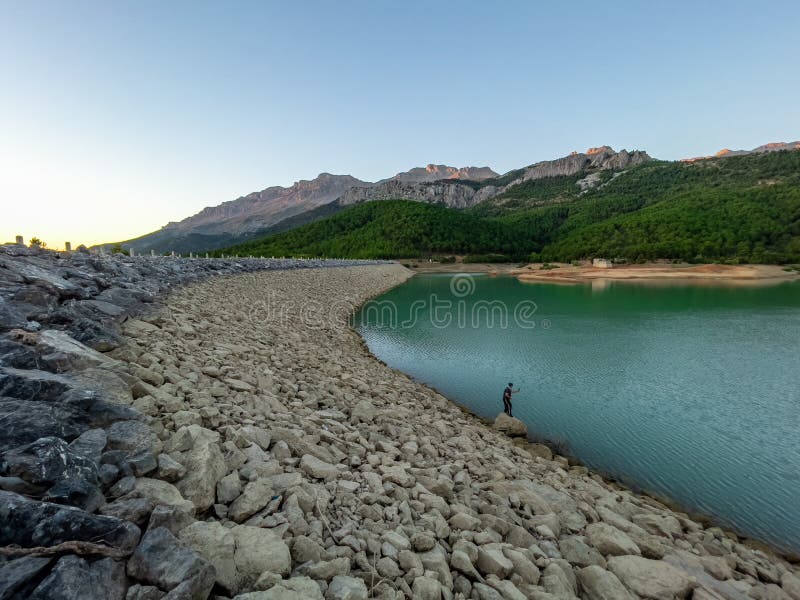
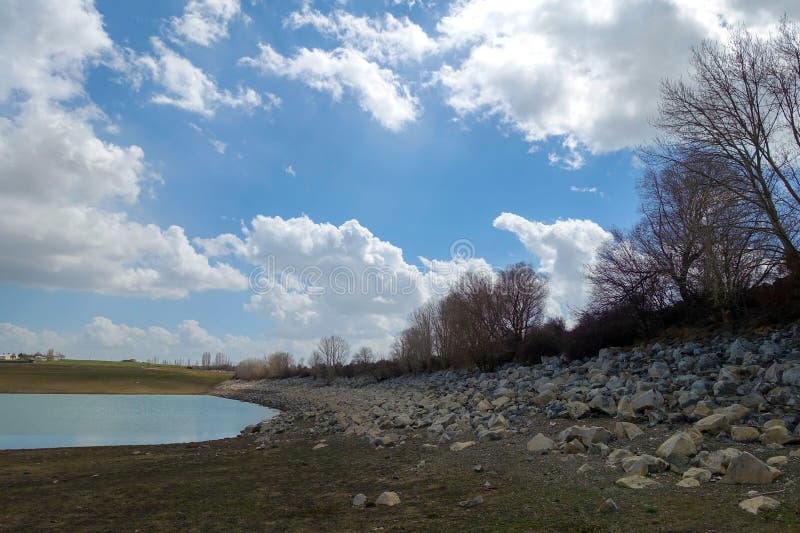
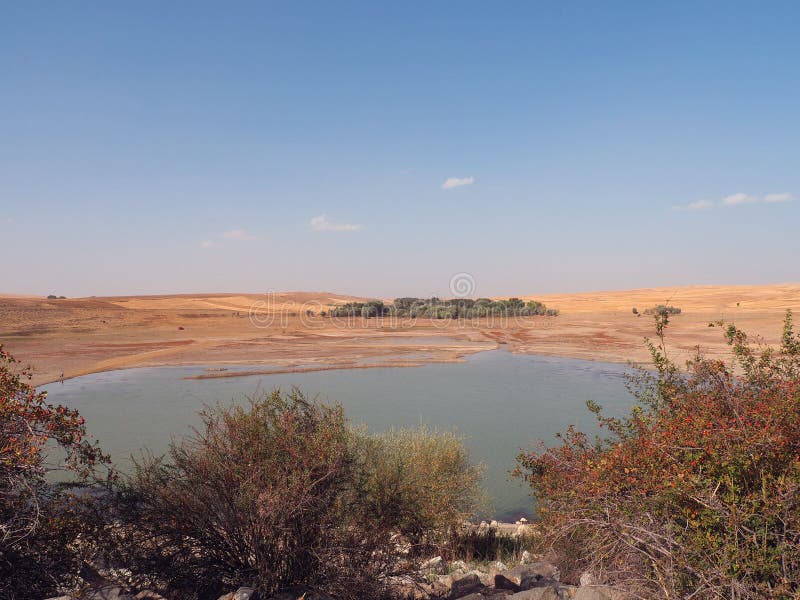
Decrease in irrigation water in summer and the occupancy rate of dams ;decrease in the level of agricultural irrigation water in dams and water problems. Water decrease stock images, royalty-free photos and pictures
Waterside shot that show decrease level of water that can see dirt or river bed. With dead Tree stump. Climate change concept result from human cut down the trees and destroy global environment. Water decrease stock images, royalty-free photos and pictures
Carbon reduction inside water droplet on green leaf for for decrease CO2,carbon footprint and carbon credit to limit global warming from climate change,Bio Circular Green Economy concept. Water decrease stock images, royalty-free photos and pictures