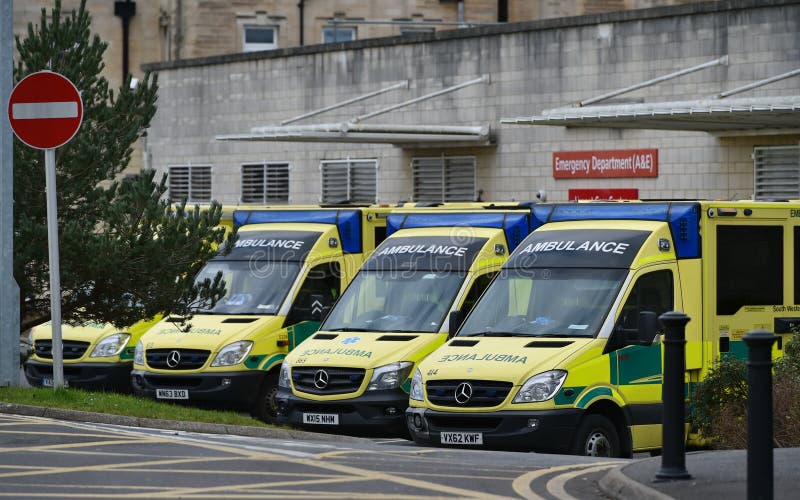
Free with trial BATH, UK - FEBRUARY 10, 2015: Ambulances wait on standby at the Royal United Hospital as junior doctors go on strike. Junior NHS doctors across the country have taken part in a 24 hour walk-out in opposition to a government plan to introduce new contracts, which critics argue will effectively increase workload and decrease pay. The doctor's industrial action has led to the cancellation of 3,000 non-emergency operations at NHS hospitals across the UK. Will decrease stock images, royalty-free photos and pictures Junior Doctors Strike. BATH, UK - FEBRUARY 10, 2015: Ambulances wait on standby at the Royal United Hospital as junior doctors go on strike. Junior NHS doctors. BATH, UK - FEBRUARY 10, 2015: Ambulances wait on standby at the Royal United Hospital as junior doctors go on strike. Junior NHS doctors across the country have taken part in a 24 hour walk-out in opposition to a government plan to introduce new contracts, which critics argue will effectively increase workload and decrease pay. The doctor's industrial action has led to the cancellation of 3,000 non-emergency operations at NHS hospitals across the UK.
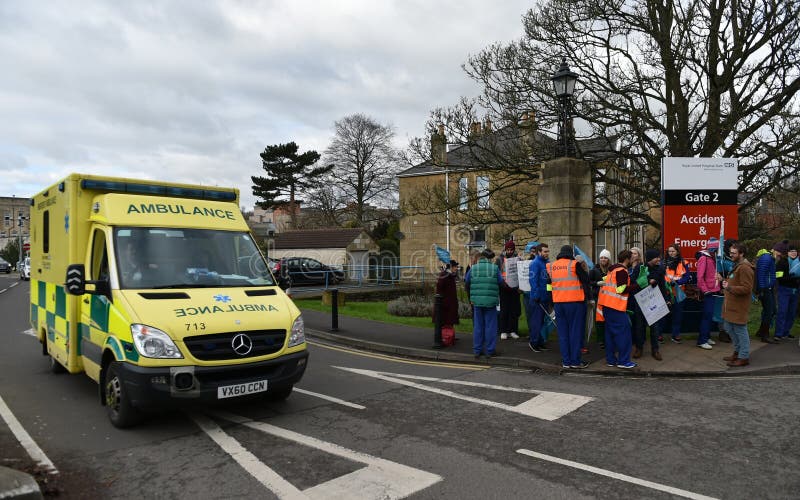
Free with trial BATH, UK - FEBRUARY 10, 2015: Junior doctors strike at a picket line outside the Royal United Hospital. Junior NHS doctors across the country have taken part in a 24 hour walk-out in opposition to a government plan to introduce new contracts, which critics argue will effectively increase workload and decrease pay. The doctor's industrial action has led to the cancellation of 3, 000 non-emergency operations at NHS hospitals across the UK. Will decrease stock images, royalty-free photos and pictures Junior Doctors Strike. BATH, UK - FEBRUARY 10, 2015: Junior doctors strike at a picket line outside the Royal United Hospital. Junior NHS doctors across the. BATH, UK - FEBRUARY 10, 2015: Junior doctors strike at a picket line outside the Royal United Hospital. Junior NHS doctors across the country have taken part in a 24 hour walk-out in opposition to a government plan to introduce new contracts, which critics argue will effectively increase workload and decrease pay. The doctor's industrial action has led to the cancellation of 3, 000 non-emergency operations at NHS hospitals across the UK.
Free with trial Person hand flipping wooden cubes so that it will be written increase instead of decrease. business development and positive thinking concept. Will decrease stock images, royalty-free photos and pictures Person hand flipping wooden cubes so that it will be written increase instead of decrease. business development and positive. Person hand flipping wooden cubes. person hand flipping wooden cubes so that it will be written increase instead of decrease. business development and positive thinking concept
Free with trial BATH, UK - FEBRUARY 10, 2015: Junior doctors strike at a picket line outside the Royal United Hospital. Junior NHS doctors across the country have taken part in a 24 hour walk-out in opposition to a government plan to introduce new contracts, which critics argue will effectively increase workload and decrease pay. The doctor's industrial action has led to the cancellation of 3,000 non-emergency operations at NHS hospitals across the UK. Will decrease stock images, royalty-free photos and pictures Junior Doctors Strike. BATH, UK - FEBRUARY 10, 2015: Junior doctors strike at a picket line outside the Royal United Hospital. Junior NHS doctors across the. BATH, UK - FEBRUARY 10, 2015: Junior doctors strike at a picket line outside the Royal United Hospital. Junior NHS doctors across the country have taken part in a 24 hour walk-out in opposition to a government plan to introduce new contracts, which critics argue will effectively increase workload and decrease pay. The doctor's industrial action has led to the cancellation of 3,000 non-emergency operations at NHS hospitals across the UK.
Free with trial BATH, UK - FEBRUARY 10, 2015: View of a sign at the Royal United Hospital as striking junior doctors join a picket line. Junior NHS doctors across the country have taken part in a 24 hour walk-out in opposition to a government plan to introduce new contracts, which critics argue will effectively increase workload and decrease pay. The doctor's industrial action has led to the cancellation of 3,000 non-emergency operations at NHS hospitals across the UK. Will decrease stock images, royalty-free photos and pictures Junior Doctors Strike. BATH, UK - FEBRUARY 10, 2015: View of a sign at the Royal United Hospital as striking junior doctors join a picket line. Junior NHS. BATH, UK - FEBRUARY 10, 2015: View of a sign at the Royal United Hospital as striking junior doctors join a picket line. Junior NHS doctors across the country have taken part in a 24 hour walk-out in opposition to a government plan to introduce new contracts, which critics argue will effectively increase workload and decrease pay. The doctor's industrial action has led to the cancellation of 3,000 non-emergency operations at NHS hospitals across the UK.
Free with trial BATH, UK - FEBRUARY 10, 2015: Junior doctors strike at a picket line outside the Royal United Hospital. Junior NHS doctors across the country have taken part in a 24 hour walk-out in opposition to a government plan to introduce new contracts, which critics argue will effectively increase workload and decrease pay. The doctor's industrial action has led to the cancellation of 3,000 non-emergency operations at NHS hospitals across the UK. Will decrease stock images, royalty-free photos and pictures Junior Doctors Strike. BATH, UK - FEBRUARY 10, 2015: Junior doctors strike at a picket line outside the Royal United Hospital. Junior NHS doctors across the. BATH, UK - FEBRUARY 10, 2015: Junior doctors strike at a picket line outside the Royal United Hospital. Junior NHS doctors across the country have taken part in a 24 hour walk-out in opposition to a government plan to introduce new contracts, which critics argue will effectively increase workload and decrease pay. The doctor's industrial action has led to the cancellation of 3,000 non-emergency operations at NHS hospitals across the UK.
Free with trial BATH, UK - FEBRUARY 10, 2015: Junior doctors strike at a picket line outside the Royal United Hospital. Junior NHS doctors across the country have taken part in a 24 hour walk-out in opposition to a government plan to introduce new contracts, which critics argue will effectively increase workload and decrease pay. The doctor's industrial action has led to the cancellation of 3,000 non-emergency operations at NHS hospitals across the UK. Will decrease stock images, royalty-free photos and pictures Junior Doctors Strike. BATH, UK - FEBRUARY 10, 2015: Junior doctors strike at a picket line outside the Royal United Hospital. Junior NHS doctors across the. BATH, UK - FEBRUARY 10, 2015: Junior doctors strike at a picket line outside the Royal United Hospital. Junior NHS doctors across the country have taken part in a 24 hour walk-out in opposition to a government plan to introduce new contracts, which critics argue will effectively increase workload and decrease pay. The doctor's industrial action has led to the cancellation of 3,000 non-emergency operations at NHS hospitals across the UK.
Free with trial FED wording on the top of coins stacking with coins decreasing down arrow and percentage for FED will reduce interest rating concept. Will decrease stock images, royalty-free photos and pictures FED wording on the top of coins stacking with coins decreasing down arrow and percentage for FED will reduce interest rating. Concept
Free with trial Dollar bills of decreasing size shown isolated on a white background. In an effort to emerge from the recession the Federal Reserve is borrowing and printing money leading to fears that the dollar will decrease in value. This image captures that fear. Will decrease stock images, royalty-free photos and pictures The shrinking Dollar ?. Dollar bills of decreasing size shown isolated on a white background. In an effort to emerge from the recession the Federal Reserve is. Dollar bills of decreasing size shown isolated on a white background. In an effort to emerge from the recession the Federal Reserve is borrowing and printing money leading to fears that the dollar will decrease in value. This image captures that fear.
Free with trial Snow roof. In black and white. Will decrease stock images, royalty-free photos and pictures Snow roof. In black and white
Free with trial Surviving corona crisis. Text on signpost. Will decrease stock images, royalty-free photos and pictures Surviving corona crisis. Text on signpost
Free with trial Inside a shopping mall the roof are art. The science of geometry. The design is beautiful and colorful. Will decrease stock images, royalty-free photos and pictures The art of buildings. Inside a shopping mall the roof are art. The science of geometry. The design is beautiful and colorful. Inside a shopping mall the roof are art. The science of geometry. The design is beautiful and colorful.
Free with trial A cat scratching his neck. A photograph of an orange cat scratching his neck, it is funnny to take photo of this cute animal. Will decrease stock images, royalty-free photos and pictures A cat scratching his neck. A photograph of an orange cat scratching his neck, it is funnny to take photo of this cute animal
Free with trial A young binturong under the sunlight. A photograph of A young binturong under the sunlight. Will decrease stock images, royalty-free photos and pictures A young binturong under the sunlight. A photograph of A young binturong under the sunlight
Free with trial A javan hawk eagle on it`s tree. A photograph of a javan hawk eagle on it`s tree starring on it`s prey. Will decrease stock images, royalty-free photos and pictures A javan hawk eagle on it`s tree. A photograph of a javan hawk eagle on it`s tree starring on it`s prey
Free with trial The essential thing in survival. This is a photograph of essential things in jungle survival, knive is one from many essential things in sjungle survival. Will decrease stock images, royalty-free photos and pictures The essential thing in survival. This is a photograph of essential things in jungle survival, knive is one from many essential things in sjungle survival
Free with trial Struggling against a huge budget deficit, the Portuguese government decided to charge toll fees on all previously unpaid portuguese motorways (SCUTs). The A22, connecting Lagos to the Spanish border, is an international motorway. half of its length is paved with concrete, bumpy, curvy and very slippery when it rains. it was built in the early 90's to decrease fatalities on the heavily congestioned EN125, Algarve's most used road. The toll fees are to be electronically charged, causing no impact on employment - Algarve is currently the portuguese region with the highest unemployment rate. It is expected that the tourism and the local cross-border commerce will decline, further impoverishing the region, as the toll money won't be reinvested locally. in this mid-August demonstration, a protester stood in the middle of the EN125 flashing a sign reading abaixo a vigarice - enough with the scam on the A22. toll charges are to be charged from December 8th 2011 on. Will decrease stock images, royalty-free photos and pictures Protest against tolls on A22. Struggling against a huge budget deficit, the Portuguese government decided to charge toll fees on all previously unpaid portuguese. Struggling against a huge budget deficit, the Portuguese government decided to charge toll fees on all previously unpaid portuguese motorways (SCUTs). The A22, connecting Lagos to the Spanish border, is an international motorway. half of its length is paved with concrete, bumpy, curvy and very slippery when it rains. it was built in the early 90's to decrease fatalities on the heavily congestioned EN125, Algarve's most used road. The toll fees are to be electronically charged, causing no impact on employment - Algarve is currently the portuguese region with the highest unemployment rate. It is expected that the tourism and the local cross-border commerce will decline, further impoverishing the region, as the toll money won't be reinvested locally. in this mid-August demonstration, a protester stood in the middle of the EN125 flashing a sign reading abaixo a vigarice - enough with the scam on the A22. toll charges are to be charged from December 8th 2011 on.
Free with trial Property prices and real estate affordability concept, cardboard house with price comparison charts showing stats increasing and potentially decreasing in 2022 and 2023 with question mark. Will decrease stock images, royalty-free photos and pictures Will house prices drop in 2023? charts with stats going up and down next to cardboard house with question mark. Property prices and real estate affordability. Property prices and real estate affordability concept, cardboard house with price comparison charts showing stats increasing and potentially decreasing in 2022 and 2023 with question mark
Free with trial Where the price will go up or down. Increase or decrease of the indicator. Market uncertainty, price speculation trends. Forecasting challenges, investor sentiment shifts. Macroeconomic. Will decrease stock images, royalty-free photos and pictures Where the price will go up or down. Increase or decrease of the indicator. Market uncertainty, price speculation trends. Forecasting challenges, investor
Free with trial When will inflation go down. shopping basket with graph showing prices dropping and question mark in front of it, retail and groceries affecting cost of living conceptual image. Will decrease stock images, royalty-free photos and pictures When will inflation go down. shopping basket with graph showing prices dropping and question mark in front of it, retail and. Groceries affecting cost of living
Free with trial Reduce tension, personnel management to increase efficiency in the work system because it will have a negative effect on the workers and their work. A man uses his palm to control the tension gauge. Will decrease stock images, royalty-free photos and pictures Reduce tension, personnel management to increase efficiency in the work system because it will have a negative effect on the. Workers and their work. A man uses. Reduce tension, personnel management to increase efficiency in the work system because it will have a negative effect on the workers and their work. A man uses his palm to control the tension gauge
Free with trial Wooden stake with an orange band at the top indicating the corner of this undeveloped property. Taking a survey to determine the legal property line is the first step in determining what will be built on this piece of land. This photo was taken on March 21st 2026 in Whitehall Township, Pennsylvania, USA. Will decrease stock images, royalty-free photos and pictures Property Corner, Survey Marker. Wooden stake with an orange band at the top indicating the corner of this undeveloped property. Taking a survey to determine the. Wooden stake with an orange band at the top indicating the corner of this undeveloped property. Taking a survey to determine the legal property line is the first step in determining what will be built on this piece of land. This photo was taken on March 21st 2026 in Whitehall Township, Pennsylvania, USA.
Free with trial Increase In Costs Results In An Increase In Revenue. This Means That As Expenses Go Up, Income Will Also Rise. Financial Implications Of Rising Costs And Revenue. Will decrease stock images, royalty-free photos and pictures Increase In Costs Results In An Increase In Revenue. This Means That As Expenses Go Up, Income Will Also Rise. Financial Implications Of Rising Costs And
Free with trial An agricultural drone is an unmanned aerial vehicle used in agriculture operations, mostly in yield optimization and in monitoring crop growth and crop production. Agricultural drone optimizes the application of pesticides, herbicides and liquid fertilizers, providing uniform distribution and high-precision control. It has a modular construction, consisting of two main components - the flight platform and the agricultural platform, which can be either the phytosanitary treatment application system or the solid substance application system, equipped with liquid and solid substance tanks. Agricultural drones provide information on crop growth stages, crop health, and soil variations. The use of drone technology in the agriculture sector will vastly benefit the industry by enabling treatment from above for crops as high as 30 meters or even for infant and maturing crops at ground level. The footage will provide high quality zone maps for future reference and crop planning. Remote monitoring of crops and livestock plus targeted nutrient or pesticide applications with the generation of variable rate prescriptions will help to decrease inputs and maximize profits. The crops can be managed better and safeguarded by the timely detection of weeds, diseases, and pests. Drone spraying ensures even chemical distribution, optimizing plant health and improving yields. Agriculture is rapidly evolving toward precision and data-driven farming. Drones will play a crucial role in this transformation by collecting and analyzing data to optimize resource allocation. For example, rather than applying fertilizer uniformly, drones can assess soil conditions and determine the precise quantity needed for each section, reducing waste and improving efficiency. Water conservation is another critical benefit. On some plantations, our drones have helped save five million liters of water annually by reducing spray volumes from 400 liters to 100 liters per hectare. This level of efficiency is crucial for sustainable agriculture. Will decrease stock images, royalty-free photos and pictures Agricultural drone flying over a tea plantation in Sri Lanka, Asia. An agricultural drone is an unmanned aerial vehicle used in agriculture operations, mostly in. An agricultural drone is an unmanned aerial vehicle used in agriculture operations, mostly in yield optimization and in monitoring crop growth and crop production. Agricultural drone optimizes the application of pesticides, herbicides and liquid fertilizers, providing uniform distribution and high-precision control. It has a modular construction, consisting of two main components - the flight platform and the agricultural platform, which can be either the phytosanitary treatment application system or the solid substance application system, equipped with liquid and solid substance tanks. Agricultural drones provide information on crop growth stages, crop health, and soil variations. The use of drone technology in the agriculture sector will vastly benefit the industry by enabling treatment from above for crops as high as 30 meters or even for infant and maturing crops at ground level. The footage will provide high quality zone maps for future reference and crop planning. Remote monitoring of crops and livestock plus targeted nutrient or pesticide applications with the generation of variable rate prescriptions will help to decrease inputs and maximize profits. The crops can be managed better and safeguarded by the timely detection of weeds, diseases, and pests. Drone spraying ensures even chemical distribution, optimizing plant health and improving yields.Agriculture is rapidly evolving toward precision and data-driven farming. Drones will play a crucial role in this transformation by collecting and analyzing data to optimize resource allocation. For example, rather than applying fertilizer uniformly, drones can assess soil conditions and determine the precise quantity needed for each section, reducing waste and improving efficiency.Water conservation is another critical benefit. On some plantations, our drones have helped save five million liters of water annually by reducing spray volumes from 400 liters to 100 liters per hectare. This level of efficiency is crucial for sustainable agriculture.
Free with trial An agricultural drone is an unmanned aerial vehicle used in agriculture operations, mostly in yield optimization and in monitoring crop growth and crop production. Agricultural drone optimizes the application of pesticides, herbicides and liquid fertilizers, providing uniform distribution and high-precision control. It has a modular construction, consisting of two main components - the flight platform and the agricultural platform, which can be either the phytosanitary treatment application system or the solid substance application system, equipped with liquid and solid substance tanks. Agricultural drones provide information on crop growth stages, crop health, and soil variations. The use of drone technology in the agriculture sector will vastly benefit the industry by enabling treatment from above for crops as high as 30 meters or even for infant and maturing crops at ground level. The footage will provide high quality zone maps for future reference and crop planning. Remote monitoring of crops and livestock plus targeted nutrient or pesticide applications with the generation of variable rate prescriptions will help to decrease inputs and maximize profits. The crops can be managed better and safeguarded by the timely detection of weeds, diseases, and pests. Drone spraying ensures even chemical distribution, optimizing plant health and improving yields. Agriculture is rapidly evolving toward precision and data-driven farming. Drones will play a crucial role in this transformation by collecting and analyzing data to optimize resource allocation. For example, rather than applying fertilizer uniformly, drones can assess soil conditions and determine the precise quantity needed for each section, reducing waste and improving efficiency. Water conservation is another critical benefit. On some plantations, our drones have helped save five million liters of water annually by reducing spray volumes from 400 liters to 100 liters per hectare. This level of efficiency is crucial for sustainable agriculture. Will decrease stock images, royalty-free photos and pictures Agricultural drone spraying over a tea plantation in Sri Lanka, Asia. An agricultural drone is an unmanned aerial vehicle used in agriculture operations, mostly. An agricultural drone is an unmanned aerial vehicle used in agriculture operations, mostly in yield optimization and in monitoring crop growth and crop production. Agricultural drone optimizes the application of pesticides, herbicides and liquid fertilizers, providing uniform distribution and high-precision control. It has a modular construction, consisting of two main components - the flight platform and the agricultural platform, which can be either the phytosanitary treatment application system or the solid substance application system, equipped with liquid and solid substance tanks. Agricultural drones provide information on crop growth stages, crop health, and soil variations. The use of drone technology in the agriculture sector will vastly benefit the industry by enabling treatment from above for crops as high as 30 meters or even for infant and maturing crops at ground level. The footage will provide high quality zone maps for future reference and crop planning. Remote monitoring of crops and livestock plus targeted nutrient or pesticide applications with the generation of variable rate prescriptions will help to decrease inputs and maximize profits. The crops can be managed better and safeguarded by the timely detection of weeds, diseases, and pests. Drone spraying ensures even chemical distribution, optimizing plant health and improving yields.Agriculture is rapidly evolving toward precision and data-driven farming. Drones will play a crucial role in this transformation by collecting and analyzing data to optimize resource allocation. For example, rather than applying fertilizer uniformly, drones can assess soil conditions and determine the precise quantity needed for each section, reducing waste and improving efficiency.Water conservation is another critical benefit. On some plantations, our drones have helped save five million liters of water annually by reducing spray volumes from 400 liters to 100 liters per hectare. This level of efficiency is crucial for sustainable agriculture.
Free with trial An agricultural drone is an unmanned aerial vehicle used in agriculture operations, mostly in yield optimization and in monitoring crop growth and crop production. Agricultural drone optimizes the application of pesticides, herbicides and liquid fertilizers, providing uniform distribution and high-precision control. It has a modular construction, consisting of two main components - the flight platform and the agricultural platform, which can be either the phytosanitary treatment application system or the solid substance application system, equipped with liquid and solid substance tanks. Agricultural drones provide information on crop growth stages, crop health, and soil variations. The use of drone technology in the agriculture sector will vastly benefit the industry by enabling treatment from above for crops as high as 30 meters or even for infant and maturing crops at ground level. The footage will provide high quality zone maps for future reference and crop planning. Remote monitoring of crops and livestock plus targeted nutrient or pesticide applications with the generation of variable rate prescriptions will help to decrease inputs and maximize profits. The crops can be managed better and safeguarded by the timely detection of weeds, diseases, and pests. Drone spraying ensures even chemical distribution, optimizing plant health and improving yields. Agriculture is rapidly evolving toward precision and data-driven farming. Drones will play a crucial role in this transformation by collecting and analyzing data to optimize resource allocation. For example, rather than applying fertilizer uniformly, drones can assess soil conditions and determine the precise quantity needed for each section, reducing waste and improving efficiency. Water conservation is another critical benefit. On some plantations, our drones have helped save five million liters of water annually by reducing spray volumes from 400 liters to 100 liters per hectare. This level of efficiency is crucial for sustainable agriculture. Will decrease stock images, royalty-free photos and pictures Agricultural drone spraying over a tea plantation in Sri Lanka, Asia. An agricultural drone is an unmanned aerial vehicle used in agriculture operations, mostly. An agricultural drone is an unmanned aerial vehicle used in agriculture operations, mostly in yield optimization and in monitoring crop growth and crop production. Agricultural drone optimizes the application of pesticides, herbicides and liquid fertilizers, providing uniform distribution and high-precision control. It has a modular construction, consisting of two main components - the flight platform and the agricultural platform, which can be either the phytosanitary treatment application system or the solid substance application system, equipped with liquid and solid substance tanks. Agricultural drones provide information on crop growth stages, crop health, and soil variations. The use of drone technology in the agriculture sector will vastly benefit the industry by enabling treatment from above for crops as high as 30 meters or even for infant and maturing crops at ground level. The footage will provide high quality zone maps for future reference and crop planning. Remote monitoring of crops and livestock plus targeted nutrient or pesticide applications with the generation of variable rate prescriptions will help to decrease inputs and maximize profits. The crops can be managed better and safeguarded by the timely detection of weeds, diseases, and pests. Drone spraying ensures even chemical distribution, optimizing plant health and improving yields.Agriculture is rapidly evolving toward precision and data-driven farming. Drones will play a crucial role in this transformation by collecting and analyzing data to optimize resource allocation. For example, rather than applying fertilizer uniformly, drones can assess soil conditions and determine the precise quantity needed for each section, reducing waste and improving efficiency.Water conservation is another critical benefit. On some plantations, our drones have helped save five million liters of water annually by reducing spray volumes from 400 liters to 100 liters per hectare. This level of efficiency is crucial for sustainable agriculture.
Free with trial An agricultural drone is an unmanned aerial vehicle used in agriculture operations, mostly in yield optimization and in monitoring crop growth and crop production. Agricultural drone optimizes the application of pesticides, herbicides and liquid fertilizers, providing uniform distribution and high-precision control. It has a modular construction, consisting of two main components - the flight platform and the agricultural platform, which can be either the phytosanitary treatment application system or the solid substance application system, equipped with liquid and solid substance tanks. Agricultural drones provide information on crop growth stages, crop health, and soil variations. The use of drone technology in the agriculture sector will vastly benefit the industry by enabling treatment from above for crops as high as 30 meters or even for infant and maturing crops at ground level. The footage will provide high quality zone maps for future reference and crop planning. Remote monitoring of crops and livestock plus targeted nutrient or pesticide applications with the generation of variable rate prescriptions will help to decrease inputs and maximize profits. The crops can be managed better and safeguarded by the timely detection of weeds, diseases, and pests. Drone spraying ensures even chemical distribution, optimizing plant health and improving yields. Agriculture is rapidly evolving toward precision and data-driven farming. Drones will play a crucial role in this transformation by collecting and analyzing data to optimize resource allocation. For example, rather than applying fertilizer uniformly, drones can assess soil conditions and determine the precise quantity needed for each section, reducing waste and improving efficiency. Water conservation is another critical benefit. On some plantations, our drones have helped save five million liters of water annually by reducing spray volumes from 400 liters to 100 liters per hectare. This level of efficiency is crucial for sustainable agriculture. Will decrease stock images, royalty-free photos and pictures Agricultural drone spraying over a tea plantation in Sri Lanka, Asia. An agricultural drone is an unmanned aerial vehicle used in agriculture operations, mostly. An agricultural drone is an unmanned aerial vehicle used in agriculture operations, mostly in yield optimization and in monitoring crop growth and crop production. Agricultural drone optimizes the application of pesticides, herbicides and liquid fertilizers, providing uniform distribution and high-precision control. It has a modular construction, consisting of two main components - the flight platform and the agricultural platform, which can be either the phytosanitary treatment application system or the solid substance application system, equipped with liquid and solid substance tanks. Agricultural drones provide information on crop growth stages, crop health, and soil variations. The use of drone technology in the agriculture sector will vastly benefit the industry by enabling treatment from above for crops as high as 30 meters or even for infant and maturing crops at ground level. The footage will provide high quality zone maps for future reference and crop planning. Remote monitoring of crops and livestock plus targeted nutrient or pesticide applications with the generation of variable rate prescriptions will help to decrease inputs and maximize profits. The crops can be managed better and safeguarded by the timely detection of weeds, diseases, and pests. Drone spraying ensures even chemical distribution, optimizing plant health and improving yields.Agriculture is rapidly evolving toward precision and data-driven farming. Drones will play a crucial role in this transformation by collecting and analyzing data to optimize resource allocation. For example, rather than applying fertilizer uniformly, drones can assess soil conditions and determine the precise quantity needed for each section, reducing waste and improving efficiency.Water conservation is another critical benefit. On some plantations, our drones have helped save five million liters of water annually by reducing spray volumes from 400 liters to 100 liters per hectare. This level of efficiency is crucial for sustainable agriculture.
Free with trial Adult iguanas whose appetite has started to decrease will only sleep and move around a little. Will decrease stock images, royalty-free photos and pictures Adult iguana that often daydreams. Adult iguanas whose appetite has started to decrease will only sleep and move around a little. Adult iguanas whose appetite has started to decrease will only sleep and move around a little.
Free with trial Adult iguanas whose appetite has started to decrease will only sleep and move around a little. Will decrease stock images, royalty-free photos and pictures Adult iguana that often daydreams. Adult iguanas whose appetite has started to decrease will only sleep and move around a little. Adult iguanas whose appetite has started to decrease will only sleep and move around a little.
Free with trial An agricultural drone is an unmanned aerial vehicle used in agriculture operations, mostly in yield optimization and in monitoring crop growth and crop production. Agricultural drone optimizes the application of pesticides, herbicides and liquid fertilizers, providing uniform distribution and high-precision control. It has a modular construction, consisting of two main components - the flight platform and the agricultural platform, which can be either the phytosanitary treatment application system or the solid substance application system, equipped with liquid and solid substance tanks. Agricultural drones provide information on crop growth stages, crop health, and soil variations. The use of drone technology in the agriculture sector will vastly benefit the industry by enabling treatment from above for crops as high as 30 meters or even for infant and maturing crops at ground level. The footage will provide high quality zone maps for future reference and crop planning. Remote monitoring of crops and livestock plus targeted nutrient or pesticide applications with the generation of variable rate prescriptions will help to decrease inputs and maximize profits. The crops can be managed better and safeguarded by the timely detection of weeds, diseases, and pests. Drone spraying ensures even chemical distribution, optimizing plant health and improving yields. Agriculture is rapidly evolving toward precision and data-driven farming. Drones will play a crucial role in this transformation by collecting and analyzing data to optimize resource allocation. For example, rather than applying fertilizer uniformly, drones can assess soil conditions and determine the precise quantity needed for each section, reducing waste and improving efficiency. Water conservation is another critical benefit. On some plantations, our drones have helped save five million liters of water annually by reducing spray volumes from 400 liters to 100 liters per hectare. This level of efficiency is crucial for sustainable agriculture. Will decrease stock images, royalty-free photos and pictures Agricultural drone flying over a tea plantation in Sri Lanka, Asia. An agricultural drone is an unmanned aerial vehicle used in agriculture operations, mostly in. An agricultural drone is an unmanned aerial vehicle used in agriculture operations, mostly in yield optimization and in monitoring crop growth and crop production. Agricultural drone optimizes the application of pesticides, herbicides and liquid fertilizers, providing uniform distribution and high-precision control. It has a modular construction, consisting of two main components - the flight platform and the agricultural platform, which can be either the phytosanitary treatment application system or the solid substance application system, equipped with liquid and solid substance tanks. Agricultural drones provide information on crop growth stages, crop health, and soil variations. The use of drone technology in the agriculture sector will vastly benefit the industry by enabling treatment from above for crops as high as 30 meters or even for infant and maturing crops at ground level. The footage will provide high quality zone maps for future reference and crop planning. Remote monitoring of crops and livestock plus targeted nutrient or pesticide applications with the generation of variable rate prescriptions will help to decrease inputs and maximize profits. The crops can be managed better and safeguarded by the timely detection of weeds, diseases, and pests. Drone spraying ensures even chemical distribution, optimizing plant health and improving yields.Agriculture is rapidly evolving toward precision and data-driven farming. Drones will play a crucial role in this transformation by collecting and analyzing data to optimize resource allocation. For example, rather than applying fertilizer uniformly, drones can assess soil conditions and determine the precise quantity needed for each section, reducing waste and improving efficiency.Water conservation is another critical benefit. On some plantations, our drones have helped save five million liters of water annually by reducing spray volumes from 400 liters to 100 liters per hectare. This level of efficiency is crucial for sustainable agriculture.
Free with trial This is a bird's-eye view of the railway bridge, in Pa Sak Dam, during the dry season the water will decrease. Will decrease stock images, royalty-free photos and pictures Aerial View, Architecture, Beauty In Nature, Bridge - Built Structure, Built Structur. This is a bird's-eye view of the railway bridge, in Pa Sak Dam, during the. This is a bird's-eye view of the railway bridge, in Pa Sak Dam, during the dry season the water will decrease
Free with trial This is a bird's-eye view of the railway bridge, in Pa Sak Dam, during the dry season the water will decrease. Will decrease stock images, royalty-free photos and pictures Aerial View, Architecture, Beauty In Nature, Bridge - Built Structure, Built Structur. This is a bird's-eye view of the railway bridge, in Pa Sak Dam, during the. This is a bird's-eye view of the railway bridge, in Pa Sak Dam, during the dry season the water will decrease
Free with trial This is a bird's-eye view of the railway bridge, in Pa Sak Dam, during the dry season the water will decrease. Will decrease stock images, royalty-free photos and pictures Aerial View, Architecture, Beauty In Nature, Bridge - Built Structure, Built Structur. This is a bird's-eye view of the railway bridge, in Pa Sak Dam, during the. This is a bird's-eye view of the railway bridge, in Pa Sak Dam, during the dry season the water will decrease
Free with trial An agricultural drone is an unmanned aerial vehicle used in agriculture operations, mostly in yield optimization and in monitoring crop growth and crop production. Agricultural drone optimizes the application of pesticides, herbicides and liquid fertilizers, providing uniform distribution and high-precision control. It has a modular construction, consisting of two main components - the flight platform and the agricultural platform, which can be either the phytosanitary treatment application system or the solid substance application system, equipped with liquid and solid substance tanks. Agricultural drones provide information on crop growth stages, crop health, and soil variations. The use of drone technology in the agriculture sector will vastly benefit the industry by enabling treatment from above for crops as high as 30 meters or even for infant and maturing crops at ground level. The footage will provide high quality zone maps for future reference and crop planning. Remote monitoring of crops and livestock plus targeted nutrient or pesticide applications with the generation of variable rate prescriptions will help to decrease inputs and maximize profits. The crops can be managed better and safeguarded by the timely detection of weeds, diseases, and pests. Drone spraying ensures even chemical distribution, optimizing plant health and improving yields. Agriculture is rapidly evolving toward precision and data-driven farming. Drones will play a crucial role in this transformation by collecting and analyzing data to optimize resource allocation. For example, rather than applying fertilizer uniformly, drones can assess soil conditions and determine the precise quantity needed for each section, reducing waste and improving efficiency. Water conservation is another critical benefit. On some plantations, our drones have helped save five million liters of water annually by reducing spray volumes from 400 liters to 100 liters per hectare. This level of efficiency is crucial for sustainable agriculture. Will decrease stock images, royalty-free photos and pictures Agricultural drone spraying over a tea plantation in Sri Lanka, Asia. An agricultural drone is an unmanned aerial vehicle used in agriculture operations, mostly. An agricultural drone is an unmanned aerial vehicle used in agriculture operations, mostly in yield optimization and in monitoring crop growth and crop production. Agricultural drone optimizes the application of pesticides, herbicides and liquid fertilizers, providing uniform distribution and high-precision control. It has a modular construction, consisting of two main components - the flight platform and the agricultural platform, which can be either the phytosanitary treatment application system or the solid substance application system, equipped with liquid and solid substance tanks. Agricultural drones provide information on crop growth stages, crop health, and soil variations. The use of drone technology in the agriculture sector will vastly benefit the industry by enabling treatment from above for crops as high as 30 meters or even for infant and maturing crops at ground level. The footage will provide high quality zone maps for future reference and crop planning. Remote monitoring of crops and livestock plus targeted nutrient or pesticide applications with the generation of variable rate prescriptions will help to decrease inputs and maximize profits. The crops can be managed better and safeguarded by the timely detection of weeds, diseases, and pests. Drone spraying ensures even chemical distribution, optimizing plant health and improving yields.Agriculture is rapidly evolving toward precision and data-driven farming. Drones will play a crucial role in this transformation by collecting and analyzing data to optimize resource allocation. For example, rather than applying fertilizer uniformly, drones can assess soil conditions and determine the precise quantity needed for each section, reducing waste and improving efficiency.Water conservation is another critical benefit. On some plantations, our drones have helped save five million liters of water annually by reducing spray volumes from 400 liters to 100 liters per hectare. This level of efficiency is crucial for sustainable agriculture.
Free with trial This is a bird's-eye view of the railway bridge, in Pa Sak Dam, during the dry season the water will decrease. Will decrease stock images, royalty-free photos and pictures Aerial View, Architecture, Beauty In Nature, Bridge - Built Structure, Built Structur. This is a bird's-eye view of the railway bridge, in Pa Sak Dam, during the. This is a bird's-eye view of the railway bridge, in Pa Sak Dam, during the dry season the water will decrease
Free with trial Kharkiv, Ukraine - June 17, 2012: Concept. Ukraine and Poland are hosting the European Football Championship. Interpretation of hidden symbols. A crowd of fans is heading to Metalist Stadium, where Portugal will play the Netherlands (2-1). Next to a man in a white T-shirt with the word Porsche written on it is a girl in the colors of the Ukrainian yellow and blue flag. She has a Russian flag on her cheek. To her right is a guy with a Ukrainian flag on his cheek. Less than two years later, Russia will annex Crimea. The number of Ukrainian residents loyal to Russia will noticeably decrease. And after the full-scale invasion in February 2022, it will be more common to see a Porsche sports car on the roads of Ukrainian cities than a person loyal to Russia. Will decrease stock images, royalty-free photos and pictures The ontology of the relationship between the former fraternal nations in the context of an international sporting event. Kharkiv, Ukraine - June 17, 2012. Kharkiv, Ukraine - June 17, 2012: Concept. Ukraine and Poland are hosting the European Football Championship. Interpretation of hidden symbols. A crowd of fans is heading to Metalist Stadium, where Portugal will play the Netherlands (2-1). Next to a man in a white T-shirt with the word Porsche written on it is a girl in the colors of the Ukrainian yellow and blue flag. She has a Russian flag on her cheek. To her right is a guy with a Ukrainian flag on his cheek. Less than two years later, Russia will annex Crimea. The number of Ukrainian residents loyal to Russia will noticeably decrease. And after the full-scale invasion in February 2022, it will be more common to see a Porsche sports car on the roads of Ukrainian cities than a person loyal to Russia
Free with trial Dry period in hot weather. The water level in the river will decrease. Will decrease stock images, royalty-free photos and pictures Dry period in hot weather. The water level in the river will decrease.
Free with trial Infection epidemiology: Coronavirus CoVs are found all over the world, often in temperate climates. The corona virus is found in the winter and spring. Coronal virus infection can cause symptoms in the system. The upper respiratory tract up to 35 percent and the proportion of influenza caused by the coronary virus may be up to a hundred. 15 may be found in every age group. But more common in children May be found with repeated infections. Due to the level Immunity will decrease rapidly after infection. For severe acute respiratory infections or The SARS CoV was discovered in 2003, with an outbreak in China and spreading around the world. Will decrease stock images, royalty-free photos and pictures Corona Face mask. Infection epidemiology: Coronavirus CoVs are found all over the world, often in temperate climates. Infection epidemiology: Coronavirus CoVs are found all over the world, often in temperate climates. The corona virus is found in the winter and spring. Coronal virus infection can cause symptoms in the system. The upper respiratory tract up to 35 percent and the proportion of influenza caused by the coronary virus may be up to a hundred. 15 may be found in every age group. But more common in children May be found with repeated infections. Due to the level Immunity will decrease rapidly after infection. For severe acute respiratory infections or The SARS CoV was discovered in 2003, with an outbreak in China and spreading around the world.
Free with trial Hold a notice Will power is strengthened by exercise. Chubby girl showing a notice in a garden Will power is strengthened by exercise. Will decrease stock images, royalty-free photos and pictures Hold a notice Will power is strengthened by exercise. Chubby girl showing a notice in a garden Will power is strengthened by exercise
Free with trial A photograph of waterfall on dry season, on the dry season the water will be decrease a lot than on the wet season. Will decrease stock images, royalty-free photos and pictures The waterfall on dry season. A photograph of waterfall on dry season, on the dry season the water will be decrease a lot than on the wet season. A photograph of waterfall on dry season, on the dry season the water will be decrease a lot than on the wet season
Free with trial Checking health record Will power is strengthened by exercise. Chuby girl checking her health record in her smartphone Will power is strengthened by exercise. Will decrease stock images, royalty-free photos and pictures Checking health record Will power is strengthened by exercise. Chuby girl checking her health record in her smartphone Will power is strengthened by exercise
Free with trial A photograph of waterfall on dry season, on the dry season the water will be decrease a lot than on the wet season. Will decrease stock images, royalty-free photos and pictures The waterfall on dry season. A photograph of waterfall on dry season, on the dry season the water will be decrease a lot than on the wet season. A photograph of waterfall on dry season, on the dry season the water will be decrease a lot than on the wet season
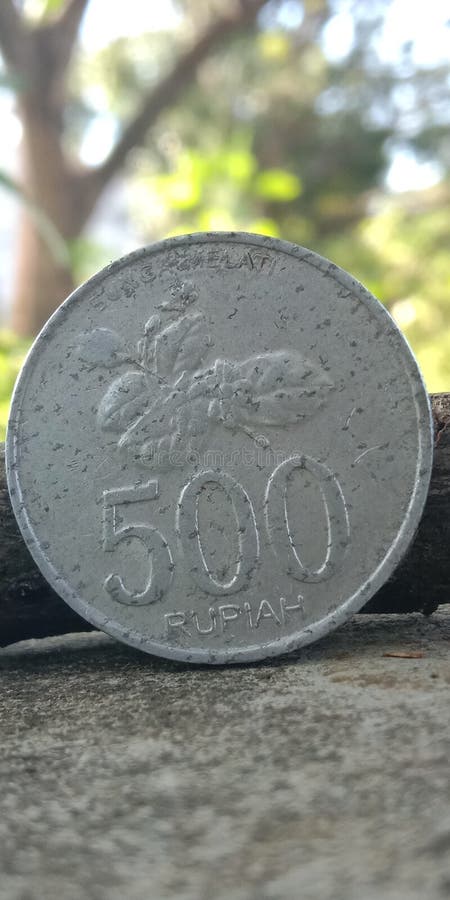
Free with trial COIN One of the limitations of shooting using Android is the resolution. When you use the zoom feature on the camera, the resolution will tend to decrease. As a result, the photo will appear more blurry and less bright. So, how do you find focus to get beautiful photos? Use the manual method, namely by bringing the cellphone or cellphone camera screen closer to the object. With this manual method, the resolution of the camera will not be reduced so that the results of the photo are maximized. Will decrease stock images, royalty-free photos and pictures Use Rear or Side Light Assist. COIN One of the limitations of shooting using Android is the resolution. When you use the zoom feature on the camera, the. COIN One of the limitations of shooting using Android is the resolution. When you use the zoom feature on the camera, the resolution will tend to decrease. As a result, the photo will appear more blurry and less bright. So, how do you find focus to get beautiful photos? Use the manual method, namely by bringing the cellphone or cellphone camera screen closer to the object. With this manual method, the resolution of the camera will not be reduced so that the results of the photo are maximized
Free with trial BATH, UK - FEBRUARY 10, 2015: Junior doctors strike at a picket line outside the Royal United Hospital. Junior NHS doctors across the country have taken part in a 24 hour walk-out in opposition to a government plan to introduce new contracts, which critics argue will effectively increase workload and decrease pay. The doctor's industrial action has led to the cancellation of 3,000 non-emergency operations at NHS hospitals across the UK. Will decrease stock images, royalty-free photos and pictures Junior Doctors Strike. BATH, UK - FEBRUARY 10, 2015: Junior doctors strike at a picket line outside the Royal United Hospital. Junior NHS doctors across the. BATH, UK - FEBRUARY 10, 2015: Junior doctors strike at a picket line outside the Royal United Hospital. Junior NHS doctors across the country have taken part in a 24 hour walk-out in opposition to a government plan to introduce new contracts, which critics argue will effectively increase workload and decrease pay. The doctor's industrial action has led to the cancellation of 3,000 non-emergency operations at NHS hospitals across the UK.
Free with trial BATH, UK - FEBRUARY 10, 2015: Junior doctors strike at a picket line outside the Royal United Hospital. Junior NHS doctors across the country have taken part in a 24 hour walk-out in opposition to a government plan to introduce new contracts, which critics argue will effectively increase workload and decrease pay. The doctor's industrial action has led to the cancellation of 3,000 non-emergency operations at NHS hospitals across the UK. Will decrease stock images, royalty-free photos and pictures Junior Doctors Strike. BATH, UK - FEBRUARY 10, 2015: Junior doctors strike at a picket line outside the Royal United Hospital. Junior NHS doctors across the. BATH, UK - FEBRUARY 10, 2015: Junior doctors strike at a picket line outside the Royal United Hospital. Junior NHS doctors across the country have taken part in a 24 hour walk-out in opposition to a government plan to introduce new contracts, which critics argue will effectively increase workload and decrease pay. The doctor's industrial action has led to the cancellation of 3,000 non-emergency operations at NHS hospitals across the UK.
Free with trial BATH, UK - FEBRUARY 10, 2015: Junior doctors walk to a picket line at the Royal United Hospital. Junior NHS doctors across the country have taken part in a 24 hour walk-out in opposition to a government plan to introduce new contracts, which critics argue will effectively increase workload and decrease pay. The doctor's industrial action has led to the cancellation of 3,000 non-emergency operations at NHS hospitals across the UK. Will decrease stock images, royalty-free photos and pictures Junior Doctors Strike. BATH, UK - FEBRUARY 10, 2015: Junior doctors walk to a picket line at the Royal United Hospital. Junior NHS doctors across the country. BATH, UK - FEBRUARY 10, 2015: Junior doctors walk to a picket line at the Royal United Hospital. Junior NHS doctors across the country have taken part in a 24 hour walk-out in opposition to a government plan to introduce new contracts, which critics argue will effectively increase workload and decrease pay. The doctor's industrial action has led to the cancellation of 3,000 non-emergency operations at NHS hospitals across the UK.
Free with trial BATH, UK - FEBRUARY 10, 2015: View of a sign at the Royal United Hospital as striking junior doctors join a picket line. Junior NHS doctors across the country have taken part in a 24 hour walk-out in opposition to a government plan to introduce new contracts, which critics argue will effectively increase workload and decrease pay. The doctor's industrial action has led to the cancellation of 3,000 non-emergency operations at NHS hospitals across the UK. Will decrease stock images, royalty-free photos and pictures Junior Doctors Strike. BATH, UK - FEBRUARY 10, 2015: View of a sign at the Royal United Hospital as striking junior doctors join a picket line. Junior NHS. BATH, UK - FEBRUARY 10, 2015: View of a sign at the Royal United Hospital as striking junior doctors join a picket line. Junior NHS doctors across the country have taken part in a 24 hour walk-out in opposition to a government plan to introduce new contracts, which critics argue will effectively increase workload and decrease pay. The doctor's industrial action has led to the cancellation of 3,000 non-emergency operations at NHS hospitals across the UK.
Free with trial BATH, UK - FEBRUARY 10, 2015: Junior doctors strike at a picket line outside the Royal United Hospital. Junior NHS doctors across the country have taken part in a 24 hour walk-out in opposition to a government plan to introduce new contracts, which critics argue will effectively increase workload and decrease pay. The doctor's industrial action has led to the cancellation of 3,000 non-emergency operations at NHS hospitals across the UK. Will decrease stock images, royalty-free photos and pictures Junior Doctors Strike. BATH, UK - FEBRUARY 10, 2015: Junior doctors strike at a picket line outside the Royal United Hospital. Junior NHS doctors across the. BATH, UK - FEBRUARY 10, 2015: Junior doctors strike at a picket line outside the Royal United Hospital. Junior NHS doctors across the country have taken part in a 24 hour walk-out in opposition to a government plan to introduce new contracts, which critics argue will effectively increase workload and decrease pay. The doctor's industrial action has led to the cancellation of 3,000 non-emergency operations at NHS hospitals across the UK.
Free with trial Will work for food. Visit card of unemployed designer with inscription Will work for food. Will decrease stock images, royalty-free photos and pictures Will work for food. Visit card of unemployed designer with inscription Will work for food
Free with trial Reduction of water in the soil and desertification. We will understand the value and importance of water when you experience thirst. Will decrease stock images, royalty-free photos and pictures Reduction of water in the soil and desertification. We will understand the value and importance of water when you experience thirst
Free with trial Daylight water will decrease until increase on night. Will decrease stock images, royalty-free photos and pictures A boat ran aground on the beach. Daylight water will decrease until increase on night. Daylight water will decrease until increase on night.
Free with trial The economic impact of coronavirus will remain long after illness disappears. Many households are struggling financially at the moment. Will decrease stock images, royalty-free photos and pictures The economic impact of coronavirus. Will remain long after illness disappears. Many households are struggling financially at the moment
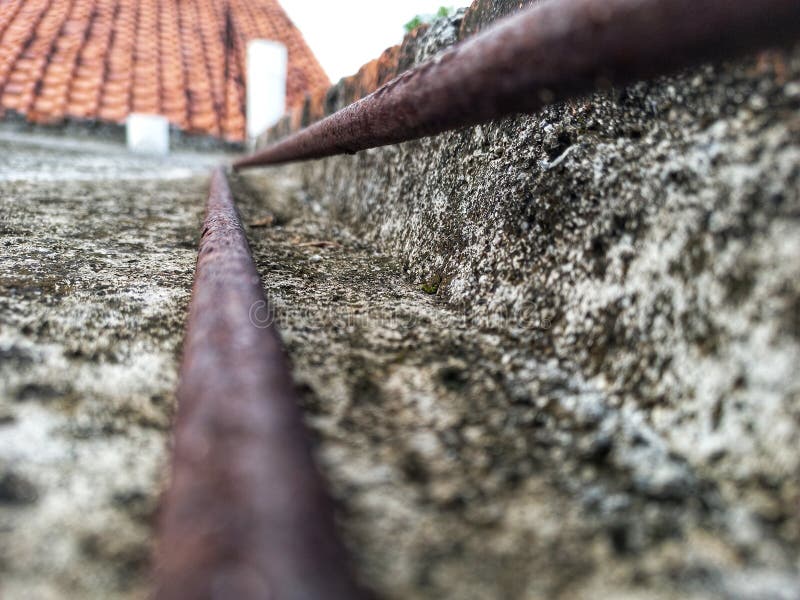
Free with trial Rusty iron in construction projects. Rusty iron will decrease in quality. Will decrease stock images, royalty-free photos and pictures Rusty iron in construction projects. Rusty iron will decrease in quality
Free with trial Fortune package in japan with soup... Weight decrease. Will decrease stock images, royalty-free photos and pictures Fortune package in japan with soup. Weight decrease
Free with trial This is a photograph of sunrise look like from koromong mountain, Bandung. the sun will be sppear from behinf three hills. Will decrease stock images, royalty-free photos and pictures When the sun rise from back of the mountain. This is a photograph of sunrise look like from koromong mountain, Bandung. the sun will be sppear from behinf three. This is a photograph of sunrise look like from koromong mountain, Bandung. the sun will be sppear from behinf three hills
Free with trial Finger will turn off red button. Of white socket strip. Will decrease stock images, royalty-free photos and pictures Finger will turn off red button. Of white socket strip
Free with trial Short Selling is refer to an investor or trader sells an asset that they do not own but instead have borrowed with the expectation that its price will decrease in the future. Will decrease stock images, royalty-free photos and pictures Short Selling is refer to an investor or trader sells an asset that they do not own but instead have borrowed with the expectation. That its price will decrease
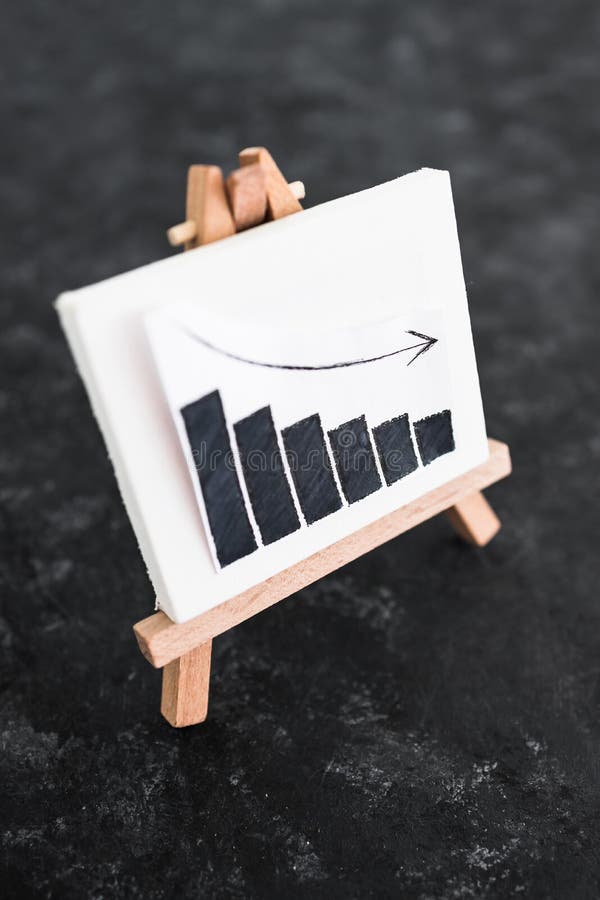
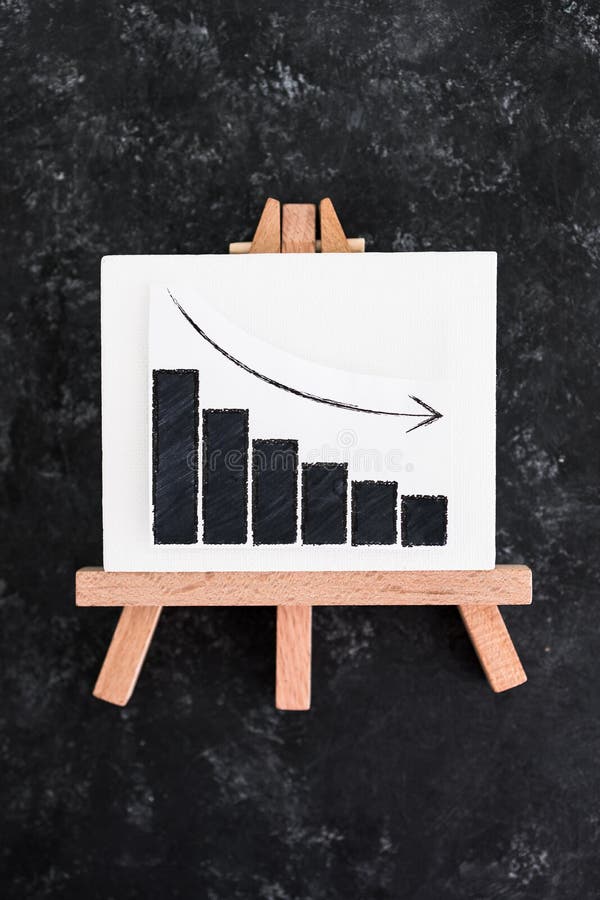
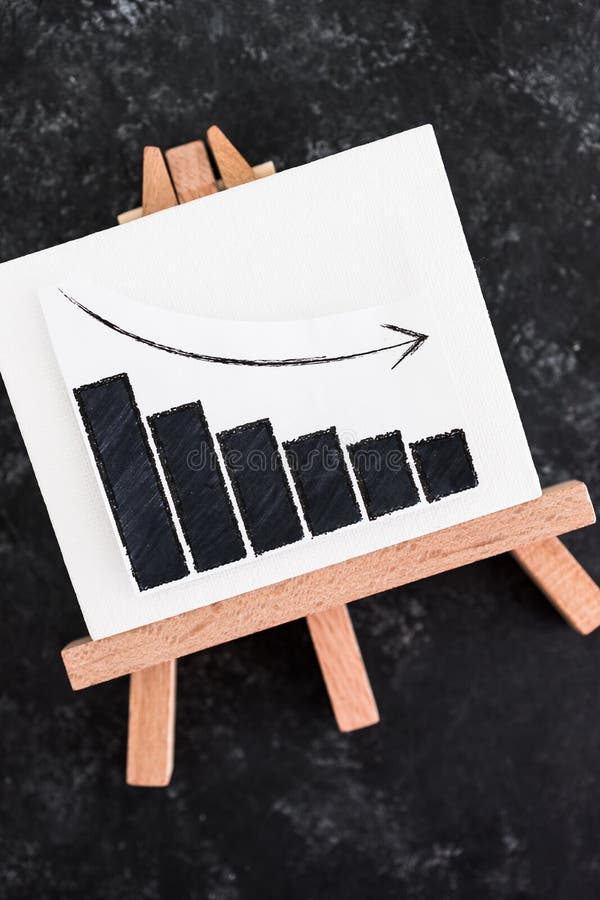
Free with trial When will inflation go down. canvas with graph showing prices dropping, cost of living going down. Conceptual image. Will decrease stock images, royalty-free photos and pictures When will inflation go down. canvas with graph showing prices dropping, cost of living going down. Conceptual image
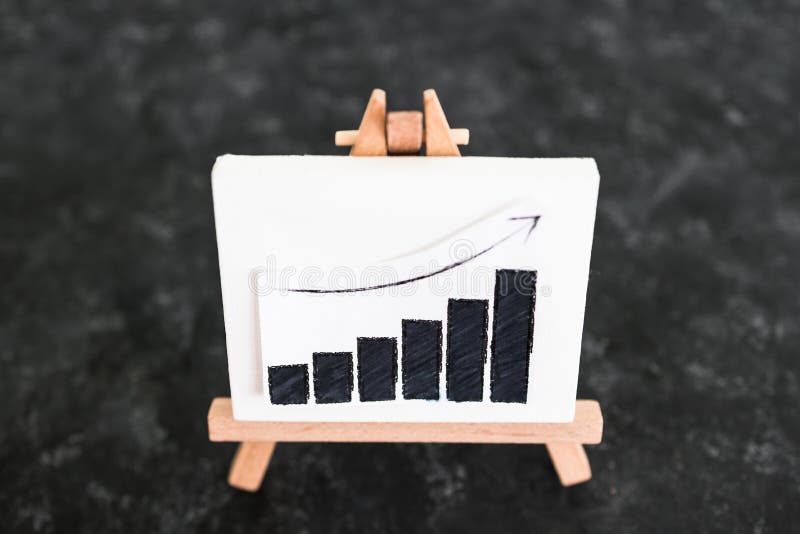
Free with trial When will inflation go down. canvas with graph showing prices dropping, cost of living going down. Conceptual image. Will decrease stock images, royalty-free photos and pictures When will inflation go down. canvas with graph showing prices dropping, cost of living going down. Conceptual image
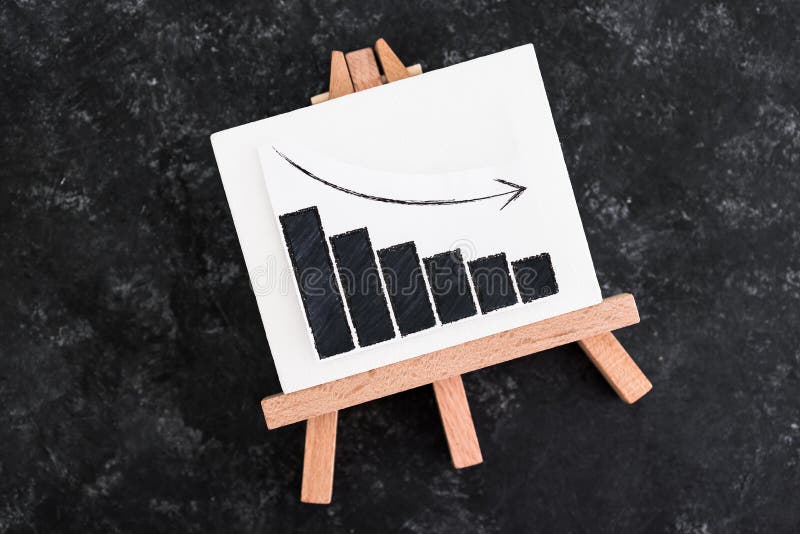
Free with trial When will inflation go down. canvas with graph showing prices dropping, cost of living going down. Conceptual image. Will decrease stock images, royalty-free photos and pictures When will inflation go down. canvas with graph showing prices dropping, cost of living going down. Conceptual image
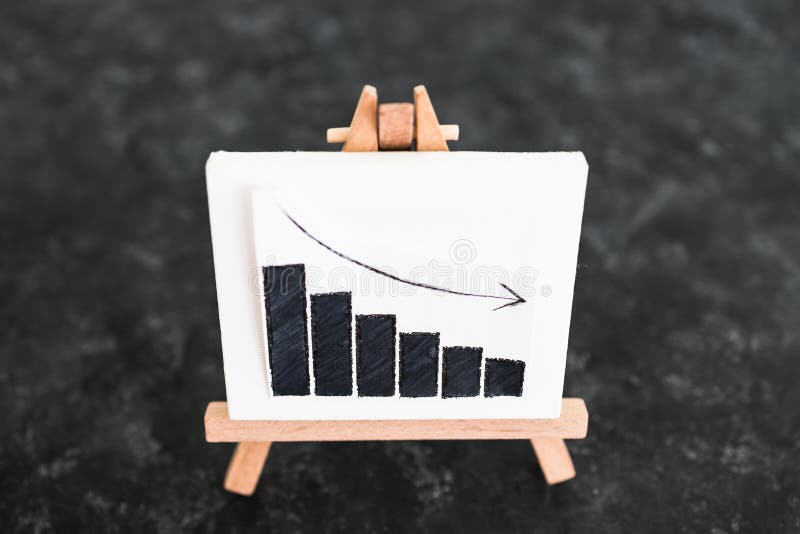
Free with trial When will inflation go down. canvas with graph showing prices dropping, cost of living going down. Conceptual image. Will decrease stock images, royalty-free photos and pictures When will inflation go down. canvas with graph showing prices dropping, cost of living going down. Conceptual image
Free with trial When will inflation go down. canvas with graph showing prices dropping, cost of living going down. Conceptual image. Will decrease stock images, royalty-free photos and pictures When will inflation go down. canvas with graph showing prices dropping, cost of living going down. Conceptual image
Free with trial When will inflation go down. canvas with graph showing prices dropping, cost of living going down. Conceptual image. Will decrease stock images, royalty-free photos and pictures When will inflation go down. canvas with graph showing prices dropping, cost of living going down. Conceptual image
Free with trial When will inflation go down. canvas with graph showing prices dropping, cost of living going down. Conceptual image. Will decrease stock images, royalty-free photos and pictures When will inflation go down. canvas with graph showing prices dropping, cost of living going down. Conceptual image
Free with trial When will inflation go down. canvas with graph showing prices dropping, cost of living going down. Conceptual image. Will decrease stock images, royalty-free photos and pictures When will inflation go down. canvas with graph showing prices dropping, cost of living going down. Conceptual image
Free with trial When will inflation go down. canvas with graph showing prices dropping, cost of living going down. Conceptual image. Will decrease stock images, royalty-free photos and pictures When will inflation go down. canvas with graph showing prices dropping, cost of living going down. Conceptual image
Free with trial When will inflation go down. shopping bags with graph showing prices increasing then dropping with question mark, retail and groceries affecting cost of living conceptual image. Will decrease stock images, royalty-free photos and pictures When will inflation go down. shopping bags with graph showing prices increasing then dropping with question mark, retail and. Groceries affecting cost of living
Free with trial When will inflation go down. shopping bags with graph showing prices increasing then dropping with question mark, retail and groceries affecting cost of living conceptual image. Will decrease stock images, royalty-free photos and pictures When will inflation go down. shopping bags with graph showing prices increasing then dropping with question mark, retail and. Groceries affecting cost of living
Free with trial When will inflation go down. shopping bags with graph showing prices increasing then dropping with question mark, retail and groceries affecting cost of living conceptual image. Will decrease stock images, royalty-free photos and pictures When will inflation go down. shopping bags with graph showing prices increasing then dropping with question mark, retail and. Groceries affecting cost of living
Free with trial When will inflation go down. shopping bags with graph showing prices increasing then dropping with question mark, retail and groceries affecting cost of living conceptual image. Will decrease stock images, royalty-free photos and pictures When will inflation go down. shopping bags with graph showing prices increasing then dropping with question mark, retail and. Groceries affecting cost of living
Free with trial When will inflation go down. shopping bags with graph showing prices increasing then dropping with question mark, retail and groceries affecting cost of living conceptual image. Will decrease stock images, royalty-free photos and pictures When will inflation go down. shopping bags with graph showing prices increasing then dropping with question mark, retail and. Groceries affecting cost of living
Free with trial When will inflation go down. shopping bags with graph showing prices increasing then dropping with question mark, retail and groceries affecting cost of living conceptual image. Will decrease stock images, royalty-free photos and pictures When will inflation go down. shopping bags with graph showing prices increasing then dropping with question mark, retail and. Groceries affecting cost of living
Free with trial When will inflation go down. shopping bags with graph showing prices increasing then dropping with question mark, retail and groceries affecting cost of living conceptual image. Will decrease stock images, royalty-free photos and pictures When will inflation go down. shopping bags with graph showing prices increasing then dropping with question mark, retail and. Groceries affecting cost of living
Free with trial When will inflation go down. shopping bags with graph showing prices increasing then dropping with question mark, retail and groceries affecting cost of living conceptual image. Will decrease stock images, royalty-free photos and pictures When will inflation go down. shopping bags with graph showing prices increasing then dropping with question mark, retail and. Groceries affecting cost of living
Free with trial When will inflation go down. shopping bags with graph showing prices increasing then dropping with question mark, retail and groceries affecting cost of living conceptual image. Will decrease stock images, royalty-free photos and pictures When will inflation go down. shopping bags with graph showing prices increasing then dropping with question mark, retail and. Groceries affecting cost of living
Free with trial When will inflation go down. shopping bags with graph showing prices increasing then dropping with question mark, retail and groceries affecting cost of living conceptual image. Will decrease stock images, royalty-free photos and pictures When will inflation go down. shopping bags with graph showing prices increasing then dropping with question mark, retail and. Groceries affecting cost of living
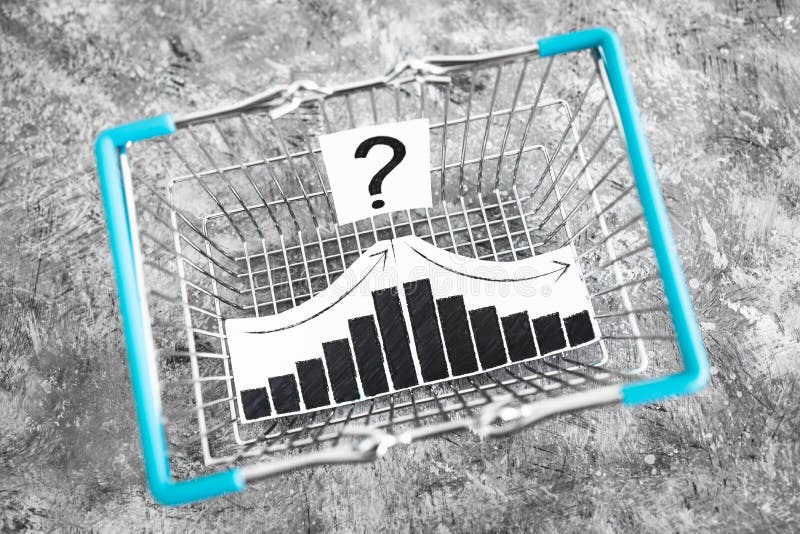
Free with trial When will inflation go down. shopping basket with graph showing prices going up then down with question mark, retail and groceries affecting cost of living conceptual image. Will decrease stock images, royalty-free photos and pictures When will inflation go down. shopping basket with graph showing prices going up then down with question mark, retail and groceries. Affecting cost of living
Free with trial When will inflation go down. shopping basket with graph showing prices going up then down with question mark, retail and groceries affecting cost of living conceptual image. Will decrease stock images, royalty-free photos and pictures When will inflation go down. shopping basket with graph showing prices going up then down with question mark, retail and groceries. Affecting cost of living
Free with trial When will inflation go down. shopping basket with graph showing prices going up then down with question mark, retail and groceries affecting cost of living conceptual image. Will decrease stock images, royalty-free photos and pictures When will inflation go down. shopping basket with graph showing prices going up then down with question mark, retail and groceries. Affecting cost of living
Free with trial When will inflation go down. shopping basket with graph showing prices going up then down with question mark, retail and groceries affecting cost of living conceptual image. Will decrease stock images, royalty-free photos and pictures When will inflation go down. shopping basket with graph showing prices going up then down with question mark, retail and groceries. Affecting cost of living
 Sign in