Free with trial Math Icon Set. Vector icons pack - Blue Series, math collection. Approximation vectors Math Icon Set. Vector icons pack - Blue Series, math collection
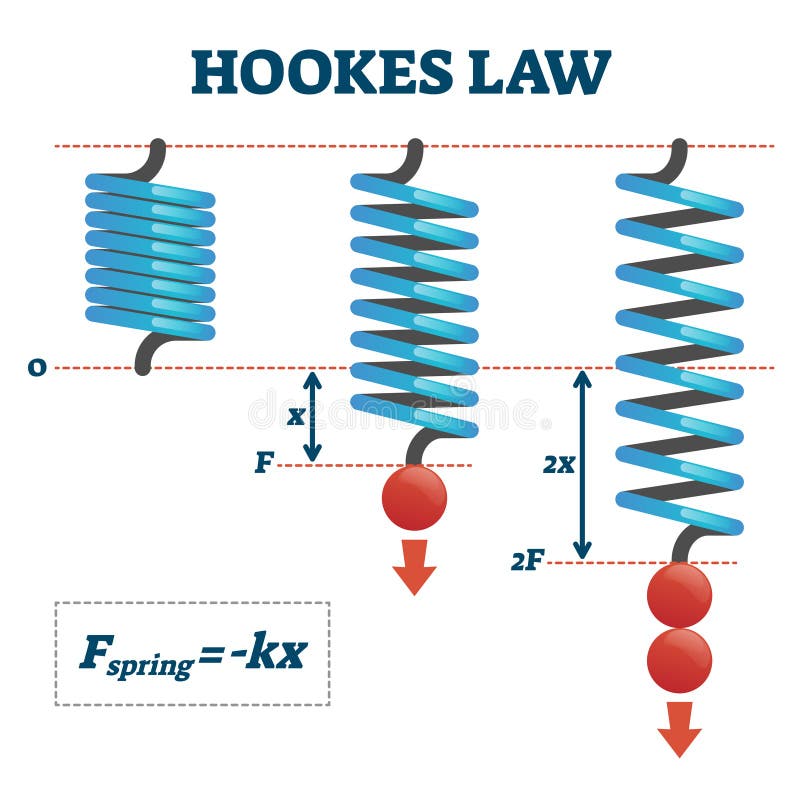
Free with trial Hookes law vector illustration. Physics extend and compress spring force explanation scheme. Mathematical experiment with weight equation and elastic deformed spring. Labeled educational infographic. Approximation vectors Hookes law vector illustration. Physics extend spring force explanation scheme. Hookes law vector illustration. Physics extend and compress spring force. Hookes law vector illustration. Physics extend and compress spring force explanation scheme. Mathematical experiment with weight equation and elastic deformed spring. Labeled educational infographic.
Free with trial Measurement of Length. These instruments may range from objects such as Ruler, tape measure, calipers. Approximation vectors Measurement of Length. Objects such as Ruler, tape measure, calipers. Measurement of Length. These instruments may range from objects such as Ruler, tape measure. Measurement of Length. These instruments may range from objects such as Ruler, tape measure, calipers
Free with trial Measurement of Volume. These instruments may range from objects such as beaker, graduated cylinder, cup, syringe, Measuring Spoon. Approximation vectors Measurement of Volume. Objects such as beaker, graduated cylinder, cup, syringe, Measuring Spoon. Measurement of Volume. These instruments may range from objects. Measurement of Volume. These instruments may range from objects such as beaker, graduated cylinder, cup, syringe, Measuring Spoon
Free with trial Banner of a math class with doodle drawings, date like fraction and giant pi symbol to commemorate on 22nd July the Pi Approximation Day. Approximation vectors Doodle Drawings in Math Class for Pi Approximation Day, Vector Illustration. Banner of a math class with doodle drawings, date like fraction and giant pi symbol. Banner of a math class with doodle drawings, date like fraction and giant pi symbol to commemorate on 22nd July the Pi Approximation Day.
Free with trial Pi Approximation Day Vector Illustration on July 22 with Mathematical Constants, Greek Letters or Baked Sweet Pie in Flat Cartoon. Background. Approximation vectors Pi Approximation Day Vector Illustration on July 22 with Mathematical Constants, Greek Letters or Baked Sweet Pie in Flat Cartoon. Background
Free with trial Fibonacci spiral and approximation of the golden spiral. Circular arcs connecting the opposite corners of squares in the tiling with squares, whose side lengths are successive Fibonacci numbers. Approximation vectors Fibonacci spiral and approximation of the golden spiral. Circular arcs connecting the opposite corners of squares in the tiling with squares, whose side
Free with trial Telescope / spyglass. Vector illustration of telescope / spyglass. Approximation vectors Telescope / spyglass. Vector illustration of telescope / spyglass
Free with trial Drawing of a simple skin wound with no tissue loss, with the margins brought together by sutures. Approximation vectors Healing by first intention. Drawing of a simple skin wound with no tissue loss, with the margins brought together by sutures. Drawing of a simple skin wound with no tissue loss, with the margins brought together by sutures.
Free with trial Write the amount of liquid. Measurement of Volume. These instruments may range from objects. - Worksheet for education. Approximation vectors Write the amount of liquid. Measurement of Volume. These instruments may range from objects. - Worksheet for education
Free with trial Write the amount of liquid. Measurement of Volume. These instruments may range from objects. - Worksheet for education. Approximation vectors Write the amount of liquid. Measurement of Volume. These instruments may range from objects. - Worksheet for education
Free with trial Measurement of Weight. These instruments may range from objects such as Measurement of mass, Weighing scale. Approximation vectors Measurement of Weight. Objects such as Measurement of mass, Weighing scale. Measurement of Weight. These instruments may range from objects such as Measurement. Measurement of Weight. These instruments may range from objects such as Measurement of mass, Weighing scale
Free with trial Measurement of Time. These instruments may range from objects such as Alarm clock, Wrist watch, Stopwatch, Hourglass. Approximation vectors Measurement of Time. Objects such as Alarm clock, Wrist watch, Stopwatch, Hourglass. Measurement of Time. These instruments may range from objects such as Alarm. Measurement of Time. These instruments may range from objects such as Alarm clock, Wrist watch, Stopwatch, Hourglass
Free with trial Measurement of Temperature. These instruments may range from objects such as Infrared Forehead, Thermometer. Approximation vectors Measurement of Temperature. Objects such as Infrared Forehead, Thermometer. Measurement of Temperature. These instruments may range from objects such as Infrared. Measurement of Temperature. These instruments may range from objects such as Infrared Forehead, Thermometer
Free with trial Order the milk in bottle from lowest to highest - Worksheet for education. Approximation vectors Order the milk in bottle from lowest to highest. Worksheet for education
Free with trial Color image of cartoon telescope on white background. Space and astronomy. Vector illustration for kids. Approximation vectors Color image of cartoon telescope on white background. Space and astronomy. Vector illustration for kids.
Free with trial Roots. A flock of rooks in the trees in spring park. Approximation vectors Roots. A flock of rooks in the trees in spring park
Free with trial World map. Drawn with thin line on a invisible grid of rounded squares and triangles. Approximation vectors World map. Drawn with thin line on a invisible grid of rounded squares and triangles
Free with trial World map in pop art style, silk print dots and special lettering. Approximation vectors World map. In pop art style, silk print dots and special lettering
Free with trial Charcoal artistic vector world map. The monochrome hand made design provides a fresh look over the world. Neatly stacked overlapping color shapes. Approximation vectors Charcoal artistic vector world map. The monochrome hand made design provides a fresh look over the world. Neatly stacked overlapping color shapes
Free with trial Color image of cartoon telescope with planets and stars on white background. Space and astronomy. Vector illustration set for kids. Approximation vectors Color image of cartoon telescope with planets and stars on white background. Space and astronomy. Vector illustration set for kids.
Free with trial Constellations of the night sky. Abstract image of figures under the name of the constellation. Approximation vectors Constellation Telescope. Constellations of the night sky. Abstract image of figures under the name of the constellation. Constellations of the night sky. Abstract image of figures under the name of the constellation.
Free with trial Set of black math symbol background. For education and business. Approximation vectors Set of black math symbol background. For education and business
Free with trial Colorful icons of books and literature. On a white background. Approximation vectors Colorful icons of books and literature. On a white background
Free with trial World map. Blue map of the world with round white transparent rings overlay that can be used to locate different points. Approximation vectors World map. Blue map of the world with round white transparent rings overlay that can be used to locate different points
Free with trial Telescope Hubble color flat icon for web and mobile design. Approximation vectors Telescope Hubble color flat icon for web and mobile design. Telescope Hubble color flat icon for web and mobile
Free with trial Red paper speech banner with word estimate on white background. Approximation vectors Red paper speech banner with word estimate on white background. Red color paper speech banner with word estimate on white background
Free with trial Telescope icon. Vector on a white background. Approximation vectors Telescope icon. Vector on a white background. Telescope icon. Vector on a white background
Free with trial Grunge red established word rubber stamp on white background. Approximation vectors Grunge red established word rubber stamp on white background. Grunge red established word rubber seal stamp on white background
Free with trial Happy international day of mathematics vector background illustration. World Pi Day banner. Approximation vectors Happy international day of mathematics vector background illustration. World Pi Day banner
Free with trial Expiration year. Version of how time is running out and approaching the New Year 2014. Approximation vectors Expiration year. Version of how time is running out and approaching the New Year 2014
Free with trial Pi Approximation Day Celebration Graphic. An illustration celebrating Pi Approximation Day on July 22 with the mathematical symbol and geometric elements. Approximation vectors Pi Approximation Day Celebration Graphic. An illustration celebrating Pi Approximation Day on July 22 with the mathematical symbol and geometric elements
Free with trial AI Function Approximation icon. Vector thin line illustration on a round dark blue background. Symbolizes the process where an AI model approximates (smooth curves) an unknown function based on given data points (scatter plot. Approximation vectors AI Function Approximation icon. Vector thin line illustration. On a round dark blue background. Symbolizes the process where an AI model approximates (smooth. AI Function Approximation icon. Vector thin line illustration on a round dark blue background. Symbolizes the process where an AI model approximates (smooth curves) an unknown function based on given data points (scatter plot
Free with trial Pi Approximation Circle Diagram. A diagram illustrating the approximation of pi showing a circle with labeled components. Approximation vectors Pi Approximation Circle Diagram. A diagram illustrating the approximation of pi showing a circle with labeled components
Free with trial Pi Approximation Diagram. A diagram illustrating the approximation of Pi using a circle and its properties. Approximation vectors Pi Approximation Diagram. A diagram illustrating the approximation of Pi using a circle and its properties
Free with trial Pi Approximation Day Vector Illustration Featuring Mathematics Concepts With Pi Symbol, Numbers, Calculator, Education Elements,. And Baked Sweet Pie. Approximation vectors Pi Approximation Day Vector Illustration Featuring Mathematics Concepts With Pi Symbol, Numbers, Calculator, Education Elements,. And Baked Sweet Pie
Free with trial Pi Approximation Day Vector Illustration Featuring Mathematics Concepts With Pi Symbol, Numbers, Calculator, Education Elements,. And Baked Sweet Pie. Approximation vectors Pi Approximation Day Vector Illustration Featuring Mathematics Concepts With Pi Symbol, Numbers, Calculator, Education Elements,. And Baked Sweet Pie
Free with trial Pi Approximation Day Vector Illustration Featuring Mathematics Concepts With Pi Symbol, Numbers, Calculator, Education Elements,. And Baked Sweet Pie. Approximation vectors Pi Approximation Day Vector Illustration Featuring Mathematics Concepts With Pi Symbol, Numbers, Calculator, Education Elements,. And Baked Sweet Pie
Free with trial Pi Approximation Day Vector Illustration Featuring Mathematics Concepts With Pi Symbol, Numbers, Calculator, Education Elements,. And Baked Sweet Pie. Approximation vectors Pi Approximation Day Vector Illustration Featuring Mathematics Concepts With Pi Symbol, Numbers, Calculator, Education Elements,. And Baked Sweet Pie
Free with trial Pi Approximation Day Vector Illustration Featuring Mathematics Concepts With Pi Symbol, Numbers, Calculator, Education Elements,. And Baked Sweet Pie. Approximation vectors Pi Approximation Day Vector Illustration Featuring Mathematics Concepts With Pi Symbol, Numbers, Calculator, Education Elements,. And Baked Sweet Pie
Free with trial Pi Approximation Day Vector Illustration Featuring Mathematics Concepts With Pi Symbol, Numbers, Calculator, Education Elements,. And Baked Sweet Pie. Approximation vectors Pi Approximation Day Vector Illustration Featuring Mathematics Concepts With Pi Symbol, Numbers, Calculator, Education Elements,. And Baked Sweet Pie
Free with trial Pi Approximation Day Vector Illustration Featuring Mathematics Concepts With Pi Symbol, Numbers, Calculator, Education Elements,. And Baked Sweet Pie. Approximation vectors Pi Approximation Day Vector Illustration Featuring Mathematics Concepts With Pi Symbol, Numbers, Calculator, Education Elements,. And Baked Sweet Pie
Free with trial Pi Approximation Day Vector Illustration Featuring Mathematics Concepts With Pi Symbol, Numbers, Calculator, Education Elements,. And Baked Sweet Pie. Approximation vectors Pi Approximation Day Vector Illustration Featuring Mathematics Concepts With Pi Symbol, Numbers, Calculator, Education Elements,. And Baked Sweet Pie
Free with trial Pi Approximation Day Vector Illustration Featuring Mathematics Concepts With Pi Symbol, Numbers, Calculator, Education Elements,. And Baked Sweet Pie. Approximation vectors Pi Approximation Day Vector Illustration Featuring Mathematics Concepts With Pi Symbol, Numbers, Calculator, Education Elements,. And Baked Sweet Pie
Free with trial Pi Approximation Day Vector Illustration Featuring Mathematics Concepts With Pi Symbol, Numbers, Calculator, Education Elements,. And Baked Sweet Pie. Approximation vectors Pi Approximation Day Vector Illustration Featuring Mathematics Concepts With Pi Symbol, Numbers, Calculator, Education Elements,. And Baked Sweet Pie
Free with trial Function Approximation icon. Simple outline monochrome black vector pictogram with thin lines on a transparent background. Line thickness is editable. Approximation vectors Function Approximation icon. Simple outline monochrome black vector pictogram with thin lines on a transparent background. Line thickness is editable
Free with trial Symmetrical Wavy Line Symbol â€' Abstract Approximation-Inspired Logo for Modern Branding and Decor. Approximation vectors Symmetrical Wavy Line Symbol Abstract Approximation-Inspired Logo for Modern Branding and Decor. Symmetrical Wavy Line Symbol â€' Abstract Approximation. Symmetrical Wavy Line Symbol â€' Abstract Approximation-Inspired Logo for Modern Branding and Decor
Free with trial Vector graphic of Pi Approximation Day ideal for Pi Approximation Day celebration. Approximation vectors Vector graphic of Pi Approximation Day ideal for Pi Approximation Day celebration
Free with trial Vector graphic of Pi Approximation Day ideal for Pi Approximation Day celebration. Approximation vectors Vector graphic of Pi Approximation Day ideal for Pi Approximation Day celebration
Free with trial Vector graphic of Pi Approximation Day ideal for Pi Approximation Day celebration. Approximation vectors Vector graphic of Pi Approximation Day ideal for Pi Approximation Day celebration
Free with trial SAM Successive Approximation Model infographic template banner with diagram process structure arrow background shape for slide. Presentation vector. Approximation vectors SAM Successive Approximation Model infographic template banner with diagram process structure arrow background shape for slide. Presentation vector
Free with trial SAM Successive Approximation Model infographic template banner with diagram process structure table shape for slide presentation. Vector. Approximation vectors SAM Successive Approximation Model infographic template banner with diagram process structure table shape for slide presentation. Vector
Free with trial Pi Approximation Day Vector Illustration Celebrated on July 22, Featuring Mathematical Constants, Greek Letters, or a Baked Sweet. Pie in a Background. Approximation vectors Pi Approximation Day Vector Illustration Celebrated on July 22, Featuring Mathematical Constants, Greek Letters, or a Baked Sweet. Pie in a Background
Free with trial Pi Approximation Day Vector Illustration Celebrated on July 22, Featuring Mathematical Constants, Greek Letters, or a Baked Sweet. Pie in a Background. Approximation vectors Pi Approximation Day Vector Illustration Celebrated on July 22, Featuring Mathematical Constants, Greek Letters, or a Baked Sweet. Pie in a Background
Free with trial Pi Approximation Day Vector Illustration Celebrated on July 22, Featuring Mathematical Constants, Greek Letters, or a Baked Sweet. Pie in a Background. Approximation vectors Pi Approximation Day Vector Illustration Celebrated on July 22, Featuring Mathematical Constants, Greek Letters, or a Baked Sweet. Pie in a Background
Free with trial Pi Approximation Day Vector Illustration Celebrated on July 22, Featuring Mathematical Constants, Greek Letters, or a Baked Sweet. Pie in a Background. Approximation vectors Pi Approximation Day Vector Illustration Celebrated on July 22, Featuring Mathematical Constants, Greek Letters, or a Baked Sweet. Pie in a Background
Free with trial Pi Approximation Day Vector Illustration Celebrated on July 22, Featuring Mathematical Constants, Greek Letters, or a Baked Sweet. Pie in a Background. Approximation vectors Pi Approximation Day Vector Illustration Celebrated on July 22, Featuring Mathematical Constants, Greek Letters, or a Baked Sweet. Pie in a Background
Free with trial Pi Approximation Day Vector Illustration Celebrated on July 22, Featuring Mathematical Constants, Greek Letters, or a Baked Sweet. Pie in a Background. Approximation vectors Pi Approximation Day Vector Illustration Celebrated on July 22, Featuring Mathematical Constants, Greek Letters, or a Baked Sweet. Pie in a Background
Free with trial Pi Approximation Day Vector Illustration Celebrated on July 22, Featuring Mathematical Constants, Greek Letters, or a Baked Sweet. Pie in a Background. Approximation vectors Pi Approximation Day Vector Illustration Celebrated on July 22, Featuring Mathematical Constants, Greek Letters, or a Baked Sweet. Pie in a Background
Free with trial Pi Approximation Day Vector Illustration Celebrated on July 22, Featuring Mathematical Constants, Greek Letters, or a Baked Sweet. Pie in a Background. Approximation vectors Pi Approximation Day Vector Illustration Celebrated on July 22, Featuring Mathematical Constants, Greek Letters, or a Baked Sweet. Pie in a Background
Free with trial Pi Approximation Day vector silhouette illustration 1. Approximation vectors Pi Approximation Day vector silhouette illustration 1. Pi Approximation Day vector silhouette illustration art
Free with trial Pi Approximation Day vector silhouette illustration. Art. Approximation vectors Pi Approximation Day vector silhouette illustration. Art
Free with trial Pi Approximation Day Vector Illustration Celebrated on July 22, Featuring Mathematical Constants, Greek Letters, or a Baked Sweet. Pie in a Background. Approximation vectors Pi Approximation Day Vector Illustration Celebrated on July 22, Featuring Mathematical Constants, Greek Letters, or a Baked Sweet. Pie in a Background
Free with trial Pi Approximation Day Vector Illustration Celebrated on July 22, Featuring Mathematical Constants, Greek Letters, or a Baked Sweet. Pie in a Background. Approximation vectors Pi Approximation Day Vector Illustration Celebrated on July 22, Featuring Mathematical Constants, Greek Letters, or a Baked Sweet. Pie in a Background
Free with trial 3D Isometric Flat Vector Illustration of Pi Approximation Day, July 22 With Mathematical Elements. Approximation vectors 3D Isometric Flat Vector Illustration of Pi Approximation Day. July 22 With Mathematical Elements
Free with trial Green background with a circular yellow emblem featuring the Pi symbol (? ) in white. Adjacent to it, bold white text reads "Pi Approximation Day. " A horizontal line separates this from smaller text stating "July 22. " Celebrates Pi Approximation Day, which recognizes the mathematical constant? (pi), commonly approximated to 22 7. Approximation vectors Celebration Pi approximation day Background Design post Banner poster. Green background with a circular yellow emblem featuring the Pi symbol (?) in white. Green background with a circular yellow emblem featuring the Pi symbol (?) in white. Adjacent to it, bold white text reads "Pi Approximation Day." A horizontal line separates this from smaller text stating "July 22." Celebrates Pi Approximation Day, which recognizes the mathematical constant ? (pi), commonly approximated to 22 7.
Free with trial A function curve with three increasingly accurate polynomial approximations that hug it near a center point and pull away once past the radius of convergence. Approximation vectors Taylor Series Approximation Icon – Nested Polynomial Curves Converging Near a Point. A function curve with three increasingly accurate polynomial. A function curve with three increasingly accurate polynomial approximations that hug it near a center point and pull away once past the radius of convergence.
Free with trial Vector icon showing points on a coordinate system with smooth trend lines. Dark brown charcoal sketch on transparent background. Scientific illustration of function approximation and data fitting. Approximation vectors Vector icon showing points on a coordinate system with smooth trend lines. Dark brown charcoal sketch on transparent background. Scientific illustration of
Free with trial Green background with a circular yellow emblem featuring the Pi symbol (? ) in white. Adjacent to it, bold white text reads "Pi Approximation Day. " A horizontal line separates this from smaller text stating "July 22. " Celebrates Pi Approximation Day, which recognizes the mathematical constant? (pi), commonly approximated to 22 7. Approximation vectors Celebration Pi approximation day Background Design post Banner poster. Green background with a circular yellow emblem featuring the Pi symbol (?) in white. Green background with a circular yellow emblem featuring the Pi symbol (?) in white. Adjacent to it, bold white text reads "Pi Approximation Day." A horizontal line separates this from smaller text stating "July 22." Celebrates Pi Approximation Day, which recognizes the mathematical constant ? (pi), commonly approximated to 22 7.
Free with trial A visual representation of approximating a sine wave using scattered points and a smoothed curve, illustrating data fitting or signal processing concepts. Approximation vectors Sine Wave Approximation with Scattered Points and Smoothed Curve. A visual representation of approximating a sine wave using scattered points and a smoothed. A visual representation of approximating a sine wave using scattered points and a smoothed curve, illustrating data fitting or signal processing concepts
Free with trial Black lines and black xy lines. approximation, statistics, financial chart. mathematical graphs. Line. Approximation vectors Black lines and black xy lines. approximation, statistics, financial chart. mathematical graphs. Line
Free with trial Green background with a circular yellow emblem featuring the Pi symbol (? ) in white. Adjacent to it, bold white text reads "Pi Approximation Day. " A horizontal line separates this from smaller text stating "July 22. " Celebrates Pi Approximation Day, which recognizes the mathematical constant? (pi), commonly approximated to 22 7. Approximation vectors Celebration Pi approximation day Background Design post Banner poster. Green background with a circular yellow emblem featuring the Pi symbol (?) in white. Green background with a circular yellow emblem featuring the Pi symbol (?) in white. Adjacent to it, bold white text reads "Pi Approximation Day." A horizontal line separates this from smaller text stating "July 22." Celebrates Pi Approximation Day, which recognizes the mathematical constant ? (pi), commonly approximated to 22 7.
Free with trial Green background with a circular yellow emblem featuring the Pi symbol (? ) in white. Adjacent to it, bold white text reads "Pi Approximation Day. " A horizontal line separates this from smaller text stating "July 22. " Celebrates Pi Approximation Day, which recognizes the mathematical constant? (pi), commonly approximated to 22 7. Approximation vectors Celebration Pi approximation day Background Design post Banner poster. Green background with a circular yellow emblem featuring the Pi symbol (?) in white. Green background with a circular yellow emblem featuring the Pi symbol (?) in white. Adjacent to it, bold white text reads "Pi Approximation Day." A horizontal line separates this from smaller text stating "July 22." Celebrates Pi Approximation Day, which recognizes the mathematical constant ? (pi), commonly approximated to 22 7.
Free with trial Green background with a circular yellow emblem featuring the Pi symbol (? ) in white. Adjacent to it, bold white text reads "Pi Approximation Day. " A horizontal line separates this from smaller text stating "July 22. " Celebrates Pi Approximation Day, which recognizes the mathematical constant? (pi), commonly approximated to 22 7. Approximation vectors Celebration Pi approximation day Background Design post Banner poster. Green background with a circular yellow emblem featuring the Pi symbol (?) in white. Green background with a circular yellow emblem featuring the Pi symbol (?) in white. Adjacent to it, bold white text reads "Pi Approximation Day." A horizontal line separates this from smaller text stating "July 22." Celebrates Pi Approximation Day, which recognizes the mathematical constant ? (pi), commonly approximated to 22 7.
Free with trial This chladni nodal field cell approximation background uses navy, cyan geometry and layered spatial rhythm for materials research cover and scientific poster background. Approximation vectors Chladni Nodal Wave Cell Map. This chladni nodal field cell approximation background uses navy, cyan geometry and layered spatial rhythm for materials research. This chladni nodal field cell approximation background uses navy, cyan geometry and layered spatial rhythm for materials research cover and scientific poster background
Free with trial Recursive blue circle clusters with orange inner rings create a playful scientific packing layout against a deep violet field. Approximation vectors Apollonian Circle Cluster Approximation. Recursive blue circle clusters with orange inner rings create a playful scientific packing layout against a deep violet. Recursive blue circle clusters with orange inner rings create a playful scientific packing layout against a deep violet field
Free with trial Two side-by-side rectangle approximations of the same curve, coarse and fine, showing how a Riemann sum's error shrinks as the partition gets finer. Approximation vectors Riemann Sum Icon – Rectangles Approximating Area Under a Curve. Two side-by-side rectangle approximations of the same curve, coarse and fine, showing how a. Two side-by-side rectangle approximations of the same curve, coarse and fine, showing how a Riemann sum's error shrinks as the partition gets finer.
Free with trial This line-art explains the bisection method, a classic numerical root-finding algorithm. At the top, a function curve crosses a horizontal baseline, and two stems at the ends show one value below zero and one above, which guarantees a root lies between them. Below, a stack of bars shows each iteration: a small cut mark sits at the midpoint of every bar, the half that still contains the sign change is drawn solid, and the rejected half is dashed. Each new bar is exactly the kept half of the one above, so the bracket shrinks by a factor of two every step. A dotted guide drops from the crossing point through every level to a final marker, showing the solution stays trapped inside the shrinking bracket. Approximation vectors Bisection Method Visual - Root Bracketing by Repeated Interval Halving. This line-art explains the bisection method, a classic numerical root-finding algorithm. This line-art explains the bisection method, a classic numerical root-finding algorithm. At the top, a function curve crosses a horizontal baseline, and two stems at the ends show one value below zero and one above, which guarantees a root lies between them. Below, a stack of bars shows each iteration: a small cut mark sits at the midpoint of every bar, the half that still contains the sign change is drawn solid, and the rejected half is dashed. Each new bar is exactly the kept half of the one above, so the bracket shrinks by a factor of two every step. A dotted guide drops from the crossing point through every level to a final marker, showing the solution stays trapped inside the shrinking bracket.
Free with trial Euler's method, the simplest numerical technique for solving an ordinary differential equation from a known starting value. A solid dot marks the initial condition. From there, a chain of straight segments advances in equal-width steps, each one following the slope at the point where it begins, with hollow rings marking every computed estimate. Evenly spaced ticks along the horizontal axis show the constant step size h. A faint dashed curve traces the exact solution for comparison: the two start together, then separate as the straight steps overshoot the bend, so the widening gap between them makes the accumulating truncation error easy to see. Approximation vectors Euler's Method Visual straight-line steps approximating a curved solution. Euler's method, the simplest numerical technique for solving an ordinary differential. Euler's method, the simplest numerical technique for solving an ordinary differential equation from a known starting value. A solid dot marks the initial condition. From there, a chain of straight segments advances in equal-width steps, each one following the slope at the point where it begins, with hollow rings marking every computed estimate. Evenly spaced ticks along the horizontal axis show the constant step size h. A faint dashed curve traces the exact solution for comparison: the two start together, then separate as the straight steps overshoot the bend, so the widening gap between them makes the accumulating truncation error easy to see.
Free with trial Newton's Method line art visual. A curve crosses a horizontal axis from a starting guess, a dashed line rises to the curve, a tangent drops back to the axis, and the landing point becomes the next guess. Three shrinking steps close in on an open ring marking the root, showing the fast convergence of Newton-Raphson root-finding. Flat monochrome outline style for maths and numerical-methods lessons, slides and edtech content. Approximation vectors Newton's Method Visual – successive tangent-line steps converging on a root. Newton's Method line art visual. A curve crosses a horizontal axis from a starting. Newton's Method line art visual. A curve crosses a horizontal axis from a starting guess, a dashed line rises to the curve, a tangent drops back to the axis, and the landing point becomes the next guess. Three shrinking steps close in on an open ring marking the root, showing the fast convergence of Newton-Raphson root-finding. Flat monochrome outline style for maths and numerical-methods lessons, slides and edtech content.
 Sign in