Deformations Vectors & Graphics

Only a few matches for deformations. Also displaying results for

55 Deformations Vectors, Clipart, Icons, Backgrounds And Graphic Designs - Ready For Royalty Free Download From Dreamstime`s Creative Contributors.

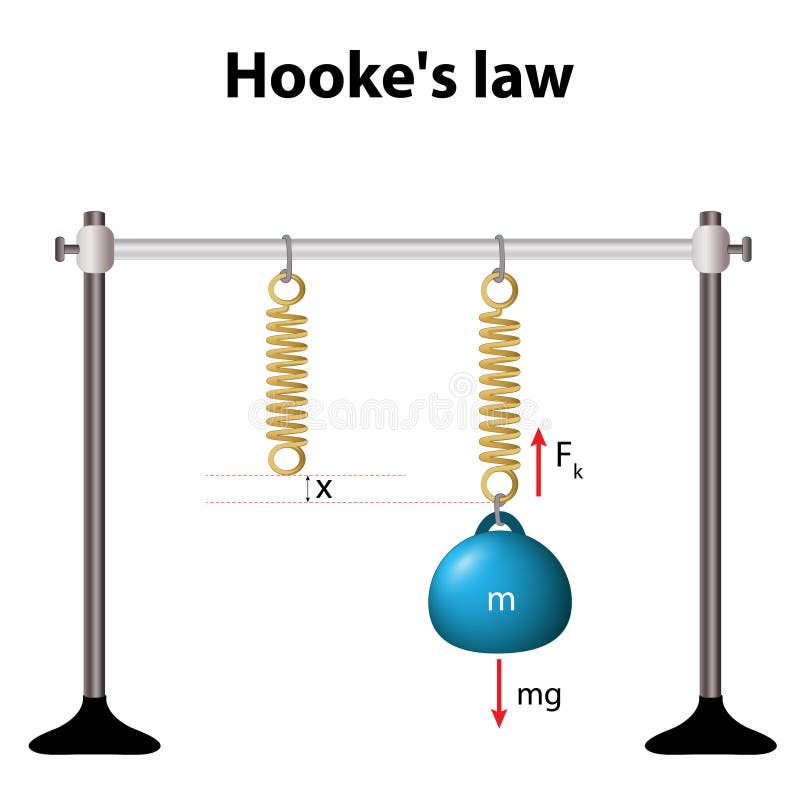
Hookes law. law of elasticity. for relatively small deformations of an object, the displacement or size of the deformation is directly proportional to the deforming force or load. Deformations vectors
Polygonal 3D spheres set. Abstract geometric deformations in sharp, smooth, fractured and spiky styles. Futuristic digital shapes for artificial intelligence, data transformation and technology design. Deformations vectors
Human hand bones and its deformations. Anatomical structure with captions. Healthy hand scheme, fingers and thumb phalanges. Hand with rheumatoid arthritis and osteoarthritis. Flat vector illustration. Deformations vectors
Poster on foot deformities. Medical diagram showing types of legs deformations. Flat feet, pronation and normal sole. Anatomical pathology. Valgus shapes. Orthopedic disrober infographic vector banner. Deformations vectors
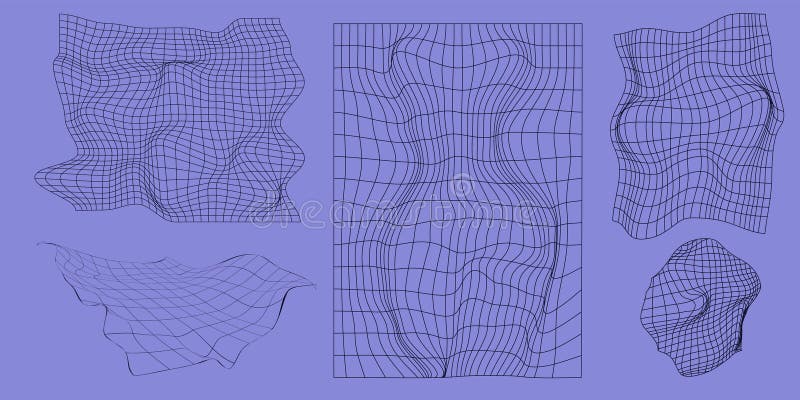
Vector design. Dynamic mesh patterns, wave-like distortions, and fluid deformations in deep blue on soft purple background, visualizing fluid motion. Science. Modern aesthetics, minimalist art. Deformations vectors
High resolution geometric vector artwork featuring intricate bezier curve deformations and vibrant acid lime color gradients for modern graphic design applications. Deformations vectors
A grid of black lines is arranged in a distorted, concave shape on a plain white background. The lines form a series of interconnected squares that appear to warp towards the center, creating a three-dimensional effect. The design is symmetrical, with the deformations making it look as if the surface is bending inward. The lines are thin and evenly spaced, emphasizing the distortion against the stark, empty background. Deformations vectors
Set of abstract geometric patterns featuring wireframe distortion effects. These vector illustration designs showcase diverse mathematical structures, grid deformations, and complex lines. Perfect backgrounds. Deformations vectors
A close-up view of a severely damaged automotive fender panel isolated on a white background, highlighting extensive dents, scratches, and deformations. Deformations vectors
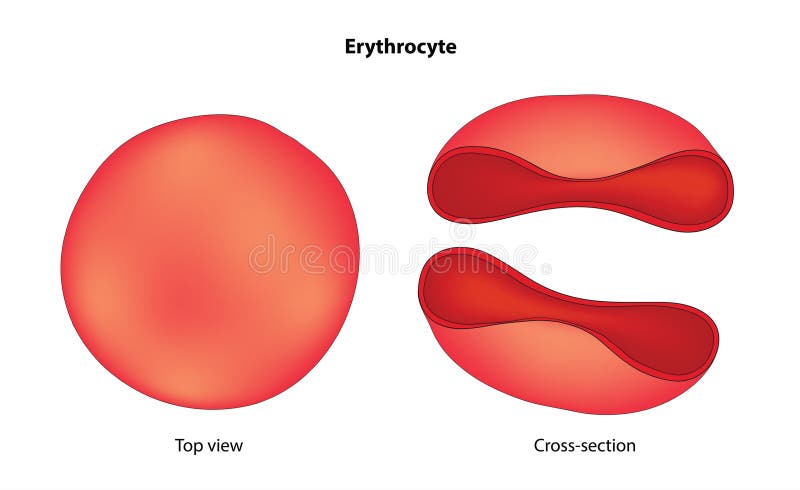
The red blood cell, or erythrocyte, is a marvel of biological engineering, boasting a unique shape optimized for its vital role in oxygen transport throughout the body. Its structure is elegantly designed to maximize efficiency in gas exchange while navigating the intricate network of blood vessels. In a top view, the red blood cell presents itself as a disc-like structure, resembling a miniature, slightly deflated beach ball. This circular shape, however, is not uniform rather, it bears a characteristic depression at its center on both sides, giving rise to a biconcave disc shape. This biconcave configuration is not arbitrary it serves a crucial purpose in the erythrocyte's function. The biconcave shape of the red blood cell is instrumental in facilitating gas exchange, particularly the diffusion of oxygen and carbon dioxide across the cell membrane. By maximizing surface area while minimizing volume, this shape enhances the erythrocyte's ability to absorb and release gases efficiently. As blood flows through the narrowest of vessels, such as capillaries, this shape allows the red blood cell to deform and squeeze through tight spaces, ensuring unimpeded circulation and delivery of oxygen to tissues. In a cross-sectional view, the red blood cell reveals its true elegance. Viewed from the side, it appears as a thin disc, its edges slightly thicker than the center. The characteristic dimple or concavity on both sides is readily apparent, contributing to its biconcave morphology. This central depression not only increases the cell's surface area but also imparts flexibility, allowing it to undergo deformations as it traverses the microvasculature. The dimensions of the red blood cell are strikingly precise. With a typical diameter ranging from 6 to 8 micrometers and a thickness of approximately 2 micrometers, its proportions are finely tuned to balance surface area and volume. This delicate equilibrium ensures optimal oxygen-carrying capacity while preserving the cell's ability to navigate the complex labyrinth of blood vessels with ease. Deformations vectors

Shapes of Red Blood cell. The red blood cell, or erythrocyte, is a marvel of biological engineering, boasting a unique shape optimized for its vital role in. The red blood cell, or erythrocyte, is a marvel of biological engineering, boasting a unique shape optimized for its vital role in oxygen transport throughout the body. Its structure is elegantly designed to maximize efficiency in gas exchange while navigating the intricate network of blood vessels. In a top view, the red blood cell presents itself as a disc-like structure, resembling a miniature, slightly deflated beach ball. This circular shape, however, is not uniform rather, it bears a characteristic depression at its center on both sides, giving rise to a biconcave disc shape. This biconcave configuration is not arbitrary it serves a crucial purpose in the erythrocyte's function. The biconcave shape of the red blood cell is instrumental in facilitating gas exchange, particularly the diffusion of oxygen and carbon dioxide across the cell membrane. By maximizing surface area while minimizing volume, this shape enhances the erythrocyte's ability to absorb and release gases efficiently. As blood flows through the narrowest of vessels, such as capillaries, this shape allows the red blood cell to deform and squeeze through tight spaces, ensuring unimpeded circulation and delivery of oxygen to tissues. In a cross-sectional view, the red blood cell reveals its true elegance. Viewed from the side, it appears as a thin disc, its edges slightly thicker than the center. The characteristic dimple or concavity on both sides is readily apparent, contributing to its biconcave morphology. This central depression not only increases the cell's surface area but also imparts flexibility, allowing it to undergo deformations as it traverses the microvasculature. The dimensions of the red blood cell are strikingly precise. With a typical diameter ranging from 6 to 8 micrometers and a thickness of approximately 2 micrometers, its proportions are finely tuned to balance surface area and volume. This delicate equilibrium ensures optimal oxygen-carrying capacity while preserving the cell's ability to navigate the complex labyrinth of blood vessels with ease.

Stylized illustration of love. Two intertwined wedding rings in heart. Abstract geometric surface. 3D objects. Print for logo, fabric, embroidery, decoration, Valentine greeting card. Deformations vectors
Example that shows a line that moves so that its ends continuously touch constant deformations that can be perpendicular to each other, vintage line drawing or engraving illustration. Deformations vectors
Undulating grid mesh pattern composed of black dashed lines on a white background. The lines create a wavy, distorted effect, resembling an optical illusion or vibrating surface. The repetitive design emphasizes movement and flow, forming a dynamic visual texture. Deformations vectors
Waving, wavy, zigzag lines. Irregular parallel stripes, lines with wavy, waving distortion, deformation effect. Winding, criss-cross, squiggle, wiggle lines. Curve, curvy, sinuous, billowy square format lines pattern, lines background, lines texture - Royalty free vector illustration. Deformations vectors
Curved white dashed lines create a wave-like distortion pattern on a black background. The lines form a grid that appears to move and flex, giving an illusion of depth and dynamism. The contrast between the white lines and the black background highlights the pattern's undulating effect, reminiscent of a digital or abstract art style. Deformations vectors
Chaotic abstract lines abstract geometric pattern background. Vector black diagonal crossed lines for modern contemporary art backdrop white design template. Deformations vectors
A grid mesh lattice composed of evenly spaced lines is visually distorted, creating a wavy effect. The lines form a series of intersecting curves that suggest a three-dimensional undulating surface. This graphic shows systematic deformation, with varying angles and depths, producing a dynamic and fluid appearance. The use of black lines on a white background emphasizes the contrast and highlights the distortions, lending a sense of movement to the structured geometric pattern. Deformations vectors
Abstract vector background featuring a grid of curved, wave-like lines creating a distortion or deformation effect. Black dotted lines intersect on a white background, forming a flowing pattern reminiscent of topographical maps or undulating waves. The design suggests motion and fluidity, providing a sense of three-dimensionality. Deformations vectors
Trendy abstract geometric brutalism striped linear pattern, Dynamic gradient horizontal equalizer transition and rhythm frequency, Monochrome soundwave ornament, Unique graphic vector banner. Deformations vectors