Free with trial Operation functioning outline icons collection. Mechanism, Functionality, Dynamic, Efficiency, Performance, Output. Functioning vectors Operation functioning line icons collection. Mechanism, Functionality, Dynamic, Efficiency, Performance, Output. Operation functioning outline icons collection. Operation functioning outline icons collection. Mechanism, Functionality, Dynamic, Efficiency, Performance, Output
Free with trial Examining body components of patient. Detailed information on organs functioning. Anatomical structure of human body. Girl in white dress or swimsuit after bath on background of poster with anatomy. Functioning vectors Girl in white dress or swimsuit after bath on background of poster with human body structure. Examining body components of patient. Detailed information on. Examining body components of patient. Detailed information on organs functioning. Anatomical structure of human body. Girl in white dress or swimsuit after bath on background of poster with anatomy
Free with trial Detailed information on organs functioning. Anatomical structure of human body. Scientist in lab coat pointing to human body structure poster. Girl with rewound hand looks at sign in her hands. Functioning vectors Scientist in lab coat pointing to human body structure poster. Girl with rewound hand looks at sign. Detailed information on organs functioning. Anatomical. Detailed information on organs functioning. Anatomical structure of human body. Scientist in lab coat pointing to human body structure poster. Girl with rewound hand looks at sign in her hands
Free with trial Functioning outline icons collection. Operation, Performance, Execution, Mechanism, Activity, Workflow, Flow vector and. Functioning vectors Functioning line icons collection. Operation, Performance, Execution, Mechanism, Activity, Workflow, Flow vector and. Functioning outline icons collection. Functioning outline icons collection. Operation, Performance, Execution, Mechanism, Activity, Workflow, Flow vector and
Free with trial Functioning operation outline icons collection. Efficiency, Functionality, Productivity, Performance, Reliability. Functioning vectors Functioning operation line icons collection. Efficiency, Functionality, Productivity, Performance, Reliability. Functioning operation outline icons collection. Functioning operation outline icons collection. Efficiency, Functionality, Productivity, Performance, Reliability
Free with trial Financial plan color line icon. Plan for functioning and development enterprise in monetary terms. Pictogram for web page, mobile app, promo. UI UX GUI design element. Editable stroke. Functioning vectors Financial plan color line icon. Plan for functioning and development enterprise in monetary terms. Pictogram for web page, mobile. App, promo. UI UX GUI design. Financial plan color line icon. Plan for functioning and development enterprise in monetary terms. Pictogram for web page, mobile app, promo. UI UX GUI design element. Editable stroke
Free with trial Financial plan black glyph icon. Plan for functioning and development enterprise in monetary terms. Pictogram for web page, mobile app, promo. UI UX GUI design element. Functioning vectors Financial plan black glyph icon. Plan for functioning and development enterprise in monetary terms. Pictogram for web. Page, mobile app, promo. UI UX GUI design
Free with trial Functioning outline icons collection. Efficiency, Performance, Capability, Operation, Productivity, Reliability, Working. Functioning vectors Functioning line icons collection. Efficiency, Performance, Capability, Operation, Productivity, Reliability, Working. Functioning outline icons collection. Functioning outline icons collection. Efficiency, Performance, Capability, Operation, Productivity, Reliability, Working
Free with trial Functioning corporation outline icons collection. Efficiency, Productivity, Sustainability, Innovation, Accountability. Functioning vectors Functioning corporation line icons collection. Efficiency, Productivity, Sustainability, Innovation, Accountability. Functioning corporation outline icons. Functioning corporation outline icons collection. Efficiency, Productivity, Sustainability, Innovation, Accountability
Free with trial Functioning organization outline icons collection. Efficiency, Communication, Coordination, Collaboration, Productivity. Functioning vectors Functioning organization line icons collection. Efficiency, Communication, Coordination, Collaboration, Productivity. Functioning organization outline icons. Functioning organization outline icons collection. Efficiency, Communication, Coordination, Collaboration, Productivity
Free with trial Royal Palace in Madrid, Spain. The official residence of the Spanish royal family. The largest functioning royal palace in Europe. Good destination for tourist vacancy and enjoy holiday. Functioning vectors Royal Palace in Madrid, Spain. The official residence of the Spanish royal family. The largest functioning royal palace in Europe. Good destination for tourist
Free with trial Industry presentation model with gears cogwheels 7 steps. Concept of coordinated work, mechanical process, functioning mechanism. Modern infographic design template. Functioning vectors Industry presentation model with gears cogwheels 7 steps. Concept of coordinated work, mechanical process, functioning mechanism. Modern infographic design
Free with trial Flowchart elements, tree diagram with gears cogwheels Concept. Modern infographic design template. Flat vector illustration for Engineering tech, mechanical process, functioning mechanism. Functioning vectors Flowchart elements, tree diagram with gears cogwheels Concept. Modern infographic design template. Flat vector illustration for Engineering tech, mechanical
Free with trial Flowchart elements, tree diagram with gears cogwheels Concept. Modern infographic design template. Flat vector illustration for Engineering tech, mechanical process, functioning mechanism. Functioning vectors Flowchart elements, tree diagram with gears cogwheels Concept. Modern infographic design template. Flat vector illustration for Engineering tech, mechanical
Free with trial Flowchart elements, tree diagram with gears cogwheels Concept. Modern infographic design template. Flat vector illustration for Engineering tech, mechanical process, functioning mechanism. Functioning vectors Flowchart elements, tree diagram with gears cogwheels Concept. Modern infographic design template. Flat vector illustration for Engineering tech, mechanical
Free with trial Flowchart elements, tree diagram with gears cogwheels Concept. Modern infographic design template. Flat vector illustration for Engineering tech, mechanical process, functioning mechanism. Functioning vectors Flowchart elements, tree diagram with gears cogwheels Concept. Modern infographic design template. Flat vector illustration for Engineering tech, mechanical
Free with trial Bad ecology. 5 set vector pictures bad ecology. Functioning vectors Bad ecology. 5 set vector pictures bad ecology
Free with trial Robot hand and puzzle. Hand showing off puzzle pieces. Functioning vectors Robot hand and puzzle. Hand showing off puzzle pieces
Free with trial Laptop and cogs low poly vector illustration. 3d cogwheels and modern gadget testing. Polygonal computer screen mesh art with connected dots. Software development and optimization concept. Functioning vectors Laptop and cogs low poly vector illustration. 3d cogwheels and modern gadget testing. Polygonal computer screen mesh art with connected dots. Software
Free with trial Workman of a car service station at work. Vector illustration. Functioning vectors Workman of a car service station at work. Vector illustration
Free with trial A gas technician inspecting the proper functioning of a boiler for natural gas leaks. Functioning vectors Gas Technician Cheking a Boiler. A gas technician inspecting the proper functioning of a boiler for natural gas leaks. A gas technician inspecting the proper functioning of a boiler for natural gas leaks.
Free with trial A both spiritually and materially rich success family and the core values to build a functioning home sweet home family. Functioning vectors Happy Successful Family On the Road Illustration. A both spiritually and materially rich success family and the core values to build a functioning home sweet. A both spiritually and materially rich success family and the core values to build a functioning home sweet home family.
Free with trial Human body organs. Set of organ systems to keep the human body functioning well, useful visual aid for medical settings. Vector flat style cartoon illustration isolated on blue background. Functioning vectors Human body organs. Set of organ systems to keep the human body functioning well, useful visual aid for medical settings. Vector flat style cartoon illustration
Free with trial Robot Hand and Bolt. Robot hand holding Electricity, heat and energy. Functioning vectors Robot Hand and Bolt. Robot hand holding Electricity, heat and energy
Free with trial Vector illustration of an asian cartoon businessman running, holding up jigsaw puzzle piece. Isolated on white background. Functioning vectors Vector illustration of an asian cartoon businessman running, holding up jigsaw puzzle piece. Isolated on white background
Free with trial Brain and cogwheels low poly vector illustration. 3d cogs and gears, mechanism functioning concept. Polygonal brain mesh art with connected dots. Healthy mind, human thinking, psychology metaphor. Functioning vectors Brain and cogwheels low poly vector illustration. 3d cogs and gears, mechanism functioning concept. Polygonal brain mesh art with connected dots. Healthy mind
Free with trial People Factory Earn Cartoon. Earning money factory workers people figures, vector illustration color cartoon, horizontal. Functioning vectors People Factory Earn Cartoon. Earning money factory workers people figures, vector illustration color cartoon, horizontal
Free with trial Construction worker with wrench. Repairs, industry vector illustration. Repairs, industry vector. Functioning vectors Construction worker with wrench. Repairs, industry vector illustration. Construction worker with wrench. Repairs, industry vector
Free with trial Vector illustration of an asian cartoon businessman holding up big jigsaw puzzle piece. Isolated on white background. Functioning vectors Vector illustration of an asian cartoon businessman holding up big jigsaw puzzle piece. Isolated on white background
Free with trial Machine problem. Puzzle showing a problem solving machine. Functioning vectors Machine problem. Puzzle showing a problem solving machine
Free with trial Business relay race, passing the baton, illustration,. Vector. Functioning vectors Business relay race, passing the baton, illustration,. Vector
Free with trial Success management button. Blue success management button on a white background. Functioning vectors Success management button. Blue success management button on a white background
Free with trial Illustration of Paragraph symbol with gear on black background. Concept symbolizing a functioning law. Vector available. Functioning vectors Paragraph symbol with gear. Illustration of Paragraph symbol with gear on black background. Concept symbolizing a functioning law.Vector available. Illustration of Paragraph symbol with gear on black background. Concept symbolizing a functioning law.Vector available.
Free with trial Girl in the chair. A young girl - manager rests in between work, sitting in a comfortable chair. Functioning vectors Girl in the chair. A young girl - manager rests in between work, sitting in a comfortable chair
Free with trial Illustration of Paragraph symbol with gear on red background. Concept symbolizing a functioning law. Vector available. Functioning vectors Paragraph symbol with gear. Illustration of Paragraph symbol with gear on red background. Concept symbolizing a functioning law. Vector available. Illustration of Paragraph symbol with gear on red background. Concept symbolizing a functioning law. Vector available.
Free with trial Vector illustration of an asian cartoon businessman leaning on giant jigsaw puzzle piece. Isolated on white background. Functioning vectors Vector illustration of an asian cartoon businessman leaning on giant jigsaw puzzle piece. Isolated on white background
Free with trial Lifetime - custom calligraphy text. Vector version of my own calligraphy. Functioning vectors Lifetime - custom calligraphy text. Vector version of my own calligraphy
Free with trial Lifetime - custom calligraphy text. Vector version of my own calligraphy. Functioning vectors Lifetime - custom calligraphy text. Vector version of my own calligraphy
Free with trial Illustration and vector art of head gears inside in a bulb. Functioning vectors Human head with brain and gears. Illustration and vector art of head gears inside in a bulb. Illustration and vector art of head gears inside in a bulb.
Free with trial Vector illustration of an asian cartoon businessman trying to solve jigsaw puzzle. Isolated on white background. Functioning vectors Vector illustration of an asian cartoon businessman trying to solve jigsaw puzzle. Isolated on white background
Free with trial Balanced diet keep our blood vessel functioning properly. health care prevention concept illustration isolated on white background. Functioning vectors Smiling cartoon cute healthy artery character and nutrient-rich foods include fruits and vegetables. health care concept. Balanced diet keep our blood vessel. Balanced diet keep our blood vessel functioning properly. health care prevention concept illustration isolated on white background
Free with trial Balanced diet keep our blood vessel functioning properly. health care prevention concept illustration isolated on white background. Functioning vectors Smiling cartoon cute healthy artery character and nutrient-rich foods include fruits and vegetables. health care concept. Balanced diet keep our blood vessel. Balanced diet keep our blood vessel functioning properly. health care prevention concept illustration isolated on white background
Free with trial Vector illustration of two asian and caucasian cartoon business people putting together jigsaw puzzle pieces. Isolated on white background. Functioning vectors Vector illustration of two asian and caucasian cartoon business people putting together jigsaw puzzle pieces. Isolated on white background
Free with trial The concept of the functioning of the human body and the brain. Bright color image on a black background. The file is saved in the version AI10 EPS. This image contains transparency. Functioning vectors People with gears. The concept of the functioning of the human body and the brain. Bright color image on a black background. The file is saved in the version. The concept of the functioning of the human body and the brain. Bright color image on a black background. The file is saved in the version AI10 EPS. This image contains transparency.
Free with trial Shutdown - Staue of Liberty. Is holding signboard with text - United States of America administration and problem with budget. Vector illustration. Functioning vectors Shutdown - Staue of Liberty. Is holding signboard with text - United States of America administration and problem with budget. Vector illustration
Free with trial Body Gears Figure Symbol. Black, vector illustration, vertical, isolated. Functioning vectors Body Gears Figure Symbol. Black, vector illustration, vertical, isolated
Free with trial Genetic Disease Treatment Online Service Flat Landing Page Trendy Design. Physical Disorders Prevention, Early Determination, Prognosis. Sickness Research Order. Vector Cartoon Illustration. Functioning vectors Genetic Disease Treatment Service Landing Page. Genetic Disease Treatment Online Service Flat Landing Page Trendy Design. Physical Disorders Prevention, Early. Genetic Disease Treatment Online Service Flat Landing Page Trendy Design. Physical Disorders Prevention, Early Determination, Prognosis. Sickness Research Order. Vector Cartoon Illustration
Free with trial Brain mechanism sketch vector icon. Human brain half of machine parts with pipes, engine ignition, electronic relay and sensor detectors, timer and measure meter gauge, mechanic gears or drives and toggle switchers. Mechanical process concept. Functioning vectors Human brain mechanism engine gears vector sketch. Brain mechanism sketch vector icon. Human brain half of machine parts with pipes, engine ignition, electronic. Brain mechanism sketch vector icon. Human brain half of machine parts with pipes, engine ignition, electronic relay and sensor detectors, timer and measure meter gauge, mechanic gears or drives and toggle switchers. Mechanical process concept
Free with trial Stair steps career advancement concept, illustration. Vector. Functioning vectors Stair steps career advancement concept, illustration. Vector
Free with trial Genetic Disease Treatment Prevention Flat Medical Poster. Cartoon Woman Scientists Doing Lab Research, Typing on Keyboard. Gene Therapy. Determination Predisposition to Disorders. Vector Illustration. Functioning vectors Genetic Disease Treatment Flat Medical Poster. Genetic Disease Treatment Prevention Flat Medical Poster. Cartoon Woman Scientists Doing Lab Research, Typing on. Genetic Disease Treatment Prevention Flat Medical Poster. Cartoon Woman Scientists Doing Lab Research, Typing on Keyboard. Gene Therapy. Determination Predisposition to Disorders. Vector Illustration
Free with trial Amputee Tying Shoe. Left leg amputee using chair to tie his shoe. Functioning vectors Amputee Tying Shoe. Left leg amputee using chair to tie his shoe
Free with trial Blood Flow in Heart Realistic Vector Scheme with Human Heart Cross Section Anatomical View and Oxygenated Blood Circulating Mechanism Explaining Illustration. Cardiovascular System Functioning Chart. Functioning vectors Blood Flow In Human Heart Realistic Vector Scheme. Blood Flow in Heart Realistic Vector Scheme with Human Heart Cross Section Anatomical View and Oxygenated. Blood Flow in Heart Realistic Vector Scheme with Human Heart Cross Section Anatomical View and Oxygenated Blood Circulating Mechanism Explaining Illustration. Cardiovascular System Functioning Chart
Free with trial Ball with text searching. In german. Functioning vectors Ball with text searching. In german
Free with trial HTMS Chakri Naruebet CVH-911 Thai: จักรีนฤเบศร, meaning `Sovereign of the Chakri Dynasty`, the Thai monarchy`s ruling family is the flagship of the Royal Thai Navy RTN, and Thailand`s first and only aircraft carrier, although the RTN refers to her as an `Offshore Patrol Helicopter Carrier`. [3][4][5] Based on the Spanish Navy`s Príncipe de Asturias design and constructed by Spanish shipbuilder Bazán, Chakri Naruebet was ordered in 1992, laid down in 1994, launched in 1996, and commissioned into the RTN in 1997. The ship is currently the smallest functioning aircraft carrier in the world. Functioning vectors Helicopter carrier ship. HTMS Chakri Naruebet CVH-911 Thai: จักรีนฤเบศร, meaning `Sovereign of the Chakri Dynasty`, the Thai monarchy`s. HTMS Chakri Naruebet CVH-911 Thai: จักรีนฤเบศร, meaning `Sovereign of the Chakri Dynasty`, the Thai monarchy`s ruling family is the flagship of the Royal Thai Navy RTN, and Thailand`s first and only aircraft carrier, although the RTN refers to her as an `Offshore Patrol Helicopter Carrier`.[3][4][5] Based on the Spanish Navy`s Príncipe de Asturias design and constructed by Spanish shipbuilder Bazán, Chakri Naruebet was ordered in 1992, laid down in 1994, launched in 1996, and commissioned into the RTN in 1997. The ship is currently the smallest functioning aircraft carrier in the world.
Free with trial Button for a workshop. Button workshop for all members. Functioning vectors Button for a workshop. Button workshop for all members
Free with trial Computer technology, software development, engineering concept, programming and coding services, gear wheel mechanism, vector line icon. Functioning vectors Diagnostic system, engine test, software integration, data processing line icon. Computer technology, software development, engineering concept, programming and. Computer technology, software development, engineering concept, programming and coding services, gear wheel mechanism, vector line icon
Free with trial Blackboard with workshop. Blackboard and chalk with workshop. Functioning vectors Blackboard with workshop. Blackboard and chalk with workshop
Free with trial Illustration of characters holding cogwheels. Functioning vectors Illustration of characters holding cogwheels
Free with trial Woman scientist is holding tablet computer and looking at virtual structure of chemical. Business girl with electronic tablet, working on creation of supply chains for functioning of company. Functioning vectors Woman scientist is holding tablet computer and looking at virtual structure of chemical. Business girl with electronic tablet, working on creation of supply
Free with trial Infographic design template. Creative concept with 4 steps. Can be used for workflow layout, diagram, banner, webdesign. Vector illustration. Functioning vectors Infographic design template. Creative concept with 4 steps. Can be used for workflow layout, diagram, banner, webdesign. Vector illustration
Free with trial Mechanism hand with gear vector. Functioning vectors Mechanism hand with gear vector. Mechanism hand, with gear vector
Free with trial Employment conditions concept. Team work, gear wheel working, vector illustration. Functioning vectors Employment conditions concept. Team work, gear wheel working, vector illustration
Free with trial Magic hands. Artist begins to draw beautiful picture on green table. Functioning vectors Magic hands. Artist begins to draw beautiful picture on green table
Free with trial Financial investment strategy and management concept, finance planning logo, business start up development plan, mono line vector illustration. Functioning vectors Business development, innovation technology, investment strategy idea, line icon. Financial investment strategy and management concept, finance planning logo. Financial investment strategy and management concept, finance planning logo, business start up development plan, mono line vector illustration
Free with trial 7 Sensations. Love need to built out. Functioning vectors 7 Sensations. Love need to built out
Free with trial Neuroscience logo, psychology concept icon, artificial intelligence, creative thinking, optical illusion, memory functioning, vector line design. Functioning vectors Education concept logo, human head icon, psychology and neuroscience. Neuroscience logo, psychology concept icon, artificial intelligence, creative thinking. Neuroscience logo, psychology concept icon, artificial intelligence, creative thinking, optical illusion, memory functioning, vector line design
Free with trial Color vector office chair isolated on white. Background. Functioning vectors Color vector office chair isolated on white. Background
Free with trial Emotional intelligence, phobia trigger, creative thinking, head ache. Psychology and philosophy concept. Trait of introversion of human personality. Linear design illustration. Functioning vectors Psychology and philosophy concept. Trait of introversion of human personality. Emotional intelligence, phobia trigger, creative thinking, head ache. Psychology. Emotional intelligence, phobia trigger, creative thinking, head ache. Psychology and philosophy concept. Trait of introversion of human personality. Linear design illustration
Free with trial Function settings vector icon. gear icon. Functioning vectors Function settings vector icon. Gear icon
Free with trial Employment conditions concept. Team work, gear wheel working, vector illustration. Functioning vectors Employment conditions concept. Team work, gear wheel working, vector illustration
Free with trial Multidimensional autism spectrum. Higher and lower functioning. More or less Autistic. Vertical medical poster in a bold whimsical style. Editable vector illustration. Colorful pop art graphics. Functioning vectors Multidimensional autism spectrum. Vertical medical poster in a bold whimsical style. Multidimensional autism spectrum. Higher and lower functioning. More or less. Multidimensional autism spectrum. Higher and lower functioning. More or less Autistic. Vertical medical poster in a bold whimsical style. Editable vector illustration. Colorful pop art graphics
Free with trial Multidimensional autism spectrum. Higher and lower functioning. More or less Autistic. Landscape medical poster in a bold whimsical style. Editable vector illustration. Colorful pop art graphics. Functioning vectors Multidimensional autism spectrum. Landscape medical poster in a bold whimsical style. Multidimensional autism spectrum. Higher and lower functioning. More or. Multidimensional autism spectrum. Higher and lower functioning. More or less Autistic. Landscape medical poster in a bold whimsical style. Editable vector illustration. Colorful pop art graphics
Free with trial Auto car insurance concept, diagnostic, well functioning vehicle. Green car in a circle with wrench and gear wheel. Flat design vector illustration. Functioning vectors Auto car insurance concept, diagnostic, well functioning vehicle. Green car in a circle with wrench and gear wheel. Flat design vector illustration
Free with trial Thyroid gland vector. Thyroid gland functioning. Vector medical illustration in flat style. Functioning vectors Thyroid gland vector. Thyroid gland functioning. Vector medical illustration in flat style
Free with trial Operation mechanical gear rotating arrows icon. Vector graphic design. Functioning vectors Operation gear performing background icon. Operation mechanical gear rotating arrows icon. Vector graphic design. Operation mechanical gear rotating arrows icon. Vector graphic design.
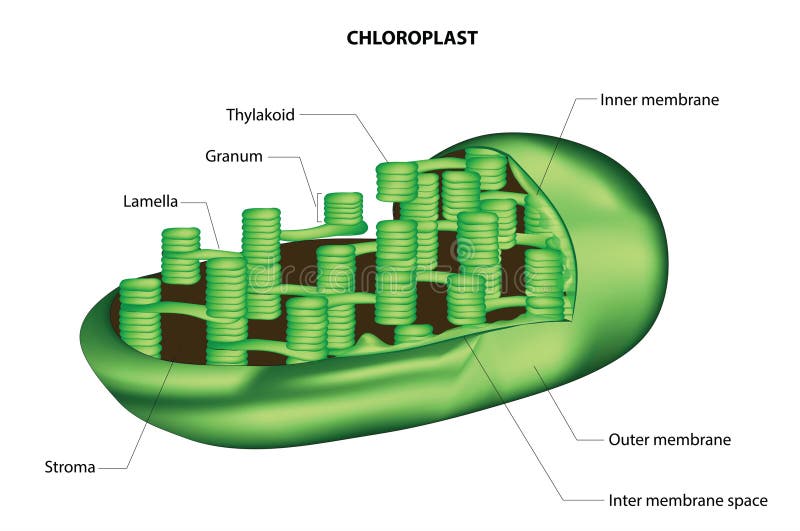
Free with trial Chloroplasts are remarkable organelles found in the cells of plants, algae, and some other photosynthetic organisms. They play a central role in the process of photosynthesis, which is crucial for sustaining life on Earth. The anatomy of chloroplasts is intricately designed to facilitate the complex series of biochemical reactions involved in photosynthesis. At first glance, chloroplasts appear as small, oval-shaped structures within the cytoplasm of plant cells. However, a closer examination reveals a highly organized internal structure that is essential for their function. The outer membrane of the chloroplast serves as a barrier, separating the interior of the organelle from the surrounding cytoplasm. This membrane is semi-permeable, allowing the passage of certain molecules in and out of the chloroplast. Enclosed within the outer membrane is the inner membrane of the chloroplast, which is also selectively permeable. Together, these membranes regulate the exchange of molecules between the chloroplast and the rest of the cell, ensuring the proper functioning of photosynthesis. The internal space of the chloroplast is filled with a fluid called the stroma. The stroma contains enzymes, DNA, ribosomes, and other components necessary for the synthesis of organic molecules during photosynthesis. Embedded within the stroma are stacks of disc-like structures called thylakoids. These interconnected membranes contain the photosynthetic pigments, including chlorophyll, which absorb light energy during the light-dependent reactions of photosynthesis. The arrangement of thylakoids in stacks, known as grana, increases the surface area available for light absorption and facilitates the efficient transfer of electrons and protons during photosynthesis. Within the thylakoid membranes, light energy is used to drive the conversion of water and carbon dioxide into oxygen and glucose. This process involves a series of complex biochemical reactions, including the photosystems, electron transport chain, and ATP synthase complexes. The intricate anatomy of chloroplasts reflects their essential role in sustaining life on Earth. Through the process of photosynthesis, chloroplasts harness the energy of sunlight to produce oxygen, a vital component of the atmosphere, and organic molecules, which serve as the basis of the food web. Understanding the anatomy and function of chloroplasts not only deepens our appreciation of the natural world but also provides insights into strategies for improving agricultural productivity and addressing global challenges such as climate change. Functioning vectors Chloroplast vector. Chloroplasts are remarkable organelles found in the cells of plants, algae, and some other photosynthetic organisms. They play a central role. Chloroplasts are remarkable organelles found in the cells of plants, algae, and some other photosynthetic organisms. They play a central role in the process of photosynthesis, which is crucial for sustaining life on Earth. The anatomy of chloroplasts is intricately designed to facilitate the complex series of biochemical reactions involved in photosynthesis. At first glance, chloroplasts appear as small, oval-shaped structures within the cytoplasm of plant cells. However, a closer examination reveals a highly organized internal structure that is essential for their function. The outer membrane of the chloroplast serves as a barrier, separating the interior of the organelle from the surrounding cytoplasm. This membrane is semi-permeable, allowing the passage of certain molecules in and out of the chloroplast. Enclosed within the outer membrane is the inner membrane of the chloroplast, which is also selectively permeable. Together, these membranes regulate the exchange of molecules between the chloroplast and the rest of the cell, ensuring the proper functioning of photosynthesis. The internal space of the chloroplast is filled with a fluid called the stroma. The stroma contains enzymes, DNA, ribosomes, and other components necessary for the synthesis of organic molecules during photosynthesis. Embedded within the stroma are stacks of disc-like structures called thylakoids. These interconnected membranes contain the photosynthetic pigments, including chlorophyll, which absorb light energy during the light-dependent reactions of photosynthesis. The arrangement of thylakoids in stacks, known as grana, increases the surface area available for light absorption and facilitates the efficient transfer of electrons and protons during photosynthesis. Within the thylakoid membranes, light energy is used to drive the conversion of water and carbon dioxide into oxygen and glucose. This process involves a series of complex biochemical reactions, including the photosystems, electron transport chain, and ATP synthase complexes. The intricate anatomy of chloroplasts reflects their essential role in sustaining life on Earth. Through the process of photosynthesis, chloroplasts harness the energy of sunlight to produce oxygen, a vital component of the atmosphere, and organic molecules, which serve as the basis of the food web. Understanding the anatomy and function of chloroplasts not only deepens our appreciation of the natural world but also provides insights into strategies for improving agricultural productivity and addressing global challenges such as climate change.
Free with trial Human body and the brain. Concept of the functioning of the human body and the brain. Functioning vectors Human body and the brain. Concept of the functioning of the human body and the brain
Free with trial White machine pieces. Design of background made with white circle pieces. Functioning vectors White machine pieces. Design of background made with white circle pieces
Free with trial Presentation or education. Black and white image. Concept of adult training courses, education or business presentation. Functioning vectors Presentation or education. Black and white image. Concept of adult training courses, education or business presentation
 Sign in