Free with trial Set of funny cats showing their butts, with and without colors. Hind foot vectors Set of funny cats showing their butts. With and without colors
Free with trial Set of funny dogs showing their butts, small dogs and Large dogs in two rows. Hind foot vectors Set of funny dogs showing their butts. Small dogs and Large dogs in two rows
Free with trial Set of funny small dogs with and without colors showing their butts. Hind foot vectors Set of funny small dogs showing their butts. Set of funny small dogs with and without colors showing their butts. Set of funny small dogs with and without colors showing their butts.
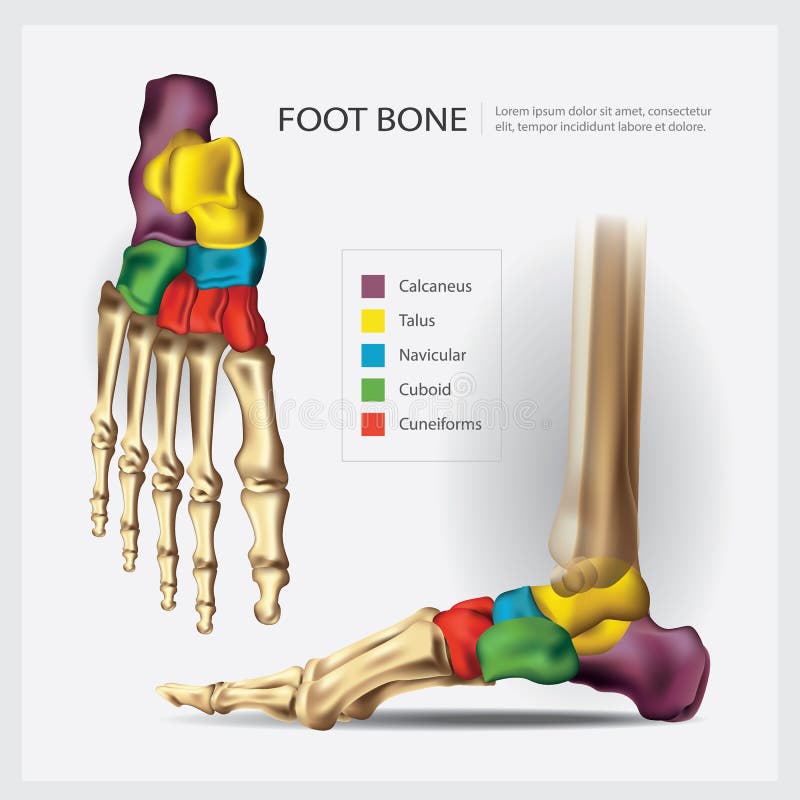
Free with trial Human Anatomy Foot Bone. Vector Illustration. Hind foot vectors Human Anatomy Foot Bone. Vector Illustration
Free with trial Set of funny large dogs with and without colors showing their butts. Hind foot vectors Set of funny large dogs showing their butts. Set of funny large dogs with and without colors showing their butts. Set of funny large dogs with and without colors showing their butts.
Free with trial Human Anatomy Foot Bone. Vector Illustration. Hind foot vectors Human Anatomy Foot Bone. Vector Illustration
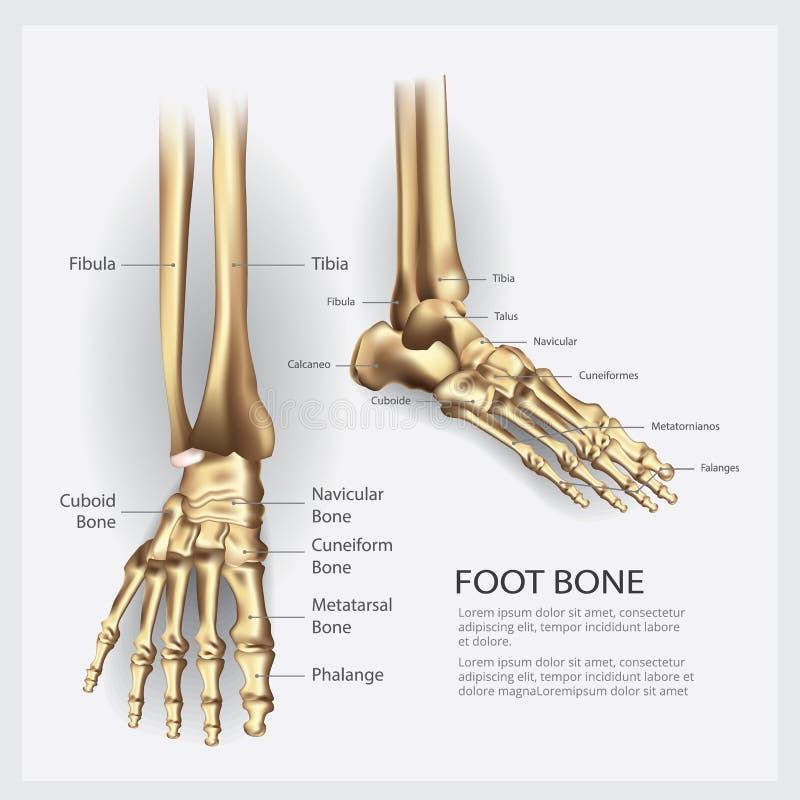
Free with trial Foot Bone Anatomy. Vector Illustration. Hind foot vectors Foot Bone Anatomy. Vector Illustration
Free with trial Human Anatomy Foot Bone. Vector Illustration. Hind foot vectors Human Anatomy Foot Bone. Vector Illustration
Free with trial Human Anatomy Foot Bone. Vector Illustration. Hind foot vectors Human Anatomy Foot Bone. Vector Illustration
Free with trial Foot Bone Anatomy. Vector Illustration. Hind foot vectors Foot Bone Anatomy. Vector Illustration
Free with trial Foot Bone Anatomy. Vector Illustration. Hind foot vectors Foot Bone Anatomy. Vector Illustration
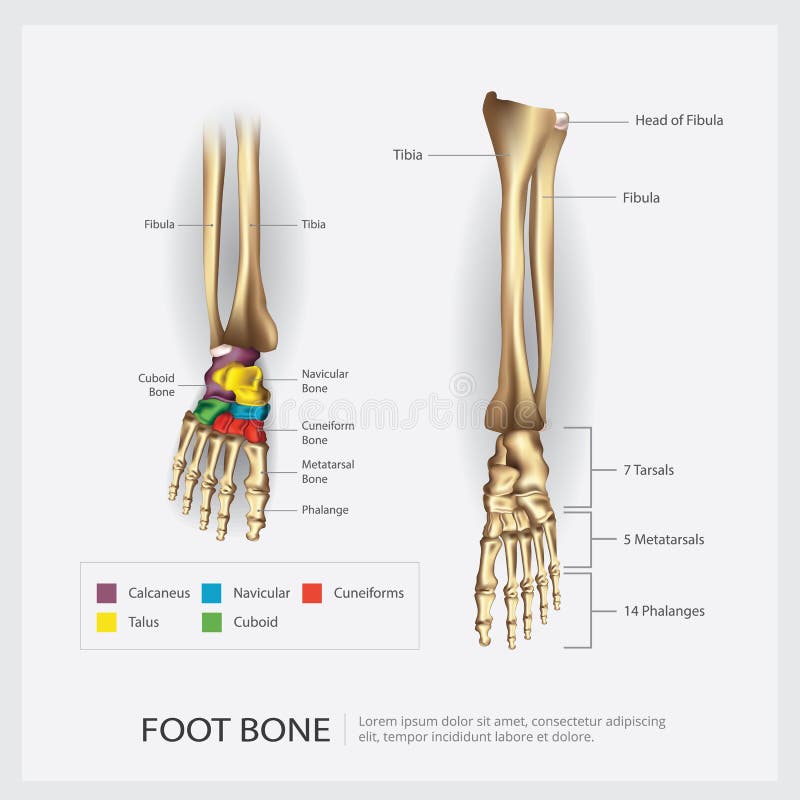
Free with trial Foot Bone Anatomy. Vector Illustration. Hind foot vectors Foot Bone Anatomy. Vector Illustration
Free with trial Human Foot Bone Anatomy. Vector Illustration. Hind foot vectors Human Foot Bone Anatomy. Vector Illustration
Free with trial Technology for treatment of foot bone. Abstract traumatology and orthopedics. Medical science in the hospital for body joints. Hind foot vectors Technology for treatment of foot bone. Abstract traumatology and orthopedics. Medical science in the hospital for body joints
Free with trial New technology for foot bone injury. Abstract traumatology and orthopedics. Medical, science and technology, the hospital for body. Joints. Hind foot vectors New technology for foot bone injury. Abstract traumatology and orthopedics. Medical, science and technology, the hospital for body. Joints
Free with trial Capybara hind paws. Capybara paw print. Vector illustration. Hind foot vectors Capybara hind paws. Capybara paw print. Vector illustration.
Free with trial Dog sitting on its hind legs silhouette on a white background. Hind foot vectors Dog sitting on its hind legs silhouette on a white background.
Free with trial Rabbit or hare paw footprints. Silhouette and contour of four paws, hind and front. Black vector isolated. Paw step print of bunny, hare or pika. Icon, symbol. Print, textile, postcard, pet store, zoo. Hind foot vectors Rabbit or hare paw footprints. Silhouette and contour of four paws, hind and front. Black vector isolated. Paw step. Print of bunny, hare or pika. Icon, symbol. Rabbit or hare paw footprints. Silhouette and contour of four paws, hind and front. Black vector isolated. Paw step print of bunny, hare or pika. Icon, symbol. Print, textile, postcard, pet store, zoo
Free with trial Rabbit or hare paw footprint. Silhouette of four paws, hind and front. Black vector isolated on white. Paw step print of fluffy bunny, hare or pika. Icon, symbol. Print, postcard, booklet, pet store. Hind foot vectors Rabbit or hare paw footprint. Silhouette of four paws, hind and front. Black vector isolated on white. Paw step print of. Fluffy bunny, hare or pika. Icon. Rabbit or hare paw footprint. Silhouette of four paws, hind and front. Black vector isolated on white. Paw step print of fluffy bunny, hare or pika. Icon, symbol. Print, postcard, booklet, pet store
Free with trial Set of line art funny dogs showing their butts, small dogs and Large dogs in two rows. Hind foot vectors Set of line art funny dogs showing their butts. Small dogs and Large dogs in two rows
Free with trial Diagram showing body part of butterfly. Illustration of Diagram showing body part of butterfly. Hind foot vectors Diagram showing body part of butterfly. Illustration of Diagram showing body part of butterfly
Free with trial Footprints of Animal, Traces of a Otter, Elk, Wolf, Bear on white background. Silhouette animal tracks in gray. Paw Print for your design. Vector illustration. EPS10. Hind foot vectors Footprints of Animal, Traces of a Otter, Elk, Wolf, Bear on white background. Silhouette animal tracks in gray. Paw Print for your design. Vector illustration
Free with trial Anatomy of Dog Paws with Forelimb and Hindlimb Bones. Canine Paws Skeletal Anatomy. Medial view. Hind foot vectors Anatomy of Dog Paws with Forelimb and Hindlimb Bones. Canine Paws Skeletal Anatomy. Medial view
Free with trial Footprints of Animal, Traces of a panda, turtle, crocodile and lion on white background. Silhouette animal tracks in gray. Paw Print for your design. Vector illustration. EPS10. Hind foot vectors Footprints of Animal, Traces of a panda, turtle, crocodile and lion on white background. Silhouette animal tracks in gray. Paw Print for your design. Vector
Free with trial Frog Skeletal Hind Legs Outline and Silhouette Icons. Two frog skeletal hind leg icons showing outline and silhouette for educational or biological use. Hind foot vectors Frog Skeletal Hind Legs Outline and Silhouette Icons. Two frog skeletal hind leg icons showing outline and silhouette for educational or biological use
Free with trial White-footed Mouse Standing on Hind Legs. Image. Hind foot vectors White-footed Mouse Standing on Hind Legs. AI Generated Image. White-footed Mouse Standing on Hind Legs. Image
Free with trial Footprints of Animal, Traces of a Hyena, Rhinoceros , Monkey, Zebra on white background. Silhouette animal tracks in gray. Paw Print for your design. Vector illustration. EPS10. Hind foot vectors Footprints of Animal, Traces of a Hyena, Rhinoceros , Monkey, Zebra on white background. Silhouette animal tracks in gray. Paw Print for your design. Vector
Free with trial Footprints of Animal, Traces of a Hedgehog, Deer, Raccoon and Pig on white background. Silhouette animal tracks in gray. Paw Print for your design. Vector illustration. EPS10. Hind foot vectors Footprints of Animal, Traces of a Hedgehog, Deer, Raccoon and Pig on white background. Silhouette animal tracks in gray. Paw Print for your design. Vector
Free with trial Footprints of Animal, Traces of a Koala, Panda, Deer, and Kangaroo on white background. Silhouette animal tracks in gray. Paw Print for your design. Vector illustration. EPS10. Hind foot vectors Footprints of Animal, Traces of a Koala, Panda, Deer, and Kangaroo on white background. Silhouette animal tracks in gray. Paw Print for your design. Vector
Free with trial Footprints of Animal, Traces of a Squirrel, Fox, Raccoon, Deer on white background. Silhouette animal tracks in gray. Paw Print for your design. Vector illustration. EPS10. Hind foot vectors Footprints of Animal, Traces of a Squirrel, Fox, Raccoon, Deer on white background. Silhouette animal tracks. In gray. Paw Print for your design. Vector
Free with trial Footprints of Animal, Traces of a Hyena, Rhinoceros , Elephant, Loin on white background. Silhouette animal tracks in gray. Paw Print for your design. Vector illustration. EPS10. Hind foot vectors Footprints of Animal, Traces of a Hyena, Rhinoceros , Elephant, Loin on white background. Silhouette animal tracks in gray. Paw Print for your design. Vector
Free with trial Footprints of Animal, Traces of Badger, Squirrel, Ferret, Hare on white background. Silhouette animal tracks in gray. Paw Print for your design. Vector illustration. EPS10. Hind foot vectors Footprints of Animal, Traces of Badger, Squirrel, Ferret, Hare on white background. Silhouette. Animal tracks in gray. Paw Print for your design. Vector
Free with trial Footprints of Animal, Traces of Wolverine, Bear, Wilf, Elk on white background. Silhouette animal tracks in gray. Paw Print for your design. Vector illustration. EPS10. Hind foot vectors Footprints of Animal, Traces of Wolverine, Bear, Wilf, Elk on white background. Silhouette animal tracks. In gray. Paw Print for your design. Vector
Free with trial Footprints of Animal, Traces of Beaver, Bear, Pig, Hare on white background. Silhouette animal tracks in gray. Paw Print for your design. Vector illustration. EPS10. Hind foot vectors Footprints of Animal, Traces of Beaver, Bear, Pig, Hare on white background. Silhouette animal tracks in gray. Paw Print for your design. Vector illustration
Free with trial This high-resolution biological asset features a solitary Koala (Phascolarctos cinereus), a specialized arboreal marsupial endemic to the eucalyptus woodlands of eastern and southern Australia. The illustration meticulously captures the robust, tailless body and the dense, woolly pelage—typically ashen-grey with white patches on the chest, chin, and inner forelimbs. Key anatomical markers are highlighted, including the large, leathery black rhinarium (nose) utilized for assessing leaf toxicity and the zygodactylous forepaws, where digits I and II oppose digits III–V to provide a powerful forcipate grip. The asset emphasizes physiological adaptations for an arboreal lifestyle, such as the strong, curved claws for traction on smooth bark and the syndactylous second and third digits on the hind foot, used primarily for grooming. The specimen's specialized morphology—including a cartilaginous pad at the base of the spine for comfortable sitting in tree forks and a unique rear-facing pouch (in females)—is captured with scientific precision. This professional-grade cutout is an ideal resource for mammalogy, evolutionary biology, and educational guides on Australian fauna and habitat conservation. Hind foot vectors Koala Profile, High-Fidelity Phascolarctos cinereus Specimen Asset, Transparent Background. This high-resolution biological asset features a solitary Koala (. This high-resolution biological asset features a solitary Koala (Phascolarctos cinereus), a specialized arboreal marsupial endemic to the eucalyptus woodlands of eastern and southern Australia. The illustration meticulously captures the robust, tailless body and the dense, woolly pelage—typically ashen-grey with white patches on the chest, chin, and inner forelimbs. Key anatomical markers are highlighted, including the large, leathery black rhinarium (nose) utilized for assessing leaf toxicity and the zygodactylous forepaws, where digits I and II oppose digits III–V to provide a powerful forcipate grip.The asset emphasizes physiological adaptations for an arboreal lifestyle, such as the strong, curved claws for traction on smooth bark and the syndactylous second and third digits on the hind foot, used primarily for grooming. The specimen's specialized morphology—including a cartilaginous pad at the base of the spine for comfortable sitting in tree forks and a unique rear-facing pouch (in females)—is captured with scientific precision. This professional-grade cutout is an ideal resource for mammalogy, evolutionary biology, and educational guides on Australian fauna and habitat conservation.
Free with trial Footprints of Animal, Traces of a Seal, Bear, Fox, Penguin on white background. Silhouette animal tracks in gray. Paw Print for your design. Vector illustration. EPS10. Hind foot vectors Footprints of Animal, Traces of a Seal, Bear, Fox, Penguin on white background. Silhouette animal tracks in gray. Paw Print for your design. Vector
Free with trial A full-body image of a South American tapir (Tapirus terrestris) is presented against a transparent background. The tapir is standing and facing forward, directly towards the viewer. Its body is robust and covered in short, dark grayish-brown fur that appears smooth. The tapir has a distinctive, flexible proboscis (snout) that extends downwards. Its ears are relatively small and rounded, and its eyes are dark and appear calm. The tapir has sturdy legs with three toes on each hind foot and four toes on each front foot, all ending in hooves. The overall impression is of a solid, herbivorous mammal with a somewhat prehistoric appearance due to its snout. Hind foot vectors Tapir Standing on Transparent Background. A full-body image of a South American tapir (Tapirus terrestris) is presented against a transparent background. The. A full-body image of a South American tapir (Tapirus terrestris) is presented against a transparent background. The tapir is standing and facing forward, directly towards the viewer. Its body is robust and covered in short, dark grayish-brown fur that appears smooth. The tapir has a distinctive, flexible proboscis (snout) that extends downwards. Its ears are relatively small and rounded, and its eyes are dark and appear calm. The tapir has sturdy legs with three toes on each hind foot and four toes on each front foot, all ending in hooves. The overall impression is of a solid, herbivorous mammal with a somewhat prehistoric appearance due to its snout.
Free with trial Footprints of Animal, Traces of a hare, pig, fossa, lemur on white background. Silhouette animal tracks in gray. Paw Print for your design. Vector illustration. EPS10. Hind foot vectors Footprints of Animal, Traces of a hare, pig, fossa, lemur on white background. Silhouette animal tracks in gray. Paw Print for your design. Vector illustration
Free with trial White rabbits with different facial expression. Hare. Color background. Vector illustration. Hind foot vectors White rabbits with different facial expression. Hare. Color background. Vector illustration.
Free with trial Footprints of Animal, Traces of a hippopotamus, turtle, crocodile and camel on white background. Silhouette animal tracks in gray. Paw Print for your design. Vector illustration. EPS10. Hind foot vectors Footprints of Animal, Traces of a hippopotamus, turtle, crocodile and camel on white background. Silhouette animal tracks in gray. Paw Print for your design
Free with trial Cute cartoon rabbit standing on two legs. Simple and adorable cartoon rabbit is standing on its hind legs. Hind foot vectors Cute cartoon rabbit standing on two legs. Simple and adorable cartoon rabbit is standing on its hind legs
Free with trial Footprints of Animal, Traces of a hamster, cat, ferret, raccoon on white background. Silhouette animal tracks in gray. Paw Print for your design. Vector illustration. EPS10. Hind foot vectors Footprints of Animal, Traces of a hamster, cat, ferret, raccoon on white background. Silhouette animal tracks in gray. Paw Print for your design. Vector
Free with trial Footprints of Animal, Traces of a panda, deer, raccoon and tiger on white background. Silhouette animal tracks in gray. Paw Print for your design. Vector illustration. EPS10. Hind foot vectors Footprints of Animal, Traces of a panda, deer, raccoon and tiger on white background. Silhouette animal tracks in gray. Paw Print for your design. Vector
Free with trial Footprints of Animal, Traces of a rabbit, horse, deer, raccoon on white background. Silhouette animal tracks in gray. Paw Print for your design. Vector illustration. EPS10. Hind foot vectors Footprints of Animal, Traces of a rabbit, horse, deer, raccoon on white background. Silhouette animal tracks in gray. Paw Print for your design. Vector
Free with trial Cute Baby Kangaroo or Joey Character as Marsupial Mammal with Bag Leaping on Hind Legs Vector Illustration. Funny Wallaby Australian Animal with Large Foot and Long Tail Concept. Hind foot vectors Cute Baby Kangaroo or Joey Character as Marsupial Mammal with Bag Leaping on Hind Legs Vector Illustration. Funny Wallaby Australian Animal with Large Foot and
Free with trial Cute Baby Kangaroo or Joey Character as Marsupial Mammal Leaping on Hind Legs Vector Illustration. Funny Wallaby Australian Animal with Large Foot and Long Tail Concept. Hind foot vectors Cute Baby Kangaroo or Joey Character as Marsupial Mammal Leaping on Hind Legs Vector Illustration. Funny Wallaby Australian Animal with Large Foot and Long
Free with trial Funny Easter bunnies with easter eggs in a row, standing on hind foot. Hind foot vectors Easter bunnies and colorful eggs. Funny Easter bunnies with easter eggs in a row, standing on hind foot. Funny Easter bunnies with easter eggs in a row, standing on hind foot.
Free with trial Cute white unicorn with a golden mane standing on its hind legs. Isolated on white background. Hind foot vectors Cute white unicorn with a golden mane standing on its hind legs. Isolated on white background
Free with trial Foot Bone Anatomy. Vector Illustration. Hind foot vectors Foot Bone Anatomy. Vector Illustration
Free with trial Foot Bone Anatomy. Vector Illustration. Hind foot vectors Foot Bone Anatomy. Vector Illustration
Free with trial Human Anatomy Foot Bone. Vector Illustration. Hind foot vectors Human Anatomy Foot Bone. Vector Illustration
Free with trial Foot Bone Anatomy. Vector Illustration. Hind foot vectors Foot Bone Anatomy. Vector Illustration
Free with trial Technology for treatment of ankleand foot bone. Abstract traumatology and orthopedics. Medical science in the hospital for body joints. Hind foot vectors Technology for treatment of ankle and foot bone. Technology for treatment of ankleand foot bone. Abstract traumatology and orthopedics. Medical science in the. Technology for treatment of ankleand foot bone. Abstract traumatology and orthopedics. Medical science in the hospital for body joints
Free with trial Bear hind paw print vector icon. filled flat sign for mobile concept and web design. Bear animal footprint glyph icon. Symbol, logo illustration. Vector graphics. Hind foot vectors Bear hind paw print vector icon. Filled flat sign for mobile concept and web design. Bear animal footprint glyph icon. Symbol, logo illustration. Vector
Free with trial Bear hind paw print line icon. linear style sign for mobile concept and web design. Bear animal footprint outline vector icon. Symbol, logo illustration. Vector graphics. Hind foot vectors Bear hind paw print line icon. Linear style sign for mobile concept and web design. Bear animal footprint outline vector icon. Symbol, logo illustration
Free with trial Hind paw of the bear, vintage engraving. Hind paw of the bear, vintage engraved illustration. La Vie dans la nature, 1890. Hind foot vectors Hind paw of the bear, vintage engraving. Hind paw of the bear, vintage engraved illustration. La Vie dans la nature, 1890
Free with trial Technology for treatment of ankle and foot bone injury. Abstract traumatology and orthopedics. Medical science in the hospital for body joints. Hind foot vectors Technology for treatment of ankle and foot bone injury. Abstract traumatology and orthopedics. Medical science in the hospital for body joints
Free with trial Foot bone bone logo vector illustration. Design. Hind foot vectors Foot bone bone logo vector illustration. Design
Free with trial Foot bone bone logo vector illustration. Design. Hind foot vectors Foot bone bone logo vector illustration. Design
Free with trial Technology for treatment of ankle and foot bone injury. Abstract traumatology and orthopedics. Medical science in the hospital for. Body joints. Hind foot vectors Technology for treatment of ankle and foot bone injury. Abstract traumatology and orthopedics. Medical science in the hospital for. Body joints
Free with trial The structure of the human foot. Anatomy of the bones of the foot. 3d rendering. Hind foot vectors The structure of the human foot. Anatomy of the bones of the foot. 3d rendering
Free with trial Nice picture of dog standing on its hind legs silhouette on a ba. Ckground of dog tracks and bones in the form of heart on a colored background. Hind foot vectors Nice picture of dog standing on its hind legs silhouette on a ba. Ckground of dog tracks and bones in the form of heart on a colored background
Free with trial Nice picture of dog standing on its hind legs silhouette on a ba. Ckground of dog tracks and bones in the form of heart on a colored background. Hind foot vectors Nice picture of dog standing on its hind legs silhouette on a ba. Ckground of dog tracks and bones in the form of heart on a colored background
Free with trial Technology for treatment of ankle and foot bone injury. Abstract traumatology and orthopedics. Medical science in the hospital for body joints. Hind foot vectors Technology for treatment of ankle and foot bone injury. Abstract traumatology and orthopedics. Medical science in the hospital for body joints
Free with trial Technology for treatment of bone foot injury. Abstract traumatology and orthopedics. Medical science in the hospital for body joints. Hind foot vectors Technology for treatment of bone foot injury. Abstract traumatology and orthopedics. Medical science in the hospital for body joints
Free with trial Technology for treatment of bone foot injury. Abstract traumatology and orthopedics. Medical science in the hospital for body joints. Hind foot vectors Technology for treatment of bone foot injury. Abstract traumatology and orthopedics. Medical science in the hospital for body joints
Free with trial Foot bone bone logo vector illustration. Design. Hind foot vectors Foot bone bone logo vector illustration. Design
Free with trial Foot bone bone logo vector illustration. Design. Hind foot vectors Foot bone bone logo vector illustration. Design
Free with trial Foot bone bone logo vector illustration. Design. Hind foot vectors Foot bone bone logo vector illustration. Design
Free with trial Technology for treatment of ankleand foot bone. Abstract traumatology and orthopedics. Medical science in the hospital for body joints. Hind foot vectors Technology for treatment of ankleand foot bone. Abstract traumatology and orthopedics. Medical science in the hospital. Technology for treatment of ankleand. Technology for treatment of ankleand foot bone. Abstract traumatology and orthopedics. Medical science in the hospital for body joints
Free with trial Nice picture of dog standing on its hind legs silhouette on a ba. Ckground of dog tracks and bones in the form of heart on a colored background. Hind foot vectors Nice picture of dog standing on its hind legs silhouette on a ba. Ckground of dog tracks and bones in the form of heart on a colored background
Free with trial Nice picture of dog standing on its hind legs silhouette on a ba. Ckground of dog tracks and bones in the form of heart on a colored background. Hind foot vectors Nice picture of dog standing on its hind legs silhouette on a ba. Ckground of dog tracks and bones in the form of heart on a colored background
Free with trial Nice picture of dog standing on its hind legs silhouette on a ba. Ckground of dog tracks and bones in the form of heart on a white background. Hind foot vectors Nice picture of dog standing on its hind legs silhouette on a ba. Ckground of dog tracks and bones in the form of heart on a white background
Free with trial Nice picture of dog standing on its hind legs silhouette on a ba. Ckground of dog tracks and bones in the form of heart on a white background. Hind foot vectors Nice picture of dog standing on its hind legs silhouette on a ba. Ckground of dog tracks and bones in the form of heart on a white background
Free with trial Nice picture of dog standing on its hind legs silhouette on a ba. Ckground of dog tracks and bones in the form of heart on a white background. Hind foot vectors Nice picture of dog standing on its hind legs silhouette on a ba. Ckground of dog tracks and bones in the form of heart on a white background
Free with trial Nice picture of dog standing on its hind legs silhouette on a ba. Ckground of dog tracks and bones in the form of heart on a colored background. Hind foot vectors Nice picture of dog standing on its hind legs silhouette on a ba. Ckground of dog tracks and bones in the form of heart on a colored background
Free with trial Nice picture of dog standing on its hind legs silhouette on a ba. Ckground of dog tracks and bones in the form of heart on a colored background. Hind foot vectors Nice picture of dog standing on its hind legs silhouette on a ba. Ckground of dog tracks and bones in the form of heart on a colored background
Free with trial Nice picture of dog standing on its hind legs silhouette on a ba. Ckground of dog tracks and bones in the form of heart on a colored background. Hind foot vectors Nice picture of dog standing on its hind legs silhouette on a ba. Ckground of dog tracks and bones in the form of heart on a colored background
Free with trial Nice picture of dog standing on its hind legs silhouette on a ba. Ckground of dog tracks and bones in the form of heart on a white background. Hind foot vectors Nice picture of dog standing on its hind legs silhouette on a ba. Ckground of dog tracks and bones in the form of heart on a white background
Free with trial Nice picture of dog standing on its hind legs silhouette on a ba. Ckground of dog tracks and bones in the form of heart on a colored background. Hind foot vectors Nice picture of dog standing on its hind legs silhouette on a ba. Ckground of dog tracks and bones in the form of heart on a colored background
 Sign in