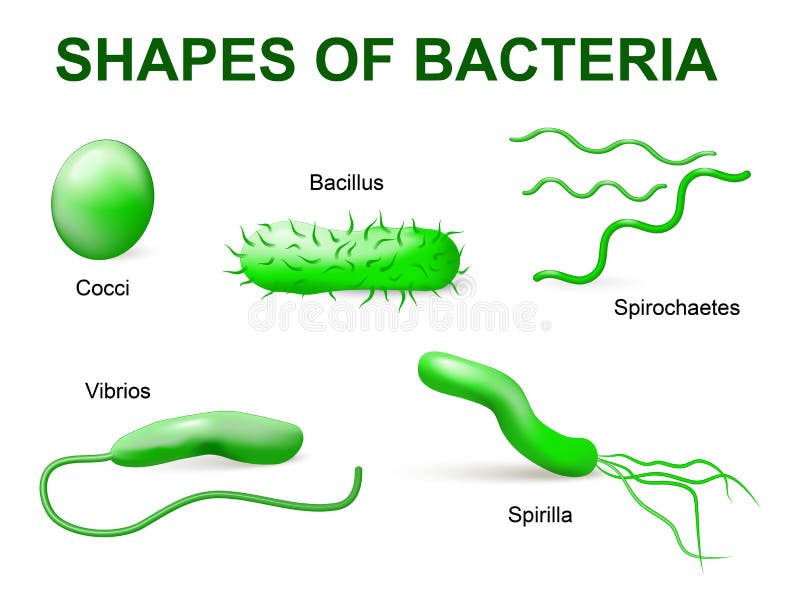
Free with trial Common bacteria infecting human. Accurate description of most common pathogenic bacteria, eps8, gradient and mesh printing compatible. Infecting vectors Common bacteria infecting human. Accurate description of most common pathogenic bacteria, eps8, gradient and mesh printing compatible
Free with trial Common bacteria infecting human. vector illustration Bacteria are classified into 5 groups according to their basic shapes: spherical (cocci), rod (bacilli), spiral (spirilla), comma (vibrios) or corkscrew (spirochaetes). Infecting vectors Types of bacteria. Common bacteria infecting human. vector illustration Bacteria are classified into 5 groups according to their basic shapes: spherical (cocci. Common bacteria infecting human. vector illustration Bacteria are classified into 5 groups according to their basic shapes: spherical (cocci), rod (bacilli), spiral (spirilla), comma (vibrios) or corkscrew (spirochaetes).
Free with trial Protozoa infecting people. Illustration of four protozoa infecting people - Trypanosoma, Trichomonas, Giardia, Leishmania. Infecting vectors Protozoa infecting people. Illustration of four protozoa infecting people - Trypanosoma, Trichomonas, Giardia, Leishmania
Free with trial HIV virus. Drawing of HIV virus infection, showing the mechanisms involved in viral replication. Infecting vectors HIV virus. Drawing of HIV virus infection, showing the mechanisms involved in viral replication
Free with trial Common bacteria infecting human. vector illustration Bacteria are classified into 5 groups according to their basic shapes: spherical (cocci), rod (bacilli), spiral (spirilla), comma (vibrios) or corkscrew (spirochaetes). Infecting vectors Common bacteria infecting human. Vector illustration Bacteria are classified into 5 groups according to their basic shapes: spherical (cocci), rod (bacilli)
Free with trial Bacillii. Common bacteria infecting human. Infecting vectors Types of bacteria. bacilli. Bacillii. Common bacteria infecting human. Bacillii. Common bacteria infecting human.
Free with trial Bubonic plague. Illustration of the bubonic plague pathogen, contagious. Infecting vectors Bubonic plague. Illustration of the bubonic plague pathogen, contagious
Free with trial Common bacteria infecting human. vector illustration. Bacteria are classified into 5 groups according to their basic shapes: spherical (cocci), rod (bacilli), spiral (spirilla), comma (vibrios) or corkscrew (spirochaetes). Infecting vectors Types of bacteria. Basic morphological. Common bacteria infecting human. vector illustration. Bacteria are classified into 5 groups according to their basic. Common bacteria infecting human. vector illustration. Bacteria are classified into 5 groups according to their basic shapes: spherical (cocci), rod (bacilli), spiral (spirilla), comma (vibrios) or corkscrew (spirochaetes).
Free with trial Coccus or cocci. Common bacteria infecting human. Infecting vectors Types of bacteria. cocci. Coccus or cocci. Common bacteria infecting human. Coccus or cocci. Common bacteria infecting human.
Free with trial Hi-virus infecting cell. Vector illustration of a hi virus attacking a cell. Infecting vectors Hi-virus infecting cell. Vector illustration of a hi virus attacking a cell
Free with trial Hi-virus infecting cell. Vector illustration of a hi virus attacking a cell. Infecting vectors Hi-virus infecting cell. Vector illustration of a hi virus attacking a cell
Free with trial Peptic ulcer and helicobacter pylori. Helicobacter pylori infecting stomach, causing mucosal damage and peptic ulcer, medical illustration. Infecting vectors Peptic ulcer and helicobacter pylori. Helicobacter pylori infecting stomach, causing mucosal damage and peptic ulcer, medical illustration
Free with trial Fear from influenza. Influenza virus particles infecting a human. Infecting vectors Fear from influenza. Influenza virus particles infecting a human
Free with trial Virus infection coronavirus. Infecting society. Chinese disease. Mass congestion to people. Crowd of people. Silhouette vector illustration. Infecting vectors Virus infection coronavirus. Infecting society. Chinese disease. Mass congestion to people. Crowd of people. Silhouette vector. Illustration
Free with trial Hacking banners. Hacking concept data theft computer hacking mailing virus bank account infecting files banners. Infecting vectors Hacking banners. Hacking concept data theft computer hacking mailing virus bank account infecting files banners
Free with trial Cervical cancer evolution. Close-up of Normal cell, Human papillomavirus infection HPV infecting cells, Dysplasia and Cancer. Vector illustration. Medical diagram. Infecting vectors Cervical cancer evolution. Close-up of Normal cell, Human papillomavirus infection HPV infecting cells, Dysplasia and Cancer. Vector illustration. Medical
Free with trial Laboratory rat infecting virus experiment. Vector illustration. Infecting vectors Laboratory rat infecting virus experiment. Vector illustration
Free with trial Threatening health, pathogen, infecting agent, virus or bacterium, microbe, causative diseases, sickness. Medical scientific illustration for children, kids. Vector comic cartoon isolated on white. Infecting vectors Threatening health, pathogen, infecting agent, virus or bacterium, microbe, causative diseases. Threatening health, pathogen, infecting agent, virus or. Threatening health, pathogen, infecting agent, virus or bacterium, microbe, causative diseases, sickness. Medical scientific illustration for children, kids. Vector comic cartoon isolated on white.
Free with trial Cartoon microbe. Biological microorganisms, virus cells, infecting germs, bacteria. Pathogenic organisms and causing disease microbes vector set. Dangerous influenza, illness epidemic. Infecting vectors Cartoon microbe. Biological microorganisms, virus cells, infecting germs, bacteria. Pathogenic organisms and causing. Disease microbes vector set. Dangerous. Cartoon microbe. Biological microorganisms, virus cells, infecting germs, bacteria. Pathogenic organisms and causing disease microbes vector set. Dangerous influenza, illness epidemic
Free with trial Cartoon parasite worm vector drawing. Roundworm danger illustration. Infecting vectors Cartoon parasite worm. Vector drawing. Roundworm danger illustration
Free with trial Viral Infection. Virus particles infecting a host. Infecting vectors Viral Infection. Virus particles infecting a host
Free with trial Anti parasite sign with a funny cartoon helminth. Infecting vectors Anti helminth sign. Anti parasite sign with a funny cartoon helminth. Anti parasite sign with a funny cartoon helminth.
Free with trial Artwork illustration depicts computer malware, virus, cyber attack, and bugs. Infecting vectors Computer virus infecting a desktop. Artwork illustration depicts computer malware, virus, cyber attack, and bugs. Artwork illustration depicts computer malware, virus, cyber attack, and bugs.
Free with trial Prevent infection sign. Yellow prevent infection public health information sign isolated on white background. Infecting vectors Prevent infection sign. Yellow prevent infection public health information sign isolated on white background
Free with trial Earth closed to alien visitors. Earth closed to intergalactic alien space traveller due to worldwide COVID 19 pandemic infecting planet earth. Infecting vectors Earth closed to alien visitors. Earth closed to intergalactic alien space traveller due to worldwide COVID 19 pandemic infecting planet earth
Free with trial Helminth intestinal parasitic worms infecting dogs human gastrointestinal tract life cycle flat elements set isolated vector illustration. Infecting vectors Helminth Parasite Flat Set. Helminth intestinal parasitic worms infecting dogs human gastrointestinal tract life cycle flat elements set isolated vector. Helminth intestinal parasitic worms infecting dogs human gastrointestinal tract life cycle flat elements set isolated vector illustration
Free with trial Social distance. two people keep spaced between each other for social distancing, increasing the physical space between people to avoid spreading illness during transmission of COVID-19 outbreak. Infecting vectors Social distance. two people keep spaced between each other for social distancing, increasing the physical space between people. To avoid spreading illness. Social distance. two people keep spaced between each other for social distancing, increasing the physical space between people to avoid spreading illness during transmission of COVID-19 outbreak
Free with trial Coronavirus Epidemic Global Crisis, Protection from Dangerous, Contagious and Lethal Respiratory Infection, Disease Infecting Prevention Concept. Man and Woman in Facemask Flat Vector Illustration. Infecting vectors Coronavirus Contamination Prevention Flat Vector. Coronavirus Epidemic Global Crisis, Protection from Dangerous, Contagious and Lethal Respiratory Infection. Coronavirus Epidemic Global Crisis, Protection from Dangerous, Contagious and Lethal Respiratory Infection, Disease Infecting Prevention Concept. Man and Woman in Facemask Flat Vector Illustration
Free with trial The structure of Giardia. Vector illustration on isolated background. Infecting vectors The structure of Giardia. Vector illustration on isolated background.
Free with trial The structure of Giardia cysts. Vector illustration on isolated background. Infecting vectors The structure of Giardia cysts. Vector illustration on isolated background.
Free with trial Vaccination and health concept. Illustration of a doctor with a syringe in his hand. Medical immunization, patient healthcare. Infecting vectors Vaccination concept poster. Vaccination and health concept. Illustration of a doctor with a syringe in his hand. Medical immunization, patient healthcare. Vaccination and health concept. Illustration of a doctor with a syringe in his hand. Medical immunization, patient healthcare.
Free with trial Virus attack on computer in cartoon flat style on blue. Vector illustration of spider virus infecting notebook, hacking protection and opening mail service. Icon for infographic, website, app. Infecting vectors Virus attack on computer in cartoon flat style. On blue. Vector illustration of spider virus infecting notebook, hacking protection and opening mail service. Virus attack on computer in cartoon flat style on blue. Vector illustration of spider virus infecting notebook, hacking protection and opening mail service. Icon for infographic, website, app
Free with trial Senior Man With Respiratory Disease Coughing. Sick old person having symptoms of viral infection or allergies. Infecting vectors Senior Man With Respiratory Disease Coughing. Sick old person having symptoms of viral infection or allergies
Free with trial Sick head breathing and infecting healthy one. Coronavirus pandemic, quarantine, healthcare, covid-19 and flu concept. Flat design. EPS 8 vector illustration, no transparency, no gradients. Infecting vectors Sick, healthy, breathing, infection. Sick head breathing and infecting healthy one. Coronavirus pandemic, quarantine, healthcare, covid-19 and flu concept. Flat. Sick head breathing and infecting healthy one. Coronavirus pandemic, quarantine, healthcare, covid-19 and flu concept. Flat design. EPS 8 vector illustration, no transparency, no gradients
Free with trial The image of increasing number of followers. Virus marketing. Infecting idea. Infecting vectors Concept, mass media, virus marketing, idea. The image of increasing number of followers. Virus marketing. Infecting idea. The image of increasing number of followers. Virus marketing. Infecting idea.
Free with trial The image of increasing number of followers. Virus marketing. Infecting idea. Infecting vectors Concept, mass media, virus marketing, idea. The image of increasing number of followers. Virus marketing. Infecting idea. The image of increasing number of followers. Virus marketing. Infecting idea.
Free with trial The structure of the bacteria. Single-celled organism. Escherichia coli. Vector illustration. Infecting vectors The structure of the bacteria. Single-celled organism. Escherichia coli. Vector illustration
Free with trial A spyware infected smart watch auto infecting all connected devices. The smart watch user is unaware that the device has been completely compromised allowing all devices and data to be accessed. Infecting vectors Spyware - Smart Watch. A spyware infected smart watch auto infecting all connected devices. The smart watch user is unaware that the device has been completely. A spyware infected smart watch auto infecting all connected devices. The smart watch user is unaware that the device has been completely compromised allowing all devices and data to be accessed.
Free with trial Social distancing concept. people keep spaced between each other for social distancing, increasing the physical space between people to avoid spreading illness during transmission of COVID-19 outbreak. Infecting vectors Social distancing concept. people keep spaced between each other for social distancing, increasing physical space between people. Social distancing concept. Social distancing concept. people keep spaced between each other for social distancing, increasing the physical space between people to avoid spreading illness during transmission of COVID-19 outbreak
Free with trial Woman Sneezing Next to Her Scared Husband. Wife feeling sick with infectious disease spreading virus. Infecting vectors Woman Sneezing Next to Her Scared Husband. Wife feeling sick with infectious disease spreading virus
Free with trial A detailed illustration of a bacteriophage virus, showcasing its structure and mechanism of infecting a bacterium. Perfect for scientific and educational purposes. Infecting vectors Illustration of bacteriophage virus infecting a bacterium isolated on transparent background. A detailed illustration of a bacteriophage virus, showcasing its. A detailed illustration of a bacteriophage virus, showcasing its structure and mechanism of infecting a bacterium. Perfect for scientific and educational purposes
Free with trial This image was created using Generative AI. Black silhouette of a virus infecting a person, symbolizing disease and health risk. Infecting vectors Virus infecting a person, disease and illness concept, health risk symbol. This image was created using Generative AI. Black silhouette of a virus infecting a. This image was created using Generative AI. Black silhouette of a virus infecting a person, symbolizing disease and health risk
Free with trial Poisoned data infecting the AI model training dataset, the model performance becomes corrupted. Infecting vectors Poisoned data infecting the AI model training dataset. The model performance becomes corrupted
Free with trial Microscopic view illustrating blue viruses and red bacteria infecting a cell or growing in a petri dish, representing disease, infection, and medical research. Infecting vectors Viruses and bacteria infecting a human cell or petri dish. Microscopic view illustrating blue viruses and red bacteria infecting a cell or growing in a petri. Microscopic view illustrating blue viruses and red bacteria infecting a cell or growing in a petri dish, representing disease, infection, and medical research
Free with trial A flat illustration showing a computer virus infecting files on a desktop, replicating across multiple icons and spreading through the system in a classic malware behavior scene. Infecting vectors File-Infecting Computer Virus Rapidly Replicating on a Desktop Environment. A flat illustration showing a computer virus infecting files on a desktop. A flat illustration showing a computer virus infecting files on a desktop, replicating across multiple icons and spreading through the system in a classic malware behavior scene
Free with trial This icon depicts a pathogen infecting a cell, symbolizing virus transmission, medical research, or disease prevention. It is perfect for healthcare, pharmaceutical companies, or public health campaigns. The scientific yet clear design communicates important biological concepts, suitable for educational materials, health apps, and medical reports, vector design Generative AI. Infecting vectors Virus Infection Medical Research Icon, vector design Generative AI. This icon depicts a pathogen infecting a cell, symbolizing virus transmission, medical. This icon depicts a pathogen infecting a cell, symbolizing virus transmission, medical research, or disease prevention. It is perfect for healthcare, pharmaceutical companies, or public health campaigns. The scientific yet clear design communicates important biological concepts, suitable for educational materials, health apps, and medical reports, vector design Generative AI
Free with trial Concept of pneumonia virus and bacteria infecting human lungs perfect for for healthcare, medicine, and science visuals- vector illustration. Infecting vectors Concept of pneumonia virus and bacteria infecting human lungs perfect for for healthcare, medicine, and science visuals. Vector illustration
Free with trial An icon depicting cyber warfare or a digital attack with skulls emerging from clouds and infecting data, symbolizing data breaches and malware. This visual is ideal for themes of cybersecurity, online threats, network vulnerabilities, and digital protection strategies, vector design Generative AI. Infecting vectors Cyber Warfare, Digital Attack and Data Breach Threat, vector design Generative AI. An icon depicting cyber warfare or a digital attack with skulls emerging from. An icon depicting cyber warfare or a digital attack with skulls emerging from clouds and infecting data, symbolizing data breaches and malware. This visual is ideal for themes of cybersecurity, online threats, network vulnerabilities, and digital protection strategies, vector design Generative AI
Free with trial A conceptual medical vector diagram illustrating how a virus or microbe can enter and infect a human body. This graphic is useful for educational materials explaining immunology, infectious diseases, and the importance of public health, vector design Generative AI. Infecting vectors Diagram Showing a Virus Infecting a Human Body Vector Concept, vector design Generative AI. A conceptual medical vector diagram illustrating how a virus or. A conceptual medical vector diagram illustrating how a virus or microbe can enter and infect a human body. This graphic is useful for educational materials explaining immunology, infectious diseases, and the importance of public health, vector design Generative AI
Free with trial Vector icon of a virus infecting a data server rack, cybersecurity threat concept. AI generated. Infecting vectors Vector icon of a virus infecting a data server rack, cybersecurity threat concept. AI generated
Free with trial Big bug infecting laptop screen with binary code. In a cyber attack concept. Infecting vectors Big bug infecting laptop screen with binary code. In a cyber attack concept
Free with trial Green virus with round cells infecting body. Green virus with round cells is infecting body, biological hazard, health danger. Infecting vectors Green virus with round cells infecting body. Green virus with round cells is infecting body, biological hazard, health danger
Free with trial Computer virus detecting spreading through network icon. Computer virus is spreading through a network, infecting multiple devices. Infecting vectors Computer virus detecting spreading through network icon. Computer virus is spreading through a network, infecting multiple devices
Free with trial Virus infecting respiratory system causing pneumonia. Illustration of a virus infecting the respiratory system, potentially causing pneumonia. Infecting vectors Virus infecting respiratory system causing pneumonia. Illustration of a virus infecting the respiratory system, potentially causing pneumonia
Free with trial Malicious data poisoning effects on AI models. Malicious poisoned data infecting the AI robot: the AI model becomes corrupted and dangerous. Infecting vectors Malicious data poisoning effects on AI models. Malicious poisoned data infecting the AI robot: the AI model becomes corrupted and dangerous
Free with trial Malicious data poisoning effects on AI models. Malicious poisoned data infecting the AI robot: the AI model becomes corrupted and dangerous. Infecting vectors Malicious data poisoning effects on AI models. Malicious poisoned data infecting the AI robot: the AI model becomes corrupted and dangerous
Free with trial Anxious young woman in facemask scared of sick man sneezing have running nose afraid of covid-19 pandemics. Worried girl terrified by unhealthy male stressed with coronavirus. Vector illustration. Infecting vectors Anxious woman in facemask scared of sick man. Anxious young woman in facemask scared of sick man sneezing have running nose afraid of covid-19 pandemics. Worried. Anxious young woman in facemask scared of sick man sneezing have running nose afraid of covid-19 pandemics. Worried girl terrified by unhealthy male stressed with coronavirus. Vector illustration.
Free with trial Usb virus : A usb virus is malicious software that spreads by infecting files on USB drives, allowing malware to transfer between computers when the drive is plugged in. Infecting vectors Usb virus. A is malicious software that spreads by infecting files on USB drives, allowing malware to transfer between computers when the drive is plugged in
Free with trial Computer malware attack and financial growth vector illustration. Cybersecurity, digital fraud, crypto trading, investment strategy, data protection, online safety. Virus infecting laptop and hamster. Infecting vectors Cybersecurity Threats and Cryptocurrency Investment Vector Illustration Set. Computer malware attack and financial growth vector illustration. Cybersecurity. Computer malware attack and financial growth vector illustration. Cybersecurity, digital fraud, crypto trading, investment strategy, data protection, online safety. Virus infecting laptop and hamster
Free with trial Orange snake attacking a cracked computer screen vector illustration. Cybersecurity, malware threat, data breach, digital safety, system vulnerability, online protection. Virus infecting a laptop. Infecting vectors Computer Security Breach and Data Protection Vector Illustration Set Snake Malware. Orange snake attacking a cracked computer screen vector illustration. Orange snake attacking a cracked computer screen vector illustration. Cybersecurity, malware threat, data breach, digital safety, system vulnerability, online protection. Virus infecting a laptop
Free with trial Digital security concept illustrating malicious code infecting software interface. Flat vector style showing bugs and germs art. Infecting vectors Computer browser window with code symbol surrounded by virus bacteria. Digital security concept illustrating malicious code infecting software interface. Flat. Digital security concept illustrating malicious code infecting software interface. Flat vector style showing bugs and germs art
Free with trial Virusbacteria icon depicting infection and immunology, symbolizing disease, pathogen spread, cell pathology and medical research for public health, laboratory and vaccine contexts. Infecting vectors Virus organism infecting body causing illness vector. Virusbacteria icon depicting infection and immunology, symbolizing disease, pathogen spread, cell pathology. Virusbacteria icon depicting infection and immunology, symbolizing disease, pathogen spread, cell pathology and medical research for public health, laboratory and vaccine contexts
Free with trial Microscopic helminth parasite infestation with larvae illustration, conceptual medical and microbiology icon showing infection, contamination, pathology and health risk on white background. Infecting vectors Parasitic roundworms infecting host body system. Microscopic helminth parasite infestation with larvae illustration, conceptual medical and microbiology icon. Microscopic helminth parasite infestation with larvae illustration, conceptual medical and microbiology icon showing infection, contamination, pathology and health risk on white background
Free with trial A detailed 3D rendering of a viral particle showcasing its spike proteins, which are essential for infecting host cells. Infecting vectors Illustration of a viral particle with spike proteins. A detailed 3D rendering of a viral particle showcasing its spike proteins, which are essential for. A detailed 3D rendering of a viral particle showcasing its spike proteins, which are essential for infecting host cells
Free with trial A detailed 3D rendering of a viral particle, highlighting its spike proteins on the surface, which are essential for infecting host cells. Infecting vectors Microscopic view of a viral particle showcasing spike proteins. A detailed 3D rendering of a viral particle, highlighting its spike proteins on the surface. A detailed 3D rendering of a viral particle, highlighting its spike proteins on the surface, which are essential for infecting host cells
Free with trial Many viruses, including those that cause common colds, flu, and hepatitis, have icosahedral capsids. These capsids are protein shells that enclose and protect the viral genome. The icosahedral shape is advantageous for viruses because it allows them to pack a large amount of genetic material into a small space while maintaining structural stability. Additionally, the symmetrical arrangement of the capsid proteins aids in the efficiency of viral assembly and replication. In viruses with an icosahedral structure, the capsid is composed of repeating subunits called capsomeres, which are arranged in a geometrically precise manner to form the characteristic icosahedral shape. This structure provides viruses with both strength and efficiency, allowing them to infect host cells and replicate effectively. Infecting vectors Icosahedral. Many viruses, including those that cause common colds, flu, and hepatitis, have icosahedral capsids. These capsids are protein shells that enclose. Many viruses, including those that cause common colds, flu, and hepatitis, have icosahedral capsids. These capsids are protein shells that enclose and protect the viral genome. The icosahedral shape is advantageous for viruses because it allows them to pack a large amount of genetic material into a small space while maintaining structural stability. Additionally, the symmetrical arrangement of the capsid proteins aids in the efficiency of viral assembly and replication. In viruses with an icosahedral structure, the capsid is composed of repeating subunits called capsomeres, which are arranged in a geometrically precise manner to form the characteristic icosahedral shape. This structure provides viruses with both strength and efficiency, allowing them to infect host cells and replicate effectively.
Free with trial A set of flat vector pathogen icons depicts viruses bacteriophage bacteria rna and dna motifs for editorial science branding and educational graphics minimal stark. Generative AI. Infecting vectors Vector virus and bacteriophage icons showing rna dna strands and bacterial shapes in flat black scientific icon set isolated. A set of flat vector pathogen icons. A set of flat vector pathogen icons depicts viruses bacteriophage bacteria rna and dna motifs for editorial science branding and educational graphics minimal stark. Generative AI
Free with trial Illustration of a computer bug infecting a website, representing malware and online security threats. Infecting vectors Computer bug, malware, virus infestation, website vulnerability, security threat illustration. Illustration of a computer bug infecting a website, representing. Illustration of a computer bug infecting a website, representing malware and online security threats.
Free with trial Giardia is a microscopic parasite that causes giardiasis, diarrheal illness, infecting small intestine of humans and mammals. Infecting vectors Giardia lamblia trophozoite, flagella and nuclei. Giardia is a microscopic parasite that causes giardiasis, diarrheal illness, infecting small intestine of. Giardia is a microscopic parasite that causes giardiasis, diarrheal illness, infecting small intestine of humans and mammals
Free with trial Ascaris lumbricoides are parasitic nematodes, causing ascariasis, intestinal infection affecting people worldwide in areas with poor sanitation. Infecting vectors Ascaris lumbricoides, a parasitic roundworm infecting humans, causing ascariasis. Ascaris lumbricoides are parasitic nematodes, causing ascariasis, intestinal. Ascaris lumbricoides are parasitic nematodes, causing ascariasis, intestinal infection affecting people worldwide in areas with poor sanitation
Free with trial Computer Virus Icon Set in Flat Design. Flat vector icons of computer virus infecting devices, folders, emails, and USB drives. Infecting vectors Computer Virus Icon Set in Flat Design. Flat vector icons of computer virus infecting devices, folders, emails, and USB drives
Free with trial Bacterial cells, also known as prokaryotic cells, have a simpler structure compared to eukaryotic cells like those found in plants, animals, fungi, and protists. However, they still contain several key structures that allow them to carry out essential functions. Infecting vectors Common Bacterial cell anatomy. Bacterial cells, also known as prokaryotic cells, have a simpler structure compared to eukaryotic cells like those found in plants. Bacterial cells, also known as prokaryotic cells, have a simpler structure compared to eukaryotic cells like those found in plants, animals, fungi, and protists. However, they still contain several key structures that allow them to carry out essential functions.
Free with trial Bug Icon Set Representing Computer Virus Infection. Flat vector icons of computer bugs infecting devices, folders, emails, and USB drives. Infecting vectors Bug Icon Set Representing Computer Virus Infection. Flat vector icons of computer bugs infecting devices, folders, emails, and USB drives
Free with trial Vector depicting a ransomware cyberattack concept with a large golden padlock wrapped in metal chains in the center, symbolizing encrypted data. Above are locked computer folders marked with error icons, and a broken key beside the lock. Below shows a hacker infecting networks, locking files, and demanding ransom payment. Isolated on white background. Ideal for cybersecurity, hacking, data protection, malware, and information technology articles and presentations. Infecting vectors Ransomware Attack With Locked Files and Padlock Illustration. Vector depicting a ransomware cyberattack concept with a large golden padlock wrapped in metal. Vector depicting a ransomware cyberattack concept with a large golden padlock wrapped in metal chains in the center, symbolizing encrypted data. Above are locked computer folders marked with error icons, and a broken key beside the lock. Below shows a hacker infecting networks, locking files, and demanding ransom payment. Isolated on white background. Ideal for cybersecurity, hacking, data protection, malware, and information technology articles and presentations.
Free with trial The image depicts an artistic and exaggerated representation of virus particles attaching to and infecting a stylized waffle grid. The virus particles are illustrated with red, spiky projections, while the waffle structure appears to be dissolving or being consumed by the viral invasion. This creative visualization emphasizes the concept of viral infection in a whimsical, food-themed manner,. Infecting vectors Virus particles attacking and merging with a stylized waffle structure. The image depicts an artistic and exaggerated representation of virus particles attaching. The image depicts an artistic and exaggerated representation of virus particles attaching to and infecting a stylized waffle grid. The virus particles are illustrated with red, spiky projections, while the waffle structure appears to be dissolving or being consumed by the viral invasion. This creative visualization emphasizes the concept of viral infection in a whimsical, food-themed manner,
Free with trial Herpes virus infecting lips causing cold sores and blisters. Herpes virus is attacking lips causing painful cold sores and blisters. Infecting vectors Herpes virus infecting lips causing cold sores and blisters. Herpes virus is attacking lips causing painful cold sores and blisters
Free with trial A detailed 3D rendering of a virus with spike proteins, surrounded by translucent, glowing cells in a medical illustration, ai-generated. Infecting vectors Microscopic view of a novel coronavirus particle infecting cells, ai-generated. A detailed 3D rendering of a virus with spike proteins, surrounded by translucent. A detailed 3D rendering of a virus with spike proteins, surrounded by translucent, glowing cells in a medical illustration, ai-generated
Free with trial Simple logo perfect for a programmer or a cybersecurity company working on fixing software issues. Infecting vectors Software bug logo design featuring a bug infecting a computer screen. Simple logo perfect for a programmer or a cybersecurity company working on fixing software. Simple logo perfect for a programmer or a cybersecurity company working on fixing software issues
Free with trial Giardia is a genus of single-celled parasites belonging to the group known as diplomonads. The most common species within this genus is Giardia intestinalis, also known as Giardia lamblia or Giardia duodenalis. Giardia parasites infect the small intestine of humans and other mammals, causing a diarrheal illness known as giardiasis. These parasites have a characteristic teardrop shape and are equipped with two nuclei and multiple flagella, which they use for movement and attachment to the lining of the intestine. Giardiasis is typically transmitted through the ingestion of water or food contaminated with Giardia cysts, which are the dormant, infective stage of the parasite. Once ingested, the cysts release trophozoites, the active form of the parasite, in the small intestine. The trophozoites multiply and attach to the intestinal wall, interfering with nutrient absorption and causing symptoms such as diarrhea, abdominal cramps, bloating, flatulence, and weight loss. Infecting vectors Giardia. Is a genus of single-celled parasites belonging to the group known as diplomonads. The most common species within this genus is intestinalis, also. Giardia is a genus of single-celled parasites belonging to the group known as diplomonads. The most common species within this genus is Giardia intestinalis, also known as Giardia lamblia or Giardia duodenalis. Giardia parasites infect the small intestine of humans and other mammals, causing a diarrheal illness known as giardiasis. These parasites have a characteristic teardrop shape and are equipped with two nuclei and multiple flagella, which they use for movement and attachment to the lining of the intestine. Giardiasis is typically transmitted through the ingestion of water or food contaminated with Giardia cysts, which are the dormant, infective stage of the parasite. Once ingested, the cysts release trophozoites, the active form of the parasite, in the small intestine. The trophozoites multiply and attach to the intestinal wall, interfering with nutrient absorption and causing symptoms such as diarrhea, abdominal cramps, bloating, flatulence, and weight loss.
Free with trial Bacteria are prokaryotic microorganisms, meaning they lack a true nucleus and membrane-bound organelles. Instead, their genetic material, a single circular chromosome typically composed of DNA, is located in the nucleoid region of the cell. Infecting vectors 3D Structure of bacteria. Bacteria are prokaryotic microorganisms, meaning they lack a true nucleus and membrane-bound organelles. Instead, their genetic. Bacteria are prokaryotic microorganisms, meaning they lack a true nucleus and membrane-bound organelles. Instead, their genetic material, a single circular chromosome typically composed of DNA, is located in the nucleoid region of the cell.
 Sign in