Free with trial Grass. Isolated on white background. Vector. Isolated area vectors Grass. Isolated on white background. Vector
Free with trial Spring flowers and grass. Green grass with cute spring flowers illustration isolated white background. Can use as web site header / Footer / banner. Isolated area vectors Spring flowers and grass. Green grass with cute spring flowers illustration isolated white background. Can use as web site header / Footer / banner
Free with trial Green grass with cute colorful spring flowers illustration isolated white background. Can use as web site header / Footer / banner. flower bed. Isolated area vectors Spring flowers and grass header. Green grass with cute colorful spring flowers illustration isolated white background. Can use as web site header / Footer /. Green grass with cute colorful spring flowers illustration isolated white background. Can use as web site header / Footer / banner. flower bed
Free with trial Isolated red signage of no entry and restricted area, vector file. Isolated area vectors No entry & restricted area. Isolated red signage of no entry and restricted area, vector file. Isolated red signage of no entry and restricted area, vector file.
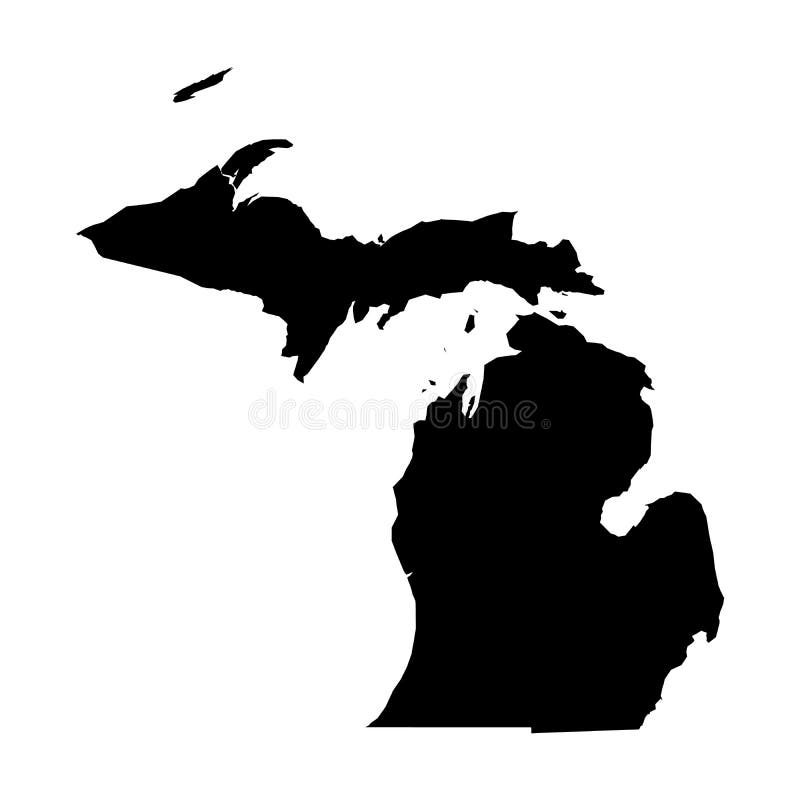
Free with trial Michigan, state of USA - solid black silhouette map of country area. Simple flat vector illustration. Isolated area vectors Michigan, state of USA - solid black silhouette map of country area. Simple flat vector illustration.
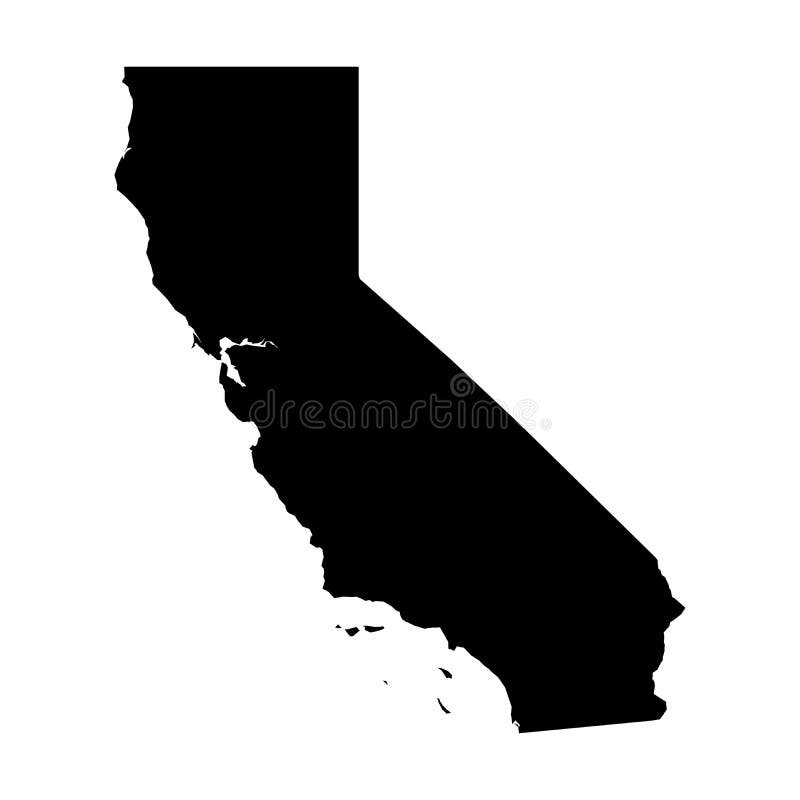
Free with trial California, state of USA - solid black silhouette map of country area. Simple flat vector illustration. Isolated area vectors California, state of USA - solid black silhouette map of country area. Simple flat vector illustration.
Free with trial Arizona, state of USA - solid black outline map of country area. Simple flat vector illustration. Isolated area vectors Arizona, state of USA - solid black outline map of country area. Simple flat vector illustration.
Free with trial Texas, state of USA - solid black silhouette map of country area. Simple flat vector illustration. Isolated area vectors Texas, state of USA - solid black silhouette map of country area. Simple flat vector illustration.
Free with trial Arkansas, state of USA - solid black silhouette map of country area. Simple flat vector illustration. Isolated area vectors Arkansas, state of USA - solid black silhouette map of country area. Simple flat vector illustration.
Free with trial China Greater Bay Area Map in gray. Guangdong, Hong Kong, Macao, Greater Bay Area in China. Isolated area vectors China Greater Bay Area Map in gray. Greater Bay Area Map in gray. Guangdong, Hong Kong, Macao, Greater Bay Area in China
Free with trial Soccer field. Set of two soccer field isolated on white background. Two versions: colors and black and white. EPS file available. Isolated area vectors Soccer field. Set of two soccer field isolated on white background.Two versions: colors and black and white.EPS file available
Free with trial Illustration of different sports courts and fields isolated against a black background. Isolated area vectors Sports courts and fields. Illustration of different sports courts and fields isolated against a black background. Illustration of different sports courts and fields isolated against a black background.
Free with trial Grass vector. Green grass illustration isolated white background. vector format available. Isolated area vectors Grass vector. Green grass illustration isolated white background. vector format available
Free with trial No parking sign. Isolated on white. Isolated area vectors No parking sign. Isolated on white
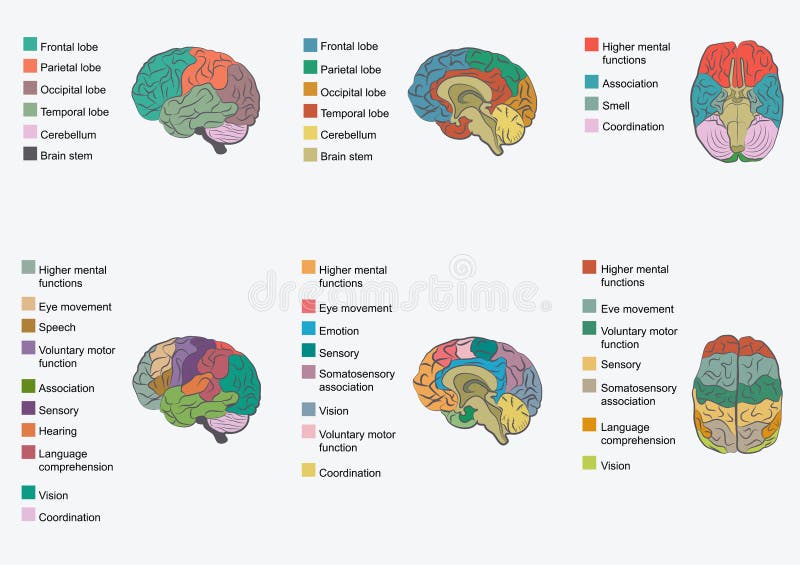
Free with trial Human brain anatomy,. Function area, mind system. Isolated area vectors Human brain anatomy,. Function area, mind system
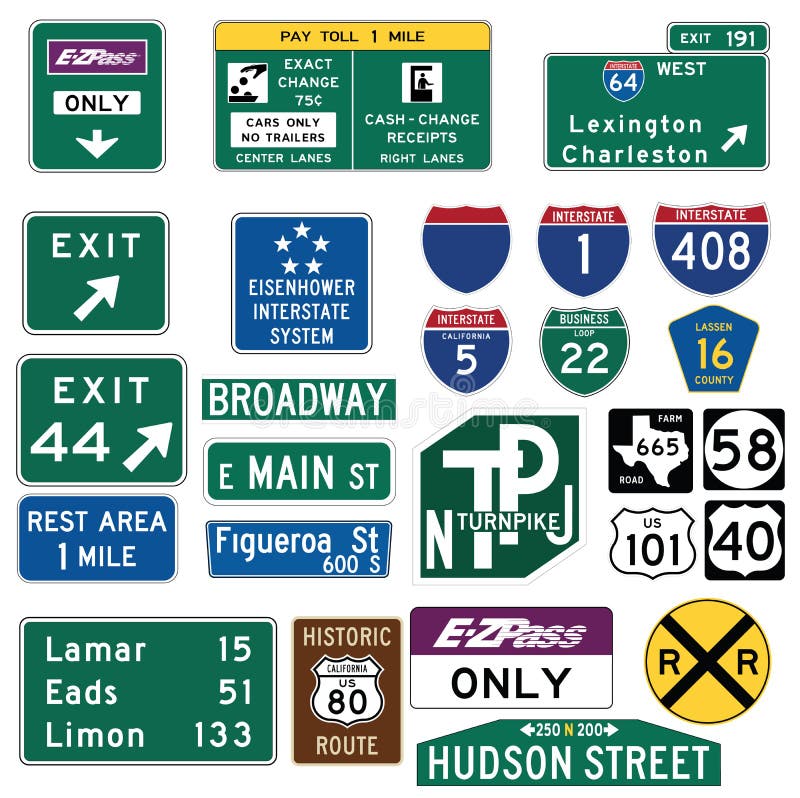
Free with trial Vector Illustration collection of the select Traffic Signs in the United States, isolated on white background. You can find other road signs in my portfolio. EPS file available. Guide signs are essential to direct road users along streets and highways, to inform them of intersecting routes, rnto direct them to cities, towns, villages, or other important destinations, to identify nearby rivers and streams, parks, forests, and historical sites, and generally to give such information as will help them along their way in the most simple, direct manner possible. rnrnIn the United States, road signs are, for the most part, standardized by federal regulations, most notably in the Manual on Uniform Traffic Control Devices (MUTCD) and its companion volume the Standard Highway Signs (SHS). There currently are no plans for adopting the Vienna Convention on Road Signs and Signals standards. Twenty-three states along with the District of Columbia and Puerto Rico use the manual without any alterations, 20 states have adopted it in conjunction with a supplemental volume, and seven states have a state version in substantial conformance to the MUTCD. There are also localized versions that are used in large cities such as New York City which use a naming system compatible with the MUTCD and/or state supplement. The MUTCD and SHS establish seven general categories of signs for road and highway use. rnrnIncluded illustrations are select examples of the MUTCD Guide Signs categories. rn. Isolated area vectors Traffic Guide Signs in the United States. Vector Illustration collection of the select Traffic Signs in the United States, isolated on white background. You can. Vector Illustration collection of the select Traffic Signs in the United States, isolated on white background. You can find other road signs in my portfolio. EPS file available. Guide signs are essential to direct road users along streets and highways, to inform them of intersecting routes, rnto direct them to cities, towns, villages, or other important destinations, to identify nearby rivers and streams, parks, forests, and historical sites, and generally to give such information as will help them along their way in the most simple, direct manner possible.rnrnIn the United States, road signs are, for the most part, standardized by federal regulations, most notably in the Manual on Uniform Traffic Control Devices (MUTCD) and its companion volume the Standard Highway Signs (SHS). There currently are no plans for adopting the Vienna Convention on Road Signs and Signals standards. Twenty-three states along with the District of Columbia and Puerto Rico use the manual without any alterations, 20 states have adopted it in conjunction with a supplemental volume, and seven states have a state version in substantial conformance to the MUTCD. There are also localized versions that are used in large cities such as New York City which use a naming system compatible with the MUTCD and/or state supplement. The MUTCD and SHS establish seven general categories of signs for road and highway use.rnrnIncluded illustrations are select examples of the MUTCD Guide Signs categories.rn
Free with trial Vector microphone isolated on white background. Image available in both Adobe Illustrator version 8 and HiRes jpeg (50cm high @ 300dpi). Isolated area vectors Vintage retro vector microphone. Vector microphone isolated on white background. Image available in both Adobe Illustrator version 8 and HiRes jpeg (50cm high @. Vector microphone isolated on white background. Image available in both Adobe Illustrator version 8 and HiRes jpeg (50cm high @ 300dpi)
Free with trial Vector bright playground for children at park. Game area with ropes, slide, housetop on green grass, color background. Cartoon construction for kids recreation. Colorful object for amusement. Isolated area vectors Vector bright playground for children at park. Game area with ropes, slide, housetop on green grass, color background. Cartoon construction for kids recreation
Free with trial Mountain range isolated on white. Vector illustration. Isolated area vectors Mountain range. Isolated on white. Vector illustration
Free with trial Cars parking sign. Isolated on white. Isolated area vectors Cars parking sign. Isolated on white
Free with trial Surveillance camera. Video surveillance sign. CCTV Camera. Black vector isolated. Isolated area vectors Surveillance camera. Video surveillance sign. CCTV Camera. Black vector isolated
Free with trial No cell phone vector sign. Isolated on white background. Isolated area vectors No cell phone vector sign. Isolated on white background
Free with trial Silhouette of a scarecrow in a fenced in area with birds and mice. Isolated on white. Isolated area vectors Scarecrow Silhouette. Silhouette of a scarecrow in a fenced in area with birds and mice. Isolated on white. Silhouette of a scarecrow in a fenced in area with birds and mice. Isolated on white.
Free with trial Grass. Isolated on white background, vector illustration. Isolated area vectors Grass. Isolated on white background, vector illustration
Free with trial Folk ornaments. Simplified folk ornaments from a Slovacko area in a blue version. Isolated area vectors Folk ornaments. Simplified folk ornaments from a Slovacko area in a blue version
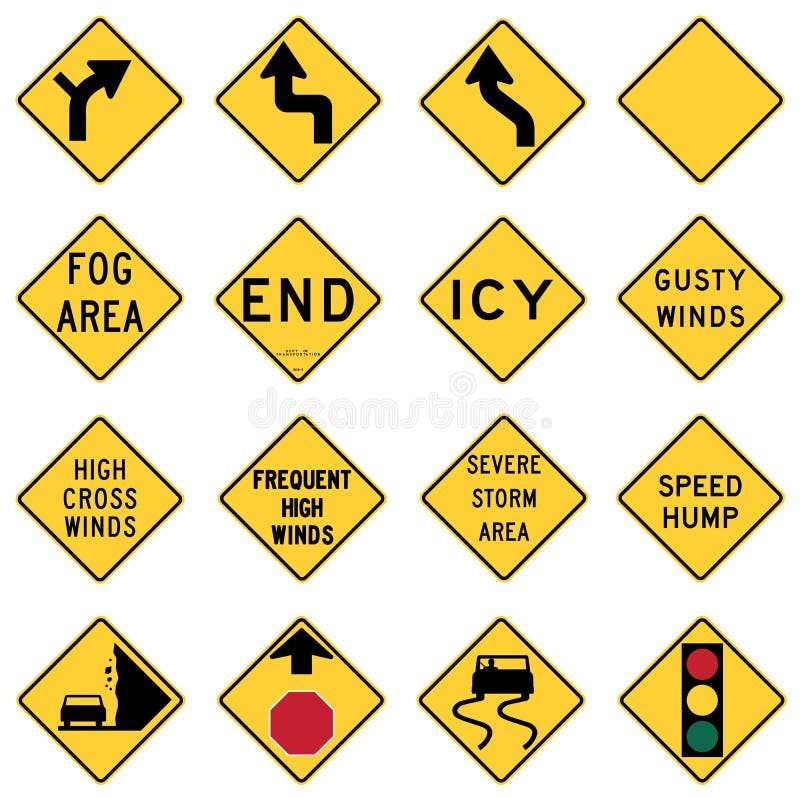
Free with trial Vector Illustration collection of the select Traffic Signs in the United States, isolated on white background. You can find other road signs in my portfolio. EPS file available. Warning signs are found in the W series of the national MUTCD. They highlight existing conditions, such as a curve, school, dead end street, or traffic signal. They can also warn possible danger such as bumps, bicycles, low flying aircraft or emergency vehicles. These signs are either yellow or fluorescent yellow in color and with the exception of a few signs are usually diamond shaped and sometimes have square or rectangular smaller signs or plaques associated with them. Most W series signs can also be found in with orange backgrounds, for temporary use in situations such as construction zones. Some of the temporary use signs are only for use in temporary situations. In the United States, road signs are, for the most part, standardized by federal regulations, most notably in the Manual on Uniform Traffic Control Devices (MUTCD) and its companion volume the Standard Highway Signs (SHS). There currently are no plans for adopting the Vienna Convention on Road Signs and Signals standards. Twenty-three states along with the District of Columbia and Puerto Rico use the manual without any alterations, 20 states have adopted it in conjunction with a supplemental volume, and seven states have a state version in substantial conformance to the MUTCD. There are also localized versions that are used in large cities such as New York City which use a naming system compatible with the MUTCD and/or state supplement. The MUTCD and SHS establish seven general categories of signs for road and highway use. Included illustrations are select examples of the MUTCD Warning Signs categories. Isolated area vectors Traffic Warning Signs in the United States. Vector Illustration collection of the select Traffic Signs in the United States, isolated on white background. You. Vector Illustration collection of the select Traffic Signs in the United States, isolated on white background. You can find other road signs in my portfolio. EPS file available. Warning signs are found in the W series of the national MUTCD. They highlight existing conditions, such as a curve, school, dead end street, or traffic signal. They can also warn possible danger such as bumps, bicycles, low flying aircraft or emergency vehicles. These signs are either yellow or fluorescent yellow in color and with the exception of a few signs are usually diamond shaped and sometimes have square or rectangular smaller signs or plaques associated with them. Most W series signs can also be found in with orange backgrounds, for temporary use in situations such as construction zones. Some of the temporary use signs are only for use in temporary situations. In the United States, road signs are, for the most part, standardized by federal regulations, most notably in the Manual on Uniform Traffic Control Devices (MUTCD) and its companion volume the Standard Highway Signs (SHS). There currently are no plans for adopting the Vienna Convention on Road Signs and Signals standards. Twenty-three states along with the District of Columbia and Puerto Rico use the manual without any alterations, 20 states have adopted it in conjunction with a supplemental volume, and seven states have a state version in substantial conformance to the MUTCD. There are also localized versions that are used in large cities such as New York City which use a naming system compatible with the MUTCD and/or state supplement. The MUTCD and SHS establish seven general categories of signs for road and highway use. Included illustrations are select examples of the MUTCD Warning Signs categories.
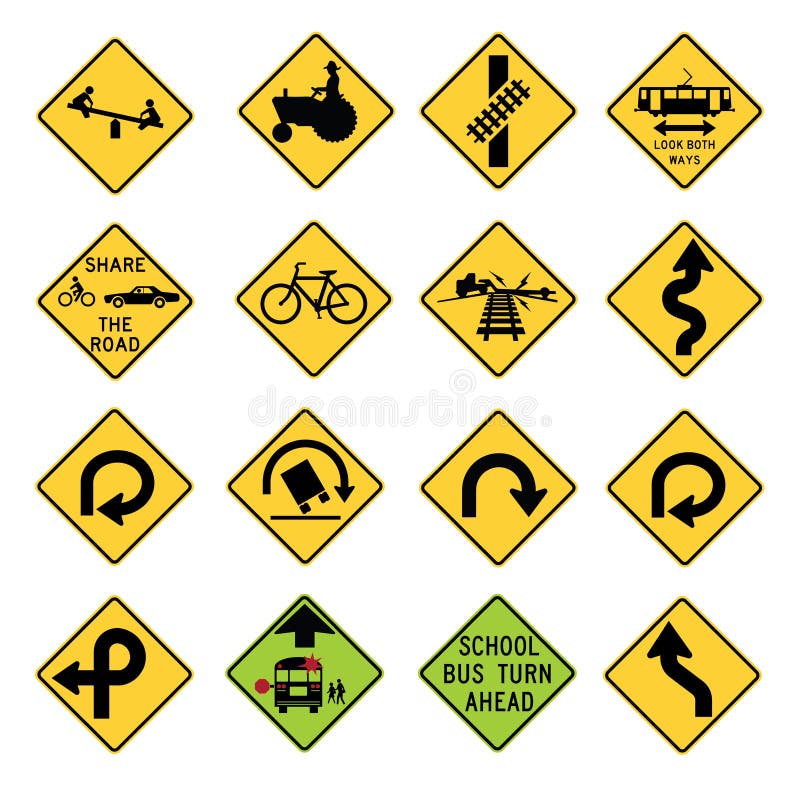
Free with trial Vector Illustration collection of the select Traffic Signs in the United States, isolated on white background. You can find other road signs in my portfolio. EPS file available. Warning signs are found in the W series of the national MUTCD. They highlight existing conditions, such as a curve, school, dead end street, or traffic signal. They can also warn possible danger such as bumps, bicycles, low flying aircraft or emergency vehicles. These signs are either yellow or fluorescent yellow in color and with the exception of a few signs are usually diamond shaped and sometimes have square or rectangular smaller signs or plaques associated with them. Most W series signs can also be found in with orange backgrounds, for temporary use in situations such as construction zones. Some of the temporary use signs are only for use in temporary situations. In the United States, road signs are, for the most part, standardized by federal regulations, most notably in the Manual on Uniform Traffic Control Devices (MUTCD) and its companion volume the Standard Highway Signs (SHS). There currently are no plans for adopting the Vienna Convention on Road Signs and Signals standards. Twenty-three states along with the District of Columbia and Puerto Rico use the manual without any alterations, 20 states have adopted it in conjunction with a supplemental volume, and seven states have a state version in substantial conformance to the MUTCD. There are also localized versions that are used in large cities such as New York City which use a naming system compatible with the MUTCD and/or state supplement. The MUTCD and SHS establish seven general categories of signs for road and highway use. Included illustrations are select examples of the MUTCD Warning Signs categories. Isolated area vectors Traffic Warning Signs in the United States. Vector Illustration collection of the select Traffic Signs in the United States, isolated on white background. You. Vector Illustration collection of the select Traffic Signs in the United States, isolated on white background. You can find other road signs in my portfolio. EPS file available. Warning signs are found in the W series of the national MUTCD. They highlight existing conditions, such as a curve, school, dead end street, or traffic signal. They can also warn possible danger such as bumps, bicycles, low flying aircraft or emergency vehicles. These signs are either yellow or fluorescent yellow in color and with the exception of a few signs are usually diamond shaped and sometimes have square or rectangular smaller signs or plaques associated with them. Most W series signs can also be found in with orange backgrounds, for temporary use in situations such as construction zones. Some of the temporary use signs are only for use in temporary situations. In the United States, road signs are, for the most part, standardized by federal regulations, most notably in the Manual on Uniform Traffic Control Devices (MUTCD) and its companion volume the Standard Highway Signs (SHS). There currently are no plans for adopting the Vienna Convention on Road Signs and Signals standards. Twenty-three states along with the District of Columbia and Puerto Rico use the manual without any alterations, 20 states have adopted it in conjunction with a supplemental volume, and seven states have a state version in substantial conformance to the MUTCD. There are also localized versions that are used in large cities such as New York City which use a naming system compatible with the MUTCD and/or state supplement. The MUTCD and SHS establish seven general categories of signs for road and highway use. Included illustrations are select examples of the MUTCD Warning Signs categories.
Free with trial Spring flowers and grass header. Green grass with cute spring flowers illustration isolated white background. Can use as web site header / Footer / banner. Isolated area vectors Spring flowers and grass header. Green grass with cute spring flowers illustration isolated white background. Can use as web site header / Footer / banner
Free with trial Grass. Isolated on white background,vector illustration. Isolated area vectors Grass. Isolated on white background,vector illustration
Free with trial Cartoon ufo set. Colorful cartoon ufo set isolated on white. Isolated area vectors Cartoon ufo set. Colorful cartoon ufo set isolated on white
Free with trial A set of car park reminder and information icons. Isolated area vectors Car Park Parking Area Sign Symbol Pictogram Icon. A set of car park reminder and information icons. A set of car park reminder and information icons.
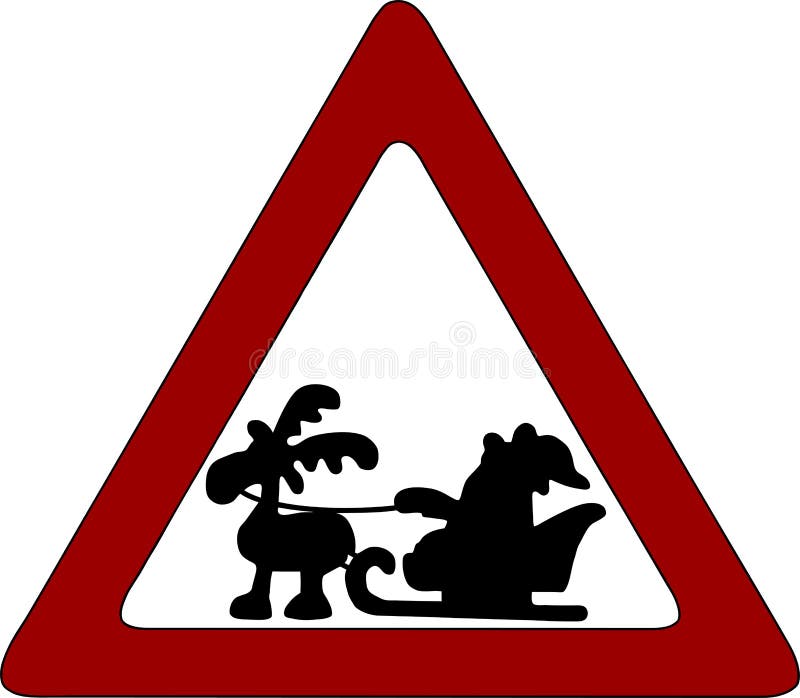
Free with trial Red triangle with a black silhouette of Santa Claus in his sleigh and one reindeer within, against white. Everything isolated against a white background. Isolated area vectors Santa Claus Road Sign. Red triangle with a black silhouette of Santa Claus in his sleigh and one reindeer within, against white. Everything isolated against a. Red triangle with a black silhouette of Santa Claus in his sleigh and one reindeer within, against white. Everything isolated against a white background.
Free with trial Illustrated and isolated system icons for mobile phones and computers, symbols for wireless connection, signal status and battery life. Isolated area vectors Mobile phone system icons. Illustrated and isolated system icons for mobile phones and computers, symbols for wireless connection, signal status and battery life. Illustrated and isolated system icons for mobile phones and computers, symbols for wireless connection, signal status and battery life.
Free with trial Pencil scribble random drawing. Vector - Pencil scribble random drawing, insert text in doodle area. Isolated area vectors Pencil scribble random drawing. Vector - Pencil scribble random drawing, insert text in doodle area
Free with trial Pink floral corner design element isolated. This image is a vector illustration. Isolated area vectors Pink floral corner design element. Isolated. This image is a vector illustration
Free with trial Two decorative pink floral borders. Isolated on white background. Vector illustration. Isolated area vectors Two decorative pink floral borders. Isolated on white background. Vector illustration
Free with trial Dermatomes vector illustration. Labeled educational anatomical skin parts scheme. Epidermis area supplied by afferent spinal nerve fibers. Cervical, thoracic, lumbar and sacral nerves division diagram. Isolated area vectors Dermatomes vector illustration. Labeled educational anatomical skin parts. Dermatomes vector illustration. Labeled educational anatomical skin parts scheme. Dermatomes vector illustration. Labeled educational anatomical skin parts scheme. Epidermis area supplied by afferent spinal nerve fibers. Cervical, thoracic, lumbar and sacral nerves division diagram
Free with trial Fairy-tale house in yard with wooden fence. Illustration isolated on white background. Isolated area vectors Fairy-tale house in yard with wooden fence. Illustration isolated on white background
Free with trial Caution tape. Yellow attention ribbon with warning signs, police evidence protection and construction protection tape. Vector isolated illustration safety stripe for safety border working construction. Isolated area vectors Caution tape. Yellow attention ribbon with warning signs, police evidence protection and construction protection tape. Vector isolated illustration safety
Free with trial Warning tape set. Set of 7 isolated seamless warning tapes with and without text. Isolated area vectors Warning tape set. Set of 7 isolated seamless warning tapes with and without text
Free with trial Handicapped parking. Vector illustration - blue color handicap / disabled person parking sign icon - isolated on white background. Isolated area vectors Handicapped parking. Vector illustration - blue color handicap / disabled person parking sign icon - isolated on white background
Free with trial Sweden set. Detailed country shape with region borders, flags and icons isolated on white background. Isolated area vectors Sweden set. Detailed country shape with region borders, flags and icons isolated on white background
Free with trial Norway set. Detailed country shape with region borders, flags and icons isolated on white background. Isolated area vectors Norway set. Detailed country shape with region borders, flags and icons isolated on white background
Free with trial Vector isolated illustrations of Madrid, Barcelona, Lisbon and Porto city skylines. Maps and flags of Spain and Portugal. Isolated area vectors Vector illustrations of Madrid, Barcelona, Lisbon and Porto city skylines. Maps and flags of Spain and Portugal. Vector isolated illustrations of Madrid. Vector isolated illustrations of Madrid, Barcelona, Lisbon and Porto city skylines. Maps and flags of Spain and Portugal
Free with trial Golf and golfing sport design elements with balls and crossed clubs, green area with hole and flag, trophy cup, laurel wreaths and star frame, heraldic shield and ribbon banners, crown and wings. Isolated area vectors Golf and golfing sport elements or items. Golf and golfing sport design elements with balls and crossed clubs, green area with hole and flag, trophy cup, laurel. Golf and golfing sport design elements with balls and crossed clubs, green area with hole and flag, trophy cup, laurel wreaths and star frame, heraldic shield and ribbon banners, crown and wings
Free with trial Grass. Set of grass on white background. Vector illustration. Isolated area vectors Grass. Set of grass on white background. Vector illustration
Free with trial No parking sign. Illustration of no parking sign on white background. Isolated area vectors No parking sign. Illustration of no parking sign on white background
Free with trial Vector illustration of the under construction skyscraper of new york, the freedom tower, being built upon the 9/11 attacks area, where the twin towers were. Isolated area vectors New york freedom tower vector. Vector illustration of the under construction skyscraper of new york, the freedom tower, being built upon the 9/11 attacks area. Vector illustration of the under construction skyscraper of new york, the freedom tower, being built upon the 9/11 attacks area, where the twin towers were
Free with trial Parking sign. Illustration of parking sign blue color icons with two design on white background. Isolated area vectors Parking sign. Illustration of parking sign blue color icons with two design on white background
Free with trial VIP Pass. An illustration of a black, gold and red VIP pass attached to a lanyard. Isolated area vectors VIP Pass. An illustration of a black, gold and red VIP pass attached to a lanyard
Free with trial Award Medals/eps. Three Medals of Achievement... , gold, silver and bronze... inside area of medal can be personalized... eps available. Isolated area vectors Award Medals/eps. Three Medals of Achievement..., gold, silver and bronze...inside area of medal can be personalized...eps available
Free with trial Illustrated San Francisco skyline, Alcatraz, Golden Gate bridge, Coit tower and 3 cable cars: crowded, with few people and empty. Isolated area vectors San Francisco landmarks. Illustrated San Francisco skyline, Alcatraz, Golden Gate bridge, Coit tower and 3 cable cars: crowded, with few people and empty. Illustrated San Francisco skyline, Alcatraz, Golden Gate bridge, Coit tower and 3 cable cars: crowded, with few people and empty.
Free with trial Flowers. Black silhouette of a grass and flowers on a white background. Isolated area vectors Flowers. Black silhouette of a grass and flowers on a white background
Free with trial Football logo. Two football helmet facing each other with a football sign in the background. Isolated area vectors Football logo. Two football helmet facing each other with a football sign in the background
Free with trial 124 warning signs. Vector pack of 124 warning and informal signs. Isolated area vectors 124 warning signs. Vector pack of 124 warning and informal signs
Free with trial Zipper. An illustration of a black zipper with blank area for adding a background of your choice. Isolated area vectors Zipper. An illustration of a black zipper with blank area for adding a background of your choice
Free with trial Surveillance camera. Video surveillance camera sign. CCTV. Isolated area vectors Surveillance camera. Video surveillance camera sign. CCTV
Free with trial Football logo with mud. Splattered on the ground. Isolated area vectors Football logo with mud. Splattered on the ground
Free with trial Caution tape set of yellow warning ribbons. Abstract warning lines for police, accident, under construction. Vector danger tape collection. Isolated area vectors Caution tape set of yellow warning ribbons. Abstract warning lines for police, accident, under construction. Vector danger tape collection
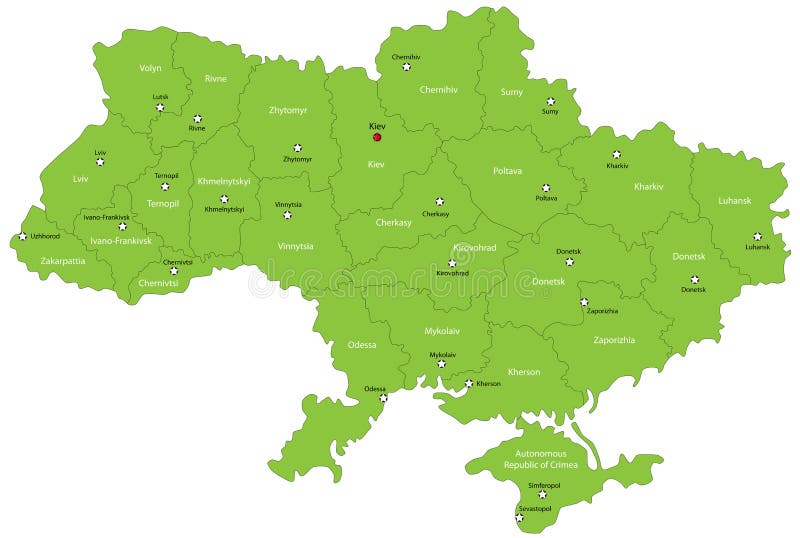
Free with trial Ukraine map designed in illustration with the oblasts colored in green colors and with the main cities. Neighbouring countries are in an additional format (. AI) in the latent layer. Isolated area vectors Ukraine map. Designed in illustration with the oblasts colored in green colors and with the main cities. Neighbouring countries are in an additional format (. Ukraine map designed in illustration with the oblasts colored in green colors and with the main cities. Neighbouring countries are in an additional format (. AI) in the latent layer.
Free with trial Vector grass. Vector illustration of grass in 3 green shades. Isolated area vectors Vector grass. Vector illustration of grass in 3 green shades
Free with trial Speech And Thought Bubbles. In solid white and black border. Isolated area vectors Speech And Thought Bubbles. In solid white and black border
Free with trial Oil Refinery Plant Silhouette. Vector illustration. Isolated area vectors Oil Refinery Plant Silhouette. Vector illustration
Free with trial Vectored illustration of the skyline of vienna with most famous landmarks as saint stefan and danube tower and the millennium tower isolated. Isolated area vectors Vienna skyline vector. Vectored illustration of the skyline of vienna with most famous landmarks as saint stefan and danube tower and the millennium tower. Vectored illustration of the skyline of vienna with most famous landmarks as saint stefan and danube tower and the millennium tower isolated
Free with trial Award of Excellence/ai. Illustration of a certificate... personalize with copy in the open area... ai file available. Isolated area vectors Award of Excellence/ai. Illustration of a certificate...Award of Excellence...personalize with copy in the open area...ai file available
Free with trial Fan. Vector illustration of a fan. Detailed portrayal. Insert your images into fan area and make it Multiply mode for make your own fan. Isolated area vectors Fan. Vector illustration of a fan. Detailed portrayal. Insert your images into fan area and make it Multiply mode for make your own fan
Free with trial Medals. Nine Medals of Achievement. , gold, silver and bronze. inside area of medal can be personalized. Isolated area vectors Medals. Nine Medals of Achievement. , gold, silver and bronze. inside area of medal can be personalized
Free with trial Detailed vector shape of the Unites States of America including Alaska and Hawaii. This illustration is based on the maps of www. cia. gov. The states borders are on the separate layer and can be easily removed. Isolated area vectors USA shape. Detailed vector shape of the Unites States of America including Alaska and Hawaii. This illustration is based on the maps of . The states. Detailed vector shape of the Unites States of America including Alaska and Hawaii. This illustration is based on the maps of www.cia.gov. The states borders are on the separate layer and can be easily removed.
Free with trial Oil refinery or chemical plant silhouette. Vector illustration. Isolated area vectors Oil refinery silhouette. Vector illustration. Oil refinery or chemical plant silhouette. Vector illustration. Oil refinery or chemical plant silhouette. Vector illustration.
Free with trial Parking sign. Car parking sign illustration over white. Isolated area vectors Parking sign. Car parking sign illustration over white
Free with trial Paint Splatter. Border with area for text. Isolated area vectors Paint Splatter. Border with area for text
Free with trial Grass collection. Vector of different grass pattern. Isolated area vectors Grass collection. Vector of different grass pattern
Free with trial Vip vector symbol. Vip golden vector symbol over white. Isolated area vectors Vip vector symbol. Vip golden vector symbol over white
Free with trial Hand sketch grass. Vector illustration. Isolated area vectors Hand sketch grass. Vector illustration
Free with trial Choose from four different sale pricing icons. Add your own price or discount in the white area. Isolated area vectors Sale Icon Price Set. Choose from four different sale pricing icons. Add your own price or discount in the white area. Choose from four different sale pricing icons. Add your own price or discount in the white area.
Free with trial No phone sign banner. No mobile phone sign banner. Isolated area vectors No phone sign banner. No mobile phone sign banner
Free with trial Talking bubble vector. Vector set of talking bubble illustration. Isolated area vectors Talking bubble vector. Vector set of talking bubble illustration
Free with trial Human brain lateral view. Illustration body part vector, human brain lateral view. Isolated area vectors Human brain lateral view. Illustration body part vector, human brain lateral view
Free with trial Speech And Thought Bubbles - easy to edit EPS file. Isolated area vectors Speech And Thought Bubbles. Easy to edit EPS file
Free with trial Human tongue. Taste receptors of the tongue are present in papillae, and are the receptors of taste. basic tastes sweet, sour, bitter and salty. Isolated area vectors Human tongue. Taste receptors of the tongue are present in papillae, and are the receptors of taste. basic tastes sweet, sour, bitter and salty
 Sign in