Free with trial Seamless pattern with deers. Abstract seamless pattern with deers. Laterally vectors Seamless pattern with deers. Abstract seamless pattern with deers
Free with trial Animal dog paw in people hand, human help encourage vector illustration. Animal dog paw in people hand, human help encourage vector. Laterally vectors Animal dog paw in people hand, human help encourage vector illustration. Animal dog paw in people hand, human help encourage vector
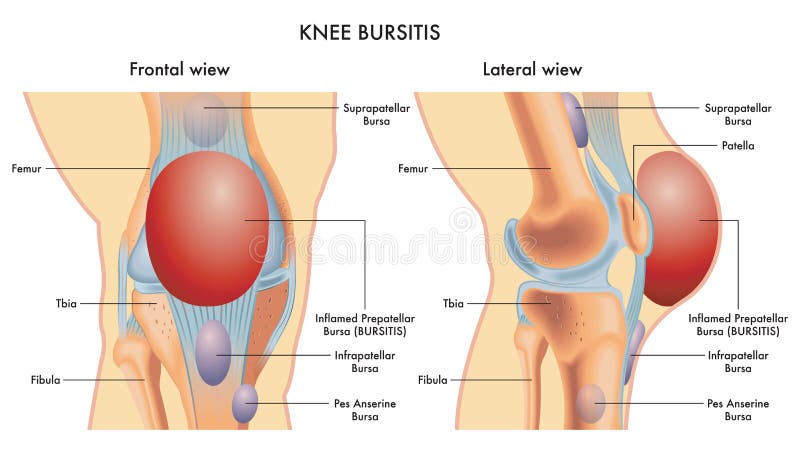
Free with trial Knee pain. Medical illustration of knee with inflamed prepatellar bursa bursitis viewed frontally and laterally, with annotations. Laterally vectors Knee pain. Medical illustration of knee with inflamed prepatellar bursa bursitis viewed frontally and laterally, with annotations
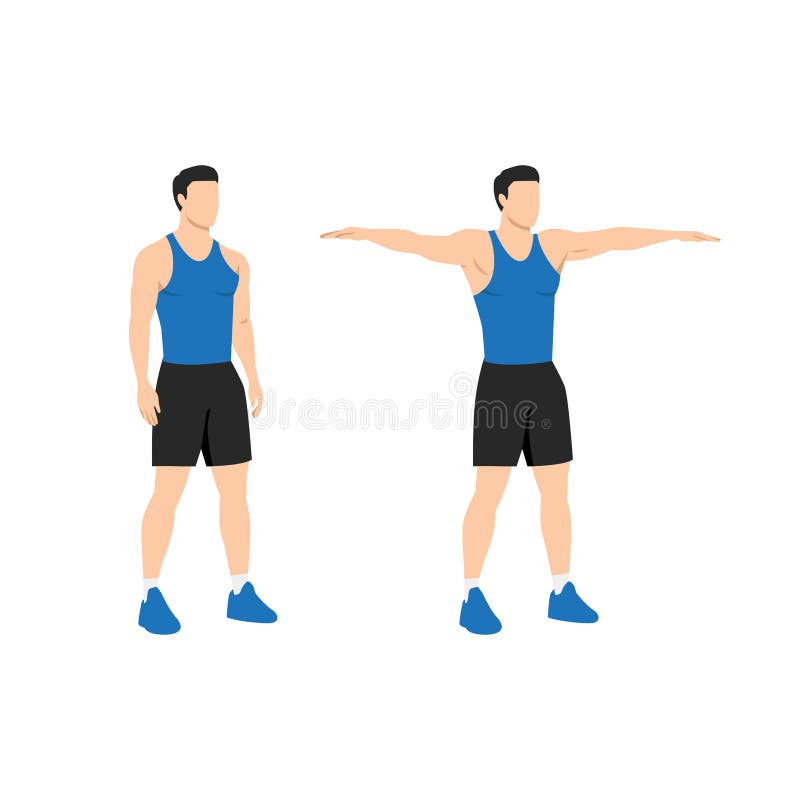
Free with trial Man doing Double arm side or lateral raises exercise. Raise both arms. Laterally until horizontal. Flat vector illustration isolated on white background. Laterally vectors Man doing Double arm side or lateral raises exercise. Raise both arms. Laterally until horizontal. Flat vector illustration isolated on white background
Free with trial A detailed side view of a piranha is presented against a transparent background. The fish has a laterally compressed, diamond-shaped body with a silvery-gray coloration on its flanks that transitions to a reddish hue on its belly and lower jaw. Its most notable feature is its formidable set of sharp, triangular teeth visible in its slightly open mouth. The piranha has a prominent lower jaw that juts out slightly. It has a dark, serrated keel along its ventral side. Its fins are dark, including a spiny dorsal fin, pectoral fins, pelvic fins, and a forked caudal fin (tail fin). The eye is relatively large and has a reddish iris. Laterally vectors Piranha on Transparent Background. A detailed side view of a piranha is presented against a transparent background. The fish has a laterally compressed, diamond. A detailed side view of a piranha is presented against a transparent background. The fish has a laterally compressed, diamond-shaped body with a silvery-gray coloration on its flanks that transitions to a reddish hue on its belly and lower jaw. Its most notable feature is its formidable set of sharp, triangular teeth visible in its slightly open mouth. The piranha has a prominent lower jaw that juts out slightly. It has a dark, serrated keel along its ventral side. Its fins are dark, including a spiny dorsal fin, pectoral fins, pelvic fins, and a forked caudal fin (tail fin). The eye is relatively large and has a reddish iris.
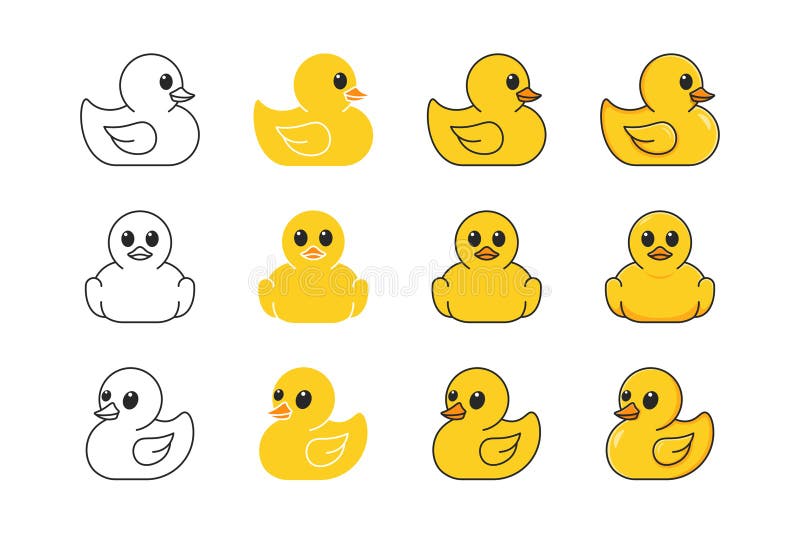
Free with trial Twelve cartoon duck illustrations in a 3x4 grid. The top and bottom rows feature yellow ducks with black eyes and orange beaks. The middle row shows chick drawings with similar color schemes. The first column consists of black outline versions of the images, while the others are fully colored. The ducks are positioned laterally, while the chicks face forward. Each drawing is simple, with bold outlines against a white background. Laterally vectors Yellow Rubber Duck Vector Icons Collection with various poses and styles.duck outline, flat, cartoon. Twelve cartoon duck illustrations in a 3x4 grid. The top. Twelve cartoon duck illustrations in a 3x4 grid. The top and bottom rows feature yellow ducks with black eyes and orange beaks. The middle row shows chick drawings with similar color schemes. The first column consists of black outline versions of the images, while the others are fully colored. The ducks are positioned laterally, while the chicks face forward. Each drawing is simple, with bold outlines against a white background.
Free with trial A helicopter is a type of rotorcraft in which lift and thrust are supplied by horizontally-spinning rotors. This allows the helicopter to take off and land vertically, to hover, and to fly forward, backward and laterally. Laterally vectors Helicopter - Rotorcraft for Public Transportation. A helicopter is a type of rotorcraft in which lift and thrust are supplied by horizontally-spinning rotors. A helicopter is a type of rotorcraft in which lift and thrust are supplied by horizontally-spinning rotors. This allows the helicopter to take off and land vertically, to hover, and to fly forward, backward and laterally
Free with trial Animal dog paw in people hand, human help encourage vector illustratration. Laterally vectors Animal dog paw in people hand, human help encourage vector illustratration. Animal dog paw in people hand, human help encourage vector illustratration
Free with trial Curious cat and dog muzzles. Vector. Sticker on a car or a refrigerator. Laterally vectors Curious cat and dog muzzles. Vector. Curious cat and dog muzzles. Sticker on a car or a refrigerator
Free with trial Realistic 3d Detailed Blue Jet Engine. Vector. Realistic 3d Detailed Blue Jet Engine Set Side View for Aviation Transport. Vector illustration of Turbine. Laterally vectors Realistic 3d Detailed Blue Jet Engine. Vector. Realistic 3d Detailed Blue Jet Engine Set Side View for Aviation Transport. Vector illustration of Turbine
Free with trial Curious cat. Sticker on a car or a refrigerator. Curious cat hides and peeps. Laterally vectors Curious cat. Sticker on a car or a refrigerator. Curious cat hides and peeps. Sticker on a car or a refrigerator
Free with trial Human Brain Anatomy Infographic Card Poster System Concept of Diagnostics and Health Care Flat Design Style on Side. Vector illustration of Head. Laterally vectors Human Brain Anatomy Card Poster. Vector. Human Brain Anatomy Infographic Card Poster System Concept of Diagnostics and Health Care Flat Design Style on Side. Human Brain Anatomy Infographic Card Poster System Concept of Diagnostics and Health Care Flat Design Style on Side. Vector illustration of Head
Free with trial Two-sided blank surfboard. On transparent Background. Laterally vectors Two-sided blank surfboard. On transparent Background
Free with trial White background with colored pencils. In corner. Laterally vectors White background with colored pencils. In corner
Free with trial Realistic Detailed 3d Black Rubber Tires and Car Wheels Set Isolated on White Background. Vector illustration of Tire Side View. Laterally vectors Realistic Detailed 3d Black Rubber Tires and Car Wheels Set. Vector. Realistic Detailed 3d Black Rubber Tires and Car Wheels Set Isolated on White Background. Realistic Detailed 3d Black Rubber Tires and Car Wheels Set Isolated on White Background. Vector illustration of Tire Side View
Free with trial Snowman and Reindeer peeking sideways. On a white background. Laterally vectors Snowman and Reindeer peeking sideways. On a white background
Free with trial The fluid mosaic model is a widely accepted model that describes the structure and dynamics of biological membranes, including cell membranes. Proposed by Singer and Nicolson in 1972, this model revolutionized our understanding of membrane organization and function. The fluid mosaic model describes the lipid bilayer of the membrane as a fluid structure, with lipids and proteins able to move laterally within the plane of the membrane. This fluidity allows for the dynamic interactions between membrane components and enables the membrane to respond to changes in the environment. According to the fluid mosaic model, the main structural component of biological membranes is a lipid bilayer composed of phospholipids. Phospholipids have a hydrophilic (water-attracting) head and hydrophobic (water-repelling) tails, which arrange themselves in a bilayer with the hydrophobic tails facing inward and the hydrophilic heads facing outward toward the aqueous environments inside and outside the cell. Laterally vectors Fluid mosaic model. The fluid mosaic model is a widely accepted model that describes the structure and dynamics of biological membranes, including cell membranes. The fluid mosaic model is a widely accepted model that describes the structure and dynamics of biological membranes, including cell membranes. Proposed by Singer and Nicolson in 1972, this model revolutionized our understanding of membrane organization and function. The fluid mosaic model describes the lipid bilayer of the membrane as a fluid structure, with lipids and proteins able to move laterally within the plane of the membrane. This fluidity allows for the dynamic interactions between membrane components and enables the membrane to respond to changes in the environment. According to the fluid mosaic model, the main structural component of biological membranes is a lipid bilayer composed of phospholipids. Phospholipids have a hydrophilic (water-attracting) head and hydrophobic (water-repelling) tails, which arrange themselves in a bilayer with the hydrophobic tails facing inward and the hydrophilic heads facing outward toward the aqueous environments inside and outside the cell.
Free with trial Santa Claus on a white background. Holiday illustration. Laterally vectors Santa Claus on a white background. Holiday illustration
Free with trial Back to school background with rainbow wave and pencils, vector illustration. Eps10. Laterally vectors Back to school background with rainbow wave and pencils, vector illustration. Eps10. Back to school background with rainbow wave and pencils, vector illustration
Free with trial Santa Claus with reindeer and a snowman standing on a white back. Ground, on white background funny characters. Laterally vectors Santa Claus with reindeer and a snowman standing on a white back. Ground, on white background funny characters
Free with trial Vibrant yellow fish with an oval-shaped body, likely a Yellow Tang (*Zebrasoma flavescens*). It features a laterally compressed shape, smooth surface with fine scales, a pointed snout, and large, round eyes. The dorsal and anal fins extend along its body length, while the tail is slightly forked. The bold coloration provides a striking contrast against the white background, highlighting its distinctive form. Commonly found in the Pacific Ocean, this species is popular in marine aquariums. Laterally vectors Radiant Yellow Surgeonfish Isolated on Transparent Background. Vibrant yellow fish with an oval-shaped body, likely a Yellow Tang (*Zebrasoma flavescens*). It. Vibrant yellow fish with an oval-shaped body, likely a Yellow Tang (*Zebrasoma flavescens*). It features a laterally compressed shape, smooth surface with fine scales, a pointed snout, and large, round eyes. The dorsal and anal fins extend along its body length, while the tail is slightly forked. The bold coloration provides a striking contrast against the white background, highlighting its distinctive form. Commonly found in the Pacific Ocean, this species is popular in marine aquariums.
Free with trial (PNG files have transparent backgrounds. ) Illustration of a broccoli plant with a prominent green crown composed of tightly clustered florets. A thick central stalk supports the crown, extending downward with branching stems. Broad, jagged green leaves extend laterally from the stalk. The detailed texture emphasizes the bumpy surface of the florets and the veined structure of the leaves, showcasing the plant's distinct morphology. This depiction highlights the plant's lush, fresh appearance. Laterally vectors Vibrant Green Broccoli Crown with Stalk and Leaves. (PNG files have transparent backgrounds.) Illustration of a broccoli plant with a prominent green crown. (PNG files have transparent backgrounds.) Illustration of a broccoli plant with a prominent green crown composed of tightly clustered florets. A thick central stalk supports the crown, extending downward with branching stems. Broad, jagged green leaves extend laterally from the stalk. The detailed texture emphasizes the bumpy surface of the florets and the veined structure of the leaves, showcasing the plant's distinct morphology. This depiction highlights the plant's lush, fresh appearance.
Free with trial Diagram of a vertebra highlighting three components: the spinous process, transverse process, and centrum (body). The spinous process extends dorsally as a prominent projection, the transverse processes protrude laterally, and the centrum forms the central, solid body. The is labeled to clearly identify each structure, providing educational insight into vertebral anatomy. Laterally vectors Diagram of a vertebra highlighting three components: the spinous process, transverse process, and centrum (body). The spinous process extends dorsally as a
Free with trial Illustration of a kingfisher (family: Alcedinidae) perched on a branch. The artwork is detailed and monochrome, emphasizing the bird's striking beak, textured plumage, and outstretched wings. The kingfisher's body is positioned laterally, showcasing its distinct head and body shape. The black and white contrast highlights the intricate feather patterns and the bird's agile posture, suggesting motion and grace typical of kingfishers. Laterally vectors Detailed black and white illustration of a kingfisher bird perched on a branch with its wings spread wide. Illustration of a kingfisher (family: Alcedinidae). Illustration of a kingfisher (family: Alcedinidae) perched on a branch. The artwork is detailed and monochrome, emphasizing the bird's striking beak, textured plumage, and outstretched wings. The kingfisher's body is positioned laterally, showcasing its distinct head and body shape. The black and white contrast highlights the intricate feather patterns and the bird's agile posture, suggesting motion and grace typical of kingfishers.
Free with trial Outstretched arm pointing toward direction, forearm and hand extended laterally with relaxed fingers, neutral skin tone on white backdrop, evokes guiding,. Laterally vectors Extended arm for direction. Neutraltoned hand indicating direction for navigation purposes. Outward arm and relaxed. Outstretched arm pointing toward direction. Outstretched arm pointing toward direction, forearm and hand extended laterally with relaxed fingers, neutral skin tone on white backdrop, evokes guiding,
Free with trial A car on its side depicts a vehicle overturned laterally after a collision, rollover, or loss of control. Laterally vectors Car On Side Illustration. A car on its side depicts a vehicle overturned laterally after a collision, rollover, or loss of control. A car on its side depicts a vehicle overturned laterally after a collision, rollover, or loss of control.
Free with trial Diagram illustrating skeletal traction, featuring two views of a human knee joint. The left side shows a pin inserted laterally through the femur, indicated by a hand drill and text noting "2-3 fingers" for spacing. The right side labels "femoral entry point" and "tibial entry point," depicting entry points on the femur and tibia. This is used in orthopedic procedures to align and stabilize fractures by applying tension via an external device. The bones are simplified and labeled for clarity. Laterally vectors Skeletal Traction Illustration. Diagram illustrating skeletal traction, featuring two views of a human knee joint. The left side shows a pin inserted laterally. Diagram illustrating skeletal traction, featuring two views of a human knee joint. The left side shows a pin inserted laterally through the femur, indicated by a hand drill and text noting "2-3 fingers" for spacing. The right side labels "femoral entry point" and "tibial entry point," depicting entry points on the femur and tibia. This is used in orthopedic procedures to align and stabilize fractures by applying tension via an external device. The bones are simplified and labeled for clarity.
Free with trial Detailed anatomical illustration of the human heart, viewed laterally. Key structures labeled include the right and left atria, right and left ventricles, superior and inferior vena cava, pulmonary arteries and veins, aortic arch, brachiocephalic trunk, left common carotid, and left subclavian artery. The diagram shows the heart's major vessels and coronary arteries, including the right coronary artery (RCA), left coronary artery (LCA), left anterior descending artery (LAD), and posterior descending artery (PDA), illustrating blood flow direction and structural components. Laterally vectors Human Heart Lateral View Detailed Ventricles Atria and Vessels. Detailed anatomical illustration of the human heart, viewed laterally. Key structures labeled. Detailed anatomical illustration of the human heart, viewed laterally. Key structures labeled include the right and left atria, right and left ventricles, superior and inferior vena cava, pulmonary arteries and veins, aortic arch, brachiocephalic trunk, left common carotid, and left subclavian artery. The diagram shows the heart's major vessels and coronary arteries, including the right coronary artery (RCA), left coronary artery (LCA), left anterior descending artery (LAD), and posterior descending artery (PDA), illustrating blood flow direction and structural components.
Free with trial Detailed outline drawing presents a classic scientific laboratory instrument, featuring multiple magnification lenses mounted upon revolving turrets, adjustable stages holding transparent slides, focus knobs positioned laterally, sturdy rectangular bases resting upon small feet, vertical body tubes illuminated cleanly against plain white backdrops, rendered entirely using crisp monochromatic. Laterally vectors Scientific laboratory microscope outline drawing in black and white vector style. Detailed outline drawing presents a classic scientific laboratory instrument. Detailed outline drawing presents a classic scientific laboratory instrument, featuring multiple magnification lenses mounted upon revolving turrets, adjustable stages holding transparent slides, focus knobs positioned laterally, sturdy rectangular bases resting upon small feet, vertical body tubes illuminated cleanly against plain white backdrops, rendered entirely using crisp monochromatic
Free with trial Lionfish (Pterois volitans) viewed from the side. It features distinctive red and white vertical stripes, long, venomous spines, and feathery pectoral fins. The body is laterally compressed, enhancing its striking appearance. The lionfish is native to the Indo-Pacific region but has invaded other regions, impacting local marine life due to its predatory behavior. Its unique pattern serves as a warning to potential predators about its venomous spines. Laterally vectors Pesce scorpione vista laterale. Lionfish (Pterois volitans) viewed from the side. It features distinctive red and white vertical stripes, long, venomous spines. Lionfish (Pterois volitans) viewed from the side. It features distinctive red and white vertical stripes, long, venomous spines, and feathery pectoral fins. The body is laterally compressed, enhancing its striking appearance. The lionfish is native to the Indo-Pacific region but has invaded other regions, impacting local marine life due to its predatory behavior. Its unique pattern serves as a warning to potential predators about its venomous spines.
Free with trial Ocean sunfish (Mola mola) viewed from a rear three-quarter angle. Its body is rounded and laterally compressed, with a smooth, pale gray texture. Notable features include an elongated dorsal fin and a ventral fin, both of which are triangular and taper to points. The fish has small pectoral fins and a truncated tail, known as a clavus. Its small, rounded face has a pronounced eye and a subtle mouth. Background is white, highlighting the fish's distinct shape and features. Laterally vectors Pesce luna vista 3 4 da dietro. Ocean sunfish (Mola mola) viewed from a rear three-quarter angle. Its body is rounded and laterally compressed, with a smooth. Ocean sunfish (Mola mola) viewed from a rear three-quarter angle. Its body is rounded and laterally compressed, with a smooth, pale gray texture. Notable features include an elongated dorsal fin and a ventral fin, both of which are triangular and taper to points. The fish has small pectoral fins and a truncated tail, known as a clavus. Its small, rounded face has a pronounced eye and a subtle mouth. Background is white, highlighting the fish's distinct shape and features.
Free with trial Sunfish (Mola mola) depicted from a frontal view. The fish appears symmetrical with a rounded, flat body. It features small, oval eyes and a puckered mouth. The skin is smooth, grayish in color, and the fins, located at the top and bottom, are short and pointed. The backdrop is a plain white, enhancing the fish's unique body shape and features. Sunfish are known for their large size and distinctive, laterally compressed bodies. Laterally vectors Pesce luna primo piano frontale. Sunfish (Mola mola) depicted from a frontal view. The fish appears symmetrical with a rounded, flat body. It features small. Sunfish (Mola mola) depicted from a frontal view. The fish appears symmetrical with a rounded, flat body. It features small, oval eyes and a puckered mouth. The skin is smooth, grayish in color, and the fins, located at the top and bottom, are short and pointed. The backdrop is a plain white, enhancing the fish's unique body shape and features. Sunfish are known for their large size and distinctive, laterally compressed bodies.
Free with trial Element presents a horizontal flow line featuring dashed segments stretching laterally through an irregular wavy contour. Laterally vectors Horizontal Flow Line. Element presents a horizontal flow line featuring dashed segments stretching laterally through an irregular wavy contour. Element presents a horizontal flow line featuring dashed segments stretching laterally through an irregular wavy contour.
Free with trial Illustration of a hydraulic excavator with a driller attachment. The machine is depicted laterally, showcasing four large rubber tires. It has a blue-gray color scheme with a detailed cabin, hydraulic arm, and articulated joints. The driller is positioned at the end of the arm, designed for breaking hard surfaces. The excavator's robust and functional design reflects its use in construction or demolition work. The simple white background highlights the machinery's details. Laterally vectors Illustrated jackhammer excavator. Illustration of a hydraulic excavator with a driller attachment. The machine is depicted laterally, showcasing four large. Illustration of a hydraulic excavator with a driller attachment. The machine is depicted laterally, showcasing four large rubber tires. It has a blue-gray color scheme with a detailed cabin, hydraulic arm, and articulated joints. The driller is positioned at the end of the arm, designed for breaking hard surfaces. The excavator's robust and functional design reflects its use in construction or demolition work. The simple white background highlights the machinery's details.
Free with trial A high-resolution, professional-grade illustration of a single Larval Newt (Family Salamandridae), presented in a naturalistic lateral profile. This biological asset captures the critical aquatic developmental stage of a salamandrid, featuring the prominent, feathery external gills (branchiae) essential for underwater respiration. The rendering emphasizes the specimen's translucent, speckled integument, which reveals a dark mid-lateral pigment band and a pale, yellowish ventral surface. Key morphological details include the developing forelimbs and hindlimbs with fine digits, and a long, compressed caudal fin that facilitates efficient propulsion. The large, dark eye is positioned laterally, providing a wide field of view for predatory foraging in vernal pools. Isolated on a transparent grid background, this high-fidelity digital specimen serves as a premier resource for herpetological research, developmental biology illustration, and educational media focusing on freshwater wetland ecosystems. Laterally vectors Solitary Larval Newt, High-Fidelity Salamandrid Specimen, Transparent Background. A high-resolution, professional-grade illustration of a single Larval Newt (. A high-resolution, professional-grade illustration of a single Larval Newt (Family Salamandridae), presented in a naturalistic lateral profile. This biological asset captures the critical aquatic developmental stage of a salamandrid, featuring the prominent, feathery external gills (branchiae) essential for underwater respiration. The rendering emphasizes the specimen's translucent, speckled integument, which reveals a dark mid-lateral pigment band and a pale, yellowish ventral surface. Key morphological details include the developing forelimbs and hindlimbs with fine digits, and a long, compressed caudal fin that facilitates efficient propulsion. The large, dark eye is positioned laterally, providing a wide field of view for predatory foraging in vernal pools. Isolated on a transparent grid background, this high-fidelity digital specimen serves as a premier resource for herpetological research, developmental biology illustration, and educational media focusing on freshwater wetland ecosystems.
Free with trial A high-resolution, professional-grade illustration of a group of juvenile sharks, presented in a dynamic, circular swimming formation. This biological asset highlights the sleek, hydrodynamic morphological features of the specimens, including the fusiform body shape and the characteristic grey, leathery dermal denticles. The rendering emphasizes the prominent dorsal fins, large pectoral fins, and the heterocercal caudal fins essential for powerful propulsion. The depiction showcases the ventral positioning of the mouth and the distinct gill slits located laterally behind the rounded snouts. Isolated on a transparent grid background, this high-fidelity marine specimen serves as a top-tier resource for ichthyology studies, pelagic wildlife illustration, and digital media focusing on apex predator biodiversity and oceanic ecosystems. Laterally vectors Shoal of Juvenile Sharks, High-Fidelity Elasmobranch Asset, Transparent Background. A high-resolution, professional-grade illustration of a group of juvenile. A high-resolution, professional-grade illustration of a group of juvenile sharks, presented in a dynamic, circular swimming formation. This biological asset highlights the sleek, hydrodynamic morphological features of the specimens, including the fusiform body shape and the characteristic grey, leathery dermal denticles. The rendering emphasizes the prominent dorsal fins, large pectoral fins, and the heterocercal caudal fins essential for powerful propulsion. The depiction showcases the ventral positioning of the mouth and the distinct gill slits located laterally behind the rounded snouts. Isolated on a transparent grid background, this high-fidelity marine specimen serves as a top-tier resource for ichthyology studies, pelagic wildlife illustration, and digital media focusing on apex predator biodiversity and oceanic ecosystems.
Free with trial A high-resolution, professional-grade illustration of a group of six Freshwater Minnows (Family Cyprinidae), presented in a dynamic, multi-angled top-down (dorsal) perspective. This biological asset highlights the streamlined, fusiform body shape characteristic of small teleost fish, optimized for efficient movement through aquatic environments. The rendering emphasizes the delicate lepidotrichia (fin rays) in the dorsal, pectoral, and caudal fins, which exhibit a semi-translucent quality. The specimens feature a naturalistic olive-to-bronze coloration with subtle iridescent countershading and fine dark speckling along the lateral line. Key anatomical details include the prominent, laterally positioned eyes and the smooth, cycloid scales that provide a sleek texture. Isolated on a transparent grid background, this high-fidelity ichthyological resource is an ideal element for marine biology research, limnological illustration, and digital media focusing on freshwater biodiversity and river ecosystems. Laterally vectors School of Freshwater Minnows, High-Fidelity Cyprinidae Asset, Transparent Background. A high-resolution, professional-grade illustration of a group of six. A high-resolution, professional-grade illustration of a group of six Freshwater Minnows (Family Cyprinidae), presented in a dynamic, multi-angled top-down (dorsal) perspective. This biological asset highlights the streamlined, fusiform body shape characteristic of small teleost fish, optimized for efficient movement through aquatic environments. The rendering emphasizes the delicate lepidotrichia (fin rays) in the dorsal, pectoral, and caudal fins, which exhibit a semi-translucent quality. The specimens feature a naturalistic olive-to-bronze coloration with subtle iridescent countershading and fine dark speckling along the lateral line. Key anatomical details include the prominent, laterally positioned eyes and the smooth, cycloid scales that provide a sleek texture. Isolated on a transparent grid background, this high-fidelity ichthyological resource is an ideal element for marine biology research, limnological illustration, and digital media focusing on freshwater biodiversity and river ecosystems.
Free with trial A high-resolution, professional-grade illustration of an adult Domestic Sheep (Ovis aries), presented in a classic lateral standing posture. This biological asset highlights the mature morphological features of the species, including a heavy, dense fleece of crimped wool with a natural off-white to cream coloration. The rendering emphasizes the robust skeletal structure and muscular build beneath the wool, supported by sturdy ungulate limbs terminating in well-defined cloven hooves. The head showcases characteristic features such as the broad, wool-free white face, laterally positioned amber-colored eyes, and soft, horizontal ears. The depiction captures the intricate, layered texture of the wool, reflecting the animal's role as a primary fiber-producing livestock species. Isolated on a transparent background, this high-fidelity sheep specimen serves as a premier resource for agricultural catalogs, zoological studies, and digital media focused on animal husbandry and rural ecosystems. Laterally vectors Adult Domestic Sheep Specimen, High-Fidelity Ovis Aries Asset, Transparent Background. A high-resolution, professional-grade illustration of an adult Domestic. A high-resolution, professional-grade illustration of an adult Domestic Sheep (Ovis aries), presented in a classic lateral standing posture. This biological asset highlights the mature morphological features of the species, including a heavy, dense fleece of crimped wool with a natural off-white to cream coloration. The rendering emphasizes the robust skeletal structure and muscular build beneath the wool, supported by sturdy ungulate limbs terminating in well-defined cloven hooves. The head showcases characteristic features such as the broad, wool-free white face, laterally positioned amber-colored eyes, and soft, horizontal ears. The depiction captures the intricate, layered texture of the wool, reflecting the animal's role as a primary fiber-producing livestock species. Isolated on a transparent background, this high-fidelity sheep specimen serves as a premier resource for agricultural catalogs, zoological studies, and digital media focused on animal husbandry and rural ecosystems.
Free with trial A high-resolution, professional-grade illustration of a single juvenile Domestic Lamb (Ovis aries), presented in a sturdy, four-point standing posture. This biological asset highlights the characteristic morphological features of a young lamb, including the developing, dense woolly fleece with a creamy-white coloration. The rendering emphasizes the anatomical structure of the ungulate limbs terminating in small, dark cloven hooves, and a well-defined head featuring soft, laterally positioned ears and dark, expressive eyes. The depiction captures the gentle, youthful appearance of the specimen, showcasing the intricate texture of the wool and the subtle pinkish tones of the muzzle. Isolated on a transparent grid background, this high-fidelity lamb specimen serves as a top-tier resource for agricultural education, livestock biology, and digital media focusing on pastoral life and animal husbandry. Laterally vectors Solitary Domestic Lamb Specimen, High-Fidelity Ovis Aries Asset, Transparent Background. A high-resolution, professional-grade illustration of a single juvenile. A high-resolution, professional-grade illustration of a single juvenile Domestic Lamb (Ovis aries), presented in a sturdy, four-point standing posture. This biological asset highlights the characteristic morphological features of a young lamb, including the developing, dense woolly fleece with a creamy-white coloration. The rendering emphasizes the anatomical structure of the ungulate limbs terminating in small, dark cloven hooves, and a well-defined head featuring soft, laterally positioned ears and dark, expressive eyes. The depiction captures the gentle, youthful appearance of the specimen, showcasing the intricate texture of the wool and the subtle pinkish tones of the muzzle. Isolated on a transparent grid background, this high-fidelity lamb specimen serves as a top-tier resource for agricultural education, livestock biology, and digital media focusing on pastoral life and animal husbandry.
Free with trial An illustration of a Beluga whale swimming in a graceful curved shape, viewed laterally to show its smooth body and rounded head on a white background. Laterally vectors Beluga Whale in Curved Swimming Pose. An illustration of a Beluga whale swimming in a graceful curved shape, viewed laterally to show its smooth body and rounded. An illustration of a Beluga whale swimming in a graceful curved shape, viewed laterally to show its smooth body and rounded head on a white background
Free with trial This high-resolution biological asset features a solitary mature Green Iguana (Iguana iguana) in a focused, head-on portrait. The illustration meticulously renders the species' complex integumentary system, showcasing the diverse textures of its smooth, overlapping scales. Key anatomical markers are emphasized, including the prominent, pendulous dewlap under the throat—a fan-like flap of skin used for thermoregulation and territorial displays—and the distinctive, large circular scale known as the subtympanic plate located below the ear membrane. The asset captures the iguana's sharp, laterally situated eyes and the specialized parietal eye on the dorsal midline of the head, a photosensory organ sensitive to light and movement from above. This professional-grade cutout is an ideal resource for herpetology, educational guides on tropical reptiles, and high-fidelity digital habitat reconstructions. Laterally vectors Adult Green Iguana Profile, High-Fidelity Iguana iguana Mature Asset, Transparent Background. This high-resolution biological asset features a solitary mature. This high-resolution biological asset features a solitary mature Green Iguana (Iguana iguana) in a focused, head-on portrait. The illustration meticulously renders the species' complex integumentary system, showcasing the diverse textures of its smooth, overlapping scales. Key anatomical markers are emphasized, including the prominent, pendulous dewlap under the throat—a fan-like flap of skin used for thermoregulation and territorial displays—and the distinctive, large circular scale known as the subtympanic plate located below the ear membrane. The asset captures the iguana's sharp, laterally situated eyes and the specialized parietal eye on the dorsal midline of the head, a photosensory organ sensitive to light and movement from above. This professional-grade cutout is an ideal resource for herpetology, educational guides on tropical reptiles, and high-fidelity digital habitat reconstructions.
Free with trial This high-resolution biological asset features a solitary mature Green Iguana (Iguana iguana) in a focused, head-on portrait. The illustration meticulously renders the species' complex integumentary system, showcasing the diverse textures of its smooth, overlapping scales. Key anatomical markers are emphasized, including the prominent, pendulous dewlap under the throat—a fan-like flap of skin used for thermoregulation and territorial displays—and the distinctive, large circular scale known as the subtympanic plate located below the ear membrane. The asset captures the iguana's sharp, laterally situated eyes and the specialized parietal eye on the dorsal midline of the head, a photosensory organ sensitive to light and movement from above. This professional-grade cutout is an ideal resource for herpetology, educational guides on tropical reptiles, and high-fidelity digital habitat reconstructions. Laterally vectors Adult Green Iguana Profile, High-Fidelity Iguana iguana Mature Asset, Transparent Background. This high-resolution biological asset features a solitary mature. This high-resolution biological asset features a solitary mature Green Iguana (Iguana iguana) in a focused, head-on portrait. The illustration meticulously renders the species' complex integumentary system, showcasing the diverse textures of its smooth, overlapping scales. Key anatomical markers are emphasized, including the prominent, pendulous dewlap under the throat—a fan-like flap of skin used for thermoregulation and territorial displays—and the distinctive, large circular scale known as the subtympanic plate located below the ear membrane. The asset captures the iguana's sharp, laterally situated eyes and the specialized parietal eye on the dorsal midline of the head, a photosensory organ sensitive to light and movement from above. This professional-grade cutout is an ideal resource for herpetology, educational guides on tropical reptiles, and high-fidelity digital habitat reconstructions.
Free with trial A high-resolution, professional-grade illustration of a juvenile Domestic Rabbit (Oryctolagus cuniculus), captured in a restful, crouching posture. This biological asset highlights the characteristic morphology of the Leporidae family, featuring a compact, rounded body covered in dense, soft agouti-patterned fur with multi-tonal brown, tan, and black guard hairs. The rendering showcases the species' specialized sensory organs, including upright, velvety pinnae (ears) for thermoregulation and predator detection, and large, laterally positioned eyes that provide a wide field of vision. Anatomical highlights include the prominent tactile vibrissae (whiskers) around the muzzle, a cleft upper lip, and powerful hindquarters designed for saltatory locomotion. The specimen's alert yet calm expression exemplifies the natural temperament of young lagomorphs. This high-fidelity asset is a premier resource for veterinary morphology, zoological education, and high-end digital media focusing on small mammalian fauna. Laterally vectors Juvenile Domestic Rabbit, High-Fidelity Oryctolagus cuniculus Specimen, Transparent Background. A high-resolution, professional-grade illustration of a juvenile. A high-resolution, professional-grade illustration of a juvenile Domestic Rabbit (Oryctolagus cuniculus), captured in a restful, crouching posture. This biological asset highlights the characteristic morphology of the Leporidae family, featuring a compact, rounded body covered in dense, soft agouti-patterned fur with multi-tonal brown, tan, and black guard hairs. The rendering showcases the species' specialized sensory organs, including upright, velvety pinnae (ears) for thermoregulation and predator detection, and large, laterally positioned eyes that provide a wide field of vision. Anatomical highlights include the prominent tactile vibrissae (whiskers) around the muzzle, a cleft upper lip, and powerful hindquarters designed for saltatory locomotion. The specimen's alert yet calm expression exemplifies the natural temperament of young lagomorphs. This high-fidelity asset is a premier resource for veterinary morphology, zoological education, and high-end digital media focusing on small mammalian fauna.
Free with trial This high-resolution biological asset features a solitary mature Domestic Guinea Pig (Cavia porcellus) in a stable, three-quarter lateral profile. The illustration meticulously renders the species' signature "Self" or "Broken" color morph, highlighting a vibrant golden-orange pelage with a distinct white blaze extending from the forehead to the muzzle. Key anatomical markers are emphasized, including the large, dark convex eyes positioned laterally for a wide field of view, the petal-shaped ears with fine vascularization, and the prominent, highly sensitive vibrissae (whiskers). The asset captures the robust, pear-shaped body typical of mature cavies and the sturdy forepaws with four digits, showcasing the dense, slightly coarse texture of the fur. This professional-grade cutout is an ideal resource for veterinary diagnostic guides, small mammal taxonomic studies, and high-end digital scientific illustration. Laterally vectors Domestic Guinea Pig Profile, High-Fidelity Cavia porcellus Mature Asset, Transparent Background. This high-resolution biological asset features a solitary mature. This high-resolution biological asset features a solitary mature Domestic Guinea Pig (Cavia porcellus) in a stable, three-quarter lateral profile. The illustration meticulously renders the species' signature "Self" or "Broken" color morph, highlighting a vibrant golden-orange pelage with a distinct white blaze extending from the forehead to the muzzle. Key anatomical markers are emphasized, including the large, dark convex eyes positioned laterally for a wide field of view, the petal-shaped ears with fine vascularization, and the prominent, highly sensitive vibrissae (whiskers). The asset captures the robust, pear-shaped body typical of mature cavies and the sturdy forepaws with four digits, showcasing the dense, slightly coarse texture of the fur. This professional-grade cutout is an ideal resource for veterinary diagnostic guides, small mammal taxonomic studies, and high-end digital scientific illustration.
Free with trial A stunning, high-resolution illustration of a single Silver Shiner (Notropis photogenis), captured in a natural, lateral profile. This professional-grade asset highlights the slender, laterally compressed body and the bright, reflective silver scales characteristic of this North American freshwater fish. The rendering emphasizes its large terminal mouth, prominent eyes, and the distinct pair of dark crescents located between the nostrils. Its fins are depicted with realistic transparency, showcasing the delicate rays typical of the Leuciscidae family. Perfectly isolated on a transparent grid background, this biological specimen is an essential tool for creating ichthyology displays, river ecosystem diagrams, and high-quality educational media focusing on aquatic biodiversity. Laterally vectors Silver Shiner Fish Specimen, High-Fidelity Freshwater Asset, Transparent Background. A stunning, high-resolution illustration of a single Silver Shiner (Notropis. A stunning, high-resolution illustration of a single Silver Shiner (Notropis photogenis), captured in a natural, lateral profile. This professional-grade asset highlights the slender, laterally compressed body and the bright, reflective silver scales characteristic of this North American freshwater fish. The rendering emphasizes its large terminal mouth, prominent eyes, and the distinct pair of dark crescents located between the nostrils. Its fins are depicted with realistic transparency, showcasing the delicate rays typical of the Leuciscidae family. Perfectly isolated on a transparent grid background, this biological specimen is an essential tool for creating ichthyology displays, river ecosystem diagrams, and high-quality educational media focusing on aquatic biodiversity.
Free with trial A stunning, high-resolution illustration of a single Silver Shiner (Notropis photogenis), captured in a natural, lateral profile. This professional-grade asset highlights the slender, laterally compressed body and the bright, reflective silver scales with blue or green iridescence characteristic of this North American freshwater fish. The rendering emphasizes its large terminal mouth, long snout, and the diagnostic pair of dark crescents located between the nostrils. Its dorsal fin is positioned directly opposite the base of the pelvic fins. Perfectly isolated on a transparent grid background, this biological specimen is an essential tool for creating ichthyology displays, river ecosystem diagrams, and high-quality educational media focusing on aquatic biodiversity. Laterally vectors Silver Shiner Fish Specimen, High-Fidelity Freshwater Asset, Transparent Background. A stunning, high-resolution illustration of a single Silver Shiner (Notropis. A stunning, high-resolution illustration of a single Silver Shiner (Notropis photogenis), captured in a natural, lateral profile. This professional-grade asset highlights the slender, laterally compressed body and the bright, reflective silver scales with blue or green iridescence characteristic of this North American freshwater fish. The rendering emphasizes its large terminal mouth, long snout, and the diagnostic pair of dark crescents located between the nostrils. Its dorsal fin is positioned directly opposite the base of the pelvic fins. Perfectly isolated on a transparent grid background, this biological specimen is an essential tool for creating ichthyology displays, river ecosystem diagrams, and high-quality educational media focusing on aquatic biodiversity.
Free with trial Bright yellow fish with a streamlined body featuring a laterally compressed shape. Prominent features include a pointed snout, distinct dorsal and anal fins, and a forked tail. The eye is large and round, positioned near the snout. The fish's surface is smooth with a slightly shiny appearance, reflecting light. Known as the Yellow Tang (*Zebrasoma flavescens*), commonly found in coral reefs of the Pacific Ocean. Laterally vectors Vibrant Yellow Tang Fish Isolated on Transparent Background. Bright yellow fish with a streamlined body featuring a laterally compressed shape. Prominent. Bright yellow fish with a streamlined body featuring a laterally compressed shape. Prominent features include a pointed snout, distinct dorsal and anal fins, and a forked tail. The eye is large and round, positioned near the snout. The fish's surface is smooth with a slightly shiny appearance, reflecting light. Known as the Yellow Tang (*Zebrasoma flavescens*), commonly found in coral reefs of the Pacific Ocean.
Free with trial A simplified vector style quetzal bird perched laterally on a branch features strong lines and flat coloration against a stark black backdrop. Laterally vectors Stylized vector image of a vibrant quetzal bird perched on a brown branch against a black background. A simplified vector style quetzal bird perched laterally on. A simplified vector style quetzal bird perched laterally on a branch features strong lines and flat coloration against a stark black backdrop.
Free with trial Brightly colored butterflyfish (Chaetodontidae) featuring vivid yellow, orange, and blue hues on its body. Black vertical stripes run from head to tail, with a prominent eye stripe and a dorsal fin adorned with a soft, rounded yellow arc. The body shape is distinctively disk-like and laterally compressed, ideal for agile swimming among coral reefs. The intricate patterns and colors serve as camouflage and species identification in reef environments. Laterally vectors Vibrant Reef Butterflyfish. Brightly colored butterflyfish (Chaetodontidae) featuring vivid yellow, orange, and blue hues on its body. Black vertical stripes run. Brightly colored butterflyfish (Chaetodontidae) featuring vivid yellow, orange, and blue hues on its body. Black vertical stripes run from head to tail, with a prominent eye stripe and a dorsal fin adorned with a soft, rounded yellow arc. The body shape is distinctively disk-like and laterally compressed, ideal for agile swimming among coral reefs. The intricate patterns and colors serve as camouflage and species identification in reef environments.
Free with trial Silhouette of a cat facing backward with its tail curved upward. The feline's ears are pointed, and its body is positioned laterally, displaying a simple, solid black shape against a white background, conveying a clean and minimalist design. Laterally vectors Cat Looking Backward. Back View of a Cat. Cat Facing Backwards. Silhouette of a cat facing backward with its tail curved upward. The feline's ears are pointed. Silhouette of a cat facing backward with its tail curved upward. The feline's ears are pointed, and its body is positioned laterally, displaying a simple, solid black shape against a white background, conveying a clean and minimalist design.
Free with trial A high-resolution, professional-grade illustration of a mature Salamander (Order Caudata), presented in a naturalistic dorsal (top-down) view with a characteristic lateral tail curve. This biological asset showcases the specialized morphology of the Salamandridae family, featuring a moist, permeable integument with a dark, mottled "salt-and-pepper" pigment pattern for forest floor crypsis. The rendering emphasizes the distinct anatomical regions, including the blunt, rounded snout with prominent laterally positioned eyes, and a robust trunk supported by four well-developed limbs with delicate digits. A key feature is the elongated, muscular tail, which lacks the larval fin, indicating a fully terrestrial adult phase. The depiction captures the subtle glistening texture of the skin, highlighting its physiological role in cutaneous respiration. Isolated on a transparent grid background, this high-fidelity specimen serves as a premier resource for herpetological research, zoological illustration, and digital media focusing on temperate forest biodiversity. Laterally vectors Mature Salamandrid Specimen, High-Fidelity Amphibian Asset, Transparent Background. A high-resolution, professional-grade illustration of a mature Salamander (. A high-resolution, professional-grade illustration of a mature Salamander (Order Caudata), presented in a naturalistic dorsal (top-down) view with a characteristic lateral tail curve. This biological asset showcases the specialized morphology of the Salamandridae family, featuring a moist, permeable integument with a dark, mottled "salt-and-pepper" pigment pattern for forest floor crypsis. The rendering emphasizes the distinct anatomical regions, including the blunt, rounded snout with prominent laterally positioned eyes, and a robust trunk supported by four well-developed limbs with delicate digits. A key feature is the elongated, muscular tail, which lacks the larval fin, indicating a fully terrestrial adult phase. The depiction captures the subtle glistening texture of the skin, highlighting its physiological role in cutaneous respiration. Isolated on a transparent grid background, this high-fidelity specimen serves as a premier resource for herpetological research, zoological illustration, and digital media focusing on temperate forest biodiversity.
Free with trial This high-resolution biological asset features a mature, muscular Longhorn bull (Bos taurus) in a dynamic three-quarter profile. The illustration emphasizes the breed's definitive cranial anatomy, most notably the expansive, laterally directed horns with a slight upward curvature and darkened tips. The specimen exhibits a robust, lean physique with prominent muscular definition across the shoulders and hindquarters, covered in a short, dense chocolate-brown coat. Key physiological features include the broad, pale-pigmented muzzle, alert lateral ears, and thick neck with a slight dewlap. The sturdy limbs terminate in heavy, dark-pigmented cloven hooves. This professional asset on a transparent background is a primary reference for bovine morphology, rangeland agriculture, and mammalian veterinary anatomy. Laterally vectors Mature Longhorn Bull, High-Fidelity Bos taurus Illustration, Transparent Background. This high-resolution biological asset features a mature, muscular Longhorn. This high-resolution biological asset features a mature, muscular Longhorn bull (Bos taurus) in a dynamic three-quarter profile. The illustration emphasizes the breed's definitive cranial anatomy, most notably the expansive, laterally directed horns with a slight upward curvature and darkened tips. The specimen exhibits a robust, lean physique with prominent muscular definition across the shoulders and hindquarters, covered in a short, dense chocolate-brown coat. Key physiological features include the broad, pale-pigmented muzzle, alert lateral ears, and thick neck with a slight dewlap. The sturdy limbs terminate in heavy, dark-pigmented cloven hooves. This professional asset on a transparent background is a primary reference for bovine morphology, rangeland agriculture, and mammalian veterinary anatomy.
Free with trial This high-resolution biological asset features a mature Domestic Cattle bull in a commanding lateral standing posture. The illustration meticulously renders the species' powerful musculature and taut, short-haired coat, showcasing a deep reddish-brown (mahogany) coloration. Exceptional attention is paid to the anatomical accuracy of the bovine head, featuring upward-curving, light-colored horns with darkened tips, a broad moist rhinarium (muzzle), and alert, laterally positioned ears. The asset provides a sharp view of the sturdy limbs terminating in large cloven hooves, and a detailed tail with a terminal switch. This professional-grade cutout is an essential resource for veterinary science, agricultural livestock modeling, and high-end digital zoological illustration. Laterally vectors Domestic Cattle, High-Fidelity Bos taurus Asset, Transparent Background. This high-resolution biological asset features a mature Domestic Cattle bull in a. This high-resolution biological asset features a mature Domestic Cattle bull in a commanding lateral standing posture. The illustration meticulously renders the species' powerful musculature and taut, short-haired coat, showcasing a deep reddish-brown (mahogany) coloration. Exceptional attention is paid to the anatomical accuracy of the bovine head, featuring upward-curving, light-colored horns with darkened tips, a broad moist rhinarium (muzzle), and alert, laterally positioned ears. The asset provides a sharp view of the sturdy limbs terminating in large cloven hooves, and a detailed tail with a terminal switch. This professional-grade cutout is an essential resource for veterinary science, agricultural livestock modeling, and high-end digital zoological illustration.
Free with trial This high-resolution biological asset features a mature Domestic Cattle bull in a commanding lateral standing posture. The illustration meticulously renders the species' powerful musculature and taut, short-haired coat, showcasing a deep reddish-brown (mahogany) coloration. Exceptional attention is paid to the anatomical accuracy of the bovine head, featuring upward-curving, light-colored horns with darkened tips, a broad moist rhinarium (muzzle), and alert, laterally positioned ears. The asset provides a sharp view of the sturdy limbs terminating in large cloven hooves, and a detailed tail with a terminal switch. This professional-grade cutout is an essential resource for veterinary science, agricultural livestock modeling, and high-end digital zoological illustration. Laterally vectors Domestic Cattle, High-Fidelity Bos taurus Asset, Transparent Background. This high-resolution biological asset features a mature Domestic Cattle bull in a. This high-resolution biological asset features a mature Domestic Cattle bull in a commanding lateral standing posture. The illustration meticulously renders the species' powerful musculature and taut, short-haired coat, showcasing a deep reddish-brown (mahogany) coloration. Exceptional attention is paid to the anatomical accuracy of the bovine head, featuring upward-curving, light-colored horns with darkened tips, a broad moist rhinarium (muzzle), and alert, laterally positioned ears. The asset provides a sharp view of the sturdy limbs terminating in large cloven hooves, and a detailed tail with a terminal switch. This professional-grade cutout is an essential resource for veterinary science, agricultural livestock modeling, and high-end digital zoological illustration.
Free with trial Illustration of physics, mirror reflection, resulting in a virtual image that appears to be behind the mirror and is laterally inverted, reflection of light waves off a smooth and reflective surface. Laterally vectors Illustration of physics, mirror reflection, resulting in a virtual image. That appears to be behind the mirror and is laterally inverted, reflection of light. illustration of physics, mirror reflection, resulting in a virtual image that appears to be behind the mirror and is laterally inverted, reflection of light waves off a smooth and reflective surface
Free with trial Black and white illustration of a fish rendered in a retro xerography halftone style. The image showcases detailed scales, fins, and facial features with a grainy, vintage texture reminiscent of old engravings. The high contrast and textured finish provide a classic, aged aesthetic, emphasizing the intricate line work and shading. The fish is depicted laterally, highlighting its streamlined shape and natural details. Laterally vectors Retro xerography halftone engraving of a fish with grainy vintage texture — detailed black and white aquatic illustration. Black and white illustration of a. Black and white illustration of a fish rendered in a retro xerography halftone style. The image showcases detailed scales, fins, and facial features with a grainy, vintage texture reminiscent of old engravings. The high contrast and textured finish provide a classic, aged aesthetic, emphasizing the intricate line work and shading. The fish is depicted laterally, highlighting its streamlined shape and natural details.
Free with trial Nile tilapia Oreochromis niloticus accurate scientific plate with wide dark vertical bars and striped tail. Transparent PNG. Laterally vectors Nile tilapia Oreochromis niloticus accurate scientific plate with wide dark vertical bars and striped tail. Transparent PNG
Free with trial This high-resolution biological asset features a group of five juvenile Alpine newts (Ichthyosaura alpestris) in a dynamic, multi-angled cluster. The illustration highlights the distinct amphibian anatomy during the post-metamorphic terrestrial stage, emphasizing the velvety skin texture and robust limbs. Key features include the rounded snouts, expressive dark eyes, and the tapering, laterally compressed tails. The coloration displays a natural deep charcoal and earthy brown dorsal pattern, showcasing the species' subtle integumentary transitions. This professional asset on a transparent background is an ideal reference for herpetological development, wetland biodiversity studies, and educational presentations on amphibian life cycles and metamorphosis. Laterally vectors Juvenile Alpine Newt Social Cluster, High-Fidelity Ichthyosaura alpestris Illustration, Transparent Background. This high-resolution biological asset features a. This high-resolution biological asset features a group of five juvenile Alpine newts (Ichthyosaura alpestris) in a dynamic, multi-angled cluster. The illustration highlights the distinct amphibian anatomy during the post-metamorphic terrestrial stage, emphasizing the velvety skin texture and robust limbs. Key features include the rounded snouts, expressive dark eyes, and the tapering, laterally compressed tails. The coloration displays a natural deep charcoal and earthy brown dorsal pattern, showcasing the species' subtle integumentary transitions. This professional asset on a transparent background is an ideal reference for herpetological development, wetland biodiversity studies, and educational presentations on amphibian life cycles and metamorphosis.
Free with trial An detailed silhouette of an eagle flying laterally across the sky preparing to land or hunt. Laterally vectors Gliding eagle silhouette majestic bird of prey hunting in action. An ai generated detailed silhouette of an eagle flying laterally across the sky preparing to. An detailed silhouette of an eagle flying laterally across the sky preparing to land or hunt
Free with trial A large crocodile is presented in a side view against a transparent background. The reptile has a robust, heavily armored body with a rough, scaled texture in shades of green, gray, and brown. Its powerful jaws are wide open, revealing numerous sharp, conical teeth and a pinkish-orange interior of its mouth. The crocodile has a long, broad snout, prominent eyes with horizontal pupils, and visible nictitating membranes. Its short, sturdy legs extend outwards, each with clawed feet. The tail is long, muscular, and laterally compressed. The crocodile appears to be resting or basking with its mouth agape. Laterally vectors Crocodile with Open Mouth on Transparent Background. A large crocodile is presented in a side view against a transparent background. The reptile has a robust. A large crocodile is presented in a side view against a transparent background. The reptile has a robust, heavily armored body with a rough, scaled texture in shades of green, gray, and brown. Its powerful jaws are wide open, revealing numerous sharp, conical teeth and a pinkish-orange interior of its mouth. The crocodile has a long, broad snout, prominent eyes with horizontal pupils, and visible nictitating membranes. Its short, sturdy legs extend outwards, each with clawed feet. The tail is long, muscular, and laterally compressed. The crocodile appears to be resting or basking with its mouth agape.
Free with trial Modern rally car executing a tight hairpin turn on a mountain road, sliding laterally with sharply countersteering front wheels, wide racing tires and rear spoiler clearly visible. Flat monochrome silhouette with sweeping tire marks and a subtle dust trail, suitable for motorsport websites, racing banners, advertising, presentations, marketing materials and printed media. Laterally vectors Rally car drifting. Tight hairpin turn. Mountain road cornering. Monochrome motorsport design. Modern rally car executing a tight hairpin turn on a mountain road. Modern rally car executing a tight hairpin turn on a mountain road, sliding laterally with sharply countersteering front wheels, wide racing tires and rear spoiler clearly visible. Flat monochrome silhouette with sweeping tire marks and a subtle dust trail, suitable for motorsport websites, racing banners, advertising, presentations, marketing materials and printed media.
Free with trial This high-resolution biological asset features an adult European Eel (Anguilla anguilla) in a dynamic, sinuous S curve. The illustration meticulously renders the eel's elongated, cylindrical body, which transitions into a laterally compressed tail. Its skin is depicted with a realistic, mucosal sheen, showing a dark olive-brown dorsal coloration that fades into a lighter ventral surface. Exceptional attention is paid to the continuous fin structure, where the dorsal, anal, and caudal fins are fused into a single fringe. The head is sharply defined, highlighting the pointed snout, small gill openings, and a prominent lower jaw. This professional-grade cutout is an ideal resource for catadromous ichthyology research, European waterway biodiversity studies, and high-end aquatic digital illustration. Laterally vectors European Eel Profile, High-Fidelity Anguilla anguilla Asset, Transparent Background. This high-resolution biological asset features an adult European Eel (. This high-resolution biological asset features an adult European Eel (Anguilla anguilla) in a dynamic, sinuous S curve. The illustration meticulously renders the eel's elongated, cylindrical body, which transitions into a laterally compressed tail. Its skin is depicted with a realistic, mucosal sheen, showing a dark olive-brown dorsal coloration that fades into a lighter ventral surface. Exceptional attention is paid to the continuous fin structure, where the dorsal, anal, and caudal fins are fused into a single fringe. The head is sharply defined, highlighting the pointed snout, small gill openings, and a prominent lower jaw. This professional-grade cutout is an ideal resource for catadromous ichthyology research, European waterway biodiversity studies, and high-end aquatic digital illustration.
Free with trial This high-resolution biological asset features an adult European Eel (Anguilla anguilla) in a dynamic, sinuous S curve. The illustration meticulously renders the eel's elongated, cylindrical body, which transitions into a laterally compressed tail. Its skin is depicted with a realistic, mucosal sheen, showing a dark olive-brown dorsal coloration that fades into a lighter, yellowish-silver ventral surface, characteristic of the yellow eel life stage. Exceptional attention is paid to the continuous fin structure, where the dorsal, anal, and caudal fins are fused into a single fringe running along the posterior half of the body. The head is sharply defined, highlighting the pointed snout, small gill openings located just in front of the pectoral fins, and a prominent lower jaw. This professional-grade cutout is an ideal resource for catadromous ichthyology research, European waterway biodiversity studies, and high-end aquatic digital illustration. Laterally vectors European Eel Profile, High-Fidelity Anguilla anguilla Asset, Transparent Background. This high-resolution biological asset features an adult European Eel (. This high-resolution biological asset features an adult European Eel (Anguilla anguilla) in a dynamic, sinuous S curve. The illustration meticulously renders the eel's elongated, cylindrical body, which transitions into a laterally compressed tail. Its skin is depicted with a realistic, mucosal sheen, showing a dark olive-brown dorsal coloration that fades into a lighter, yellowish-silver ventral surface, characteristic of the yellow eel life stage. Exceptional attention is paid to the continuous fin structure, where the dorsal, anal, and caudal fins are fused into a single fringe running along the posterior half of the body. The head is sharply defined, highlighting the pointed snout, small gill openings located just in front of the pectoral fins, and a prominent lower jaw. This professional-grade cutout is an ideal resource for catadromous ichthyology research, European waterway biodiversity studies, and high-end aquatic digital illustration.
Free with trial This high-resolution biological asset features an adult European Eel (Anguilla anguilla) in a dynamic, sinuous S curve. The illustration meticulously renders the eel's elongated, cylindrical body, which transitions into a laterally compressed tail. Its skin is depicted with a realistic, mucosal sheen, showing a dark olive-brown dorsal coloration that fades into a lighter ventral surface, characteristic of the yellow eel life stage. Exceptional attention is paid to the continuous fin structure, where the dorsal, anal, and caudal fins are fused into a single fringe running along the posterior half of the body. The head is sharply defined, highlighting the pointed snout, small gill openings located just in front of the pectoral fins, and a prominent lower jaw. This professional-grade cutout is an ideal resource for catadromous ichthyology research, European waterway biodiversity studies, and high-end aquatic digital illustration. Laterally vectors European Eel Profile, High-Fidelity Anguilla anguilla Asset, Transparent Background. This high-resolution biological asset features an adult European Eel (. This high-resolution biological asset features an adult European Eel (Anguilla anguilla) in a dynamic, sinuous S curve. The illustration meticulously renders the eel's elongated, cylindrical body, which transitions into a laterally compressed tail. Its skin is depicted with a realistic, mucosal sheen, showing a dark olive-brown dorsal coloration that fades into a lighter ventral surface, characteristic of the yellow eel life stage. Exceptional attention is paid to the continuous fin structure, where the dorsal, anal, and caudal fins are fused into a single fringe running along the posterior half of the body. The head is sharply defined, highlighting the pointed snout, small gill openings located just in front of the pectoral fins, and a prominent lower jaw. This professional-grade cutout is an ideal resource for catadromous ichthyology research, European waterway biodiversity studies, and high-end aquatic digital illustration.
Free with trial Chaetodontoplus septentrionalis, the transparent yellow-banded angelfish, features a distinct yellow gradient across its fins and dorsal area, with a black band stretching diagonally across its body. The fish displays a rounded, laterally compressed profile and is shown against a white background. Its scales exhibit a subtle texture, and the vivid coloration is common for tropical reef inhabitants in marine environments. The angelfish's striking appearance makes it a popular subject in underwater photography. , beautiful background. Laterally vectors Transparent Yellow-banded Angelfish, Chaetodontoplus septentrionalis, Marine Fish, Tropical Reef, Underwater Photog. Chaetodontoplus septentrionalis, the. Chaetodontoplus septentrionalis, the transparent yellow-banded angelfish, features a distinct yellow gradient across its fins and dorsal area, with a black band stretching diagonally across its body. The fish displays a rounded, laterally compressed profile and is shown against a white background. Its scales exhibit a subtle texture, and the vivid coloration is common for tropical reef inhabitants in marine environments. The angelfish's striking appearance makes it a popular subject in underwater photography. , beautiful background
Free with trial This high-resolution biological asset features a social cluster of six juvenile Domestic Guinea Pigs (Cavia porcellus) in a compact, multi-directional composition. The illustration meticulously renders the species' varied coat textures and patterns, highlighting common color morphs including "Agouti" (brindled brown), "Self" (solid golden-orange), and "Broken" (white with patches). Key anatomical markers are emphasized, including the large, expressive dark eyes set laterally on the head, small rounded ears, and prominent vibrissae (whiskers) utilized for sensory navigation. The asset captures the gregarious nature of these rodents, showcasing the classic "huddling" behavior used for social bonding and thermoregulation. This professional-grade cutout is an ideal resource for veterinary science education, small mammal husbandry guides, and high-end digital scientific illustration. Laterally vectors Domestic Guinea Pig Group, High-Fidelity Cavia porcellus Juvenile Asset, Transparent Background. This high-resolution biological asset features a social cluster. This high-resolution biological asset features a social cluster of six juvenile Domestic Guinea Pigs (Cavia porcellus) in a compact, multi-directional composition. The illustration meticulously renders the species' varied coat textures and patterns, highlighting common color morphs including "Agouti" (brindled brown), "Self" (solid golden-orange), and "Broken" (white with patches). Key anatomical markers are emphasized, including the large, expressive dark eyes set laterally on the head, small rounded ears, and prominent vibrissae (whiskers) utilized for sensory navigation. The asset captures the gregarious nature of these rodents, showcasing the classic "huddling" behavior used for social bonding and thermoregulation. This professional-grade cutout is an ideal resource for veterinary science education, small mammal husbandry guides, and high-end digital scientific illustration.
Free with trial A graphic collection featuring four poses of a striking black and white striped marine reef fish, likely a species of Butterflyfish (Chaetodon). This elegant saltwater fish displays a rounded, laterally compressed body with bold, black vertical bars on a brilliant white background. Unlike its freshwater Angelfish counterparts, this species is native to coral reef environments. The four poses capture its active and graceful swimming behavior. Each high-contrast image is perfectly isolated on a transparent background, providing a versatile asset for designers, educators, and marine enthusiasts. An excellent choice for minimalist designs, scientific illustrations of coral reef fauna, and educational materials comparing different aquatic habitats. Laterally vectors Title* Collection of four black and white striped marine Butterflyfish, isolated on transparent background. A graphic collection featuring four poses of a. A graphic collection featuring four poses of a striking black and white striped marine reef fish, likely a species of Butterflyfish (Chaetodon). This elegant saltwater fish displays a rounded, laterally compressed body with bold, black vertical bars on a brilliant white background. Unlike its freshwater Angelfish counterparts, this species is native to coral reef environments. The four poses capture its active and graceful swimming behavior. Each high-contrast image is perfectly isolated on a transparent background, providing a versatile asset for designers, educators, and marine enthusiasts. An excellent choice for minimalist designs, scientific illustrations of coral reef fauna, and educational materials comparing different aquatic habitats
Free with trial Silhouette of a male figure kneeling and holding hands together in a praying gesture. The outline is solid black against a white background, emphasizing the posture of contemplation and devotion. The figure is positioned laterally, showcasing a side view. Laterally vectors Man Kneeling in Prayer Silhouette Stock Photo. Silhouette of a male figure kneeling and holding hands together in a praying gesture. The outline is solid black. Silhouette of a male figure kneeling and holding hands together in a praying gesture. The outline is solid black against a white background, emphasizing the posture of contemplation and devotion. The figure is positioned laterally, showcasing a side view.
Free with trial Silhouette of a whale shark positioned laterally. The illustration captures the distinctive features including a broad, flat head, large fins, and a tapering tail. The body is adorned with characteristic white spots and stripes along its length. Positioned on a plain white background, emphasizing contrast and detail of the shark's unique shape. Laterally vectors Whale Shark silhouette clipart on a white background. Silhouette of a whale shark positioned laterally. The illustration captures the distinctive features. Silhouette of a whale shark positioned laterally. The illustration captures the distinctive features including a broad, flat head, large fins, and a tapering tail. The body is adorned with characteristic white spots and stripes along its length. Positioned on a plain white background, emphasizing contrast and detail of the shark's unique shape.
Free with trial Cats seamless pattern vector black white domestic pedigree pets laterally contour sketch background. Cats seamless pattern vector black white domestic pedigree. Laterally vectors Cats seamless pattern vector black white domestic pedigree pets laterally contour sketch background. Cats seamless pattern vector black white domestic pedigree
Free with trial Mechanical Drawing Exercise Shading Sides of Small Circles with Bow Pen is first divided into 4 square box is of the form of a small drawer which slides laterally into its place vintage line drawing or engraving illustration. Laterally vectors Mechanical Drawing Exercise Shading Sides of Small Circles with Bow Pen slides laterally into its place vintage engraving. Mechanical Drawing Exercise Shading. Mechanical Drawing Exercise Shading Sides of Small Circles with Bow Pen is first divided into 4 square box is of the form of a small drawer which slides laterally into its place vintage line drawing or engraving illustration
Free with trial Woman doing Double arm side or lateral raises exercise. Raise both. Arms laterally until horizontal. Flat vector illustration isolated on white background. Laterally vectors Woman doing Double arm side or lateral raises exercise. Raise both. Arms laterally until horizontal. Flat vector illustration isolated on white background
Free with trial It a fish head with a tail, and its main body is flattened laterally. Sunfish can swim at depths to 600 m. Sunfish range from brown to silver grey or white. Laterally vectors Mola mola fish cartoon style. It a fish head with a tail, and its main body is flattened laterally. Sunfish can swim at depths to 600 m. Sunfish range from. It a fish head with a tail, and its main body is flattened laterally. Sunfish can swim at depths to 600 m. Sunfish range from brown to silver grey or white.
Free with trial Hammerhead shark has head, which is flattened and laterally extended into hammer shape. Toothed predatory fish. Aquatic creature, beast, monster. Vector illustration isolated on white background. Laterally vectors Hammerhead shark has head, which is flattened and laterally extended into hammer shape. Toothed predatory fish. Aquatic creature, beast, monster. Vector
Free with trial Retro Futuristic laterally compressed grid in the center. Cyber design element. Grid in cyberpunk 80s style. Cyber geometry for poster, cover, flyer, merch in retrowave style. Vector illustration. Laterally vectors Retro Futuristic laterally compressed grid in the center. Cyber design element. Grid in cyberpunk 80s style. Cyber. Geometry for poster, cover, flyer, merch in. Retro Futuristic laterally compressed grid in the center. Cyber design element. Grid in cyberpunk 80s style. Cyber geometry for poster, cover, flyer, merch in retrowave style. Vector illustration.
Free with trial Picture shows the Hemlock plant. It is a tall, much branched and gracefully growing plant, with elegantly-cut foliage and white flowers. Fruit is small, ridged, compressed laterally and smooth, vintage line drawing or engraving illustration. Laterally vectors Poison Hemlock vintage illustration. Picture shows the Hemlock plant. It is a tall, much branched and gracefully growing plant, with elegantly-cut foliage and. Picture shows the Hemlock plant. It is a tall, much branched and gracefully growing plant, with elegantly-cut foliage and white flowers. Fruit is small, ridged, compressed laterally and smooth, vintage line drawing or engraving illustration
Free with trial Retrofuturistic laterally compressed grid. Cyber design element. Grid in cyberpunk 80s style. Cyber geometry for poster, cover, flyer, merch in retrowave style. Vector illustration. Laterally vectors Retrofuturistic laterally compressed grid. Cyber design element. Grid in cyberpunk 80s style. Cyber geometry for poster. Cover, flyer, merch in retrowave style
Free with trial Shore jumper, vintage illustration. Shore jumper where the bodies of these animals are compressed laterally, vintage line drawing or engraving illustration. Laterally vectors Shore jumper, vintage illustration. Shore jumper where the bodies of these animals are compressed laterally, vintage line drawing or engraving illustration
Free with trial It is called Antirrhinum orontium because of flowers` fancied resemblance to face of dragon that opens and closes its mouth when laterally squeezed, vintage line drawing or engraving illustration. Laterally vectors Weasel`s Snout vintage illustration. It is called Antirrhinum orontium because of flowers` fancied resemblance to face of dragon that opens and closes its mouth. It is called Antirrhinum orontium because of flowers` fancied resemblance to face of dragon that opens and closes its mouth when laterally squeezed, vintage line drawing or engraving illustration
Free with trial Squads Left March, vintage illustration. Squads Left March which is raise the arm laterally until horizontal, vintage line drawing or engraving illustration. Laterally vectors Squads Left March, vintage illustration. Squads Left March which is raise the arm laterally until horizontal, vintage line drawing or engraving illustration
 Sign in