Free with trial Faced with adversity, the concept of will with a broken pencil that turns into two new pencils to gain efficiency. Opportunistic vectors A broken pencil regenerates into two new pencils. Faced with adversity, the concept of will with a broken pencil that turns into two new pencils to gain. Faced with adversity, the concept of will with a broken pencil that turns into two new pencils to gain efficiency
Free with trial Vector infographics of the human intestinal flora. Normal, opportunistic, pathogenic gut microbiota of the digestive tract. Microorganisms in the colon. Opportunistic vectors Vector infographics of the human gut microbiota. Vector infographics of the human intestinal flora. Normal, opportunistic, pathogenic gut microbiota of the. Vector infographics of the human intestinal flora. Normal, opportunistic, pathogenic gut microbiota of the digestive tract. Microorganisms in the colon.
Free with trial Aspergillosis is invasive fungal infection cause Aspergillus fumigatus. Airborne conidia that Inhalation by person results in fungi that grow in the lung. Infectious life cycle of pathogenic flora. Opportunistic vectors Aspergillosis. life cycle of pathogenic flora. Aspergillosis is invasive fungal infection cause Aspergillus fumigatus. Airborne conidia that Inhalation by person. Aspergillosis is invasive fungal infection cause Aspergillus fumigatus. Airborne conidia that Inhalation by person results in fungi that grow in the lung. Infectious life cycle of pathogenic flora
Free with trial Concept of the ambition of an opportunistic man, who takes advantage of the weakness of his competitor to take the leadership, not hesitating to walk on him to achieve his goal. Opportunistic vectors An ambitious businessman crushes his challenger to achieve his goal. Concept of the ambition of an opportunistic man, who takes advantage of the weakness of his. Concept of the ambition of an opportunistic man, who takes advantage of the weakness of his competitor to take the leadership, not hesitating to walk on him to achieve his goal
Free with trial Normal, opportunistic, pathogenic gut microbiota of the digestive tract. Vector infographics of the human intestinal flora. Microorganisms in the colon. Opportunistic vectors Vector infographics of the human gut microbiota. Normal, opportunistic, pathogenic gut microbiota of the digestive tract. Vector infographics of the human. Normal, opportunistic, pathogenic gut microbiota of the digestive tract. Vector infographics of the human intestinal flora. Microorganisms in the colon.
Free with trial Colorful and detailed diagram showcasing pathogen, opportunistic and beneficial bacteria and probiotics. The graphic design gut microbiome, perfect for scientific and healthcare applications. Opportunistic vectors Colorful and detailed diagram showcasing pathogen, opportunistic and beneficial bacteria and probiotics. The graphic design gut microbiome, perfect for
Free with trial Negative personalities traits, attitude, and characteristic. Starting with alphabet O. Opportunistic vectors Negative Personalities Character Traits Clipart. Negative personalities traits, attitude, and characteristic. Starting with alphabet O. Negative personalities traits, attitude, and characteristic. Starting with alphabet O.
Free with trial Negative personalities traits, attitude, and characteristic. Starting with alphabet N. Opportunistic vectors Negative Personalities Character Traits Clipart. Negative personalities traits, attitude, and characteristic. Starting with alphabet N. Negative personalities traits, attitude, and characteristic. Starting with alphabet N.
Free with trial Concept of the success and rise of a businessman in the hierarchy of his company, symbolically climbing stairs to reach the coveted place of leader. Opportunistic vectors Concept of success, with a man symbolically climbing stairs, to take the leadership of his company. Concept of the success and rise of a businessman in the. Concept of the success and rise of a businessman in the hierarchy of his company, symbolically climbing stairs to reach the coveted place of leader.
Free with trial Cryptococcosis infection overview shows airborne yeast inhaled from soil to lungs, spreading via bloodstream to brain and skin, key objects, lungs, brain, yeast. Diagram. Opportunistic vectors Cryptococcosis infection overview shows airborne yeast inhaled from soil to ... Cryptococcosis infection overview shows airborne yeast inhaled from soil to. Cryptococcosis infection overview shows airborne yeast inhaled from soil to lungs, spreading via bloodstream to brain and skin, key objects, lungs, brain, yeast. Diagram
Free with trial Vector illustration depicts concept of neglect, selfish, unreliable, untrustworthy, backstab, forsake, unreliable, and bad person. Opportunistic vectors Man abandon his friend in the hole and run away. Vector illustration depicts concept of neglect, selfish, unreliable, untrustworthy, backstab, forsake. Vector illustration depicts concept of neglect, selfish, unreliable, untrustworthy, backstab, forsake, unreliable, and bad person
Free with trial Types of infectious agents. pathogens. Parasitic protozoan. Viruses, bacteria, fungi and unicellular organism. Petri dishes with Candida albicans, herpes viruses, staphylococcus, and toxoplasma. Vector poster. Isometric Flat illustration. Opportunistic vectors Petri dishes with Candida albicans, herpes viruses, staphylococcus, and toxoplasma. Types of infectious agents. pathogens. Parasitic protozoan. Viruses, bacteria. Types of infectious agents. pathogens. Parasitic protozoan. Viruses, bacteria, fungi and unicellular organism. Petri dishes with Candida albicans, herpes viruses, staphylococcus, and toxoplasma. Vector poster. Isometric Flat illustration
Free with trial Young Bride Marrying Elderly Man Vector Cartoon Illustration. Father walking her daughter down the aisle in traditional wedding ceremony. Opportunistic vectors Young Bride Marrying Elderly Man Vector Cartoon Illustration. Father walking her daughter down the aisle in traditional wedding ceremony
Free with trial Businessman, a man catches a wave on a surf board. In minimalist style. Cartoon flat vector. Illustration. Opportunistic vectors Businessman, a man catches a wave on a surf board. In minimalist style. Cartoon flat vector. Illustration
Free with trial Klebsiella pneumoniae diagnosis. Gram Negative, encapsulated, opportunistic pathogen in human body. Pneumonia, sepsis, liver abscess. Antibiotic resistant, biofilm forming bacteria vector illustration. Opportunistic vectors Klebsiella pneumoniae poster. Klebsiella pneumoniae diagnosis. Gram Negative, encapsulated, opportunistic pathogen in human body. Pneumonia, sepsis, liver. Klebsiella pneumoniae diagnosis. Gram Negative, encapsulated, opportunistic pathogen in human body. Pneumonia, sepsis, liver abscess. Antibiotic resistant, biofilm forming bacteria vector illustration
Free with trial Klebsiella pneumoniae poster. Gramnegative, encapsulated, opportunistic pathogen in human lungs. Pneumonia, sepsis and liver abscess. Antibiotic resistant, biofilm forming bacteria vector illustration. Opportunistic vectors Klebsiella pneumoniae poster. Gramnegative, encapsulated, opportunistic pathogen in human lungs. Pneumonia, sepsis and liver abscess. Antibiotic resistant
Free with trial Klebsiella pneumoniae poster. Gramnegative, encapsulated, opportunistic pathogen in pulmonary alveoli. Pneumonia, sepsis and liver abscess. Antibiotic resistant and biofilm forming bacteria vector. Opportunistic vectors Klebsiella pneumoniae poster. Gramnegative, encapsulated, opportunistic pathogen in pulmonary alveoli. Pneumonia, sepsis and liver abscess. Antibiotic
Free with trial A playful vector illustration depicting two curious raccoons busily exploring the contents of an overturned garbage can. The scene amusingly portrays their opportunistic scavenging habits in urban environments. Ideal for themes of urban wildlife, waste management, or humorous animal antics. Provided in high resolution, vector design Generative AI. Opportunistic vectors Two curious raccoons exploring contents of overturned garbage can, vector design Generative AI. A playful vector illustration depicting two curious raccoons. A playful vector illustration depicting two curious raccoons busily exploring the contents of an overturned garbage can. The scene amusingly portrays their opportunistic scavenging habits in urban environments. Ideal for themes of urban wildlife, waste management, or humorous animal antics. Provided in high resolution, vector design Generative AI
Free with trial A humorous vector illustration of a mischievous raccoon raiding a trash can, highlighting its opportunistic nature. This playful scene captures urban wildlife antics and a common backyard visitor. Ideal for children's books, ecological themes, or lighthearted designs about nature in suburbia, perfect for engaging and relatable visuals, vector design Generative AI. Opportunistic vectors Mischievous Raccoon Raiding a Trash Can, Urban Wildlife Humor, vector design Generative AI. A humorous vector illustration of a mischievous raccoon raiding a. A humorous vector illustration of a mischievous raccoon raiding a trash can, highlighting its opportunistic nature. This playful scene captures urban wildlife antics and a common backyard visitor. Ideal for children's books, ecological themes, or lighthearted designs about nature in suburbia, perfect for engaging and relatable visuals, vector design Generative AI
Free with trial Klebsiella pneumoniae poster. Gramnegative, encapsulated, opportunistic pathogen in pulmonary alveoli. Pneumonia, sepsis and liver abscess. Antibiotic resistant and biofilm forming bacteria vector. Opportunistic vectors Klebsiella pneumoniae poster. Gramnegative, encapsulated, opportunistic pathogen in pulmonary alveoli. Pneumonia, sepsis and liver abscess. Antibiotic
Free with trial Klebsiella pneumoniae poster. Gramnegative, encapsulated, opportunistic pathogen in human lungs. Pneumonia, sepsis and liver abscess. Antibiotic resistant, biofilm forming bacteria vector illustration. Opportunistic vectors Klebsiella pneumoniae poster. Gramnegative, encapsulated, opportunistic pathogen in human lungs. Pneumonia, sepsis and liver abscess. Antibiotic resistant
Free with trial An amusing illustration of a raccoon actively raiding a trash can, highlighting common urban animal behavior. Ideal for themes of wildlife in cities, waste disposal, or pest control information. This image portrays the opportunistic nature of raccoons, vector design Generative AI. Opportunistic vectors Raccoon Raiding Trash, Amusing City Animal Antics, vector design Generative AI. An amusing illustration of a raccoon actively raiding a trash can, highlighting. An amusing illustration of a raccoon actively raiding a trash can, highlighting common urban animal behavior. Ideal for themes of wildlife in cities, waste disposal, or pest control information. This image portrays the opportunistic nature of raccoons, vector design Generative AI
Free with trial A detailed of a striped skunk raiding a ground bird nest containing several eggs, including one broken egg. The scene highlights opportunistic feeding, nest predation, omnivorous wildlife behavior, and the skunk's distinctive black-and-white markings, making it suitable for wildlife, food chain, ecology, educational, conservation, and nature themes. This image was created using generative AI, then manually refined, cleaned, color-corrected, and prepared as a finished stock asset. Opportunistic vectors Striped Skunk Raiding Bird Nest with Eggs Wildlife Vector Illustration. A detailed of a striped skunk raiding a ground bird nest containing several eggs. A detailed of a striped skunk raiding a ground bird nest containing several eggs, including one broken egg. The scene highlights opportunistic feeding, nest predation, omnivorous wildlife behavior, and the skunk's distinctive black-and-white markings, making it suitable for wildlife, food chain, ecology, educational, conservation, and nature themes. This image was created using generative AI, then manually refined, cleaned, color-corrected, and prepared as a finished stock asset.
Free with trial Klebsiella pneumoniae diagnosis. Gram Negative, encapsulated, opportunistic pathogen in human body. Pneumonia, sepsis, liver abscess. Antibiotic resistant, biofilm forming bacteria vector illustration. Opportunistic vectors Klebsiella pneumoniae poster. Klebsiella pneumoniae diagnosis. Gram Negative, encapsulated, opportunistic pathogen in human body. Pneumonia, sepsis, liver. Klebsiella pneumoniae diagnosis. Gram Negative, encapsulated, opportunistic pathogen in human body. Pneumonia, sepsis, liver abscess. Antibiotic resistant, biofilm forming bacteria vector illustration
Free with trial Immunodeficiency disorders outline showing innate vs adaptive defects, key icons, B-cell, T-cell, phagocyte. Explains roles and causes across categories. Outline diagram. Opportunistic vectors Immunodeficiency disorders outline showing innate vs adaptive defects, key icons, ... Immunodeficiency disorders outline showing innate vs adaptive defects, key. Immunodeficiency disorders outline showing innate vs adaptive defects, key icons, B-cell, T-cell, phagocyte. Explains roles and causes across categories. Outline diagram
Free with trial Candida albicans yeast causing candidiasis infection, microscopic view. Opportunistic vectors Candida albicans yeast causing candidiasis infection, microscopic view.
Free with trial A clean mycology graphic depicting Cryptococcus neoformans encapsulated yeast cells showing narrow-based budding morphology and thick polysaccharide capsules. Ideal for medical mycology textbooks, fungal pathogen guides, and infectious disease presentation slides. Opportunistic vectors Cryptococcus neoformans Encapsulated Budding Yeast Mycology Graphic. A clean mycology graphic depicting Cryptococcus neoformans encapsulated yeast cells showing. A clean mycology graphic depicting Cryptococcus neoformans encapsulated yeast cells showing narrow-based budding morphology and thick polysaccharide capsules. Ideal for medical mycology textbooks, fungal pathogen guides, and infectious disease presentation slides.
Free with trial Human microbiome worksheet collection shows gut bacteria, epithelial cells, and immune functions in an educational outline style. Outline style collection. Opportunistic vectors Human microbiome worksheet collection shows gut bacteria, epithelial cells, and ... Human microbiome worksheet collection shows gut bacteria, epithelial cells. Human microbiome worksheet collection shows gut bacteria, epithelial cells, and immune functions in an educational outline style. Outline style collection
Free with trial A stylized illustration of a black raven perched on a pile of golden chicken nuggets. The raven is holding one nugget in its beak, suggesting it's in the process of stealing or eating it. The background is plain white, making the subject stand out. This image is perfect for themes related to scavenging, temptation, or unexpected food sources. Opportunistic vectors Raven Stealing Chicken Nuggets. A stylized illustration of a black raven perched on a pile of golden chicken nuggets. The raven is holding one nugget in its beak. A stylized illustration of a black raven perched on a pile of golden chicken nuggets. The raven is holding one nugget in its beak, suggesting it's in the process of stealing or eating it. The background is plain white, making the subject stand out. This image is perfect for themes related to scavenging, temptation, or unexpected food sources.
Free with trial Vibrant vector illustration of various microorganisms, including beneficial bacteria and probiotics. The seamless pattern highlights the gut microbiome complexity and health benefits. Opportunistic vectors Vibrant vector illustration of various microorganisms, including beneficial bacteria and probiotics. The seamless pattern highlights the gut microbiome
Free with trial A flat design vector illustration of a petri dish containing a dense culture of Staphylococcus aureus bacteria. The graphic features circular, golden-yellow (golden-orange) colonies growing on a clear agar medium, accurately visualizing the characteristic carotenoid pigmentation of this common opportunistic pathogen. Perfect for medical microbiology diagnostics, scientific research infographics, laboratory testing guides, and biotechnology concepts. Opportunistic vectors Staphylococcus aureus Bacterial Colonies Illustration on Agar Plate. A flat design vector illustration of a petri dish containing a dense culture of. A flat design vector illustration of a petri dish containing a dense culture of Staphylococcus aureus bacteria. The graphic features circular, golden-yellow (golden-orange) colonies growing on a clear agar medium, accurately visualizing the characteristic carotenoid pigmentation of this common opportunistic pathogen. Perfect for medical microbiology diagnostics, scientific research infographics, laboratory testing guides, and biotechnology concepts.
Free with trial Outline illustration featuring six seagulls (family Laridae) in various poses. Three are standing, highlighting the birds' body shape and characteristic features such as the beak, wings, and tail. The other three are depicted in flight, showcasing wing span and feather details. The clean, simplistic lines focus on the overall form of the seagulls, providing a clear view of their anatomy without additional details or shading. The arrangement offers a diverse representation of seagull behavior and movement. Opportunistic vectors Illustration of 6 Seagulls, Outline Version. Outline illustration featuring six seagulls (family Laridae) in various poses. Three are standing, highlighting the. Outline illustration featuring six seagulls (family Laridae) in various poses. Three are standing, highlighting the birds' body shape and characteristic features such as the beak, wings, and tail. The other three are depicted in flight, showcasing wing span and feather details. The clean, simplistic lines focus on the overall form of the seagulls, providing a clear view of their anatomy without additional details or shading. The arrangement offers a diverse representation of seagull behavior and movement.
Free with trial An detailed series of icons depicting dogs chasing wealth and currency with nets. Opportunistic vectors Active dogs catching falling money and coins with butterfly nets for financial success. An ai generated detailed series of icons depicting dogs chasing wealth. An detailed series of icons depicting dogs chasing wealth and currency with nets
Free with trial Klebsiella pneumoniae poster. Gramnegative, encapsulated, opportunistic pathogen in pulmonary alveoli. Pneumonia, sepsis and liver abscess. Antibiotic resistant and biofilm forming bacteria vector. Opportunistic vectors Klebsiella pneumoniae poster. Gramnegative, encapsulated, opportunistic pathogen in pulmonary alveoli. Pneumonia, sepsis and liver abscess. Antibiotic
Free with trial Klebsiella pneumoniae diagnosis. Gram Negative, encapsulated, opportunistic pathogen in human body. Pneumonia, sepsis, liver abscess. Antibiotic resistant, biofilm forming bacteria vector illustration. Opportunistic vectors Klebsiella pneumoniae poster. Klebsiella pneumoniae diagnosis. Gram Negative, encapsulated, opportunistic pathogen in human body. Pneumonia, sepsis, liver. Klebsiella pneumoniae diagnosis. Gram Negative, encapsulated, opportunistic pathogen in human body. Pneumonia, sepsis, liver abscess. Antibiotic resistant, biofilm forming bacteria vector illustration
Free with trial Klebsiella pneumoniae poster. Gramnegative, encapsulated, opportunistic pathogen in pulmonary alveoli. Pneumonia, sepsis and liver abscess. Antibiotic resistant and biofilm forming bacteria vector. Opportunistic vectors Klebsiella pneumoniae poster. Gramnegative, encapsulated, opportunistic pathogen in pulmonary alveoli. Pneumonia, sepsis and liver abscess. Antibiotic
Free with trial Klebsiella pneumoniae research. Gram negative, encapsulated, opportunistic pathogen causing pneumonia and sepsis. Detected from specimens using microscope and sequencing technique, vector illustration. Opportunistic vectors Klebsiella pneumoniae poster. Klebsiella pneumoniae research. Gram negative, encapsulated, opportunistic pathogen causing pneumonia and sepsis. Detected from. Klebsiella pneumoniae research. Gram negative, encapsulated, opportunistic pathogen causing pneumonia and sepsis. Detected from specimens using microscope and sequencing technique, vector illustration
Free with trial This high-resolution biological asset features a solitary adult house mouse (Mus musculus) in a natural lateral standing position. The illustration highlights the streamlined, opportunistic morphology of this common rodent, emphasizing the prominent, rounded pinnae (ears) used for acute auditory detection and the large, dark eyes adapted for low-light activity. The coat is rendered in a realistic agouti brown with subtle grey undertones and a lighter ventral (underbelly) surface. Anatomical focus is placed on the long, semi-prehensile, scaly tail—which acts as a critical organ for balance and thermoregulation—and the delicate, five-toed hind paws. The presence of fine, elongated vibrissae (whiskers) underscores the species' reliance on tactile somatosensory input. This professional cutout is ideal for zoology, pest control education, and biomedical research presentations. Opportunistic vectors Adult House Mouse Lateral Profile, High-Fidelity Mus musculus Illustration, Transparent Background. This high-resolution biological asset features a solitary. This high-resolution biological asset features a solitary adult house mouse (Mus musculus) in a natural lateral standing position. The illustration highlights the streamlined, opportunistic morphology of this common rodent, emphasizing the prominent, rounded pinnae (ears) used for acute auditory detection and the large, dark eyes adapted for low-light activity. The coat is rendered in a realistic agouti brown with subtle grey undertones and a lighter ventral (underbelly) surface. Anatomical focus is placed on the long, semi-prehensile, scaly tail—which acts as a critical organ for balance and thermoregulation—and the delicate, five-toed hind paws. The presence of fine, elongated vibrissae (whiskers) underscores the species' reliance on tactile somatosensory input. This professional cutout is ideal for zoology, pest control education, and biomedical research presentations.
Free with trial A stunning image of a majestic Fish Crow, also known as a Raven, soaring in the sky with its distinct beak and feather details. The bird belongs to the Accipitriformes , smooth transitions. Opportunistic vectors ÿþCaptivating Sky Bird Photography. Wildlife Nature Concept. A stunning image of a majestic Fish Crow, also known as a Raven, soaring in the sky with its. A stunning image of a majestic Fish Crow, also known as a Raven, soaring in the sky with its distinct beak and feather details. The bird belongs to the Accipitriformes , smooth transitions
Free with trial Fennec fox cute animal icon vector designs. Opportunistic vectors Fennec fox cute animal icon vector designs.
Free with trial Illustration showing two versions of a crocodile icon. The left side features an outlined version with clean black lines, displaying the crocodile's body, legs, and elongated tail on a white background. On the right, a solid black silhouette replicates the same crocodile shape, emphasizing its form and contours. Both versions highlight the distinctive features like the crocodile's jagged back and pointed snout. These illustrations are in a simplified, cartoonish style. Opportunistic vectors Crocodile illustration icon, black and white, outline and silhouette versions. Illustration showing two versions of a crocodile icon. The left side features an. Illustration showing two versions of a crocodile icon. The left side features an outlined version with clean black lines, displaying the crocodile's body, legs, and elongated tail on a white background. On the right, a solid black silhouette replicates the same crocodile shape, emphasizing its form and contours. Both versions highlight the distinctive features like the crocodile's jagged back and pointed snout. These illustrations are in a simplified, cartoonish style.
Free with trial Klebsiella pneumoniae poster. Gramnegative, encapsulated, opportunistic pathogen in infant lungs. Pneumonia, sepsis, liver abscess. Antibiotic resistant, biofilm forming bacteria vector illustration. Opportunistic vectors Klebsiella pneumoniae poster. Gramnegative, encapsulated, opportunistic pathogen in infant lungs. Pneumonia, sepsis, liver abscess. Antibiotic resistant
Free with trial Klebsiella pneumoniae poster. Gramnegative, encapsulated, opportunistic pathogen in pulmonary alveoli. Pneumonia, sepsis and liver abscess. Antibiotic resistant and biofilm forming bacteria vector. Opportunistic vectors Klebsiella pneumoniae poster. Gramnegative, encapsulated, opportunistic pathogen in pulmonary alveoli. Pneumonia, sepsis and liver abscess. Antibiotic
Free with trial Klebsiella pneumoniae research. Gram negative, encapsulated, opportunistic pathogen causing pneumonia and sepsis. Detected from specimens using microscope and sequencing technique, vector illustration. Opportunistic vectors Klebsiella pneumoniae poster. Klebsiella pneumoniae research. Gram negative, encapsulated, opportunistic pathogen causing pneumonia and sepsis. Detected from. Klebsiella pneumoniae research. Gram negative, encapsulated, opportunistic pathogen causing pneumonia and sepsis. Detected from specimens using microscope and sequencing technique, vector illustration
Free with trial Klebsiella pneumoniae poster. Gramnegative, encapsulated, opportunistic pathogen in pulmonary alveoli. Pneumonia, sepsis and liver abscess. Antibiotic resistant and biofilm forming bacteria vector. Opportunistic vectors Klebsiella pneumoniae poster. Gramnegative, encapsulated, opportunistic pathogen in pulmonary alveoli. Pneumonia, sepsis and liver abscess. Antibiotic
Free with trial Klebsiella pneumoniae poster. Gramnegative, encapsulated, opportunistic pathogen in newborn lungs. Pneumonia, sepsis, liver abscess. Antibiotic resistant, biofilm forming bacteria vector illustration. Opportunistic vectors Klebsiella pneumoniae poster. Gramnegative, encapsulated, opportunistic pathogen in newborn lungs. Pneumonia, sepsis, liver abscess. Antibiotic resistant
Free with trial Klebsiella pneumoniae research. Gram negative, encapsulated, opportunistic pathogen causing pneumonia and sepsis. Detected from specimens using microscope and sequencing technique, vector illustration. Opportunistic vectors Klebsiella pneumoniae poster. Klebsiella pneumoniae research. Gram negative, encapsulated, opportunistic pathogen causing pneumonia and sepsis. Detected from. Klebsiella pneumoniae research. Gram negative, encapsulated, opportunistic pathogen causing pneumonia and sepsis. Detected from specimens using microscope and sequencing technique, vector illustration
Free with trial Klebsiella pneumoniae research. Gram negative, encapsulated, opportunistic pathogen causing pneumonia and sepsis. Detected from specimens using microscope and sequencing technique, vector illustration. Opportunistic vectors Klebsiella pneumoniae poster. Klebsiella pneumoniae research. Gram negative, encapsulated, opportunistic pathogen causing pneumonia and sepsis. Detected from. Klebsiella pneumoniae research. Gram negative, encapsulated, opportunistic pathogen causing pneumonia and sepsis. Detected from specimens using microscope and sequencing technique, vector illustration
Free with trial Klebsiella pneumoniae poster. Gramnegative, encapsulated, opportunistic pathogen in human lungs. Pneumonia, sepsis and liver abscess. Antibiotic resistant, biofilm forming bacteria vector illustration. Opportunistic vectors Klebsiella pneumoniae poster. Gramnegative, encapsulated, opportunistic pathogen in human lungs. Pneumonia, sepsis and liver abscess. Antibiotic resistant
Free with trial A detailed of two raccoons scavenging around a metal garbage can, with one raccoon peeking from inside the container and another exploring below. The scene highlights urban wildlife behavior, scavenging, human-wildlife interaction, and the raccoon's well-known adaptability to populated environments, making it suitable for nuisance wildlife, city nature, environmental, educational, and conservation themes. This image was created using generative AI, then manually refined, cleaned, color-corrected, and prepared as a finished stock asset. Opportunistic vectors Raccoons Raiding Garbage Can Urban Wildlife Vector Illustration. A detailed of two raccoons scavenging around a metal garbage can, with one raccoon peeking from. A detailed of two raccoons scavenging around a metal garbage can, with one raccoon peeking from inside the container and another exploring below. The scene highlights urban wildlife behavior, scavenging, human-wildlife interaction, and the raccoon's well-known adaptability to populated environments, making it suitable for nuisance wildlife, city nature, environmental, educational, and conservation themes. This image was created using generative AI, then manually refined, cleaned, color-corrected, and prepared as a finished stock asset.
Free with trial A detailed of two raccoons scavenging around a metal trash can, with one raccoon peeking out from inside the container and another searching below. The image highlights urban wildlife behavior, garbage raiding, adaptability, and human-wildlife interaction, making it suitable for nuisance wildlife, city nature, environmental, educational, and conservation themes. This image was created using generative AI, then manually refined, cleaned, color-corrected, and prepared as a finished stock asset. Opportunistic vectors Raccoons Scavenging Around Trash Can Urban Wildlife Vector Illustration. A detailed of two raccoons scavenging around a metal trash can, with one raccoon peeking. A detailed of two raccoons scavenging around a metal trash can, with one raccoon peeking out from inside the container and another searching below. The image highlights urban wildlife behavior, garbage raiding, adaptability, and human-wildlife interaction, making it suitable for nuisance wildlife, city nature, environmental, educational, and conservation themes. This image was created using generative AI, then manually refined, cleaned, color-corrected, and prepared as a finished stock asset.
Free with trial A detailed of a raccoon scavenging food from a discarded container, showing its distinctive black facial mask, striped tail, dexterous paws, and curious feeding behavior. The scene is suitable for urban wildlife, scavenging, human-wildlife interaction, nature, nuisance animal, environmental, educational, and conservation themes. This image was created using generative AI, then manually refined, cleaned, color-corrected, and prepared as a finished stock asset. Opportunistic vectors Raccoon Scavenging Food from Discarded Container Wildlife Vector Illustration. A detailed of a raccoon scavenging food from a discarded container, showing its. A detailed of a raccoon scavenging food from a discarded container, showing its distinctive black facial mask, striped tail, dexterous paws, and curious feeding behavior. The scene is suitable for urban wildlife, scavenging, human-wildlife interaction, nature, nuisance animal, environmental, educational, and conservation themes. This image was created using generative AI, then manually refined, cleaned, color-corrected, and prepared as a finished stock asset.
Free with trial Vector isolated illustration of a set of cocci bacteria. Opportunistic vectors Vector isolated illustration of a set of cocci bacteria.
Free with trial Vector isolated illustration of a set of cocci bacteria. Opportunistic vectors Vector isolated illustration of a set of cocci bacteria. Vector isolated illustration of a set of cocci bacteria
Free with trial This high-resolution biological asset features an adult Red Fox (Vulpes vulpes) in a sleek lateral standing profile. The illustration meticulously renders the species' iconic vibrant rufous coat, contrasted by the white "bib" on the chest and the characteristic "black stockings" on the lower limbs. Meticulous attention is paid to the luxurious, thick guard hairs of the winter pelage and the voluminous, bushy tail (brush) with its distinct white terminal tag. The asset highlights the narrow, vulpine muzzle, sensitive black rhinarium, and large, triangular pinnae adapted for detecting high-frequency acoustic signals from prey. This professional-grade cutout is an ideal resource for mammalogy research, temperate ecosystem education, and high-end digital wildlife illustration. Opportunistic vectors Red Fox Lateral Profile, High-Fidelity Vulpes vulpes Asset, Transparent Background. This high-resolution biological asset features an adult Red Fox (Vulpes. This high-resolution biological asset features an adult Red Fox (Vulpes vulpes) in a sleek lateral standing profile. The illustration meticulously renders the species' iconic vibrant rufous coat, contrasted by the white "bib" on the chest and the characteristic "black stockings" on the lower limbs. Meticulous attention is paid to the luxurious, thick guard hairs of the winter pelage and the voluminous, bushy tail (brush) with its distinct white terminal tag. The asset highlights the narrow, vulpine muzzle, sensitive black rhinarium, and large, triangular pinnae adapted for detecting high-frequency acoustic signals from prey. This professional-grade cutout is an ideal resource for mammalogy research, temperate ecosystem education, and high-end digital wildlife illustration.
Free with trial Black and white magpie. A black and white magpie bird perched on a bare branch. Opportunistic vectors Black and white magpie. A black and white magpie bird perched on a bare branch
Free with trial A bright blue jay perched on a tree branch. A close-up photo of a bright blue jay perched on a tree branch, with its crest raised. Opportunistic vectors A bright blue jay perched on a tree branch. A close-up photo of a bright blue jay perched on a tree branch, with its crest raised
Free with trial A minimalistic black-and-white vector graphic characterized by its straightforward lines and an eye-catching use of contrasting shades - Artificial intelligence crafted illustration. Opportunistic vectors Vulture - black and white isolated icon - vector illustration. A minimalistic black-and-white vector graphic characterized by its straightforward lines and an. A minimalistic black-and-white vector graphic characterized by its straightforward lines and an eye-catching use of contrasting shades - Artificial intelligence crafted illustration
Free with trial Human body organs Intestines with good bacteria and intestines with bad bacteria, handwritten style. Opportunistic vectors Intestines with good bacteria and intestines with bad bacteria, handwritten style. Human body organs Intestines with good bacteria and intestines with bad. human body organs Intestines with good bacteria and intestines with bad bacteria, handwritten style
Free with trial A minimalist black-and-white vector design characterized by its crisp outlines and a captivating contrast between light and shadow - Artificial intelligence crafted illustration. Opportunistic vectors Raccoon - black and white vector illustration. A minimalist black-and-white vector design characterized by its crisp outlines and a captivating contrast between. A minimalist black-and-white vector design characterized by its crisp outlines and a captivating contrast between light and shadow - Artificial intelligence crafted illustration
Free with trial An uncomplicated monochrome vector illustration with a focus on its clean, precise strokes and the juxtaposition of stark shades - Artificial intelligence crafted illustration. Opportunistic vectors Raccoon - black and white vector illustration. An uncomplicated monochrome vector illustration with a focus on its clean, precise strokes and the juxtaposition. An uncomplicated monochrome vector illustration with a focus on its clean, precise strokes and the juxtaposition of stark shades - Artificial intelligence crafted illustration
Free with trial Vector isolated illustration of a set of bacteria types: vibrios and spirilla. Coccus and rod-shaped bacteria. Opportunistic vectors Vector isolated illustration of a set of bacteria types: vibrios and spirilla. Coccus and rod-shaped bacteria.
Free with trial Vector isolated illustration of a set of bacteria types: vibrios and spirilla. Coccus and rod-shaped bacteria. Opportunistic vectors Vector isolated illustration of a set of bacteria types: vibrios and spirilla. Coccus and rod-shaped bacteria.
Free with trial Set of different types of bacteria. Medical infographic or diagram with pathogenic and beneficial microorganisms or microbes. Human body microbiome. Flat vector illustration isolated on background. Opportunistic vectors Set of different types of bacteria. Medical infographic or diagram with pathogenic and beneficial microorganisms or microbes. Human body microbiome. Flat
Free with trial Human body organs Illustration of intestinal bacteria (good bacteria, bad bacteria, opportunistic bacteria). Opportunistic vectors Illustration of intestinal bacteria (good bacteria, bad bacteria, opportunistic bacteria). Human body organs Illustration of intestinal bacteria (good bacteria. human body organs Illustration of intestinal bacteria (good bacteria, bad bacteria, opportunistic bacteria)
Free with trial Takers outline icons collection. Greed, Selfishness, Narcissism, Entitlement, Opportunistic, Exploitative, Insatiable. Opportunistic vectors Takers line icons collection. Greed, Selfishness, Narcissism, Entitlement, Opportunistic, Exploitative, Insatiable. Takers outline icons collection. Greed. Takers outline icons collection. Greed, Selfishness, Narcissism, Entitlement, Opportunistic, Exploitative, Insatiable
Free with trial Mucor is a genus of fungi commonly found in soil, plants, decaying organic matter, and indoor environments. These fungi belong to the phylum Mucoromycota and are characterized by their rapid growth and ability to produce large quantities of asexual spores called sporangiospores. Mucor species are often opportunistic pathogens, meaning they primarily infect individuals with weakened immune systems or underlying health conditions. Mucormycosis, the infection caused by these fungi, can manifest in various forms depending on the site of infection. Rhinocerebral mucormycosis affects the sinuses and brain, while pulmonary mucormycosis affects the lungs. Other types include cutaneous mucormycosis (skin) and gastrointestinal mucormycosis. Opportunistic vectors Mucor. Is a genus of fungi commonly found in soil, plants, decaying organic matter, and indoor environments. These fungi belong to the phylum omycota and are. Mucor is a genus of fungi commonly found in soil, plants, decaying organic matter, and indoor environments. These fungi belong to the phylum Mucoromycota and are characterized by their rapid growth and ability to produce large quantities of asexual spores called sporangiospores. Mucor species are often opportunistic pathogens, meaning they primarily infect individuals with weakened immune systems or underlying health conditions. Mucormycosis, the infection caused by these fungi, can manifest in various forms depending on the site of infection. Rhinocerebral mucormycosis affects the sinuses and brain, while pulmonary mucormycosis affects the lungs. Other types include cutaneous mucormycosis (skin) and gastrointestinal mucormycosis.
Free with trial Married Couple Receiving Gifts Vector Cartoon illustration. Opportunistic bride and groom feeling happy about wedding presents. Opportunistic vectors Married Couple Receiving Gifts Vector Cartoon illustration. Opportunistic bride and groom feeling happy about wedding presents
Free with trial Candida albicans is an opportunistic pathogenic yeast that is a common member of the human gut flora. It can also survive outside the human body. It is detected in the gastrointestinal tract and mouth. Opportunistic vectors Candida albicans cartoon educational fungus vector graphic. Candida albicans is an opportunistic pathogenic yeast that is a common member of the human gut flora. Candida albicans is an opportunistic pathogenic yeast that is a common member of the human gut flora. It can also survive outside the human body. It is detected in the gastrointestinal tract and mouth
Free with trial Wild nature. Opportunistic and omnivorous bird mean sea gull. Opportunistic vectors Wild nature. Opportunistic and omnivorous bird mean sea gull
Free with trial Vector chalk infographics of the human intestinal flora on the blackboard. Normal, opportunistic, pathogenic gut microbiota of the digestive tract. Microorganisms in the colon hand drawn scheme. Opportunistic vectors Vector chalk infographics of the human intestinal flora on the blackboard. Normal, opportunistic, pathogenic gut microbiota of the digestive tract
Free with trial Vector chalk infographics of the human intestinal flora on the blackboard. Normal, opportunistic, pathogenic gut microbiota of the digestive tract. Microorganisms in the colon hand drawn scheme. Opportunistic vectors Vector chalk infographics of the human intestinal flora on the blackboard. Normal, opportunistic, pathogenic gut microbiota of the digestive tract
Free with trial Opportunistic entrepreneur is looking for ways to quickly earn big money in different currencies. Opportunistic vectors Vector illustration on white background of the concept of the activities of opportunists in business. Opportunistic entrepreneur is looking for ways to quickly. Opportunistic entrepreneur is looking for ways to quickly earn big money in different currencies
Free with trial Using people. Opportunistic businessman moving forward, by gripping other people's helping hands, EPS 8 vector illustration, no transparencies. Opportunistic vectors Using people. Opportunistic businessman moving forward, by gripping other people's helping hands, EPS 8 vector illustration, no transparencies
Free with trial Vector cartoon stick figure drawing conceptual illustration of hesitant man with flower deciding between loving ordinary woman and opportunistic sex bomb. Opportunistic vectors Vector Cartoon of Hesitant Man with Flower Deciding Between Two Women. Vector cartoon stick figure drawing conceptual illustration of hesitant man with flower. Vector cartoon stick figure drawing conceptual illustration of hesitant man with flower deciding between loving ordinary woman and opportunistic sex bomb.
Free with trial An image of an African hyena looking hungry at her bait. Opportunistic vectors Hunting hyena on white background. An AI generated image of an African hyena looking hungry at her bait. An image of an African hyena looking hungry at her bait.
Free with trial An image of an African hyena looking hungry at her bait. Opportunistic vectors Hyena on white background. An AI generated image of an African hyena looking hungry at her bait. An image of an African hyena looking hungry at her bait.
Free with trial Vibrant vector illustration of various microorganisms, including beneficial bacteria and probiotics. The seamless pattern highlights the gut microbiome complexity and health benefits. Opportunistic vectors Vibrant vector illustration of various microorganisms, including beneficial bacteria and probiotics. The seamless pattern highlights the gut microbiome
Free with trial Cute raccoon representing wild animals and urban pests. Logo. Opportunistic vectors Cute raccoon representing wild animals and urban pests. Logo
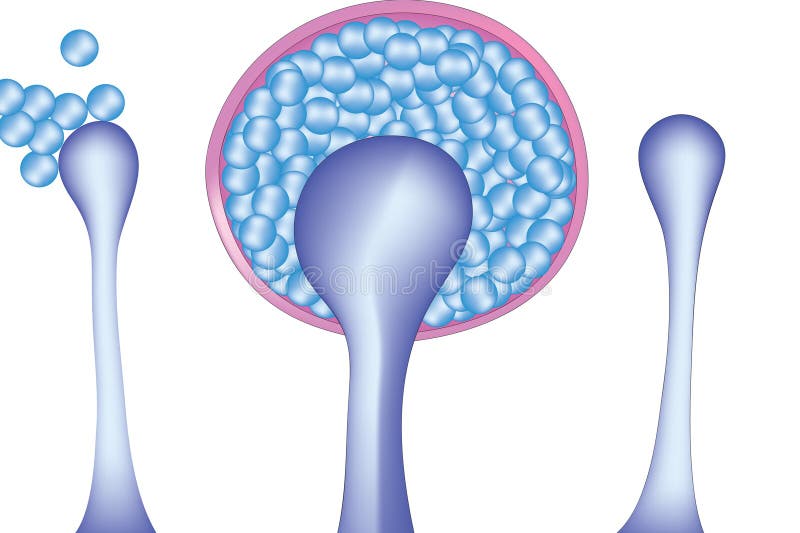
Free with trial Aspergillus is a genus of filamentous fungi (molds) commonly found in various environments worldwide, including soil, decaying organic matter, and indoor environments. While most species of Aspergillus are harmless and play important roles in decomposition and nutrient recycling, some species can cause opportunistic infections in humans, especially in individuals with weakened immune systems. Opportunistic vectors Aspergillus diagram. Aspergillus is a genus of filamentous fungi (molds) commonly found in various environments worldwide, including soil, decaying organic. Aspergillus is a genus of filamentous fungi (molds) commonly found in various environments worldwide, including soil, decaying organic matter, and indoor environments. While most species of Aspergillus are harmless and play important roles in decomposition and nutrient recycling, some species can cause opportunistic infections in humans, especially in individuals with weakened immune systems.
 Sign in