Free with trial This high-resolution biological asset features a juvenile Virginia Opossum (Didelphis virginiana) in both solitary and social "huddle" configurations. The illustration captures the species' unique marsupial anatomy, including the dense, grizzly-grey guard hairs and soft white underfur. Notable features include the white facial mask, dark ears, and the long, pink, prehensile tail used for stability. The pentadactyl paws with opposable hallux on the hind feet are clearly visible, highlighting their climbing proficiency. This professional asset on a transparent background serves as a primary reference for didelphid morphology, marsupial social thermoregulation, and North American wildlife studies. Opposable vectors Juvenile Virginia Opossum, High-Fidelity Didelphis virginiana Illustration, Transparent Background. This high-resolution biological asset features a juvenile. This high-resolution biological asset features a juvenile Virginia Opossum (Didelphis virginiana) in both solitary and social "huddle" configurations. The illustration captures the species' unique marsupial anatomy, including the dense, grizzly-grey guard hairs and soft white underfur. Notable features include the white facial mask, dark ears, and the long, pink, prehensile tail used for stability. The pentadactyl paws with opposable hallux on the hind feet are clearly visible, highlighting their climbing proficiency. This professional asset on a transparent background serves as a primary reference for didelphid morphology, marsupial social thermoregulation, and North American wildlife studies.
Free with trial Philippine tarsier cartoon clipart. Prosimian tarsier vector illustration in flat style. Hand-drawn wild animal. Concept. Opposable vectors Philippine tarsier cartoon clipart. Prosimian tarsier vector illustration in flat style. Hand-drawn wild animal. Concept
Free with trial Bonobo cartoon clipart. Great ape bonobo vector illustration in flat style. Hand-drawn wild animal. Concept. Opposable vectors Bonobo cartoon clipart. Great ape bonobo vector illustration in flat style. Hand-drawn wild animal. Concept
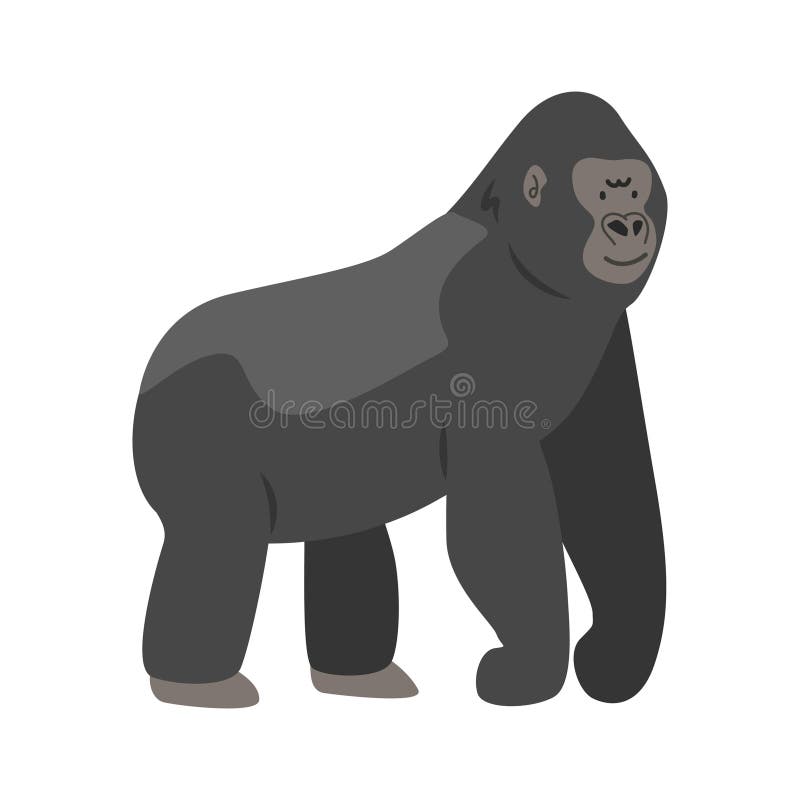
Free with trial Silverback gorilla cartoon clipart. Great ape gorilla vector illustration in flat style. Hand-drawn wild animal. Concept. Opposable vectors Silverback gorilla cartoon clipart. Great ape gorilla vector illustration in flat style. Hand-drawn wild animal. Concept
Free with trial Opposable thumb human evolution doodle icon sketch vector. opposable thumb human evolution sign. isolated symbol illustration. Opposable vectors Opposable thumb human evolution icon doodle illustration. Opposable thumb human evolution doodle icon sketch vector. opposable thumb human evolution sign. opposable thumb human evolution doodle icon sketch vector. opposable thumb human evolution sign. isolated symbol illustration
Free with trial A monkey is presented in a three-quarter view against a transparent background. The primate has brown fur covering its body, with lighter fur on its face, chest, and the insides of its limbs. It has a somewhat expressive face with dark eyes, a flat nose, and visible ears. Its long arms and legs have grasping hands and feet with opposable thumbs and toes, allowing it to grip. A long, curled tail extends behind it, aiding in balance. The monkey is sitting upright, looking towards the left of the frame with a curious or observant expression. Opposable vectors Monkey on Transparent Background. A monkey is presented in a three-quarter view against a transparent background. The primate has brown fur covering its body. A monkey is presented in a three-quarter view against a transparent background. The primate has brown fur covering its body, with lighter fur on its face, chest, and the insides of its limbs. It has a somewhat expressive face with dark eyes, a flat nose, and visible ears. Its long arms and legs have grasping hands and feet with opposable thumbs and toes, allowing it to grip. A long, curled tail extends behind it, aiding in balance. The monkey is sitting upright, looking towards the left of the frame with a curious or observant expression.
Free with trial The image showcases an advanced robotic hand featuring a blend of metallic and golden finishes. The mechanical design includes articulated fingers with visible joints, allowing for precise movement. The thumb is opposable, suggesting functionality akin to a human hand. The intricate detailing and polished surface give it a sleek, futuristic appearance, emphasizing its potential use in automation,. Opposable vectors Advanced robotic hand with intricate mechanical design and futuristic finish. The image showcases an advanced robotic hand featuring a blend of metallic and. The image showcases an advanced robotic hand featuring a blend of metallic and golden finishes. The mechanical design includes articulated fingers with visible joints, allowing for precise movement. The thumb is opposable, suggesting functionality akin to a human hand. The intricate detailing and polished surface give it a sleek, futuristic appearance, emphasizing its potential use in automation,
Free with trial This high-resolution biological asset features a juvenile common chimpanzee (Pan troglodytes) in a grounded, frontal sitting posture. The illustration emphasizes the distinct morphological traits of a young primate, including a large, rounded cranium, prominent ears, and a pale, fleshy face with fine wrinkles around the eyes and mouth. The specimen displays a thick, soft texture of dark-brown primary hair, while the chest and inner limbs show sparser coverage, revealing underlying skin tones. Key anatomical details include the highly dexterous, opposable digits on the hands and feet and the alert, intelligent gaze characteristic of the species. This professional-grade cutout is an ideal resource for primatology education, developmental biology studies, and high-end digital wildlife illustration focusing on Great Ape conservation. Opposable vectors Juvenile Chimpanzee, High-Fidelity Pan troglodytes Asset, Isolated Background. This high-resolution biological asset features a juvenile common chimpanzee (Pan. This high-resolution biological asset features a juvenile common chimpanzee (Pan troglodytes) in a grounded, frontal sitting posture. The illustration emphasizes the distinct morphological traits of a young primate, including a large, rounded cranium, prominent ears, and a pale, fleshy face with fine wrinkles around the eyes and mouth. The specimen displays a thick, soft texture of dark-brown primary hair, while the chest and inner limbs show sparser coverage, revealing underlying skin tones. Key anatomical details include the highly dexterous, opposable digits on the hands and feet and the alert, intelligent gaze characteristic of the species. This professional-grade cutout is an ideal resource for primatology education, developmental biology studies, and high-end digital wildlife illustration focusing on Great Ape conservation.
Free with trial The human thumb is the short, opposable digit of the hand that enables gripping, pinching, and precise manipulation of objects. Opposable vectors Illustration of human thumb. The human thumb is the short, opposable digit of the hand that enables gripping, pinching, and precise manipulation of objects. the human thumb is the short, opposable digit of the hand that enables gripping, pinching, and precise manipulation of objects.
Free with trial The human thumb is the opposable digit of the hand that enables gripping, pinching, and precise manipulation of objects. Opposable vectors Illustration of human thumb. The human thumb is the opposable digit of the hand that enables gripping, pinching, and precise manipulation of objects. the human thumb is the opposable digit of the hand that enables gripping, pinching, and precise manipulation of objects.
Free with trial The image shows a detailed and intricate robotic prosthetic hand designed with a high level of mechanical precision. The hand features articulated fingers, each equipped with joints that allow for a range of movements, resembling the dexterity of a human hand. The structure appears to be made of metallic materials, indicating a durable and possibly lightweight design. The thumb is positioned. Opposable vectors A futuristic robotic prosthetic hand with advanced mechanical fingers and joints isolated on transparent background. The image shows a detailed and intricate. The image shows a detailed and intricate robotic prosthetic hand designed with a high level of mechanical precision. The hand features articulated fingers, each equipped with joints that allow for a range of movements, resembling the dexterity of a human hand. The structure appears to be made of metallic materials, indicating a durable and possibly lightweight design. The thumb is positioned
Free with trial This high-resolution biological asset features a mature female Rhesus macaque (Macaca mulatta) in a symmetrical, frontal seated posture. The illustration provides a clear anatomical view of the species' robust build and the characteristic "rhesus" coloration, consisting of brown-to-greyish pelage that becomes more golden-orange toward the hindquarters and tail. Anatomical markers include the prominent brow ridges, large forward-facing eyes for binocular vision, and the distinct pinkish-red facial skin often associated with reproductive status in adult females. The specimen's pentadactyl hands and feet, featuring flattened nails and opposable thumbs, are clearly visible, highlighting the manual dexterity of the Cercopithecidae family. This professional-grade cutout is ideal for primatology research, zoological education, and comparative anatomy presentations. Opposable vectors Adult Female Rhesus Macaque Seated, High-Fidelity Macaca mulatta Illustration, Transparent Background. This high-resolution biological asset features a mature. This high-resolution biological asset features a mature female Rhesus macaque (Macaca mulatta) in a symmetrical, frontal seated posture. The illustration provides a clear anatomical view of the species' robust build and the characteristic "rhesus" coloration, consisting of brown-to-greyish pelage that becomes more golden-orange toward the hindquarters and tail. Anatomical markers include the prominent brow ridges, large forward-facing eyes for binocular vision, and the distinct pinkish-red facial skin often associated with reproductive status in adult females. The specimen's pentadactyl hands and feet, featuring flattened nails and opposable thumbs, are clearly visible, highlighting the manual dexterity of the Cercopithecidae family. This professional-grade cutout is ideal for primatology research, zoological education, and comparative anatomy presentations.
Free with trial This high-resolution biological asset features a tight-knit troop of Common Chimpanzees (Pan troglodytes), depicting a mix of adults and juveniles in a characteristic social huddle. The illustration highlights critical primate morphological traits, including the highly mobile, opposable digits on both hands and feet, prominent supraorbital ridges, and large, expressive ears. The composition emphasizes the texture of the coarse, dark terminal hair covering the bodies, contrasted with the pale, fleshy skin of the faces and palms. Deeply rendered details showcase the complex social behavior of grooming and tactile bonding within the group. This professional-grade cutout is an ideal resource for primatology research, evolutionary biology education, and high-end digital wildlife or anthropological illustration. Opposable vectors Social Chimpanzee Troop, High-Fidelity Pan troglodytes Asset, Isolated Background. This high-resolution biological asset features a tight-knit troop of Common. This high-resolution biological asset features a tight-knit troop of Common Chimpanzees (Pan troglodytes), depicting a mix of adults and juveniles in a characteristic social huddle. The illustration highlights critical primate morphological traits, including the highly mobile, opposable digits on both hands and feet, prominent supraorbital ridges, and large, expressive ears. The composition emphasizes the texture of the coarse, dark terminal hair covering the bodies, contrasted with the pale, fleshy skin of the faces and palms. Deeply rendered details showcase the complex social behavior of grooming and tactile bonding within the group. This professional-grade cutout is an ideal resource for primatology research, evolutionary biology education, and high-end digital wildlife or anthropological illustration.
Free with trial This high-resolution biological asset features an infant Bornean Orangutan (Pongo pygmaeus) in a seated, meditative posture with hands clasped. The illustration showcases the species' characteristic shaggy, vibrant orange-red pelage and high forehead. Key anatomical features include the expressive, dark orbital regions set within a pale, fleshy face, and a broad, flat nasal bridge. The infant's dextrous hands and feet are visible, highlighting the long, curved fingers and opposable hallux (big toe) adapted for a specialized arboreal lifestyle. The fine, wispy hair on the cranium indicates the early developmental stage of the primate. This professional asset on a transparent background serves as a primary reference for hominid ontogeny, primate morphology, and Southeast Asian rainforest conservation studies. Opposable vectors Infant Bornean Orangutan, High-Fidelity Pongo pygmaeus Illustration, Transparent Background. This high-resolution biological asset features an infant Bornean. This high-resolution biological asset features an infant Bornean Orangutan (Pongo pygmaeus) in a seated, meditative posture with hands clasped. The illustration showcases the species' characteristic shaggy, vibrant orange-red pelage and high forehead. Key anatomical features include the expressive, dark orbital regions set within a pale, fleshy face, and a broad, flat nasal bridge. The infant's dextrous hands and feet are visible, highlighting the long, curved fingers and opposable hallux (big toe) adapted for a specialized arboreal lifestyle. The fine, wispy hair on the cranium indicates the early developmental stage of the primate. This professional asset on a transparent background serves as a primary reference for hominid ontogeny, primate morphology, and Southeast Asian rainforest conservation studies.
Free with trial This high-resolution biological asset features a mature Common Chimpanzee (Pan troglodytes) in a naturalistic, knuckle-walking quadrupedal stance. The illustration meticulously renders the species' characteristic dense, coarse black fur (pelage), showcasing realistic highlights and shadows across the muscular shoulders and limbs. Exceptional attention is paid to the anatomical accuracy of the expressive, deeply wrinkled face, the prominent brow ridge, and the small, rounded ears. The asset provides a sharp view of the large, powerful hands and feet, specifically highlighting the elongated fingers and opposable thumbs used for complex manipulation. This professional-grade cutout is an essential resource for primatology research, African rainforest ecosystem modeling, and high-end digital zoological illustration. Opposable vectors Common Chimpanzee, High-Fidelity Pan troglodytes Asset, Transparent Background. This high-resolution biological asset features a mature Common Chimpanzee (Pan. This high-resolution biological asset features a mature Common Chimpanzee (Pan troglodytes) in a naturalistic, knuckle-walking quadrupedal stance. The illustration meticulously renders the species' characteristic dense, coarse black fur (pelage), showcasing realistic highlights and shadows across the muscular shoulders and limbs. Exceptional attention is paid to the anatomical accuracy of the expressive, deeply wrinkled face, the prominent brow ridge, and the small, rounded ears. The asset provides a sharp view of the large, powerful hands and feet, specifically highlighting the elongated fingers and opposable thumbs used for complex manipulation. This professional-grade cutout is an essential resource for primatology research, African rainforest ecosystem modeling, and high-end digital zoological illustration.
Free with trial Ring-tailed lemur cartoon clipart. Prosimian lemur vector illustration in flat style. Hand-drawn wild animal. Concept. Opposable vectors Ring-tailed lemur cartoon clipart. Prosimian lemur vector illustration in flat style. Hand-drawn wild animal. Concept
Free with trial Howler monkey cartoon clipart. Brown howler vector illustration in flat style. New World monkey. Hand-drawn wild animal. Concept. Opposable vectors Howler monkey cartoon clipart. Brown howler vector illustration in flat style. New World monkey. Hand-drawn wild animal. Concept
Free with trial Common woolly monkey cartoon clipart. Woolly monkey vector illustration in flat style. New World monkey. Hand-drawn wild animal. Concept. Opposable vectors Common woolly monkey cartoon clipart. Woolly monkey vector illustration in flat style. New World monkey. Hand-drawn wild animal. Concept
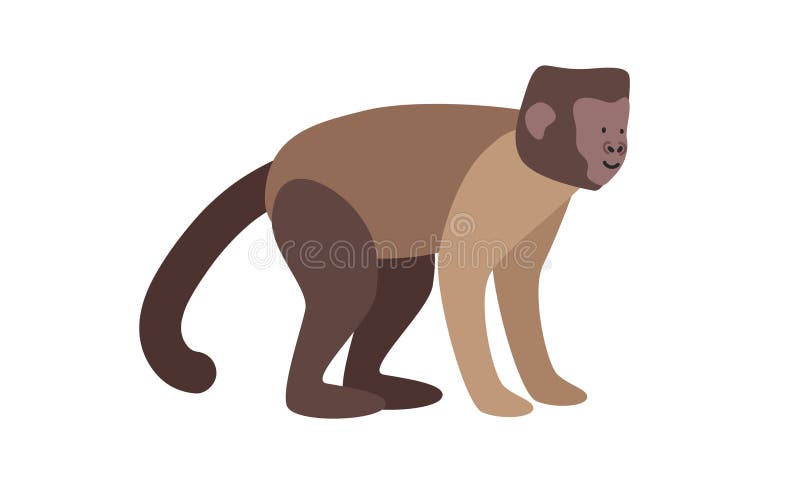
Free with trial Tufted capuchin cartoon clipart. Brown capuchin or black-capped capuchin vector illustration in flat style. New World monkey. Hand-drawn wild animal concept. Opposable vectors Tufted capuchin cartoon clipart. Brown capuchin or black-capped capuchin vector illustration in flat style. New World monkey. Hand-drawn wild animal concept
Free with trial This high-resolution biological asset features a solitary infant Rhesus macaque (Macaca mulatta) in a compact, seated posture. The illustration captures the early developmental characteristics of this widely studied primate, emphasizing the oversized, expressive dark eyes and the large, translucent pinnae (ears) used for social and environmental monitoring. The specimen is covered in soft, dense natal fur with a warm golden-brown hue, contrasting with the pale, flesh-colored skin of the face, hands, and feet. Anatomical focus is placed on the infant's grasping reflex, visible in the positioning of the dexterous fingers and opposable hallux (big toe) on the hind limbs. This professional-grade cutout is an essential resource for developmental primatology, pediatric animal behavior studies, and educational materials regarding the life cycle of Cercopithecidae. Opposable vectors Solitary Infant Rhesus Macaque, High-Fidelity Macaca mulatta Illustration, Transparent Background. This high-resolution biological asset features a solitary. This high-resolution biological asset features a solitary infant Rhesus macaque (Macaca mulatta) in a compact, seated posture. The illustration captures the early developmental characteristics of this widely studied primate, emphasizing the oversized, expressive dark eyes and the large, translucent pinnae (ears) used for social and environmental monitoring. The specimen is covered in soft, dense natal fur with a warm golden-brown hue, contrasting with the pale, flesh-colored skin of the face, hands, and feet. Anatomical focus is placed on the infant's grasping reflex, visible in the positioning of the dexterous fingers and opposable hallux (big toe) on the hind limbs. This professional-grade cutout is an essential resource for developmental primatology, pediatric animal behavior studies, and educational materials regarding the life cycle of Cercopithecidae.
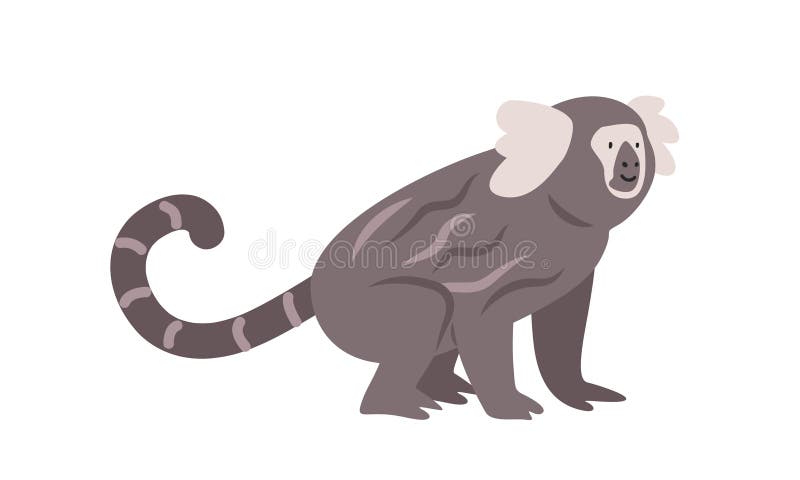
Free with trial Common marmoset cartoon clipart. White-tufted marmoset vector illustration in flat style. New World monkey. Hand-drawn wild animal. Concept. Opposable vectors Common marmoset cartoon clipart. White-tufted marmoset vector illustration in flat style. New World monkey. Hand-drawn wild animal. Concept
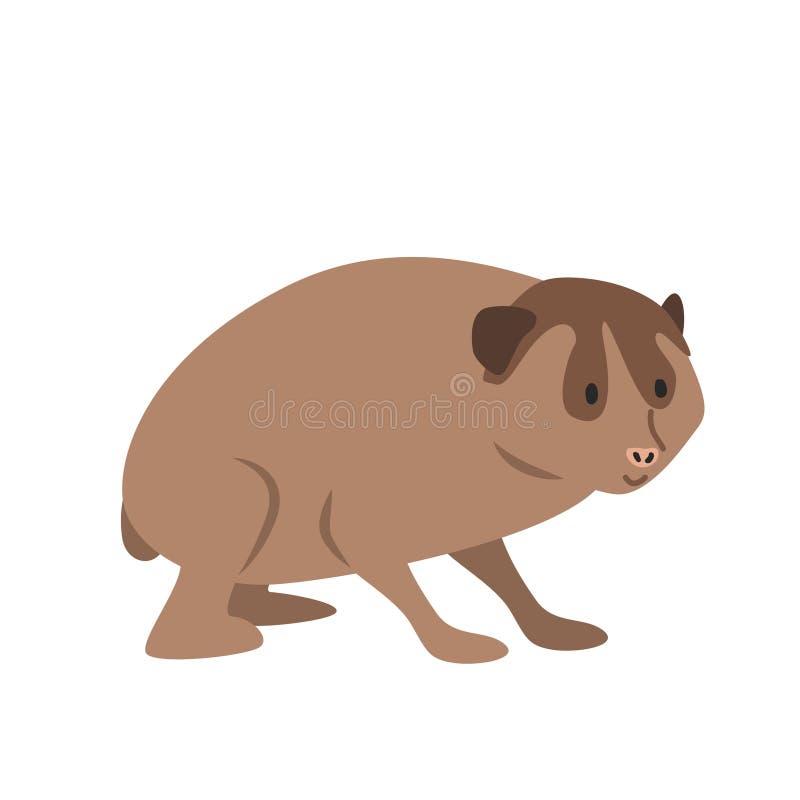
Free with trial Slow loris cartoon clipart. Prosimian loris vector illustration in flat style. Hand-drawn wild animal. Concept. Opposable vectors Slow loris cartoon clipart. Prosimian loris vector illustration in flat style. Hand-drawn wild animal. Concept
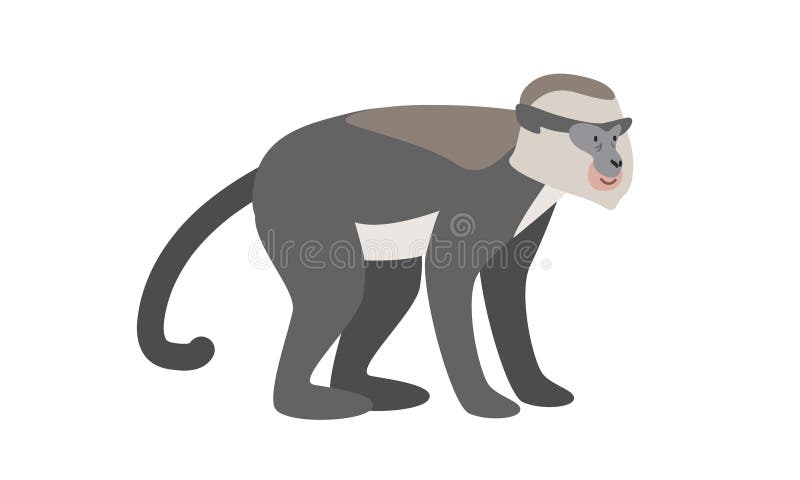
Free with trial Mona monkey cartoon clipart. Mona monkey vector illustration in flat style. Old World monkey. Hand-drawn wild animal. Concept. Opposable vectors Mona monkey cartoon clipart. Mona monkey vector illustration in flat style. Old World monkey. Hand-drawn wild animal. Concept
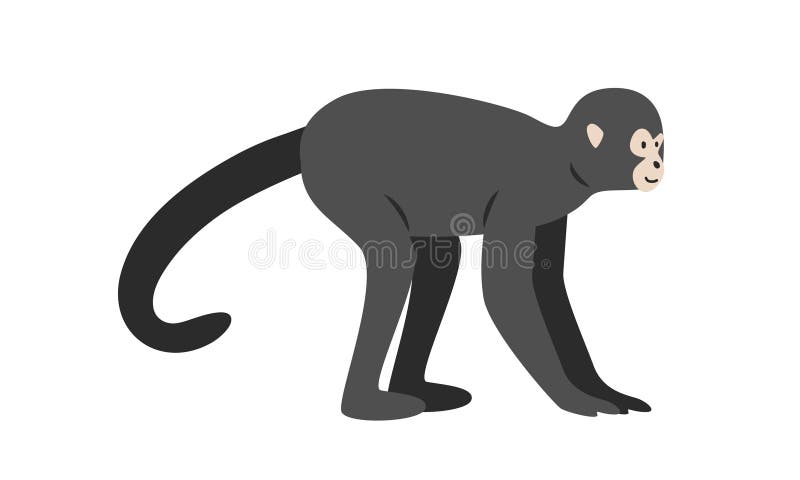
Free with trial Spider monkey cartoon clipart. Spider monkey vector illustration in flat style. New World monkey. Hand-drawn wild animal. Concept. Opposable vectors Spider monkey cartoon clipart. Spider monkey vector illustration in flat style. New World monkey. Hand-drawn wild animal. Concept
Free with trial Black and white colobus monkey cartoon clipart. Colobus guereza or mantled guereza or vector illustration in flat style. Old World monkey. Hand-drawn wild animal concept. Opposable vectors Black and white colobus monkey cartoon clipart. Colobus guereza or mantled guereza or vector illustration in flat style. Old World monkey. Hand-drawn wild
Free with trial Bornean orangutan cartoon clipart. Great ape orangutan vector illustration in flat style. Hand-drawn wild animal. Concept. Opposable vectors Bornean orangutan cartoon clipart. Great ape orangutan vector illustration in flat style. Hand-drawn wild animal. Concept
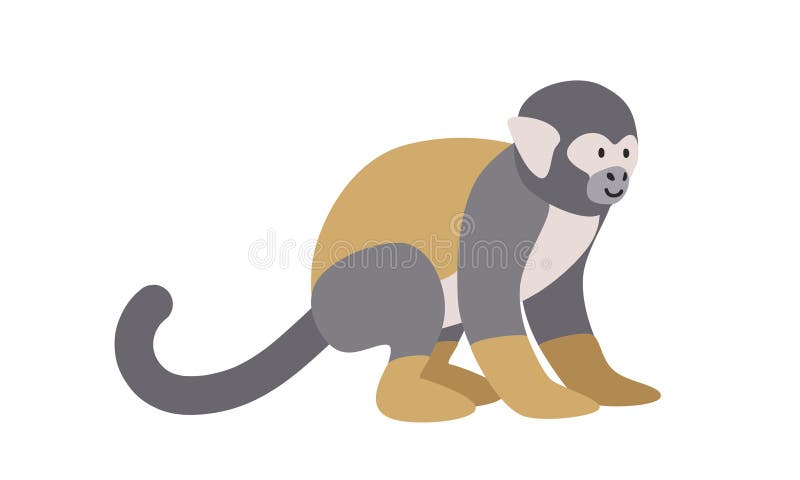
Free with trial Common squirrel monkey cartoon clipart. Squirrel monkey vector illustration in flat style. New World monkey. Hand-drawn wild animal concept. Opposable vectors Common squirrel monkey cartoon clipart. Squirrel monkey vector illustration in flat style. New World monkey. Hand-drawn animal. Common squirrel monkey cartoon. Common squirrel monkey cartoon clipart. Squirrel monkey vector illustration in flat style. New World monkey. Hand-drawn wild animal concept
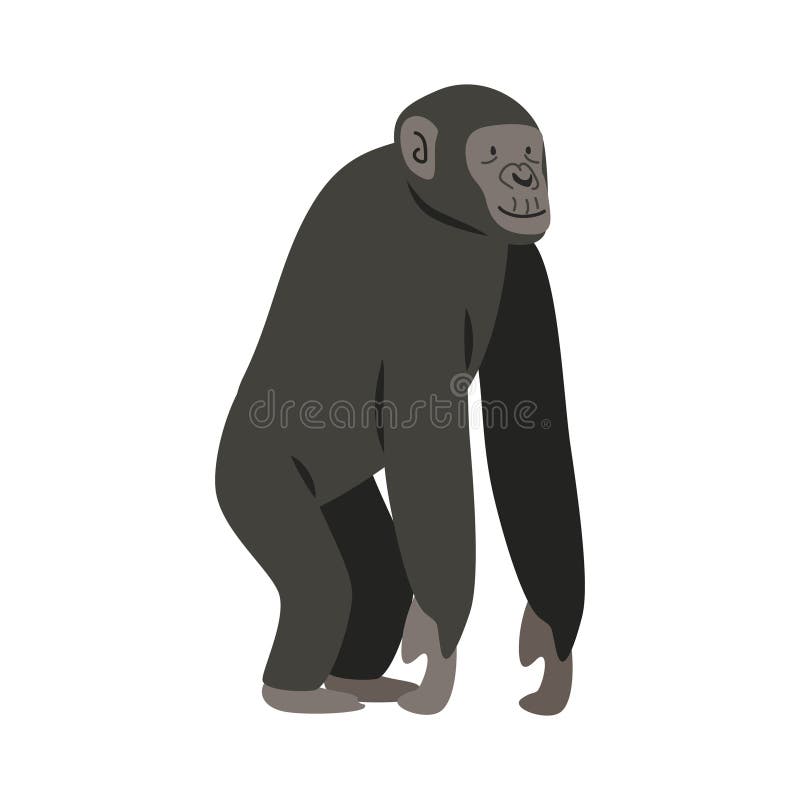
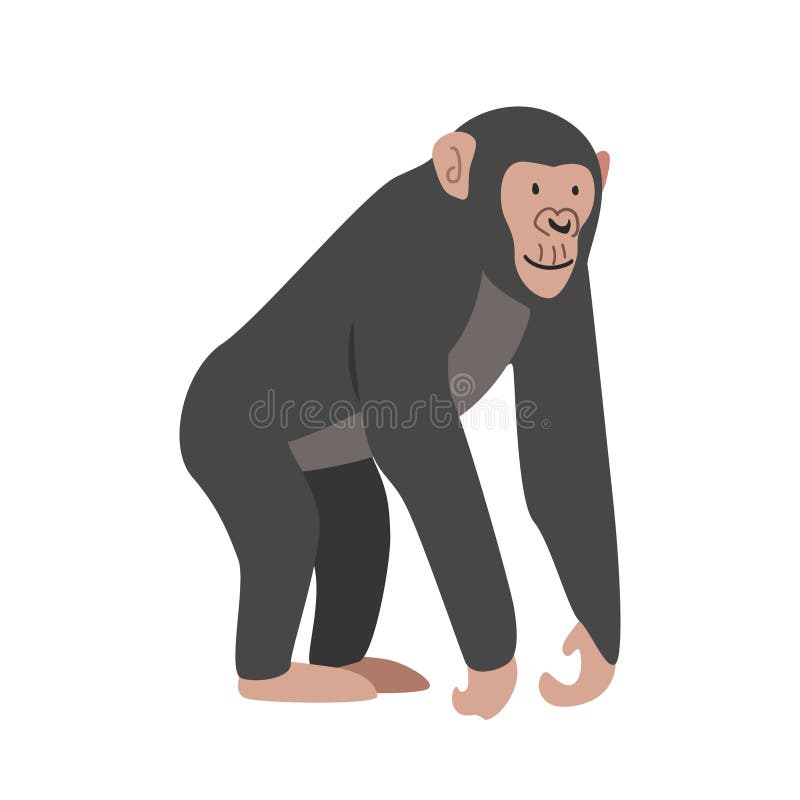
Free with trial Chimpanzee cartoon clipart. Great ape chimpanzee or chimp vector illustration in flat style. Hand-drawn wild animal. Concept. Opposable vectors Chimpanzee cartoon clipart. Great ape chimpanzee or chimp vector illustration in flat style. Hand-drawn wild animal. Concept
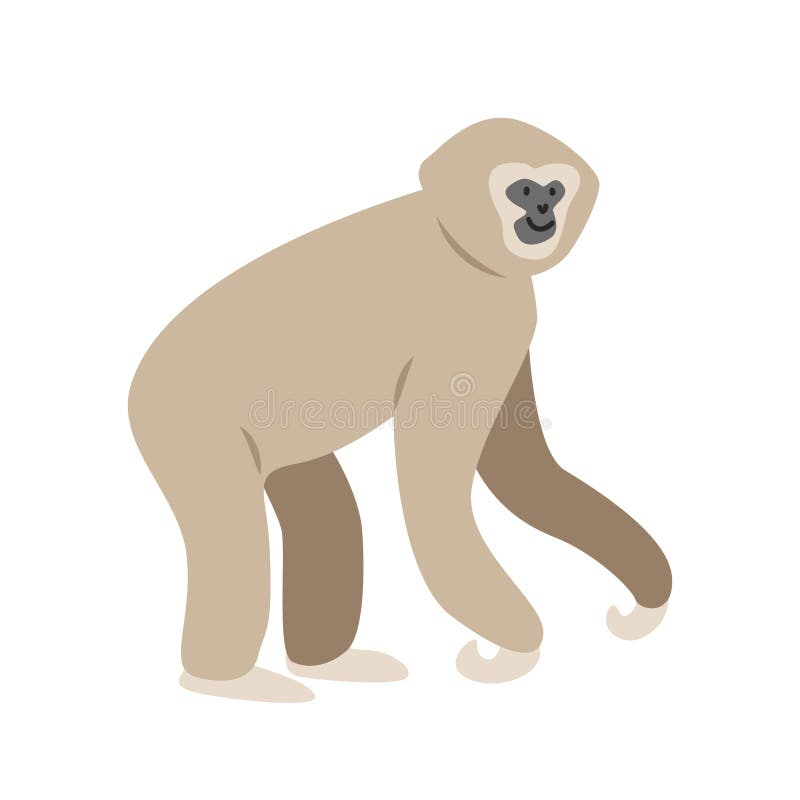
Free with trial Lar gibbon cartoon clipart. Great ape white-handed gibbon vector illustration in flat style. Hand-drawn wild animal. Concept. Opposable vectors Lar gibbon cartoon clipart. Great ape white-handed gibbon vector illustration in flat style. Hand-drawn wild animal. Concept
Free with trial Colombian night monkey cartoon clipart. Owl monkey vector illustration in flat style. New World monkey. Hand-drawn wild animal. Concept. Opposable vectors Colombian night monkey cartoon clipart. Owl monkey vector illustration in flat style. New World monkey. Hand-drawn wild animal. Concept
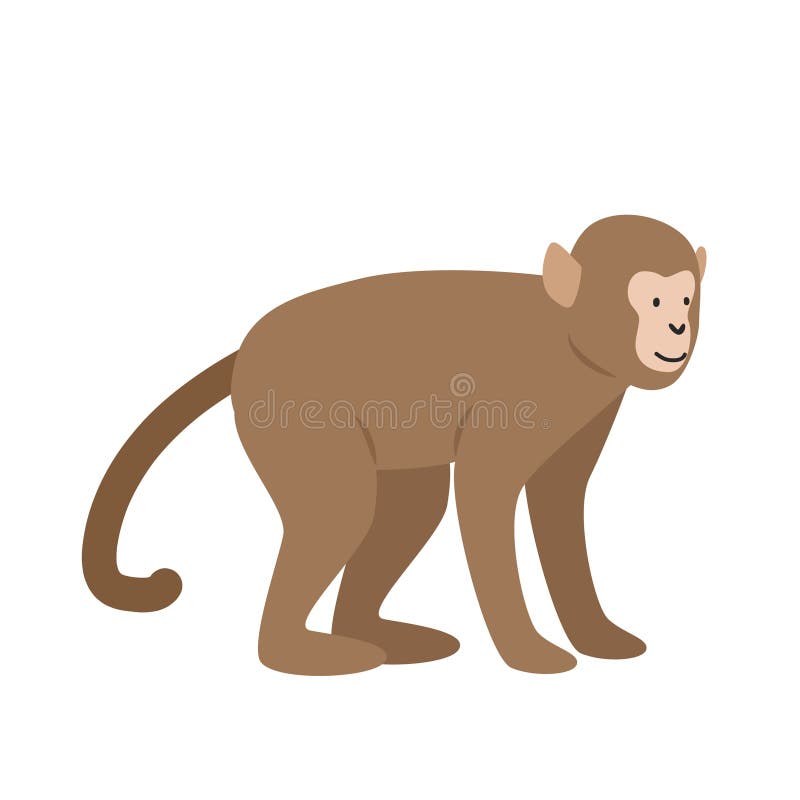
Free with trial Cute Indochinese rhesus macaque monkey cartoon clipart. Monkey vector illustration in flat style. Old World monkey. Hand-drawn wild animal concept. Opposable vectors Cute Indochinese rhesus macaque monkey cartoon clipart. Monkey vector illustration in flat style. Old World monkey. Hand-drawn wild animal concept
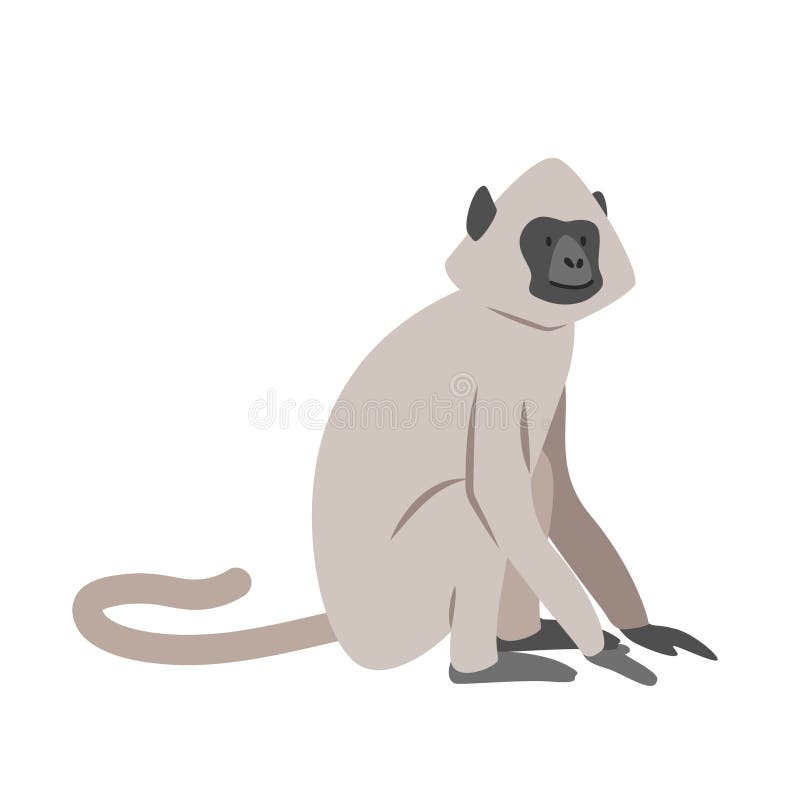
Free with trial Gray langur cartoon clipart. Sacred langur or white-handed langur vector illustration in flat style. Old World monkey. Hand-drawn wild animal concept. Opposable vectors Gray langur cartoon clipart. Sacred langur or white-handed langur vector illustration in flat style. Old World monkey. Hand-drawn wild animal concept
Free with trial Sooty mangabey cartoon clipart. Mangabey vector illustration in flat style. Old World monkey. Hand-drawn wild animal. Concept. Opposable vectors Sooty mangabey cartoon clipart. Mangabey vector illustration in flat style. Old World monkey. Hand-drawn wild animal. Concept
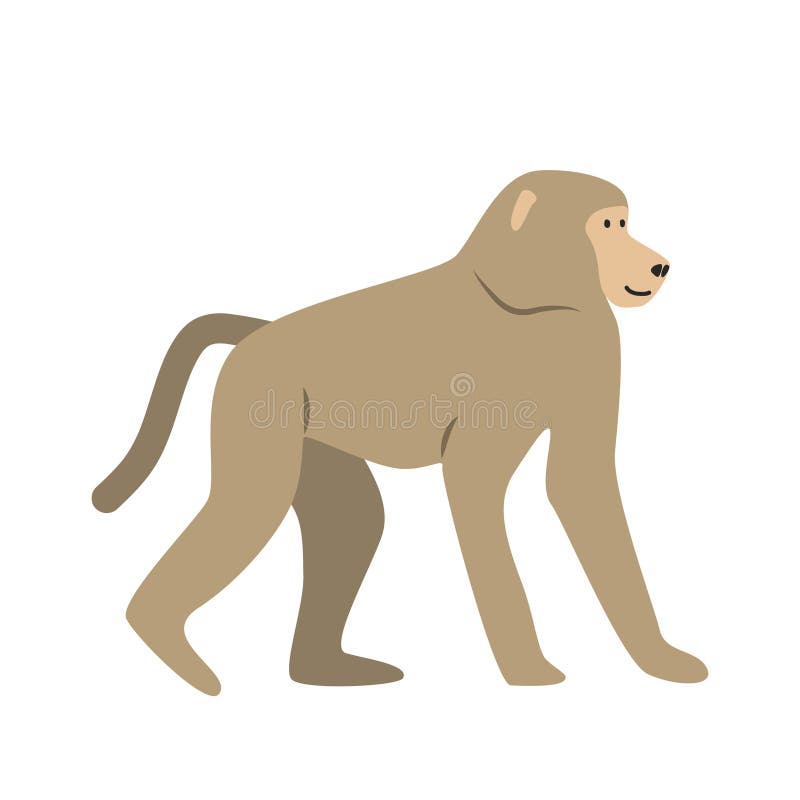
Free with trial Olive baboon cartoon clipart. Yellow baboon vector illustration in flat style. Old World monkey. Hand-drawn wild animal. Concept. Opposable vectors Olive baboon cartoon clipart. Yellow baboon vector illustration in flat style. Old World monkey. Hand-drawn wild animal. Concept
Free with trial Opposable thumb human evolution isometric icon vector. opposable thumb human evolution sign. isolated symbol illustration. Opposable vectors Opposable thumb human evolution isometric icon vector illustration. Opposable thumb human evolution isometric icon vector. opposable thumb human evolution sign. opposable thumb human evolution isometric icon vector. opposable thumb human evolution sign. isolated symbol illustration
Free with trial Opposable thumb human evolution glyph icon vector. opposable thumb human evolution sign. isolated symbol illustration. Opposable vectors Opposable thumb human evolution glyph icon vector illustration. Opposable thumb human evolution glyph icon vector. opposable thumb human evolution sign. isolated. opposable thumb human evolution glyph icon vector. opposable thumb human evolution sign. isolated symbol illustration
Free with trial Opposable thumb human evolution color icon vector. opposable thumb human evolution sign. isolated symbol illustration. Opposable vectors Opposable thumb human evolution color icon vector illustration. Opposable thumb human evolution color icon vector. opposable thumb human evolution sign. isolated. opposable thumb human evolution color icon vector. opposable thumb human evolution sign. isolated symbol illustration
Free with trial 4 different views of Terminal part of the forearm with a tactile and prehensile function and a thumb opposable to the other fingers. The skeleton of the hand has 27 bones. created in black and white only with white isolated background and with four views which are front, side, top, and perspective views. Opposable vectors 4 different views of forearm in black and white. 4 different views of Terminal part of the forearm with a tactile and prehensile function and a thumb opposable. 4 different views of Terminal part of the forearm with a tactile and prehensile function and a thumb opposable to the other fingers. The skeleton of the hand has 27 bones. created in black and white only with white isolated background and with four views which are front, side, top, and perspective views
 Sign in