Free with trial Anatomy of a bean seed. vector diagram. Radicle vectors Anatomy of a bean seed. Vector diagram
Free with trial Seed germination cross section vector illustration in stages. Hypogeal and epigeal types. Plant gardening information. Radicle vectors Seed germination cross section vector illustration in stages. Hypogeal and epigeal types. Plant gardening information
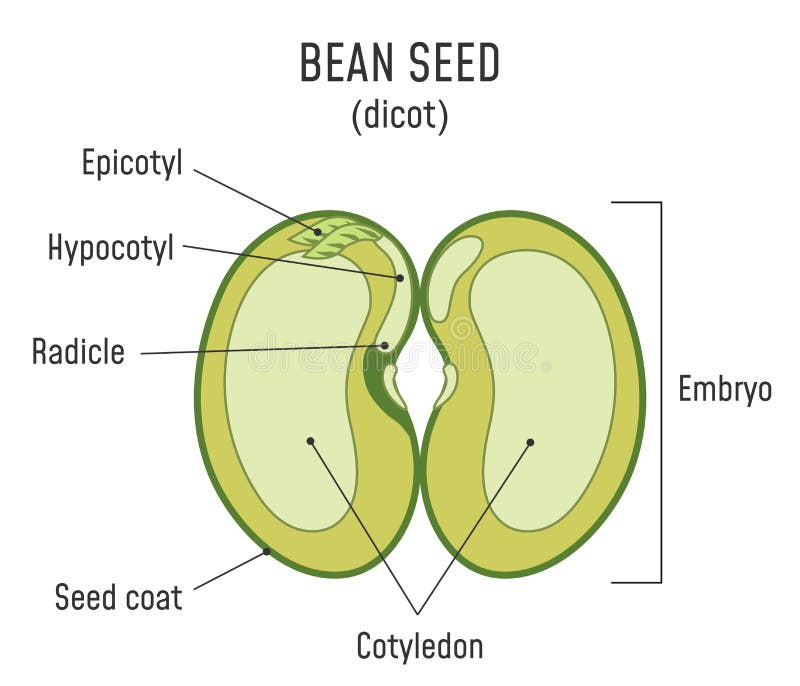
Free with trial Bean Seed Structure. Anatomy of grain. Dicot seed diagram. Radicle vectors Bean Seed Structure Dicot. Bean Seed Structure. Anatomy of grain. Dicot seed diagram. Bean Seed Structure. Anatomy of grain. Dicot seed diagram.
Free with trial Seed anatomy vector illustration. Labeled educational botany structure scheme with bean and corn reproductive parts. Closeup model description with hilum, epicotyl, hypocotyl, radicle and endosperm. Radicle vectors Seed anatomy vector illustration. Labeled educational botany structure scheme. With bean and corn reproductive parts. Closeup model description with hilum. Seed anatomy vector illustration. Labeled educational botany structure scheme with bean and corn reproductive parts. Closeup model description with hilum, epicotyl, hypocotyl, radicle and endosperm.
Free with trial Kidney bean plant growth phases. Evolution from seed to sapling. Set of isolated outline vector drawings on white background. Agriculture and organic food concept illustration. Radicle vectors Kidney bean plant growth phases. Evolution from seed to sapling. Set of isolated outline vector drawings on white background. Agriculture and organic food
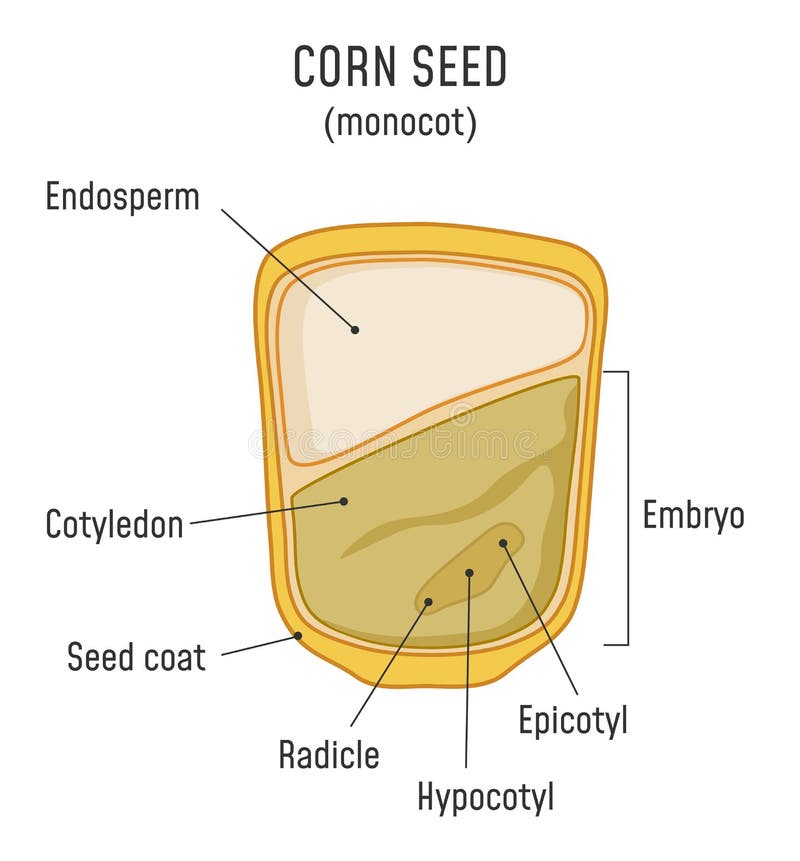
Free with trial Corn Seed Structure. Anatomy of grain. Monocot seed diagram. Radicle vectors Corn Seed Structure Monocot. Corn Seed Structure. Anatomy of grain. Monocot seed diagram. Corn Seed Structure. Anatomy of grain. Monocot seed diagram.
Free with trial Seed of plant. Growth of plant and vector design. Radicle vectors Seed of plant. Growth of plant and vector design
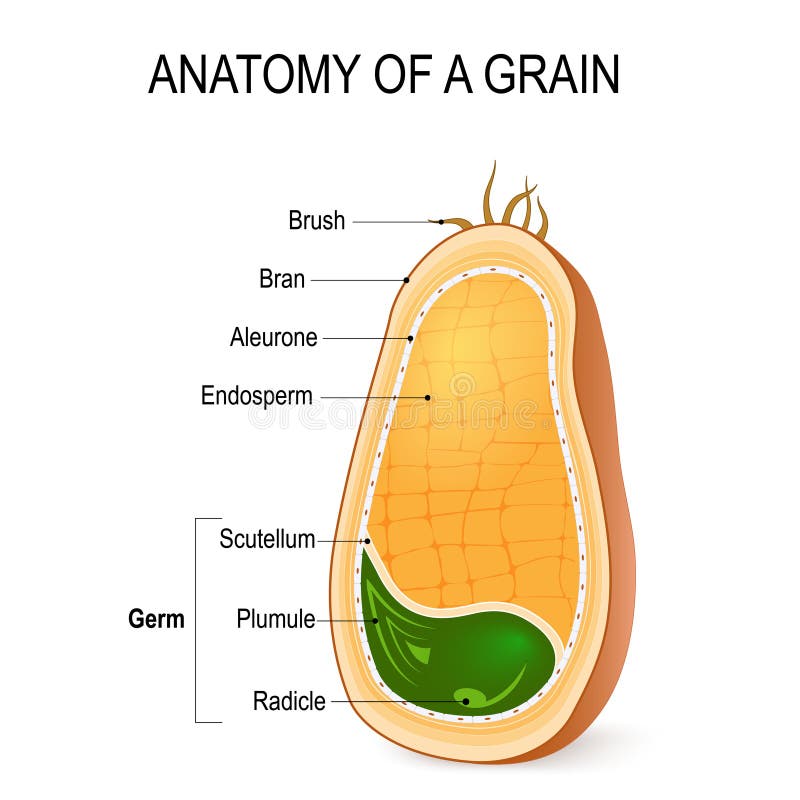
Free with trial Anatomy of a grain. cross section. inside the seed. parts of whole grain: endosperm, bran with aleurone layer, germ radicle, plumule, scutellum hairs of brush. Radicle vectors Anatomy of a grain. inside the seed. Anatomy of a grain. cross section. inside the seed. parts of whole grain: endosperm, bran with aleurone layer, germ radicle. Anatomy of a grain. cross section. inside the seed. parts of whole grain: endosperm, bran with aleurone layer, germ radicle, plumule, scutellum hairs of brush.
Free with trial Seed germination is a process by which a seed embryo develops into a seedling. It involves the reactivation of the metabolic pathways that lead to growth and the emergence of the radicle or seed root and plumule or shoot. Education info graphic. Radicle vectors Life of a bean plant. Education info graphic. Seed germination is a process by which a seed embryo develops into a seedling. It involves the reactivation of the. Seed germination is a process by which a seed embryo develops into a seedling. It involves the reactivation of the metabolic pathways that lead to growth and the emergence of the radicle or seed root and plumule or shoot. Education info graphic.
Free with trial Germination is the process by which a plant grows from a seed. The most common example of germination is the sprouting of a seedling from a seed of an angiosperm or gymnosperm. Education info graphic. Radicle vectors Germination of seed. Education info graphic. Germination is the process by which a plant grows from a seed. The most common example of germination is the. Germination is the process by which a plant grows from a seed. The most common example of germination is the sprouting of a seedling from a seed of an angiosperm or gymnosperm. Education info graphic.
Free with trial Seed of plant. Growth of plant and vector design. Radicle vectors Seed of plant. Growth of plant and vector design
Free with trial Diagram of a dicotyledon seed. Diagram. Radicle vectors Diagram of a dicotyledon seed. Diagram
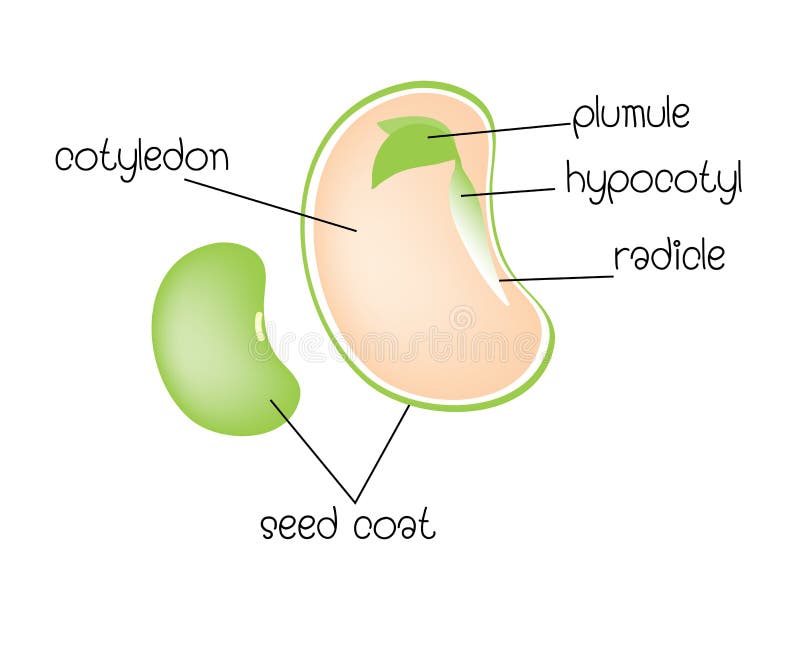
Free with trial Seed anatomy scheme, Dicotyledon. Bean, seed coat, plumule, hypocotyl, radicle, cotyledon. Design element for education, for botany school lesson, stock vector illustration. Radicle vectors Seed anatomy scheme, Dicotyledon. Bean, seed coat, plumule, hypocotyl, radicle, cotyledon. Design element for education, for botany school lesson, stock vector
Free with trial Seed germination stages depict hypogeal and epigeal growth in soil, from seed to seedling with roots and cotyledons, key objects, seed, root, cotyledon. Radicle vectors Seed germination stages depict hypogeal and epigeal growth in soil, ... Seed germination stages depict hypogeal and epigeal growth in soil, from seed to. Seed germination stages depict hypogeal and epigeal growth in soil, from seed to seedling with roots and cotyledons, key objects, seed, root, cotyledon.
Free with trial Dicot Leaves. Monocot and Dicot Leaves cartoon. Radicle vectors Dicot Leaves. Monocot and Dicot Leaves cartoon
Free with trial Dicotyledon vs monocotyledon. Cartoon vector. Radicle vectors Dicotyledon vs monocotyledon. Cartoon vector
Free with trial Monocot Leaves diagram. Monocot and Dicot Leaves diagram. Radicle vectors Monocot Leaves diagram. Monocot and Dicot Leaves diagram
Free with trial Seed germination is a process by which a seed embryo develops into a seedling. It involves the reactivation of the metabolic pathways that lead to growth and the emergence of the radicle or seed root and plumule or shoot. Radicle vectors Life of a bean plant. Education info graphic. Seed germination is a process by which a seed embryo develops into a seedling. It involves the reactivation of the. Seed germination is a process by which a seed embryo develops into a seedling. It involves the reactivation of the metabolic pathways that lead to growth and the emergence of the radicle or seed root and plumule or shoot.
Free with trial Diagram of a monocotyledon seed. Vector. Radicle vectors Diagram of a monocotyledon seed. Vector
Free with trial Seed of plant. Growth of plant and vector design. Radicle vectors Seed of plant. Growth of plant and vector design
Free with trial Parts of the Seed. The Anatomy of a Bean Seed. Radicle vectors Parts of the Seed. The Anatomy of a Bean Seed. Parts of the Seed
Free with trial Seed plant vector design. The vector design vector design. Radicle vectors Seed plant vector design. The vector design vector design
Free with trial Vegetables. Preview variety of vegetables and root crops in the form of color on the sheet. Radicle vectors Vegetables. Preview variety of vegetables and root crops in the form of color on the sheet
Free with trial A cereal grain, also known as a caryopsis, has a unique structure consisting of three main parts: the endosperm, germ, and bran. The endosperm is the largest part and provides carbohydrates and proteins for the developing plant embryo. The germ is the embryo itself, containing essential oils, vitamins, and minerals. Lastly, the bran is the outer layer that protects the grain and is rich in fiber and nutrients. Radicle vectors Structure of a Cereal Grain (caryopsis). Diagram labelled. A cereal grain, also known as a caryopsis, has a unique structure consisting of three main parts: the. A cereal grain, also known as a caryopsis, has a unique structure consisting of three main parts: the endosperm, germ, and bran. The endosperm is the largest part and provides carbohydrates and proteins for the developing plant embryo. The germ is the embryo itself, containing essential oils, vitamins, and minerals. Lastly, the bran is the outer layer that protects the grain and is rich in fiber and nutrients.
Free with trial The structure of a bean seed consists of two main parts: the outer seed coat and the embryonic plant inside. The seed coat acts as a protective layer, while the embryonic plant contains the future roots, stem, and leaves of the bean plant. Radicle vectors Structure of a Bean Seed. Diagram labelled. The structure of a bean seed consists of two main parts: the outer seed coat and the embryonic plant inside. The. The structure of a bean seed consists of two main parts: the outer seed coat and the embryonic plant inside. The seed coat acts as a protective layer, while the embryonic plant contains the future roots, stem, and leaves of the bean plant.
Free with trial The structure of a bean seed consists of two main parts: the outer seed coat and the embryonic plant inside. The seed coat acts as a protective layer, while the embryonic plant contains the future roots, stem, and leaves of the bean plant. Radicle vectors Structure of a Bean Seed. Diagram unlabelled. The structure of a bean seed consists of two main parts: the outer seed coat and the embryonic plant inside. The. The structure of a bean seed consists of two main parts: the outer seed coat and the embryonic plant inside. The seed coat acts as a protective layer, while the embryonic plant contains the future roots, stem, and leaves of the bean plant.
Free with trial Monocotyledons have one seed leaf, parallel veins, and fibrous roots, while dicotyledons have two seed leaves, branching veins, and a taproot system. Radicle vectors Monocotyledon vs. Dicotyledon Key Differences in Seed Leaves, Veins, and Root Systems. Monocotyledons have one seed leaf, parallel veins, and fibrous roots. Monocotyledons have one seed leaf, parallel veins, and fibrous roots, while dicotyledons have two seed leaves, branching veins, and a taproot system
Free with trial Monocotyledonous plants, also known as monocots, have seeds that contain a single cotyledon or embryonic leaf. Examples of monocots include grasses, lilies, and orchids. On the other hand, dicotyledonous plants, or dicots, have seeds with two cotyledons, such as roses, sunflowers, and oak trees. These cotyledons provide nutrients to the developing embryo until it can photosynthesize on its own. Radicle vectors Dicot seed and Monocot seed: similarities and differences. Monocotyledonous plants, also known as monocots, have seeds that contain a single cotyledon or. Monocotyledonous plants, also known as monocots, have seeds that contain a single cotyledon or embryonic leaf. Examples of monocots include grasses, lilies, and orchids. On the other hand, dicotyledonous plants, or dicots, have seeds with two cotyledons, such as roses, sunflowers, and oak trees. These cotyledons provide nutrients to the developing embryo until it can photosynthesize on its own.
Free with trial Monocotyledon and dicotyledon seeds are two types of flowering plant seeds, with monocots having one seed leaf and dicots having two. dicotyledon vs monocotyledon vector illustration. Radicle vectors Monocotyledon and dicotyledon seeds, monocots having one seed leaf and dicots having two leaf. Monocotyledon and dicotyledon seeds are two types of flowering. Monocotyledon and dicotyledon seeds are two types of flowering plant seeds, with monocots having one seed leaf and dicots having two. dicotyledon vs monocotyledon vector illustration
Free with trial A cereal grain, also known as a caryopsis, has a unique structure consisting of three main parts: the endosperm, germ, and bran. The endosperm is the largest part and provides carbohydrates and proteins for the developing plant embryo. The germ is the embryo itself, containing essential oils, vitamins, and minerals. Lastly, the bran is the outer layer that protects the grain and is rich in fiber and nutrients. Radicle vectors Structure of a Cereal Grain (caryopsis). A cereal grain, also known as a caryopsis, has a unique structure consisting of three main parts: the endosperm, germ. A cereal grain, also known as a caryopsis, has a unique structure consisting of three main parts: the endosperm, germ, and bran. The endosperm is the largest part and provides carbohydrates and proteins for the developing plant embryo. The germ is the embryo itself, containing essential oils, vitamins, and minerals. Lastly, the bran is the outer layer that protects the grain and is rich in fiber and nutrients.
Free with trial Vector Illustration Set Of Simple Farm and Garden Icons. Elements plant, Bread, Scythe, Seedling. On white background. Radicle vectors Vector Illustration Set Of Simple Farm and Garden Icons. Elements plant, Bread, Scythe, Seedling. On white background
Free with trial Sprouted grain, green sprout with leaves and radicle. Springtime design element in trendy minimalism. Isolated Vector illustration Cards, poster, leaflets, banners or web, cards, booklets, media post. Radicle vectors Sprouted grain, green sprout with leaves and radicle. Springtime design element in trendy minimalism. Isolated Vector illustration Cards, poster, leaflets
Free with trial Educational botanical of monocot seed germination and early plant development, showing the seed, coleoptile, first leaves, node, radicle, and root system growing in a cross-section of soil. Detailed underground and aboveground structures illustrate the early stages of plant growth and root development. Ideal for biology education, botany lessons, plant science worksheets, and educational resources. Radicle vectors Monocot seed germination stages and plant anatomy diagram. Educational botanical of monocot seed germination and early plant development, showing the seed. Educational botanical of monocot seed germination and early plant development, showing the seed, coleoptile, first leaves, node, radicle, and root system growing in a cross-section of soil. Detailed underground and aboveground structures illustrate the early stages of plant growth and root development. Ideal for biology education, botany lessons, plant science worksheets, and educational resources.
Free with trial This image illustrates the different stages of seed germination. It shows the seed, the initial growth of the radicle, and the subsequent development of the seedling. The stages depicted include the seed coat, the emergence of the radicle, the development of the plumule, and the fully grown seedling with roots and leaves. Radicle vectors Stages of seed germination. This image illustrates the different stages of seed germination. It shows the seed, the initial growth of the radicle, and the. This image illustrates the different stages of seed germination. It shows the seed, the initial growth of the radicle, and the subsequent development of the seedling. The stages depicted include the seed coat, the emergence of the radicle, the development of the plumule, and the fully grown seedling with roots and leaves
Free with trial This image depicts the various stages of plant germination. Starting from the top left, the first stage shows a seed with an emerging radicle. The top right stage illustrates the seedling with developed roots and shoots. The bottom left stage shows a young seedling with more pronounced roots and a small sprout. The bottom right stage features a mature seedling with well-developed roots and a. Radicle vectors Stages of plant germination. This image depicts the various stages of plant germination. Starting from the top left, the first stage shows a seed with an. This image depicts the various stages of plant germination. Starting from the top left, the first stage shows a seed with an emerging radicle. The top right stage illustrates the seedling with developed roots and shoots. The bottom left stage shows a young seedling with more pronounced roots and a small sprout. The bottom right stage features a mature seedling with well-developed roots and a
Free with trial This image illustrates the various stages of seed germination. It includes the seed coat, which is the outer protective layer of the seed. The next stage is the visible radicle, which is the embryonic root. Following that is the wich plumule, representing the embryonic shoot. Finally, the image shows a seedling, known as a cied, which has fully germinated and started growing. Radicle vectors Stages of seed germination. This image illustrates the various stages of seed germination. It includes the seed coat, which is the outer protective layer of the. This image illustrates the various stages of seed germination. It includes the seed coat, which is the outer protective layer of the seed. The next stage is the visible radicle, which is the embryonic root. Following that is the wich plumule, representing the embryonic shoot. Finally, the image shows a seedling, known as a cied, which has fully germinated and started growing
Free with trial This image illustrates the four distinct stages of plant seed germination. Starting from the top left, the first stage shows a seed beginning to sprout with the emergence of the radicle. The second stage depicts the seedling with developed cotyledons. The third stage features the seedling with an elongated hypocotyl and emerging leaves. Finally, the bottom right stage shows the seedling with fully. Radicle vectors Four stages of plant seed germination. This image illustrates the four distinct stages of plant seed germination. Starting from the top left, the first stage. This image illustrates the four distinct stages of plant seed germination. Starting from the top left, the first stage shows a seed beginning to sprout with the emergence of the radicle. The second stage depicts the seedling with developed cotyledons. The third stage features the seedling with an elongated hypocotyl and emerging leaves. Finally, the bottom right stage shows the seedling with fully
Free with trial Seedling grows out of soil, graphic design. Plant, germination and sprout, vector design and illustration. Radicle vectors Seedling grows out of soil, graphic design. Plant, germination and sprout, vector design and illustration
Free with trial Sprout grows out of soil, graphic design. Plant, germination and seedling, vector design and illustration. Radicle vectors Sprout grows out of soil, graphic design. Plant, germination and seedling, vector design and illustration
Free with trial Monocotyledon seed structure of corn with labeled parts including seed coat, endosperm, cotyledon, and embryo diagram hand drawn schematic vector. Science educational illustration. Radicle vectors Monocotyledon seed structure diagram of corn. Monocotyledon seed structure of corn with labeled parts including seed coat, endosperm, cotyledon, and embryo. monocotyledon seed structure of corn with labeled parts including seed coat, endosperm, cotyledon, and embryo diagram hand drawn schematic vector. Science educational illustration
Free with trial A young seedling sprouts from the soil under a desk lamp, illuminated as if for study. Beside it lies an open book detailing plant anatomy, covering topics like germination, root systems, and epigeal growth, illustrating the science of plant development. Radicle vectors Seed Germination and Plant Anatomy Studies. A young seedling sprouts from the soil under a desk lamp, illuminated as if for study. Beside it lies an open book. A young seedling sprouts from the soil under a desk lamp, illuminated as if for study. Beside it lies an open book detailing plant anatomy, covering topics like germination, root systems, and epigeal growth, illustrating the science of plant development.
Free with trial A young sprout with visible roots represents early root development in hydroponic culture. This graphic suits plant science materials, greenhouse systems, farming guides, and indoor cultivation platforms. Radicle vectors Hydroponic Root Seedling Growth Symbol. A young sprout with visible roots represents early root development in hydroponic culture. This graphic suits plant. A young sprout with visible roots represents early root development in hydroponic culture. This graphic suits plant science materials, greenhouse systems, farming guides, and indoor cultivation platforms
Free with trial This image depicts the various stages of plant seed germination. Starting from the left, the first stage shows a seed beginning to split open. The second stage illustrates the emergence of the seedling's root (radicle). The third stage shows the development of the shoot (plumule) and the initial leaves. The fourth stage displays a pod containing multiple seeds, indicating the reproductive phase. Radicle vectors Illustration of plant seed germination stages. This image depicts the various stages of plant seed germination. Starting from the left, the first stage shows a. This image depicts the various stages of plant seed germination. Starting from the left, the first stage shows a seed beginning to split open. The second stage illustrates the emergence of the seedling's root (radicle). The third stage shows the development of the shoot (plumule) and the initial leaves. The fourth stage displays a pod containing multiple seeds, indicating the reproductive phase.
Free with trial This image illustrates the various stages of plant germination, including seed, seedling, and early growth phases. It highlights the development from a seed to a mature plant with roots and leaves. Radicle vectors Stages of plant germination. This image illustrates the various stages of plant germination, including seed, seedling, and early growth phases. It highlights the. This image illustrates the various stages of plant germination, including seed, seedling, and early growth phases. It highlights the development from a seed to a mature plant with roots and leaves
Free with trial This detailed illustration depicts the macro view of the seed germination process. It shows four sequential stages of a seed sprouting in soil, from a dormant seed to a young seedling with a developed root system. Key anatomical features like the primary root and root hairs are clearly labeled. The diagram uses arrows to indicate progression, making it an ideal visual aid for teaching botany, plant biology, and the life cycle of plants. It's perfect for educational materials, scientific presentations, and children's learning resources. Radicle vectors Seed Germination Process: Macro View with Root Development. This detailed illustration depicts the macro view of the seed germination process. It shows four. This detailed illustration depicts the macro view of the seed germination process. It shows four sequential stages of a seed sprouting in soil, from a dormant seed to a young seedling with a developed root system. Key anatomical features like the primary root and root hairs are clearly labeled. The diagram uses arrows to indicate progression, making it an ideal visual aid for teaching botany, plant biology, and the life cycle of plants. It's perfect for educational materials, scientific presentations, and children's learning resources.
Free with trial This image depicts the complex and extensive root structure of a tree, illustrating how roots branch out and spread widely beneath the ground. The detailed network highlights the main root and its numerous smaller roots, which are essential for anchoring the tree and absorbing water and nutrients from the soil. Radicle vectors Intricate root system of a tree spreading beneath the soil surface. This image depicts the complex and extensive root structure of a tree, illustrating how roots. This image depicts the complex and extensive root structure of a tree, illustrating how roots branch out and spread widely beneath the ground. The detailed network highlights the main root and its numerous smaller roots, which are essential for anchoring the tree and absorbing water and nutrients from the soil
Free with trial Stunning sprouting seed with intricate root system, symbolizing new beginnings, growth, and the miracle of life for agricultural a. Nd botanical projects. Radicle vectors Stunning sprouting seed with intricate root system, symbolizing new beginnings, growth, and the miracle of life for agricultural a. Nd botanical projects
Free with trial A dicotyledon seed has two cotyledons, or seed leaves, which typically develop into the first leaves of the plant. These seeds often show reticulate venation. Radicle vectors Characteristics of a Dicotyledon Seed Two Cotyledons and Reticulate Veins. A dicotyledon seed has two cotyledons, or seed leaves, which typically develop into. A dicotyledon seed has two cotyledons, or seed leaves, which typically develop into the first leaves of the plant. These seeds often show reticulate venation
Free with trial Illustration of biology and plant kingdom, Seed in plants is the result of fertilization which has several structures constituting it, Structure of bean seed, bean is the seed of one of several genera. Radicle vectors Illustration of biology and plant kingdom, Seed in plants is the result of fertilization. Which has several structures constituting it, Structure of bean seed. illustration of biology and plant kingdom, Seed in plants is the result of fertilization which has several structures constituting it, Structure of bean seed, bean is the seed of one of several genera
Free with trial Radicle decentralized cryptocurrency cryptocoin vector logo icon. Radicle decentralized blockchain Internet-of-things payments cryptocoin vector logo icon. Radicle vectors Radicle decentralized cryptocurrency cryptocoin vector logo icon. Radicle decentralized blockchain Internet-of-things payments cryptocoin vector logo icon
Free with trial Seed anatomy scheme, Monocotyledon and Dicotyledon. Bean, wheat seed coat, plumule, hypocotyl, radicle, cotyledon. Design element for education, for botany school lesson, stock vector illustration. Radicle vectors Seed anatomy scheme, Monocotyledon and Dicotyledon. Bean, wheat seed coat, plumule, hypocotyl, radicle, cotyledon. Design element for education, for botany
Free with trial Old engraved illustration of radicle of almond isolated on a white background. Dictionary of words and things - Larive and Fleury? 1895. Radicle vectors Radicle of Almond vintage engraving. Old engraved illustration of radicle of almond isolated on a white background. Dictionary of words and things - Larive and. Old engraved illustration of radicle of almond isolated on a white background. Dictionary of words and things - Larive and Fleury ? 1895
Free with trial A picture shows the Sisymbrium Embryo. It has folded finger shaped and it has radicle, hilum, Cotyledons and Funiculus containing seed, detached whole, vintage line drawing or engraving illustration. Radicle vectors Sisymbrium Embryo vintage illustration. A picture shows the Sisymbrium Embryo. It has folded finger shaped and it has radicle, hilum, Cotyledons and Funiculus. A picture shows the Sisymbrium Embryo. It has folded finger shaped and it has radicle, hilum, Cotyledons and Funiculus containing seed, detached whole, vintage line drawing or engraving illustration
Free with trial Process of kidney bean plant evolution and growth. From seed to sprout to sapling. Isolated brown outline on beige background. Radicle vectors Process of kidney bean plant evolution and growth. From seed to sprout to sapling. Isolated brown outline on beige background
Free with trial Monocotyledon. showing hypogeal development in which the cotyledon remains invisible within the seed, underground. Radicle vectors Monocotyledon of seed. Education info graphic. Monocotyledon. showing hypogeal development in which the cotyledon remains invisible within the seed, underground. Monocotyledon. showing hypogeal development in which the cotyledon remains invisible within the seed, underground.
Free with trial Seed plant vector design. The vector design vector design. Radicle vectors Seed plant vector design. The vector design vector design
Free with trial Seed of plant. Growth of plant and vector design. Radicle vectors Seed of plant. Growth of plant and vector design
Free with trial Preview variety of vegetables and root crops in the form of color on white background. Radicle vectors Colored vegetables on white background. Preview variety of vegetables and root crops in the form of color on white background. Preview variety of vegetables and root crops in the form of color on white background.
Free with trial A monocotyledon seed contains a single embryonic leaf (cotyledon). It has parallel veins, fibrous roots, and lacks a distinct taproot, common in grasses and grains. Radicle vectors Monocotyledon Seed Single Cotyledon with Parallel Venation. A monocotyledon seed contains a single embryonic leaf (cotyledon). It has parallel veins, fibrous. A monocotyledon seed contains a single embryonic leaf (cotyledon). It has parallel veins, fibrous roots, and lacks a distinct taproot, common in grasses and grains
Free with trial Dicotyledon plants, or dicots, are a group of flowering plants with two embryonic leaves, or cotyledons, in their seed. Examples of dicots include sunflowers, roses, tomatoes, and oak trees. Radicle vectors Dicotyledon plants, or dicots, are a group of flowering plants with two embryonic leaves. Or cotyledons, in their seed. Examples of dicots include sunflowers. Dicotyledon plants, or dicots, are a group of flowering plants with two embryonic leaves, or cotyledons, in their seed. Examples of dicots include sunflowers, roses, tomatoes, and oak trees
Free with trial Monocotyledon plants, also known as monocots, are a group of flowering plants with a single embryonic leaf, or cotyledon, in their seed. Radicle vectors Monocotyledon plants, also known as monocots, are a type of flowering plant having a single embryonic leaf. Monocotyledon plants, also known as monocots, are a. Monocotyledon plants, also known as monocots, are a group of flowering plants with a single embryonic leaf, or cotyledon, in their seed
Free with trial A cereal grain, also known as a caryopsis, has a unique structure consisting of three main parts: the endosperm, germ, and bran. The endosperm is the largest part and provides carbohydrates and proteins for the developing plant embryo. The germ is the embryo itself, containing essential oils, vitamins, and minerals. Lastly, the bran is the outer layer that protects the grain and is rich in fiber and nutrients. Radicle vectors Structure of a Cereal Grain (caryopsis). A cereal grain, also known as a caryopsis, has a unique structure consisting of three main parts: the endosperm, germ. A cereal grain, also known as a caryopsis, has a unique structure consisting of three main parts: the endosperm, germ, and bran. The endosperm is the largest part and provides carbohydrates and proteins for the developing plant embryo. The germ is the embryo itself, containing essential oils, vitamins, and minerals. Lastly, the bran is the outer layer that protects the grain and is rich in fiber and nutrients.
Free with trial The structure of a bean seed consists of two main parts: the outer seed coat and the embryonic plant inside. The seed coat acts as a protective layer, while the embryonic plant contains the future roots, stem, and leaves of the bean plant. Radicle vectors Structure of a Bean Seed. Diagram unlabelled. The structure of a bean seed consists of two main parts: the outer seed coat and the embryonic plant inside. The. The structure of a bean seed consists of two main parts: the outer seed coat and the embryonic plant inside. The seed coat acts as a protective layer, while the embryonic plant contains the future roots, stem, and leaves of the bean plant.
Free with trial 3D Isometric Flat Vector Illustration of Seed Germination. Item 2. 3D Isometric Flat Vector Illustration of Seed Germination, Growing Plant. Radicle vectors 3D Isometric Flat Vector Illustration of Seed Germination. Item 2. 3D Isometric Flat Vector Illustration of Seed Germination, Growing Plant. Item 2
Free with trial 3D Isometric Flat Vector Illustration of Seed Germination. Item 1. 3D Isometric Flat Vector Illustration of Seed Germination, Growing Plant. Radicle vectors 3D Isometric Flat Vector Illustration of Seed Germination. Item 1. 3D Isometric Flat Vector Illustration of Seed Germination, Growing Plant. Item 1
Free with trial Sorting organic food waste. Leftover top of hot red pepper. Leftovers and scraps of food. Flat icon, element for infographics design. Simple cartoon flat vector isolated on white background. Radicle vectors Flat Leftover Top Of Hot Red Pepper Icon. Sorting organic food waste. Leftover top of hot red pepper. Leftovers and scraps of food. Flat icon, element for. Sorting organic food waste. Leftover top of hot red pepper. Leftovers and scraps of food. Flat icon, element for infographics design. Simple cartoon flat vector isolated on white background
Free with trial 3D Isometric Flat Vector Conceptual Illustration of Seed Germination, Growing Plant. Radicle vectors 3D Isometric Flat Vector Conceptual Illustration of Seed Germination. Growing Plant
Free with trial Leftovers core of hot red pepper. Leftovers and scraps of food. Flat icon in stroke, element for infographics design. Simple cartoon outline vector isolated on white background. Radicle vectors Flat Outline Leftovers Core Of Hot Red Pepper Icon. Leftovers core of hot red pepper. Leftovers and scraps of food. Flat icon in stroke, element for infographics. Leftovers core of hot red pepper. Leftovers and scraps of food. Flat icon in stroke, element for infographics design. Simple cartoon outline vector isolated on white background
Free with trial The Seed of Bitter Cress. Cotyledon, radicle, epicotyl, hypocotyl; it`s all inside part in seed. These parts are covered by seed coat, vintage line drawing or engraving illustration. Radicle vectors Bitter Cress vintage illustration. The Seed of Bitter Cress. Cotyledon, radicle, epicotyl, hypocotyl; it`s all inside part in seed. These parts are covered by. The Seed of Bitter Cress. Cotyledon, radicle, epicotyl, hypocotyl; it`s all inside part in seed. These parts are covered by seed coat, vintage line drawing or engraving illustration
Free with trial Roots outline icons collection. Growth, Foundation, Anchorage, System, Base, Origin, Plant vector and illustration. Radicle vectors Roots line icons collection. Growth, Foundation, Anchorage, System, Base, Origin, Plant vector and linear illustration. Roots outline icons collection. Growth. Roots outline icons collection. Growth, Foundation, Anchorage, System, Base, Origin, Plant vector and illustration
Free with trial Experimental ventures outline icons collection. Innovation, Risk-taking, Novelty, Piering, Exploration, Trailblazing. Radicle vectors Experimental ventures line icons collection. Innovation, Risk-taking, Novelty, Piering, Exploration, Trailblazing. Experimental ventures outline icons collection. Experimental ventures outline icons collection. Innovation, Risk-taking, Novelty, Piering, Exploration, Trailblazing
Free with trial Initiation phase outline icons collection. Beginnings, Entry, Launch, Origin, Commencement, Establishment, Preparation. Radicle vectors Initiation phase line icons collection. Beginnings, Entry, Launch, Origin, Commencement, Establishment, Preparation. Initiation phase outline icons collection. Initiation phase outline icons collection. Beginnings, Entry, Launch, Origin, Commencement, Establishment, Preparation
 Sign in