Free with trial 3d Traffic Light Cartoon Design Style Regulate Direction Element. Vector illustration of Road Safety in City Concept. Regulate vectors 3d Traffic Light Cartoon Design Style. Vector. 3d Traffic Light Cartoon Design Style Regulate Direction Element. Vector illustration of Road Safety in City. 3d Traffic Light Cartoon Design Style Regulate Direction Element. Vector illustration of Road Safety in City Concept
Free with trial Circular speed limit sign with a white background and a bold red border. The number "35" and the text "km h" are printed in black at the center. This sign indicates a speed limit of 35 kilometers per hour, typically used to regulate vehicle speed in specific areas for safety. The design is standard for road signs in regions using the metric system. Regulate vectors Speed limit 35 kmh signage vector illustration. Circular speed limit sign with a white background and a bold red border. The number '35' and the text 'km h' are. Circular speed limit sign with a white background and a bold red border. The number "35" and the text "km h" are printed in black at the center. This sign indicates a speed limit of 35 kilometers per hour, typically used to regulate vehicle speed in specific areas for safety. The design is standard for road signs in regions using the metric system.
Free with trial Transpiration in plants is the process where water vapor is lost through stomata in the leaves, helping regulate temperature, water uptake, and nutrient transport. Regulate vectors Transpiration is the loss of water vapor through leaf stomata, cooling the plant and aiding nutrient flow. Transpiration in plants is the process where water. Transpiration in plants is the process where water vapor is lost through stomata in the leaves, helping regulate temperature, water uptake, and nutrient transport
Free with trial Thyroid stimulating hormone blue gradient concept icon. Regulate metabolism, energy levels and body functions. Round shape line illustration. Abstract idea. Graphic design. Easy to use in blog post. Regulate vectors Thyroid stimulating hormone blue gradient concept icon. Regulate metabolism, energy levels and body functions. Round shape line illustration. Abstract idea
Free with trial Illustration for business, engineering, administration, workflow system, support. Rotating turning gears regulate hands. Regulate vectors Rotating turning gears regulate hands. Illustration for business, engineering, administration, workflow system, support. Illustration for business, engineering. Illustration for business, engineering, administration, workflow system, support. Rotating turning gears regulate hands
Free with trial This is a speed limit sign of 20 km h. The sign is red and white. The background is white. It is a traffic sign. It is used to regulate the speed of vehicles. Regulate vectors Illustration of speed limit sign of 20 kmh isolated on transparent background for traffic safety. This is a speed limit sign of 20 km h. The sign is red and. This is a speed limit sign of 20 km h. The sign is red and white. The background is white. It is a traffic sign. It is used to regulate the speed of vehicles
Free with trial Blue circular road sign with a white upward arrow, indicating forward direction. The sign is mounted on a slender white pole. The background is light blue, providing contrast and clarity to the sign. The design is simple and clear, typically used to regulate traffic, ensuring vehicles proceed straight. Regulate vectors Road Sign vector illustration on a white background. Blue circular road sign with a white upward arrow, indicating forward direction. The sign is mounted on a. Blue circular road sign with a white upward arrow, indicating forward direction. The sign is mounted on a slender white pole. The background is light blue, providing contrast and clarity to the sign. The design is simple and clear, typically used to regulate traffic, ensuring vehicles proceed straight.
Free with trial A blue circular road sign that prohibits overtaking. This specific sign is less common than the red-bordered version but serves to regulate traffic flow and improve safety. Ideal for illustrating specific traffic laws. vector design Generative AI. Regulate vectors A no overtaking or no passing road sign for traffic safety. vector design Generative AI. A blue circular road sign that prohibits overtaking. This specific sign. A blue circular road sign that prohibits overtaking. This specific sign is less common than the red-bordered version but serves to regulate traffic flow and improve safety. Ideal for illustrating specific traffic laws. vector design Generative AI
Free with trial Police officers at work in different situations. llustration set about police. Regulate traffic, patrol city, arrest criminals. Police officers at work in. Regulate vectors Police officers at work in different situations. llustration set about police. Regulate traffic, patrol city, arrest criminals. Police officers at work in
Free with trial Terracotta flower pot with a rounded rim. The pot has a classic tapered shape, slightly rough texture, and reddish-brown color typical of clay material. The rim features a distinct, raised band, adding structural detail. It stands on a flat base, suitable for planting. The pot's simple design is functional, commonly used in gardening for its breathability and ability to regulate soil moisture. Regulate vectors Clay flower pot with a rounded rim. AI generate. Terracotta flower pot with a rounded rim. The pot has a classic tapered shape, slightly rough texture, and. Terracotta flower pot with a rounded rim. The pot has a classic tapered shape, slightly rough texture, and reddish-brown color typical of clay material. The rim features a distinct, raised band, adding structural detail. It stands on a flat base, suitable for planting. The pot's simple design is functional, commonly used in gardening for its breathability and ability to regulate soil moisture.
Free with trial Red octagonal stop sign with white text mounted on a gray pole. Background is a solid light blue. The design is simple, featuring a clear and minimalistic representation of a typical traffic stop sign used to regulate traffic and ensure safety at intersections. The sign is set against a plain background, emphasizing its bright color and essential message. Regulate vectors Road Sign vector illustration on a white background. Red octagonal stop sign with white text mounted on a gray pole. Background is a solid light blue. The design. Red octagonal stop sign with white text mounted on a gray pole. Background is a solid light blue. The design is simple, featuring a clear and minimalistic representation of a typical traffic stop sign used to regulate traffic and ensure safety at intersections. The sign is set against a plain background, emphasizing its bright color and essential message.
Free with trial A black and white image of a duck wearing boots and a backpack riding a scooter with a coffee cup in hand and the words 'off to regulate emotions' above it. Regulate vectors A cartoon duck on a scooter with a backpack. A black and white image of a duck wearing boots and a backpack riding a scooter with a coffee cup in hand and the. a black and white image of a duck wearing boots and a backpack riding a scooter with a coffee cup in hand and the words 'off to regulate emotions' above it
Free with trial Illustration of a Bunsen burner, a common laboratory apparatus used for heating. Features a cylindrical metal tube for gas flow, mounted on a round, flat base. A control valve is positioned on the side to regulate gas and flame intensity. Designed for experiments requiring controlled flames. Key tool in chemistry labs for heating substances. Regulate vectors Illustration of a Bunsen burner, a common laboratory apparatus used for heating. Features a cylindrical metal tube for gas flow, mounted on a round, flat base
Free with trial A futuristic cityscape with a holographic summit taking place showcasing different countries and their efforts to. Regulate neurotechnology.. AI generated. Regulate vectors A futuristic cityscape with a holographic summit taking place showcasing different countries and their efforts to. Regulate neurotechnology.. AI generated
Free with trial A natural and drugfree approach to insomnia using infrared sauna therapy to help balance hormones and improve the bodys. Ability to regulate sleep. AI generated. Regulate vectors A natural and drugfree approach to insomnia using infrared sauna therapy to help balance hormones and improve the bodys. Ability to regulate sleep. AI generated
Free with trial Industrial valve cross-sectional diagram shows internal components and flow path. Key elements include a rotating handwheel, a threaded stem, a bonnet, and a valve body with inlet and outlet flanges. The stem connects to a disc, which moves vertically to open or close flow. Primarily metal construction, the diagram emphasizes the internal mechanics, highlighting the fluid control process. Crucial in piping systems, this type of valve acts to regulate or isolate fluid flow, ensuring system efficiency and safety. Regulate vectors Industrial valve cross-sectional diagram shows internal components and flow path. Key elements include a rotating handwheel, a threaded stem, a bonnet, and a
Free with trial Silhouette of a Watt centrifugal governor, featuring two spherical balls attached to hinged arms. These arms are connected to a central vertical spindle. The mechanism includes a bevel gear system at the base for adjusting speed. This type of governor was used in steam engines to regulate engine speed by adjusting the throttle based on rotational speed, maintaining a constant velocity by compensating for load variations. The image highlights the essential components in a simplified, black-and-white outline. Regulate vectors Silhouette of a Watt centrifugal governor, featuring two spherical balls attached to hinged arms. These arms are connected to a central vertical spindle. The
Free with trial A circular traffic sign indicating a speed limit of 60, isolated on a transparent background. This sign is commonly used to regulate vehicle speed on roads. Regulate vectors Speed limit 60 sign isolated on transparent background. A circular traffic sign indicating a speed limit of 60, isolated on a transparent background. This sign. A circular traffic sign indicating a speed limit of 60, isolated on a transparent background. This sign is commonly used to regulate vehicle speed on roads
Free with trial Line Train traffic light icon isolated on white background. Traffic lights for the railway to regulate the movement of trains. Colorful outline concept. Vector. Regulate vectors Line Train traffic light icon isolated on white background. Traffic lights for the railway to regulate the movement of. Trains. Colorful outline concept. Vector
Free with trial 3D fire security Concept. Fire safety regulations to prevent fire and regulate the action to be taken in the event. Of a fire. Regulate vectors 3D fire security Concept. Fire safety regulations to prevent fire and regulate the action to be taken in the event. Of a fire
Free with trial Line Train traffic light icon isolated seamless pattern on red background. Traffic lights for the railway to regulate the movement of trains. Vector. Regulate vectors Line Train traffic light icon isolated seamless pattern on red background. Traffic lights for the railway to regulate. The movement of trains. Vector
Free with trial Black circle containing the number 60 in large, bold white font above the unit km h in smaller font, indicating a speed limit of 60 kilometers per hour. The design is commonly used in road signs to regulate vehicle speed. The white text stands out against the black background for clear visibility. The symbol is centered on a plain white background, emphasizing the sign's informational purpose. Regulate vectors Speed limit 60 kmh Sticker vector illustration. Black circle containing the number 60 in large, bold white font above the unit km h in smaller font, indicating a. Black circle containing the number 60 in large, bold white font above the unit km h in smaller font, indicating a speed limit of 60 kilometers per hour. The design is commonly used in road signs to regulate vehicle speed. The white text stands out against the black background for clear visibility. The symbol is centered on a plain white background, emphasizing the sign's informational purpose.
Free with trial A circular black sign with a white border features the number 80 in bold white text above the unit km h. This signifies a speed limit of 80 kilometers per hour, commonly used in traffic management to regulate vehicle speed on roads. The design is straightforward for clear visibility and quick recognition by drivers. Regulate vectors Speed limit 80 kmh Sticker vector illustration. A circular black sign with a white border features the number 80 in bold white text above the unit km h. This. A circular black sign with a white border features the number 80 in bold white text above the unit km h. This signifies a speed limit of 80 kilometers per hour, commonly used in traffic management to regulate vehicle speed on roads. The design is straightforward for clear visibility and quick recognition by drivers.
Free with trial Black circle contains large white numerals 30 above smaller letters km h, indicating a speed limit of 30 kilometers per hour. The design is simple and bold, ensuring visibility, typically used in traffic signs to regulate vehicular speed in certain areas. Regulate vectors Speed limit 30 kmh Sticker vector illustration. Black circle contains large white numerals 30 above smaller letters km h, indicating a speed limit of 30. Black circle contains large white numerals 30 above smaller letters km h, indicating a speed limit of 30 kilometers per hour. The design is simple and bold, ensuring visibility, typically used in traffic signs to regulate vehicular speed in certain areas.
Free with trial The illustration of the zigzag leaf (Pedilanthus tithymaloides) highlights its unique characteristics, especially its lanceolate shape and alternate arrangement along the succulent stem. This leaf has a slightly waxy texture, which helps retain moisture—a typical adaptation of succulent plants. Its coloration ranges from deep green to reddish or purplish tones, depending on sun exposure and environmental conditions. The leaf structure is relatively small, with smooth or slightly wavy edges, giving the plant an ornamental appearance. The central vein is well-defined, providing structural support and efficiency in sap transport. In the illustration, details of the secondary venation and textured surface are emphasized to showcase its adaptations to dry environments. The name zigzag refers to the plant's distinctive stem growth pattern, which follows an angular, "zigzag" arrangement. This characteristic is reflected in the leaf arrangement, where leaves emerge in alternating directions, creating a dynamic and attractive visual effect. The Pedilanthus tithymaloides leaf plays a crucial role in the plant's balance, contributing to photosynthesis and helping regulate water loss in arid climates. The illustration of this leaf is frequently used in botany for plant adaptation studies, as well as in artistic representations of ornamental succulents. Its unique shape and coloration make it a popular choice for detailed botanical illustrations. Regulate vectors Botanical art of a zigzag plant leaf, with fine contours and shading that reproduces its characteristic shape. The illustration of the zigzag leaf (Pedilanthus. The illustration of the zigzag leaf (Pedilanthus tithymaloides) highlights its unique characteristics, especially its lanceolate shape and alternate arrangement along the succulent stem. This leaf has a slightly waxy texture, which helps retain moisture—a typical adaptation of succulent plants. Its coloration ranges from deep green to reddish or purplish tones, depending on sun exposure and environmental conditions.The leaf structure is relatively small, with smooth or slightly wavy edges, giving the plant an ornamental appearance. The central vein is well-defined, providing structural support and efficiency in sap transport. In the illustration, details of the secondary venation and textured surface are emphasized to showcase its adaptations to dry environments.The name zigzag refers to the plant's distinctive stem growth pattern, which follows an angular, "zigzag" arrangement. This characteristic is reflected in the leaf arrangement, where leaves emerge in alternating directions, creating a dynamic and attractive visual effect. The Pedilanthus tithymaloides leaf plays a crucial role in the plant's balance, contributing to photosynthesis and helping regulate water loss in arid climates.The illustration of this leaf is frequently used in botany for plant adaptation studies, as well as in artistic representations of ornamental succulents. Its unique shape and coloration make it a popular choice for detailed botanical illustrations.
Free with trial The illustration of the zigzag leaf (Pedilanthus tithymaloides) highlights its unique characteristics, especially its lanceolate shape and alternate arrangement along the succulent stem. This leaf has a slightly waxy texture, which helps retain moisture—a typical adaptation of succulent plants. Its coloration ranges from deep green to reddish or purplish tones, depending on sun exposure and environmental conditions. The leaf structure is relatively small, with smooth or slightly wavy edges, giving the plant an ornamental appearance. The central vein is well-defined, providing structural support and efficiency in sap transport. In the illustration, details of the secondary venation and textured surface are emphasized to showcase its adaptations to dry environments. The name zigzag refers to the plant's distinctive stem growth pattern, which follows an angular, "zigzag" arrangement. This characteristic is reflected in the leaf arrangement, where leaves emerge in alternating directions, creating a dynamic and attractive visual effect. The Pedilanthus tithymaloides leaf plays a crucial role in the plant's balance, contributing to photosynthesis and helping regulate water loss in arid climates. The illustration of this leaf is frequently used in botany for plant adaptation studies, as well as in artistic representations of ornamental succulents. Its unique shape and coloration make it a popular choice for detailed botanical illustrations. Regulate vectors Graphic representation of a zigzag plant leaf, with fine lines and realistic tones that enhance its botanical structure. The illustration of the zigzag leaf (. The illustration of the zigzag leaf (Pedilanthus tithymaloides) highlights its unique characteristics, especially its lanceolate shape and alternate arrangement along the succulent stem. This leaf has a slightly waxy texture, which helps retain moisture—a typical adaptation of succulent plants. Its coloration ranges from deep green to reddish or purplish tones, depending on sun exposure and environmental conditions.The leaf structure is relatively small, with smooth or slightly wavy edges, giving the plant an ornamental appearance. The central vein is well-defined, providing structural support and efficiency in sap transport. In the illustration, details of the secondary venation and textured surface are emphasized to showcase its adaptations to dry environments.The name zigzag refers to the plant's distinctive stem growth pattern, which follows an angular, "zigzag" arrangement. This characteristic is reflected in the leaf arrangement, where leaves emerge in alternating directions, creating a dynamic and attractive visual effect. The Pedilanthus tithymaloides leaf plays a crucial role in the plant's balance, contributing to photosynthesis and helping regulate water loss in arid climates.The illustration of this leaf is frequently used in botany for plant adaptation studies, as well as in artistic representations of ornamental succulents. Its unique shape and coloration make it a popular choice for detailed botanical illustrations.
Free with trial This image shows a no overtaking road sign, featuring two cars and bold text. The sign is designed to regulate traffic and ensure safety on the road for all drivers. Regulate vectors Vector art of a circular road sign with a red border indicating no overtaking isolated on white background. This image shows a no overtaking road sign, featuring. This image shows a no overtaking road sign, featuring two cars and bold text. The sign is designed to regulate traffic and ensure safety on the road for all drivers
Free with trial A flat style graphic icon depicting a human hand fastening a seatbelt buckle. The design emphasizes safety, security, and automotive travel precautions. This simple, clean is ideal for use in transportation safety campaigns, driver education materials, car safety manuals, or web interfaces related to vehicle security and road safety awareness. The minimalist aesthetic ensures clear communication of the concept of buckling up for passenger protection. AI-generated image. Regulate vectors Hand Adjusting a Blue Valve Knob to Regulate Air Flow and Control Pneumatic as a Vector Icon for Commercial Design Use. A flat style graphic icon depicting a. A flat style graphic icon depicting a human hand fastening a seatbelt buckle. The design emphasizes safety, security, and automotive travel precautions. This simple, clean is ideal for use in transportation safety campaigns, driver education materials, car safety manuals, or web interfaces related to vehicle security and road safety awareness. The minimalist aesthetic ensures clear communication of the concept of buckling up for passenger protection. AI-generated image.
Free with trial Window shutter a home decor element for privacy and light control used to cover windows and regulate sunlight in residential and commercial buildings png transparent image Generative AI. Regulate vectors Window shutter home decor for privacy and light control png transparent image Generative AI. Window shutter a home decor element for privacy and light control. Window shutter a home decor element for privacy and light control used to cover windows and regulate sunlight in residential and commercial buildings png transparent image Generative AI
Free with trial Yellow Street Traffic Light Icon for Transportation Safety and Directional Regulation. Yellow Street traffic light icon lamp. Traffic light direction regulate safety symbol. Transportation control warning. Regulate vectors Yellow Street traffic light icon lamp. Traffic light direction regulate safety symbol. Transportation control warning. Yellow Street Traffic Light Icon for. Yellow Street Traffic Light Icon for Transportation Safety and Directional Regulation. Yellow Street traffic light icon lamp. Traffic light direction regulate safety symbol. Transportation control warning
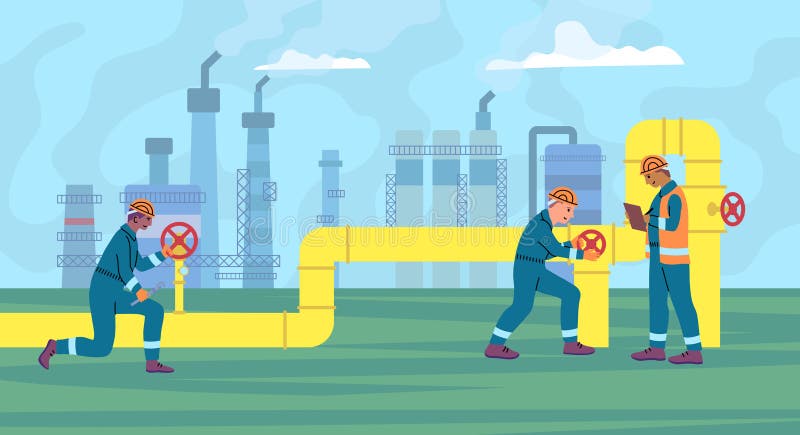
Free with trial Cartoon Color Characters People Gas Workers Petroleum Pipeline Engineers Concept Flat Design Style. Vector illustration of Regulate Valves. Regulate vectors Cartoon Color Characters People Gas Workers Petroleum Pipeline Engineers Concept. Vector. Cartoon Color Characters People Gas Workers Petroleum Pipeline. Cartoon Color Characters People Gas Workers Petroleum Pipeline Engineers Concept Flat Design Style. Vector illustration of Regulate Valves
Free with trial Red Traffic Light Icon Transportation Safety Symbol Traffic Control Warning Lamp Vector Design. Red Street Traffic Light Icon Lamp. Traffic Light Direction Regulate Safety Symbol. Transportation Control Warning. Regulate vectors Red Street Traffic Light Icon Lamp. Traffic Light Direction Regulate Safety Symbol. Transportation Control Warning. Red Traffic Light Icon Transportation Safety. Red Traffic Light Icon Transportation Safety Symbol Traffic Control Warning Lamp Vector Design. Red Street Traffic Light Icon Lamp. Traffic Light Direction Regulate Safety Symbol. Transportation Control Warning
Free with trial Green Traffic Light Icon – Safety and Transportation Control Symbol. Green Street traffic light icon lamp. Traffic light direction regulate safety symbol. Transportation control warning. Regulate vectors Green Street traffic light icon lamp. Traffic light direction regulate safety symbol. Transportation control warning. Green Traffic Light Icon – Safety and. Green Traffic Light Icon – Safety and Transportation Control Symbol. Green Street traffic light icon lamp. Traffic light direction regulate safety symbol. Transportation control warning
Free with trial Filled outline Train traffic light icon isolated on white background. Traffic lights for the railway to regulate the movement of trains. Vector. Regulate vectors Filled outline Train traffic light icon isolated on white background. Traffic lights for the railway to regulate the. Movement of trains. Vector
Free with trial Filled outline Train traffic light icon isolated on white background. Traffic lights for the railway to regulate the movement of trains. Flat filled outline style with shadow. Vector. Regulate vectors Filled outline Train traffic light icon isolated on white background. Traffic lights for the railway to regulate the. Movement of trains. Flat filled outline. Filled outline Train traffic light icon isolated on white background. Traffic lights for the railway to regulate the movement of trains. Flat filled outline style with shadow. Vector.
Free with trial Color Train traffic light icon isolated on white background. Traffic lights for the railway to regulate the movement of trains. Flat filled outline style with shadow. Vector. Regulate vectors Color Train traffic light icon isolated on white background. Traffic lights for the railway to regulate the movement of. Trains. Flat filled outline style with
Free with trial Cute doodle set of smart devices for entertainment, cleaning house, regulate temperature and light, secure home. Hand drawn intelligence machine with remote control via telephone. Internet of things. Regulate vectors Cute doodle set of smart devices for entertainment, cleaning house, regulate temperature and light, secure home. Hand. Drawn intelligence machine with remote. Cute doodle set of smart devices for entertainment, cleaning house, regulate temperature and light, secure home. Hand drawn intelligence machine with remote control via telephone. Internet of things
Free with trial A therapy session for individuals with PTSD involves spending time with birds as the peacefulness and rhythmic chirping help to soothe and regulate. Vector illustration. Regulate vectors A therapy session for individuals with PTSD involves spending time with birds as the peacefulness and rhythmic chirping. Help to soothe and regulate. Vector
Free with trial Filled and outline Train traffic light icon isolated on grey background. Traffic lights for the railway to regulate the movement of trains. Square button. Vector. Regulate vectors Filled and outline Train traffic light icon isolated on grey background. Traffic lights for the railway to regulate the. Movement of trains. Square button
Free with trial Filled outline Train traffic light icon isolated on white background. Traffic lights for the railway to regulate the movement of trains. Flat filled outline style with shadow. Vector. Regulate vectors Filled outline Train traffic light icon isolated on white background. Traffic lights for the railway to regulate the. Movement of trains. Flat filled outline. Filled outline Train traffic light icon isolated on white background. Traffic lights for the railway to regulate the movement of trains. Flat filled outline style with shadow. Vector.
Free with trial Set line Train traffic light icon isolated on white background. Traffic lights for the railway to regulate the movement of trains. Vector. Regulate vectors Set line Train traffic light icon isolated on white background. Traffic lights for the railway to regulate the movement. Of trains. Vector
Free with trial A red circle with a line through a U-turn arrow indicates a prohibition of U-turns. It is a traffic sign used to regulate road direction and ensure safety. Regulate vectors Illustration of no uturn sign with red circle isolated on transparent background. A red circle with a line through a U-turn arrow indicates a prohibition of U. A red circle with a line through a U-turn arrow indicates a prohibition of U-turns. It is a traffic sign used to regulate road direction and ensure safety
Free with trial The illustration of the zigzag leaf (Pedilanthus tithymaloides) highlights its unique characteristics, especially its lanceolate shape and alternate arrangement along the succulent stem. This leaf has a slightly waxy texture, which helps retain moisture—a typical adaptation of succulent plants. Its coloration ranges from deep green to reddish or purplish tones, depending on sun exposure and environmental conditions. The leaf structure is relatively small, with smooth or slightly wavy edges, giving the plant an ornamental appearance. The central vein is well-defined, providing structural support and efficiency in sap transport. In the illustration, details of the secondary venation and textured surface are emphasized to showcase its adaptations to dry environments. The name zigzag refers to the plant's distinctive stem growth pattern, which follows an angular, "zigzag" arrangement. This characteristic is reflected in the leaf arrangement, where leaves emerge in alternating directions, creating a dynamic and attractive visual effect. The Pedilanthus tithymaloides leaf plays a crucial role in the plant's balance, contributing to photosynthesis and helping regulate water loss in arid climates. The illustration of this leaf is frequently used in botany for plant adaptation studies, as well as in artistic representations of ornamental succulents. Its unique shape and coloration make it a popular choice for detailed botanical illustrations. Regulate vectors Naturalistic illustration of a zigzag plant leaf, highlighting its color nuances and distinctive edge shape. The illustration of the zigzag leaf (Pedilanthus. The illustration of the zigzag leaf (Pedilanthus tithymaloides) highlights its unique characteristics, especially its lanceolate shape and alternate arrangement along the succulent stem. This leaf has a slightly waxy texture, which helps retain moisture—a typical adaptation of succulent plants. Its coloration ranges from deep green to reddish or purplish tones, depending on sun exposure and environmental conditions.The leaf structure is relatively small, with smooth or slightly wavy edges, giving the plant an ornamental appearance. The central vein is well-defined, providing structural support and efficiency in sap transport. In the illustration, details of the secondary venation and textured surface are emphasized to showcase its adaptations to dry environments.The name zigzag refers to the plant's distinctive stem growth pattern, which follows an angular, "zigzag" arrangement. This characteristic is reflected in the leaf arrangement, where leaves emerge in alternating directions, creating a dynamic and attractive visual effect. The Pedilanthus tithymaloides leaf plays a crucial role in the plant's balance, contributing to photosynthesis and helping regulate water loss in arid climates.The illustration of this leaf is frequently used in botany for plant adaptation studies, as well as in artistic representations of ornamental succulents. Its unique shape and coloration make it a popular choice for detailed botanical illustrations.
Free with trial The illustration of the zigzag leaf (Pedilanthus tithymaloides) highlights its unique characteristics, especially its lanceolate shape and alternate arrangement along the succulent stem. This leaf has a slightly waxy texture, which helps retain moisture—a typical adaptation of succulent plants. Its coloration ranges from deep green to reddish or purplish tones, depending on sun exposure and environmental conditions. The leaf structure is relatively small, with smooth or slightly wavy edges, giving the plant an ornamental appearance. The central vein is well-defined, providing structural support and efficiency in sap transport. In the illustration, details of the secondary venation and textured surface are emphasized to showcase its adaptations to dry environments. The name zigzag refers to the plant's distinctive stem growth pattern, which follows an angular, "zigzag" arrangement. This characteristic is reflected in the leaf arrangement, where leaves emerge in alternating directions, creating a dynamic and attractive visual effect. The Pedilanthus tithymaloides leaf plays a crucial role in the plant's balance, contributing to photosynthesis and helping regulate water loss in arid climates. The illustration of this leaf is frequently used in botany for plant adaptation studies, as well as in artistic representations of ornamental succulents. Its unique shape and coloration make it a popular choice for detailed botanical illustrations. Regulate vectors Minimalist sketch of a zigzag plant leaf, with subtle lines that represent its sinuous shape in a simplified way. The illustration of the zigzag leaf (. The illustration of the zigzag leaf (Pedilanthus tithymaloides) highlights its unique characteristics, especially its lanceolate shape and alternate arrangement along the succulent stem. This leaf has a slightly waxy texture, which helps retain moisture—a typical adaptation of succulent plants. Its coloration ranges from deep green to reddish or purplish tones, depending on sun exposure and environmental conditions.The leaf structure is relatively small, with smooth or slightly wavy edges, giving the plant an ornamental appearance. The central vein is well-defined, providing structural support and efficiency in sap transport. In the illustration, details of the secondary venation and textured surface are emphasized to showcase its adaptations to dry environments.The name zigzag refers to the plant's distinctive stem growth pattern, which follows an angular, "zigzag" arrangement. This characteristic is reflected in the leaf arrangement, where leaves emerge in alternating directions, creating a dynamic and attractive visual effect. The Pedilanthus tithymaloides leaf plays a crucial role in the plant's balance, contributing to photosynthesis and helping regulate water loss in arid climates.The illustration of this leaf is frequently used in botany for plant adaptation studies, as well as in artistic representations of ornamental succulents. Its unique shape and coloration make it a popular choice for detailed botanical illustrations.
Free with trial The illustration of the zigzag leaf (Pedilanthus tithymaloides) highlights its unique characteristics, especially its lanceolate shape and alternate arrangement along the succulent stem. This leaf has a slightly waxy texture, which helps retain moisture—a typical adaptation of succulent plants. Its coloration ranges from deep green to reddish or purplish tones, depending on sun exposure and environmental conditions. The leaf structure is relatively small, with smooth or slightly wavy edges, giving the plant an ornamental appearance. The central vein is well-defined, providing structural support and efficiency in sap transport. In the illustration, details of the secondary venation and textured surface are emphasized to showcase its adaptations to dry environments. The name zigzag refers to the plant's distinctive stem growth pattern, which follows an angular, "zigzag" arrangement. This characteristic is reflected in the leaf arrangement, where leaves emerge in alternating directions, creating a dynamic and attractive visual effect. The Pedilanthus tithymaloides leaf plays a crucial role in the plant's balance, contributing to photosynthesis and helping regulate water loss in arid climates. The illustration of this leaf is frequently used in botany for plant adaptation studies, as well as in artistic representations of ornamental succulents. Its unique shape and coloration make it a popular choice for detailed botanical illustrations. Regulate vectors Classic illustration of a Pedilanthus tithymaloides leaf, highlighting its organic shape and details of the leaf blade. The illustration of the zigzag leaf (. The illustration of the zigzag leaf (Pedilanthus tithymaloides) highlights its unique characteristics, especially its lanceolate shape and alternate arrangement along the succulent stem. This leaf has a slightly waxy texture, which helps retain moisture—a typical adaptation of succulent plants. Its coloration ranges from deep green to reddish or purplish tones, depending on sun exposure and environmental conditions.The leaf structure is relatively small, with smooth or slightly wavy edges, giving the plant an ornamental appearance. The central vein is well-defined, providing structural support and efficiency in sap transport. In the illustration, details of the secondary venation and textured surface are emphasized to showcase its adaptations to dry environments.The name zigzag refers to the plant's distinctive stem growth pattern, which follows an angular, "zigzag" arrangement. This characteristic is reflected in the leaf arrangement, where leaves emerge in alternating directions, creating a dynamic and attractive visual effect. The Pedilanthus tithymaloides leaf plays a crucial role in the plant's balance, contributing to photosynthesis and helping regulate water loss in arid climates.The illustration of this leaf is frequently used in botany for plant adaptation studies, as well as in artistic representations of ornamental succulents. Its unique shape and coloration make it a popular choice for detailed botanical illustrations.
Free with trial Colorful doodle set of smart devices for entertainment, cleaning house, regulate temperature, light, secure home. Hand drawn intelligence machine with remote control via telephone. Internet of things. Regulate vectors Colorful doodle set of smart devices for entertainment, cleaning house, regulate temperature, light, secure home. Hand. Drawn intelligence machine with remote. Colorful doodle set of smart devices for entertainment, cleaning house, regulate temperature, light, secure home. Hand drawn intelligence machine with remote control via telephone. Internet of things
Free with trial Line Train traffic light icon isolated on white background. Traffic lights for the railway to regulate the movement of trains. Colorful outline concept. Vector. Regulate vectors Line Train traffic light icon isolated on white background. Traffic lights for the railway to regulate the movement of. Trains. Colorful outline concept. Vector
Free with trial Traffic light with passage sign, allow and stop signals, red and green colors. Railway transport safety infrastructure, semaphore for security. Flat vector illustration isolated on white background. Regulate vectors Traffic light with passage sign, allow and stop signals, red and green colors. Railway transport safety infrastructure, semaphore. For security. Flat vector. Traffic light with passage sign, allow and stop signals, red and green colors. Railway transport safety infrastructure, semaphore for security. Flat vector illustration isolated on white background.
Free with trial Hookah heat management tool light. Hookah heat management tool for smoking shisha drawing in vintage graphic style with black on white background. Regulate vectors Hookah heat management tool light. Hookah heat management tool for smoking shisha drawing in vintage graphic style with black on white background
Free with trial Hookah heat management tool black. Hookah heat management tool for smoking shisha drawing in vintage graphic style with white on black background. Regulate vectors Hookah heat management tool black. Hookah heat management tool for smoking shisha drawing in vintage graphic style with white on black background
Free with trial Moderate volume round controller. Sound power gradual increase, metallic twirler, glowing markings, chrome realistic element, interface equipment, round rotation bottom qualitative vector isolated set. Regulate vectors Moderate volume round controller. Sound power gradual increase, metallic twirler, glowing markings, chrome realistic element. Interface equipment, round. Moderate volume round controller. Sound power gradual increase, metallic twirler, glowing markings, chrome realistic element, interface equipment, round rotation bottom qualitative vector isolated set
Free with trial Dual chamber pacemaker. Type of pacemaker. To regulate the pace of contractions of both chambers. Medical healthcare, vector illustration. Regulate vectors Dual chamber pacemaker.Type of pacemaker. To regulate the pace of contractions of both chambers.Medical healthcare, vector illustration
Free with trial Compliance isometric. 3D law line infographic. Police or document regulatory. Legal secure work. Company papers audit. Business standards and regulations. People with big rules book. Vector concept. Regulate vectors Compliance isometric. 3D law line infographic. Police or document regulatory. Legal secure work. Company audit. Business standards. Compliance isometric. 3D law. Compliance isometric. 3D law line infographic. Police or document regulatory. Legal secure work. Company papers audit. Business standards and regulations. People with big rules book. Vector concept
Free with trial Red round railway restriction sign. Red round railway hand-drawn traffic stop sign. Regulate vectors Red round railway restriction sign. Red round railway hand-drawn traffic stop sign
Free with trial Hand drawn restriction cross signal. Railway sign. Regulate vectors Hand drawn restriction cross signal. Railway sign
Free with trial Forbidden traffic warning road sign. Hand-drawn element. Regulate vectors Forbidden traffic warning road sign. Hand-drawn element
Free with trial Emotional intelligence psychology concept set. People choose mood, reaction, mind state regulation. Mental health, feelings control and balance. Flat vector illustrations isolated on white background. Regulate vectors Emotional intelligence psychology concept set. People choose mood, reaction, mind state regulation. Mental health, feelings. Control and balance. Flat vector. Emotional intelligence psychology concept set. People choose mood, reaction, mind state regulation. Mental health, feelings control and balance. Flat vector illustrations isolated on white background.
Free with trial Traffic regulation rules. Isolated Singapore "stop" road sign. Front and top view. Flat vector illustration template. Regulate vectors Isolated Singapore \'stop\' road sign. Front and top view. Traffic regulation rules. Isolated Singapore 'stop' road sign. Front and top view. Flat vector. Traffic regulation rules. Isolated Singapore "stop" road sign. Front and top view. Flat vector illustration template.
Free with trial Emotional intelligence concept. Emotion control and management, mood changes. Regulating feelings. Psychology, self-reflection and understanding. Flat vector illustration isolated on white background. Regulate vectors Emotional intelligence concept. Emotion control and management, mood changes. Regulating feelings. Psychology, self-reflection and. Understanding. Flat vector. Emotional intelligence concept. Emotion control and management, mood changes. Regulating feelings. Psychology, self-reflection and understanding. Flat vector illustration isolated on white background.
Free with trial Emotional intelligence, psychology concept. Woman with happy emoji for emotions control, self-support and mood regulation. Mental health struggle. Flat vector illustration isolated on white background. Regulate vectors Emotional intelligence, psychology concept. Woman with happy emoji for emotions control, self-support and mood regulation. Mental. Health struggle. Flat vector. Emotional intelligence, psychology concept. Woman with happy emoji for emotions control, self-support and mood regulation. Mental health struggle. Flat vector illustration isolated on white background.
Free with trial Metal stanchion barrier setups. Industrial safety system with chains and rope lines for crowd direction and access control. Vector realistic structures set for organized flow management. Regulate vectors Industrial safety system, metal stanchion barrier. Metal stanchion barrier setups. Industrial safety system with chains and rope lines for crowd direction and. Metal stanchion barrier setups. Industrial safety system with chains and rope lines for crowd direction and access control. Vector realistic structures set for organized flow management
Free with trial Traffic regulation rules. Isolated Singapore "red light camera" road sign. Front and top view. Flat vector illustration template. Regulate vectors Isolated Singapore \'red light camera\' road sign. Front and top view. Traffic regulation rules. Isolated Singapore 'red light camera' road sign. Front and top. Traffic regulation rules. Isolated Singapore "red light camera" road sign. Front and top view. Flat vector illustration template.
Free with trial Traffic regulation rules. Isolated mexican "no parking" road sign. Front and top view. Flat vector illustration template. Regulate vectors Isolated mexican \'no parking\' road sign. Front and top view. Traffic regulation rules. Isolated mexican 'no parking' road sign. Front and top view. Flat. Traffic regulation rules. Isolated mexican "no parking" road sign. Front and top view. Flat vector illustration template.
Free with trial Traffic light isometric icon. Urban road control post. Isolated on white background. Regulate vectors Traffic light isometric icon. Urban road control post. Isolated on white background
Free with trial Traffic regulation rules and tips. Road sign types. "Divided road, lanes" traffic sign in different countries. Flat vector illustration template. Regulate vectors Road sign types. \'Divided road, lanes\' traffic sign in different countries. Traffic regulation rules and tips. Road sign types. 'Divided road, lanes' traffic. Traffic regulation rules and tips. Road sign types. "Divided road, lanes" traffic sign in different countries. Flat vector illustration template.
Free with trial Light traffic for car cartoon stock vector illustration. Isolated on white background. Regulate vectors Light traffic for car cartoon stock vector illustration. Isolated on white background
Free with trial Traffic regulation rules. Isolated canadian "keep left or right" road sign. Front and top view. Flat vector illustration template. Regulate vectors Isolated canadian \'keep left or right\' road sign. Front and top view. Traffic regulation rules. Isolated canadian 'keep left or right' road sign. Front and. Traffic regulation rules. Isolated canadian "keep left or right" road sign. Front and top view. Flat vector illustration template.
Free with trial Traffic regulation rules. Isolated canadian "bicycle crossing on side road" road sign. Front and top view. Flat vector illustration template. Regulate vectors Isolated canadian \'bicycle crossing on side road\' road sign. Front and top view. Traffic regulation rules. Isolated canadian 'bicycle crossing on side road'. Traffic regulation rules. Isolated canadian "bicycle crossing on side road" road sign. Front and top view. Flat vector illustration template.
Free with trial Light traffic for pedestrians cartoon stock vector illustration. Isolated on white background. Regulate vectors Light traffic for pedestrians cartoon stock vector illustration. Isolated on white background
Free with trial Parking facility with guard overseeding entrance. Vector carpark with barrier to regulate vehicles entering and leaving. Safety and access control. Professional monitoring in parked. Regulate vectors Carpark facility with guard, safety in parking. Parking facility with guard overseeding entrance. Vector carpark with barrier to regulate vehicles entering and. Parking facility with guard overseeding entrance. Vector carpark with barrier to regulate vehicles entering and leaving. Safety and access control. Professional monitoring in parked
Free with trial Diagram of Strategy, Structure and Culture Triangle - Organization Design for Corporate World - Business Tool Black and White, Vector. Regulate vectors Diagram of Strategy, Structure and Culture Triangle - Organization Design for Corporate World - Business Tool Black and White. Vector
Free with trial Traffic regulations and road sign types. Road sign types. 'Stop sign ahead' traffic signs from different countries featuring stop symbols. Flat template. Regulate vectors 'Stop sign ahead' traffic signs from different countries featuring stop symbols. Traffic regulations and road sign types. Road sign types. 'Stop sign ahead'. Traffic regulations and road sign types. Road sign types. 'Stop sign ahead' traffic signs from different countries featuring stop symbols. Flat template.
Free with trial Light traffic cartoon stock vector illustration. Isolated on white background. Regulate vectors Light traffic cartoon stock vector illustration. Isolated on white background
Free with trial Safe driving tips and traffic regulation rules. Close-up of United States "begin higher fines zones" sign meaning. Comply with laws to avoid hefty fines. Flat vector illustration template. Regulate vectors United States \'begin higher fines zones\' sign meaning. Comply with laws to avoid hefty fines. Safe driving tips and traffic regulation rules. Close-up of. Safe driving tips and traffic regulation rules. Close-up of United States "begin higher fines zones" sign meaning. Comply with laws to avoid hefty fines. Flat vector illustration template.
Free with trial Traffic regulation rules. Isolated mexican "go straight" road sign. Front and top view. Flat vector illustration template. Regulate vectors Isolated mexican \'go straight\' road sign. Front and top view. Traffic regulation rules. Isolated mexican 'go straight' road sign. Front and top view. Flat. Traffic regulation rules. Isolated mexican "go straight" road sign. Front and top view. Flat vector illustration template.
Free with trial Electricity purchase agreement metaphor. Electricity purchase agreement - a contract for electric supply and transportation between two parties, seller and buyer. Regulate vectors Electricity purchase agreement metaphor. Electricity purchase agreement - a contract for electric supply and transportation between two parties, seller and buyer
Free with trial 3D traffic lights set isolated on white. Vector realistic illustration of stop and go signals for pedestrians and transport, red and green semaphore lights, street safety equipment, warning stoplight. Regulate vectors 3D traffic lights set isolated on white. Vector realistic illustration of stop and go signals for pedestrians and transport, red and green semaphore lights
Free with trial Traffic regulation rules. Isolated colombian "public transit" road sign. Front and top view. Flat vector illustration template. Regulate vectors Isolated colombian \'public transit\' road sign. Front and top view. Traffic regulation rules. Isolated colombian 'public transit' road sign. Front and top view. Traffic regulation rules. Isolated colombian "public transit" road sign. Front and top view. Flat vector illustration template.
Free with trial Flat of a New Zealand priority over oncoming vehicles traffic sign, designed for road safety education, driving rules, and transport guidance. Regulate vectors New Zealand priority over oncoming vehicles traffic sign, designed for road safety education. Flat of a New Zealand priority over oncoming vehicles traffic sign. Flat of a New Zealand priority over oncoming vehicles traffic sign, designed for road safety education, driving rules, and transport guidance.
Free with trial Traffic regulations and road safety concept. Speed Camera in Use traffic signs from different countries, featuring radar symbols and camera icons. Flat illustration. Regulate vectors Speed Camera in Use traffic signs from different countries, featuring radar symbols and camera icons. Traffic regulations and road safety concept. Speed Camera. Traffic regulations and road safety concept. Speed Camera in Use traffic signs from different countries, featuring radar symbols and camera icons. Flat illustration.
 Sign in