Free with trial In Compliance Icon with paper, checks & list. Regulate vectors In Compliance Icon with paper, checks & list. In Compliance Icon w paper, checks and list
Free with trial The usual traffic lights vector image in the crossroads of the city. the lights are to set the road users and vehicles to alternate to cross the intersection or crossroads. Regulate vectors Traffic light on the edge of city road. The usual traffic lights vector image in the crossroads of the city. the lights are to set the road users and vehicles to. The usual traffic lights vector image in the crossroads of the city. the lights are to set the road users and vehicles to alternate to cross the intersection or crossroads.
Free with trial Parking neon sign vector. Parking Zone Design template neon sign, light banner, neon signboard, nightly bright advertising, light inscription. Vector illustration. Editing text neon sign. Regulate vectors Parking neon sign vector. Parking Zone Design template neon sign, light banner, neon signboard, nightly bright. Advertising, light inscription. Vector. Parking neon sign vector. Parking Zone Design template neon sign, light banner, neon signboard, nightly bright advertising, light inscription. Vector illustration. Editing text neon sign.
Free with trial In Compliance Icon with paper, checks & list. Regulate vectors In Compliance Icon with paper, checks & list. In Compliance Icon w paper, checks and list
Free with trial In Compliance Icon with paper, checks & list. Regulate vectors In Compliance Icon with paper, checks & list. In Compliance Icon w paper, checks and list
Free with trial In Compliance Icon with paper, checks & list. Regulate vectors In Compliance Icon with paper, checks & list. In Compliance Icon w paper, checks and list
Free with trial In Compliance Icon with paper, checks & list. Regulate vectors In Compliance Icon with paper, checks & list. In Compliance Icon w paper, checks and list
Free with trial In Compliance Icon with paper, checks & list. Regulate vectors In Compliance Icon with paper, checks & list. In Compliance Icon w paper, checks and list
Free with trial Set of traffic lights isolated on white background. Regulate vectors Set of traffic lights isolated on white background. Set of traffic lights vector isolated on white background
Free with trial In Compliance Icon with paper, checks & list. Regulate vectors In Compliance Icon with paper, checks & list. In Compliance Icon w paper, checks and list
Free with trial Traffic light for pedestrians vector illustration. On white background. Regulate vectors Traffic light for pedestrians vector illustration. On white background
Free with trial In Compliance Icon with paper, checks & list. Regulate vectors In Compliance Icon with paper, checks & list. In Compliance Icon w paper, checks and list
Free with trial In Compliance Icon with paper, checks & list. Regulate vectors In Compliance Icon with paper, checks & list. In Compliance Icon w paper, checks and list
Free with trial Drone is banned, restricted and regulated. Flying remote device with no permission to enter into aerial zone, area and territory. Vector illustration. Regulate vectors Drone is banned, restricted and regulated. Flying remote device with no permission to enter into aerial zone, area and territory. Vector illustration
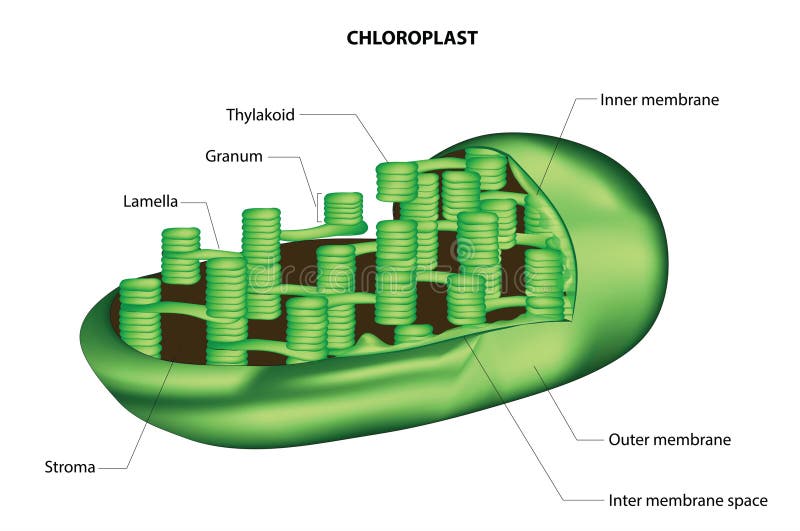
Free with trial Chloroplasts are remarkable organelles found in the cells of plants, algae, and some other photosynthetic organisms. They play a central role in the process of photosynthesis, which is crucial for sustaining life on Earth. The anatomy of chloroplasts is intricately designed to facilitate the complex series of biochemical reactions involved in photosynthesis. At first glance, chloroplasts appear as small, oval-shaped structures within the cytoplasm of plant cells. However, a closer examination reveals a highly organized internal structure that is essential for their function. The outer membrane of the chloroplast serves as a barrier, separating the interior of the organelle from the surrounding cytoplasm. This membrane is semi-permeable, allowing the passage of certain molecules in and out of the chloroplast. Enclosed within the outer membrane is the inner membrane of the chloroplast, which is also selectively permeable. Together, these membranes regulate the exchange of molecules between the chloroplast and the rest of the cell, ensuring the proper functioning of photosynthesis. The internal space of the chloroplast is filled with a fluid called the stroma. The stroma contains enzymes, DNA, ribosomes, and other components necessary for the synthesis of organic molecules during photosynthesis. Embedded within the stroma are stacks of disc-like structures called thylakoids. These interconnected membranes contain the photosynthetic pigments, including chlorophyll, which absorb light energy during the light-dependent reactions of photosynthesis. The arrangement of thylakoids in stacks, known as grana, increases the surface area available for light absorption and facilitates the efficient transfer of electrons and protons during photosynthesis. Within the thylakoid membranes, light energy is used to drive the conversion of water and carbon dioxide into oxygen and glucose. This process involves a series of complex biochemical reactions, including the photosystems, electron transport chain, and ATP synthase complexes. The intricate anatomy of chloroplasts reflects their essential role in sustaining life on Earth. Through the process of photosynthesis, chloroplasts harness the energy of sunlight to produce oxygen, a vital component of the atmosphere, and organic molecules, which serve as the basis of the food web. Understanding the anatomy and function of chloroplasts not only deepens our appreciation of the natural world but also provides insights into strategies for improving agricultural productivity and addressing global challenges such as climate change. Regulate vectors Chloroplast vector. Chloroplasts are remarkable organelles found in the cells of plants, algae, and some other photosynthetic organisms. They play a central role. Chloroplasts are remarkable organelles found in the cells of plants, algae, and some other photosynthetic organisms. They play a central role in the process of photosynthesis, which is crucial for sustaining life on Earth. The anatomy of chloroplasts is intricately designed to facilitate the complex series of biochemical reactions involved in photosynthesis. At first glance, chloroplasts appear as small, oval-shaped structures within the cytoplasm of plant cells. However, a closer examination reveals a highly organized internal structure that is essential for their function. The outer membrane of the chloroplast serves as a barrier, separating the interior of the organelle from the surrounding cytoplasm. This membrane is semi-permeable, allowing the passage of certain molecules in and out of the chloroplast. Enclosed within the outer membrane is the inner membrane of the chloroplast, which is also selectively permeable. Together, these membranes regulate the exchange of molecules between the chloroplast and the rest of the cell, ensuring the proper functioning of photosynthesis. The internal space of the chloroplast is filled with a fluid called the stroma. The stroma contains enzymes, DNA, ribosomes, and other components necessary for the synthesis of organic molecules during photosynthesis. Embedded within the stroma are stacks of disc-like structures called thylakoids. These interconnected membranes contain the photosynthetic pigments, including chlorophyll, which absorb light energy during the light-dependent reactions of photosynthesis. The arrangement of thylakoids in stacks, known as grana, increases the surface area available for light absorption and facilitates the efficient transfer of electrons and protons during photosynthesis. Within the thylakoid membranes, light energy is used to drive the conversion of water and carbon dioxide into oxygen and glucose. This process involves a series of complex biochemical reactions, including the photosystems, electron transport chain, and ATP synthase complexes. The intricate anatomy of chloroplasts reflects their essential role in sustaining life on Earth. Through the process of photosynthesis, chloroplasts harness the energy of sunlight to produce oxygen, a vital component of the atmosphere, and organic molecules, which serve as the basis of the food web. Understanding the anatomy and function of chloroplasts not only deepens our appreciation of the natural world but also provides insights into strategies for improving agricultural productivity and addressing global challenges such as climate change.
Free with trial Traffic lights. On white backgrounde. Regulate vectors Traffic lights. On white backgrounde
Free with trial Pedestrian traffic lights red and green. Illustration on white background. Regulate vectors Pedestrian traffic lights red and green. Illustration on white background
Free with trial In Compliance Icon with paper, checks & list. Regulate vectors In Compliance Icon with paper, checks & list. In Compliance Icon w paper, checks and list
Free with trial The types of mattresses. The wooden and metal beds and bases for beds. Vector icons. Single color linear image on a white background. Regulate vectors Mattresses, beds, linear icons. The types of mattresses. The wooden and metal beds and bases for beds. Vector icons. Single color linear image on a white. The types of mattresses. The wooden and metal beds and bases for beds. Vector icons. Single color linear image on a white background.
Free with trial Standing traffic light flat design icon Typical horizontal traffic signals with red, yellow and green light. Vector illustration isolated on white background. Automatic speed traffic control element. Regulate vectors Standing traffic light flat design icon Typical horizontal traffic signals with red, yellow and green light. Vector illustration isolated on white background
Free with trial Urban landscape, street city, city transport bus, traditional street traffic light. Urban surroundings, trip, travel, modern vehicle. Illustration thin line design of vector doodles. Regulate vectors Urban landscape, street city, city transport, traditional street traffic light. Urban landscape, street city, city transport bus, traditional street traffic. Urban landscape, street city, city transport bus, traditional street traffic light. Urban surroundings, trip, travel, modern vehicle. Illustration thin line design of vector doodles.
Free with trial Traffic regulation tips and rules. Close-up view of a traffic light and "right turn signal" road sign. Flat vector illustration template. Regulate vectors Close-up view of a traffic light and \'right turn signal\' road sign. Traffic regulation tips and rules. Close-up view of a traffic light and 'right turn signal. Traffic regulation tips and rules. Close-up view of a traffic light and "right turn signal" road sign. Flat vector illustration template.
Free with trial Man holding in hands traffic light, concept. Traffic policeman indicates green light. Vector illustration of a flat design. Regulate vectors Traffic light vector. Man holding in hands traffic light, concept. Traffic policeman indicates green light. Vector illustration of a flat design. Man holding in hands traffic light, concept. Traffic policeman indicates green light. Vector illustration of a flat design.
Free with trial In Compliance Icon with paper, checks & list. Regulate vectors In Compliance Icon with paper, checks & list. In Compliance Icon w paper, checks and list
Free with trial Concept banner design with traffic lights icon and text template. Flat style line art illustration. Regulate vectors Traffic lights icon. Concept banner design with traffic lights icon and text template. Flat style line art illustration. Concept banner design with traffic lights icon and text template. Flat style line art illustration.
Free with trial Pedestrian traffic light heart shape set. On a white background. Vector illustration. Regulate vectors Pedestrian traffic light heart shape set. On a white background. Vector illustration
Free with trial Traffic regulation rules. Isolated British "authorised vehicles only" road sign. Front and top view. Flat vector illustration template. Regulate vectors Isolated British \'authorised vehicles only\' road sign. Front and top view. Traffic regulation rules. Isolated British 'authorised vehicles only' road sign. Traffic regulation rules. Isolated British "authorised vehicles only" road sign. Front and top view. Flat vector illustration template.
Free with trial Round metal regulator. Vector image. On a gray background. Regulate vectors Round metal regulator. Vector image. On a gray background
Free with trial Traffic light icon. In vector three objects. Regulate vectors Traffic light icon. In vector three objects
Free with trial Crosswalk black and white with mesh background, illustration vector eps10. Regulate vectors Crosswalk black and white with mesh background. Illustration vector eps10
Free with trial Urban traffic lights. Signs for city vehicles lighting objects for road cross direction vector realistic set. Illustration crossroad controller, light traffic road. Regulate vectors Urban traffic lights. Signs for city vehicles lighting objects for road cross direction vector realistic set. Illustration crossroad controller, light traffic
Free with trial Editable and line icon of a group of stick figure people standing together with a black stroke crossing as a prohibited sign because of social distance rules during the corona or covid 19 pandemic. Regulate vectors Editable line icon of a prohibition sign for groups of people. Editable and line icon of a group of stick figure people standing together with a black stroke. Editable and line icon of a group of stick figure people standing together with a black stroke crossing as a prohibited sign because of social distance rules during the corona or covid 19 pandemic
Free with trial Binder icon file symbol. Vector illustration. Regulate vectors Binder icon file symbol. Vector illustration
Free with trial Tuning fork icon. White background with shadow design. Vector illustration. Regulate vectors Tuning fork icon. White background with shadow design. Vector illustration
Free with trial Tuning fork icon. Orange background with black. Vector illustration. Regulate vectors Tuning fork icon. Orange background with black. Vector illustration
Free with trial Traffic regulation tips and rules. Close-up view of a traffic two lights and "left turn signal" road sign. Flat vector illustration template. Regulate vectors Close-up view of a traffic two lights and \'left turn signal\' road sign. Traffic regulation tips and rules. Close-up view of a traffic two lights and 'left. Traffic regulation tips and rules. Close-up view of a traffic two lights and "left turn signal" road sign. Flat vector illustration template.
Free with trial Traffic regulation rules. Isolated United States "right turn signal" road sign. Front and top view. Flat vector illustration template. Regulate vectors Isolated United States \'right turn signal\' road sign. Front and top view. Traffic regulation rules. Isolated United States 'right turn signal' road sign. Traffic regulation rules. Isolated United States "right turn signal" road sign. Front and top view. Flat vector illustration template.
Free with trial Traffic light outline vector icon with switched on green and red light. Regulate vectors Traffic light vector icons with switched on green and red light. Traffic light outline vector icon with switched on green and red light. Traffic light outline vector icon with switched on green and red light.
Free with trial Traffic light icon vector illustration. Traffic light street vector icon illustration. Regulate vectors Traffic light icon vector illustration. Traffic light street vector icon illustration
Free with trial Internet symbol is behind the bars - restriction and regulation of online connection. Web, net and cyberspace are controlled, restricted and regulated by barrier, block, ban. Vector illustration. Regulate vectors Internet symbol is behind the bars. Restriction and regulation of online connection. Web, net and cyberspace are controlled, restricted and regulated by. Internet symbol is behind the bars - restriction and regulation of online connection. Web, net and cyberspace are controlled, restricted and regulated by barrier, block, ban. Vector illustration
Free with trial Set of traffic lights isolated on white background. Regulate vectors Set of traffic lights isolated on white background. Set of traffic lights vector isolated on white background
Free with trial The types of mattresses. The wooden and metal beds and bases for beds. Vector icons. Linear white image on a colored background with a shadow. Regulate vectors Mattresses, beds, line icons, colored. The types of mattresses. The wooden and metal beds and bases for beds. Vector icons. Linear white image on a colored. The types of mattresses. The wooden and metal beds and bases for beds. Vector icons. Linear white image on a colored background with a shadow.
Free with trial Urban and city element icon - traffic light in trendy simple line art style, flat symbol vector illustration. Regulate vectors Urban and city element icon - traffic light in trendy simple line art style. Flat symbol vector illustration
Free with trial Vector illustration of traffic light and signs. Regulate vectors Traffic light and signs. Vector illustration of traffic light and signs. Vector illustration of traffic light and signs.
Free with trial Traffic light stop wait and go stock vector illustration, eps 10. Regulate vectors Traffic light stop wait and go stock vector illustration. Eps 10
Free with trial Road sign city traffic light ahead. Vector. Regulate vectors Road sign city traffic light ahead. Vector
Free with trial Urban landscape, street city, city transport, traditional street traffic light. Urban surroundings, trip, travel, modern vehicle. Illustration thin line design of vector doodles. Regulate vectors Urban landscape, street city, city transport, traditional street traffic light. Urban surroundings, trip, travel, modern vehicle. Illustration thin line design
Free with trial Traffic light icon. In vector one object. Regulate vectors Traffic light icon. In vector one object
Free with trial Traffic light on white. Detailed and accurate illustration of traffic light on white. Regulate vectors Traffic light on white. Detailed and accurate illustration of traffic light on white
Free with trial In compliance web banner - icon set that shows a company passed. In compliance web banner w icon set - shows a company passed inspection. Regulate vectors In compliance web banner - icon set that shows a company passed. In compliance web banner w icon set - shows a company passed inspection
Free with trial Traffic light hand drawn outline doodle icon. Spotlight, crossroads, city traffic regulation and safety concept. Vector sketch illustration for print, web, mobile and infographics on white background. Regulate vectors Traffic light hand drawn outline doodle icon. Spotlight, crossroads, city traffic regulation and safety concept. Vector sketch illustration for print, web
Free with trial Round scale indicators. Amplifier power volume tuner sound digital radial controller garish vector infographic objects. Illustration scale level, equipment button circle. Regulate vectors Round scale indicators. Amplifier power volume tuner sound digital radial controller garish vector infographic objects. Illustration scale level, equipment
Free with trial Vector concept traffic light interface icons. Typical horizontal traffic signals with red no, stop , yellow wait and green yes, go light. Flat design illustration set isolated on white background. Regulate vectors Vector concept traffic light interface icons flat design illustration set isolated on white background. Vector concept traffic light interface icons. Typical. Vector concept traffic light interface icons. Typical horizontal traffic signals with red no, stop , yellow wait and green yes, go light. Flat design illustration set isolated on white background
Free with trial Traffic lights vector illustration with decorative elements. Street semaphores with cars creative line art concept. Electric stoplights, traffic lamps graphic design. Regulate vectors Traffic lights vector illustration with decorative element. S. Street semaphores with cars creative line art concept. Electric stoplights, traffic lamps graphic
Free with trial Traffic regulation rules. Isolated Australian "no left turn" road sign. Front and top view. Flat vector illustration template. Regulate vectors Isolated Australian \'no left turn\' road sign. Front and top view. Traffic regulation rules. Isolated Australian 'no left turn' road sign. Front and top view. Traffic regulation rules. Isolated Australian "no left turn" road sign. Front and top view. Flat vector illustration template.
Free with trial Traffic light heart shape. On a white background. Vector illustration. Regulate vectors Traffic light heart shape. On a white background. Vector illustration
Free with trial Traffic regulation rules. Isolated Australian "no right turn" road sign. Front and top view. Flat vector illustration template. Regulate vectors Isolated Australian \'no right turn\' road sign. Front and top view. Traffic regulation rules. Isolated Australian 'no right turn' road sign. Front and top view. Traffic regulation rules. Isolated Australian "no right turn" road sign. Front and top view. Flat vector illustration template.
Free with trial Traffic light heart shape. On a white background. Vector illustration. Regulate vectors Traffic light heart shape. On a white background. Vector illustration
Free with trial Traffic light heart shape. On a white background. Vector illustration. Regulate vectors Traffic light heart shape. On a white background. Vector illustration
Free with trial Traffic light heart shape. On a white background. Vector illustration. Regulate vectors Traffic light heart shape. On a white background. Vector illustration
Free with trial Traffic light heart shape set. On a white background. Vector illustration. Regulate vectors Traffic light heart shape set. On a white background. Vector illustration
Free with trial Traffic light heart shape set. On a white background. Vector illustration. Regulate vectors Traffic light heart shape set. On a white background. Vector illustration
Free with trial Traffic light heart shape set. On a white background. Vector illustration. Regulate vectors Traffic light heart shape set. On a white background. Vector illustration
Free with trial Road signal traffic lights red, yellow and green for safety purposes. Vector graphic design. Regulate vectors Traffic light signal red yellow and green. Road signal traffic lights red, yellow and green for safety purposes. Vector graphic design. Road signal traffic lights red, yellow and green for safety purposes. Vector graphic design.
Free with trial Car parking sign - Blue roadsign with letter P on rectangular plate isolated on white. Vector traffic signs for parking. Eps10. Regulate vectors Car parking sign. Blue roadsign with letter P on rectangular plate isolated on white. Vector traffic signs for parking. Eps10
Free with trial Drawing an intersection with traffic lights, buses and cars. Regulate vectors Drawing an intersection with traffic lights, buses and cars.
Free with trial No parking here roadsign on white background vector illustration. Car parking regulation symbol, traffic sign, road information and help, roadway auto service icon. Regulate vectors No parking here roadsign. On white background vector illustration. Car parking regulation symbol, traffic sign, road information and help, roadway auto service
Free with trial Traffic Light symbol. On light background. Vector illustration. Simple road sign isolated. Regulate vectors Traffic Light symbol. On light background. Vector illustration. Simple road sign isolated
Free with trial Car Parking Public Sign Banner With Copy Space. Vector Illustration. Regulate vectors Car Parking Public Sign Banner With Copy Space. Vector Illustration
Free with trial Black parking icon. Car parking traffic illustration isolated. Vector parking sign symbol. EPS 10. Regulate vectors Black parking icon. Car parking traffic illustration isolated. Vector parking sign symbol. EPS 10
Free with trial Traffic light heart shape. On a white background. Vector illustration. Regulate vectors Traffic light heart shape. On a white background. Vector illustration
Free with trial Traffic light heart shape. On a white background. Vector illustration. Regulate vectors Traffic light heart shape. On a white background. Vector illustration
Free with trial Traffic light heart shape. On a white background. Vector illustration. Regulate vectors Traffic light heart shape. On a white background. Vector illustration
Free with trial Traffic light heart shape. On a white background. Vector illustration. Regulate vectors Traffic light heart shape. On a white background. Vector illustration
Free with trial Traffic light heart shape. On a white background. Vector illustration. Regulate vectors Traffic light heart shape. On a white background. Vector illustration
Free with trial Traffic light heart shape. On a white background. Vector illustration. Regulate vectors Traffic light heart shape. On a white background. Vector illustration
Free with trial Traffic light outline vector icon with red, yellow and green signals. Regulate vectors Traffic signal light outline vector icon. Traffic light outline vector icon with red, yellow and green signals. Traffic light outline vector icon with red, yellow and green signals.
Free with trial Traffic light outline vector icon with red, yellow and green signals. Regulate vectors Traffic signal light outline vector icon. Traffic light outline vector icon with red, yellow and green signals. Traffic light outline vector icon with red, yellow and green signals.
Free with trial Traffic light outline vector icon with signals. Regulate vectors Traffic signal light outline vector icon. Traffic light outline vector icon with signals. Traffic light outline vector icon with signals.
Free with trial Realistic traffic lights for pedestrians, red and green signal, vector illustration isolated on white background. Regulate vectors Realistic traffic lights for pedestrians - vector illustration. Realistic traffic lights for pedestrians, red and green signal, vector illustration isolated on. Realistic traffic lights for pedestrians, red and green signal, vector illustration isolated on white background
 Sign in