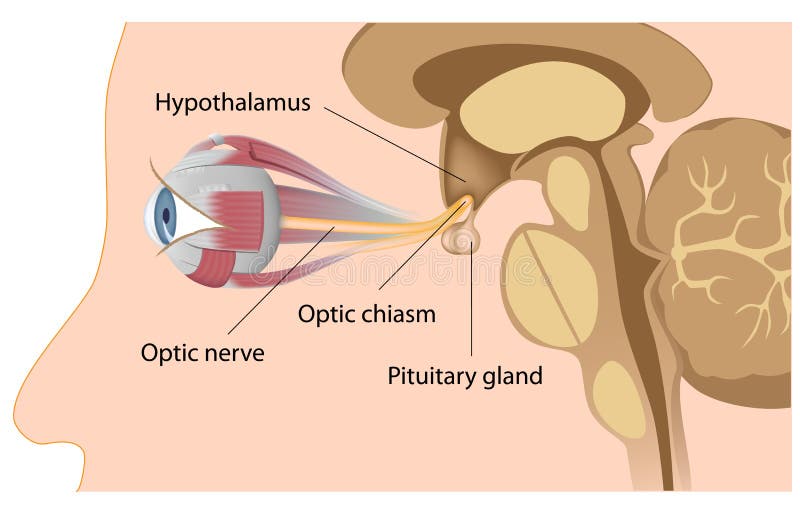
Free with trial Pituitary gland and optic chiasm. Pituitary gland position relatively to the optic chiasm and hypothalamus, eps10. Relatively vectors Pituitary gland and optic chiasm. Pituitary gland position relatively to the optic chiasm and hypothalamus, eps10
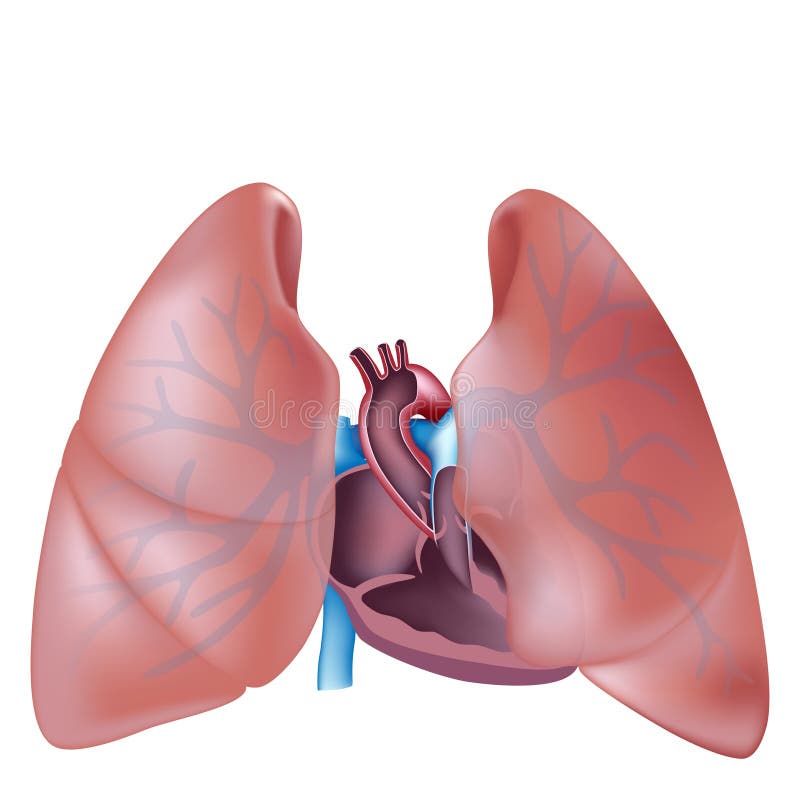
Free with trial Heart cross section and lungs anatomy. Position of the heart relatively to lungs in cross section, eps10. Relatively vectors Heart cross section and lungs anatomy. Position of the heart relatively to lungs in cross section, eps10
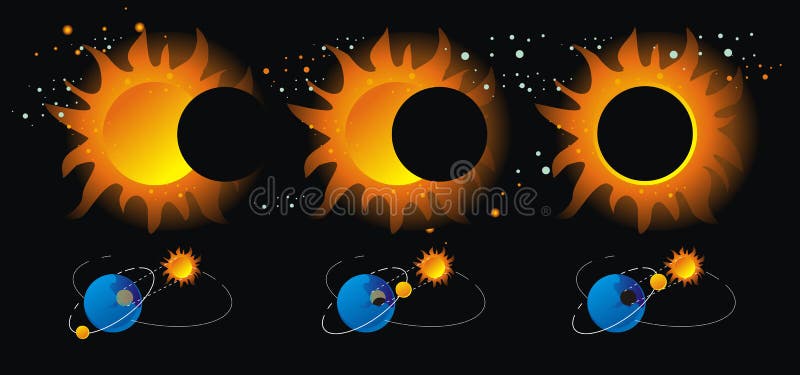
Free with trial Solar eclipse. The approximate scheme of a solar eclipse. Relatively vectors Solar eclipse. The approximate scheme of a solar eclipse
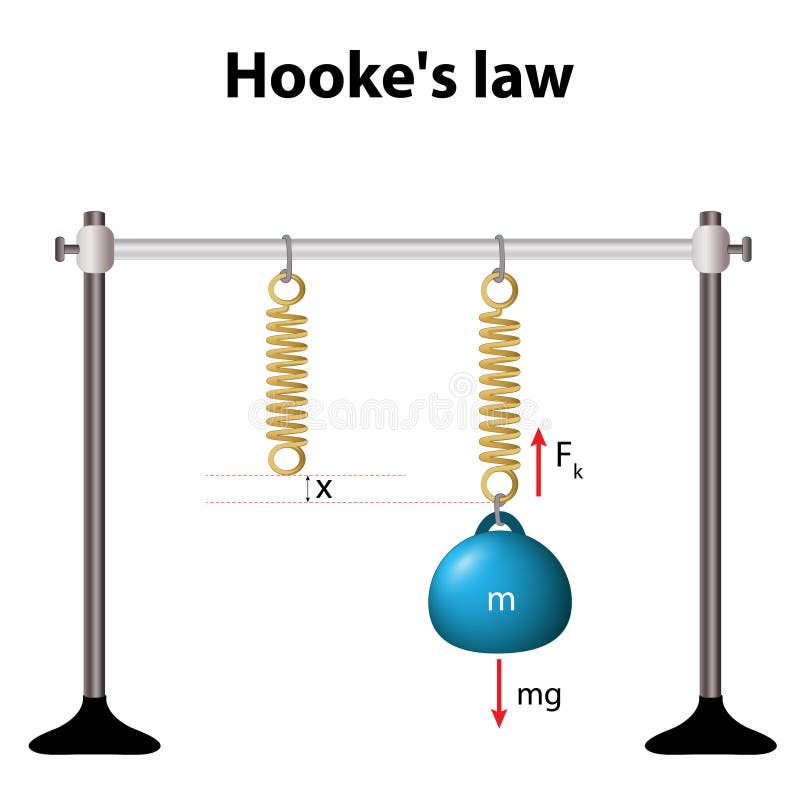
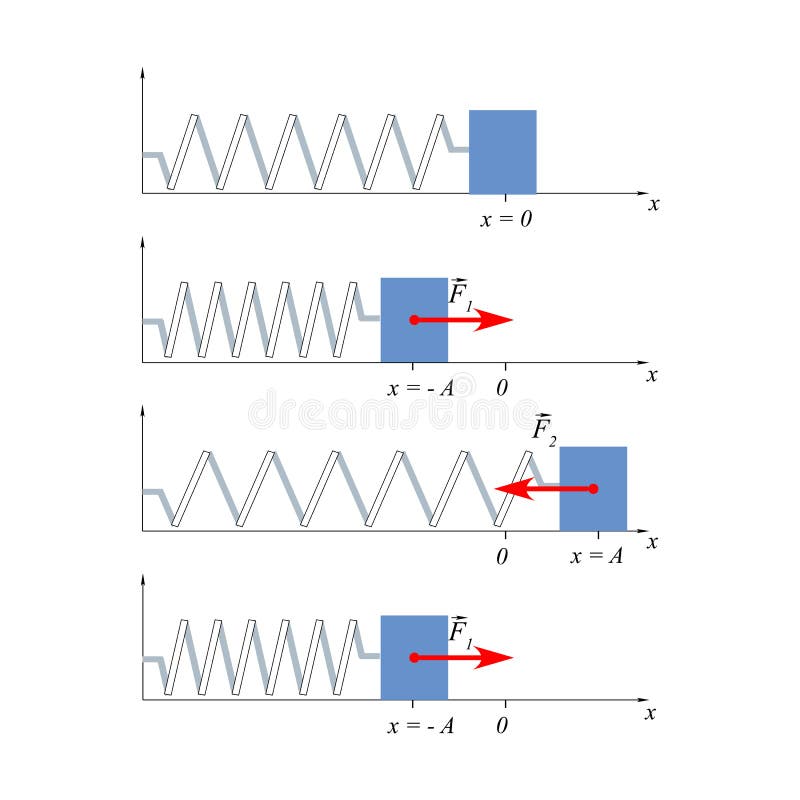
Free with trial Hookes law. law of elasticity. for relatively small deformations of an object, the displacement or size of the deformation is directly proportional to the deforming force or load. Relatively vectors Hooke's law. the force is proportional to the extension. Hookes law. law of elasticity. for relatively small deformations of an object, the displacement or size. Hookes law. law of elasticity. for relatively small deformations of an object, the displacement or size of the deformation is directly proportional to the deforming force or load.
Free with trial Solar System. The Solar System consists of the Sun and those celestial objects. Relatively vectors Solar System. The Solar System consists of the Sun and those celestial objects
Free with trial Solar System. The Solar System consists of the Sun and those celestial objects. Relatively vectors Solar System. The Solar System consists of the Sun and those celestial objects
Free with trial Callus is a toughened area of skin with relatively thick layer of the dead cells. callosity. The difference between healthy skin and skin with callus. skincare. Relatively vectors Callus. callosity. Callus is a toughened area of skin with relatively thick layer of the dead cells. callosity. The difference between healthy skin and skin with. Callus is a toughened area of skin with relatively thick layer of the dead cells. callosity. The difference between healthy skin and skin with callus. skincare
Free with trial Ursa Major constellation or The Greater or larger she-bear with a group of seven relatively bright stars commonly known as the Big Dipper. Night sky and landscape with mountains and hills silhouette. Relatively vectors Ursa Major constellation or The Greater or larger she-bear with a group of seven relatively bright stars commonly known. As the Big Dipper. Night sky and. Ursa Major constellation or The Greater or larger she-bear with a group of seven relatively bright stars commonly known as the Big Dipper. Night sky and landscape with mountains and hills silhouette
Free with trial Hydropower plant as an example of relatively clean but environmentally damaging way of generating electricity. Sketch style drawing isolated on a white background. EPS10 vector illustration. Relatively vectors Hydropower plant as an example of relatively clean but environmentally damaging way of generating electricity. Sketch style drawing isolated on a white
Free with trial Sumatran tiger is the relatively small size of the tiger, fur colors bright. Relatively vectors Tiger Series _ Sumatran Tiger. Sumatran tiger is the relatively small size of the tiger, fur colors bright. Sumatran tiger is the relatively small size of the tiger, fur colors bright.
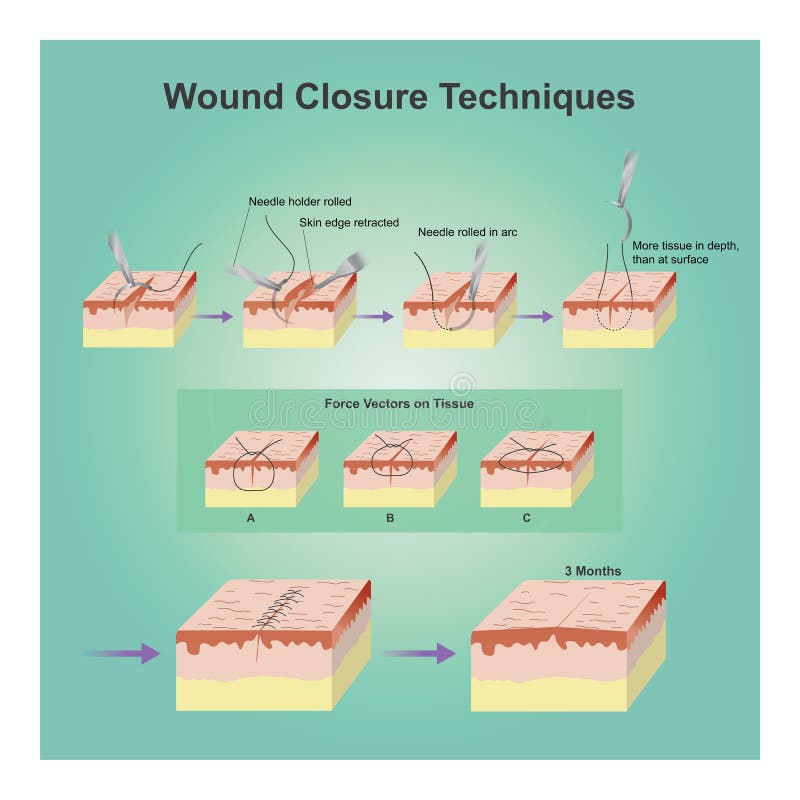
Free with trial A wound is a type of injury which happens relatively quickly in which skin is torn, cut, or punctured an open wound, or where blunt force trauma causes a contusion. Health care education infographic. Vector design. Relatively vectors Wound closure techniques. A wound is a type of injury which happens relatively quickly in which skin is torn, cut, or punctured an open wound, or where blunt. A wound is a type of injury which happens relatively quickly in which skin is torn, cut, or punctured an open wound, or where blunt force trauma causes a contusion. Health care education infographic. Vector design.
Free with trial Individual. The symbolic image of bright individuals in the society. Relatively vectors Individual. The symbolic image of bright individuals in the society
Free with trial Tree of Valentine. A couple of symbolic figures, girls and boys under the tree Valentine. Relatively vectors Tree of Valentine. A couple of symbolic figures, girls and boys under the tree Valentine
Free with trial Universe. Illustration - planets of the solar system and the sun. Relatively vectors Universe. Illustration - planets of the solar system and the sun
Free with trial Geometric decoration typical of the sicilian tradition, generally used in the decorations of ancient ornamental majolica tiles. This relatively light decoration with few colors and fits to a coating a bathroom. Relatively vectors Leaves and flowers decoration for ceramic tile. Geometric decoration typical of the sicilian tradition, generally used in the decorations of ancient ornamental. Geometric decoration typical of the sicilian tradition, generally used in the decorations of ancient ornamental majolica tiles. This relatively light decoration with few colors and fits to a coating a bathroom.
Free with trial Wound is a type of injury which happens relatively quickly in which skin is torn, cut, or punctured or where blunt force trauma causes a contusion. Relatively vectors Wound closure techniques Isolate. Illustration infographic. Wound is a type of injury which happens relatively quickly in which skin is torn, cut, or punctured. Wound is a type of injury which happens relatively quickly in which skin is torn, cut, or punctured or where blunt force trauma causes a contusion.
Free with trial Acanthosis nigricans. Thickened, velvety and relatively darker areas of skin on the neck. The most common site of acanthosis nigricans. type 2 diabetes. Cushing`s syndrome. faulty gene inherited. Vector illustration. Relatively vectors Acanthosis nigricans. Sign and symptoms. Acanthosis nigricans. Thickened, velvety and relatively darker areas of skin on the neck. The most common site of. Acanthosis nigricans. Thickened, velvety and relatively darker areas of skin on the neck. The most common site of acanthosis nigricans. type 2 diabetes. Cushing`s syndrome. faulty gene inherited. Vector illustration
Free with trial City. A city is a relatively large and permanent human settlement. Relatively vectors City. A city is a relatively large and permanent human settlement
Free with trial Green tea bush. On the background of the circle. Relatively vectors Green tea bush. On the background of the circle
Free with trial Silhouette of a tree with a broad, rounded canopy, depicted in black on a white background. The trunk is relatively narrow, widening as it transitions into dense foliage. The leaves are intricately detailed, suggesting a lush density typical of deciduous trees like oaks or maples. This hand-drawn representation emphasizes the texture and shape of the tree, showcasing a natural, organic form against the stark contrast of the background. Relatively vectors Hand drawn tree silhouette on white background. Silhouette of a tree with a broad, rounded canopy, depicted in black on a white background. The trunk is. Silhouette of a tree with a broad, rounded canopy, depicted in black on a white background. The trunk is relatively narrow, widening as it transitions into dense foliage. The leaves are intricately detailed, suggesting a lush density typical of deciduous trees like oaks or maples. This hand-drawn representation emphasizes the texture and shape of the tree, showcasing a natural, organic form against the stark contrast of the background.
Free with trial A group of brain disorders caused by progressive damage to the frontal and temporal lobes. These areas control personality, behavior, language, and decision-making. Unlike Alzheimer's, memory may stay relatively intact in early stages, while changes in social behavior, judgment, speech, or emotional control appear first. Over time, symptoms worsen, affecting daily activities and independence. Relatively vectors Frontotemporal Dementia Brain Flashcard Illustration. A group of brain disorders caused by progressive damage to the frontal and temporal lobes. These areas. A group of brain disorders caused by progressive damage to the frontal and temporal lobes. These areas control personality, behavior, language, and decision-making. Unlike Alzheimer's, memory may stay relatively intact in early stages, while changes in social behavior, judgment, speech, or emotional control appear first. Over time, symptoms worsen, affecting daily activities and independence.
Free with trial This high-resolution biological asset features a mature male Asian Elephant (Elephas maximus), or bull, captured in a commanding frontal-oblique view. The illustration meticulously details the species' unique cranial morphology, specifically the prominent twin-domed forehead and relatively small, square-shaped ears. Its skin is a masterclass in biological rendering, displaying a complex network of deep wrinkles and folds in a natural earthen-grey tone. A pair of exceptionally long, ivory-white tusks curve downward and forward, framing a powerful, muscular trunk that exhibits fine transverse ridging. The bull's massive, pillar-like legs and broad, padded feet with distinct toenails underscore the immense weight and grounded strength of this megaherbivore. This professional-grade cutout is an essential resource for proboscidean anatomical studies, Asian megafauna research, and high-end digital wildlife illustration. Relatively vectors Asian Elephant Bull, High-Fidelity Elephas maximus Asset, Transparent Background. This high-resolution biological asset features a mature male Asian Elephant (. This high-resolution biological asset features a mature male Asian Elephant (Elephas maximus), or bull, captured in a commanding frontal-oblique view. The illustration meticulously details the species' unique cranial morphology, specifically the prominent twin-domed forehead and relatively small, square-shaped ears. Its skin is a masterclass in biological rendering, displaying a complex network of deep wrinkles and folds in a natural earthen-grey tone. A pair of exceptionally long, ivory-white tusks curve downward and forward, framing a powerful, muscular trunk that exhibits fine transverse ridging. The bull's massive, pillar-like legs and broad, padded feet with distinct toenails underscore the immense weight and grounded strength of this megaherbivore. This professional-grade cutout is an essential resource for proboscidean anatomical studies, Asian megafauna research, and high-end digital wildlife illustration.
Free with trial The Royal Thai Police RTP Thai: ตำรวจแห่งชาติ; RTGS: tamruat haeng chat are the national police force of Thailand. The RTP employs between 210,700 and 230,000 officers, roughly 17 percent of all civil servants excluding military and the employees of state-owned enterprises. [2][4] The Royal Thai Police frequently is recognized as the fourth armed force of Thailand as their tradition, concept, culture, skill, and training are relatively same as the army and most of their officer cadets need to graduate from the Armed Forces Academies Preparatory School together with prospective cadets of the armed forces branches as a preparatory requirement before entering the Police Academy, while the constables endure paramilitary training similar to the army but with an additional focus on law enforcement. Relatively vectors A kind of Police uniform. The Royal Thai Police RTP Thai: ตำรวจแห่งชาติ; RTGS: tamruat haeng chat are the national police force of. The Royal Thai Police RTP Thai: ตำรวจแห่งชาติ; RTGS: tamruat haeng chat are the national police force of Thailand. The RTP employs between 210,700 and 230,000 officers, roughly 17 percent of all civil servants excluding military and the employees of state-owned enterprises.[2][4] The Royal Thai Police frequently is recognized as the fourth armed force of Thailand as their tradition, concept, culture, skill, and training are relatively same as the army and most of their officer cadets need to graduate from the Armed Forces Academies Preparatory School together with prospective cadets of the armed forces branches as a preparatory requirement before entering the Police Academy, while the constables endure paramilitary training similar to the army but with an additional focus on law enforcement.
Free with trial Illustration load fluctuations on the spring will help explain to students the oscillatory motion, the concept of displacement and harmonic oscillations. Relatively vectors Fluctuations in load on the spring. Illustration load fluctuations on the spring will help explain to students the oscillatory motion, the concept of. Illustration load fluctuations on the spring will help explain to students the oscillatory motion, the concept of displacement and harmonic oscillations.
Free with trial Sign surfboard. Graphic sign surfboard on a white background. Relatively vectors Sign surfboard. Graphic sign surfboard on a white background
Free with trial A detailed side view of a piranha is presented against a transparent background. The fish has a laterally compressed, diamond-shaped body with a silvery-gray coloration on its flanks that transitions to a reddish hue on its belly and lower jaw. Its most notable feature is its formidable set of sharp, triangular teeth visible in its slightly open mouth. The piranha has a prominent lower jaw that juts out slightly. It has a dark, serrated keel along its ventral side. Its fins are dark, including a spiny dorsal fin, pectoral fins, pelvic fins, and a forked caudal fin (tail fin). The eye is relatively large and has a reddish iris. Relatively vectors Piranha on Transparent Background. A detailed side view of a piranha is presented against a transparent background. The fish has a laterally compressed, diamond. A detailed side view of a piranha is presented against a transparent background. The fish has a laterally compressed, diamond-shaped body with a silvery-gray coloration on its flanks that transitions to a reddish hue on its belly and lower jaw. Its most notable feature is its formidable set of sharp, triangular teeth visible in its slightly open mouth. The piranha has a prominent lower jaw that juts out slightly. It has a dark, serrated keel along its ventral side. Its fins are dark, including a spiny dorsal fin, pectoral fins, pelvic fins, and a forked caudal fin (tail fin). The eye is relatively large and has a reddish iris.
Free with trial Travel is the movement of people between relatively distant geographical locations, and can involve travel by foot, bicycle,train,boat,airplane,or other means,with or without luggage. Relatively vectors Travel over the world. Travel is the movement of people between relatively distant geographical locations, and can involve travel by foot, bicycle,train,boat. Travel is the movement of people between relatively distant geographical locations, and can involve travel by foot, bicycle,train,boat,airplane,or other means,with or without luggage
Free with trial The Vector of an Affenpinscher dog. Affenpinschers have a distinctive appearance that is often associated with terriers. The small body of the Affenpinscher is covered in coarse, wiry fur that tends to be either black or grey in colour, and is actually quite long for such a small Dog. The head of the Affenpinscher is domed, with a short muzzle, small ears and dark eyes and its trade-mark `monkey like` expression is exaggerated by its protruding lower lip. Their tails are relatively short. Historically, the tail of the Affenpinscher would have been docked, and ancestors of the breed today were found in variety of colours including red, fawn and beige and would have been larger in size. Relatively vectors An Affenpinscher dog. The Vector of an Affenpinscher dog. Affenpinschers have a distinctive appearance that is often associated with terriers. The small body of. The Vector of an Affenpinscher dog. Affenpinschers have a distinctive appearance that is often associated with terriers. The small body of the Affenpinscher is covered in coarse, wiry fur that tends to be either black or grey in colour, and is actually quite long for such a small Dog. The head of the Affenpinscher is domed, with a short muzzle, small ears and dark eyes and its trade-mark `monkey like` expression is exaggerated by its protruding lower lip. Their tails are relatively short. Historically, the tail of the Affenpinscher would have been docked, and ancestors of the breed today were found in variety of colours including red, fawn and beige and would have been larger in size.
Free with trial A tortoise is presented from a front-facing, slightly low-angle perspective against a transparent background. The tortoise has a high-domed, tan and brown carapace (shell) with distinct scutes (individual plates) showing growth rings and radiating patterns. Its head is relatively small with a somewhat pointed snout and dark eyes. The tortoise has sturdy, elephantine legs covered in scales, with visible claws on its feet. Its posture suggests it is slowly walking or resting. Relatively vectors Tortoise on Transparent Background. A tortoise is presented from a front-facing, slightly low-angle perspective against a transparent background. The tortoise. A tortoise is presented from a front-facing, slightly low-angle perspective against a transparent background. The tortoise has a high-domed, tan and brown carapace (shell) with distinct scutes (individual plates) showing growth rings and radiating patterns. Its head is relatively small with a somewhat pointed snout and dark eyes. The tortoise has sturdy, elephantine legs covered in scales, with visible claws on its feet. Its posture suggests it is slowly walking or resting.
Free with trial A picture shows Sorbus Americana Plant. It is the A perennial tree and relatively small tree. It has bunch of small spherical seeds, same as neem tree, vintage line drawing or engraving illustration. Relatively vectors Sorbus Americana vintage illustration. A picture shows Sorbus Americana Plant. It is the A perennial tree and relatively small tree. It has bunch of small. A picture shows Sorbus Americana Plant. It is the A perennial tree and relatively small tree. It has bunch of small spherical seeds, same as neem tree, vintage line drawing or engraving illustration
Free with trial Arrow-Leaved Violet also known as Viola sagittata in the family Violaceae. The leaves are relatively smooth and hairy and are arrowhead in shape. The Flowers are half white with dark purple in color, vintage line drawing or engraving illustration. Relatively vectors Arrow-Leaved Violet vintage illustration. Arrow-Leaved Violet also known as Viola sagittata in the family Violaceae. The leaves are relatively smooth and hairy. Arrow-Leaved Violet also known as Viola sagittata in the family Violaceae. The leaves are relatively smooth and hairy and are arrowhead in shape. The Flowers are half white with dark purple in color, vintage line drawing or engraving illustration
Free with trial Low poly is a polygon mesh in 3D computer graphics that has a relatively small number of polygons. Relatively vectors Polygonal red apple with background. Vector illustration. Low poly is a polygon mesh in 3D computer graphics that has a relatively small number of polygons. Low poly is a polygon mesh in 3D computer graphics that has a relatively small number of polygons.
Free with trial Cycling is a popular outdoor activity and mode of transportation that involves riding a bicycle. It can be enjoyed as a recreational hobby, a form of exercise, a means of commuting, or even as a competitive sport. Cycling offers various benefits, both for individuals and the environment. For individuals, cycling provides a low-impact cardiovascular workout, helping to improve cardiovascular fitness, muscle strength, and overall stamina. Regular cycling can also contribute to weight loss, increased flexibility, and improved mental well-being. It is a relatively accessible activity that can be enjoyed by people of different ages and fitness levels. Relatively vectors Road bike front area. minimalism retro style. cycling abstract vector illustration. Cycling is a popular outdoor activity and mode of transportation that. Cycling is a popular outdoor activity and mode of transportation that involves riding a bicycle. It can be enjoyed as a recreational hobby, a form of exercise, a means of commuting, or even as a competitive sport. Cycling offers various benefits, both for individuals and the environment.For individuals, cycling provides a low-impact cardiovascular workout, helping to improve cardiovascular fitness, muscle strength, and overall stamina. Regular cycling can also contribute to weight loss, increased flexibility, and improved mental well-being. It is a relatively accessible activity that can be enjoyed by people of different ages and fitness levels.
Free with trial Torrey Pine Cone vintage illustration. Stout, hard shelled relatively round shaped cones, vintage line drawing or engraving illustration. Relatively vectors Torrey Pine Cone vintage illustration. Stout, hard shelled relatively round shaped cones, vintage line drawing or engraving illustration
Free with trial Cycling is a popular outdoor activity and mode of transportation that involves riding a bicycle. It can be enjoyed as a recreational hobby, a form of exercise, a means of commuting, or even as a competitive sport. Cycling offers various benefits, both for individuals and the environment. For individuals, cycling provides a low-impact cardiovascular workout, helping to improve cardiovascular fitness, muscle strength, and overall stamina. Regular cycling can also contribute to weight loss, increased flexibility, and improved mental well-being. It is a relatively accessible activity that can be enjoyed by people of different ages and fitness levels. Relatively vectors Cyclist off saddle speeding. cycling challange event poster. distressed dry brush vector illustration. Cycling is a popular outdoor activity and mode of. Cycling is a popular outdoor activity and mode of transportation that involves riding a bicycle. It can be enjoyed as a recreational hobby, a form of exercise, a means of commuting, or even as a competitive sport. Cycling offers various benefits, both for individuals and the environment.For individuals, cycling provides a low-impact cardiovascular workout, helping to improve cardiovascular fitness, muscle strength, and overall stamina. Regular cycling can also contribute to weight loss, increased flexibility, and improved mental well-being. It is a relatively accessible activity that can be enjoyed by people of different ages and fitness levels.
Free with trial Black line icon for Equality, money and economy. Black line icon for Equality, money, relatively, financial, equal, budget, investment, comparatively and economy. Relatively vectors Black line icon for Equality, money and economy. Black line icon for Equality, money, relatively, financial, equal, budget, investment, comparatively and economy
Free with trial Illustration of physics, Red light has relatively long waves, Ultraviolet light have short waves, Shorter waves vibrate at higher frequencies and have higher energies. Relatively vectors Illustration of physics, Red light has relatively long waves, Ultraviolet light. Have short waves, Shorter waves vibrate at higher frequencies and have higher
Free with trial Six black-and-white circular show cross-sections of stones or rock nodules, each with an irregular outer rim surrounding a dense network of angular cracks and polygonal sections. The patterns vary from relatively even, tightly packed fractures to larger pale areas and more fragmented interiors, while bold outlines emphasize the rough edges against a plain white background. Their repeated forms and contrasting lines give the image the appearance of a simple geological study of cracked rock textures. Relatively vectors Six black-and-white circular show cross-sections of stones or rock nodules, each with an irregular outer rim. Surrounding a dense network of angular cracks and. Six black-and-white circular show cross-sections of stones or rock nodules, each with an irregular outer rim surrounding a dense network of angular cracks and polygonal sections. The patterns vary from relatively even, tightly packed fractures to larger pale areas and more fragmented interiors, while bold outlines emphasize the rough edges against a plain white background. Their repeated forms and contrasting lines give the image the appearance of a simple geological study of cracked rock textures.
Free with trial Eight black-and-white show cross-sections of tree trunks, each with concentric growth rings radiating from a central pith and a distinct pattern of cracks, lobes, or uneven bark. Arranged in two rows on a plain white background, the examples range from relatively smooth, round slices to deeply split and irregular forms. Their bold ink outlines and fine ring details make the varied structures easy to compare, lending the image the feel of a simple natural-history reference. Relatively vectors Eight black-and-white show cross-sections of tree trunks, each with concentric growth rings radiating from a. Central pith and a distinct pattern of cracks. Eight black-and-white show cross-sections of tree trunks, each with concentric growth rings radiating from a central pith and a distinct pattern of cracks, lobes, or uneven bark. Arranged in two rows on a plain white background, the examples range from relatively smooth, round slices to deeply split and irregular forms. Their bold ink outlines and fine ring details make the varied structures easy to compare, lending the image the feel of a simple natural-history reference.
Free with trial The illustration of the zigzag leaf (Pedilanthus tithymaloides) highlights its unique characteristics, especially its lanceolate shape and alternate arrangement along the succulent stem. This leaf has a slightly waxy texture, which helps retain moisture—a typical adaptation of succulent plants. Its coloration ranges from deep green to reddish or purplish tones, depending on sun exposure and environmental conditions. The leaf structure is relatively small, with smooth or slightly wavy edges, giving the plant an ornamental appearance. The central vein is well-defined, providing structural support and efficiency in sap transport. In the illustration, details of the secondary venation and textured surface are emphasized to showcase its adaptations to dry environments. The name zigzag refers to the plant's distinctive stem growth pattern, which follows an angular, "zigzag" arrangement. This characteristic is reflected in the leaf arrangement, where leaves emerge in alternating directions, creating a dynamic and attractive visual effect. The Pedilanthus tithymaloides leaf plays a crucial role in the plant's balance, contributing to photosynthesis and helping regulate water loss in arid climates. The illustration of this leaf is frequently used in botany for plant adaptation studies, as well as in artistic representations of ornamental succulents. Its unique shape and coloration make it a popular choice for detailed botanical illustrations. Relatively vectors Botanical art of a zigzag plant leaf, with fine contours and shading that reproduces its characteristic shape. The illustration of the zigzag leaf (Pedilanthus. The illustration of the zigzag leaf (Pedilanthus tithymaloides) highlights its unique characteristics, especially its lanceolate shape and alternate arrangement along the succulent stem. This leaf has a slightly waxy texture, which helps retain moisture—a typical adaptation of succulent plants. Its coloration ranges from deep green to reddish or purplish tones, depending on sun exposure and environmental conditions.The leaf structure is relatively small, with smooth or slightly wavy edges, giving the plant an ornamental appearance. The central vein is well-defined, providing structural support and efficiency in sap transport. In the illustration, details of the secondary venation and textured surface are emphasized to showcase its adaptations to dry environments.The name zigzag refers to the plant's distinctive stem growth pattern, which follows an angular, "zigzag" arrangement. This characteristic is reflected in the leaf arrangement, where leaves emerge in alternating directions, creating a dynamic and attractive visual effect. The Pedilanthus tithymaloides leaf plays a crucial role in the plant's balance, contributing to photosynthesis and helping regulate water loss in arid climates.The illustration of this leaf is frequently used in botany for plant adaptation studies, as well as in artistic representations of ornamental succulents. Its unique shape and coloration make it a popular choice for detailed botanical illustrations.
Free with trial The illustration of the zigzag leaf (Pedilanthus tithymaloides) highlights its unique characteristics, especially its lanceolate shape and alternate arrangement along the succulent stem. This leaf has a slightly waxy texture, which helps retain moisture—a typical adaptation of succulent plants. Its coloration ranges from deep green to reddish or purplish tones, depending on sun exposure and environmental conditions. The leaf structure is relatively small, with smooth or slightly wavy edges, giving the plant an ornamental appearance. The central vein is well-defined, providing structural support and efficiency in sap transport. In the illustration, details of the secondary venation and textured surface are emphasized to showcase its adaptations to dry environments. The name zigzag refers to the plant's distinctive stem growth pattern, which follows an angular, "zigzag" arrangement. This characteristic is reflected in the leaf arrangement, where leaves emerge in alternating directions, creating a dynamic and attractive visual effect. The Pedilanthus tithymaloides leaf plays a crucial role in the plant's balance, contributing to photosynthesis and helping regulate water loss in arid climates. The illustration of this leaf is frequently used in botany for plant adaptation studies, as well as in artistic representations of ornamental succulents. Its unique shape and coloration make it a popular choice for detailed botanical illustrations. Relatively vectors Graphic representation of a zigzag plant leaf, with fine lines and realistic tones that enhance its botanical structure. The illustration of the zigzag leaf (. The illustration of the zigzag leaf (Pedilanthus tithymaloides) highlights its unique characteristics, especially its lanceolate shape and alternate arrangement along the succulent stem. This leaf has a slightly waxy texture, which helps retain moisture—a typical adaptation of succulent plants. Its coloration ranges from deep green to reddish or purplish tones, depending on sun exposure and environmental conditions.The leaf structure is relatively small, with smooth or slightly wavy edges, giving the plant an ornamental appearance. The central vein is well-defined, providing structural support and efficiency in sap transport. In the illustration, details of the secondary venation and textured surface are emphasized to showcase its adaptations to dry environments.The name zigzag refers to the plant's distinctive stem growth pattern, which follows an angular, "zigzag" arrangement. This characteristic is reflected in the leaf arrangement, where leaves emerge in alternating directions, creating a dynamic and attractive visual effect. The Pedilanthus tithymaloides leaf plays a crucial role in the plant's balance, contributing to photosynthesis and helping regulate water loss in arid climates.The illustration of this leaf is frequently used in botany for plant adaptation studies, as well as in artistic representations of ornamental succulents. Its unique shape and coloration make it a popular choice for detailed botanical illustrations.
Free with trial The illustration of the zigzag leaf (Pedilanthus tithymaloides) highlights its unique characteristics, especially its lanceolate shape and alternate arrangement along the succulent stem. This leaf has a slightly waxy texture, which helps retain moisture—a typical adaptation of succulent plants. Its coloration ranges from deep green to reddish or purplish tones, depending on sun exposure and environmental conditions. The leaf structure is relatively small, with smooth or slightly wavy edges, giving the plant an ornamental appearance. The central vein is well-defined, providing structural support and efficiency in sap transport. In the illustration, details of the secondary venation and textured surface are emphasized to showcase its adaptations to dry environments. The name zigzag refers to the plant's distinctive stem growth pattern, which follows an angular, "zigzag" arrangement. This characteristic is reflected in the leaf arrangement, where leaves emerge in alternating directions, creating a dynamic and attractive visual effect. The Pedilanthus tithymaloides leaf plays a crucial role in the plant's balance, contributing to photosynthesis and helping regulate water loss in arid climates. The illustration of this leaf is frequently used in botany for plant adaptation studies, as well as in artistic representations of ornamental succulents. Its unique shape and coloration make it a popular choice for detailed botanical illustrations. Relatively vectors Naturalistic illustration of a zigzag plant leaf, highlighting its color nuances and distinctive edge shape. The illustration of the zigzag leaf (Pedilanthus. The illustration of the zigzag leaf (Pedilanthus tithymaloides) highlights its unique characteristics, especially its lanceolate shape and alternate arrangement along the succulent stem. This leaf has a slightly waxy texture, which helps retain moisture—a typical adaptation of succulent plants. Its coloration ranges from deep green to reddish or purplish tones, depending on sun exposure and environmental conditions.The leaf structure is relatively small, with smooth or slightly wavy edges, giving the plant an ornamental appearance. The central vein is well-defined, providing structural support and efficiency in sap transport. In the illustration, details of the secondary venation and textured surface are emphasized to showcase its adaptations to dry environments.The name zigzag refers to the plant's distinctive stem growth pattern, which follows an angular, "zigzag" arrangement. This characteristic is reflected in the leaf arrangement, where leaves emerge in alternating directions, creating a dynamic and attractive visual effect. The Pedilanthus tithymaloides leaf plays a crucial role in the plant's balance, contributing to photosynthesis and helping regulate water loss in arid climates.The illustration of this leaf is frequently used in botany for plant adaptation studies, as well as in artistic representations of ornamental succulents. Its unique shape and coloration make it a popular choice for detailed botanical illustrations.
Free with trial The illustration of the zigzag leaf (Pedilanthus tithymaloides) highlights its unique characteristics, especially its lanceolate shape and alternate arrangement along the succulent stem. This leaf has a slightly waxy texture, which helps retain moisture—a typical adaptation of succulent plants. Its coloration ranges from deep green to reddish or purplish tones, depending on sun exposure and environmental conditions. The leaf structure is relatively small, with smooth or slightly wavy edges, giving the plant an ornamental appearance. The central vein is well-defined, providing structural support and efficiency in sap transport. In the illustration, details of the secondary venation and textured surface are emphasized to showcase its adaptations to dry environments. The name zigzag refers to the plant's distinctive stem growth pattern, which follows an angular, "zigzag" arrangement. This characteristic is reflected in the leaf arrangement, where leaves emerge in alternating directions, creating a dynamic and attractive visual effect. The Pedilanthus tithymaloides leaf plays a crucial role in the plant's balance, contributing to photosynthesis and helping regulate water loss in arid climates. The illustration of this leaf is frequently used in botany for plant adaptation studies, as well as in artistic representations of ornamental succulents. Its unique shape and coloration make it a popular choice for detailed botanical illustrations. Relatively vectors Minimalist sketch of a zigzag plant leaf, with subtle lines that represent its sinuous shape in a simplified way. The illustration of the zigzag leaf (. The illustration of the zigzag leaf (Pedilanthus tithymaloides) highlights its unique characteristics, especially its lanceolate shape and alternate arrangement along the succulent stem. This leaf has a slightly waxy texture, which helps retain moisture—a typical adaptation of succulent plants. Its coloration ranges from deep green to reddish or purplish tones, depending on sun exposure and environmental conditions.The leaf structure is relatively small, with smooth or slightly wavy edges, giving the plant an ornamental appearance. The central vein is well-defined, providing structural support and efficiency in sap transport. In the illustration, details of the secondary venation and textured surface are emphasized to showcase its adaptations to dry environments.The name zigzag refers to the plant's distinctive stem growth pattern, which follows an angular, "zigzag" arrangement. This characteristic is reflected in the leaf arrangement, where leaves emerge in alternating directions, creating a dynamic and attractive visual effect. The Pedilanthus tithymaloides leaf plays a crucial role in the plant's balance, contributing to photosynthesis and helping regulate water loss in arid climates.The illustration of this leaf is frequently used in botany for plant adaptation studies, as well as in artistic representations of ornamental succulents. Its unique shape and coloration make it a popular choice for detailed botanical illustrations.
Free with trial The illustration of the zigzag leaf (Pedilanthus tithymaloides) highlights its unique characteristics, especially its lanceolate shape and alternate arrangement along the succulent stem. This leaf has a slightly waxy texture, which helps retain moisture—a typical adaptation of succulent plants. Its coloration ranges from deep green to reddish or purplish tones, depending on sun exposure and environmental conditions. The leaf structure is relatively small, with smooth or slightly wavy edges, giving the plant an ornamental appearance. The central vein is well-defined, providing structural support and efficiency in sap transport. In the illustration, details of the secondary venation and textured surface are emphasized to showcase its adaptations to dry environments. The name zigzag refers to the plant's distinctive stem growth pattern, which follows an angular, "zigzag" arrangement. This characteristic is reflected in the leaf arrangement, where leaves emerge in alternating directions, creating a dynamic and attractive visual effect. The Pedilanthus tithymaloides leaf plays a crucial role in the plant's balance, contributing to photosynthesis and helping regulate water loss in arid climates. The illustration of this leaf is frequently used in botany for plant adaptation studies, as well as in artistic representations of ornamental succulents. Its unique shape and coloration make it a popular choice for detailed botanical illustrations. Relatively vectors Classic illustration of a Pedilanthus tithymaloides leaf, highlighting its organic shape and details of the leaf blade. The illustration of the zigzag leaf (. The illustration of the zigzag leaf (Pedilanthus tithymaloides) highlights its unique characteristics, especially its lanceolate shape and alternate arrangement along the succulent stem. This leaf has a slightly waxy texture, which helps retain moisture—a typical adaptation of succulent plants. Its coloration ranges from deep green to reddish or purplish tones, depending on sun exposure and environmental conditions.The leaf structure is relatively small, with smooth or slightly wavy edges, giving the plant an ornamental appearance. The central vein is well-defined, providing structural support and efficiency in sap transport. In the illustration, details of the secondary venation and textured surface are emphasized to showcase its adaptations to dry environments.The name zigzag refers to the plant's distinctive stem growth pattern, which follows an angular, "zigzag" arrangement. This characteristic is reflected in the leaf arrangement, where leaves emerge in alternating directions, creating a dynamic and attractive visual effect. The Pedilanthus tithymaloides leaf plays a crucial role in the plant's balance, contributing to photosynthesis and helping regulate water loss in arid climates.The illustration of this leaf is frequently used in botany for plant adaptation studies, as well as in artistic representations of ornamental succulents. Its unique shape and coloration make it a popular choice for detailed botanical illustrations.
Free with trial Hedonic adaptation is the psychological process by which people quickly return to a relatively stable level of happiness despite major positive or negative life changes. Relatively vectors Hedonic adaptation is the psychological process by which people quickly return to a relatively stable level of happiness. Despite major positive or negative
Free with trial AI-generated realistic texture of warm cream paper with overlapping amber stain patterns, incomplete brown coffee rings and small splash marks. Delicate tide rims and fine dry fibres fill the opaque frame around a relatively quiet beige center for design copy. Relatively vectors Tea-Stained Paper Texture with Soft Coffee Rings. AI-generated realistic texture of warm cream paper with overlapping amber stain patterns, incomplete brown. AI-generated realistic texture of warm cream paper with overlapping amber stain patterns, incomplete brown coffee rings and small splash marks. Delicate tide rims and fine dry fibres fill the opaque frame around a relatively quiet beige center for design copy
Free with trial Primary Progressive Aphasia (PPA) is a rare neurodegenerative disorder that gradually impairs language abilities, including speaking, understanding, reading, and writing, while other cognitive functions may remain relatively preserved in the early stages. Relatively vectors Primary Progressive Aphasia (PPA). Is a rare neurodegenerative disorder that gradually impairs language abilities, including speaking, understanding, reading. Primary Progressive Aphasia (PPA) is a rare neurodegenerative disorder that gradually impairs language abilities, including speaking, understanding, reading, and writing, while other cognitive functions may remain relatively preserved in the early stages.
Free with trial A scattered shower is a brief rainfall occurring in separate areas while other locations remain relatively dry. Relatively vectors Illustration of scattered shower. A scattered shower is a brief rainfall occurring in separate areas while other locations remain relatively dry. A scattered shower is a brief rainfall occurring in separate areas while other locations remain relatively dry.
Free with trial A micro loan provides a relatively small amount of financing to individuals or small businesses for specific financial needs. Relatively vectors Micro loan glyph icon. A micro loan provides a relatively small amount of financing to individuals or small businesses for specific financial needs. A micro loan provides a relatively small amount of financing to individuals or small businesses for specific financial needs.
Free with trial Silhouette of a tree on a white background, showing an irregular canopy with dense leaves. The branches extend outward, creating a wide, spreading shape. The trunk is relatively thin, tapering as it reaches the foliage. The contrast between the black silhouette and the white background highlights the intricate design of the branches and leaves, conveying the tree's natural form with simplicity and clarity. Relatively vectors Hand drawn tree silhouette on white background. Silhouette of a tree on a white background, showing an irregular canopy with dense leaves. The branches extend. Silhouette of a tree on a white background, showing an irregular canopy with dense leaves. The branches extend outward, creating a wide, spreading shape. The trunk is relatively thin, tapering as it reaches the foliage. The contrast between the black silhouette and the white background highlights the intricate design of the branches and leaves, conveying the tree's natural form with simplicity and clarity.
Free with trial Silhouette of a tree drawn in black ink on a white background. The tree has a dense canopy with numerous branches and leaves, creating a textured, full appearance. The trunk is relatively slender, dividing into smaller branches. The overall shape is symmetrical with a slightly rounded top, giving it a balanced and natural look. The bold contrast between the black silhouette and the white background highlights the intricate details of the foliage and branches. Relatively vectors Hand drawn tree silhouette on white background. Silhouette of a tree drawn in black ink on a white background. The tree has a dense canopy with numerous branches. Silhouette of a tree drawn in black ink on a white background. The tree has a dense canopy with numerous branches and leaves, creating a textured, full appearance. The trunk is relatively slender, dividing into smaller branches. The overall shape is symmetrical with a slightly rounded top, giving it a balanced and natural look. The bold contrast between the black silhouette and the white background highlights the intricate details of the foliage and branches.
Free with trial Silhouette of a tree with a textured trunk and dense foliage on a white background. The foliage consists of irregular shapes creating a bushy, natural appearance. The trunk is relatively narrow, suggesting a slender tree. The stark contrast between the black silhouette and white background highlights the intricate details of the leaves and branches. Relatively vectors Hand drawn tree silhouette on white background. Silhouette of a tree with a textured trunk and dense foliage on a white background. The foliage consists of. Silhouette of a tree with a textured trunk and dense foliage on a white background. The foliage consists of irregular shapes creating a bushy, natural appearance. The trunk is relatively narrow, suggesting a slender tree. The stark contrast between the black silhouette and white background highlights the intricate details of the leaves and branches.
Free with trial A black silhouette of a tree is depicted on a white background. The tree features a dense, rounded canopy with scattered gaps representing leaves and foliage. The trunk is relatively thin, extending upwards to support the broad, leafy crown. This hand-drawn style emphasizes contrast and shape, capturing the essence of the tree in a minimalist manner. The stark black and white contrast makes the silhouette striking and clear. Relatively vectors Hand drawn tree silhouette on white background. A black silhouette of a tree is depicted on a white background. The tree features a dense, rounded canopy with. A black silhouette of a tree is depicted on a white background. The tree features a dense, rounded canopy with scattered gaps representing leaves and foliage. The trunk is relatively thin, extending upwards to support the broad, leafy crown. This hand-drawn style emphasizes contrast and shape, capturing the essence of the tree in a minimalist manner. The stark black and white contrast makes the silhouette striking and clear.
Free with trial Silhouette of a tree, featuring a dark, solid black profile, depicted against a white background. The tree displays a thick canopy with dense foliage, characterized by jagged edges, giving it a full appearance. The trunk is relatively slender and straight, contrasting sharply with the intricate outline of the leaves. The simplicity of the black and white contrast emphasizes the tree's shape and form. This minimalistic representation captures the essence of a tree using bold, clear lines. Relatively vectors Hand drawn tree silhouette on white background. Silhouette of a tree, featuring a dark, solid black profile, depicted against a white background. The tree. Silhouette of a tree, featuring a dark, solid black profile, depicted against a white background. The tree displays a thick canopy with dense foliage, characterized by jagged edges, giving it a full appearance. The trunk is relatively slender and straight, contrasting sharply with the intricate outline of the leaves. The simplicity of the black and white contrast emphasizes the tree's shape and form. This minimalistic representation captures the essence of a tree using bold, clear lines.
Free with trial Silhouette of a tree with a dense, rounded canopy on a white background. The trunk is relatively slender, supporting a mass of irregularly shaped foliage. The hand-drawn style highlights the contours and edges, forming a stark contrast against the plain backdrop. The lack of specific details in the leaves and branches emphasizes the overall shape and form of the tree. Relatively vectors Hand drawn tree silhouette on white background. Silhouette of a tree with a dense, rounded canopy on a white background. The trunk is relatively slender. Silhouette of a tree with a dense, rounded canopy on a white background. The trunk is relatively slender, supporting a mass of irregularly shaped foliage. The hand-drawn style highlights the contours and edges, forming a stark contrast against the plain backdrop. The lack of specific details in the leaves and branches emphasizes the overall shape and form of the tree.
Free with trial Four hand-drawn tree silhouettes on a white background exhibit various species and forms. The top left tree features a slender trunk with a dense, rounded foliage crown. The top right tree has a slightly fuller canopy with a stout trunk. The bottom left silhouette shows a bushier appearance with multiple branches, while the bottom right tree has a similarly dense canopy with a relatively thin trunk. All silhouettes are uniformly black, showcasing diverse tree shapes and structures. Relatively vectors Hand drawn tree silhouette on white background. Four hand-drawn tree silhouettes on a white background exhibit various species and forms. The top left tree. Four hand-drawn tree silhouettes on a white background exhibit various species and forms. The top left tree features a slender trunk with a dense, rounded foliage crown. The top right tree has a slightly fuller canopy with a stout trunk. The bottom left silhouette shows a bushier appearance with multiple branches, while the bottom right tree has a similarly dense canopy with a relatively thin trunk. All silhouettes are uniformly black, showcasing diverse tree shapes and structures.
Free with trial Rough white brush-like streaks sweep in broad, curved arcs across a solid black field, forming a distressed abstract texture. The marks vary from dense, bright clusters to thin, broken scratches, with open black space between them and a stronger concentration near the upper-right and lower-left edges. Stark contrast and diagonal movement give the design a stark, energetic feel while keeping its center relatively sparse. Relatively vectors Grunge White Swirling Lines on Black Background. Rough white brush-like streaks sweep in broad, curved arcs across a solid black field, forming a distressed. Rough white brush-like streaks sweep in broad, curved arcs across a solid black field, forming a distressed abstract texture. The marks vary from dense, bright clusters to thin, broken scratches, with open black space between them and a stronger concentration near the upper-right and lower-left edges. Stark contrast and diagonal movement give the design a stark, energetic feel while keeping its center relatively sparse.
Free with trial Short Tree : A short tree is a tree species or individual that grows to a relatively low height. Relatively vectors Short Tree. A is a tree species or individual that grows to a relatively low height
Free with trial A dynamic arrangement of red star-shaped confetti scatters across a white background. The stars vary in size and shade, creating a gradient from deep red to lighter pink. The layout suggests a falling or cascading movement from the top left and bottom right corners, leaving the center relatively empty. The composition evokes celebration, suggesting use in festive or anniversary contexts. Relatively vectors Red star confetti. Falling starry anniversary background. A dynamic arrangement of red star-shaped confetti scatters across a white background. The stars vary in. A dynamic arrangement of red star-shaped confetti scatters across a white background. The stars vary in size and shade, creating a gradient from deep red to lighter pink. The layout suggests a falling or cascading movement from the top left and bottom right corners, leaving the center relatively empty. The composition evokes celebration, suggesting use in festive or anniversary contexts.
Free with trial Golden confetti stars are scattered across a white background, concentrating towards the corners and edges, creating a dynamic, sparkling effect. The stars vary in size and intensity, from pale yellow to deeper gold hues, forming a lively and festive pattern. This design mimics a playful, celebratory atmosphere, making it suitable for events or celebrations. The arrangement is asymmetrical, with more density at the edges and a gradual fade towards the center, leaving a central area relatively clear. Relatively vectors Glitter made of stars on white background. Golden confetti stars background. Golden confetti stars are scattered across a white background, concentrating towards. Golden confetti stars are scattered across a white background, concentrating towards the corners and edges, creating a dynamic, sparkling effect. The stars vary in size and intensity, from pale yellow to deeper gold hues, forming a lively and festive pattern. This design mimics a playful, celebratory atmosphere, making it suitable for events or celebrations. The arrangement is asymmetrical, with more density at the edges and a gradual fade towards the center, leaving a central area relatively clear.
Free with trial The image shows a hand holding a cylindrical can, which is plain white in color and appears to be empty or unbranded. The can's size is relatively large compared to the hand, and it is being held upright by the fingers while the thumb is positioned beside it. The background is plain white, ensuring the focus is solely on the hand and the can. Relatively vectors A hand holding a plain white can next to a thumb. The image shows a hand holding a cylindrical can, which is plain white in color and appears to be empty or. The image shows a hand holding a cylindrical can, which is plain white in color and appears to be empty or unbranded. The can's size is relatively large compared to the hand, and it is being held upright by the fingers while the thumb is positioned beside it. The background is plain white, ensuring the focus is solely on the hand and the can
Free with trial A relatively straight, horizontal band of silver and grey stars spans across a white background. The stars are densely scattered in the center and taper off towards the edges, resembling a trail of magical dust or a festive border. The clean white space above and below allows for easy integration of text or graphics. Relatively vectors Horizontal band of silver stars on white background. Festive star confetti border. Abstract magic trail. A relatively straight, horizontal band of silver and. A relatively straight, horizontal band of silver and grey stars spans across a white background. The stars are densely scattered in the center and taper off towards the edges, resembling a trail of magical dust or a festive border. The clean white space above and below allows for easy integration of text or graphics.
Free with trial Dwarf Star: A dwarf star is a small star with relatively low luminosity, such as a red dwarf. Relatively vectors Dwarf Star. A is a small star with relatively low luminosity, such as a red dwarf
Free with trial This image depicts a single, elegant high heel shoe with a pointed toe and a sleek, thin heel. The shoe is drawn in a minimalist style, emphasizing its streamlined design and sophistication. The heel is relatively high, providing an air of refinement and style. The shoe appears to be designed for formal or semi-formal occasions, adding a touch of class to any outfit. Relatively vectors Elegant single high heel shoe. This image depicts a single, elegant high heel shoe with a pointed toe and a sleek, thin heel. The shoe is drawn in a minimalist. This image depicts a single, elegant high heel shoe with a pointed toe and a sleek, thin heel. The shoe is drawn in a minimalist style, emphasizing its streamlined design and sophistication. The heel is relatively high, providing an air of refinement and style. The shoe appears to be designed for formal or semi-formal occasions, adding a touch of class to any outfit
Free with trial A dense, dynamic wave of pink petals sweeps horizontally across the center of a blank background. The petals exhibit various shades of pink and degrees of blur, illustrating a strong gust of wind carrying the blossoms. The top and bottom of the frame remain relatively clear, offering copy space. Relatively vectors Dynamic wave of pink cherry blossom petals sweeping across a blank background. Swirling floral elements in motion. A dense, dynamic wave of pink petals sweeps. A dense, dynamic wave of pink petals sweeps horizontally across the center of a blank background. The petals exhibit various shades of pink and degrees of blur, illustrating a strong gust of wind carrying the blossoms. The top and bottom of the frame remain relatively clear, offering copy space.
Free with trial A pale pink backdrop is patterned with narrow vertical stripes in alternating pink and white, dotted with small lavender stars and four-point sparkles. The decorations are scattered around the edges and across the field, leaving a broad, relatively open area near the center for text or graphics. Soft pastel colors and delicate sparkling accents give the simple graphic a light, playful feel. Relatively vectors Cute light pink striped backdrop with sparkling star pattern and central copy space. A pale pink backdrop is patterned with narrow vertical stripes in. A pale pink backdrop is patterned with narrow vertical stripes in alternating pink and white, dotted with small lavender stars and four-point sparkles. The decorations are scattered around the edges and across the field, leaving a broad, relatively open area near the center for text or graphics. Soft pastel colors and delicate sparkling accents give the simple graphic a light, playful feel.
Free with trial This image showcases a freshwater fish, likely a species of perch, characterized by its elongated body, horizontal dark stripes, and a slightly forked tail. The fish has a sleek, streamlined shape, with a silver-gray base color accented by darker, wavy stripes running along its sides. Its fins are relatively small, and the fish appears to be in a natural swimming posture, emphasizing its agility. Relatively vectors A sleek freshwater fish with distinct horizontal stripes swimming gracefully. This image showcases a freshwater fish, likely a species of perch, characterized by. This image showcases a freshwater fish, likely a species of perch, characterized by its elongated body, horizontal dark stripes, and a slightly forked tail. The fish has a sleek, streamlined shape, with a silver-gray base color accented by darker, wavy stripes running along its sides. Its fins are relatively small, and the fish appears to be in a natural swimming posture, emphasizing its agility
Free with trial This image showcases five different black ink brush strokes, each with unique textures and patterns. The strokes vary from smooth and even to jagged and irregular, demonstrating the versatility and expressive potential of brush strokes in visual art. The top stroke is smooth with slight irregularities, the second stroke features a jagged, spiky texture, the third stroke is relatively even but with. Relatively vectors Five distinct brush stroke variations in black ink on white background. This image showcases five different black ink brush strokes, each with unique textures. This image showcases five different black ink brush strokes, each with unique textures and patterns. The strokes vary from smooth and even to jagged and irregular, demonstrating the versatility and expressive potential of brush strokes in visual art. The top stroke is smooth with slight irregularities, the second stroke features a jagged, spiky texture, the third stroke is relatively even but with
Free with trial A loose, horizontal scattering of five-pointed stars across the center of a white background. The stars vary in size and are colored in metallic shades of gold, silver, and grey. The arrangement is relatively sparse, creating a subtle festive band that leaves large areas of empty white space at the top and bottom of the image. Relatively vectors Sparse horizontal scattering of gold and silver stars on white background. Subtle festive confetti pattern with copy space. A loose, horizontal scattering of. A loose, horizontal scattering of five-pointed stars across the center of a white background. The stars vary in size and are colored in metallic shades of gold, silver, and grey. The arrangement is relatively sparse, creating a subtle festive band that leaves large areas of empty white space at the top and bottom of the image.
Free with trial The image shows a close-up view of a torn edge of a beige paper or cardstock. The paper has a smooth and slightly glossy surface, and the torn edge reveals the layers of the material. The color is a light beige, and the texture appears to be relatively thick and sturdy. Relatively vectors A close-up view of a torn edge of a beige paper or cardstock. The image shows a close-up view of a torn edge of a beige paper or cardstock. The paper has a. The image shows a close-up view of a torn edge of a beige paper or cardstock. The paper has a smooth and slightly glossy surface, and the torn edge reveals the layers of the material. The color is a light beige, and the texture appears to be relatively thick and sturdy
Free with trial A whimsical and soft vector illustration of a Selkirk Rex cat, capturing its round, sturdy build and its famously thick, plush, and distinctly curly or permed coat. This scalable graphic is ideal for designs related to curly cat, plush feline, sheep cat, gentle breed, and unique texture themes. The clean, fluffy vector style emphasizes its sweet, patient expression and huggable appearance, making this high-resolution artwork excellent for merchandise, logo design, veterinary care, and projects celebrating the charming personality, luxurious texture, and affectionate nature of this relatively new and adorable breed. Relatively vectors A whimsical and soft vector illustration of a Selkirk Rex cat. A whimsical and soft vector illustration of a Selkirk Rex cat, capturing its round, sturdy build. A whimsical and soft vector illustration of a Selkirk Rex cat, capturing its round, sturdy build and its famously thick, plush, and distinctly curly or permed coat. This scalable graphic is ideal for designs related to curly cat, plush feline, sheep cat, gentle breed, and unique texture themes. The clean, fluffy vector style emphasizes its sweet, patient expression and huggable appearance, making this high-resolution artwork excellent for merchandise, logo design, veterinary care, and projects celebrating the charming personality, luxurious texture, and affectionate nature of this relatively new and adorable breed.
Free with trial The image shows a bird with a predominantly brown upper body and a white underbelly, featuring distinct dark spots and streaks. Its beak is short and slightly curved, and it has a sturdy build with a relatively long tail. The bird's legs are a light reddish-brown color, and it appears to be standing still on a flat, white background. Relatively vectors A close-up view of a spotted thrush perched on a plain surface. The image shows a bird with a predominantly brown upper body and a white underbelly, featuring. The image shows a bird with a predominantly brown upper body and a white underbelly, featuring distinct dark spots and streaks. Its beak is short and slightly curved, and it has a sturdy build with a relatively long tail. The bird's legs are a light reddish-brown color, and it appears to be standing still on a flat, white background
Free with trial Mosaic pattern featuring irregular, abstract shapes composed of various shades of brown, beige, and cream. The tiles are arranged in an uneven grid, creating a dynamic and textured appearance. The color palette consists of earthy tones that blend harmoniously, with slight variations in each tile's hue and saturation. The grout lines are thin and relatively uniform, providing contrast between the tiles and emphasizing their individual shapes. This pattern can be found in architectural and decorative designs. Relatively vectors Mosaic pattern featuring irregular, abstract shapes composed of various shades of brown, beige, and cream. The tiles are arranged in an uneven grid, creating a
Free with trial Grungy texture featuring a halftone pattern overlay on a transparent background. It displays black speckles and spots creating a distressed, weathered look. The pattern consists of fading dots concentrated more heavily around the edges, leaving the center relatively clearer. This design is often used in graphic design to add a vintage or gritty appearance to digital or printed materials. Relatively vectors Grungy texture with halftone pattern overlay on transparent background file. Grungy texture featuring a halftone pattern overlay on a transparent background. It. Grungy texture featuring a halftone pattern overlay on a transparent background. It displays black speckles and spots creating a distressed, weathered look. The pattern consists of fading dots concentrated more heavily around the edges, leaving the center relatively clearer. This design is often used in graphic design to add a vintage or gritty appearance to digital or printed materials.
Free with trial This image depicts a majestic polar bear standing on all fours. The polar bear has a thick, white coat of fur, which provides insulation against the cold. Its powerful and muscular body is evident, with strong legs and large paws designed for walking on ice. The bear's black nose and small, dark eyes are visible, and its ears are relatively small to minimize heat loss. The background is plain. Relatively vectors Majestic polar bear standing. This image depicts a majestic polar bear standing on all fours. The polar bear has a thick, white coat of fur, which provides. This image depicts a majestic polar bear standing on all fours. The polar bear has a thick, white coat of fur, which provides insulation against the cold. Its powerful and muscular body is evident, with strong legs and large paws designed for walking on ice. The bear's black nose and small, dark eyes are visible, and its ears are relatively small to minimize heat loss. The background is plain
Free with trial The image depicts a small green plant sprouting from the soil with two large, vibrant leaves. The plant appears to be in the early stages of growth, with the stem still relatively short and thin. The leaves are a bright green color, indicating that the plant is healthy and receiving adequate sunlight. The soil around the plant is a light brown color, suggesting that it has been recently watered and is moist. Relatively vectors 3D A small green plant sprouting from the soil with two large leaves. The image depicts a small green plant sprouting from the soil with two large, vibrant. The image depicts a small green plant sprouting from the soil with two large, vibrant leaves. The plant appears to be in the early stages of growth, with the stem still relatively short and thin. The leaves are a bright green color, indicating that the plant is healthy and receiving adequate sunlight. The soil around the plant is a light brown color, suggesting that it has been recently watered and is moist.
Free with trial The image displays three distinct paths connecting points A and B. The first path shows a smooth curve with a loop. The second path features a more intricate, wavy design with multiple loops and turns. The third path consists of a relatively straight line with a few loops and twists. Relatively vectors Complex paths between points a and b Vector. The image displays three distinct paths connecting points A and B. The first path shows a smooth curve with a loop. The image displays three distinct paths connecting points A and B. The first path shows a smooth curve with a loop. The second path features a more intricate, wavy design with multiple loops and turns. The third path consists of a relatively straight line with a few loops and twists
Free with trial It is a black and white outline image of a mallet, a type of hammer with a relatively large head, used for striking without causing damage. Vector sketch line art draw using ai tool. Relatively vectors Mallet drawing. It is a black and white outline image of a mallet, a type of hammer with a relatively large head, used for striking without causing damage. It is a black and white outline image of a mallet, a type of hammer with a relatively large head, used for striking without causing damage. Vector sketch line art draw using ai tool.
Free with trial A precise, high-resolution illustration of a single White Stork chick (Ciconia ciconia), depicted in a natural standing profile. This asset highlights the early developmental morphology of the species, featuring its dense, white downy plumage which provides critical insulation during the nestling phase. The rendering showcases the juvenile's specialized physiological traits, including the relatively long, dark-gray bill and the sturdy, pale-flesh-colored legs that will eventually develop the characteristic bright red pigmentation of an adult. The depiction captures the chick's alert, dark eye and its slightly awkward, upright posture typical of large wading birds. Isolated on a transparent grid background, this biological specimen is an essential resource for ornithology research, wildlife conservation education, and digital media focusing on avian life cycles and wetland ecology. Relatively vectors White Stork Chick, High-Fidelity Ciconiiform Avian Asset, Transparent Background. A precise, high-resolution illustration of a single White Stork chick (Ciconia. A precise, high-resolution illustration of a single White Stork chick (Ciconia ciconia), depicted in a natural standing profile. This asset highlights the early developmental morphology of the species, featuring its dense, white downy plumage which provides critical insulation during the nestling phase. The rendering showcases the juvenile's specialized physiological traits, including the relatively long, dark-gray bill and the sturdy, pale-flesh-colored legs that will eventually develop the characteristic bright red pigmentation of an adult. The depiction captures the chick's alert, dark eye and its slightly awkward, upright posture typical of large wading birds. Isolated on a transparent grid background, this biological specimen is an essential resource for ornithology research, wildlife conservation education, and digital media focusing on avian life cycles and wetland ecology.
Free with trial This high-resolution biological asset features a solitary mature Mew Gull (Larus canus) in a crisp lateral profile. The illustration meticulously renders the species' refined anatomy, highlighting the contrast between the clean white head and underparts and the medium-grey mantle. Key anatomical markers are emphasized, including the relatively small, thin yellow bill, the dark reddish-brown eyes with a thin red orbital ring, and the slender, greenish-yellow legs. The asset captures the streamlined plumage of the wings, showing the black primary tips with prominent white spots (mirrors). This professional-grade cutout is an ideal resource for marine ornithology education, coastal avian identification guides, and high-end digital scientific illustration. Relatively vectors Mew Gull Profile, High-Fidelity Larus canus Mature Asset, Transparent Background. This high-resolution biological asset features a solitary mature Mew Gull (. This high-resolution biological asset features a solitary mature Mew Gull (Larus canus) in a crisp lateral profile. The illustration meticulously renders the species' refined anatomy, highlighting the contrast between the clean white head and underparts and the medium-grey mantle. Key anatomical markers are emphasized, including the relatively small, thin yellow bill, the dark reddish-brown eyes with a thin red orbital ring, and the slender, greenish-yellow legs. The asset captures the streamlined plumage of the wings, showing the black primary tips with prominent white spots (mirrors). This professional-grade cutout is an ideal resource for marine ornithology education, coastal avian identification guides, and high-end digital scientific illustration.
 Sign in